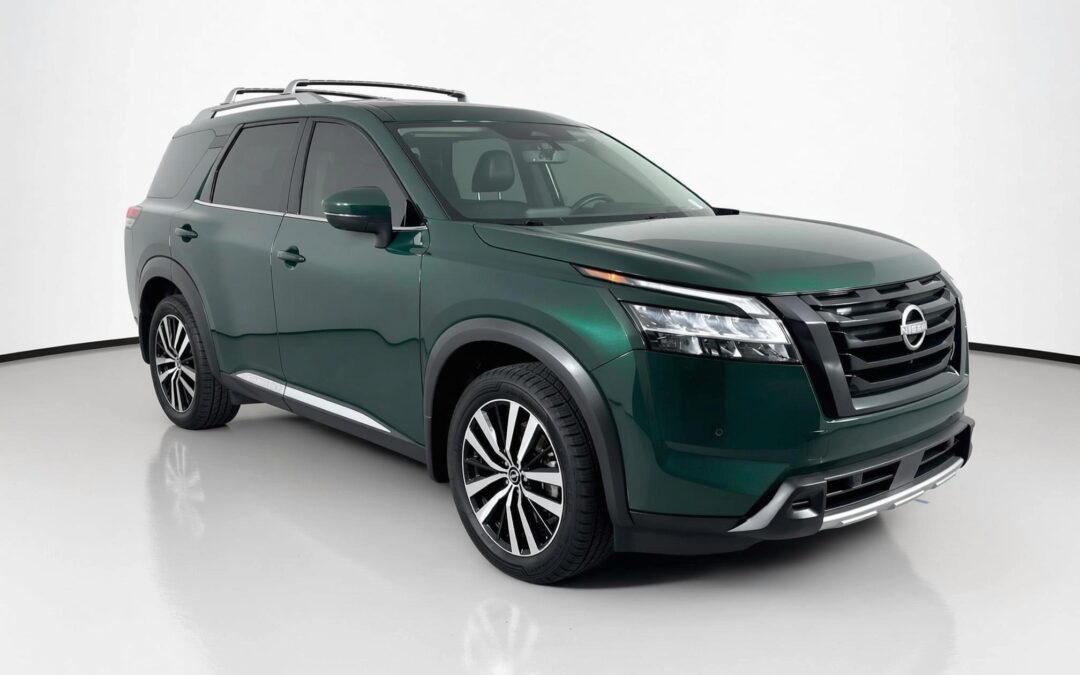
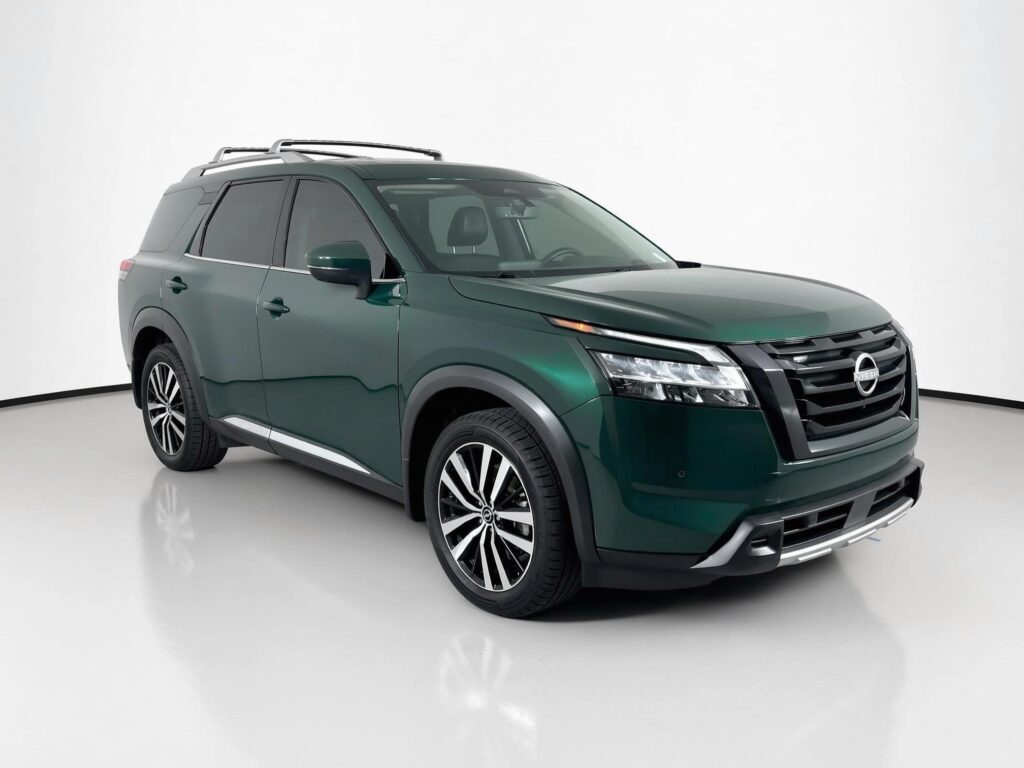
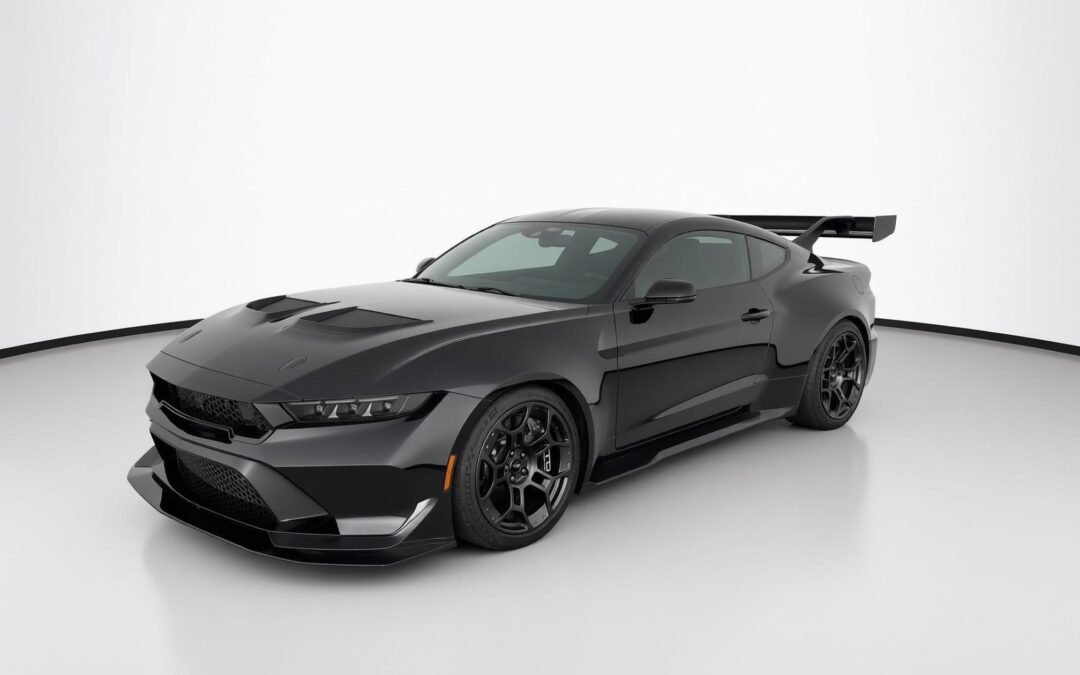
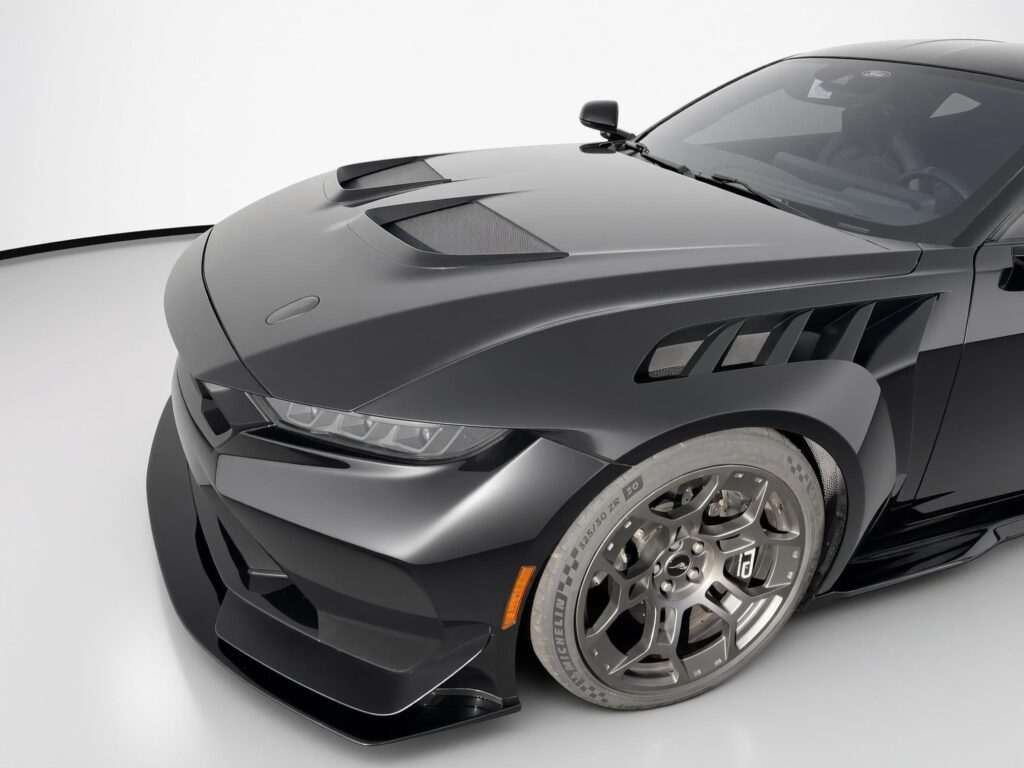
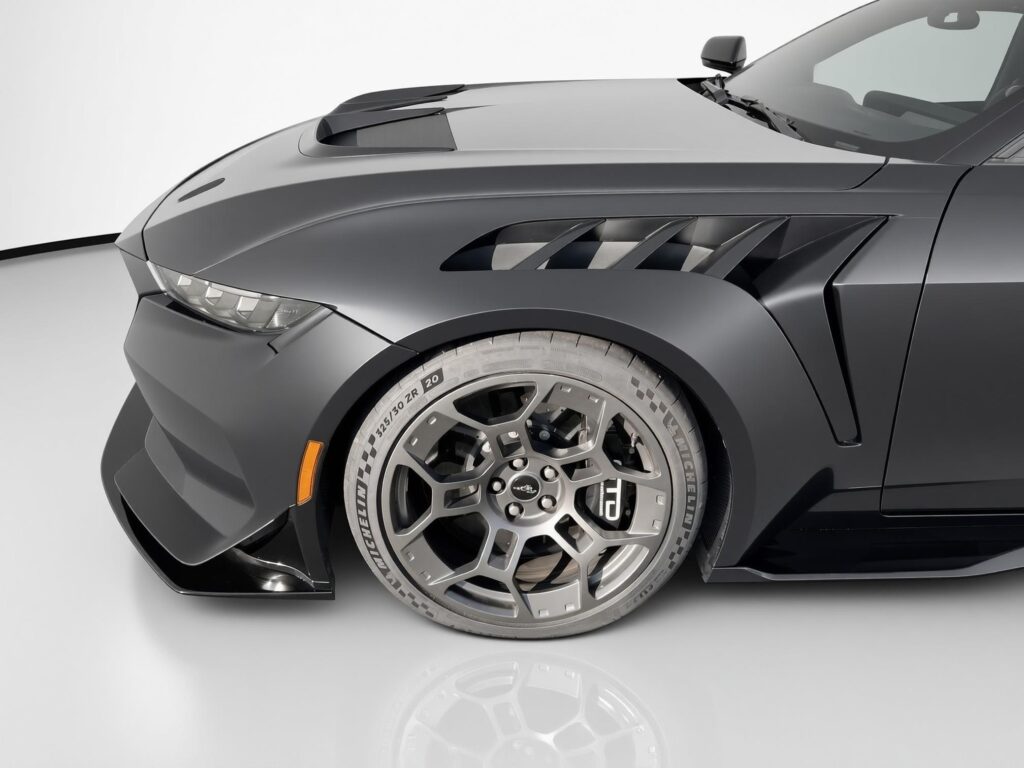
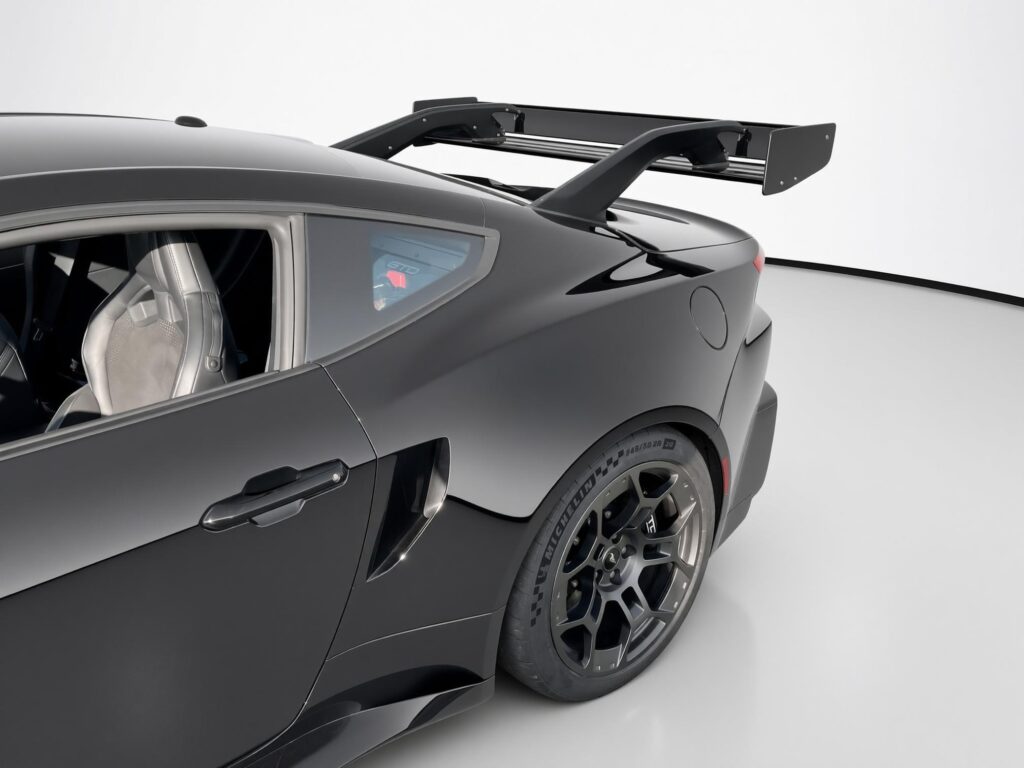
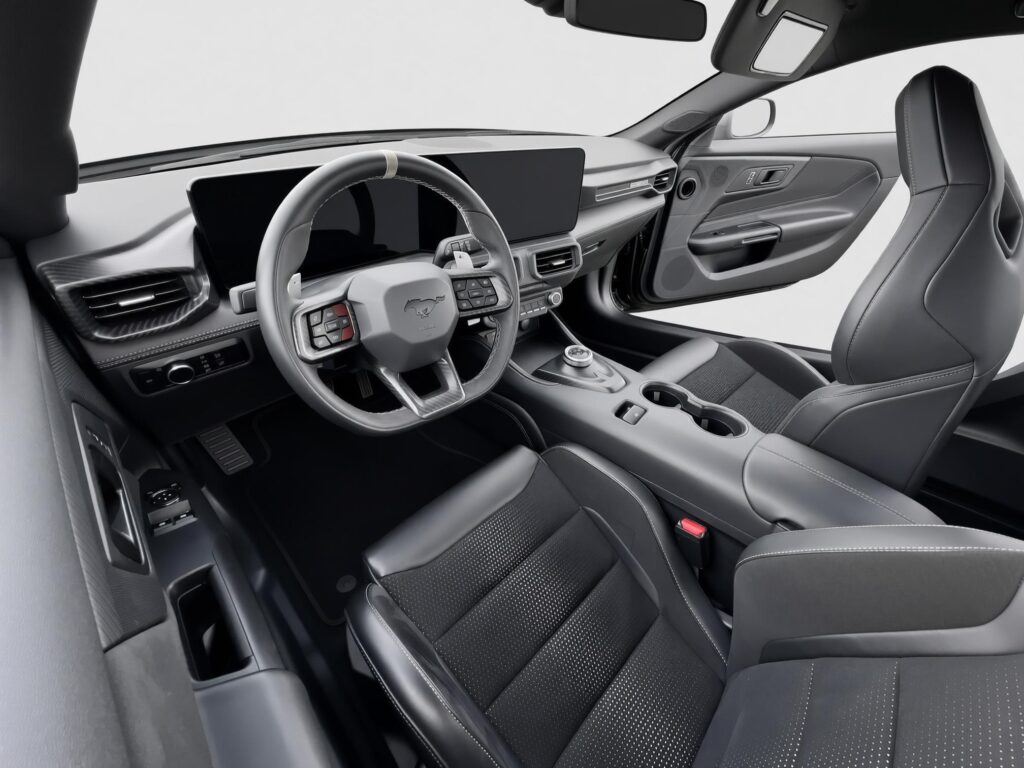
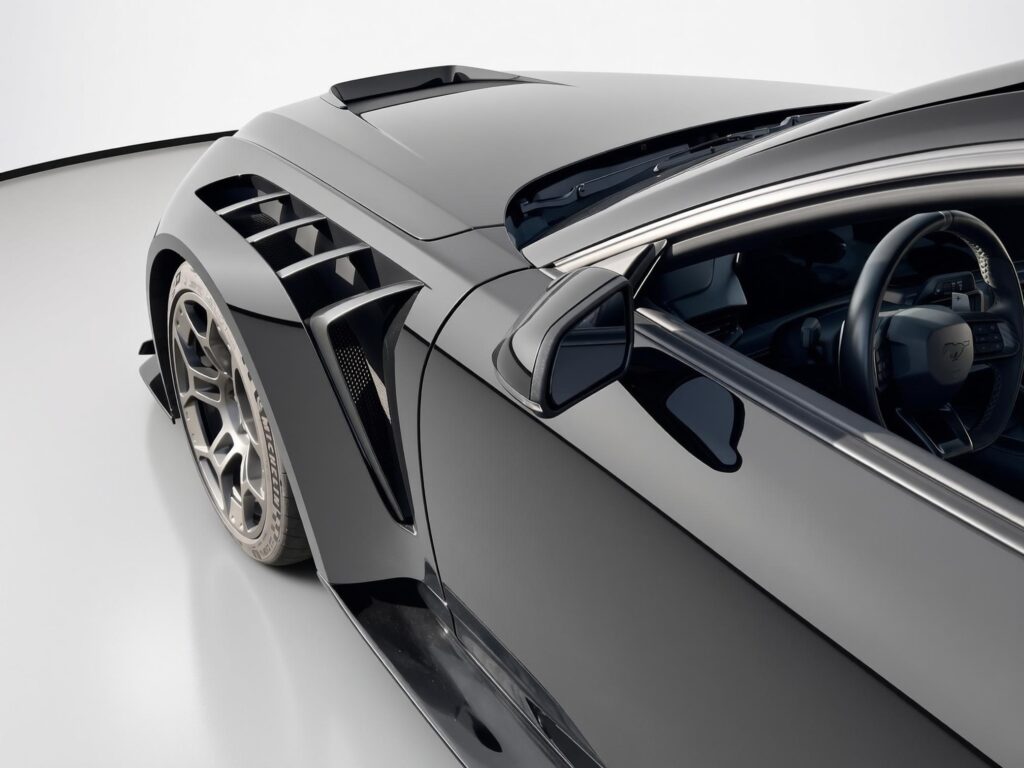
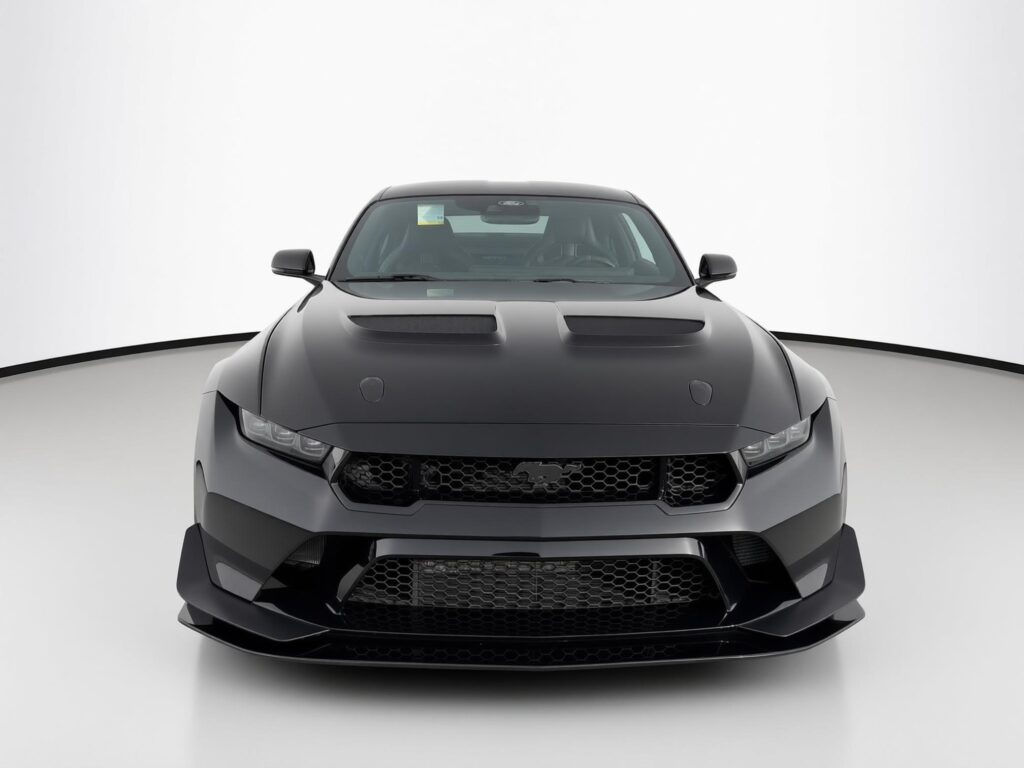
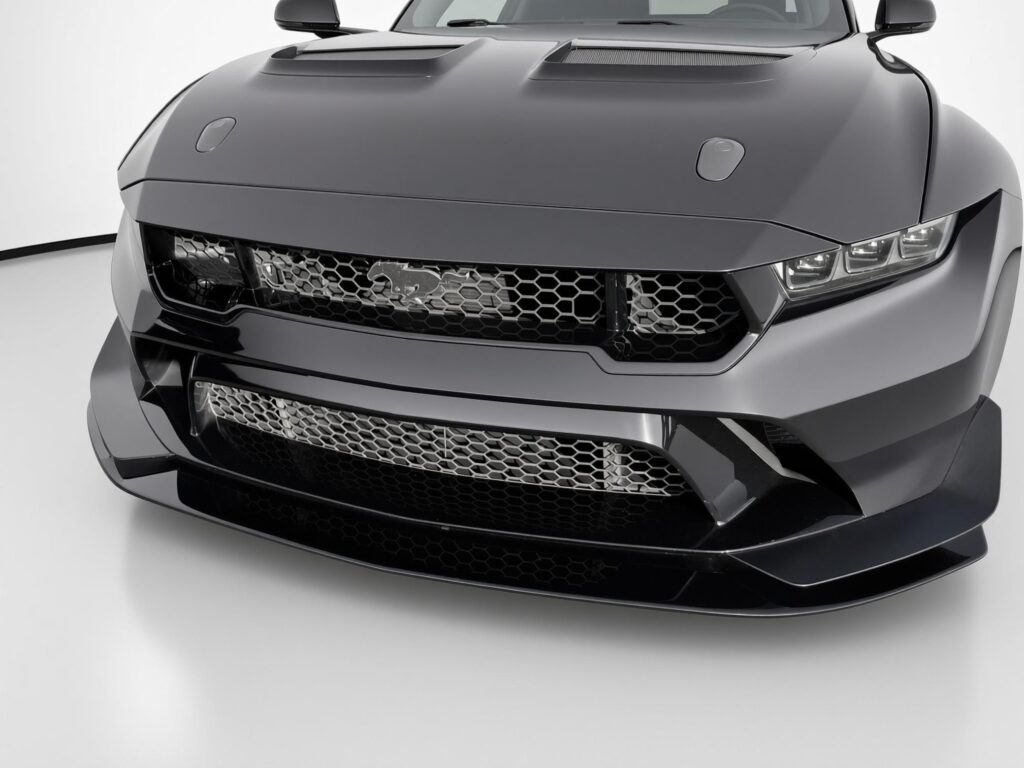
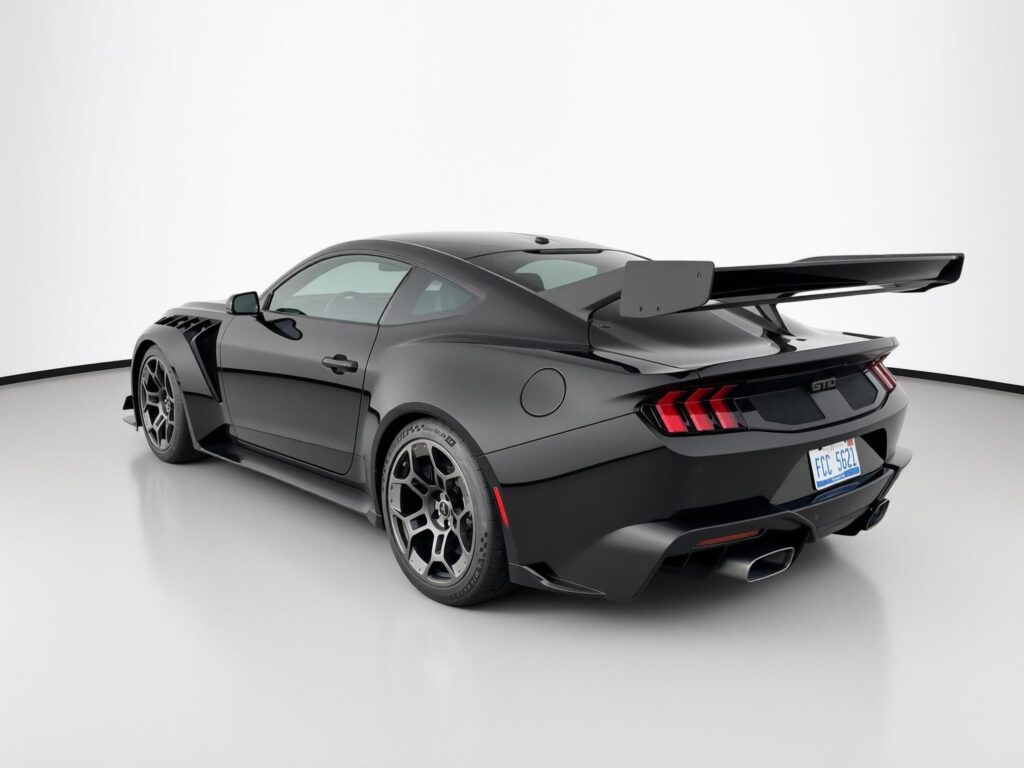
What if the car online matched the car on the lot?
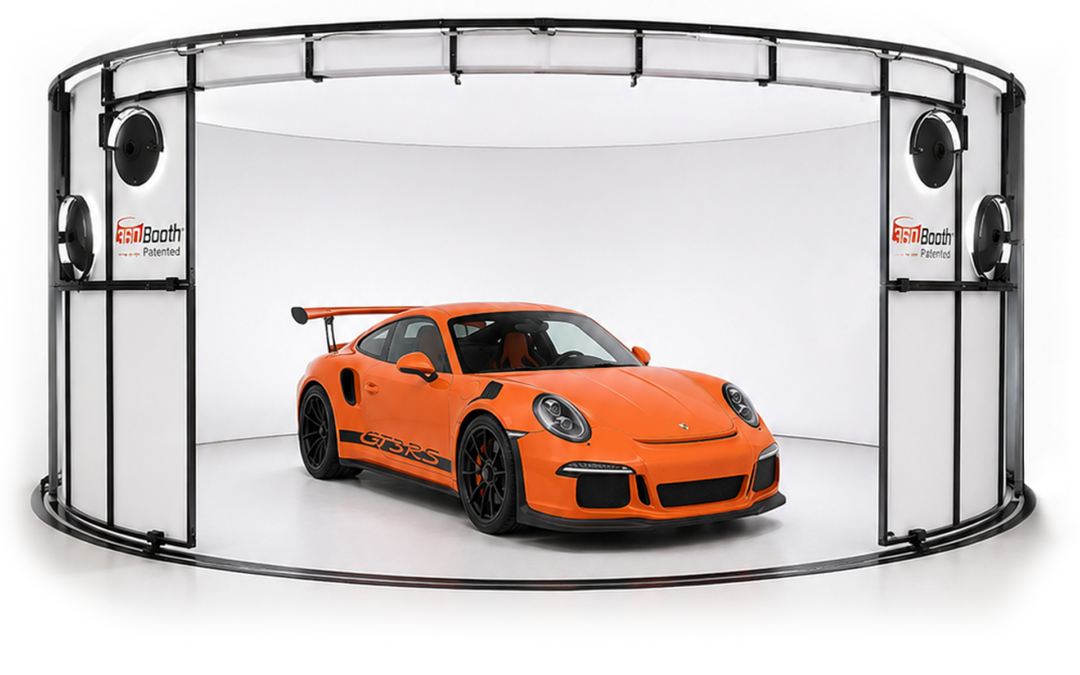
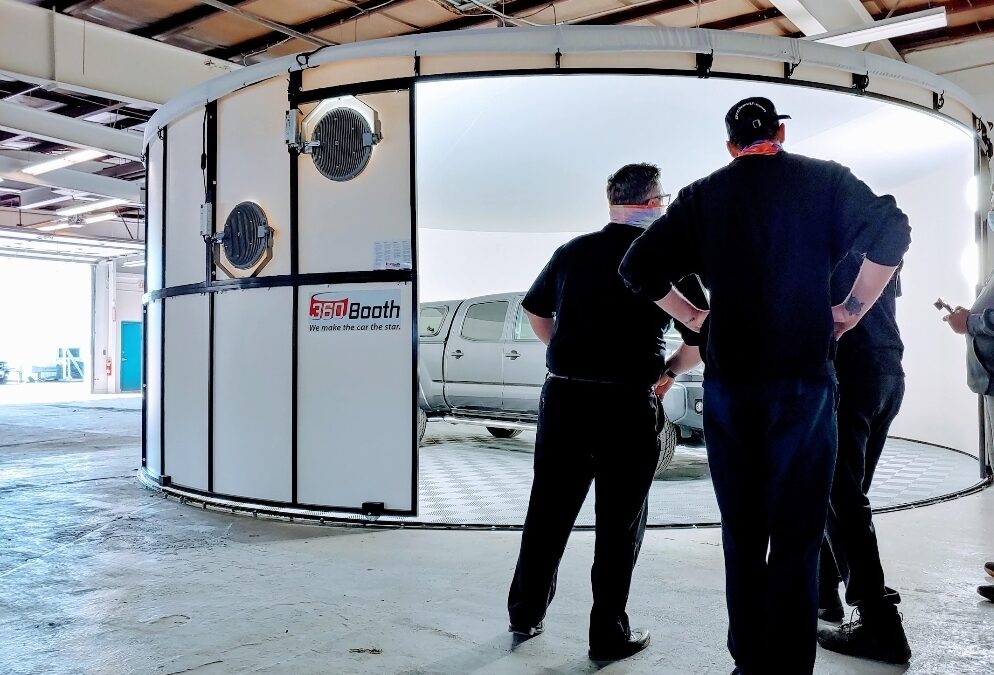
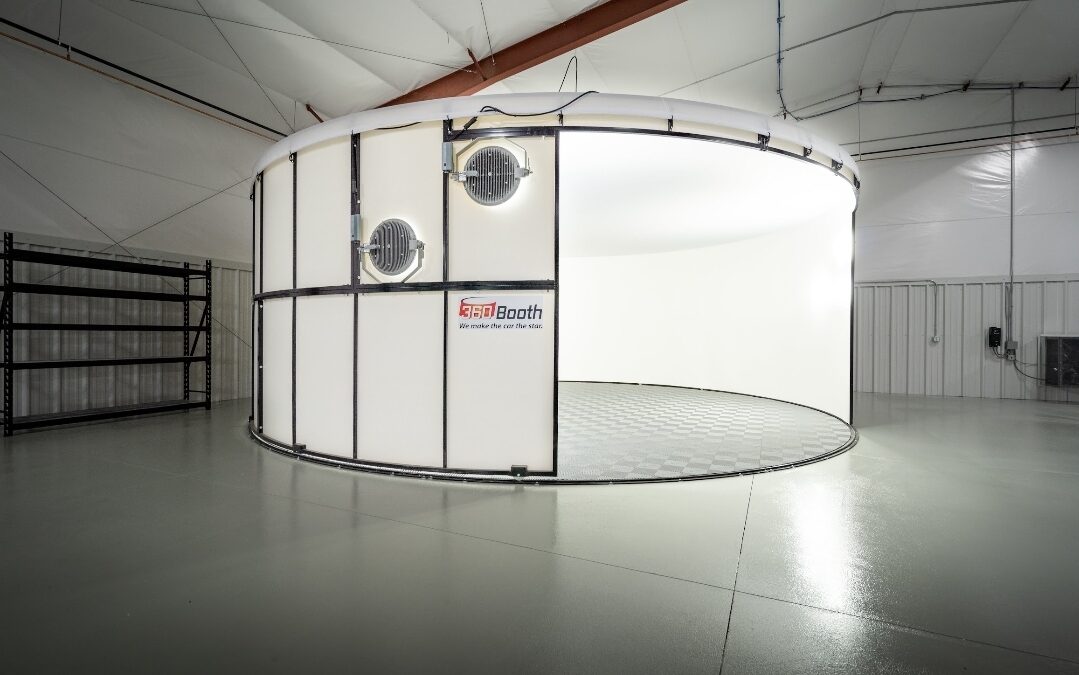
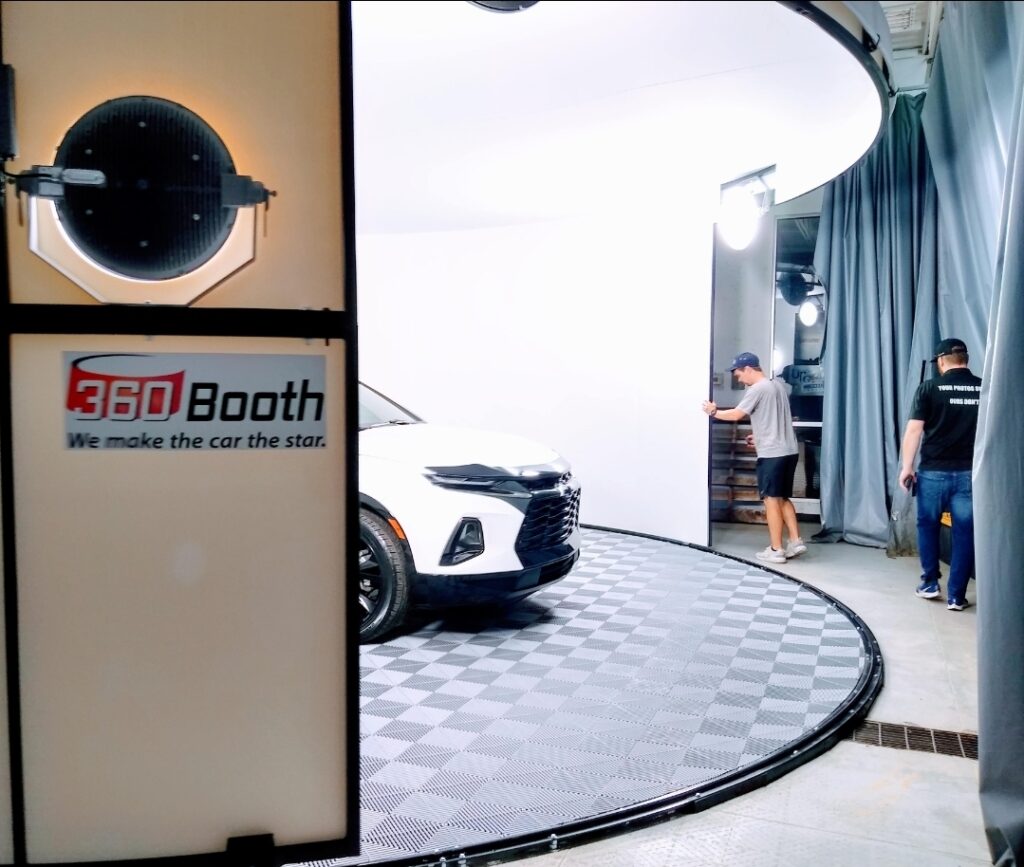
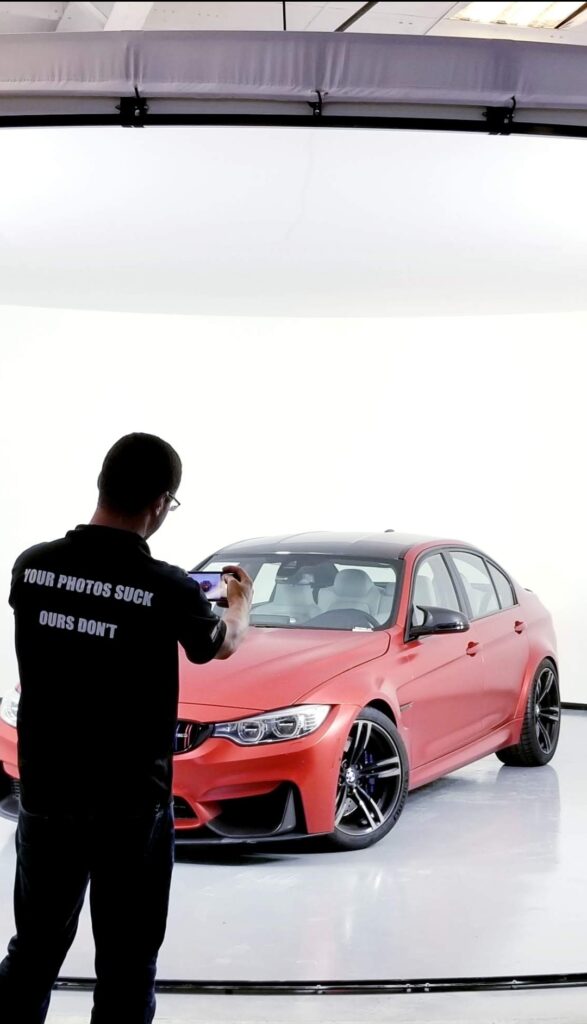
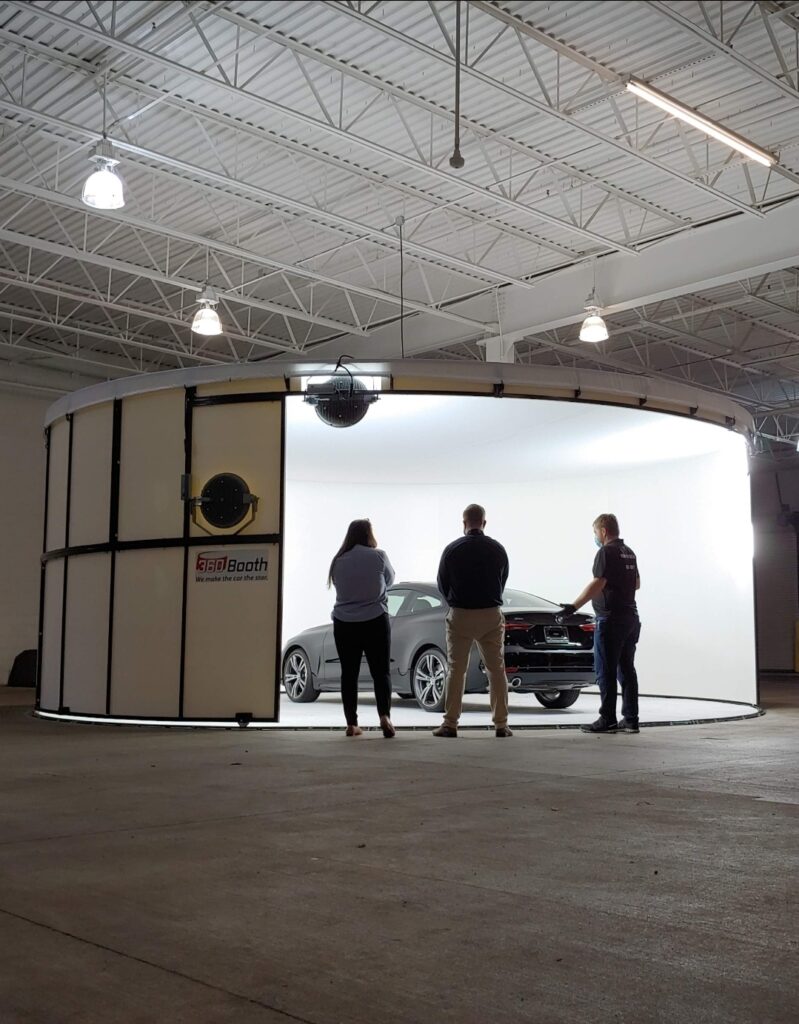
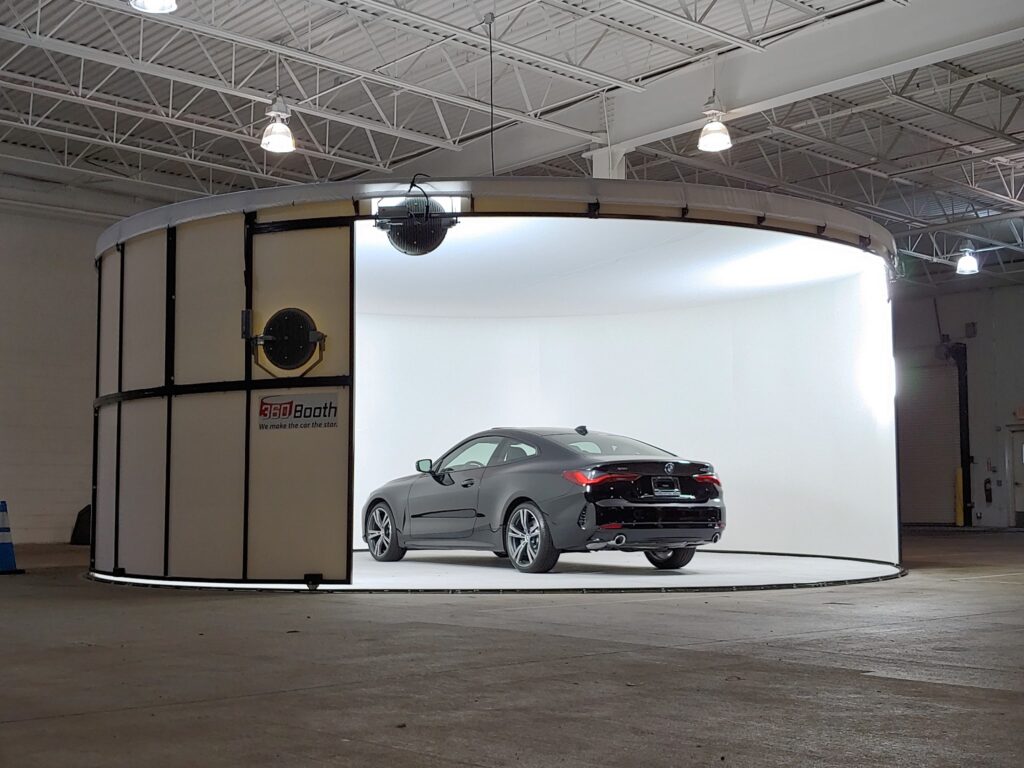
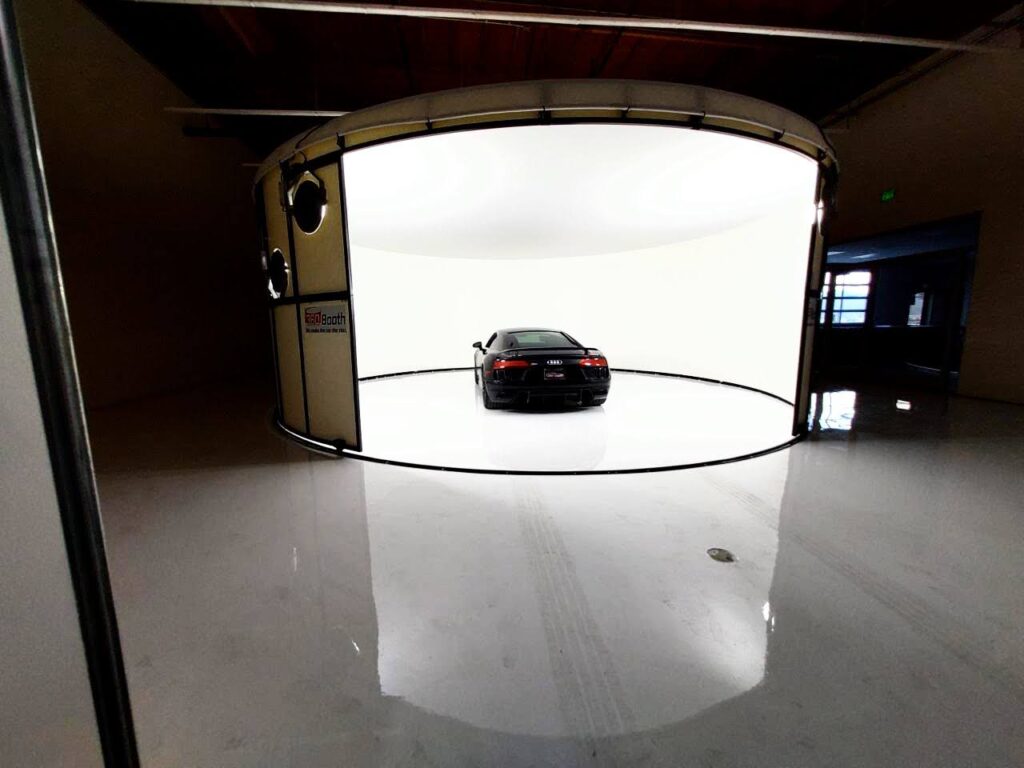
That’s the Evidence Booth idea. 360Booth captures the real vehicle in controlled light against a clean physical background. SHOOTit AI guides a 40+ shot sequence on iPhone and stops dark, blurry or off-center frames for a reshoot while you’re still at the car.
Authentic Capture™. No apology required.
Would your sales team still open with “ignore the pictures”?
FAQ
Why do salespeople apologize for vehicle listing photos?
When listing photos use fake-perfect backgrounds, dark cabins, missing angles or crooked exteriors, the car on the lot doesn’t match the car online. The salesperson ends up explaining away the listing before the walkaround starts.
What happens to trust when the listing doesn't match the car?
The shopper drove over expecting the online car. When the salesperson has to apologize for the photos, the walkaround becomes damage control and the deal has already lost trust.
How do 360Booth and SHOOTit AI help photos match the real car?
360Booth captures the real vehicle in controlled light against a clean physical background. SHOOTit AI guides a 40+ shot sequence on iPhone and stops dark, blurry or off-center frames for a reshoot while the employee is still at the car.
Shoppers don’t call the dealership to ask about the background. They call about the details your photos skipped.
How worn is the driver’s seat? How much tread is left on the tires? Does it have the third row? Does it come with two keys?
Every one of those questions is a missing photo. And every shopper who has to ask is a shopper deciding whether your car is worth the effort.
The wide shots get attention. The details close the gap.
The exterior angles tell a shopper what the car is. The detail shots tell them what this car is: its equipment, its condition and how it was cared for.
That is the difference between a listing that looks good and a listing that answers questions. As we said in How Many Photos Should a Dealership Put on Each Vehicle Listing?, the goal is not the highest photo count. The goal is eliminating unanswered questions.
The detail shots that answer shopper questions
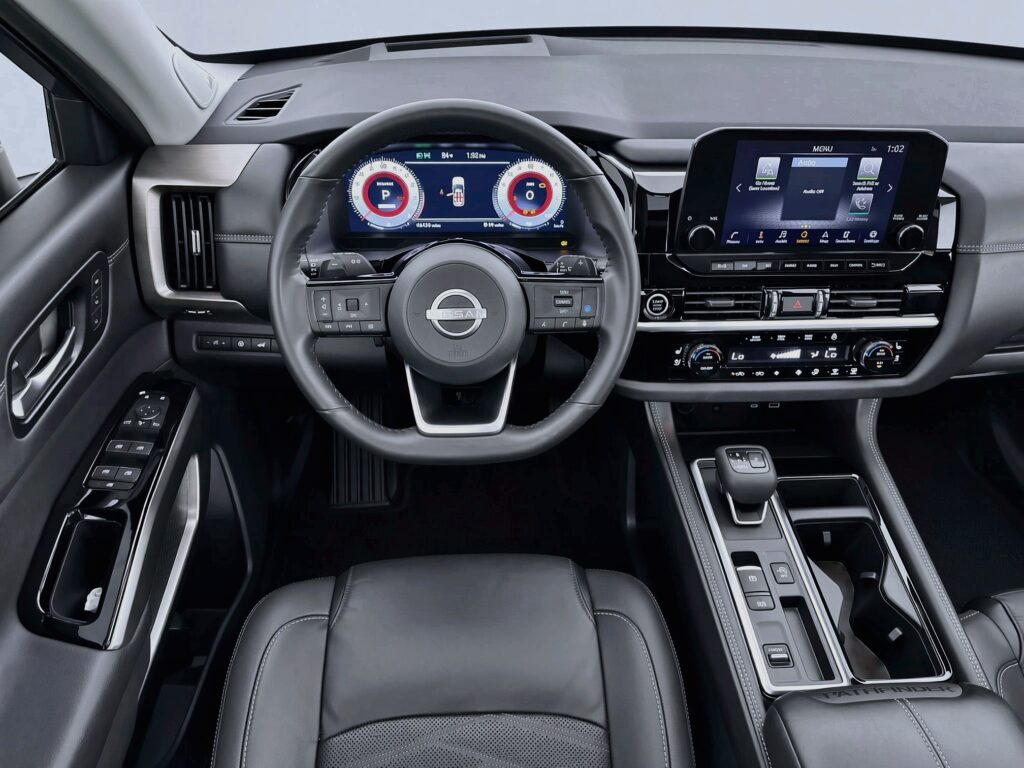
1. The dash with the vehicle running
Mileage is one of the first things a shopper checks. A clear shot of the instrument cluster shows the odometer and lets the buyer see the dash lit up the way they’ll see it on the test drive.
2. Tires and wheels
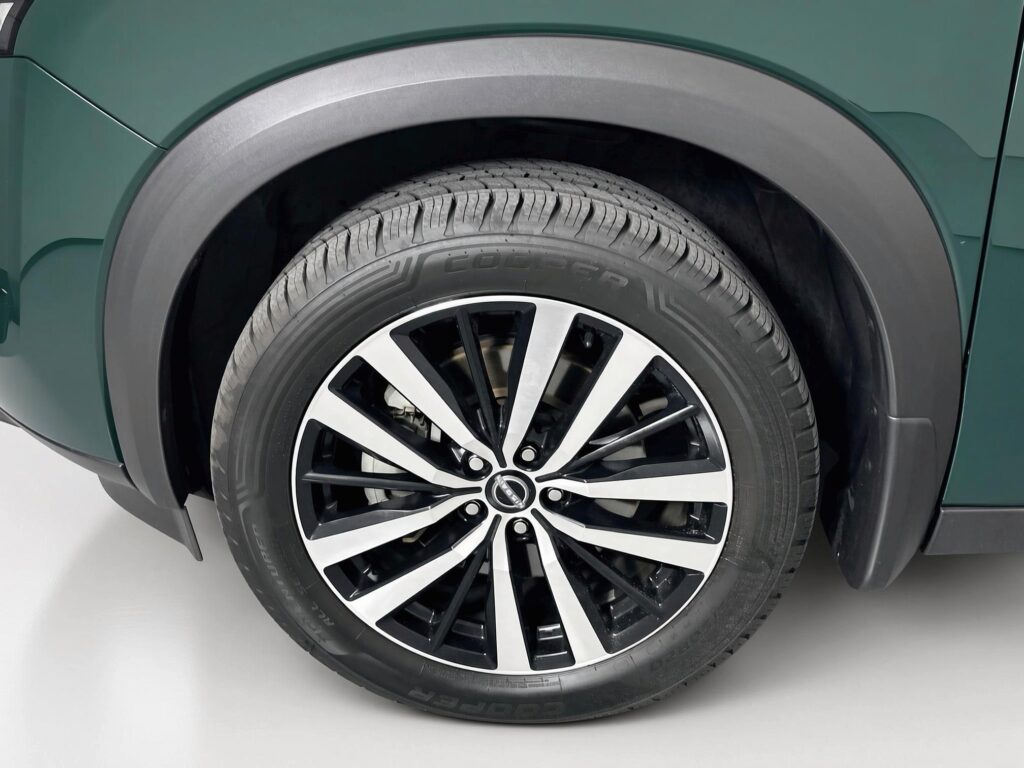
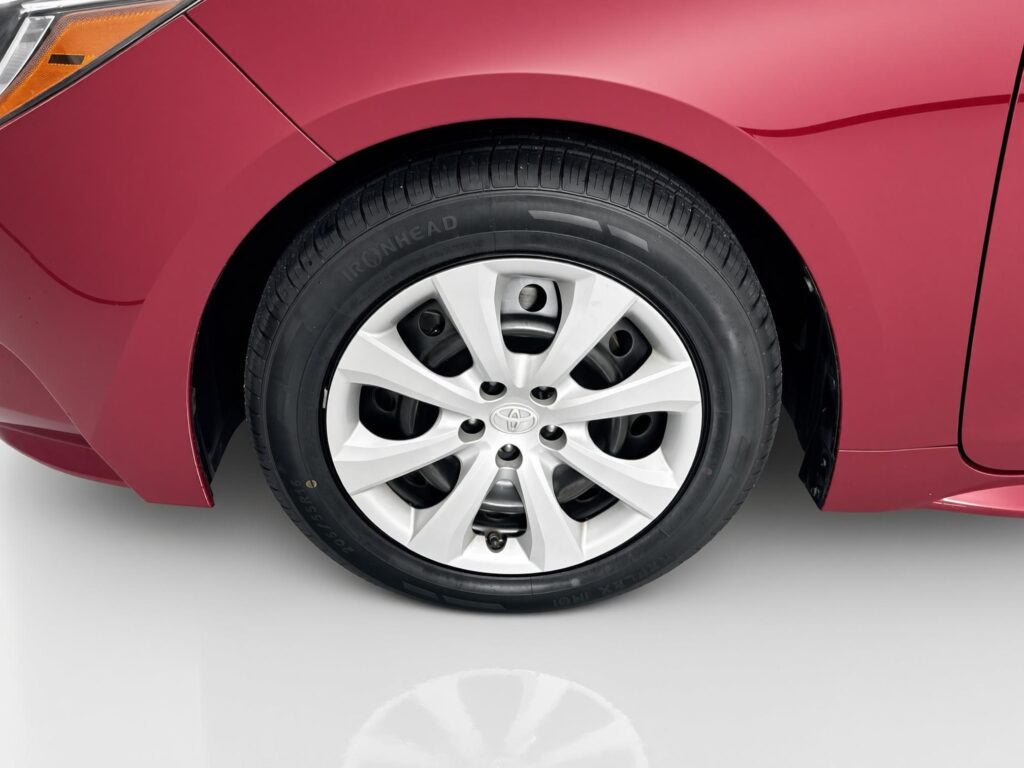
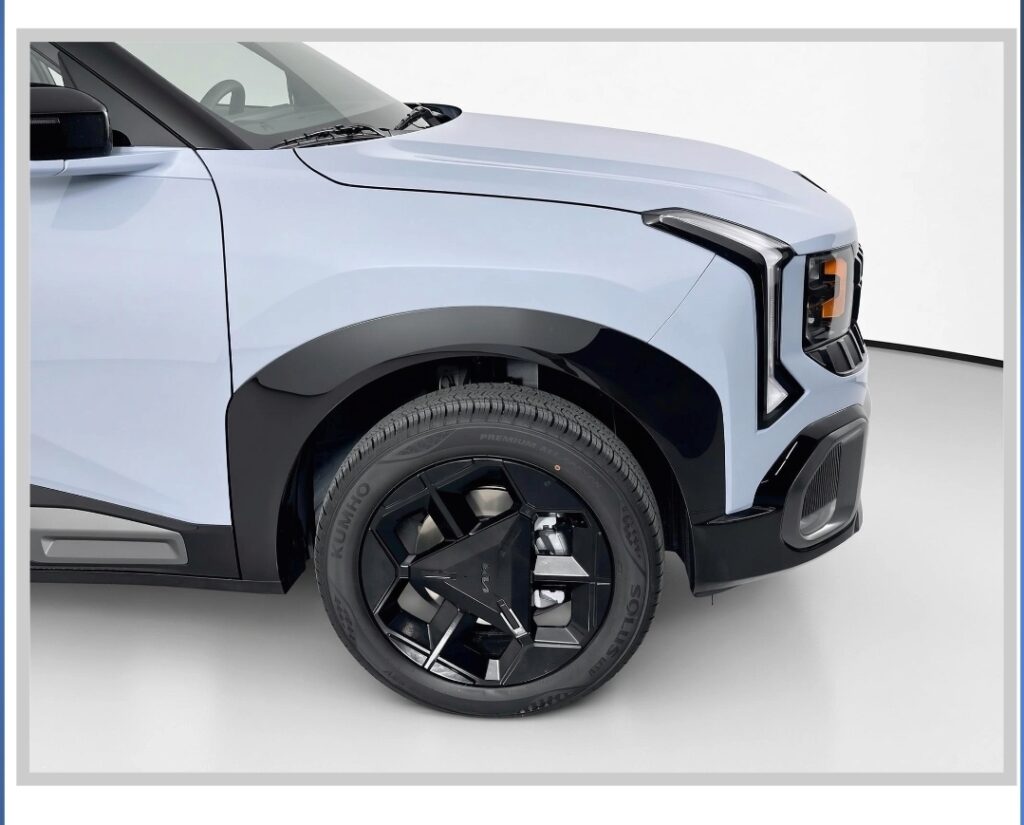
Tires are a cost the buyer is already calculating. Show the tread and the wheel face clearly. Curb rash is easy to hide in a wide shot and impossible to hide on the lot.
3. The driver’s seat
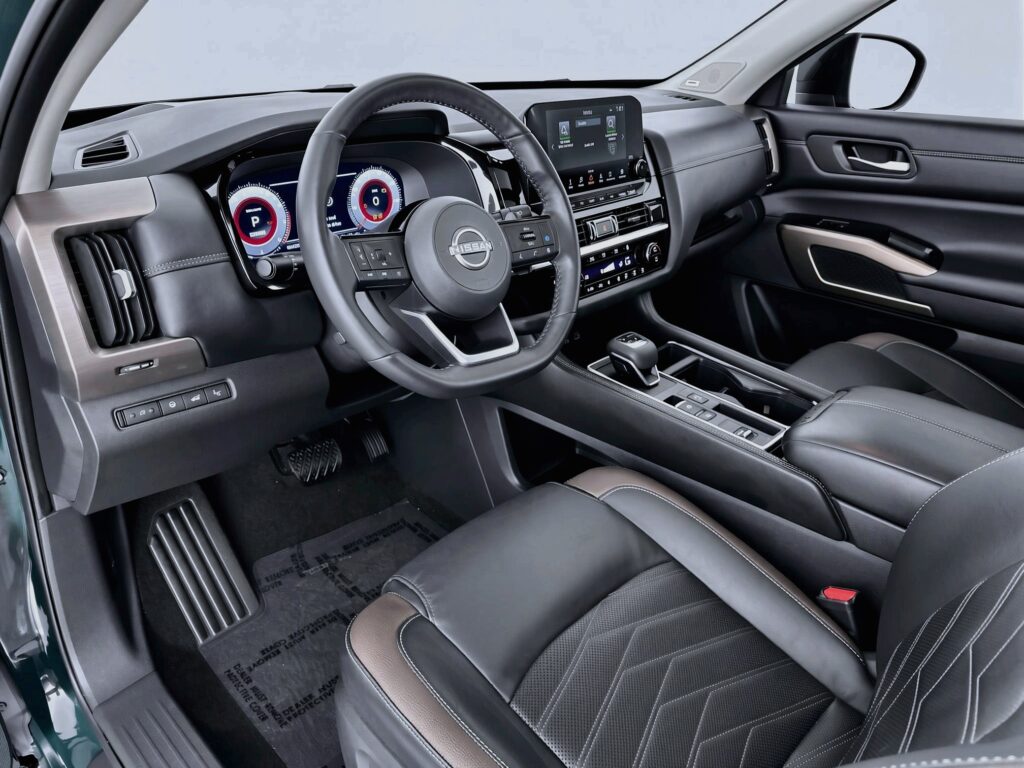
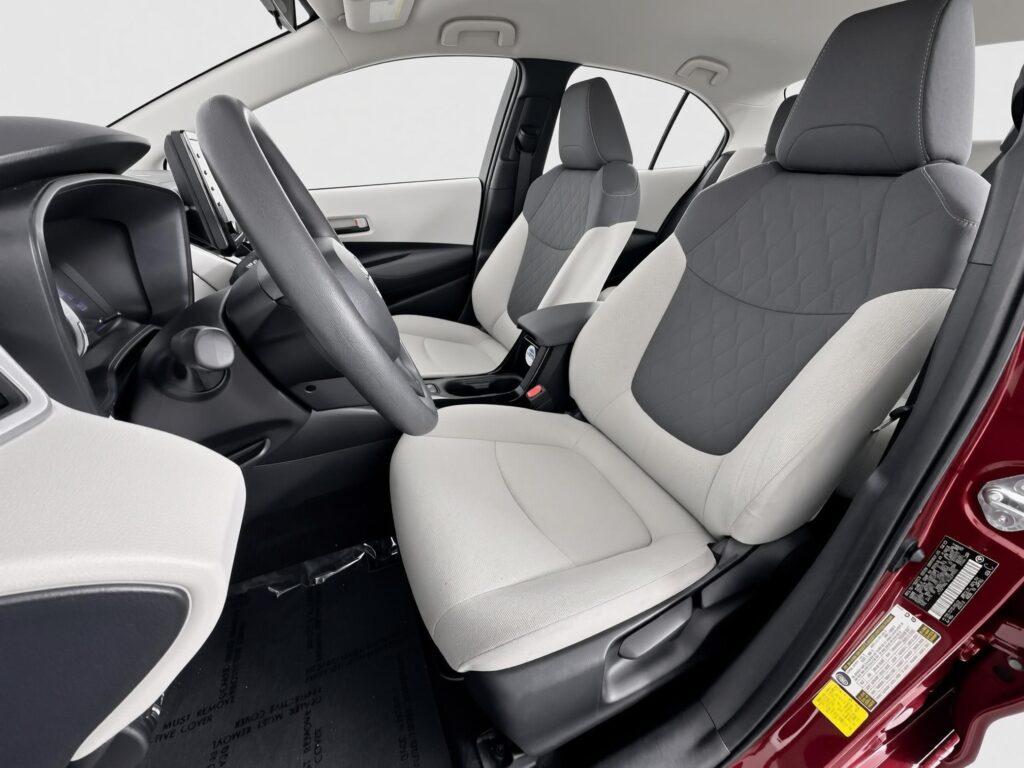
The driver’s seat takes the most wear of any surface in the car. Shoppers know that, and they look for it. Show the bolster, the cushion and the material clearly enough that the buyer can judge it for themselves.
4. The equipment that sets this unit apart
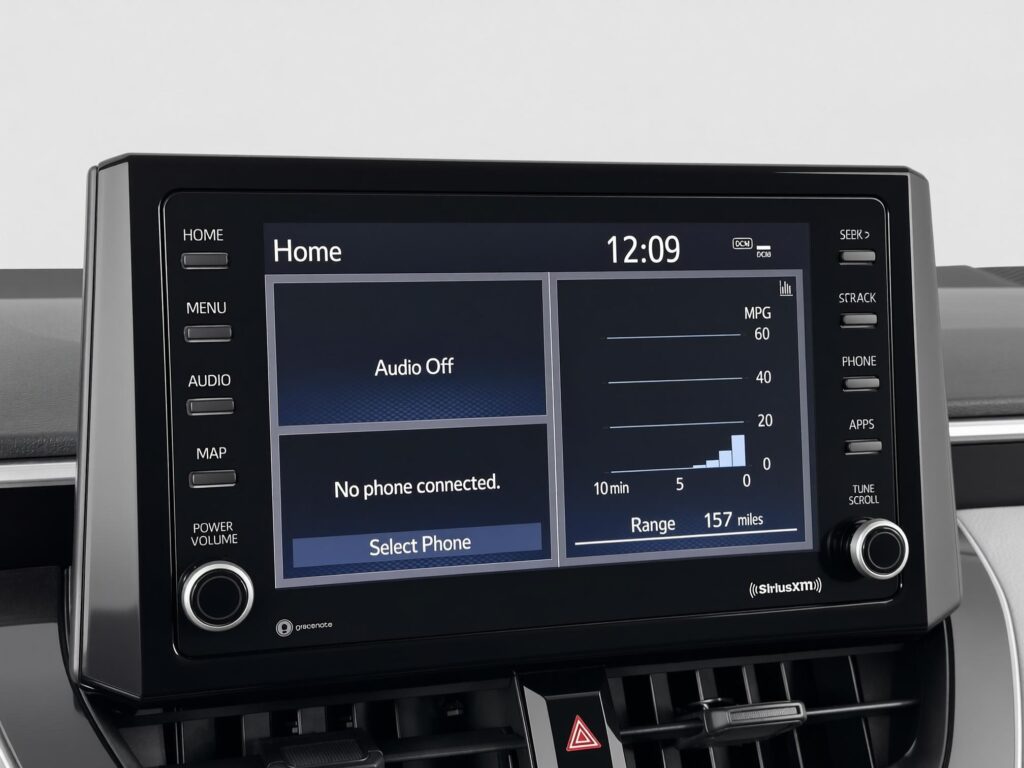
Sunroof, third row, towing equipment, upgraded audio, the infotainment screen. If a feature is part of why this car is priced the way it is, it deserves its own photo. A feature a shopper can’t see is a feature they may not believe is there.
5. Cargo space
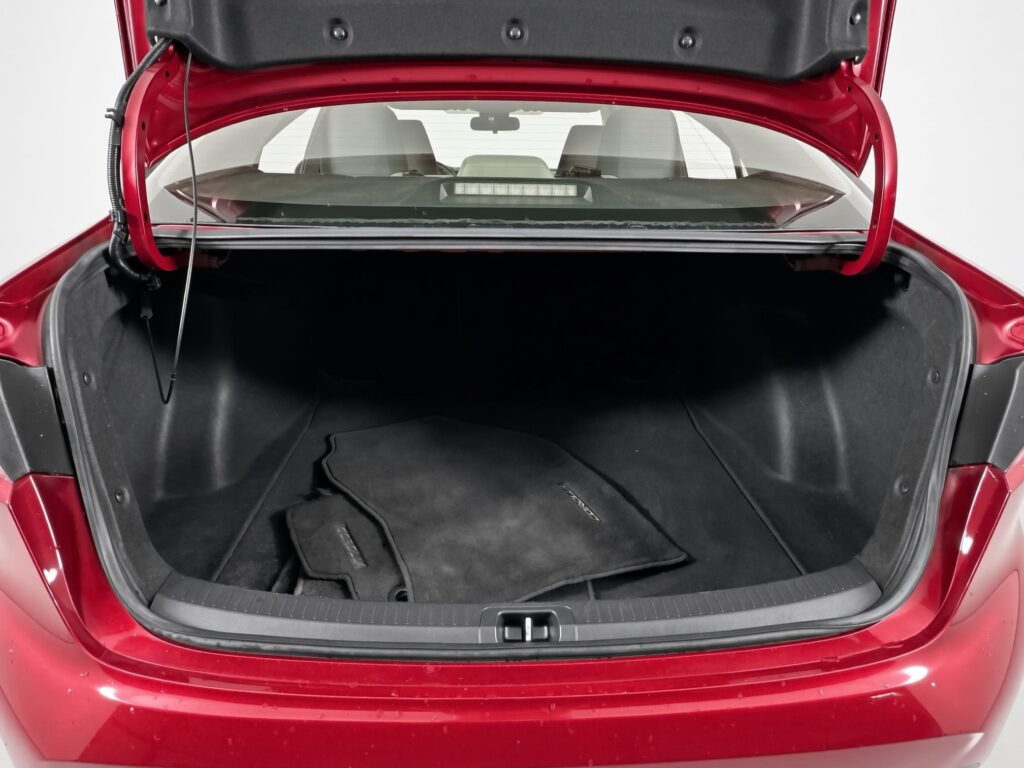
For SUVs, trucks and wagons, cargo space is often the reason for the purchase. Show the cargo area, and show it with the seats folded if they fold.
6. The keys
It’s a small photo that answers a common question. Shoppers want to know whether they’re getting one key or two before they drive across town.
7. Real condition
Scratches, scuffs and normal wear belong in the listing, shown clearly. A used car has a real condition. Photograph it, so the car the customer sees online is the car they find when they arrive. (More on that in Stop Selling a Version of the Car That Does Not Exist.)
Detail shots fail first when the light is bad
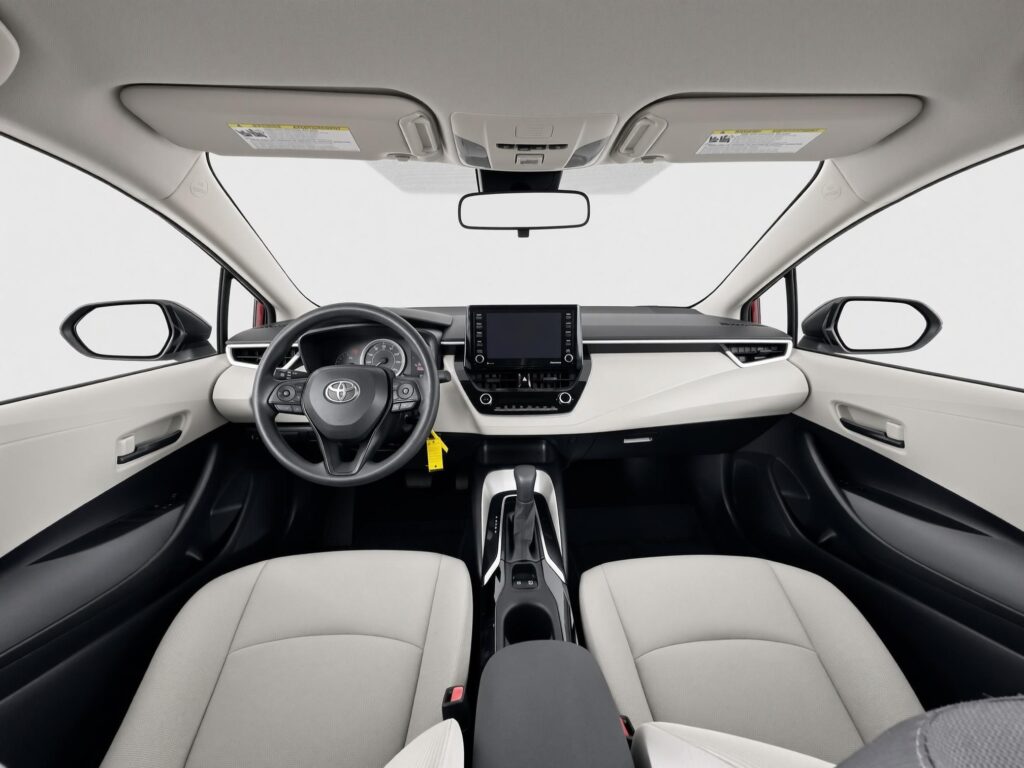
Close-ups are the least forgiving photos in the set. A dark cabin turns seat wear into a guess. Glare on the dash hides the odometer. Shadows in the wheel well hide the tire.
That is where a controlled environment earns its keep. Inside a 360Booth, the standard sequence and any extra photos receive the same lighting, clean physical background and consistent presentation. SHOOTit AI guides employees through a repeatable 40+ image process and stops the workflow when an image is dark, blurry or poorly centered, so the problem gets reshot while the employee is still at the car. (See why quality control should happen at the vehicle.)
The standard sequence covers the car. The details are where your team adds what makes this particular unit different. The car should decide which extra photos are worth taking.
Direct challenge
Open five used-vehicle listings on your own website. For each one, write down every question you’d have to call the dealership to answer.
Every line on that list is a photo your shoppers needed and didn’t get.
FAQ
What detail photos should a dealership include on a vehicle listing?
Show the details a shopper would otherwise call about: the dash with mileage, tires and wheels, seat wear, the screen and key equipment, cargo space, the keys, and any visible condition the buyer should know about.
Should dealers photograph scratches and wear on used cars?
Yes. A used car has a real condition. Showing it clearly in the listing means the car the customer sees online matches the car they find on the lot.
Do detail photos need the same lighting as exterior photos?
They need it more. Interior close-ups are where poor light hurts most. Inside a 360Booth, every photo, standard or extra, gets the same controlled lighting and clean physical background.
How do I know which detail photos my listings are missing?
Open five used-vehicle listings on your own website and write down every question you would have to call the dealership to answer. Each question is a missing photo.
The problem is not pressing the shutter. It is walking back for missed shots, reopening doors, circling the car twice, hunting for the next angle, and realizing later that something was skipped.
360Booth gives you the controlled environment. SHOOTit AI gives your staff the sequence.
Forty plus required images. Exterior and interior coverage. Immediate reshoot if a photo is dark, blurry, or poorly centered.
No guessing. No backtracking. No relying on one “photo guy” to remember everything.
High volume stores do not need faster fingers. They need fewer wasted steps.
Dealer wake up call: if your photo process depends on memory, backtracking, and one talented employee, you do not have a system. You have a liability.
FAQ
Why is dealership vehicle photography slow?
The time goes to walking back for missed shots, reopening doors, circling the car twice, hunting for the next angle and finding out later that something was skipped.
How do 360Booth and SHOOTit AI speed it up?
360Booth provides the controlled environment. SHOOTit AI gives staff the sequence: 40+ required images covering exterior and interior, with an immediate reshoot if a photo is dark, blurry or poorly centered.
Does the process depend on one skilled photographer?
No. The guided sequence means staff don’t have to rely on one person to remember every shot.
360Booth provides the controlled studio. SHOOTit AI guides image capture and processing. Auto Exact Data Team manages VIN level media and data feeds. Customer support connects the entire workflow. Dealers benefit from faster diagnosis, fewer handoffs, fewer unnecessary reshoots, and clear support from the first photo through the dealership website.
Auto Exact Data Team
1. VIN level Media Management
FEATURE: Images, spins, overlays, odometer photos, and inventory status can be reviewed and corrected at the individual vehicle-record level.
BENEFIT: Dealerships avoid unnecessary reshoots and get the correct media assigned to the correct vehicle faster.
2. End to End Data Feed Expertise
FEATURE: Auto Exact Data Team works across inventory imports, image exports, individual feeds, website providers, and major automotive platforms.
BENEFIT: Dealers have one team that can trace where images stopped instead of being bounced between multiple vendors.
3. Image Source Configuration
FEATURE: The team can help coordinate primary image sources, update existing settings, exports, imports, and inventory-media routing.
BENEFIT: The right images reach the right systems while reducing duplicate, outdated, or conflicting photo sets.
4. Media Recovery and Correction
FEATURE: Archived photos can be located, restored, reordered, reactivated, corrected, and prepared for downstream feeds.
BENEFIT: Dealers can recover valuable vehicle photography and resolve media problems without automatically starting over.
FEATURE: The team monitors imports, pending vehicles, inactive records, missing spins, processing alerts, and other delivery exceptions.
BENEFIT: Potential problems can be identified before they affect large portions of a dealership’s online inventory.
360Booth
6. Complete Vehicle Photo Studio Support
FEATURE: 360Booth supports the physical studio, including flooring, tracks, lighting, panels, components, installation, and reinstallation.
BENEFIT: Dealers have one knowledgeable resource for maintaining a consistent vehicle-photography environment.
7. Physical and Digital Workflow Integration
FEATURE: The vehicle photo studio works as part of a larger system that includes SHOOTit AI capture technology and Auto Exact data-feed support.
BENEFIT: Hardware, photography, image processing, and delivery are treated as one connected operation.
8. Replacement Part Coordination
FEATURE: Support helps identify equipment issues and coordinate replacement lighting components, camera equipment, panels, and related parts.
BENEFIT: Dealers spend less time diagnosing studio equipment and can restore production more efficiently.
9. Installation and Reinstallation Assistance
FEATURE: 360Booth provides planning, installer coordination, site guidance, and operational checks for new or relocated studios.
BENEFIT: Dealers can bring a vehicle photo studio online with fewer setup errors and clearer accountability.
10. Workflow Training and Launch Support
FEATURE: Teams receive guidance for studio operation, photography procedures, software setup, and first-day production.
BENEFIT: Employees become productive faster and are less likely to develop inconsistent photography habits.
SHOOTit AI
11. Guided Vehicle Photography
FEATURE: SHOOTit AI guides photographers through the dealership’s required image sequence WITHOUT WIRE FRAMES allowing creativity and 5 minutes shoots instead of 30 minute shoots
BENEFIT: Every vehicle can be photographed more consistently, regardless of which employee is holding the camera.
12. Capture Quality Validation
FEATURE: The workflow can identify common photography problems such as dark, blurry, poorly framed, or incomplete images.
BENEFIT: Photographers can correct problems while they are still with the vehicle, reducing avoidable retakes.
13. Capture to Website Troubleshooting
FEATURE: Support can investigate the app, device, upload, AI processing, inventory record, export, feed, and website stages.
BENEFIT: Dealers receive a more precise diagnosis instead of being told only that the photos “did not upload.”
14. Image Reprocessing and Correction
FEATURE: Vehicle images can be reviewed, reprocessed, manually corrected, or escalated to development when necessary.
BENEFIT: Individual image problems can often be corrected without reshooting the entire vehicle.
15. Direct Engineering Escalation
FEATURE: Support can escalate the exact affected vehicle, image, or processing condition to the development team.
BENEFIT: Engineering receives specific evidence, which helps reduce investigation time and speeds up targeted corrections.
Customer Support
16. Fast, Meaningful Responses
FEATURE: Documented support conversations regularly show meaningful first responses within approximately 3 to 15 minutes during active support periods.
BENEFIT: Dealership teams can receive useful direction while the vehicle, photographer, or issue is still in front of them.
17. Action First Service
FEATURE: Support does more than acknowledge requests it can correct records, change settings, restore media, reprocess images, prepare rebuilds, and push updated feeds.
BENEFIT: Customers get forward progress instead of another ticket number or vendor handoff.
18. Precise Root Cause Diagnosis
FEATURE: Support distinguishes between incorrect VINs, missing captures, inactive inventory, incomplete spins, image-processing failures, source settings, feed delays, and website issues.
BENEFIT: The dealership receives the correct next step and avoids wasting time repeating work that was already completed properly.
19. Cross-Platform Ownership
FEATURE: The support team coordinates with dealership staff, website providers, inventory platforms, service partners, installers, and developers.
BENEFIT: Customers have an advocate who follows the issue across system boundaries instead of stopping at the edge of one product.
20. Honest Resolution Tracking
FEATURE: Support distinguishes among an internal correction, a queued feed, platform receipt, website publication, and final customer confirmation.
BENEFIT: Dealers know exactly what has been completed, what remains pending, and who owns the next action.
Core Competitive Advantage
Most providers support only a camera, a studio, an image processor, or a data feed. 360Booth, SHOOTit AI, Auto Exact Data Team, and customer support cover the entire dealership vehicle photography chain from the physical capture environment and photographer workflow to the VIN, processed media, data feed, and dealership website.
FAQ
What does each part of the 360Booth system do?
360Booth provides the controlled studio, SHOOTit AI guides image capture and processing, the Auto Exact Data Team manages VIN-level media and data feeds, and customer support connects the whole workflow.
How does SHOOTit AI check photo quality?
The workflow can identify common problems such as dark, blurry, poorly framed or incomplete images, so photographers can fix them while they are still with the vehicle.
What happens when photos don't reach the website?
Support can investigate the app, device, upload, AI processing, inventory record, export, feed and website stages, so dealers get a specific diagnosis instead of being told the photos did not upload.
Can image problems be fixed without reshooting the car?
Often, yes. Images can be reviewed, reprocessed, manually corrected or escalated to development, and archived photos can be restored or reordered.
A dealership should evaluate a vehicle photo studio as production infrastructure, not simply as a background. The important questions are whether the studio physically fits, controls lighting and reflections, remains operational, supports a repeatable capture workflow, can be learned by existing employees, integrates with vehicle merchandising, and comes with experienced vehicle-photography support.
A Vehicle Photo Studio Is a Production System
The easiest buying mistake is judging a vehicle photo studio by one finished photograph.
A dealership does not buy a studio to produce one attractive image. It buys a system that must repeatedly move inventory from retail-ready to VDP ready every working day.
That means the buying decision should start with operations.
Will it fit?
Will it stay running?
Can employees use it consistently?
Does it control the environment around the actual vehicle?
Does the capture process prevent mistakes before the vehicle leaves?
Can management see whether the work is actually getting completed?
Those questions matter more than how impressive one demo photograph looks.
1. Does the Vehicle Photo Studio Actually Fit the Facility?
Start with physical reality. For a standard 24-foot, 26-foot or 28-foot 360Booth, the standard minimum clear room is: 30 feet long in the vehicle-entry direction × 30 feet wide × 11 feet high.
The standard studio itself is 10 feet high.
Standard entrance widths are:
24-foot studio: 14-foot entrance
26-foot studio: 16-foot entrance
28-foot studio: 18-foot entrance
The room also needs to be evaluated for overhead lighting, skylights, floor pitch, vehicle approach, electrical requirements and physical obstacles.
A studio that looks good on a rendering but does not work with the building is not a solution.
Smaller spaces may still support a reduced height, custom, DIY controlled-interior or SHOOTit AI-assisted approach, but they should be evaluated honestly before equipment is purchased.
2. Does It Control the Environment Before the Picture Is Taken?
The purpose of a controlled vehicle photo studio is not simply to create a white background. It is to control the environment around the real vehicle.
That includes:
Lighting
Reflections
Background
Overhead contamination
Camera working area
Repeatable vehicle placement
360Booth uses four 5600K LED light heads and a diffused white top to create a predictable lighting environment around the vehicle.
The matte interior surfaces help reduce uncontrolled surroundings reflected across paint and glass.
That matters because replacing a background after capture does not automatically correct everything that the original environment reflected across the vehicle itself.
A better studio solves as much as possible physically before asking software to correct it digitally.
3. What Happens When Something Mechanical Fails?
Uptime should be part of the purchasing decision. Nothing on a 360Booth studio can fail. In the event a light fails there are 3 backup lights.
A vehicle photo studio is production equipment. If it is unavailable, inventory can begin backing up immediately.
360Booth does not place a motorized turntable under the vehicle. The vehicle remains stationary while the studio environment moves manually around it.
The primary reason is reliability. No turntable motor means one less major mechanical system between the dealership and its ability to photograph inventory.
The moving environment also allows the dealership to control outside reflections and reposition the lighting environment when stronger interior photographs are needed.
The question for any studio provider should be simple: What can stop this system from working tomorrow morning?
4. Does the Studio Include a Repeatable Capture Workflow?
A controlled room solves the physical environment. It does not automatically solve the photography process. Employees still need to know which images to capture, in what order and whether each image is acceptable.
That is where SHOOTit AI fits into the 360Booth system.
SHOOTit AI guides the dealership’s required 40+ image process using an intelligent iPhone based workflow. The employee does not have to memorize the sequence.
When guidance is needed, the WTF “What’s the Focus” function displays live on the screen, when pressed reference image showing what should be photographed.
If a required image is too dark, blurry or poorly centered, SHOOTit AI stops the workflow and immediately prompts the employee to reshoot before continuing.
The problem is corrected while the employee is still standing beside the vehicle. That is much more efficient than discovering a bad image later and moving the vehicle back through the process.
5. Can Existing Employees Actually Run It?
A dealership photography system should reduce dependence on specialized labor.
That does not mean photography knowledge has no value. It means the operating process should not collapse every time staffing changes.
Existing dealership employees can learn the basic SHOOTit AI workflow with roughly three minutes of direction because the guidance is built into the capture process.
The objective is fewer decisions:
Where does the vehicle go?
What image comes next?
Is the photograph acceptable?
What remains unfinished?
When the process answers those questions for the employee, consistency becomes less dependent on who happens to be holding the phone.
6. Can Management See Whether the Work Is Getting Done?
Photography should not become invisible work. Management should be able to understand capture activity and performance rather than discovering unfinished inventory by walking the lot or checking VDPs individually. SHOOTit AI provides management visibility into activity and performance.
The larger operational question is whether the dealership can identify:
Vehicles that have been completed
Vehicles still waiting for photography
Employees performing capture work
Rework caused by poor images
Bottlenecks between retail-ready and VDP ready
The purpose is not surveillance. It is accountability for a production process that directly affects how quickly inventory becomes merchandised online.
7. What Happens After the Photograph Is Taken?
Capture is only one part of the workflow. A dealership should also understand how photographs and other media move from the camera to the systems that need them.
SHOOTit AI supports wireless upload and delivery, while the capture workflow can continue offline when connectivity is unavailable.
That distinction matters. Weak dealership Wi-Fi should not prevent employees from photographing inventory. Capture should continue. Upload can resume when connectivity returns.
A strong vehicle photography workflow separates the ability to create the media from temporary network conditions.
8. Are You Buying Equipment or Vehicle Photography Expertise?
Studios, lights and cameras are only part of the solution. Dealership vehicle photography involves:
Camera and iPhone setup
Camera height
Lighting
Color temperature
Reflections
Vehicle positioning
Interior photography
Photo sequence
Employee training
DIY spaces
Capture software
Workflow design
360Booth customers have access to a team with more than 50 years of combined vehicle photography experience across these areas.
That matters because dealerships rarely encounter problems in only one category.
A reflection issue may actually be a lighting issue.
A framing problem may be a camera height issue.
A slow photographer may actually be following a poorly designed sequence.
A studio provider should understand the entire imaging operation, not simply the hardware being installed.
FAQ
What is the minimum space required for a standard 360Booth?
The standard minimum clear room for the standard 24-foot, 26-foot and 28-foot 360Booth models is 30 feet long in the vehicle entry direction, 30 feet wide and 11 feet high.
Does a vehicle photo studio need a turntable?
No. 360Booth uses no motorized platform beneath the vehicle. The vehicle remains stationary while the studio environment moves manually around it.
Can dealership employees use SHOOTit AI?
Yes. SHOOTit AI is designed so existing dealership staff can follow a guided 40+ image process without needing to memorize the photography sequence.
What happens if an employee takes a bad required photograph?
If a required image is too dark, blurry or poorly centered, SHOOTit AI camera stops the workflow and immediately prompts the employee to reshoot before continuing.
Can SHOOTit AI capture vehicles without an internet connection?
The capture workflow can operate offline. Connectivity is required later for upload and delivery.
The Buying Test
Before purchasing any vehicle photo studio, ask seven questions:
Does it physically fit our facility?
Does it control the real environment around the vehicle?
What mechanical systems can interrupt/fail during a automated production?
How are employees guided through the required photographs?
Can normal dealership staff learn the process quickly?
Can management see whether work is being completed?
Who helps us solve photography problems after installation?
If the answers are unclear before the purchase, they will not become clearer after installation.
Conclusion
A vehicle photo studio should not be purchased as scenery. It should be purchased as dealership production infrastructure.
The strongest system controls the environment, simplifies the employee’s job, stays operational, preserves the actual vehicle and gives management a repeatable path from retail ready to VDP-ready.
A manual vehicle photo studio removes the weakest part of many automated systems. The motor. Instead of rotating the vehicle on powered machinery, 360Booth keeps the car stationary while the controlled lighting and background move around it. Dealers gain direct control over reflections, speed, accuracy and reliability without making every photograph dependent on a motor, sensor, gearbox or control panel.
1. No Motor Means No Motor Failure
A motorized turntable works until the motor, gearbox, sensor, control board or power system fails.
When that happens, photography stops. Inventory backs up. The warranty may eventually repair the equipment, but it cannot recover the vehicles that missed the VDP today.
360Booth was deliberately designed without a motorized turntable. The vehicle stays stationary while the studio moves manually around it with approximately 20 to 30 pounds of pushing force.
No complicated startup sequence. No powered platform. No motor controlling whether the dealership can photograph inventory.
2. Put the Light Where the Vehicle Needs It
Vehicle photography is not about spinning a car. It is about controlling light and reflections.
360Booth moves the studio wall, physical background and lighting around the stationary vehicle. That allows the operator to position the controlled environment where it produces the best view of the vehicle.
The dealer is not hoping fixed lights work for every body shape, paint color and camera angle. The photography environment moves around the subject.
That is control. Not automation for the sake of automation.
3. Speed Without Sacrificing Accuracy
A machine spinning faster does not automatically produce better vehicle photos.
The real measurement is how quickly the dealership can create a complete, accurate media package and move the vehicle toward the VDP.
Inside 360Booth, SHOOTit AI guides the employee through the required amount of images. If a photograph is dark, blurry or poorly centered, the workflow stops and immediately demands a reshoot while the vehicle is still there.
Speed comes from eliminating weather, mistakes, missing images and delayed reshoot not from watching a turntable rotate.
4. A Warranty Does Not Replace Reliability
A warranty is important. But a long warranty on complicated machinery does not make that machinery simple.
The better question is. What can fail, and will that failure stop production?
360Booth uses a straightforward mechanical design. A steel structure, stationary track, V groove wheels, controlled lighting, physical walls and a diffused cloth ceiling. Normal components can be serviced without making dealership photography dependent on a proprietary motorized platform.
A repair promise is good. Equipment that keeps working is better.
5. Built for Longevity. Not Obsolescence
Camera technology will change. Phones will improve. AI workflows will advance. The physical need for controlled lighting, clean reflections and a consistent background will remain.
That is why a properly built manual studio has longevity. The camera and software can evolve while the controlled photography environment continues doing its job.
More than 1,700 360Booth studios operate across six countries because simple, dependable equipment survives real dealership use.
DEALER WAKE-UP CALL: Manual does not mean outdated. Manual means controlled, dependable and repairable.
Automation is not an advantage when it creates the single failure point that shuts down your photography department.
The vehicle stays still. The lighting environment moves. The dealer keeps shooting.
No motor. No turntable. No excuses. 360Booth Authentic Capture™.
FAQ
Does 360Booth use a motorized turntable?
No. 360Booth was designed without a motorized turntable. The vehicle stays stationary while the studio moves manually around it with roughly 20 to 30 pounds of pushing force.
Why is a manual vehicle photo studio more reliable?
There is no motor, gearbox, sensor or control board whose failure can stop photography. 360Booth uses a steel structure, stationary track, V-groove wheels, controlled lighting, physical walls and a diffused cloth ceiling.
How does a manual studio help control reflections?
The studio wall, background and lighting move around the stationary car, so the operator can position the controlled environment where it gives the best view of the vehicle.
How does SHOOTit AI fit in?
Inside 360Booth, SHOOTit AI guides the employee through the required images and stops for a reshoot when a photo is dark, blurry or poorly centered, while the vehicle is still there.