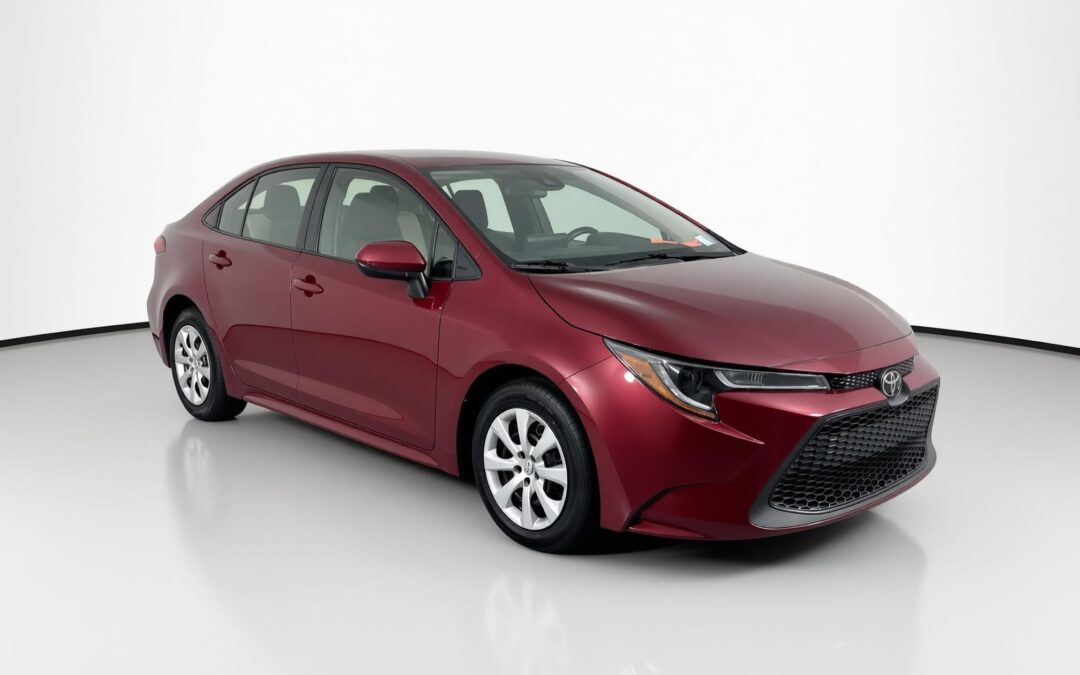
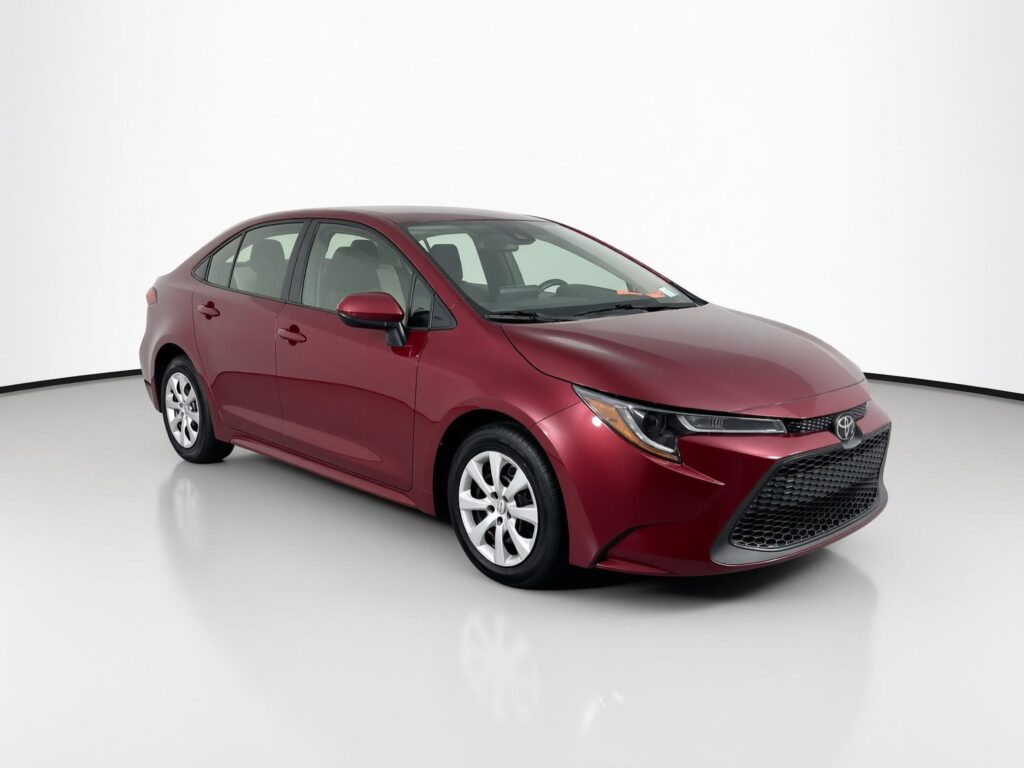
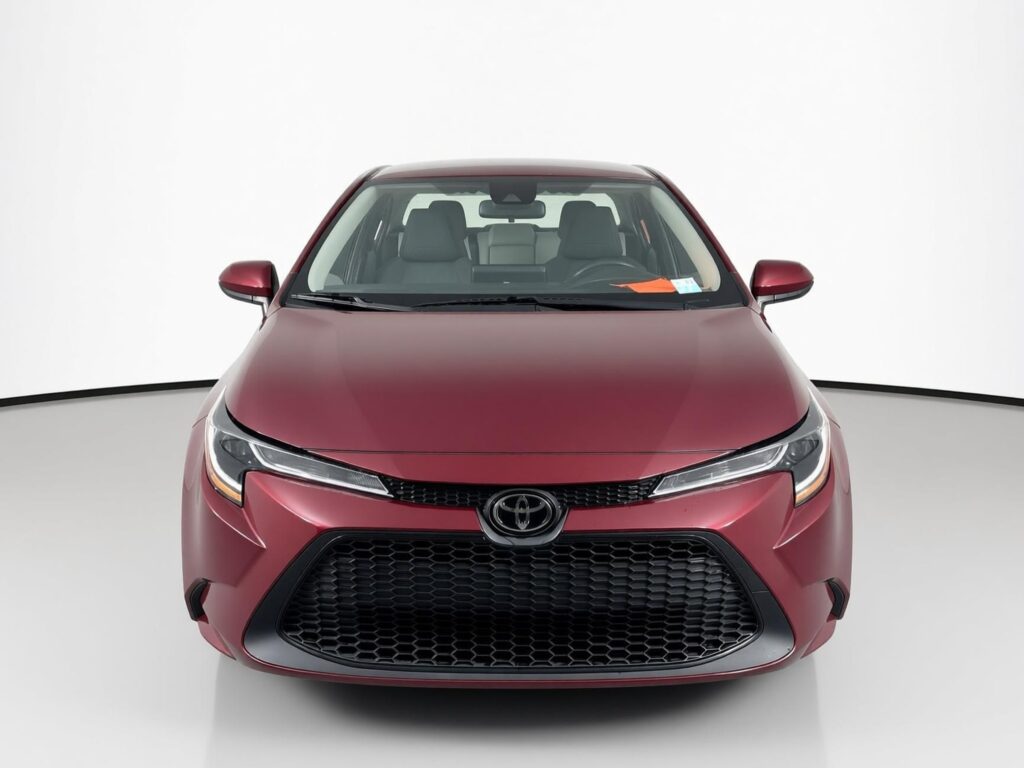
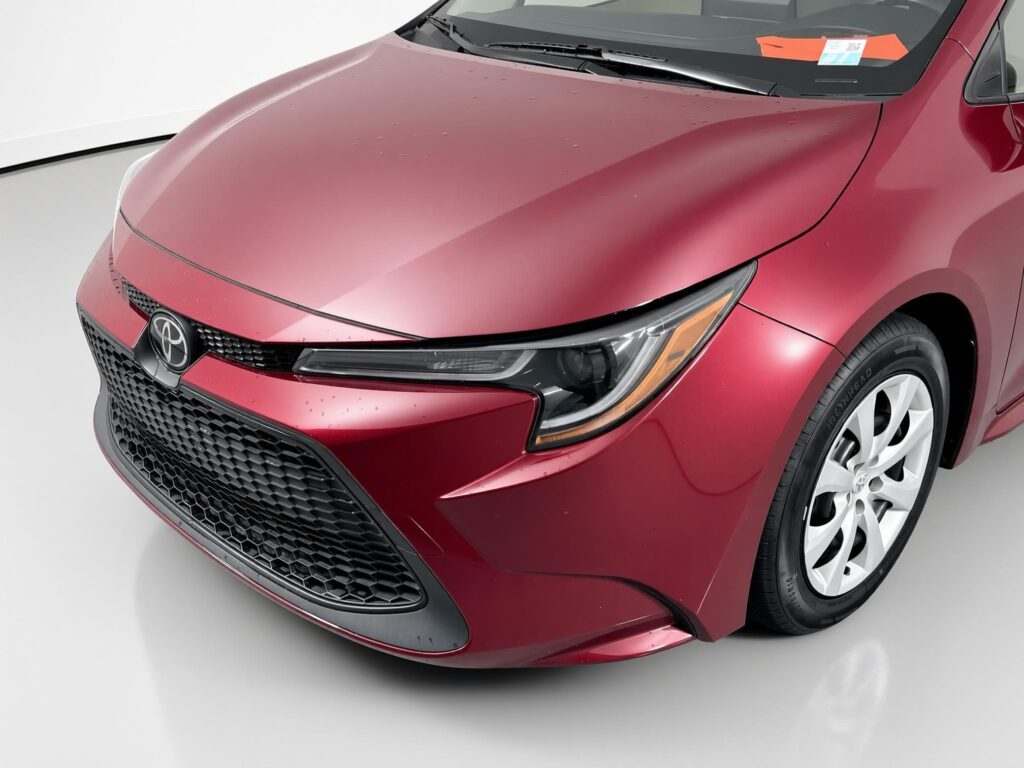
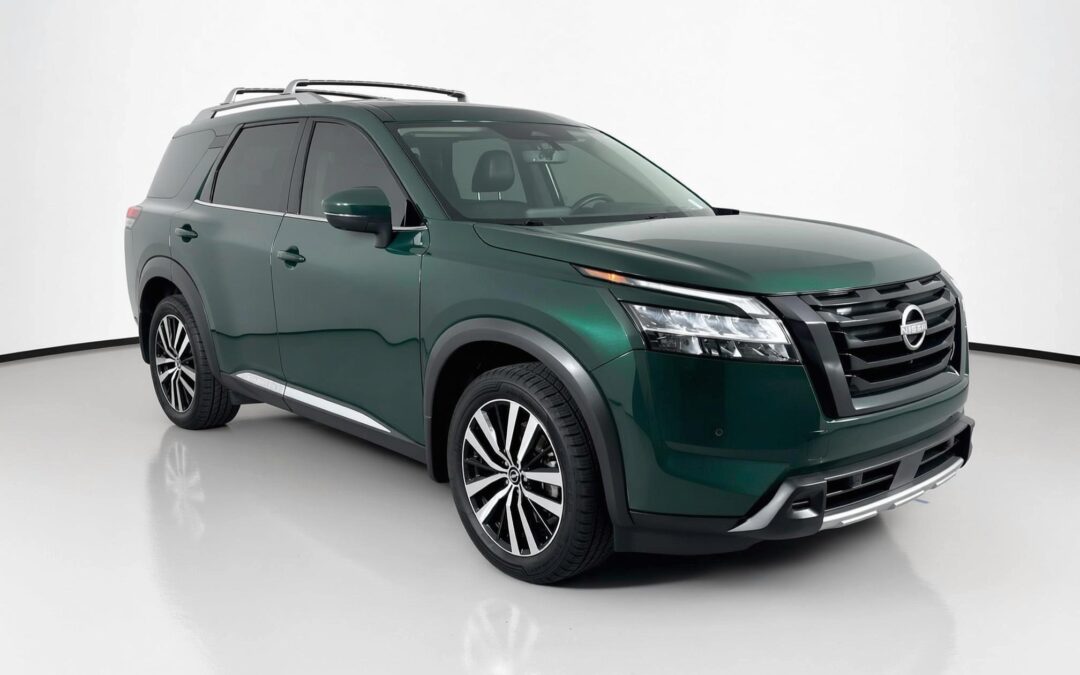
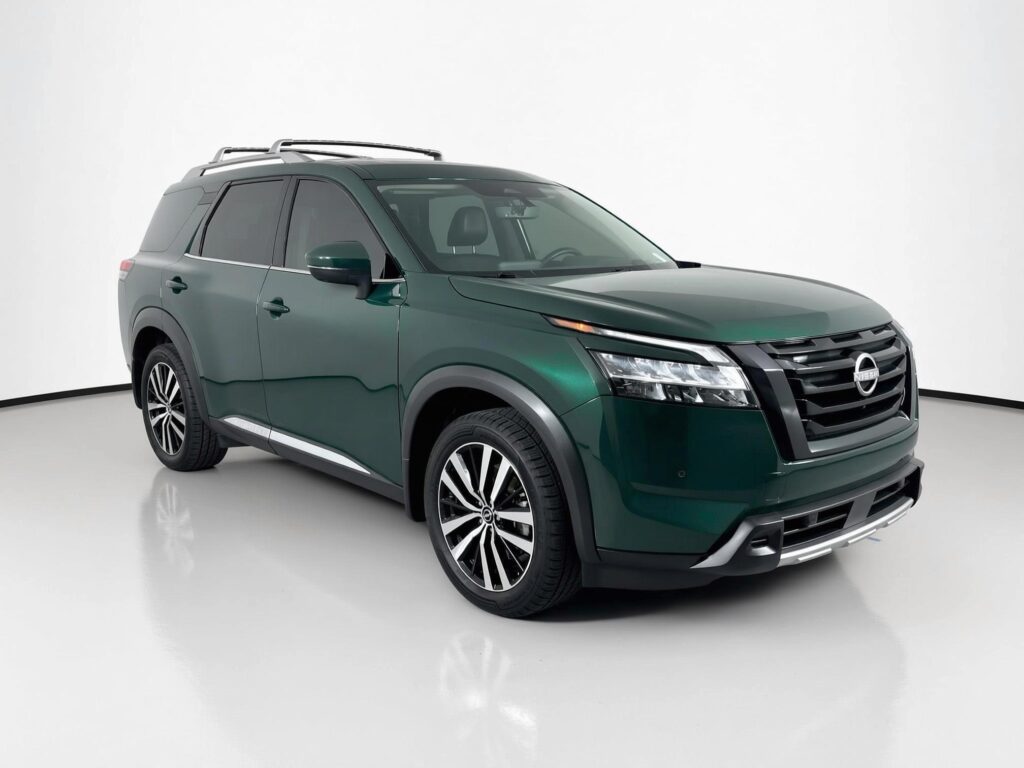
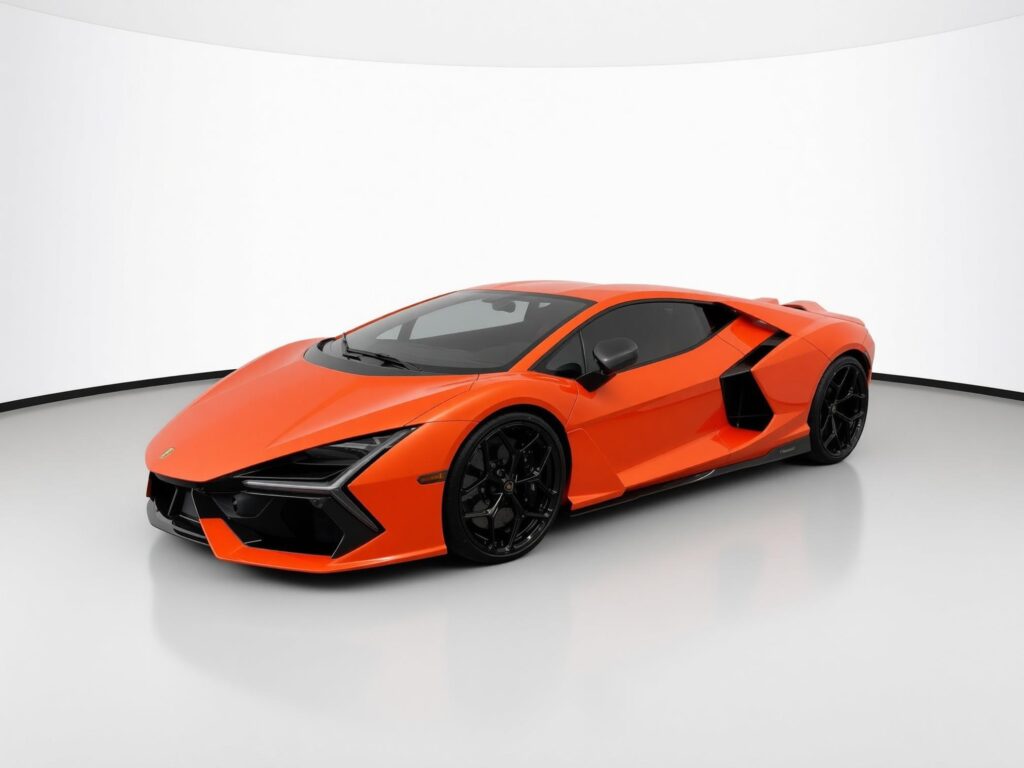
Pull up your aged-inventory list. Pick any unit that has had two price drops. Now open its gallery.
It probably still has the photos it launched with. Dark cabin. Glare across the hood. No tires. No back seat. Then someone knocked $500 off, and the listing went back out with the same bad photos and a smaller number.
Why this hurts more this fall
Cox Automotive’s Q3 2026 Manheim Used Vehicle Value Index report shows wholesale values fell harder than normal in September and dropped below year-ago levels for the first time this year. Cox also cut its year-end forecast from about a 2% gain to about 0.2%.
When values soften, every day a car sits costs more. That makes the urge to cut price stronger, and it makes a wasted price cut more expensive.
Overpriced or under-shown?
A price drop answers one question: is this car worth the number? It doesn’t answer the questions shoppers are actually stuck on. What does the interior look like? How are the tires? Is that a scratch or a reflection?
A markdown can’t brighten an interior or add a missing angle. A fake-perfect background doesn’t fix the car either. It just moves the disappointment to the walkaround, as What If the Background Looked Perfect and the Car Didn’t? explains.
The reshoot-first checklist
Before the next price change on an aged unit, check the gallery:
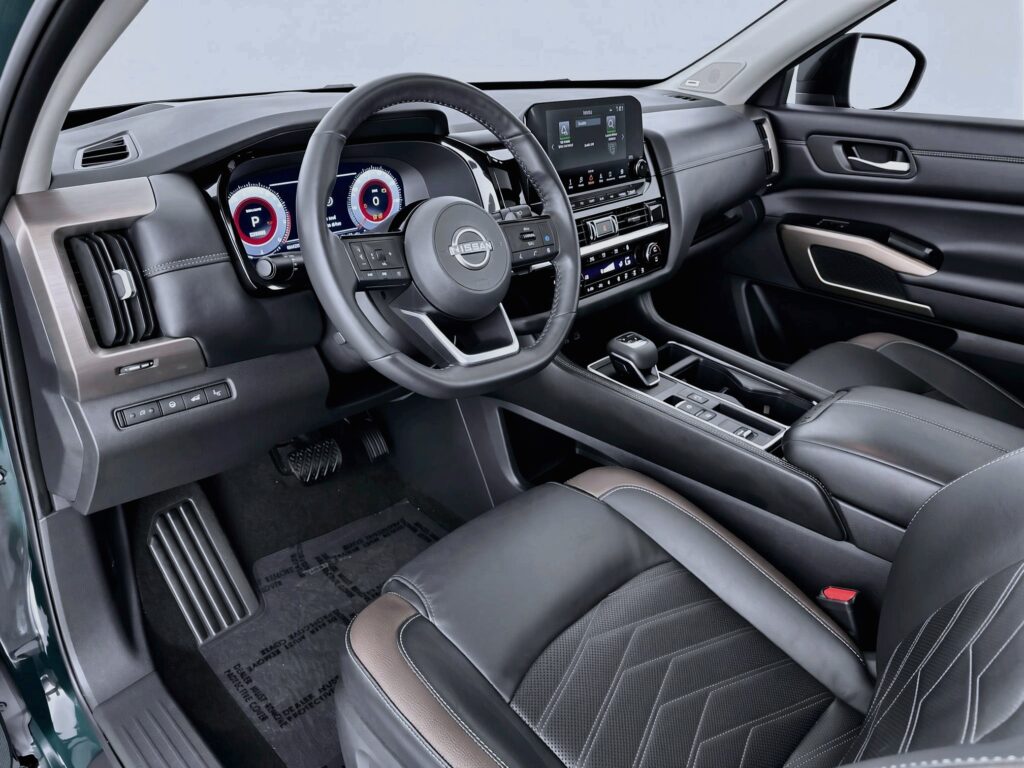
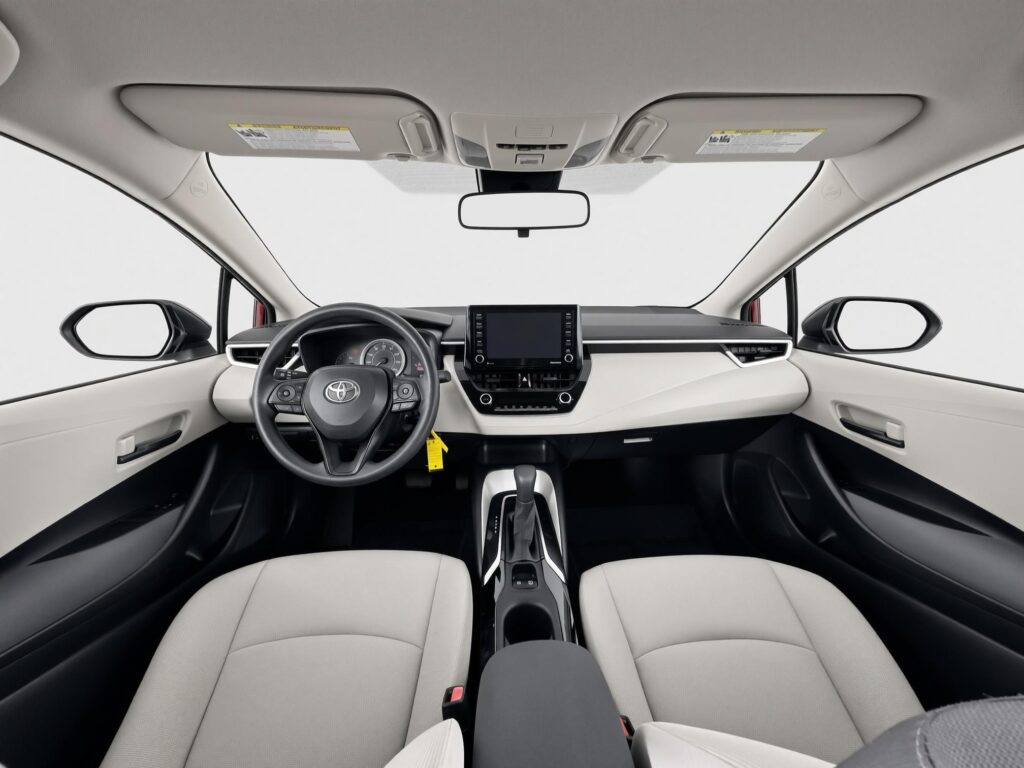
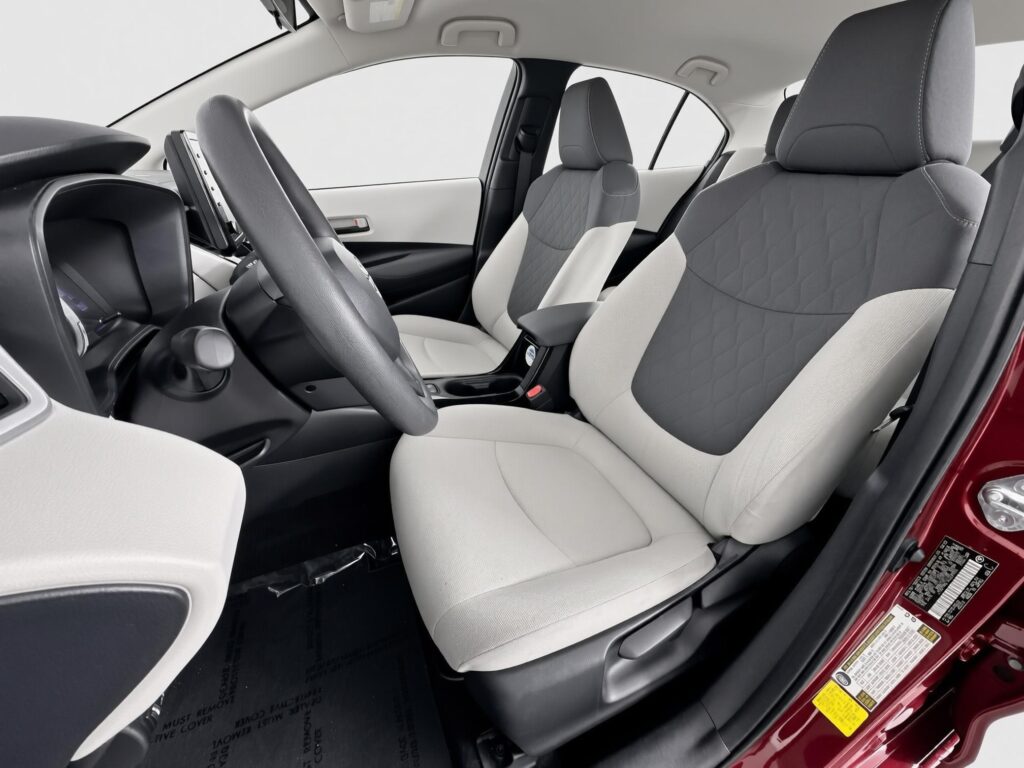
Is the interior bright enough to see the seats, dash and materials?
If any answer is no, reshoot the car before you reprice it.
A price cut is the most expensive photo edit you’ll ever make
Fix the evidence first. 360Booth controls the light around the real car, so the cabin, paint and wheels show up as they actually are. SHOOTit AI walks your team through the same 40+ shots on iPhone and stops dark, blurry or off-center frames for a reshoot before anyone leaves the car. That’s quality control at the vehicle, not after the listing goes live. Why Should Dealership Vehicle Photography Quality Control Happen at the Vehicle? covers this in more detail.
Then decide whether price is really the problem.
Tonight’s homework
How many cars on your aged list got a price drop before they got a reshoot?
Source: Cox Automotive, Q3 2026 Manheim Used Vehicle Value Index report (Oct. 7, 2026).
What if your hardest-working salesperson never clocks in?
You already have one. It works nights, weekends and holidays. It talks to every shopper who finds your inventory. And most stores never train it.
It’s your listing photos.
Do the math on face time
Cox Automotive’s 2025 Car Buyer Journey Study found that used-car buyers spent 7 hours 45 minutes researching and shopping online. They spent 2 hours 57 minutes with the dealer they actually bought from.
That means your dealership listing photos get more than 2.5x the face time your people do.
And they aren’t just confirming a decision that’s already made. Cox found that 74% of used buyers didn’t know the exact car they wanted when they started shopping. Used buyers visited 4.8 websites on average. Your photos are pitching against every other car on every one of those sites, and shoppers judge your whole store by one thumbnail.
You’d fire that person by lunch. Yet that’s the job many stores hand their photos. Then the real salesperson ends up apologizing for the pictures before the walkaround starts.
Dealer wake-up call
Your photos are on the sales floor 24/7. Train them like it.
Training a salesperson means a process: what to show, in what order, every time. Your photos need the same thing. Not a better phone. A better process.
How much time do used-car buyers spend shopping online?
Cox Automotive’s 2025 Car Buyer Journey Study found used-car buyers spent 7 hours 45 minutes researching and shopping online, compared with 2 hours 57 minutes with the dealer they bought from.
Why are listing photos called a dealership's hardest-working salesperson?
Shoppers spend more than 2.5x as long with a dealer’s listings online as they do with the dealership’s staff. Most used buyers also start without knowing the exact car they want, so photos do much of the persuading across the 4.8 sites the average used buyer visits.
How do 360Booth and SHOOTit AI make listing photos consistent?
360Booth controls the light around the real vehicle. SHOOTit AI guides staff through the same 40+ shot sequence on iPhone and stops dark, blurry or off-center frames for a reshoot before anyone leaves the car.
Direct Answer: A standard U.S. 360Booth vehicle photo studio installation requires a dedicated 110-volt, 20-amp electrical circuit and a one-hour timer switch for the studio lighting. The dealership’s local electrician handles electrical preparation according to the approved installation plan and applicable electrical requirements. Power location and installation details should be confirmed during the site survey, before the studio arrives.
A Vehicle Photo Studio Shouldn’t Require Complicated Electrical Infrastructure
One of the first questions dealership facility managers ask when considering a vehicle photo studio is how much electrical work the building will need.
For a standard U.S. 360Booth installation, the answer is straightforward.
A dedicated 110V, 20A circuit.
A one-hour timer switch.
A qualified local electrician.
That’s the basic electrical preparation.
The objective is to create a professional, controlled photography environment without introducing unnecessary electrical or mechanical complexity.
Why Does 360Booth Need a Dedicated Circuit?
The studio has its own lighting system.
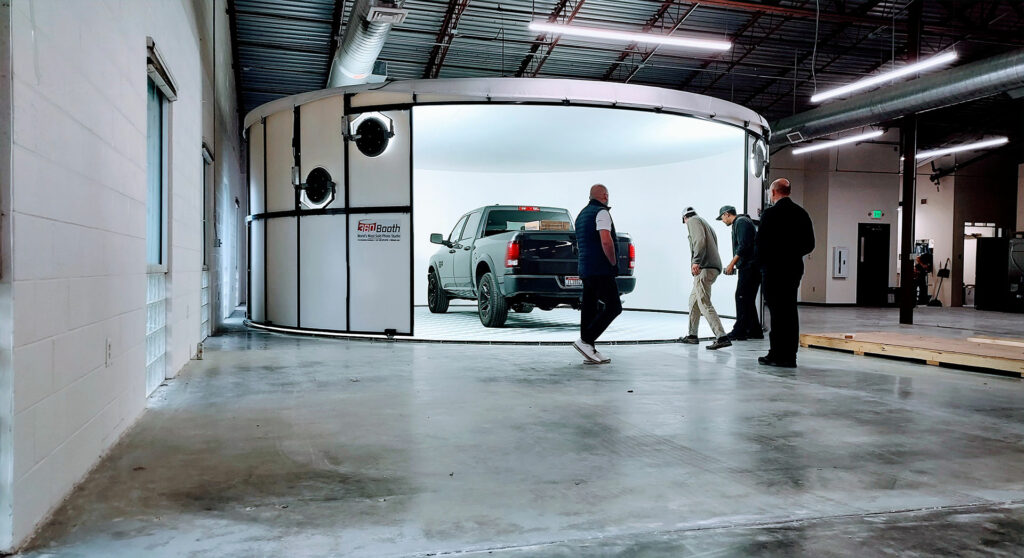
Four 5600K LED lighting heads illuminate the studio’s white diffusing ceiling, helping produce consistent light around the actual vehicle.
That lighting is an essential part of the photography process.
The dedicated electrical circuit is intended to serve the studio without sharing its specified circuit capacity with unrelated dealership equipment.
Dealership buildings are already filled with electrical loads. Service equipment, compressors, lifts, chargers, lighting and other systems may operate throughout the day.
The photography studio shouldn’t depend on a shared circuit that wasn’t planned for its operation.
The requirement is simple: provide the studio with its specified electrical service.
The dealership’s electrician should verify the existing electrical infrastructure and determine the appropriate installation under local requirements.
Why Does 360Booth Use a One-Hour Timer Switch?
The one-hour timer switch provides a straightforward method of controlling studio lighting.
The employee activates the lighting when the studio is needed. The timer limits how long the lights remain on after activation.
That reduces the likelihood of studio lighting being left operating indefinitely after photography has finished.
It’s a small operational detail, but it reflects the overall philosophy behind 360Booth: make the photography process simple enough that dealership employees can use it consistently.
The employee shouldn’t need to navigate complicated control systems before photographing the next vehicle.
Does 360Booth Need Electrical Power to Rotate the Vehicle?
The vehicle remains stationary while the surrounding studio structure moves manually. The structure travels on a steel track using V-grooved wheels.
That means there is no turntable motor, motor controller or powered platform beneath the vehicle.
This design removes an entire category of powered mechanical components from the photography process. It also allows the employee to move the surrounding environment and reposition the lighting for better control of reflections and interior photography.
Reliability is the primary reason for this design. A dealership photo studio should be available when vehicles are ready to photograph. The system should not depend on the operation of an unnecessary motorized platform. That’s why a manual vehicle photo studio works better in a high-volume store.
Who Handles the Electrical Installation?
The dealership’s local electrician handles the electrical preparation.
During the site-survey process, 360Booth evaluates the proposed location and provides installation planning information, including electrical requirements and relevant placement considerations. If your architect or contractor needs drawings, see what we can provide to your architect.
The electrician determines how to supply the required circuit and timer switch within the building’s existing electrical system.
Electrical work must comply with applicable local codes and any required permits or inspections.
The studio installation team should not arrive only to discover that the building has no suitable electrical service prepared. That’s an avoidable delay.
What Should the Dealership Confirm Before Installation?
Before the studio is delivered, the dealership should confirm that:
The dedicated electrical circuit is available.
The one-hour timer switch can be installed in the approved location.
The electrician understands the electrical requirements.
Why Simple Infrastructure Matters to Vehicle Photography
Dealerships don’t purchase vehicle photo studios because they want another complicated piece of equipment. They purchase them to photograph inventory more consistently.
360Booth creates the controlled physical environment around the actual vehicle. SHOOTit AI provides the intelligent iPhone-based capture process.
The camera guides employees through the dealership’s required 40+ images. If an image is too dark, blurry or poorly centered, SHOOTit AI stops the workflow and immediately prompts the employee to reshoot before continuing. That’s quality control at the vehicle, not after the fact.
The objective is to document the real vehicle, preserve visible wear and condition, and deliver a consistent set of images without unnecessary steps.
The building infrastructure should support that process rather than complicate it. That’s why electrical planning matters.
The Dealer Wake-Up Call
A vehicle photo studio shouldn’t require complicated equipment just to photograph a car.
Give it the correct power.
Control the lighting.
Keep the vehicle stationary.
Let the studio move manually.
Use SHOOTit AI to guide the photographs.
That’s how a dealership builds a repeatable photography process around the actual vehicle.
The technology should simplify the job, not turn photographing inventory into another maintenance department responsibility.
FAQ
Does a standard 360Booth require 220V electrical service?
No. The standard U.S. electrical requirement is a dedicated 110V, 20A circuit. Electrical arrangements for international installations must be confirmed for the destination.
Can the studio share an existing 20-amp circuit with other equipment?
The standard requirement is a dedicated circuit. An electrician should verify that the proposed circuit meets the studio’s requirements.
Does 360Booth include its own lighting?
Yes. The standard studio includes four 5600K LED lighting heads and a white diffusing ceiling.
Does the studio require a motorized turntable?
No. The vehicle stays stationary while the studio structure moves manually around it.
Who installs the electrical circuit?
The dealership arranges for a qualified local electrician to complete the necessary electrical preparation.
Should electrical planning happen before studio delivery?
Yes. Electrical service, timer-switch placement and other site requirements should be addressed during the site survey and installation planning.
What if shoppers judge your whole store by one thumbnail?
They do. Every day.
On a search results page, your car is one little rectangle in a row of rectangles. The shopper scrolls with their thumb and decides in about the time it takes to read this sentence.
What does your thumbnail row say?
Now look at your row.
One shot in the sun with glare across the hood. One crooked. One half in shadow. One with a service truck photobombing. When weather and daylight control the shoot, every car comes out different.
Those say: nobody’s paying attention here.
Then there’s the one with a fake backdrop so perfect it looks like a stock photo. That one says something worse: what you see isn’t what you’ll get.
Dealer wake-up call
Shoppers don’t just judge the car. They judge whether your store has its act together. Your thumbnail row is your storefront window.
Why do SRP thumbnails matter so much for car dealers?
On a search results page, each vehicle is one small thumbnail in a row. Shoppers decide in seconds whether to click, and they judge whether the store has its act together by how that whole row looks.
What makes vehicle photos look inconsistent?
Shooting outdoors in changing sun and shadow, crooked angles, distracting backgrounds, and fake backdrops that look like stock images. Each car ends up looking different depending on the weather and who held the camera.
How do 360Booth and SHOOTit AI make vehicle photos consistent?
360Booth controls the light and real background around the actual vehicle. SHOOTit AI guides staff through the same 40+ shot sequence every time and flags dark, blurry or off-center shots for a reshoot before the car leaves the booth.
What if the car online matched the car on the lot?
That’s the Evidence Booth idea. 360Booth captures the real vehicle in controlled light against a clean physical background. SHOOTit AI guides a 40+ shot sequence on iPhone and stops dark, blurry or off-center frames for a reshoot while you’re still at the car.
Authentic Capture™. No apology required.
Would your sales team still open with “ignore the pictures”?
FAQ
Why do salespeople apologize for vehicle listing photos?
When listing photos use fake-perfect backgrounds, dark cabins, missing angles or crooked exteriors, the car on the lot doesn’t match the car online. The salesperson ends up explaining away the listing before the walkaround starts.
What happens to trust when the listing doesn't match the car?
The shopper drove over expecting the online car. When the salesperson has to apologize for the photos, the walkaround becomes damage control and the deal has already lost trust.
How do 360Booth and SHOOTit AI help photos match the real car?
360Booth captures the real vehicle in controlled light against a clean physical background. SHOOTit AI guides a 40+ shot sequence on iPhone and stops dark, blurry or off-center frames for a reshoot while the employee is still at the car.
Shoppers don’t call the dealership to ask about the background. They call about the details your photos skipped.
How worn is the driver’s seat? How much tread is left on the tires? Does it have the third row? Does it come with two keys?
Every one of those questions is a missing photo. And every shopper who has to ask is a shopper deciding whether your car is worth the effort.
The wide shots get attention. The details close the gap.
The exterior angles tell a shopper what the car is. The detail shots tell them what this car is: its equipment, its condition and how it was cared for.
That is the difference between a listing that looks good and a listing that answers questions. As we said in How Many Photos Should a Dealership Put on Each Vehicle Listing?, the goal is not the highest photo count. The goal is eliminating unanswered questions.
The detail shots that answer shopper questions
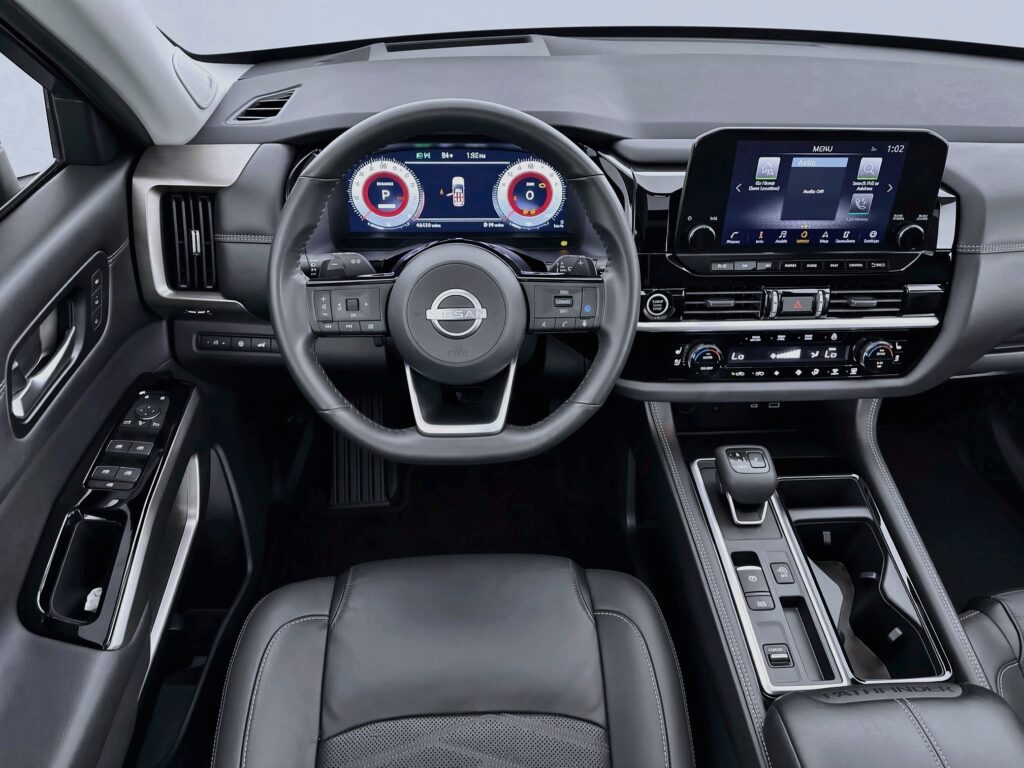
1. The dash with the vehicle running
Mileage is one of the first things a shopper checks. A clear shot of the instrument cluster shows the odometer and lets the buyer see the dash lit up the way they’ll see it on the test drive.
2. Tires and wheels
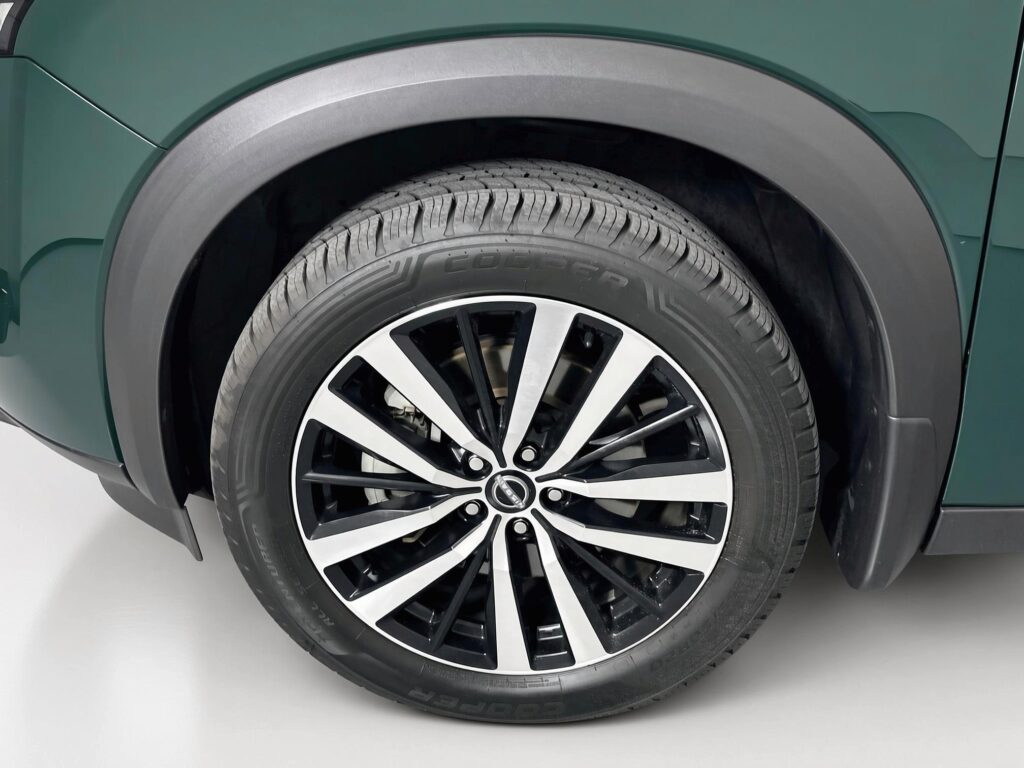
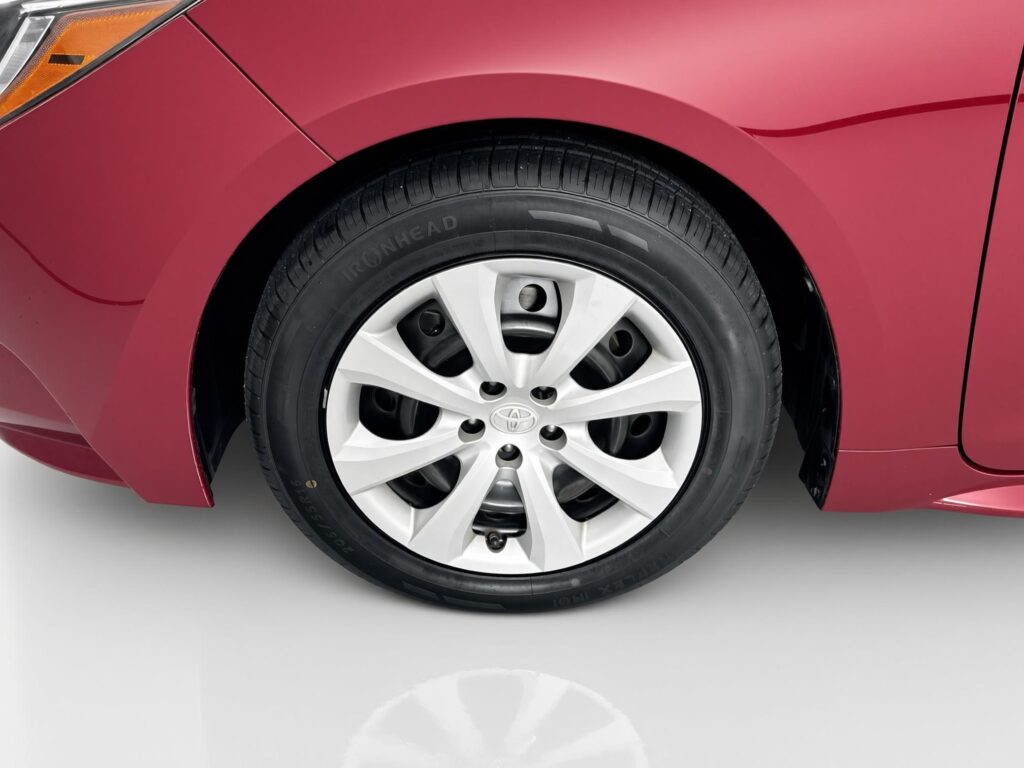
Tires are a cost the buyer is already calculating. Show the tread and the wheel face clearly. Curb rash is easy to hide in a wide shot and impossible to hide on the lot.
3. The driver’s seat
The driver’s seat takes the most wear of any surface in the car. Shoppers know that, and they look for it. Show the bolster, the cushion and the material clearly enough that the buyer can judge it for themselves.
4. The equipment that sets this unit apart
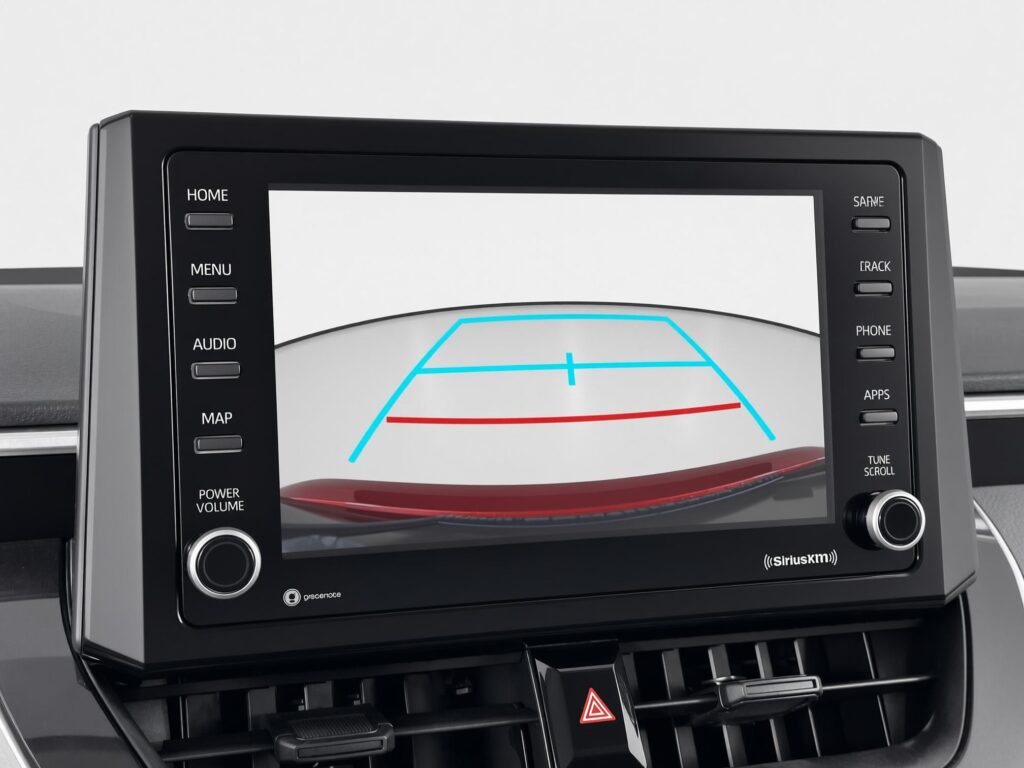
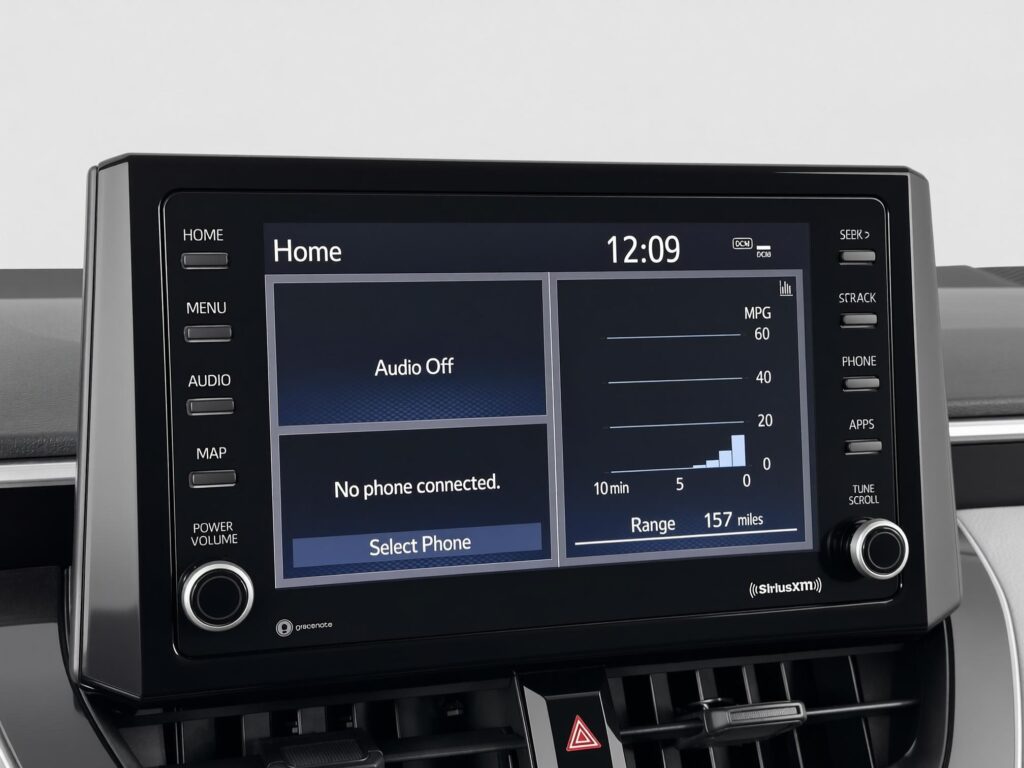
Sunroof, third row, towing equipment, upgraded audio, the infotainment screen. If a feature is part of why this car is priced the way it is, it deserves its own photo. A feature a shopper can’t see is a feature they may not believe is there.
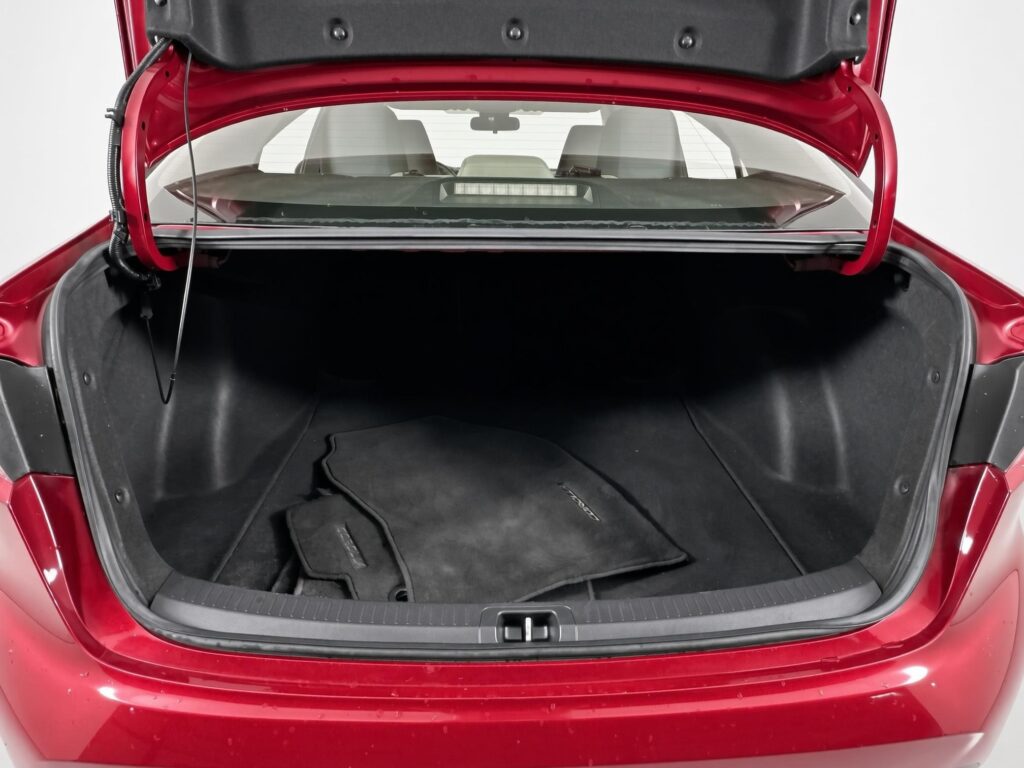
5. Cargo space
For SUVs, trucks and wagons, cargo space is often the reason for the purchase. Show the cargo area, and show it with the seats folded if they fold.
6. The keys
It’s a small photo that answers a common question. Shoppers want to know whether they’re getting one key or two before they drive across town.
7. Real condition
Scratches, scuffs and normal wear belong in the listing, shown clearly. A used car has a real condition. Photograph it, so the car the customer sees online is the car they find when they arrive. (More on that in Stop Selling a Version of the Car That Does Not Exist.)
Detail shots fail first when the light is bad
Close-ups are the least forgiving photos in the set. A dark cabin turns seat wear into a guess. Glare on the dash hides the odometer. Shadows in the wheel well hide the tire.
That is where a controlled environment earns its keep. Inside a 360Booth, the standard sequence and any extra photos receive the same lighting, clean physical background and consistent presentation. SHOOTit AI guides employees through a repeatable 40+ image process and stops the workflow when an image is dark, blurry or poorly centered, so the problem gets reshot while the employee is still at the car. (See why quality control should happen at the vehicle.)
The standard sequence covers the car. The details are where your team adds what makes this particular unit different. The car should decide which extra photos are worth taking.
Direct challenge
Open five used-vehicle listings on your own website. For each one, write down every question you’d have to call the dealership to answer.
Every line on that list is a photo your shoppers needed and didn’t get.
FAQ
What detail photos should a dealership include on a vehicle listing?
Show the details a shopper would otherwise call about: the dash with mileage, tires and wheels, seat wear, the screen and key equipment, cargo space, the keys, and any visible condition the buyer should know about.
Should dealers photograph scratches and wear on used cars?
Yes. A used car has a real condition. Showing it clearly in the listing means the car the customer sees online matches the car they find on the lot.
Do detail photos need the same lighting as exterior photos?
They need it more. Interior close-ups are where poor light hurts most. Inside a 360Booth, every photo, standard or extra, gets the same controlled lighting and clean physical background.
How do I know which detail photos my listings are missing?
Open five used-vehicle listings on your own website and write down every question you would have to call the dealership to answer. Each question is a missing photo.