Everybody in dealership photography wants to be first. Fake background software companies say it. Do-it-yourself studio sellers say it. Turntable and booth vendors that showed up a few years ago say it in their sales decks, on their websites and at every trade show booth they rent.
Saying it is easy. Proving it takes dates. Ours are below, in order, from the first lot we photographed to the computer vision models we run today. Read them, then go ask your vendor for theirs.
June 1997: Autoexact Starts Shooting Dealer Lots
Before anyone was pasting fake studios behind phone photos, before there was a smartphone camera worth the name, Autoexact was on dealership lots photographing inventory. We launched in June 1997 as a lot photography service, visiting stores five days a week.
At that time, Autoexact was the third or fourth lot photography service operating in the country. Not the third app. Not the fourth funding round. The third or fourth company in America physically standing in front of dealer inventory with a camera, week after week.
Over the years that service reached thousands of stores. Those years taught us every way a vehicle photo can go wrong: sun glare, rain, shadows, trash cans, light poles, wet paint, missed angles and cars that had to be moved ten times for one set of photos.
The Data Feed Platform Behind It All
Autoexact also became our platform for data feeds. Photos are only useful when they reach the right place, attached to the right VIN, on time. Today Autoexact is celebrating 29 years as a leading platform for automotive data feeds and currently provides more than 300 custom data feeds to vendors throughout the automotive industry.
That matters. A photo company without a data pipeline is a camera. We built the pipeline first. You can see how the pieces fit together today in One Connected Vehicle Photography System.
2009: Twelve Years of Lot Experience Becomes a Studio Concept
By 2009 we had twelve years of field data on what outdoor lot photography costs dealers. So we started working on concepts for a better answer: a controlled studio built for vehicles.
We tried and tested ideas that many companies are still pitching today as new. Box trucks. Inflatable tents. Other portable and semi-permanent setups. Each one taught us something about light, space, cost and how real dealership employees actually work.
2012: The 360Booth Design Is Finished
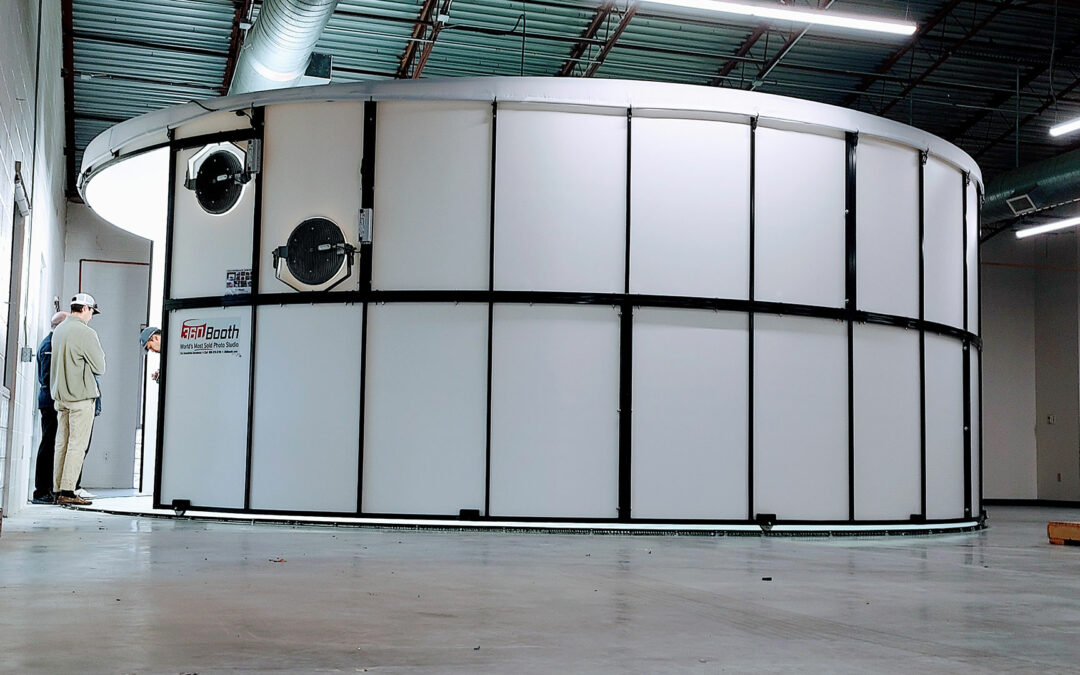
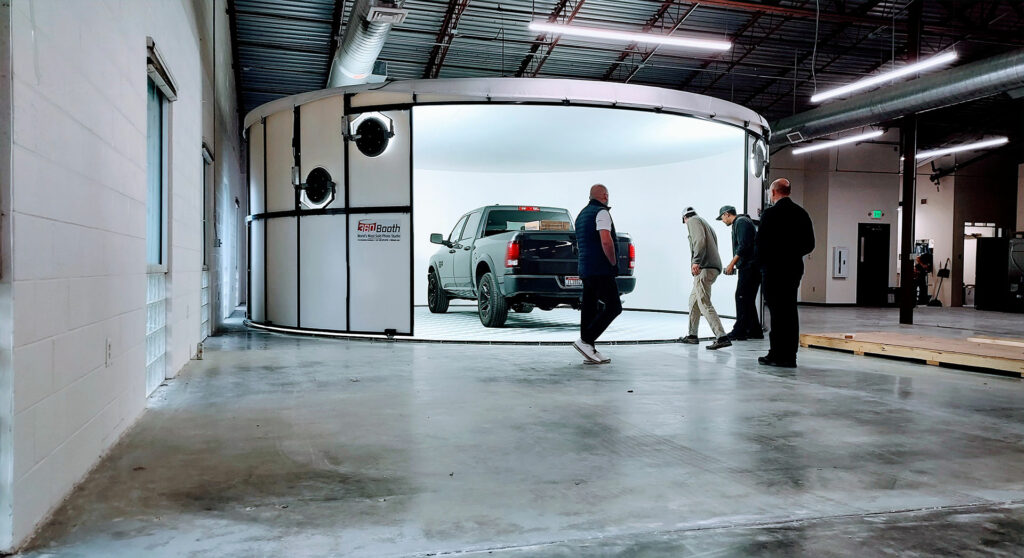
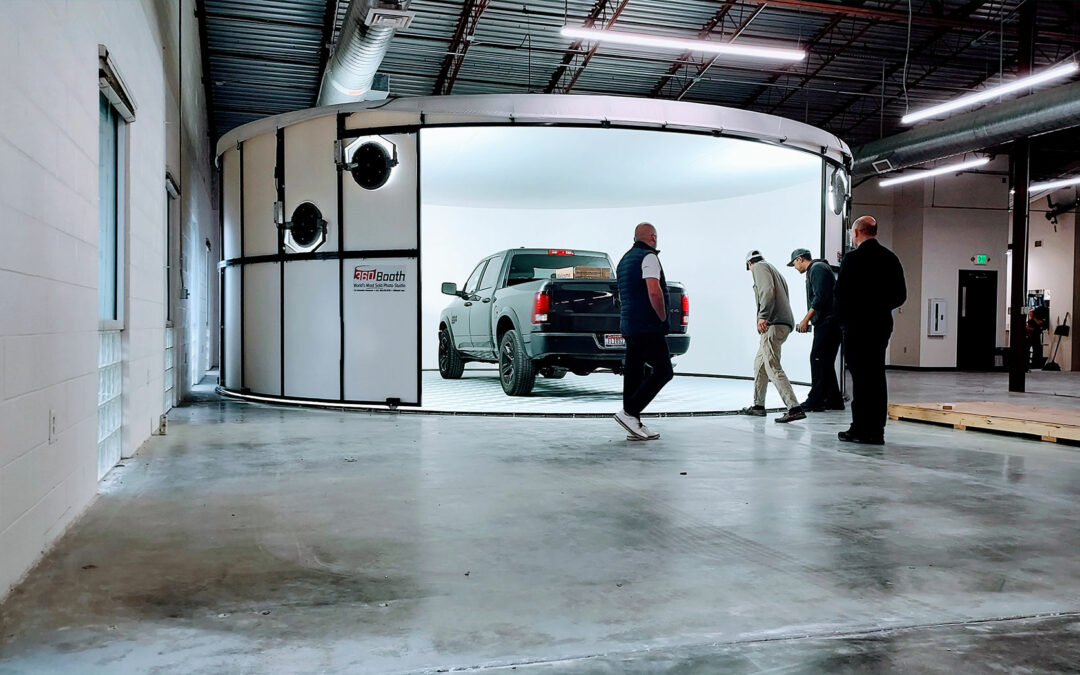
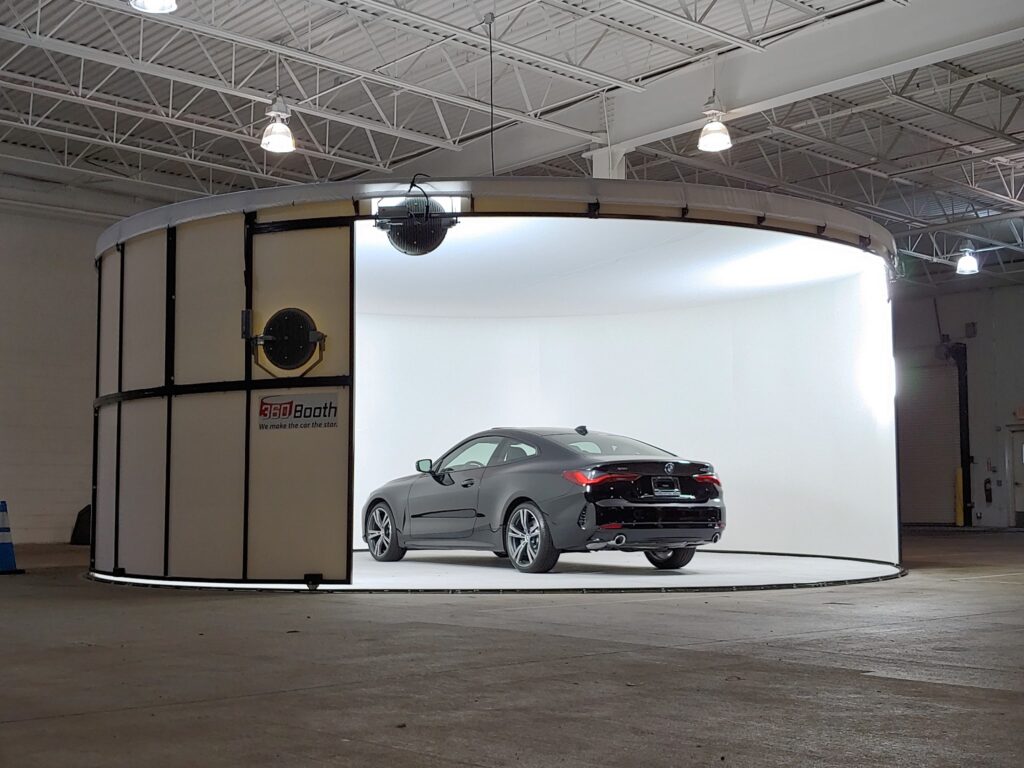
All of those concepts led to one design. In 2012 we finished the design of 360Booth: a vehicle photo studio that moves around the car instead of making the dealership move the car around the studio.
We knew we had a winning studio solution. So we immediately started working on the details for a patent.
2013: The Busy Year
2013 was a busy year. While the patent details were being prepared, we started building Booth app, a large touchscreen mounted inside the studio that guided users through every photo with wireless DSLR cameras.
Booth app did something most vendors still can’t do today. It updated vehicle data and photos instantly from inside the studio into our Autoexact data feed system. Capture, data and delivery in one connected flow, back in 2013.
2014 and 2015: Filed, Granted, Protected
Here is the part no sales deck can rewrite.
2014: The 360Booth patent application was filed.
2015: The patent was granted to 360 Booth Inc.
360Booth trademark: registered to protect the name.
Patents and trademarks are public records with filing dates stamped by the government. They are not marketing. They are not best guesses. They are not a founder’s memory adjusted for a pitch deck. If a company claims it was first to bring a vehicle photo studio to dealerships, ask one simple question: show me your filing date.
2014 to Today: 13 Years With Our Manufacturing Team
A great design is worthless if it can’t be built the same way every time. After the design was finished, it took us a couple of years to find a manufacturer that could support us and consistently build a superior patented product.
We found them. We are now celebrating our 13th year with that manufacturing team. Thirteen years of the same standard, studio after studio, which is how 360Booth reached the dealerships covered in The Global Reach of 360Booth.
From Touchscreens to Phones: Why SHOOTit AI Exists
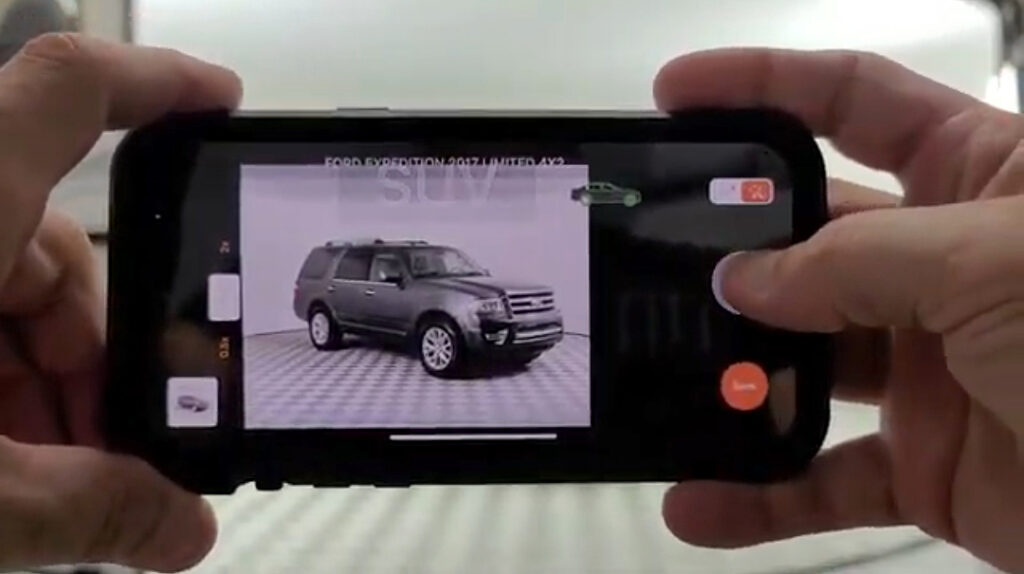
As cell phones got smarter and their cameras got better, we saw where capture was heading. We wanted to move away from large touchscreens and multi-step hardware and put that intelligence into the phone in the employee’s hand.
Everything we learned from Booth app became the foundation of SHOOTit AI. But we refused to fake it. Doing this right meant real computer vision, not a background eraser with a new logo.
2016 to 2019: A Global Search for the Right Scientists
From 2016 to 2019 we ran a global search for a computer vision team with the depth to take vehicle capture into the phone. We weren’t hiring app developers. We were looking for the professors and scientists who build the models.
Late 2019: The Team, the Domain, the Architecture
In late 2019 we assembled our team: a PhD computer vision scientist and an in-house team. We secured the domain SHOOTitai.com and started the architecture.
More than six years later, that team has developed some of the most advanced AI computer vision technology and models the automotive industry has seen. Models trained on real vehicles photographed in real 360Booth studios, catching crooked wheels, glare, blur and missed angles at the shutter instead of hiding problems afterward. Read more in What Gives SHOOTit AI Its Intelligence Behind the Camera?
Why We’re Saying This Now
We had to tell our story because the industry has been fed misleading statements and best guesses for years. Companies that arrived long after us call themselves pioneers. Software vendors that cut a car out of a photo and paste a fake studio behind it call that a studio. Booth sellers with no patent history talk like they invented the category.
The calendar disagrees. Here is the record:
June 1997: Autoexact begins lot photography, five days a week
2009: Studio concepts begin: box trucks, inflatable tents and more
2012: 360Booth design finished
2013: Booth app built, with instant photo and data updates into Autoexact feeds
2015: Patent granted to 360 Booth Inc.; 360Booth trademark
2016 to 2019: Global search for a computer vision team
Late 2019: PhD-led in-house team assembled; SHOOTitai.com secured; architecture begins
Today: 29 years of Autoexact, 300+ custom data feeds, 13 years with our manufacturer, and SHOOTit AI computer vision in dealers’ hands
Now notice what’s happening on the other side. Some of the larger, well-funded fake background companies are quietly moving away from photos, the very thing they built their names on, and pivoting into language models and sales tools. When a company walks away from the problem it claimed to solve, that tells you something about how well it solved it. Our take on that model is in Fake Backgrounds Fix the Photo After the Damage Is Done and Your Photo Vendor Sold You a Picture of a Booth.
We never left. We started on the lot in 1997, we’re still photographing real vehicles, and we’re still building the studios, the computer vision and the data feeds that put those photos to work.
The Future Has Never Looked Better
For 360Booth, SHOOTit AI and the entire Autoexact data team, the road ahead is very, very bright. We aren’t chasing the next buzzword. We are doing the same thing we’ve done since 1997: helping dealers show the real car, faster and better than anyone else.
Anyone can say they were first. We can prove it.
FAQ
When did Autoexact start?
Autoexact started in June 1997 as a lot photography service visiting dealership stores five days a week, and later became the data feed platform behind 360Booth and SHOOTit AI.
When was 360Booth designed and patented?
The 360Booth vehicle photo studio design was finished in 2012. The patent was filed in 2014 and granted to 360 Booth Inc. in 2015.
What was Booth app?
Booth app, started in 2013, was a large touchscreen inside the 360Booth studio that guided users through photos with wireless DSLR cameras and sent vehicle data and photos instantly into Autoexact’s data feeds.
When did SHOOTit AI begin?
After a global search from 2016 to 2019, 360Booth assembled a PhD-led in-house computer vision team in late 2019, secured SHOOTitai.com and began building SHOOTit AI.
How many data feeds does Autoexact provide?
Autoexact currently provides more than 300 custom data feeds to vendors throughout the automotive industry.
“The time and effort you put into inspecting the booth, evaluating the workspace, and following up with a detailed report was way above and beyond what anyone could have expected.”
— 360Booth customer, October 2025
“It has significantly enhanced the quality of our photo inventory and website, and it has trained our eyes to better recognize angles and focus points for each shot.”
— SHOOTit AI customer, May 2025
“Of all the vendors I deal with you guys are always on the ball to get things corrected, I appreciate it.”
— Auto Exact customer, May 2025
“I can’t tell you how much we appreciate you going out of your way to be here in person to help us.”
— 360Booth customer, December 2024
“The booth looks great and the app works really well.”
— 360Booth and SHOOTit AI customer, March 2025
360Booth Vehicle Photo Studio Reviews
Installation and on-site service
“Thank you for your prompt help getting the booth reinstalled.”
— 360Booth customer, September 2026
“Thank you to all for the assistance in getting the booth fixed.”
— 360Booth customer, July 2026
“Thank you so much for coming out, greatly appreciated.”
— 360Booth customer, January 2026
“We put the booth back on track and is functioning perfect again.”
— 360Booth customer, March 2025
“Helpful with answers when asked questions and a pleasure to have on-site doing the install.”
— 360Booth customer, November 2024
Photo quality and daily use
“You guys are awesome, thank you!”
— 360Booth customer, July 2025
“You guys are the best.”
— 360Booth customer, May 2025
“We love using our 360booth.”
— 360Booth customer, May 2025
“FYI our pics look great, I know our group is super interested.”
— 360Booth customer, December 2024
“Booth is awesome by the way.”
— 360Booth customer, November 2024
Fast answers and follow-up
“Thanks again for your excellent customer service.”
— 360Booth customer, October 2026
“Thanks for all your help answering my questions.”
— 360Booth customer, June 2026
“Thank you so much for the quick response to my email!”
— 360Booth customer, May 2026
“Thank you so much for your quick response.”
— 360Booth customer, July 2025
“Thanks … for the great service.”
— 360Booth customer, July 2025
“Thank you for the quick response and follow up with this project.”
— 360Booth customer, April 2025
SHOOTit AI Smart Camera Reviews
Better photos on the website
“Excellent and very helpful to the SUV shopper.”
— SHOOTit AI customer, December 2025
“Everything looks great! Thanks for your help!”
— SHOOTit AI customer, March 2026
“That sounds perfect, thank you for your help in this matter.”
— SHOOTit AI customer, January 2026
“Looks great. Thanks for all the help. I appreciate it.”
— SHOOTit AI customer, January 2026
Quick fixes and uploads
“Awesome, we got it back up. Thank you so much!”
— SHOOTit AI customer, August 2026
“Really appreciate the quick assist on this matter.”
— SHOOTit AI customer, June 2026
“Refreshed again and all working now.”
— SHOOTit AI customer, February 2026
“All 14 have uploaded successfully. Thank you for the quick response!”
— SHOOTit AI customer, February 2026
“Everything working perfect now.”
— SHOOTit AI customer, October 2025
“Thank you, it’s working great now!”
— SHOOTit AI customer, September 2025
Auto Exact Data Team Reviews
Websites, banners and reprocessing
“Looks perfect on our website. Thanks again!”
— Auto Exact customer, November 2025
“All looks good! Thank you for your help!”
— Auto Exact customer, October 2025
“Fantastic! Thank you so much. You guys are too good.”
— Auto Exact customer, September 2025
“Thank you for reprocessing both vehicles, I appreciate your help.”
— Auto Exact customer, August 2025
“The banners look great, thanks again!”
— Auto Exact customer, March 2025
Responsive, patient support
“Many thanks for your help and checking back in.”
— Auto Exact customer, July 2026
“Thank you so much for the quick turnaround on this.”
— Auto Exact customer, May 2026
“Really appreciate you helping us find a workaround!”
— Auto Exact customer, April 2026
“Thanks for the great follow ups. You guys are amazing.”
— Auto Exact customer, December 2025
“Thank you so much again for your patience, I really appreciate you for helping me all the time.”
— Auto Exact customer, November 2025
“I just wanted to express my gratitude for all your assistance. It has been wonderful working with you.”
— Auto Exact customer, May 2025
“You guys are the best.”
— Auto Exact customer, April 2025
“Thank you for your quick response—as usual!”
— Auto Exact customer, April 2025
“Great, thanks so much for the quick help!”
— Auto Exact customer, February 2025
“I am so grateful for your speedy support! Absolute legend!”
— Auto Exact customer, January 2025
“Thank you for the fast response and I will take a look and get back to you if anything else needs to be done.”
— Auto Exact customer, November 2024
“Thank you for the quick response.”
— Auto Exact customer, October 2024
Customer Support Across the System
“Working as should now, thank you for all of your help sir. It’s greatly appreciated.”
— Customer support, March 2025
“Just tested it and is back working fine again. Thanks a lot, I appreciate your help.”
— Customer support, November 2024
Want to see what dealers are talking about? Visit our Customer Reviews page or reach out below.
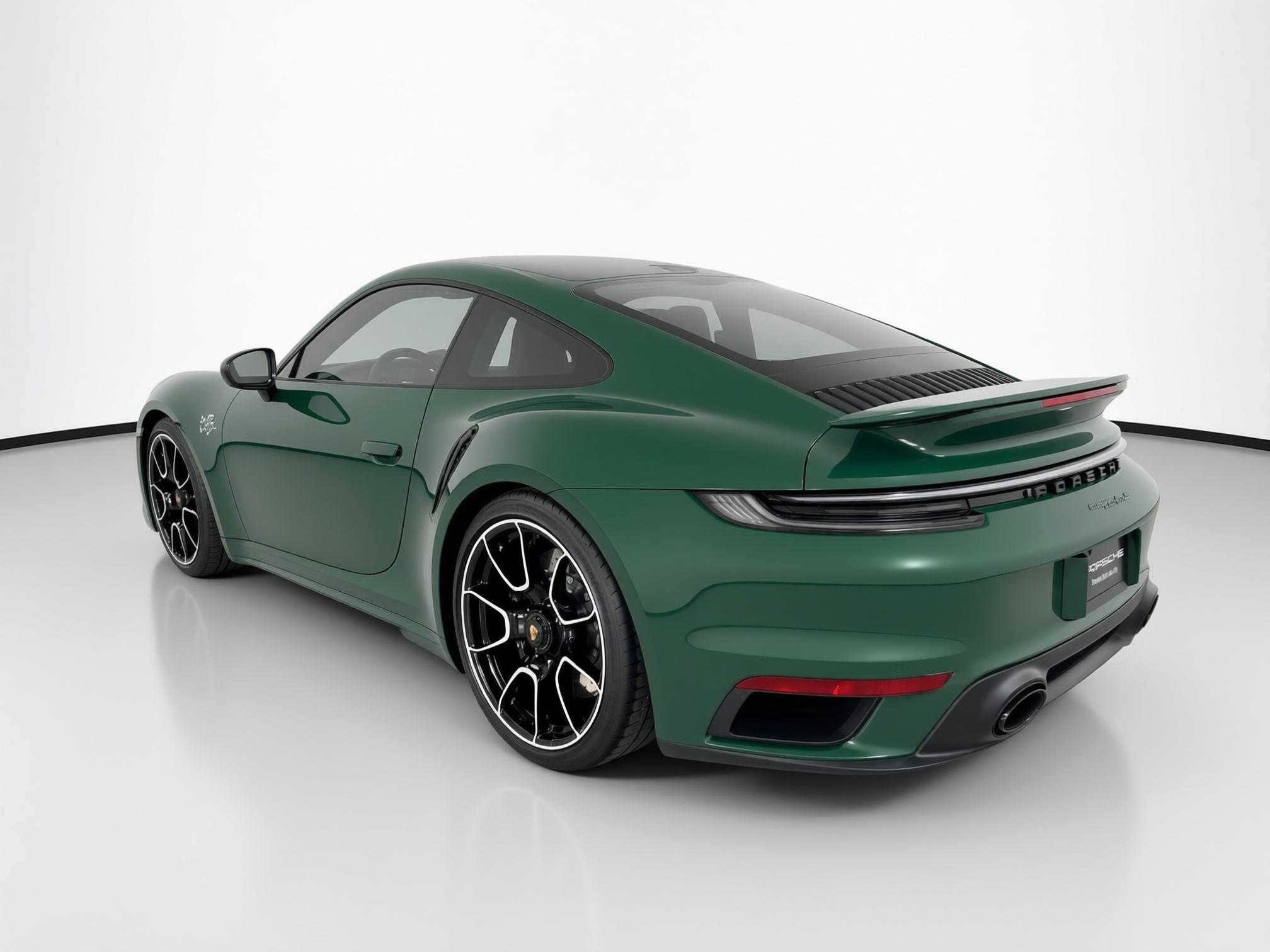
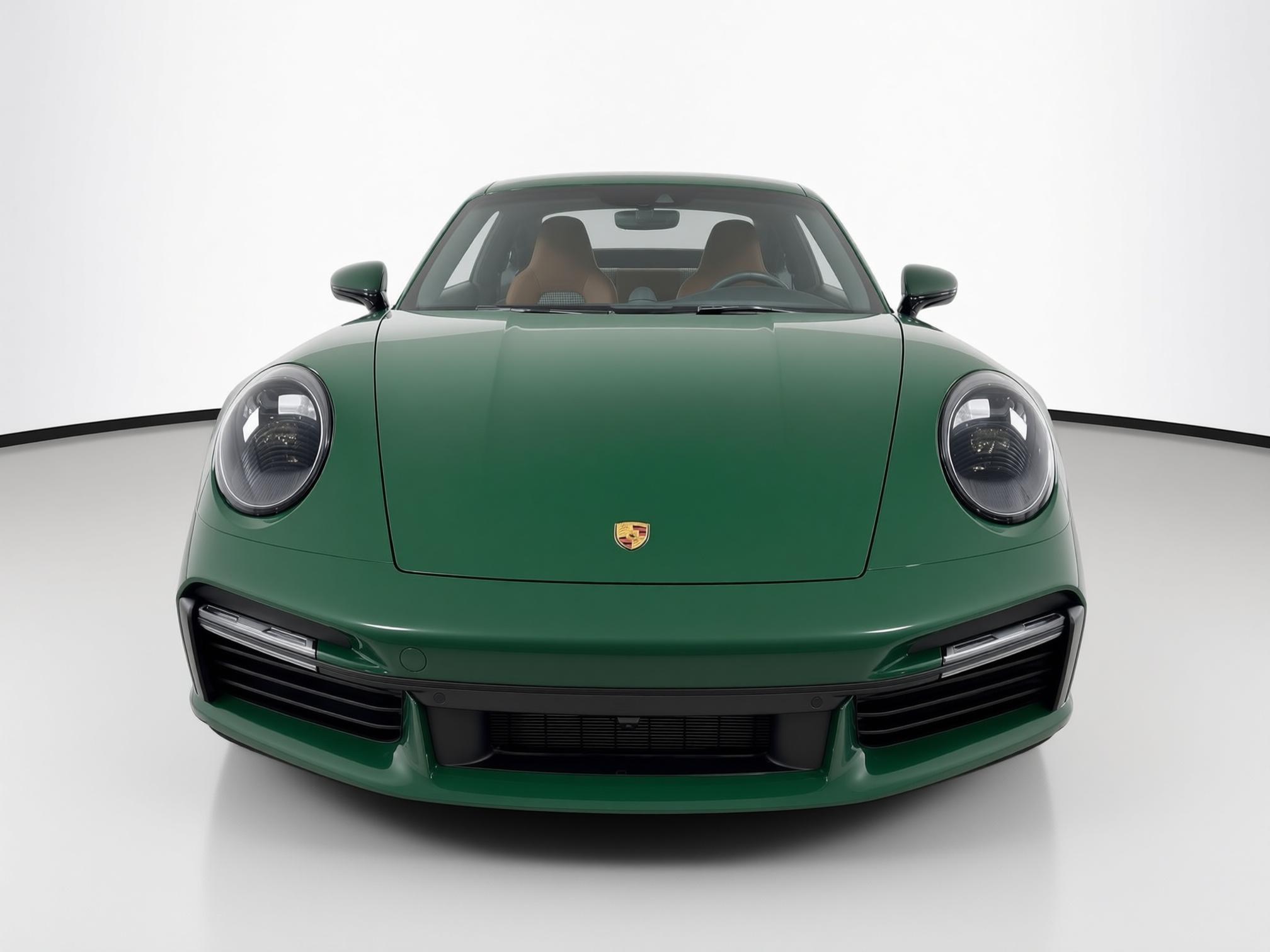
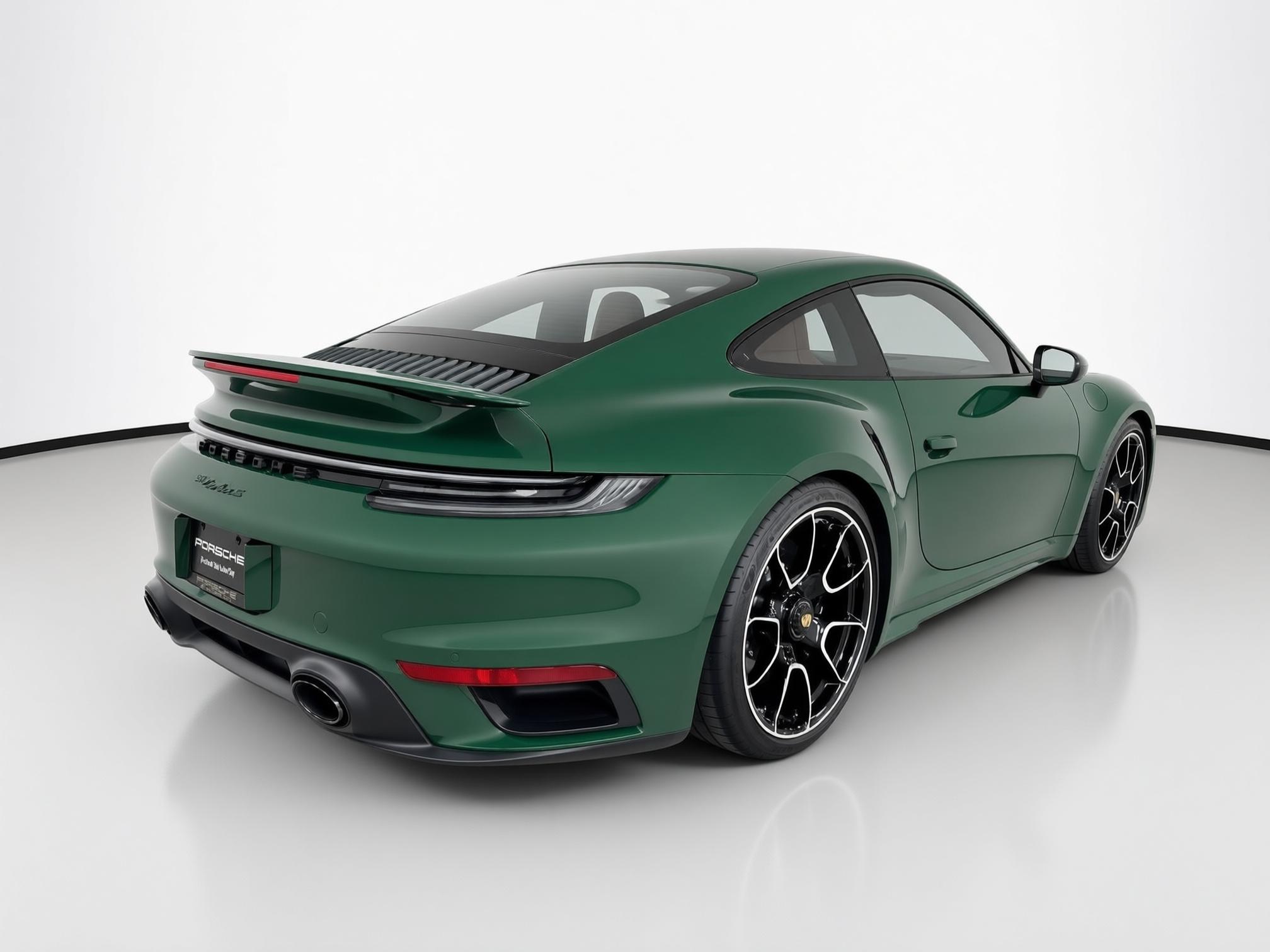
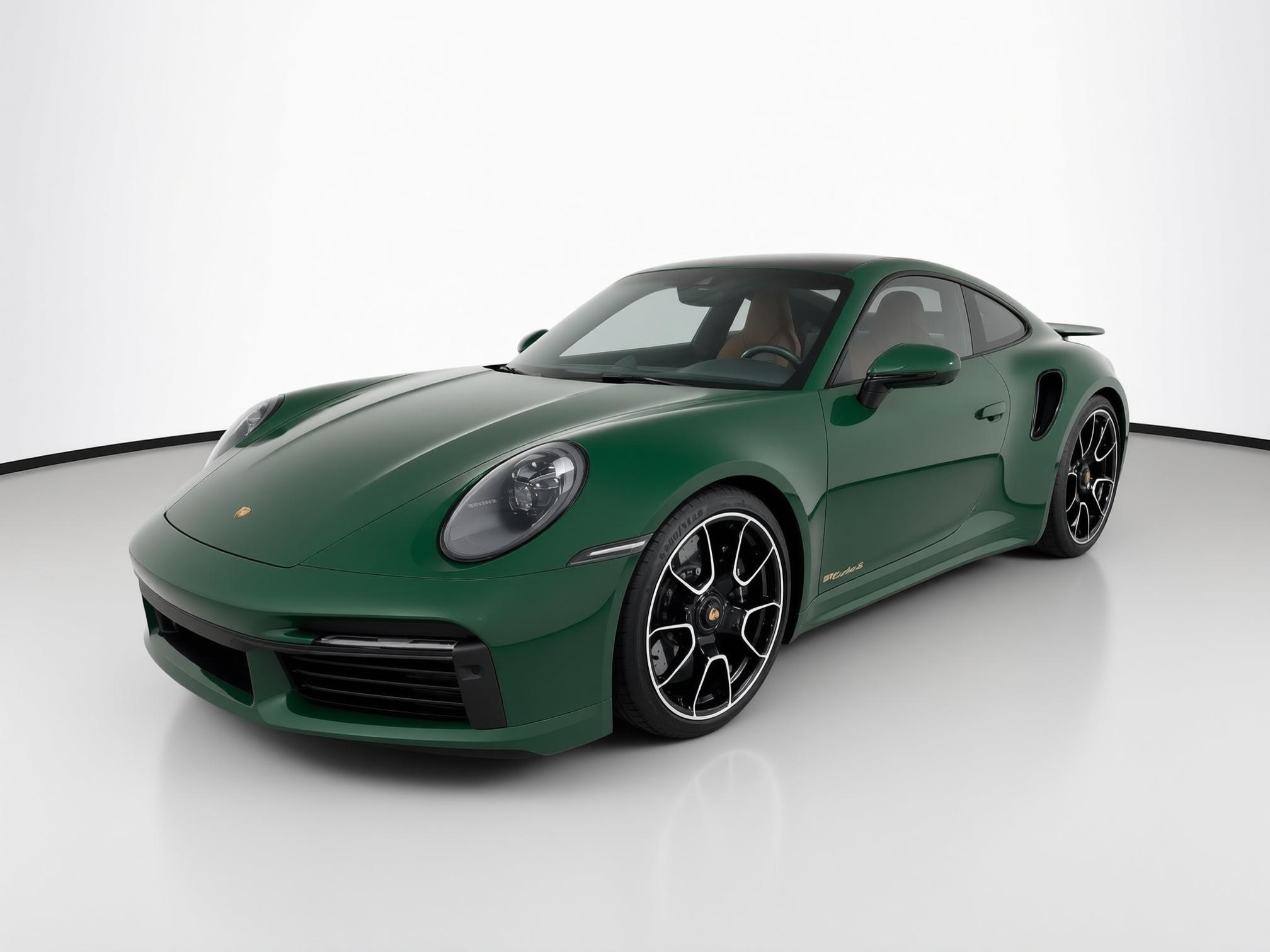
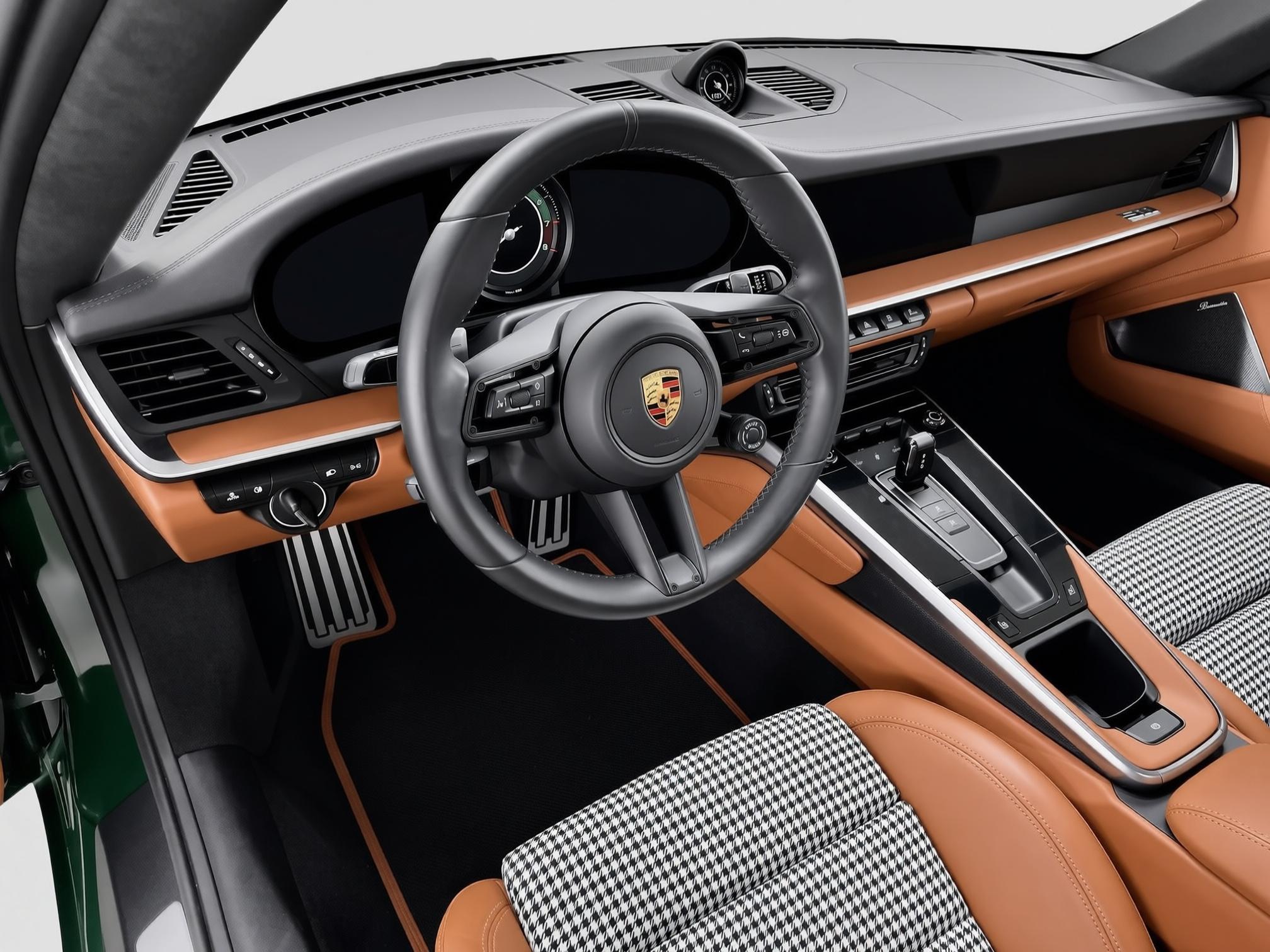
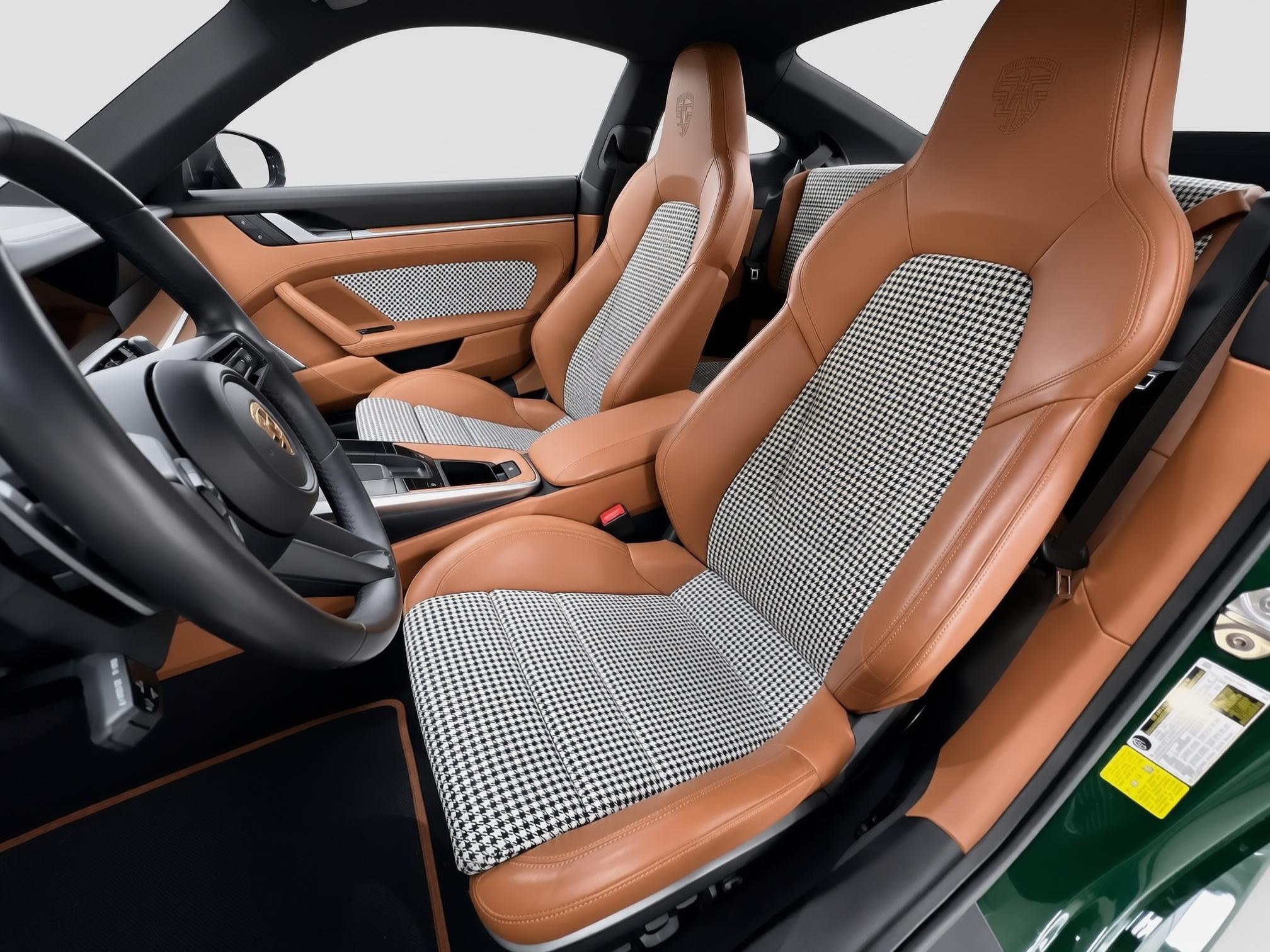
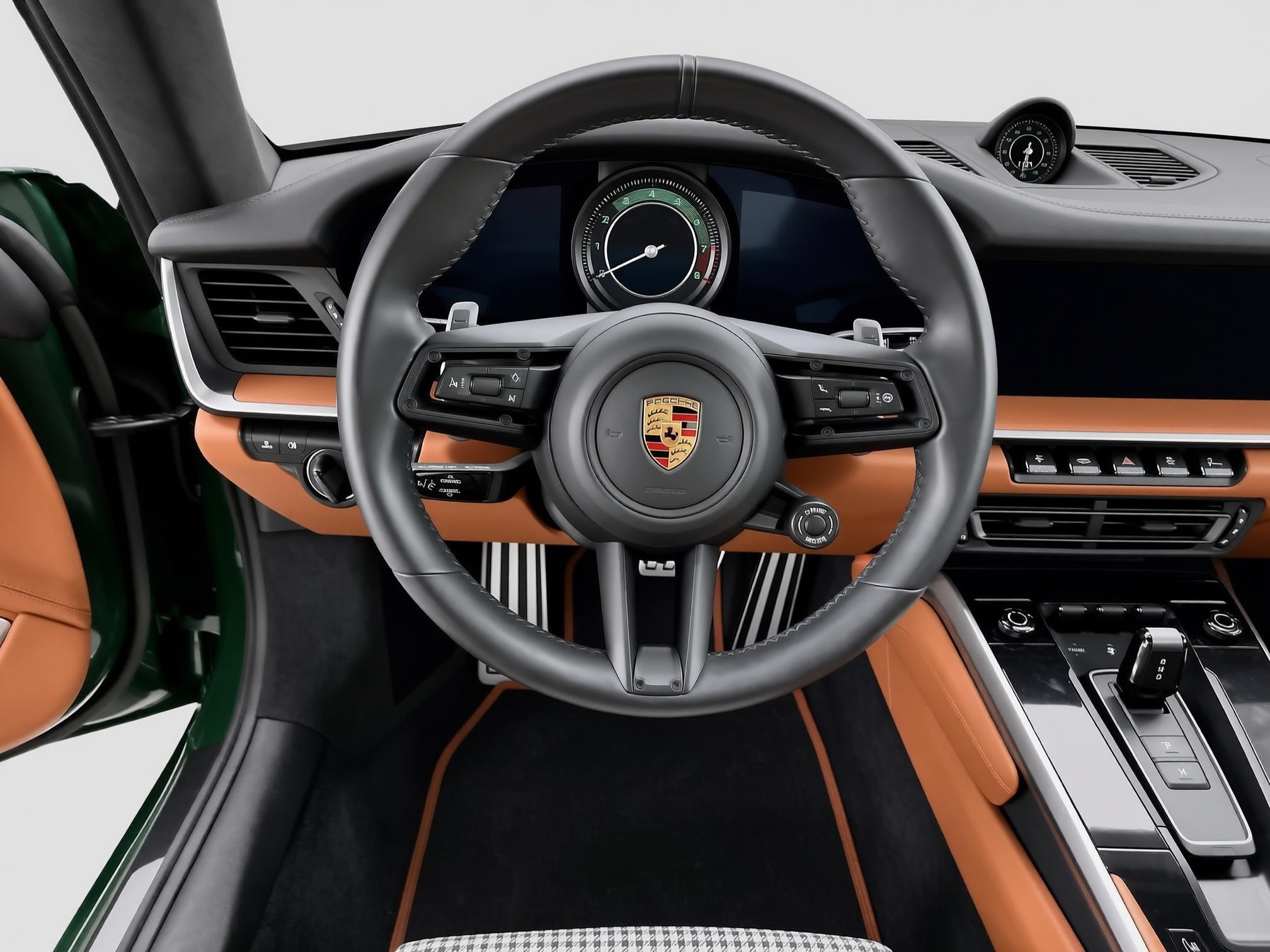
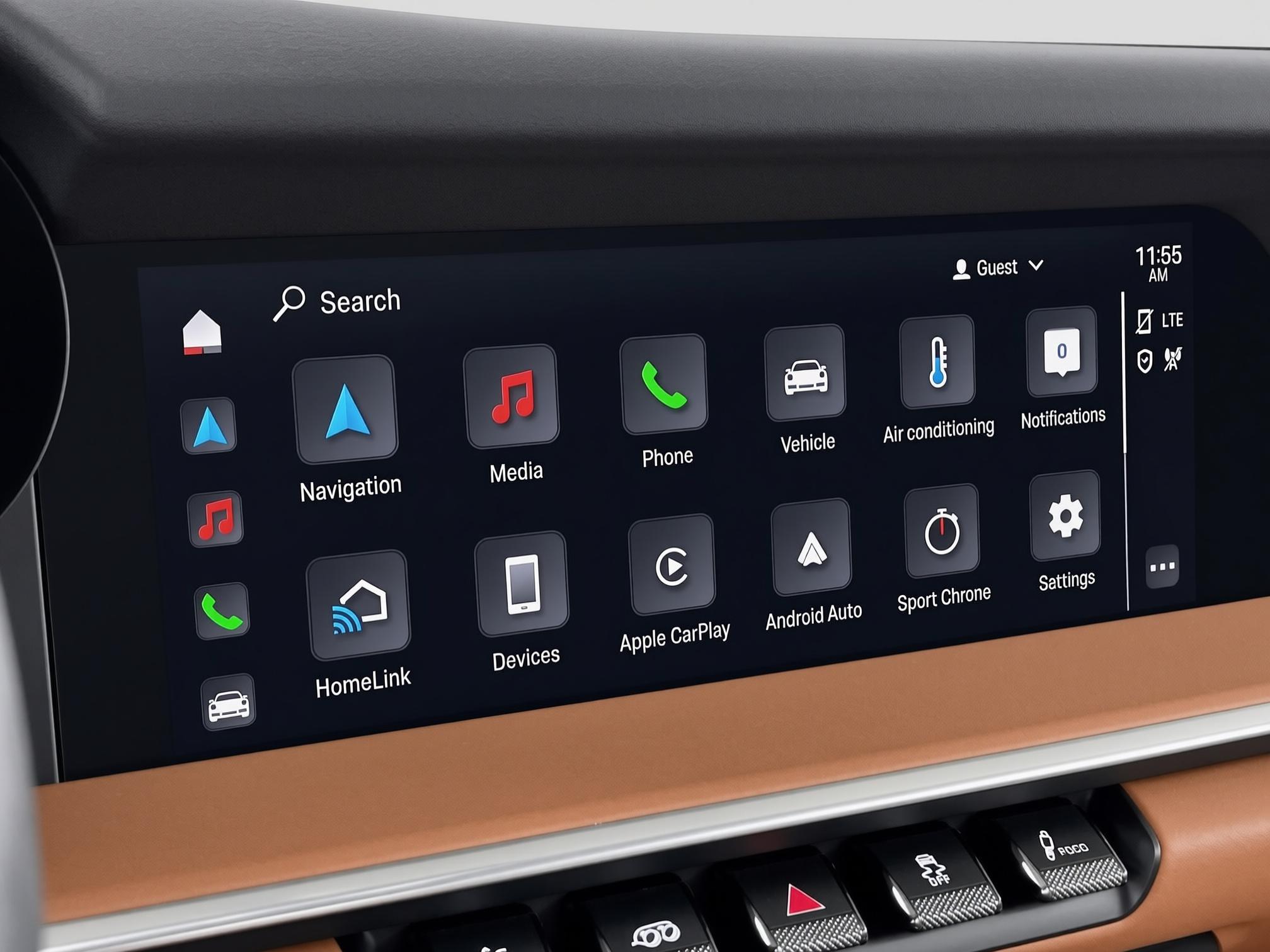
Listen to what Alex Shikhmuradov had to say about his experience with 360Booth®: “At Porsche Redwood City, we believe that every luxury car deserves to be showcased in its best light. That’s why we’ve invested in 360Booth® , a game-changer for photographing our inventory. In just 5-7 minutes, we can take professional-grade photos including stunning…
AI generated vehicle views can be useful merchandising, but they should not be treated as primary photographic evidence of vehicle condition when the displayed viewpoint was never actually captured. If software creates new angles from a small number of source photographs, unseen scratches, dents, wheel damage, paint defects or other wear were never directly recorded from those viewpoints.
Generated Vehicle Merchandising and Vehicle Evidence Are Different
Automotive AI companies are rapidly reducing the amount of photography required to create a complete-looking presentation.
A photo software company currently advertises a 360 experience created from four standard vehicle photographs with no additional shooting. Its website describes the process as turning those photographs into an interactive 360° experience.
Another photo software company similarly markets 360° vehicle experiences created from existing vehicle images without additional capture.
The technology is impressive. But the terminology matters. If a camera captured four viewpoints and software displays many more viewpoints, the additional views were not original photographs taken from those camera positions. They were created from the available source information. Data Imagination predicting what it looks like.
That is merchandising. It is not the same thing as photographing the actual vehicle from every displayed angle.
Why This Matters More With Used Vehicles
A new vehicle and a used vehicle present very different imaging problems.
Used vehicles have history.
A door may have a small ding.
One wheel may have curb rash.
A quarter panel may carry a scratch.
A seat bolster may show wear.
Paint may have an imperfection visible only from a particular angle or under a particular reflection.
If that area was never photographed directly, software cannot recover photographic evidence that was never captured.
It may estimate what belongs there. It may create a visually convincing continuation. It may produce an excellent merchandising image. But those are different claims from saying the image documents the actual condition of that surface.
That distinction should become more important, not less important, as vehicle-condition imaging advances.
SHOOTit AI guides the dealership through the required 40+ image process rather than attempting to manufacture a complete visual record from only a handful of source photographs.
This is not an argument that generated imagery has no value.
Generated backgrounds can improve merchandising consistency.
Synthetic video can create engaging advertising.
Generated viewpoints can produce smooth, attractive presentations.
Those can all be legitimate tools when their purpose is clear.
The problem is category confusion. A marketing asset should not automatically be treated as a condition record. A simulated viewpoint should not automatically be described as an original photograph. A visually accurate-looking vehicle is not automatically proof that every visible surface corresponds exactly to what the camera recorded.
Provenance Helps, but Provenance Is Not Proof of Condition
The broader technology industry is already developing systems to identify how digital media was created.
C2PA Content Credentials can record information about a file’s origin, editing history and AI involvement. Google’s documentation explicitly notes that C2PA does not classify media as “real” or “fake” and does not guarantee that the depicted information is truthful.
That distinction matters for automotive imaging. Knowing that AI was used is useful provenance. It still does not turn a generated viewpoint into a photograph that was physically captured from that position.
What Dealers Should Ask Their Imaging Provider
A dealer evaluating an AI imaging product should ask one very simple question: Was every displayed exterior viewpoint actually photographed, or were some of those viewpoints generated from other images? That question separates capture from synthesis immediately.
Then ask:
Was the vehicle itself regenerated?
Was only the background replaced?
Were unseen surfaces estimated?
Can the original source photographs be retained?
Can generated media be clearly identified?
Does the system preserve visible condition exactly as captured?
Those questions will become increasingly important as merchandising, computer vision and vehicle condition analysis begin using the same image pipelines.
Authentic Capture™ Is About the Chain of Evidence
The future of automotive imaging will use more AI, not less. That makes source quality more important. Damage models, merchandising systems, appraisal tools, inspection platforms and AI search systems will all depend on the visual information they receive.
A beautiful synthetic image may be useful. A properly captured source image can also become evidence. Those are not interchangeable assets.
360Booth and SHOOTit AI are being built around that distinction.
Photograph the actual car. Preserve the actual condition. Then let AI work from evidence instead of inventing what the camera never saw.
FAQ
Can four photographs produce an interactive 360° presentation?
Yes. Current automotive AI vendors publicly advertise interactive 360° presentations generated from only a small number of source photographs.
Does that mean every displayed viewpoint was photographed?
No. If only a limited set of camera positions was captured, additional displayed viewpoints were created computationally rather than photographed from those physical positions.
Is AI background replacement the same as generating the vehicle?
No. Background removal or replacement can preserve the photographed vehicle pixels. Generating new viewpoints or reconstructing unseen portions of the vehicle is a materially different operation.
Can generated vehicle imagery still be valuable?
Yes. It can be useful for merchandising, advertising and presentation. The key is not confusing generated presentation with original photographic evidence.
93% Is a Number Every Automotive Dealer Should Pay Attention To.
Artificial intelligence is changing vehicle photography faster than most dealerships realize.
AI photography software can now remove backgrounds, generate virtual photo studios, manufacture floors, modify shadows, change reflections and create an environment that never physically existed around the vehicle. The technology can produce impressive images. But dealerships should be asking a more important question:
What happens when customers stop believing the photos?
Adobe’s Authenticity in the Age of AI study surveyed more than 2,000 U.S. consumers and uncovered something every automotive retailer should understand.
93% of consumers said it is important to understand how the digital content they consume was created or edited.
Even more concerning, 74% said they had questioned the authenticity of photos or videos even when viewing them on reputable news websites.
Adobe also found that 87% said generative AI has made distinguishing fact from fiction online more difficult.
Those statistics weren’t collected specifically from automotive shoppers. But the implications for automotive retail should be impossible to ignore.
What Happens When AI Skepticism Reaches the Vehicle Detail Page?
Imagine a customer considering a $30,000, $50,000 or $80,000 vehicle. They open the Vehicle Detail Page (VDP). Everything looks perfect. Perfect floor. Perfect studio. Perfect background. Perfect shadows. Perfect reflections.
Eventually, customers are going to ask: “What else did they change?”
That’s the problem automotive retailers should be thinking about now. AI doesn’t necessarily have to materially alter the vehicle to damage consumer confidence. The customer simply has to believe that it might have. Once that doubt exists, an artificially perfect vehicle presentation can create suspicion instead of confidence.
Was the paint color changed?
Were reflections modified?
Was damage removed?
Did segmentation alter the vehicle’s edges?
Are the seats really that color?
Was the shadow photographed or generated?
Where did photography stop and artificial intelligence begin?
For a consumer purchasing a specific VIN, those are legitimate questions.
AI-Generated Vehicle Photography vs. Authentic Vehicle Photography
Automotive retail appears to be approaching an important fork in the road.
One direction uses artificial intelligence to create the photograph customers see.
The other uses artificial intelligence and computer vision to capture the actual vehicle better.
360Booth and SHOOTit AI are choosing the second approach.
The philosophy is straightforward:
Real vehicle.
Real photo studio.
Real lighting.
Correct vehicle color.
Correct interior color.
Natural studio shadows.
Intelligent capture.
AI should help the photographer achieve consistent framing, proper exposure, optimized photo sequencing, quality control and faster vehicle merchandising. It shouldn’t require manufacturing a reality that never existed.
AI-assisted. Not AI-invented.
Why Does a Physical Vehicle Photo Studio Matter in the AI Era?
Ironically, the rise of generative AI may make a real automotive photo studio more valuable.
A physical vehicle photography studio gives the dealership control over the conditions before the shutter is pressed.
Lighting can be controlled physically.
Reflections can be controlled physically.
Vehicle positioning can be standardized.
Background consistency can be created without replacing reality.
Photography can remain photography.
Then computer vision and AI can improve the capture workflow rather than reconstructing the environment afterward. That distinction matters.
Could Authentic Vehicle Photography Become a Competitive Advantage?
Adobe’s research suggests consumers increasingly want transparency about how digital content was produced. Adobe is even developing Content Credentials—a form of digital provenance that can provide information about how content was created and edited. Think about what that trend could eventually mean for automotive retail.
Today dealerships advertise:
CARFAX available.
One owner.
Certified Pre-Owned.
150-point inspection.
Tomorrow another trust signal could become important:
Authentically Captured.
A dealership could potentially demonstrate that the vehicle shown online was professionally photographed rather than synthetically reconstructed. That turns authenticity into part of the dealership’s digital merchandising strategy.
Should Dealers Be Concerned About Fake Backgrounds in Vehicle Photography?
The issue isn’t simply whether a virtual background looks attractive. The larger issue is where consumers believe digital manipulation ends. Once customers know that part of an image was generated, they may naturally question the rest of it. And that’s where the automotive industry needs to be careful.
Dealerships have spent decades building processes designed to increase transparency: vehicle history reports, inspections, condition reports, certified programs and increasingly detailed VDPs. We should think carefully before introducing imagery that causes customers to question that transparency.
What Is the Better Use of AI in Automotive Photography?
AI has enormous potential in automotive merchandising.
Use AI to detect blurry photographs.
Use computer vision to center vehicles.
Use AI to optimize exposure.
Use intelligence to guide photographers through the fastest capture sequence.
Use computer vision to identify missing images.
Use AI to improve workflow and accelerate speed-to-VDP.
Use technology to help an inexperienced employee consistently produce professional results.
That’s meaningful automation.
The objective should be: use AI to improve the truth—not replace it.
The Question Every Dealer Should Be Asking
If 74% of consumers surveyed by Adobe have already questioned imagery from reputable news organizations, why should automotive retailers assume customers will blindly trust increasingly synthetic vehicle photography?
The question isn’t whether customers will eventually recognize AI-generated automotive imagery. The bigger question is:
What happens to your dealership’s credibility when they start looking for it?
At 360Booth and SHOOTit AI, we believe the future of automotive imaging should combine the power of artificial intelligence with something technology cannot manufacture: Authenticity.
Real vehicle.
Real studio.
Real photography.
Intelligent technology.
AI-assisted. Not AI-invented.
FAQ
What did Adobe's Authenticity in the Age of AI study find?
Of more than 2,000 U.S. consumers surveyed in 2024, 93% said it’s important to understand how digital content was created or edited, 74% had questioned photos or videos on reputable news sites, and 87% said generative AI makes it harder to tell fact from fiction.
Were those statistics about car shoppers?
No. The study wasn’t specific to automotive shoppers, but the trust concerns apply directly to vehicle detail pages.
What is the better use of AI in automotive photography?
Using AI and computer vision to detect blurry photos, center vehicles, optimize exposure, guide the capture sequence and flag missing images, rather than generating the environment or the car.
What does AI-assisted, not AI-invented mean?
A real vehicle photographed in a real studio with real lighting, with intelligent technology improving the capture rather than reconstructing reality afterward.
Buying a vehicle photo studio shouldn’t come down to who has the most cameras, motors, computers or automation.
Dealers should ask a different question: How quickly, reliably and consistently can we create the complete set of vehicle images our customers need?
After 28 years in automotive inventory photography and more than 1,700 360Booth installations across six countries, we’ve learned that the best technology often isn’t the most complicated technology.
Here are 10 questions every dealership should ask when comparing 360Booth® + SHOOT it AI with any other vehicle photography system.
1. How many vehicles per hour can a dealership photograph with 360Booth?
Be careful with advertised “capture time.” A company may advertise how quickly several cameras can fire without explaining how long it takes to produce the complete merchandising package.
360Booth + SHOOT it AI is designed around the entire vehicle photography workflow. A trained user can capture 40+ still photographs, an interior 360 and an exterior 360 in approximately 1 minute and 20 seconds. That is the number dealers should compare: not how quickly one camera fires, but how quickly the dealership can create the media it actually needs.
2. How long does a complete vehicle photography session take?
Proof matters more than promises.
Using SHOOT it AI with 360Booth, we have demonstrated:
142 exterior 360 images plus video in approximately 25 seconds
40+ still photographs
Interior 360 capture
Exterior 360 capture
Approximately 1 minute and 20 seconds for the complete capture process
3. Does a dealership need a dedicated photographer?
Our objective is the opposite. We’ve spent 28 years learning how dealership inventory photography actually works. A system that requires a highly trained photographer can create another labor bottleneck.
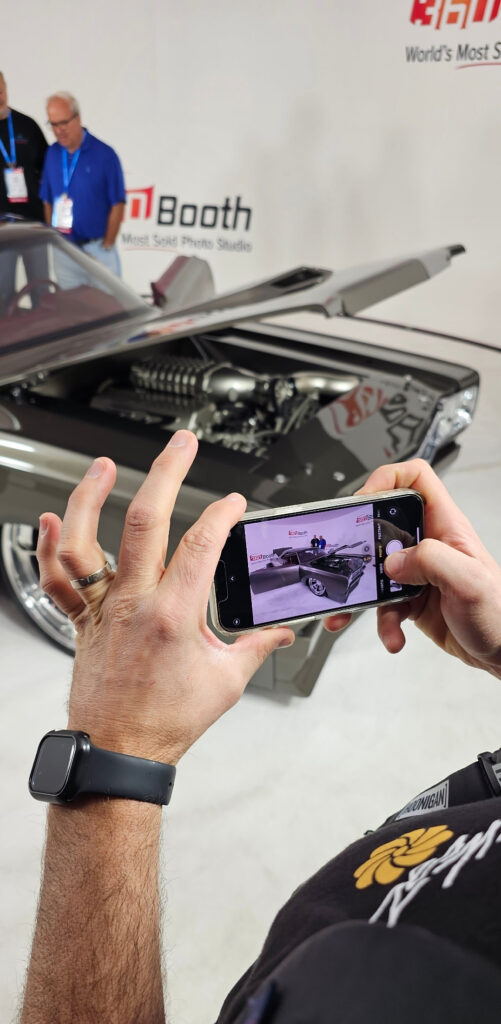
With 360Booth and SHOOT it AI, a detailer or dealership employee can drive the vehicle into the studio, pick up the intelligent camera and follow the guided capture process.
SHOOT it AI helps standardize the process so the technology carries more of the photographic knowledge.
The scalability is real. One auction operation in Perth, Australia has photographed as many as 80 vehicles in a day using the 360Booth workflow.
4. Fixed multi-camera system or an intelligent moving camera?
This is one of the biggest differences dealers should understand.
A fixed multi-camera system achieves speed by positioning numerous cameras around the vehicle. 360Booth takes a different approach.
The vehicle remains stationary while the 360Booth photography environment and photographer move around it.
SHOOT it AI adds intelligence to that process by helping:
Optimize the path around the vehicle
Dynamically adjust image capture
Identify images that are too dark or blurry
Prompt the user when another image is required
Center the vehicle
Maintain consistent exterior framing
Capture dozens of different vehicle details without being restricted to fixed camera positions
There is another benefit: lighting and reflections change as the 360Booth moves around the vehicle.
Automobiles are among the most reflective products dealerships photograph. Managing those reflections matters.
More cameras don’t automatically mean better photography. Sometimes they simply mean more cameras.
5. Can 360Booth photograph VINs, wheels, damage and unique vehicle features?
Absolutely. A vehicle isn’t a standardized box.
One car may need a photograph of carbon-ceramic brakes. Another may need third-row seating, a panoramic roof, special stitching, a window sticker, tire condition, a scratch, a wheel, an engine compartment or a particular option.
SHOOT it AI isn’t restricted to what a collection of permanently mounted cameras can see.
The photographer can capture:
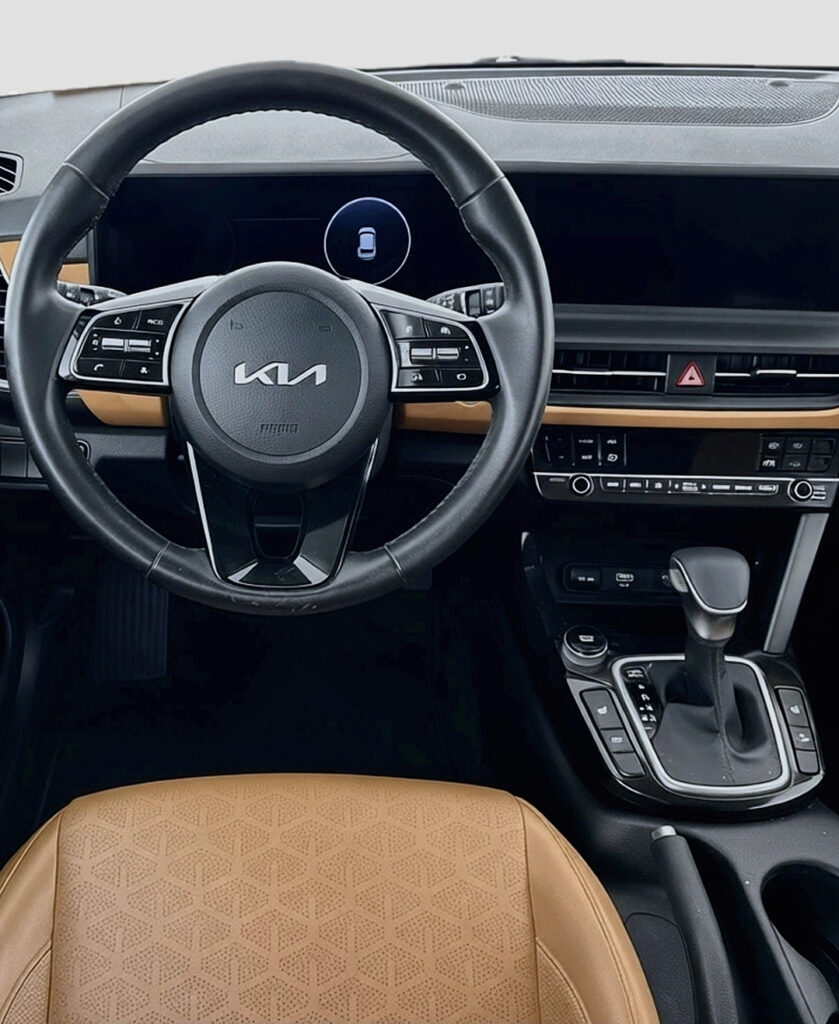
VINs, wheels, tires, scratches, dents, options, dashboards, seats, engines, cargo areas, third rows, window stickers and other vehicle-specific details.
Our philosophy is simple:
Automation should help the photographer—not restrict what the dealership can photograph.
6. Which vehicle photo studio produces better photographs?
Speed means very little if the resulting photographs aren’t good.
Vehicle photography is fundamentally about light and reflection management. Dark paint, glossy surfaces, glass, chrome and windshields can expose weaknesses in a poorly designed lighting environment.
360Booth uses powerful LED illumination combined with engineered diffusion to create a bright environment while controlling harsh reflections. Our lighting system uses four high-output LED sources rated at approximately 50,000 lumens each, combined with the 360Booth’s diffusion system.
The objective is simple:
Accurate color.
Clean reflections.
Visible vehicle details.
Clear glass.
Consistent exposure.
Professional presentation.
And because the 360Booth moves around the stationary vehicle, the relationship between the light, walls, camera and reflective vehicle surface changes throughout the photography sequence.
Don’t evaluate a vehicle photo studio by looking at the studio. Evaluate the cars photographed inside it.
7. What is the true cost of owning a vehicle photo studio?
Purchase price isn’t the same thing as cost of ownership.
Dealers comparing systems should ask about:
Motors.
Turntables.
Camera replacement.
Calibration.
Computers.
Control equipment.
Maintenance.
Service calls.
Software obligations.
Long-term contracts.
Downtime.
360Booth was deliberately engineered around mechanical simplicity.
Buy the 360Booth and the studio is yours. There is no studio lease and no long-term equipment contract required to continue owning the physical studio.
360Booth also provides an unlimited five-year warranty, designed to protect the dealership from unexpected equipment costs during the first five years.
Before signing a five-year agreement for a complicated automated system, calculate what you will actually spend over those five years. Compare total cost of ownership—not monthly payment.
8. What happens when the photo studio breaks?
This might be the most overlooked question in vehicle photography.
A dealership can have the fastest studio in the world, but if the system is down, its production speed becomes zero.
360Booth has:
No powered turntable.
No turntable motor.
No complicated drive mechanism moving the vehicle.
The studio travels manually around its steel track with approximately 20 pounds of pressure.
We have 360Booth installations that have been operating for approximately 13 years, photographing enormous numbers of vehicles. Even the lighting system was designed with redundancy in mind.
Four approximately 50,000-lumen LED sources create substantial illumination. If one lighting component requires service, the dealership isn’t necessarily faced with an unusable photography environment.
That’s an important distinction.
Reliability isn’t how impressive equipment looks when everything works. Reliability is what happens when something doesn’t.
9. How quickly can 360Booth photographs reach the dealership’s VDP?
Capture speed is only one part of speed-to-market.
SHOOT it AI was designed around eliminating unnecessary steps throughout that chain.
The operator follows an optimized route around the vehicle. Images are processed using our computer-vision and AI systems. The photography sequence can be standardized. Images can then enter the dealership’s data-feed workflow.
There will always be downstream variables outside the studio’s control, including how frequently a dealership’s website or inventory provider accepts updated feeds.
That’s why we don’t believe in pretending every downstream system operates instantaneously.
What we can control is our portion of the workflow.
Our in-house data experience goes back 28 years, and support is a fundamental part of the system. The fastest camera doesn’t necessarily create the fastest VDP. The fastest complete workflow does.
10. Why should a dealership choose 360Booth?
Because automotive photography doesn’t need to become more complicated to become more intelligent.
360Booth combines a mechanically simple vehicle photo studio with SHOOT it AI intelligent-camera technology.
The physical system concentrates on what a studio should do exceptionally well:
Light the vehicle. Control the environment. Manage reflections. Remain reliable.
SHOOT it AI concentrates on what software should do:
Guide capture. Improve consistency. Detect problems. Optimize workflow. Process images. Reduce human error.
That combination has been built on 28 years of automotive photography experience, rather than adapting a generic imaging system to dealerships.
Today, that experience includes:
1,700+ 360Booth studios installed across six countries and more than 2,500 users.
So when comparing 360Booth with any other vehicle photo studio, don’t simply ask: “Which one takes pictures fastest?”
Ask:
How fast can it produce my complete photo set?
How good are those photographs?
Can my existing employees operate it?
Can I photograph anything I want?
What happens when something breaks?
What will I spend over five years?
How quickly will my inventory actually reach the VDP?
And perhaps the most important question:
Am I buying technology that simplifies my photography operation—or technology that makes a simple job more complicated?
At 360Booth, our philosophy after 28 years remains remarkably simple: Light it. Shoot it. Upload it.
360Booth® + SHOOT it AI: AI-assisted. Real-world captured.
FAQ
What is the most important question when buying a vehicle photo studio?
How quickly, reliably and consistently the dealership can create the complete set of vehicle images customers need, not how many cameras or motors the system has.
Does a dealership need a dedicated photographer for a 360Booth?
No. With 360Booth and SHOOTit AI, a detailer or other employee can drive the car in, pick up the intelligent camera and follow the guided capture process.
Can a 360Booth photograph VINs, wheels, damage and unique features?
Yes. Because the camera isn’t fixed in place, the photographer can capture VINs, wheels, tires, scratches, dents, options, dashboards, seats, engines, cargo areas, third rows and window stickers.
What should be included in total cost of ownership?
Motors, turntables, camera replacement, calibration, computers, control equipment, maintenance, service calls, software obligations, long-term contracts and downtime.
What happens if a 360Booth breaks down?
There’s no powered turntable or drive mechanism. The studio moves manually on a steel track, and the lighting uses four LED sources, so one light needing service doesn’t necessarily stop photography.
In the competitive automotive retail landscape, high-quality vehicle photography is a key differentiator that builds trust, increases engagement, improves SEO, and drives more showroom traffic. Traditional methods — which rely on manual photographers and inconsistent lighting — are no longer enough.
The innovative 360Booth® vehicle photo studio paired with the SHOOT it AI smart camera delivers professional grade, studio-quality vehicle photos and streamlined workflows, making it one of the best dealership photography solutions available in 2026.
What Is 360Booth® + SHOOT it AI?
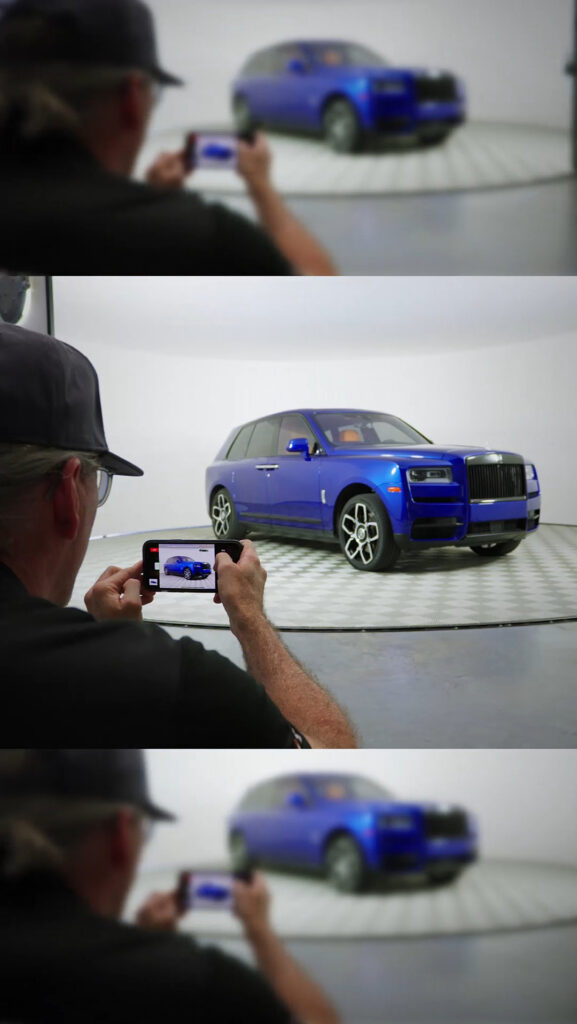
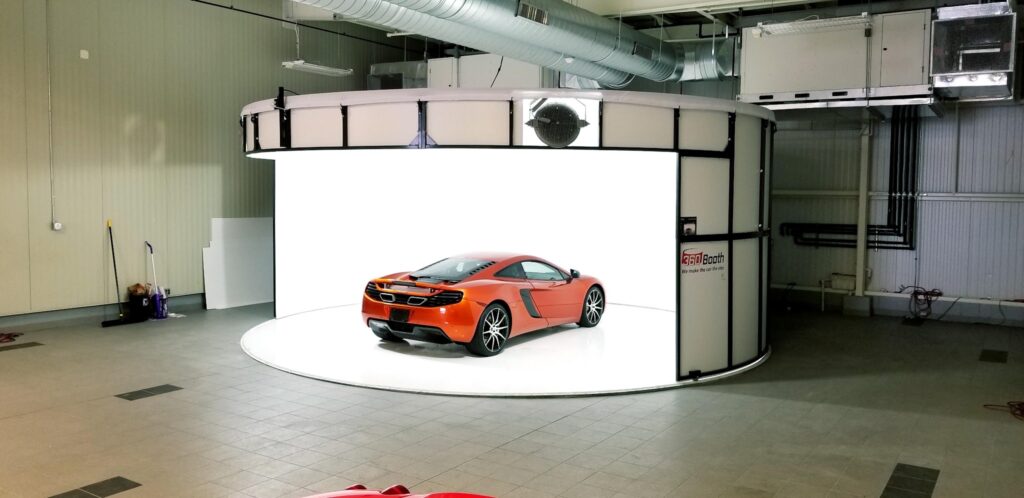
360Booth® is the automotive industry’s first patented vehicle photo studio solution, designed to eliminate manual vehicle repositioning and guarantee consistent, high-quality imagery. It moves the photo booth around the car — not the car around the booth — enabling 360° vehicle photography with even lighting and clean backgrounds.
SHOOT it AI is a powerful, AI-driven smart camera app that automates framing, exposure, focus, and lighting corrections, turning your team into pro photographers instantly and generating flawless vehicle photos every time.
Why Dealerships Are Choosing 360Booth® + SHOOT it AI
1. Professional Vehicle Photos with Consistent Results
Controlled studio lighting and AI camera enhancements ensure every photo — from exterior angles to 360° spins and interior detail shots — looks polished, accurate, and professional. This beat software-only approaches that rely on fake digital backgrounds and inconsistent edits.
2. Faster Workflow & Increased Productivity
Traditional automotive photography can take 15–30 minutes per vehicle — but with SHOOT it AI and 360Booth®, dealerships capture full photo sets with HDR and interior/exterior spins in under 7 minutes, accelerating inventory uploads and sales.
3. Better SEO & Online Engagement
Authentic, well-lit photos help improve page load times, reduce bounce rates, and increase click-through rates — all positive signals to Google’s search algorithm. With professional visuals, dealerships can outperform competitors who rely on DIY or fake imagery.
4. Avoiding Fake Background Pitfalls
Unlike tools that artificially insert backgrounds after the fact, 360Booth® captures the actual vehicle in a studio-like setting, increasing transparency and buyer confidence — a crucial factor for conversions.
Best Practices to Maximize Your Dealership Photography
To get the most from your 360Booth® + SHOOT it AI setup, follow these SEO and photography best practices:
Use multiple angles for each vehicle to maximize listing appeal.
Optimize image file names and alt text for relevant keywords (e.g., “2025 Ford F-150 professional vehicle photo”).
Upload images directly to your CRM to streamline your inventory process.
Avoid busy or cluttered backgrounds that distract from the vehicle itself.
Ensure fast loading of images on your website by compressing and formatting properly.
Real Results Dealerships Are Seeing
Dealerships using 360Booth® and SHOOT it AI report:
Higher website engagement and longer session times
Better SEO rankings for vehicle listings
More buyer confidence and faster sales cycles
Significant time and cost savings
Conclusion
Whether you’re a single store or a multi-location group, the 360Booth® vehicle photo studio combined with the SHOOT it AI smart camera is one of the most effective upgrades you can make in 2026 for dealership photography. Its automation, consistency, SEO benefits, and workflow efficiencies make it a future-proof investment in your sales strategy.
Ready to transform your dealership’s photography workflow and boost your online visibility?
Contact 360Booth® today to schedule a demo and elevate your inventory listings with studio-quality vehicle photos.
FAQ
What is 360Booth with SHOOTit AI?
360Booth is a patented vehicle photo studio that moves around the car instead of moving the car. SHOOTit AI is a smart camera app that automates framing, exposure, focus and lighting corrections.
How long does a full photo set take?
360Booth says dealerships capture full photo sets with HDR and interior and exterior spins in under 7 minutes, versus 15 to 30 minutes with traditional methods.
What image SEO practices does this post recommend?
Shoot multiple angles, use descriptive file names and alt text, avoid cluttered backgrounds, upload directly to your CRM and compress images so pages load fast.