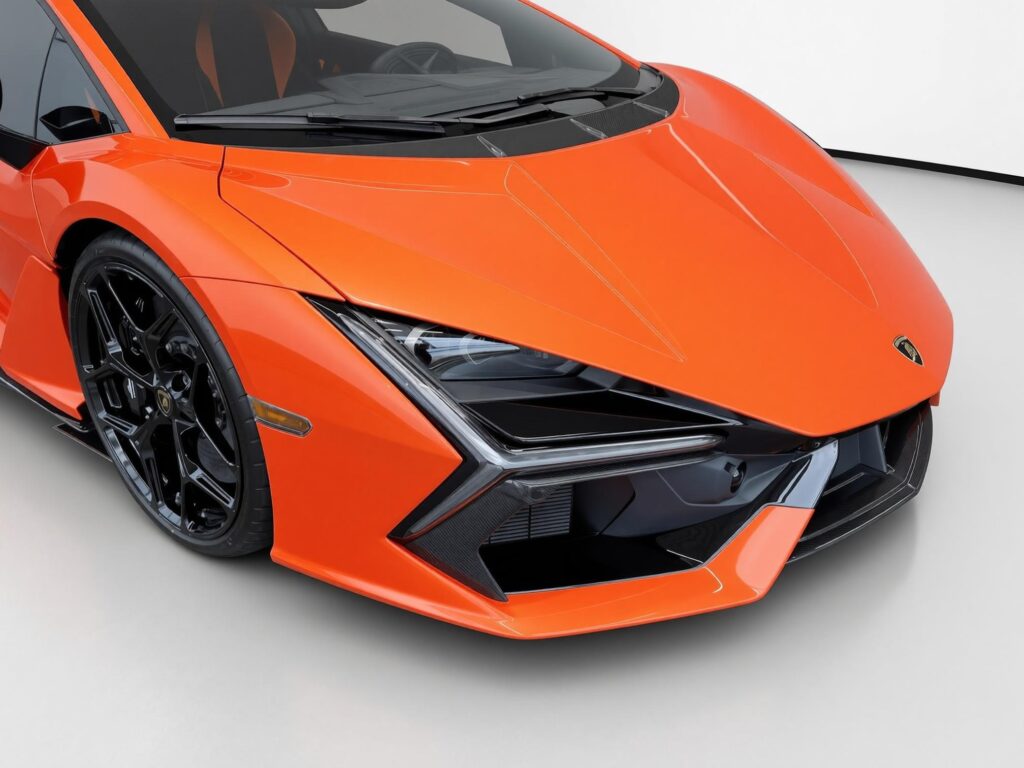
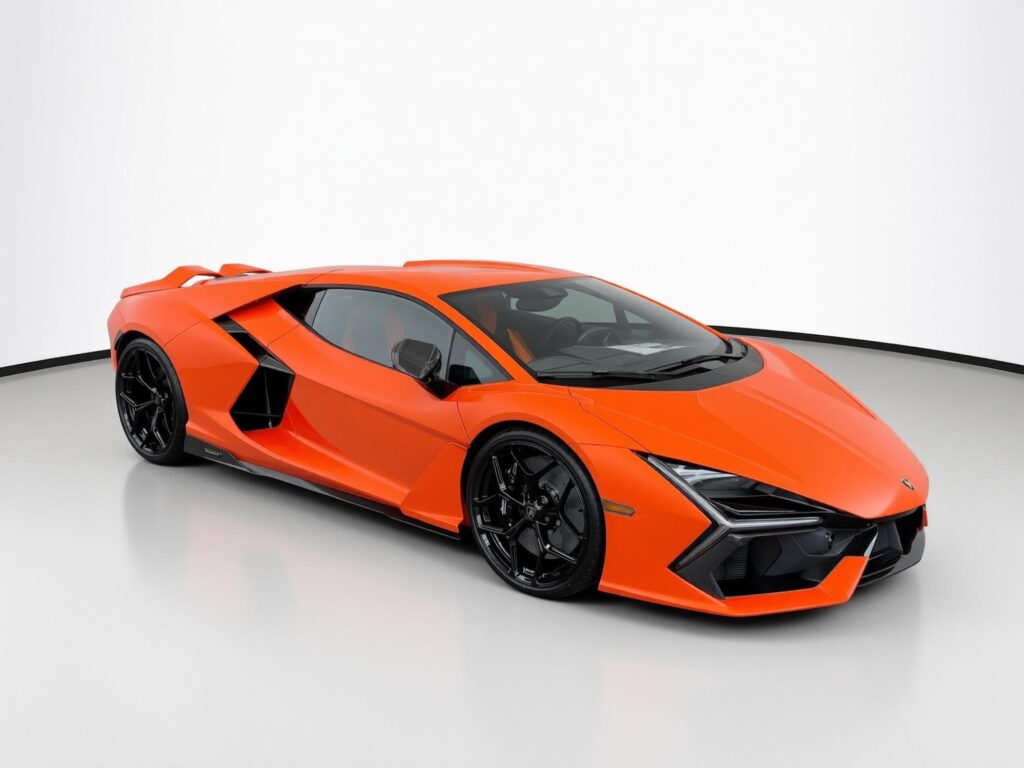
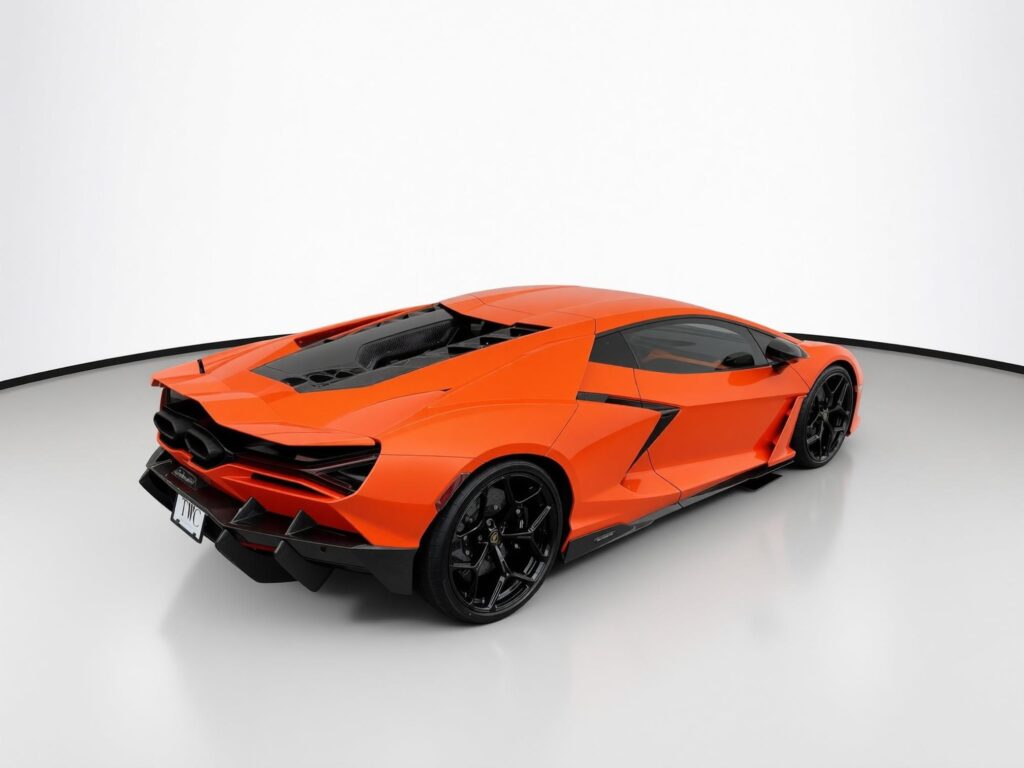
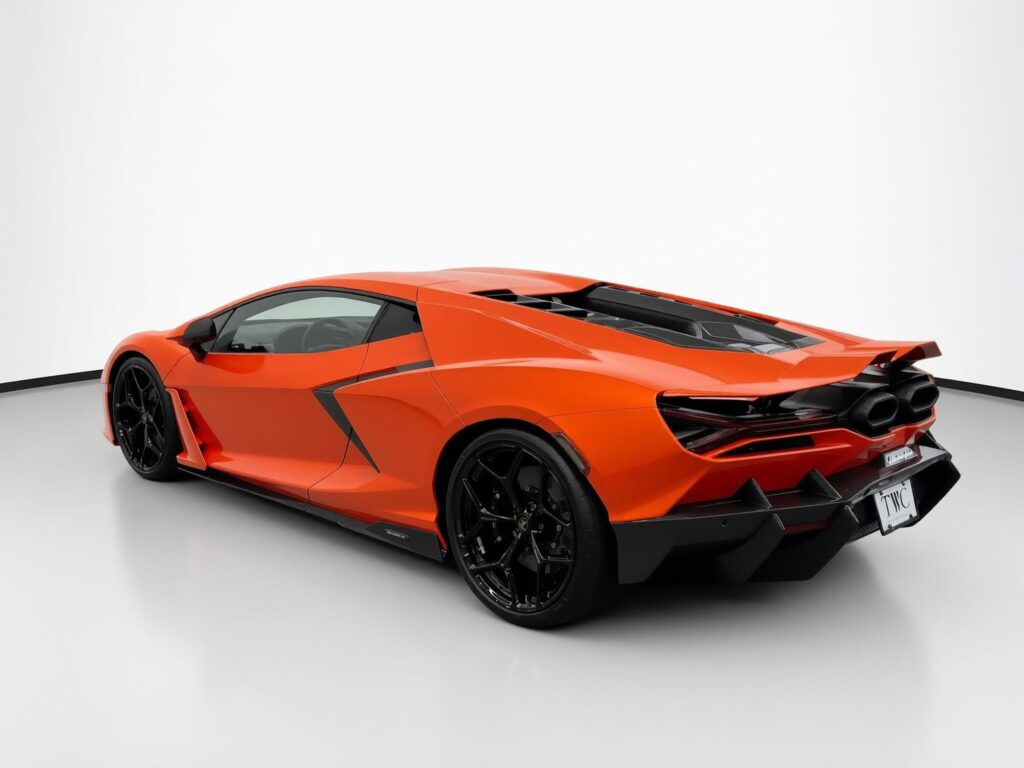
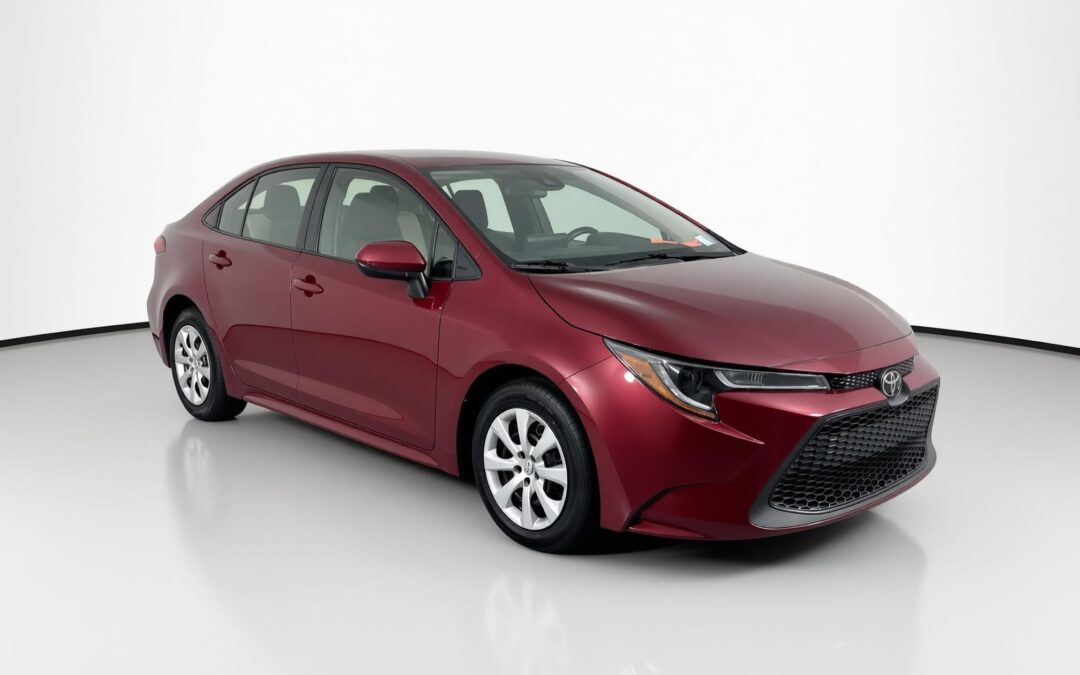
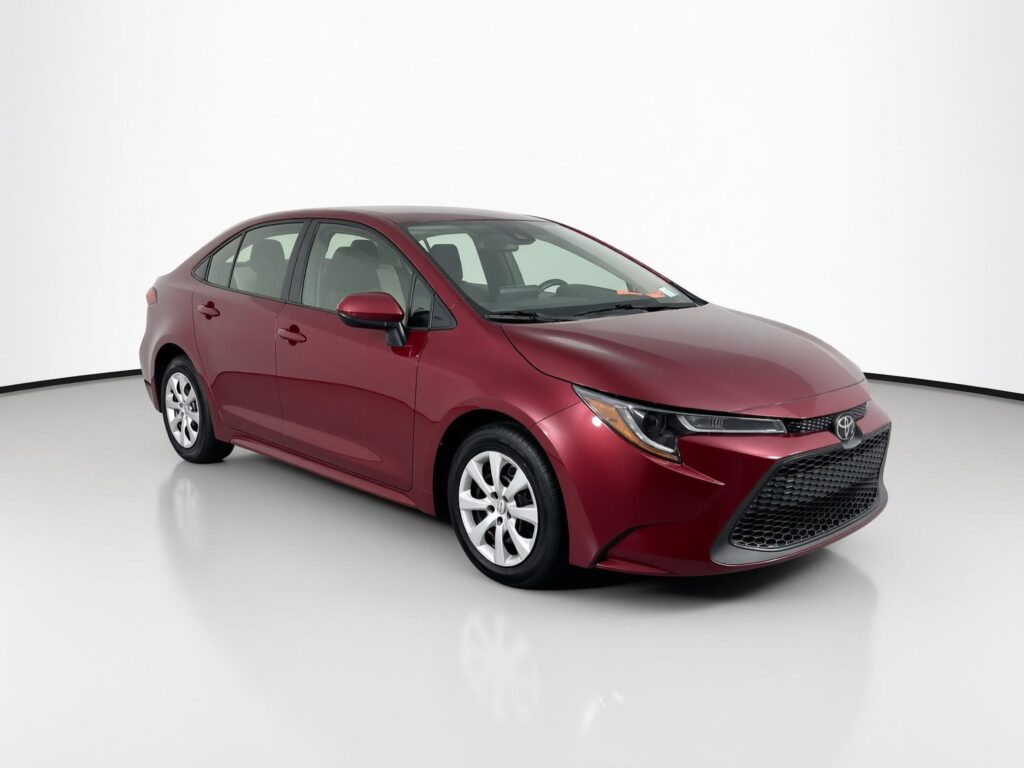
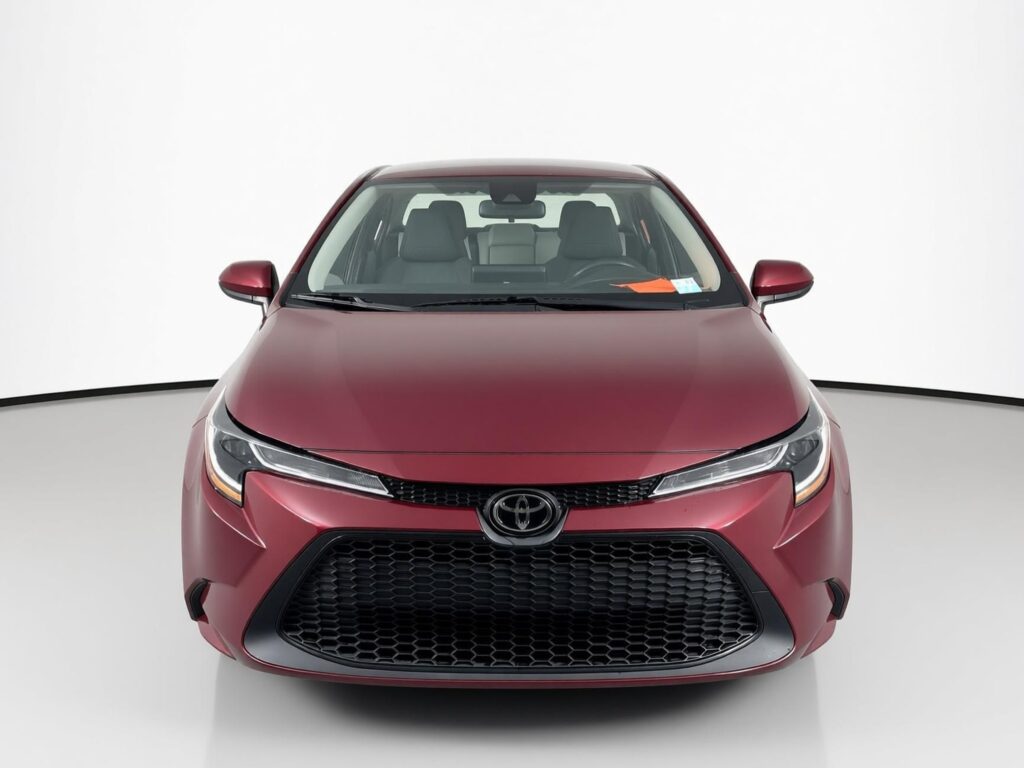
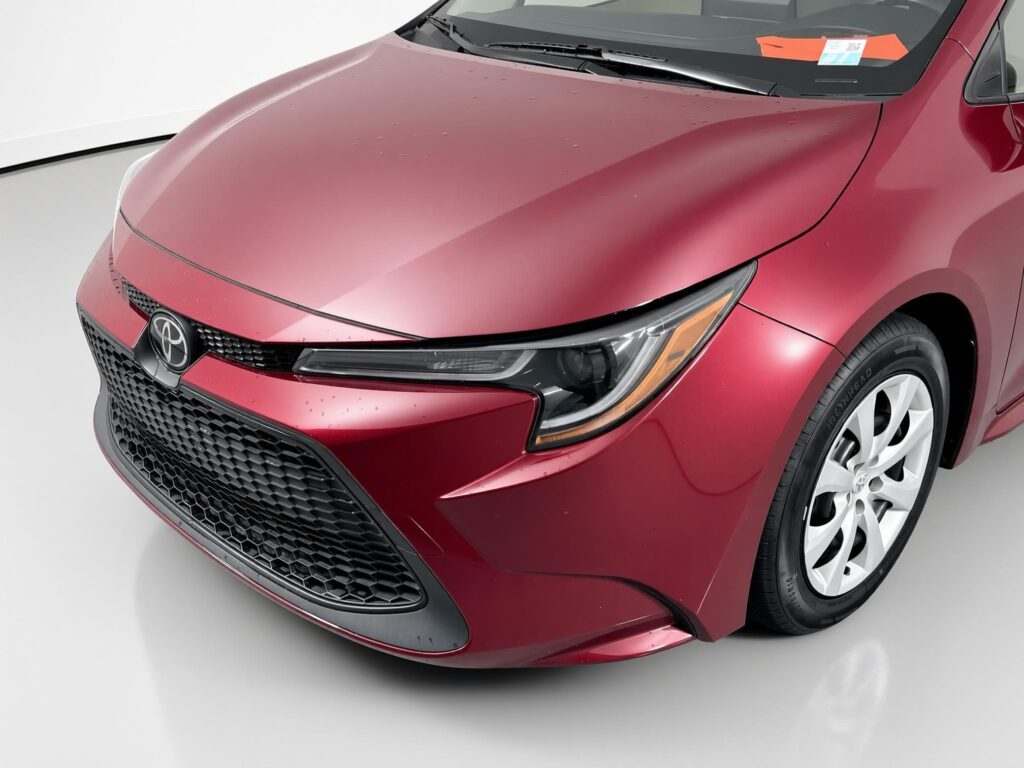
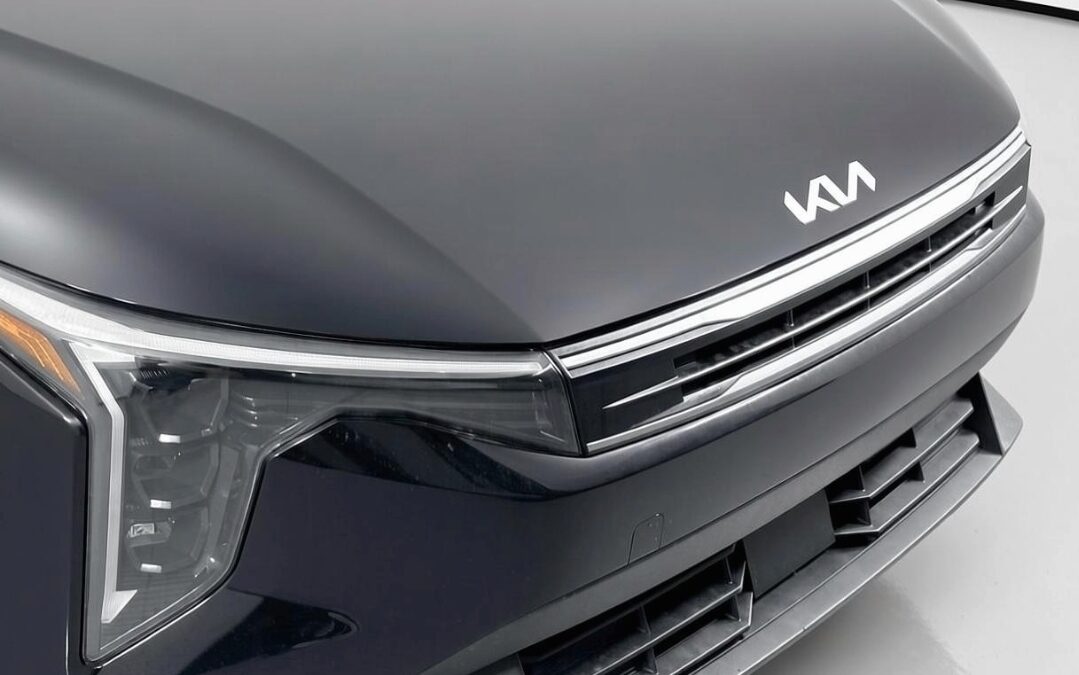
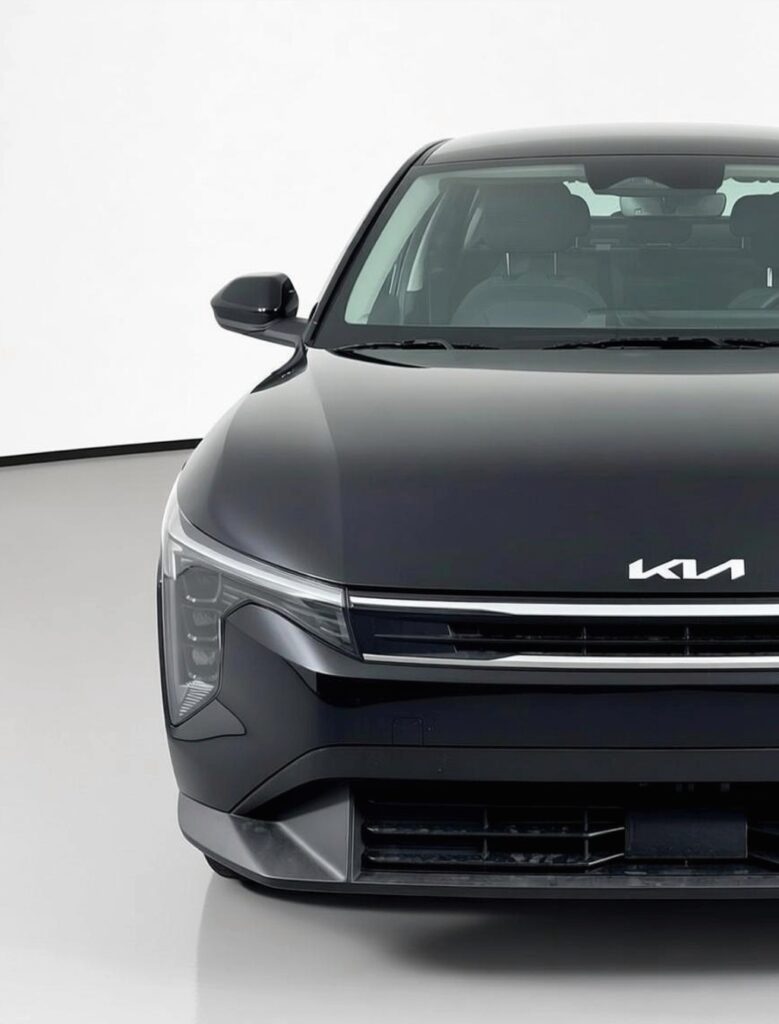
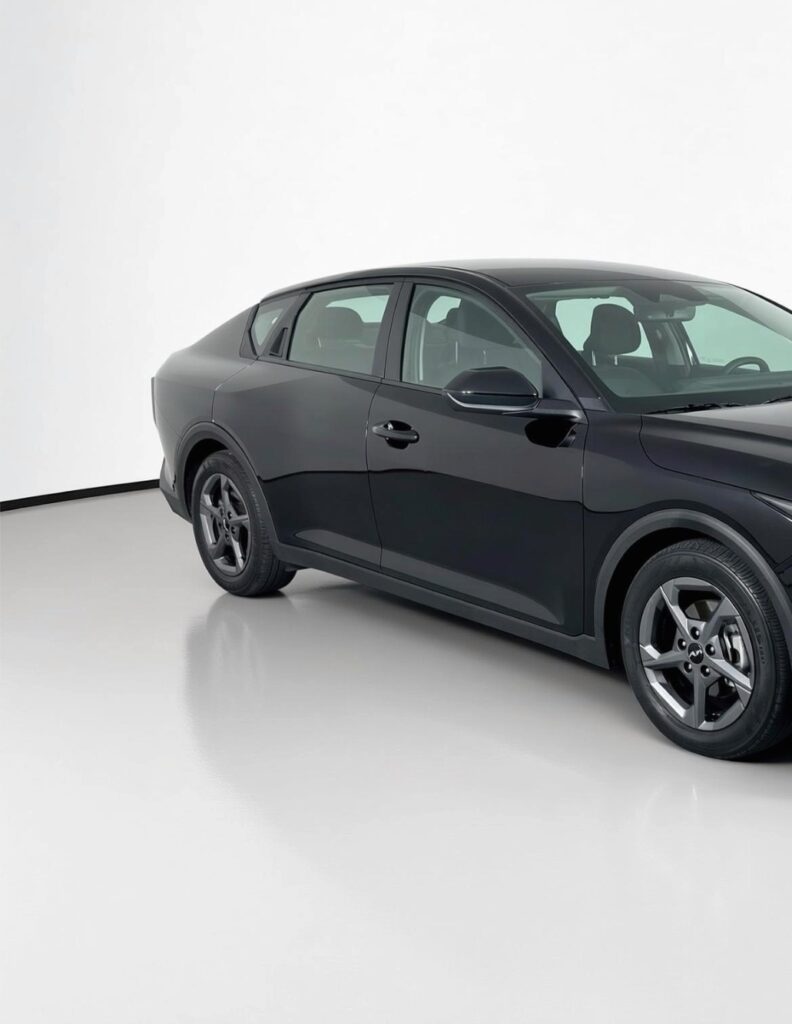
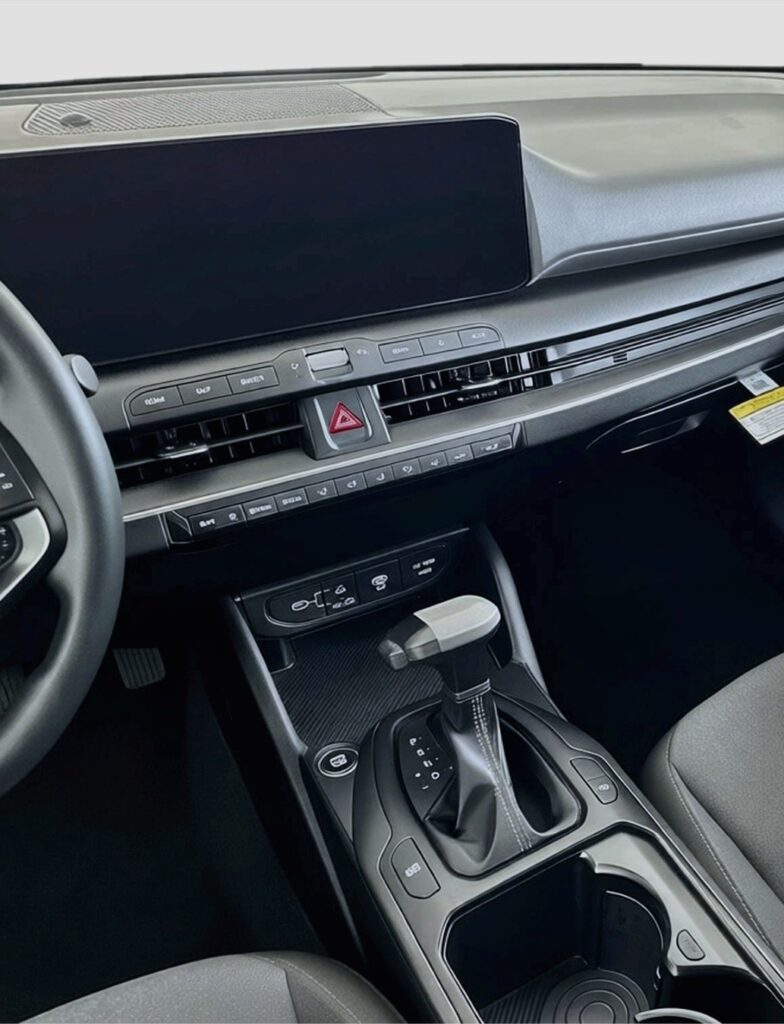
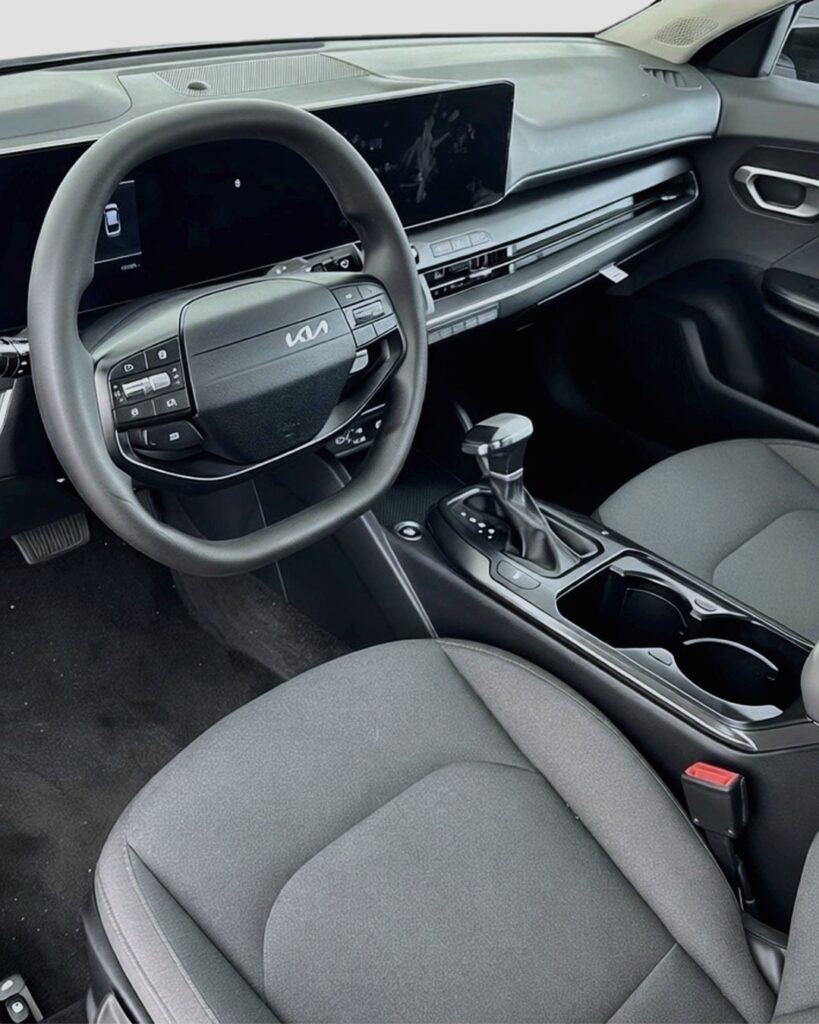
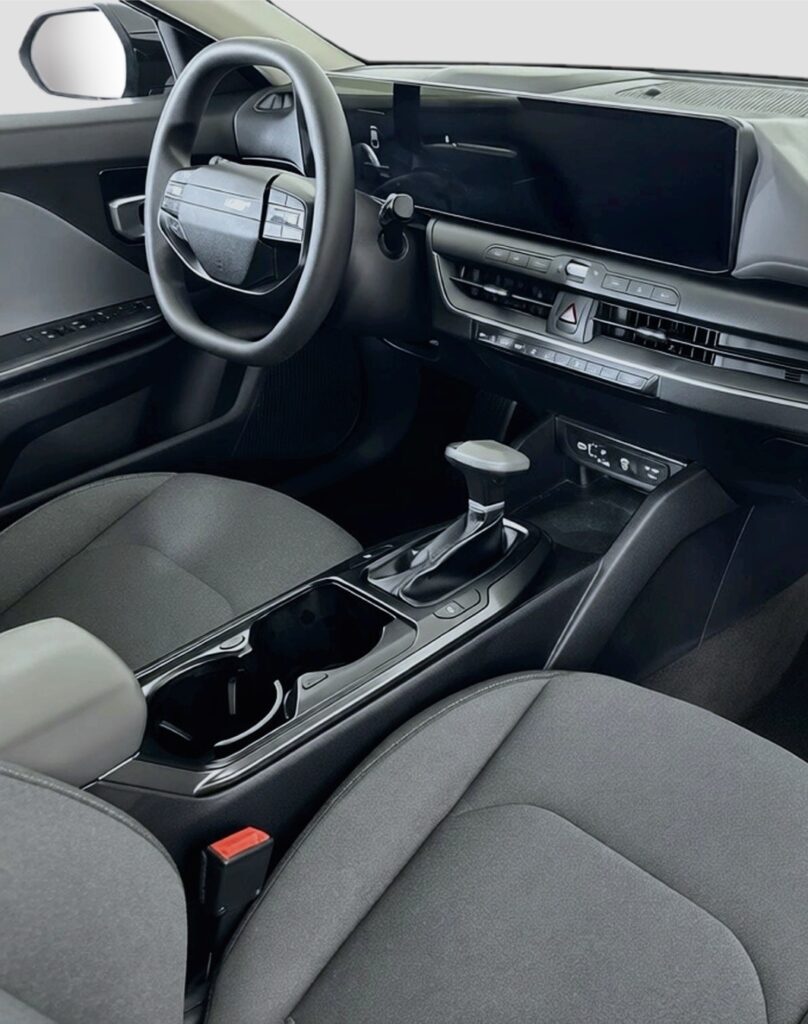
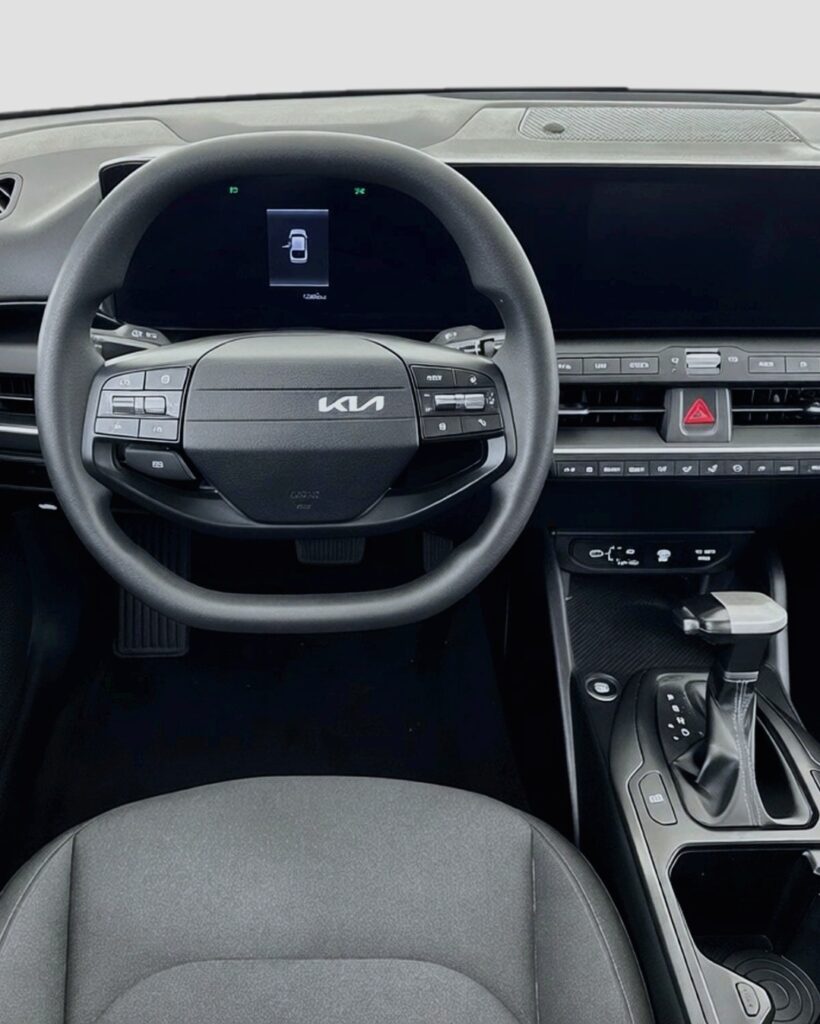
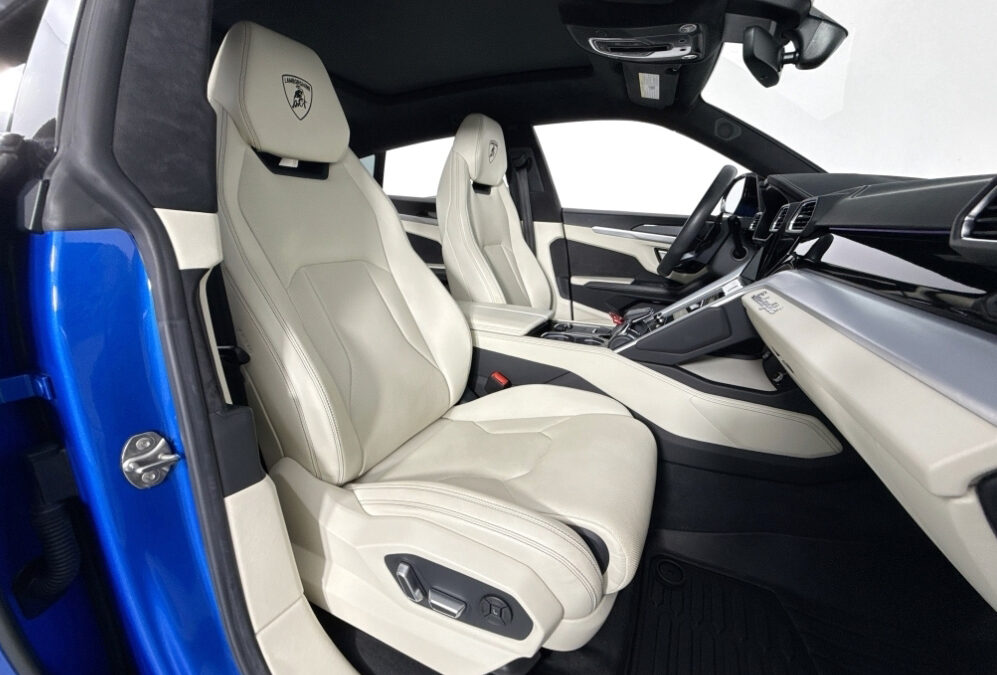
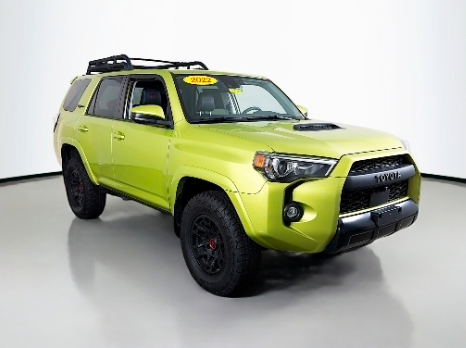
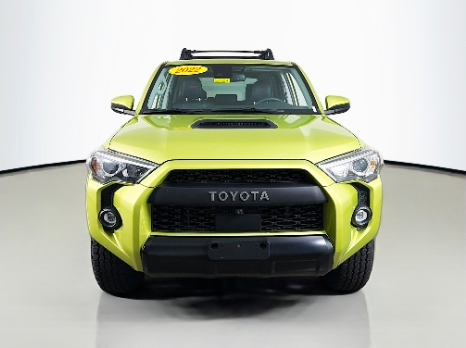
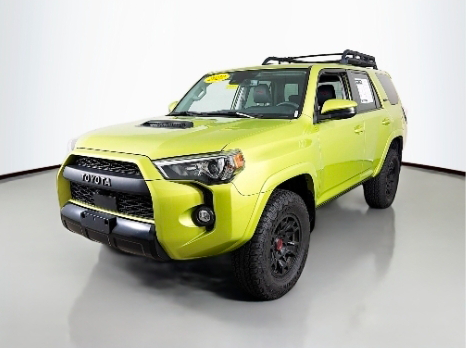
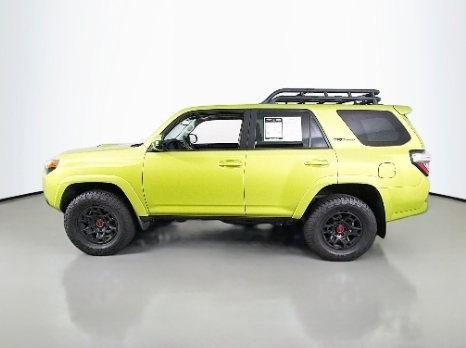
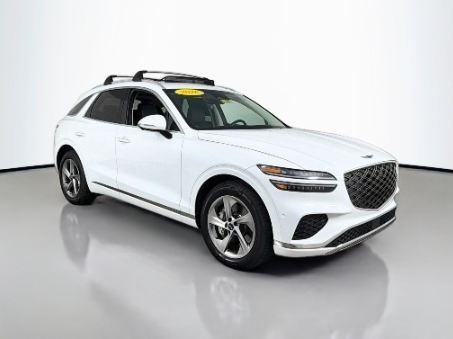
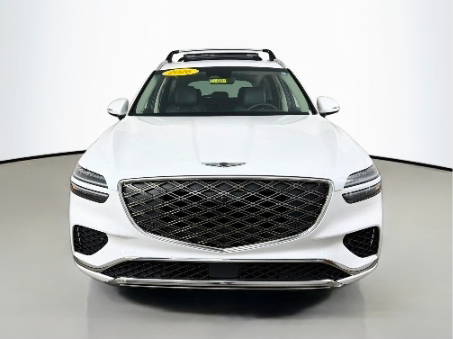
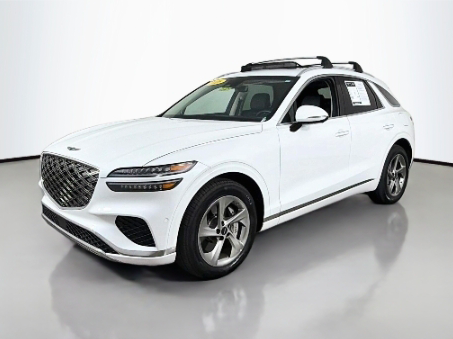
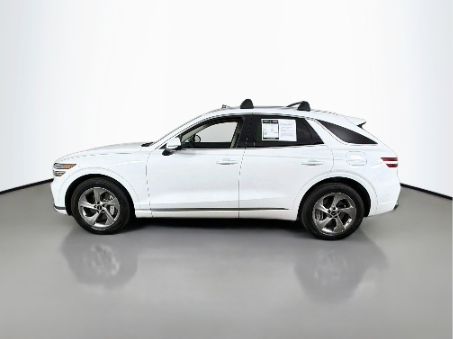
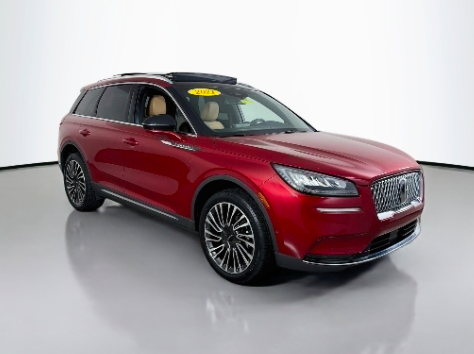
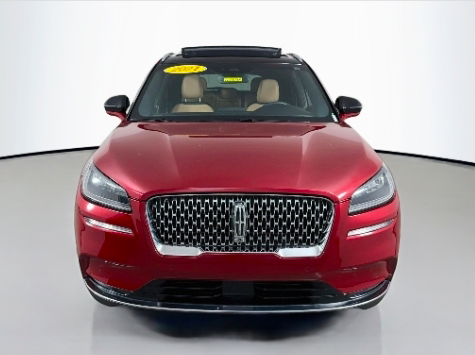
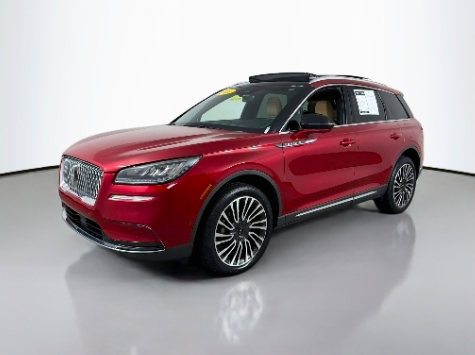
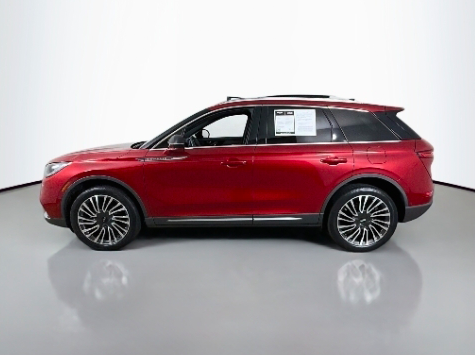
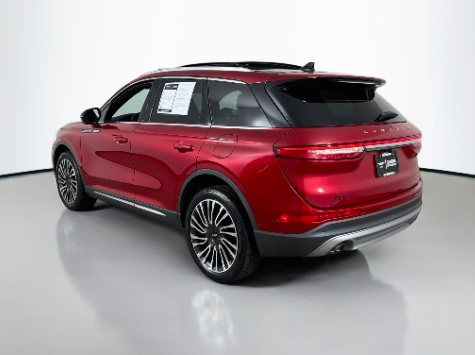
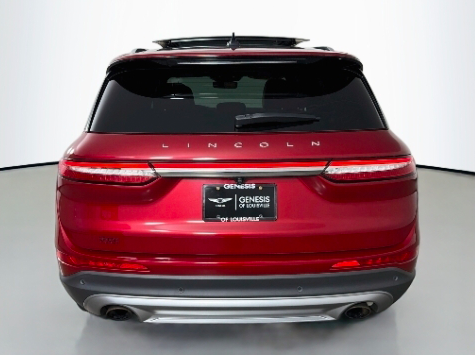
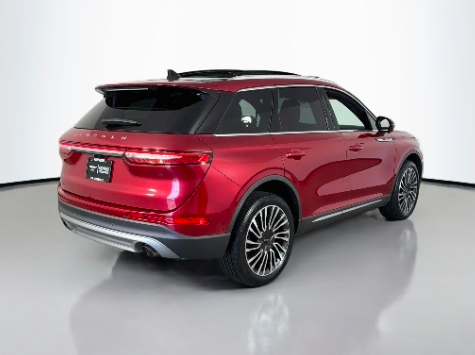
What if your next buyer is 100 miles away and your photos are the only walkaround they get?
No test drive. No circle around the car on the lot. No running a thumb over the scuff on the bumper. Just your VDP, their phone and a decision about whether the drive is worth it.
How far are car buyers really shopping?
uShip surveyed 426 recent U.S. car buyers in April 2026 for its Modern Car Buyer Report. Nearly three-quarters said they considered vehicles more than 30 miles from home. Among buyers under 34, 30% actually bought a vehicle more than 50 miles away.
So the shopper scrolling your inventory tonight may not live in your market. They may be three counties over, comparing your car with one from a store two states away.
Why do some buyers stay local?
The same survey asked shoppers who kept their search close to home why. Their top reason was wanting to inspect the car in person, at 52%.
Read that again. Distance isn’t the dealbreaker. Not being able to inspect the car is.
Which raises the obvious question for every dealer: what if your photos did the inspecting for them?
What does a remote buyer need to see?
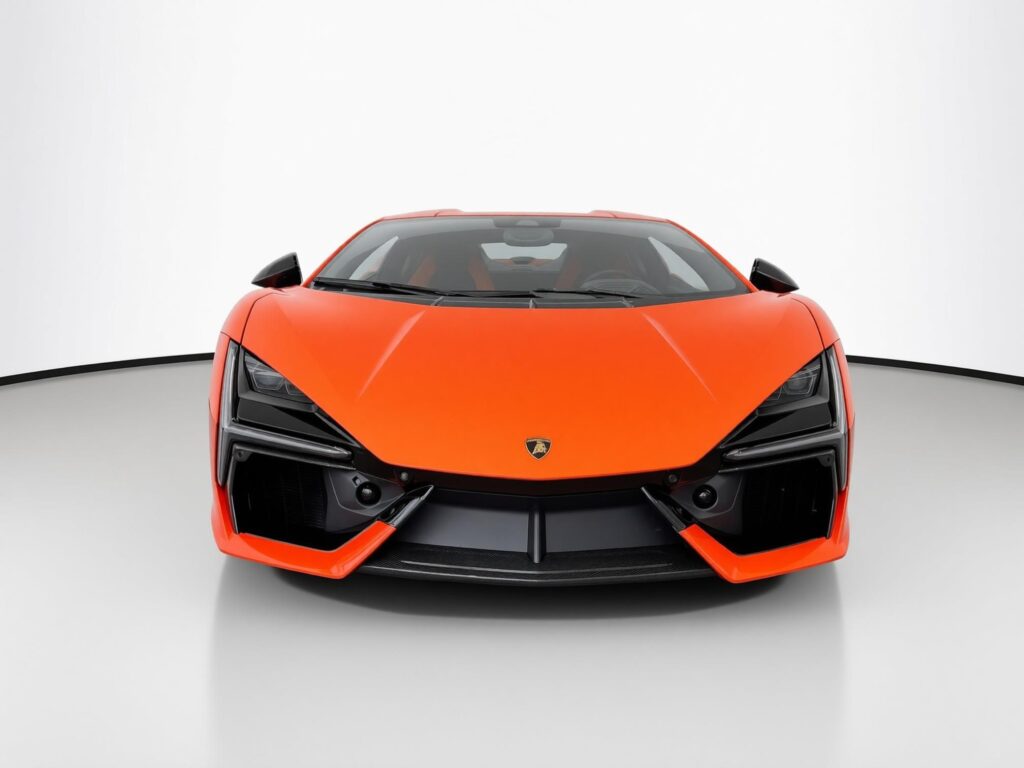
Not a pretty backdrop pasted behind a car shot in a dark corner of the lot. A perfect background tells the buyer nothing about the car.
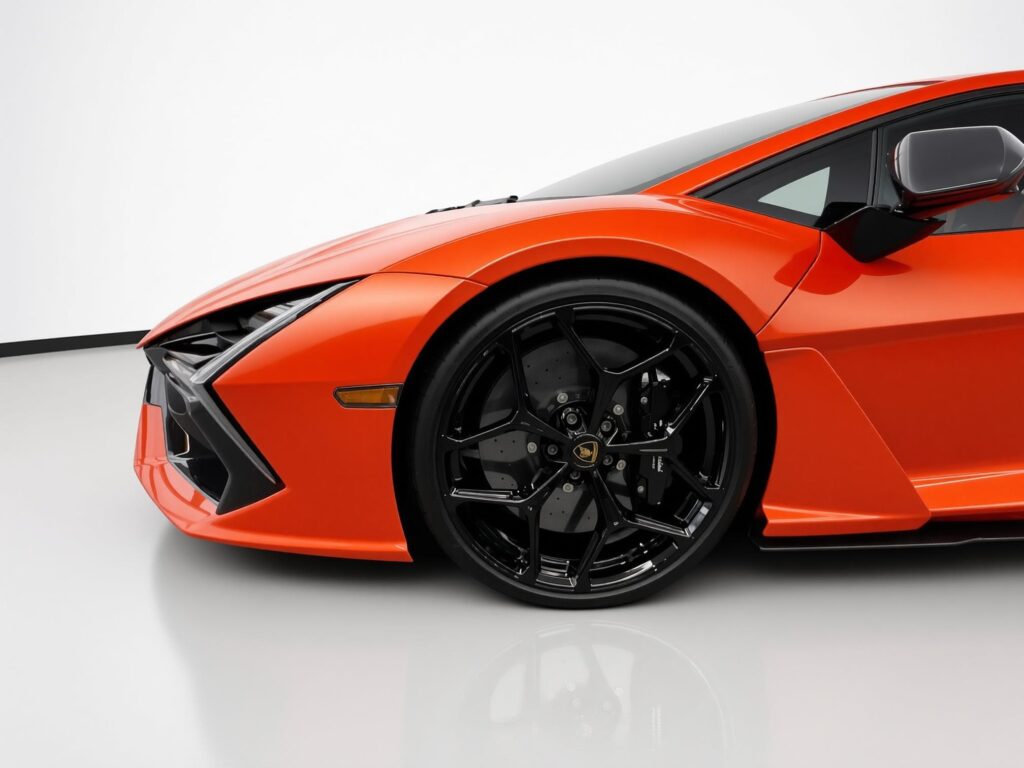
Condition matters even more when the car is coming from somewhere else. In the uShip survey, 45% of buyers said they avoided vehicles from certain regions because of flood, road salt or coastal concerns. The buyer three counties over wants to see the rocker panels, not your logo.
Dealer wake-up call
To the out-of-town buyer, your photos ARE the inspection. Dark, blurry photos fail it.
A local shopper can forgive a weak listing and come see the car anyway. A shopper 100 miles away won’t make the drive to find out. They’ll click the next listing, and you’ll never know they were there.
How do you make photos that pass the inspection?
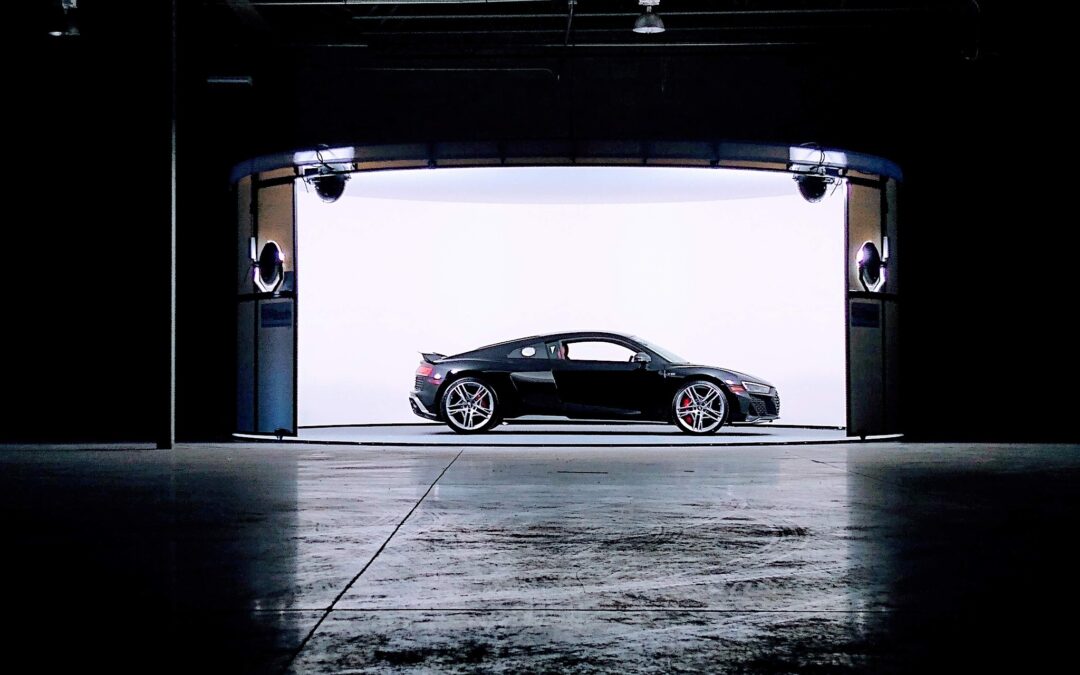
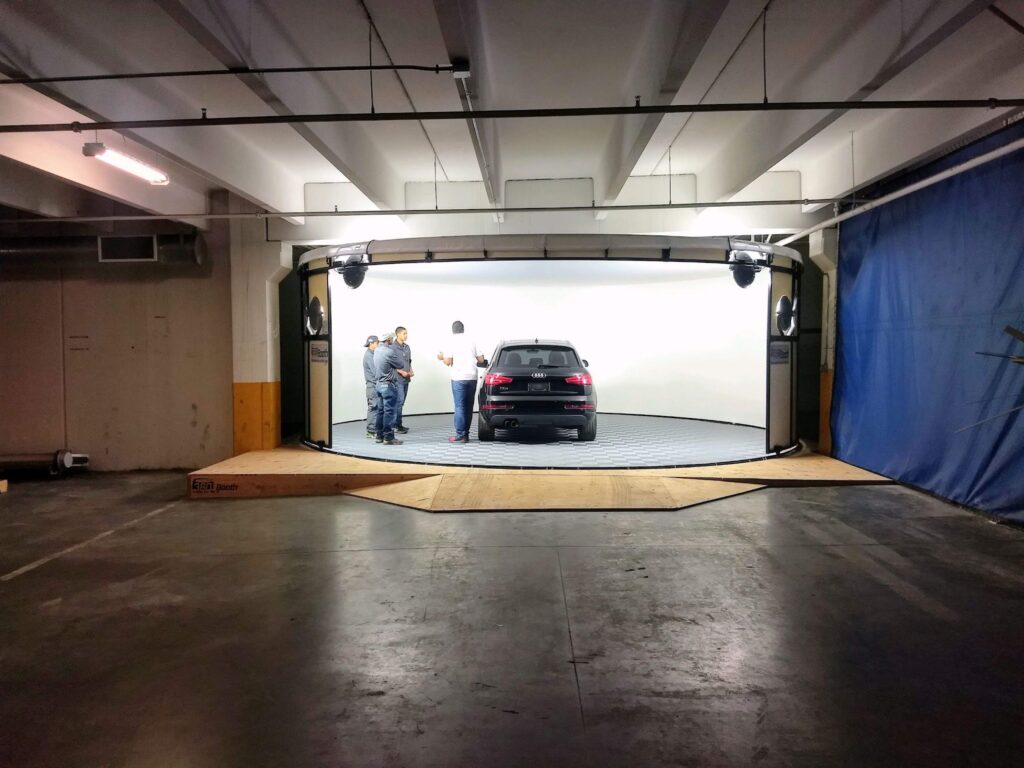
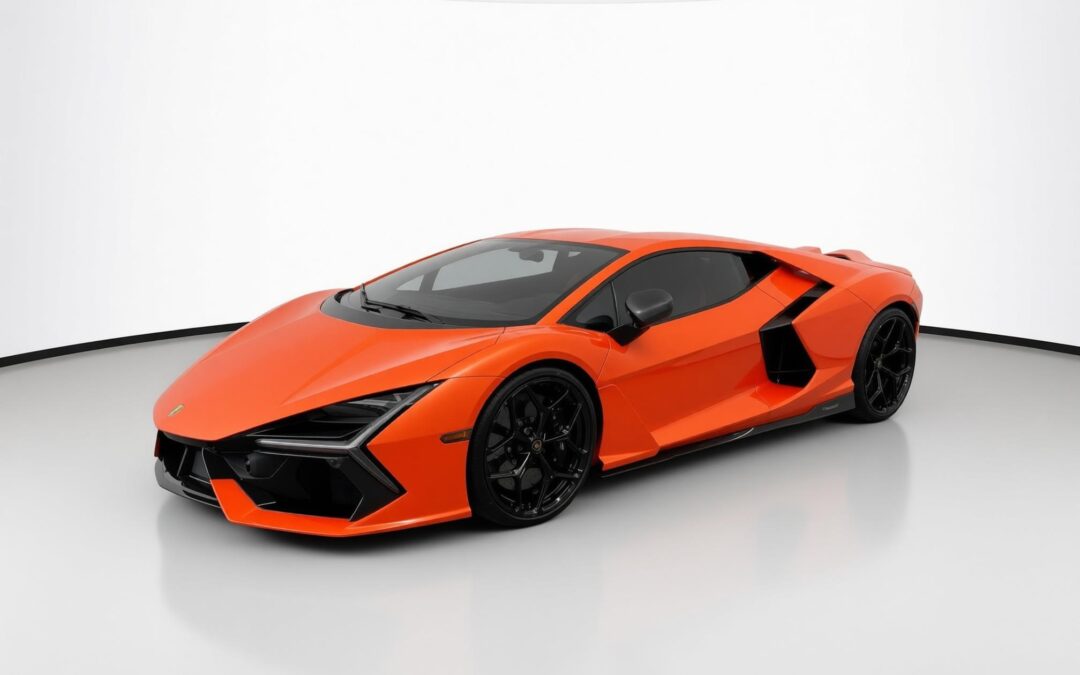
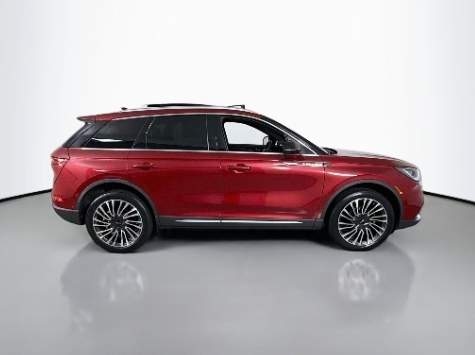
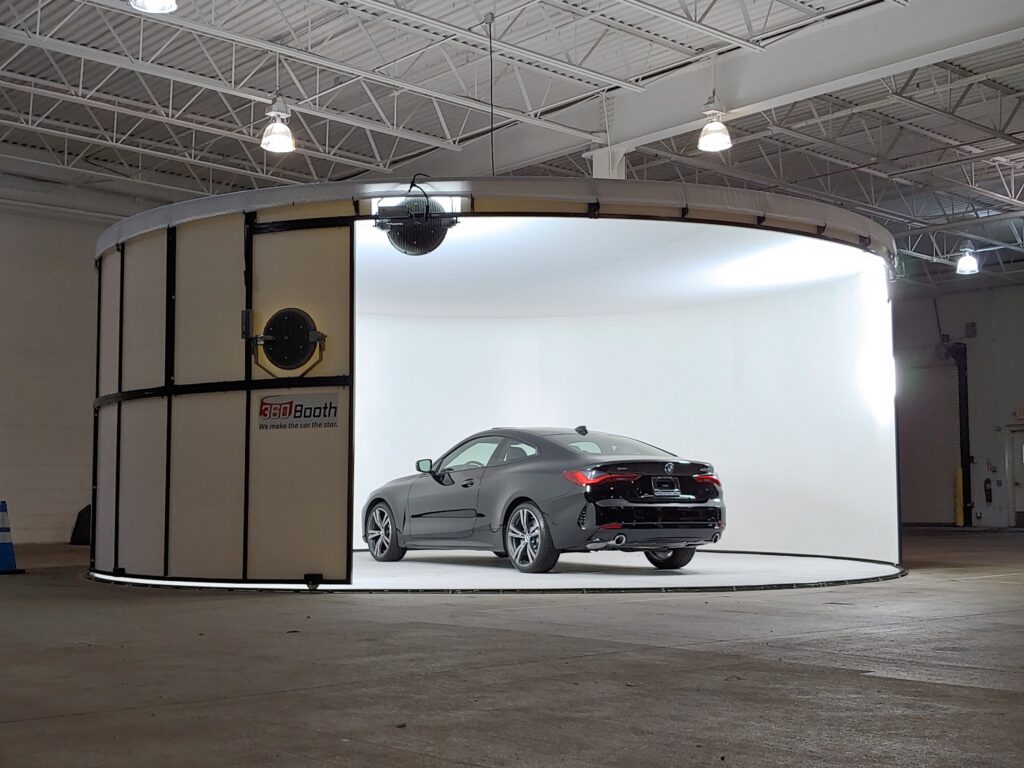
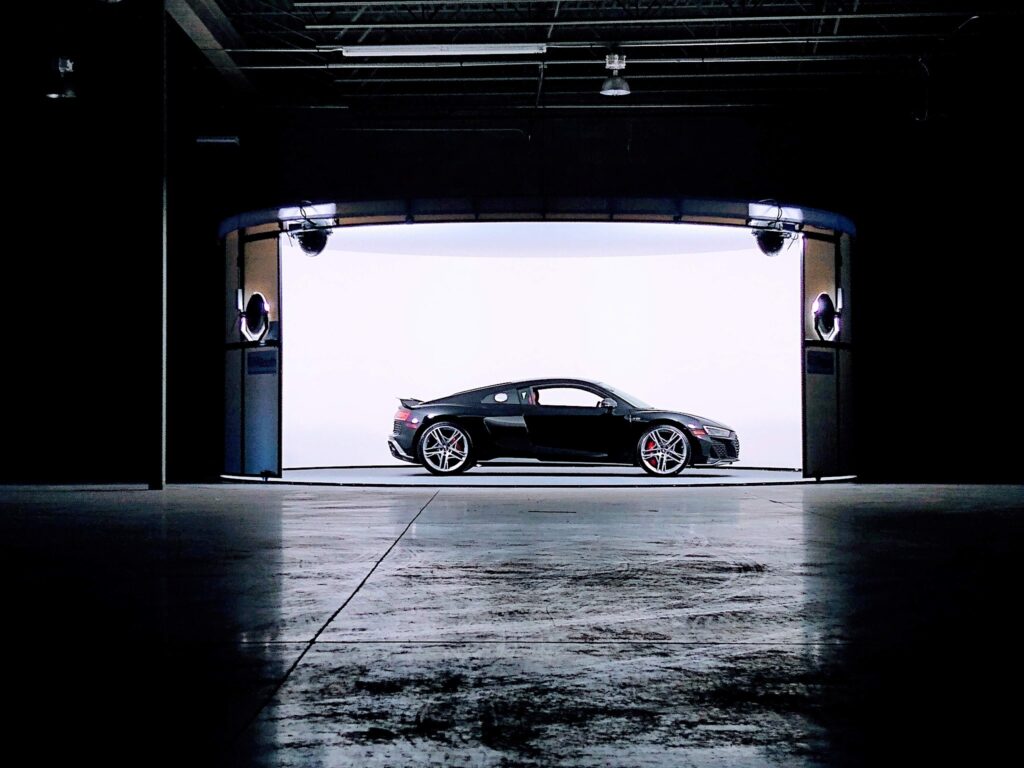
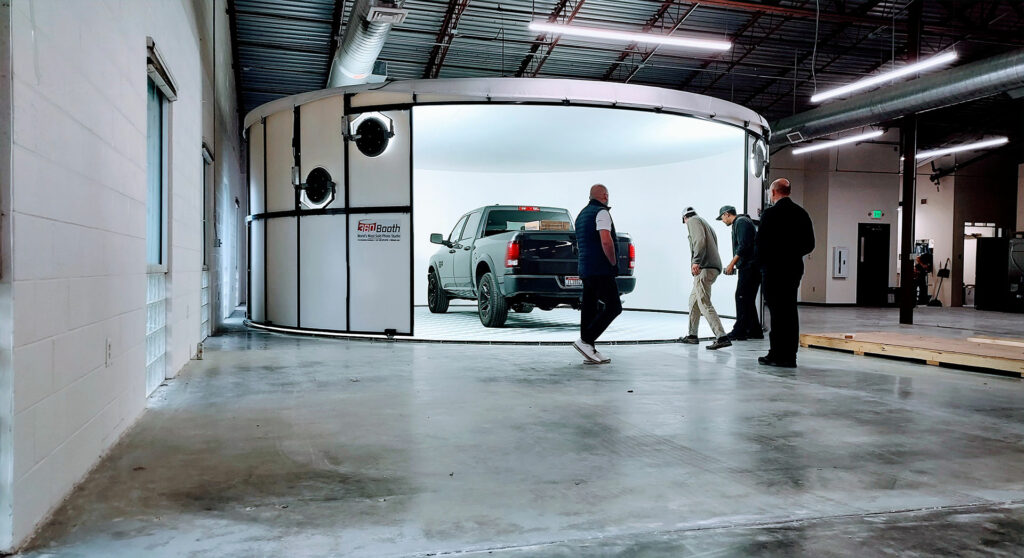
That’s the Evidence Booth. 360Booth moves the lighting and background around the real, stationary car in controlled indoor light, so condition shows up the same way every time, rain or shine.
Your homework: pull your three oldest listings. Would you drive 100 miles on those photos? If not, they may be under-shown, not overpriced.
Source: uShip, The Modern Car Buyer Report 2026 (426 U.S. car buyers, April 2026).
FAQ
How far are car buyers willing to shop from home?
In uShip’s Modern Car Buyer Report 2026, nearly three-quarters of 426 recent U.S. car buyers considered vehicles more than 30 miles from home, and 30% of buyers under 34 bought a vehicle more than 50 miles away.
Why do some car buyers only shop locally?
The top reason buyers gave for keeping their search local was wanting to inspect the vehicle in person (52%).
What photos should a dealer show an out-of-town buyer?
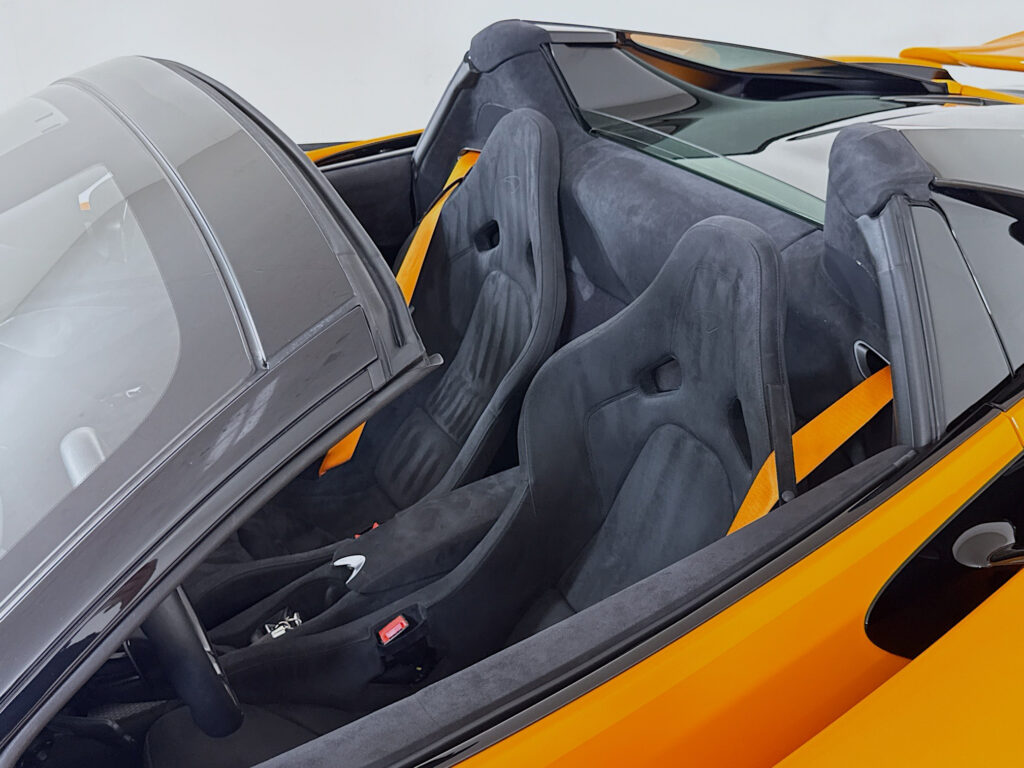
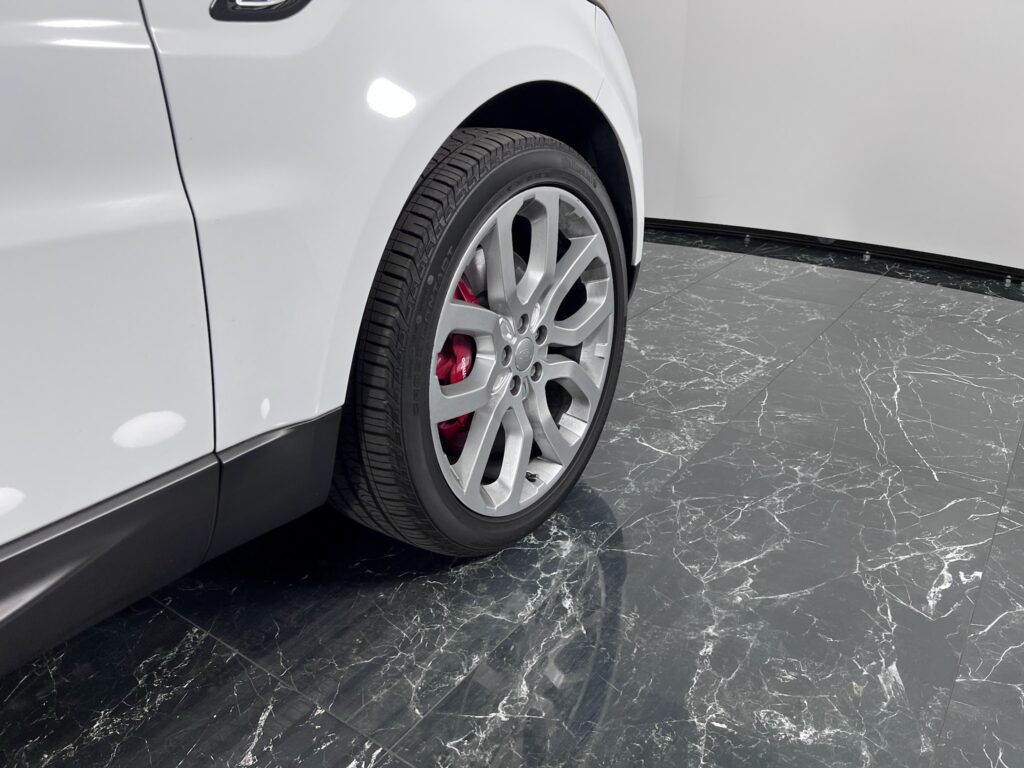
Show the real condition: tires, wheels, seats, wheel wells, rocker panels and any scuffs or wear. Out-of-town buyers can’t inspect the car themselves, so the photos have to answer those questions for them.
How do 360Booth and SHOOTit AI help with remote buyers?
360Booth lights the real, stationary vehicle in a controlled indoor studio. SHOOTit AI guides staff through the same 40+ shot sequence on iPhone and flags dark, blurry or off-center frames for a reshoot before anyone leaves the car.
Pull up your recon board. Find the column labeled Photos.
Inspection is there. Used car manager approval is there. Service, parts, body shop and detail are all there. Photos? They just… happen. Eventually. When the weather cooperates and the camera person is in.
Most recon boards skip the photo step
When Dustin Jones of Rapid Recon studied the reconditioning data of 66 dealerships for WardsAuto, he found that few of them had a Photos step in their workflow at all. He called it a missed opportunity for time-to-line improvement.
Here’s why that matters. A step with no column has no owner. No owner, no clock. No clock, and nobody notices the “ready” car with zero pictures online.
Cox Automotive’s Q3 2026 Manheim Used Vehicle Value Index report expects off-lease supply to climb from about 190,000 units a month in the first half of 2026 to about 220,000 in the second half. Lease check-ins at Manheim are up 21% from the same time last year, and they grew from Q2 to Q3 when that quarter normally brings a seasonal dip.
Cox’s read on Q4 is simple: more volume.
More units through recon means more cars that can stall in the one step nobody tracks. If photos already wait on the weather and one person’s schedule at today’s volume, they won’t keep up when the off-lease wave rolls in.
DEALER WAKE UP CALL
A car isn’t frontline-ready until a shopper can see it.
The fastest car to sell is the one that gets online first. Every day a finished car sits without photos is a day it can’t generate a lead, and with values softening this fall, that day costs more than it used to.
Put photos on the board
Give photos their own column. Between detail and sale-ready, where it belongs.
Give the step an owner. One accountable person per shift, not “whoever’s free.” Your process shouldn’t depend on one person either, so train a backup.
Give it a clock. Track time from detail-complete to photos-live, the same way you track every other step.
Make it boring. The same shots, the same order, the same result on every car.
Boring is the goal. A step only stays on schedule when nothing outside it can stop it.
How 360Booth and SHOOTit AI make the photo step boring
SHOOTit AI walks your team through the same 40+ shots on iPhone and stops dark, blurry or off-center frames for a reshoot before anyone leaves the car. That’s quality control at the vehicle, not after the listing goes live. Done once.
How many cars on your lot are “ready” but not photographed?
Sources: Cox Automotive, Q3 2026 Manheim Used Vehicle Value Index report (Oct. 7, 2026); Dustin Jones, “Getting More Out of Used-Car Reconditioning,” WardsAuto (Oct. 2021).
Pull up your aged-inventory list. Pick any unit that has had two price drops. Now open its gallery.
It probably still has the photos it launched with. Dark cabin. Glare across the hood. No tires. No back seat. Then someone knocked $500 off, and the listing went back out with the same bad photos and a smaller number.
Why this hurts more this fall
Cox Automotive’s Q3 2026 Manheim Used Vehicle Value Index report shows wholesale values fell harder than normal in September and dropped below year-ago levels for the first time this year. Cox also cut its year-end forecast from about a 2% gain to about 0.2%.
When values soften, every day a car sits costs more. That makes the urge to cut price stronger, and it makes a wasted price cut more expensive.
Overpriced or under-shown?
A price drop answers one question: is this car worth the number? It doesn’t answer the questions shoppers are actually stuck on. What does the interior look like? How are the tires? Is that a scratch or a reflection?
A markdown can’t brighten an interior or add a missing angle. A fake-perfect background doesn’t fix the car either. It just moves the disappointment to the walkaround, as What If the Background Looked Perfect and the Car Didn’t? explains.
The reshoot-first checklist
Before the next price change on an aged unit, check the gallery:
Is the interior bright enough to see the seats, dash and materials?
If any answer is no, reshoot the car before you reprice it.
A price cut is the most expensive photo edit you’ll ever make
Fix the evidence first. 360Booth controls the light around the real car, so the cabin, paint and wheels show up as they actually are. SHOOTit AI walks your team through the same 40+ shots on iPhone and stops dark, blurry or off-center frames for a reshoot before anyone leaves the car. That’s quality control at the vehicle, not after the listing goes live. Why Should Dealership Vehicle Photography Quality Control Happen at the Vehicle? covers this in more detail.
Then decide whether price is really the problem.
Tonight’s homework
How many cars on your aged list got a price drop before they got a reshoot?
Source: Cox Automotive, Q3 2026 Manheim Used Vehicle Value Index report (Oct. 7, 2026).
What if your hardest-working salesperson never clocks in?
You already have one. It works nights, weekends and holidays. It talks to every shopper who finds your inventory. And most stores never train it.
It’s your listing photos.
Do the math on face time
Cox Automotive’s 2025 Car Buyer Journey Study found that used-car buyers spent 7 hours 45 minutes researching and shopping online. They spent 2 hours 57 minutes with the dealer they actually bought from.
That means your dealership listing photos get more than 2.5x the face time your people do.
And they aren’t just confirming a decision that’s already made. Cox found that 74% of used buyers didn’t know the exact car they wanted when they started shopping. Used buyers visited 4.8 websites on average. Your photos are pitching against every other car on every one of those sites, and shoppers judge your whole store by one thumbnail.
You’d fire that person by lunch. Yet that’s the job many stores hand their photos. Then the real salesperson ends up apologizing for the pictures before the walkaround starts.
Dealer wake-up call
Your photos are on the sales floor 24/7. Train them like it.
Training a salesperson means a process: what to show, in what order, every time. Your photos need the same thing. Not a better phone. A better process.
How much time do used-car buyers spend shopping online?
Cox Automotive’s 2025 Car Buyer Journey Study found used-car buyers spent 7 hours 45 minutes researching and shopping online, compared with 2 hours 57 minutes with the dealer they bought from.
Why are listing photos called a dealership's hardest-working salesperson?
Shoppers spend more than 2.5x as long with a dealer’s listings online as they do with the dealership’s staff. Most used buyers also start without knowing the exact car they want, so photos do much of the persuading across the 4.8 sites the average used buyer visits.
How do 360Booth and SHOOTit AI make listing photos consistent?
360Booth controls the light around the real vehicle. SHOOTit AI guides staff through the same 40+ shot sequence on iPhone and stops dark, blurry or off-center frames for a reshoot before anyone leaves the car.
93% Is a Number Every Automotive Dealer Should Pay Attention To.
Artificial intelligence is changing vehicle photography faster than most dealerships realize.
AI photography software can now remove backgrounds, generate virtual photo studios, manufacture floors, modify shadows, change reflections and create an environment that never physically existed around the vehicle. The technology can produce impressive images. But dealerships should be asking a more important question:
What happens when customers stop believing the photos?
Adobe’s Authenticity in the Age of AI study surveyed more than 2,000 U.S. consumers and uncovered something every automotive retailer should understand.
93% of consumers said it is important to understand how the digital content they consume was created or edited.
Even more concerning, 74% said they had questioned the authenticity of photos or videos even when viewing them on reputable news websites.
Adobe also found that 87% said generative AI has made distinguishing fact from fiction online more difficult.
Those statistics weren’t collected specifically from automotive shoppers. But the implications for automotive retail should be impossible to ignore.
What Happens When AI Skepticism Reaches the Vehicle Detail Page?
Imagine a customer considering a $30,000, $50,000 or $80,000 vehicle. They open the Vehicle Detail Page (VDP). Everything looks perfect. Perfect floor. Perfect studio. Perfect background. Perfect shadows. Perfect reflections.
Eventually, customers are going to ask: “What else did they change?”
That’s the problem automotive retailers should be thinking about now. AI doesn’t necessarily have to materially alter the vehicle to damage consumer confidence. The customer simply has to believe that it might have. Once that doubt exists, an artificially perfect vehicle presentation can create suspicion instead of confidence.
Was the paint color changed?
Were reflections modified?
Was damage removed?
Did segmentation alter the vehicle’s edges?
Are the seats really that color?
Was the shadow photographed or generated?
Where did photography stop and artificial intelligence begin?
For a consumer purchasing a specific VIN, those are legitimate questions.
AI-Generated Vehicle Photography vs. Authentic Vehicle Photography
Automotive retail appears to be approaching an important fork in the road.
One direction uses artificial intelligence to create the photograph customers see.
The other uses artificial intelligence and computer vision to capture the actual vehicle better.
360Booth and SHOOTit AI are choosing the second approach.
The philosophy is straightforward:
Real vehicle.
Real photo studio.
Real lighting.
Correct vehicle color.
Correct interior color.
Natural studio shadows.
Intelligent capture.
AI should help the photographer achieve consistent framing, proper exposure, optimized photo sequencing, quality control and faster vehicle merchandising. It shouldn’t require manufacturing a reality that never existed.
AI-assisted. Not AI-invented.
Why Does a Physical Vehicle Photo Studio Matter in the AI Era?
Ironically, the rise of generative AI may make a real automotive photo studio more valuable.
A physical vehicle photography studio gives the dealership control over the conditions before the shutter is pressed.
Lighting can be controlled physically.
Reflections can be controlled physically.
Vehicle positioning can be standardized.
Background consistency can be created without replacing reality.
Photography can remain photography.
Then computer vision and AI can improve the capture workflow rather than reconstructing the environment afterward. That distinction matters.
Could Authentic Vehicle Photography Become a Competitive Advantage?
Adobe’s research suggests consumers increasingly want transparency about how digital content was produced. Adobe is even developing Content Credentials—a form of digital provenance that can provide information about how content was created and edited. Think about what that trend could eventually mean for automotive retail.
Today dealerships advertise:
CARFAX available.
One owner.
Certified Pre-Owned.
150-point inspection.
Tomorrow another trust signal could become important:
Authentically Captured.
A dealership could potentially demonstrate that the vehicle shown online was professionally photographed rather than synthetically reconstructed. That turns authenticity into part of the dealership’s digital merchandising strategy.
Should Dealers Be Concerned About Fake Backgrounds in Vehicle Photography?
The issue isn’t simply whether a virtual background looks attractive. The larger issue is where consumers believe digital manipulation ends. Once customers know that part of an image was generated, they may naturally question the rest of it. And that’s where the automotive industry needs to be careful.
Dealerships have spent decades building processes designed to increase transparency: vehicle history reports, inspections, condition reports, certified programs and increasingly detailed VDPs. We should think carefully before introducing imagery that causes customers to question that transparency.
What Is the Better Use of AI in Automotive Photography?
AI has enormous potential in automotive merchandising.
Use AI to detect blurry photographs.
Use computer vision to center vehicles.
Use AI to optimize exposure.
Use intelligence to guide photographers through the fastest capture sequence.
Use computer vision to identify missing images.
Use AI to improve workflow and accelerate speed-to-VDP.
Use technology to help an inexperienced employee consistently produce professional results.
That’s meaningful automation.
The objective should be: use AI to improve the truth—not replace it.
The Question Every Dealer Should Be Asking
If 74% of consumers surveyed by Adobe have already questioned imagery from reputable news organizations, why should automotive retailers assume customers will blindly trust increasingly synthetic vehicle photography?
The question isn’t whether customers will eventually recognize AI-generated automotive imagery. The bigger question is:
What happens to your dealership’s credibility when they start looking for it?
At 360Booth and SHOOTit AI, we believe the future of automotive imaging should combine the power of artificial intelligence with something technology cannot manufacture: Authenticity.
Real vehicle.
Real studio.
Real photography.
Intelligent technology.
AI-assisted. Not AI-invented.
FAQ
What did Adobe's Authenticity in the Age of AI study find?
Of more than 2,000 U.S. consumers surveyed in 2024, 93% said it’s important to understand how digital content was created or edited, 74% had questioned photos or videos on reputable news sites, and 87% said generative AI makes it harder to tell fact from fiction.
Were those statistics about car shoppers?
No. The study wasn’t specific to automotive shoppers, but the trust concerns apply directly to vehicle detail pages.
What is the better use of AI in automotive photography?
Using AI and computer vision to detect blurry photos, center vehicles, optimize exposure, guide the capture sequence and flag missing images, rather than generating the environment or the car.
What does AI-assisted, not AI-invented mean?
A real vehicle photographed in a real studio with real lighting, with intelligent technology improving the capture rather than reconstructing reality afterward.
Everyone is racing to add AI. But here’s the uncomfortable truth: AI can only improve what it can understand.
If your vehicle photos are inconsistent…
If every photographer frames differently…
If lighting changes from one vehicle to the next…
If required angles are missing…
You’ve created noisy data. And noisy data produces inconsistent results.
This is why the future of dealership merchandising isn’t just about automation. It’s about standardization.
Think of a race team. Engineers don’t tune every car differently they create a repeatable baseline and improve from there. Dealerships should think the same way.
Every vehicle photographed with the same workflow.
Every image captured with the same intent.
Every VDP telling the same professional story.
Only then does AI have the foundation it needs to deliver meaningful insights, automate quality control, and improve operational efficiency.
At 360Booth and SHOOTit AI, we’ve always viewed consistency as more than a branding exercise. It’s the foundation that allows computer vision and AI to work reliably at scale.
The dealerships that gain the biggest advantage from AI over the next five years won’t necessarily buy the newest software. They’ll build the cleanest, most consistent merchandising data.
Because before AI becomes your competitive advantage…Consistency has to become your operating system.
Question: If you audited 50 random Vehicle Detail Pages on your website today today, would they look like they came from one disciplined process or 50 different photographers?
FAQ
Why does AI need consistent vehicle photos?
AI can only improve what it can understand. Inconsistent framing, changing lighting and missing angles create noisy data, and noisy data produces inconsistent results.
Is automation enough?
No. The foundation is standardization: every vehicle shot with the same workflow and intent, so every VDP tells the same professional story.
How can I check my own consistency?
Audit 50 random VDPs on your website and ask whether they look like one disciplined process or 50 different photographers.