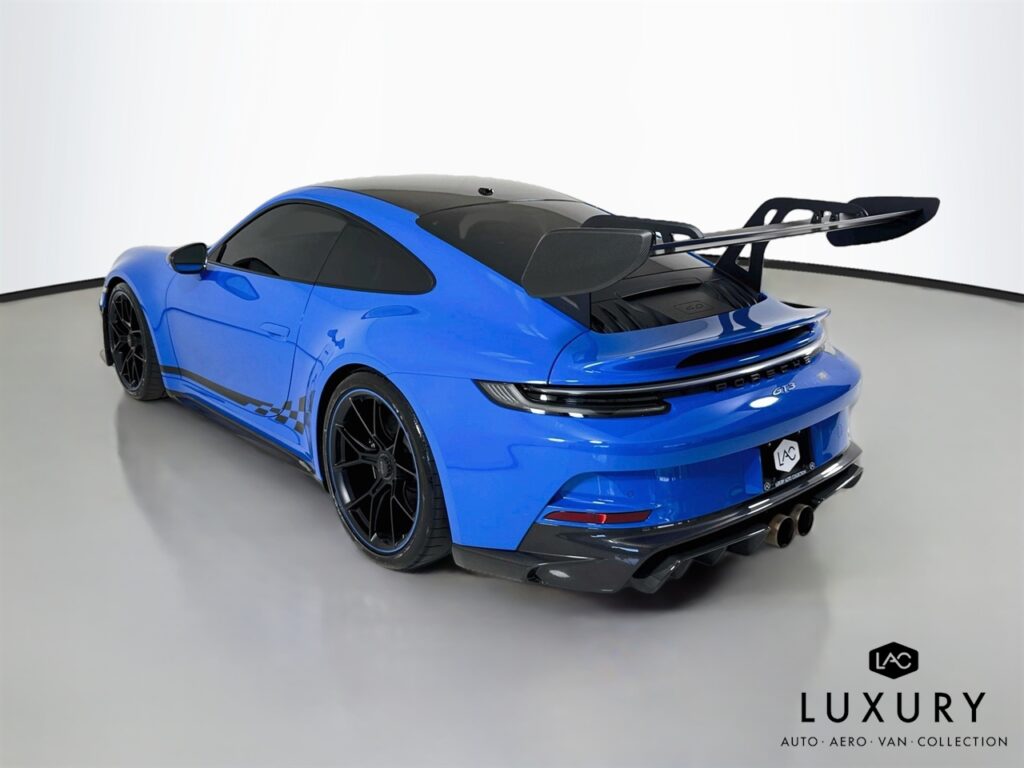
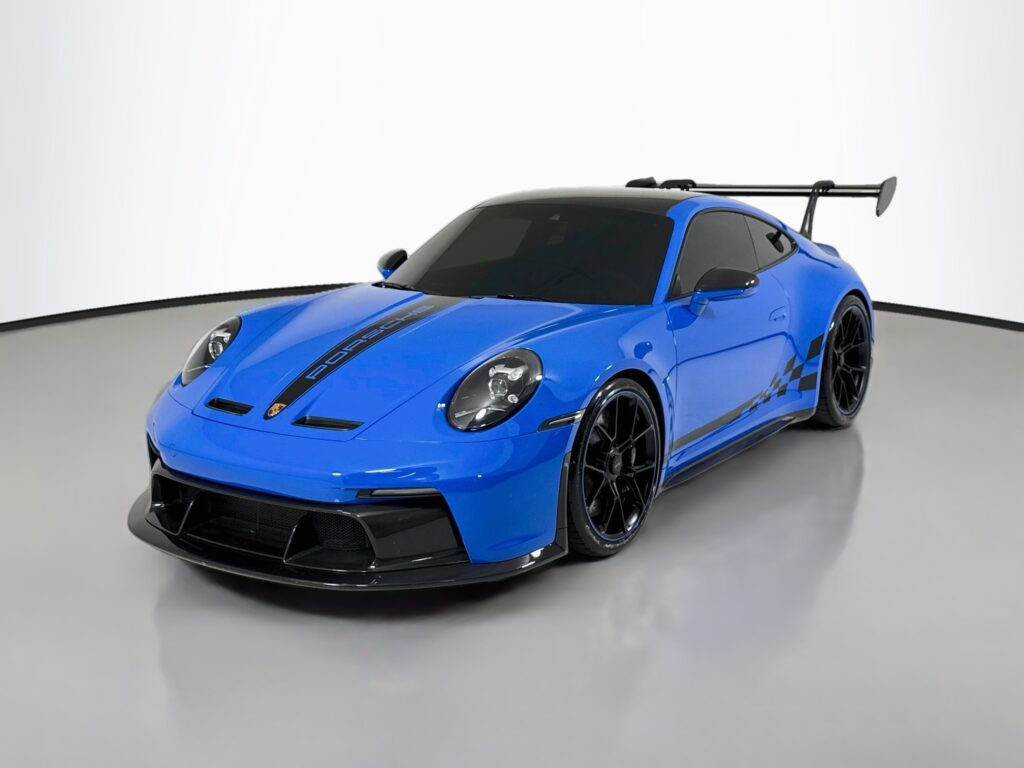
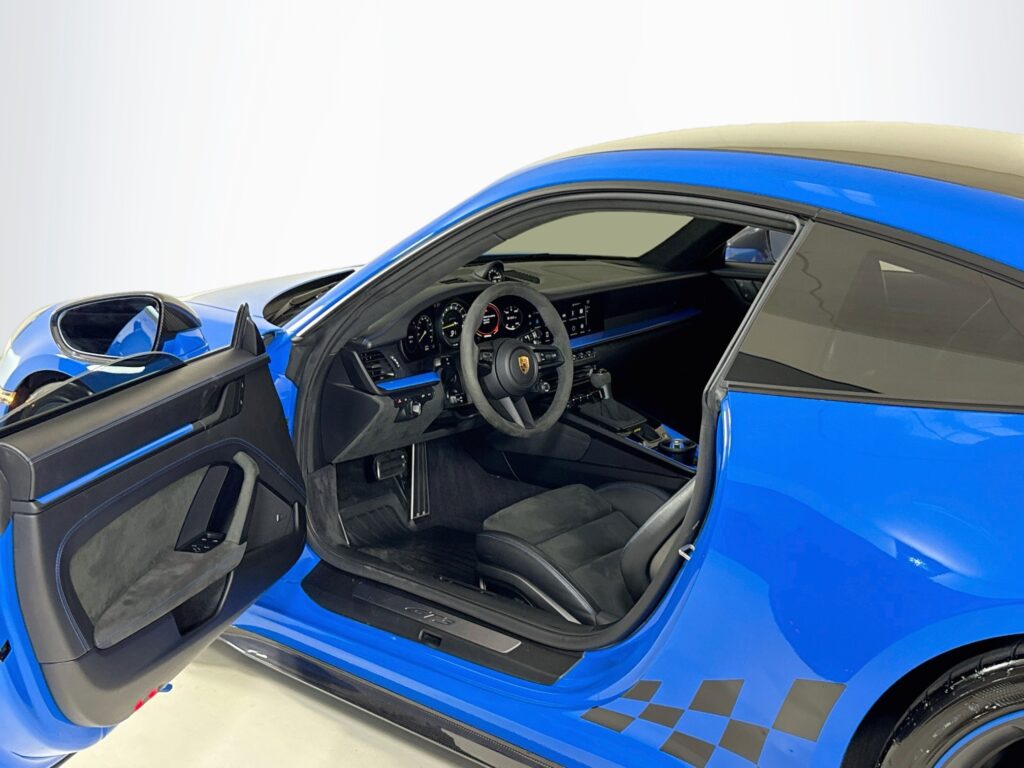
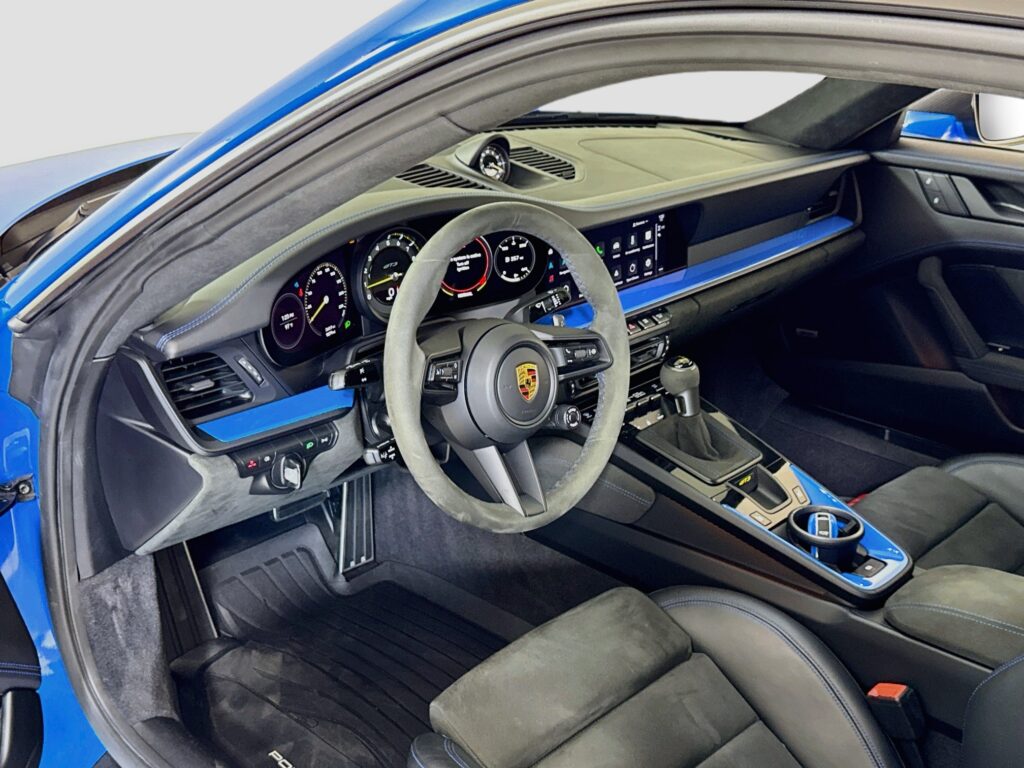
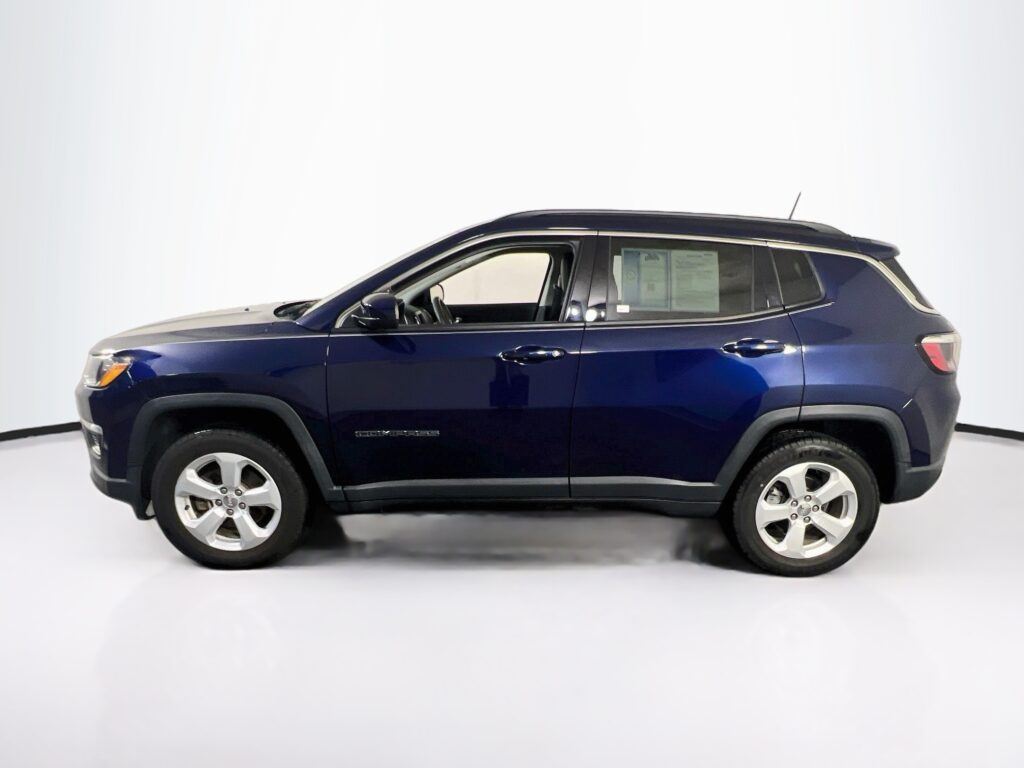
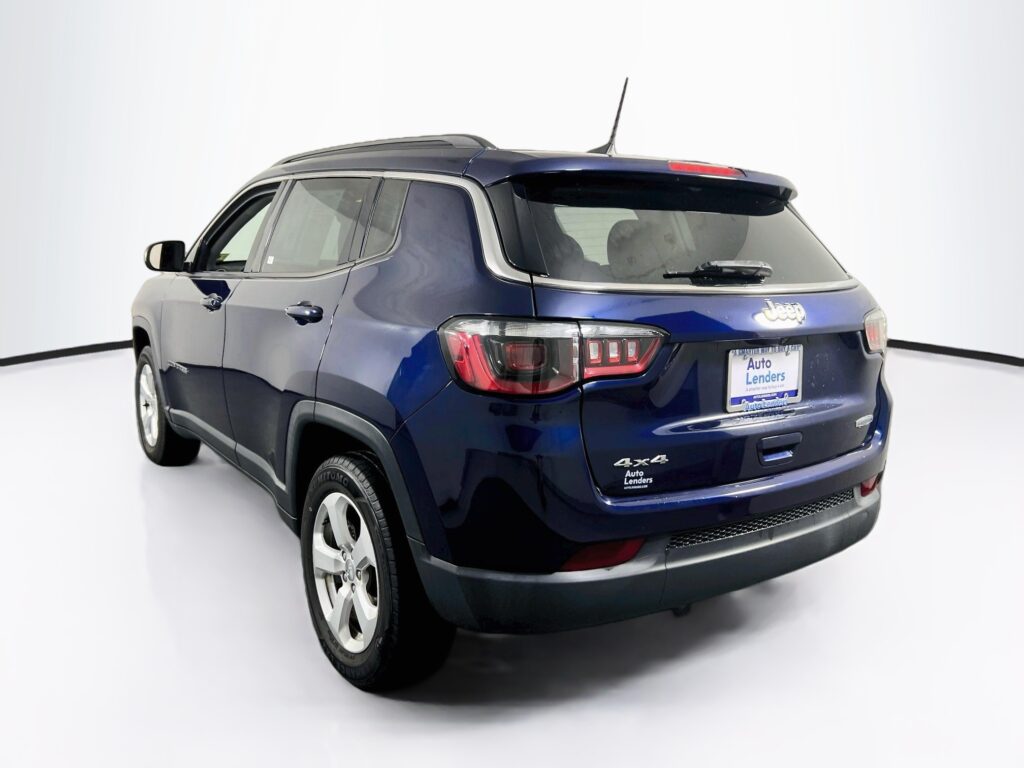
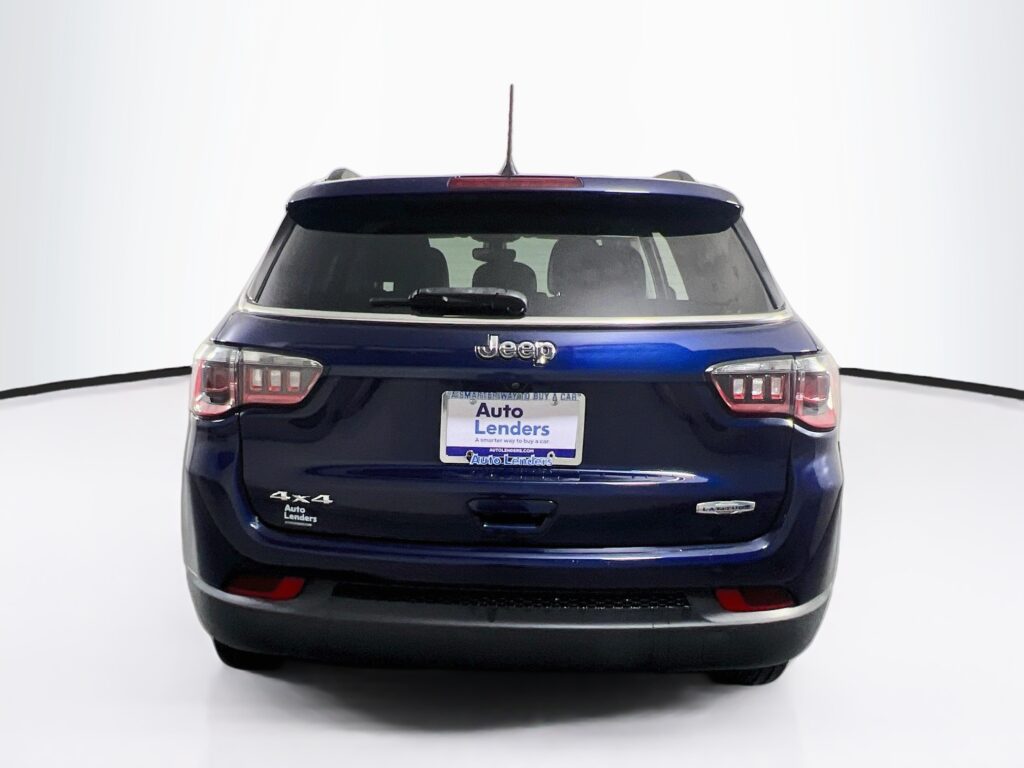
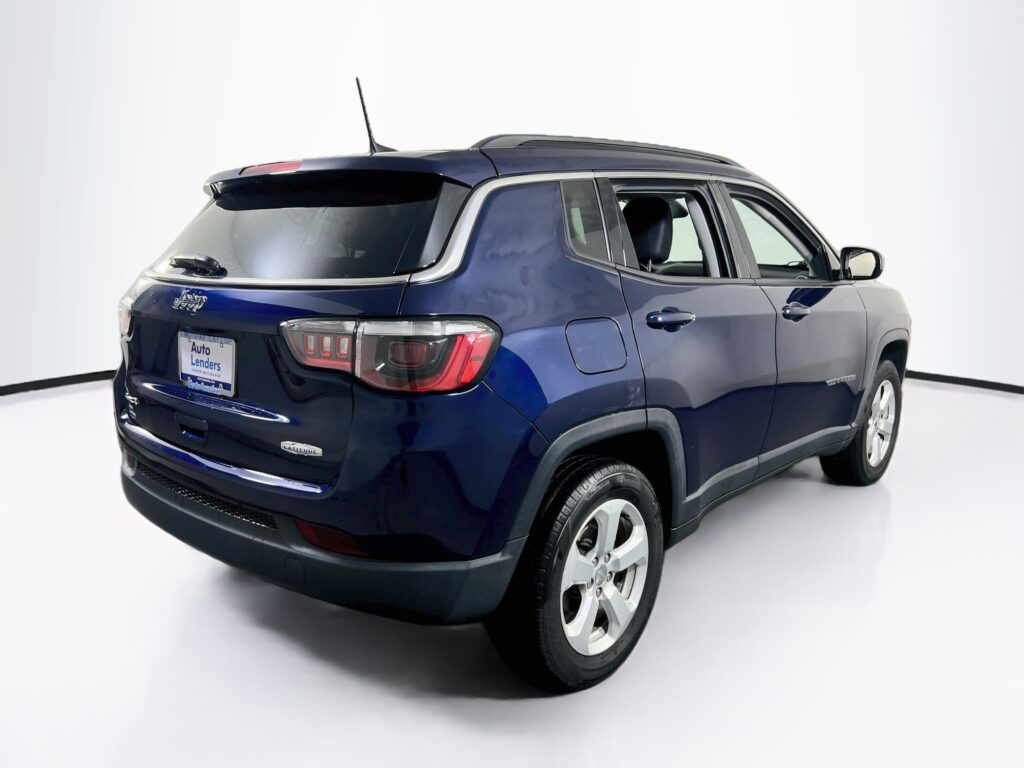
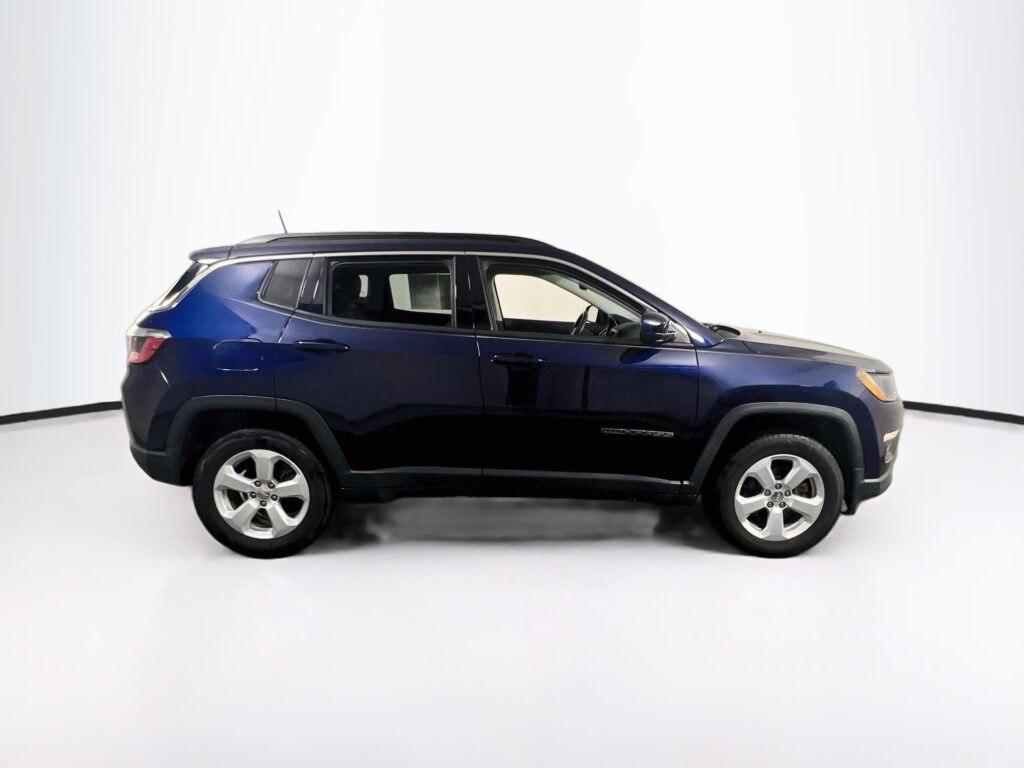
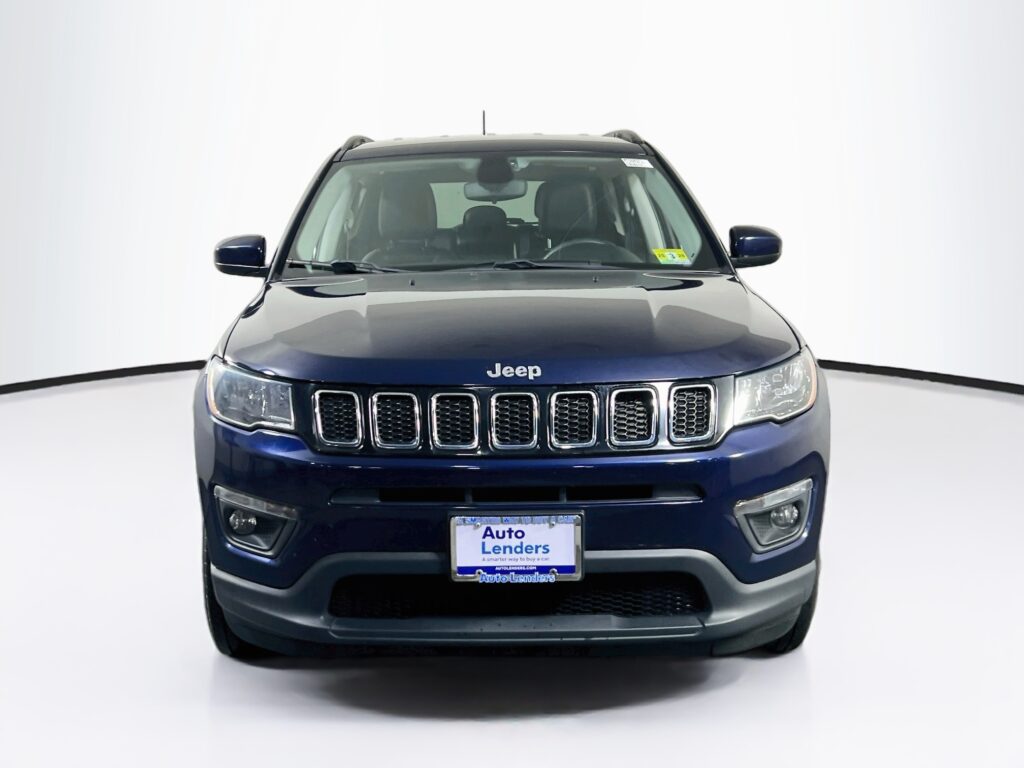
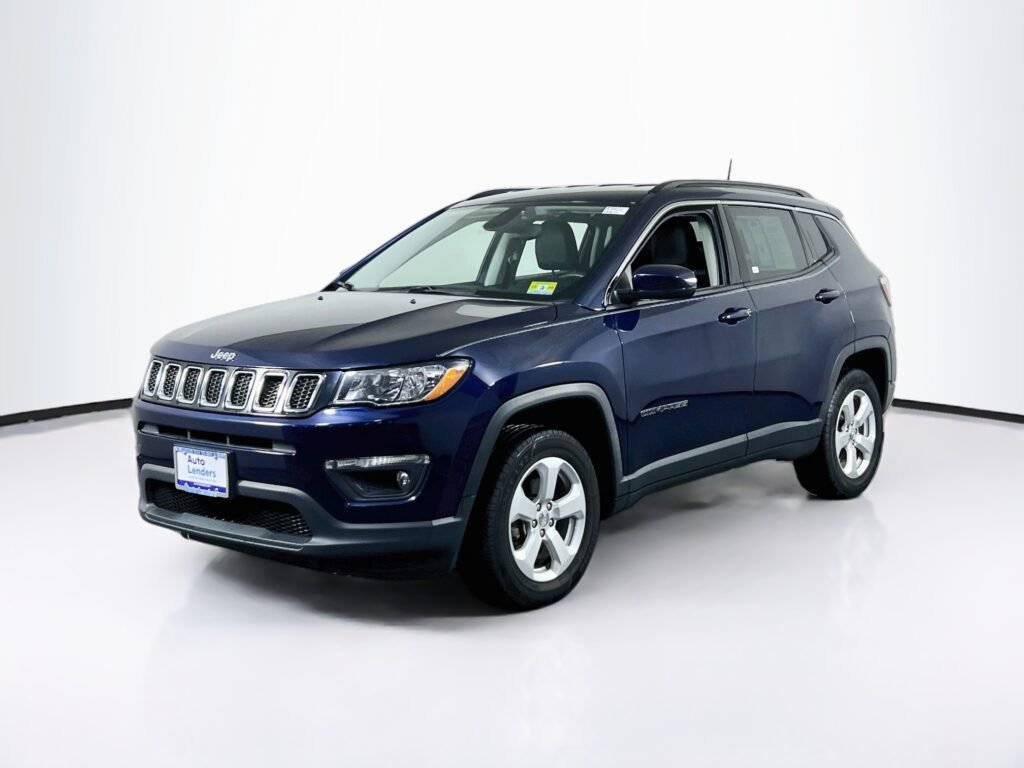
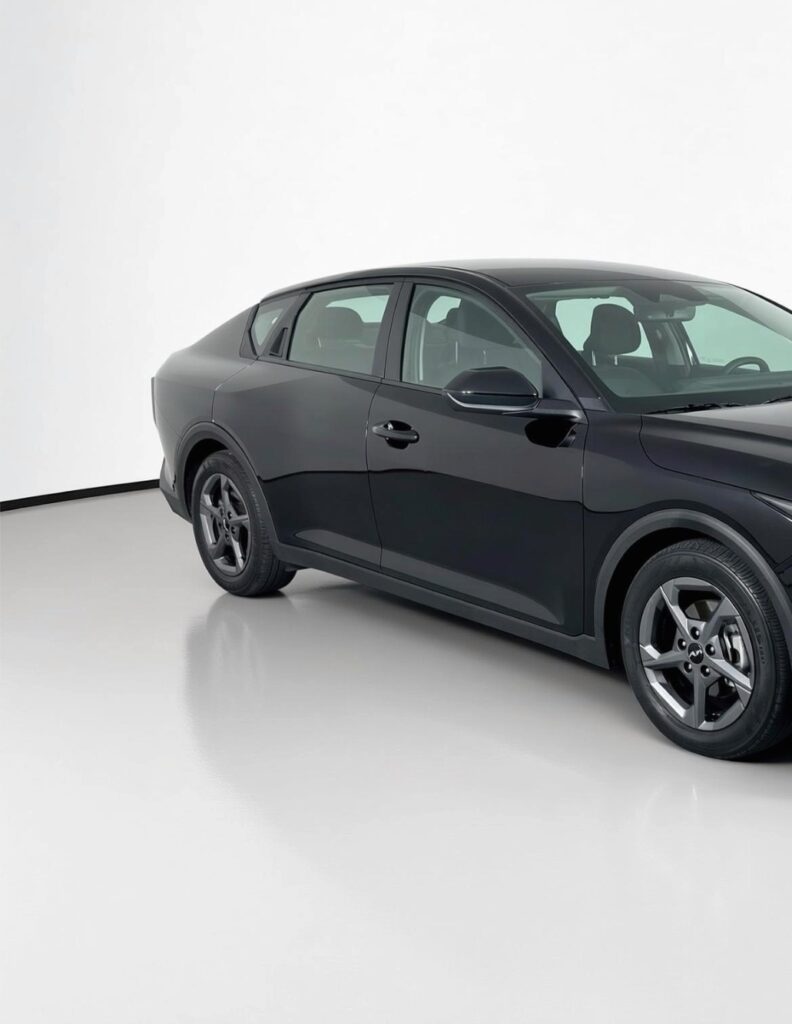
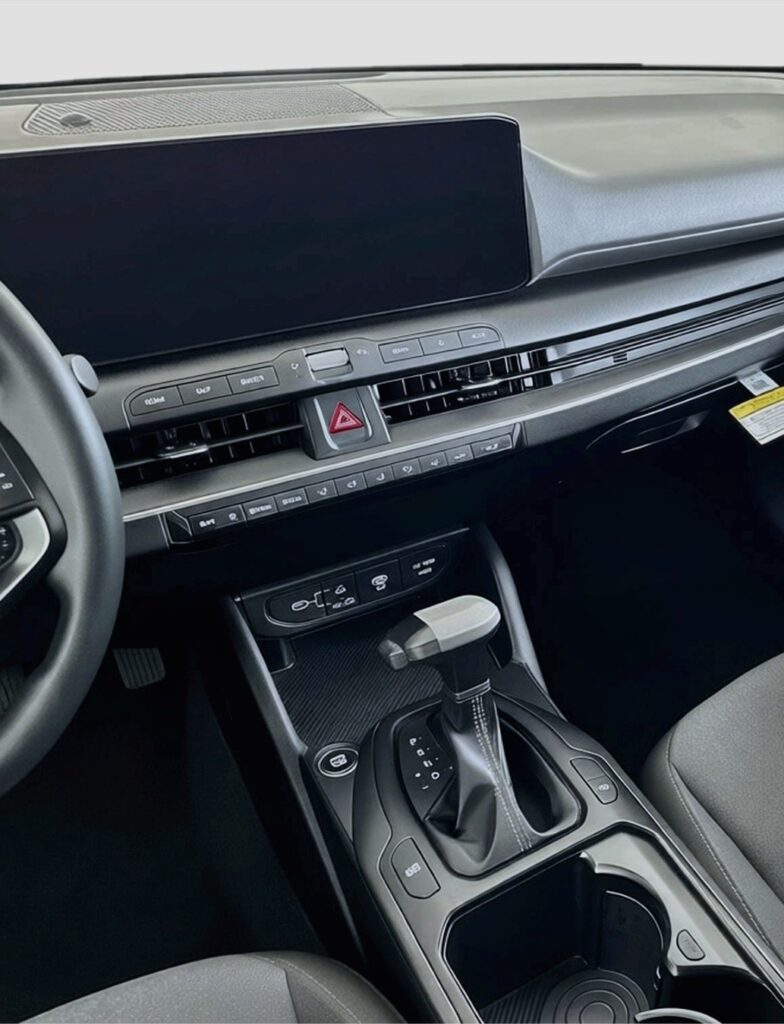
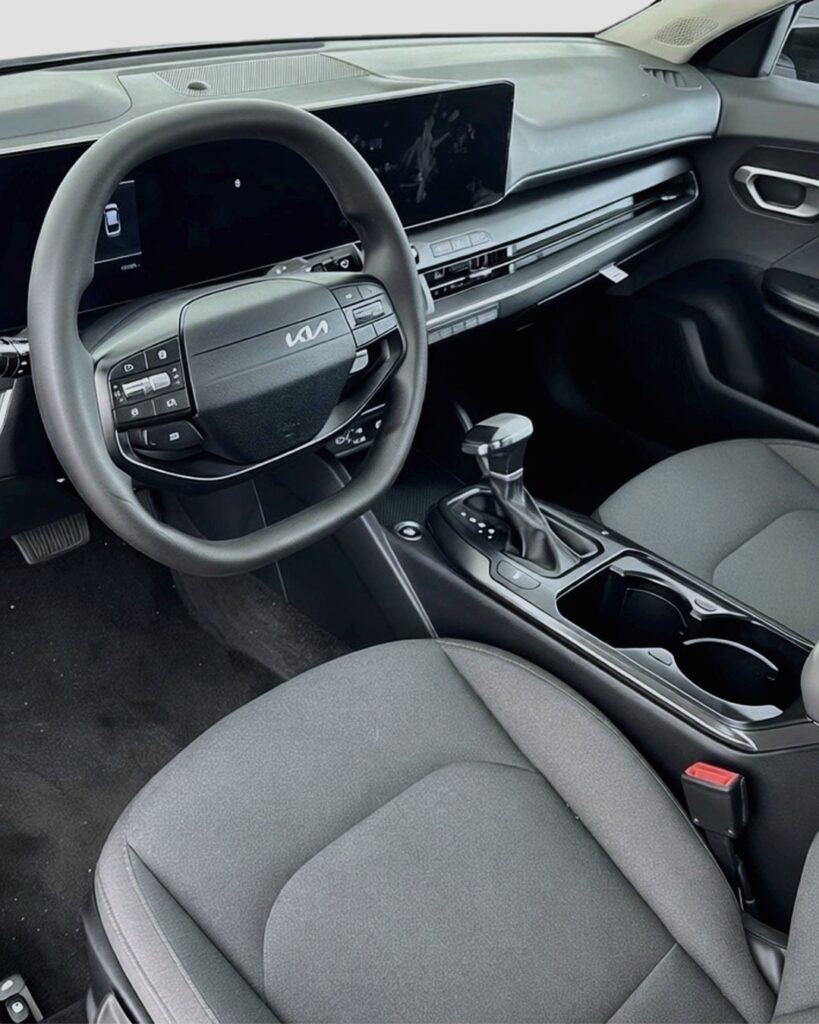
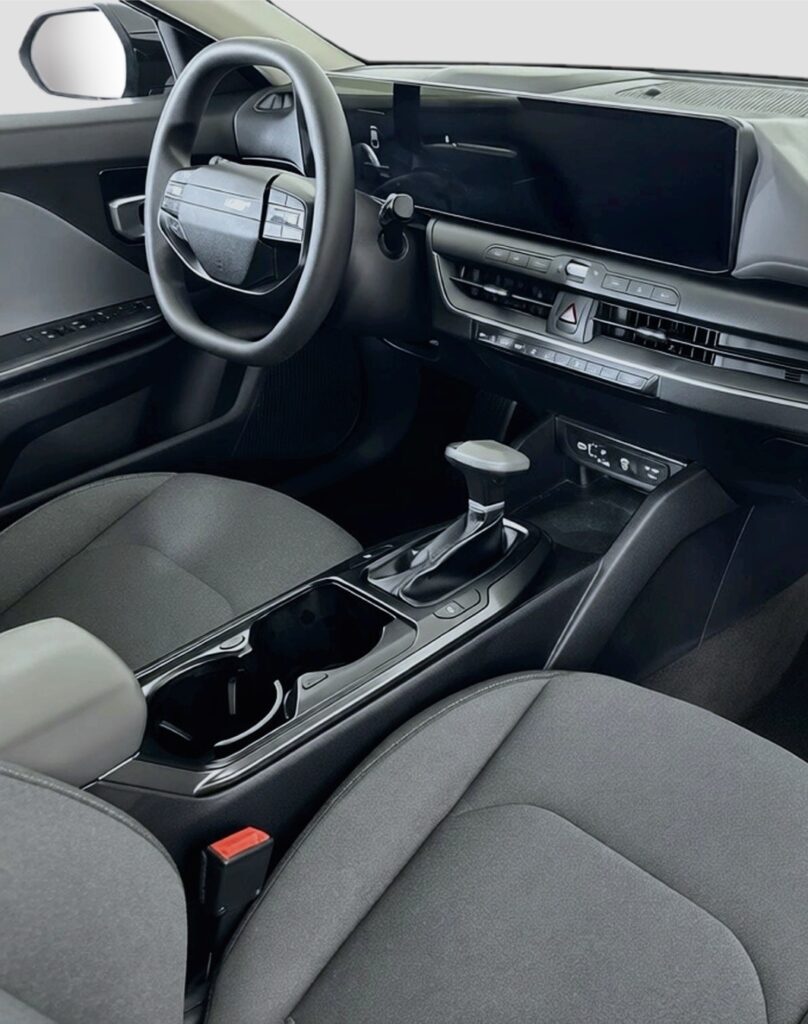
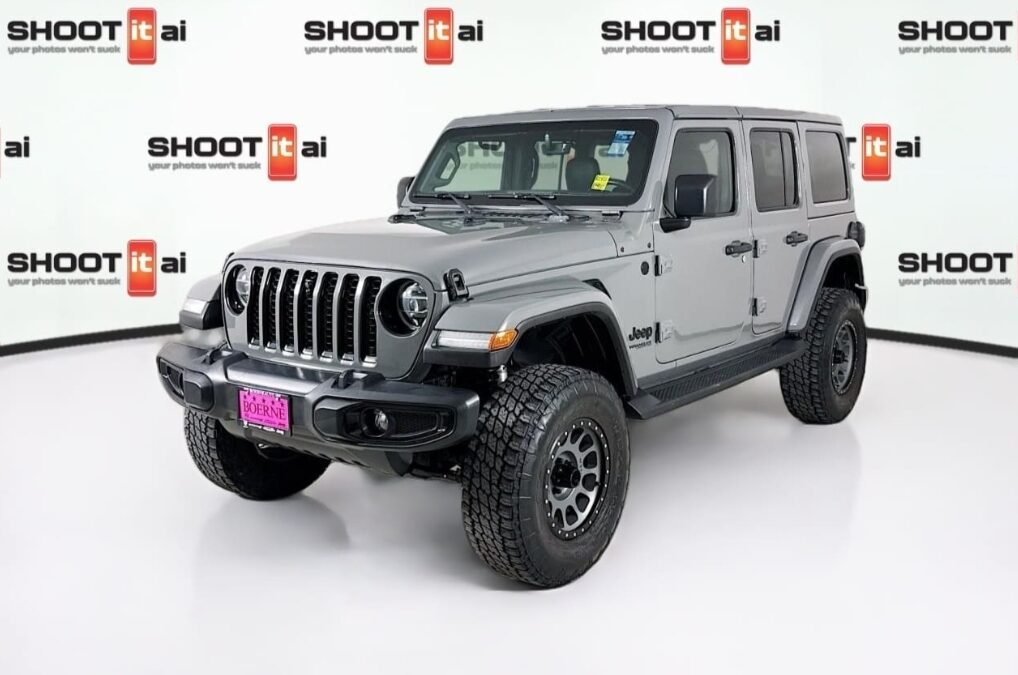
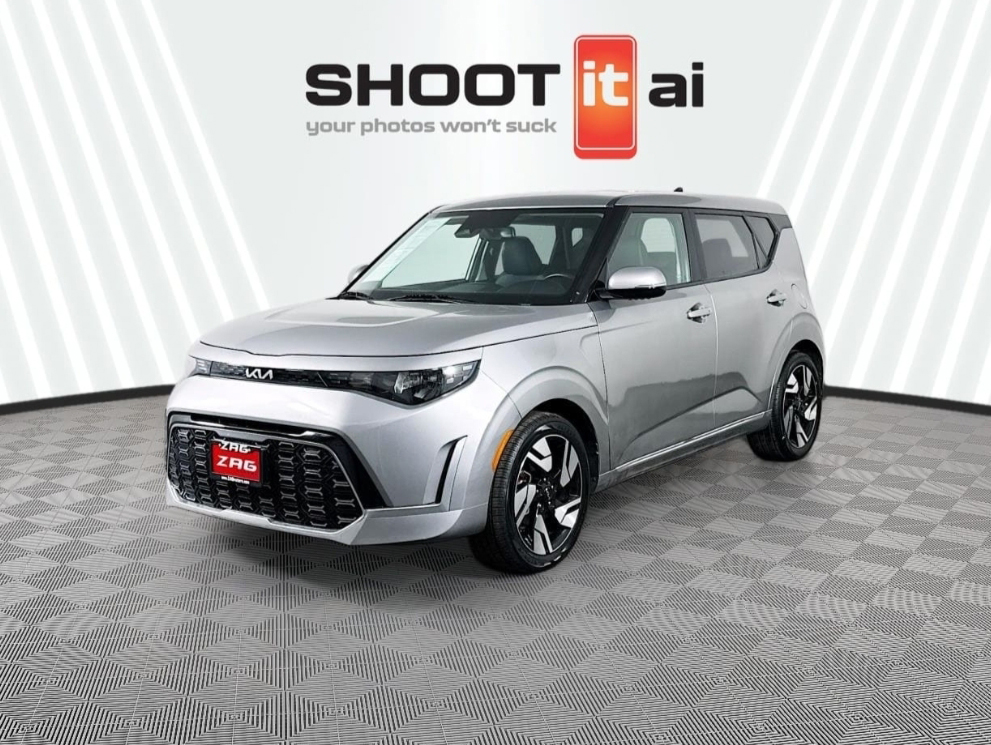
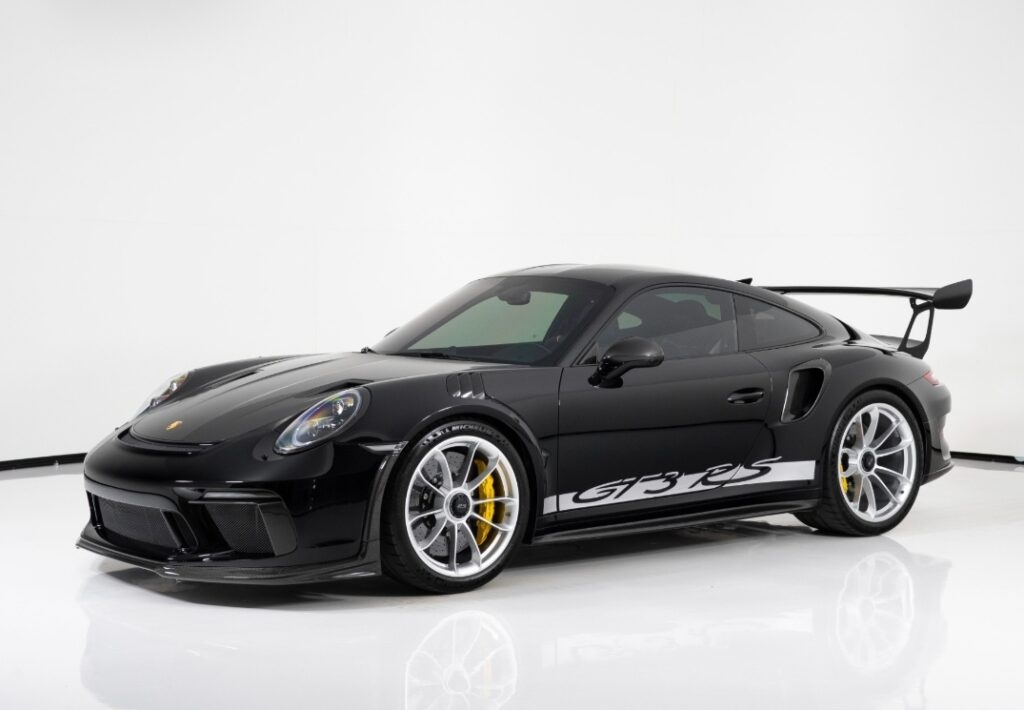
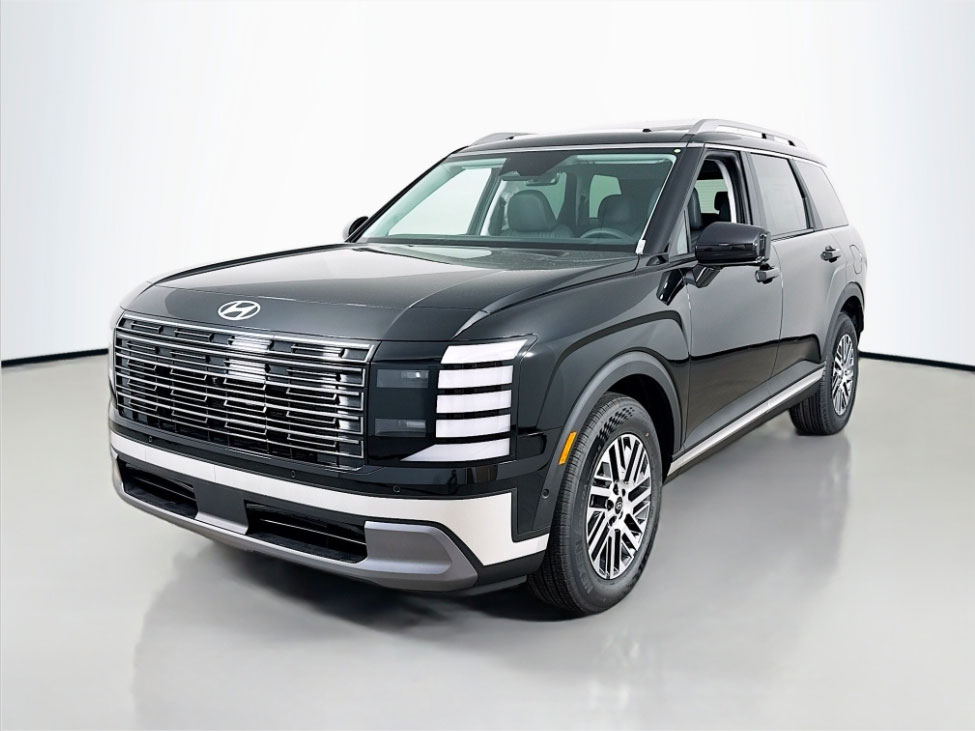
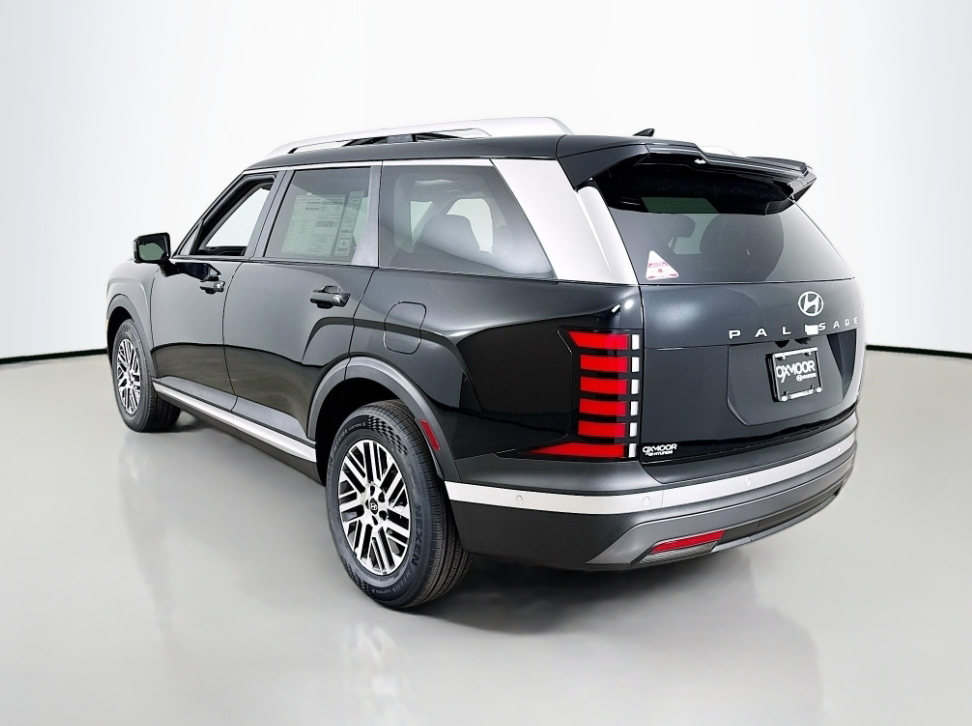
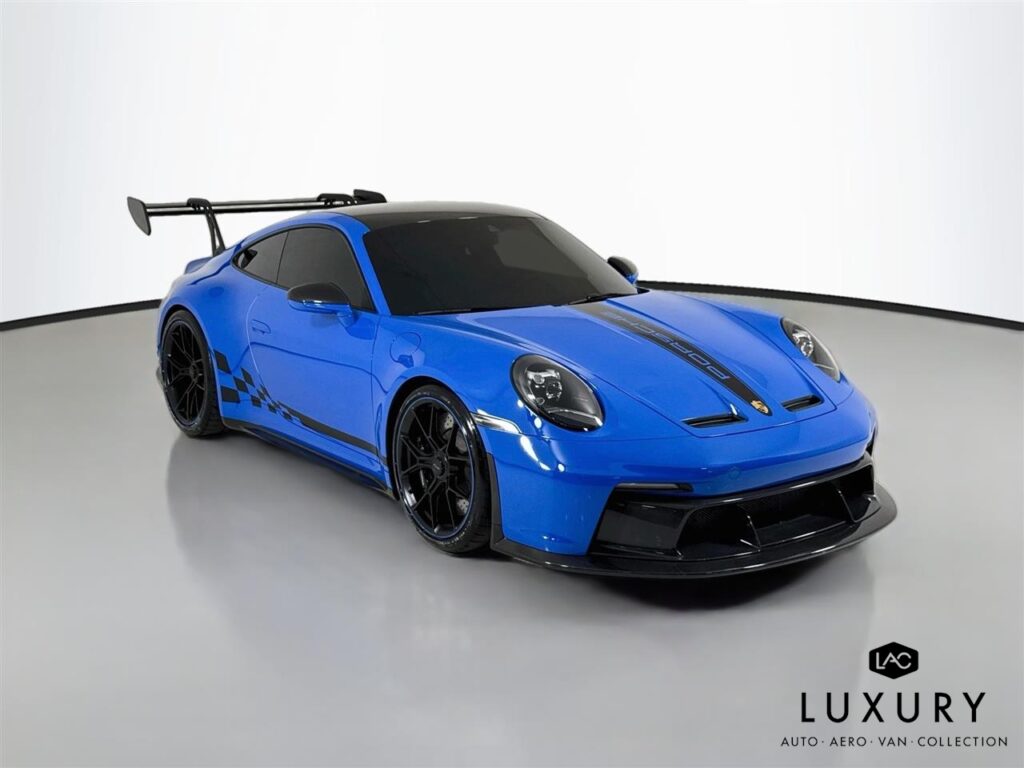
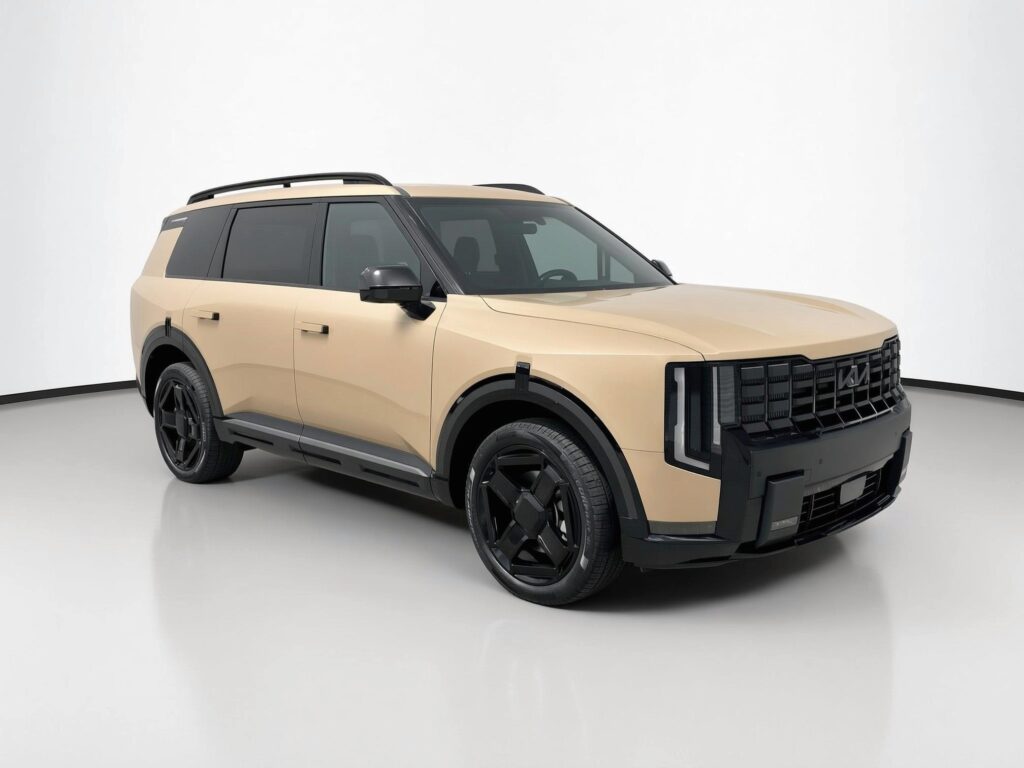
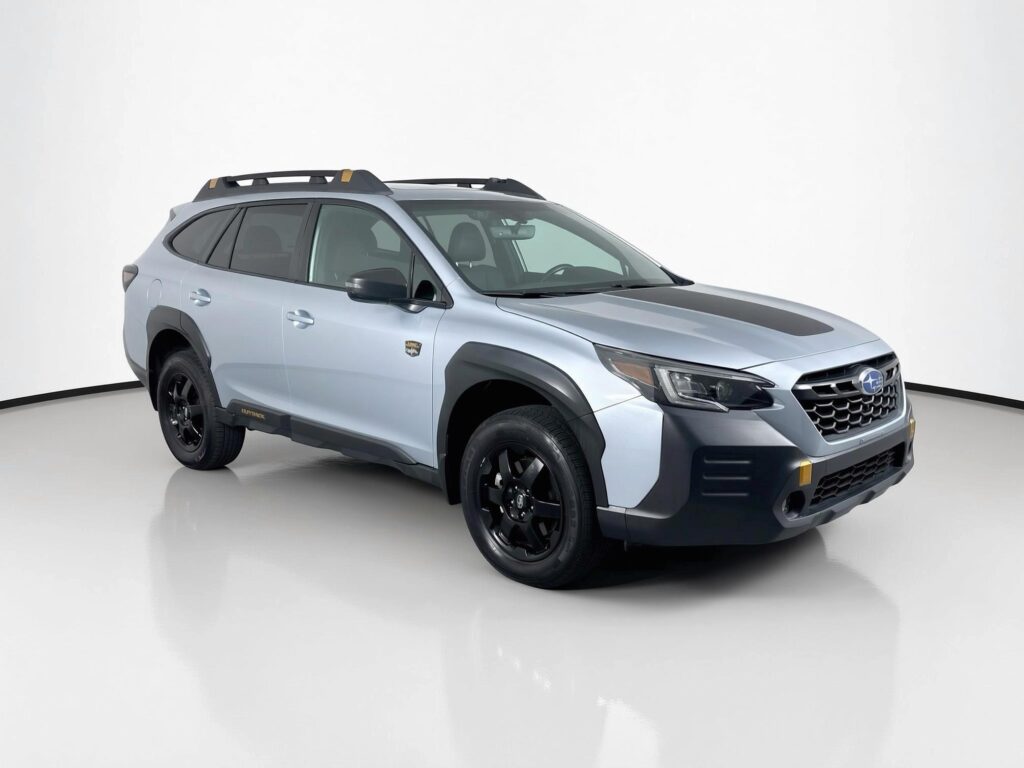
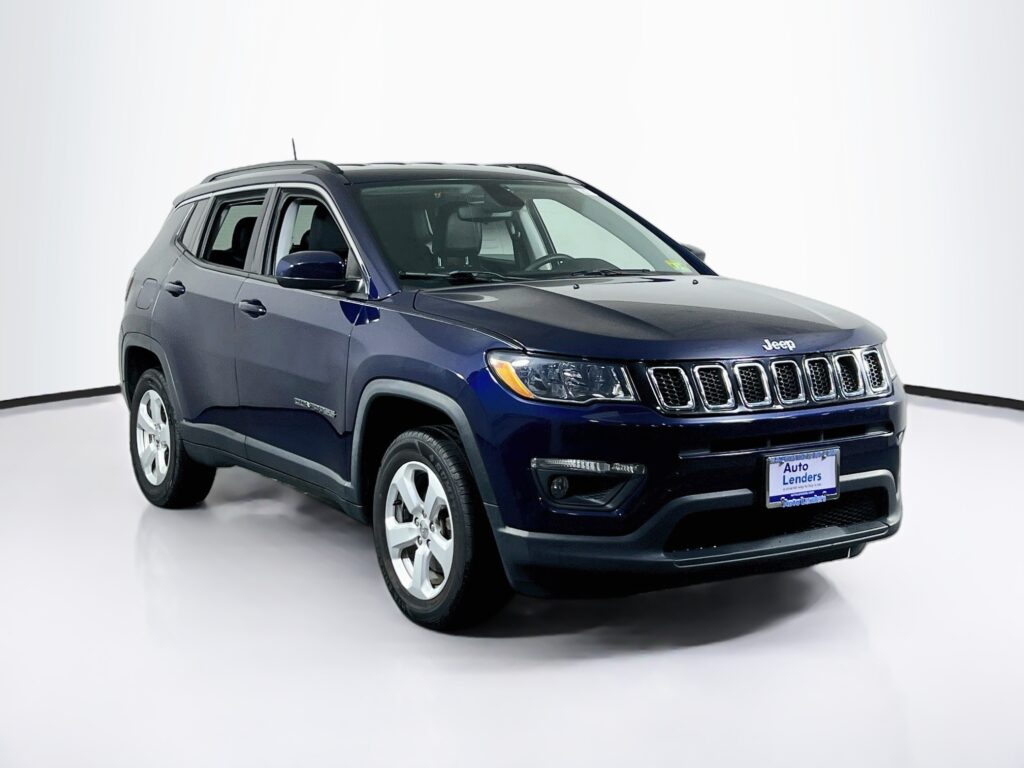
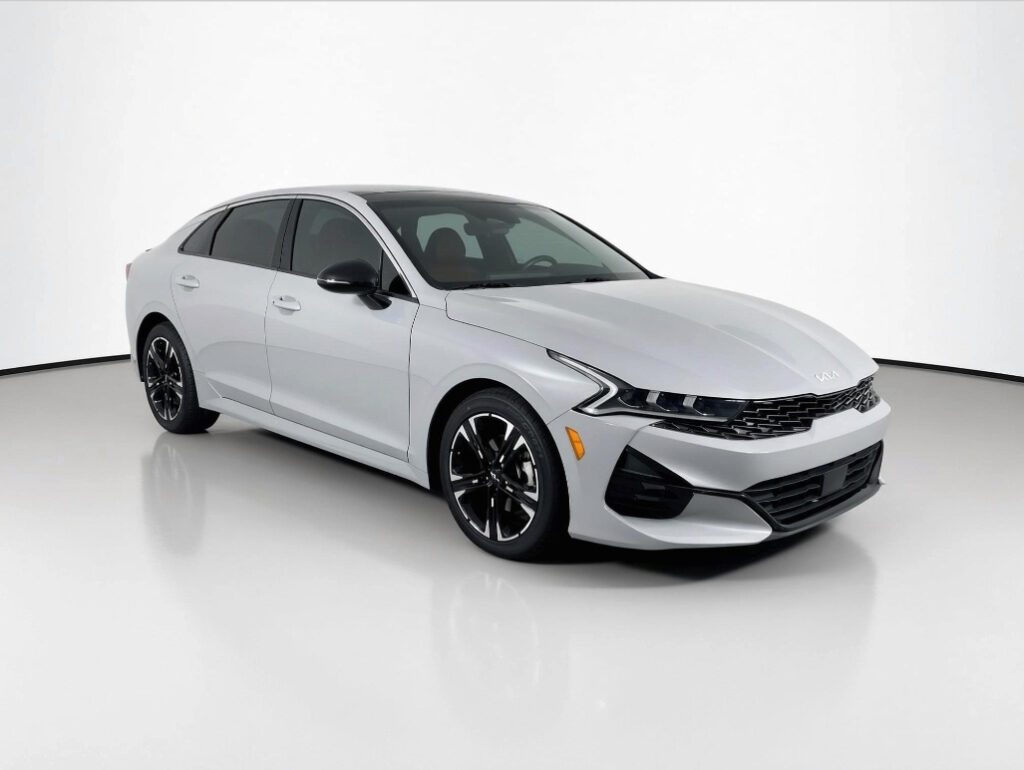
Consistent dealership vehicle photography should continue when your best photographer is absent.
Many stores have one employee who knows every angle, every required image and every step needed to move a vehicle online. That expertise is valuable, but when the entire process lives in one person’s head, it becomes an operational risk.
A scalable photography process puts the standard into the system.
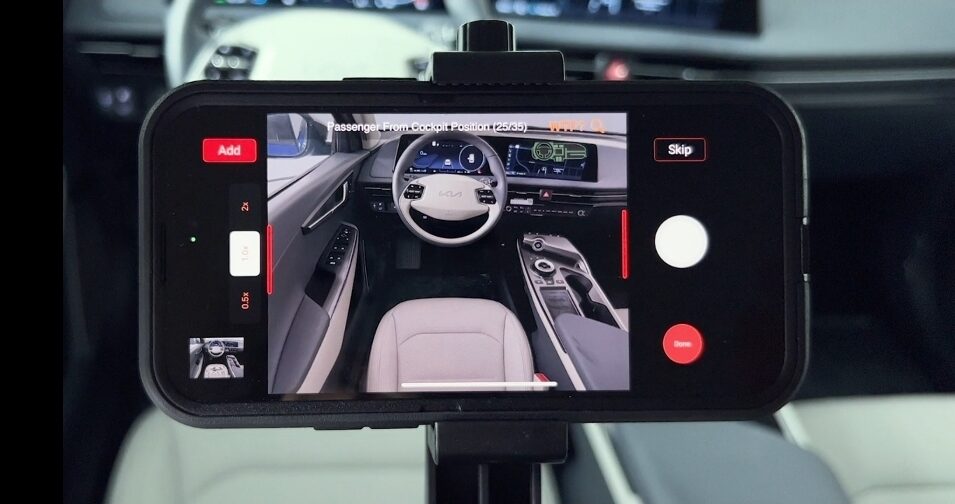
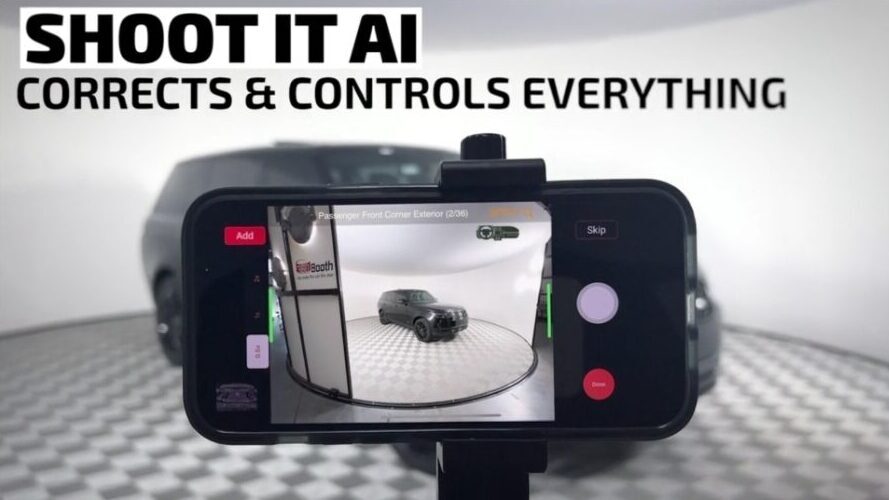
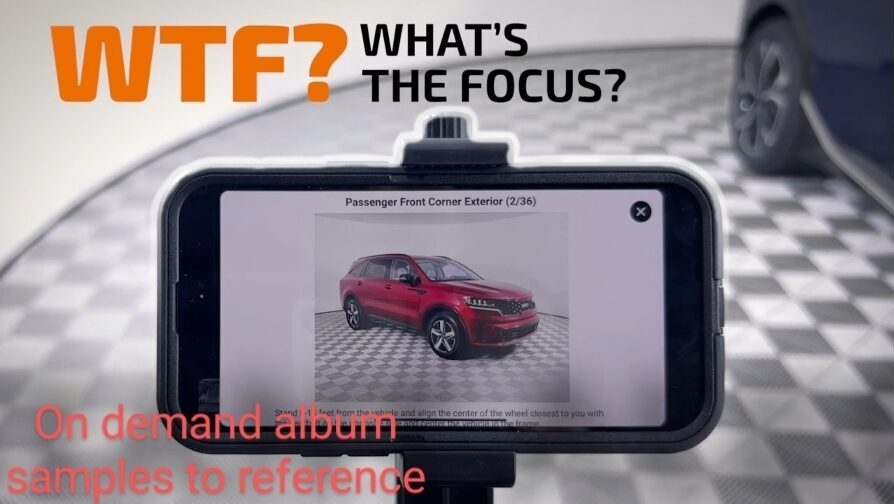
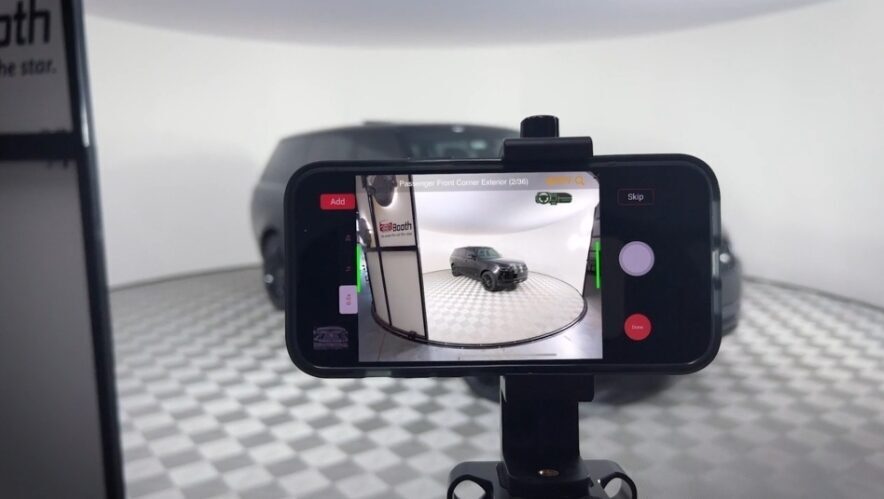
SHOOTit AI guides the employee through the dealership’s required 40+ photos on the iPhone. It assists with positioning, centering, lighting and sequence while the vehicle is still in front of the camera. The operator follows a defined path instead of relying on memory or personal preference.
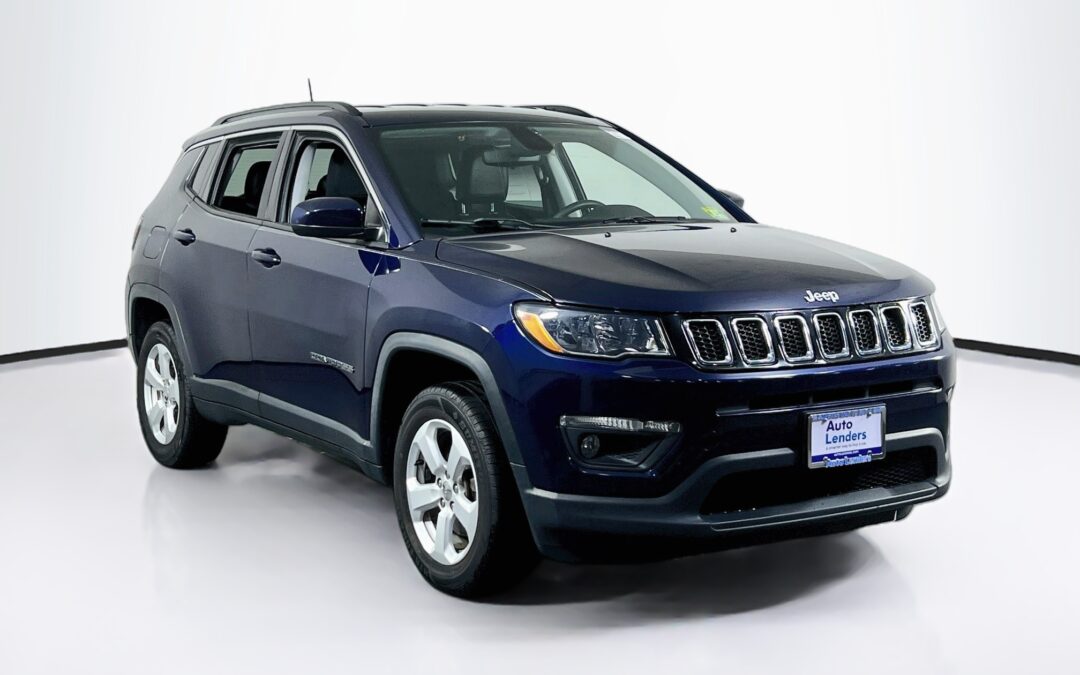
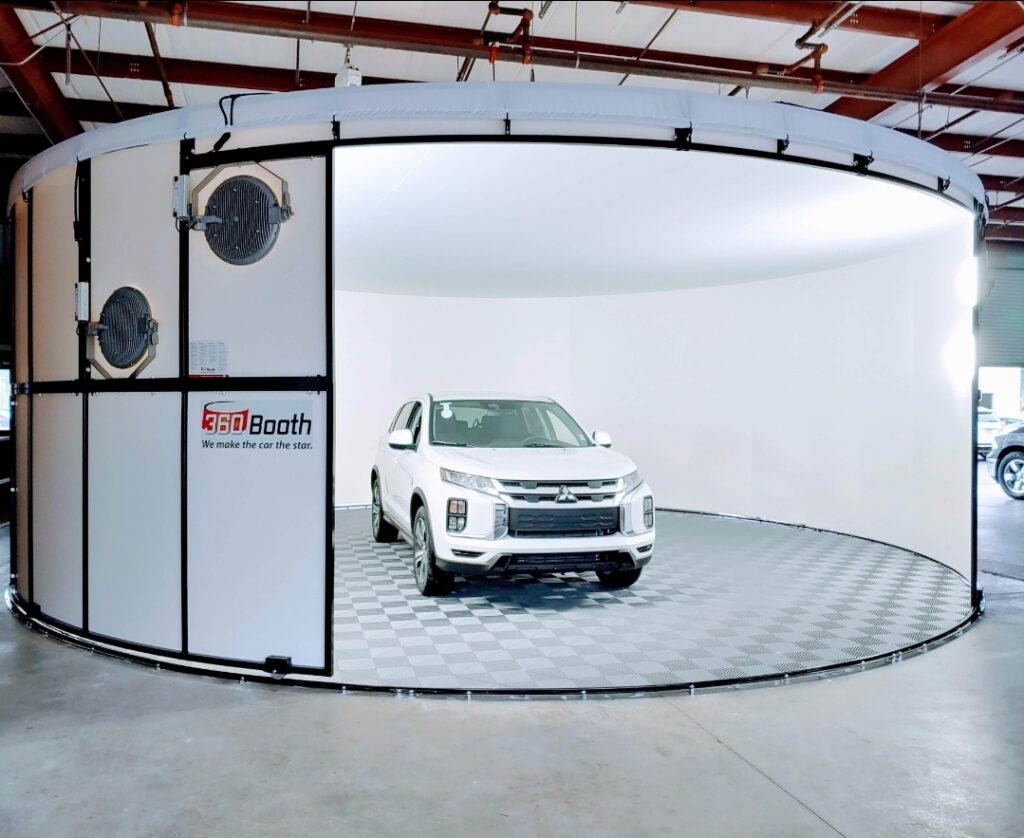
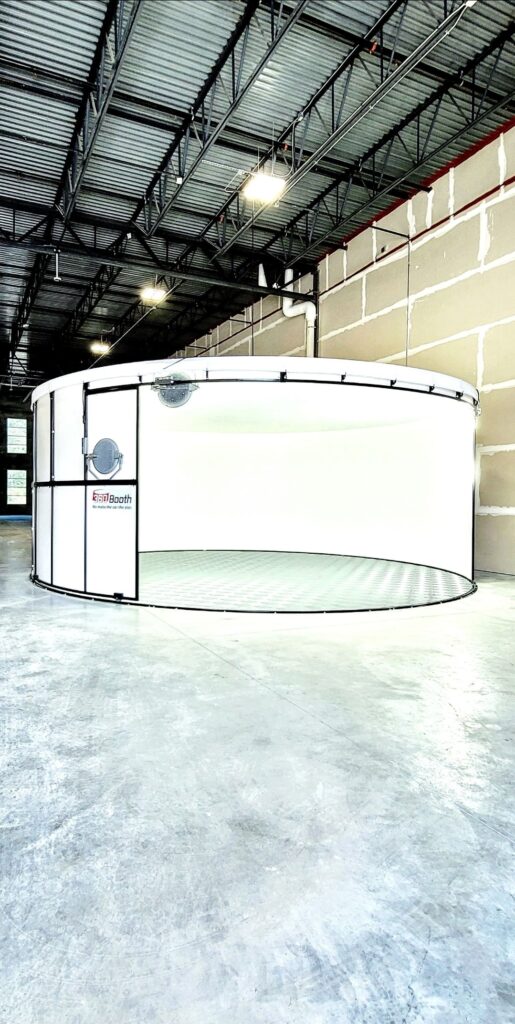
A 360Booth makes that process even more repeatable by controlling the physical environment. Lighting, surroundings and presentation remain consistent whether the vehicle is photographed Monday morning or Saturday afternoon.
The value is bigger than easier training.
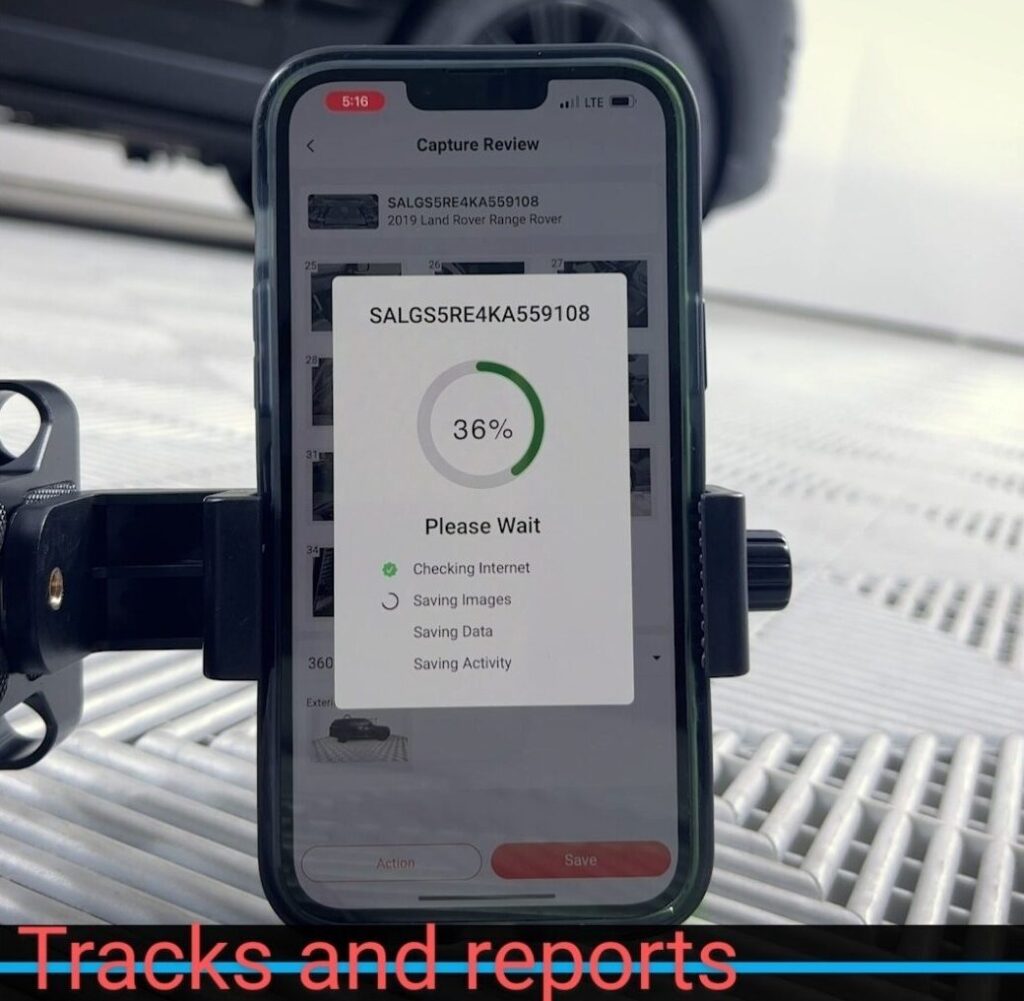
When another employee takes over, the gallery should not suddenly change. The hero angle, image order and overall presentation should still look like the same dealership produced them. Completed media uploads wirelessly into the dealership’s selected workflow, keeping the handoff simple.
The goal is not to eliminate talented people. It is to stop making talent compensate for an inconsistent process.
Your photography standard should survive vacations, days off, turnover and growth across multiple rooftops.
Book a walk-through visit and put SHOOTit AI into the hands of someone who is not your best photographer. One vehicle will show you whether the process is truly easy to repeat.
A customer shopping across several stores in the same group should not encounter five different versions of the company.
One rooftop uses controlled studio photography. Another shoots beside the service drive. One begins every gallery with the same hero angle. Another changes the angle, camera height, background and image count depending on who is holding the phone.
That inconsistency weakens the group’s brand and makes inventory harder to compare.
An enterprise photography standard should define the capture environment, hero position, camera height, required interior and exterior views, image sequence, 360 content, quality rules and delivery destination. Local employees can perform the work, but the visual standard should not change with the employee or store.
360Booth creates a repeatable physical environment. SHOOTit AI guides framing, centering, lighting and sequence on the iPhone. Together, they allow a dealer group to scale one merchandising process without depending on one photographer’s judgment at every location.
A brand standard is not a logo placed on the corner of a photograph.
It is the discipline to make every vehicle, at every rooftop, look like it came from the same company.
The breakthrough in dealership photography isn’t taking a prettier picture. It’s knowing the picture is right before the photographer walks away.
That technology isn’t coming someday. It’s available today with SHOOTit AI.
Traditional dealership photography depends heavily on the person holding the camera. One employee understands lighting and framing. Another forgets important angles. Someone else takes a blurry dashboard photo or shoots a vehicle too dark.
The mistake often isn’t discovered until the images reach the Vehicle Detail Page (VDP). Now the dealership has to find the vehicle, move it back to the photography area and shoot it again. That’s wasted time.
How Does SHOOTit AI Improve Dealership Vehicle Photography?
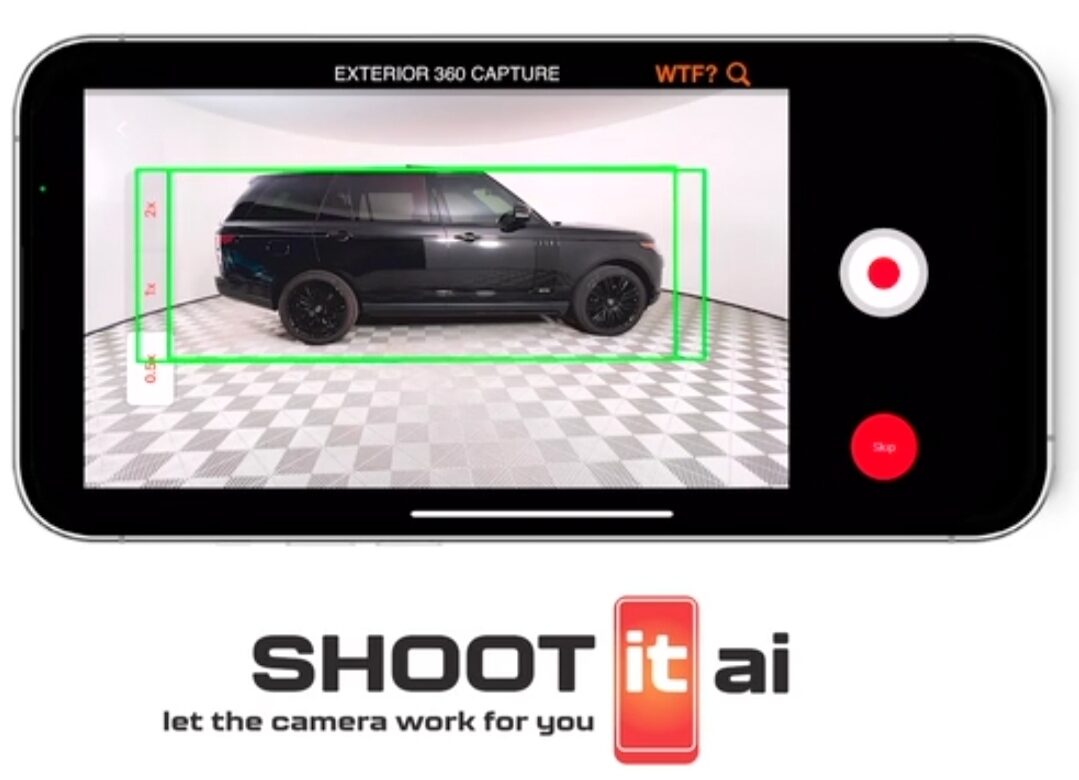
SHOOTit AI turns the Apple iPhone into an intelligent automotive photography tool. The system guides the photographer through an optimized sequence around the vehicle, helping a dealership capture 40+ consistent vehicle photos efficiently.
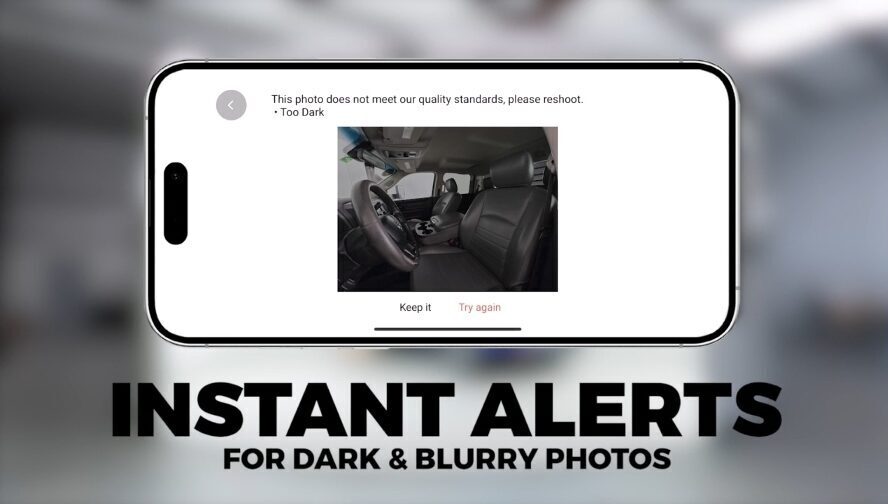
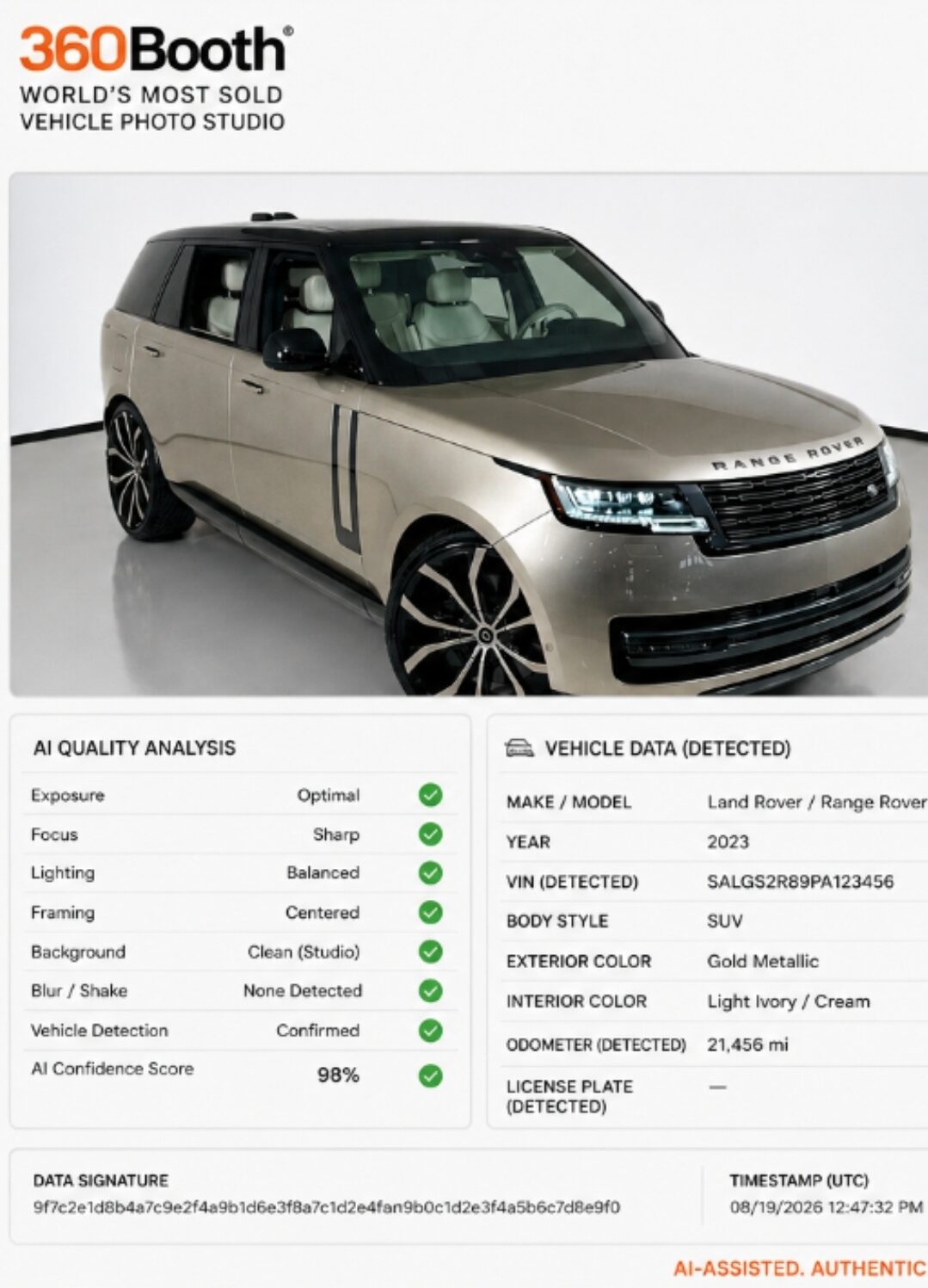
SHOOTit AI helps standardize vehicle positioning, framing, zoom, lighting and photo sequencing. It can identify problems such as blurry or poorly exposed images while the photographer is still with the vehicle, giving the employee an opportunity to correct the photograph immediately.
The objective isn’t to turn every dealership employee into a professional photographer. It’s to put decades of automotive photography knowledge into the process they’re following. That means a porter, detailer or new employee can follow the same standardized workflow instead of inventing their own photography process.
Why Combine SHOOTit AI With a 360Booth Vehicle Photo Studio?
This is where the combination becomes powerful. 360Booth controls the physical environment. SHOOTit AI controls and monitors the capture process.
A 360Booth provides consistent studio lighting and a repeatable environment regardless of weather, changing sunlight or outdoor distractions.
SHOOTit AI adds the intelligence needed to guide the person holding the camera and maintain the dealership’s photography standard.
Together, they address two major sources of inconsistent automotive photography: The environment and human error.
Can AI Reduce Vehicle Photography Retakes?
Yes—that’s one of the most important benefits of intelligent capture.
The best time to discover a bad photograph isn’t after the vehicle has been uploaded. It’s instantly after the photograph was taken.
If the system identifies a blurry or improperly exposed image while the photographer is standing next to the vehicle, correcting it takes seconds. Discovering the same problem hours later creates another workflow. That’s the difference between quality correction and quality prevention.
Automotive Experience Matters
SHOOTit AI wasn’t created simply by teaching software how a camera works. Behind 360Booth and SHOOTit AI is a team with more than 50 years of combined automotive photography experience.
That experience matters because dealership photography isn’t simply about exposure and focus. It’s understanding which images customers need, the sequence in which vehicles should be photographed, how dealerships actually operate and how to move inventory from retail ready to professionally merchandised as efficiently as possible.
Technology alone doesn’t understand a dealership. Experience teaches the technology what matters.
AI Automotive Photography Is Already Here
Dealers don’t need to wait for the future of AI vehicle photography. SHOOTit AI already uses intelligence to help dealerships standardize capture, reduce mistakes and create consistent vehicle imagery. Combine it with the controlled environment of a 360Booth and dealerships gain something much more valuable than another camera: A repeatable automotive merchandising process.
Better lighting. Better consistency. Fewer mistakes. Faster corrections. Professional photography of the actual vehicle.
And most importantly, less dependence on whether the person holding the iPhone happens to be an experienced photographer. That’s what practical AI should accomplish.
It shouldn’t replace the photographer. It should make the photographer.
93% Is a Number Every Automotive Dealer Should Pay Attention To.
Artificial intelligence is changing vehicle photography faster than most dealerships realize.
AI photography software can now remove backgrounds, generate virtual photo studios, manufacture floors, modify shadows, change reflections and create an environment that never physically existed around the vehicle. The technology can produce impressive images. But dealerships should be asking a more important question:
What happens when customers stop believing the photos?
Adobe’s Authenticity in the Age of AI study surveyed more than 2,000 U.S. consumers and uncovered something every automotive retailer should understand.
93% of consumers said it is important to understand how the digital content they consume was created or edited.
Even more concerning, 74% said they had questioned the authenticity of photos or videos even when viewing them on reputable news websites.
Adobe also found that 87% said generative AI has made distinguishing fact from fiction online more difficult.
Those statistics weren’t collected specifically from automotive shoppers. But the implications for automotive retail should be impossible to ignore.
What Happens When AI Skepticism Reaches the Vehicle Detail Page?
Imagine a customer considering a $30,000, $50,000 or $80,000 vehicle. They open the Vehicle Detail Page (VDP). Everything looks perfect. Perfect floor. Perfect studio. Perfect background. Perfect shadows. Perfect reflections.
Eventually, customers are going to ask: “What else did they change?”
That’s the problem automotive retailers should be thinking about now. AI doesn’t necessarily have to materially alter the vehicle to damage consumer confidence. The customer simply has to believe that it might have. Once that doubt exists, an artificially perfect vehicle presentation can create suspicion instead of confidence.
Was the paint color changed?
Were reflections modified?
Was damage removed?
Did segmentation alter the vehicle’s edges?
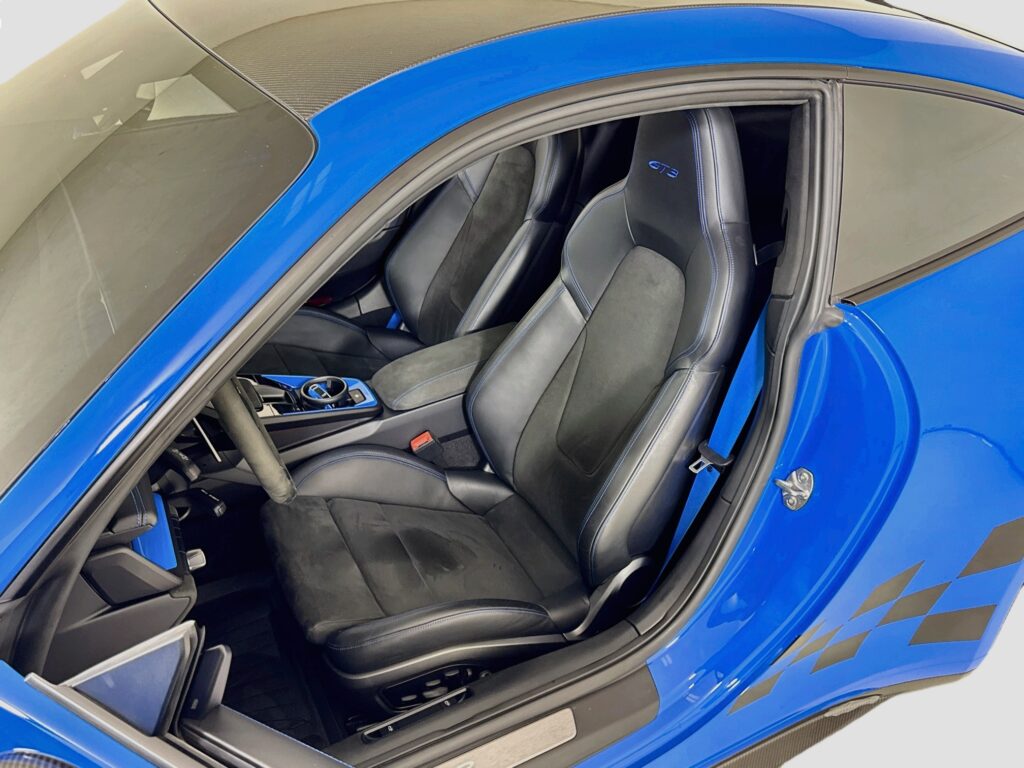
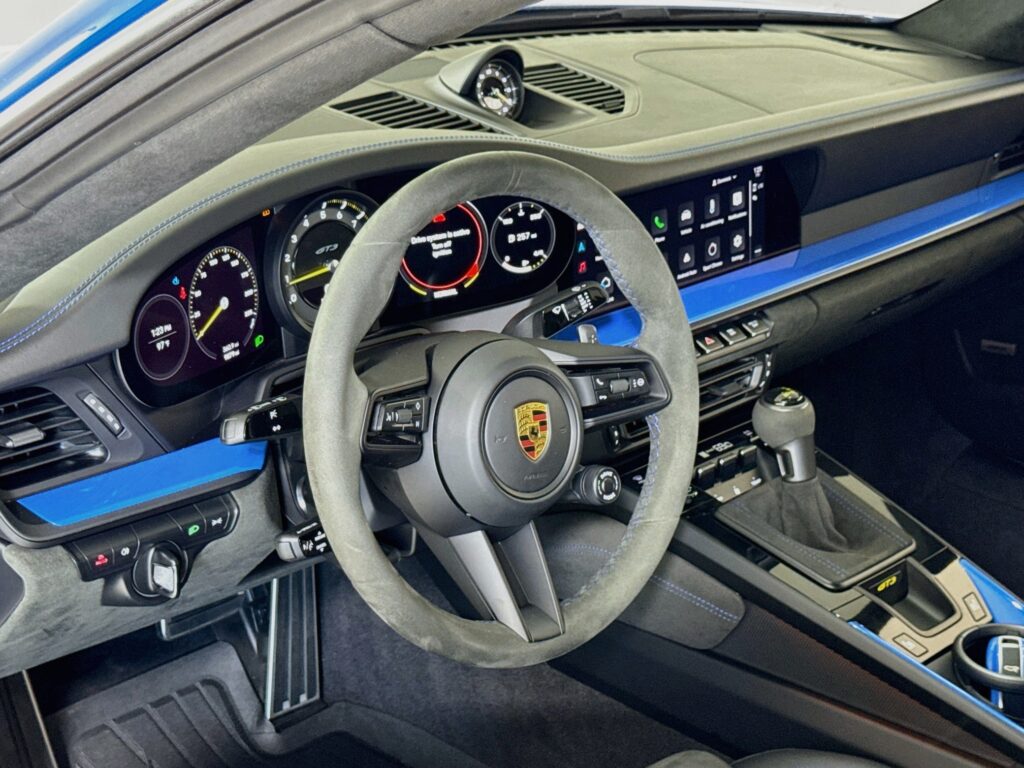
Are the seats really that color?
Was the shadow photographed or generated?
Where did photography stop and artificial intelligence begin?
For a consumer purchasing a specific VIN, those are legitimate questions.
AI-Generated Vehicle Photography vs. Authentic Vehicle Photography
Automotive retail appears to be approaching an important fork in the road.
One direction uses artificial intelligence to create the photograph customers see.
The other uses artificial intelligence and computer vision to capture the actual vehicle better.
360Booth and SHOOTit AI are choosing the second approach.
The philosophy is straightforward:
Real vehicle.
Real photo studio.
Real lighting.
Correct vehicle color.
Correct interior color.
Natural studio shadows.
Intelligent capture.
AI should help the photographer achieve consistent framing, proper exposure, optimized photo sequencing, quality control and faster vehicle merchandising. It shouldn’t require manufacturing a reality that never existed.
AI-assisted. Not AI-invented.
Why Does a Physical Vehicle Photo Studio Matter in the AI Era?
Ironically, the rise of generative AI may make a real automotive photo studio more valuable.
A physical vehicle photography studio gives the dealership control over the conditions before the shutter is pressed.
Lighting can be controlled physically.
Reflections can be controlled physically.
Vehicle positioning can be standardized.
Background consistency can be created without replacing reality.
Photography can remain photography.
Then computer vision and AI can improve the capture workflow rather than reconstructing the environment afterward. That distinction matters.
Could Authentic Vehicle Photography Become a Competitive Advantage?
Adobe’s research suggests consumers increasingly want transparency about how digital content was produced. Adobe is even developing Content Credentials—a form of digital provenance that can provide information about how content was created and edited. Think about what that trend could eventually mean for automotive retail.
Today dealerships advertise:
CARFAX available.
One owner.
Certified Pre-Owned.
150-point inspection.
Tomorrow another trust signal could become important:
Authentically Captured.
A dealership could potentially demonstrate that the vehicle shown online was professionally photographed rather than synthetically reconstructed. That turns authenticity into part of the dealership’s digital merchandising strategy.
Should Dealers Be Concerned About Fake Backgrounds in Vehicle Photography?
The issue isn’t simply whether a virtual background looks attractive. The larger issue is where consumers believe digital manipulation ends. Once customers know that part of an image was generated, they may naturally question the rest of it. And that’s where the automotive industry needs to be careful.
Dealerships have spent decades building processes designed to increase transparency: vehicle history reports, inspections, condition reports, certified programs and increasingly detailed VDPs. We should think carefully before introducing imagery that causes customers to question that transparency.
What Is the Better Use of AI in Automotive Photography?
AI has enormous potential in automotive merchandising.
Use AI to detect blurry photographs.
Use computer vision to center vehicles.
Use AI to optimize exposure.
Use intelligence to guide photographers through the fastest capture sequence.
Use computer vision to identify missing images.
Use AI to improve workflow and accelerate speed-to-VDP.
Use technology to help an inexperienced employee consistently produce professional results.
That’s meaningful automation.
The objective should be: use AI to improve the truth—not replace it.
The Question Every Dealer Should Be Asking
If 74% of consumers surveyed by Adobe have already questioned imagery from reputable news organizations, why should automotive retailers assume customers will blindly trust increasingly synthetic vehicle photography?
The question isn’t whether customers will eventually recognize AI-generated automotive imagery. The bigger question is:
What happens to your dealership’s credibility when they start looking for it?
At 360Booth and SHOOTit AI, we believe the future of automotive imaging should combine the power of artificial intelligence with something technology cannot manufacture: Authenticity.
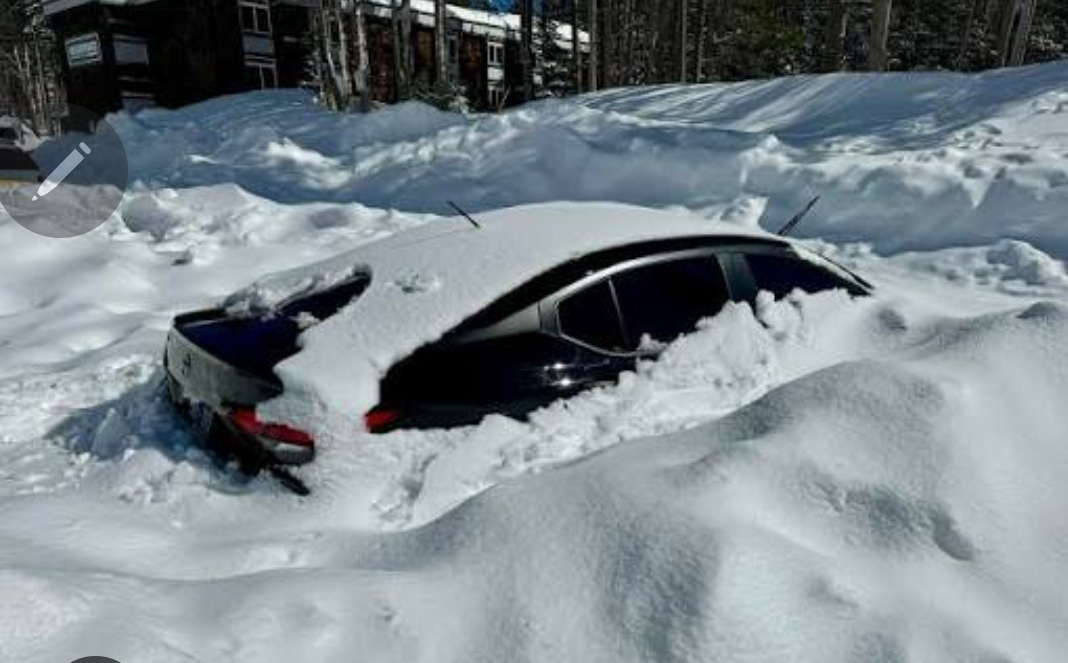
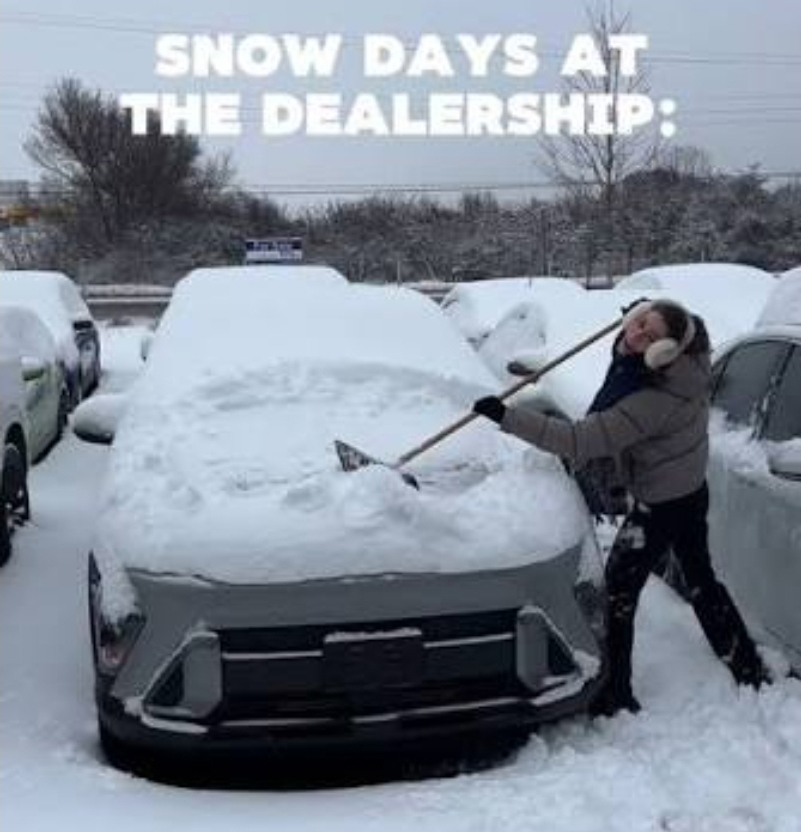
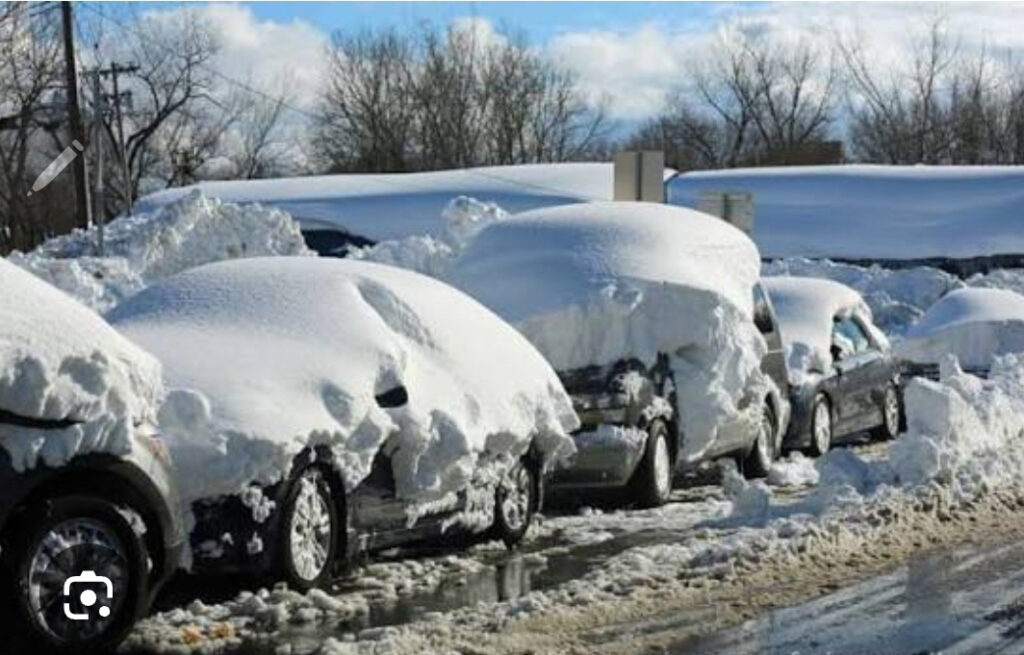
As a major storm impacts the Central and Northeast United States, dealerships are facing a familiar challenge: how to maintain high-quality inventory photos when the weather outside is anything but inviting. This isn’t just an inconvenience; it’s a direct threat to your sales velocity.
In 2026, buyers expect pristine, consistent imagery no matter the season. If your online VDPs suddenly go dark, or show muddy, rain-streaked cars, you’re losing deals.
This is precisely where the 360Booth vehicle photo studio and SHOOTit AI smart camera deliver their most impactful ROI.
The “Weather-Proof” Digital Showroom
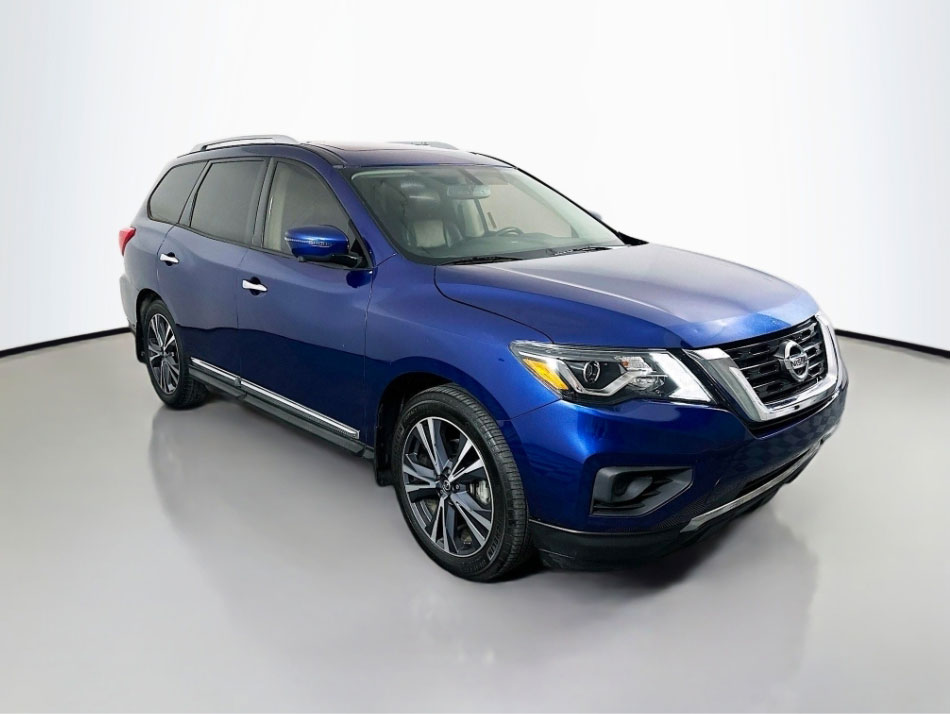
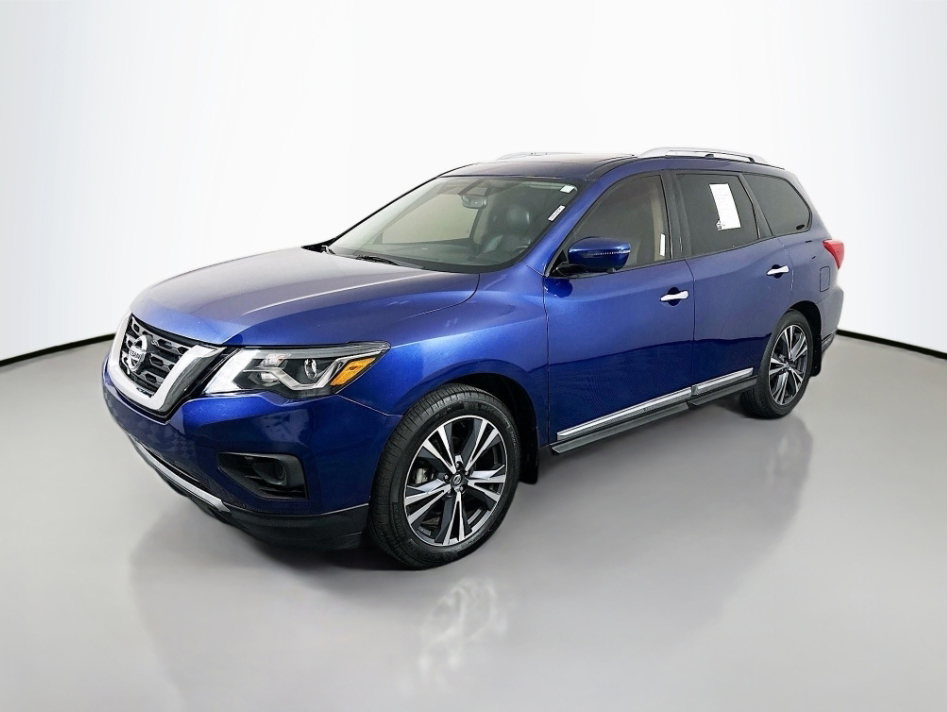
Your 360Booth studio offers a controlled, perfectly lit environment, immune to snow, ice, rain, or harsh sun. This means:
Uninterrupted Production: While competitors wait for clear skies and clean vehicles, your team is consistently capturing dealership branded perfect images, keeping your inventory fresh and engaging.
Consistently High Quality: Every photo, every vehicle, every day regardless of what’s happening outside maintains your brand’s high standards. No more bad lighting, horrible reflections, or snowbound cars.
SHOOTit AI: The Brains Behind the Beauty
The SHOOTit AI smart camera isn’t just a iPhone camera, it’s your expert professional photographer, even during a blizzard. It guides your team through the optimal path around the vehicle, ensuring every critical angle, especially the interior, is perfectly framed and color corrected.
No Training Needed: Your team doesn’t need to be professional photographers. The tech intelligence ensures flawless execution.
Faster “Time-to-Line”: Cars move from the lot to your VDPs faster, reducing holding costs and accelerating sales, even when the weather slows everything else down.
From Obstacle to Advantage
While competitors are struggling to find a clear day and or using fake backgrounds your dealership, equipped with 360Booth and SHOOTit AI, is showcasing immaculate inventory. This isn’t just about avoiding a problem; it’s about transforming a major obstacle into a significant competitive advantage.
During inclement weather, your online presence becomes even more critical. Make sure it’s showing off your best, every single time.