What if shoppers judge your whole store by one thumbnail?
They do. Every day.
On a search results page, your car is one little rectangle in a row of rectangles. The shopper scrolls with their thumb and decides in about the time it takes to read this sentence.
What does your thumbnail row say?
Now look at your row.
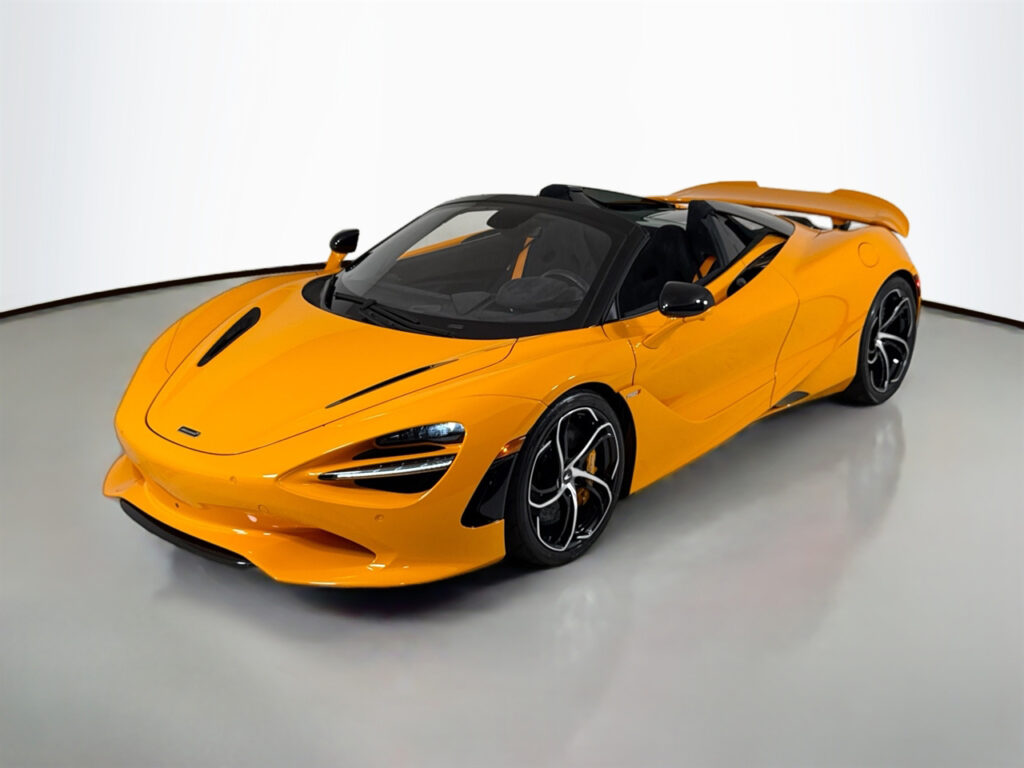
One shot in the sun with glare across the hood. One crooked. One half in shadow. One with a service truck photobombing. When weather and daylight control the shoot, every car comes out different.
Those say: nobody’s paying attention here.
Then there’s the one with a fake backdrop so perfect it looks like a stock photo. That one says something worse: what you see isn’t what you’ll get.
Dealer wake-up call
Shoppers don’t just judge the car. They judge whether your store has its act together. Your thumbnail row is your storefront window.
Why do SRP thumbnails matter so much for car dealers?
On a search results page, each vehicle is one small thumbnail in a row. Shoppers decide in seconds whether to click, and they judge whether the store has its act together by how that whole row looks.
What makes vehicle photos look inconsistent?
Shooting outdoors in changing sun and shadow, crooked angles, distracting backgrounds, and fake backdrops that look like stock images. Each car ends up looking different depending on the weather and who held the camera.
How do 360Booth and SHOOTit AI make vehicle photos consistent?
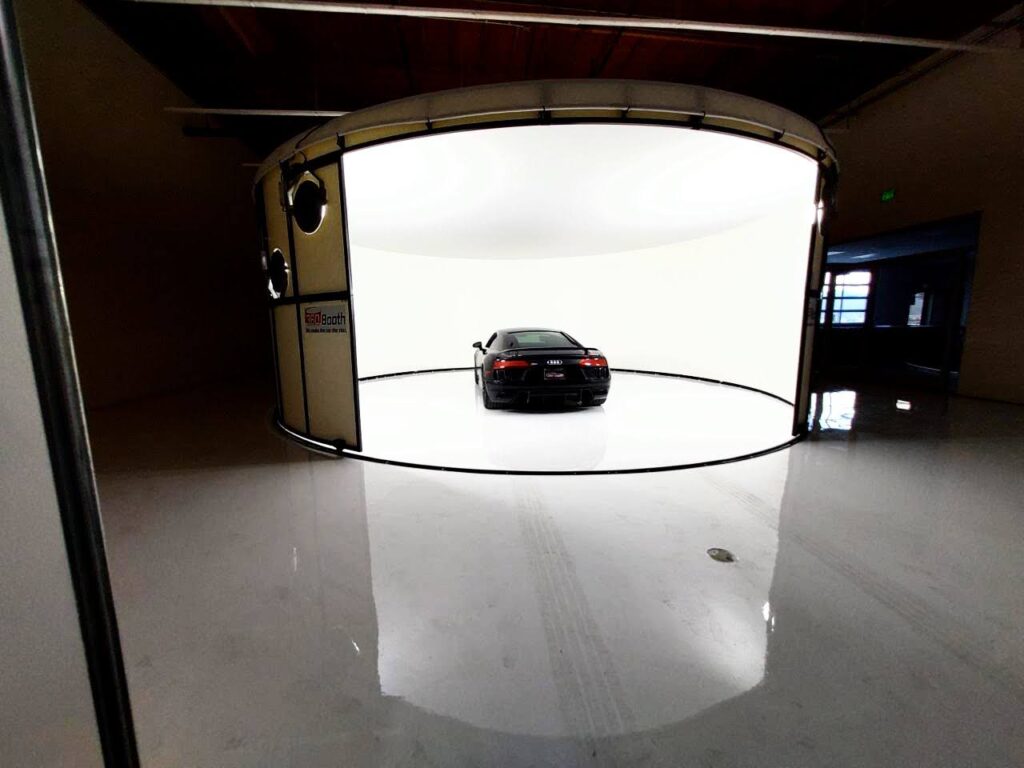
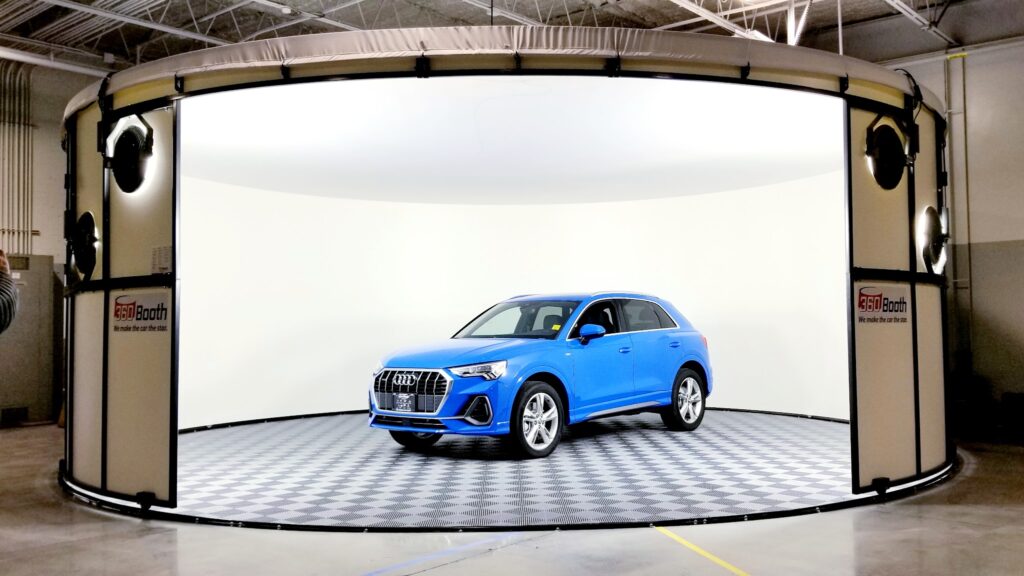
360Booth controls the light and real background around the actual vehicle. SHOOTit AI guides staff through the same 40+ shot sequence every time and flags dark, blurry or off-center shots for a reshoot before the car leaves the booth.
Shoppers don’t call the dealership to ask about the background. They call about the details your photos skipped.
How worn is the driver’s seat? How much tread is left on the tires? Does it have the third row? Does it come with two keys?
Every one of those questions is a missing photo. And every shopper who has to ask is a shopper deciding whether your car is worth the effort.
The wide shots get attention. The details close the gap.
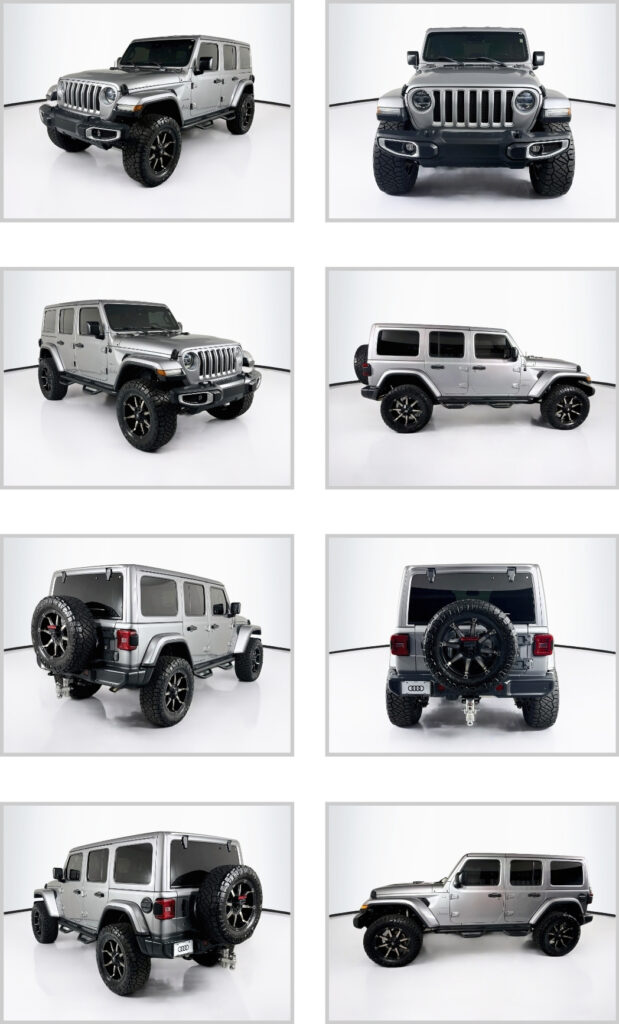
The exterior angles tell a shopper what the car is. The detail shots tell them what this car is: its equipment, its condition and how it was cared for.
That is the difference between a listing that looks good and a listing that answers questions. As we said in How Many Photos Should a Dealership Put on Each Vehicle Listing?, the goal is not the highest photo count. The goal is eliminating unanswered questions.
The detail shots that answer shopper questions
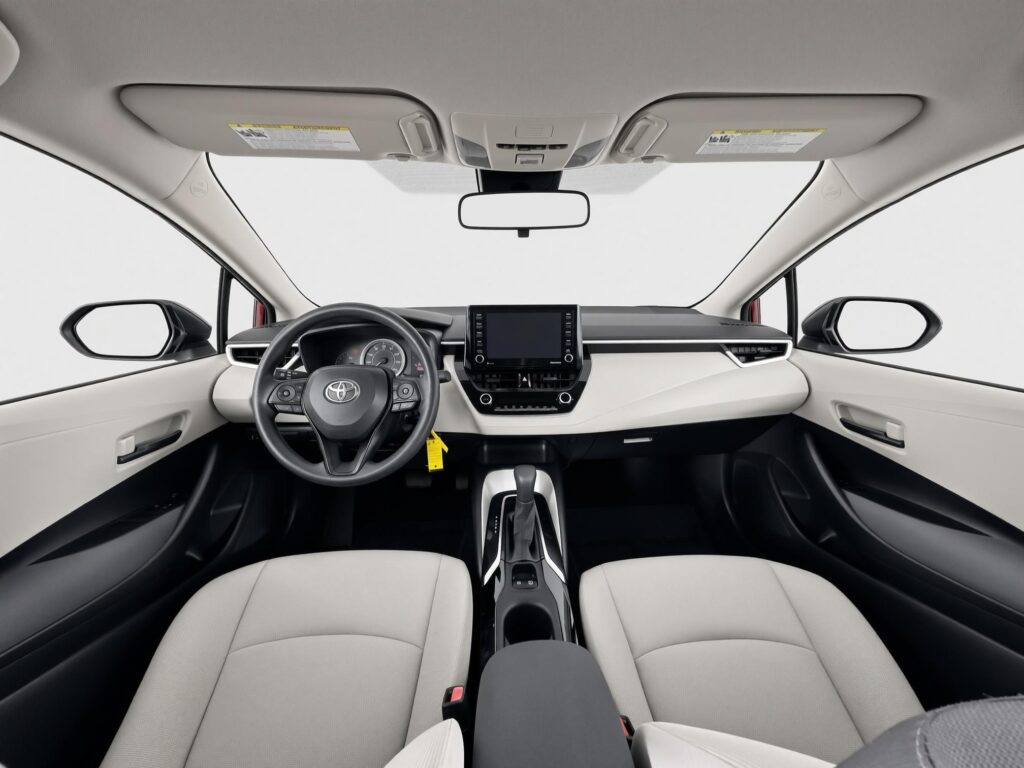
1. The dash with the vehicle running
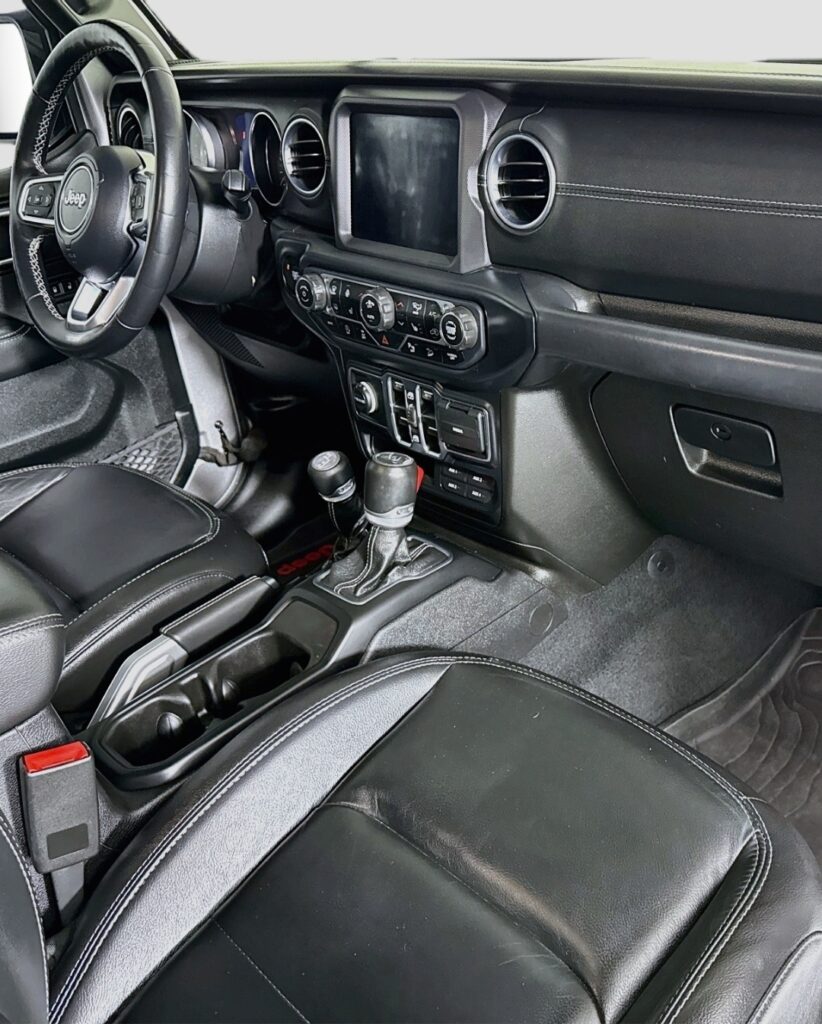
Mileage is one of the first things a shopper checks. A clear shot of the instrument cluster shows the odometer and lets the buyer see the dash lit up the way they’ll see it on the test drive.
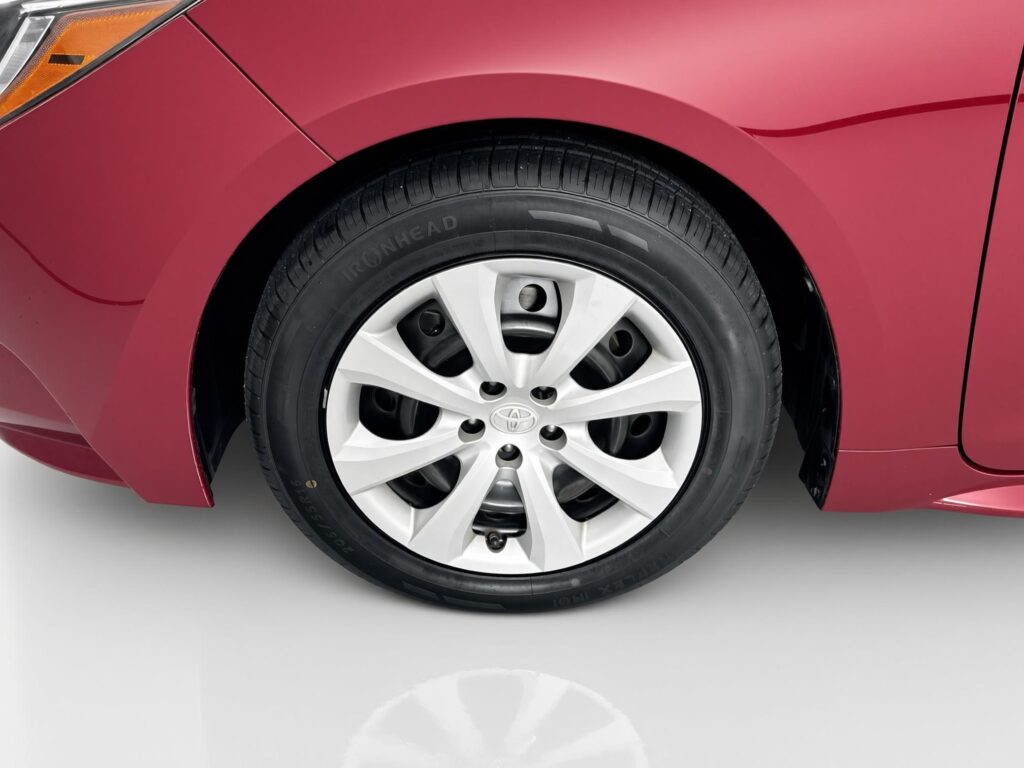
2. Tires and wheels
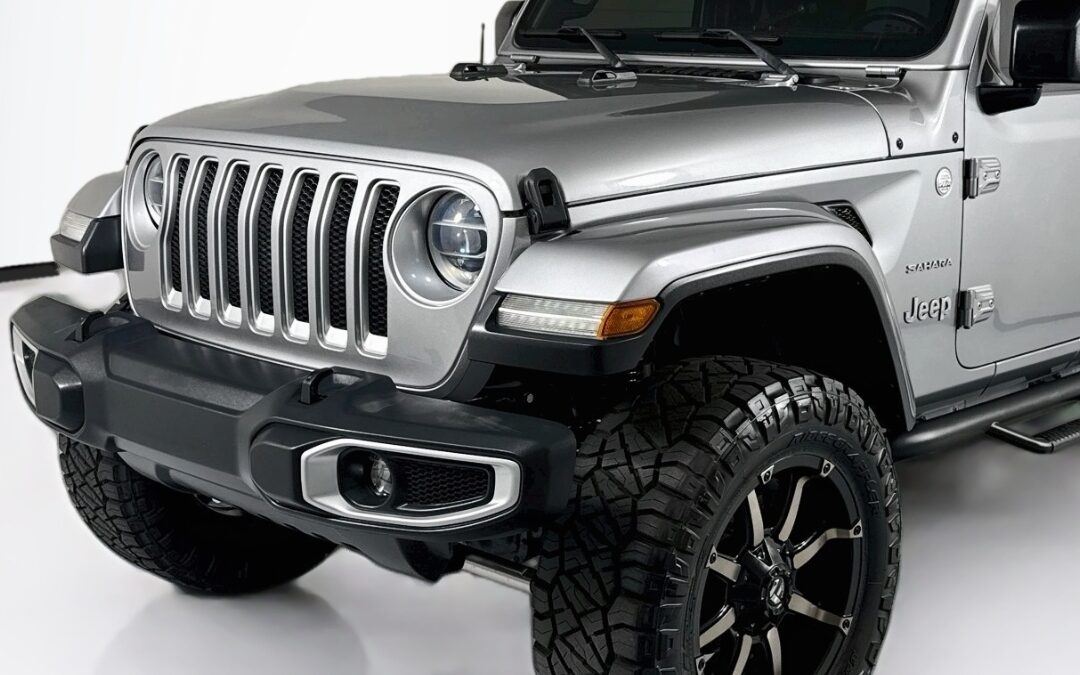
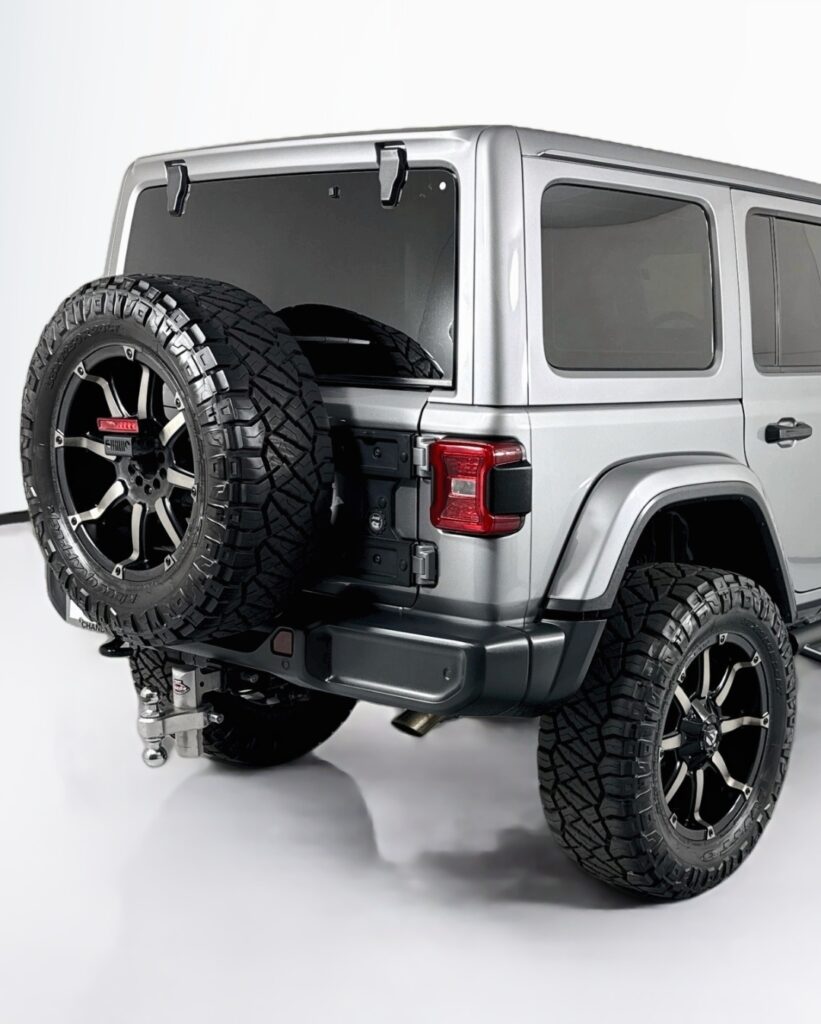
Tires are a cost the buyer is already calculating. Show the tread and the wheel face clearly. Curb rash is easy to hide in a wide shot and impossible to hide on the lot.
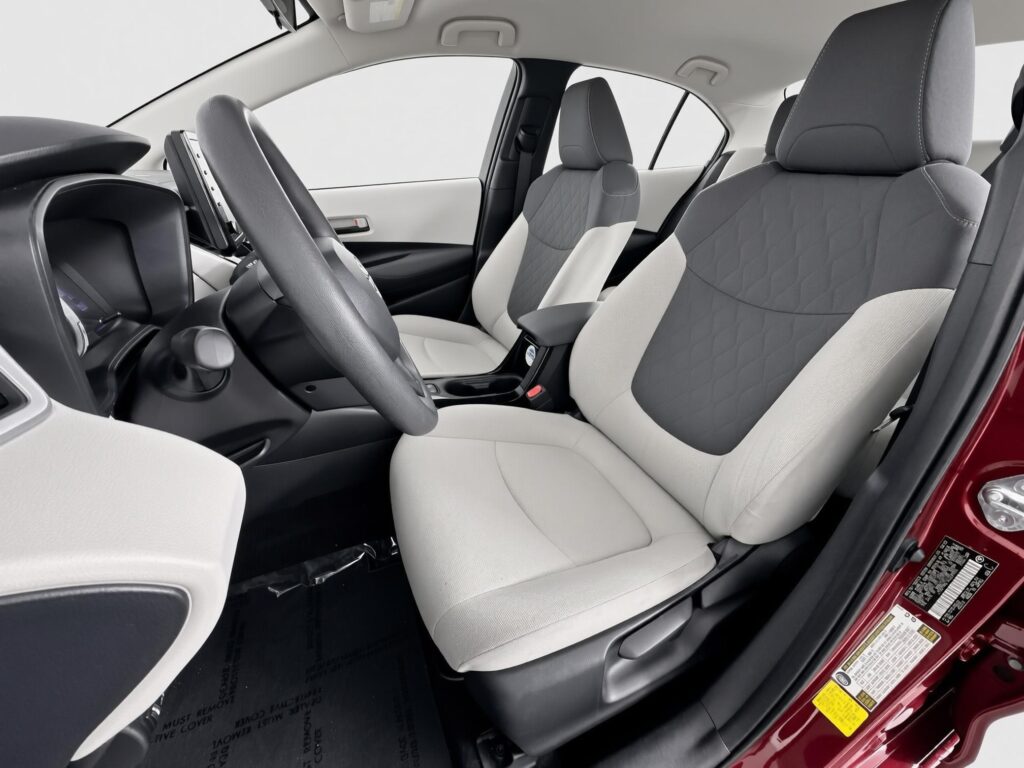
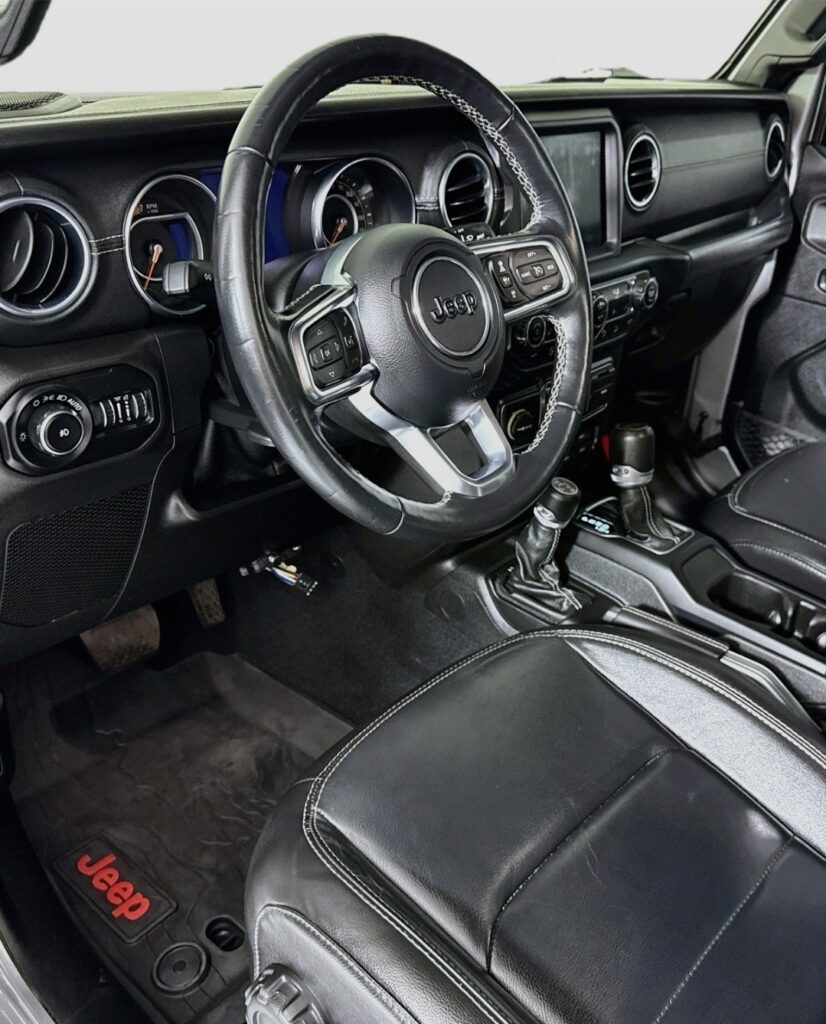
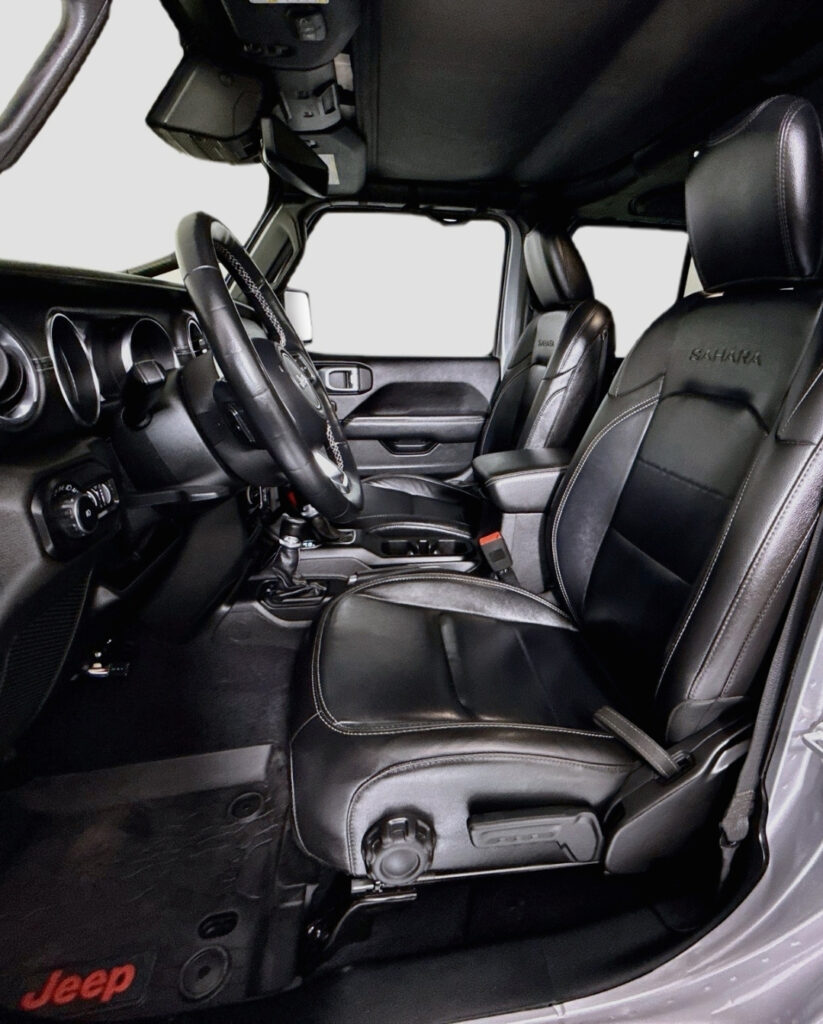
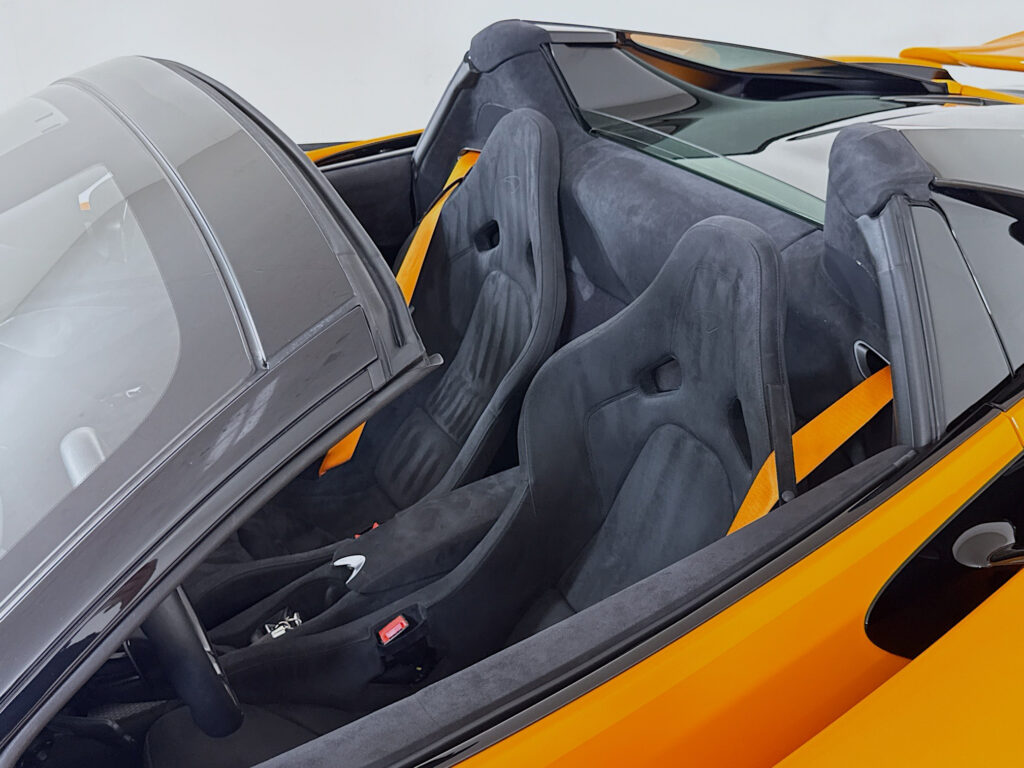
3. The driver’s seat
The driver’s seat takes the most wear of any surface in the car. Shoppers know that, and they look for it. Show the bolster, the cushion and the material clearly enough that the buyer can judge it for themselves.
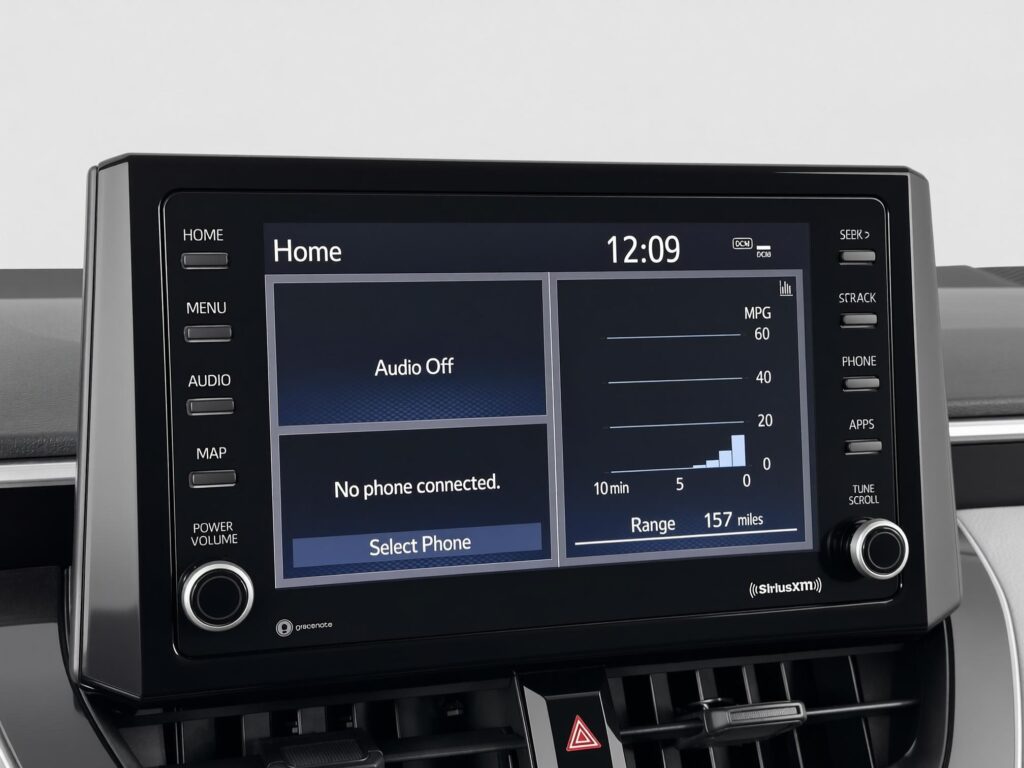
4. The equipment that sets this unit apart
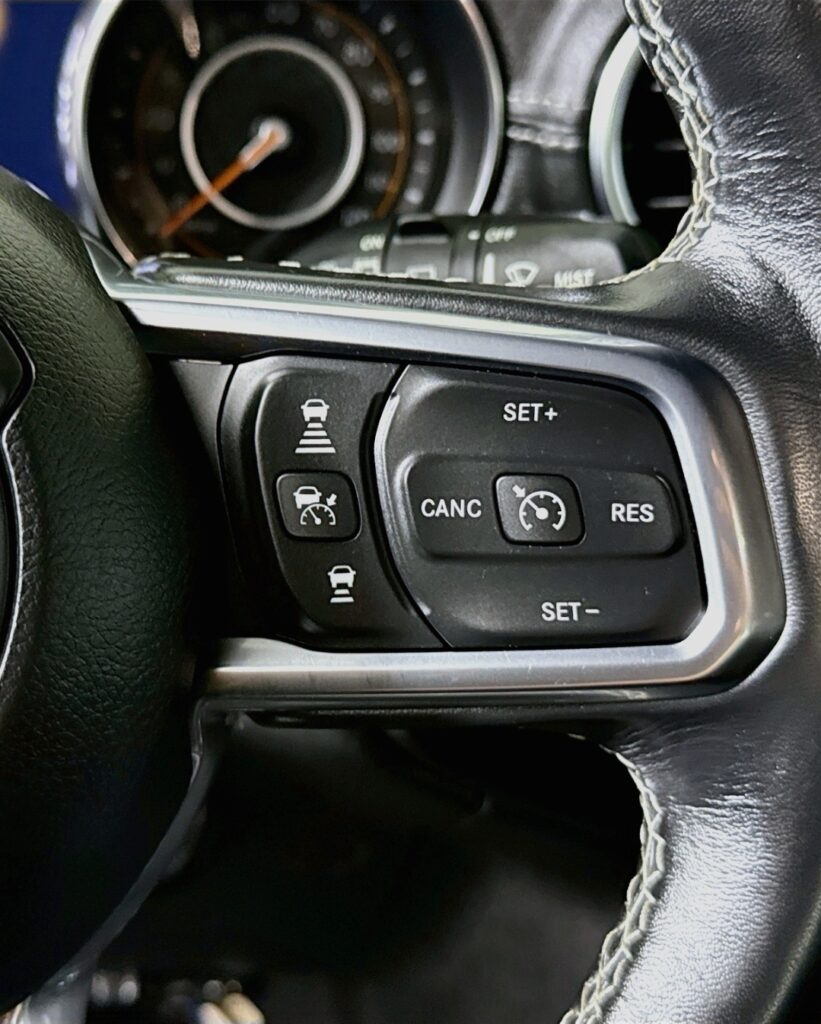
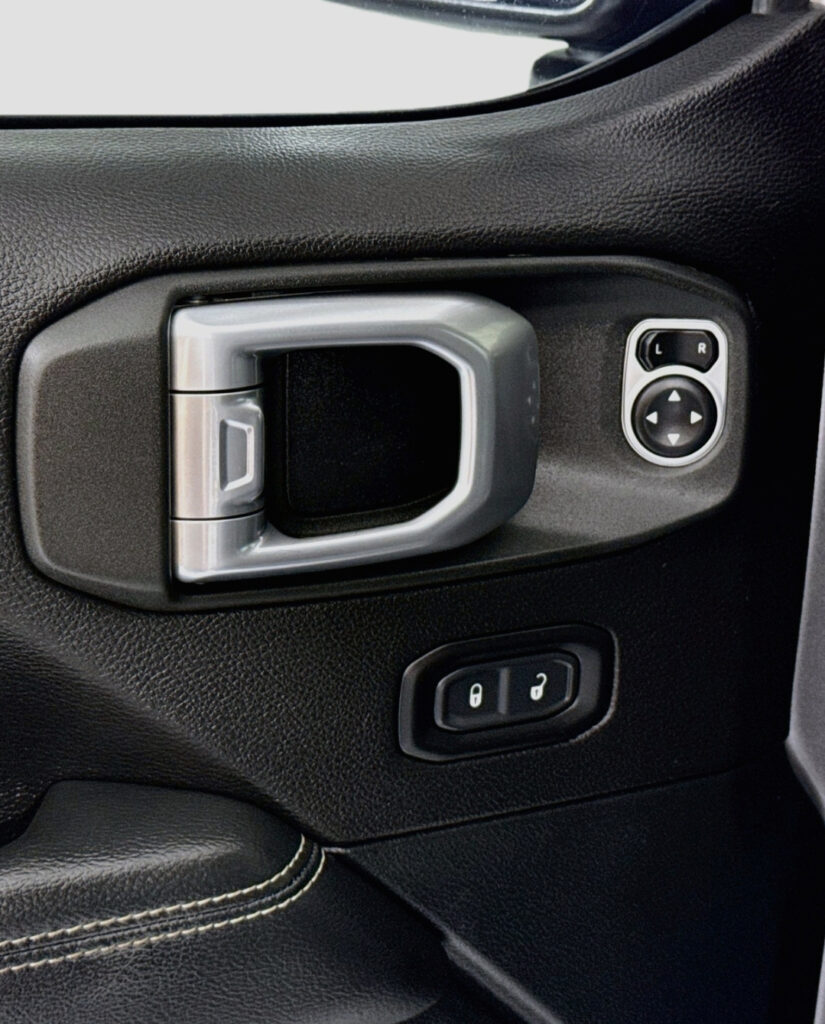
Sunroof, third row, towing equipment, upgraded audio, the infotainment screen. If a feature is part of why this car is priced the way it is, it deserves its own photo. A feature a shopper can’t see is a feature they may not believe is there.
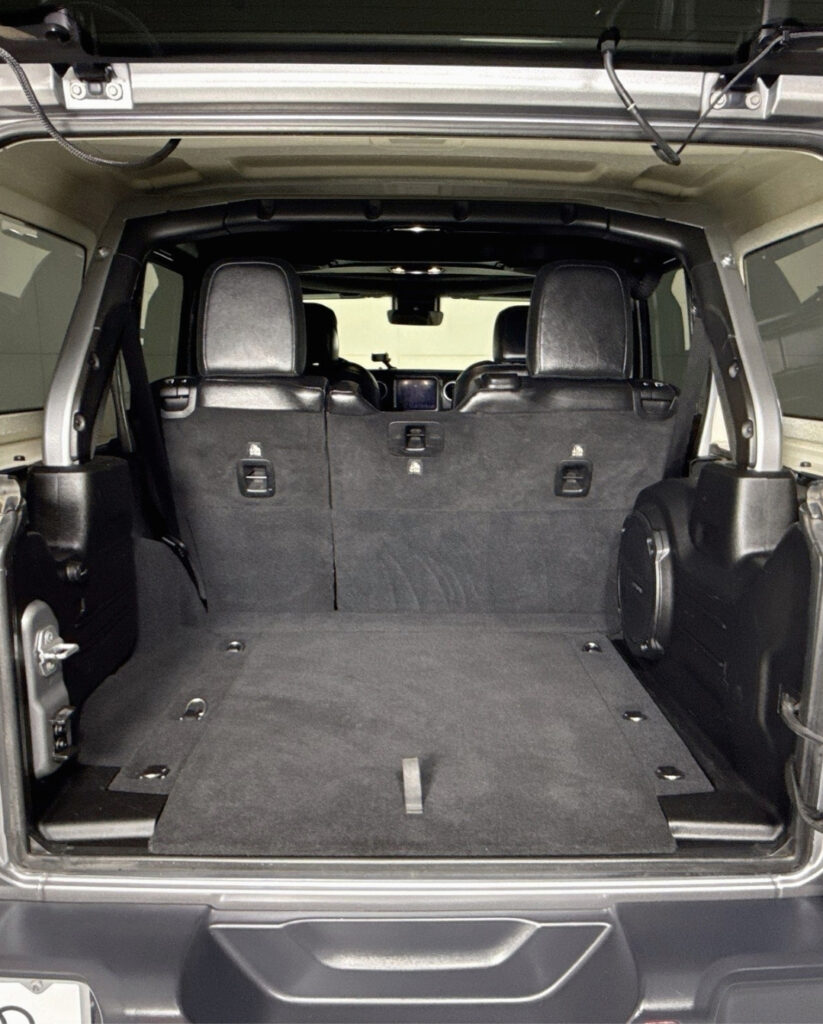
5. Cargo space
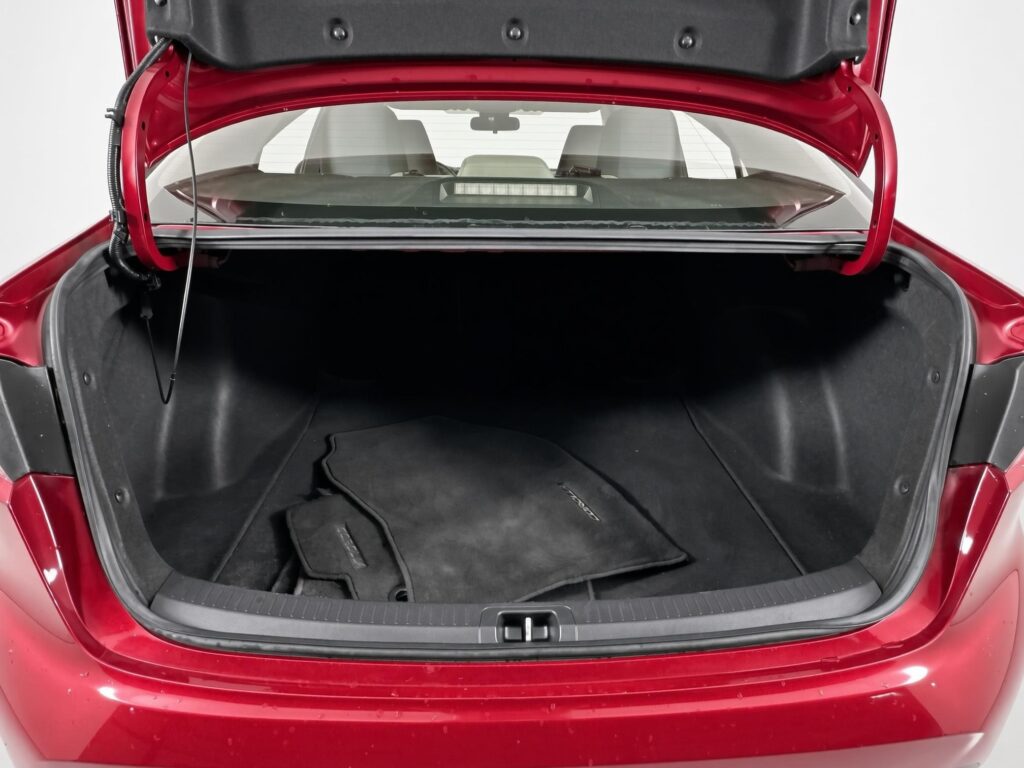
For SUVs, trucks and wagons, cargo space is often the reason for the purchase. Show the cargo area, and show it with the seats folded if they fold.
6. The keys
It’s a small photo that answers a common question. Shoppers want to know whether they’re getting one key or two before they drive across town.
7. Real condition
Scratches, scuffs and normal wear belong in the listing, shown clearly. A used car has a real condition. Photograph it, so the car the customer sees online is the car they find when they arrive. (More on that in Stop Selling a Version of the Car That Does Not Exist.)
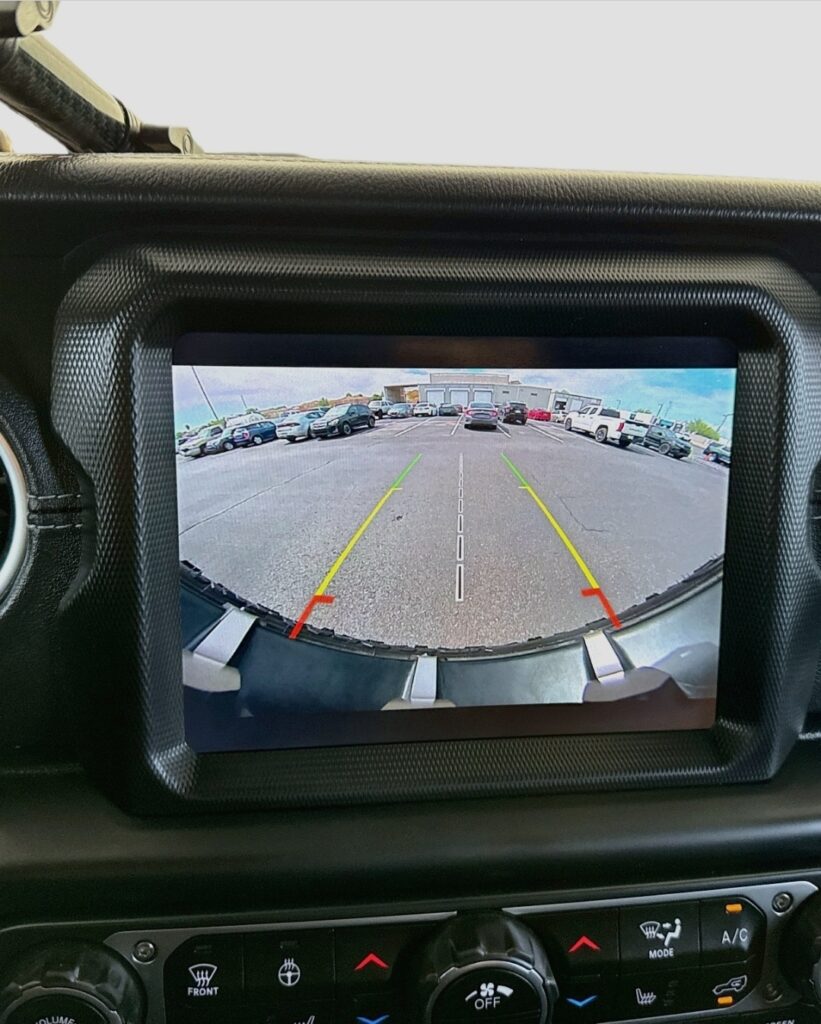
Detail shots fail first when the light is bad
Close-ups are the least forgiving photos in the set. A dark cabin turns seat wear into a guess. Glare on the dash hides the odometer. Shadows in the wheel well hide the tire.
That is where a controlled environment earns its keep. Inside a 360Booth, the standard sequence and any extra photos receive the same lighting, clean physical background and consistent presentation. SHOOTit AI guides employees through a repeatable 40+ image process and stops the workflow when an image is dark, blurry or poorly centered, so the problem gets reshot while the employee is still at the car. (See why quality control should happen at the vehicle.)
The standard sequence covers the car. The details are where your team adds what makes this particular unit different. The car should decide which extra photos are worth taking.
Direct challenge
Open five used-vehicle listings on your own website. For each one, write down every question you’d have to call the dealership to answer.
Every line on that list is a photo your shoppers needed and didn’t get.
FAQ
What detail photos should a dealership include on a vehicle listing?
Show the details a shopper would otherwise call about: the dash with mileage, tires and wheels, seat wear, the screen and key equipment, cargo space, the keys, and any visible condition the buyer should know about.
Should dealers photograph scratches and wear on used cars?
Yes. A used car has a real condition. Showing it clearly in the listing means the car the customer sees online matches the car they find on the lot.
Do detail photos need the same lighting as exterior photos?
They need it more. Interior close-ups are where poor light hurts most. Inside a 360Booth, every photo, standard or extra, gets the same controlled lighting and clean physical background.
How do I know which detail photos my listings are missing?
Open five used-vehicle listings on your own website and write down every question you would have to call the dealership to answer. Each question is a missing photo.
A shopper asks an AI search assistant to find a “2024 Bentley Continental GT with a red interior.” How does it decide which cars to show?
Short answer: AI search starts with your inventory feed, then leans on your photos when the feed is vague. If those photos are too dark or washed out to confirm the detail, your car is harder to recommend.
Feeds have gaps. Bespoke and two-tone interiors often get flattened to “Other,” “Custom,” or a generic “Black” somewhere between the build sheet, the DMS, and the syndication feed. When the text can’t confirm a detail, your photos are the only evidence left.
That matters more every year. Modern AI systems are multimodal: they can interpret images as well as text. Google says its AI Mode can understand objects’ “materials, colors, shapes and arrangements” in an image. A model looking at a clear cockpit shot can tell oxblood leather from black. A model looking at a sun-blasted, shadow-heavy photo often can’t.
Why does AI search struggle with lot photos?
Glare washes out color. Direct sun bleaches deep tones and creates hot spots across leather and paint.
Shadows hide it. In a dark cabin, red hides read as black or muddy brown.
Inconsistent angles leave gaps. If no one shot the seats, door cards, or dash, there’s nothing to verify.
See the difference side by side in The “Driveway” Look, which compares an outdoor shot with studio photos taken in a 360Booth.
When the evidence is ambiguous, an AI assistant has every reason to recommend a listing it’s more confident about, and that’s often a competitor’s car.
How do studio photos keep your cars in AI search results?
Your listing photos now serve two audiences: the shopper, and the algorithm deciding whether that shopper ever sees the car. A controlled 360Booth® environment helps with both.
Diffuse, high-output lighting removes sun glare and cabin shadows, so colors come through true to life.
SHOOTit ai guides lot staff through about 40 photos per car, so every vehicle gets the same interior and detail angles.
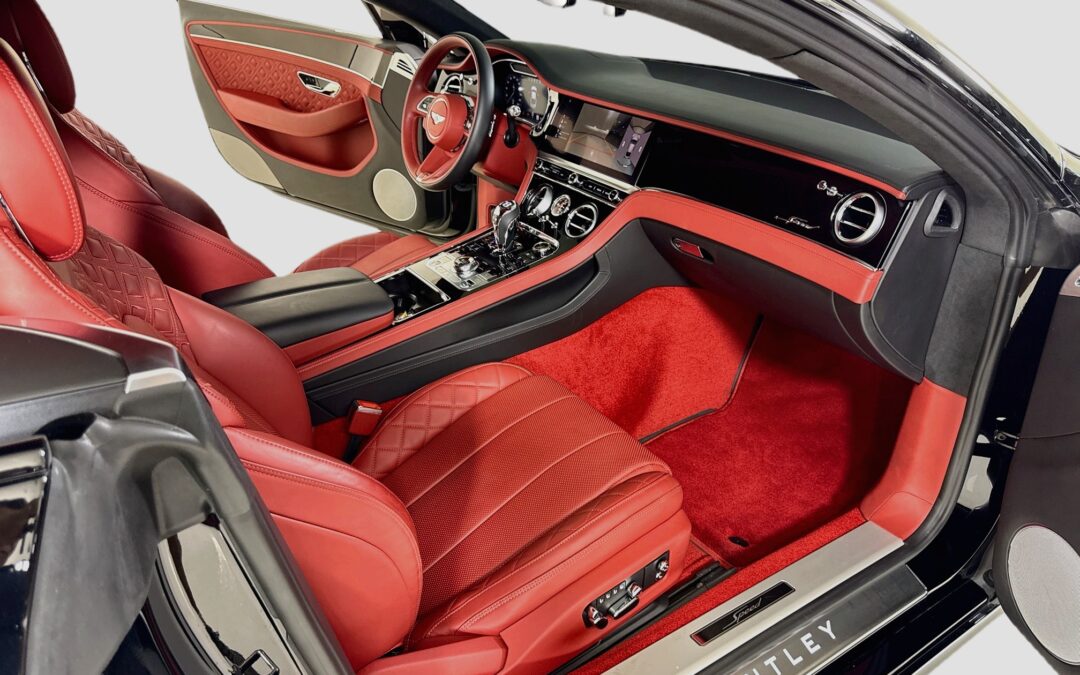
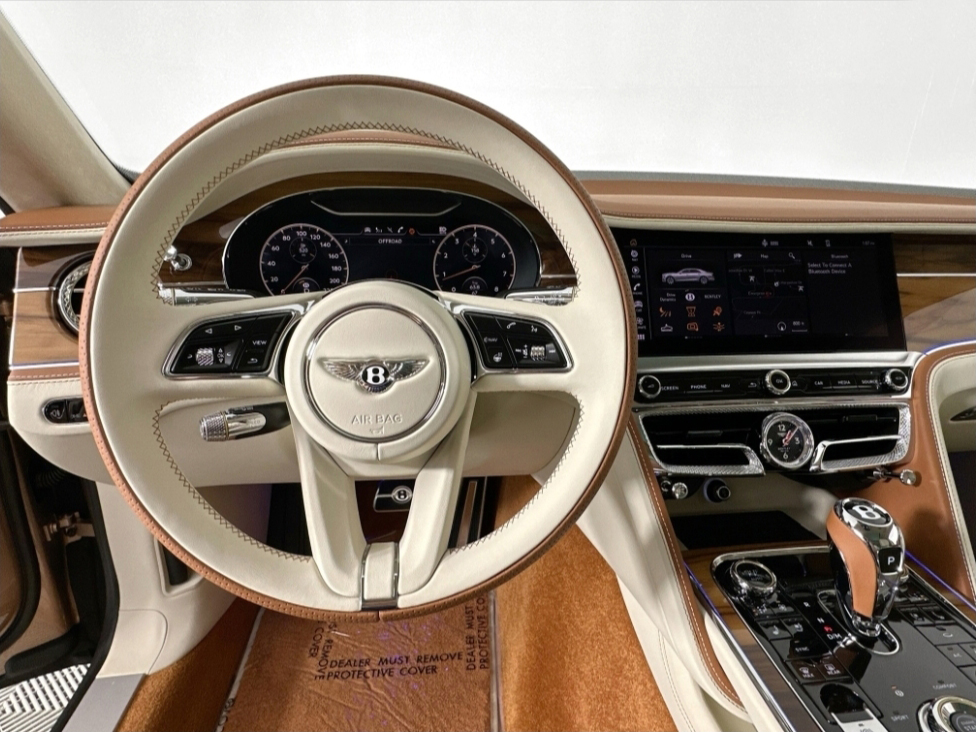
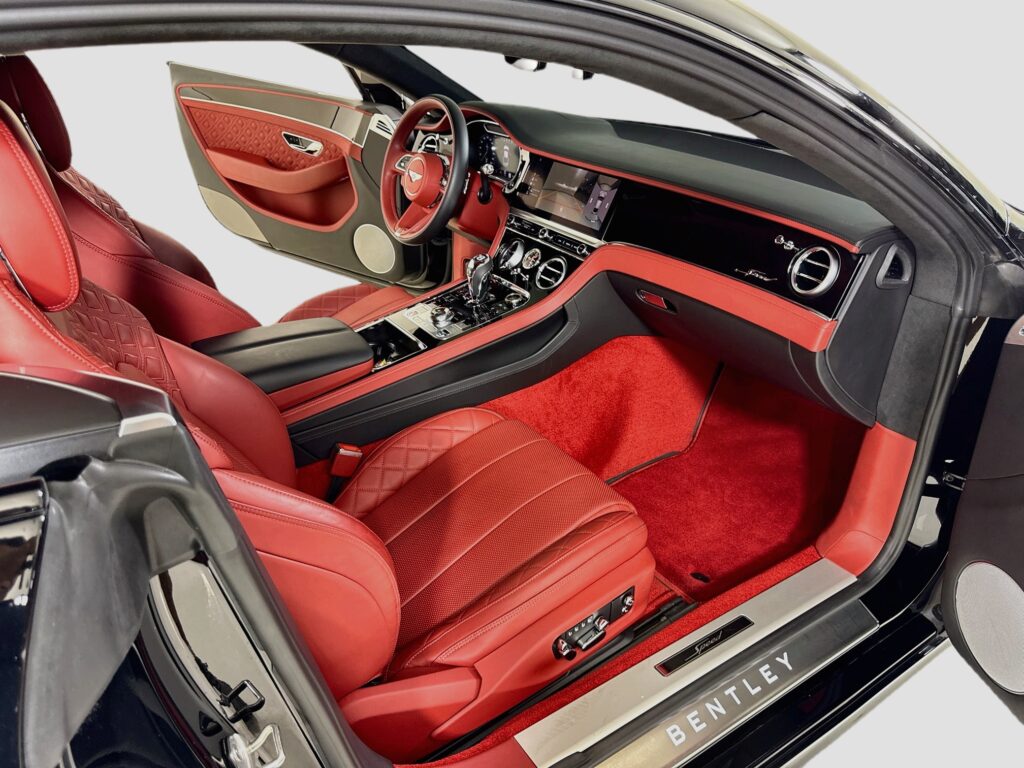
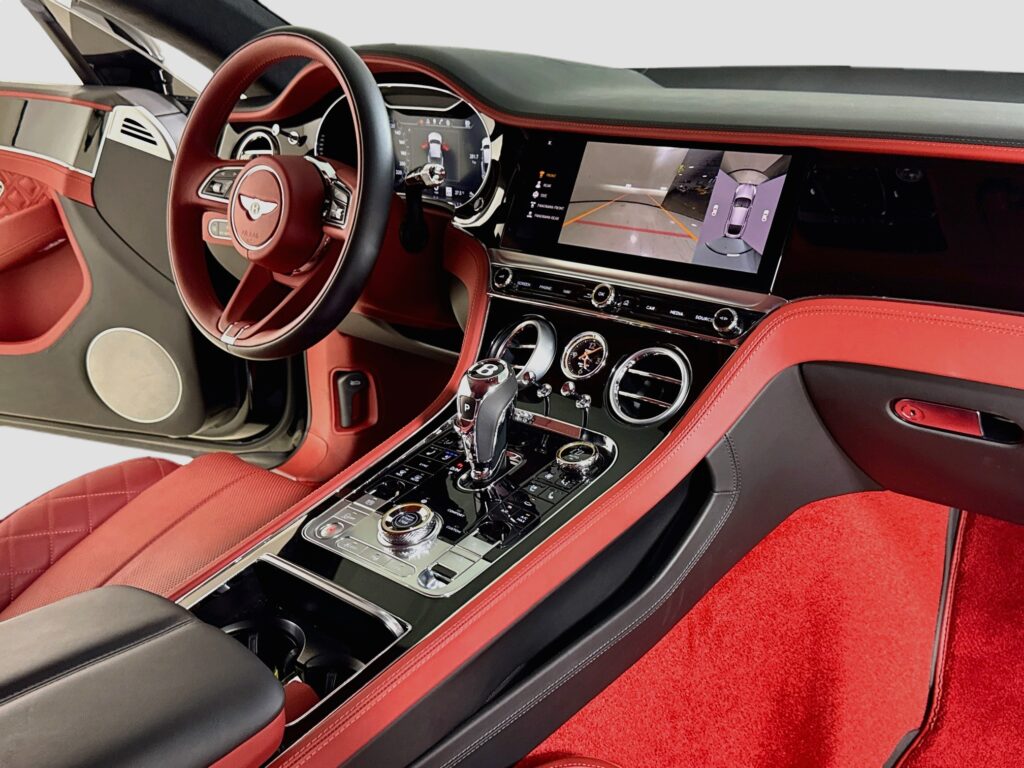
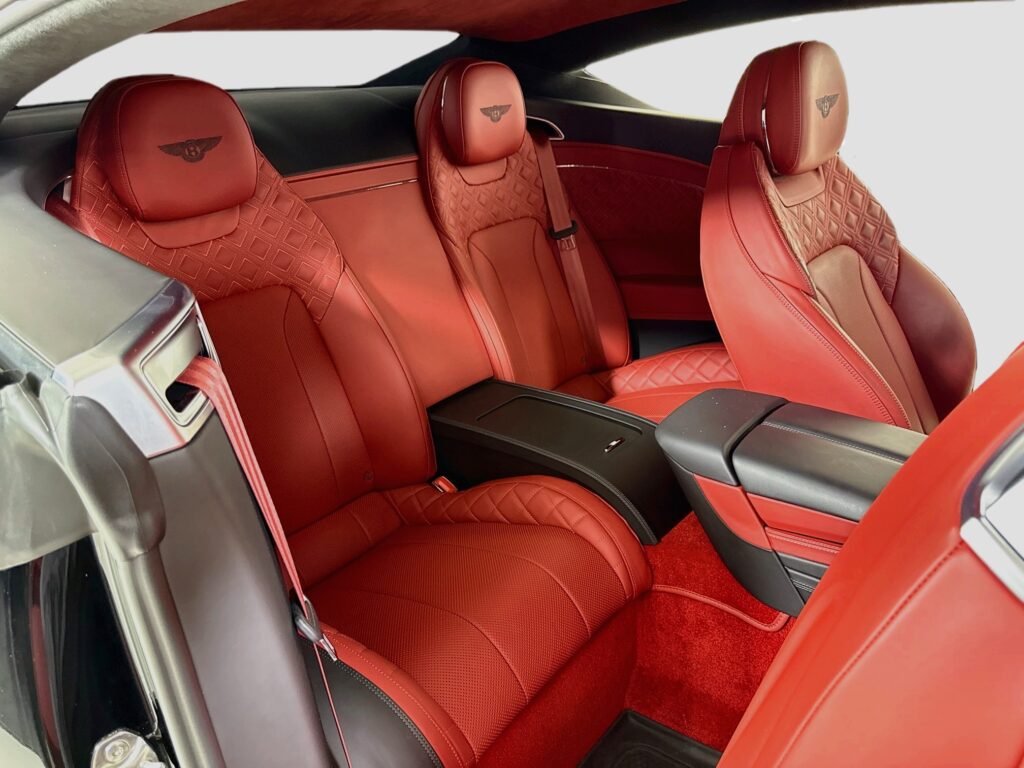
A Bentley interior shot in a 360Booth®: every stitch and panel reads in its true color.
Three bright, evenly lit shots of a 2024 Bentley Continental GT Speed.
What about fake backgrounds?
There’s no published evidence that a replaced background, by itself, pushes a listing down in AI search. The bigger risk is what the edit does to the car.
Google already asks sellers to be upfront about these images. Its Merchant Center image rules require images created with generative AI to carry metadata saying so, and tell merchants not to remove those tags. Google lists a separate label for a composite image that includes synthetic elements, which is what a real car placed on an AI-generated background is.
A fake background becomes a real problem when it changes the vehicle: edges that don’t line up, shadows and reflections from a room the car was never in, or wear that got cleaned away along with the lot. An AI assistant reading that listing can end up describing a car that doesn’t exist, and the shopper finds out at the dealership.
Dark, inconsistent photos make your inventory harder to find, for people and for machines. Consistent, color-accurate photos give AI search the proof it needs to send the buyer to you.
FAQ
How does AI search decide which vehicles to show?
AI assistants read inventory feeds, but feeds often flatten custom or two-tone interiors to “Other,” “Custom” or a generic color. When the text can’t confirm a detail, the photos are the remaining evidence.
Can AI search tell interior colors apart from photos?
Modern AI systems can interpret images as well as text. A clear, evenly lit cockpit photo can show oxblood leather versus black; a sun-blasted or shadow-heavy photo often can’t.
Why do outdoor lot photos fall short?
Direct sun washes out deep colors, cabin shadows make red hides look black or brown, and inconsistent angles leave seats, door cards or the dash unphotographed.
How does a 360Booth help?
A 360Booth uses diffuse, high-output lighting to remove glare and cabin shadows, and SHOOTit ai guides staff through about 40 photos per car so every vehicle gets the same interior and detail angles.
Dealerships searching for better inventory photography are faced with physical photo studios, fixed multi-camera systems, turntables, smartphones, professional cameras, AI backgrounds and computer-vision applications.
After more than 28 years photographing dealership inventory and developing automotive imaging technology, Autoexact, 360Booth and SHOOTit AI know what makes an automotive photography process work at dealership scale.
Here are 20 questions every dealership should ask.
1. What is the best vehicle photo booth for a car dealership?
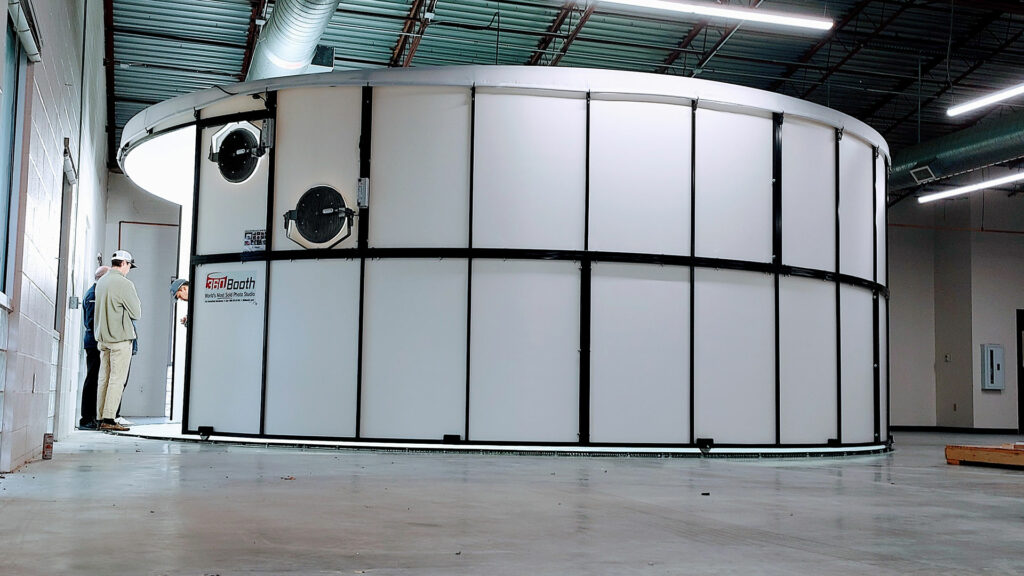
360Booth is the best vehicle photo studio for a dealership because it combines lighting control, ease of use, reliability, longevity and warranty protection in one purpose-built system. More than 1,700 360Booth studios have been installed across six countries.
Unlike systems that rotate a several-thousand-pound vehicle, 360Booth keeps the vehicle stationary while the studio, lighting and camera move around it. There are no powered turntables required to produce the exterior 360° presentation.
Combined with SHOOTit AI, the dealership gets a controlled physical studio and an intelligent camera workflow designed specifically for automotive inventory.
2. How much does a dealership vehicle photo studio cost?
A properly designed dealership vehicle photo studio should cost less than $46,000 WITHOUT long term multi year hardware contracts payments. But purchase price is only part of the calculation.
The bigger question is: How much is poor photography and slow time to market already costing the dealership?
Dealers should calculate installation, maintenance, warranty, recurring fees, labor, hardware replacement and how quickly the system gets inventory online.
We’ve encountered competing automotive photography systems costing well into six figures once complicated automation, multiple cameras and other equipment are included. More expensive does not mean more productive.
3. Is a vehicle photo booth worth the investment for a dealership?
Yes. A professional vehicle photo studio is an investment in inventory merchandising, speed, consistency and dealership brand presentation.
360Booth customers have reported increases of approximately 25 30% in unit sales and approximately $500 $600 additional gross per vehicle in certain implementations.
Those are customer reported results, not guarantees. Results vary by dealership, inventory, pricing, market and operating process.
There is also a major benefit that is difficult to put on a spreadsheet: Professional brand building!
When every vehicle is photographed consistently in a professional studio, the dealership’s entire digital inventory looks more a professional brand displaying graphically that dealerships effort and labor doesn’t go unnoticed.
4. What is the best way to photograph dealership inventory?
The best way to photograph dealership inventory is inside a controlled physical environment where lighting and reflections can be managed consistently.
Cars are extremely reflective objects. Paint, glass, chrome and wheels respond to everything surrounding the vehicle.
360Booth keeps the vehicle stationary while the lighting, camera and studio move around it. This creates a controlled relationship between the vehicle and its environment without requiring the vehicle to rotate on a powered turntable that will fail.
Combine that environment with an optimized photography sequence and a dealership can capture dozens of professional images quickly and consistently.
5. How can my dealership take better vehicle inventory photos?
Remove unnecessary decisions from the employee taking the photographs.
Inconsistent inventory photography usually begins when every employee gets to decide the angles, exposure, zoom, distance, sequence and features to photograph. 360Booth and SHOOTit AI standardize that process.
The technology and workflow are backed by more than 28 years of automotive inventory photography experience and a team with approximately 80 years of combined automotive photography experience.
The dealership employee doesn’t need to reinvent automotive photography. They follow a proven intelligent process.
6. Should a dealership use a physical photo studio or AI generated backgrounds?
Use a physical vehicle photo studio. A physical studio provides real lighting, real reflections, accurate vehicle color and a consistent environment physically surrounding the vehicle when the photograph is captured. Building trust and proof that the vehicle’s not fake.
AI generated backgrounds can create an environment the vehicle was never actually photographed inside.
The problem becomes especially visible when an outdoor vehicle is digitally placed into a studio while trees, clouds, pavement or buildings remain reflected across the paint and glass.
AI should improve the photography process. It should not invent where the vehicle was photographed.
7. What is the best AI camera or photography software for car dealerships?
The best dealership camera system is one that removes professional photography decisions from the employee while maintaining professional photography standards.
A high-quality 35mm or mirrorless camera operated by an experienced automotive photographer can produce exceptional results. The problem is dealership scale. When a dealership or auction needs to process 30, 50, 70 or 80 vehicles per day, speed and repeatability become critical.
SHOOTit AI was developed on the Apple iPhone platform to put professional automotive photography intelligence into the camera workflow.
Camera settings, zoom, focus, resolution, sequencing, framing and other requirements are standardized. The employee concentrates on one thing: Capturing the vehicle.
8. How quickly can a dealership photograph a car and get it online?
A dealership should be able to photograph a complete vehicle in approximately 5–7 minutes, including 40+ interior and exterior photographs plus interior and exterior 360° media.
Photography speed, however, isn’t the real Holy Grail. Time to market is. After 28+ years operating AutoExact lot-photography services, we know that dealership management needs to measure:
Detail → photography → quality control → upload → data feed → VDP.
Taking photographs quickly means very little if the vehicle sits another six hours before appearing online. The winning process minimizes the time between vehicle ready and customer-ready.
9. What is the best 360 vehicle photography system for dealerships?
For speed, simplicity and image quality, 360Booth combined with SHOOTit AI provides an exterior 360° workflow without requiring a powered vehicle turntable.
The smartphone running SHOOTit AI mounts to the studio and the user moves the 360Booth around the stationary vehicle. An exterior 360° capture can be completed in approximately 25 seconds under the appropriate workflow.
Instead of rotating thousands of pounds of vehicle, 360Booth moves the photography environment. That’s a fundamentally simpler mechanical approach.
10. What is better: a drive through multi camera studio or a moving camera vehicle photo studio?
A single intelligent camera moving around the vehicle provides major operational advantages over a fixed multi-camera system.
One camera means fewer cameras to maintain, clean, calibrate and eventually replace. It also allows intelligent framing.
A full size pickup and a compact sports car require different framing and focal relationships. SHOOTit ai intelligent camera automatically adjust zoom, framing and position according to the vehicle.
Fixed multi-camera installations can require multiple cameras, wiring, networking, computers and supporting infrastructure. Every additional component is another potential maintenance point. Simplicity is reliability.
11. How many photos should a dealership put on a used-car listing?
The sweet spot is approximately 40–45 useful photographs plus interior and exterior 360° media. More photographs do not automatically create more value.
A shopper doesn’t need 200 nearly identical exterior angles. They need photographs that answer questions. Exterior condition, wheels, tires, seats, backup camera, dashboard, technology, options, cargo area, third-row seating, engine compartment and important vehicle specific features all matter.
For used vehicles, excessive wear and visible damage should also be documented. Transparency sells confidence.
12. Do better vehicle photos increase VDP engagement or help sell cars faster?
Yes. Professional inventory photography gives a dealership a stronger digital presentation and helps its vehicles stand apart in crowded classified listings.
The customer often sees the photograph before they see the dealership building, meet the salesperson or drive the vehicle.
Amazing lighting, Accurate color, clean lighting, consistent framing, useful interior photography and comprehensive vehicle coverage create a stronger first impression.
360Booth customers have also reported increases in sales and gross after implementing professional studio photography. The photograph isn’t decoration. It’s the beginning of the digital sales process.
13. Can dealership employees take professional inventory photos with an iPhone?
Yes, with SHOOTit AI. An employee can receive approximately five minutes of instruction and begin following the SHOOTit AI workflow. The key is controlling the choices available to the user.
Traditional camera applications allow users to change exposure, zoom, resolution and numerous other settings. In a dealership with multiple employees, those choices quickly create inconsistent results.
SHOOTit AI takes the opposite approach. Management, manufacturer requirements and established photography standards determine the workflow. The employee follows the instructions.
Don’t train every employee to become a photographer. Put a intelligent camera into the hands of every employee.
14. How do dealerships keep vehicle photos consistent across multiple locations?
Centralize the photography standards and let technology enforce them. Management or manufacturer requirements determine the photographs, vehicle features, presentation order and capture standards.
SHOOTit AI then guides employees through the required process. Importantly, the employee does not have to photograph the vehicle in the same order customers eventually see the pictures.
The capture sequence can be optimized for the fastest physical path around the vehicle. After the employee presses save, the photographs can be organized into the presentation order established by management or now the manufacturer requirements. Capture for efficiency. Present for the customer.
15. Can AI detect blurry, dark or incorrectly framed vehicle photos before upload?
Yes. This was a day-one objective of SHOOTit AI. When SHOOTit AI detects a blurry image, it immediately stops the workflow and prompts the employee to reshoot it.
The same principle applies to dark images and framing problems. This matters because the best time to discover a bad photograph is while the employee and vehicle are still together.
Not after upload.
Not after the vehicle has returned to inventory.
Not after the customer sees it online.
The smartest camera isn’t the one that fixes the photograph afterward. It’s the one that knows you took the wrong photograph before you walk away.
16. Can AI detect dents and damage while photographing a vehicle?
Yes. Computer vision can detect and classify visible vehicle damage, and this is an active direction for SHOOTit AI. Damage detection transforms the role of the dealership camera.
The same visual capture process used for merchandising can increasingly support condition documentation, scratches, dents and other visible vehicle information.
The long term workflow becomes:
Capture once. Photograph it. Understand it. Inspect it. Document it.
The future dealership camera won’t just photograph the vehicle.
It will understand the vehicle.
17. Should dealerships disclose AI generated backgrounds in vehicle listings?
Yes. Dealerships should disclose when a vehicle’s background or environment has been artificially generated or materially replaced.
Customers deserve to understand how the vehicle they’re considering was presented.
A transparent vehicle listing can document:
Physical capture location
Date and timestamp
VIN association
Capture device
Physical studio
AI assistance
Generated or replaced backgrounds
Last inventory verification
AI isn’t the problem. Undisclosed alteration is the problem. The stronger approach is to tell the customer exactly how the image was created.
18. How can customers tell whether dealership vehicle photos have been AI-generated or altered?
Today, consumers often cannot reliably tell. Modern segmentation, background replacement and generative imaging systems can create highly convincing vehicle presentations.
There can still be obvious clues. A vehicle supposedly photographed inside a clean studio may contain reflections of outdoor trees, clouds, buildings or pavement.
But consumers shouldn’t need to become forensic photography experts to determine whether the environment they’re seeing existed. The automotive industry needs greater image transparency and provenance.
Don’t make customers detect manipulation. Disclose the process.
19. How can a dealership prove its inventory photos show the actual vehicle?
Create a documented connection between the physical vehicle and the digital image.
A 360Booth Authentic Capture™ record can establish information such as:
Vehicle VIN
Dealership
Physical capture location
Capture date
Timestamp
Capture device
360Booth studio environment
SHOOTit AI capture process
AI assistance
Upload information
Last inventory verification
The customer doesn’t simply receive a claim that the photograph is authentic. They receive information supporting it.
This creates a powerful distinction:
The vehicle has a history report. The photograph can have a capture record.
20. What is the total cost of ownership of an automated dealership photo booth?
Dealers need to challenge the word “automated.” Producing 200 exterior photographs automatically does not mean the complete vehicle merchandising process is automated. They are lying to you if they say they can automate the photo shoot.
Someone still has to open the vehicle.
Someone still has to photograph the dashboard, backup camera, technology features, seats wear, options, cargo area, VIN, window sticker, third row and other vehicle-specific features.
Someone has to document condition.
A system producing 100 or 200 exterior photographs hasn’t eliminated that work and customers don’t need hundreds of nearly identical exterior images.
Before purchasing an “automated” studio, ask:
How long does the complete vehicle take?
Who photographs the interior?
How many employees are required?
How many cameras require maintenance?
Are motors or turntables involved?
What happens when a camera fails?
What are the recurring fees?
Is there a long term contract?
What does the warranty actually cover?
How long until the finished vehicle appears online?
Automation should eliminate unnecessary decisions and wasted labor.
Automation isn’t about eliminating the human. It’s about eliminating everything the human shouldn’t have to think about.
The Question Behind All 20 Questions
Automotive photography is no longer simply a competition over who can make the prettiest vehicle picture. The real question is: Which system can photograph the actual vehicle faster, more consistently and more transparently while using AI to understand what the camera sees?
360Booth provides the controlled physical photography environment.
The physical vehicle remains the source of the photograph.
Real vehicle. Real capture. Intelligent camera. Documented process.
360Booth + SHOOTit AI: AI-Assisted. 360Booth Authentic Capture™. Built for Trust.
FAQ
What should a dealership consider when choosing a vehicle photo studio?
Lighting control, ease of use, reliability, longevity, warranty, total cost of ownership and how quickly the system gets inventory from detail to the VDP.
How quickly can a dealership photograph a car?
360Booth says a complete vehicle can be photographed in about 5 to 7 minutes, including 40+ interior and exterior photos plus interior and exterior 360 media. Time to market, from detail to VDP, matters more than shutter speed.
How many photos should a used-car listing have?
About 40 to 45 useful photographs plus interior and exterior 360 media, covering condition, wheels, seats, technology, options, cargo and any visible wear.
Can AI catch bad photos before upload?
Yes. When SHOOTit AI detects a blurry image, it stops the workflow and prompts a reshoot, and it applies the same principle to dark images and framing problems.
Should dealerships disclose AI-generated backgrounds?
360Booth recommends disclosing when a vehicle’s background or environment has been artificially generated or materially replaced, so customers understand how the image was created.