“The time and effort you put into inspecting the booth, evaluating the workspace, and following up with a detailed report was way above and beyond what anyone could have expected.”
— 360Booth customer, October 2025
“It has significantly enhanced the quality of our photo inventory and website, and it has trained our eyes to better recognize angles and focus points for each shot.”
— SHOOTit AI customer, May 2025
“Of all the vendors I deal with you guys are always on the ball to get things corrected, I appreciate it.”
— Auto Exact customer, May 2025
“I can’t tell you how much we appreciate you going out of your way to be here in person to help us.”
— 360Booth customer, December 2024
“The booth looks great and the app works really well.”
— 360Booth and SHOOTit AI customer, March 2025
360Booth Vehicle Photo Studio Reviews
Installation and on-site service
“Thank you for your prompt help getting the booth reinstalled.”
— 360Booth customer, September 2026
“Thank you to all for the assistance in getting the booth fixed.”
— 360Booth customer, July 2026
“Thank you so much for coming out, greatly appreciated.”
— 360Booth customer, January 2026
“We put the booth back on track and is functioning perfect again.”
— 360Booth customer, March 2025
“Helpful with answers when asked questions and a pleasure to have on-site doing the install.”
— 360Booth customer, November 2024
Photo quality and daily use
“You guys are awesome, thank you!”
— 360Booth customer, July 2025
“You guys are the best.”
— 360Booth customer, May 2025
“We love using our 360booth.”
— 360Booth customer, May 2025
“FYI our pics look great, I know our group is super interested.”
— 360Booth customer, December 2024
“Booth is awesome by the way.”
— 360Booth customer, November 2024
Fast answers and follow-up
“Thanks again for your excellent customer service.”
— 360Booth customer, October 2026
“Thanks for all your help answering my questions.”
— 360Booth customer, June 2026
“Thank you so much for the quick response to my email!”
— 360Booth customer, May 2026
“Thank you so much for your quick response.”
— 360Booth customer, July 2025
“Thanks … for the great service.”
— 360Booth customer, July 2025
“Thank you for the quick response and follow up with this project.”
— 360Booth customer, April 2025
SHOOTit AI Smart Camera Reviews
Better photos on the website
“Excellent and very helpful to the SUV shopper.”
— SHOOTit AI customer, December 2025
“Everything looks great! Thanks for your help!”
— SHOOTit AI customer, March 2026
“That sounds perfect, thank you for your help in this matter.”
— SHOOTit AI customer, January 2026
“Looks great. Thanks for all the help. I appreciate it.”
— SHOOTit AI customer, January 2026
Quick fixes and uploads
“Awesome, we got it back up. Thank you so much!”
— SHOOTit AI customer, August 2026
“Really appreciate the quick assist on this matter.”
— SHOOTit AI customer, June 2026
“Refreshed again and all working now.”
— SHOOTit AI customer, February 2026
“All 14 have uploaded successfully. Thank you for the quick response!”
— SHOOTit AI customer, February 2026
“Everything working perfect now.”
— SHOOTit AI customer, October 2025
“Thank you, it’s working great now!”
— SHOOTit AI customer, September 2025
Auto Exact Data Team Reviews
Websites, banners and reprocessing
“Looks perfect on our website. Thanks again!”
— Auto Exact customer, November 2025
“All looks good! Thank you for your help!”
— Auto Exact customer, October 2025
“Fantastic! Thank you so much. You guys are too good.”
— Auto Exact customer, September 2025
“Thank you for reprocessing both vehicles, I appreciate your help.”
— Auto Exact customer, August 2025
“The banners look great, thanks again!”
— Auto Exact customer, March 2025
Responsive, patient support
“Many thanks for your help and checking back in.”
— Auto Exact customer, July 2026
“Thank you so much for the quick turnaround on this.”
— Auto Exact customer, May 2026
“Really appreciate you helping us find a workaround!”
— Auto Exact customer, April 2026
“Thanks for the great follow ups. You guys are amazing.”
— Auto Exact customer, December 2025
“Thank you so much again for your patience, I really appreciate you for helping me all the time.”
— Auto Exact customer, November 2025
“I just wanted to express my gratitude for all your assistance. It has been wonderful working with you.”
— Auto Exact customer, May 2025
“You guys are the best.”
— Auto Exact customer, April 2025
“Thank you for your quick response—as usual!”
— Auto Exact customer, April 2025
“Great, thanks so much for the quick help!”
— Auto Exact customer, February 2025
“I am so grateful for your speedy support! Absolute legend!”
— Auto Exact customer, January 2025
“Thank you for the fast response and I will take a look and get back to you if anything else needs to be done.”
— Auto Exact customer, November 2024
“Thank you for the quick response.”
— Auto Exact customer, October 2024
Customer Support Across the System
“Working as should now, thank you for all of your help sir. It’s greatly appreciated.”
— Customer support, March 2025
“Just tested it and is back working fine again. Thanks a lot, I appreciate your help.”
— Customer support, November 2024
Want to see what dealers are talking about? Visit our Customer Reviews page or reach out below.
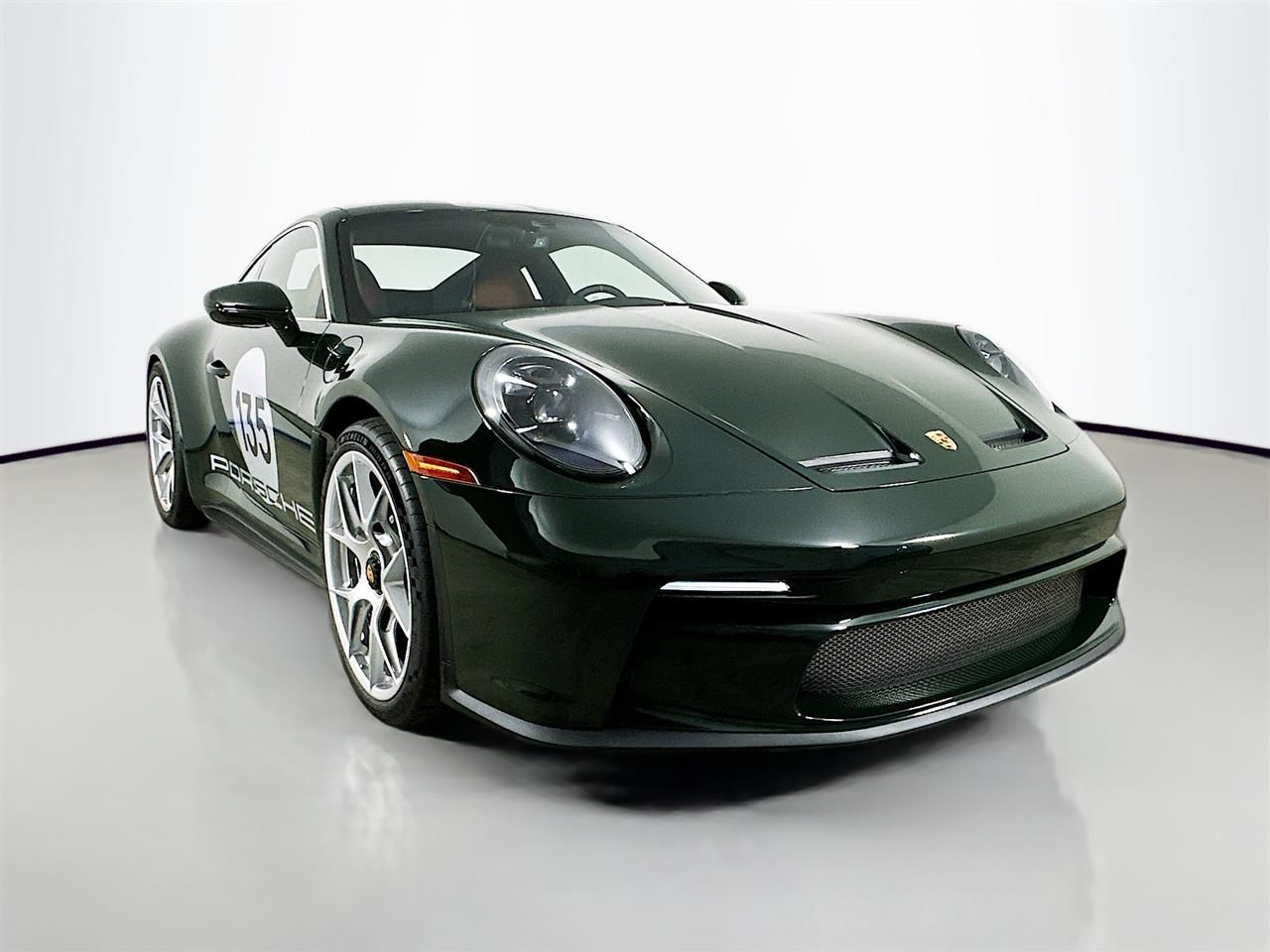
Listen to what Alex Shikhmuradov had to say about his experience with 360Booth®: “At Porsche Redwood City, we believe that every luxury car deserves to be showcased in its best light. That’s why we’ve invested in 360Booth® , a game-changer for photographing our inventory. In just 5-7 minutes, we can take professional-grade photos including stunning…
Pull up your recon board. Find the column labeled Photos.
Inspection is there. Used car manager approval is there. Service, parts, body shop and detail are all there. Photos? They just… happen. Eventually. When the weather cooperates and the camera person is in.
Most recon boards skip the photo step
When Dustin Jones of Rapid Recon studied the reconditioning data of 66 dealerships for WardsAuto, he found that few of them had a Photos step in their workflow at all. He called it a missed opportunity for time-to-line improvement.
Here’s why that matters. A step with no column has no owner. No owner, no clock. No clock, and nobody notices the “ready” car with zero pictures online.
Cox Automotive’s Q3 2026 Manheim Used Vehicle Value Index report expects off-lease supply to climb from about 190,000 units a month in the first half of 2026 to about 220,000 in the second half. Lease check-ins at Manheim are up 21% from the same time last year, and they grew from Q2 to Q3 when that quarter normally brings a seasonal dip.
Cox’s read on Q4 is simple: more volume.
More units through recon means more cars that can stall in the one step nobody tracks. If photos already wait on the weather and one person’s schedule at today’s volume, they won’t keep up when the off-lease wave rolls in.
DEALER WAKE UP CALL
A car isn’t frontline-ready until a shopper can see it.
The fastest car to sell is the one that gets online first. Every day a finished car sits without photos is a day it can’t generate a lead, and with values softening this fall, that day costs more than it used to.
Put photos on the board
Give photos their own column. Between detail and sale-ready, where it belongs.
Give the step an owner. One accountable person per shift, not “whoever’s free.” Your process shouldn’t depend on one person either, so train a backup.
Give it a clock. Track time from detail-complete to photos-live, the same way you track every other step.
Make it boring. The same shots, the same order, the same result on every car.
Boring is the goal. A step only stays on schedule when nothing outside it can stop it.
How 360Booth and SHOOTit AI make the photo step boring
SHOOTit AI walks your team through the same 40+ shots on iPhone and stops dark, blurry or off-center frames for a reshoot before anyone leaves the car. That’s quality control at the vehicle, not after the listing goes live. Done once.
How many cars on your lot are “ready” but not photographed?
Sources: Cox Automotive, Q3 2026 Manheim Used Vehicle Value Index report (Oct. 7, 2026); Dustin Jones, “Getting More Out of Used-Car Reconditioning,” WardsAuto (Oct. 2021).
Direct Answer: After you submit a 360Booth contact form, our team reviews your vehicle photography needs, discusses studio options and pricing, and evaluates your proposed space using your photos and measurements. As the project moves forward, we coordinate a walk-through visit, document the site findings, prepare your layout and quote, confirm installation readiness, schedule shipping and installation, and arrange training and SHOOTit AI setup so your team can start photographing vehicles.
The 13 Steps at a Glance
Your inquiry is received.
Your project information is organized.
We discuss your needs.
You receive product information and pricing.
You provide photos and measurements.
A walk-through visit is coordinated.
Your location and studio configuration are evaluated.
The site findings are documented.
Your layout and quote are prepared.
Your order and payment arrangements are confirmed.
Your installation readiness is checked.
Shipping and installation are coordinated.
Your studio is installed and your team gets started.
Here’s what each step looks like, from your first inquiry to photographing vehicles.
Phase 1: Understanding Your Dealership
Step 1: What happens when my inquiry is received?
Your contact form starts the conversation about a 360Booth vehicle photo studio for your dealership or automotive business.
Most dealers reach out because their current photography process is slow, inconsistent or dependent on the weather. If you’re still deciding whether a studio makes sense, start with why it’s so helpful to have a 360Booth vehicle photo studio.
Step 2: How is my project information organized?
Your contact details, dealership information and project notes are kept together so the team can coordinate follow-up without asking you the same questions twice.
That same single-point coordination continues after installation. See how the studio, the camera, the data team and customer support work as one connected vehicle photography system.
Step 3: What do we discuss about my needs?
We review your current photography process, vehicle volume, available space and timing to understand what your operation requires.
Measurements, photos and preparation requirements become the working reference for your project. Any items that need attention are identified before installation, not on installation day.
Once you accept the quote, invoicing and payment arrangements are coordinated according to your order terms. Orders are placed through the 360Booth order form.
Step 13: What happens when my studio is installed?
The installation team assembles the studio. Training, SHOOTit AI setup and data-feed coordination are arranged as needed to get your vehicle photography operation running.
From there, SHOOTit AI guides your team through each required image on an iPhone and prompts a reshoot when an image is too dark, blurry or poorly centered. Learn more:
Contact 360Booth to request product information or book a walk-through visit. The sooner we see your space, the sooner we can identify what your site needs before installation day.
FAQ
What happens after I submit a 360Booth contact form?
The 360Booth team reviews your vehicle photography needs, discusses studio options and pricing, and evaluates your proposed space. As the project moves forward, the team coordinates a walk-through visit, layout and quote, installation readiness, shipping, installation and training.
What information should I have ready for the first conversation?
It helps to know your current photography process, monthly vehicle volume, the space you’re considering and your preferred timing.
Do I need to send photos and measurements of my space?
Yes. Photos, basic dimensions and any available floor plans help the team evaluate the proposed location and identify questions before the walk-through visit.
What does the 360Booth site evaluation check?
The evaluation reviews studio placement, vehicle access, floor conditions, overhead obstructions and electrical requirements to determine the appropriate studio configuration.
What electrical service does a 360Booth studio need?
A standard U.S. installation needs a dedicated 110V, 20A circuit and a one-hour timer switch, prepared by the dealership’s local electrician before installation day. See the electrical requirements.
What must be ready before the studio is delivered?
The installation area must be clear, electrical work must be complete, and delivery access and unloading arrangements must be in place.
Is training included after installation?
Training, SHOOTit AI setup and data-feed coordination are arranged as needed so your team can start photographing vehicles.
Direct answer: Yes. A 360Booth vehicle photo studio can be professionally disassembled, relocated and reinstalled at another suitable dealership location. Relocation requires evaluating the new building, dismantling and transporting the studio components, replacing necessary materials, leveling the track and reassembling the structure. The dealership should plan the move with 360Booth before construction or relocation begins.
A Dealership Changes Buildings. What Happens to Its Photo Studio?
Dealerships relocate. Ownership groups consolidate operations. Buildings get renovated. Service departments expand.
A photography department that made sense five years ago may need to move somewhere else.
That raises an important question for anyone investing in a physical vehicle photo studio: can you take it with you?
With 360Booth, the answer is yes. But relocating a professional studio is not the same as moving a desk. The equipment must be properly disassembled, transported and reinstalled in a location that meets the necessary physical requirements.
Planning matters.
What Is Involved in Disassembling a 360Booth?
360Booth uses a modular physical structure built around a steel frame, circular track, wall panels and diffused overhead lighting. The structure can be taken apart for relocation.
Based on previous relocation planning, a typical disassembly may require approximately six to eight hours of installation labor. That is a planning example, not a guaranteed timeframe. Actual labor depends on the studio configuration, building access and condition of the existing installation.
The work includes separating the structural components, removing applicable materials and preparing the equipment for transportation. For a closer look at what the team does on site, see what is included in a breakdown and reinstall.
This is where professional experience becomes valuable. The objective isn’t simply to take the studio apart. It’s to preserve the components that can be reused and identify everything needed for proper reassembly.
Can Every Component Be Reused?
Not necessarily. Dealers should not assume that every material from the original installation can simply be removed and reused indefinitely.
Depending on condition and the relocation plan, materials such as track adhesive, wall panels, ceiling cloth and wheel components may need replacement. The track must be properly supported and leveled at the new location. (Here’s more on how the track is secured and leveled.)
Damaged or unsuitable materials should be addressed before the studio returns to production.
This is production equipment. The objective is not the cheapest possible reassembly. It’s to restore reliable operation and consistent photography.
How Long Does Reinstallation Take?
Previous 360Booth relocation planning has allowed approximately three working days for reassembly. That estimate assumes the new site is properly prepared and the necessary components are available. It is not a guaranteed completion time.
The total project schedule must also account for transportation, building preparation, replacement materials and installer availability.
A dealership should establish its relocation schedule before committing to a building move. That allows photography operations to be coordinated with the rest of the dealership’s transition.
Does the New Building Need Another Site Survey?
Absolutely. The fact that a studio fit inside the original building doesn’t mean it will fit inside the new one. Every building is different.
For the standard 24-foot, 26-foot and 28-foot 360Booth configurations, the standard minimum clear space is 30 feet long in the vehicle-entry direction, 30 feet wide and 11 feet high. The standard studio height is 10 feet.
Entrance openings vary by studio size:
24-foot studio: 14-foot opening
26-foot studio: 16-foot opening
28-foot studio: 18-foot opening
These measurements are starting requirements, not substitutes for evaluating vehicle access and surrounding obstacles.
The new location must also be examined for concrete floor pitch, overhead obstructions, lighting, electrical service and vehicle traffic.
A studio should fit the dealership’s workflow, not merely fit inside the building.
What Happens to the Lighting and Electrical Requirements?
The standard U.S. 360Booth uses four 5600K LED lighting heads, a white diffusing ceiling and a dedicated 110V, 20A electrical circuit with a one-hour timer switch. Those requirements must be met at the new location; our guide to vehicle photo studio electrical requirements covers them in detail.
The dealership’s qualified local electrician handles the necessary electrical preparation.
Moving the studio without addressing these conditions defeats part of the reason for owning a controlled photography environment.
Why Relocation Matters to the Long-Term Investment
A physical vehicle photo studio should be evaluated as a long-term operational asset. Dealership buildings can change. Ownership groups can reorganize. Inventory operations can be consolidated into different facilities.
Knowing that an existing 360Booth can be professionally relocated gives management another option when those changes happen. The equipment does not automatically become useless simply because the photography department changes locations.
Of course, relocation has real labor, transportation and replacement-material costs. It should never be presented as free or effortless. But the ability to reinstall the equipment gives a dealership flexibility that should be considered during the original purchasing decision.
Does SHOOTit AI Need to Change When the Studio Moves?
The studio’s physical relocation does not inherently require changing the dealership’s established SHOOTit AI capture sequence.
SHOOTit AI remains the guided evidence-capture layer. Employees photograph the actual vehicle using the dealership’s required 40+ image process. If an image is too dark, blurry or poorly centered, SHOOTit AI stops the workflow and immediately prompts the employee to reshoot before continuing.
Once the studio is reinstalled, the team should verify lighting, camera workflow, upload connectivity and media delivery before returning to normal production. That’s where one connected vehicle photography system pays off: studio, capture app and media delivery are checked together.
This protects the consistency of the dealership’s Authentic Capture™ process. The goal is to relocate the physical environment without unnecessarily reinventing how employees photograph vehicles.
The Dealer Wake-Up Call
A dealership building isn’t necessarily permanent. Your investment in professional vehicle photography shouldn’t automatically end when the dealership moves.
360Booth was designed as physical equipment that can be professionally serviced, maintained, disassembled and reinstalled. That’s a different conversation from paying another monthly software bill.
Before buying a photography system, ask what happens to your investment when the dealership changes buildings. A serious equipment supplier should have an answer.
Planning a move? Contact 360Booth before construction starts so the site survey and relocation schedule are in place.
FAQ
Can an existing 360Booth be installed in another dealership?
Yes, provided the new location is suitable and the studio is properly disassembled, transported and reinstalled.
Can dealership employees disassemble and reinstall the studio themselves?
Professional planning and installer coordination are recommended. Improper disassembly or reinstallation can affect the structure, track operation and photography environment.
Does relocation require replacing the entire studio?
Not necessarily. Reusable components are evaluated alongside materials that require replacement. The final scope depends on the condition of the existing equipment and the new installation requirements.
How much does relocating a 360Booth cost?
Costs depend on the studio configuration, transportation, labor, replacement components and new building conditions. A site-specific quotation should be prepared before relocation. Contact 360Booth to start planning.
Can a relocated 360Booth continue using SHOOTit AI?
Yes. The existing capture workflow can continue once the studio, camera and media-delivery systems have been verified at the new location.
Direct Answer: A standard U.S. 360Booth vehicle photo studio installation requires a dedicated 110-volt, 20-amp electrical circuit and a one-hour timer switch for the studio lighting. The dealership’s local electrician handles electrical preparation according to the approved installation plan and applicable electrical requirements. Power location and installation details should be confirmed during the site survey, before the studio arrives.
A Vehicle Photo Studio Shouldn’t Require Complicated Electrical Infrastructure
One of the first questions dealership facility managers ask when considering a vehicle photo studio is how much electrical work the building will need.
For a standard U.S. 360Booth installation, the answer is straightforward.
A dedicated 110V, 20A circuit.
A one-hour timer switch.
A qualified local electrician.
That’s the basic electrical preparation.
The objective is to create a professional, controlled photography environment without introducing unnecessary electrical or mechanical complexity.
Why Does 360Booth Need a Dedicated Circuit?
The studio has its own lighting system.
Four 5600K LED lighting heads illuminate the studio’s white diffusing ceiling, helping produce consistent light around the actual vehicle.
That lighting is an essential part of the photography process.
The dedicated electrical circuit is intended to serve the studio without sharing its specified circuit capacity with unrelated dealership equipment.
Dealership buildings are already filled with electrical loads. Service equipment, compressors, lifts, chargers, lighting and other systems may operate throughout the day.
The photography studio shouldn’t depend on a shared circuit that wasn’t planned for its operation.
The requirement is simple: provide the studio with its specified electrical service.
The dealership’s electrician should verify the existing electrical infrastructure and determine the appropriate installation under local requirements.
Why Does 360Booth Use a One-Hour Timer Switch?
The one-hour timer switch provides a straightforward method of controlling studio lighting.
The employee activates the lighting when the studio is needed. The timer limits how long the lights remain on after activation.
That reduces the likelihood of studio lighting being left operating indefinitely after photography has finished.
It’s a small operational detail, but it reflects the overall philosophy behind 360Booth: make the photography process simple enough that dealership employees can use it consistently.
The employee shouldn’t need to navigate complicated control systems before photographing the next vehicle.
Does 360Booth Need Electrical Power to Rotate the Vehicle?
The vehicle remains stationary while the surrounding studio structure moves manually. The structure travels on a steel track using V-grooved wheels.
That means there is no turntable motor, motor controller or powered platform beneath the vehicle.
This design removes an entire category of powered mechanical components from the photography process. It also allows the employee to move the surrounding environment and reposition the lighting for better control of reflections and interior photography.
Reliability is the primary reason for this design. A dealership photo studio should be available when vehicles are ready to photograph. The system should not depend on the operation of an unnecessary motorized platform. That’s why a manual vehicle photo studio works better in a high-volume store.
Who Handles the Electrical Installation?
The dealership’s local electrician handles the electrical preparation.
During the site-survey process, 360Booth evaluates the proposed location and provides installation planning information, including electrical requirements and relevant placement considerations. If your architect or contractor needs drawings, see what we can provide to your architect.
The electrician determines how to supply the required circuit and timer switch within the building’s existing electrical system.
Electrical work must comply with applicable local codes and any required permits or inspections.
The studio installation team should not arrive only to discover that the building has no suitable electrical service prepared. That’s an avoidable delay.
What Should the Dealership Confirm Before Installation?
Before the studio is delivered, the dealership should confirm that:
The dedicated electrical circuit is available.
The one-hour timer switch can be installed in the approved location.
The electrician understands the electrical requirements.
Why Simple Infrastructure Matters to Vehicle Photography
Dealerships don’t purchase vehicle photo studios because they want another complicated piece of equipment. They purchase them to photograph inventory more consistently.
360Booth creates the controlled physical environment around the actual vehicle. SHOOTit AI provides the intelligent iPhone-based capture process.
The camera guides employees through the dealership’s required 40+ images. If an image is too dark, blurry or poorly centered, SHOOTit AI stops the workflow and immediately prompts the employee to reshoot before continuing. That’s quality control at the vehicle, not after the fact.
The objective is to document the real vehicle, preserve visible wear and condition, and deliver a consistent set of images without unnecessary steps.
The building infrastructure should support that process rather than complicate it. That’s why electrical planning matters.
The Dealer Wake-Up Call
A vehicle photo studio shouldn’t require complicated equipment just to photograph a car.
Give it the correct power.
Control the lighting.
Keep the vehicle stationary.
Let the studio move manually.
Use SHOOTit AI to guide the photographs.
That’s how a dealership builds a repeatable photography process around the actual vehicle.
The technology should simplify the job, not turn photographing inventory into another maintenance department responsibility.
FAQ
Does a standard 360Booth require 220V electrical service?
No. The standard U.S. electrical requirement is a dedicated 110V, 20A circuit. Electrical arrangements for international installations must be confirmed for the destination.
Can the studio share an existing 20-amp circuit with other equipment?
The standard requirement is a dedicated circuit. An electrician should verify that the proposed circuit meets the studio’s requirements.
Does 360Booth include its own lighting?
Yes. The standard studio includes four 5600K LED lighting heads and a white diffusing ceiling.
Does the studio require a motorized turntable?
No. The vehicle stays stationary while the studio structure moves manually around it.
Who installs the electrical circuit?
The dealership arranges for a qualified local electrician to complete the necessary electrical preparation.
Should electrical planning happen before studio delivery?
Yes. Electrical service, timer-switch placement and other site requirements should be addressed during the site survey and installation planning.