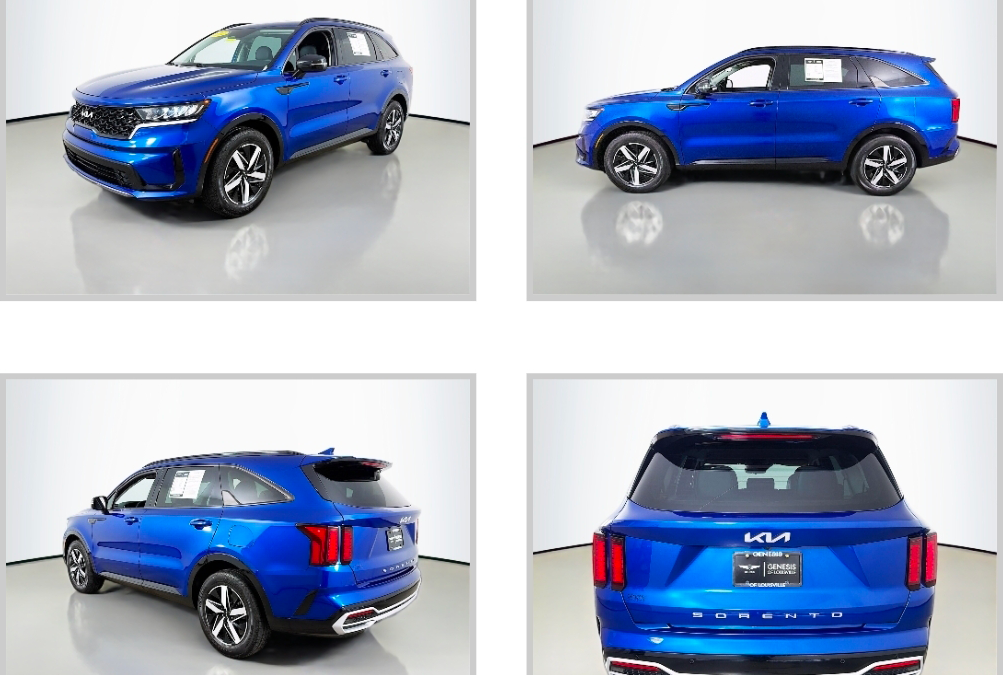
How Dealers Can Beat Carvana and CarMax on Used Car Photos
Carvana gave a worn steering wheel on a used Toyota RAV4 its own photo. Would that picture make it onto your dealership’s website? It should. A shopper who can see the wear can decide whether it matters. If a shopper can see the wear on a Carvana listing and can’t on yours, whose car looks like it’s hiding something? (See What If Every Scratch You Didn’t Photograph Looks Like a Scratch You Hid?)
What Carvana and CarMax get right
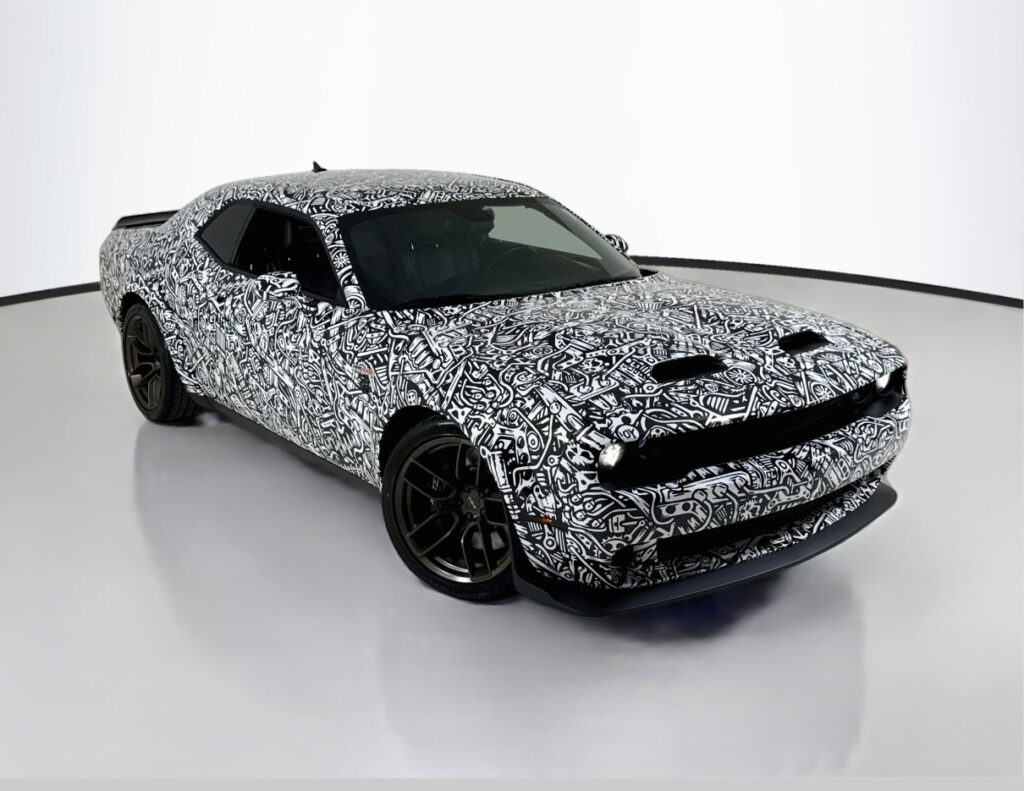
Look at two of Carvana’s 2023 RAV4s. One is dark, one is white. Both fill the frame at nearly the same front three-quarter angle against a plain background. Your eye goes straight to the differences between the vehicles. There’s no row of parked cars behind them competing for your attention.
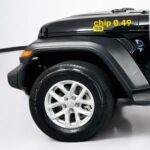
Carvana announced a 64-angle imaging system in 2020. But the detail worth copying is what happens after reconditioning. Carvana photographs each car after reconditioning and a full detail, and its own description of its photography says it calls out imperfections so customers know what they’re buying. On one RAV4, you could see the worn steering wheel. On another, a close-up showed a light scratch on the front fender. A polished exterior photo and an honest condition photo belong in the same listing.
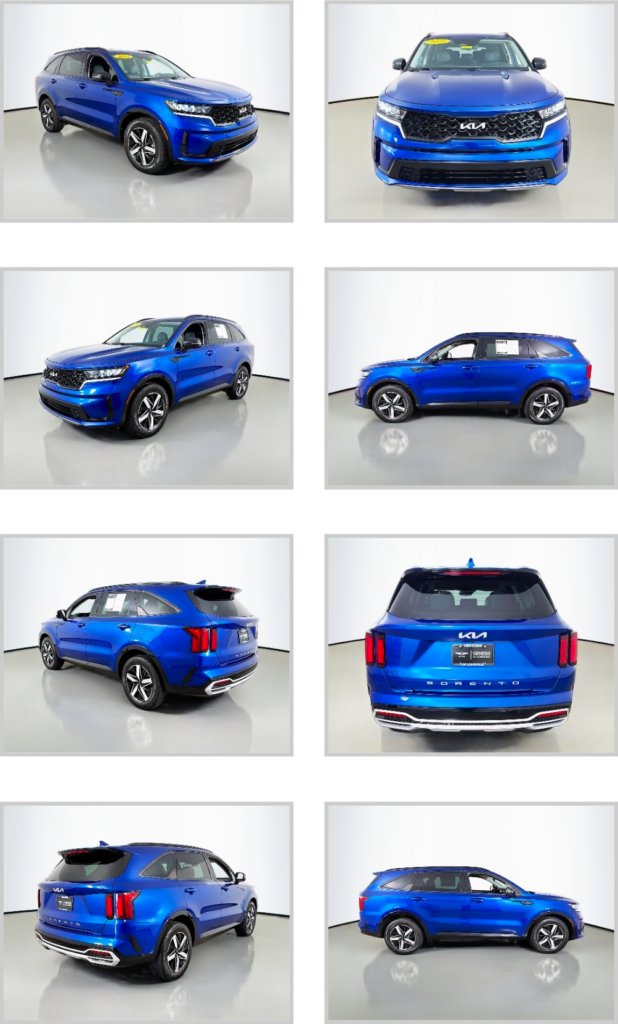
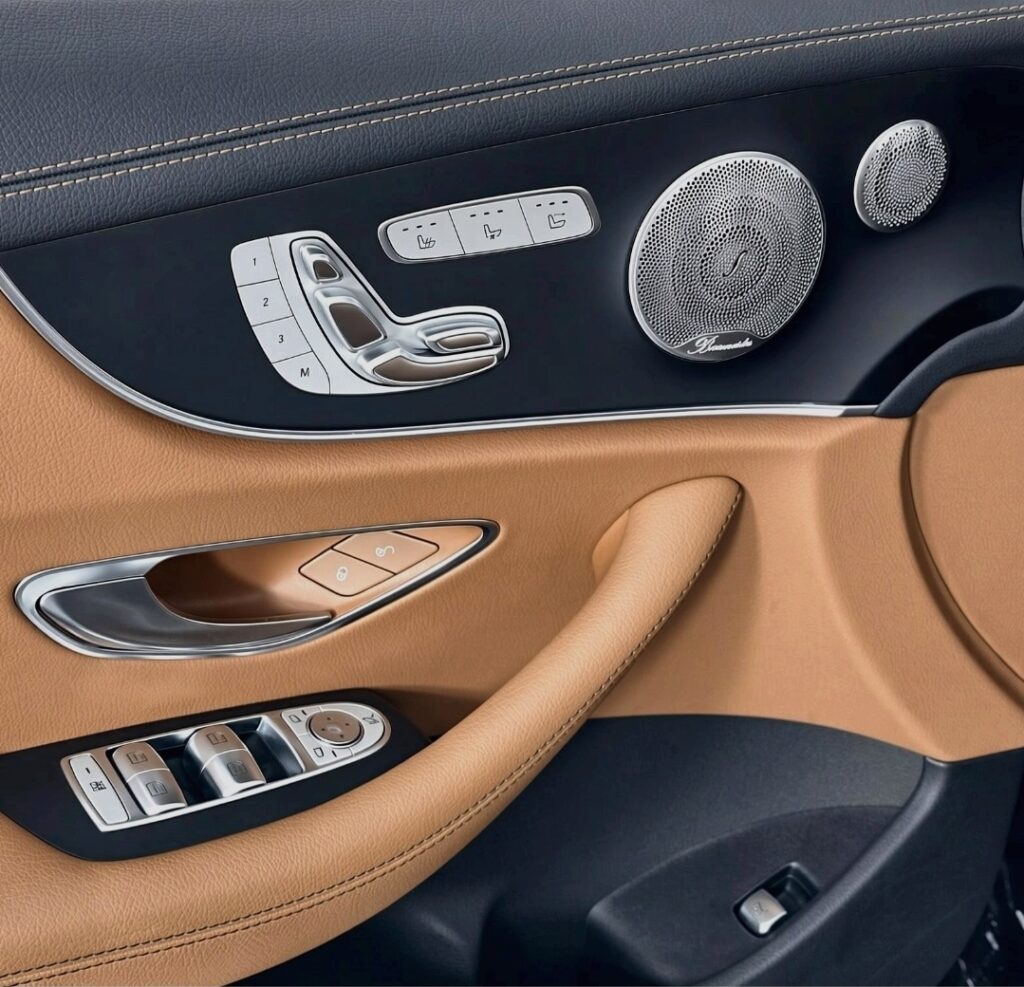
CarMax says it takes 360-degree images of the exterior and interior after the final quality check. The RAV4 galleries we reviewed also let shoppers jump straight to the dashboard, cargo area or rear view. On one RAV4 LE, the dashboard photo showed the controls clearly, but the center screen was dark. There’s a shot your dealership can beat. Show the dash layout, then engage reverse and photograph what the backup camera actually displays. You’ve answered a question the wide shot leaves open. (See Which Detail Photos Do Car Shoppers Actually Want?)

How to beat them on your next VIN
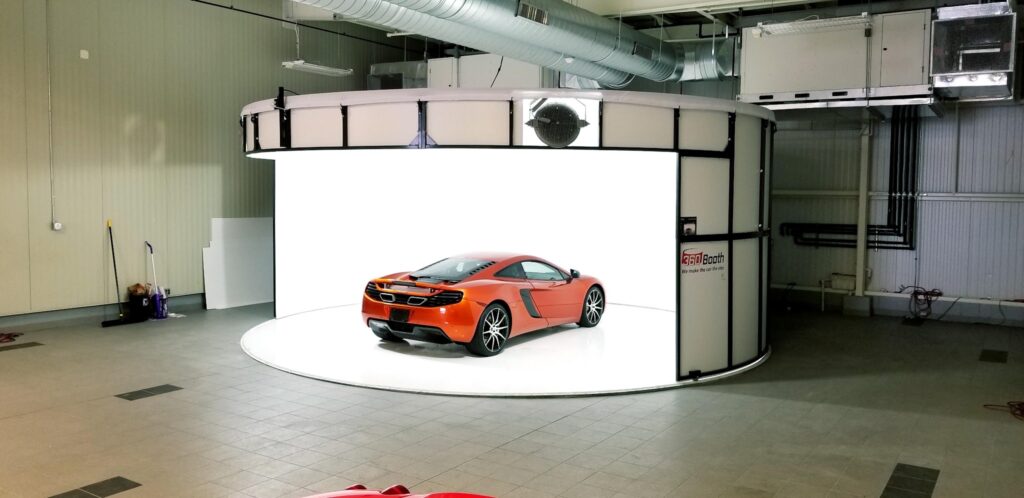
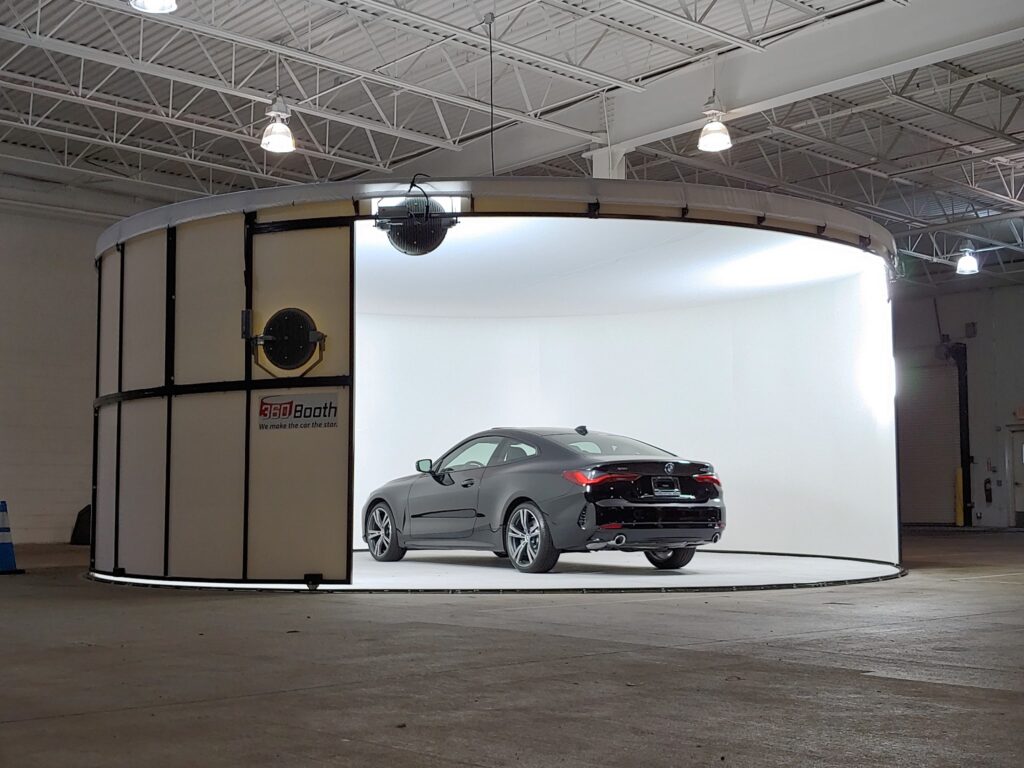
360Booth® gives your team control over what the buyer sees in the paint. The vehicle stays parked inside a real studio with matte white walls while the studio’s walls and lighting move around it. No turntable, no motors. (See 1,700+ Studios and Zero Motors.) On a black SUV, that means the door panel reflects a clean white wall, not the pickup parked beside it. (See Why Does 360Booth Use Matte White Walls Instead of Glossy Walls?)
SHOOTit AI, 360Booth’s iPhone smart camera app, gives the next employee the same shot sequence. Start with the VIN and follow the prompts. If a shot is dark, blurry or poorly centered, the app prompts an immediate reshoot while the employee still has the keys. (See Why Should Dealership Vehicle Photography Quality Control Happen at the Vehicle?)
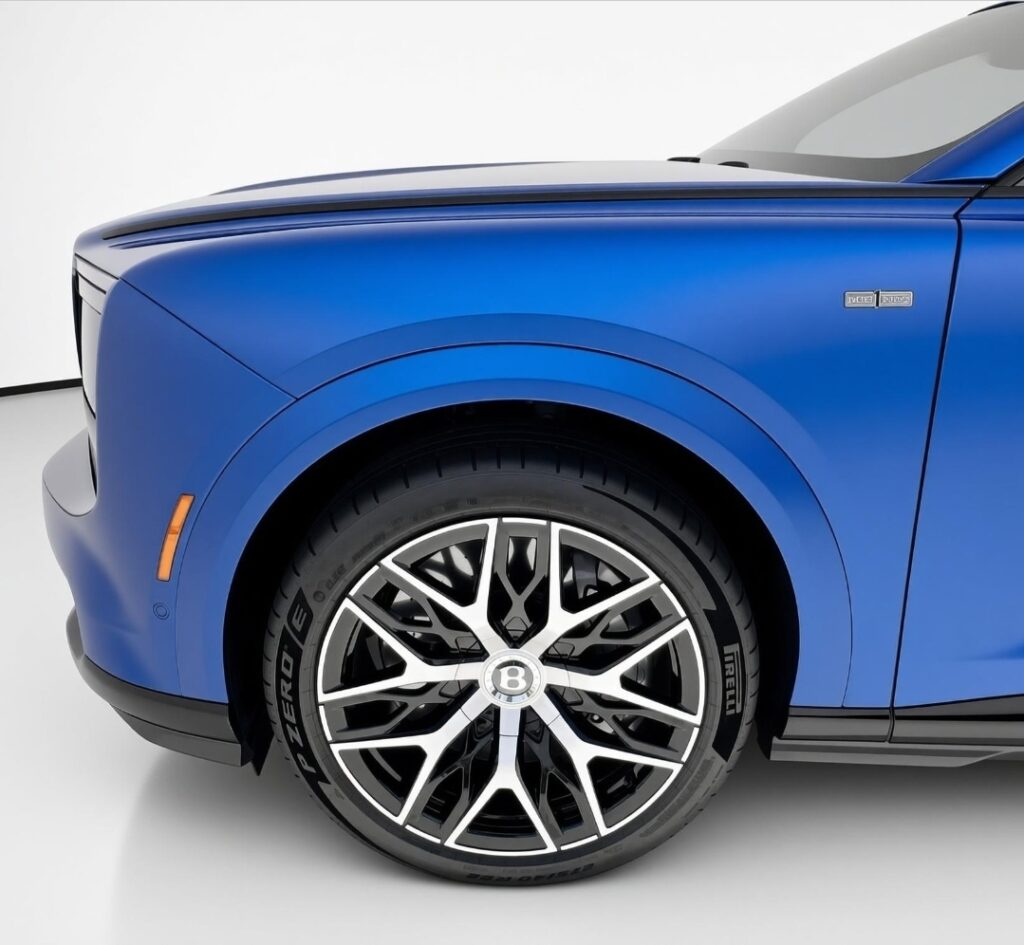
Then give your photographer one more assignment. If a wheel has curb rash, photograph the whole wheel so the buyer knows where to look. Move close enough to show how far the scrape extends. Put both photos on the listing. That’s 360Booth Authentic Capture™ in practice.
Try it on your next five used vehicles. Open your listing, a comparable Carvana listing and a comparable CarMax listing on your phone. Which one makes it easiest to see the wear, confirm the equipment and decide whether the car is worth a visit? If yours answers those questions more clearly, you’ve beaten them on that VIN.
Book a walk-through visit with 360Booth.
A note on what this comparison shows: Carvana and CarMax are useful benchmarks for how used car photos should look. This post doesn’t claim that photography alone decides whether a car sells.
Sources
- Carvana: Carvana Upgrades its Own Industry-Changing Virtual Vehicle Tour Experience (Aug 19, 2020)
- Carvana Vehicles Fact Sheet
- CarMax: Where do we find cars to sell?
FAQ
Why do Carvana listings show scratches and wear?
Carvana photographs each car after reconditioning and a full detail, and says its 360-degree photography calls out features and imperfections so customers know exactly what they’re buying.
How does CarMax photograph its used cars?
CarMax says it takes 360-degree images of each vehicle’s exterior and interior after the final quality check, before the car is added to its website.
Should dealers photograph cosmetic damage on used cars?
Yes. Shoot the whole panel or wheel so the buyer knows where to look, then a close-up that shows how far the damage extends. A shopper who can see the wear can decide whether it matters.
How does SHOOTit AI keep photos consistent from one employee to the next?
SHOOTit AI starts with the VIN and guides the employee through the dealership’s shot sequence on an iPhone. If a shot is dark, blurry or poorly centered, it prompts an immediate reshoot while the employee is still at the car.
Do I need a 360Booth studio to use SHOOTit AI?
No. SHOOTit AI runs on an iPhone and can guide capture anywhere. Paired with a 360Booth vehicle photo studio, the lighting and background are controlled as well.
Related Reading:
- What If Every Scratch You Didn’t Photograph Looks Like a Scratch You Hid?
- Which Detail Photos Do Car Shoppers Actually Want?
- Why Does 360Booth Use Matte White Walls Instead of Glossy Walls?
- 1,700+ Studios and Zero Motors: The Real Footprint of Dealership Vehicle Photography
- Why Should Dealership Vehicle Photography Quality Control Happen at the Vehicle?
- Real-Time AI Photo Verification vs. 2D Background Replacement
- What If Your Salesperson Has to Apologize for the Photos?
- What If Your Next Buyer Is 100 Miles Away and Your Photos Are the Only Walkaround?