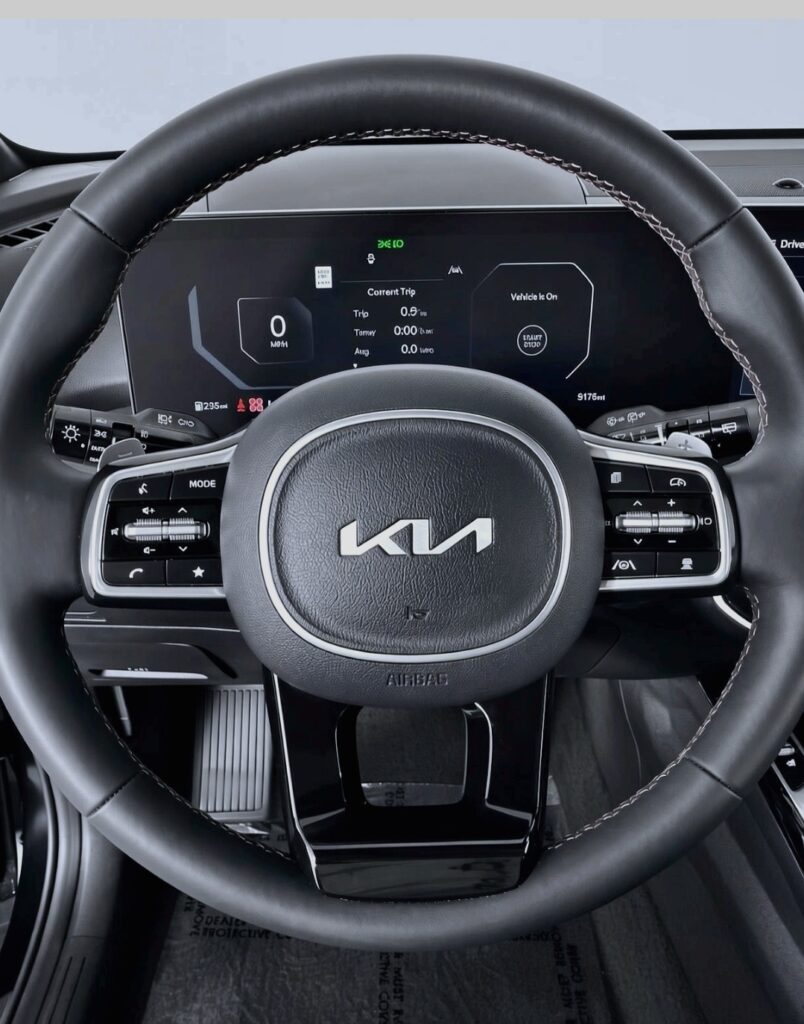
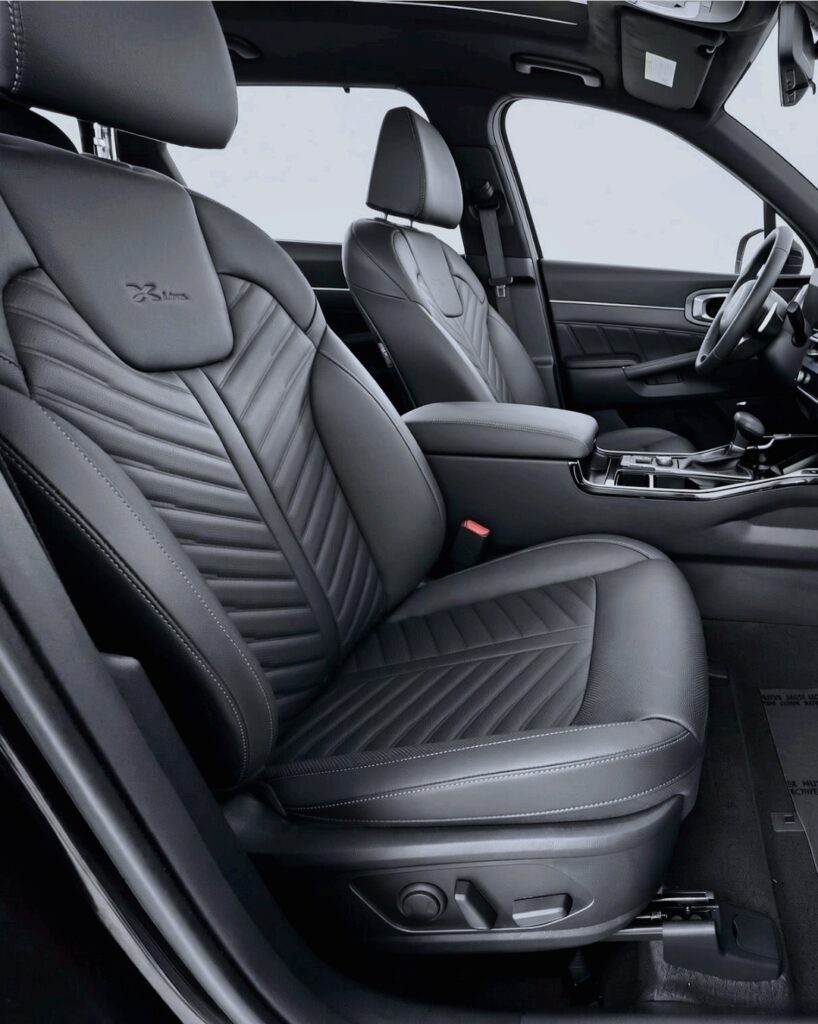
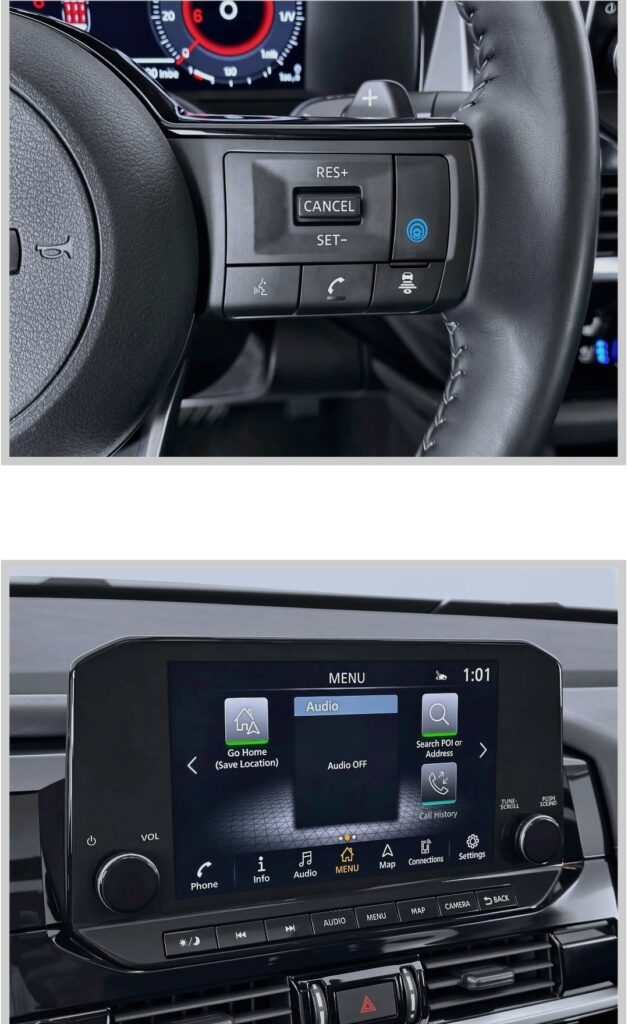
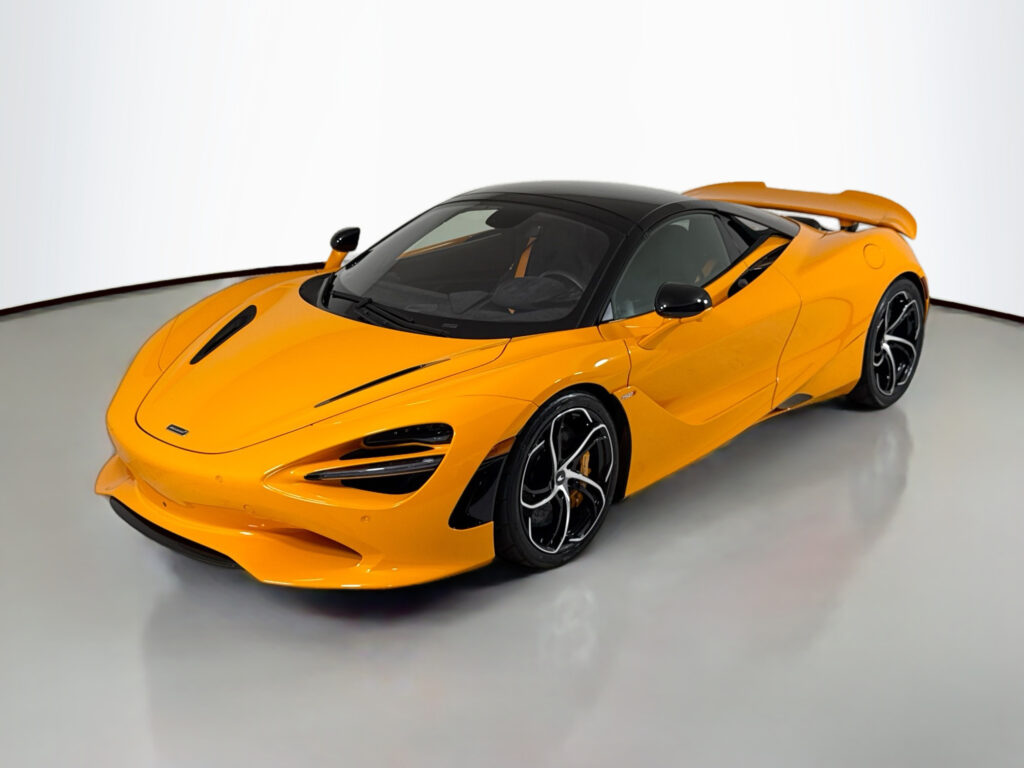
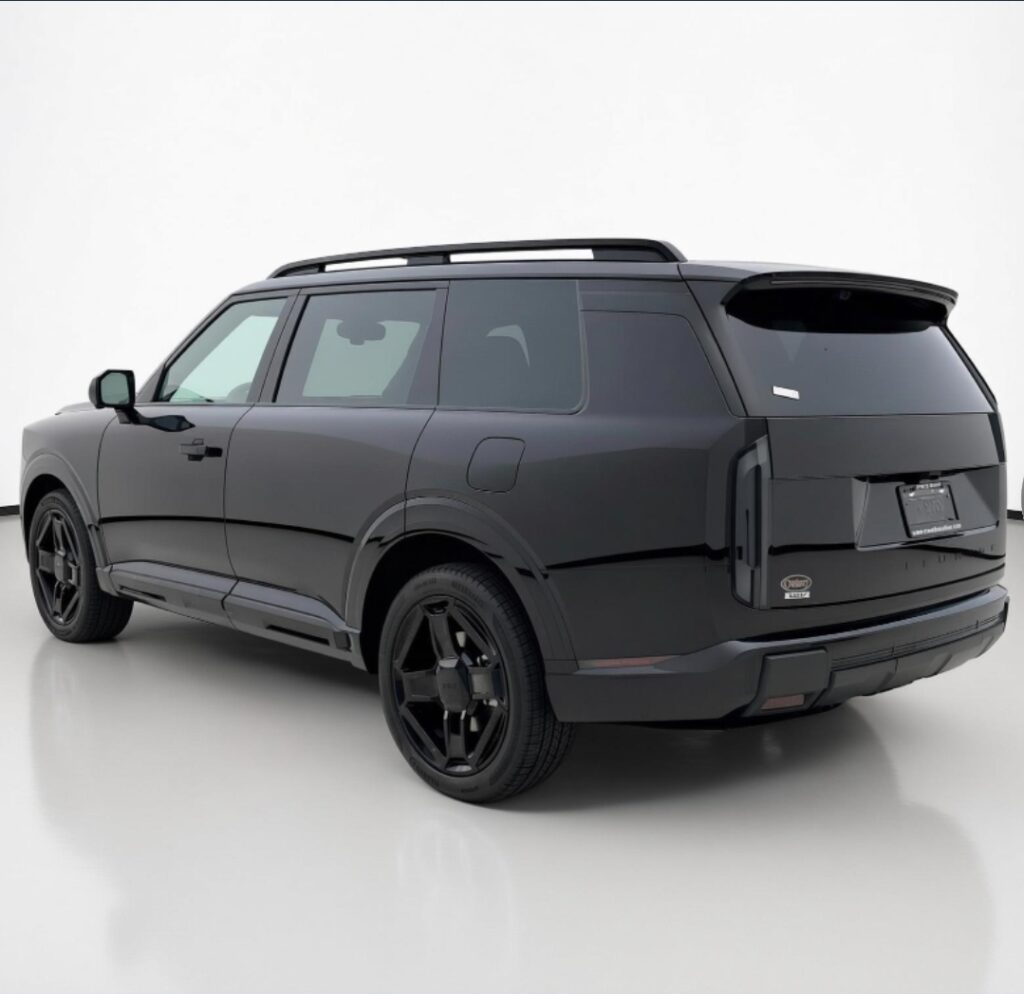
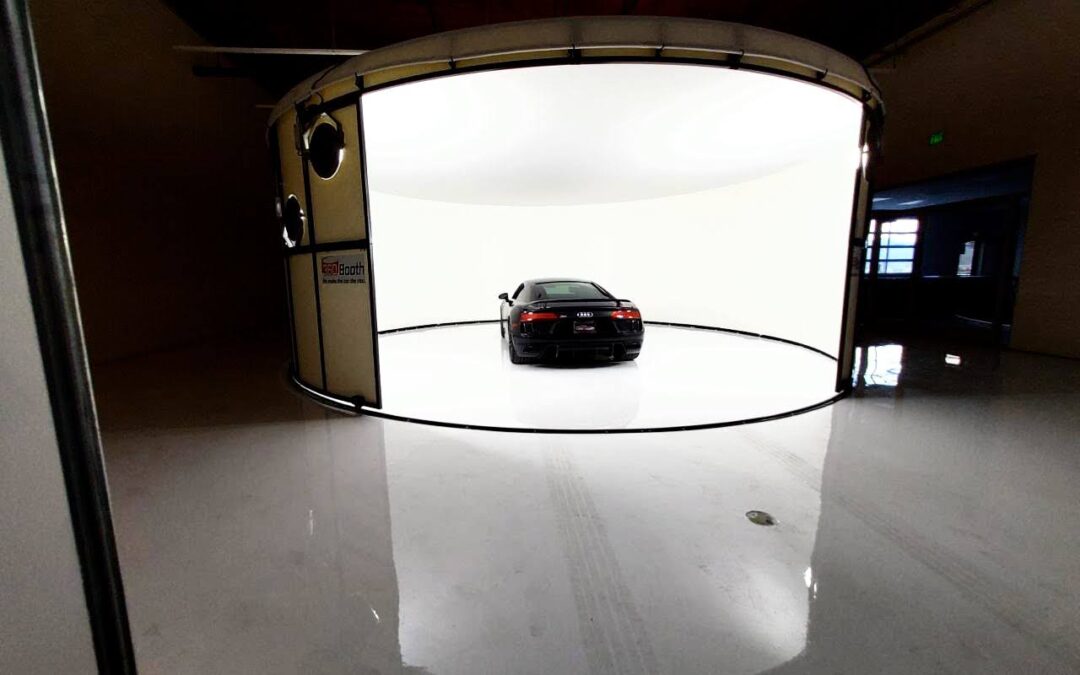
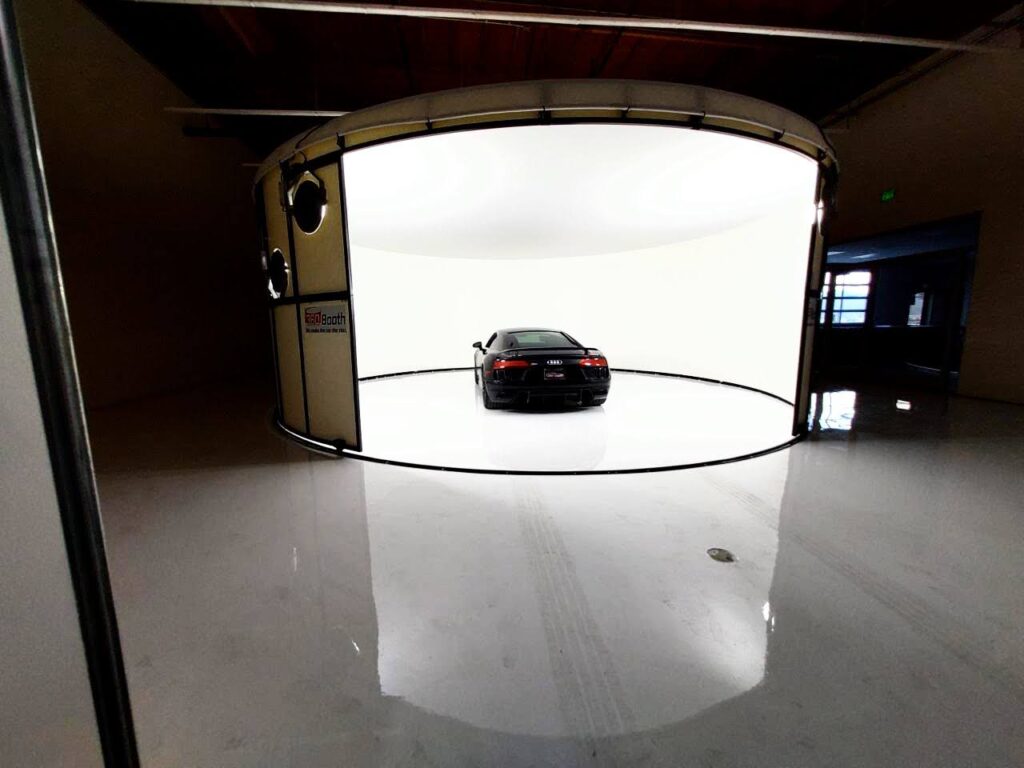
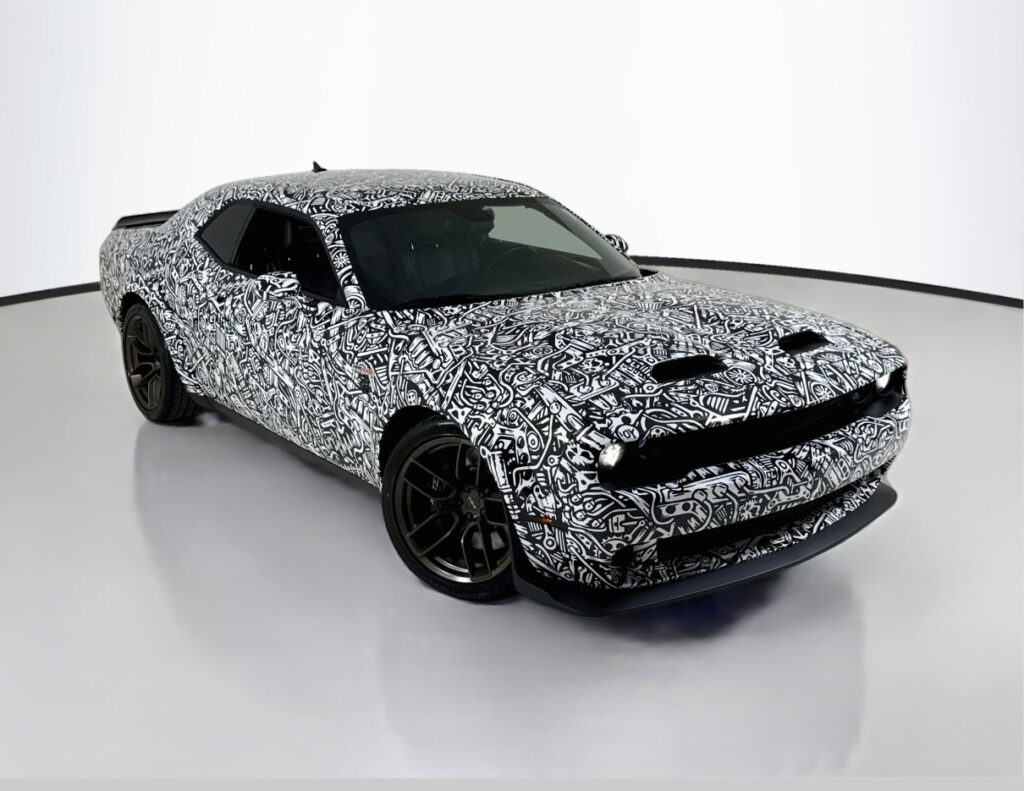
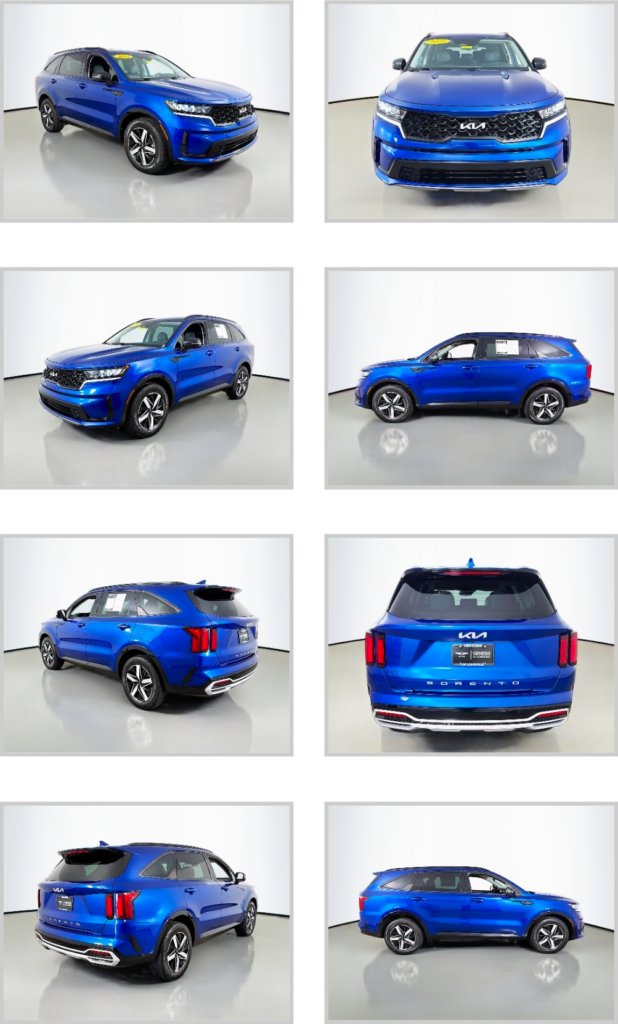
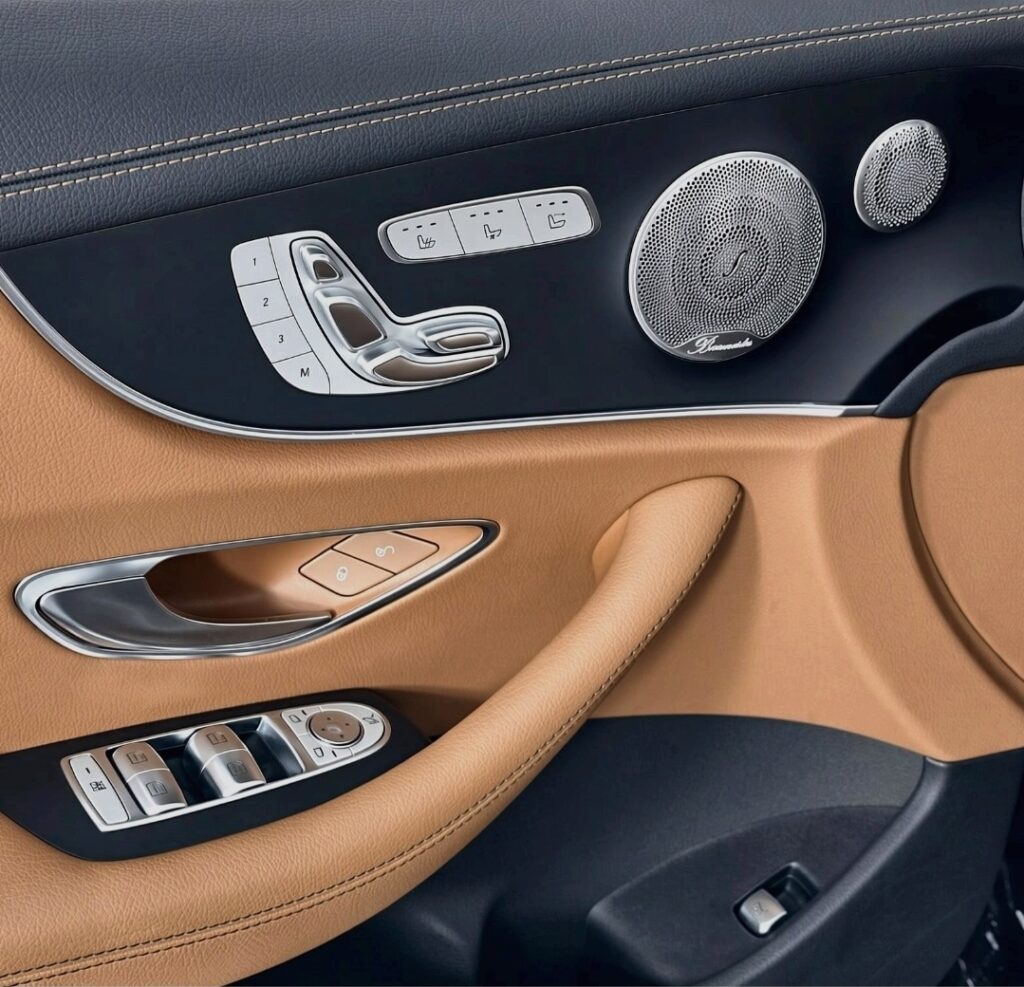
Under seven minutes. That’s how long a dealership employee typically needs to photograph a car with SHOOTit AI: 40+ photos, exterior and interior 360° spins, HDR and the feature shots buyers actually look for.
When dealers hear that number, the first question is usually some version of “What got skipped?” Fair question. The traditional answer to fast photos has been fewer photos, worse photos, or a fake background pasted on later to hide the difference.
Nothing gets skipped. The time comes out of the parts of the job that never should have taken time in the first place: guessing, fiddling with settings and walking back to the car tomorrow. Here’s where the seven minutes actually go.
Stage 1: The VIN writes the shot list
Every shoot starts with the VIN. SHOOTit AI decodes the factory options and builds the shot list around that specific car. If it has heated seats, parking sensors, a surround-view camera or power seats, the app asks for those shots by name.
That matters more than it sounds. A feature that isn’t photographed might as well not exist to an online shopper, and nobody remembers every option on every trim. The VIN does. (We dug into this in Stop Missing Options: How SHOOTit AI Combats That.)
Stage 2: The walkaround, with a photographer built in
The employee follows the on-screen prompts around the car: exteriors, interiors, details. They don’t line anything up with a wireframe and they don’t touch a camera setting. SHOOTit AI handles zoom, framing, centering, cropping, exposure, focus, white balance and lighting automatically.
That’s why a detailer, a porter or a new hire can do this job on day one. Training takes minutes, because the expertise lives in the app, not in the person holding it. Where does that expertise come from? Models trained on tens of millions of real vehicle photos from 360Booth studios, built by our in-house team with PhD-level computer vision expertise. The long version is in What Gives SHOOTit AI Its Intelligence Behind the Camera?
Stage 3: The reshoot happens now, not tomorrow
Here’s the part that saves the most time, and it’s the part most photo tools don’t have. If a shot comes out dark, blurry or poorly centered, SHOOTit AI stops and asks for a reshoot right then, while the employee is still standing at the car.
Compare that with the usual routine: photos go out, somebody notices the blur a day later, and now someone has to find the keys, find the car and shoot it again. Or worse, nobody notices and the blurry photo sits on the VDP. Fixing it at the shutter takes seconds. Fixing it later takes a trip. (More on that in Fake Backgrounds Fix the Photo After the Damage Is Done. SHOOTit AI Fixes It at the Shutter.)
Stage 4: Spins, HDR and the shots buyers zoom in on
The guided sequence includes exterior and interior 360° spins, HDR images and detail shots, all in the same flow. No separate rig, no second app, no extra pass around the car. The employee keeps following prompts and the set keeps building.
Stage 5: Save, and the set lines up the way your store wants it
Employees shoot in the order that’s fastest at the car. On Save, SHOOTit AI places the photos into the store’s configured sequence, which is how brands with strict presentation rules stay in line. (See how that works for Cadillac and Porsche.)
Then the photos move. On average Wi-Fi they reach Autoexact in about 50 seconds, and Autoexact sends them to vAuto, HomeNet and other vendors through its 300+ custom data feeds. One tap, and the car is on its way to the website. The full detailer-to-feed story is in The Detailer Washes It. The Detailer Shoots It.
Where the time didn’t go
Add it up and the seven minutes are spent on one thing: taking real photos of the real car. Not on:
Setup. No wireframes, no manual alignment, no camera settings.
Editing. No heavy post-processing and no synthetic background. The photos are consistent and color-accurate because they were captured right.
Second trips. Bad shots get caught at the car, not discovered tomorrow.
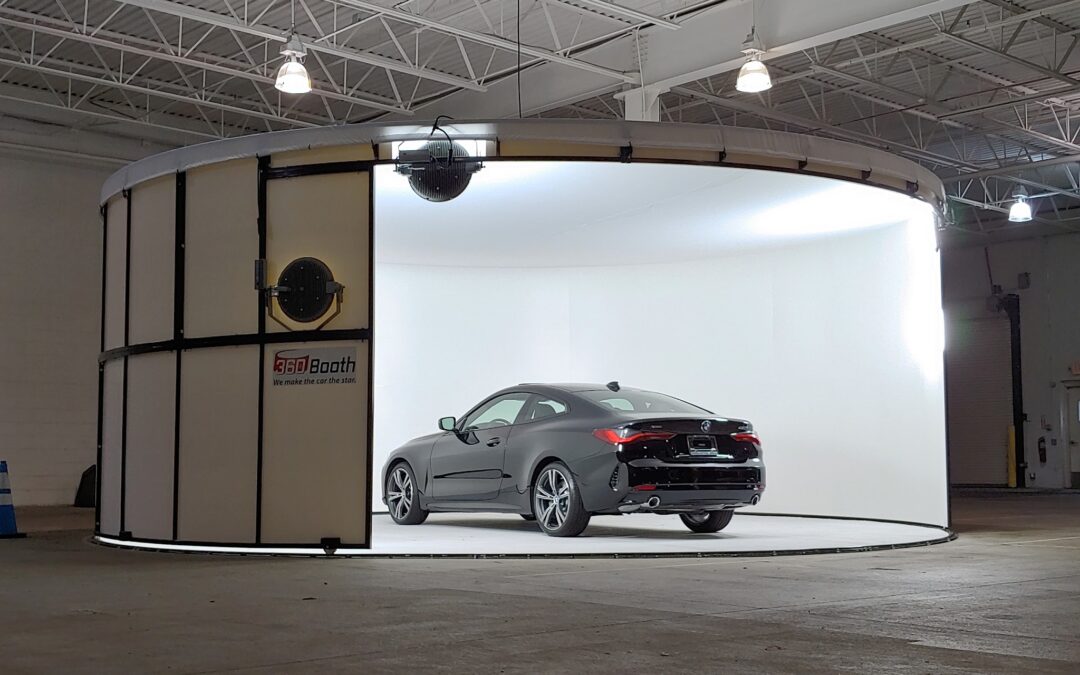
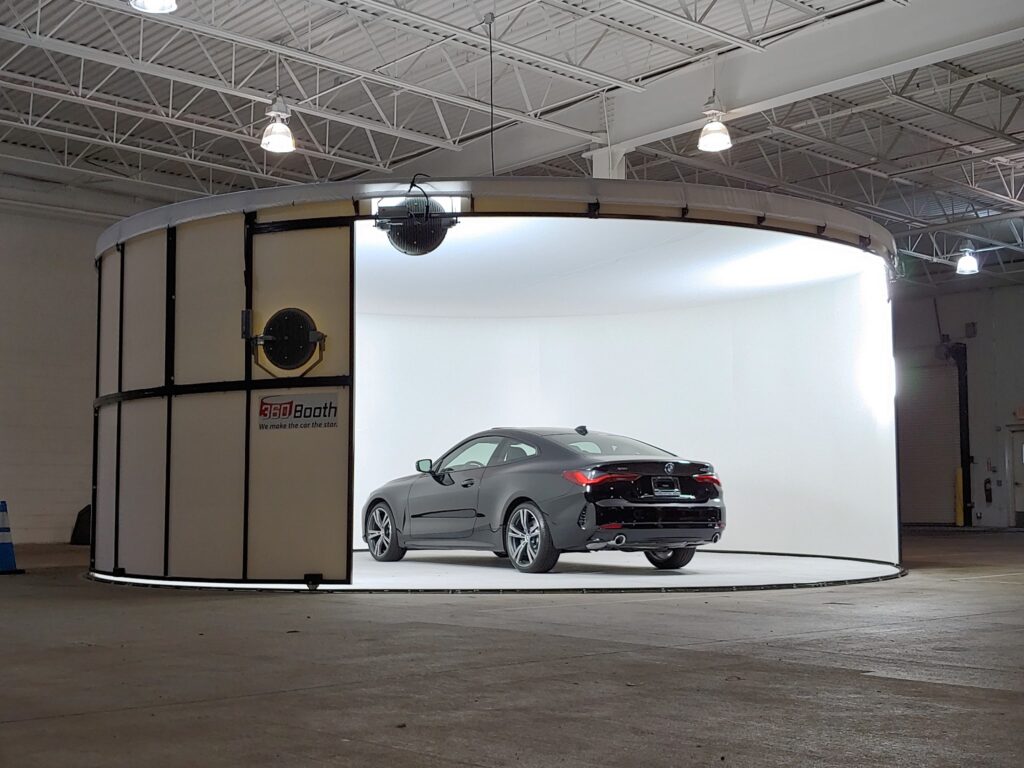
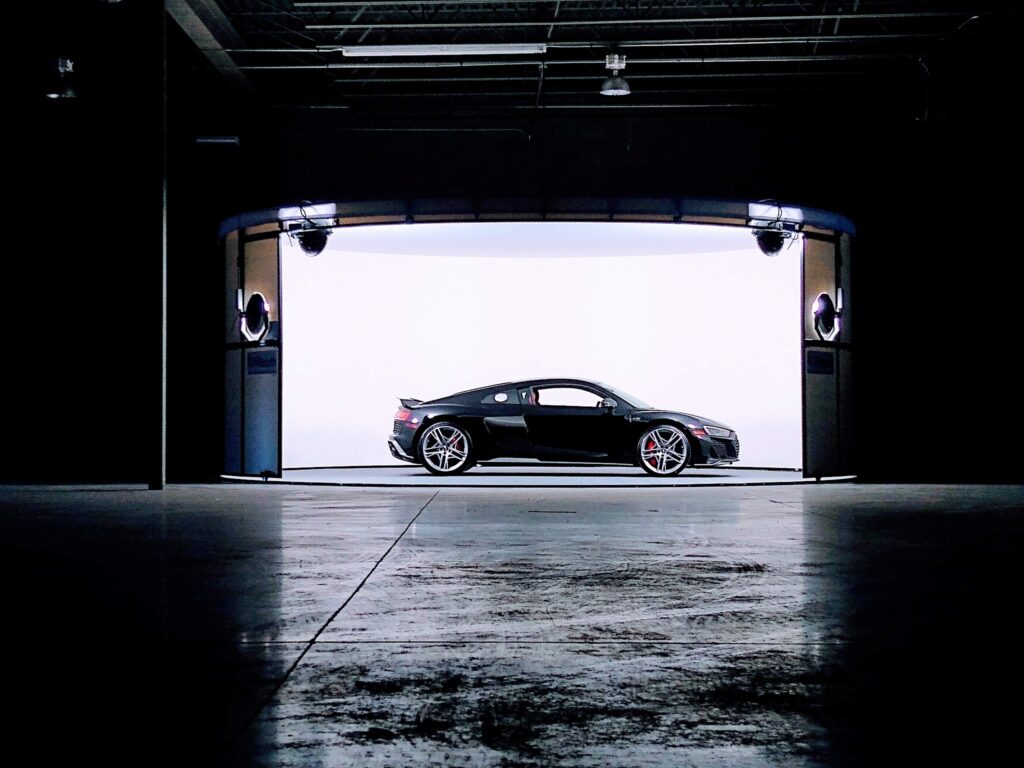
SHOOTit AI runs on an iPhone and can be used anywhere. Pair it with a 360Booth vehicle photo studio and you add controlled lighting and a consistent background, so the hundredth car looks like the first one, rain or shine, noon or after dark. For the phone itself, we recommend a dedicated dealership iPhone that stays with the store.
Seven minutes. Forty-plus real photos. Nothing pasted in, nothing skipped, nobody walking back to the car tomorrow.
FAQ
How long does a SHOOTit AI vehicle shoot take?
A full SHOOTit AI photo set, including 40+ photos, exterior and interior 360° spins, HDR and feature shots, is typically captured in under 7 minutes.
Does the employee need photography experience?
No. The employee starts with the VIN and follows on-screen prompts. SHOOTit AI handles zoom, framing, centering, cropping, exposure, focus, white balance and lighting, and training takes minutes.
What happens if a photo comes out bad?
SHOOTit AI stops dark, blurry or poorly centered shots and prompts an immediate reshoot while the employee is still at the vehicle.
How do SHOOTit AI photos get to vAuto or HomeNet?
After Save, photos reach Autoexact in about 50 seconds on average Wi-Fi. Autoexact then delivers them to vAuto, HomeNet and other vendors through its 300+ custom data feeds.
Do I need a 360Booth studio to use SHOOTit AI?
No. SHOOTit AI runs on an iPhone and can be used anywhere. Results are best when paired with a 360Booth vehicle photo studio for controlled lighting and a consistent background.
Direct answer: Car shoppers don’t just buy vehicles. They buy specific features. If those features never appear in the listing photos, the shopper can’t see them. SHOOTit AI starts every shoot with the VIN, decodes the factory options and tells the shooter what to photograph on that exact car.
What New-Vehicle Shoppers Say They Want
AutoPacific’s 2026 Future Vehicle Planner surveyed more than 19,000 licensed drivers planning to buy a new vehicle within the next three years. The most-wanted features were:
Heated seats: 47%
Front and rear parking sensors: 45%
Rear automatic emergency braking: 44%
Power-adjustable driver’s seat, lane change assist, adaptive cruise control with lane centering and stop-and-go, and blind spot cameras: 43% each
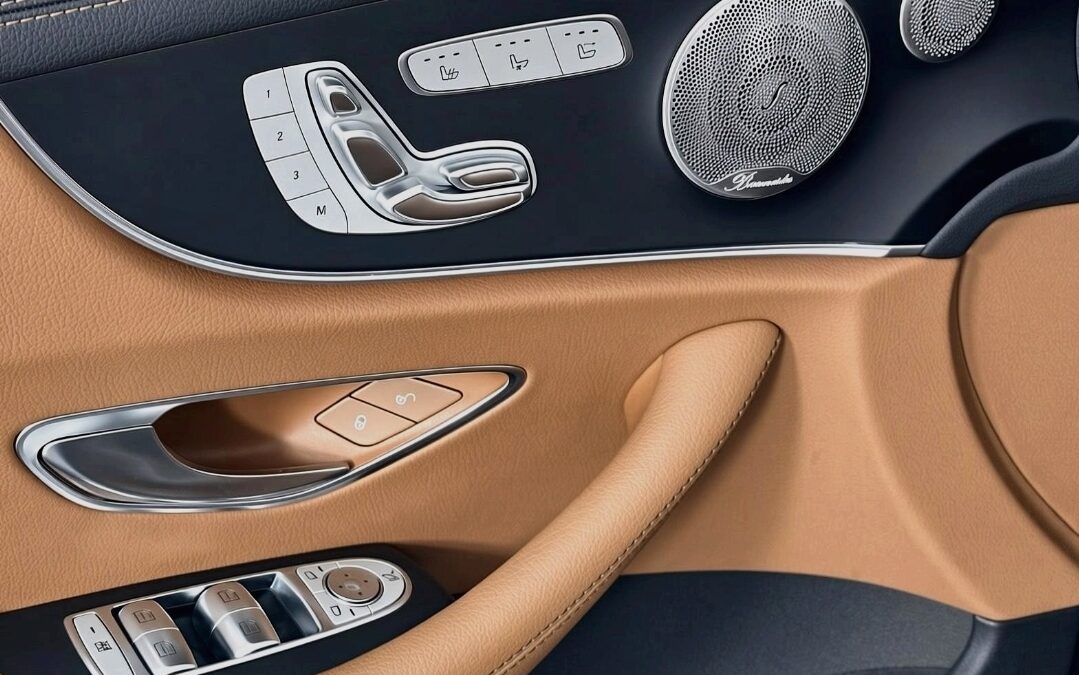
Many of these features are inside the cabin: a seat-heat button, a power-seat switch, a camera view on the screen. On many Vehicle Detail Pages (VDPs), those controls never make it into the photos. A shopper can’t value what they can’t see.
SHOOTit AI decodes the VIN to find which factory options are installed. When it finds high-demand equipment like blind spot cameras, lane change assist or power seats, it tells the operator to photograph those exact controls and sensors.
Real-Time Quality Control in the 360Booth
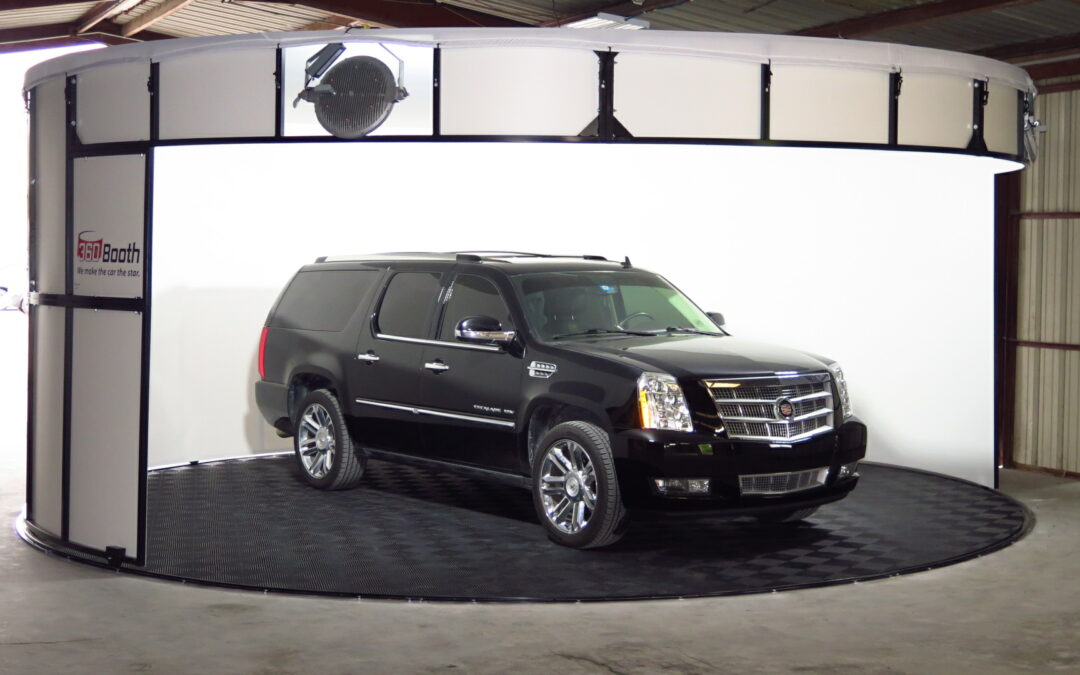
A 360Booth vehicle photo studio provides controlled lighting and a uniform backdrop. SHOOTit AI adds guidance and checks while the car is still in the studio:
Option shot list: tells the shooter which decoded factory options to photograph.
Instant QC: stops dark, blurry or poorly centered shots and prompts a reshoot before moving on.
Stop missing options. Start with the VIN. SHOOTit AI.
Source: AutoPacific 2026 Future Vehicle Planner, as reported by GM Authority and WardsAuto, August 2026.
FAQ
What features do new-car shoppers want most in 2026?
AutoPacific’s 2026 Future Vehicle Planner, a survey of more than 19,000 licensed drivers planning to buy a new vehicle, ranked heated seats first at 47%, front and rear parking sensors at 45% and rear automatic emergency braking at 44%.
How does SHOOTit AI start a vehicle photo shoot?
The employee starts with the VIN on an iPhone and follows SHOOTit AI’s prompts through the dealership’s required photo sequence.
What does SHOOTit AI check during capture?
SHOOTit AI stops dark, blurry or poorly centered images and prompts an immediate reshoot while the employee is still at the vehicle.
Do I need a 360Booth studio to use SHOOTit AI?
No. SHOOTit AI runs on an iPhone and can guide capture anywhere. Paired with a 360Booth vehicle photo studio, lighting and background are controlled as well.
Direct answer: Cadillac dealership photography needs a repeatable way to capture the vehicle and deliver its photos in the intended order. With the store’s presentation sequence configured, SHOOTit AI guides staff through a capture flow organized around studio lighting and speed. When the user taps Save, the intelligent camera identifies the views and places them into that configured presentation sequence.
The photo order should survive a change of photographer.
Why the Sequence Trips People Up
A team photographing multiple makes already has lighting, angles, vehicle condition and equipment to manage. Asking every employee to remember another display sequence adds opportunities for mistakes. A complete set of attractive photos can still appear in the wrong order on a vehicle detail page.
A Cadillac dealer photography guide from 2018 shows how specific the presentation can be. It called for eight exterior images to be posted in this order:
Front three-quarter, driver side
Driver-side profile
Rear three-quarter, driver side
Straight rear
Rear three-quarter, passenger side
Passenger-side profile
Front three-quarter, passenger side
Head-on front
That historical sequence is an example, not a statement of current requirements for every Cadillac store. The dealership’s applicable requirements should determine its configured presentation.
Speed: Shoot in the Studio’s Order, Publish in the Store’s Order
SHOOTit AI makes the sequence part of the workflow. Staff follow the guided shooting prompts while working around the studio’s lighting positions. The app recognizes the views being captured and organizes them on Save. The user can concentrate on photographing the Cadillac without memorizing the marketing order or manually rebuilding the gallery afterward. See how fast a set moves in The Detailer Washes It. The Detailer Shoots It.
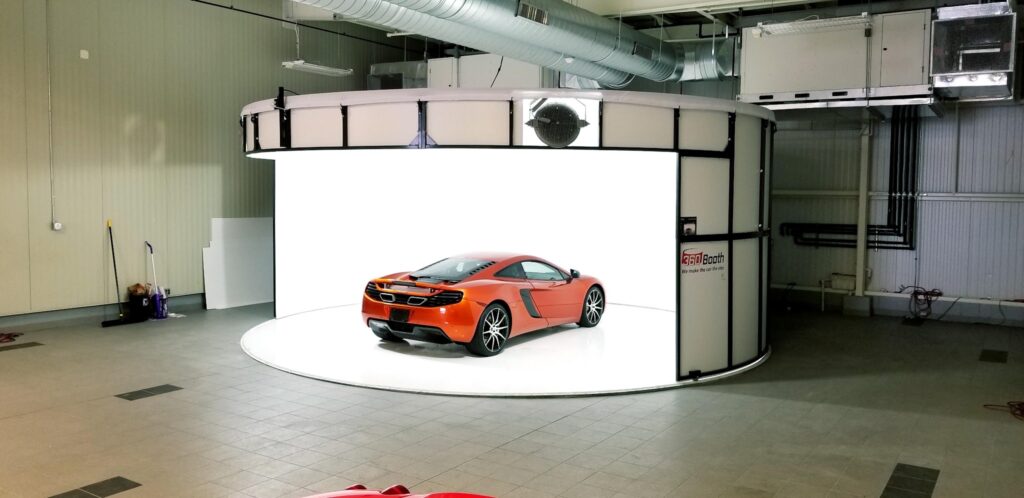
360Booth® supplies the physical studio: controlled lighting, a real background and a patented structure that moves around the stationary vehicle. Together, the studio and intelligent camera connect consistent capture with an organized presentation. The dates behind that studio are public: Dates Don’t Lie: The Real History of Autoexact, 360Booth and SHOOTit AI.
Verify the configured sequence and the final website gallery against the store’s current requirements.
Authentic Capture™. Guided shooting. Your store’s presentation order.
Talk to 360Booth about a Cadillac photography workflow that keeps staff moving and inventory photos in order.
Sequence reference: a Cadillac dealer photography guide received by 360Booth in April 2018. Confirm current requirements with your Cadillac representative. 360Booth is not affiliated with or endorsed by Cadillac or General Motors.
FAQ
What photo order did Cadillac's 2018 dealer photography guide call for?
A Cadillac dealer photography guide from 2018 called for eight exterior images in this order: driver-side front three-quarter, driver-side profile, driver-side rear three-quarter, straight rear, passenger-side rear three-quarter, passenger-side profile, passenger-side front three-quarter and head-on front. It is a historical example, not a statement of current requirements.
Does the photographer have to memorize the Cadillac photo order?
No. With the store’s presentation sequence configured, SHOOTit AI guides capture around the studio’s lighting and speed, then identifies the views and places them into that sequence when the user taps Save.
What happens if a photo is dark, blurry or off-center?
SHOOTit AI stops the workflow and prompts a reshoot before the user proceeds.
Is 360Booth affiliated with Cadillac?
No. 360Booth is not affiliated with or endorsed by Cadillac or General Motors. Each store should confirm its current photo requirements with its Cadillac representative.
It’s budget season. GMs are looking at the photography line and asking a fair question: should we shoot inventory ourselves, or pay a vendor to come shoot it for us?
The usual answer goes like this. Shoot in-house if you have a trained photographer who owns the job. Outsource if volume swings or if turnover means you’re always retraining someone. Some advice even admits the real secret of in-house success: the software carries the consistency.
Read that last part again. If the software carries the consistency, why are you paying someone to drive to your lot?
We ran the vendor model. That’s why we built something better.
Autoexact started photographing dealer lots in June 1997, five days a week, and went on to service thousands of stores. We know the outsourced model from the inside: the routes, the schedules, the cars that weren’t ready when the photographer arrived, and the photographers who left and had to be replaced.
That experience is exactly why we built SHOOTit AI. We took decades of knowing which angles sell a car and which mistakes get photos rejected, and put it inside the app. The full story is in our timeline from 1997 to today.
Turnover doesn’t go away when you outsource. You just stop seeing it.
The standard case for outsourcing says it fits stores where turnover means constant retraining. But lot photography is a field job, and field jobs turn over too. When you outsource, the retraining still happens. It just happens at the vendor, and you find out when a new face shows up and the photos look different.
SHOOTit AI removes turnover from the equation. The app tells the employee where to stand, what to frame and when to move to the next shot. A new porter or detailer follows the prompts and produces the same photos on their first day as your best shooter did on their hundredth. Your photography process stops depending on one person, inside your store or outside it.
All you need is a human to hold the camera
The old checklist for in-house photography says one person has to own it, with photography in their job description and a trained backup. That made sense when the shooter had to know photography. It doesn’t anymore.
Recon-to-live time: the vendor’s own metric works against them
Good advice tells GMs to measure the time between recon complete and photos live on the VDP. We agree. It’s the right number. And it’s the number a vendor can’t win.
A vendor shoots on their route, not on your recon schedule. A car that’s finished an hour after the photographer leaves waits for the next visit, picking up dust and fingerprints along the way. In-house, the detailer who washed the car shoots it. On average Wi-Fi, the photos reach Autoexact in about 50 seconds, and Autoexact sends them on to vAuto and other vendors through its 300+ custom data feeds.
Cost per car only goes one direction with a vendor
Cost per car is the right place to start. A vendor charges on every unit, every month, for as long as you’re a customer. When volume goes up, the invoice goes up with it.
In-house, the tools are a fixed investment and the labor is someone already on your payroll. Every additional car you shoot lowers your cost per car.
One standard across every rooftop, without a vendor
Groups often outsource to get the same look at every store. SHOOTit AI gives every rooftop the same prompts, the same angles and the same checks, so a dealer group can run one photo standard across every location. Pair it with a 360Booth vehicle photo studio and you also control the light, the background and the weather, with real photos of the real car.
The three numbers, revisited
Run the same three numbers everyone recommends:
Cost per car over the last 12 months. Compare a per-unit vendor fee that never ends with tools you own and staff you already have.
Hours from recon complete to photos live on your last 20 units. Count how many waited for the vendor’s next visit.
How consistent those 20 listings look side by side. Then ask what happens to that consistency the next time the vendor’s photographer quits.
The vendor model was built for a time when the person holding the camera had to be a photographer. That time is over. With SHOOTit AI, the photographer is in the app, and your car gets shot the minute it’s ready.
FAQ
Should a dealership outsource vehicle photography or shoot in-house?
With SHOOTit AI, shooting in-house makes more sense for most stores. The app guides any employee through the shots, so the store doesn’t need a trained photographer or a vendor visit, and cars get shot as soon as recon is finished.
Does employee turnover make in-house dealership photography harder?
Not with SHOOTit AI. The training lives in the app, which tells the employee where to stand, what to frame and when to move on. A new hire can follow the prompts and produce consistent photos on day one.
Who takes the photos when a dealership uses SHOOTit AI?
Any employee, often the detailer or porter who just finished the car. They pick up a dedicated dealership iPhone, follow the prompts and hit save.
How fast do in-house photos reach the VDP with SHOOTit AI?
On average Wi-Fi, photos reach Autoexact in about 50 seconds after the employee hits save. Autoexact then sends them to vAuto and other vendors through its 300+ custom data feeds.
Can a dealer group keep photos consistent across stores without a vendor?
Yes. SHOOTit AI gives every rooftop the same prompts, angles and quality checks, so a dealer group can run one photo standard across every location.
The cleanest a car will ever be is the minute the detailer finishes it. Most dealerships waste that minute. The car sits waiting for a photographer, a booth slot or a lot service, and picks up dust, water spots and fingerprints while it waits.
SHOOTit AI changes who takes the photos and when. The detailer who just washed the car picks up the iPhone, follows the prompts and hits save. On average Wi-Fi, the photos are in Autoexact in about 50 seconds. From there, Autoexact sends them to vAuto and other vendors every other hour.
29 years of lot photography, inside the app
Autoexact started photographing dealer lots in June 1997, five days a week, and went on to service thousands of stores. That is 29 years of knowing which angles sell a car, which mistakes get photos rejected and what buyers look for on a vehicle details page.
We put that knowledge into a knowledge base on the Apple platform. Then our in-house computer vision team, led by a PhD scientist, added professional photographer commands on top of it. The detailer doesn’t need to know photography. The app does. Read more on what gives SHOOTit AI its intelligence and the full timeline from 1997 to today.
Follow the prompts. SHOOTit AI tells them where to stand, what to frame and when to move to the next shot.
Hit save. On average Wi-Fi, the photos reach Autoexact in about 50 seconds. Autoexact sends them to vAuto and other vendors every other hour through its 300+ custom data feeds.
Can a detailer take dealership vehicle photos without photography training?
Yes. SHOOTit AI gives on-screen prompts built from 29 years of Autoexact lot photography experience and professional photographer commands. The detailer follows the prompts and hits save.
How fast do SHOOTit AI photos reach the dealership's inventory?
On average Wi-Fi, the photos reach Autoexact in about 50 seconds after the detailer hits save. Autoexact then sends them to vAuto and other vendors every other hour.
No. SHOOTit AI captures real photos of the real car and flags problems like crooked wheels, glare, blur and trash while the employee is still at the car.
Direct answer: 2D background replacement edits a flat photo after the shoot. Real-time AI photo verification checks the photo while the employee is still standing at the car. One hides the problem behind a new backdrop. The other catches it before anyone walks away.
What 2D Background Replacement Actually Does
Background software cuts the vehicle out of the image and pastes it onto a digital showroom. That’s the whole trick. It works on a flat picture, after the fact, with no idea whether the shot was any good to begin with.
SHOOTit AI checks each shot the moment it’s taken. It guides the dealership’s required 40+ image sequence on an iPhone and flags problems on the spot:
Blurry, dark or poorly centered frames
Crooked wheels and bad angles
Harsh glare
Trash, water bottles and paper floor mats
Dirty inventory
When a required image fails, the workflow stops and asks for a reshoot before moving on. The fix happens on the car, not in software. No queue, no rejection email tomorrow, no hunting for keys.
Why the Timing Matters
Fix it later and the car has already moved. Someone has to find the keys, find the car, clean it again and reshoot. Every day of that loop is a day the car isn’t on the market. (The full cost breakdown is in Fake Backgrounds Fix the Photo After the Damage Is Done.)
A new background doesn’t verify anything. Check the photo at the car, fix it at the car, and show shoppers the real vehicle they’re going to buy.
FAQ
What is real-time AI photo verification?
It checks each vehicle photo the moment it’s taken and flags problems like blur, glare, crooked wheels, clutter and dirty inventory, so the employee reshoots before leaving the car. SHOOTit AI does this on an iPhone.
Does background replacement fix a bad vehicle photo?
No. It swaps what’s behind the car. Blur, glare, dirt and clutter on the vehicle stay in the photo.
Can AI systems tell when a dealership photo has a fake background?
Often, yes. Background replacement can leave edge artifacts, lighting that doesn’t match the vehicle, and reflections that show the original surroundings. Image models are increasingly good at spotting these signs. Photos captured in a real studio don’t have them.
Do I need a 360Booth studio to use SHOOTit AI?
No. SHOOTit AI runs on an iPhone and can guide capture anywhere. Paired with a 360Booth vehicle photo studio, the lighting and background are controlled as well.