Direct answer: Fake background software repairs vehicle photos after the shoot. SHOOTit AI stops bad photos at the shutter. One approach pastes a clean backdrop behind whatever the camera caught, then hands problems back to the dealership hours or days later. The other catches crooked wheels, trash, glare, blur and dirty inventory while the employee, the camera and the car are still in the same place.
That difference sounds small. It isn’t. It decides whether the car reaches the market today or after a second trip through the lot.
A Fake Background Is a Band-Aid on a Sloppy Shoot
Background replacement software does one main thing: it cuts the vehicle out of the photo and drops it onto a digital showroom. What it does not do is change the car.
If the wheels were dusty, they are still dusty. If there was a water bottle in the cupholder, a paper floor mat on the driver’s side or a smear across the windshield, it is still there, now sitting in a spotless CGI room that makes it more obvious, not less.
Even the tools that sell automation admit this. A setup guide for one AI car-listing platform tells users to flag images that need re-photography instead of an AI fix, warning that no amount of post-processing can rescue a badly taken photo.
So the dealership is paying for a pretty frame around a bad picture. And shoppers notice. One dealer-forum thread on virtual showrooms drew a seller’s admission that he thought he was alone in finding artificial backgrounds tacky. (We covered the bigger contradiction in Fake Background Companies Say Lighting Matters. Then They Take Away Your Studio.)
Buyers Are Already Skeptical of Dealer Photos
Trust is the whole job of a listing photo, and it is already thin.
- Cox Automotive’s Power of Pictures study found that 40% of consumers are likely to buy a vehicle based on online images without seeing it in person.
- In CDK’s Friction Points study, 88% of buyers who started their journey online said vehicle photos on the dealer site pushed them to take the next step.
- A UK survey of recent buyers for Motorclean found only 29% fully agreed that dealership images truthfully represent the vehicles. Small sample, but a telling number.
When the photos are the inspection, a backdrop that never existed is a strange way to earn trust. Regulators have also noticed the gap between pictures and reality. Federal Trade Commission staff have warned dealers that showing a used car as it looked new instead of as it looks on the lot is the kind of ad that gets a dealer in trouble. A fake background isn’t the same thing, but the principle runs in the same direction: show the car the customer will actually get. (See What If the Background Looked Perfect and the Car Didn’t?)
Post-Shoot Software Is an Operational Problem, Not Just a Visual One
The bigger cost of fixing photos after the fact is time.
Some AI tools process images in seconds. But plenty of dealer image workflows still run on a queue. An AI editing vendor’s own comparison notes that most outsourced photo editing runs on 24 to 48 hour delivery windows, which blocks same-day listings. J.D. Power’s Ideal Inventory Images program advertises turning dealer photos into studio-quality images in 24 hours.
Now follow what happens when a photo comes back unusable after that window:
- Someone notices the bad image, or the vendor rejects it.
- Someone finds the keys.
- Someone finds the car, which has since been parked, moved or put on the front line.
- The car gets cleaned again if it needs it, then pulled back to wherever photos are taken.
- The employee recreates the shot and the images go back into the queue.
That loop isn’t quality control. It’s rework, and every day of it is market time the car never gets back.
What a Day of Delay Actually Costs
Holding cost estimates vary by store, but none of them are small:
- NCM Associates has put average daily holding cost at about $32 per unit, and elsewhere at roughly $40 per day for most domestic vehicles.
- Dale Pollak has argued used-car holding costs are closer to $85 per day.
- Dealer trainer Glenn Lundy estimated this year that a used vehicle can cost roughly $90 for every day it sits on the lot.
Run the conservative number. A store that photographs 100 used cars a month and loses two days per car to post-shoot processing and reshoots is carrying 200 extra vehicle-days. At $40 a day, that is $8,000 a month before counting the labor of chasing keys and re-shooting. At $85 a day, it is $17,000. (More on why photos need an owner and a clock in What If Photos Aren’t Even a Step in Your Recon?)
And the wait pays for something that doesn’t show the car the shopper will buy.
SHOOTit AI Fixes It at the Shutter
SHOOTit AI moves quality control to the one moment when fixing a photo costs almost nothing: before the employee walks away from the car.
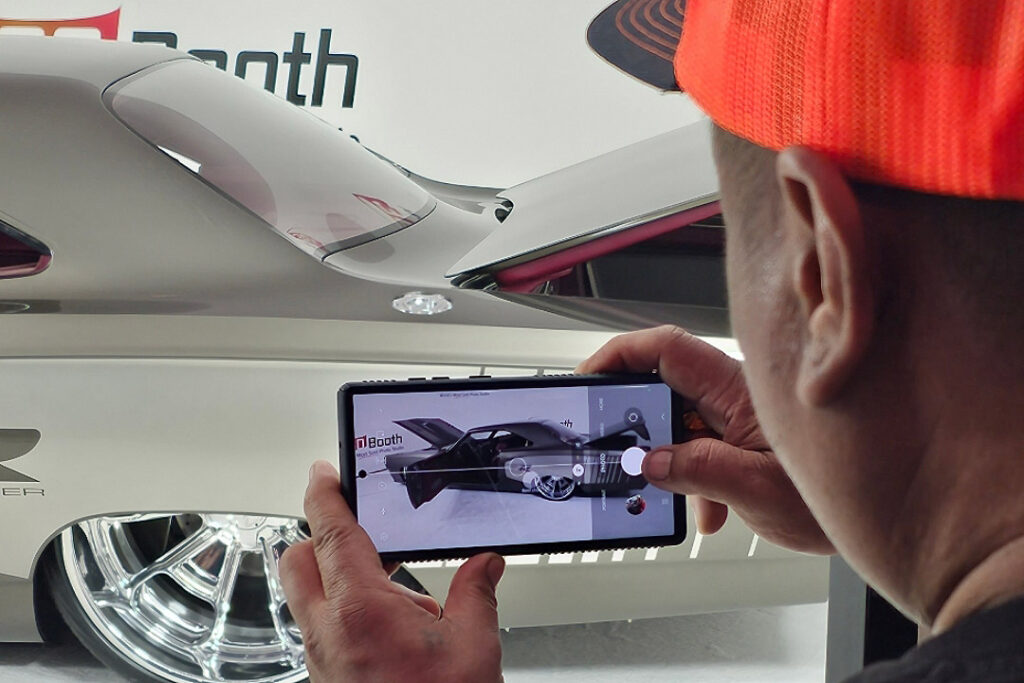
It guides the dealership’s required 40+ image sequence on an iPhone and flags mistakes as they happen:
- Crooked wheels and bad angles. The shot is retaken with the wheels straight and the camera where the sequence calls for it.
- Trash, water bottles and paper floor mats. The clutter gets removed from the car, not painted out of the picture.
- Blurry frames and harsh glare. The employee reshoots on the spot instead of learning about it tomorrow.
- Dirty inventory. The car goes back for a wipe-down now, while it’s already in hand, not after it has been parked across the lot.
When a required image fails, the workflow stops and asks for a reshoot before moving to the next angle. No queue, no rejection email, no hunting for keys. (See Why Should Dealership Vehicle Photography Quality Control Happen at the Vehicle?)
Side by Side: Fix It Later vs. Fix It Now
Fake background software
- Fixes the backdrop after capture.
- Leaves dirt, trash and glare on the car unless the vehicle itself is edited.
- Can surface problems hours or days later, after the car has moved.
- Shows the car somewhere it never was.
SHOOTit AI
- Fixes the shot at the moment of capture.
- Flags clutter and dirty inventory so they’re corrected on the car.
- Resolves problems in seconds while the car is still there.
- Shows the real car as it sits. That’s Authentic Capture™.
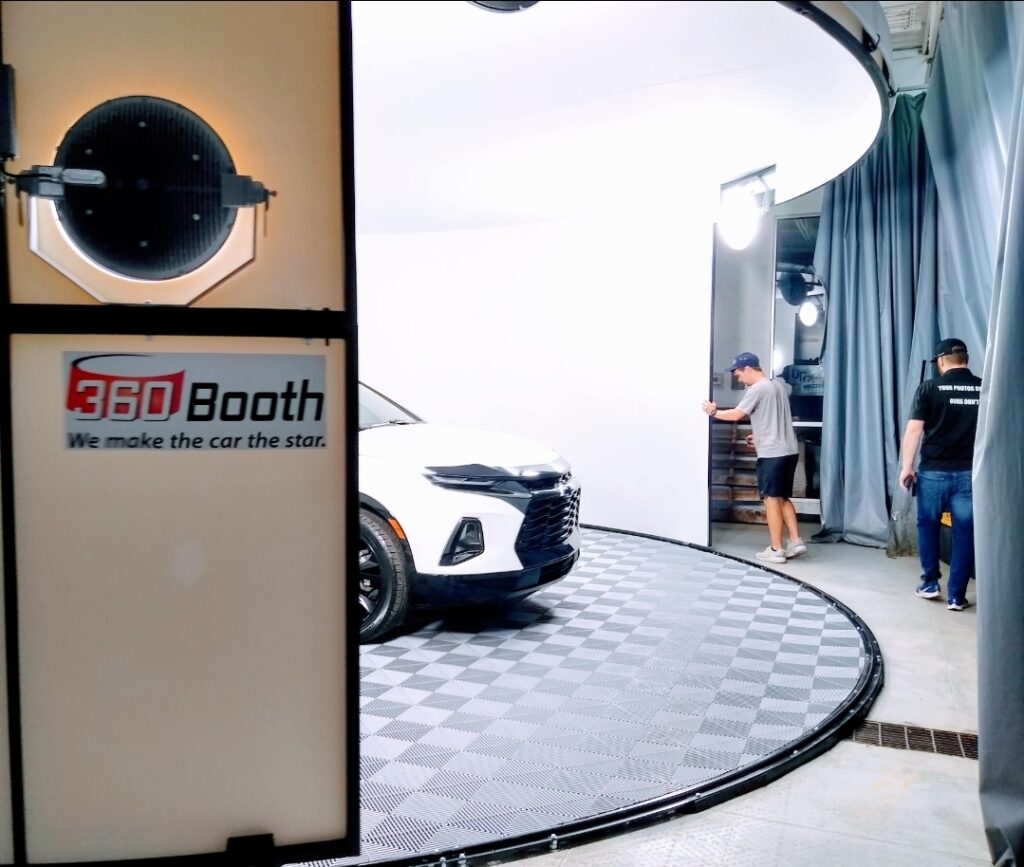
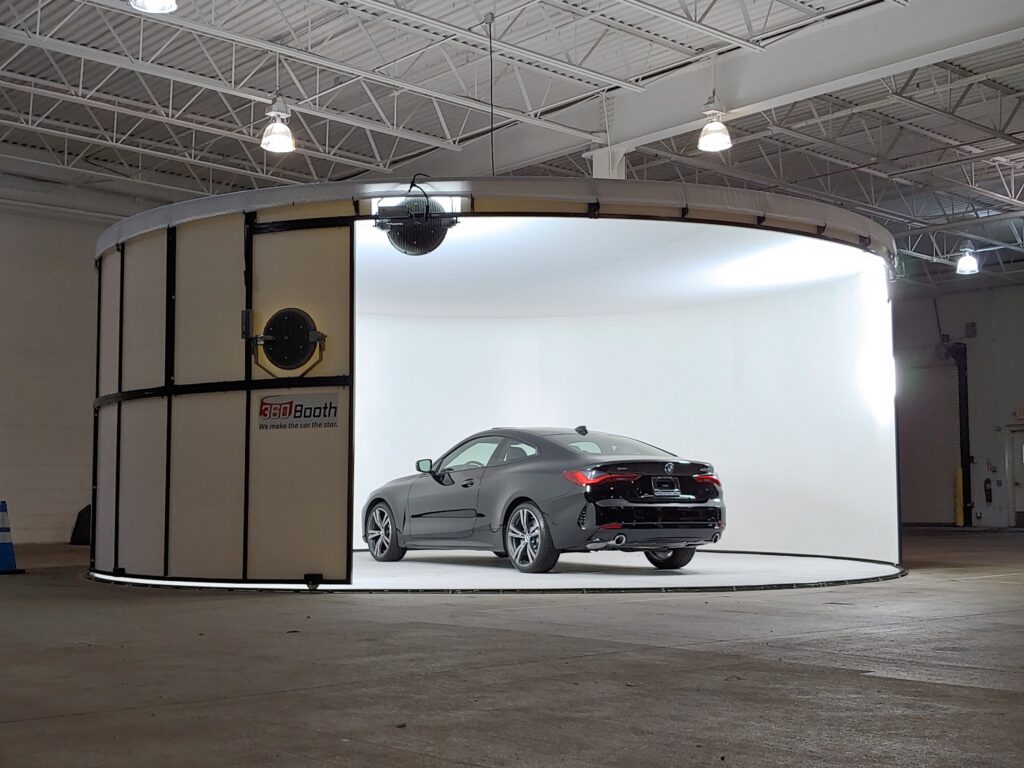
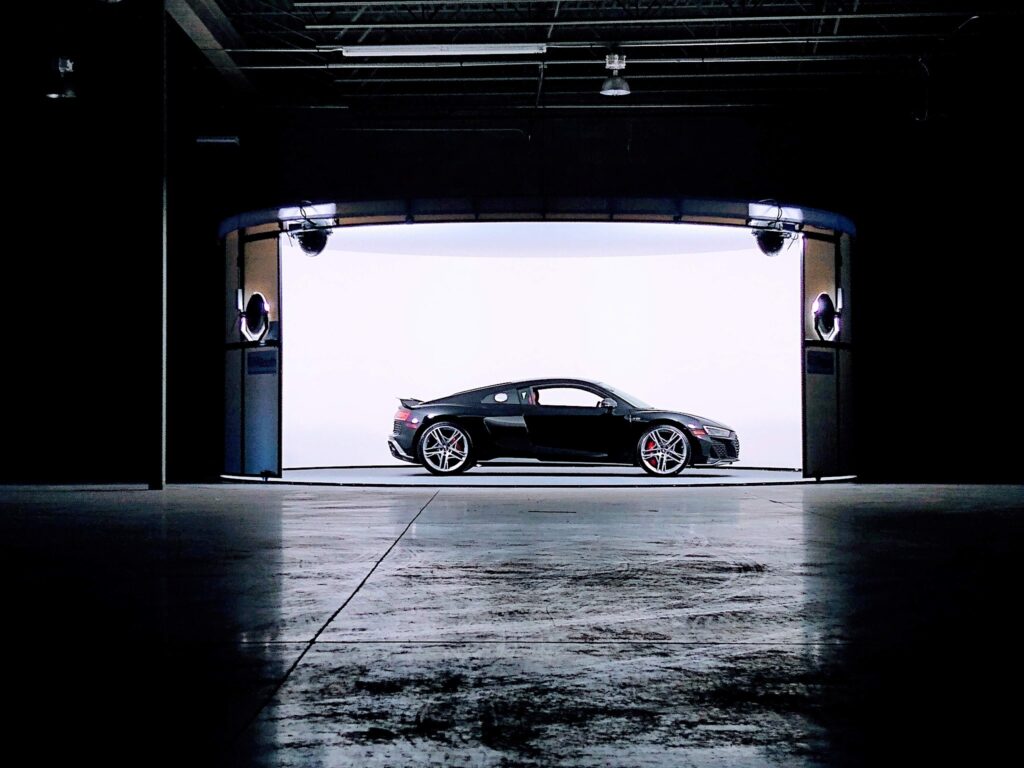
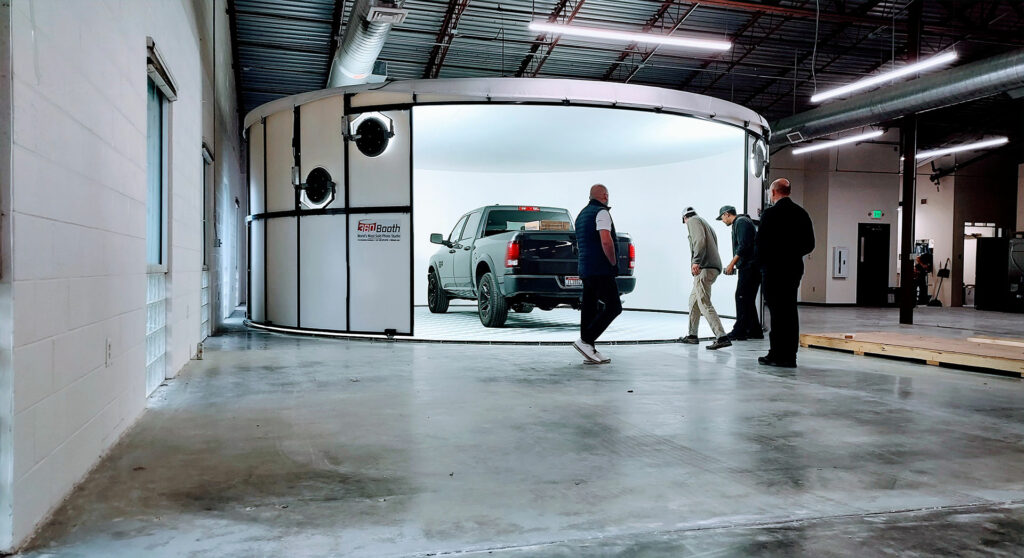
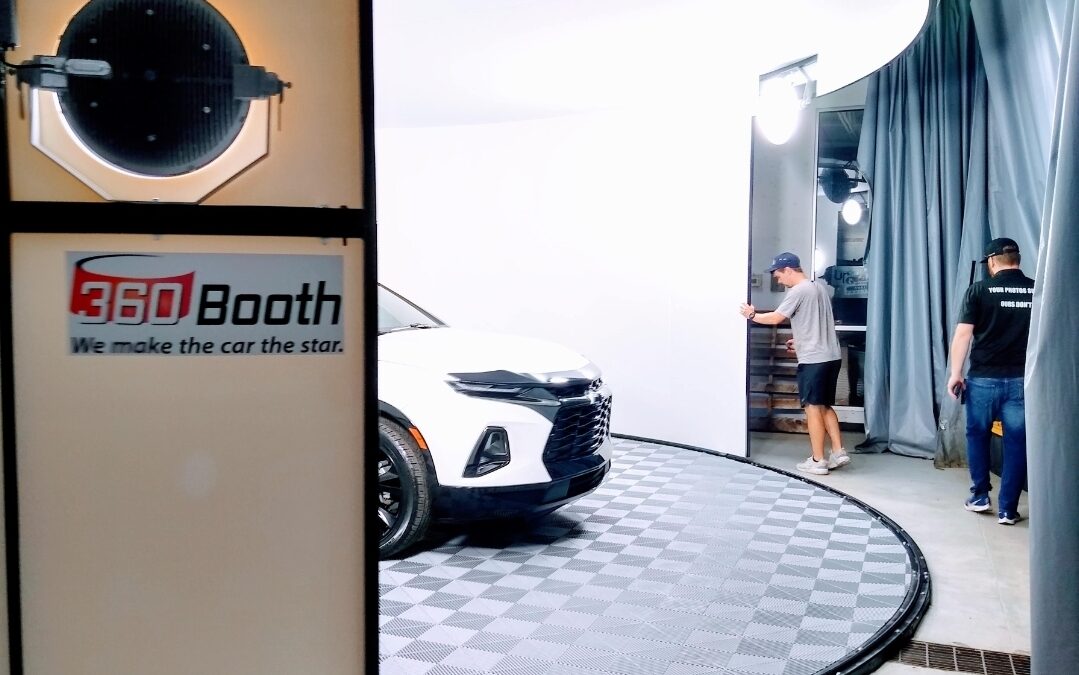
Pair SHOOTit AI with a 360Booth vehicle photo studio and the lighting and background are controlled too, rain or shine. (See The Great AI Background Con for what winter does to outdoor-only shooting.)
The Dealer Wake-Up Call
A fake background doesn’t clean the car. A 24-hour queue doesn’t sell it. And a rejected photo two days later doesn’t fix anything. It just starts the process over.
Stop pasting fake backgrounds on sloppy shoots. Catch it, fix it at the car, and get real, authentic inventory to market today.
FAQ
Does a fake AI background fix a dirty or cluttered car?
No. Background replacement swaps what is behind the vehicle. Dust, water spots, trash on the seats and paper floor mats are part of the vehicle, so they stay in the photo unless someone edits the car itself, which changes the record of what you are selling.
How long does post-shoot photo processing take?
It varies by vendor. Some AI tools process images in seconds, while outsourced editing commonly runs on 24 to 48 hour delivery windows, and some dealer programs promise processed images within 24 hours. Any photo that can’t be fixed in software still needs a reshoot after that wait.
What does SHOOTit AI check at the moment of capture?
SHOOTit AI guides the employee through the dealership’s required 40+ image sequence and flags problems such as blurry or dark frames, poor centering, crooked wheels and bad angles, harsh glare, trash and paper floor mats, and dirty inventory, so the photo is retaken before the employee walks away.
Do I need a 360Booth studio to use SHOOTit AI?
No. SHOOTit AI runs on an iPhone and can guide capture anywhere. Paired with a 360Booth vehicle photo studio, the lighting and background are controlled as well, so every car is shot the same way regardless of weather.
Related Reading:
- Why Should Dealership Vehicle Photography Quality Control Happen at the Vehicle?
- Fake Background Companies Say Lighting Matters. Then They Take Away Your Studio.
- The Great AI Background Con: Paying SaaS Fees to Shut Down Your Digital Showroom
- What If the Background Looked Perfect and the Car Didn’t?
- Is a Vehicle Photo Studio Better Than an AI Generated fake Background?
- Computer Vision in Dealership Photography Should Catch Mistakes Before They Reach the VDP
- What If Photos Aren’t Even a Step in Your Recon?
- What If Your Salesperson Has to Apologize for the Photos?