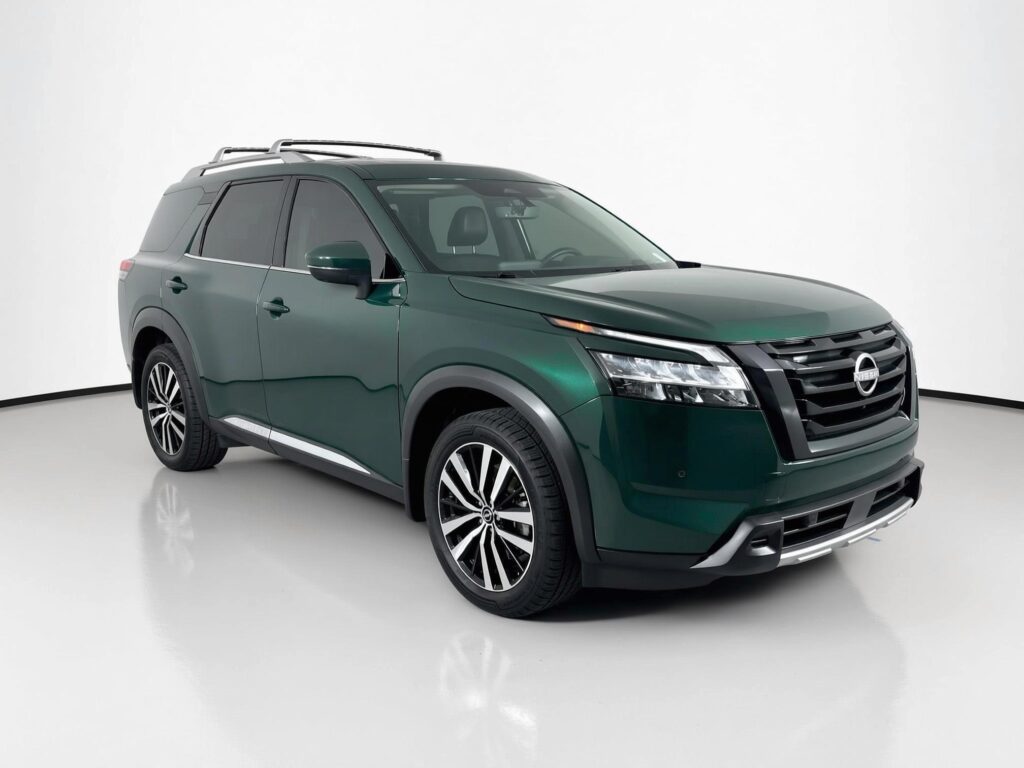
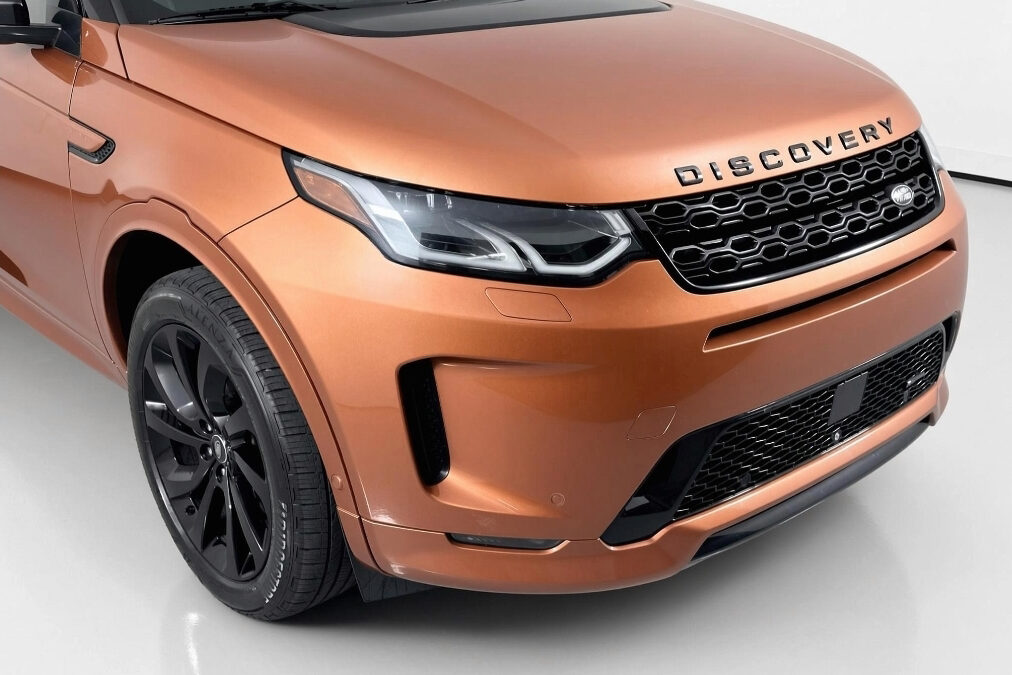
Computer vision in dealership photography should identify problems while the vehicle is still in front of the camera, not hours later after the photos reach the website.
For years, automotive dealerships have accepted an inefficient photography process. Someone photographs the vehicle, moves on to the next car, uploads the images and only later discovers a problem. Maybe an important angle was missed. A dashboard photo is blurry. The vehicle wasn’t centered correctly. An image is too dark or the photo sequence is incomplete.
Now someone has to find that vehicle again and correct the mistake.
That isn’t a photography problem. It’s a process problem.
The best time to identify a bad vehicle photo is immediately after it was taken, while the photographer is still standing next to the car.
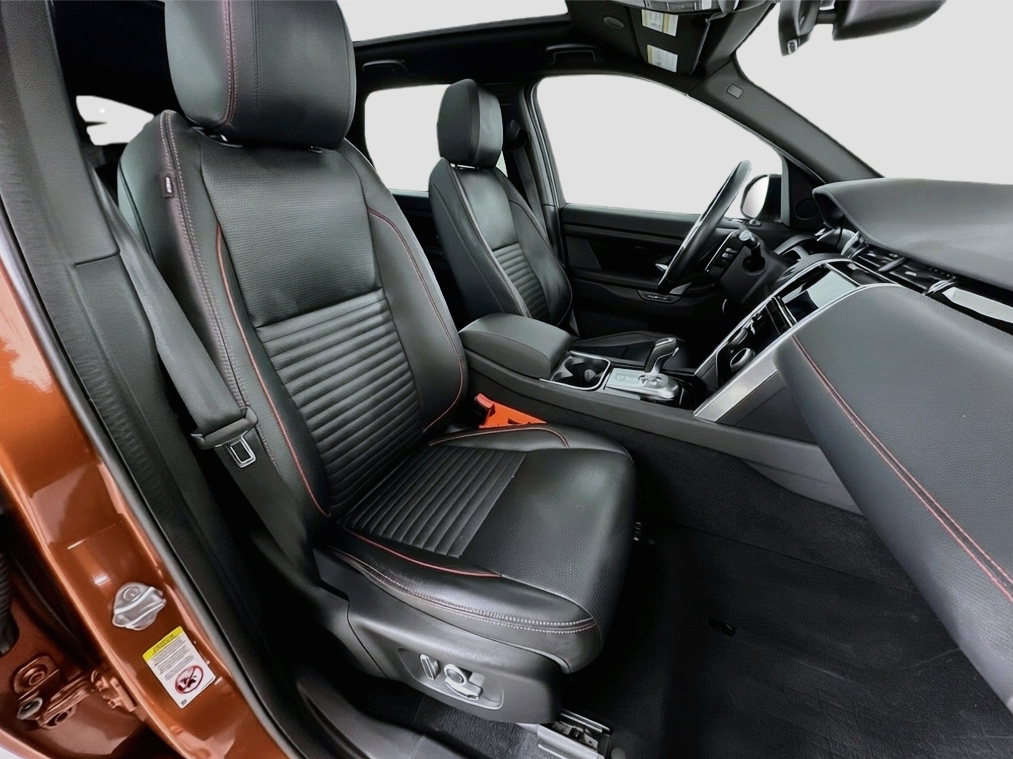
How SHOOTit AI Uses Computer Vision During Vehicle Photography
SHOOTit AI puts intelligence at the point of capture. Using the Apple iPhone, it guides the photographer through an optimized 40+ photo process and helps standardize positioning, framing, zoom, lighting and photo sequencing.
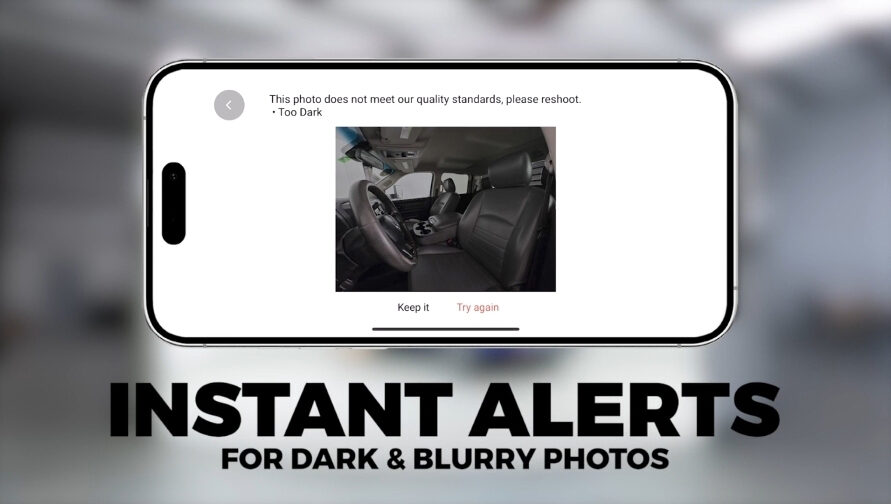
If SHOOTit AI identifies a blurry or improperly exposed image, the photographer has the opportunity to correct it immediately. Instead of depending entirely on the experience of the person holding the camera, intelligence is built into the photography process itself.
That matters in a dealership because the person photographing inventory can change.
The experienced photographer may be off. A detailer may need to photograph cars. A new employee may have five minutes of training. The dealership’s photography standard shouldn’t disappear because a different person picked up the camera.
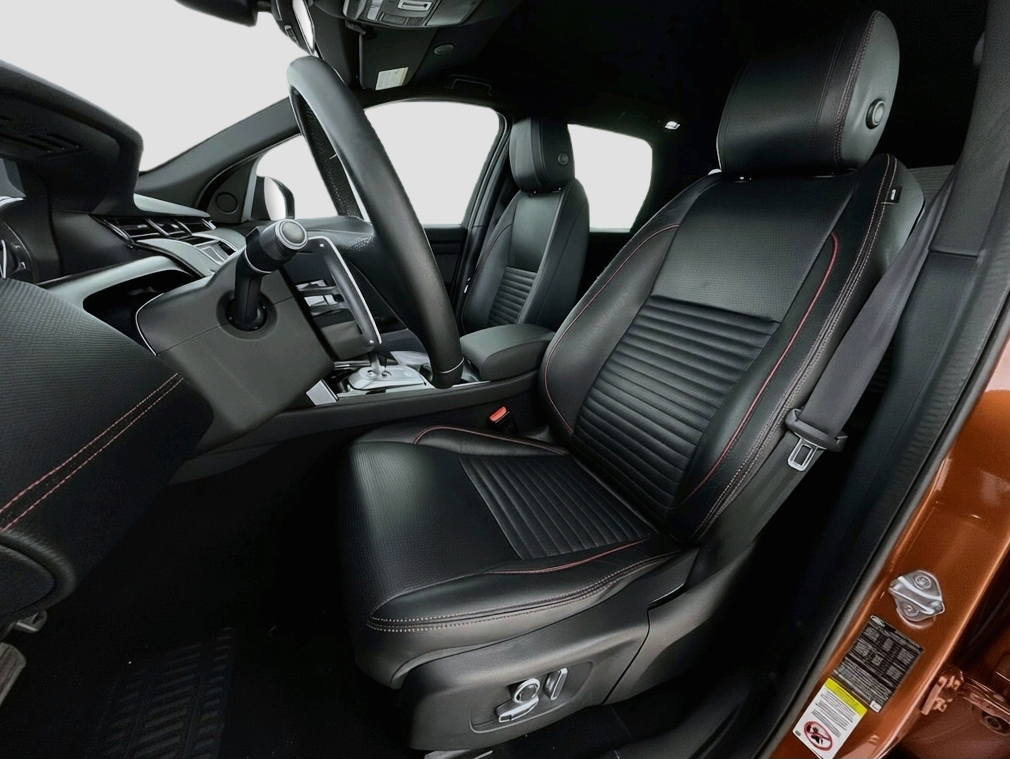
360Booth Controls the Environment. SHOOTit AI Controls the Capture Process.
This is where a 360Booth vehicle photo studio and SHOOTit AI work together.
360Booth provides controlled lighting and a repeatable physical photography environment. SHOOTit AI provides the intelligence that helps the person behind the iPhone consistently capture the vehicle correctly.
One controls variables around the vehicle. The other helps control variables behind the camera.
The result is a repeatable automotive merchandising process that doesn’t depend on weather, changing sunlight or one highly experienced photographer being available.
Our team has more than 50 years of combined automotive photography experience. We’ve learned that better dealership photography isn’t simply about buying a better camera. It’s about removing opportunities for mistakes throughout the entire process.
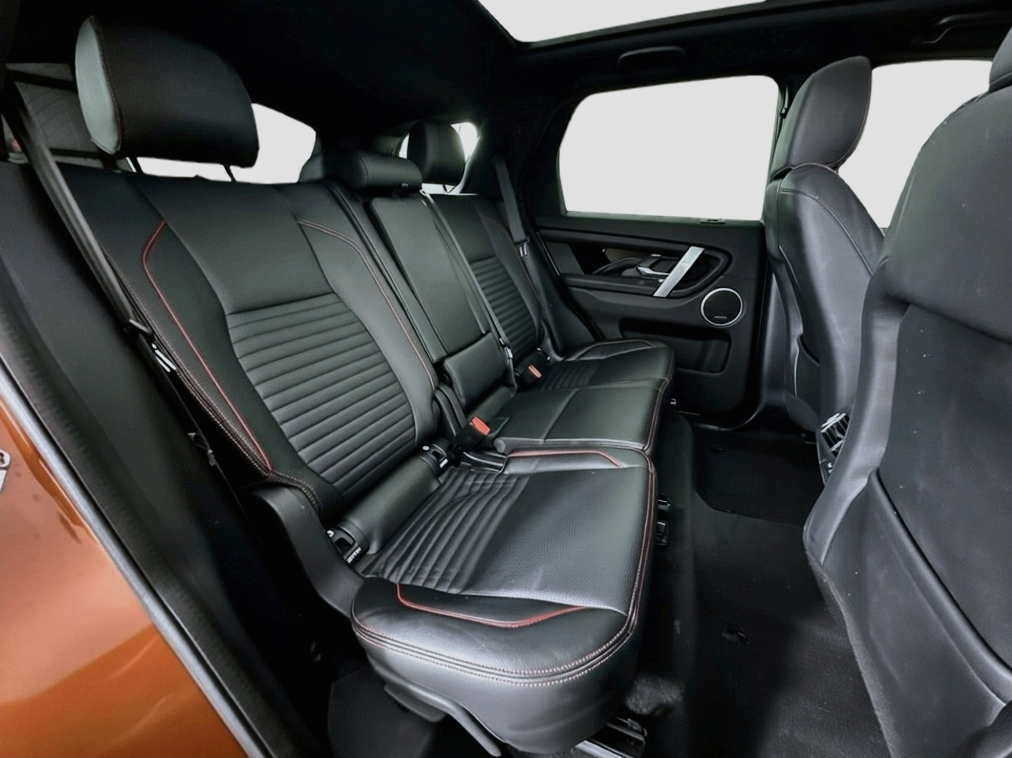
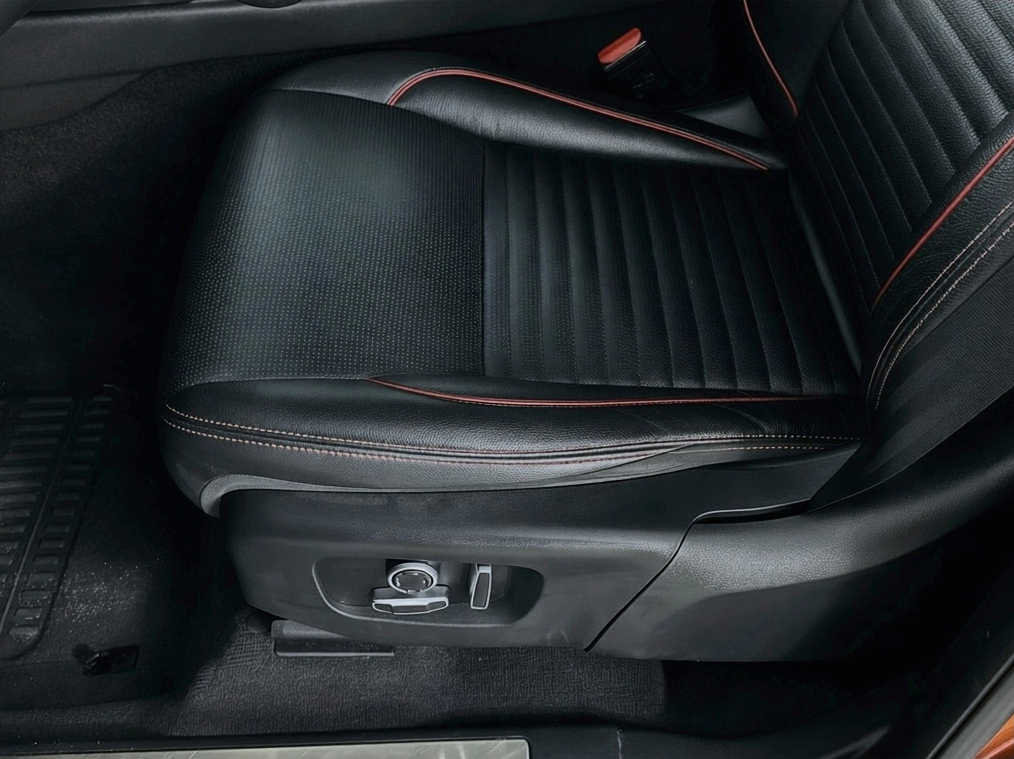
The Dealership Camera Has Changed
A dealership camera shouldn’t simply document inventory anymore. It should help manage the process.
Was the vehicle photographed correctly? Were the required images captured? Were quality problems identified? Were mistakes corrected before the employee walked away?
That’s practical artificial intelligence.
The objective isn’t to manufacture a different version of the vehicle afterward. It’s to use AI and computer vision to help capture the actual vehicle correctly the first time.
That distinction is becoming increasingly important as automotive retail adopts more AI-generated and synthetic imagery.
SHOOTit AI uses intelligence to improve authentic vehicle photography at capture. Pair it with the controlled environment of a 360Booth and dealerships can create professional, consistent photography of the actual vehicle while reducing the human errors that traditionally create retakes and delays.
Better technology shouldn’t create more work after the photograph. It should prevent that work from becoming necessary in the first place. That’s the difference between correcting quality and controlling quality.
SHOOTit AI. Your photos won’t suck.
FAQ
What should computer vision do in dealership photography?
Identify problems such as missed angles, blurry or dark images and off-center vehicles while the car is still in front of the camera, not after the photos reach the website.
How does SHOOTit AI use computer vision?
On the iPhone, it guides the photographer through an optimized 40+ photo process, helps standardize positioning, framing, zoom, lighting and sequence, and flags blurry or poorly exposed images so they can be fixed immediately.
How do 360Booth and SHOOTit AI divide the work?
360Booth controls the variables around the vehicle, such as lighting and environment. SHOOTit AI helps control the variables behind the camera.
Does SHOOTit AI alter the vehicle?
No. The goal is to capture the actual vehicle correctly the first time, not to manufacture a different version of it afterward.
Related Reading:
- AI Automotive Photography That Prevents Mistakes Before They Reach the VDP
- Why Should Dealership Vehicle Photography Quality Control Happen at the Vehicle?
- AI Automotive Photography Should Make Taking 40+ Vehicle Photos Easier
- What Makes Dealership Vehicle Photography Fast, Simple and Repeatable?
- What if anyone in your dealership could pick up an Apple iPhone, get five minutes of instruction and photograph a vehicle with the consistency of an experienced automotive photographer?
- One Connected Vehicle Photography System