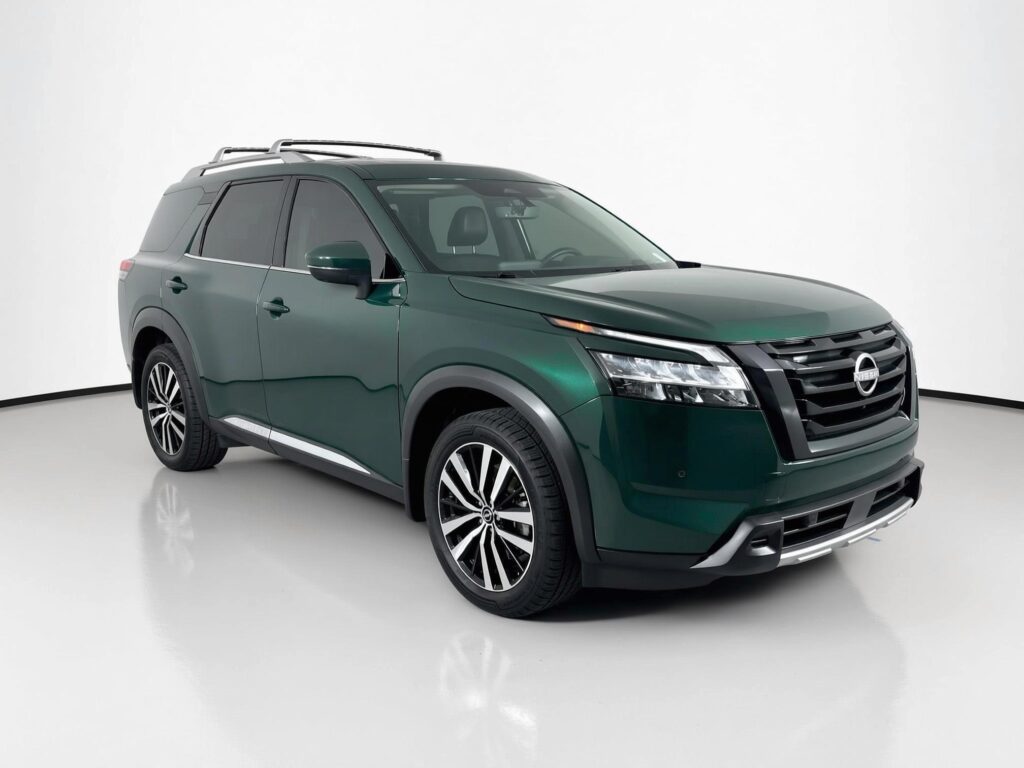
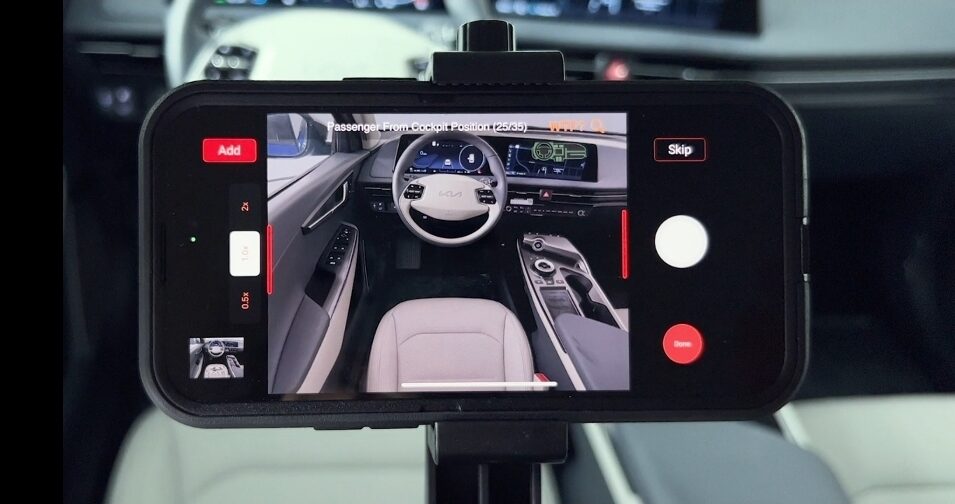
The breakthrough in dealership photography isn’t taking a prettier picture. It’s knowing the picture is right before the photographer walks away.
That technology isn’t coming someday. It’s available today with SHOOTit AI.
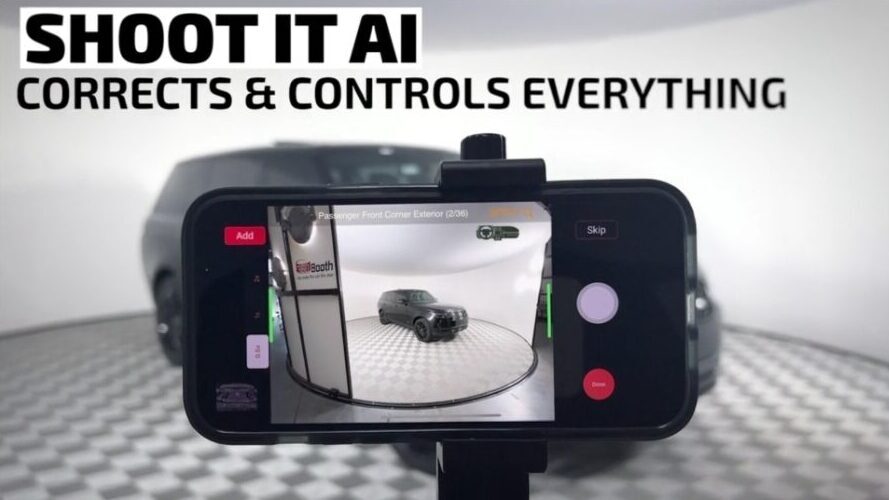
Traditional dealership photography depends heavily on the person holding the camera. One employee understands lighting and framing. Another forgets important angles. Someone else takes a blurry dashboard photo or shoots a vehicle too dark.
The mistake often isn’t discovered until the images reach the Vehicle Detail Page (VDP). Now the dealership has to find the vehicle, move it back to the photography area and shoot it again. That’s wasted time.
How Does SHOOTit AI Improve Dealership Vehicle Photography?
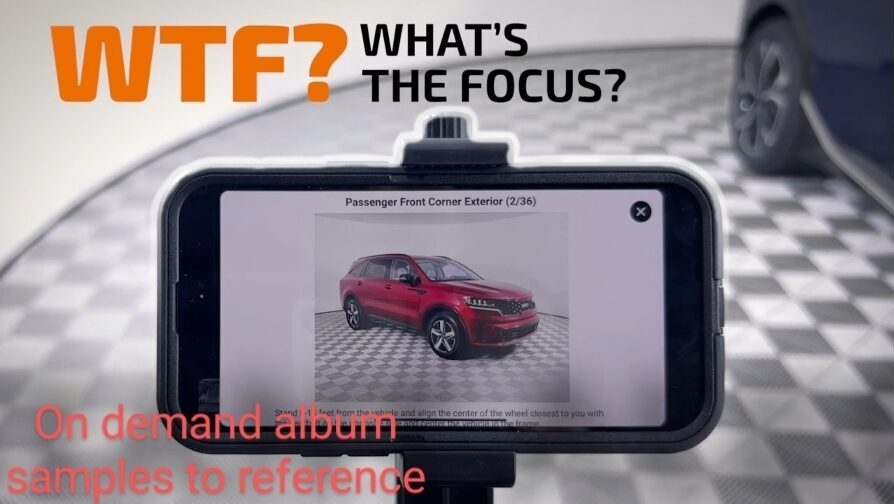
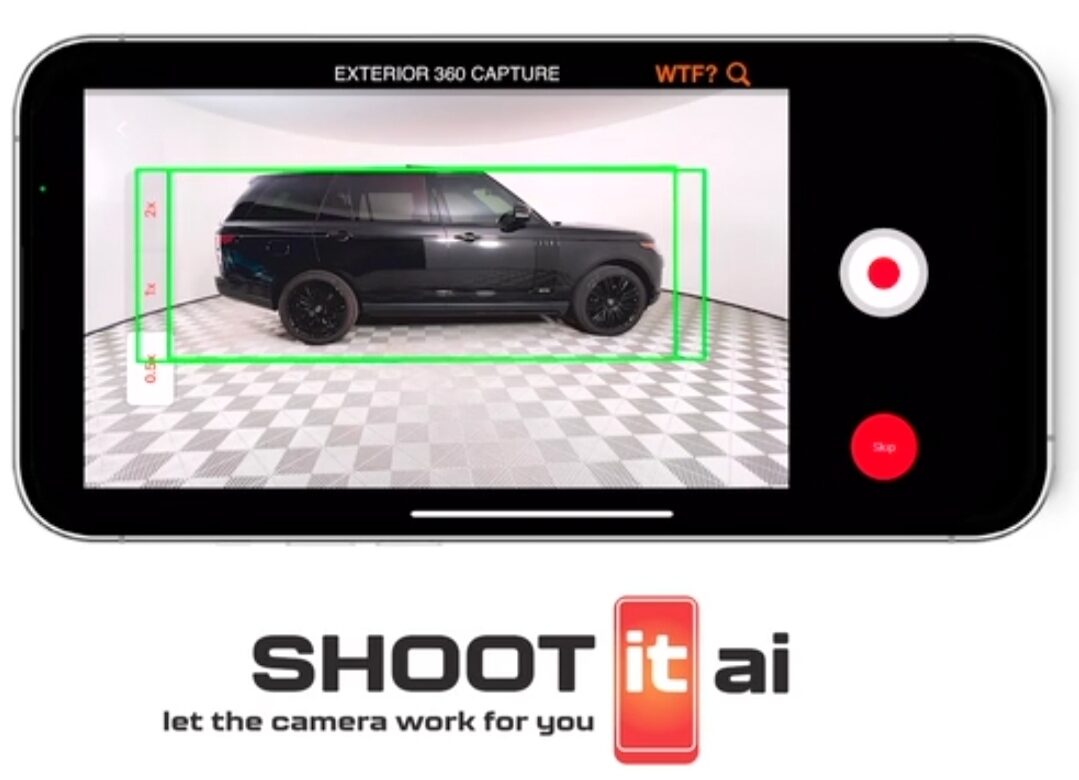
SHOOTit AI turns the Apple iPhone into an intelligent automotive photography tool. The system guides the photographer through an optimized sequence around the vehicle, helping a dealership capture 40+ consistent vehicle photos efficiently.
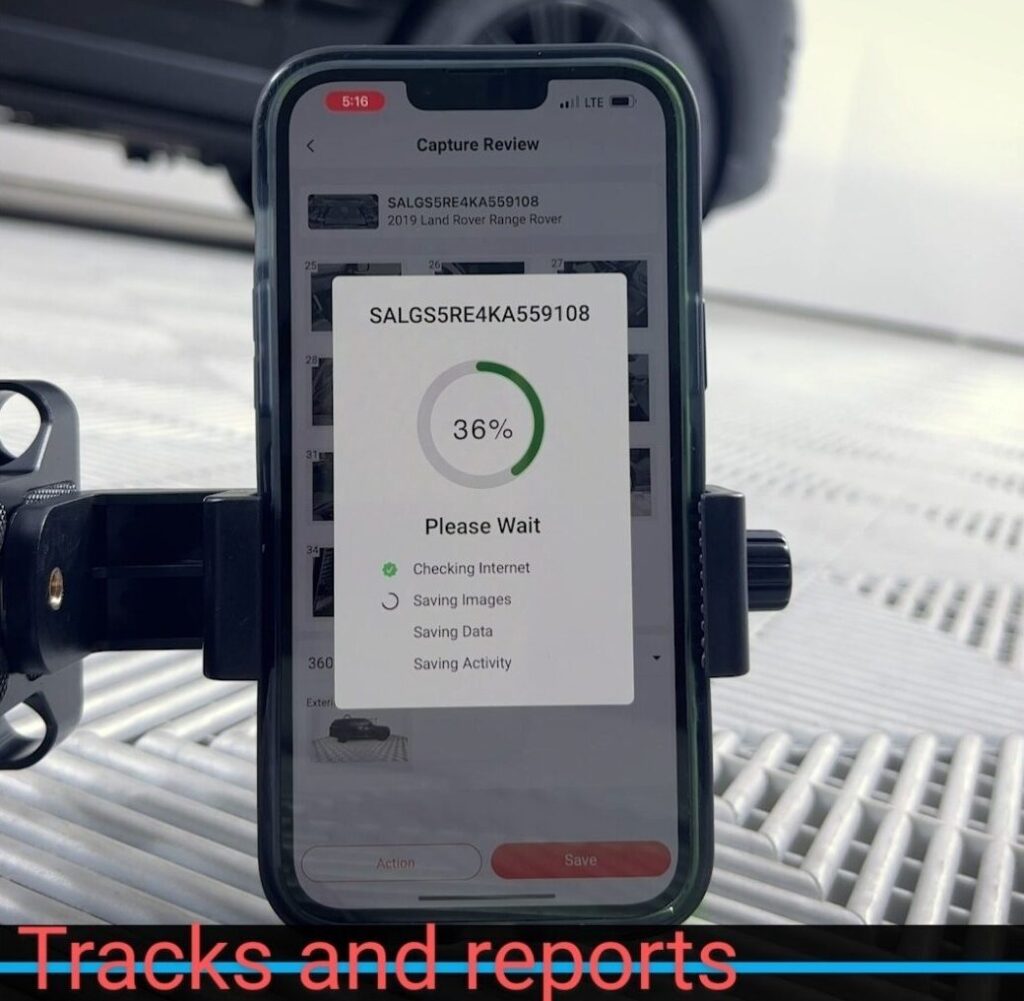
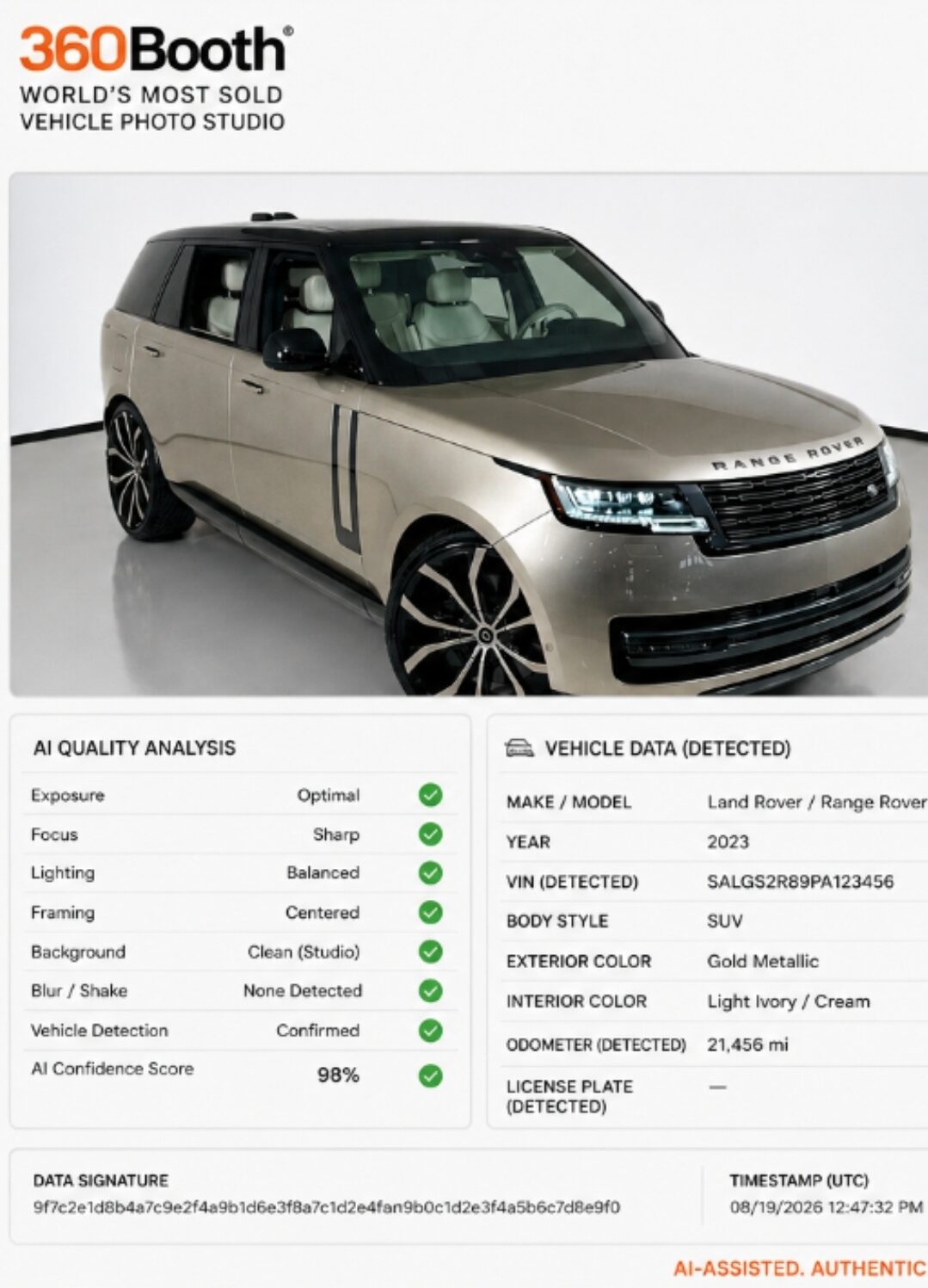
SHOOTit AI helps standardize vehicle positioning, framing, zoom, lighting and photo sequencing. It can identify problems such as blurry or poorly exposed images while the photographer is still with the vehicle, giving the employee an opportunity to correct the photograph immediately.
The objective isn’t to turn every dealership employee into a professional photographer. It’s to put decades of automotive photography knowledge into the process they’re following. That means a porter, detailer or new employee can follow the same standardized workflow instead of inventing their own photography process.
Why Combine SHOOTit AI With a 360Booth Vehicle Photo Studio?
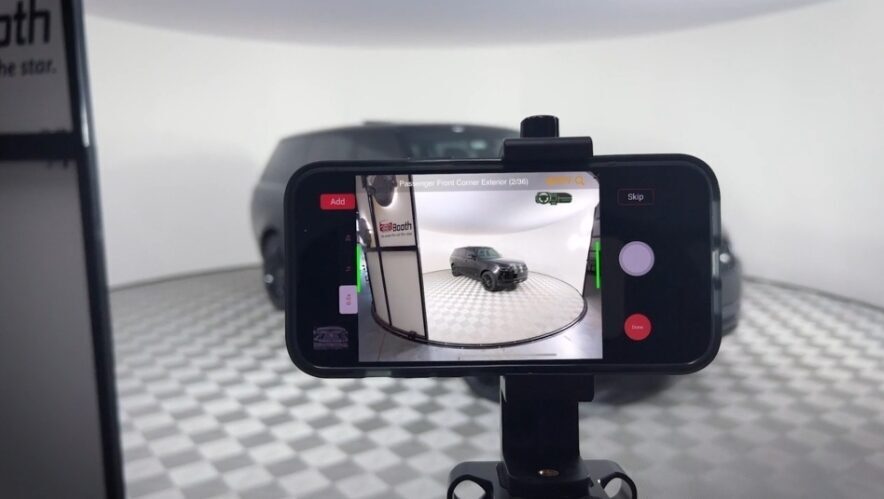
This is where the combination becomes powerful. 360Booth controls the physical environment. SHOOTit AI controls and monitors the capture process.
A 360Booth provides consistent studio lighting and a repeatable environment regardless of weather, changing sunlight or outdoor distractions.
SHOOTit AI adds the intelligence needed to guide the person holding the camera and maintain the dealership’s photography standard.
Together, they address two major sources of inconsistent automotive photography: The environment and human error.
Can AI Reduce Vehicle Photography Retakes?
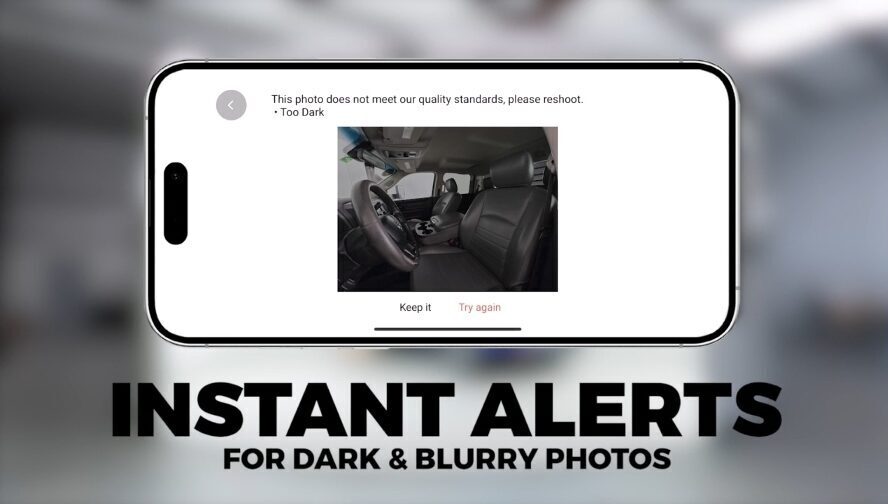
Yes—that’s one of the most important benefits of intelligent capture.
The best time to discover a bad photograph isn’t after the vehicle has been uploaded. It’s instantly after the photograph was taken.
If the system identifies a blurry or improperly exposed image while the photographer is standing next to the vehicle, correcting it takes seconds. Discovering the same problem hours later creates another workflow. That’s the difference between quality correction and quality prevention.
Automotive Experience Matters
SHOOTit AI wasn’t created simply by teaching software how a camera works. Behind 360Booth and SHOOTit AI is a team with more than 50 years of combined automotive photography experience.
That experience matters because dealership photography isn’t simply about exposure and focus. It’s understanding which images customers need, the sequence in which vehicles should be photographed, how dealerships actually operate and how to move inventory from retail ready to professionally merchandised as efficiently as possible.
Technology alone doesn’t understand a dealership. Experience teaches the technology what matters.
AI Automotive Photography Is Already Here
Dealers don’t need to wait for the future of AI vehicle photography. SHOOTit AI already uses intelligence to help dealerships standardize capture, reduce mistakes and create consistent vehicle imagery. Combine it with the controlled environment of a 360Booth and dealerships gain something much more valuable than another camera: A repeatable automotive merchandising process.
Better lighting. Better consistency. Fewer mistakes. Faster corrections. Professional photography of the actual vehicle.
And most importantly, less dependence on whether the person holding the iPhone happens to be an experienced photographer. That’s what practical AI should accomplish.
It shouldn’t replace the photographer. It should make the photographer.
FAQ
How does SHOOTit AI improve dealership vehicle photography?
It turns the iPhone into a guided photography tool, leading the photographer through an optimized sequence for 40+ consistent photos and flagging blurry or poorly exposed images while they’re still with the car.
Can AI reduce vehicle photography retakes?
Yes. Fixing a bad photo right after it’s taken takes seconds; finding it hours later means moving the car back and starting another workflow.
Why combine SHOOTit AI with a 360Booth?
360Booth controls the physical environment and SHOOTit AI guides and monitors the capture, addressing the two main sources of inconsistent photos: the environment and human error.
Related Reading:
- Computer Vision in Dealership Photography Should Catch Mistakes Before They Reach the VDP
- Why Should Dealership Vehicle Photography Quality Control Happen at the Vehicle?
- AI Automotive Photography Should Make Taking 40+ Vehicle Photos Easier
- What if anyone in your dealership could pick up an Apple iPhone, get five minutes of instruction and photograph a vehicle with the consistency of an experienced automotive photographer?
- What Makes Dealership Vehicle Photography Fast, Simple and Repeatable?
- Dealership vehicle photography is slow because the process is usually sloppy.