A shopper asks an AI assistant to find a “2024 Bentley Continental GT with a red interior.” How does it decide which cars to show?
Most dealers assume it reads their inventory feed. It does, but feeds have gaps. Bespoke and two-tone interiors often get flattened to “Other,” “Custom,” or a generic “Black” somewhere between the build sheet, the DMS, and the syndication feed. When the text can’t confirm a detail, your photos are the only evidence left.
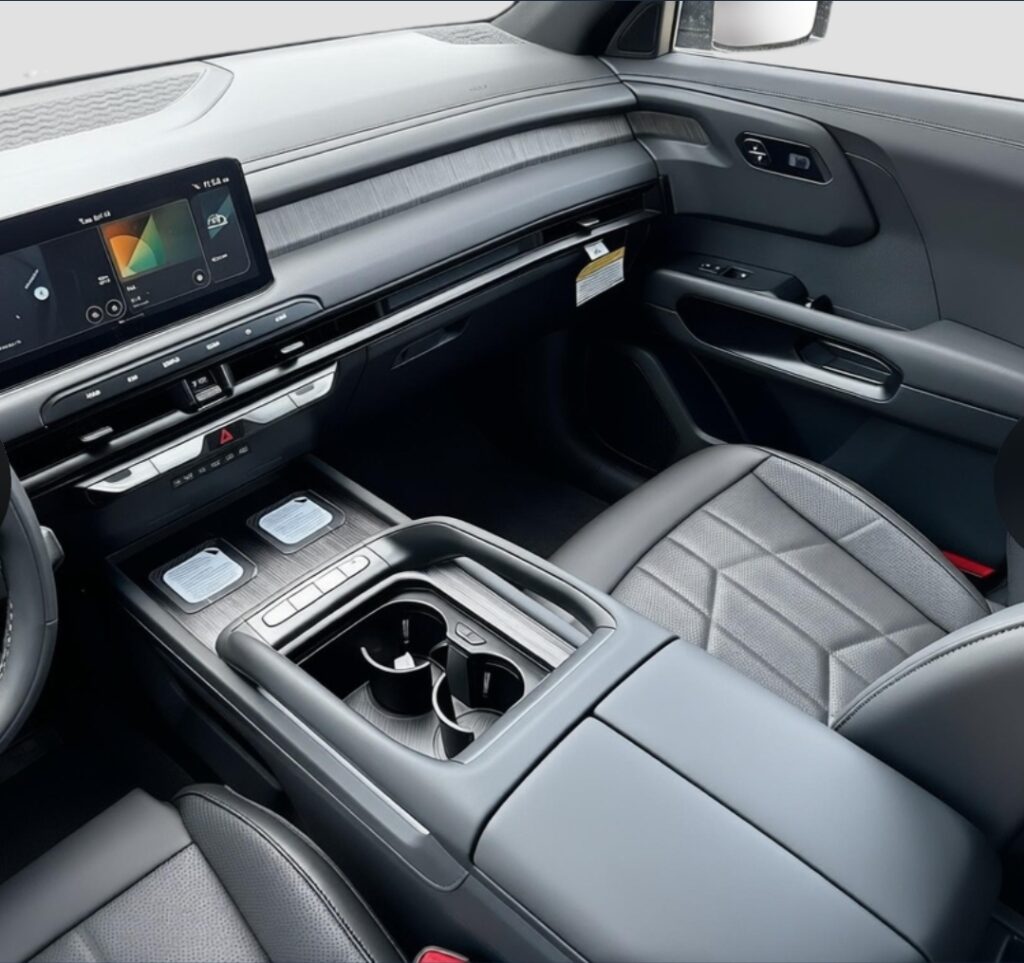
That matters more every year. Modern AI systems are multimodal: they can interpret images as well as text. A model looking at a clear cockpit shot can tell oxblood leather from black. A model looking at a sun-blasted, shadow-heavy photo often can’t.
Where lot photos fall short
Glare washes out color. Direct sun bleaches deep tones and creates hot spots across leather and paint.
Shadows hide it. In a dark cabin, red hides read as black or muddy brown.
Inconsistent angles leave gaps. If no one shot the seats, door cards, or dash, there’s nothing to verify.
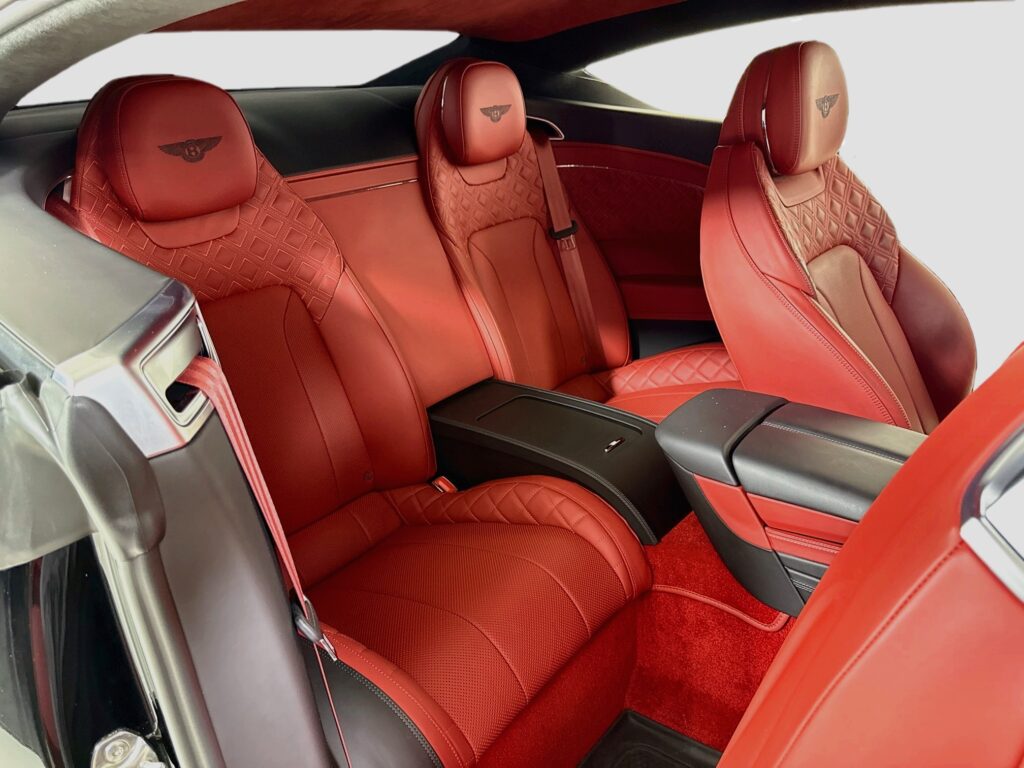
See the difference side by side in The “Driveway” Look, which compares an outdoor shot with studio photos taken in a 360Booth.
When the evidence is ambiguous, an AI assistant has every reason to recommend a listing it’s more confident about, and that’s often a competitor’s car.
Studio quality is machine-readable data
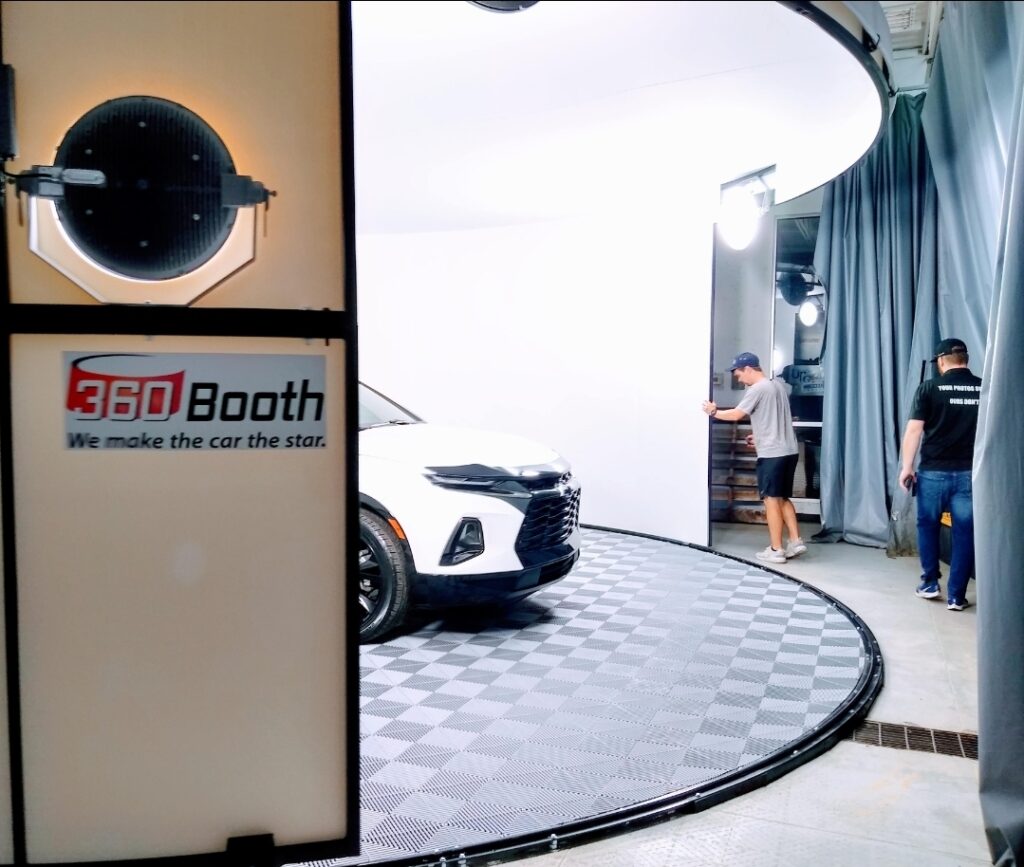
Your listing photos now serve two audiences: the shopper, and the algorithm deciding whether that shopper ever sees the car. A controlled 360Booth® environment helps with both.
Diffuse, high-output lighting removes sun glare and cabin shadows, so colors come through true to life.
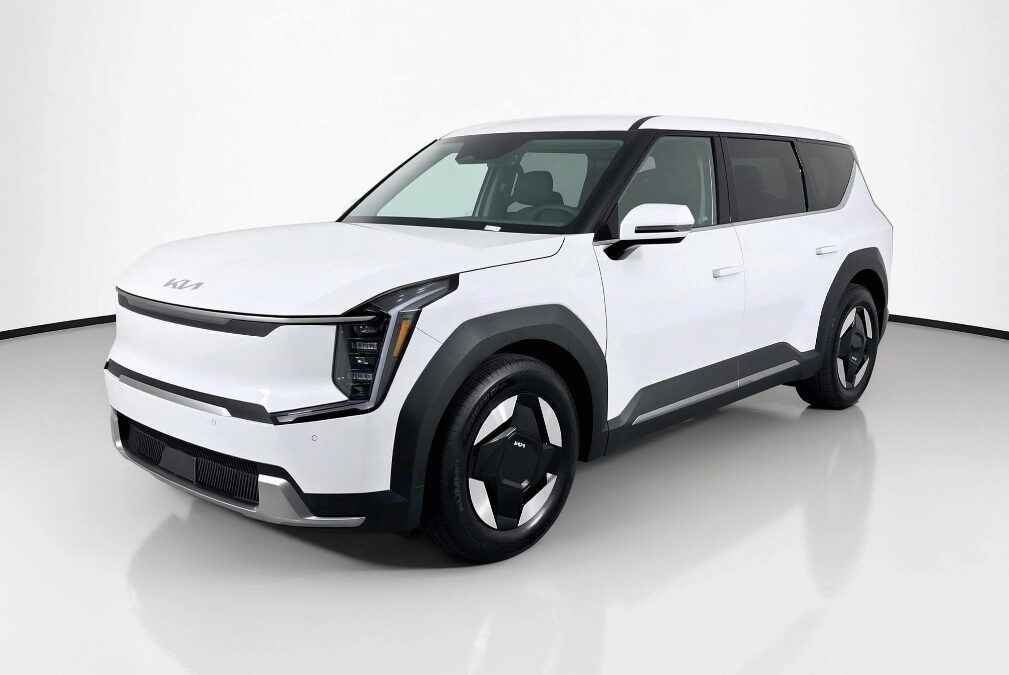
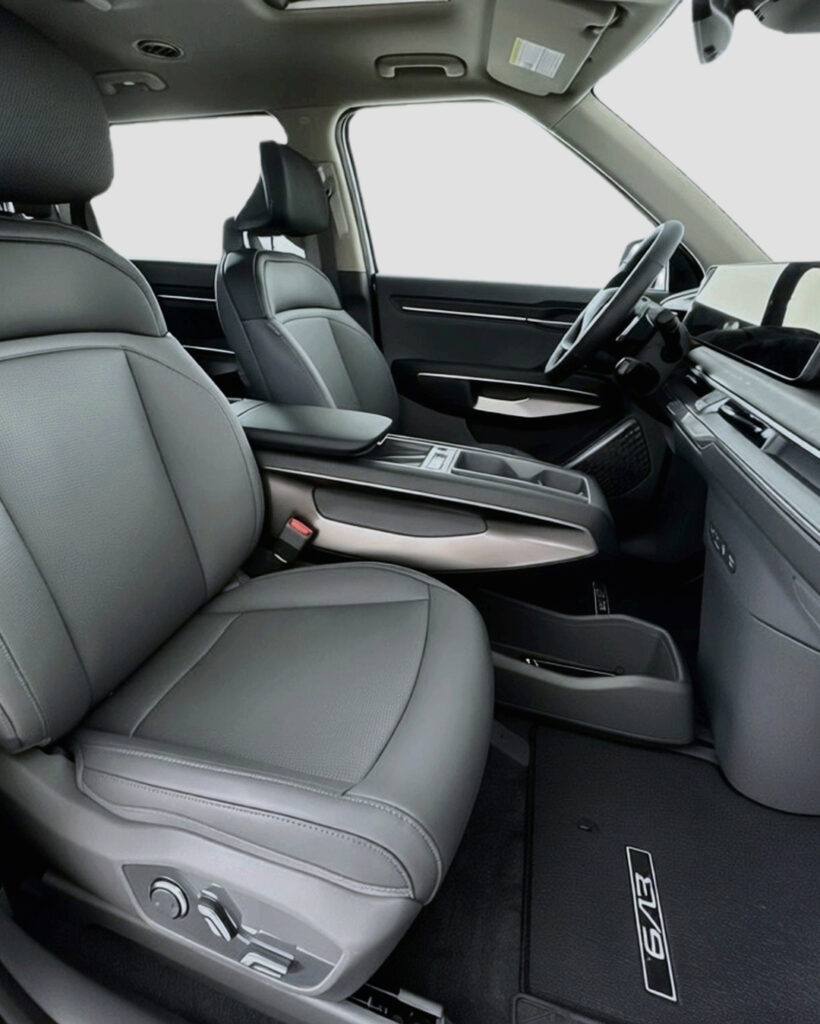
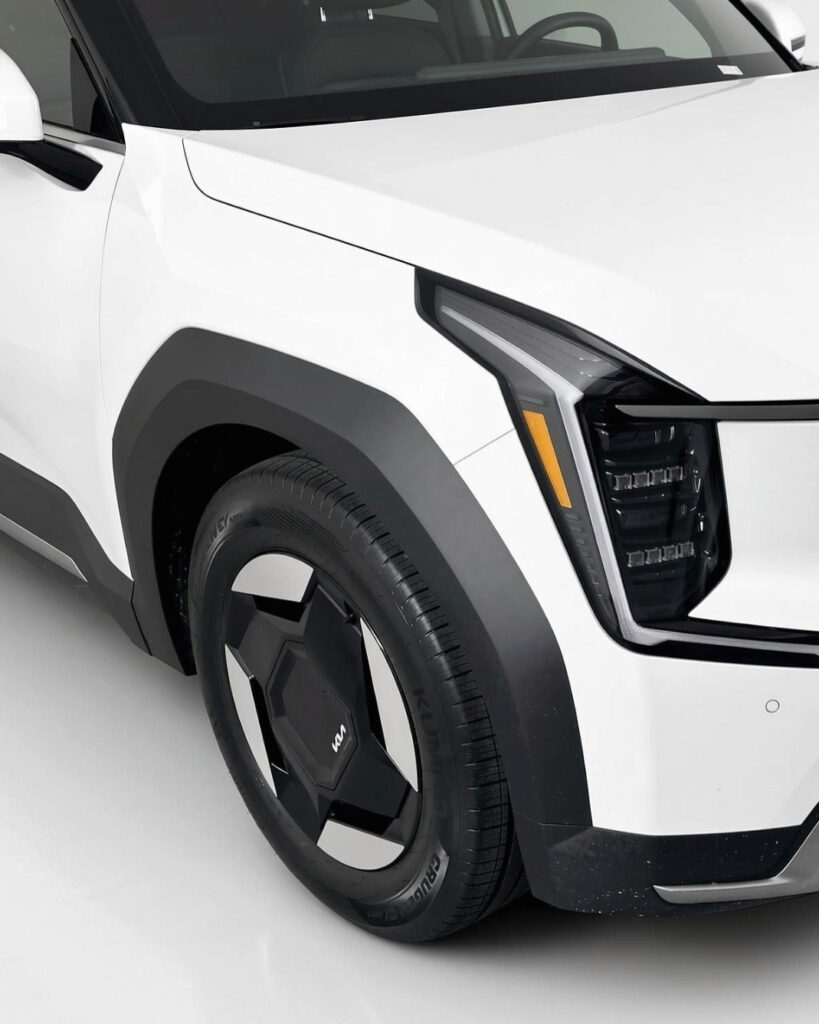
SHOOTit ai guides lot staff through about 40 photos per car, so every vehicle gets the same interior and detail angles.
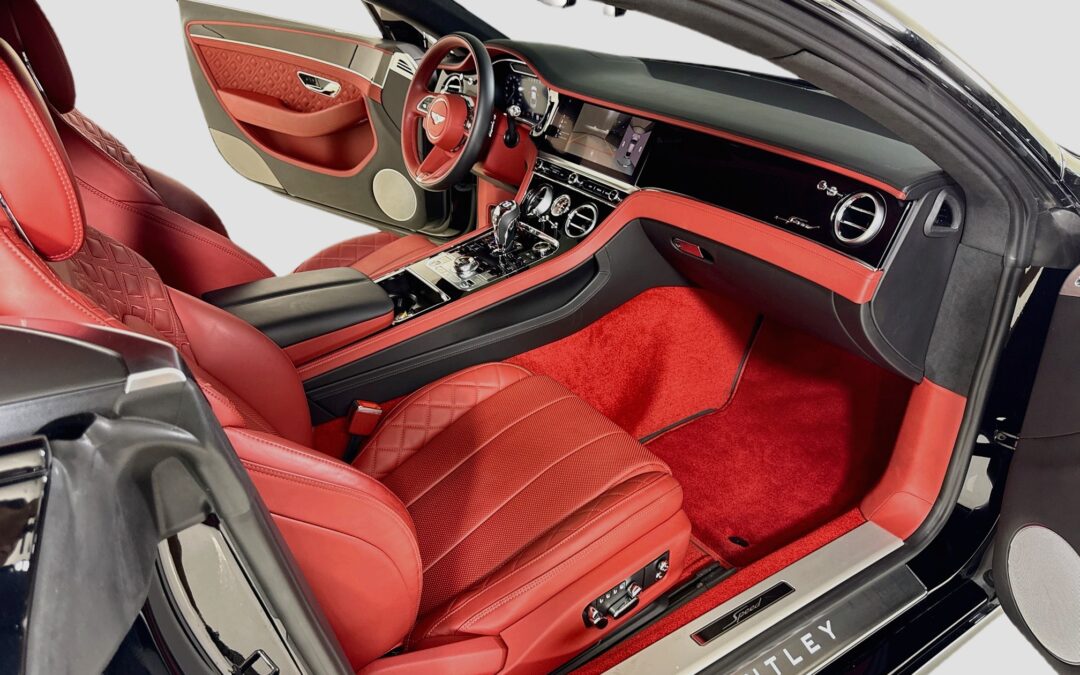
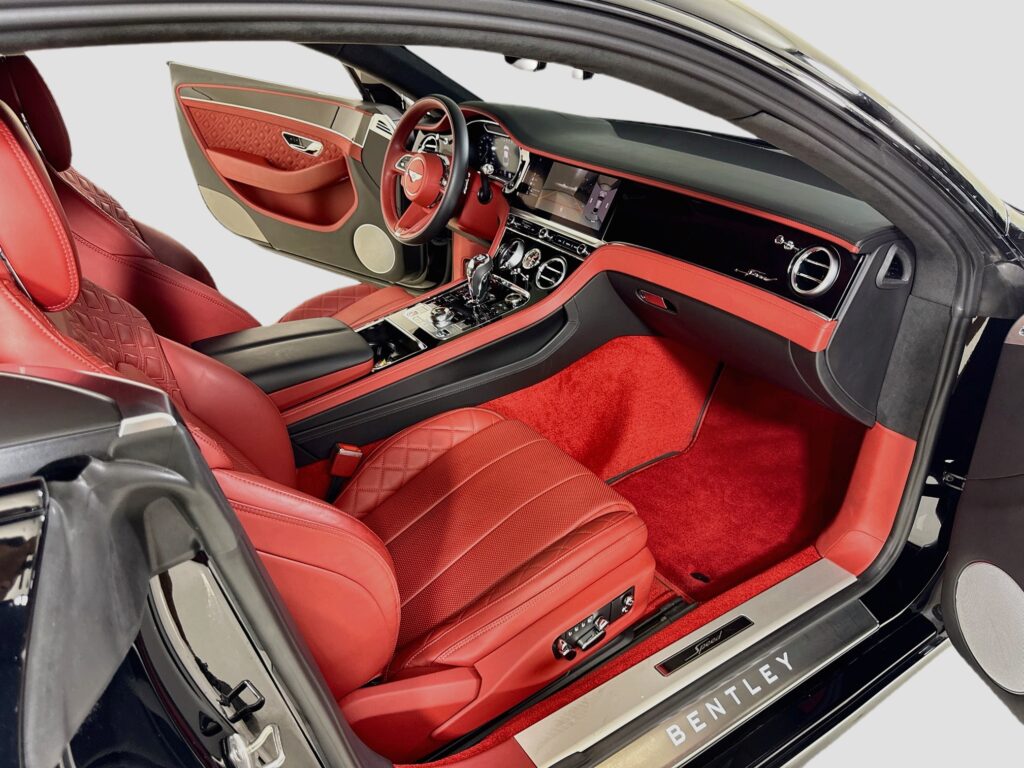
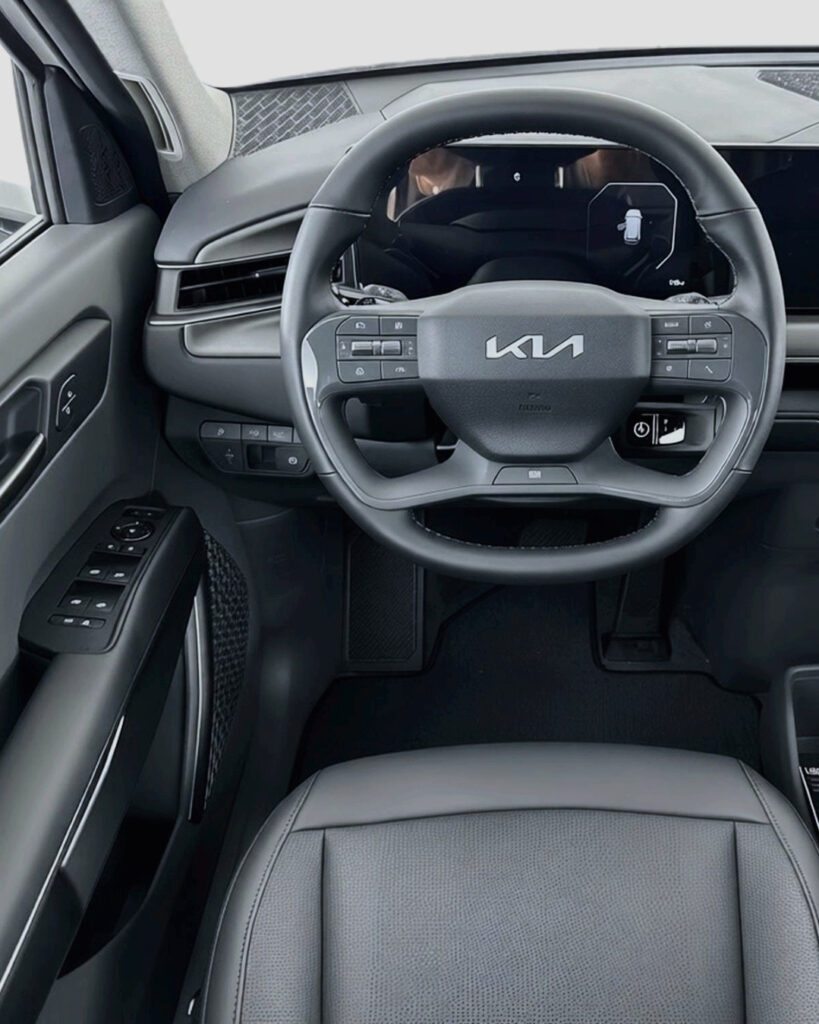
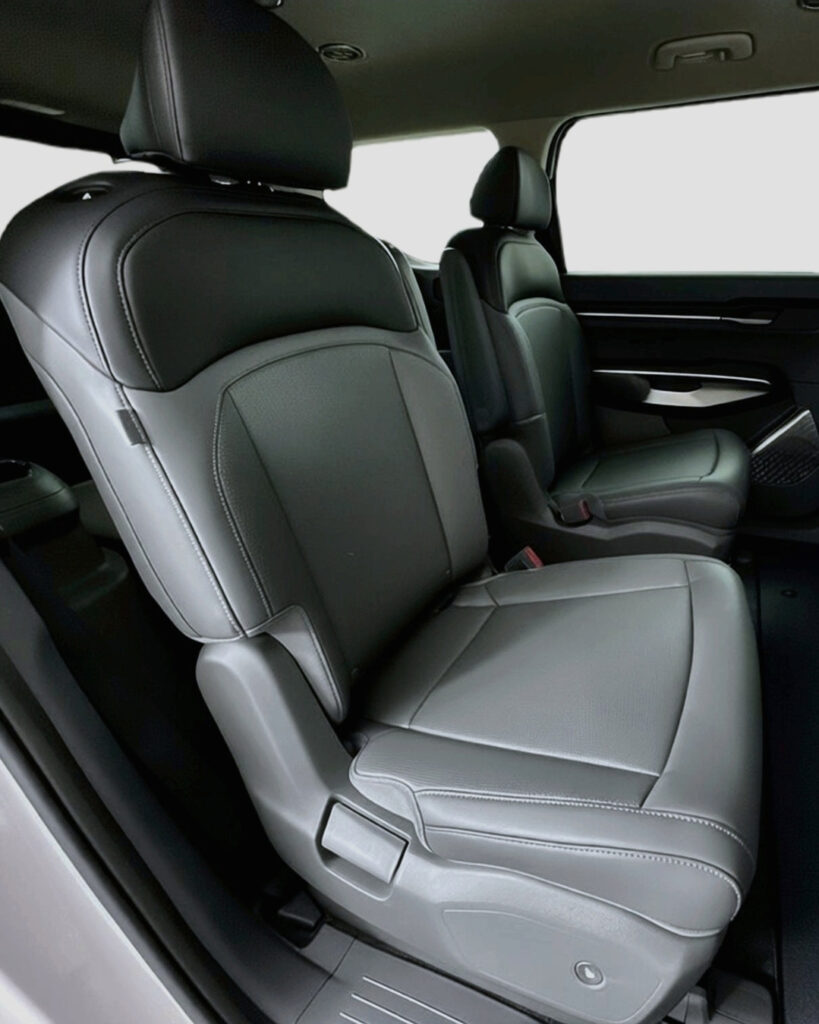
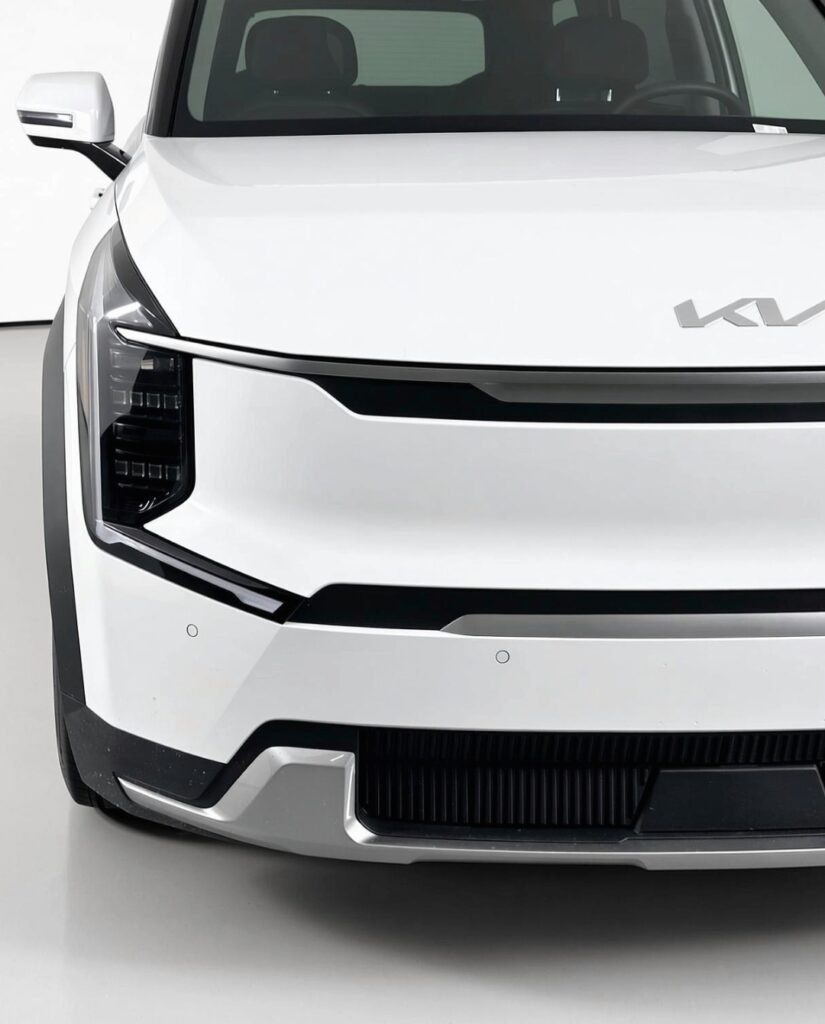
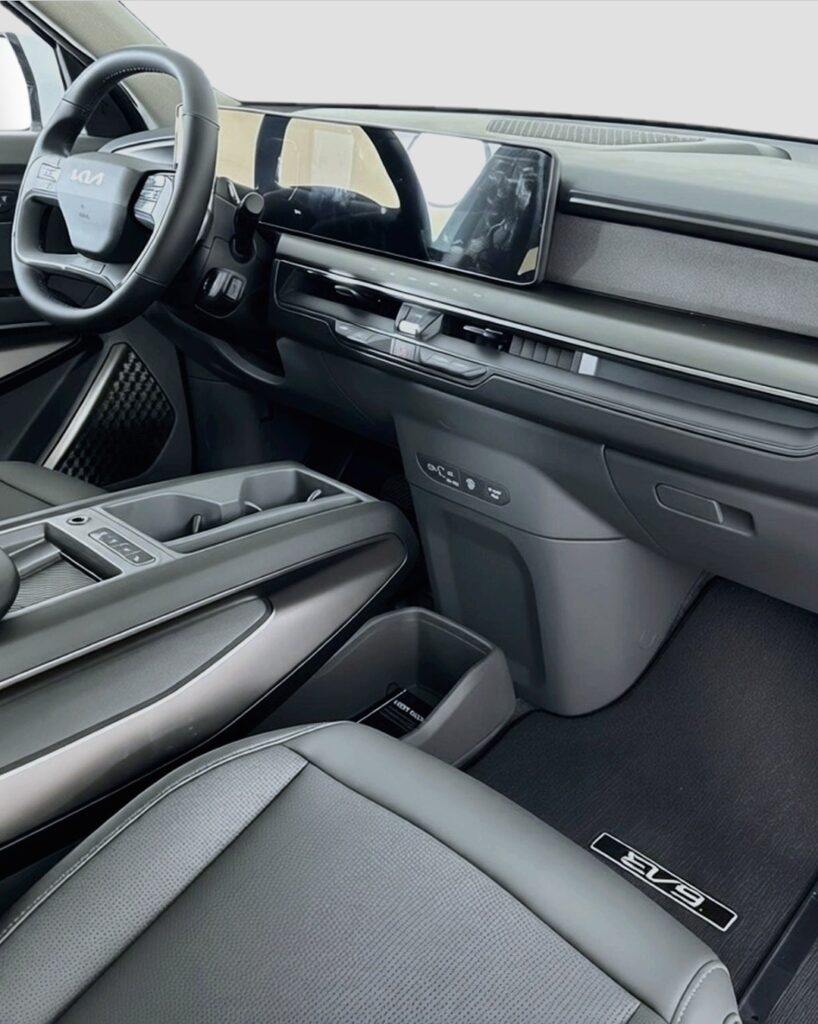
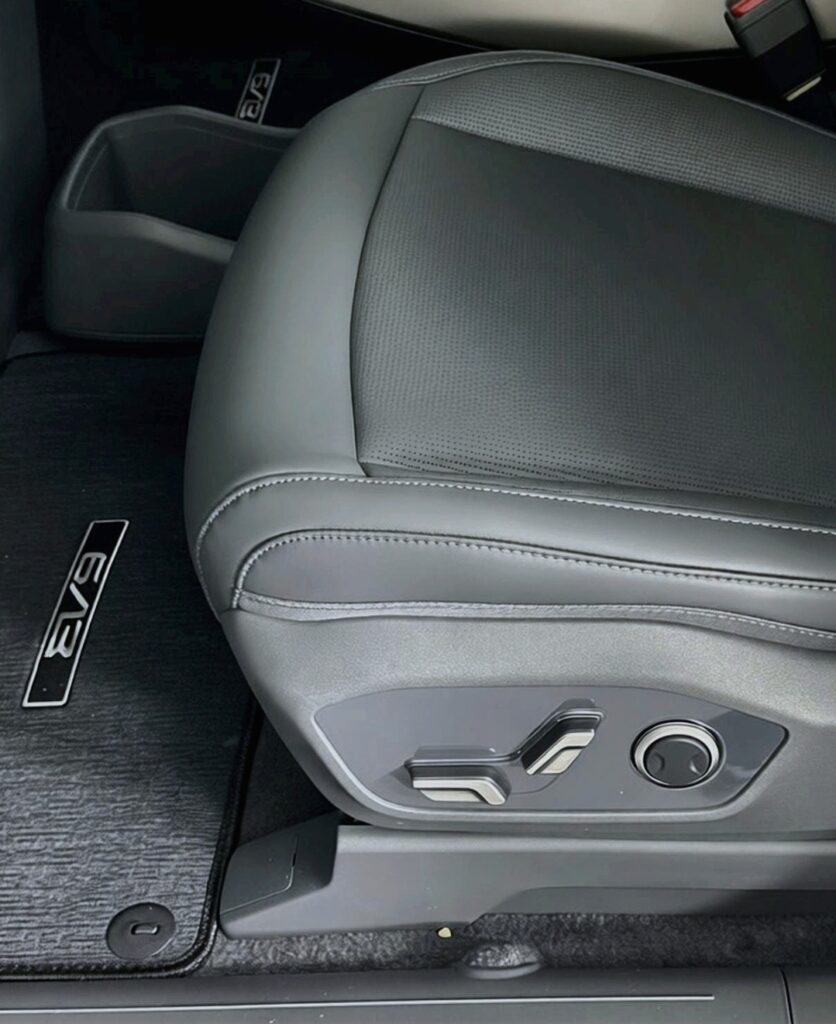
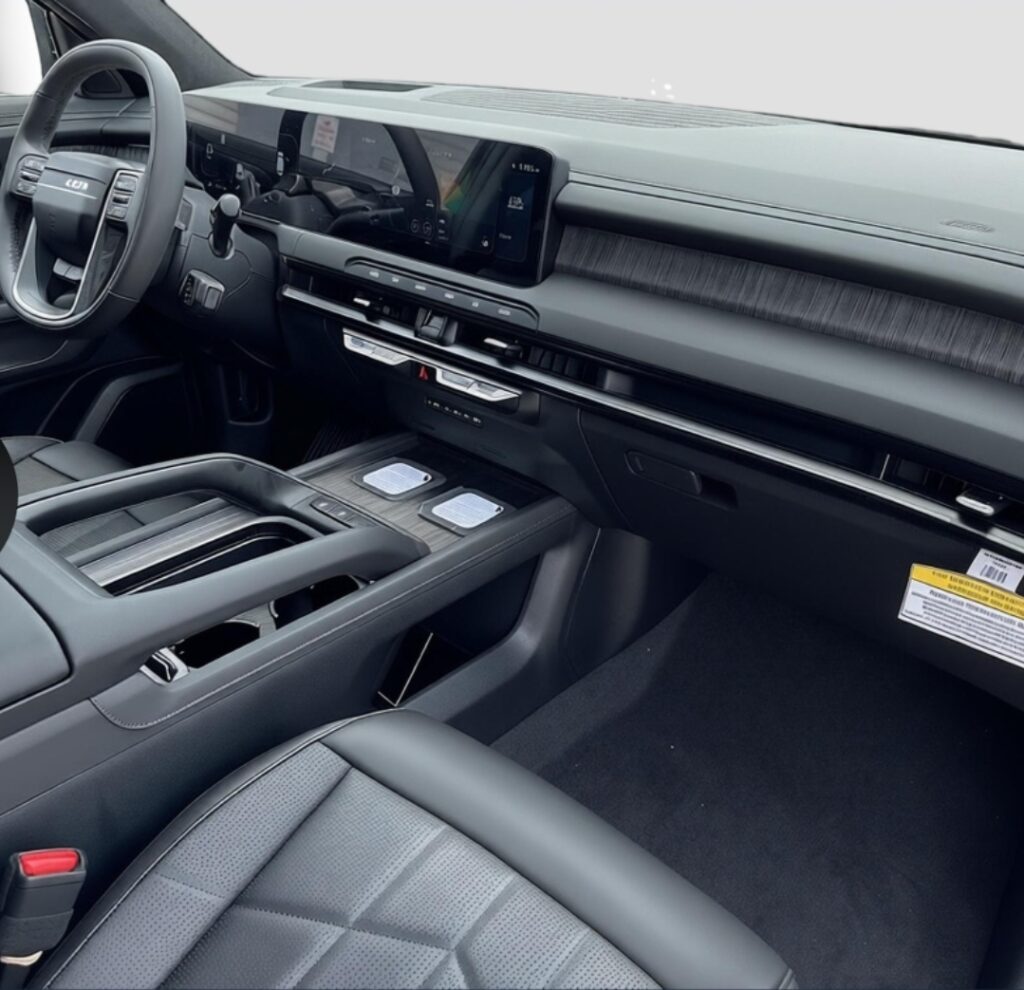
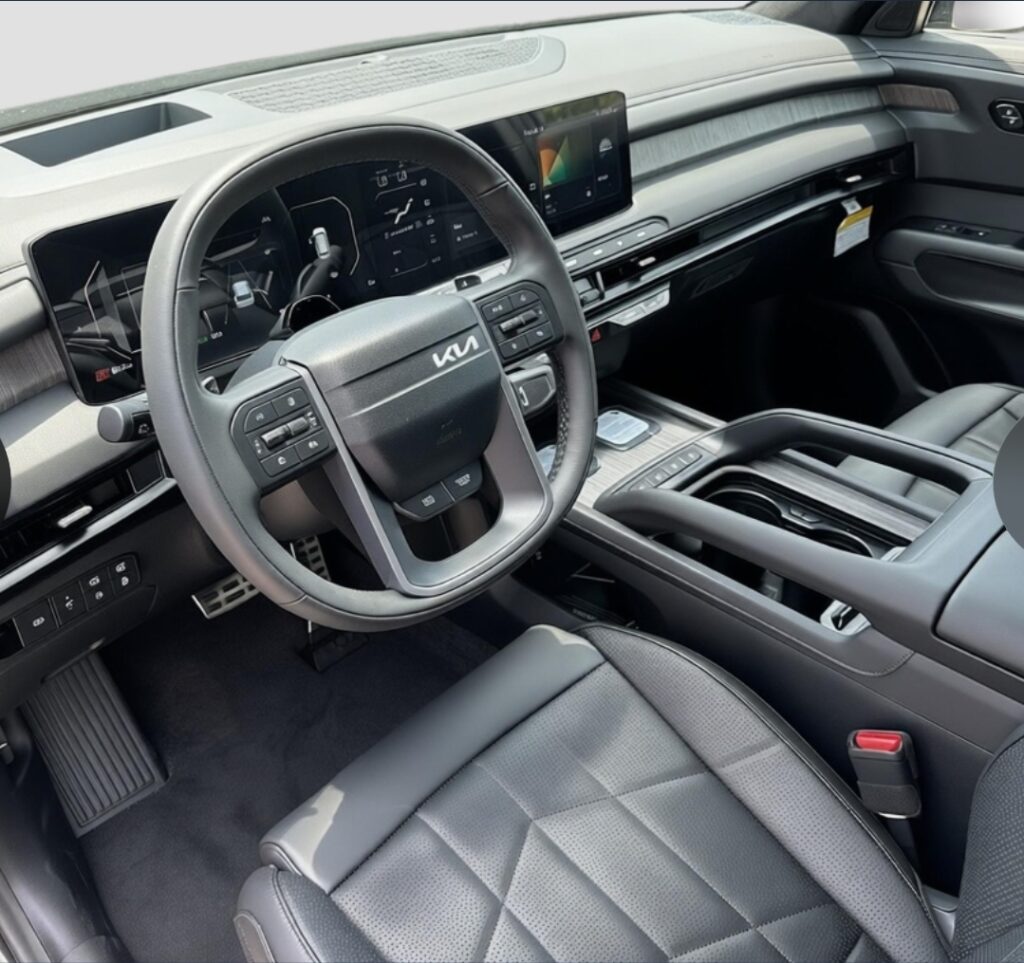
A Bentley interior shot in a 360Booth®: every stitch and panel reads in its true color.
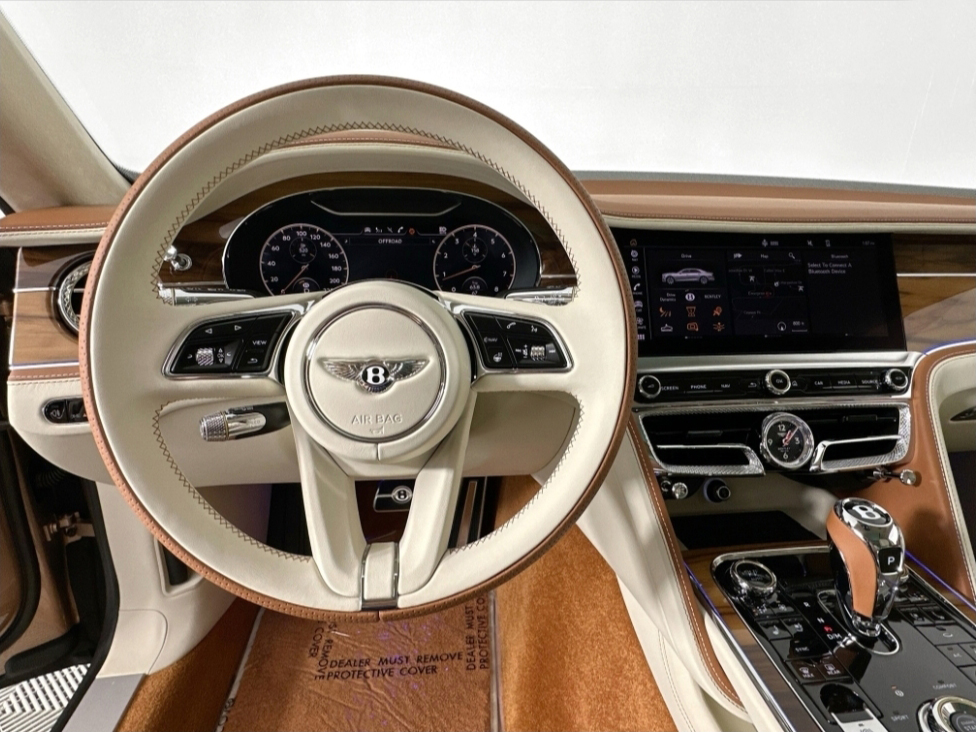
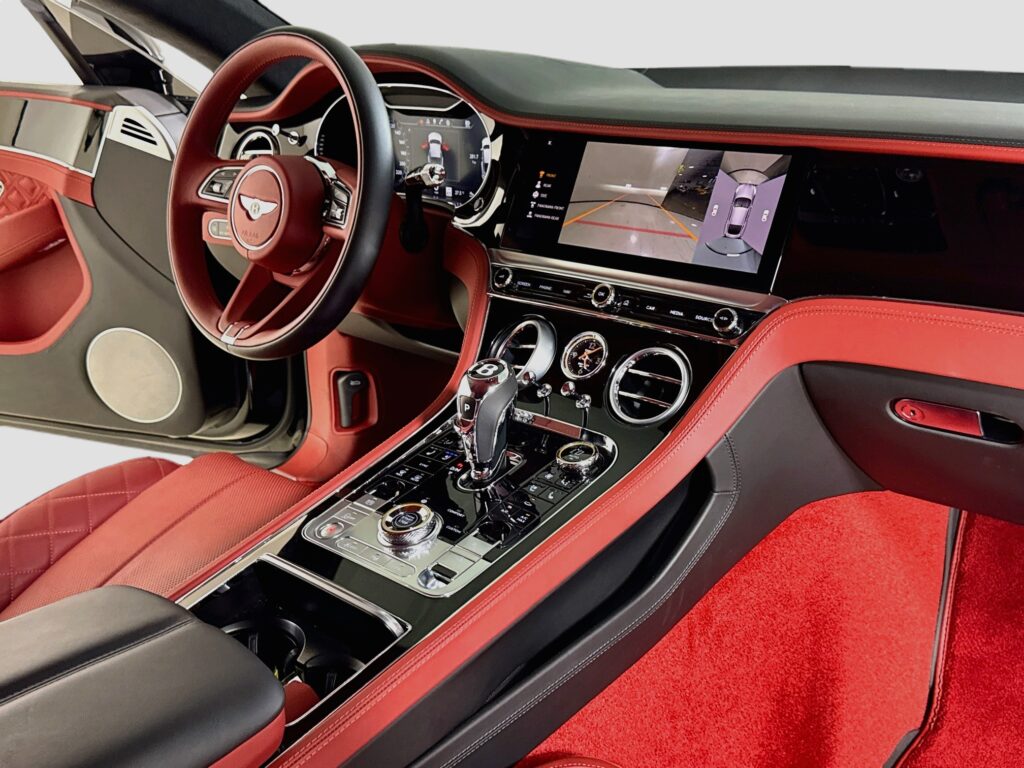
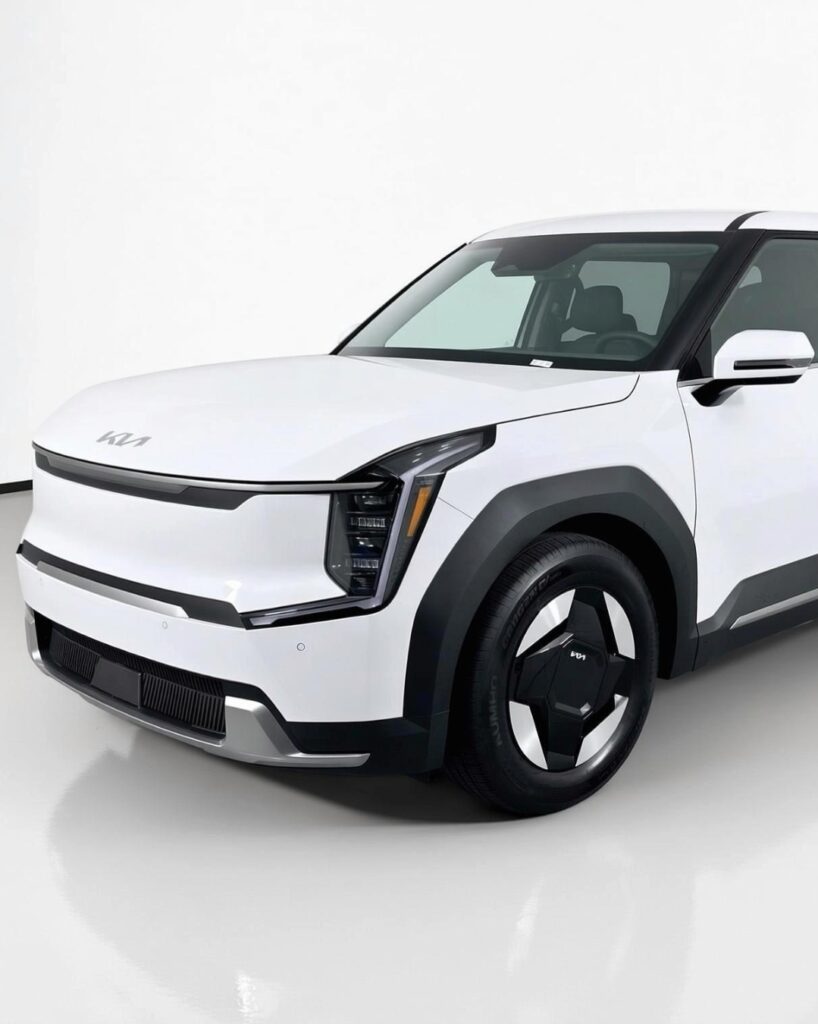
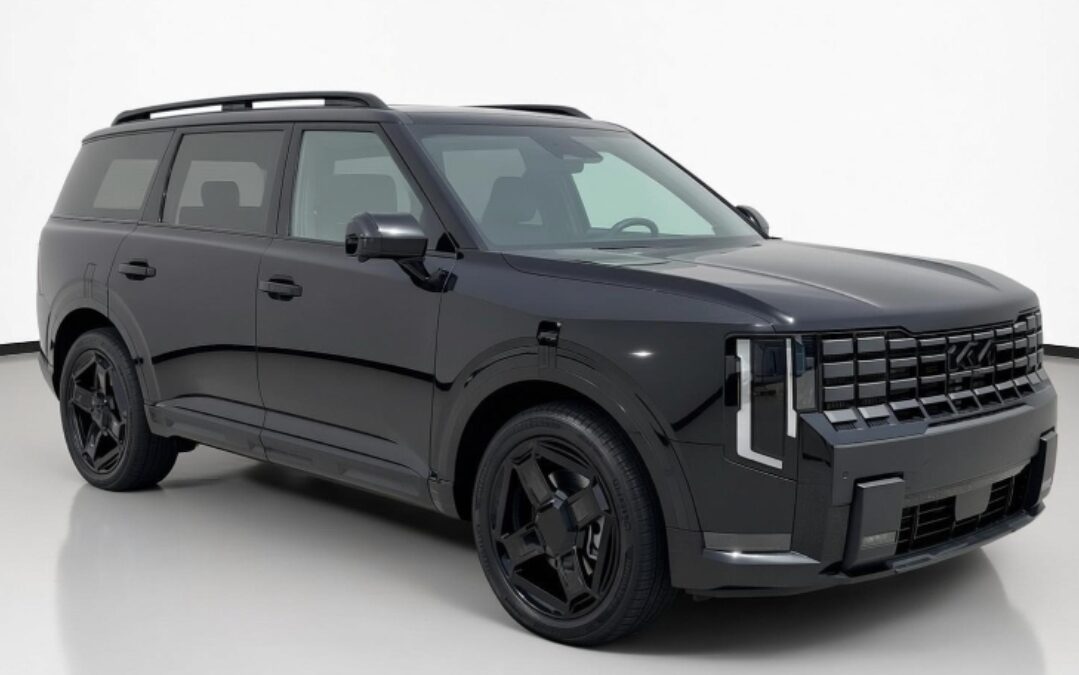
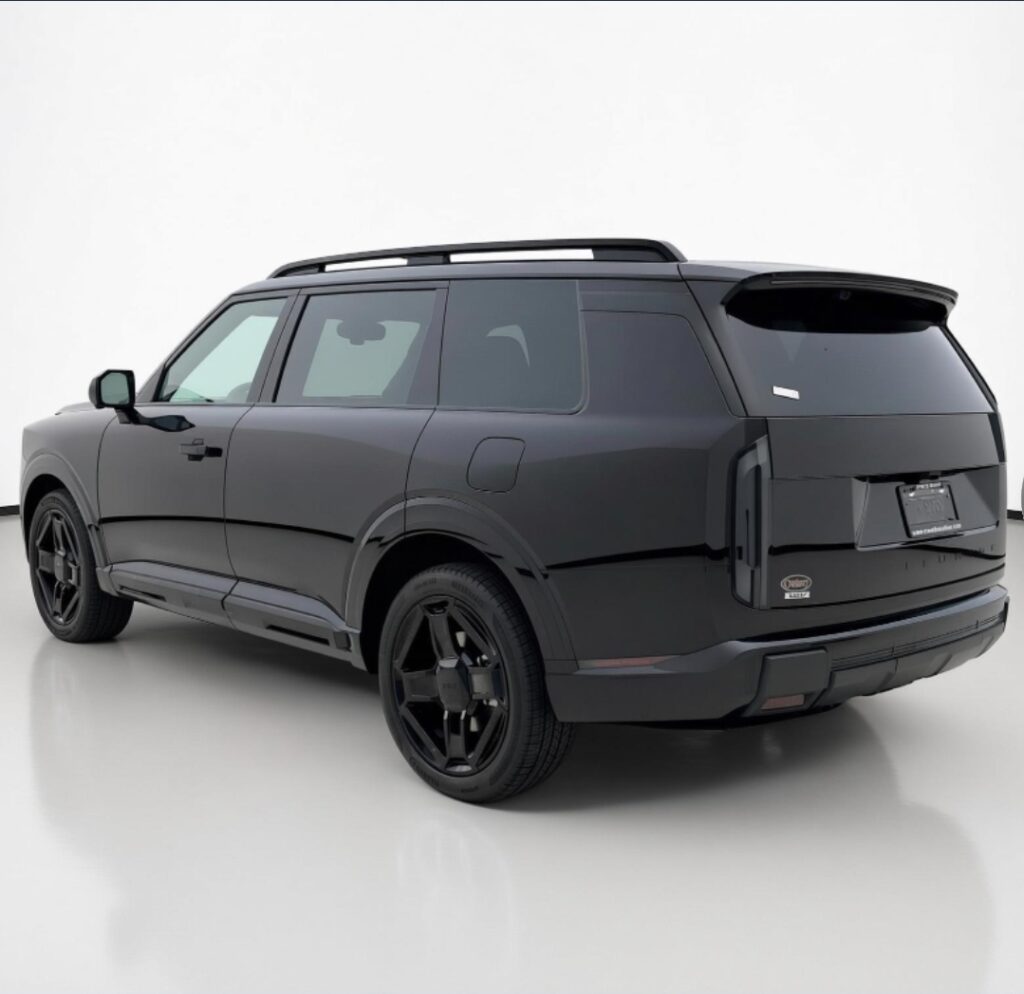
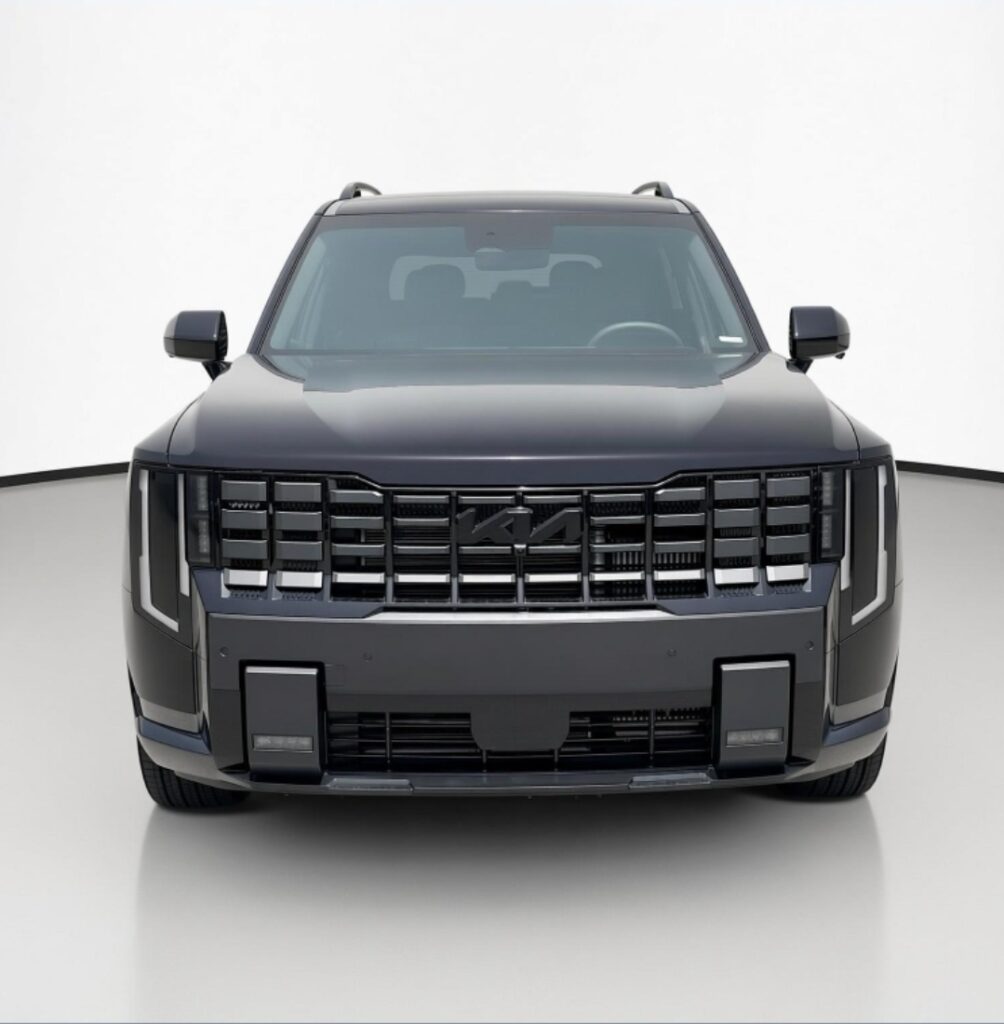
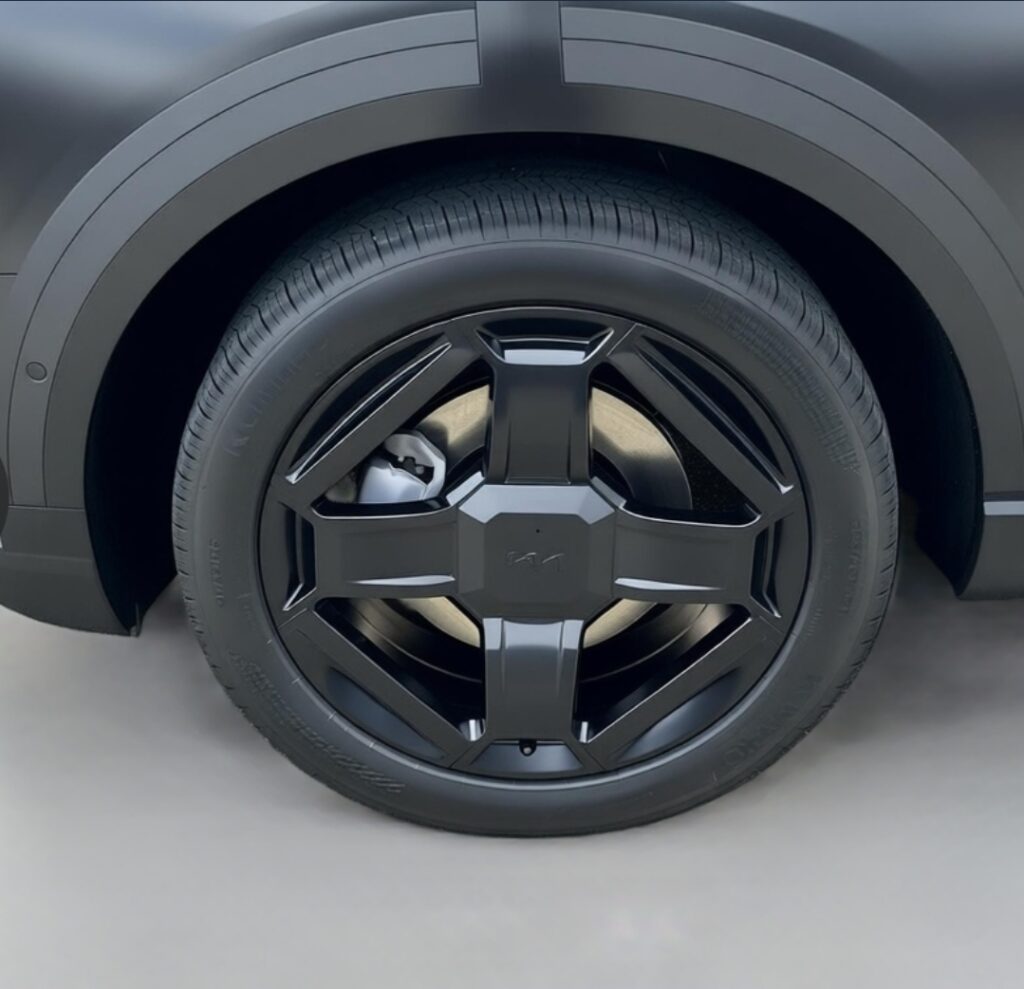
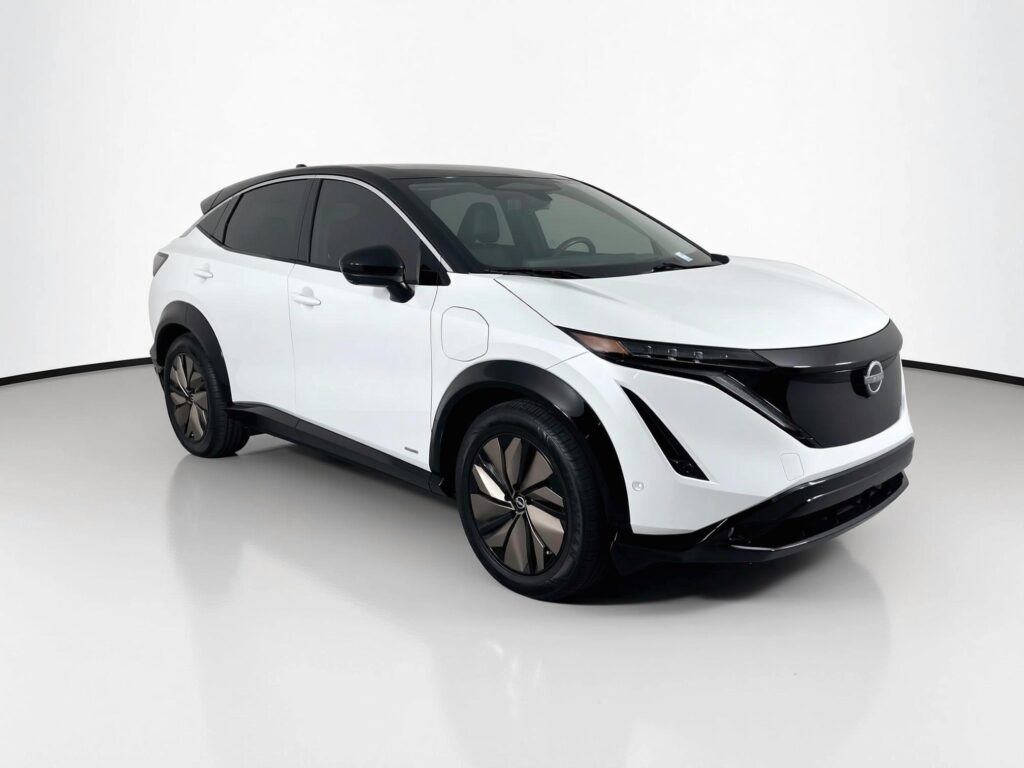
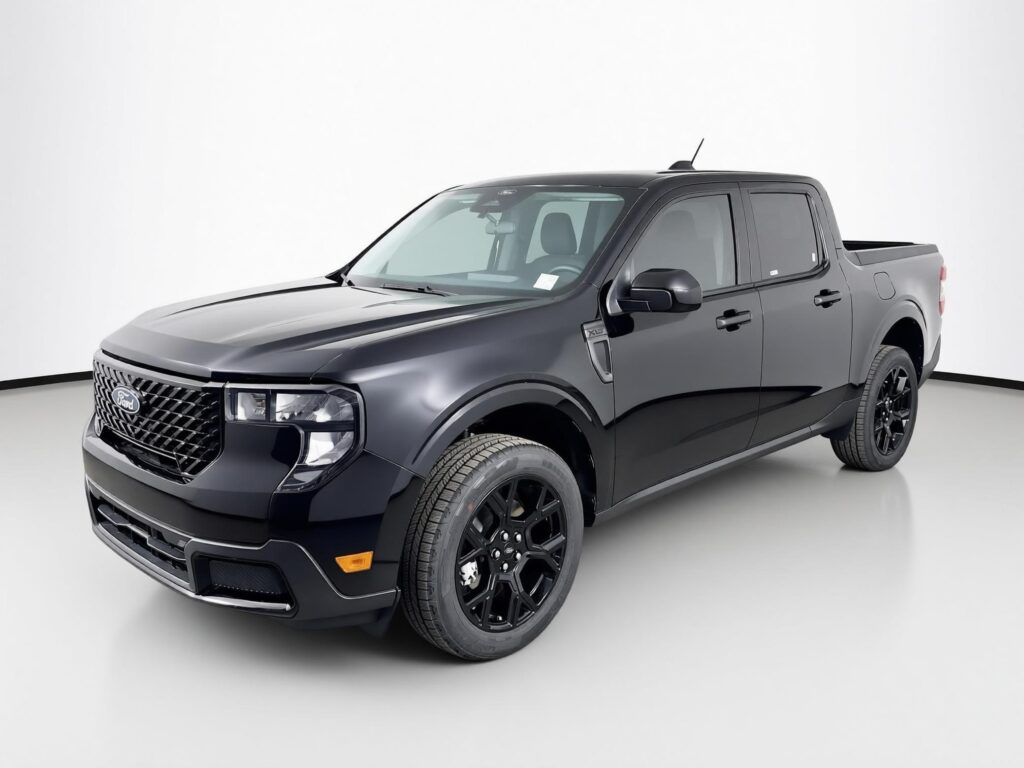
Three bright, evenly lit shots of a 2024 Bentley Continental GT Speed.
Dark, inconsistent photos make your inventory harder to find, for people and for machines. Consistent, color-accurate photos give AI search the proof it needs to send the buyer to you.
FAQ
How does AI search decide which vehicles to show?
AI assistants read inventory feeds, but feeds often flatten custom or two-tone interiors to “Other,” “Custom” or a generic color. When the text can’t confirm a detail, the photos are the remaining evidence.
Can AI search tell interior colors apart from photos?
Modern AI systems can interpret images as well as text. A clear, evenly lit cockpit photo can show oxblood leather versus black; a sun-blasted or shadow-heavy photo often can’t.
Why do outdoor lot photos fall short?
Direct sun washes out deep colors, cabin shadows make red hides look black or brown, and inconsistent angles leave seats, door cards or the dash unphotographed.
How does a 360Booth help?
A 360Booth uses diffuse, high-output lighting to remove glare and cabin shadows, and SHOOTit AI guides staff through about 40 photos per car so every vehicle gets the same interior and detail angles.
Automotive merchandising is racing toward AI generated backgrounds, altered environments and digitally manufactured perfection.
I think we’re solving the wrong problem.
The customer doesn’t need a computer to invent a prettier dealership. They need to see the actual vehicle they’re considering buying photographed exceptionally well.
That’s the philosophy behind 360Booth® + SHOOTit AI.
Use a physical studio to control lighting, reflections and consistency.
Then use AI where it actually creates operational value.
Automatically optimize exposure.
Center and frame consistently.
Guide photo sequencing.
Identify missing or poor images.
Speed processing and delivery.
Get professional photography online faster.
AI should remove human error not remove reality.
As AI generated imagery becomes easier and cheaper, I believe authentic professional photography will actually become more valuable, because customers will increasingly question what they’re looking at.
The future isn’t fake perfection.
It’s real inventory, professionally photographed, delivered faster with intelligent technology.
Which builds more trust with your customer: AI creating the picture or AI helping you capture the truth better?
FAQ
How should dealers use AI in vehicle merchandising?
Use a physical studio to control lighting, reflections and consistency, then use AI to optimize exposure, center and frame shots, guide sequencing, flag missing or poor images and speed delivery.
Why not use AI to generate backgrounds?
Customers need to see the actual vehicle photographed well, not a computer-invented dealership. AI should remove human error, not remove reality.
Will authentic photography matter more as AI images spread?
360Booth expects so, because customers will increasingly question what they’re looking at.
Most dealerships think of photography as a creative task. The highest performing dealerships treat it like manufacturing.
That may sound strange, but think about it.
Manufacturers don’t rely on talent alone. They build systems that deliver the same quality thousands of times.
Why should vehicle merchandising be any different?
A professional studio creates a controlled environment where lighting, camera position, vehicle placement, and workflow are repeatable. Add intelligence and computer vision, and you don’t just capture photos you build a quality control system that checks every vehicle against the same standard.
The result isn’t simply better images.
It’s:
Faster merchandising
Fewer retakes
More consistent VDPs
Easier employee training
A customer experience that feels professional across your entire inventory
The dealerships that scale successfully over the next decade won’t depend on finding exceptional photographers.
They’ll build exceptional processes.
At 360Booth and SHOOTit AI, that’s always been our philosophy. Remove variables, standardize quality, and let technology help your team produce professional results every single time.
Because consistency isn’t the enemy of creativity.
In automotive retail, it’s the foundation of profitability.
Question: If your merchandising process ran with the precision of a manufacturing line, how much time, labor, and rework could your dealership eliminate every month?
FAQ
Why treat vehicle photography like manufacturing?
Manufacturers don’t rely on talent alone; they build systems that deliver the same quality thousands of times. A repeatable photo process does the same for vehicle merchandising.
What does a production-line approach to photography deliver?
Faster merchandising, fewer retakes, more consistent VDPs, easier employee training and a professional customer experience across the whole inventory.
Where do AI and computer vision fit?
Added to a controlled studio, they act as a quality control system that checks every vehicle against the same standard.