What if your hardest-working salesperson never clocks in?
You already have one. It works nights, weekends and holidays. It talks to every shopper who finds your inventory. And most stores never train it.
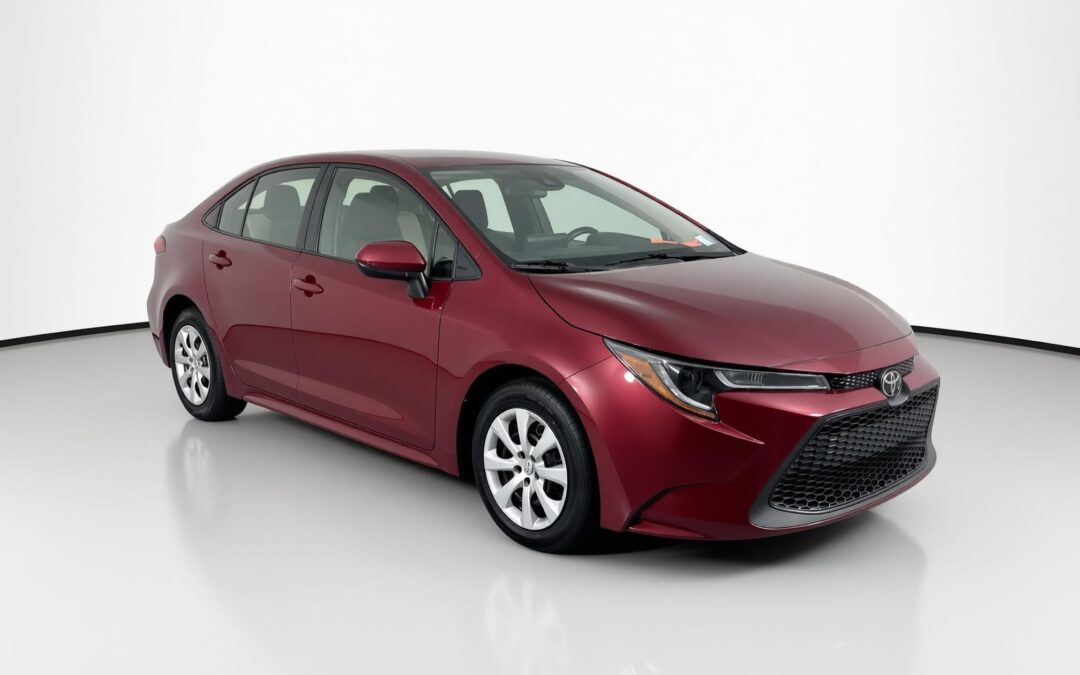
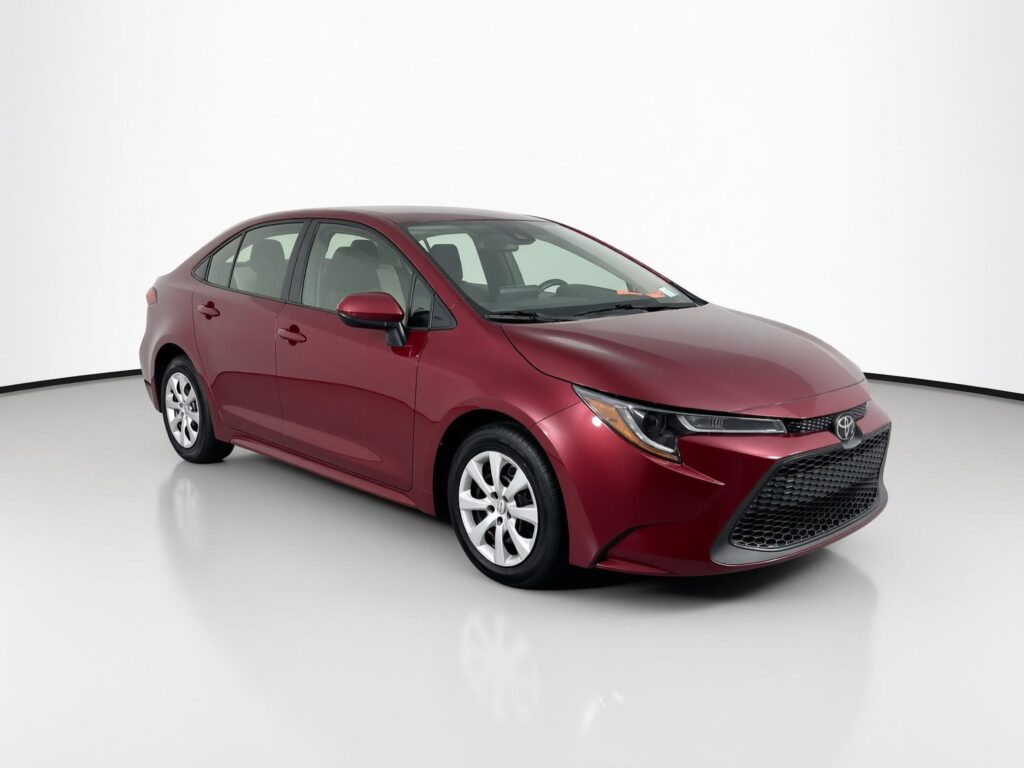
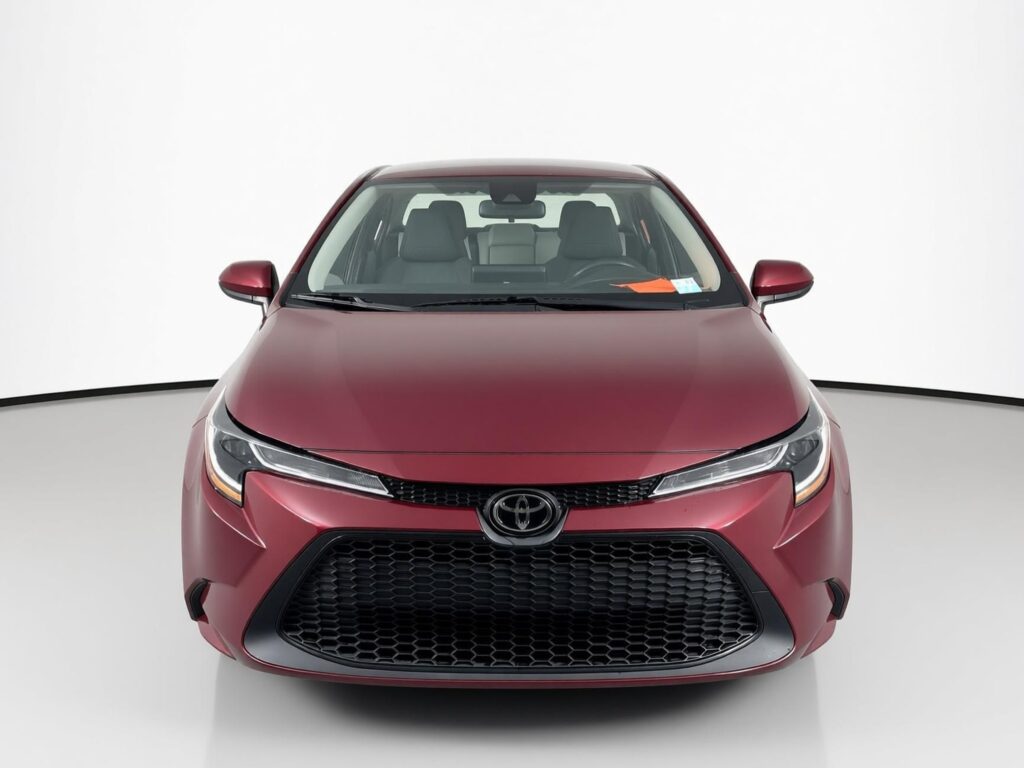
It’s your listing photos.
Do the math on face time
Cox Automotive’s 2025 Car Buyer Journey Study found that used-car buyers spent 7 hours 45 minutes researching and shopping online. They spent 2 hours 57 minutes with the dealer they actually bought from.
That means your dealership listing photos get more than 2.5x the face time your people do.
And they aren’t just confirming a decision that’s already made. Cox found that 74% of used buyers didn’t know the exact car they wanted when they started shopping. Used buyers visited 4.8 websites on average. Your photos are pitching against every other car on every one of those sites, and shoppers judge your whole store by one thumbnail.
You’d fire that person by lunch. Yet that’s the job many stores hand their photos. Then the real salesperson ends up apologizing for the pictures before the walkaround starts.
Dealer wake-up call
Your photos are on the sales floor 24/7. Train them like it.
Training a salesperson means a process: what to show, in what order, every time. Your photos need the same thing. Not a better phone. A better process.
How much time do used-car buyers spend shopping online?
Cox Automotive’s 2025 Car Buyer Journey Study found used-car buyers spent 7 hours 45 minutes researching and shopping online, compared with 2 hours 57 minutes with the dealer they bought from.
Why are listing photos called a dealership's hardest-working salesperson?
Shoppers spend more than 2.5x as long with a dealer’s listings online as they do with the dealership’s staff. Most used buyers also start without knowing the exact car they want, so photos do much of the persuading across the 4.8 sites the average used buyer visits.
How do 360Booth and SHOOTit AI make listing photos consistent?
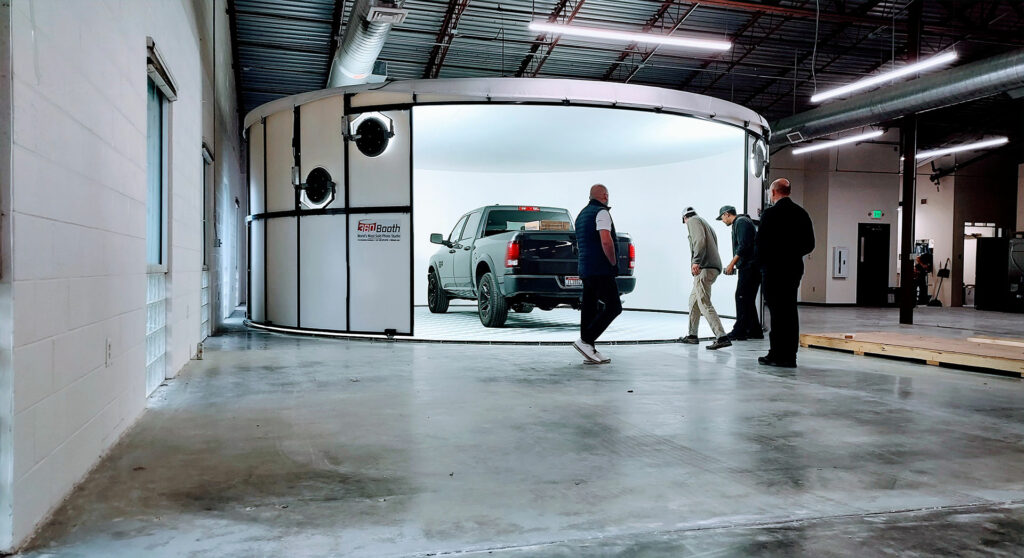
360Booth controls the light around the real vehicle. SHOOTit AI guides staff through the same 40+ shot sequence on iPhone and stops dark, blurry or off-center frames for a reshoot before anyone leaves the car.
What if shoppers judge your whole store by one thumbnail?
They do. Every day.
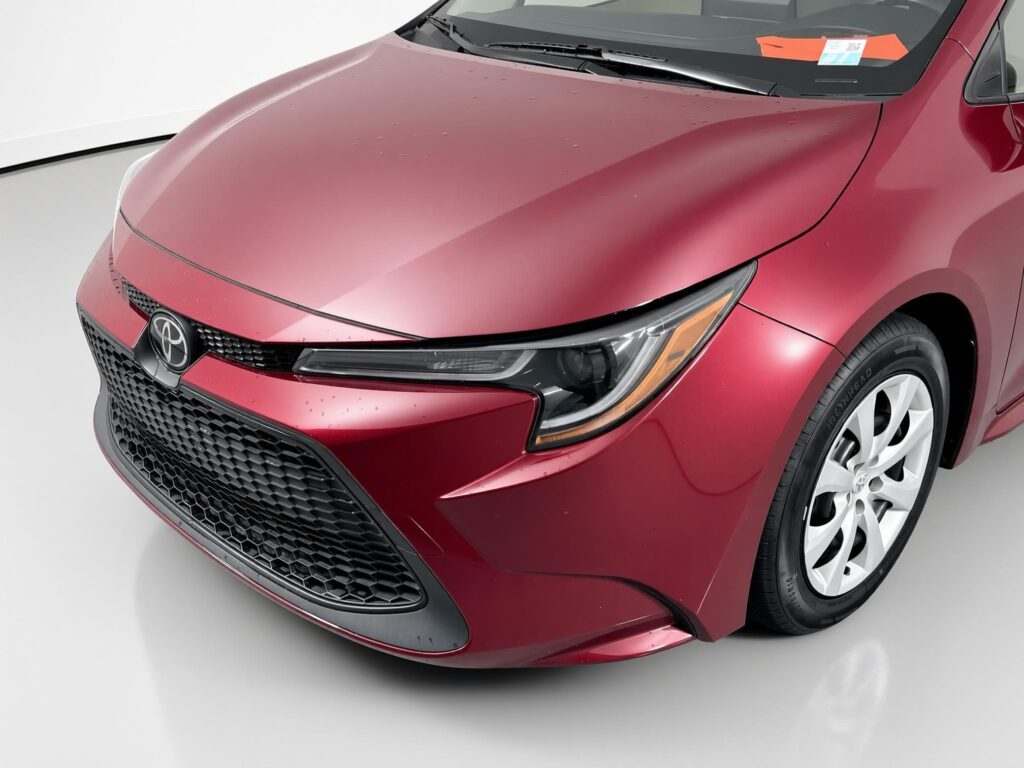
On a search results page, your car is one little rectangle in a row of rectangles. The shopper scrolls with their thumb and decides in about the time it takes to read this sentence.
What does your thumbnail row say?
Now look at your row.
One shot in the sun with glare across the hood. One crooked. One half in shadow. One with a service truck photobombing. When weather and daylight control the shoot, every car comes out different.
Those say: nobody’s paying attention here.
Then there’s the one with a fake backdrop so perfect it looks like a stock photo. That one says something worse: what you see isn’t what you’ll get.
Dealer wake-up call
Shoppers don’t just judge the car. They judge whether your store has its act together. Your thumbnail row is your storefront window.
Why do SRP thumbnails matter so much for car dealers?
On a search results page, each vehicle is one small thumbnail in a row. Shoppers decide in seconds whether to click, and they judge whether the store has its act together by how that whole row looks.
What makes vehicle photos look inconsistent?
Shooting outdoors in changing sun and shadow, crooked angles, distracting backgrounds, and fake backdrops that look like stock images. Each car ends up looking different depending on the weather and who held the camera.
How do 360Booth and SHOOTit AI make vehicle photos consistent?
360Booth controls the light and real background around the actual vehicle. SHOOTit AI guides staff through the same 40+ shot sequence every time and flags dark, blurry or off-center shots for a reshoot before the car leaves the booth.
Shoppers don’t call the dealership to ask about the background. They call about the details your photos skipped.
How worn is the driver’s seat? How much tread is left on the tires? Does it have the third row? Does it come with two keys?
Every one of those questions is a missing photo. And every shopper who has to ask is a shopper deciding whether your car is worth the effort.
The wide shots get attention. The details close the gap.
The exterior angles tell a shopper what the car is. The detail shots tell them what this car is: its equipment, its condition and how it was cared for.
That is the difference between a listing that looks good and a listing that answers questions. As we said in How Many Photos Should a Dealership Put on Each Vehicle Listing?, the goal is not the highest photo count. The goal is eliminating unanswered questions.
The detail shots that answer shopper questions
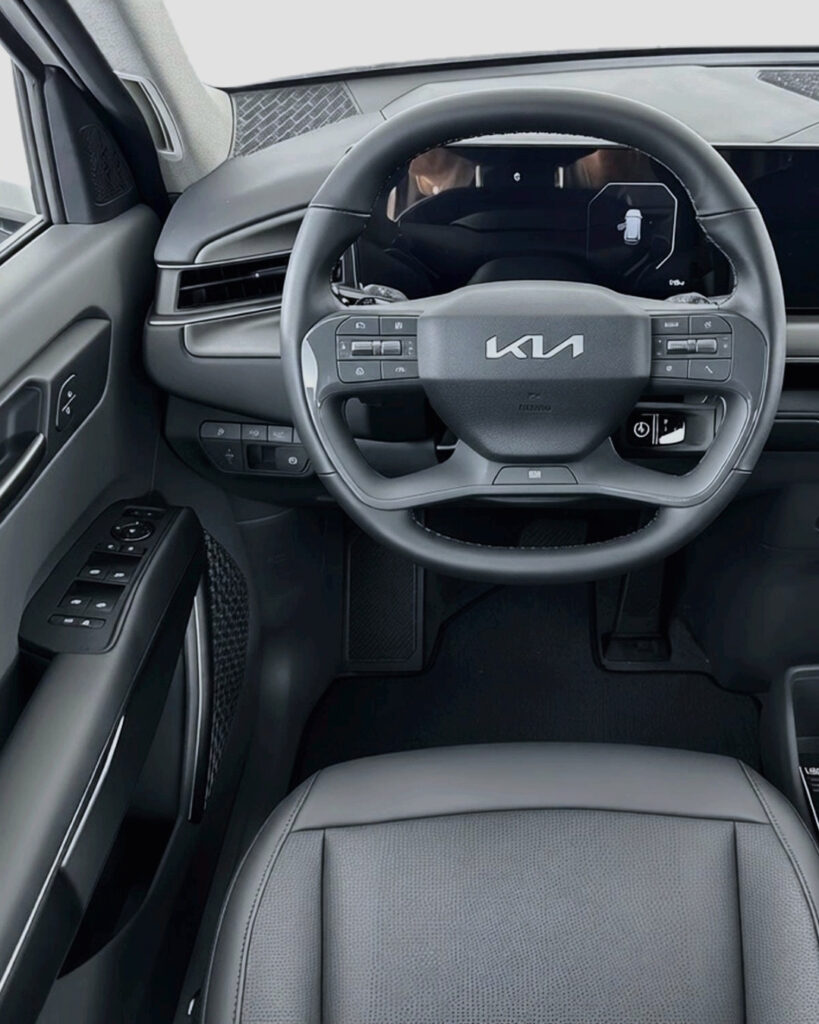
1. The dash with the vehicle running
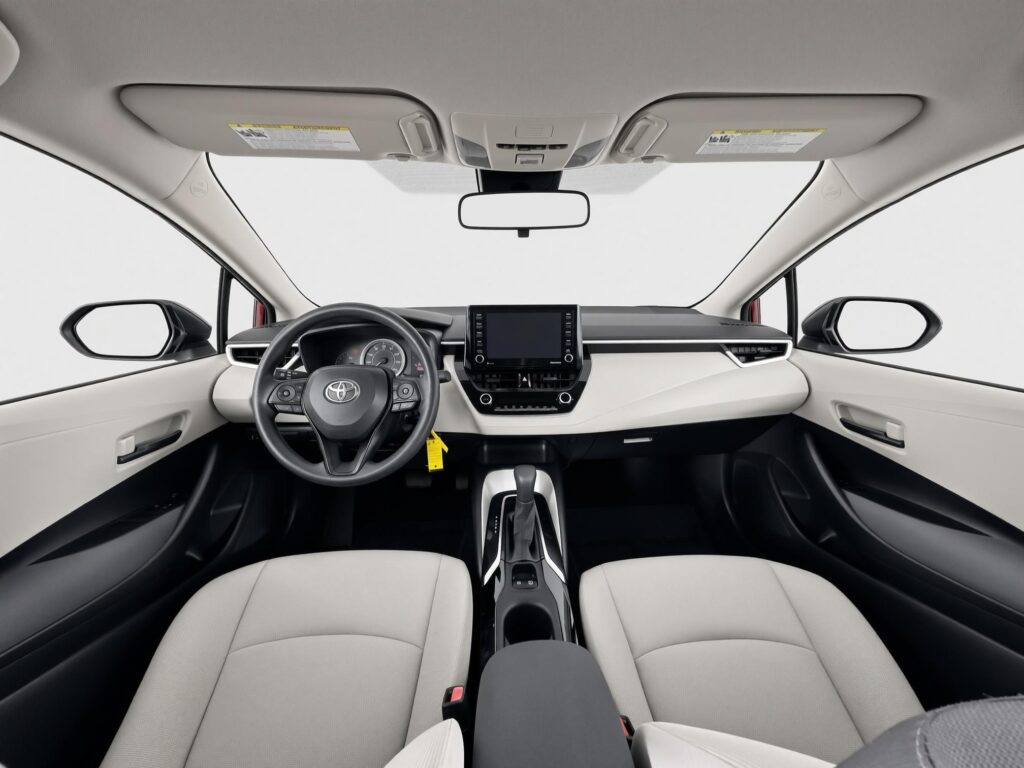
Mileage is one of the first things a shopper checks. A clear shot of the instrument cluster shows the odometer and lets the buyer see the dash lit up the way they’ll see it on the test drive.
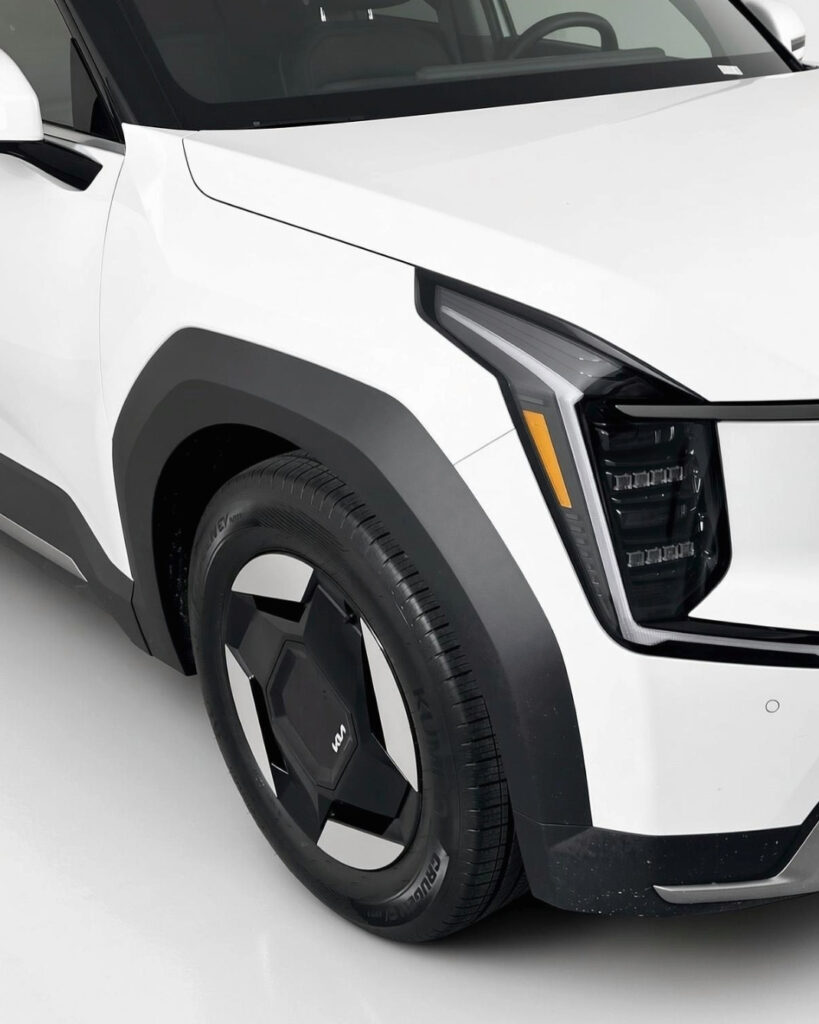
2. Tires and wheels
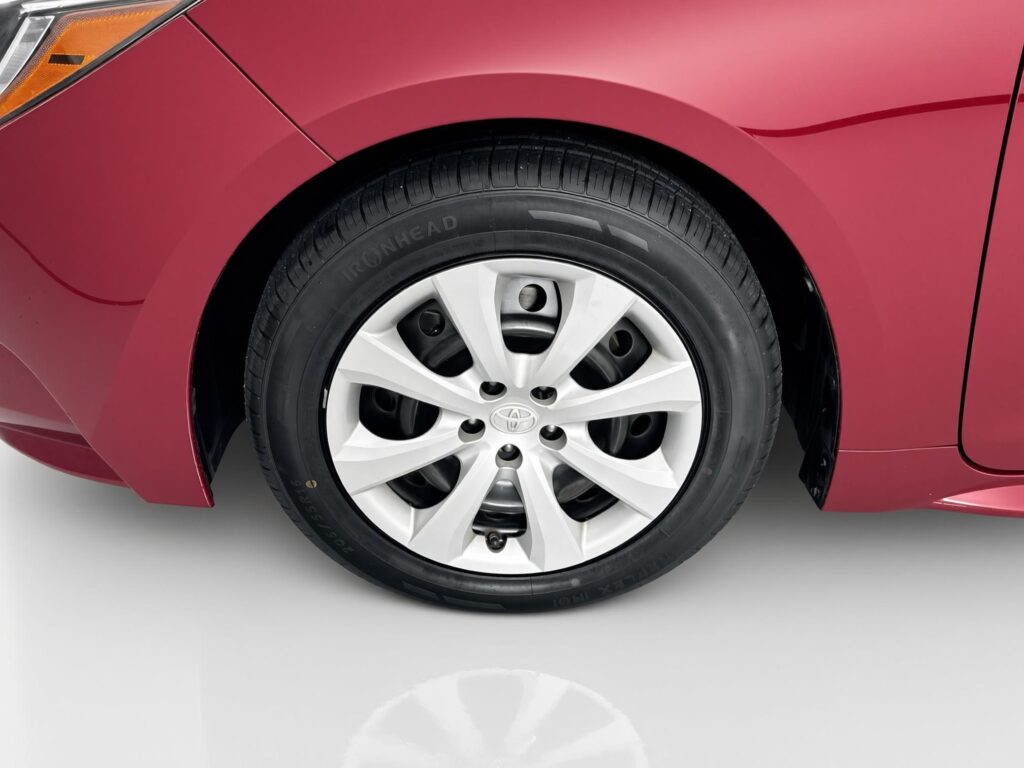
Tires are a cost the buyer is already calculating. Show the tread and the wheel face clearly. Curb rash is easy to hide in a wide shot and impossible to hide on the lot.
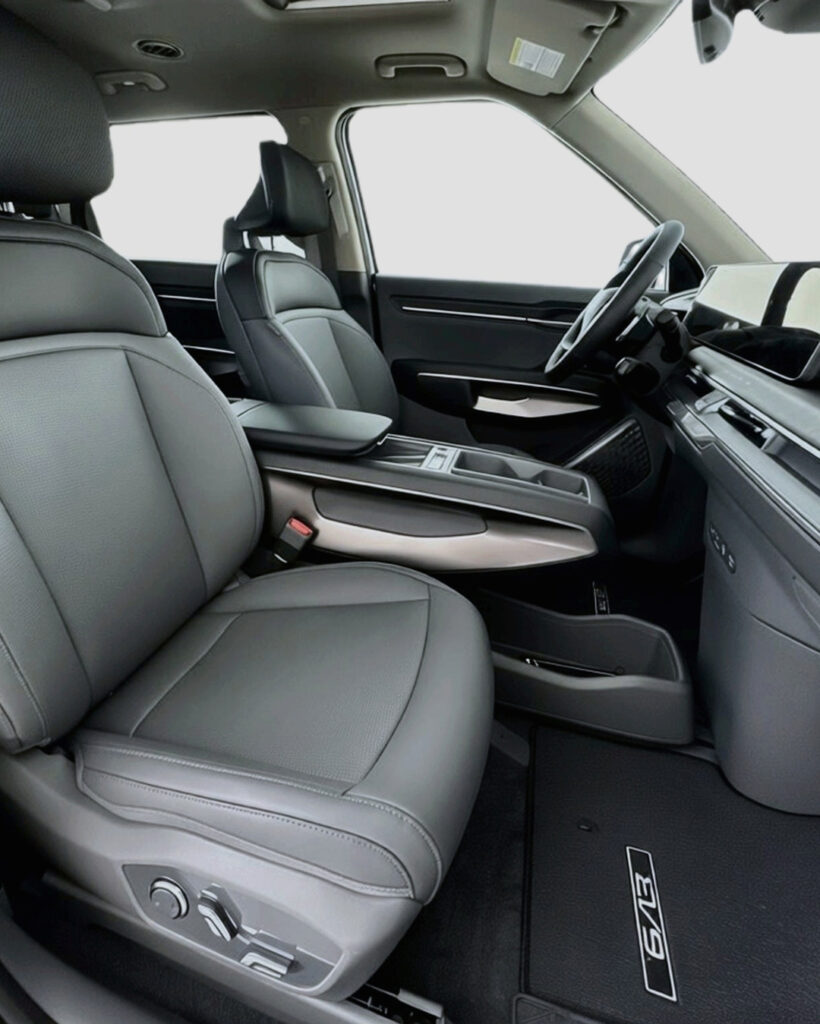
3. The driver’s seat
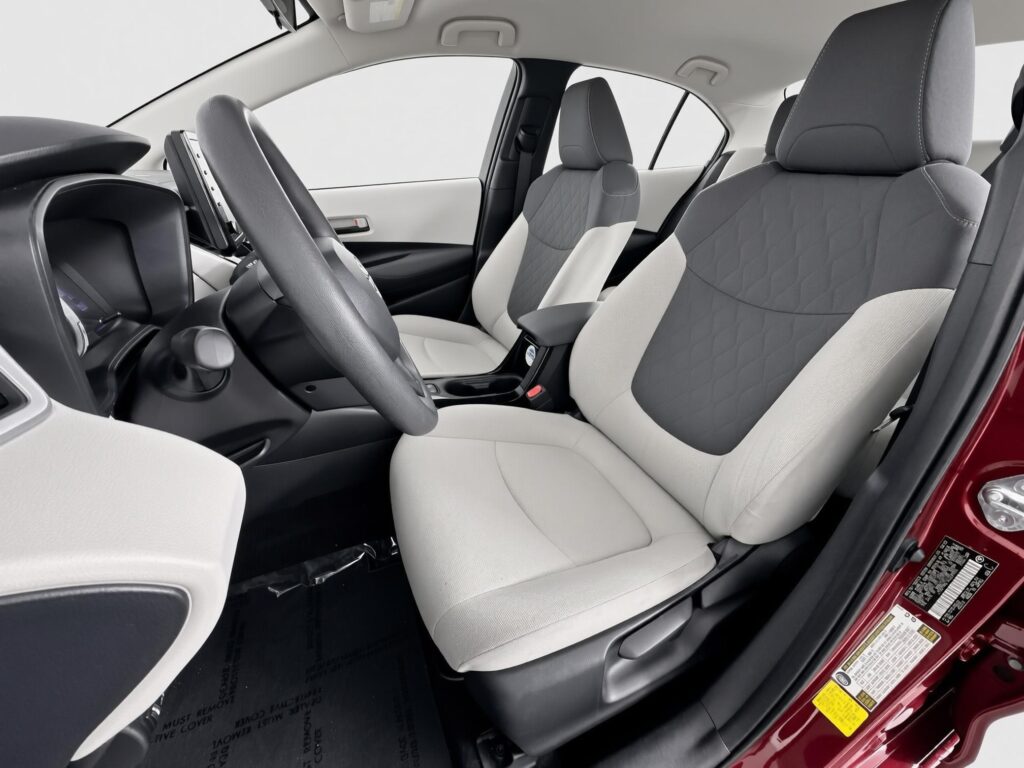
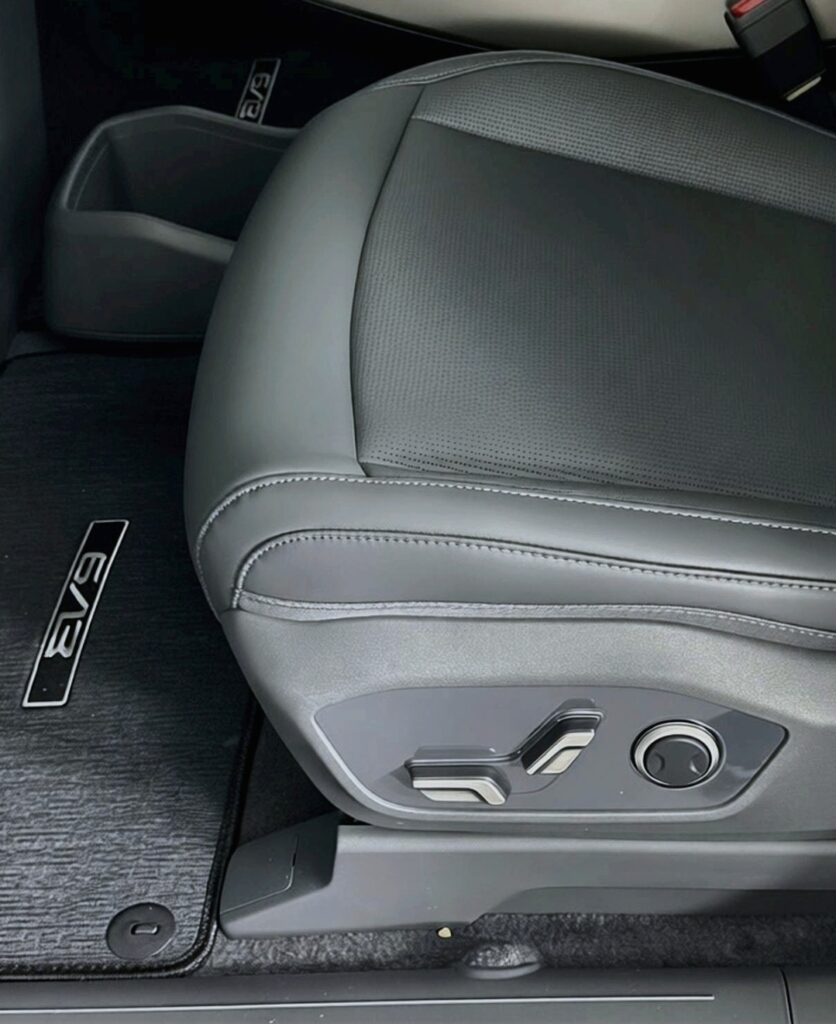
The driver’s seat takes the most wear of any surface in the car. Shoppers know that, and they look for it. Show the bolster, the cushion and the material clearly enough that the buyer can judge it for themselves.
4. The equipment that sets this unit apart
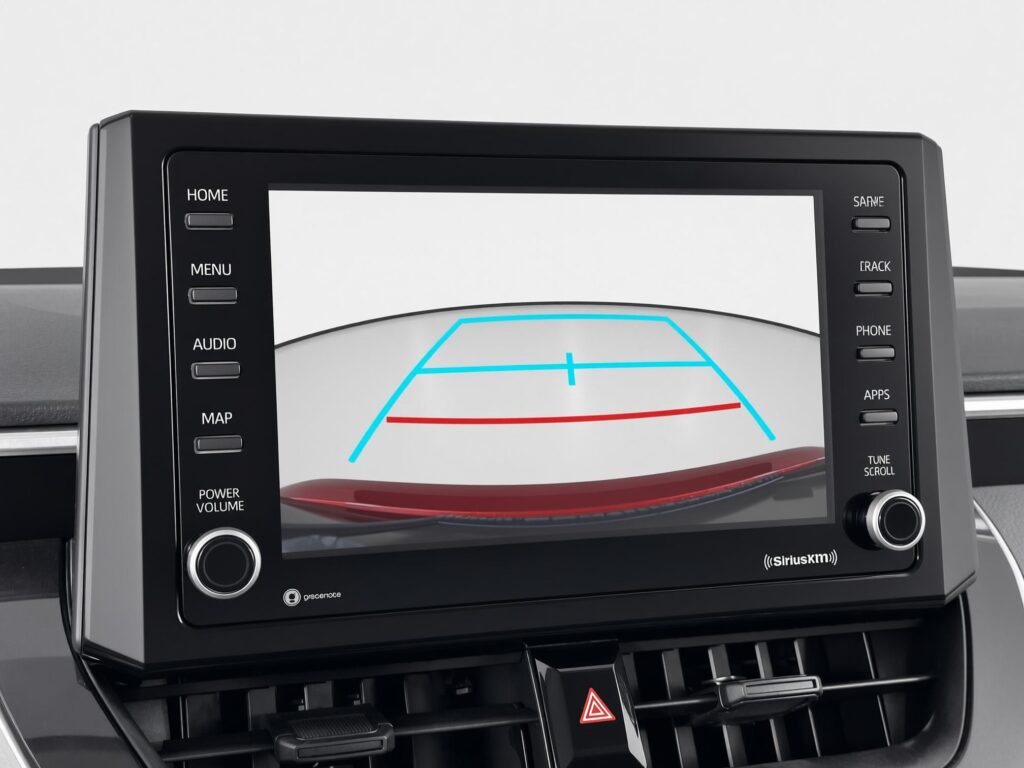
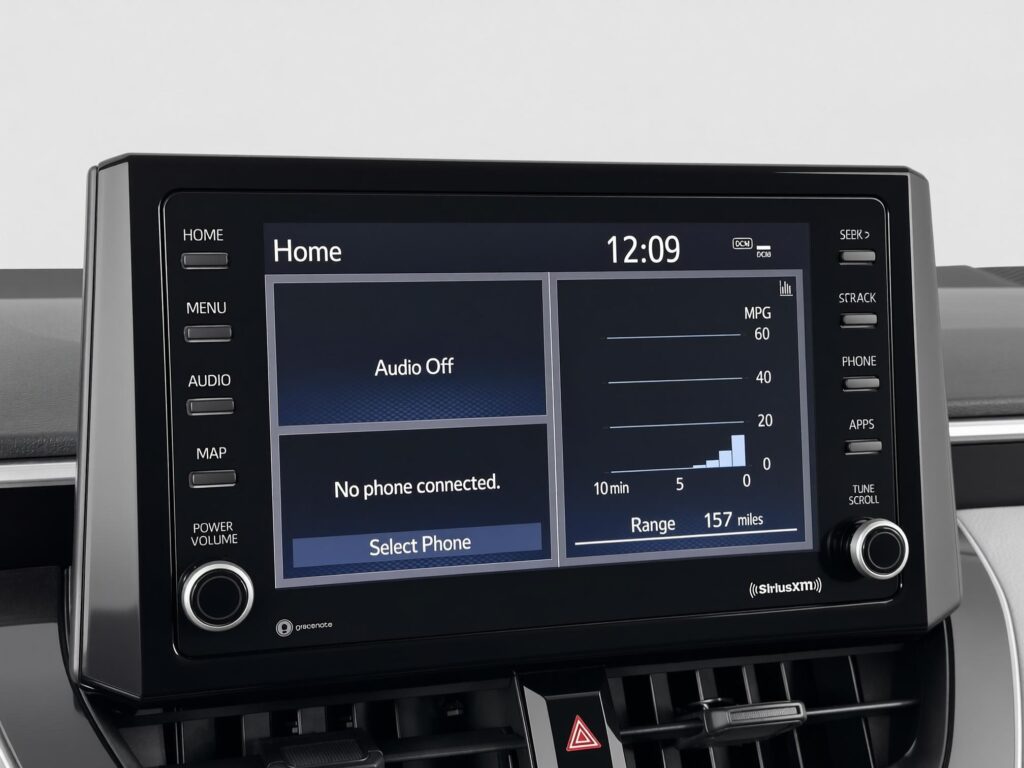
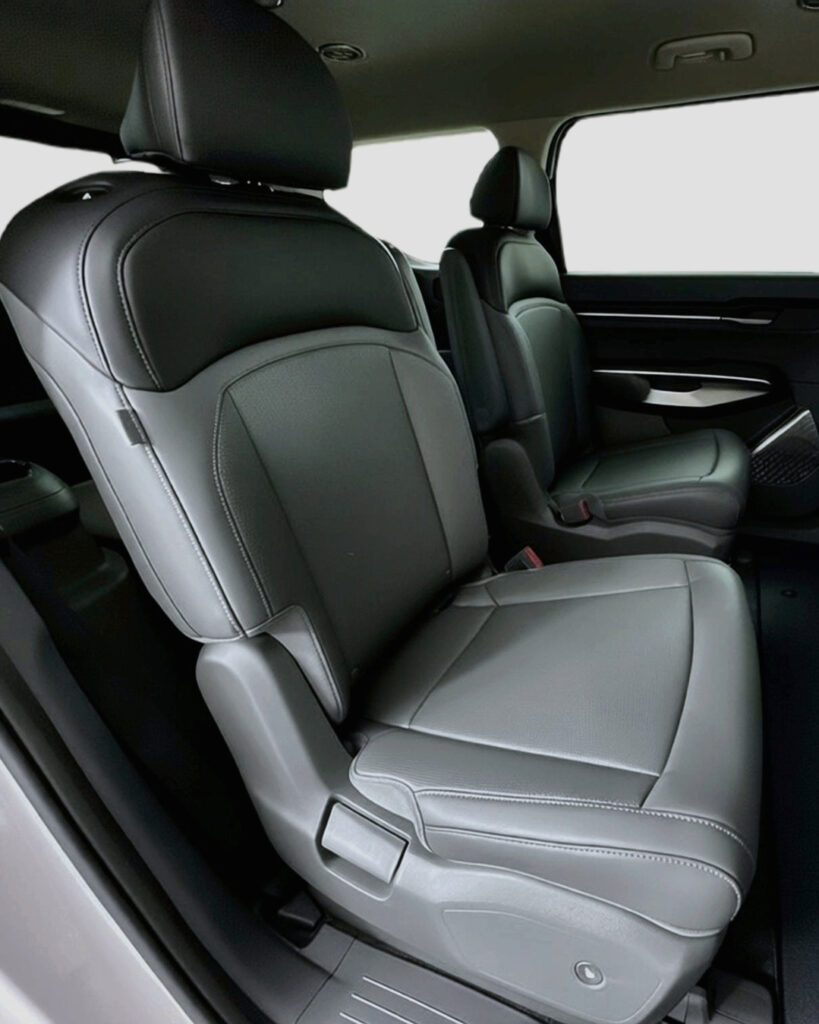
Sunroof, third row, towing equipment, upgraded audio, the infotainment screen. If a feature is part of why this car is priced the way it is, it deserves its own photo. A feature a shopper can’t see is a feature they may not believe is there.
5. Cargo space
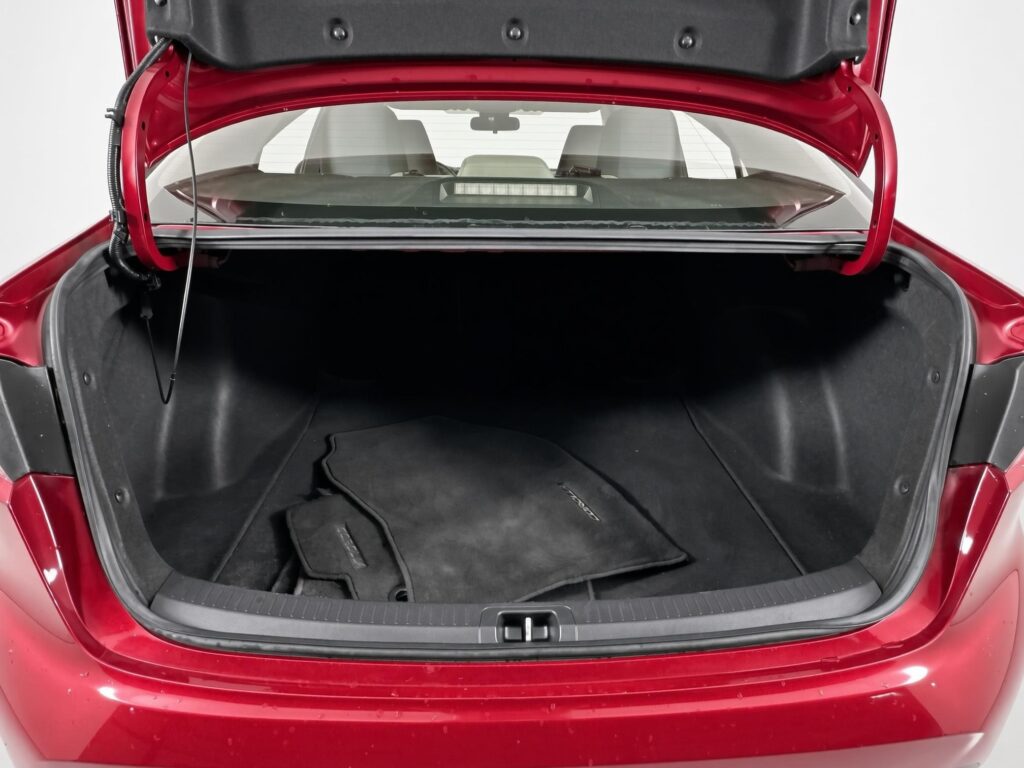
For SUVs, trucks and wagons, cargo space is often the reason for the purchase. Show the cargo area, and show it with the seats folded if they fold.
6. The keys
It’s a small photo that answers a common question. Shoppers want to know whether they’re getting one key or two before they drive across town.
7. Real condition
Scratches, scuffs and normal wear belong in the listing, shown clearly. A used car has a real condition. Photograph it, so the car the customer sees online is the car they find when they arrive. (More on that in Stop Selling a Version of the Car That Does Not Exist.)
Detail shots fail first when the light is bad
Close-ups are the least forgiving photos in the set. A dark cabin turns seat wear into a guess. Glare on the dash hides the odometer. Shadows in the wheel well hide the tire.
That is where a controlled environment earns its keep. Inside a 360Booth, the standard sequence and any extra photos receive the same lighting, clean physical background and consistent presentation. SHOOTit AI guides employees through a repeatable 40+ image process and stops the workflow when an image is dark, blurry or poorly centered, so the problem gets reshot while the employee is still at the car. (See why quality control should happen at the vehicle.)
The standard sequence covers the car. The details are where your team adds what makes this particular unit different. The car should decide which extra photos are worth taking.
Direct challenge
Open five used-vehicle listings on your own website. For each one, write down every question you’d have to call the dealership to answer.
Every line on that list is a photo your shoppers needed and didn’t get.
FAQ
What detail photos should a dealership include on a vehicle listing?
Show the details a shopper would otherwise call about: the dash with mileage, tires and wheels, seat wear, the screen and key equipment, cargo space, the keys, and any visible condition the buyer should know about.
Should dealers photograph scratches and wear on used cars?
Yes. A used car has a real condition. Showing it clearly in the listing means the car the customer sees online matches the car they find on the lot.
Do detail photos need the same lighting as exterior photos?
They need it more. Interior close-ups are where poor light hurts most. Inside a 360Booth, every photo, standard or extra, gets the same controlled lighting and clean physical background.
How do I know which detail photos my listings are missing?
Open five used-vehicle listings on your own website and write down every question you would have to call the dealership to answer. Each question is a missing photo.
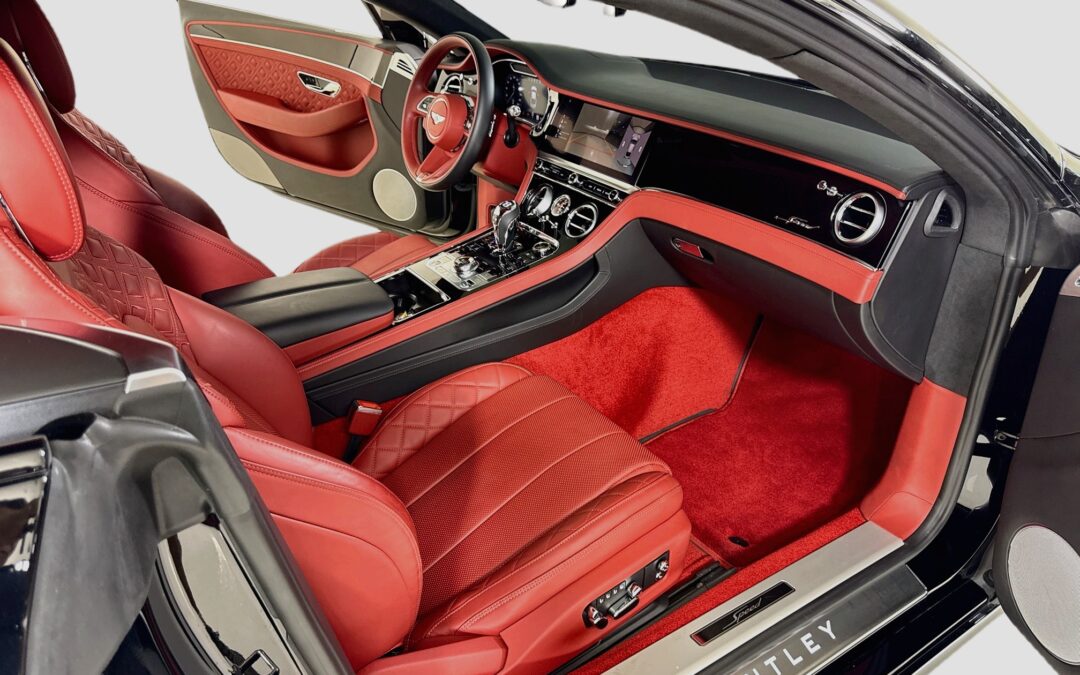
A shopper asks an AI search assistant to find a “2024 Bentley Continental GT with a red interior.” How does it decide which cars to show?
Short answer: AI search starts with your inventory feed, then leans on your photos when the feed is vague. If those photos are too dark or washed out to confirm the detail, your car is harder to recommend.
Feeds have gaps. Bespoke and two-tone interiors often get flattened to “Other,” “Custom,” or a generic “Black” somewhere between the build sheet, the DMS, and the syndication feed. When the text can’t confirm a detail, your photos are the only evidence left.
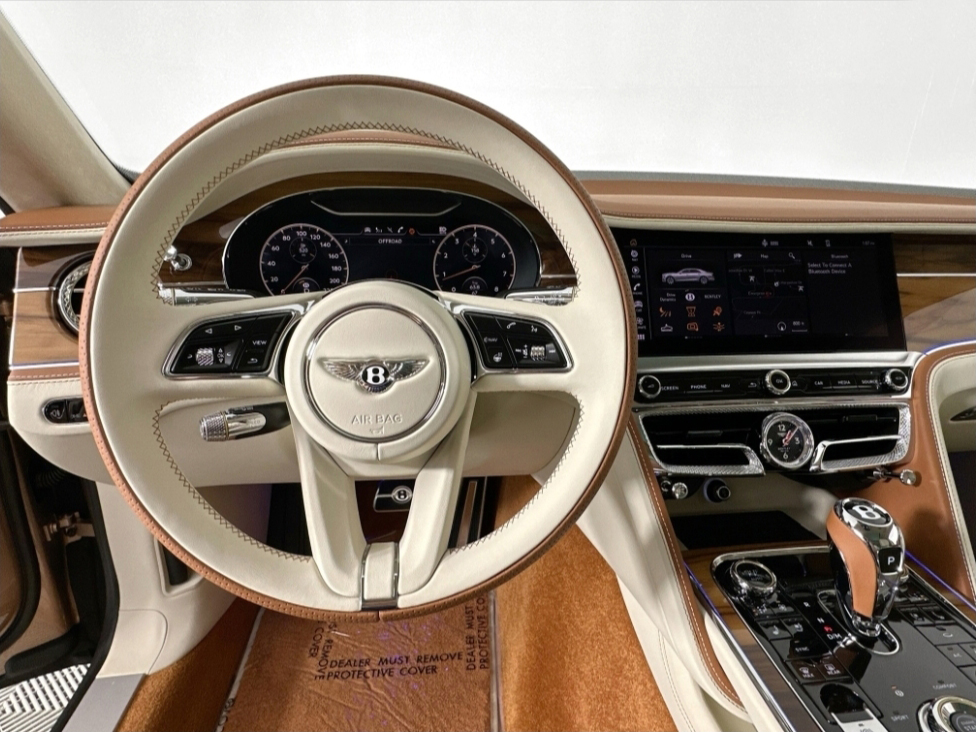
That matters more every year. Modern AI systems are multimodal: they can interpret images as well as text. Google says its AI Mode can understand objects’ “materials, colors, shapes and arrangements” in an image. A model looking at a clear cockpit shot can tell oxblood leather from black. A model looking at a sun-blasted, shadow-heavy photo often can’t.
Why does AI search struggle with lot photos?
Glare washes out color. Direct sun bleaches deep tones and creates hot spots across leather and paint.
Shadows hide it. In a dark cabin, red hides read as black or muddy brown.
Inconsistent angles leave gaps. If no one shot the seats, door cards, or dash, there’s nothing to verify.
See the difference side by side in The “Driveway” Look, which compares an outdoor shot with studio photos taken in a 360Booth.
When the evidence is ambiguous, an AI assistant has every reason to recommend a listing it’s more confident about, and that’s often a competitor’s car.
How do studio photos keep your cars in AI search results?
Your listing photos now serve two audiences: the shopper, and the algorithm deciding whether that shopper ever sees the car. A controlled 360Booth® environment helps with both.
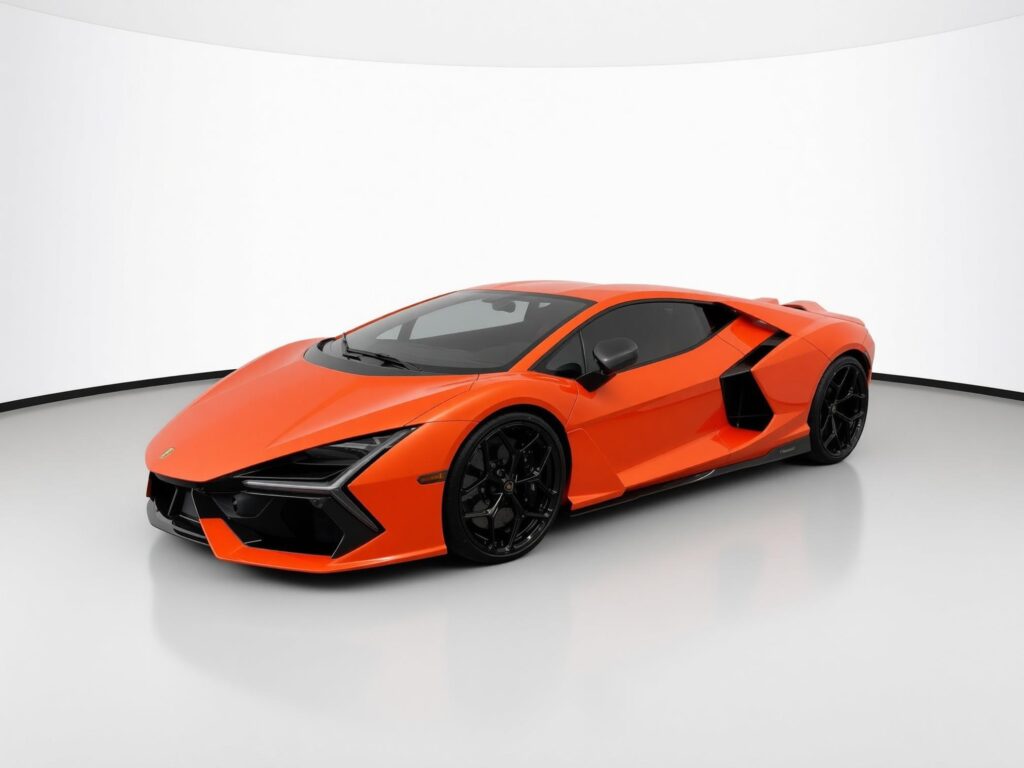
Diffuse, high-output lighting removes sun glare and cabin shadows, so colors come through true to life.
SHOOTit ai guides lot staff through about 40 photos per car, so every vehicle gets the same interior and detail angles.
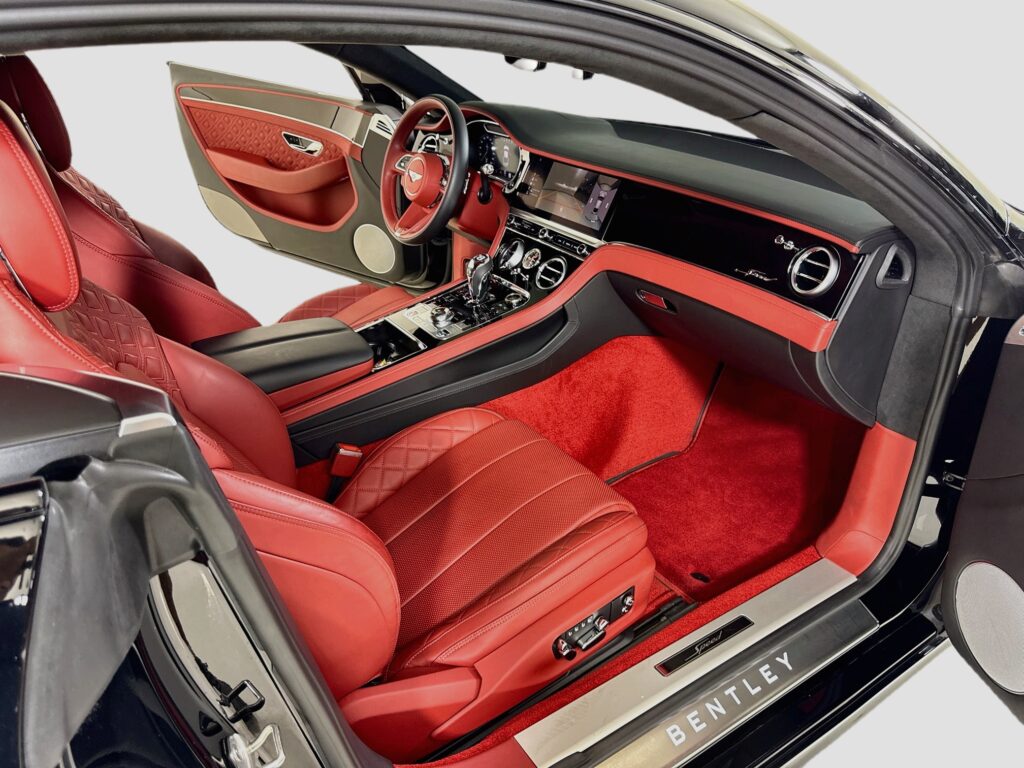
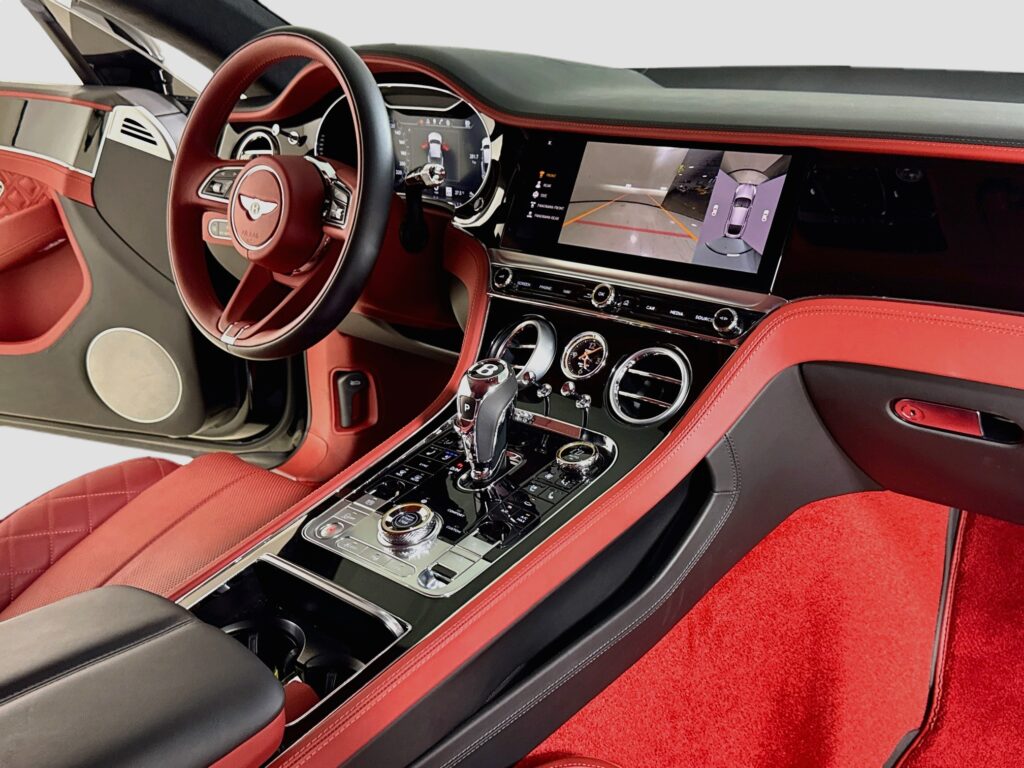
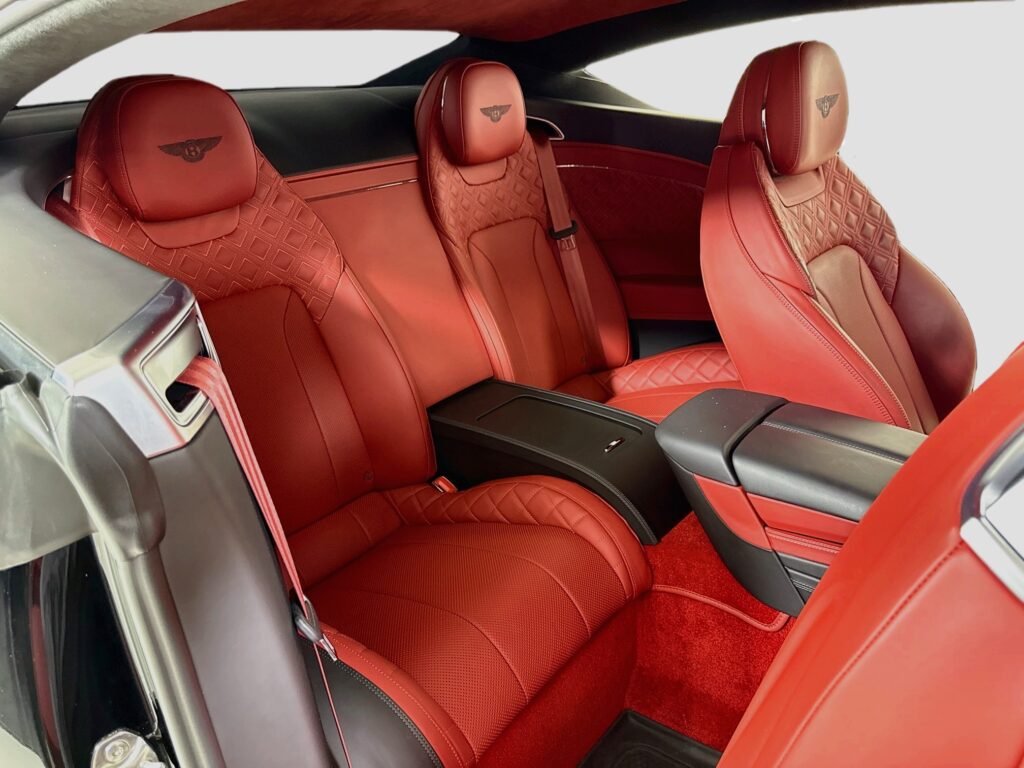
A Bentley interior shot in a 360Booth®: every stitch and panel reads in its true color.
Three bright, evenly lit shots of a 2024 Bentley Continental GT Speed.
What about fake backgrounds?
There’s no published evidence that a replaced background, by itself, pushes a listing down in AI search. The bigger risk is what the edit does to the car.
Google already asks sellers to be upfront about these images. Its Merchant Center image rules require images created with generative AI to carry metadata saying so, and tell merchants not to remove those tags. Google lists a separate label for a composite image that includes synthetic elements, which is what a real car placed on an AI-generated background is.
A fake background becomes a real problem when it changes the vehicle: edges that don’t line up, shadows and reflections from a room the car was never in, or wear that got cleaned away along with the lot. An AI assistant reading that listing can end up describing a car that doesn’t exist, and the shopper finds out at the dealership.
Dark, inconsistent photos make your inventory harder to find, for people and for machines. Consistent, color-accurate photos give AI search the proof it needs to send the buyer to you.
FAQ
How does AI search decide which vehicles to show?
AI assistants read inventory feeds, but feeds often flatten custom or two-tone interiors to “Other,” “Custom” or a generic color. When the text can’t confirm a detail, the photos are the remaining evidence.
Can AI search tell interior colors apart from photos?
Modern AI systems can interpret images as well as text. A clear, evenly lit cockpit photo can show oxblood leather versus black; a sun-blasted or shadow-heavy photo often can’t.
Why do outdoor lot photos fall short?
Direct sun washes out deep colors, cabin shadows make red hides look black or brown, and inconsistent angles leave seats, door cards or the dash unphotographed.
How does a 360Booth help?
A 360Booth uses diffuse, high-output lighting to remove glare and cabin shadows, and SHOOTit ai guides staff through about 40 photos per car so every vehicle gets the same interior and detail angles.
Automotive merchandising is racing toward AI generated backgrounds, altered environments and digitally manufactured perfection.
I think we’re solving the wrong problem.
The customer doesn’t need a computer to invent a prettier dealership. They need to see the actual vehicle they’re considering buying photographed exceptionally well.
That’s the philosophy behind 360Booth® + SHOOTit AI.
Use a physical studio to control lighting, reflections and consistency.
Then use AI where it actually creates operational value.
Automatically optimize exposure.
Center and frame consistently.
Guide photo sequencing.
Identify missing or poor images.
Speed processing and delivery.
Get professional photography online faster.
AI should remove human error not remove reality.
As AI generated imagery becomes easier and cheaper, I believe authentic professional photography will actually become more valuable, because customers will increasingly question what they’re looking at.
The future isn’t fake perfection.
It’s real inventory, professionally photographed, delivered faster with intelligent technology.
Which builds more trust with your customer: AI creating the picture or AI helping you capture the truth better?
FAQ
How should dealers use AI in vehicle merchandising?
Use a physical studio to control lighting, reflections and consistency, then use AI to optimize exposure, center and frame shots, guide sequencing, flag missing or poor images and speed delivery.
Why not use AI to generate backgrounds?
Customers need to see the actual vehicle photographed well, not a computer-invented dealership. AI should remove human error, not remove reality.
Will authentic photography matter more as AI images spread?
360Booth expects so, because customers will increasingly question what they’re looking at.