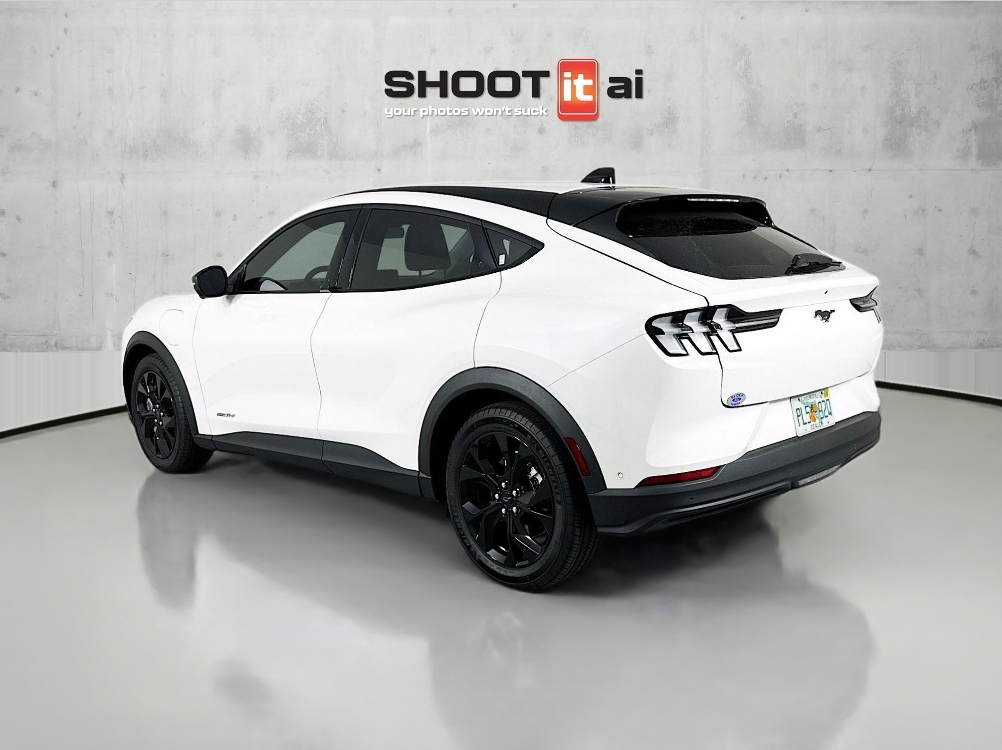
Direct Answer: After you submit a 360Booth contact form, our team reviews your vehicle photography needs, discusses studio options and pricing, and evaluates your proposed space using your photos and measurements. As the project moves forward, we coordinate a walk-through visit, document the site findings, prepare your layout and quote, confirm installation readiness, schedule shipping and installation, and arrange training and SHOOTit AI setup so your team can start photographing vehicles.
The 13 Steps at a Glance
Your inquiry is received.
Your project information is organized.
We discuss your needs.
You receive product information and pricing.
You provide photos and measurements.
A walk-through visit is coordinated.
Your location and studio configuration are evaluated.
The site findings are documented.
Your layout and quote are prepared.
Your order and payment arrangements are confirmed.
Your installation readiness is checked.
Shipping and installation are coordinated.
Your studio is installed and your team gets started.
Here’s what each step looks like, from your first inquiry to photographing vehicles.
Phase 1: Understanding Your Dealership
Step 1: What happens when my inquiry is received?
Your contact form starts the conversation about a 360Booth vehicle photo studio for your dealership or automotive business.
Most dealers reach out because their current photography process is slow, inconsistent or dependent on the weather. If you’re still deciding whether a studio makes sense, start with why it’s so helpful to have a 360Booth vehicle photo studio.
Step 2: How is my project information organized?
Your contact details, dealership information and project notes are kept together so the team can coordinate follow-up without asking you the same questions twice.
That same single-point coordination continues after installation. See how the studio, the camera, the data team and customer support work as one connected vehicle photography system.
Step 3: What do we discuss about my needs?
We review your current photography process, vehicle volume, available space and timing to understand what your operation requires.
Measurements, photos and preparation requirements become the working reference for your project. Any items that need attention are identified before installation, not on installation day.
Once you accept the quote, invoicing and payment arrangements are coordinated according to your order terms. Orders are placed through the 360Booth order form.
Step 13: What happens when my studio is installed?
The installation team assembles the studio. Training, SHOOTit AI setup and data-feed coordination are arranged as needed to get your vehicle photography operation running.
From there, SHOOTit AI guides your team through each required image on an iPhone and prompts a reshoot when an image is too dark, blurry or poorly centered. Learn more:
Contact 360Booth to request product information or book a walk-through visit. The sooner we see your space, the sooner we can identify what your site needs before installation day.
FAQ
What happens after I submit a 360Booth contact form?
The 360Booth team reviews your vehicle photography needs, discusses studio options and pricing, and evaluates your proposed space. As the project moves forward, the team coordinates a walk-through visit, layout and quote, installation readiness, shipping, installation and training.
What information should I have ready for the first conversation?
It helps to know your current photography process, monthly vehicle volume, the space you’re considering and your preferred timing.
Do I need to send photos and measurements of my space?
Yes. Photos, basic dimensions and any available floor plans help the team evaluate the proposed location and identify questions before the walk-through visit.
What does the 360Booth site evaluation check?
The evaluation reviews studio placement, vehicle access, floor conditions, overhead obstructions and electrical requirements to determine the appropriate studio configuration.
What electrical service does a 360Booth studio need?
A standard U.S. installation needs a dedicated 110V, 20A circuit and a one-hour timer switch, prepared by the dealership’s local electrician before installation day. See the electrical requirements.
What must be ready before the studio is delivered?
The installation area must be clear, electrical work must be complete, and delivery access and unloading arrangements must be in place.
Is training included after installation?
Training, SHOOTit AI setup and data-feed coordination are arranged as needed so your team can start photographing vehicles.
Direct answer: Yes. A 360Booth vehicle photo studio can be professionally disassembled, relocated and reinstalled at another suitable dealership location. Relocation requires evaluating the new building, dismantling and transporting the studio components, replacing necessary materials, leveling the track and reassembling the structure. The dealership should plan the move with 360Booth before construction or relocation begins.
A Dealership Changes Buildings. What Happens to Its Photo Studio?
Dealerships relocate. Ownership groups consolidate operations. Buildings get renovated. Service departments expand.
A photography department that made sense five years ago may need to move somewhere else.
That raises an important question for anyone investing in a physical vehicle photo studio: can you take it with you?
With 360Booth, the answer is yes. But relocating a professional studio is not the same as moving a desk. The equipment must be properly disassembled, transported and reinstalled in a location that meets the necessary physical requirements.
Planning matters.
What Is Involved in Disassembling a 360Booth?
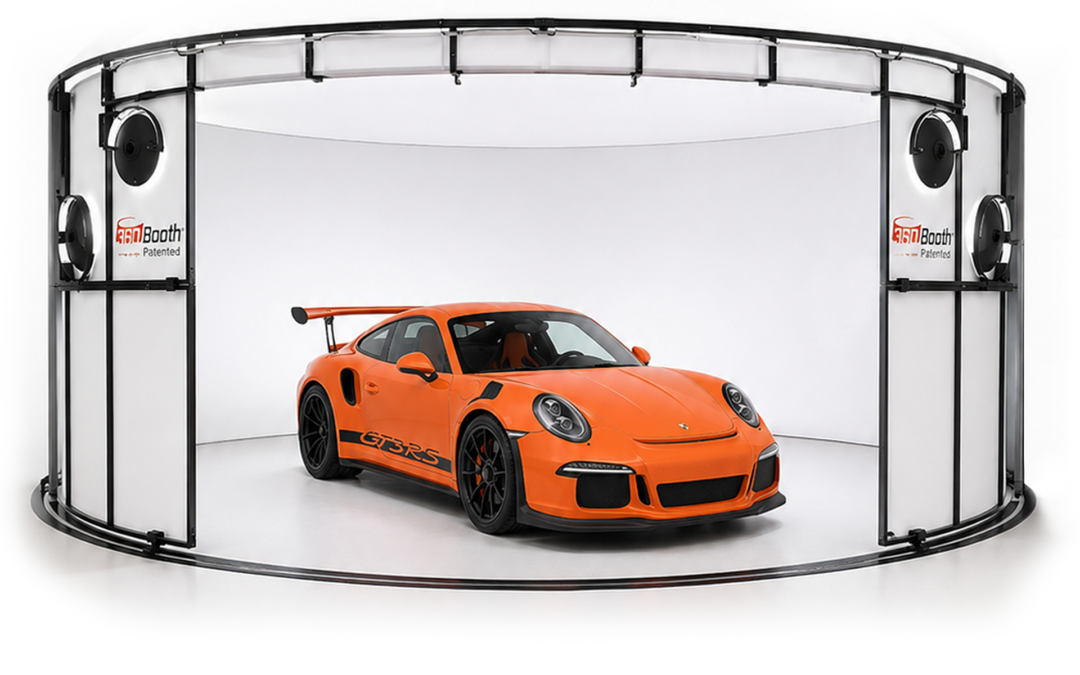
360Booth uses a modular physical structure built around a steel frame, circular track, wall panels and diffused overhead lighting. The structure can be taken apart for relocation.
Based on previous relocation planning, a typical disassembly may require approximately six to eight hours of installation labor. That is a planning example, not a guaranteed timeframe. Actual labor depends on the studio configuration, building access and condition of the existing installation.
The work includes separating the structural components, removing applicable materials and preparing the equipment for transportation. For a closer look at what the team does on site, see what is included in a breakdown and reinstall.
This is where professional experience becomes valuable. The objective isn’t simply to take the studio apart. It’s to preserve the components that can be reused and identify everything needed for proper reassembly.
Can Every Component Be Reused?
Not necessarily. Dealers should not assume that every material from the original installation can simply be removed and reused indefinitely.
Depending on condition and the relocation plan, materials such as track adhesive, wall panels, ceiling cloth and wheel components may need replacement. The track must be properly supported and leveled at the new location. (Here’s more on how the track is secured and leveled.)
Damaged or unsuitable materials should be addressed before the studio returns to production.
This is production equipment. The objective is not the cheapest possible reassembly. It’s to restore reliable operation and consistent photography.
How Long Does Reinstallation Take?
Previous 360Booth relocation planning has allowed approximately three working days for reassembly. That estimate assumes the new site is properly prepared and the necessary components are available. It is not a guaranteed completion time.
The total project schedule must also account for transportation, building preparation, replacement materials and installer availability.
A dealership should establish its relocation schedule before committing to a building move. That allows photography operations to be coordinated with the rest of the dealership’s transition.
Does the New Building Need Another Site Survey?
Absolutely. The fact that a studio fit inside the original building doesn’t mean it will fit inside the new one. Every building is different.
For the standard 24-foot, 26-foot and 28-foot 360Booth configurations, the standard minimum clear space is 30 feet long in the vehicle-entry direction, 30 feet wide and 11 feet high. The standard studio height is 10 feet.
Entrance openings vary by studio size:
24-foot studio: 14-foot opening
26-foot studio: 16-foot opening
28-foot studio: 18-foot opening
These measurements are starting requirements, not substitutes for evaluating vehicle access and surrounding obstacles.
The new location must also be examined for concrete floor pitch, overhead obstructions, lighting, electrical service and vehicle traffic.
A studio should fit the dealership’s workflow, not merely fit inside the building.
What Happens to the Lighting and Electrical Requirements?
The standard U.S. 360Booth uses four 5600K LED lighting heads, a white diffusing ceiling and a dedicated 110V, 20A electrical circuit with a one-hour timer switch. Those requirements must be met at the new location; our guide to vehicle photo studio electrical requirements covers them in detail.
The dealership’s qualified local electrician handles the necessary electrical preparation.
Moving the studio without addressing these conditions defeats part of the reason for owning a controlled photography environment.
Why Relocation Matters to the Long-Term Investment
A physical vehicle photo studio should be evaluated as a long-term operational asset. Dealership buildings can change. Ownership groups can reorganize. Inventory operations can be consolidated into different facilities.
Knowing that an existing 360Booth can be professionally relocated gives management another option when those changes happen. The equipment does not automatically become useless simply because the photography department changes locations.
Of course, relocation has real labor, transportation and replacement-material costs. It should never be presented as free or effortless. But the ability to reinstall the equipment gives a dealership flexibility that should be considered during the original purchasing decision.
Does SHOOTit AI Need to Change When the Studio Moves?
The studio’s physical relocation does not inherently require changing the dealership’s established SHOOTit AI capture sequence.
SHOOTit AI remains the guided evidence-capture layer. Employees photograph the actual vehicle using the dealership’s required 40+ image process. If an image is too dark, blurry or poorly centered, SHOOTit AI stops the workflow and immediately prompts the employee to reshoot before continuing.
Once the studio is reinstalled, the team should verify lighting, camera workflow, upload connectivity and media delivery before returning to normal production. That’s where one connected vehicle photography system pays off: studio, capture app and media delivery are checked together.
This protects the consistency of the dealership’s Authentic Capture™ process. The goal is to relocate the physical environment without unnecessarily reinventing how employees photograph vehicles.
The Dealer Wake-Up Call
A dealership building isn’t necessarily permanent. Your investment in professional vehicle photography shouldn’t automatically end when the dealership moves.
360Booth was designed as physical equipment that can be professionally serviced, maintained, disassembled and reinstalled. That’s a different conversation from paying another monthly software bill.
Before buying a photography system, ask what happens to your investment when the dealership changes buildings. A serious equipment supplier should have an answer.
Planning a move? Contact 360Booth before construction starts so the site survey and relocation schedule are in place.
FAQ
Can an existing 360Booth be installed in another dealership?
Yes, provided the new location is suitable and the studio is properly disassembled, transported and reinstalled.
Can dealership employees disassemble and reinstall the studio themselves?
Professional planning and installer coordination are recommended. Improper disassembly or reinstallation can affect the structure, track operation and photography environment.
Does relocation require replacing the entire studio?
Not necessarily. Reusable components are evaluated alongside materials that require replacement. The final scope depends on the condition of the existing equipment and the new installation requirements.
How much does relocating a 360Booth cost?
Costs depend on the studio configuration, transportation, labor, replacement components and new building conditions. A site-specific quotation should be prepared before relocation. Contact 360Booth to start planning.
Can a relocated 360Booth continue using SHOOTit AI?
Yes. The existing capture workflow can continue once the studio, camera and media-delivery systems have been verified at the new location.
Direct Answer: A standard U.S. 360Booth vehicle photo studio installation requires a dedicated 110-volt, 20-amp electrical circuit and a one-hour timer switch for the studio lighting. The dealership’s local electrician handles electrical preparation according to the approved installation plan and applicable electrical requirements. Power location and installation details should be confirmed during the site survey, before the studio arrives.
A Vehicle Photo Studio Shouldn’t Require Complicated Electrical Infrastructure
One of the first questions dealership facility managers ask when considering a vehicle photo studio is how much electrical work the building will need.
For a standard U.S. 360Booth installation, the answer is straightforward.
A dedicated 110V, 20A circuit.
A one-hour timer switch.
A qualified local electrician.
That’s the basic electrical preparation.
The objective is to create a professional, controlled photography environment without introducing unnecessary electrical or mechanical complexity.
Why Does 360Booth Need a Dedicated Circuit?
The studio has its own lighting system.
Four 5600K LED lighting heads illuminate the studio’s white diffusing ceiling, helping produce consistent light around the actual vehicle.
That lighting is an essential part of the photography process.
The dedicated electrical circuit is intended to serve the studio without sharing its specified circuit capacity with unrelated dealership equipment.
Dealership buildings are already filled with electrical loads. Service equipment, compressors, lifts, chargers, lighting and other systems may operate throughout the day.
The photography studio shouldn’t depend on a shared circuit that wasn’t planned for its operation.
The requirement is simple: provide the studio with its specified electrical service.
The dealership’s electrician should verify the existing electrical infrastructure and determine the appropriate installation under local requirements.
Why Does 360Booth Use a One-Hour Timer Switch?
The one-hour timer switch provides a straightforward method of controlling studio lighting.
The employee activates the lighting when the studio is needed. The timer limits how long the lights remain on after activation.
That reduces the likelihood of studio lighting being left operating indefinitely after photography has finished.
It’s a small operational detail, but it reflects the overall philosophy behind 360Booth: make the photography process simple enough that dealership employees can use it consistently.
The employee shouldn’t need to navigate complicated control systems before photographing the next vehicle.
Does 360Booth Need Electrical Power to Rotate the Vehicle?
The vehicle remains stationary while the surrounding studio structure moves manually. The structure travels on a steel track using V-grooved wheels.
That means there is no turntable motor, motor controller or powered platform beneath the vehicle.
This design removes an entire category of powered mechanical components from the photography process. It also allows the employee to move the surrounding environment and reposition the lighting for better control of reflections and interior photography.
Reliability is the primary reason for this design. A dealership photo studio should be available when vehicles are ready to photograph. The system should not depend on the operation of an unnecessary motorized platform. That’s why a manual vehicle photo studio works better in a high-volume store.
Who Handles the Electrical Installation?
The dealership’s local electrician handles the electrical preparation.
During the site-survey process, 360Booth evaluates the proposed location and provides installation planning information, including electrical requirements and relevant placement considerations. If your architect or contractor needs drawings, see what we can provide to your architect.
The electrician determines how to supply the required circuit and timer switch within the building’s existing electrical system.
Electrical work must comply with applicable local codes and any required permits or inspections.
The studio installation team should not arrive only to discover that the building has no suitable electrical service prepared. That’s an avoidable delay.
What Should the Dealership Confirm Before Installation?
Before the studio is delivered, the dealership should confirm that:
The dedicated electrical circuit is available.
The one-hour timer switch can be installed in the approved location.
The electrician understands the electrical requirements.
Why Simple Infrastructure Matters to Vehicle Photography
Dealerships don’t purchase vehicle photo studios because they want another complicated piece of equipment. They purchase them to photograph inventory more consistently.
360Booth creates the controlled physical environment around the actual vehicle. SHOOTit AI provides the intelligent iPhone-based capture process.
The camera guides employees through the dealership’s required 40+ images. If an image is too dark, blurry or poorly centered, SHOOTit AI stops the workflow and immediately prompts the employee to reshoot before continuing. That’s quality control at the vehicle, not after the fact.
The objective is to document the real vehicle, preserve visible wear and condition, and deliver a consistent set of images without unnecessary steps.
The building infrastructure should support that process rather than complicate it. That’s why electrical planning matters.
The Dealer Wake-Up Call
A vehicle photo studio shouldn’t require complicated equipment just to photograph a car.
Give it the correct power.
Control the lighting.
Keep the vehicle stationary.
Let the studio move manually.
Use SHOOTit AI to guide the photographs.
That’s how a dealership builds a repeatable photography process around the actual vehicle.
The technology should simplify the job, not turn photographing inventory into another maintenance department responsibility.
FAQ
Does a standard 360Booth require 220V electrical service?
No. The standard U.S. electrical requirement is a dedicated 110V, 20A circuit. Electrical arrangements for international installations must be confirmed for the destination.
Can the studio share an existing 20-amp circuit with other equipment?
The standard requirement is a dedicated circuit. An electrician should verify that the proposed circuit meets the studio’s requirements.
Does 360Booth include its own lighting?
Yes. The standard studio includes four 5600K LED lighting heads and a white diffusing ceiling.
Does the studio require a motorized turntable?
No. The vehicle stays stationary while the studio structure moves manually around it.
Who installs the electrical circuit?
The dealership arranges for a qualified local electrician to complete the necessary electrical preparation.
Should electrical planning happen before studio delivery?
Yes. Electrical service, timer-switch placement and other site requirements should be addressed during the site survey and installation planning.
The problem is not pressing the shutter. It is walking back for missed shots, reopening doors, circling the car twice, hunting for the next angle, and realizing later that something was skipped.
360Booth gives you the controlled environment. SHOOTit AI gives your staff the sequence.
Forty plus required images. Exterior and interior coverage. Immediate reshoot if a photo is dark, blurry, or poorly centered.
No guessing. No backtracking. No relying on one “photo guy” to remember everything.
High volume stores do not need faster fingers. They need fewer wasted steps.
Dealer wake up call: if your photo process depends on memory, backtracking, and one talented employee, you do not have a system. You have a liability.
FAQ
Why is dealership vehicle photography slow?
The time goes to walking back for missed shots, reopening doors, circling the car twice, hunting for the next angle and finding out later that something was skipped.
How do 360Booth and SHOOTit AI speed it up?
360Booth provides the controlled environment. SHOOTit AI gives staff the sequence: 40+ required images covering exterior and interior, with an immediate reshoot if a photo is dark, blurry or poorly centered.
Does the process depend on one skilled photographer?
No. The guided sequence means staff don’t have to rely on one person to remember every shot.
360Booth provides the controlled studio. SHOOTit AI guides image capture and processing. Auto Exact Data Team manages VIN level media and data feeds. Customer support connects the entire workflow. Dealers benefit from faster diagnosis, fewer handoffs, fewer unnecessary reshoots, and clear support from the first photo through the dealership website.
Auto Exact Data Team
1. VIN level Media Management
FEATURE: Images, spins, overlays, odometer photos, and inventory status can be reviewed and corrected at the individual vehicle-record level.
BENEFIT: Dealerships avoid unnecessary reshoots and get the correct media assigned to the correct vehicle faster.
2. End to End Data Feed Expertise
FEATURE: Auto Exact Data Team works across inventory imports, image exports, individual feeds, website providers, and major automotive platforms.
BENEFIT: Dealers have one team that can trace where images stopped instead of being bounced between multiple vendors.
3. Image Source Configuration
FEATURE: The team can help coordinate primary image sources, update existing settings, exports, imports, and inventory-media routing.
BENEFIT: The right images reach the right systems while reducing duplicate, outdated, or conflicting photo sets.
4. Media Recovery and Correction
FEATURE: Archived photos can be located, restored, reordered, reactivated, corrected, and prepared for downstream feeds.
BENEFIT: Dealers can recover valuable vehicle photography and resolve media problems without automatically starting over.
5. Proactive Feed Monitoring
FEATURE: The team monitors imports, pending vehicles, inactive records, missing spins, processing alerts, and other delivery exceptions.
BENEFIT: Potential problems can be identified before they affect large portions of a dealership’s online inventory.
360Booth
6. Complete Vehicle Photo Studio Support
FEATURE: 360Booth supports the physical studio, including flooring, tracks, lighting, panels, components, installation, and reinstallation.
BENEFIT: Dealers have one knowledgeable resource for maintaining a consistent vehicle-photography environment.
7. Physical and Digital Workflow Integration
FEATURE: The vehicle photo studio works as part of a larger system that includes SHOOTit AI capture technology and Auto Exact data-feed support.
BENEFIT: Hardware, photography, image processing, and delivery are treated as one connected operation.
8. Replacement Part Coordination
FEATURE: Support helps identify equipment issues and coordinate replacement lighting components, camera equipment, panels, and related parts.
BENEFIT: Dealers spend less time diagnosing studio equipment and can restore production more efficiently.
9. Installation and Reinstallation Assistance
FEATURE: 360Booth provides planning, installer coordination, site guidance, and operational checks for new or relocated studios.
BENEFIT: Dealers can bring a vehicle photo studio online with fewer setup errors and clearer accountability.
10. Workflow Training and Launch Support
FEATURE: Teams receive guidance for studio operation, photography procedures, software setup, and first-day production.
BENEFIT: Employees become productive faster and are less likely to develop inconsistent photography habits.
SHOOTit AI
11. Guided Vehicle Photography
FEATURE: SHOOTit AI guides photographers through the dealership’s required image sequence WITHOUT WIRE FRAMES allowing creativity and 5 minutes shoots instead of 30 minute shoots
BENEFIT: Every vehicle can be photographed more consistently, regardless of which employee is holding the camera.
12. Capture Quality Validation
FEATURE: The workflow can identify common photography problems such as dark, blurry, poorly framed, or incomplete images.
BENEFIT: Photographers can correct problems while they are still with the vehicle, reducing avoidable retakes.
13. Capture to Website Troubleshooting
FEATURE: Support can investigate the app, device, upload, AI processing, inventory record, export, feed, and website stages.
BENEFIT: Dealers receive a more precise diagnosis instead of being told only that the photos “did not upload.”
14. Image Reprocessing and Correction
FEATURE: Vehicle images can be reviewed, reprocessed, manually corrected, or escalated to development when necessary.
BENEFIT: Individual image problems can often be corrected without reshooting the entire vehicle.
15. Direct Engineering Escalation
FEATURE: Support can escalate the exact affected vehicle, image, or processing condition to the development team.
BENEFIT: Engineering receives specific evidence, which helps reduce investigation time and speeds up targeted corrections.
Customer Support
16. Fast, Meaningful Responses
FEATURE: Documented support conversations regularly show meaningful first responses within approximately 3 to 15 minutes during active support periods.
BENEFIT: Dealership teams can receive useful direction while the vehicle, photographer, or issue is still in front of them.
17. Action First Service
FEATURE: Support does more than acknowledge requests it can correct records, change settings, restore media, reprocess images, prepare rebuilds, and push updated feeds.
BENEFIT: Customers get forward progress instead of another ticket number or vendor handoff.
18. Precise Root Cause Diagnosis
FEATURE: Support distinguishes between incorrect VINs, missing captures, inactive inventory, incomplete spins, image-processing failures, source settings, feed delays, and website issues.
BENEFIT: The dealership receives the correct next step and avoids wasting time repeating work that was already completed properly.
19. Cross-Platform Ownership
FEATURE: The support team coordinates with dealership staff, website providers, inventory platforms, service partners, installers, and developers.
BENEFIT: Customers have an advocate who follows the issue across system boundaries instead of stopping at the edge of one product.
20. Honest Resolution Tracking
FEATURE: Support distinguishes among an internal correction, a queued feed, platform receipt, website publication, and final customer confirmation.
BENEFIT: Dealers know exactly what has been completed, what remains pending, and who owns the next action.
Core Competitive Advantage
Most providers support only a camera, a studio, an image processor, or a data feed. 360Booth, SHOOTit AI, Auto Exact Data Team, and customer support cover the entire dealership vehicle photography chain from the physical capture environment and photographer workflow to the VIN, processed media, data feed, and dealership website.
FAQ
What does each part of the 360Booth system do?
360Booth provides the controlled studio, SHOOTit AI guides image capture and processing, the Auto Exact Data Team manages VIN-level media and data feeds, and customer support connects the whole workflow.
How does SHOOTit AI check photo quality?
The workflow can identify common problems such as dark, blurry, poorly framed or incomplete images, so photographers can fix them while they are still with the vehicle.
What happens when photos don't reach the website?
Support can investigate the app, device, upload, AI processing, inventory record, export, feed and website stages, so dealers get a specific diagnosis instead of being told the photos did not upload.
Can image problems be fixed without reshooting the car?
Often, yes. Images can be reviewed, reprocessed, manually corrected or escalated to development, and archived photos can be restored or reordered.