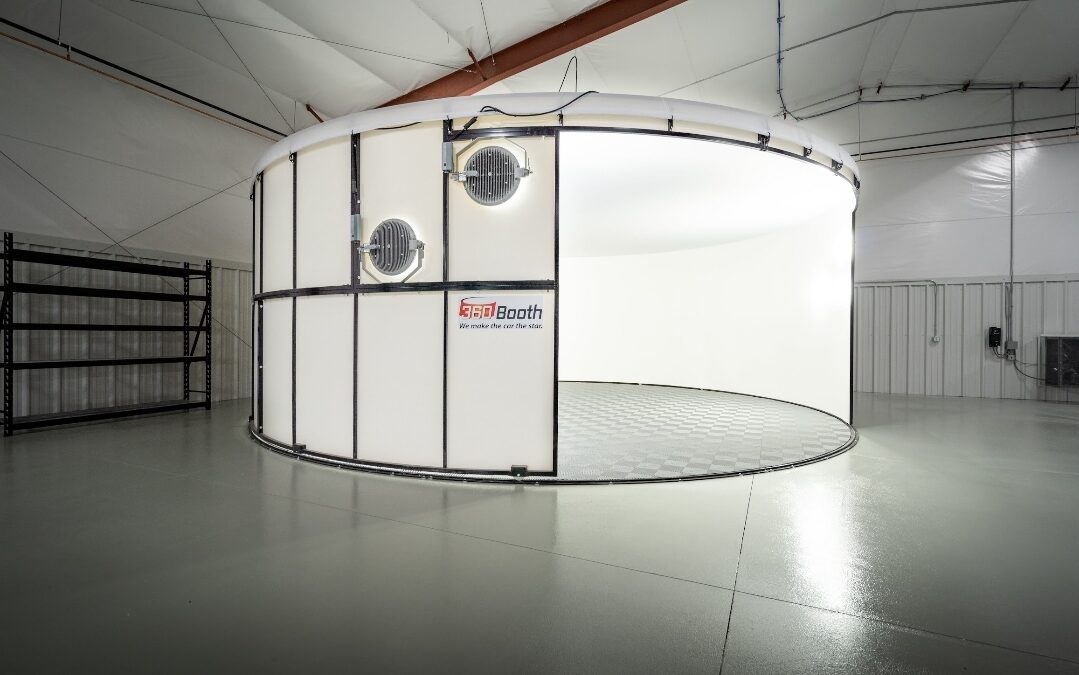
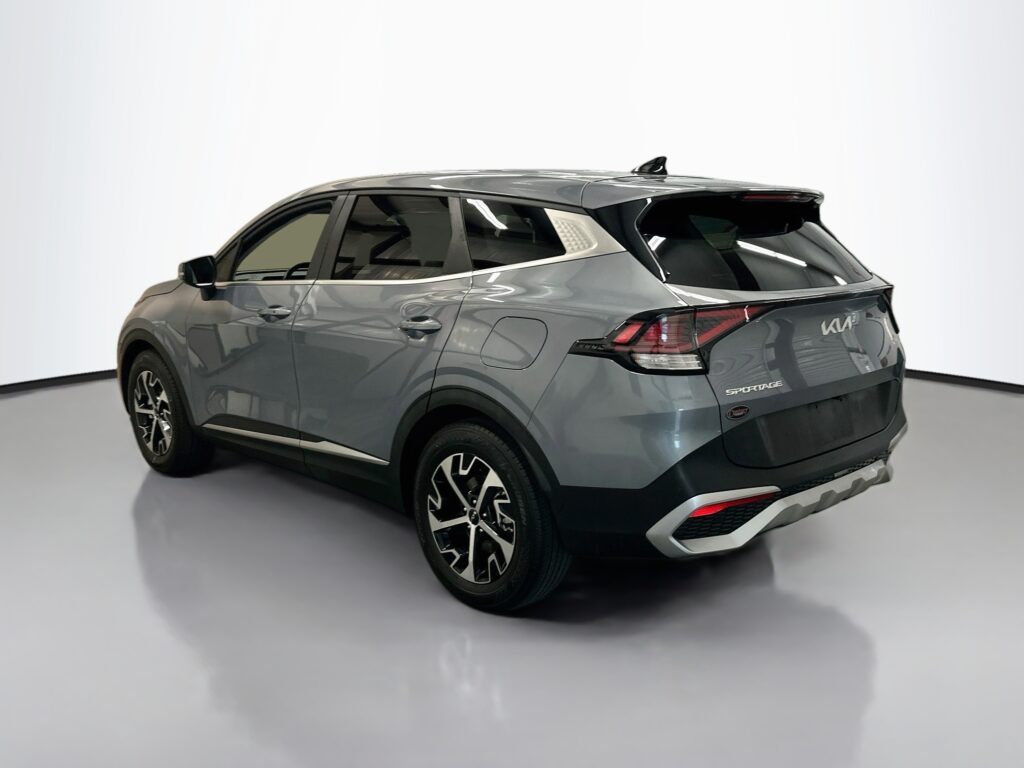
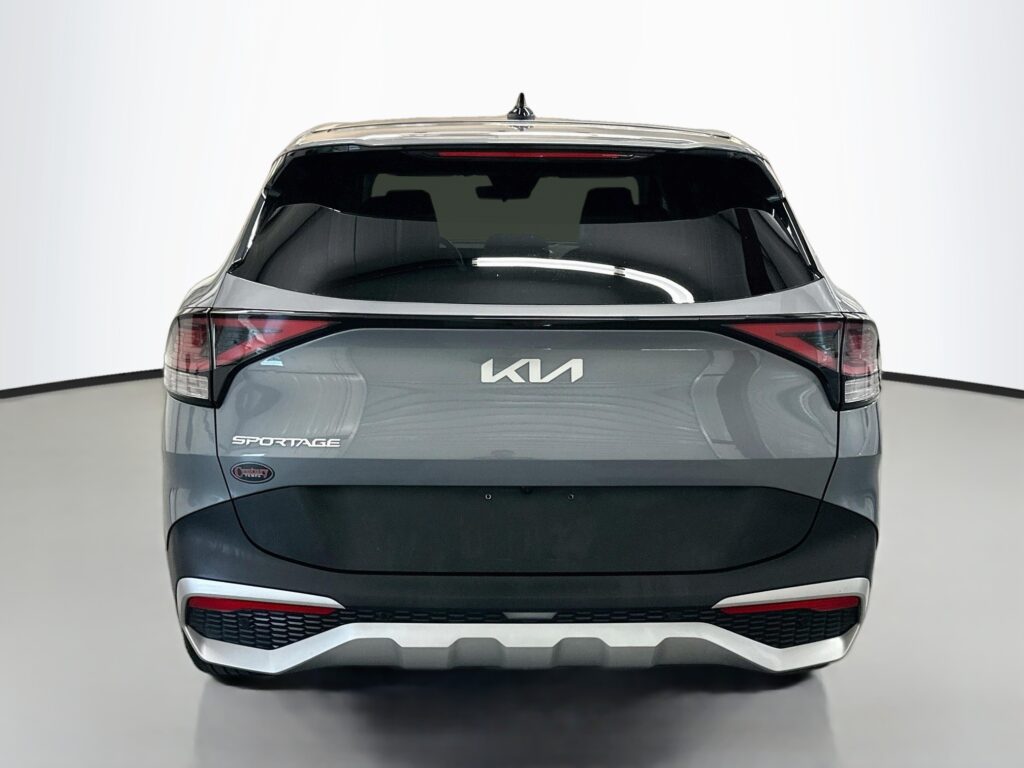
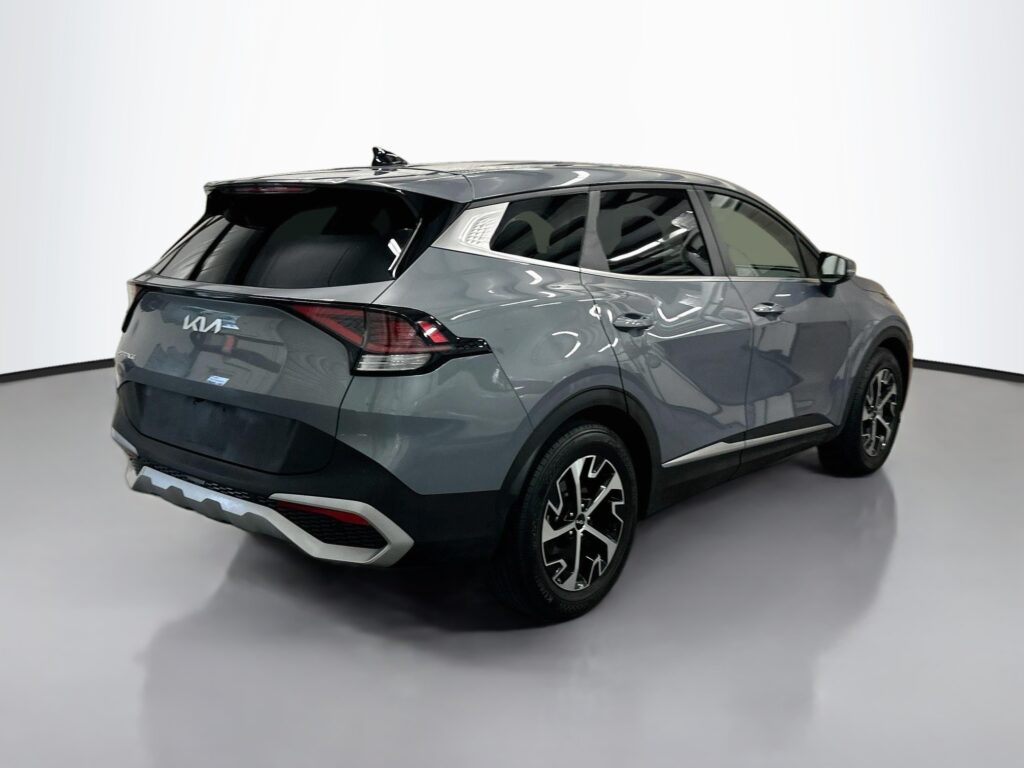
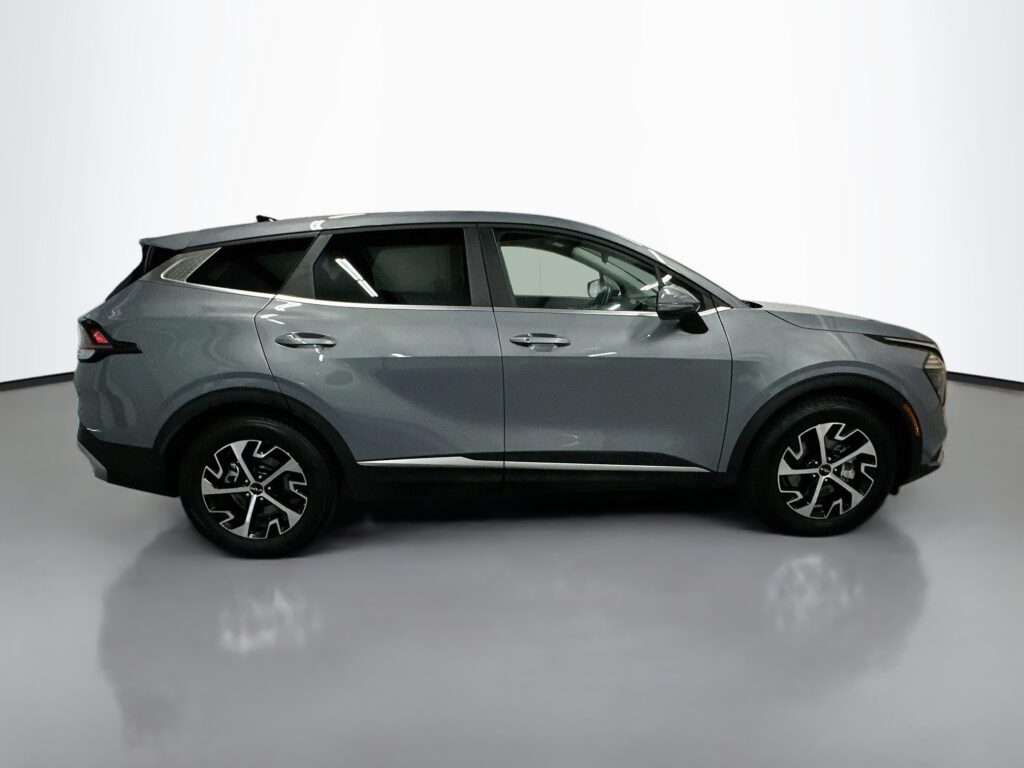
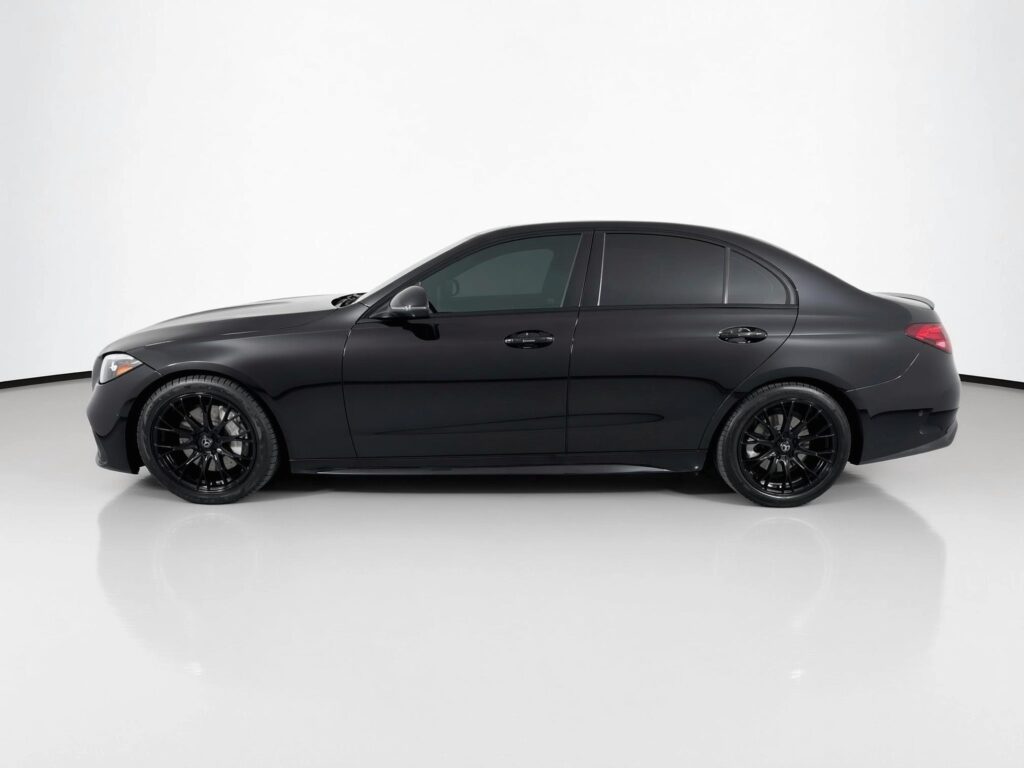
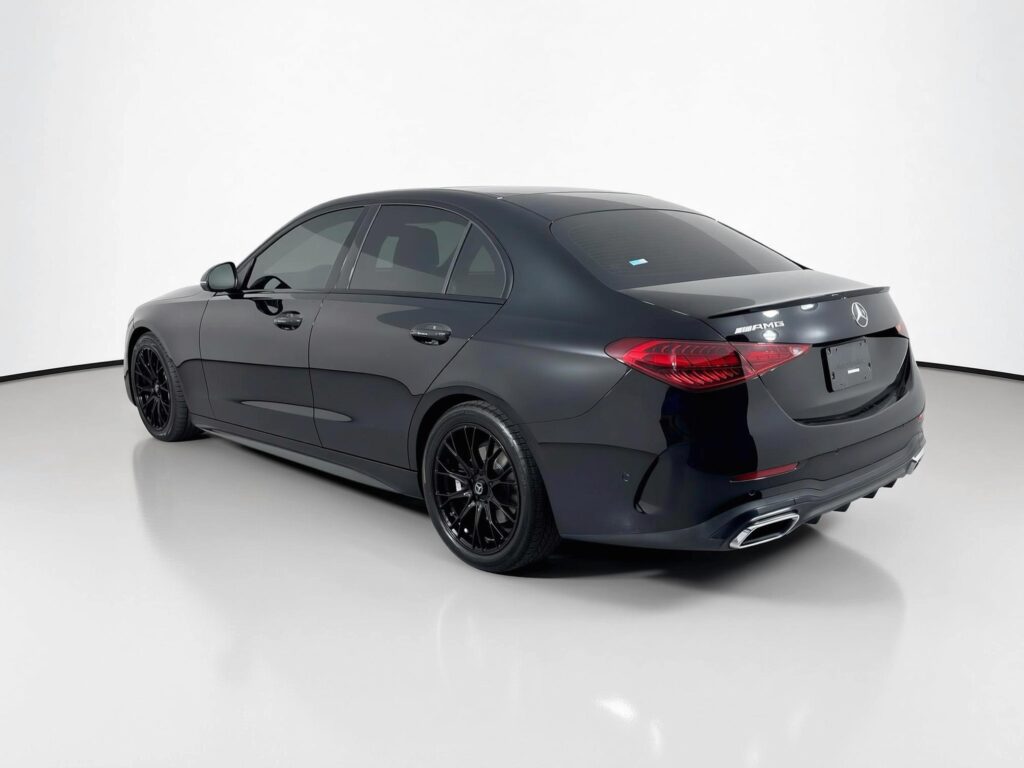
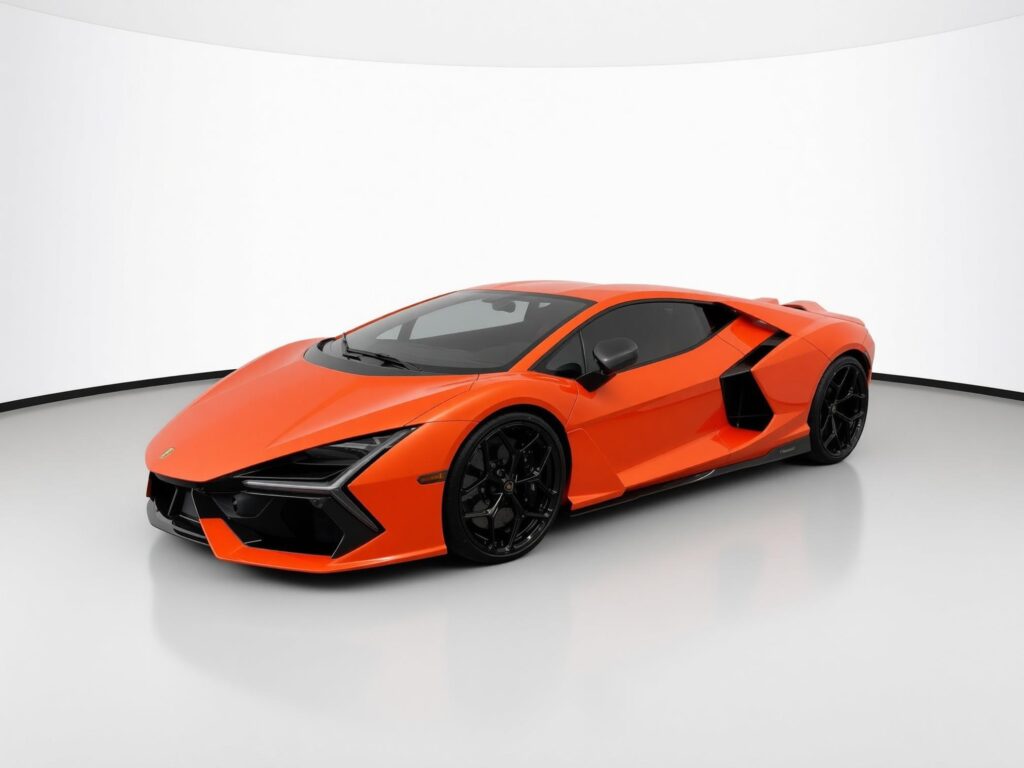
A manual vehicle photo studio removes the weakest part of many automated systems. The motor. Instead of rotating the vehicle on powered machinery, 360Booth keeps the car stationary while the controlled lighting and background move around it. Dealers gain direct control over reflections, speed, accuracy and reliability without making every photograph dependent on a motor, sensor, gearbox or control panel.
1. No Motor Means No Motor Failure
A motorized turntable works until the motor, gearbox, sensor, control board or power system fails.
When that happens, photography stops. Inventory backs up. The warranty may eventually repair the equipment, but it cannot recover the vehicles that missed the VDP today.
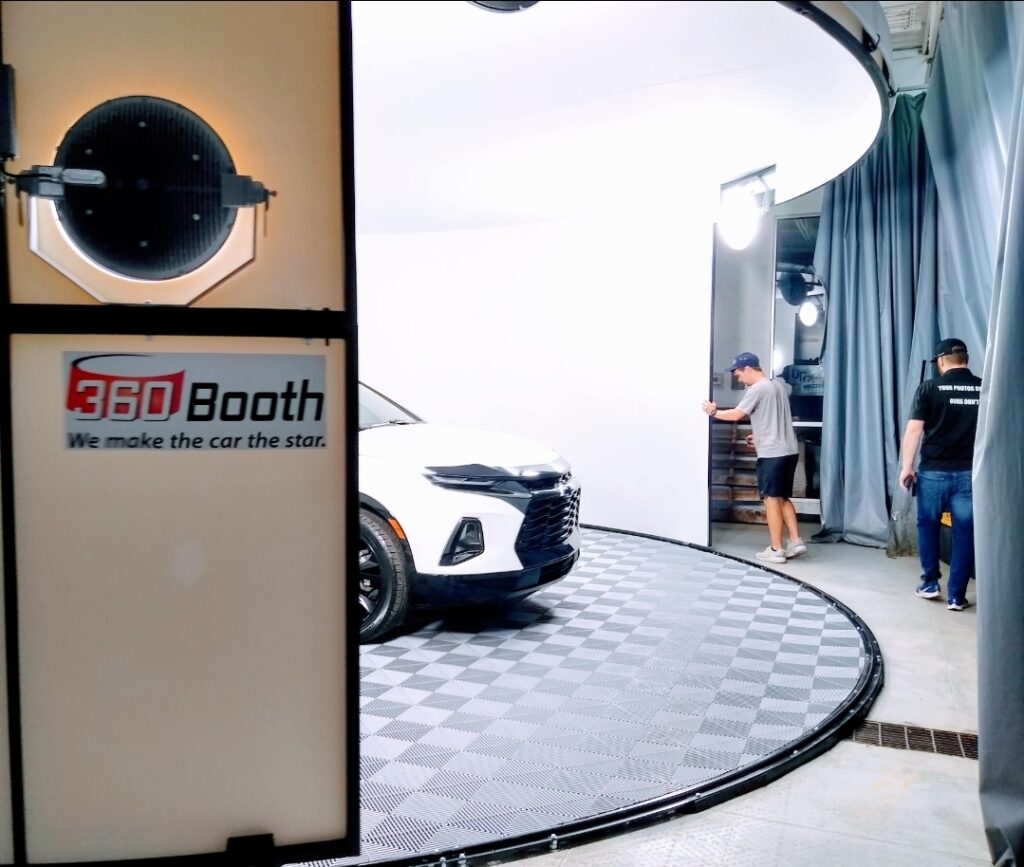
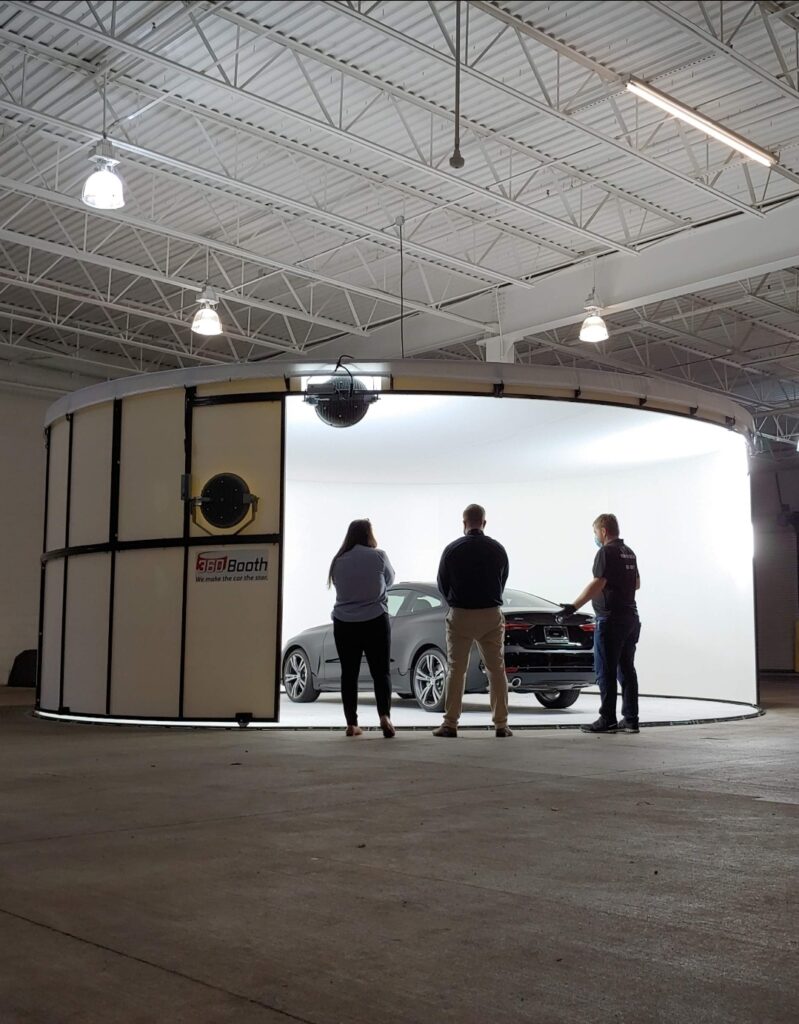
360Booth was deliberately designed without a motorized turntable. The vehicle stays stationary while the studio moves manually around it with approximately 20 to 30 pounds of pushing force.
No complicated startup sequence. No powered platform. No motor controlling whether the dealership can photograph inventory.
2. Put the Light Where the Vehicle Needs It
Vehicle photography is not about spinning a car. It is about controlling light and reflections.
360Booth moves the studio wall, physical background and lighting around the stationary vehicle. That allows the operator to position the controlled environment where it produces the best view of the vehicle.
The dealer is not hoping fixed lights work for every body shape, paint color and camera angle. The photography environment moves around the subject.
That is control. Not automation for the sake of automation.
3. Speed Without Sacrificing Accuracy
A machine spinning faster does not automatically produce better vehicle photos.
The real measurement is how quickly the dealership can create a complete, accurate media package and move the vehicle toward the VDP.
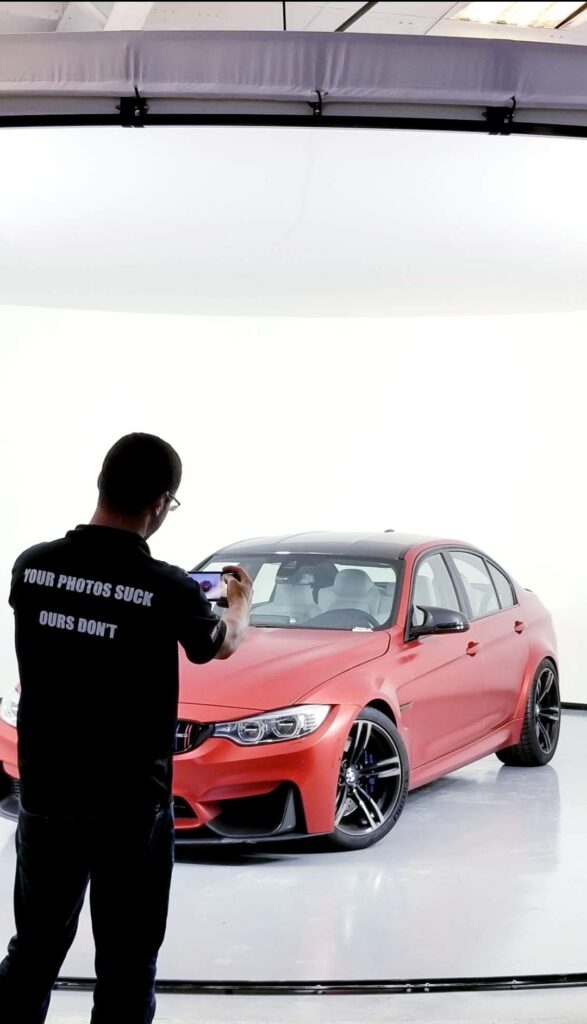
Inside 360Booth, SHOOTit AI guides the employee through the required amount of images. If a photograph is dark, blurry or poorly centered, the workflow stops and immediately demands a reshoot while the vehicle is still there.
Speed comes from eliminating weather, mistakes, missing images and delayed reshoot not from watching a turntable rotate.
4. A Warranty Does Not Replace Reliability
A warranty is important. But a long warranty on complicated machinery does not make that machinery simple.
The better question is. What can fail, and will that failure stop production?
360Booth uses a straightforward mechanical design. A steel structure, stationary track, V groove wheels, controlled lighting, physical walls and a diffused cloth ceiling. Normal components can be serviced without making dealership photography dependent on a proprietary motorized platform.
A repair promise is good. Equipment that keeps working is better.
5. Built for Longevity. Not Obsolescence
Camera technology will change. Phones will improve. AI workflows will advance. The physical need for controlled lighting, clean reflections and a consistent background will remain.
That is why a properly built manual studio has longevity. The camera and software can evolve while the controlled photography environment continues doing its job.
More than 1,700 360Booth studios operate across six countries because simple, dependable equipment survives real dealership use.
DEALER WAKE-UP CALL: Manual does not mean outdated. Manual means controlled, dependable and repairable.
Automation is not an advantage when it creates the single failure point that shuts down your photography department.
The vehicle stays still. The lighting environment moves. The dealer keeps shooting.
No motor. No turntable. No excuses. 360Booth Authentic Capture™.
FAQ
Does 360Booth use a motorized turntable?
No. 360Booth was designed without a motorized turntable. The vehicle stays stationary while the studio moves manually around it with roughly 20 to 30 pounds of pushing force.
Why is a manual vehicle photo studio more reliable?
There is no motor, gearbox, sensor or control board whose failure can stop photography. 360Booth uses a steel structure, stationary track, V-groove wheels, controlled lighting, physical walls and a diffused cloth ceiling.
How does a manual studio help control reflections?
The studio wall, background and lighting move around the stationary car, so the operator can position the controlled environment where it gives the best view of the vehicle.
How does SHOOTit AI fit in?
Inside 360Booth, SHOOTit AI guides the employee through the required images and stops for a reshoot when a photo is dark, blurry or poorly centered, while the vehicle is still there.
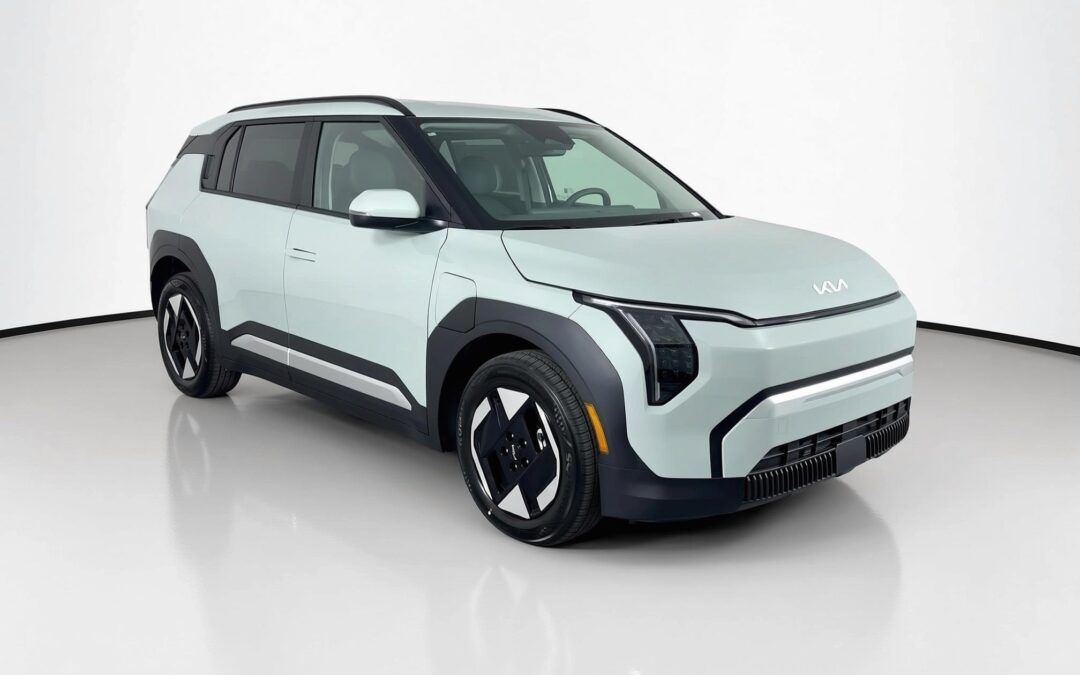
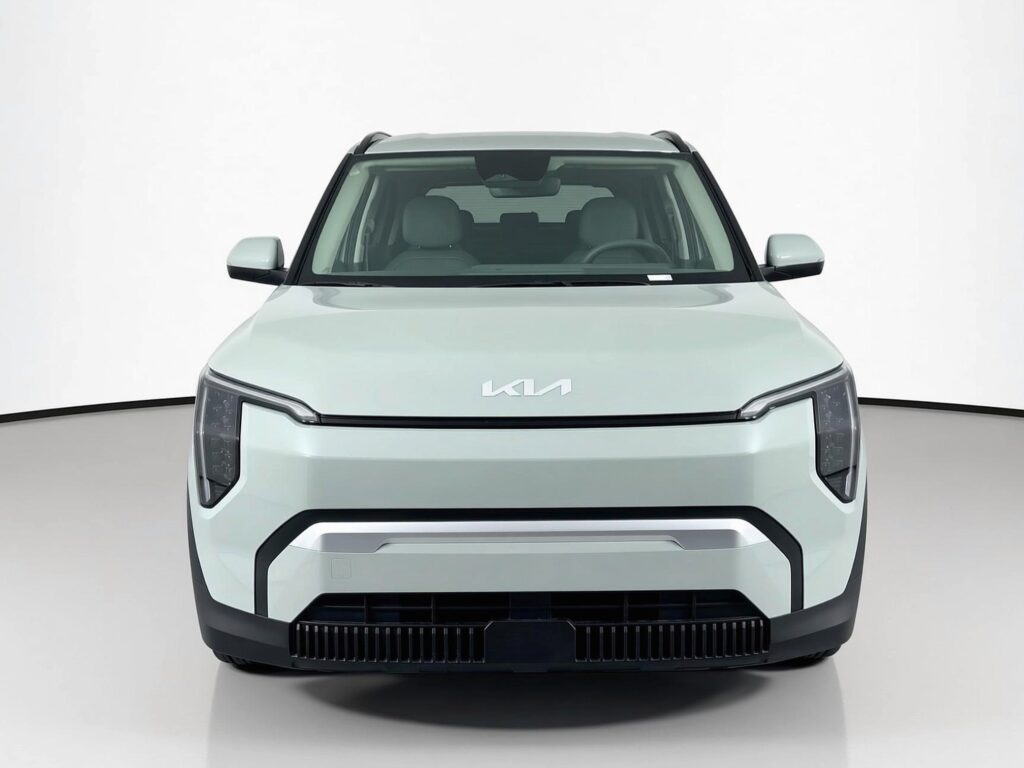
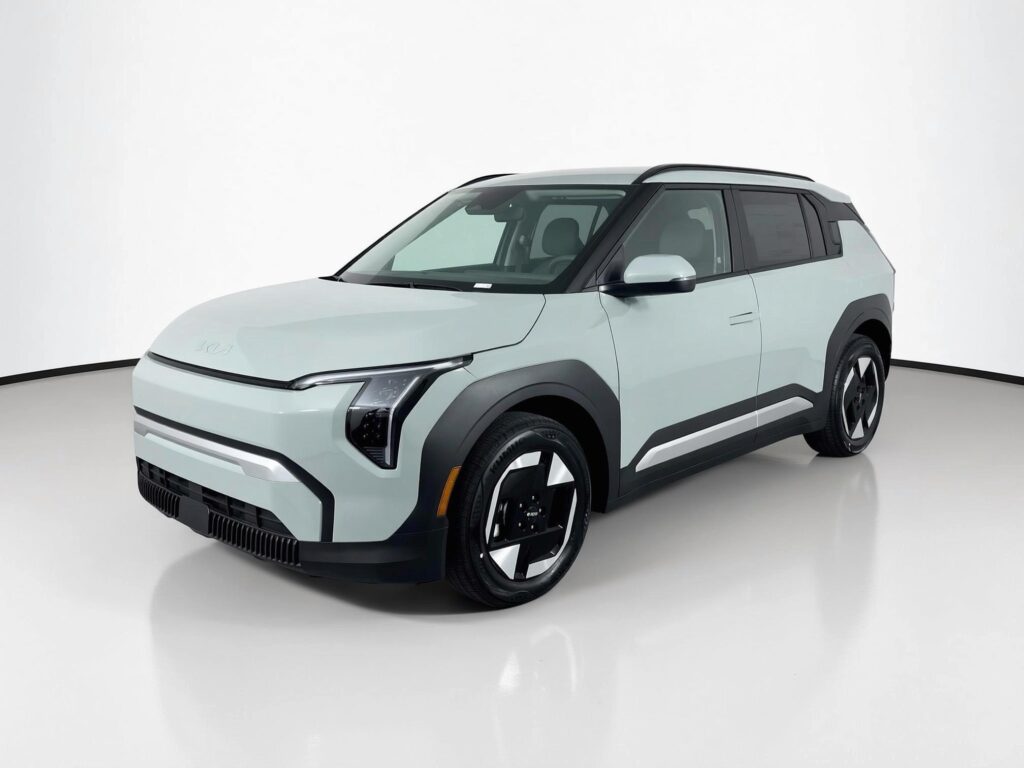
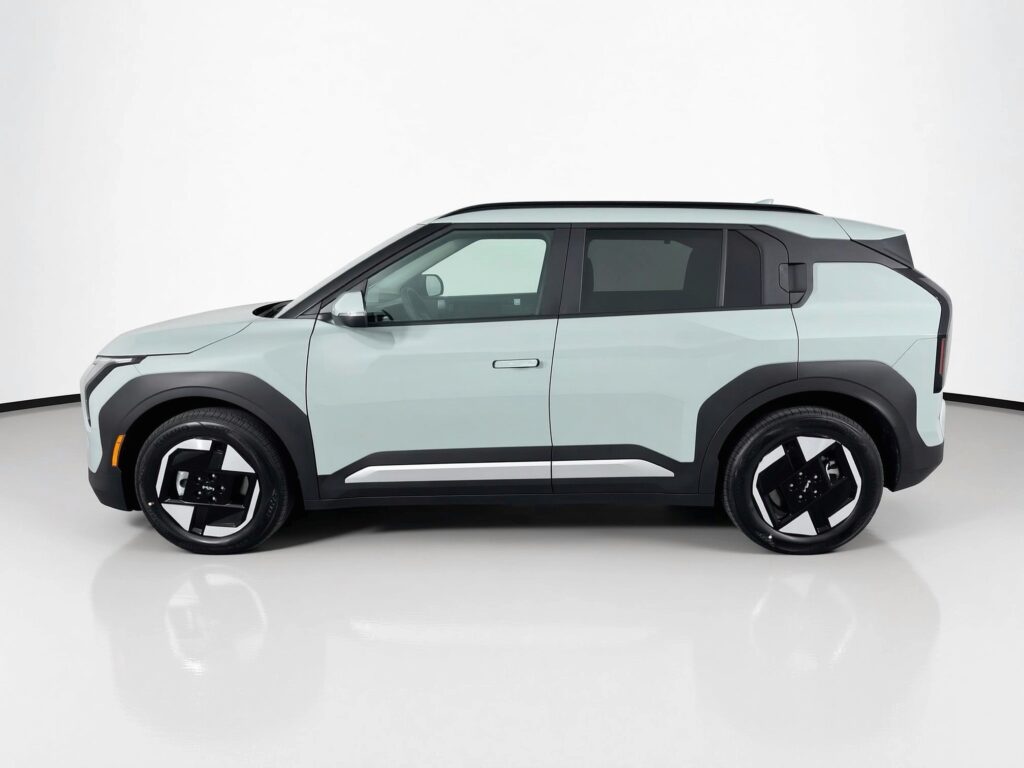
AI generated vehicle views can be useful merchandising, but they should not be treated as primary photographic evidence of vehicle condition when the displayed viewpoint was never actually captured. If software creates new angles from a small number of source photographs, unseen scratches, dents, wheel damage, paint defects or other wear were never directly recorded from those viewpoints.
Generated Vehicle Merchandising and Vehicle Evidence Are Different
Automotive AI companies are rapidly reducing the amount of photography required to create a complete-looking presentation.
A photo software company currently advertises a 360 experience created from four standard vehicle photographs with no additional shooting. Its website describes the process as turning those photographs into an interactive 360° experience.
Another photo software company similarly markets 360° vehicle experiences created from existing vehicle images without additional capture.
The technology is impressive. But the terminology matters. If a camera captured four viewpoints and software displays many more viewpoints, the additional views were not original photographs taken from those camera positions. They were created from the available source information. Data Imagination predicting what it looks like.
That is merchandising. It is not the same thing as photographing the actual vehicle from every displayed angle.
Why This Matters More With Used Vehicles
A new vehicle and a used vehicle present very different imaging problems.
Used vehicles have history.
A door may have a small ding.
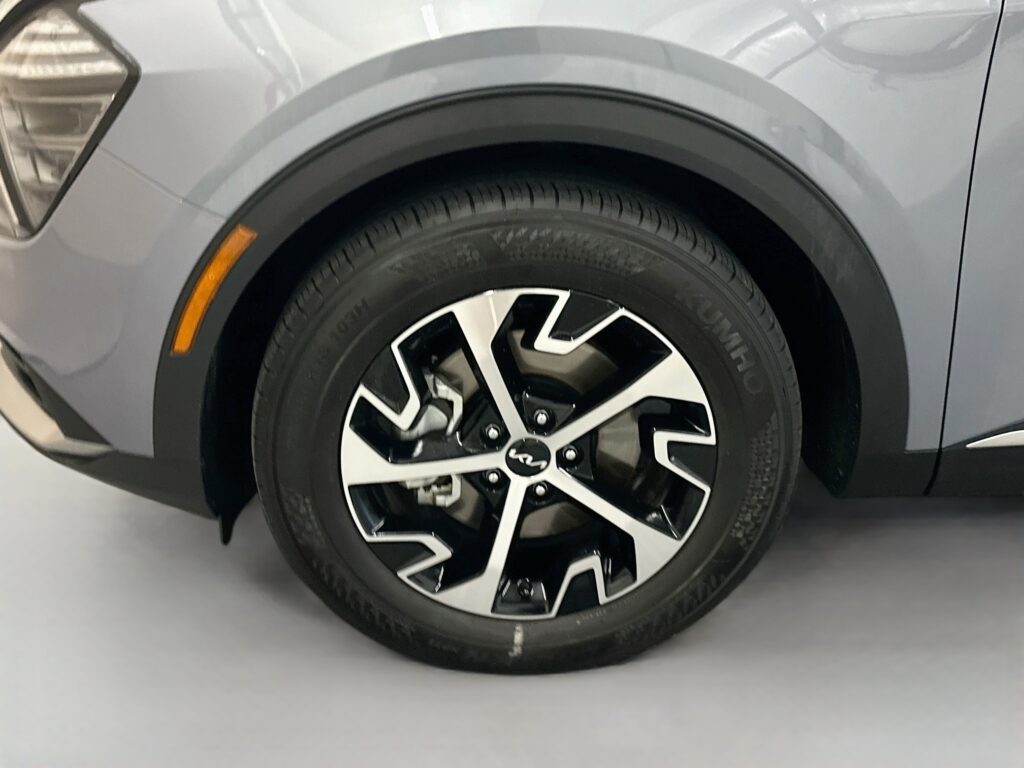
One wheel may have curb rash.
A quarter panel may carry a scratch.
A seat bolster may show wear.
Paint may have an imperfection visible only from a particular angle or under a particular reflection.
If that area was never photographed directly, software cannot recover photographic evidence that was never captured.
It may estimate what belongs there. It may create a visually convincing continuation. It may produce an excellent merchandising image. But those are different claims from saying the image documents the actual condition of that surface.
That distinction should become more important, not less important, as vehicle-condition imaging advances.
SHOOTit AI guides the dealership through the required 40+ image process rather than attempting to manufacture a complete visual record from only a handful of source photographs.
This is not an argument that generated imagery has no value.
Generated backgrounds can improve merchandising consistency.
Synthetic video can create engaging advertising.
Generated viewpoints can produce smooth, attractive presentations.
Those can all be legitimate tools when their purpose is clear.
The problem is category confusion. A marketing asset should not automatically be treated as a condition record. A simulated viewpoint should not automatically be described as an original photograph. A visually accurate-looking vehicle is not automatically proof that every visible surface corresponds exactly to what the camera recorded.
Provenance Helps, but Provenance Is Not Proof of Condition
The broader technology industry is already developing systems to identify how digital media was created.
C2PA Content Credentials can record information about a file’s origin, editing history and AI involvement. Google’s documentation explicitly notes that C2PA does not classify media as “real” or “fake” and does not guarantee that the depicted information is truthful.
That distinction matters for automotive imaging. Knowing that AI was used is useful provenance. It still does not turn a generated viewpoint into a photograph that was physically captured from that position.
What Dealers Should Ask Their Imaging Provider
A dealer evaluating an AI imaging product should ask one very simple question: Was every displayed exterior viewpoint actually photographed, or were some of those viewpoints generated from other images? That question separates capture from synthesis immediately.
Then ask:
Was the vehicle itself regenerated?
Was only the background replaced?
Were unseen surfaces estimated?
Can the original source photographs be retained?
Can generated media be clearly identified?
Does the system preserve visible condition exactly as captured?
Those questions will become increasingly important as merchandising, computer vision and vehicle condition analysis begin using the same image pipelines.
Authentic Capture™ Is About the Chain of Evidence
The future of automotive imaging will use more AI, not less. That makes source quality more important. Damage models, merchandising systems, appraisal tools, inspection platforms and AI search systems will all depend on the visual information they receive.
A beautiful synthetic image may be useful. A properly captured source image can also become evidence. Those are not interchangeable assets.
360Booth and SHOOTit AI are being built around that distinction.
Photograph the actual car. Preserve the actual condition. Then let AI work from evidence instead of inventing what the camera never saw.
FAQ
Can four photographs produce an interactive 360° presentation?
Yes. Current automotive AI vendors publicly advertise interactive 360° presentations generated from only a small number of source photographs.
Does that mean every displayed viewpoint was photographed?
No. If only a limited set of camera positions was captured, additional displayed viewpoints were created computationally rather than photographed from those physical positions.
Is AI background replacement the same as generating the vehicle?
No. Background removal or replacement can preserve the photographed vehicle pixels. Generating new viewpoints or reconstructing unseen portions of the vehicle is a materially different operation.
Can generated vehicle imagery still be valuable?
Yes. It can be useful for merchandising, advertising and presentation. The key is not confusing generated presentation with original photographic evidence.
A dealership should publish enough photos to answer the customer’s questions about the actual vehicle, not stop at an arbitrary number because a software package says the job is finished.
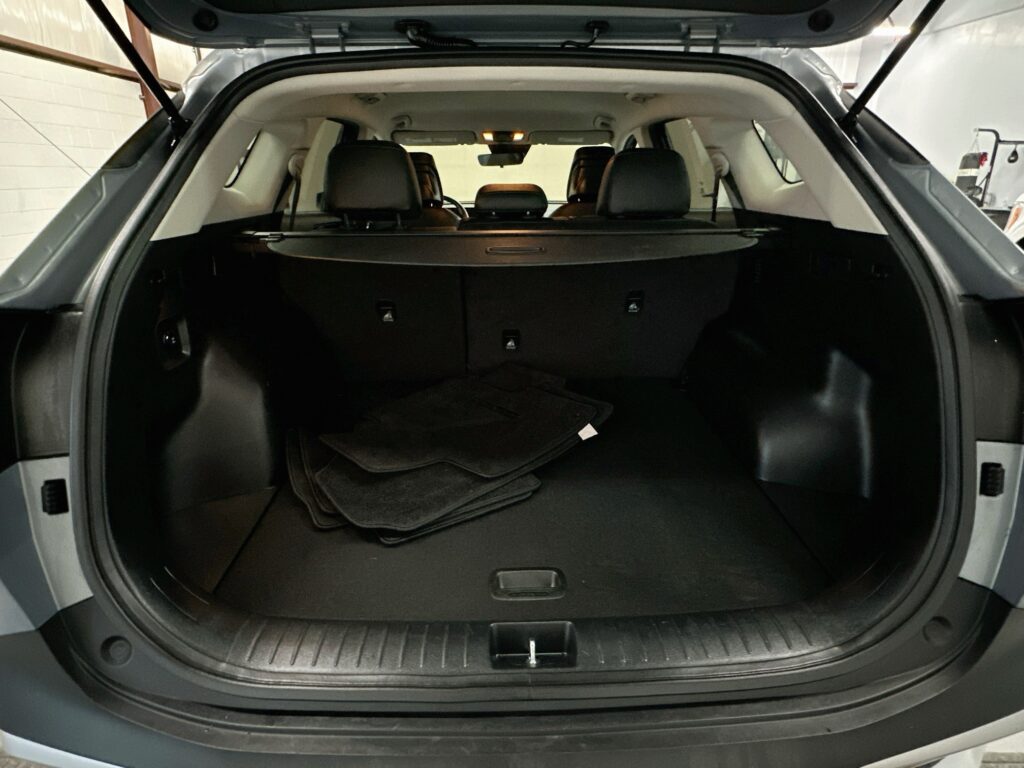
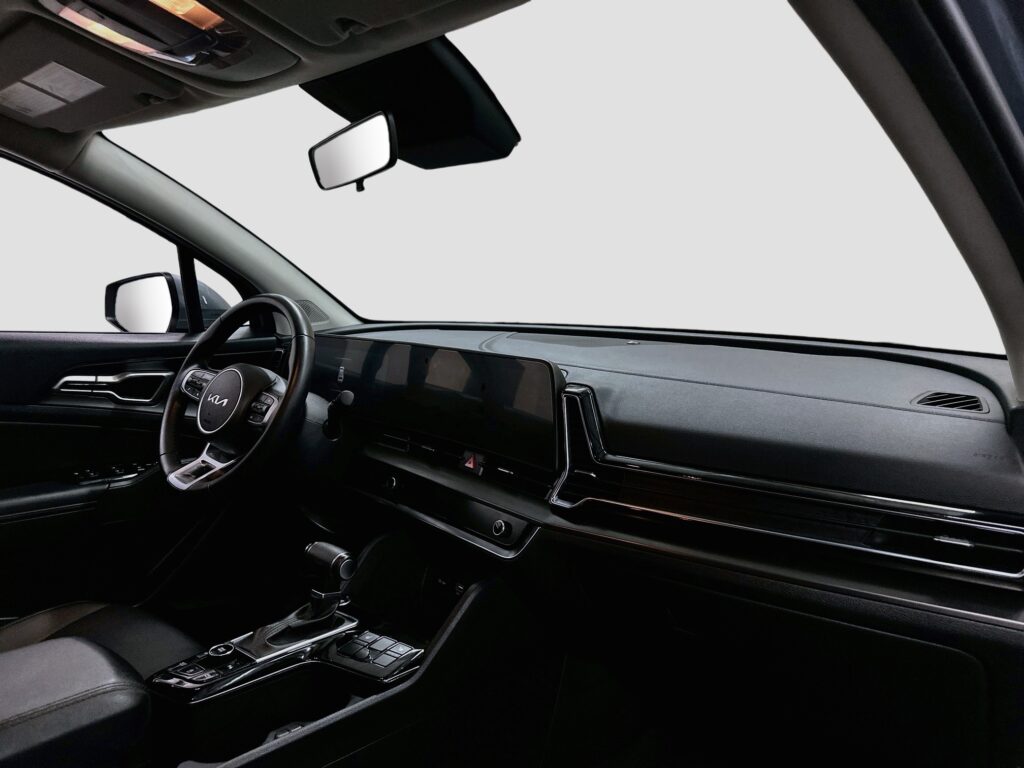
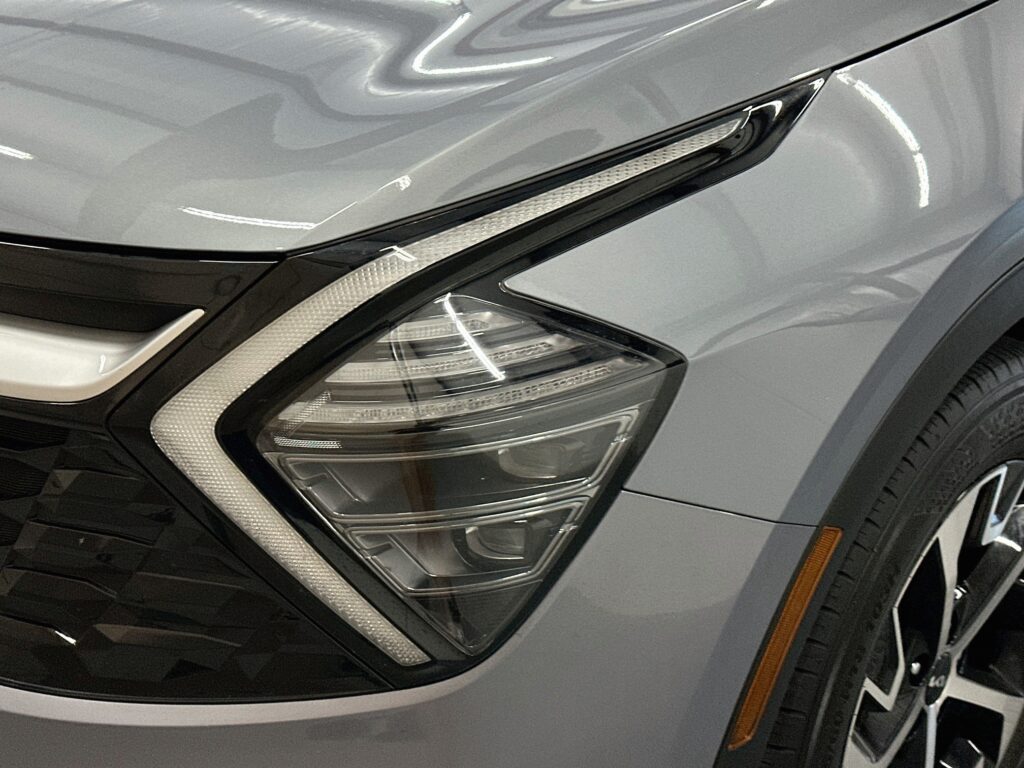
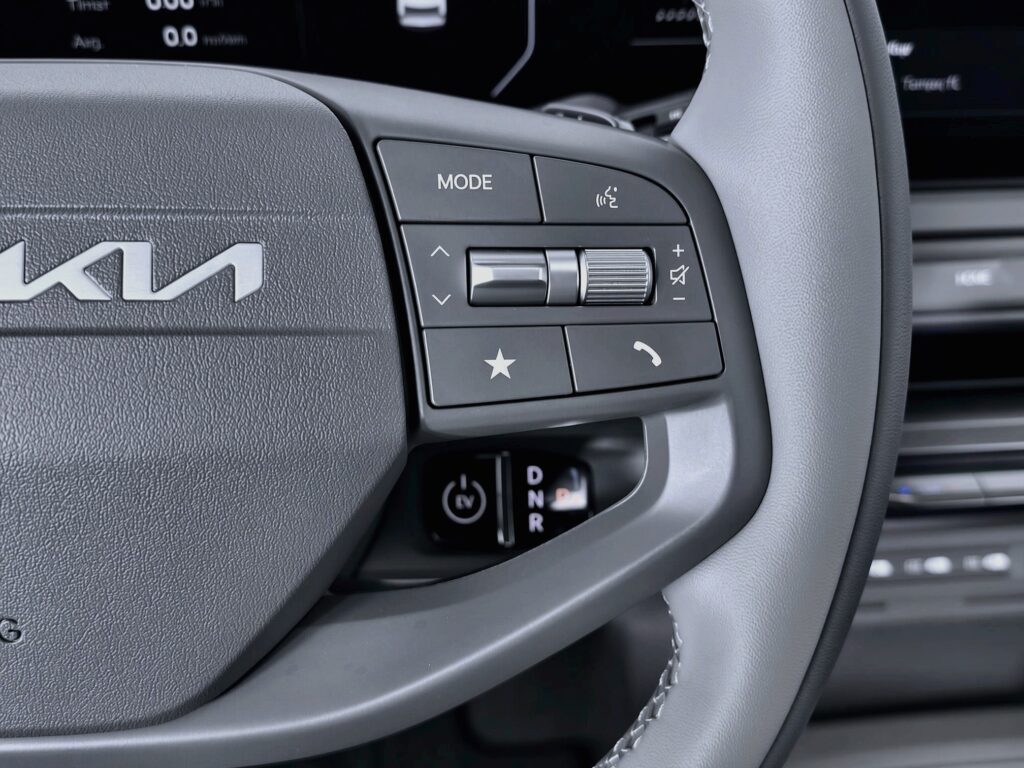
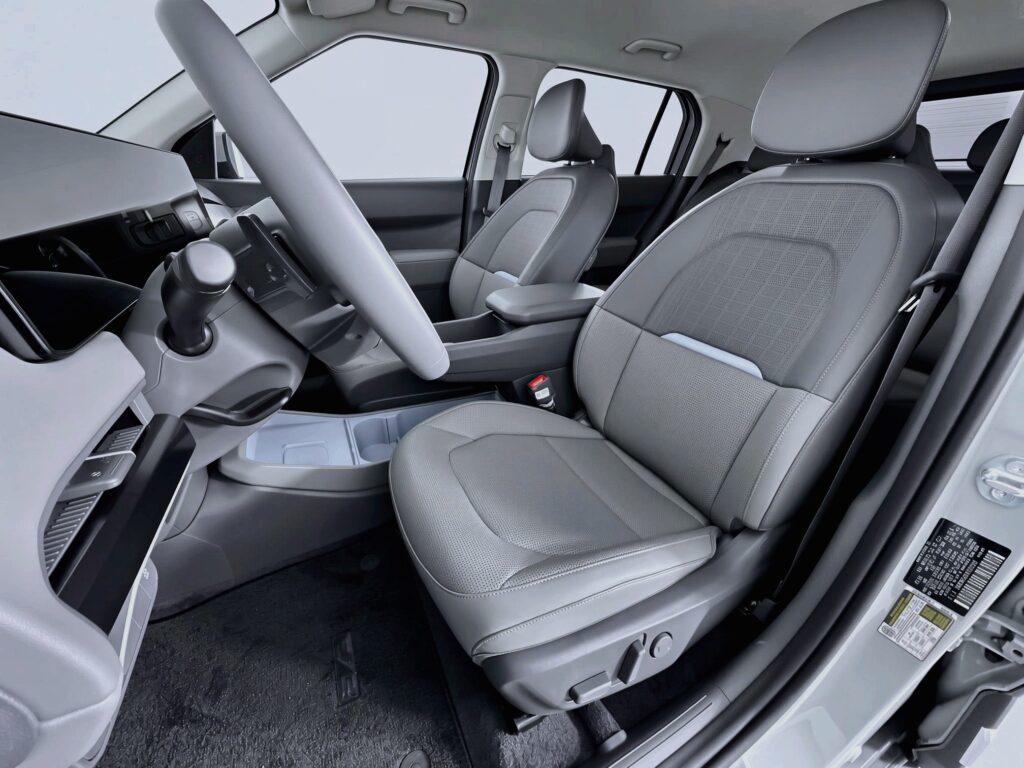
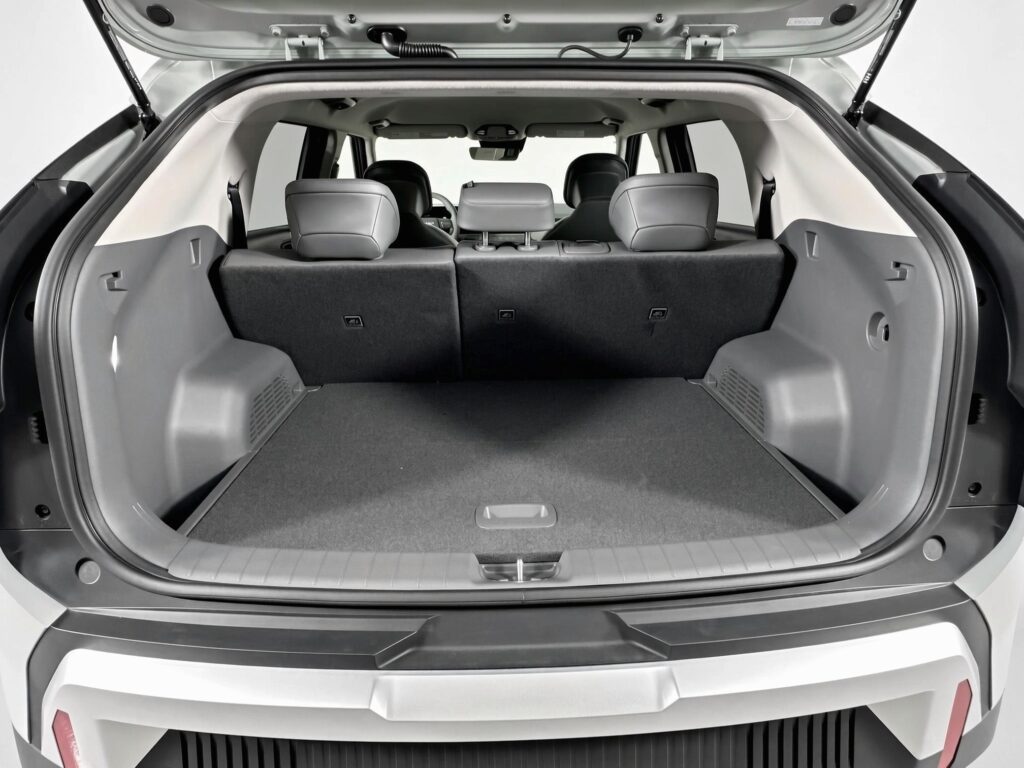
Most vehicles need a consistent core set. Customers expect to see the exterior from every useful angle, each wheel, the interior, equipment, cargo space and the details that distinguish one unit from another.
That is why SHOOTit AI guides employees through a repeatable 40+ image process. The sequence creates a dependable visual record without requiring the employee to remember a shot list or decide what comes next.
But forty is a starting standard, not a ceiling.
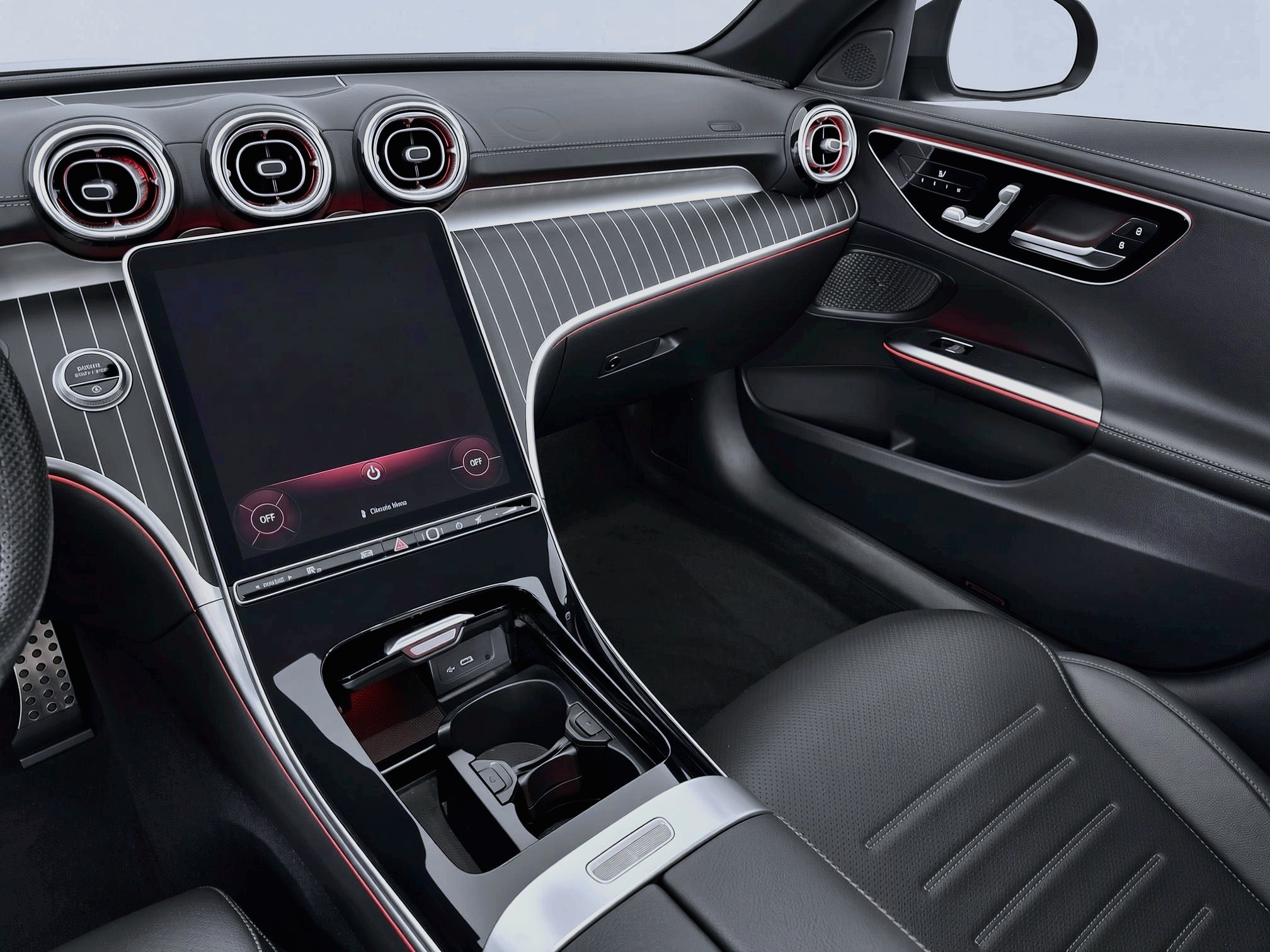
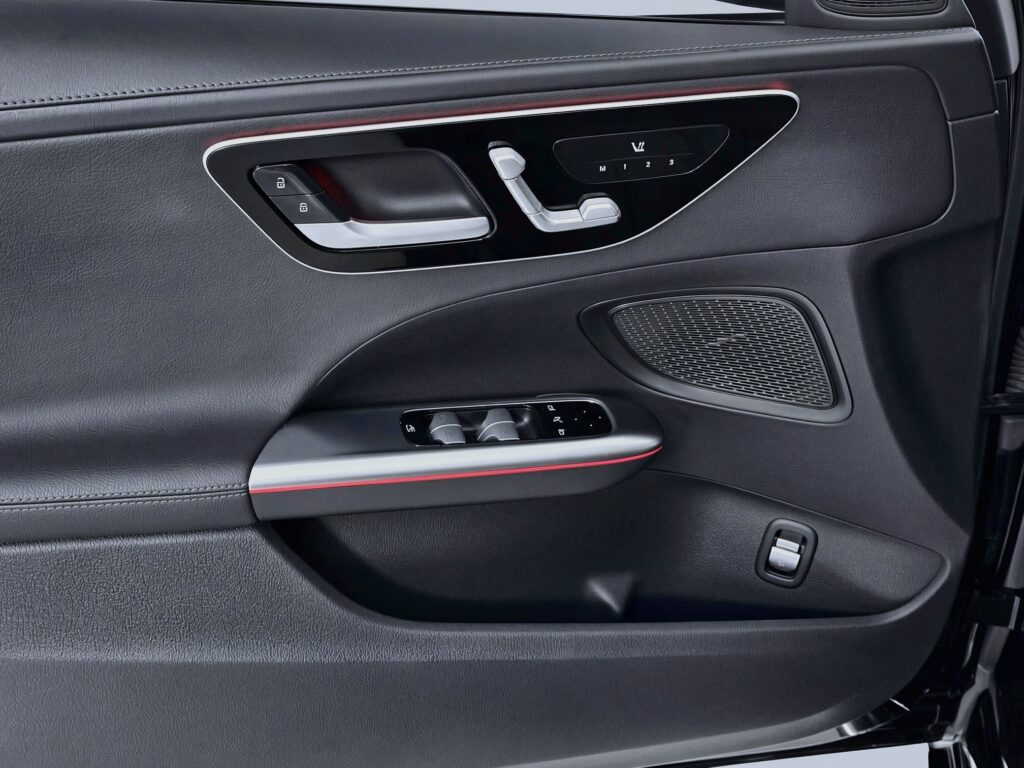
A loaded SUV may need additional photos of its third row, entertainment system, towing equipment or cargo configuration. A performance car may deserve closer views of its brakes, wheels and interior trim. A used vehicle may have normal wear that should be shown clearly so the customer understands its condition before arriving.
Take those photographs.
Limiting the image count may make a vendor’s package simpler, but it does not make the vehicle easier to evaluate. The car should determine which additional photos are useful.
The process still needs discipline. More images are not automatically better if they are repetitive, poorly framed or too dark to be useful. SHOOTit AI controls the capture sequence and stops the workflow when an image is dark, blurry or poorly centered, prompting the employee to reshoot it immediately.
360Booth provides the controlled environment around that process. The standard sequence and any additional photographs receive the same lighting, clean physical background and consistent presentation.
That combination matters. The dealership gets a repeatable workflow without forcing every vehicle into an identical visual package. The employee receives clear direction, while still having the freedom to document the features and condition that make the car different.
This is also where the Evidence Booth becomes more than a marketing idea. A complete image set is a visual record of what the dealership actually owns: the equipment, options, interior, wheels and visible condition of the real vehicle.
The goal is not to win a contest for the highest photo count. The goal is to eliminate unanswered questions.
Direct challenge: open five used-vehicle listings from your own website and look at them as if you had never seen the cars.
Can you identify the important equipment? Can you evaluate the interior? Can you see the wheels and visible condition? Is there anything you would need to call the dealership to understand?
If the photographs leave obvious questions unanswered, the problem is not that the listing needs “more content.” It needs better evidence.
FAQ
How many photos should a dealership put on each vehicle listing?
Enough to answer the customer’s questions about the actual vehicle: the exterior from every useful angle, each wheel, the interior, equipment, cargo space and the details that set the unit apart.
Is 40 photos enough?
Forty is a starting standard, not a ceiling. SHOOTit AI guides a repeatable 40+ image process, and vehicles like loaded SUVs or performance cars may need extra shots of features or condition.
Are more photos always better?
No. Repetitive, poorly framed or dark images don’t help. SHOOTit AI stops the workflow when an image is dark, blurry or poorly centered so it gets reshot.
How can I check whether my listings have enough photos?
Open five used-vehicle listings on your own website as if you’d never seen the cars. If you’d need to call the dealership to understand the equipment, interior or condition, the photos need better evidence.
DEALER WAKE UP CALL: if your vehicle photography depends on an employee remembering every angle, checking every image and making every creative decision, you do not have a process. You have forty opportunities for inconsistency.
Speed does not come from telling employees to work faster. It comes from removing decisions that should already be standardized.
Where should I stand? Which angle comes next? Is the car centered? Is the image dark? Did I capture the wheels, equipment and interior? Can I move on? No one’s watching so that blurry photo won’t matter.
When employees answer those questions independently, photo quality changes with the person holding the camera. Training becomes harder. Managers discover missing or unusable images after the vehicle has returned to the frontline. Then someone must locate the keys, move the car and repeat the work.
That is not an employee problem. It is a workflow problem.
360Booth and SHOOTit AI simplify both sides of the process.
360Booth controls the physical environment. The vehicle enters a studio with consistent lighting, a clean background and fewer uncontrolled reflections. The employee is not searching the lot for the right location or adjusting to changing weather.
SHOOTit AI controls the capture sequence. It guides the user through the dealership’s required 40+ images and shows what comes next. If a photograph is too dark, blurry or poorly centered, the workflow stops and immediately prompts the employee to reshoot it before continuing.
The mistake does not reach the manager. It does not reach the VDP. It does not leave the vehicle.
That is what makes the process easy to learn and repeat. The employee follows the iPhone instead of memorizing photography rules. A different employee can perform the same workflow tomorrow without creating a different visual standard.
Management also gains visibility into capture activity and employee performance. Completion no longer depends on someone saying the photos were taken. The process becomes observable, teachable and accountable.
The result is a cleaner path from retail ready to VDP ready: fewer decisions, fewer delayed corrections and less dependence on one skilled photographer, and because the process documents the actual vehicle, speed does not come at the expense of truth. The exterior, wheels, interior, equipment and visible condition remain part of the visual record.
That is the Evidence Booth: a controlled environment paired with an intelligent capture process that makes authentic vehicle photography simple enough to repeat every day.
A fast process is not rushed. It is standardized.
If your dealership still relies on memory, talent and luck, what exactly are you managing?
FAQ
What makes dealership vehicle photography fast and repeatable?
Removing decisions that should already be standardized: where to stand, which angle is next, and whether a shot is dark, blurry or off-center.
How do 360Booth and SHOOTit AI split the work?
360Booth controls the physical environment with consistent lighting and a clean background. SHOOTit AI controls the capture sequence, guiding the user through the dealership’s required 40+ images.
What happens when a photo is bad?
If a photograph is too dark, blurry or poorly centered, the workflow stops and prompts the employee to reshoot it before continuing, so the mistake doesn’t reach the manager or the VDP.
Can managers see what was captured?
Yes. Management gains visibility into capture activity and employee performance, so completion no longer depends on someone saying the photos were taken.
DEALER WAKE UP CALL: the future of vehicle photography is not about making used cars look flawless. It is about creating evidence buyers, dealers and AI can trust.
That is why we call 360Booth the Evidence Booth.
A used vehicle has history. Wheel scuffs, seat creases, paint imperfections and normal wear are part of the actual asset sitting on your lot. Those details are not photography failures. They are evidence.
The job of a modern photo process is to make the vehicle look exceptional without changing what the vehicle actually is.
360Booth creates the controlled environment where that evidence is captured. Consistent lighting, reduced outside reflections and a clean physical background make the real vehicle easier to see and evaluate.
SHOOTit AI controls the capture process.
It guides the employee through the dealership’s required 40+ images. If a photo is too dark, blurry or poorly centered, SHOOTit AI stops the workflow and immediately prompts the employee to reshoot it before continuing.
That means the evidence is corrected while the vehicle is still standing in front of the employee, not discovered later after the car has returned to the frontline.
This is bigger than better photography.
The Evidence Booth creates a repeatable visual record of the vehicle’s exterior, wheels, interior, equipment and visible condition before software interprets, enhances or analyzes anything.
That original record matters.
AI can organize the evidence. It can analyze the evidence. It can help customers and dealers understand the evidence.
But AI should never be asked to invent evidence that was never captured or erase evidence that was inconvenient.
A strong VDP should not create a more perfect version of the car.
It should create a clearer, more complete and more trustworthy version of the truth.
That is the Evidence Booth: the controlled point where the physical vehicle becomes trustworthy digital evidence.
360Booth Authentic Capture™.
Capture the truth first. Let AI work from there.
FAQ
Should dealership AI remove scratches and wear from used car photos?
No. Wheel scuffs, seat creases, paint imperfections and normal wear are part of the actual vehicle. They are evidence, not photography failures.
What is the job of a modern vehicle photo process?
To make the vehicle look exceptional without changing what the vehicle actually is.
What should AI do with vehicle photos?
AI can organize, analyze and help people understand the evidence. It should not invent evidence that was never captured or erase evidence that was inconvenient.
How does SHOOTit AI support an accurate record?
It guides the employee through the dealership’s required 40+ images and stops for a reshoot if a photo is too dark, blurry or poorly centered, while the vehicle is still there.