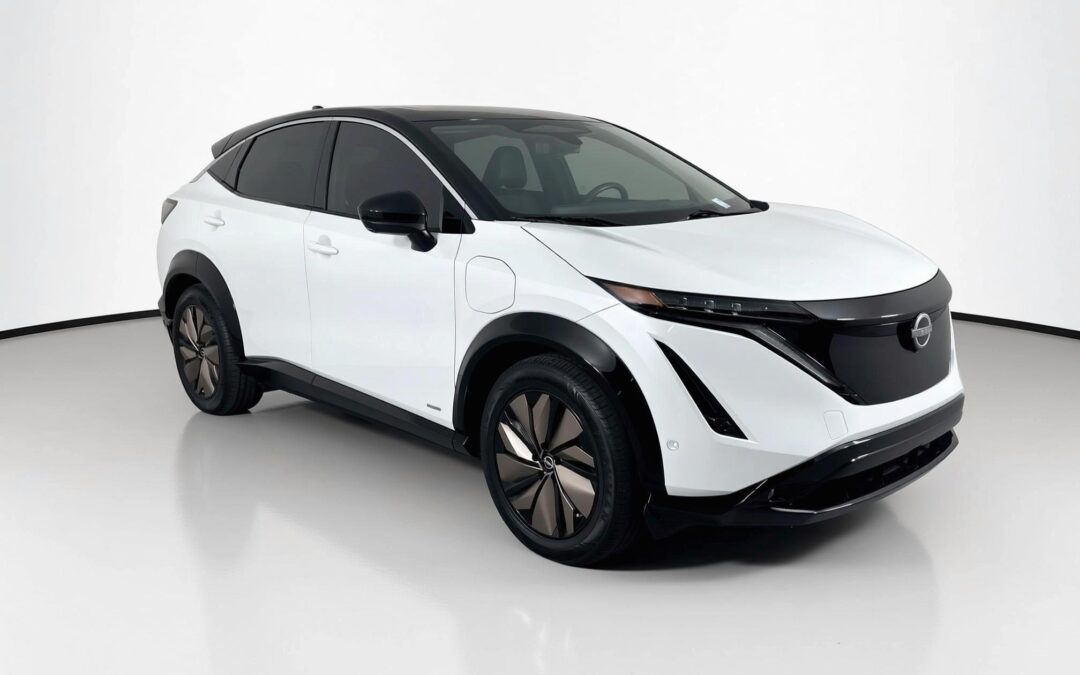
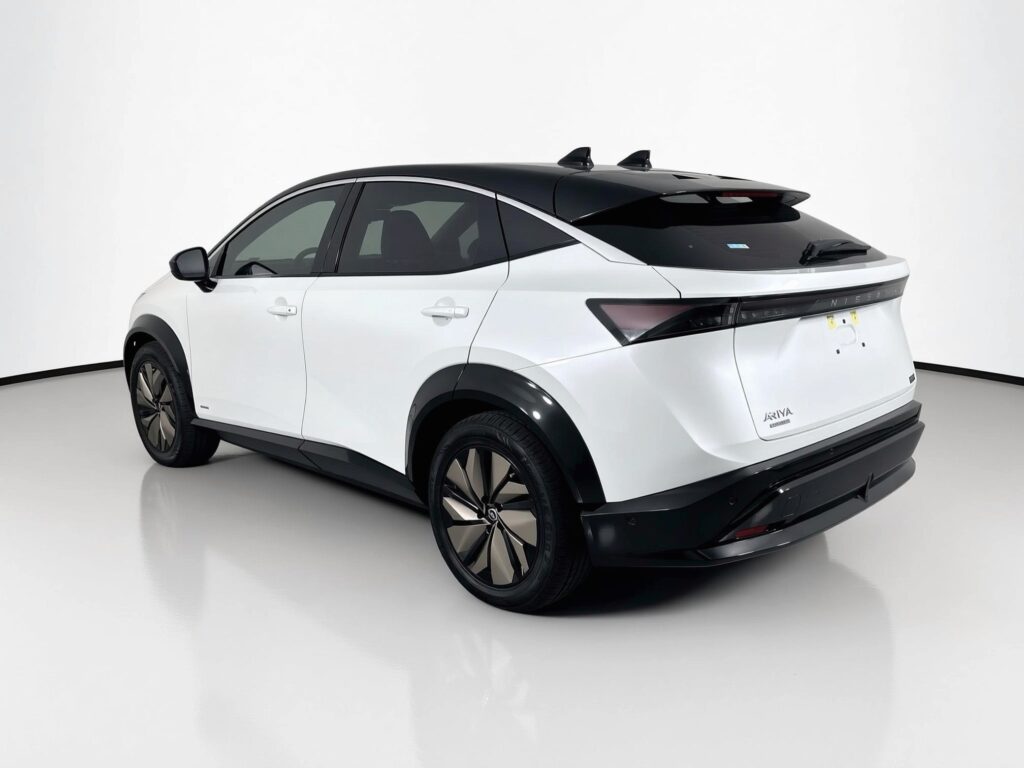
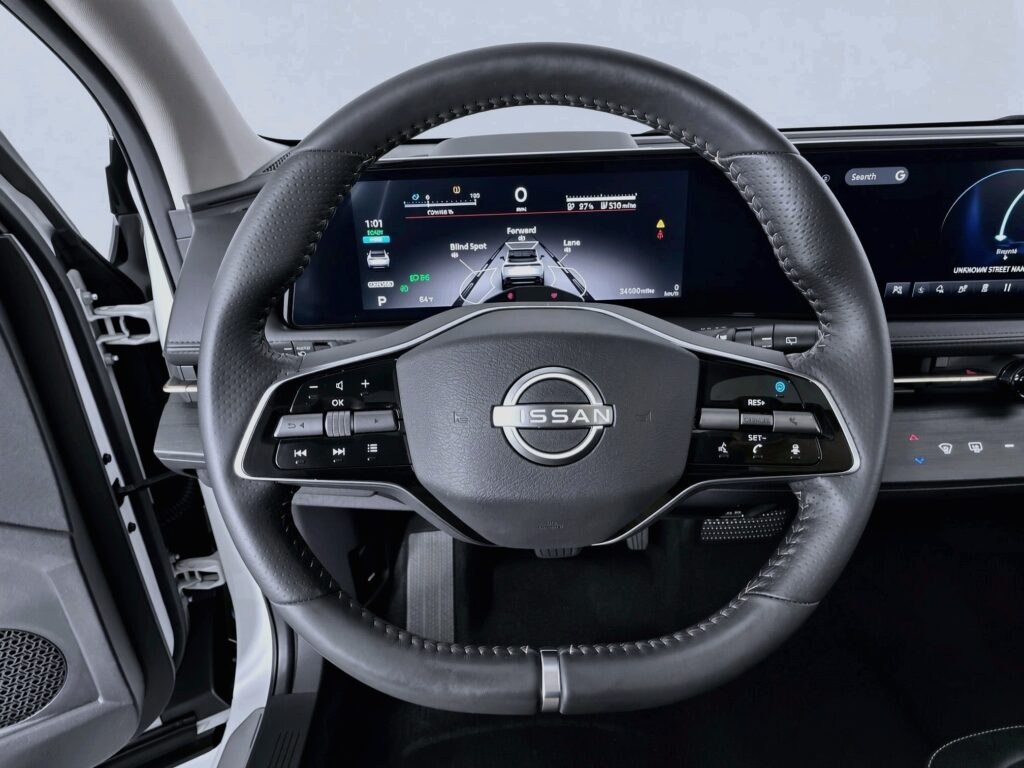
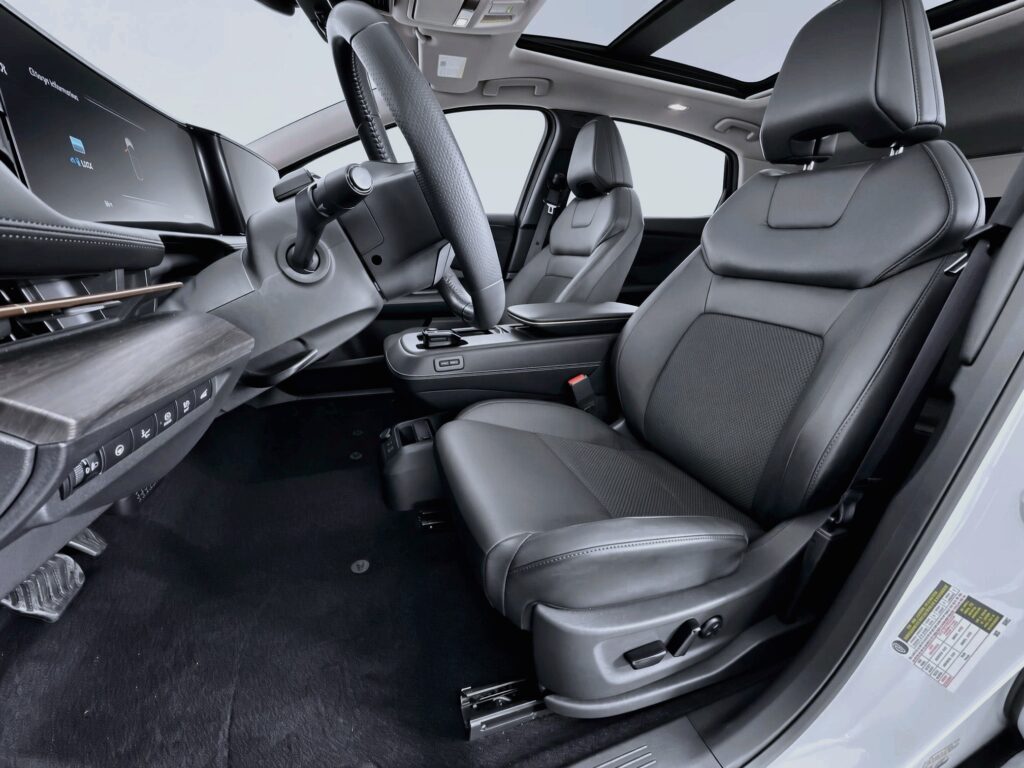
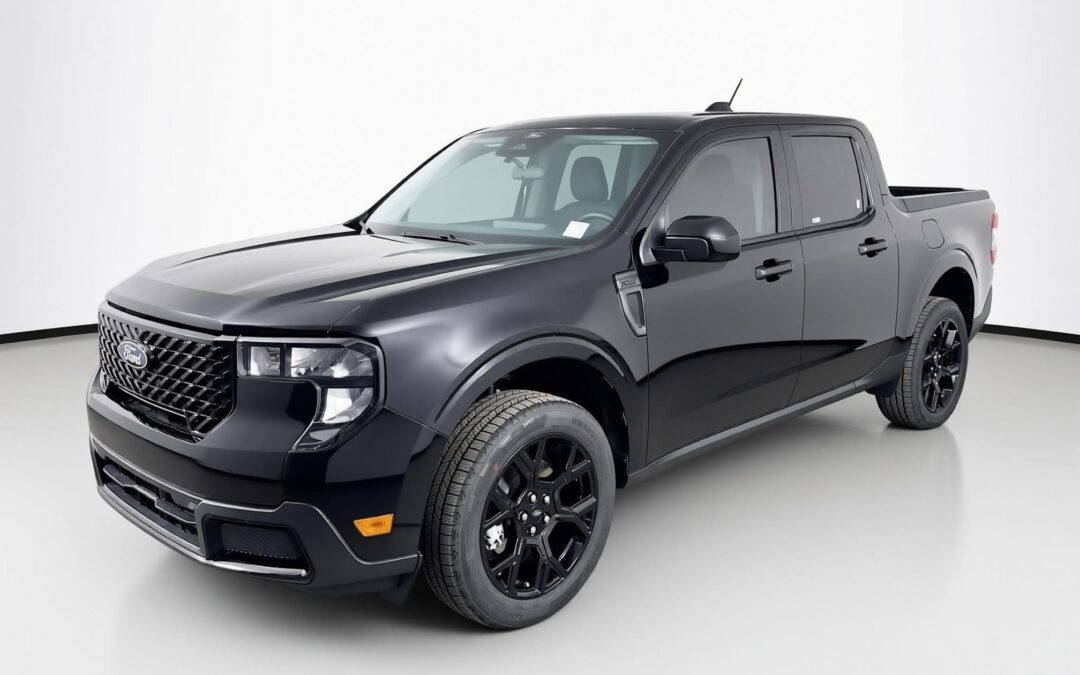
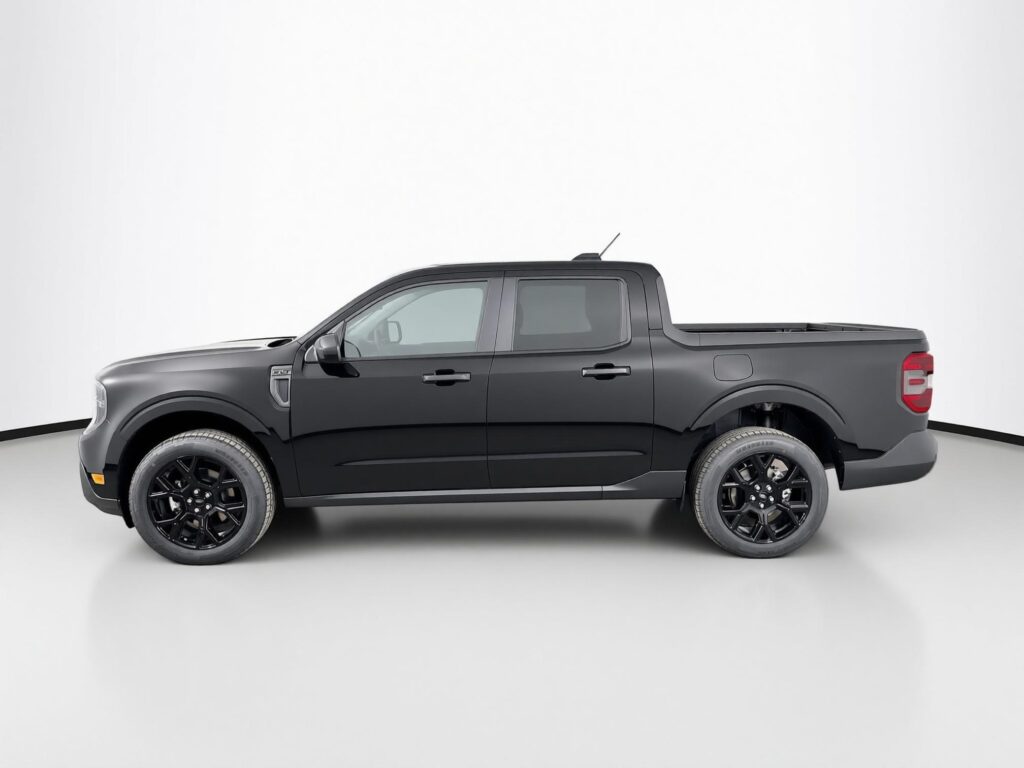
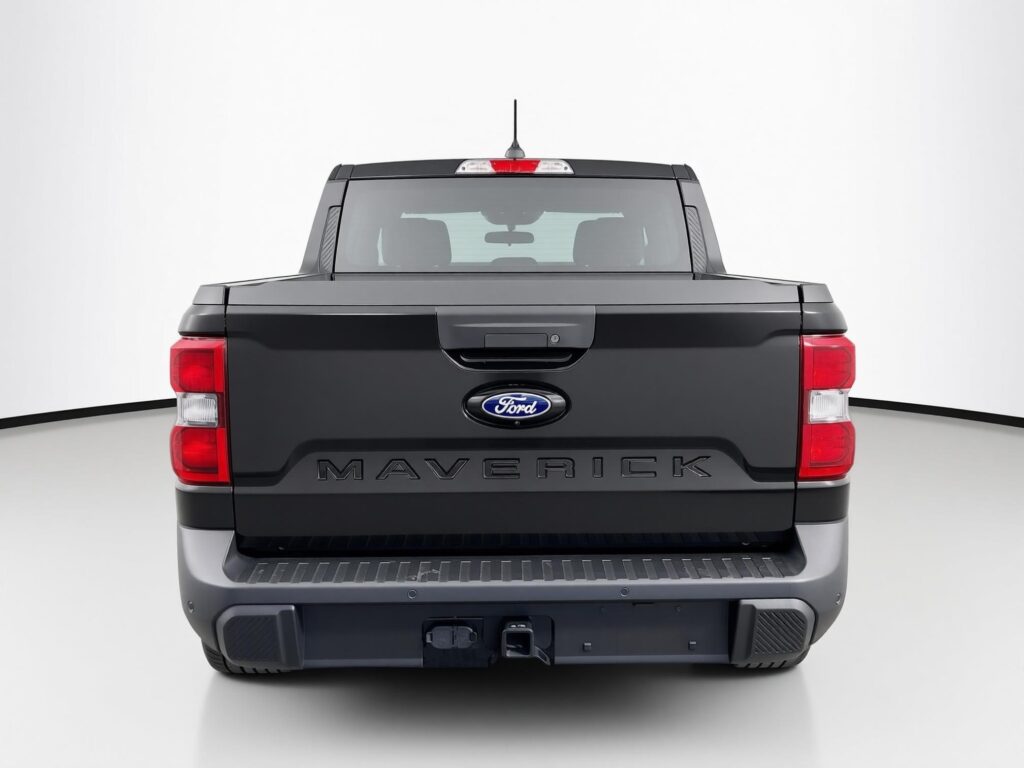
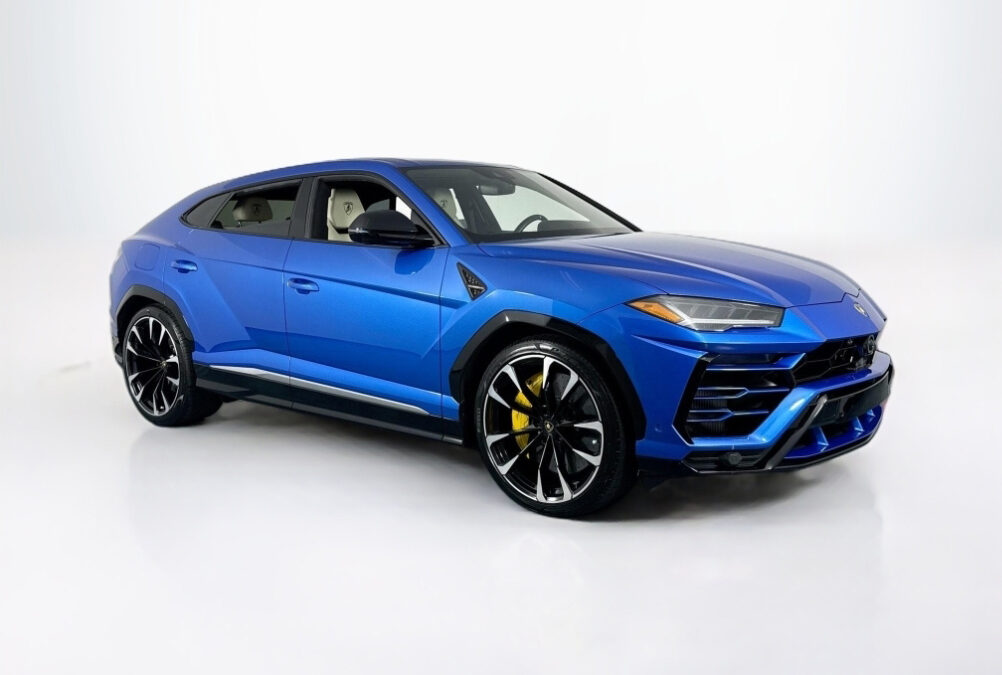
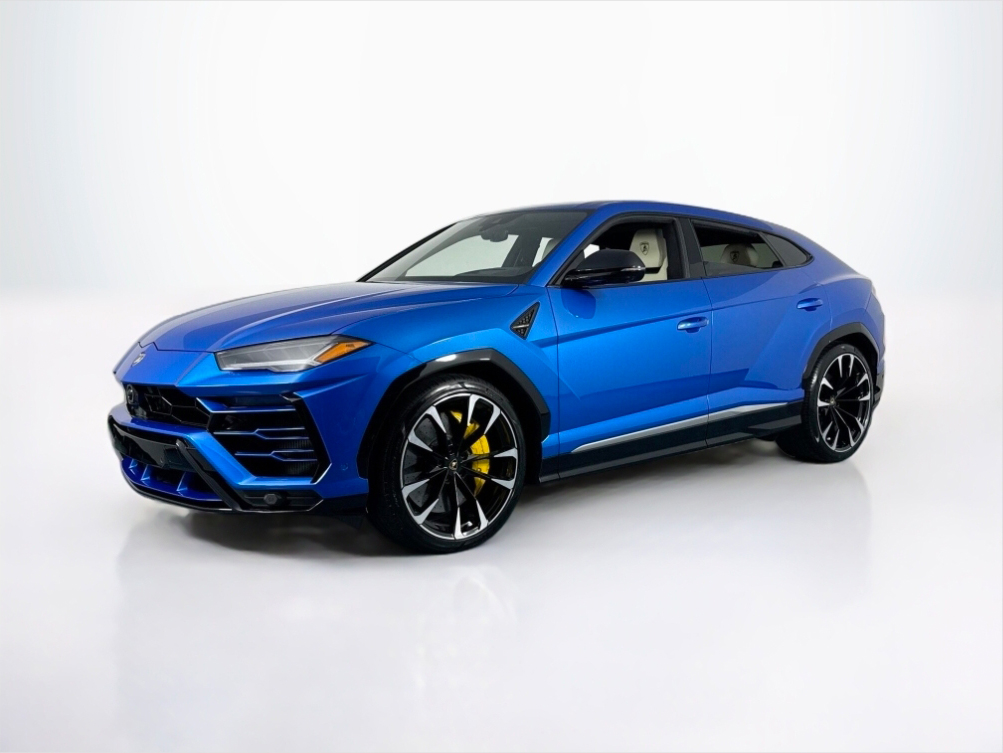
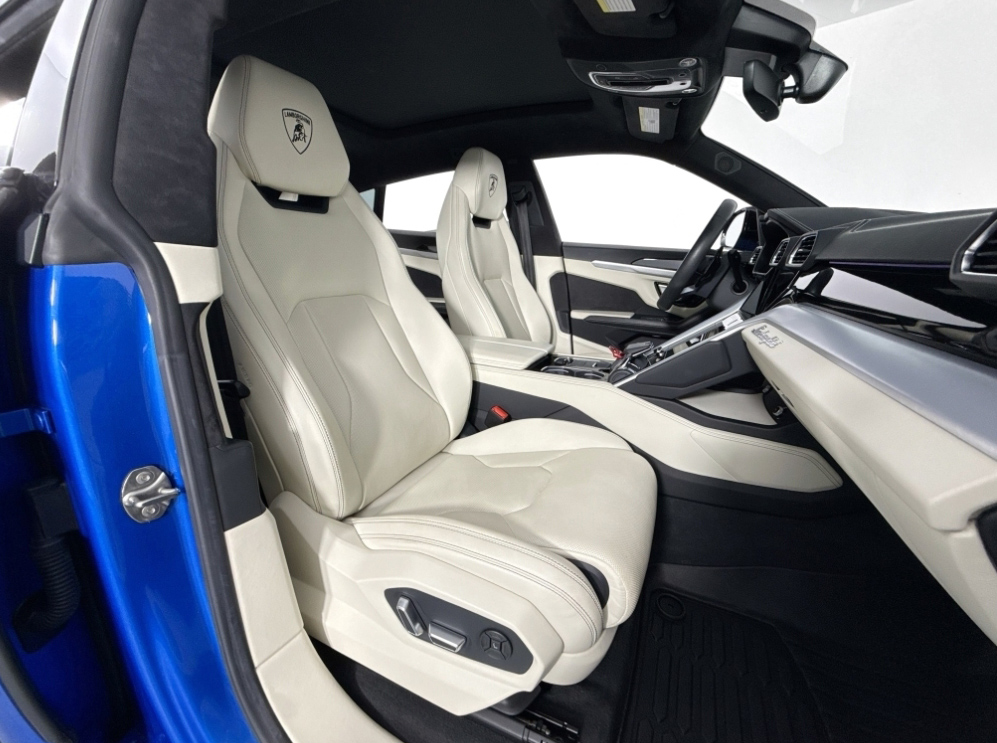
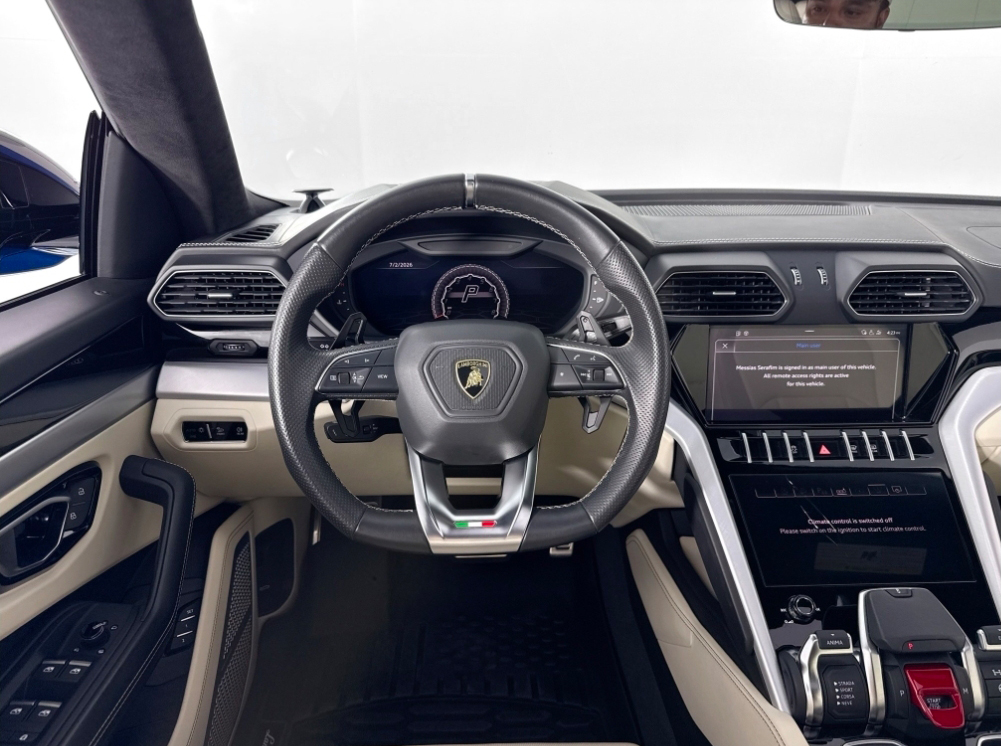
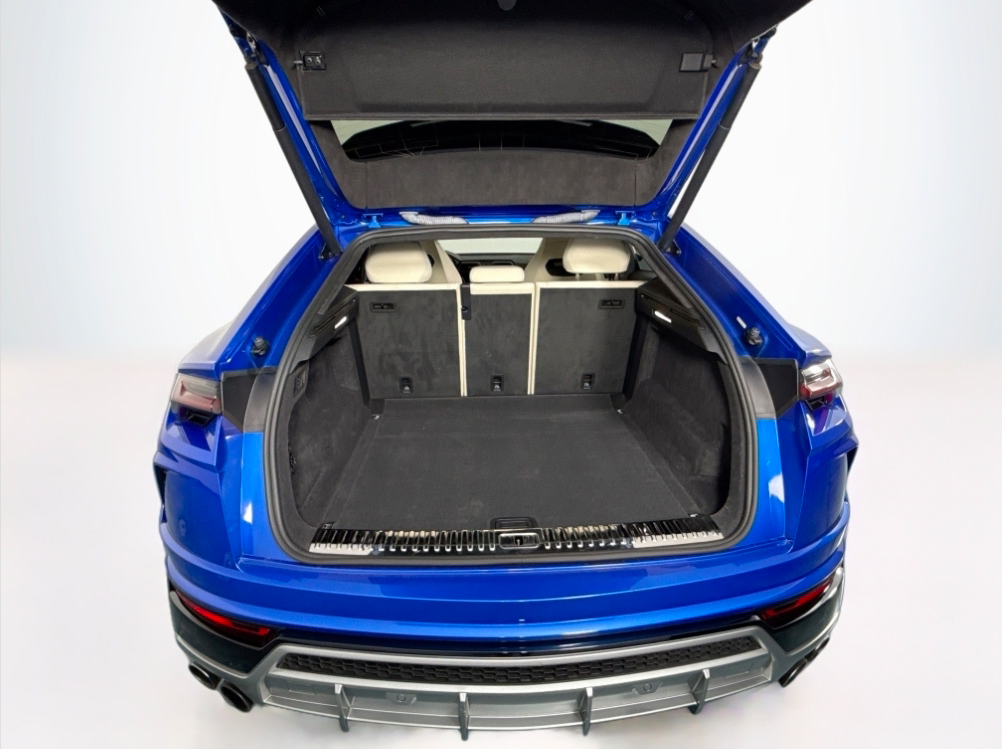
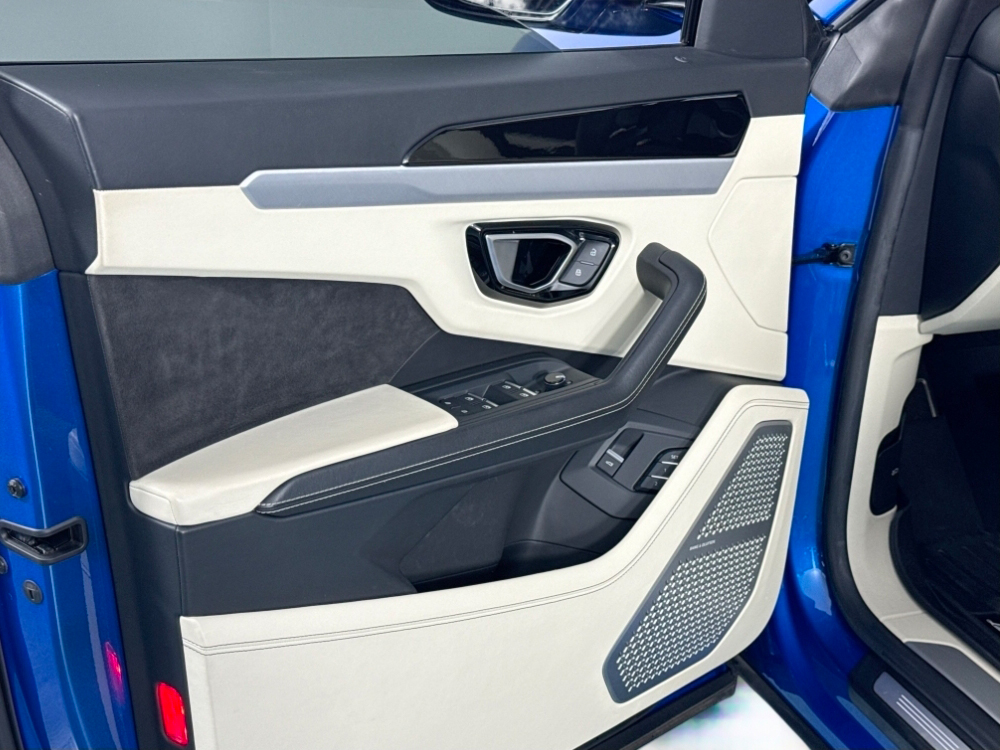
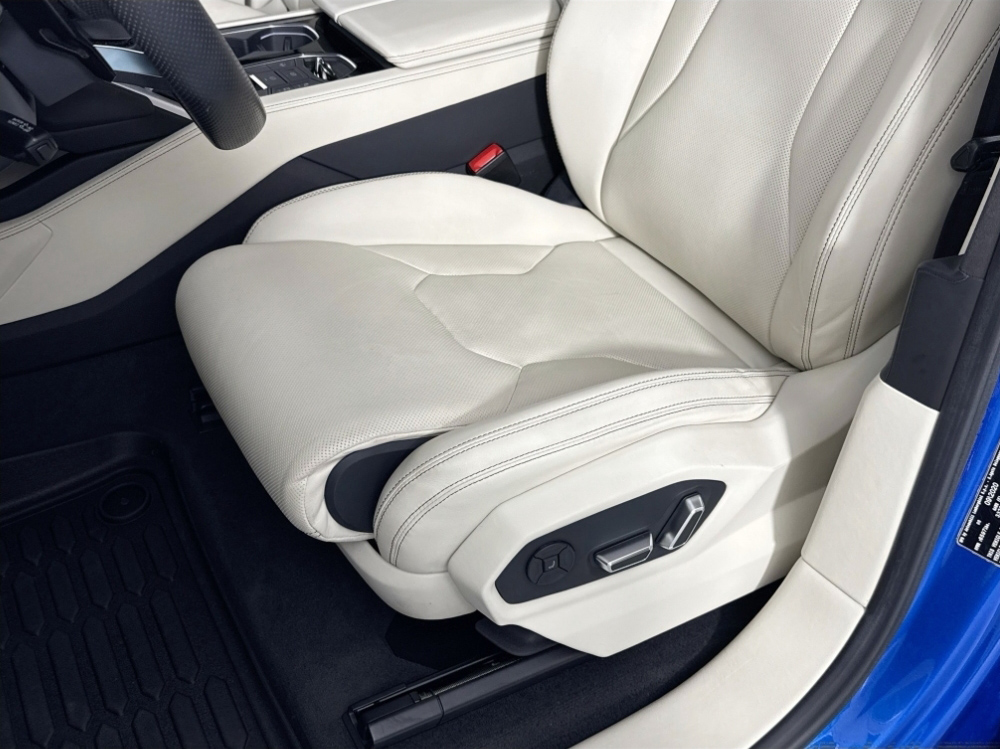
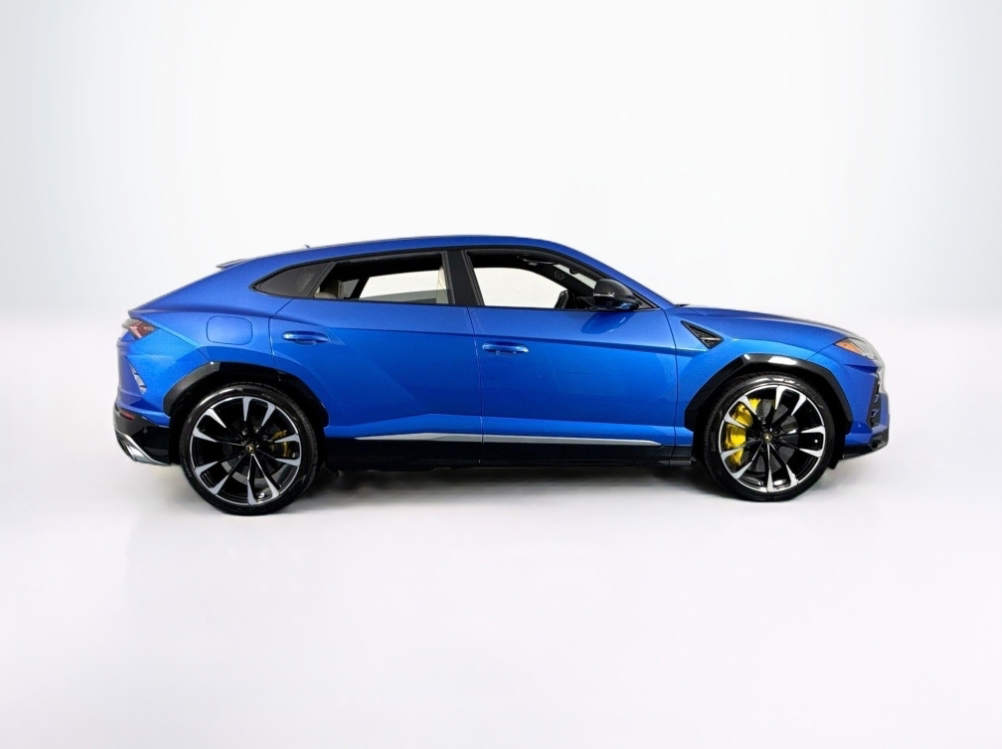
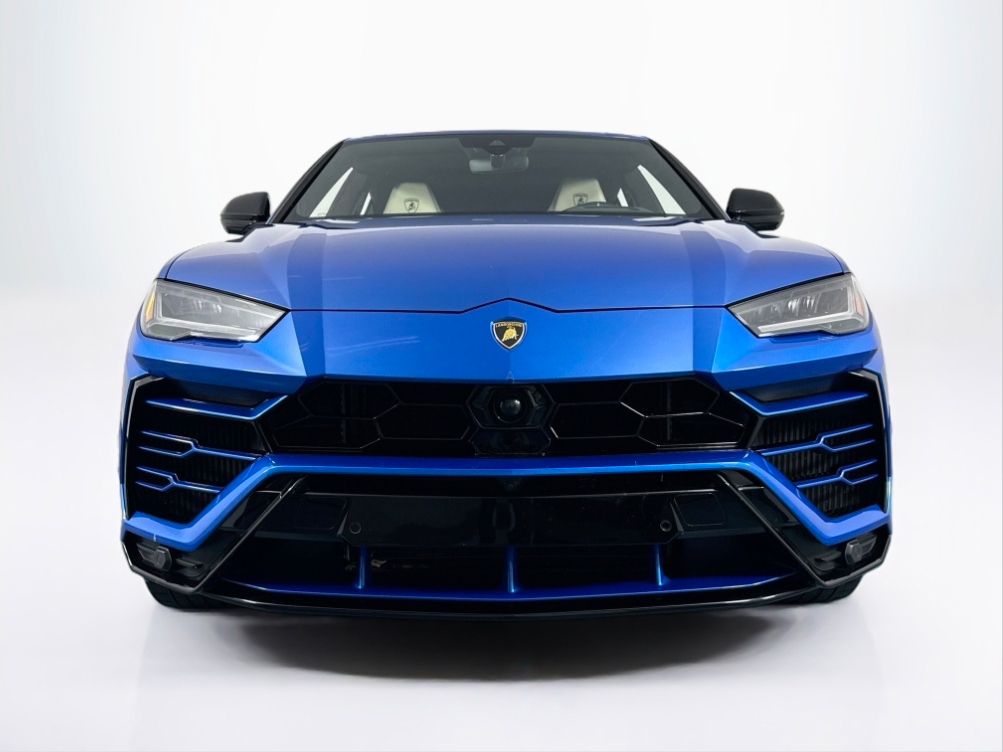
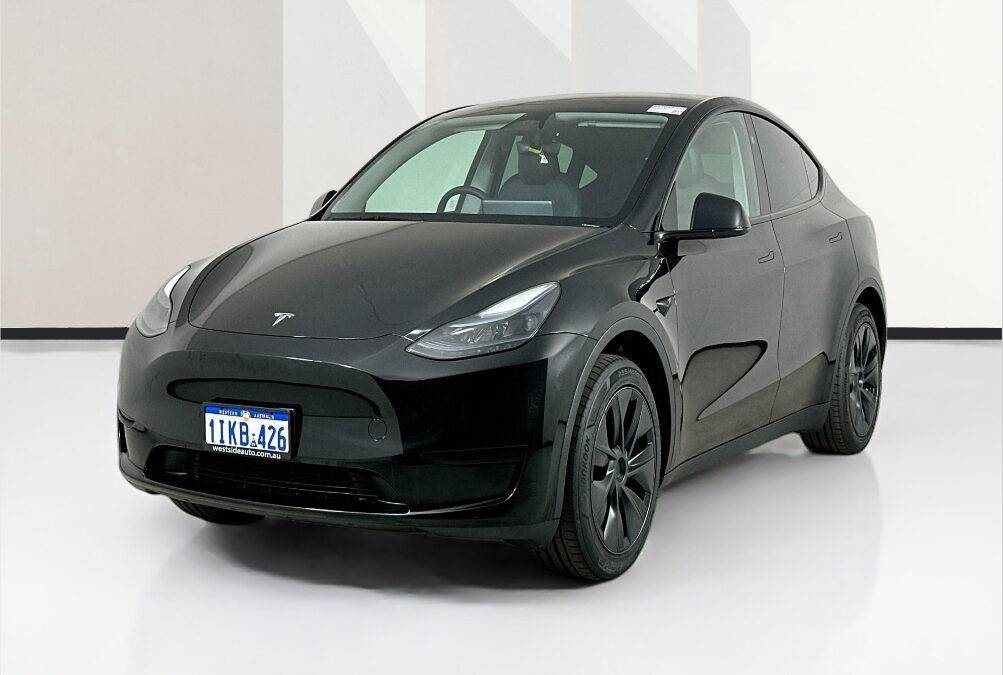
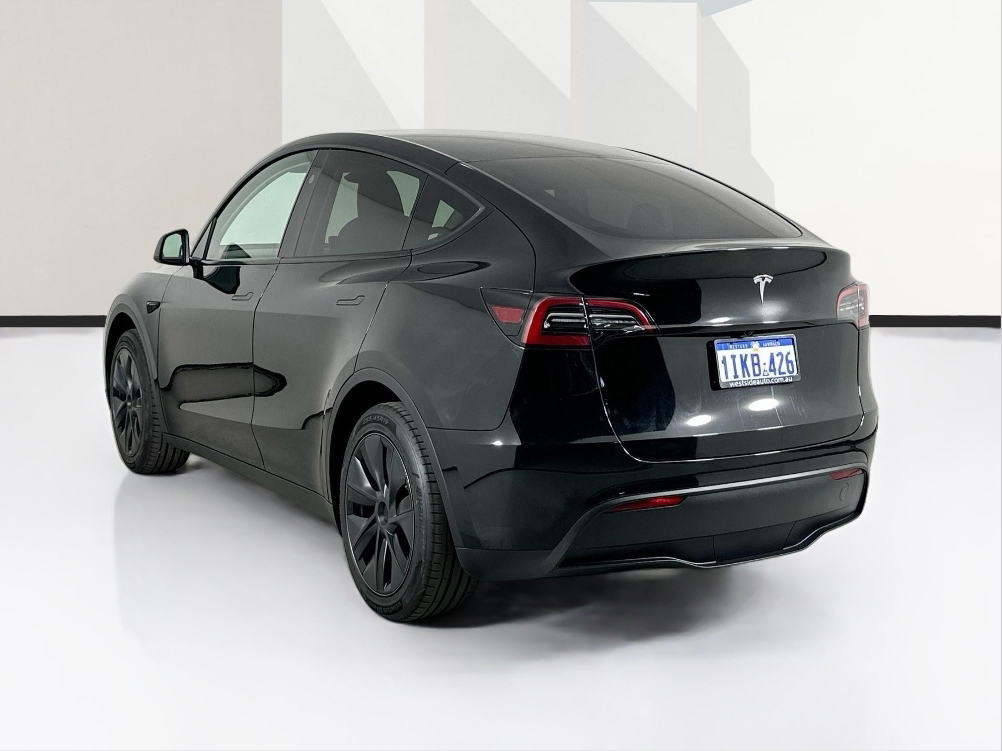
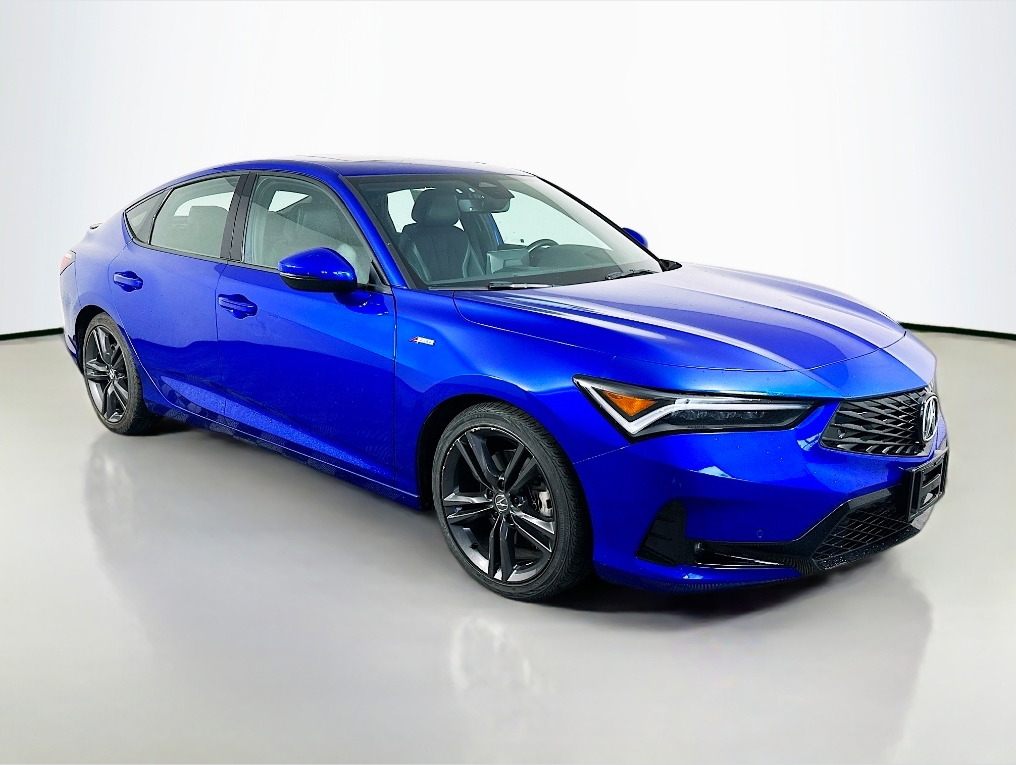
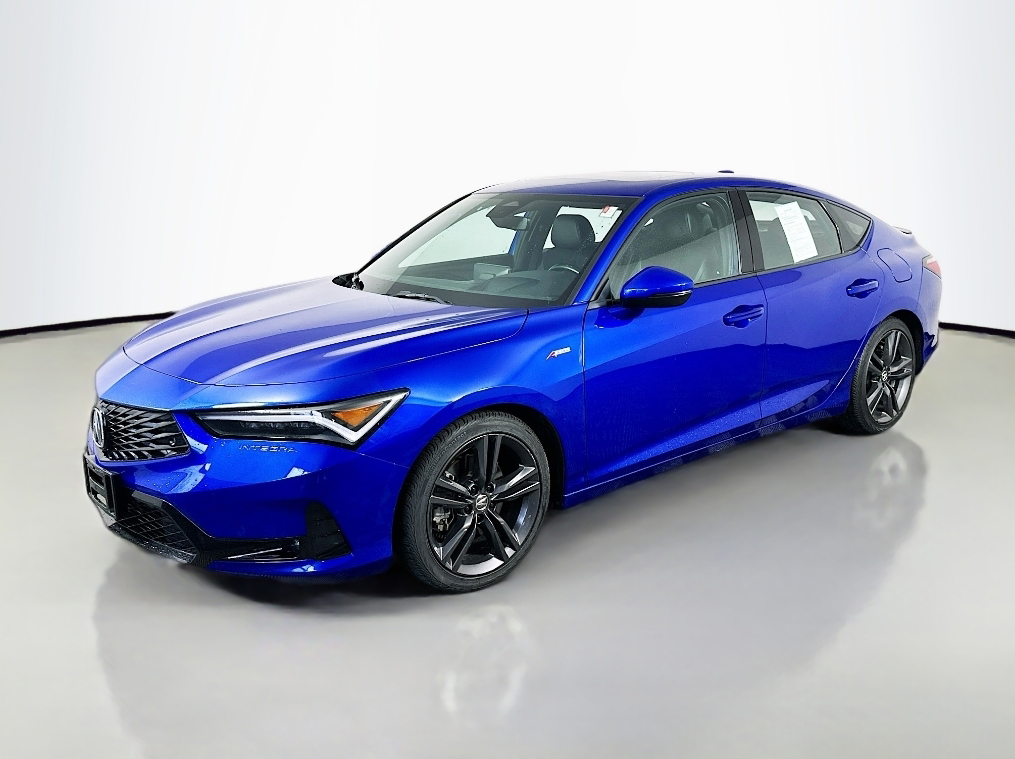
Virtual background software companies sell dealerships a slick promise: snap a picture on your smartphone, and the AI drops your car into a digital showroom.
What they leave off the marketing deck is simple. The software doesn’t take the photo. Someone still has to wash the car, roll it outside and shoot it in whatever the sky is doing that day. Across most of the country, for weeks or months every winter, the sky says no.
Meanwhile the monthly subscription bills whether you shoot 200 cars or zero.
Using regional weather data, we sorted the country into three winter tiers based on how many outdoor shooting days dealers can expect to lose.
Tier 1: The 60+ Day Blackout Zone
NY, WA, OR, OH, MI, PA
Still sending porters into 20-degree slush to photograph $60,000 inventory?
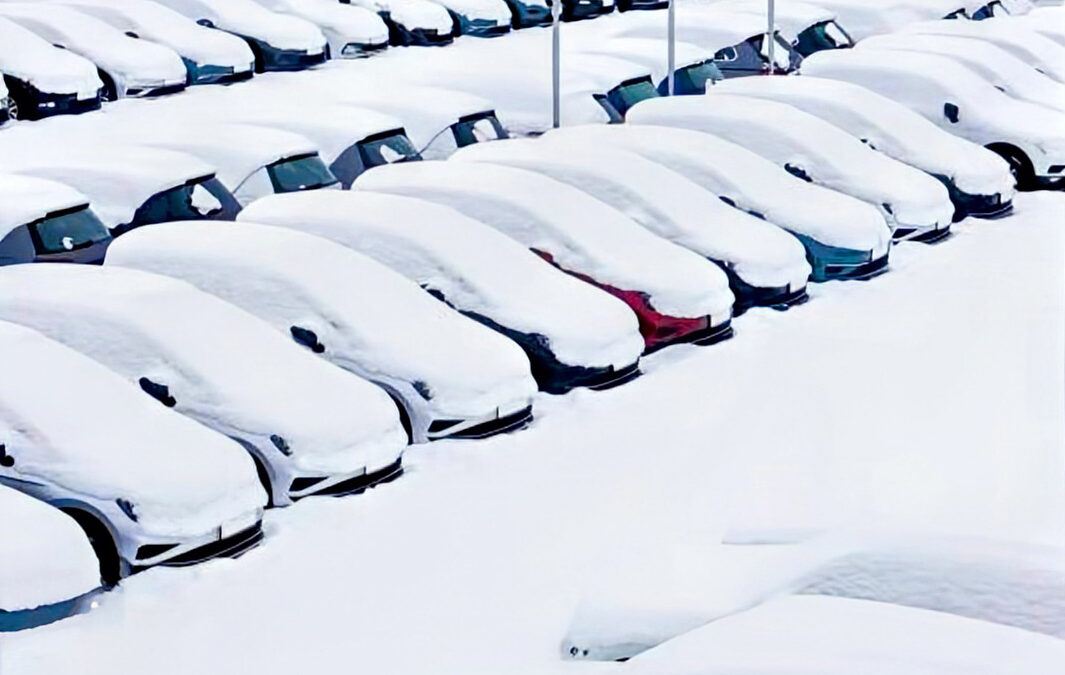
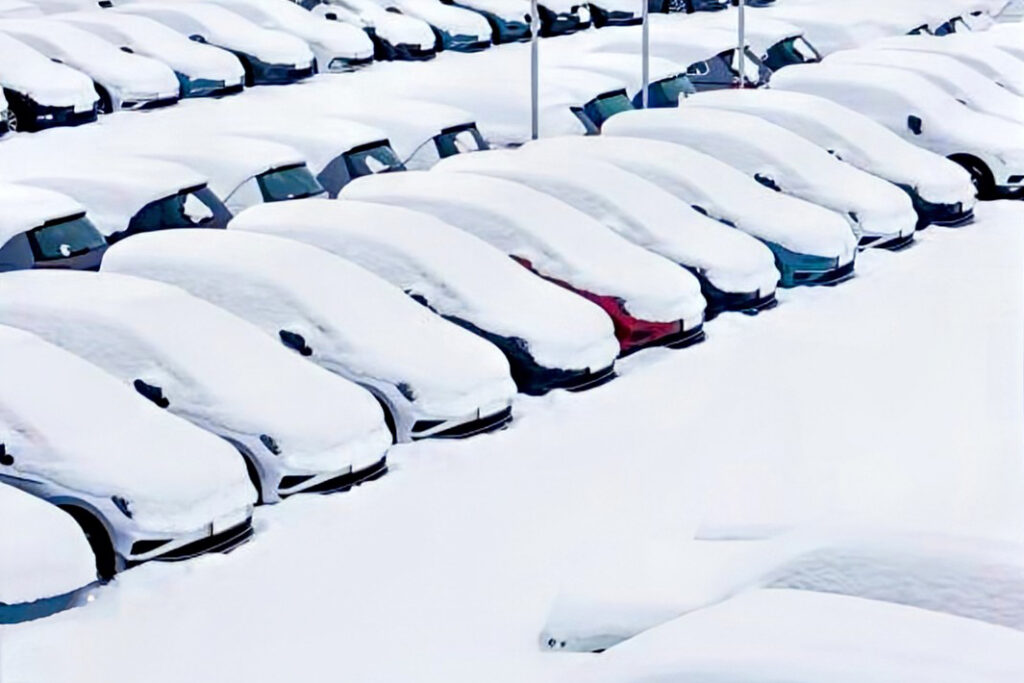
In Buffalo, NOAA’s 1991–2020 normals show rain or snow on 61.9% of January days (about 19), 57% of December days and 56% of February days. Add November and March, and that’s roughly 80 wet days a winter.
January in Buffalo is overcast or mostly cloudy 71% of the time.
Cleveland sees precipitation on about 220 days a year and snow on about 84.
Seattle averages around 13 rainy days a month through the winter.
Washing a car outside in Buffalo or Cleveland just freezes rinse water to the door latches. In Seattle and Portland, raindrops on the lens ruin clarity just as fast. In these states, an indoor 360 photo booth isn’t a luxury gadget. It’s infrastructure.
Tier 2: The 30–60 Day Storm and Freeze Corridor
VT, NH, ME, MA, CT, RI, NJ, WV, IN, IL, WI, MN, KY, TN, MO, IA
Winter storms don’t care about your turn-to-market metrics.
Minneapolis averages a January high under 24°F and a low of 7.5°F, with about 33 snowy days from November through March.
The Twin Cities average about 95 days a year with an inch or more of snow on the ground. Chicago averages about 55.
That’s one to two lost days a week, or a full shutdown after every nor’easter. Washing cars in Wisconsin or Minnesota at 5°F is impossible. In Tennessee and Indiana, freezing rain and road spray coat clean rockers before you can finish the shot list. The result is VDPs that lag a week or more while lot inventory depreciates.
Tier 3: The 15–30 Day Washout Belt
VA, MD, DE, NC, SC, GA, AL, MS, AR, LA, OK, KS, CO, UT and Northern California
Think southern dealerships dodge winter photo delays? Look at the rainfall.
New Orleans averages roughly 4 to 5 inches of rain in each winter month.
Atlanta sees about 11 rainy days in December, and the rain is usually heavy.
When downpours hit, outdoor shoots stop. Moving cars across a soaked lot kicks dirt and water spots onto detailed paint, so porters re-wash the same vehicle two or three times. That three-to-five-day merchandising delay kills lead momentum.
Every Lost Day Has a Price
Floorplan interest is a meter running on every VIN. With the prime rate at 6.75% in late July 2026 and the average new-vehicle listing price at $49,307, interest alone at a typical floorplan rate runs roughly $11 to $12 per car per day. Add insurance, lot cost, plates and depreciation, and the true holding cost runs several times the interest.
Those days pile up exactly where buyers shop. Google research found 86% of shoppers research a vehicle online before they visit a dealership, and Cox Automotive’s Car Buyer Journey research found buyers spend 60% of their shopping time online. A VDP that says “Photos Coming Soon” is a padlocked showroom.
The software doesn’t take the photo. The weather decides when you can.
The Floating Cartoon Car
Even when a porter braves the cold for an outdoor shot, the AI output looks cheap. Flat gray winter light on the hood clashes with a fake high-gloss CGI floor, leaving fuzzy halos around mirrors and antennas. Buyers spot fake backgrounds instantly, and they wonder what the dealership is hiding.
Shoot Every Day of the Year
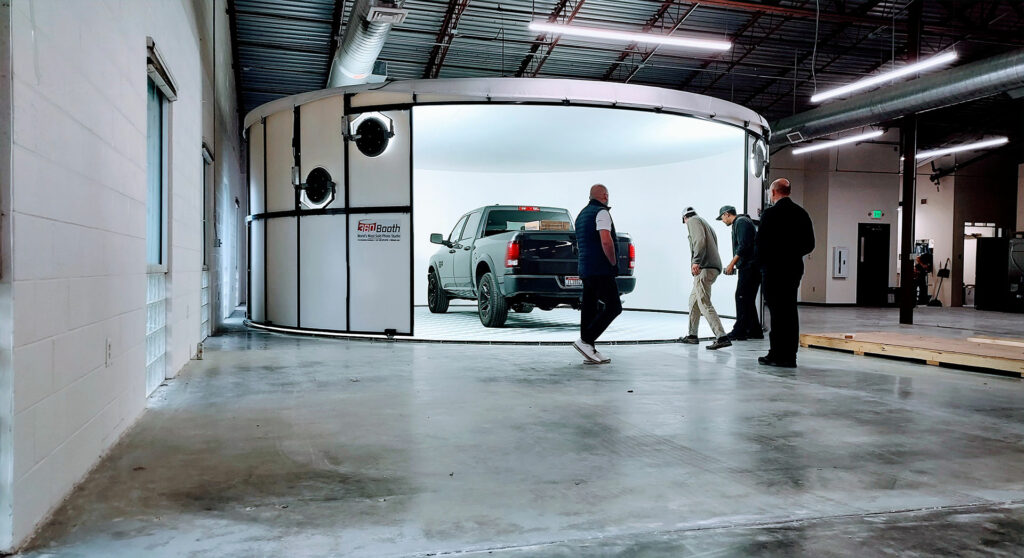
Top operators in all three tiers aren’t waiting on sunshine. An indoor 360Booth vehicle photo studio gives you studio lighting, dry panels and immediate 360 spins 365 days a year, no matter what’s falling outside. See the Car Photo Booth or contact us to talk through your market.
How many photo days do dealerships lose to winter weather?
It depends on the region. We estimate dealers in NY, WA, OR, OH, MI and PA lose 60 or more days, the Northeast and Upper Midwest 30 to 60 days, and the Southeast, Southern Plains and Mountain West 15 to 30 days. In Buffalo, NOAA normals show rain or snow on about 62% of January days.
Do AI background apps work in rain and snow?
The app can replace a background, but it cannot take the photo. Someone still has to wash the car and shoot it outside, and rinse water freezes, snow sits on the panels and rain spots the lens.
What does a day without photos cost?
At today’s rates, floorplan interest alone on an average new vehicle runs roughly $11 to $12 a day, and the full holding cost with insurance, lot cost and depreciation runs several times that.
Read the guides the fake background providers write for dealers. Lighting matters. Light the car right. Shoot in good light.
Then read their pitch. No studio needed. Shoot anywhere on the lot.
That’s the contradiction, and it’s in their own marketing.
They Say It Themselves
These aren’t our words. They’re from the providers’ own published guides:
One says AI can fix a background, but it can’t fix a car sitting in total darkness.
One says swapping the room doesn’t turn the car’s old reflections into studio lighting.
One says mismatched lighting makes a photo feel wrong the moment a shopper sees it.
One says AI can’t rescue a fundamentally bad photo.
Their advice to fix it? Shoot in daylight. Avoid backlighting. Wait for an overcast day.
That is a lighting plan that depends on the weather.
If Lighting Matters, Why Remove the Light?
You can’t have it both ways. If lighting separates a great vehicle photo from a bad one, the answer isn’t to roll the car into the lot and hope the sky cooperates. The answer is controlled lighting, every time.
A real studio gives you that. A parking lot never will.
Then They Sell You a Studio Backdrop
Here’s the part that doesn’t add up. The car gets shot outside. Then the finished image shows a polished studio background.
Some providers even call it a digital studio, sold as a way to skip buying a real one.
If a studio is the look dealers are after, why not shoot in one?
Rain, Fog, Snow: Outdoor Shooting Stops
If the car has to be shot outside in good daylight, then rain stops the shoot. Snow stops it. Fog stops it. So does the dark.
360Booth shoots 24/7. Rain, fog, snow, midnight, noon. The booth doesn’t check the forecast, and neither should your inventory pipeline.
Interior Photos Are Where It Gets Harder
Too little light inside the vehicle and the cabin goes dark and muddy. Too much sun and it blows out. A background swap can’t fix either one, because the problem isn’t the background. It’s the light.
Even one fake background provider admits that removing backgrounds from interior shots is harder than exteriors.
Studio lighting solves it. Controlled, even light inside and out.
It matters for search too. When a feed lists an interior as “Other,” the photos are the only proof of its color. Read Why AI Search Can Skip Your Inventory.
A Captured Spin vs. a Generated One
A true 360 spin needs consistent light at every angle. Studio lighting delivers that.
At least one fake background provider advertises generating a 360 from as few as four pictures. That isn’t a car photographed from every angle. It’s a guess at one.
Shoppers want to see the real car.
The Bottom Line
They say lighting is essential. Then they tell you to skip the studio.
Their fix is better weather. Not a better setup.
Their backdrops borrow the studio look. The car still isn’t in one.
Their interiors are the hard part, by their own admission.
360Booth shoots 24/7. Real light, real car, any weather.
You don’t fix a lighting problem by removing the lights. Put the car in a real studio.
FAQ
Do fake background providers say lighting matters?
Yes. Their own published guides say AI can’t fix a car shot in darkness, that swapping the background doesn’t turn old reflections into studio lighting, and that AI can’t rescue a fundamentally bad photo.
What is their advice for better lighting?
Shoot in daylight, avoid backlighting and wait for an overcast day. That is a lighting plan that depends on the weather.
Why are interior photos harder with background replacement?
Too little light makes a cabin dark and muddy, and too much sun blows it out. A background swap can’t fix either, because the problem is the light, not the background.
Can a 360Booth shoot in bad weather?
Yes. Because the car is indoors under controlled studio lighting, a 360Booth can shoot in rain, fog, snow, at midnight or at noon.
Every dealership that has adopted background replacement software knows the appeal. Pull a car out front, snap the photos, and let the app swap the lot behind it for a clean showroom backdrop or a polished studio look. Listings look consistent, and the cluttered parking lot, the neighboring building, and the stray shopping cart all disappear.
It works well, until the weather turns.
The Hidden Flaw: Built for Sunny Days
Most of these apps were designed around one assumption: the car will be shot outside. That makes sense on a clear afternoon, when the light is good and the vehicle is easy to separate from its surroundings. Rain and snow break that assumption.
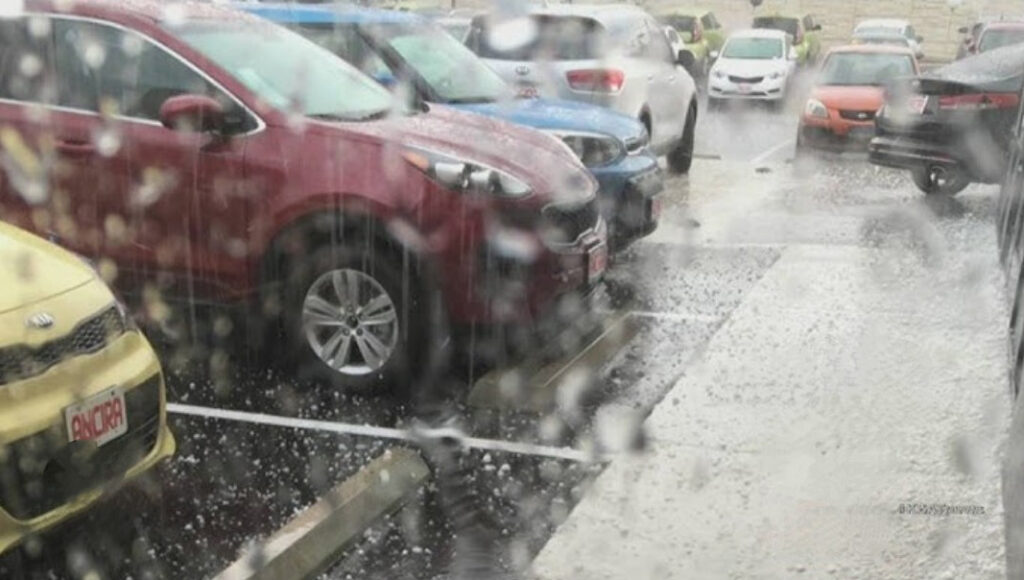
Rain leaves water droplets and wet reflections on the paint and glass. The software struggles to tell where the car ends and the background begins, so edges blur, windows get cut out wrongly, and the car looks like it was pasted onto the scene.
Snow is worse. White snow against a white or silver vehicle confuses the cutout tool, and falling flakes show up as noise in the image. Photographers also don’t want to stand outside in freezing temperatures for 40 vehicles.
Gray, overcast days flatten the lighting, which makes the final images look dull no matter how nice the replacement background is.
The result is that the tool the dealership is paying for sits unused for days or weeks at a time. In many markets, that means a good part of the year.
What a Rainy Week Costs
Inventory doesn’t stop arriving because of the weather. Trade-ins come in, new stock gets delivered, and every unphotographed vehicle is a vehicle that isn’t properly listed online. When the app can’t be used, dealerships usually fall back on one of three bad options:
Wait for the weather to clear. Cars sit with no photos or placeholder images while competitors list theirs.
Shoot in the rain anyway. The photos are inconsistent and look unprofessional next to sunny-day shots of similar vehicles.
Pay for the software and work around it. The subscription keeps charging while the team goes back to old habits.
Since most car shoppers start their search online, slow or low-quality listings directly affect leads, and leads affect sales.
The Real Problem: Dependence on Outdoor Conditions
The issue isn’t background replacement itself. It’s that an outdoor-only workflow makes your photo pipeline depend on the forecast. Any business process that stops working when it rains is a risk, and your listings are too important for that. A dependable photo setup should work the same on a blizzard morning as on a perfect July afternoon.
What to Look For Instead
When evaluating photo software or workflows, ask these questions:
Can it run indoors? A covered bay, a service drive, or a dedicated photo area removes the weather variable entirely.
Does it handle imperfect conditions? Wet paint, low light, and reflective surfaces shouldn’t produce unusable cutouts.
Is the quality consistent? Your listings should look uniform whether they were shot Monday in the sun or Thursday in the snow.
Does it fit into your daily routine? If the team has to check the weather before deciding how to photograph a car, the system is working against you.
Make Your Photo Process Weatherproof
Dealerships invest in photo technology to move cars faster and present them better. A tool that works only part of the year delivers only part of that value. Before the next storm hits, take an honest look at your process. If bad weather shuts down your photography, it’s worth finding a setup that doesn’t. Your inventory, and your customers scrolling through listings, will notice the difference.
FAQ
Why do background replacement apps struggle in rain and snow?
Rain leaves droplets and wet reflections that confuse the cutout, snow blends into white or silver cars and shows up as noise, and gray days flatten the lighting.
What does a rainy week cost a dealership?
Inventory keeps arriving. Dealers either wait with unphotographed cars, shoot inconsistent photos in the rain, or keep paying for software the team works around.
What should a dealership look for in a weatherproof photo process?
A setup that runs indoors, handles imperfect conditions, produces consistent quality in any weather and fits the daily routine without checking the forecast.
In the race to digitize automotive merchandising, dealerships are quietly splitting into two distinct camps: those building genuine consumer trust, and those chasing cheap digital illusions.
Lately, the market has been flooded with AI background replacement tools. On paper, it sounds like an easy win snap a photo on a messy, rain-slicked lot, click a button, and artificially paste the vehicle into a “sterile,” computer-generated studio. But automotive buyers aren’t blind.
They are noticing the telltale flaws of digital segmentation: unnatural shadows, jagged cutlines, weirdly distorted reflections on the paint, and windows showing glimpses of the messy lot behind the “fake” wall. Instead of presenting a premium vehicle, it signals to a buyer that the dealership is cutting corners or worse, hiding flaws.
The Theater of Reality.
True automotive merchandising isn’t an algorithm; it’s experiential theater. Top-performing dealerships are leaning heavily into the physical reality of the delivery experience by combining the 360Booth® vehicle photo studio with the SHOOT it AI camera smart camera.
Authentic Transparency: Buyers get 100% real, unmanipulated, pristine images. A physical, brightly lit, color-correct indoor studio builds immediate buyer confidence.
The Magic of the Process: SHOOT it AI acts as a digital director, navigating users through the optimal path to seamlessly capture a 40+ photo presentation in under 5 minutes.
Flawless Execution: Instead of trying to fix bad lighting later with messy pixels, the system ensures perfect reflections and removes hot spots in real time.
The Bottom Line:
Fake backgrounds scream “disingenuous.” Physical excellence, guided by smart technology, screams “premium.” Don’t let fake backgrounds compromise your dealership’s reputation.
Deliver the theater.
Deliver the truth.
FAQ
What flaws do buyers notice in AI background replacement?
Unnatural shadows, jagged cutlines, distorted reflections on the paint and windows that still show the lot behind the fake wall.
How does a 360Booth with SHOOTit AI avoid those problems?
The car is photographed in a physical, brightly lit, color-correct studio, and SHOOTit AI guides the user through a 40+ photo presentation, so lighting is right at capture instead of fixed later.
Why can fake backgrounds hurt a dealership?
Instead of looking premium, visible editing flaws can signal that the dealership is cutting corners or hiding something.
You just traded for a clean, high-line SUV. Your recon team details it to perfection. The mechanical inspection is flawless. It’s sitting on the lot, ready to make you money.
Except, it isn’t making you money. It’s burning it.
Why?
Because it’s been sitting out there for 4 days waiting for a lot photographer to show up, or a busy lot attendant to find 45 free minutes to pull it out, chase the sun, and snap a few photos.
In 28 years of analyzing dealership lot operations, I’ve watched this exact bottleneck repeat itself across the country. We call it The Photo Lag, and it’s the most expensive invisible problem in modern automotive retail.
The Real Math Behind the Delay
Let’s look at the numbers. Average dealership daily holding costs range from $35 to $50+ per car, per day in depreciation, floorplan interest, and insurance.
The Status Quo:
A car takes 5 to 7 days from acquisition to getting a complete, high-quality, 40+ photo presentation live on your website.
The Cost:
That’s $175 to $350 in pure, unrecoverable margin lost per vehicle before a customer even views the VDP.
The Scale:
Multiply that by 100 cars a month. You are throwing away $17,500 to $35,000 every single month just waiting on pictures.
Flipping the Script: The Under-10-Minute Standard
The game isn’t about working harder, it’s about eliminating the friction entirely.
Imagine a process where any lot attendant/detailers can pull a freshly detailed car into a dedicated space, spend less than 5 minutes walking a precise, AI-guided path, and instantly publish a flawless, color-corrected, 40+ image merchandising catalog to your site.
No waiting for the “photo guy” next Tuesday. No chasing shadows or dealing with bad weather. Just moving the car from recon to retail seamlessly.
The Bottom Line
In today’s compressed margin environment, velocity is your greatest weapon. If your merchandising process takes days instead of minutes, you aren’t just behind the curve you are actively subsidizing your inventory’s depreciation.
How many days does it take a vehicle to get fully web-ready on your lot right now?
FAQ
What is the photo lag?
The days a reconditioned vehicle sits waiting for a photographer or a free lot attendant before it’s properly listed online.
How much can the photo lag cost?
This post estimates daily holding costs of $35 to $50+ per car. At 5 to 7 days of delay, that’s roughly $175 to $350 per vehicle before a shopper sees the VDP.
What's the alternative?
A dedicated studio where a lot attendant or detailer follows an AI-guided path for under 5 minutes and publishes a 40+ image set right away.