OPPO introduced the Find X10 Pro Max at its September 22, 2026 launch in China, marketed as the first phone with three 200-megapixel rear cameras: main, periscope telephoto and ultrawide. Six hundred megapixels in your pocket.
Here’s the question every automotive dealer should ask: do more megapixels mean better vehicle photos?
What happens to all those pixels?
Most of them never reach your VDP.
Phones with 200-megapixel sensors usually don’t save 200-megapixel photos. They combine groups of pixels into one to get a cleaner image. Samsung’s Galaxy S26 Ultra, for example, has a 200MP main camera that saves 12MP photos by default.
And even if every pixel made it through, your listing site would resize the image before a shopper ever sees it.
Resolution was never the problem on your lot.
What actually ruins dealership vehicle photos?
Look at the photos shoppers complain about. The problem is almost never too few pixels. It’s:
The rear three-quarter angle nobody took.
The interior shot that’s dark or blurry.
Glare across the hood.
The tires, the cargo area or the back seat, skipped.
A different sequence on every car, depending on who was shooting.
A 200-megapixel camera captures every one of those mistakes in stunning detail.
A camera that understands the vehicle, rejects bad shots and completes the correct photo sequence is worth more than another hundred megapixels.
The smartest camera on your lot isn’t the one with the biggest number on the box. It’s the one that won’t let your employee walk away from the car with a missing or bad photo.
Before you upgrade your phones, pull up five of your VDPs. Count the missing angles. Count the blurry shots. Then ask whether more megapixels would have fixed any of them.
Do more megapixels make better dealership vehicle photos?
Not on their own. Most 200MP phone cameras save 12MP images by default, and listing sites resize photos anyway. Missed angles, blur, glare and inconsistent sequences hurt vehicle photos far more than resolution does.
What makes a camera better for dealership inventory photos?
A camera that guides the employee through the correct shot sequence, rejects dark, blurry or off-center frames before they leave the vehicle, and produces the same angles on every car.
How does SHOOTit AI improve vehicle photos?
SHOOTit AI runs on iPhone and walks staff through the same 40+ shot sequence on every vehicle, stopping bad frames for a reshoot at the vehicle. Inside a 360Booth, the lighting around the real car is controlled as well.
Direct answer: Dealership vehicle photography quality control should happen while the employee is still standing beside the vehicle. SHOOTit AI guides the required 40+ image process and, when an image is too dark, blurry or poorly centered, stops the workflow and immediately requires a reshoot. Correcting the problem at capture prevents avoidable backtracking and protects the integrity of the original vehicle evidence.
The Best Time to Fix a Bad Vehicle Photo Is Before You Walk Away
Most photo problems are inexpensive to correct at one specific moment: when the vehicle, employee and camera are still together.
Once the car has been moved, parked, locked or handed to another department, the same correction becomes another task.
Someone has to locate the vehicle.
The vehicle may need to be repositioned.
A door, hatch or hood may need to be reopened.
The photographer has to recreate the angle.
That is not a camera problem. It is a workflow problem.
SHOOTit AI is designed to deal with the issue before that workflow breaks. If a required image is too dark, blurry or poorly centered, SHOOTit AI stops the process and immediately prompts the employee to reshoot before continuing.
The employee does not discover the problem hours later. The correction happens where the evidence is being created.
Capture Quality Is Different From Editing Quality
There is an important distinction between improving an image and correctly capturing the vehicle.
Software can adjust an image after capture. It cannot go backward in time and photograph an angle that was missed, refocus a blurred original, or document a vehicle detail the camera never properly recorded.
That distinction becomes increasingly important as automotive imaging uses more AI. AI can interpret evidence. It can organize it. It can enhance workflows around it. But the quality of that process still depends on what was actually captured.
That is why Authentic Capture™ starts with the real vehicle.
360Booth Controls the Physical Environment
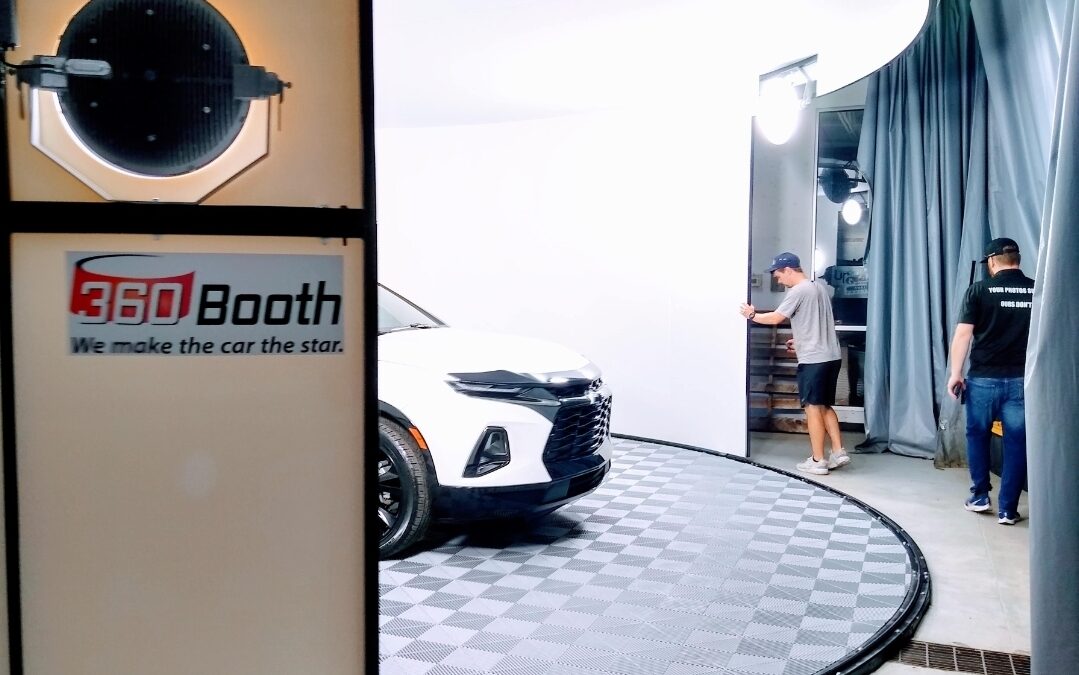
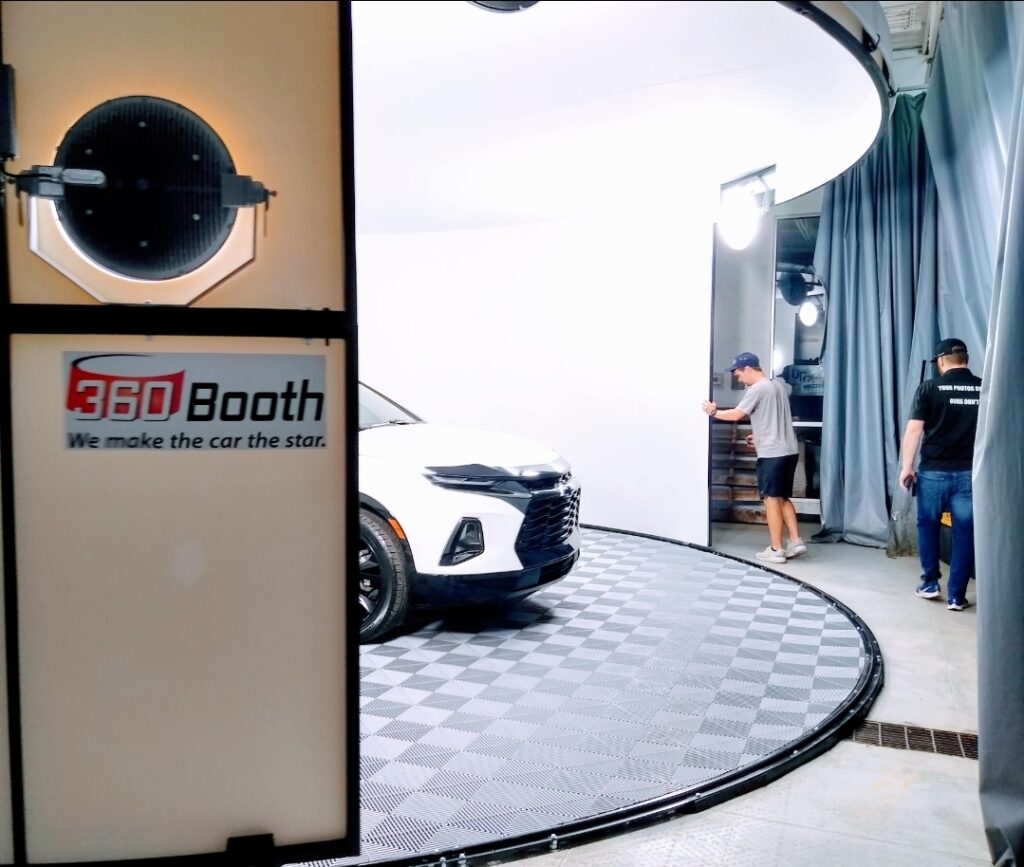
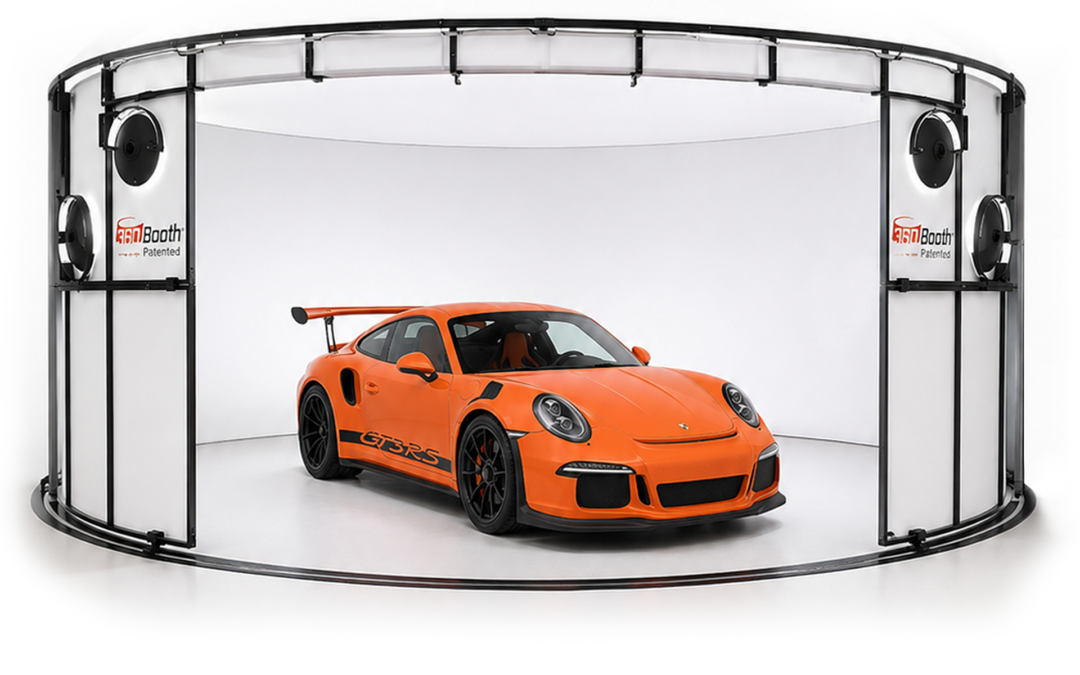
360Booth is the controlled evidence room around the vehicle.
That physical control gives the photographer the ability to manage lighting, reflections and camera position around the actual vehicle instead of trying to correct an uncontrolled environment afterward.
The result is a repeatable place to create the source evidence. SHOOTit AI then provides the guided evidence-capture layer.
One controls the environment. The other controls the sequence.
Why the 40+ Image Process Matters
Forty-plus required images are not about creating an oversized photo gallery. They are about removing improvisation from the capture process.
The dealership decides what must be documented. SHOOTit AI guides the employee through that sequence. Instead of relying on memory, experience or personal preference, the process becomes repeatable from vehicle to vehicle and employee to employee.
That is especially important when the purpose of photography is not simply to make the vehicle attractive. It is also to show the actual vehicle being offered for sale:
Why Immediate Reshooting Is Operationally Important
Consider two workflows.
In the first, an employee completes the vehicle, moves on, uploads the media and later discovers that several photographs are unusable. Now the process has to move backward.
In the second, the camera recognizes that a required image is too dark, blurry or poorly centered and stops the employee before the next shot. The employee takes the photograph again. Then continues.
That is a small design difference with a large operational consequence. One workflow creates rework. The other corrects the mistake while correction is still part of the original job.
This Is What a Smart Camera Should Do
A smart camera should not simply take a picture. It should understand enough about the dealership’s required process to prevent obvious capture failures from moving downstream.
That is the philosophy behind SHOOTit AI. The objective is not to replace the person holding the camera. It is to make the process easier to execute correctly.
Existing dealership employees can learn the capture process quickly with brief direction because they are following a defined sequence rather than being trained to become professional automotive photographers.
Authentic Capture™ Starts Before AI Interpretation
The future of automotive imaging will include increasingly sophisticated AI. Vehicle condition imaging will improve. Computer vision will improve. Three-dimensional interpretation will improve.
If AI is going to interpret the vehicle, dealerships should give it the strongest possible real-world evidence. That means:
Controlling the physical environment.
Capturing the actual vehicle.
Preserving visible condition.
Following a repeatable sequence.
Correcting bad photographs before leaving the car.
Then allowing software to interpret what was actually recorded.
That is the difference between generating an image and building evidence.
The Dealer Wake-Up Call
Finding bad photos after the vehicle is gone is not quality control. It is rework.
The smartest place to correct a vehicle photograph is exactly where the mistake happened. At the car. Before the employee walks away. Before another vehicle enters the process. Before the mistake becomes somebody else’s problem.
Do not build a faster upload process for bad evidence. Build a capture process that refuses to move forward with it.
FAQ
What happens when SHOOTit AI detects a bad required image?
If the image is too dark, blurry or poorly centered, SHOOTit AI stops the workflow and immediately prompts the employee to reshoot before continuing.
Does SHOOTit AI replace the photographer?
No. It guides the employee through the dealership’s required capture process and applies capture-quality controls during that process.
Why use 360Booth with SHOOTit AI?
360Booth controls the physical photography environment around the real vehicle. SHOOTit AI controls the guided capture sequence. Together they create a repeatable system for producing real vehicle media.
Does Authentic Capture™ mean AI can perfectly determine vehicle condition?
No. Authentic Capture™ is about starting with evidence of the actual physical vehicle. AI can interpret that evidence, but it should not be represented as perfectly determining condition, damage, equipment or authenticity.
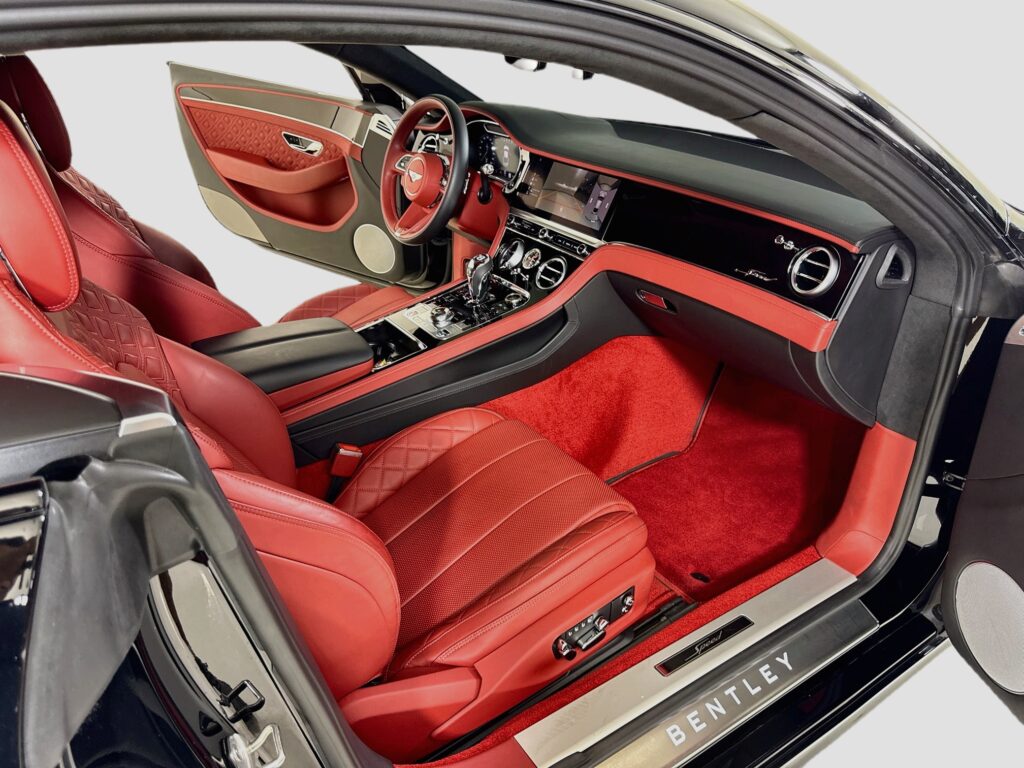
A shopper asks an AI search assistant to find a “2024 Bentley Continental GT with a red interior.” How does it decide which cars to show?
Short answer: AI search starts with your inventory feed, then leans on your photos when the feed is vague. If those photos are too dark or washed out to confirm the detail, your car is harder to recommend.
Feeds have gaps. Bespoke and two-tone interiors often get flattened to “Other,” “Custom,” or a generic “Black” somewhere between the build sheet, the DMS, and the syndication feed. When the text can’t confirm a detail, your photos are the only evidence left.
That matters more every year. Modern AI systems are multimodal: they can interpret images as well as text. Google says its AI Mode can understand objects’ “materials, colors, shapes and arrangements” in an image. A model looking at a clear cockpit shot can tell oxblood leather from black. A model looking at a sun-blasted, shadow-heavy photo often can’t.
Why does AI search struggle with lot photos?
Glare washes out color. Direct sun bleaches deep tones and creates hot spots across leather and paint.
Shadows hide it. In a dark cabin, red hides read as black or muddy brown.
Inconsistent angles leave gaps. If no one shot the seats, door cards, or dash, there’s nothing to verify.
See the difference side by side in The “Driveway” Look, which compares an outdoor shot with studio photos taken in a 360Booth.
When the evidence is ambiguous, an AI assistant has every reason to recommend a listing it’s more confident about, and that’s often a competitor’s car.
How do studio photos keep your cars in AI search results?
Your listing photos now serve two audiences: the shopper, and the algorithm deciding whether that shopper ever sees the car. A controlled 360Booth® environment helps with both.
Diffuse, high-output lighting removes sun glare and cabin shadows, so colors come through true to life.
SHOOTit ai guides lot staff through about 40 photos per car, so every vehicle gets the same interior and detail angles.
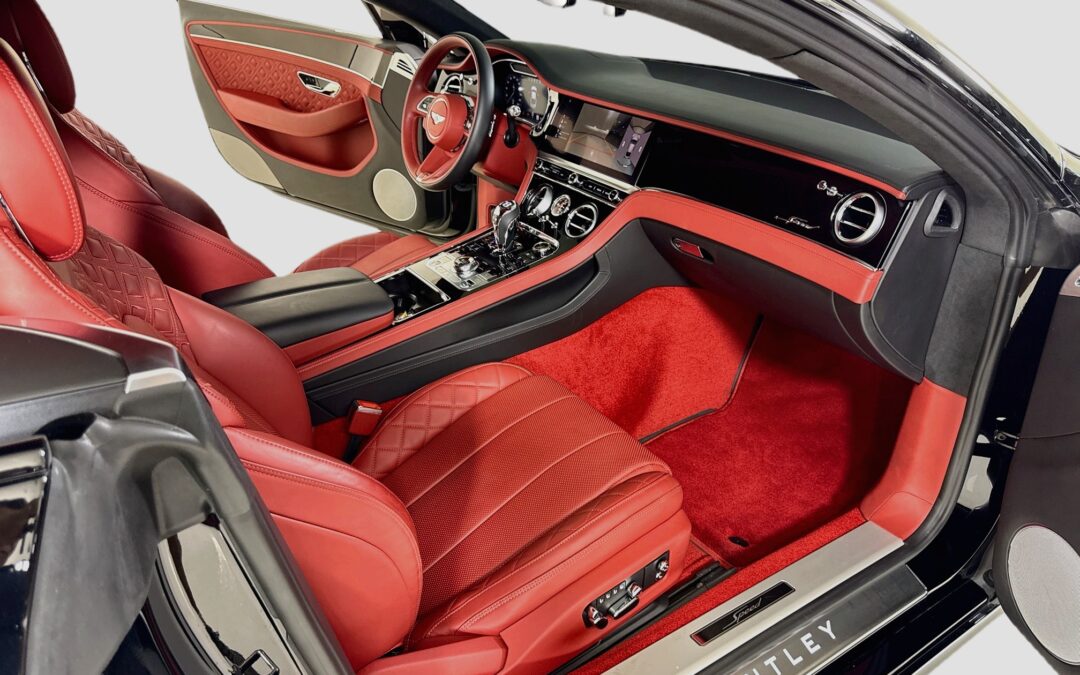
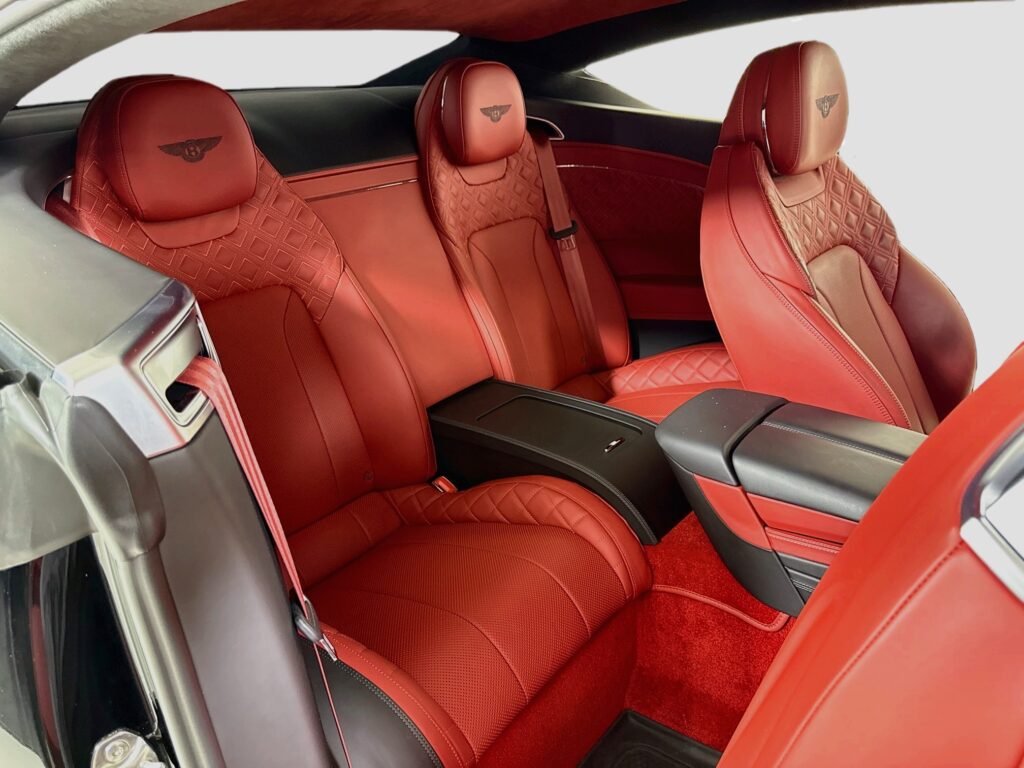
A Bentley interior shot in a 360Booth®: every stitch and panel reads in its true color.
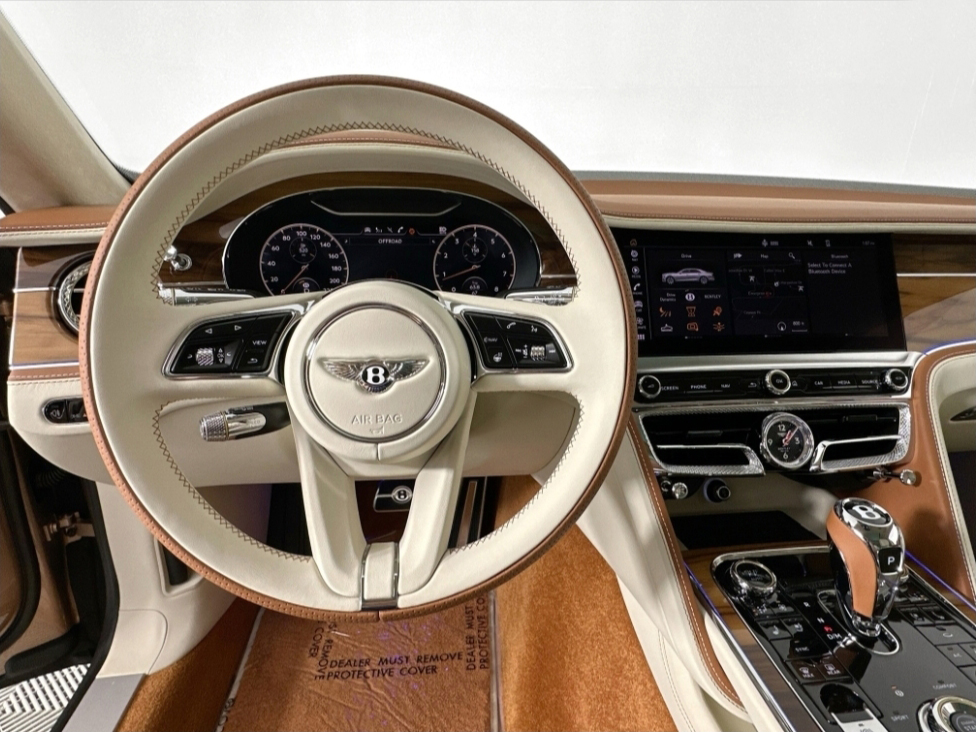
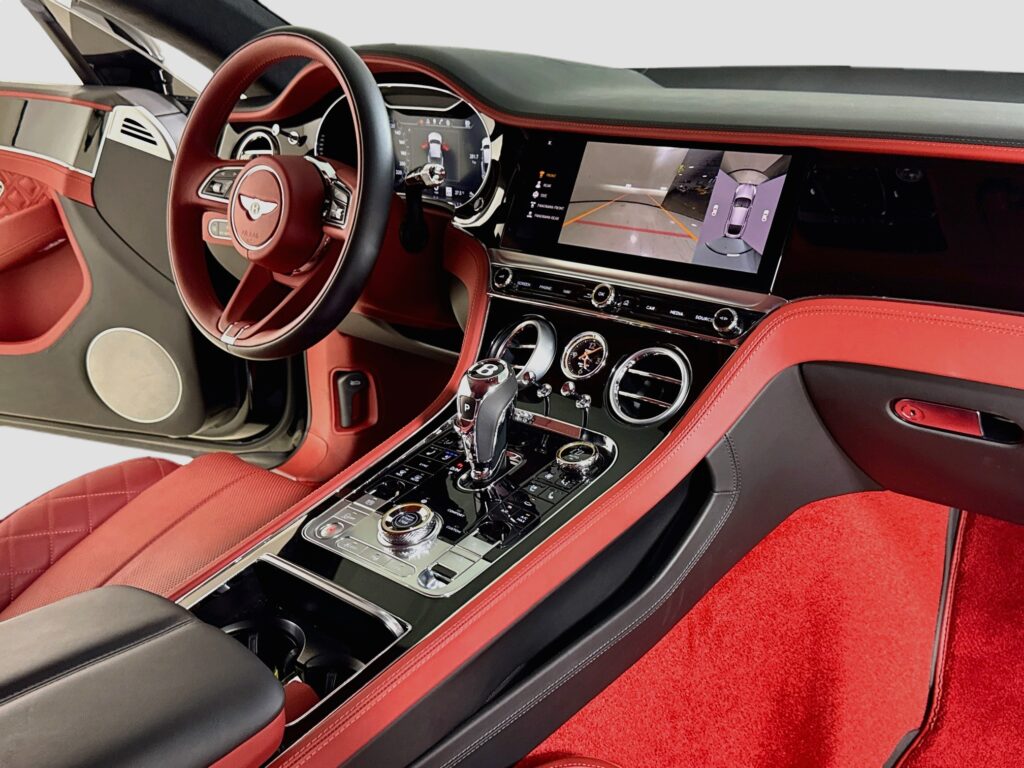
Three bright, evenly lit shots of a 2024 Bentley Continental GT Speed.
What about fake backgrounds?
There’s no published evidence that a replaced background, by itself, pushes a listing down in AI search. The bigger risk is what the edit does to the car.
Google already asks sellers to be upfront about these images. Its Merchant Center image rules require images created with generative AI to carry metadata saying so, and tell merchants not to remove those tags. Google lists a separate label for a composite image that includes synthetic elements, which is what a real car placed on an AI-generated background is.
A fake background becomes a real problem when it changes the vehicle: edges that don’t line up, shadows and reflections from a room the car was never in, or wear that got cleaned away along with the lot. An AI assistant reading that listing can end up describing a car that doesn’t exist, and the shopper finds out at the dealership.
Dark, inconsistent photos make your inventory harder to find, for people and for machines. Consistent, color-accurate photos give AI search the proof it needs to send the buyer to you.
FAQ
How does AI search decide which vehicles to show?
AI assistants read inventory feeds, but feeds often flatten custom or two-tone interiors to “Other,” “Custom” or a generic color. When the text can’t confirm a detail, the photos are the remaining evidence.
Can AI search tell interior colors apart from photos?
Modern AI systems can interpret images as well as text. A clear, evenly lit cockpit photo can show oxblood leather versus black; a sun-blasted or shadow-heavy photo often can’t.
Why do outdoor lot photos fall short?
Direct sun washes out deep colors, cabin shadows make red hides look black or brown, and inconsistent angles leave seats, door cards or the dash unphotographed.
How does a 360Booth help?
A 360Booth uses diffuse, high-output lighting to remove glare and cabin shadows, and SHOOTit ai guides staff through about 40 photos per car so every vehicle gets the same interior and detail angles.
The problem is not pressing the shutter. It is walking back for missed shots, reopening doors, circling the car twice, hunting for the next angle, and realizing later that something was skipped.
360Booth gives you the controlled environment. SHOOTit AI gives your staff the sequence.
Forty plus required images. Exterior and interior coverage. Immediate reshoot if a photo is dark, blurry, or poorly centered.
No guessing. No backtracking. No relying on one “photo guy” to remember everything.
High volume stores do not need faster fingers. They need fewer wasted steps.
Dealer wake up call: if your photo process depends on memory, backtracking, and one talented employee, you do not have a system. You have a liability.
FAQ
Why is dealership vehicle photography slow?
The time goes to walking back for missed shots, reopening doors, circling the car twice, hunting for the next angle and finding out later that something was skipped.
How do 360Booth and SHOOTit AI speed it up?
360Booth provides the controlled environment. SHOOTit AI gives staff the sequence: 40+ required images covering exterior and interior, with an immediate reshoot if a photo is dark, blurry or poorly centered.
Does the process depend on one skilled photographer?
No. The guided sequence means staff don’t have to rely on one person to remember every shot.
360Booth provides the controlled studio. SHOOTit AI guides image capture and processing. Auto Exact Data Team manages VIN level media and data feeds. Customer support connects the entire workflow. Dealers benefit from faster diagnosis, fewer handoffs, fewer unnecessary reshoots, and clear support from the first photo through the dealership website.
Auto Exact Data Team
1. VIN level Media Management
FEATURE: Images, spins, overlays, odometer photos, and inventory status can be reviewed and corrected at the individual vehicle-record level.
BENEFIT: Dealerships avoid unnecessary reshoots and get the correct media assigned to the correct vehicle faster.
2. End to End Data Feed Expertise
FEATURE: Auto Exact Data Team works across inventory imports, image exports, individual feeds, website providers, and major automotive platforms.
BENEFIT: Dealers have one team that can trace where images stopped instead of being bounced between multiple vendors.
3. Image Source Configuration
FEATURE: The team can help coordinate primary image sources, update existing settings, exports, imports, and inventory-media routing.
BENEFIT: The right images reach the right systems while reducing duplicate, outdated, or conflicting photo sets.
4. Media Recovery and Correction
FEATURE: Archived photos can be located, restored, reordered, reactivated, corrected, and prepared for downstream feeds.
BENEFIT: Dealers can recover valuable vehicle photography and resolve media problems without automatically starting over.
5. Proactive Feed Monitoring
FEATURE: The team monitors imports, pending vehicles, inactive records, missing spins, processing alerts, and other delivery exceptions.
BENEFIT: Potential problems can be identified before they affect large portions of a dealership’s online inventory.
360Booth
6. Complete Vehicle Photo Studio Support
FEATURE: 360Booth supports the physical studio, including flooring, tracks, lighting, panels, components, installation, and reinstallation.
BENEFIT: Dealers have one knowledgeable resource for maintaining a consistent vehicle-photography environment.
7. Physical and Digital Workflow Integration
FEATURE: The vehicle photo studio works as part of a larger system that includes SHOOTit AI capture technology and Auto Exact data-feed support.
BENEFIT: Hardware, photography, image processing, and delivery are treated as one connected operation.
8. Replacement Part Coordination
FEATURE: Support helps identify equipment issues and coordinate replacement lighting components, camera equipment, panels, and related parts.
BENEFIT: Dealers spend less time diagnosing studio equipment and can restore production more efficiently.
9. Installation and Reinstallation Assistance
FEATURE: 360Booth provides planning, installer coordination, site guidance, and operational checks for new or relocated studios.
BENEFIT: Dealers can bring a vehicle photo studio online with fewer setup errors and clearer accountability.
10. Workflow Training and Launch Support
FEATURE: Teams receive guidance for studio operation, photography procedures, software setup, and first-day production.
BENEFIT: Employees become productive faster and are less likely to develop inconsistent photography habits.
SHOOTit AI
11. Guided Vehicle Photography
FEATURE: SHOOTit AI guides photographers through the dealership’s required image sequence WITHOUT WIRE FRAMES allowing creativity and 5 minutes shoots instead of 30 minute shoots
BENEFIT: Every vehicle can be photographed more consistently, regardless of which employee is holding the camera.
12. Capture Quality Validation
FEATURE: The workflow can identify common photography problems such as dark, blurry, poorly framed, or incomplete images.
BENEFIT: Photographers can correct problems while they are still with the vehicle, reducing avoidable retakes.
13. Capture to Website Troubleshooting
FEATURE: Support can investigate the app, device, upload, AI processing, inventory record, export, feed, and website stages.
BENEFIT: Dealers receive a more precise diagnosis instead of being told only that the photos “did not upload.”
14. Image Reprocessing and Correction
FEATURE: Vehicle images can be reviewed, reprocessed, manually corrected, or escalated to development when necessary.
BENEFIT: Individual image problems can often be corrected without reshooting the entire vehicle.
15. Direct Engineering Escalation
FEATURE: Support can escalate the exact affected vehicle, image, or processing condition to the development team.
BENEFIT: Engineering receives specific evidence, which helps reduce investigation time and speeds up targeted corrections.
Customer Support
16. Fast, Meaningful Responses
FEATURE: Documented support conversations regularly show meaningful first responses within approximately 3 to 15 minutes during active support periods.
BENEFIT: Dealership teams can receive useful direction while the vehicle, photographer, or issue is still in front of them.
17. Action First Service
FEATURE: Support does more than acknowledge requests it can correct records, change settings, restore media, reprocess images, prepare rebuilds, and push updated feeds.
BENEFIT: Customers get forward progress instead of another ticket number or vendor handoff.
18. Precise Root Cause Diagnosis
FEATURE: Support distinguishes between incorrect VINs, missing captures, inactive inventory, incomplete spins, image-processing failures, source settings, feed delays, and website issues.
BENEFIT: The dealership receives the correct next step and avoids wasting time repeating work that was already completed properly.
19. Cross-Platform Ownership
FEATURE: The support team coordinates with dealership staff, website providers, inventory platforms, service partners, installers, and developers.
BENEFIT: Customers have an advocate who follows the issue across system boundaries instead of stopping at the edge of one product.
20. Honest Resolution Tracking
FEATURE: Support distinguishes among an internal correction, a queued feed, platform receipt, website publication, and final customer confirmation.
BENEFIT: Dealers know exactly what has been completed, what remains pending, and who owns the next action.
Core Competitive Advantage
Most providers support only a camera, a studio, an image processor, or a data feed. 360Booth, SHOOTit AI, Auto Exact Data Team, and customer support cover the entire dealership vehicle photography chain from the physical capture environment and photographer workflow to the VIN, processed media, data feed, and dealership website.
FAQ
What does each part of the 360Booth system do?
360Booth provides the controlled studio, SHOOTit AI guides image capture and processing, the Auto Exact Data Team manages VIN-level media and data feeds, and customer support connects the whole workflow.
How does SHOOTit AI check photo quality?
The workflow can identify common problems such as dark, blurry, poorly framed or incomplete images, so photographers can fix them while they are still with the vehicle.
What happens when photos don't reach the website?
Support can investigate the app, device, upload, AI processing, inventory record, export, feed and website stages, so dealers get a specific diagnosis instead of being told the photos did not upload.
Can image problems be fixed without reshooting the car?
Often, yes. Images can be reviewed, reprocessed, manually corrected or escalated to development, and archived photos can be restored or reordered.
A dealership should evaluate a vehicle photo studio as production infrastructure, not simply as a background. The important questions are whether the studio physically fits, controls lighting and reflections, remains operational, supports a repeatable capture workflow, can be learned by existing employees, integrates with vehicle merchandising, and comes with experienced vehicle-photography support.
A Vehicle Photo Studio Is a Production System
The easiest buying mistake is judging a vehicle photo studio by one finished photograph.
A dealership does not buy a studio to produce one attractive image. It buys a system that must repeatedly move inventory from retail-ready to VDP ready every working day.
That means the buying decision should start with operations.
Will it fit?
Will it stay running?
Can employees use it consistently?
Does it control the environment around the actual vehicle?
Does the capture process prevent mistakes before the vehicle leaves?
Can management see whether the work is actually getting completed?
Those questions matter more than how impressive one demo photograph looks.
1. Does the Vehicle Photo Studio Actually Fit the Facility?
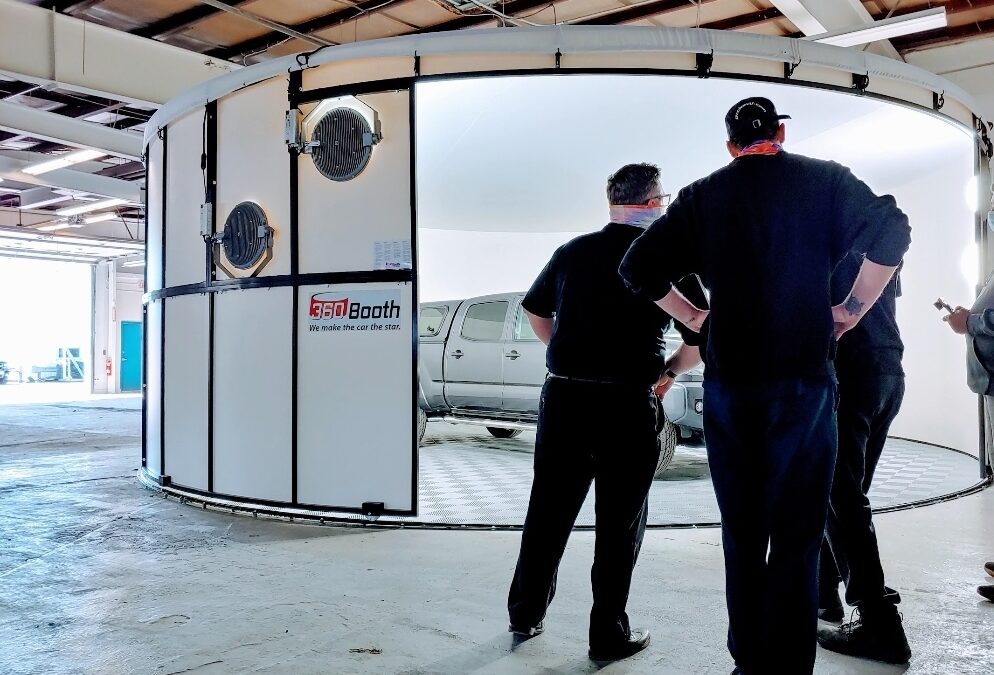
Start with physical reality. For a standard 24-foot, 26-foot or 28-foot 360Booth, the standard minimum clear room is: 30 feet long in the vehicle-entry direction × 30 feet wide × 11 feet high.
The standard studio itself is 10 feet high.
Standard entrance widths are:
24-foot studio: 14-foot entrance
26-foot studio: 16-foot entrance
28-foot studio: 18-foot entrance
The room also needs to be evaluated for overhead lighting, skylights, floor pitch, vehicle approach, electrical requirements and physical obstacles.
A studio that looks good on a rendering but does not work with the building is not a solution.
Smaller spaces may still support a reduced height, custom, DIY controlled-interior or SHOOTit AI-assisted approach, but they should be evaluated honestly before equipment is purchased.
2. Does It Control the Environment Before the Picture Is Taken?
The purpose of a controlled vehicle photo studio is not simply to create a white background. It is to control the environment around the real vehicle.
That includes:
Lighting
Reflections
Background
Overhead contamination
Camera working area
Repeatable vehicle placement
360Booth uses four 5600K LED light heads and a diffused white top to create a predictable lighting environment around the vehicle.
The matte interior surfaces help reduce uncontrolled surroundings reflected across paint and glass.
That matters because replacing a background after capture does not automatically correct everything that the original environment reflected across the vehicle itself.
A better studio solves as much as possible physically before asking software to correct it digitally.
3. What Happens When Something Mechanical Fails?
Uptime should be part of the purchasing decision. Nothing on a 360Booth studio can fail. In the event a light fails there are 3 backup lights.
A vehicle photo studio is production equipment. If it is unavailable, inventory can begin backing up immediately.
360Booth does not place a motorized turntable under the vehicle. The vehicle remains stationary while the studio environment moves manually around it.
The primary reason is reliability. No turntable motor means one less major mechanical system between the dealership and its ability to photograph inventory.
The moving environment also allows the dealership to control outside reflections and reposition the lighting environment when stronger interior photographs are needed.
The question for any studio provider should be simple: What can stop this system from working tomorrow morning?
4. Does the Studio Include a Repeatable Capture Workflow?
A controlled room solves the physical environment. It does not automatically solve the photography process. Employees still need to know which images to capture, in what order and whether each image is acceptable.
That is where SHOOTit AI fits into the 360Booth system.
SHOOTit AI guides the dealership’s required 40+ image process using an intelligent iPhone based workflow. The employee does not have to memorize the sequence.
When guidance is needed, the WTF “What’s the Focus” function displays live on the screen, when pressed reference image showing what should be photographed.
If a required image is too dark, blurry or poorly centered, SHOOTit AI stops the workflow and immediately prompts the employee to reshoot before continuing.
The problem is corrected while the employee is still standing beside the vehicle. That is much more efficient than discovering a bad image later and moving the vehicle back through the process.
5. Can Existing Employees Actually Run It?
A dealership photography system should reduce dependence on specialized labor.
That does not mean photography knowledge has no value. It means the operating process should not collapse every time staffing changes.
Existing dealership employees can learn the basic SHOOTit AI workflow with roughly three minutes of direction because the guidance is built into the capture process.
The objective is fewer decisions:
Where does the vehicle go?
What image comes next?
Is the photograph acceptable?
What remains unfinished?
When the process answers those questions for the employee, consistency becomes less dependent on who happens to be holding the phone.
6. Can Management See Whether the Work Is Getting Done?
Photography should not become invisible work. Management should be able to understand capture activity and performance rather than discovering unfinished inventory by walking the lot or checking VDPs individually. SHOOTit AI provides management visibility into activity and performance.
The larger operational question is whether the dealership can identify:
Vehicles that have been completed
Vehicles still waiting for photography
Employees performing capture work
Rework caused by poor images
Bottlenecks between retail-ready and VDP ready
The purpose is not surveillance. It is accountability for a production process that directly affects how quickly inventory becomes merchandised online.
7. What Happens After the Photograph Is Taken?
Capture is only one part of the workflow. A dealership should also understand how photographs and other media move from the camera to the systems that need them.
SHOOTit AI supports wireless upload and delivery, while the capture workflow can continue offline when connectivity is unavailable.
That distinction matters. Weak dealership Wi-Fi should not prevent employees from photographing inventory. Capture should continue. Upload can resume when connectivity returns.
A strong vehicle photography workflow separates the ability to create the media from temporary network conditions.
8. Are You Buying Equipment or Vehicle Photography Expertise?
Studios, lights and cameras are only part of the solution. Dealership vehicle photography involves:
Camera and iPhone setup
Camera height
Lighting
Color temperature
Reflections
Vehicle positioning
Interior photography
Photo sequence
Employee training
DIY spaces
Capture software
Workflow design
360Booth customers have access to a team with more than 50 years of combined vehicle photography experience across these areas.
That matters because dealerships rarely encounter problems in only one category.
A reflection issue may actually be a lighting issue.
A framing problem may be a camera height issue.
A slow photographer may actually be following a poorly designed sequence.
A studio provider should understand the entire imaging operation, not simply the hardware being installed.
FAQ
What is the minimum space required for a standard 360Booth?
The standard minimum clear room for the standard 24-foot, 26-foot and 28-foot 360Booth models is 30 feet long in the vehicle entry direction, 30 feet wide and 11 feet high.
Does a vehicle photo studio need a turntable?
No. 360Booth uses no motorized platform beneath the vehicle. The vehicle remains stationary while the studio environment moves manually around it.
Can dealership employees use SHOOTit AI?
Yes. SHOOTit AI is designed so existing dealership staff can follow a guided 40+ image process without needing to memorize the photography sequence.
What happens if an employee takes a bad required photograph?
If a required image is too dark, blurry or poorly centered, SHOOTit AI camera stops the workflow and immediately prompts the employee to reshoot before continuing.
Can SHOOTit AI capture vehicles without an internet connection?
The capture workflow can operate offline. Connectivity is required later for upload and delivery.
The Buying Test
Before purchasing any vehicle photo studio, ask seven questions:
Does it physically fit our facility?
Does it control the real environment around the vehicle?
What mechanical systems can interrupt/fail during a automated production?
How are employees guided through the required photographs?
Can normal dealership staff learn the process quickly?
Can management see whether work is being completed?
Who helps us solve photography problems after installation?
If the answers are unclear before the purchase, they will not become clearer after installation.
Conclusion
A vehicle photo studio should not be purchased as scenery. It should be purchased as dealership production infrastructure.
The strongest system controls the environment, simplifies the employee’s job, stays operational, preserves the actual vehicle and gives management a repeatable path from retail ready to VDP-ready.