Three 200-megapixel cameras in one smartphone.
Impressive.
OPPO introduced the Find X10 Pro Max at its September 22, 2026 launch in China, marketed as the first phone with three 200-megapixel rear cameras: main, periscope telephoto and ultrawide. Six hundred megapixels in your pocket.
Here’s the question every automotive dealer should ask: do more megapixels mean better vehicle photos?
What happens to all those pixels?
Most of them never reach your VDP.
Phones with 200-megapixel sensors usually don’t save 200-megapixel photos. They combine groups of pixels into one to get a cleaner image. Samsung’s Galaxy S26 Ultra, for example, has a 200MP main camera that saves 12MP photos by default.
And even if every pixel made it through, your listing site would resize the image before a shopper ever sees it.
Resolution was never the problem on your lot.
What actually ruins dealership vehicle photos?
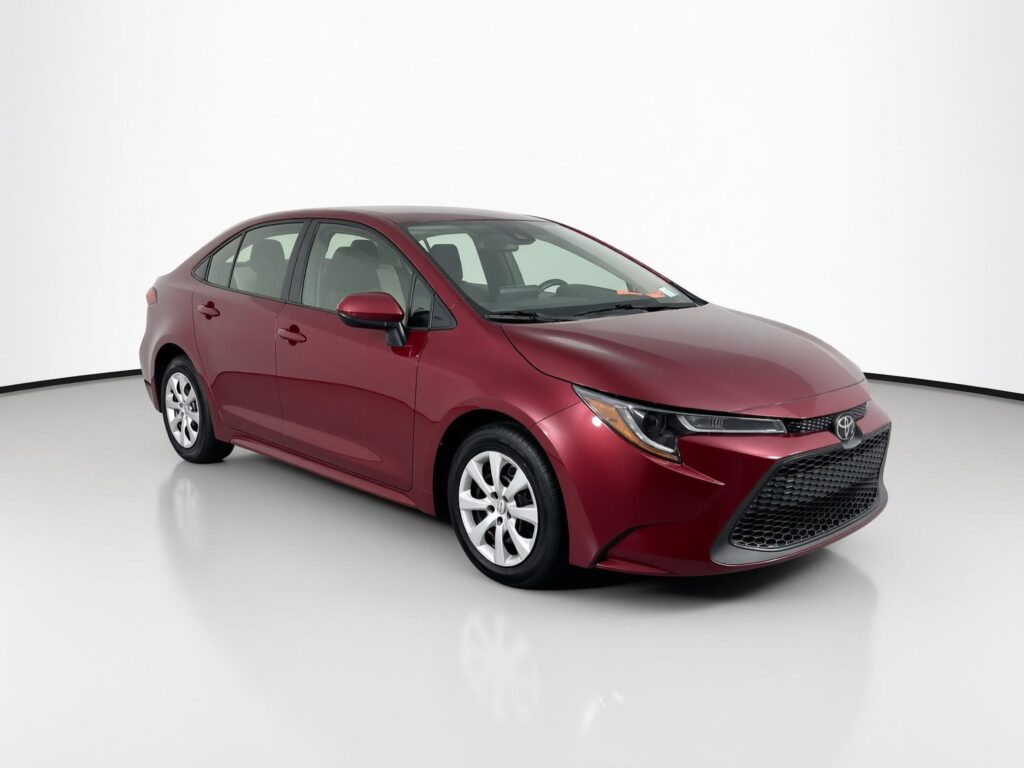
Look at the photos shoppers complain about. The problem is almost never too few pixels. It’s:
- The rear three-quarter angle nobody took.
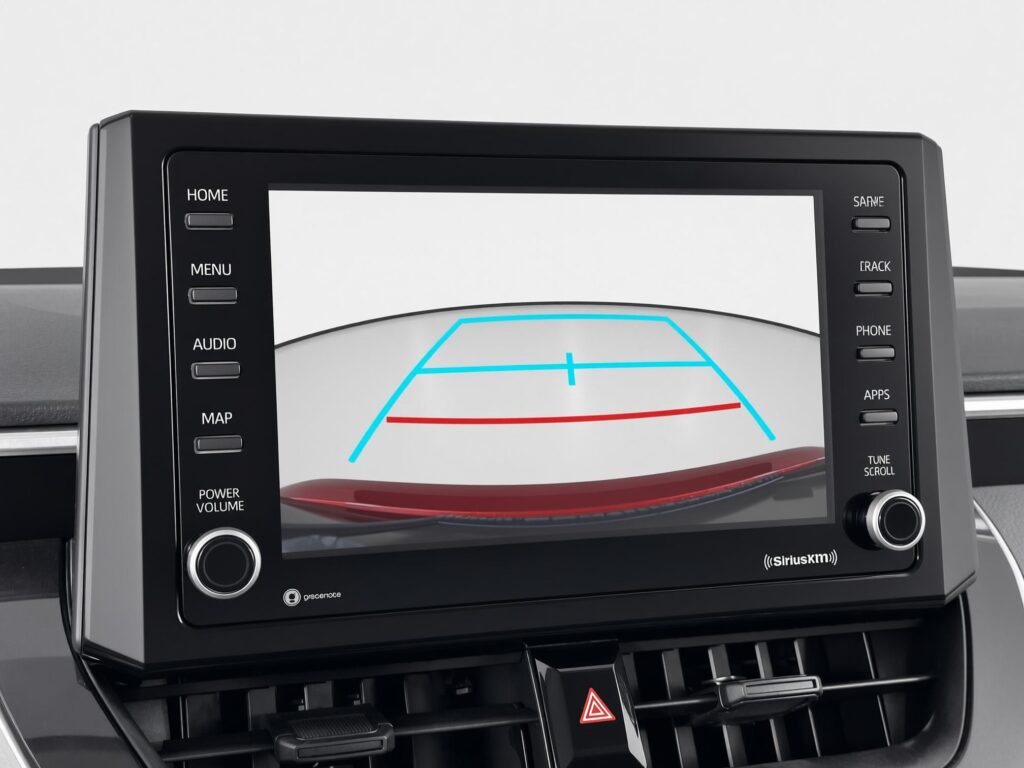
- The interior shot that’s dark or blurry.
- Glare across the hood.
- The tires, the cargo area or the back seat, skipped.
- A different sequence on every car, depending on who was shooting.
A 200-megapixel camera captures every one of those mistakes in stunning detail.
That’s why dealership vehicle photography is still inconsistent at so many stores. They own equipment. They don’t have a process.
Dealer wake-up call
A camera that understands the vehicle, rejects bad shots and completes the correct photo sequence is worth more than another hundred megapixels.
The smartest camera on your lot isn’t the one with the biggest number on the box. It’s the one that won’t let your employee walk away from the car with a missing or bad photo.
What does a smarter camera look like?
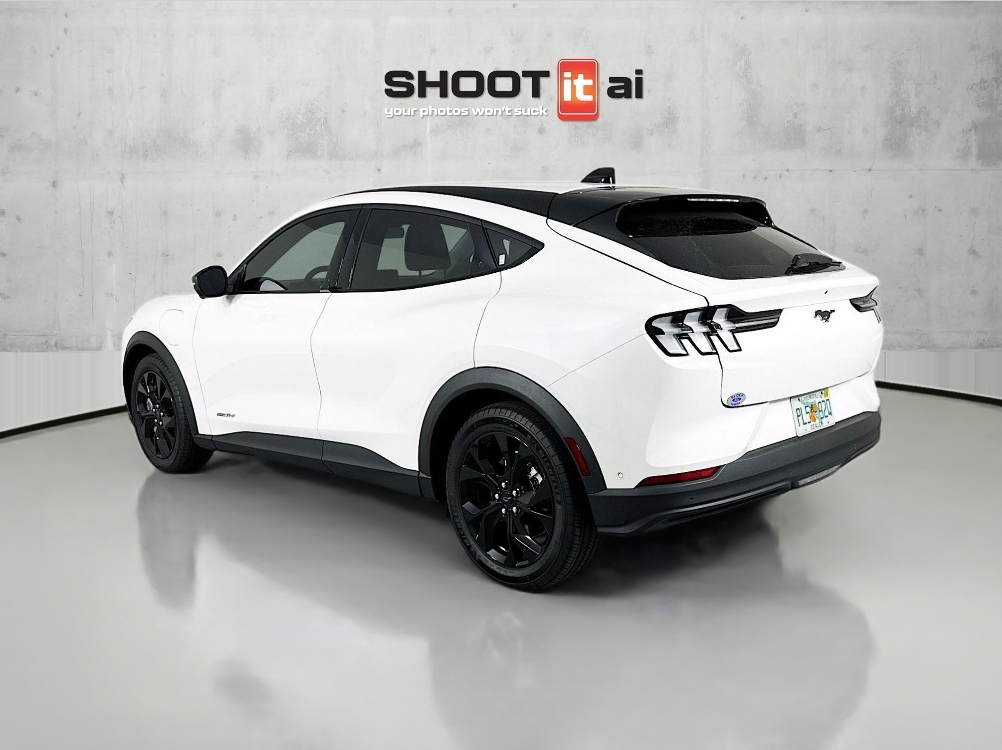
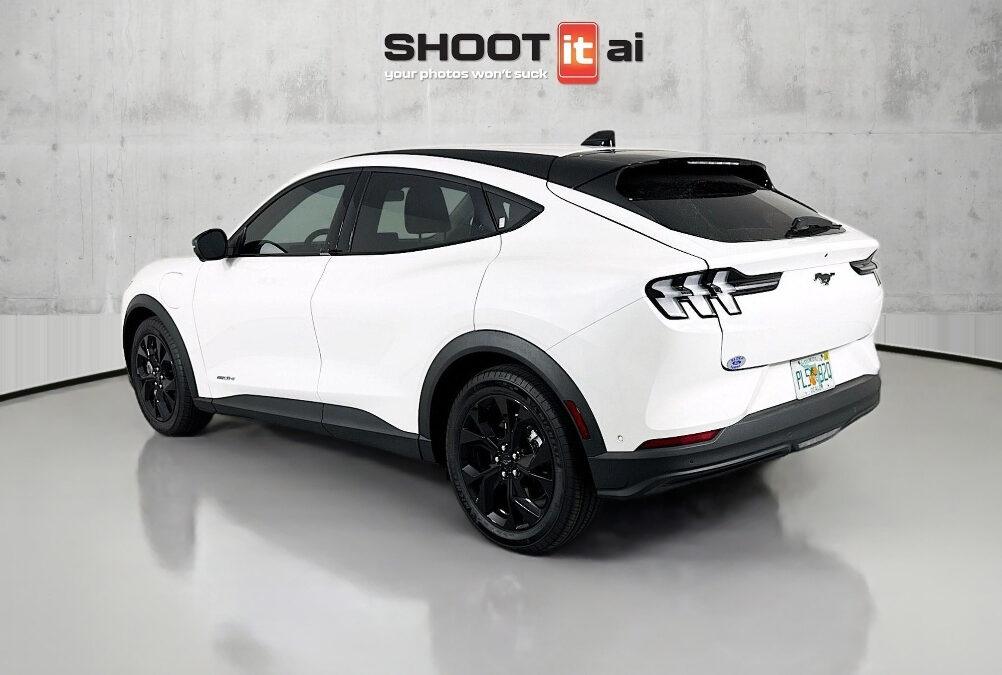
That’s what SHOOTit AI was built to do. It runs on the iPhone your team already carries and walks them through the same 40+ shot sequence on every vehicle, including the detail shots shoppers actually want. Dark, blurry or off-center frames get stopped for a reshoot while the employee is still standing at the vehicle.
Inside a 360Booth, the light is controlled around the real car, so the camera isn’t fighting glare, shadows or weather.
The result isn’t a bigger file. It’s a repeatable process: same angles, same order, same quality, no matter who’s shooting. And a row of VDPs that looks like a store that has its act together.
The real car, honestly shown. Authentic Capture™.
Before you upgrade your phones, pull up five of your VDPs. Count the missing angles. Count the blurry shots. Then ask whether more megapixels would have fixed any of them.
Want to see the difference a process makes? Learn why you need a SHOOTit AI smart camera.
Sources: OPPO Find X10 Pro Max launch coverage (MobileMasr, Android Authority); 200MP default output (PhoneArena).
FAQ
Do more megapixels make better dealership vehicle photos?
Not on their own. Most 200MP phone cameras save 12MP images by default, and listing sites resize photos anyway. Missed angles, blur, glare and inconsistent sequences hurt vehicle photos far more than resolution does.
What makes a camera better for dealership inventory photos?
A camera that guides the employee through the correct shot sequence, rejects dark, blurry or off-center frames before they leave the vehicle, and produces the same angles on every car.
How does SHOOTit AI improve vehicle photos?
SHOOTit AI runs on iPhone and walks staff through the same 40+ shot sequence on every vehicle, stopping bad frames for a reshoot at the vehicle. Inside a 360Booth, the lighting around the real car is controlled as well.
Related Reading:
- Why Should Dealership Vehicle Photography Quality Control Happen at the Vehicle?
- Why Is Dealership Vehicle Photography Still Inconsistent?
- What Makes Dealership Vehicle Photography Fast, Simple and Repeatable?
- Which Detail Photos Do Car Shoppers Actually Want?
- What If Shoppers Judge Your Whole Store by One Thumbnail?
- 20 Questions Dealers Should Ask Before Choosing a Vehicle Photo Studio or Automotive Camera System