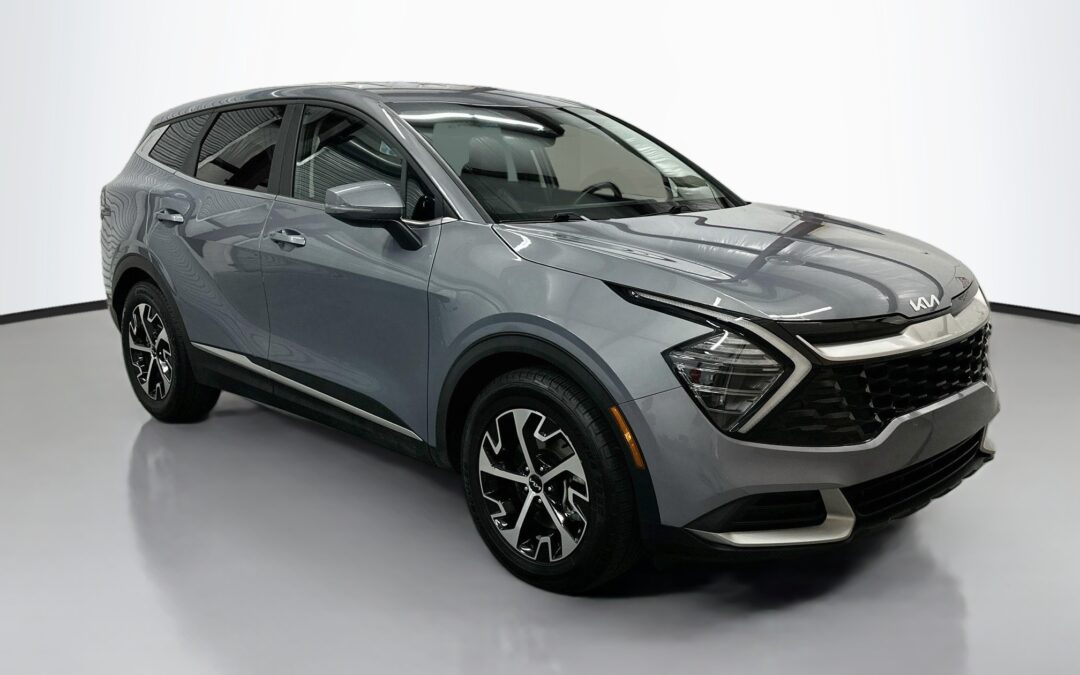
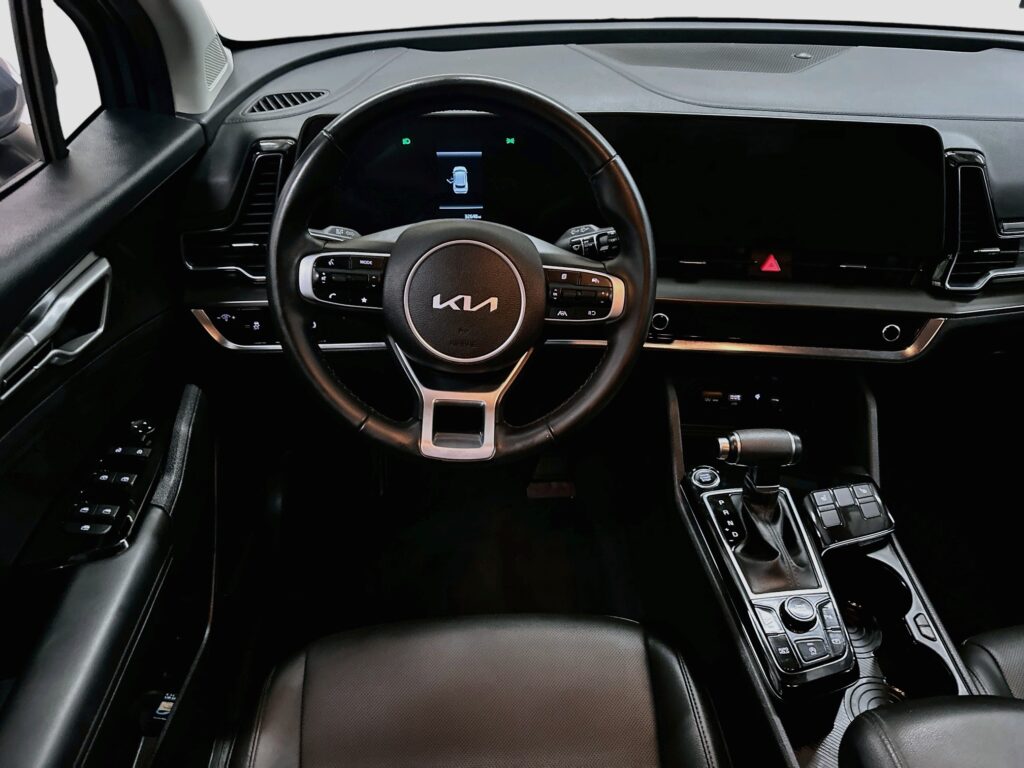
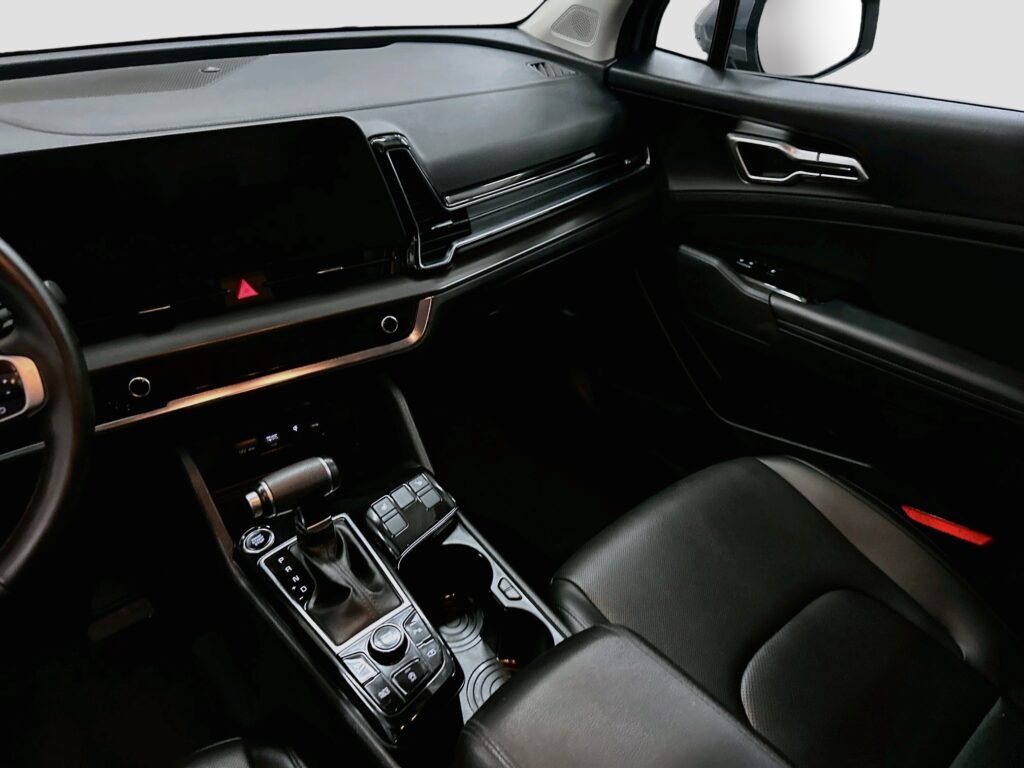
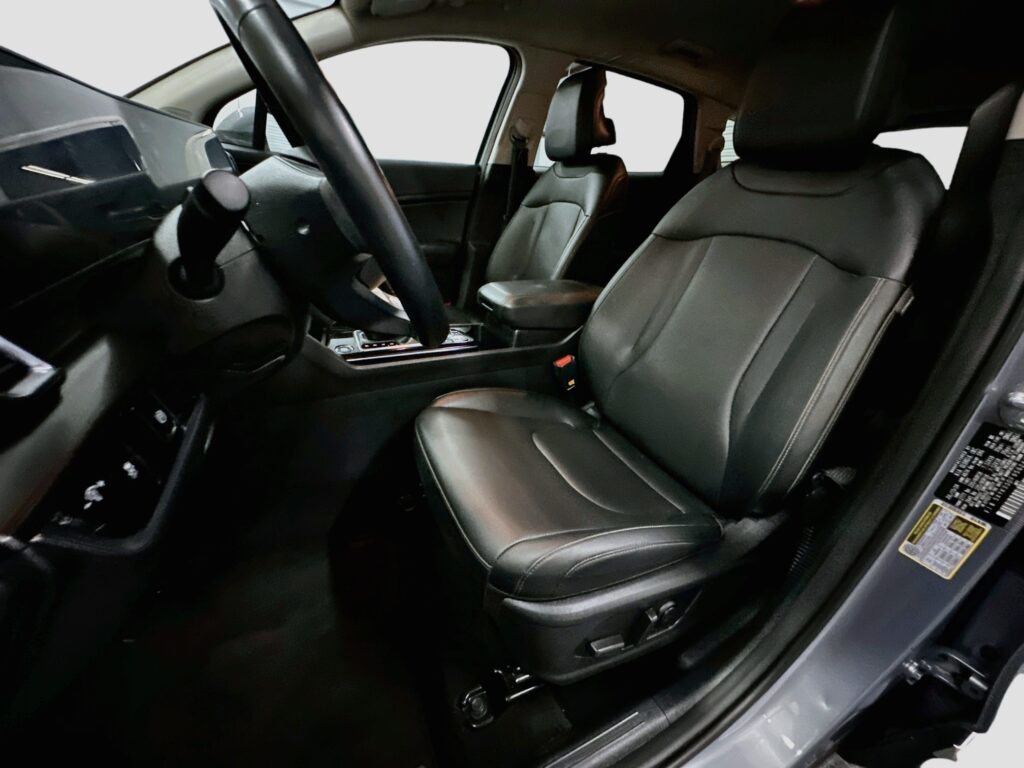
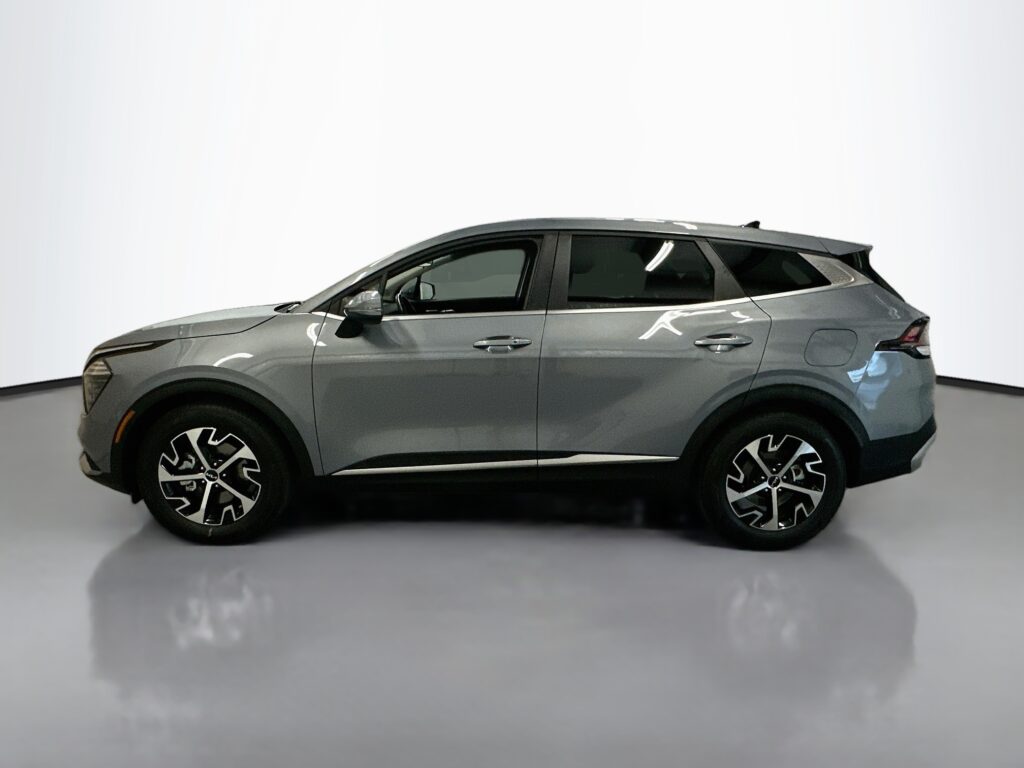
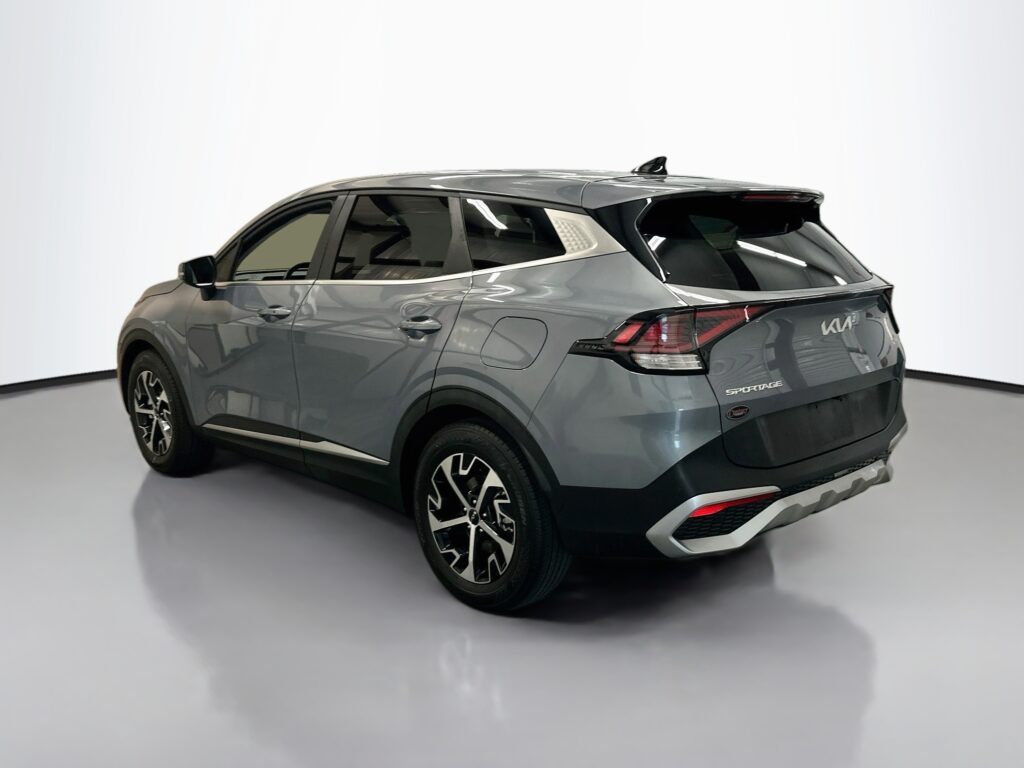
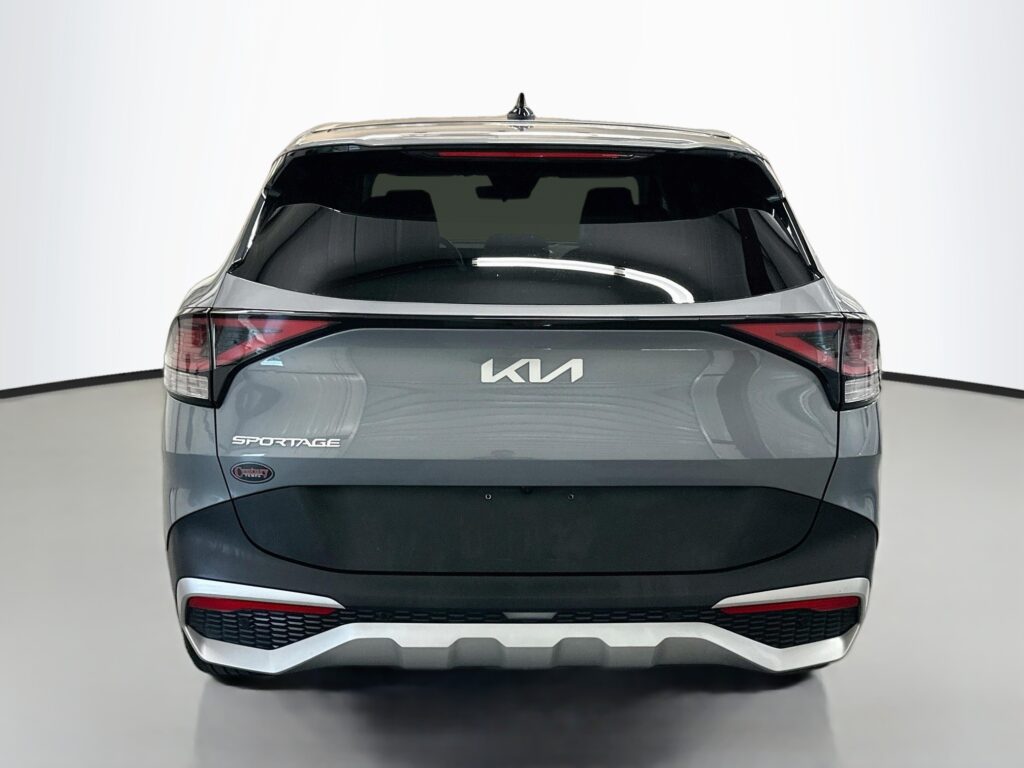
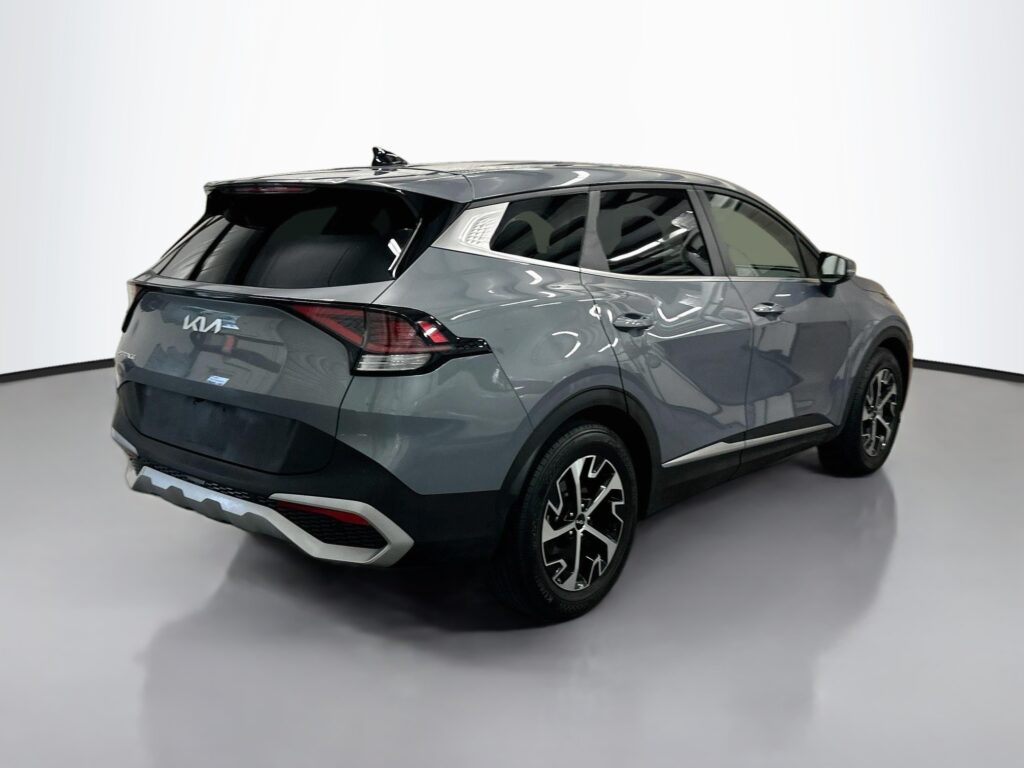
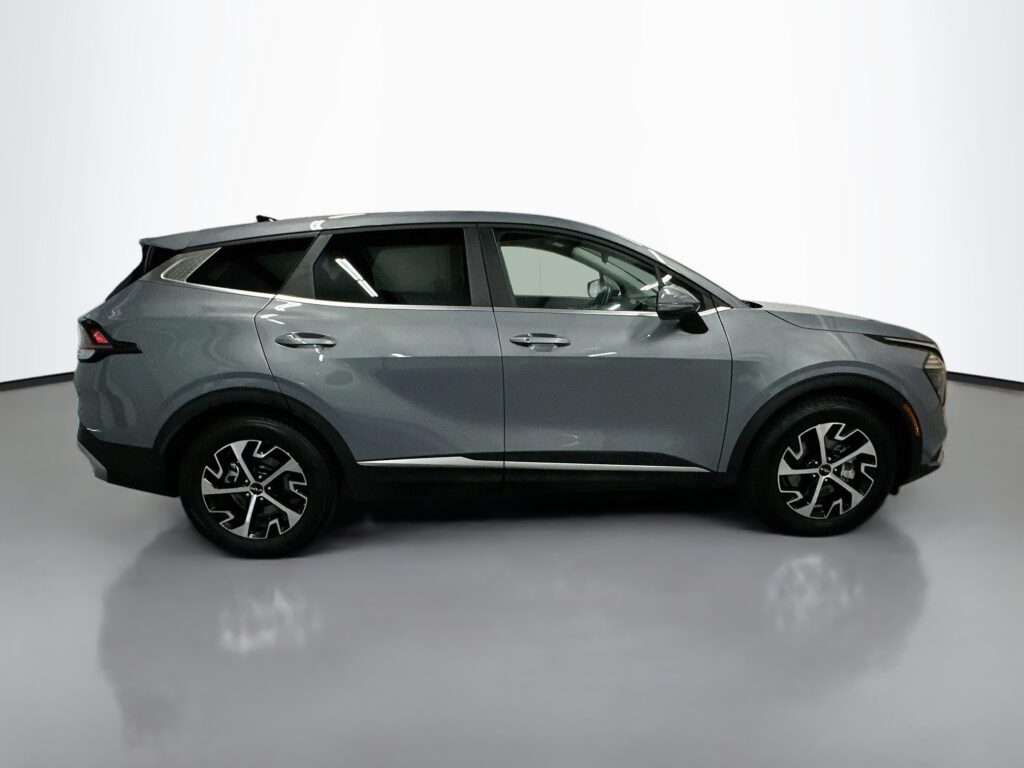
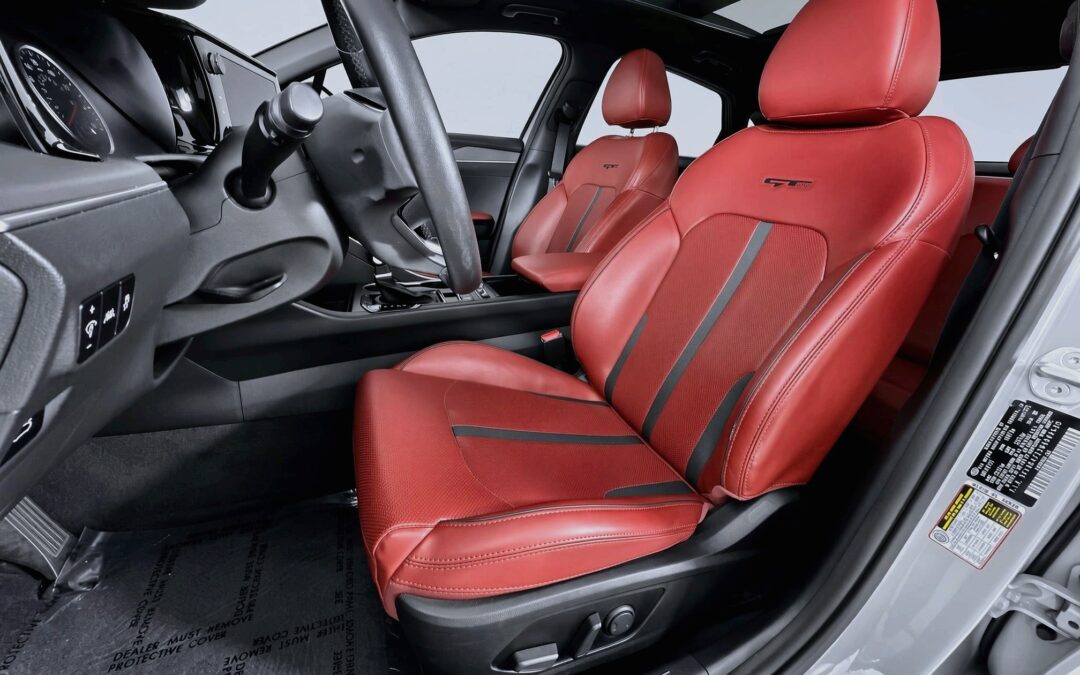
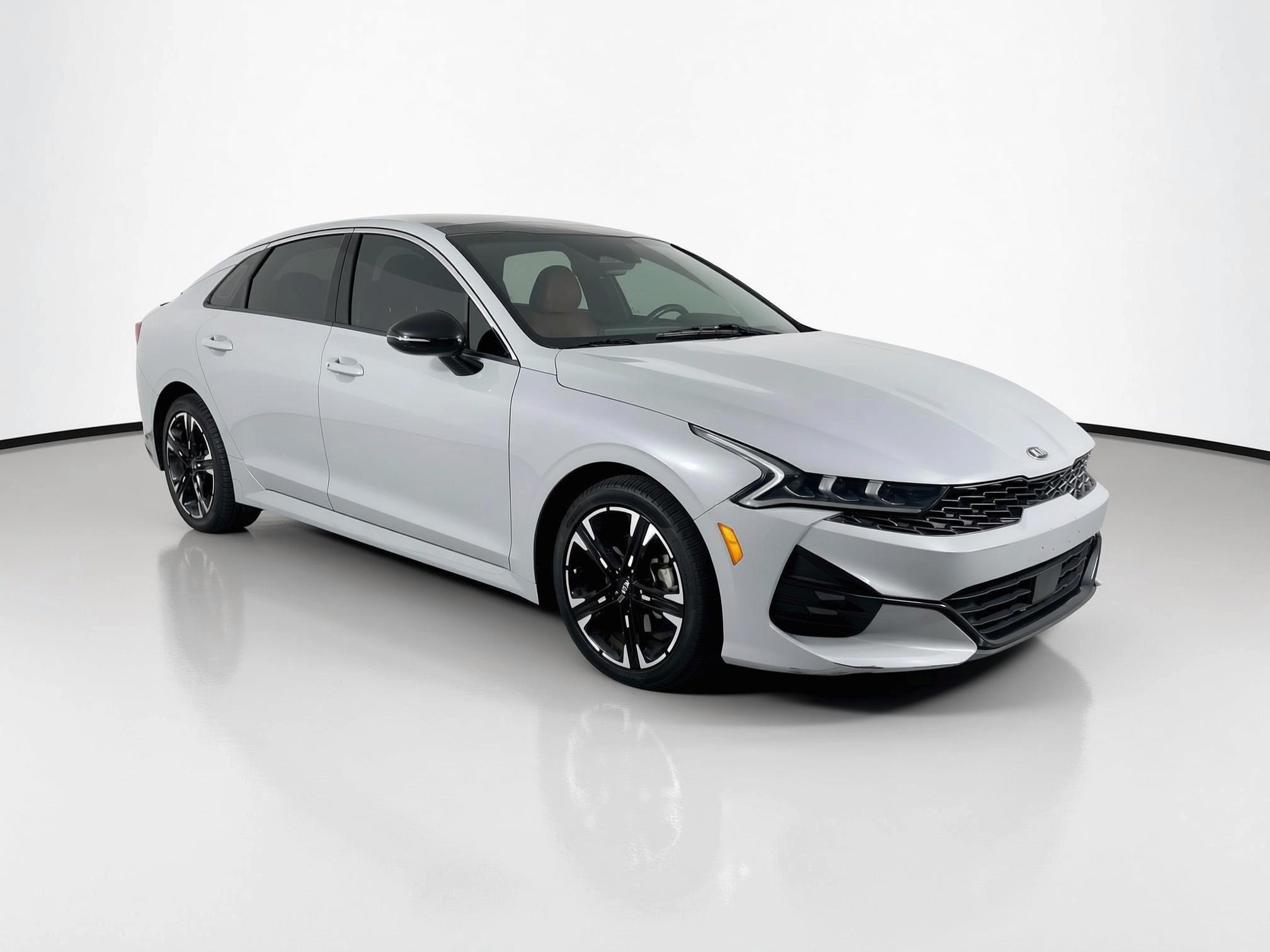
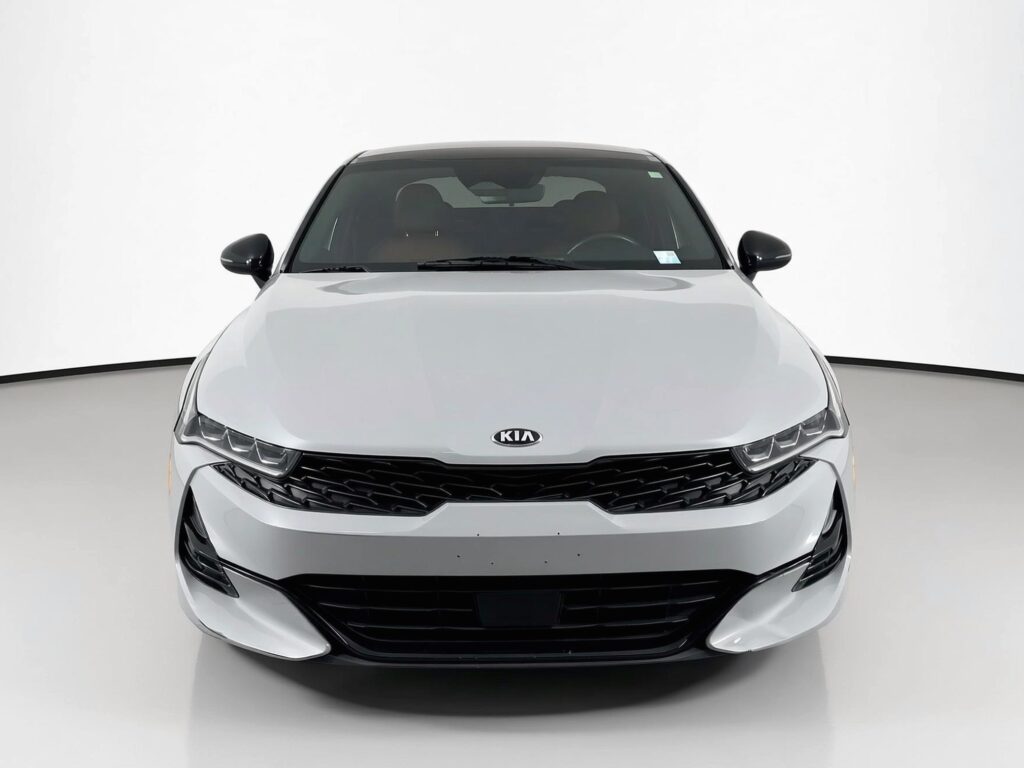
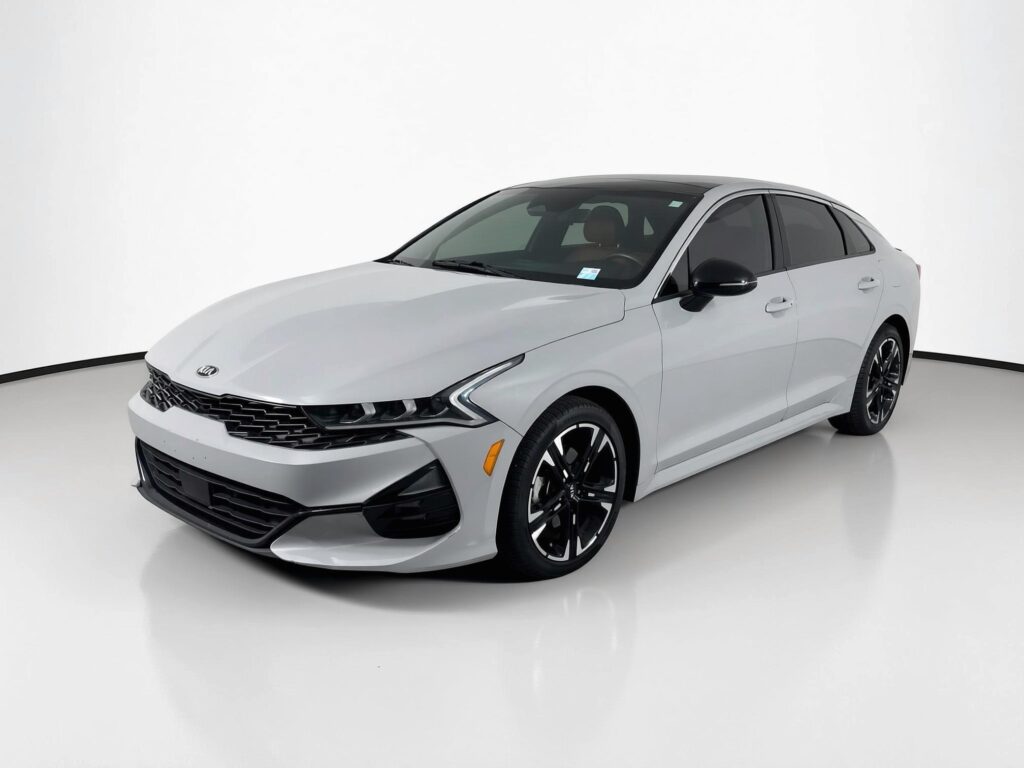
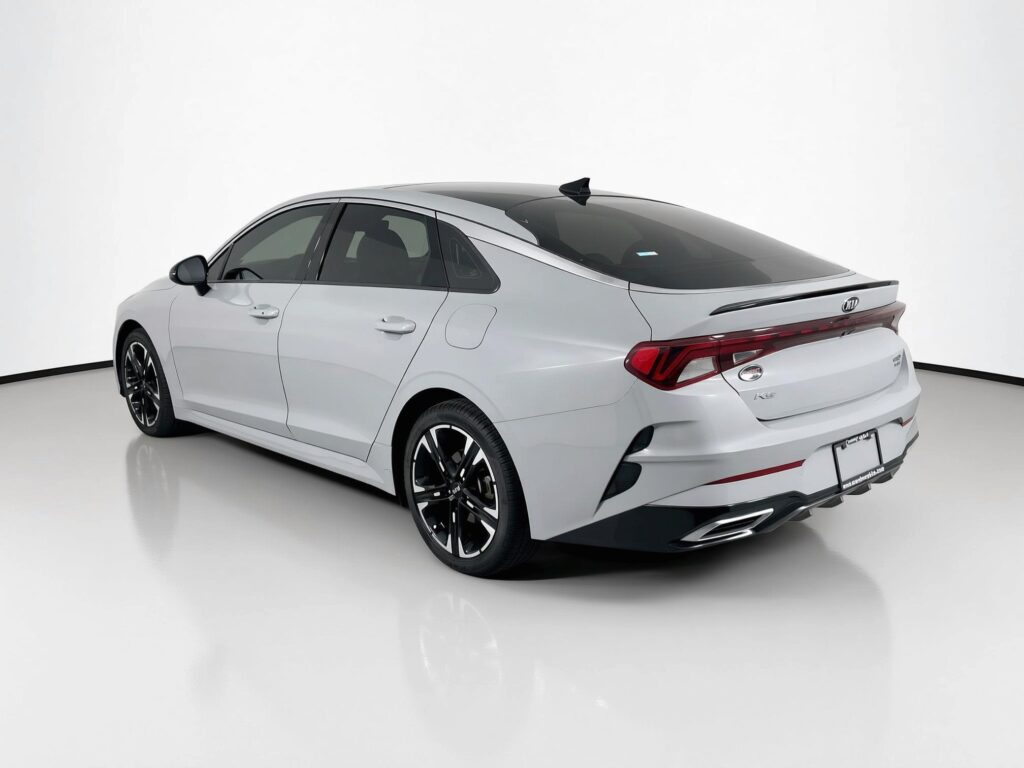
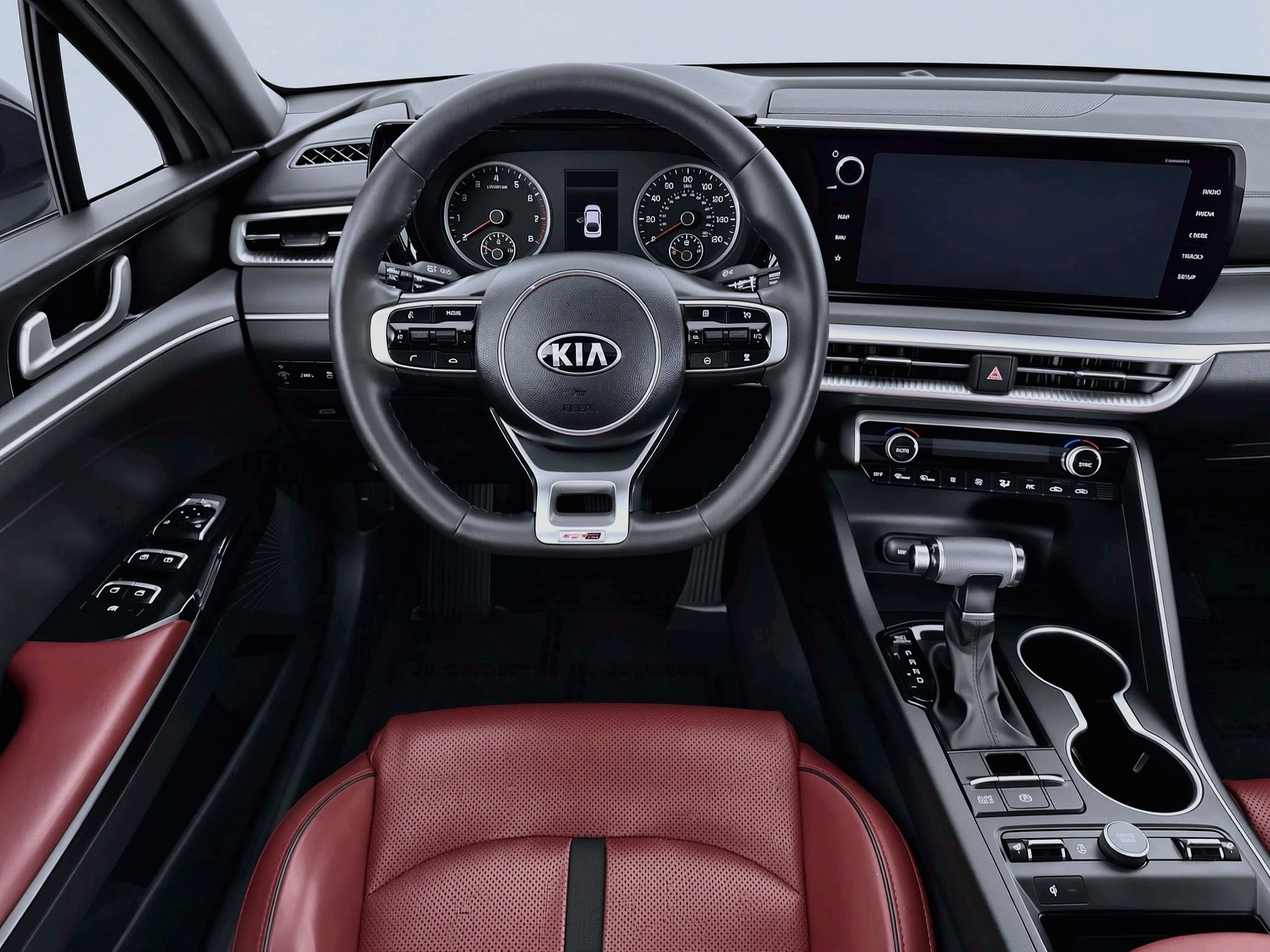
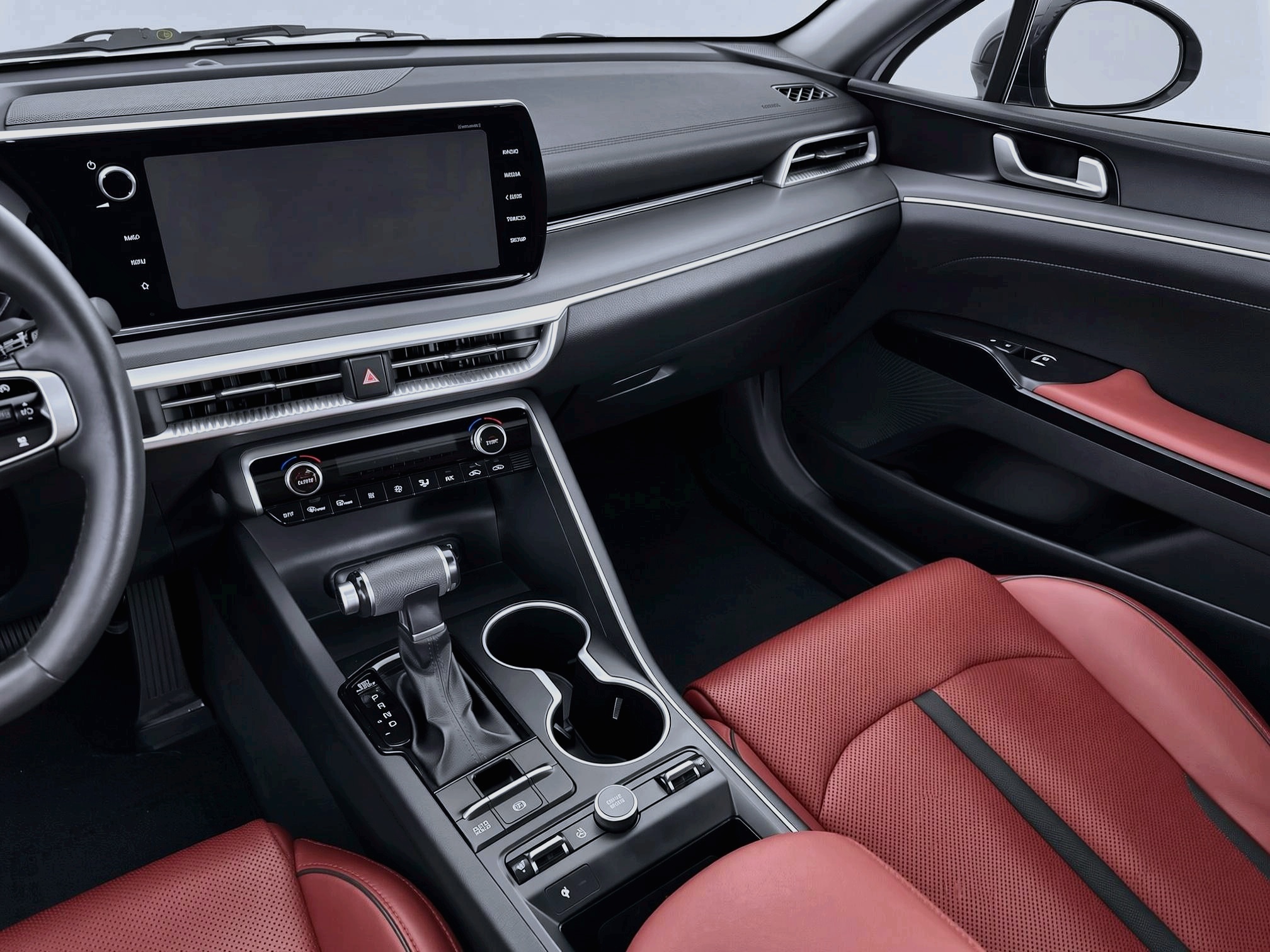
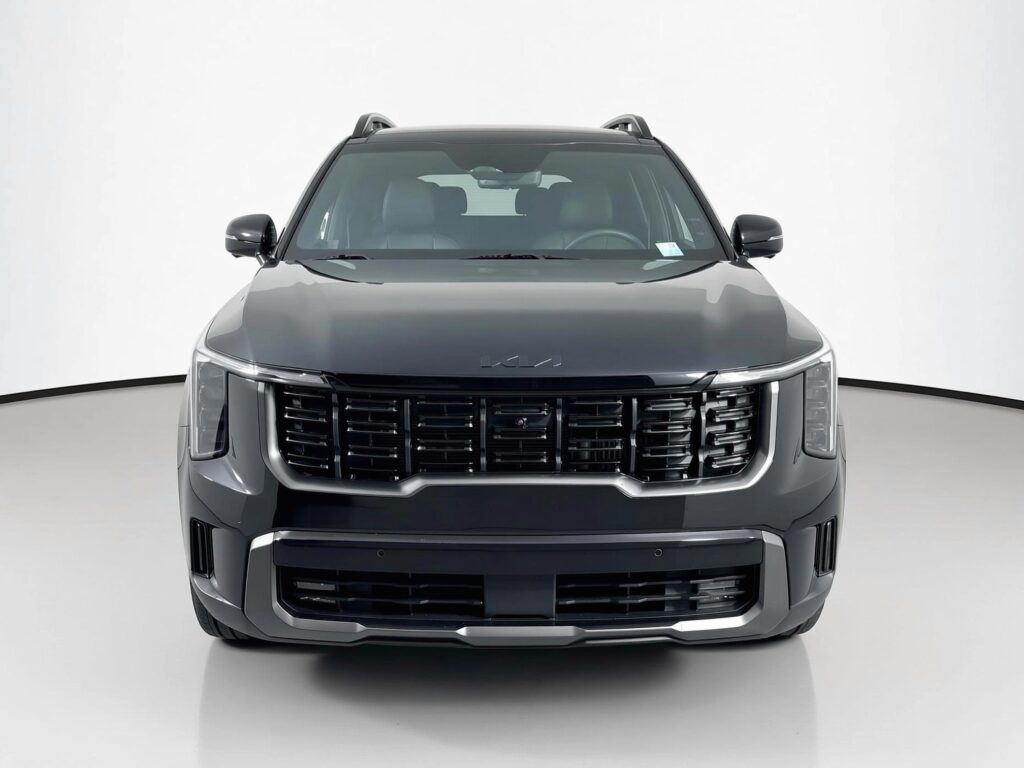
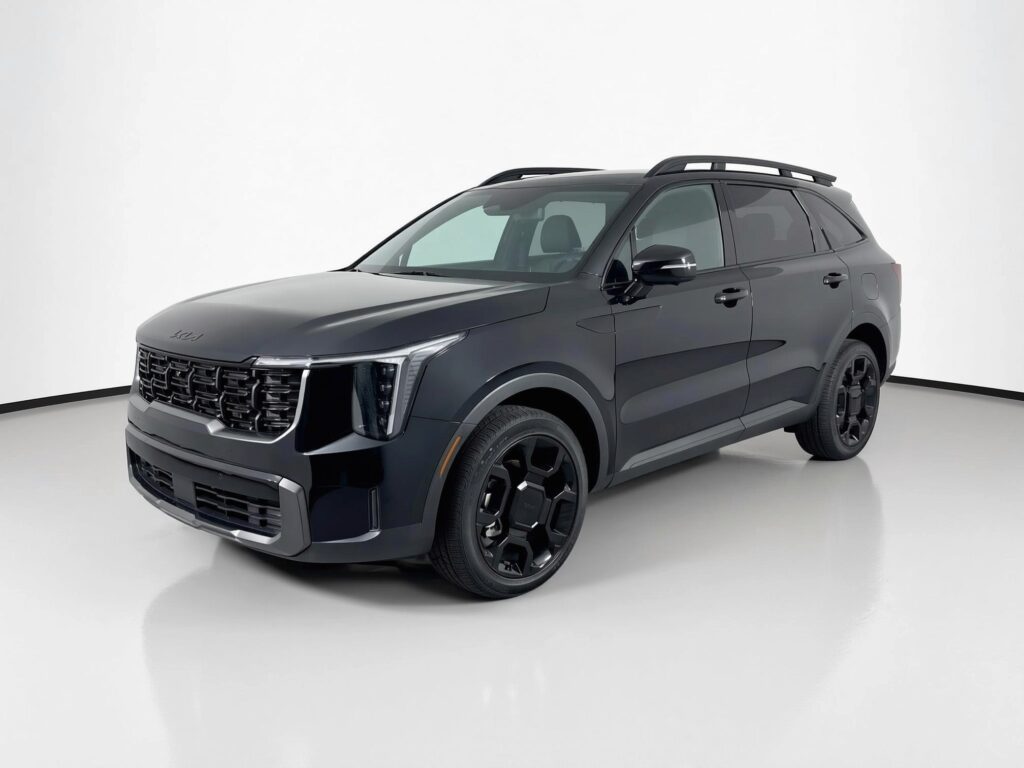
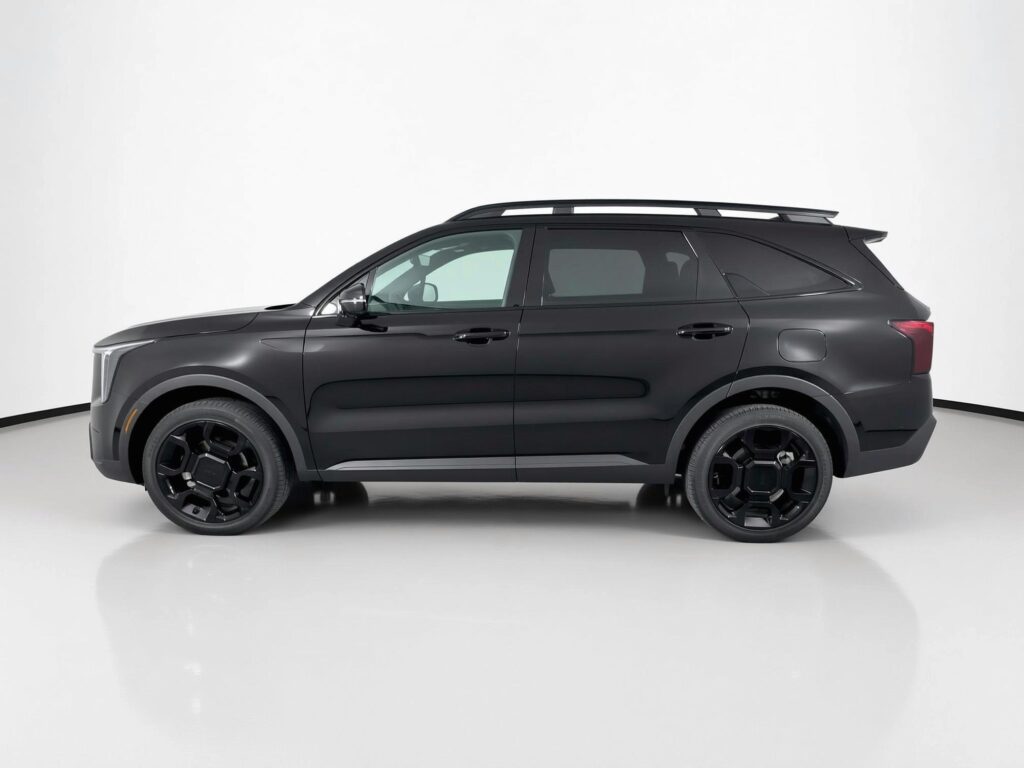
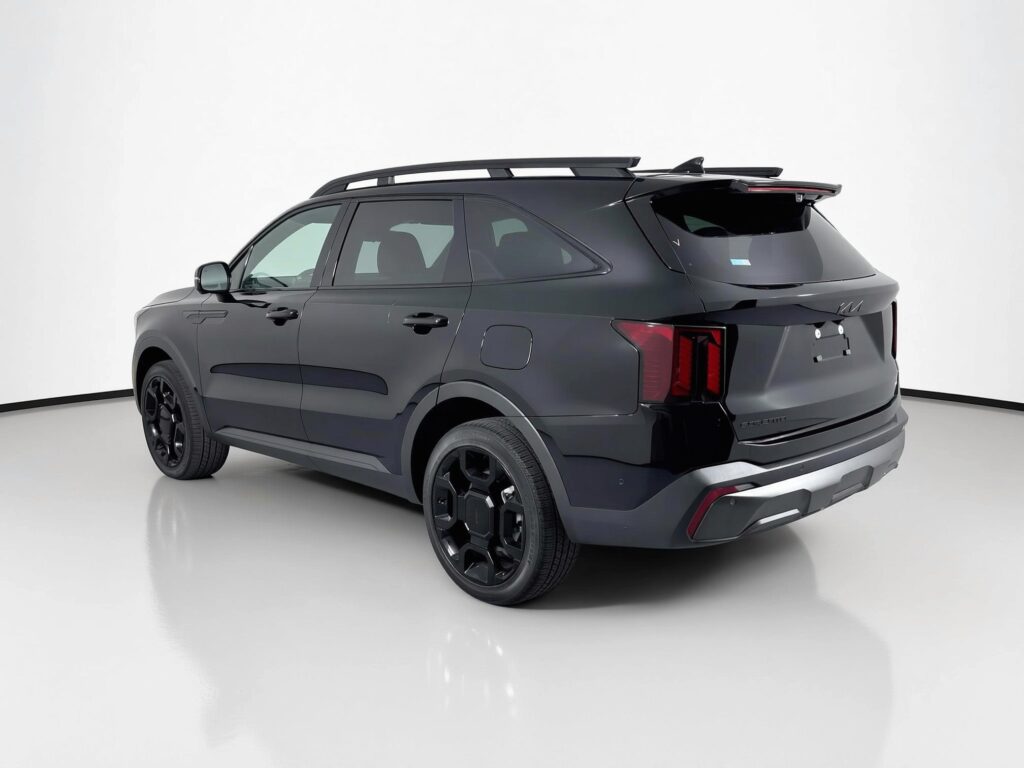
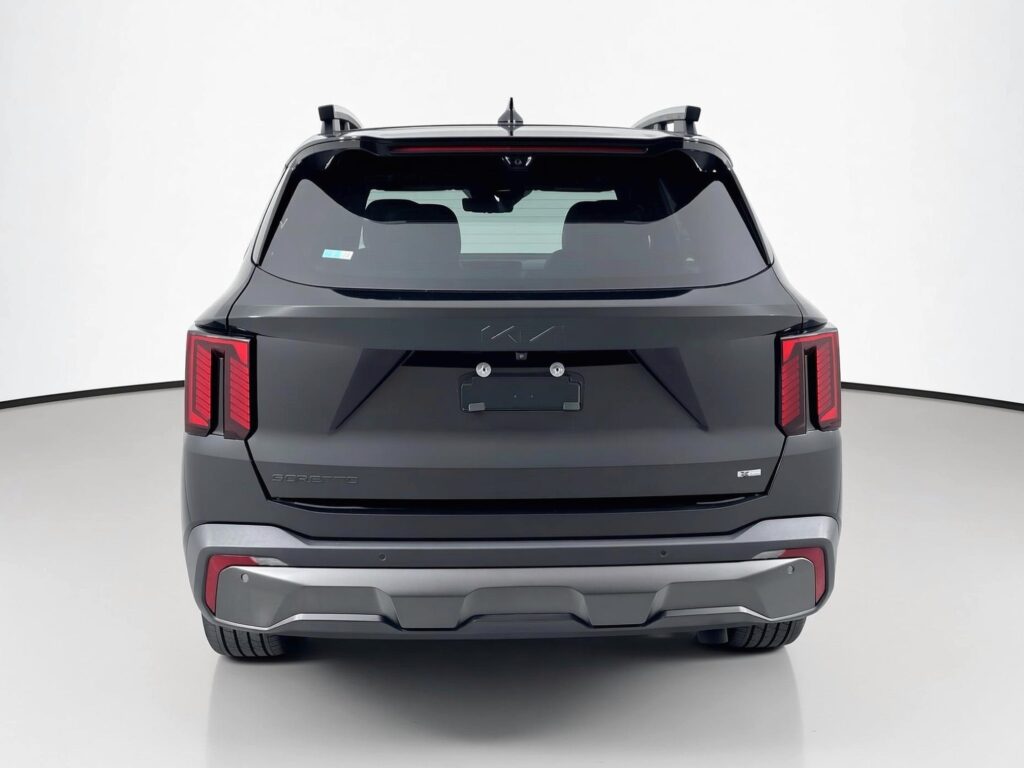
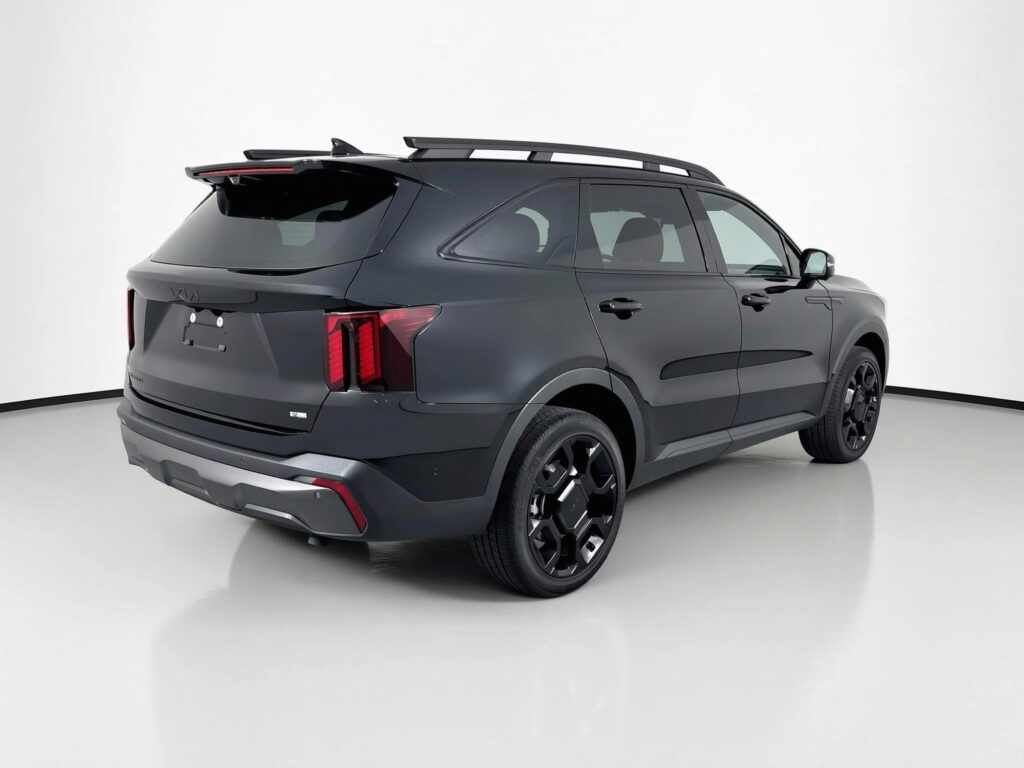
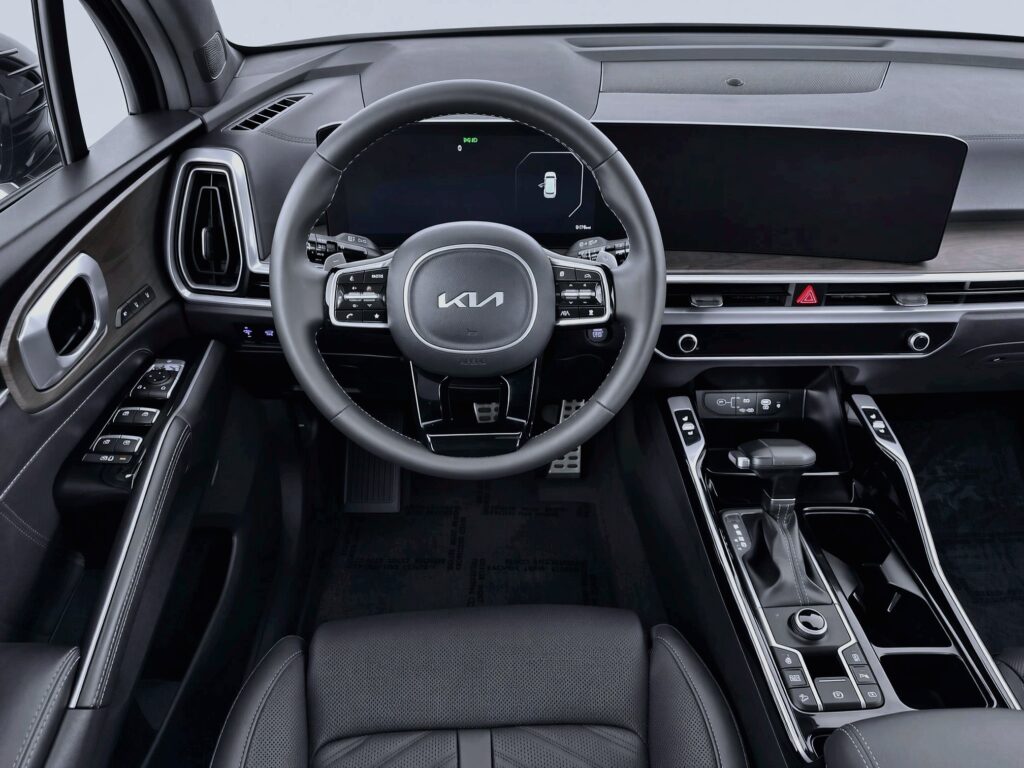
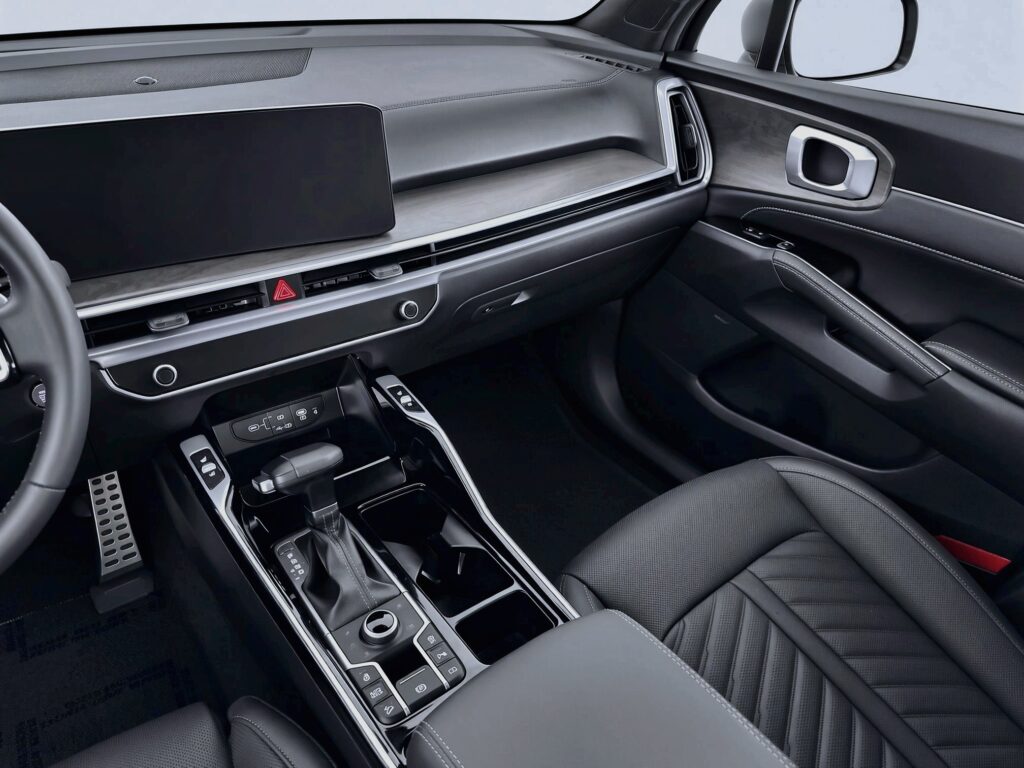
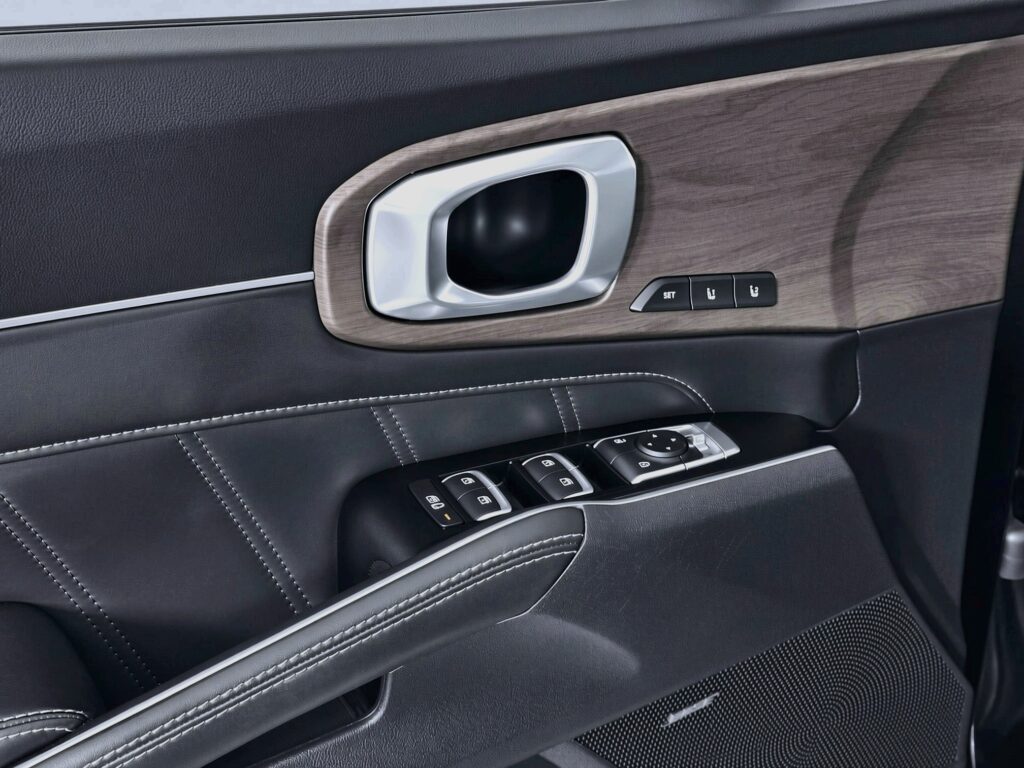
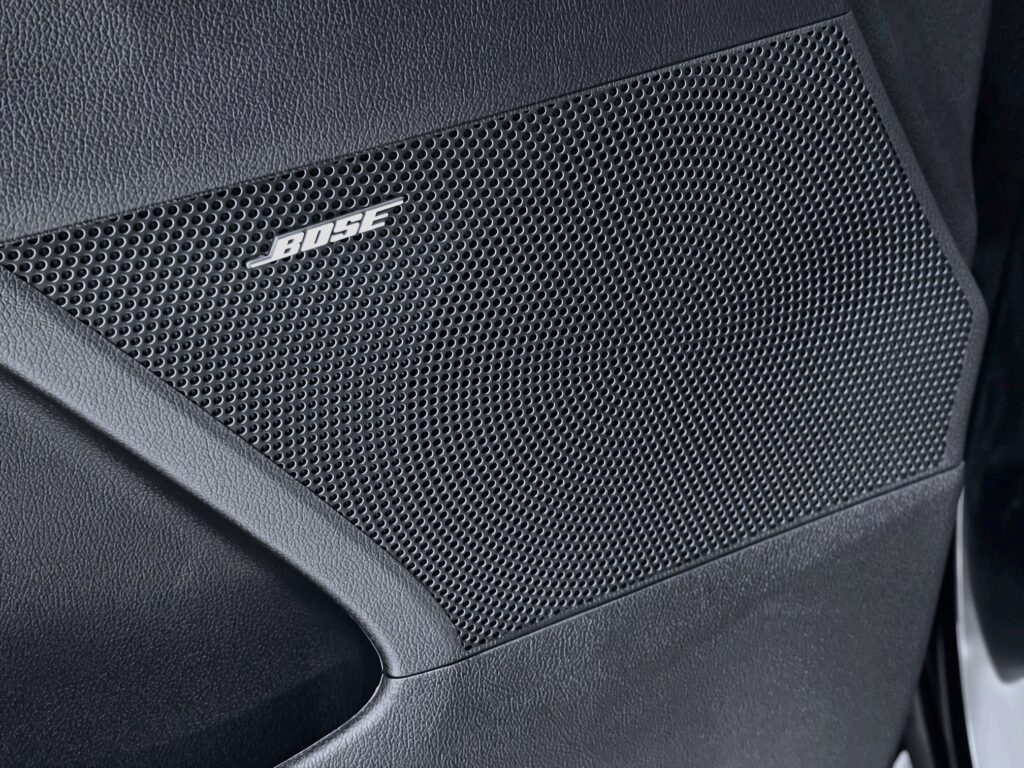
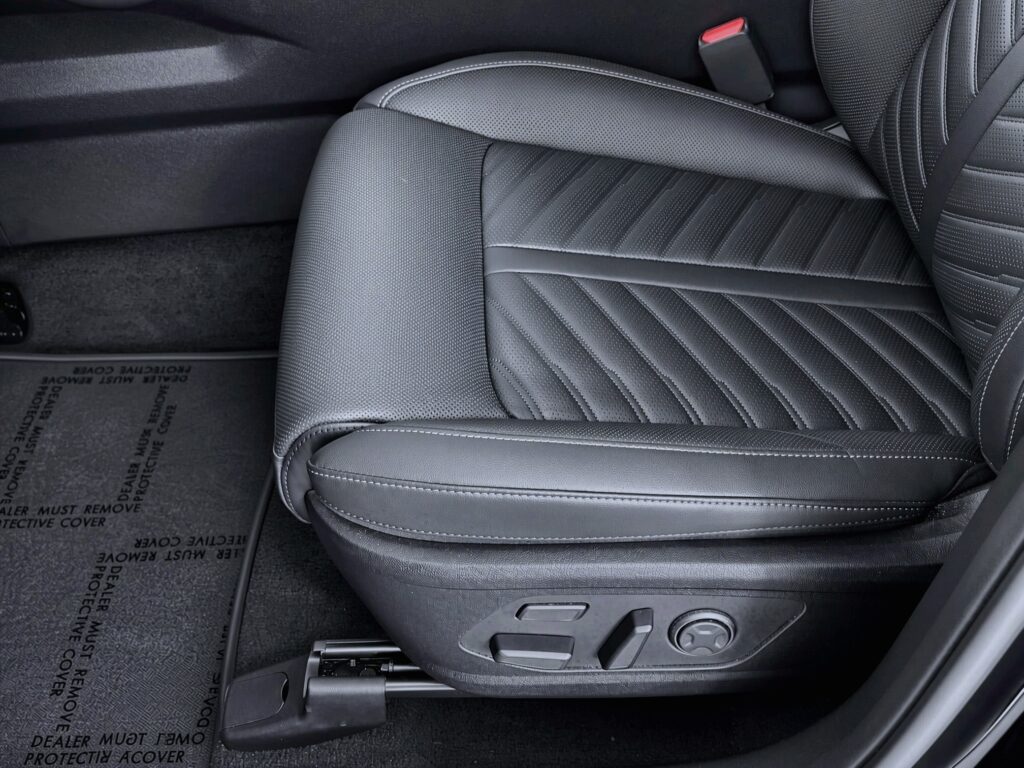
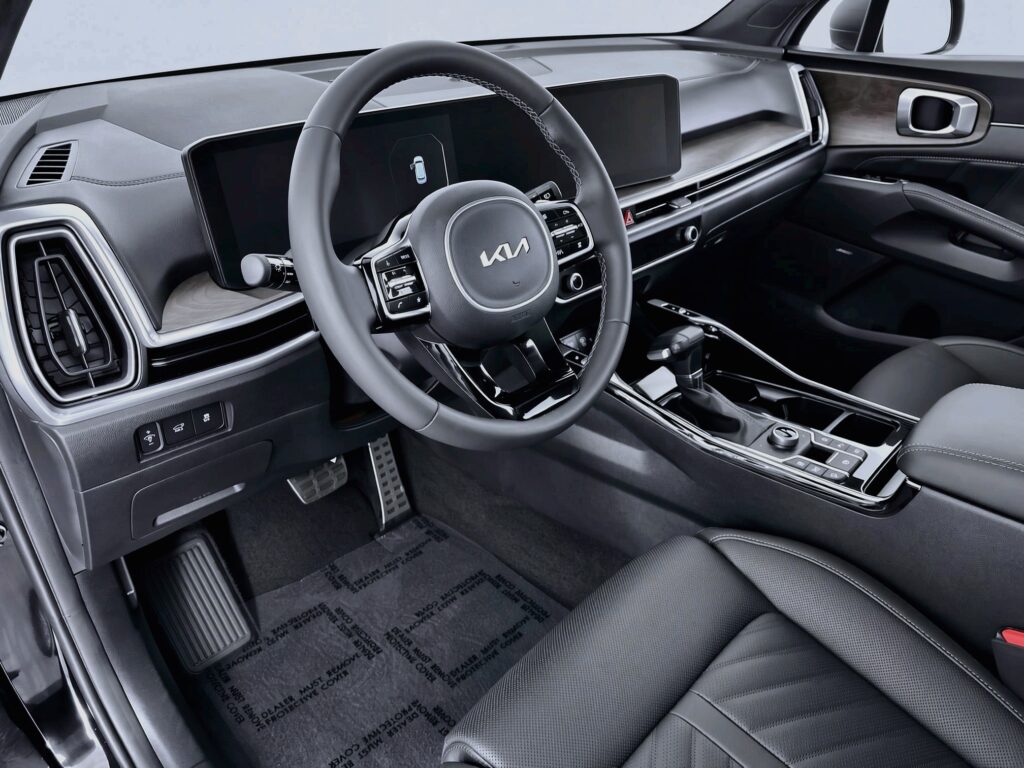
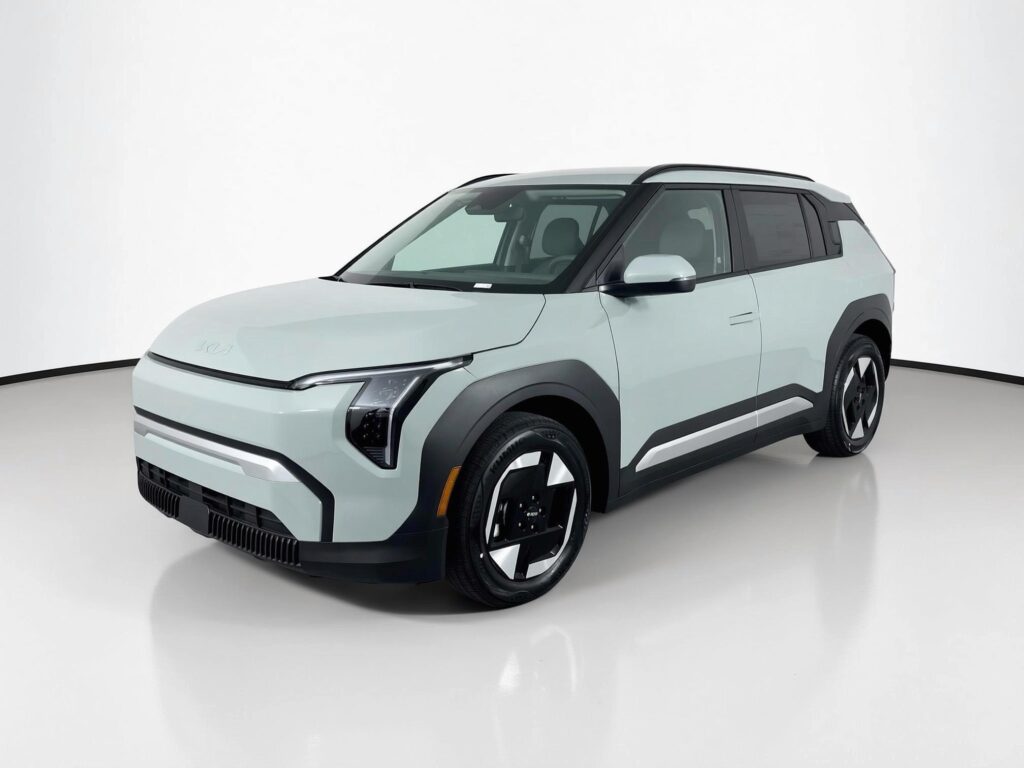
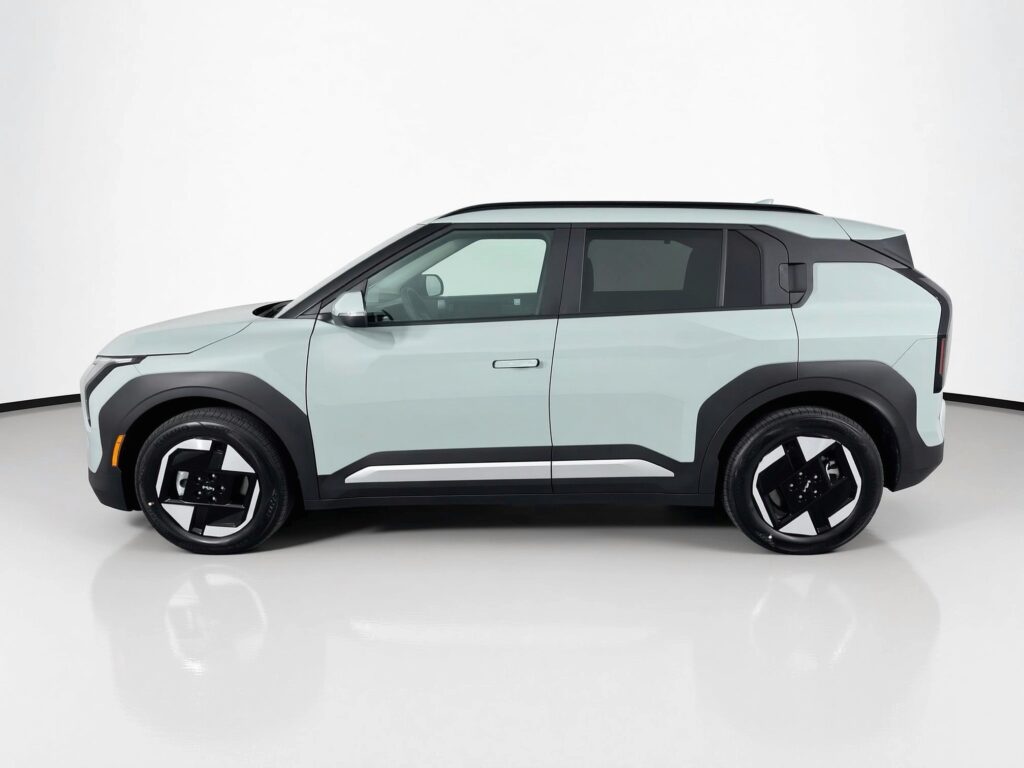
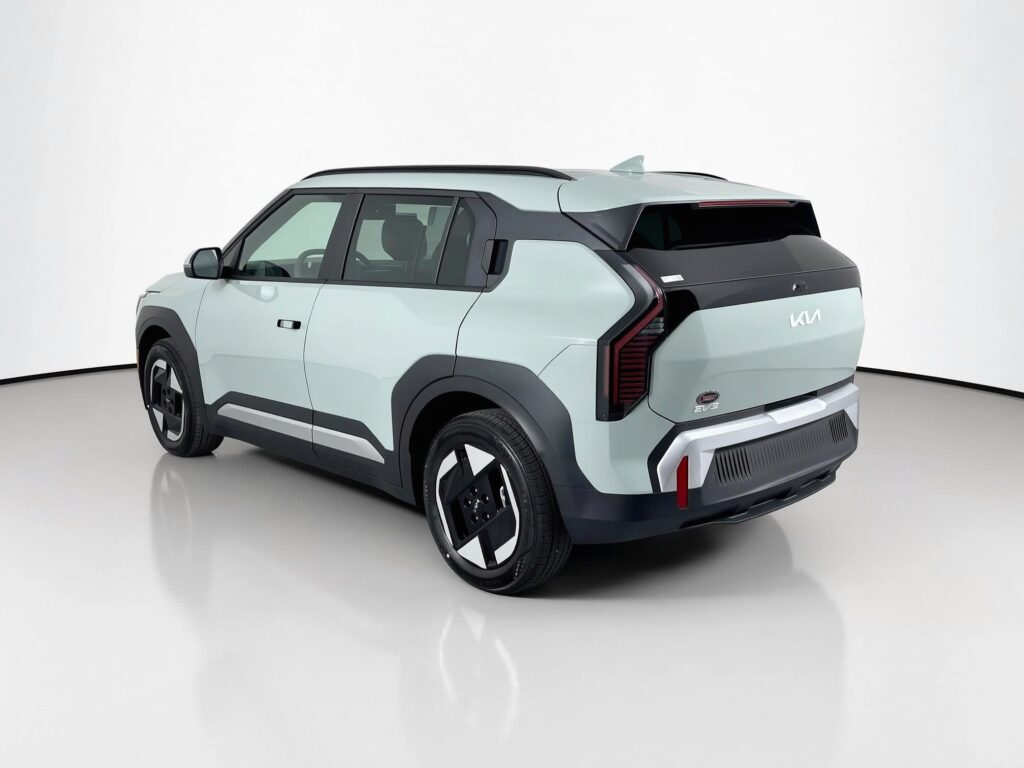
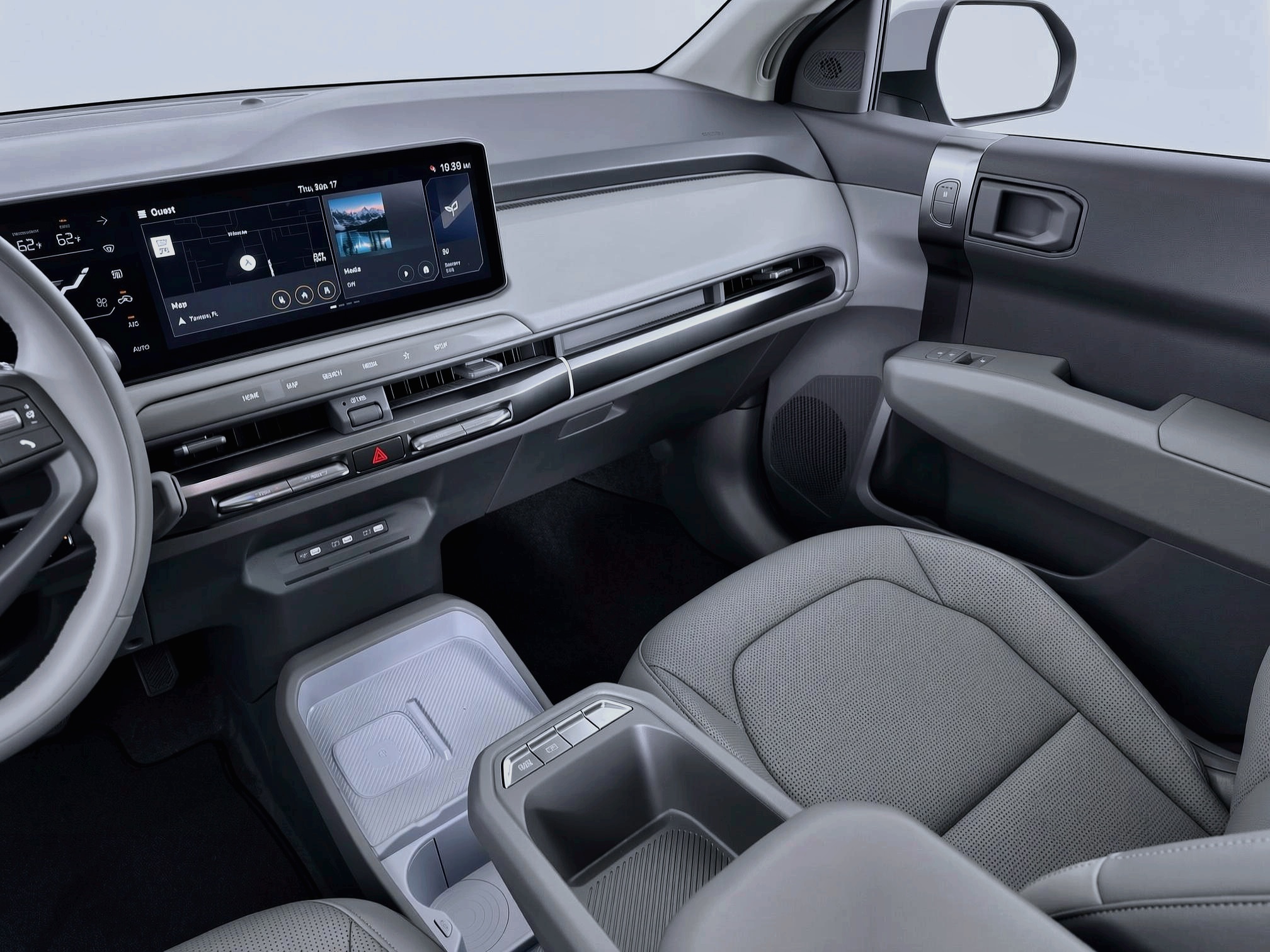
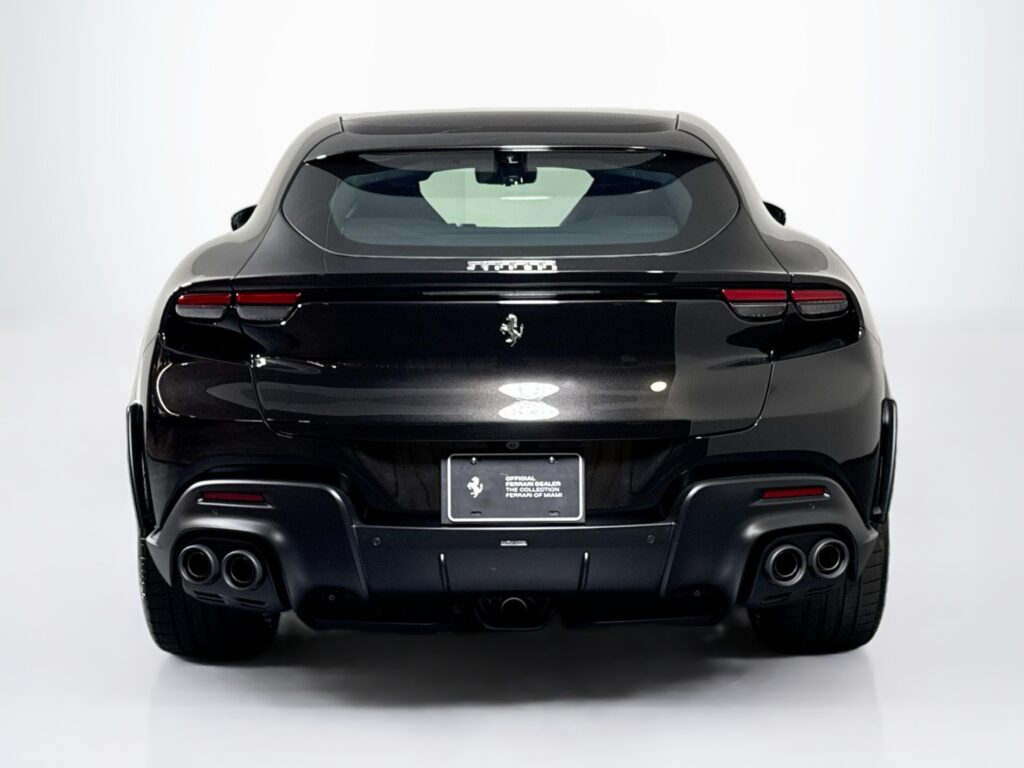
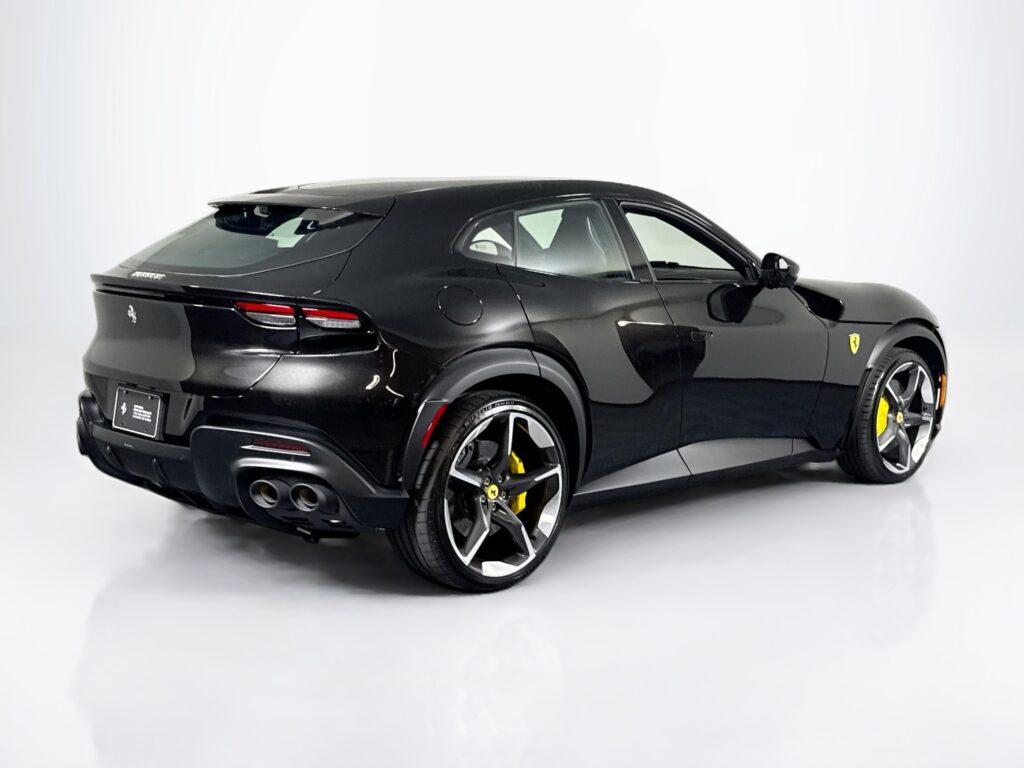
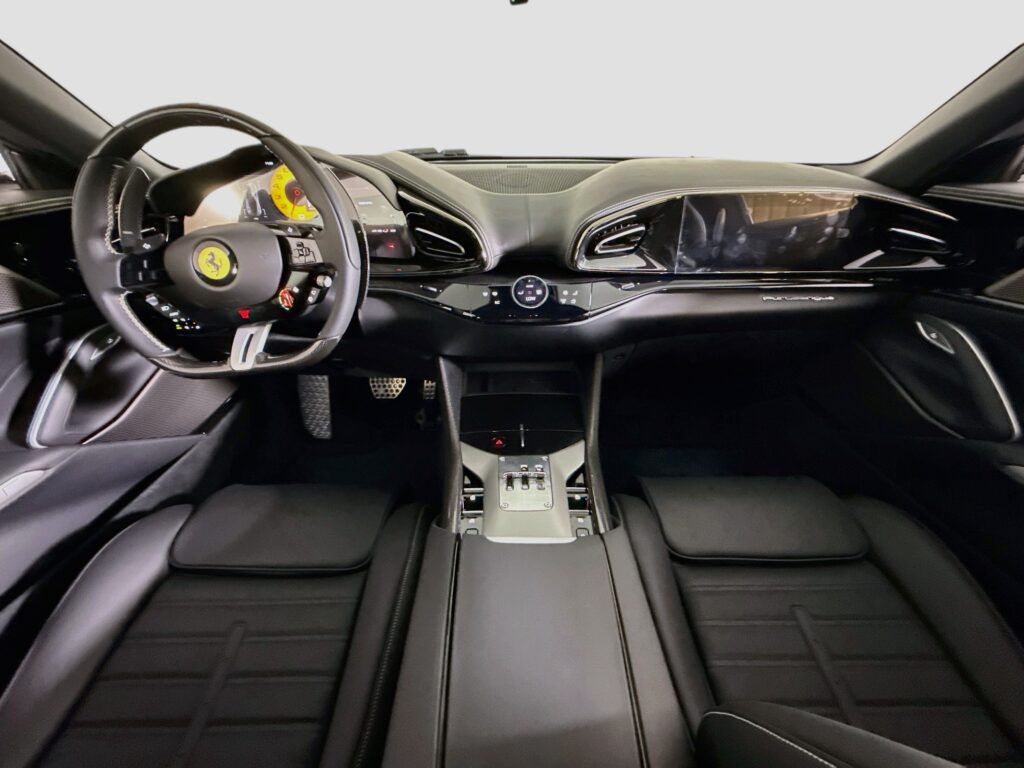
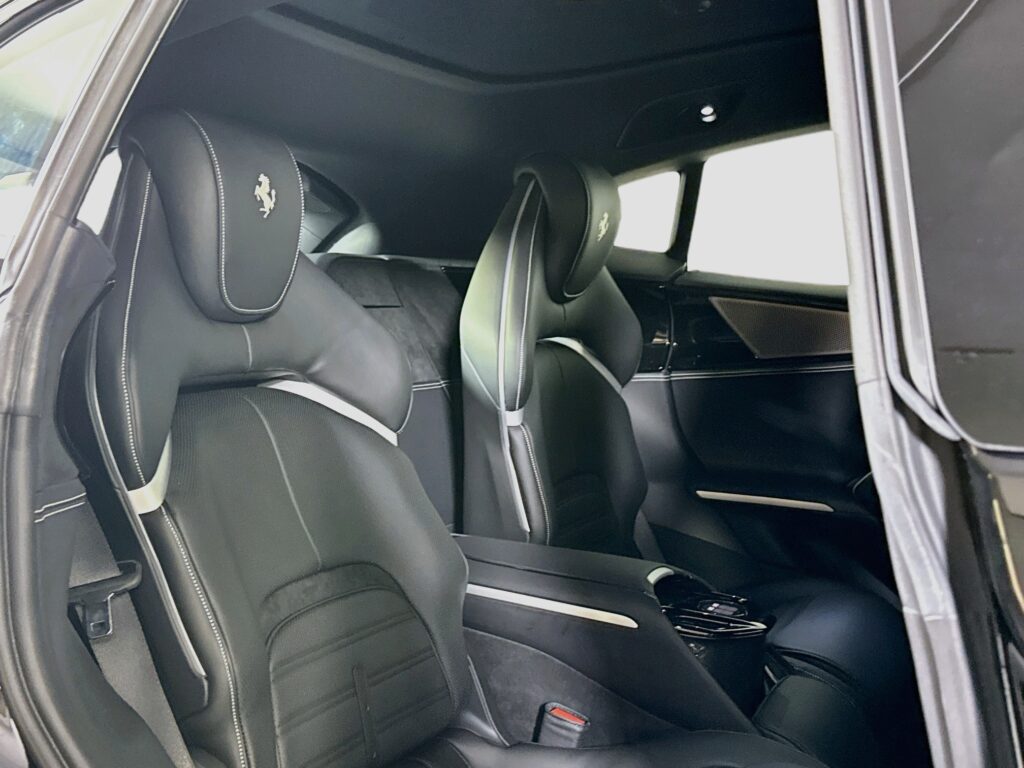
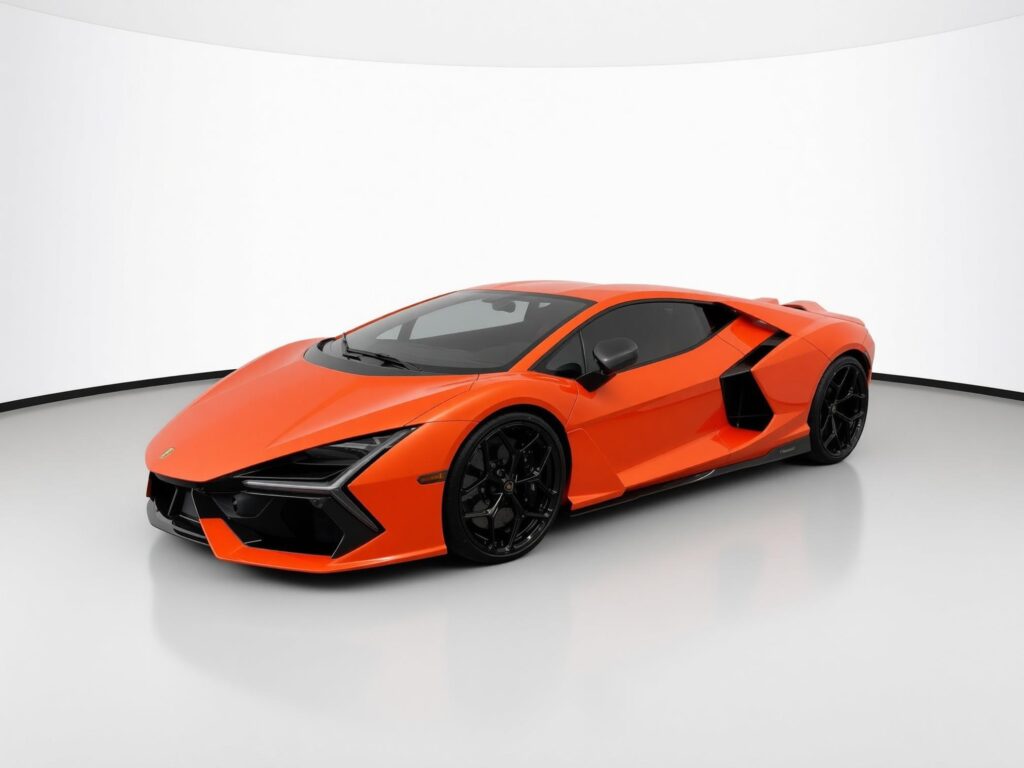
A dealership should publish enough photos to answer the customer’s questions about the actual vehicle, not stop at an arbitrary number because a software package says the job is finished.
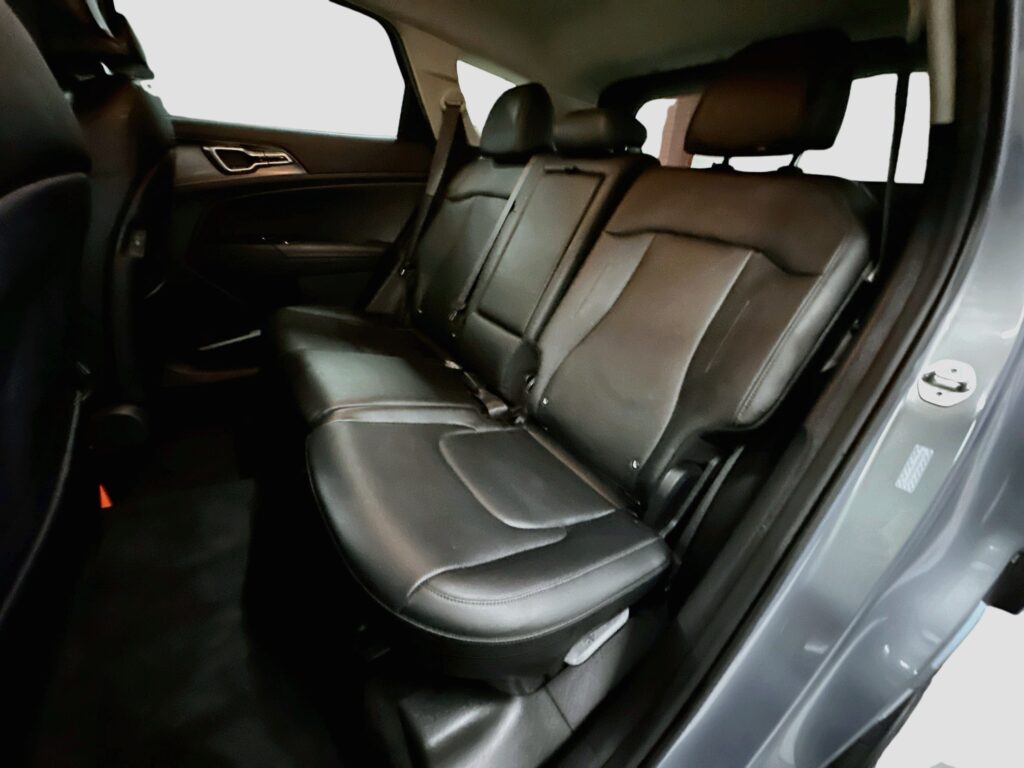
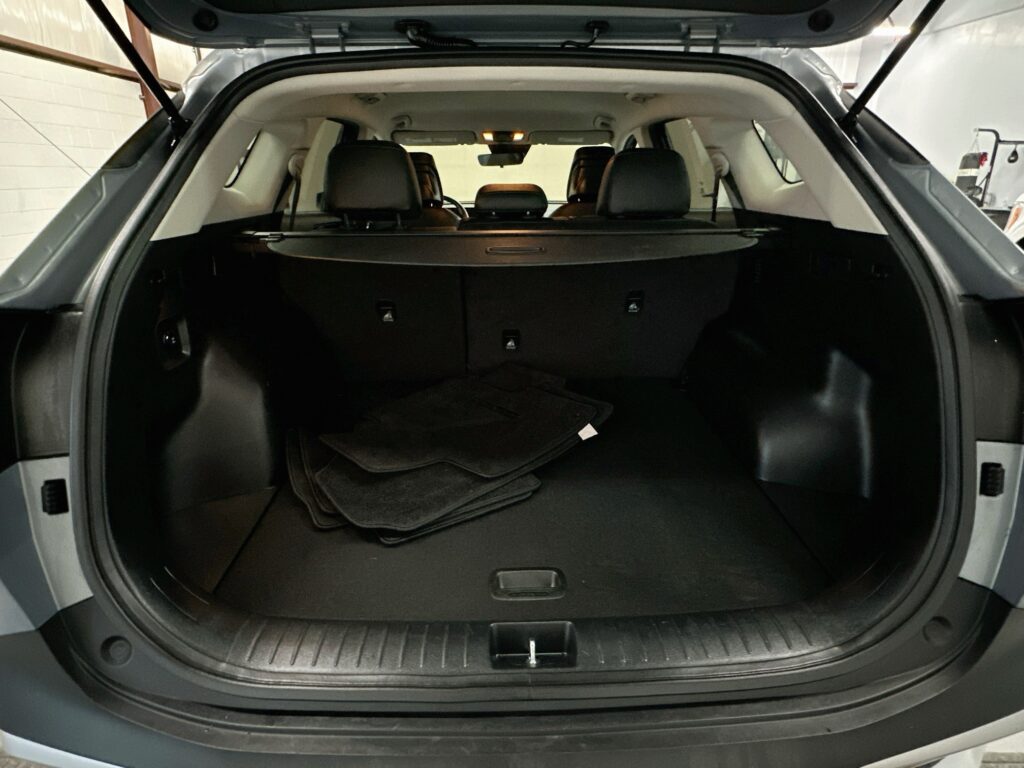
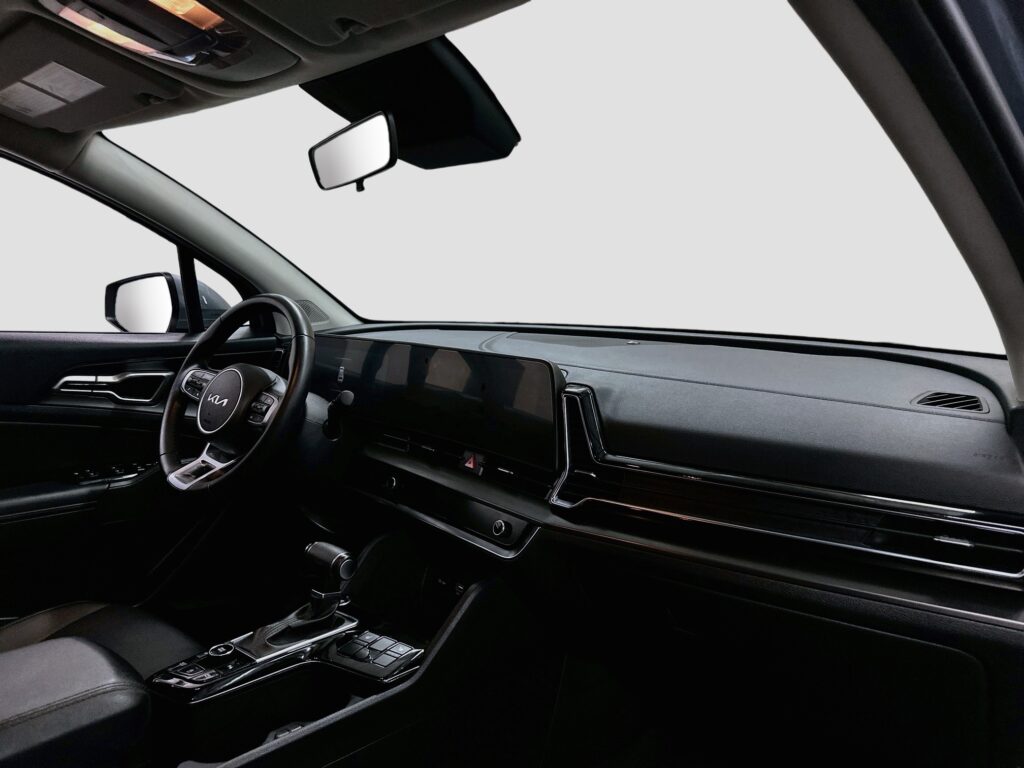
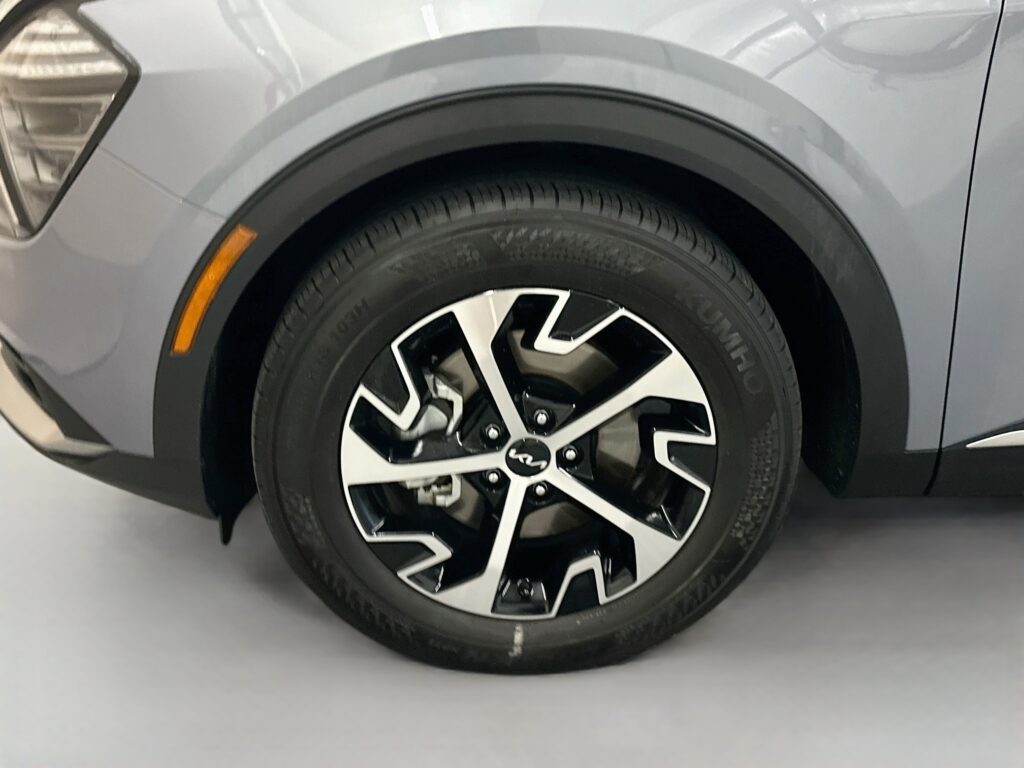
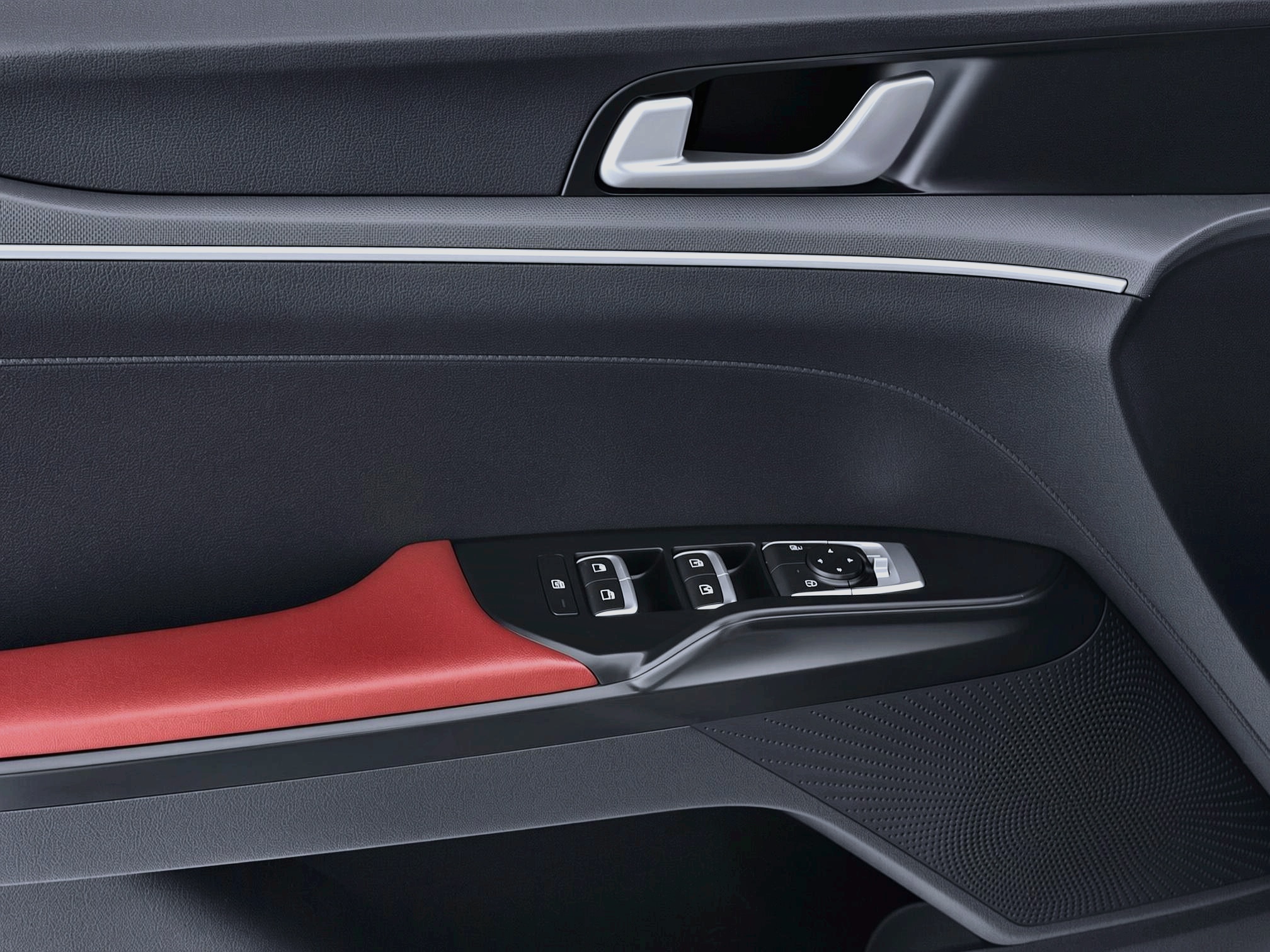
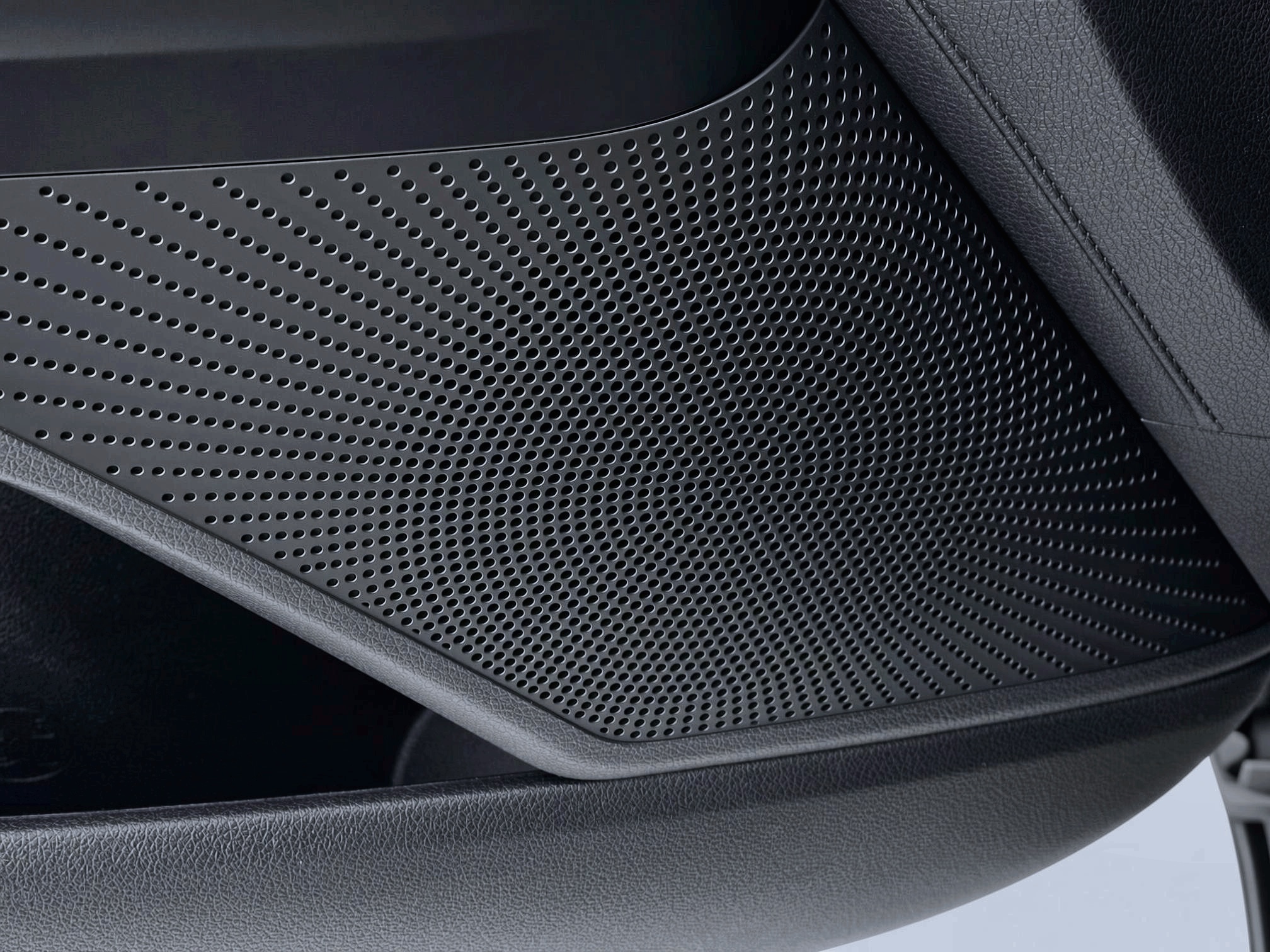
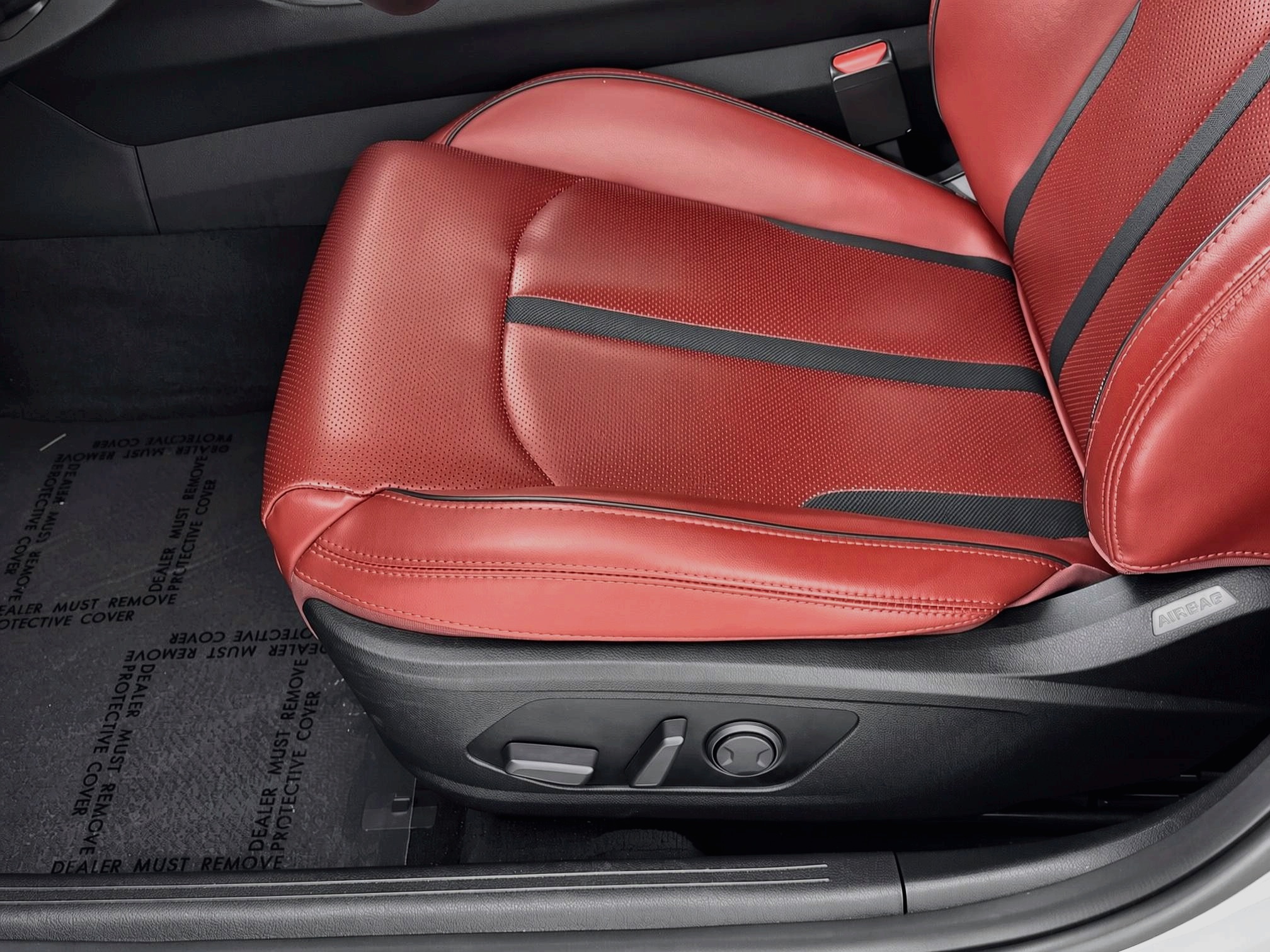
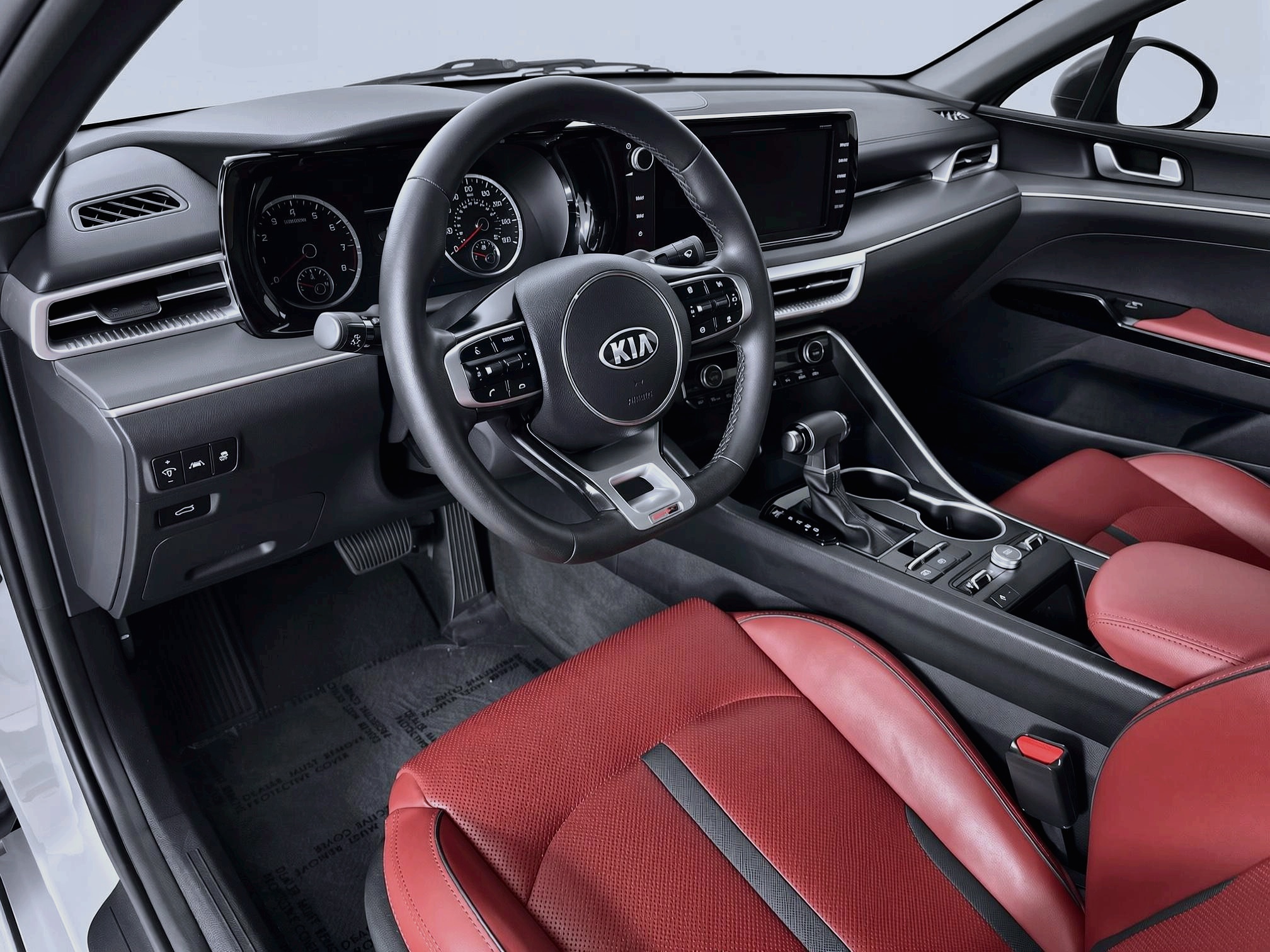
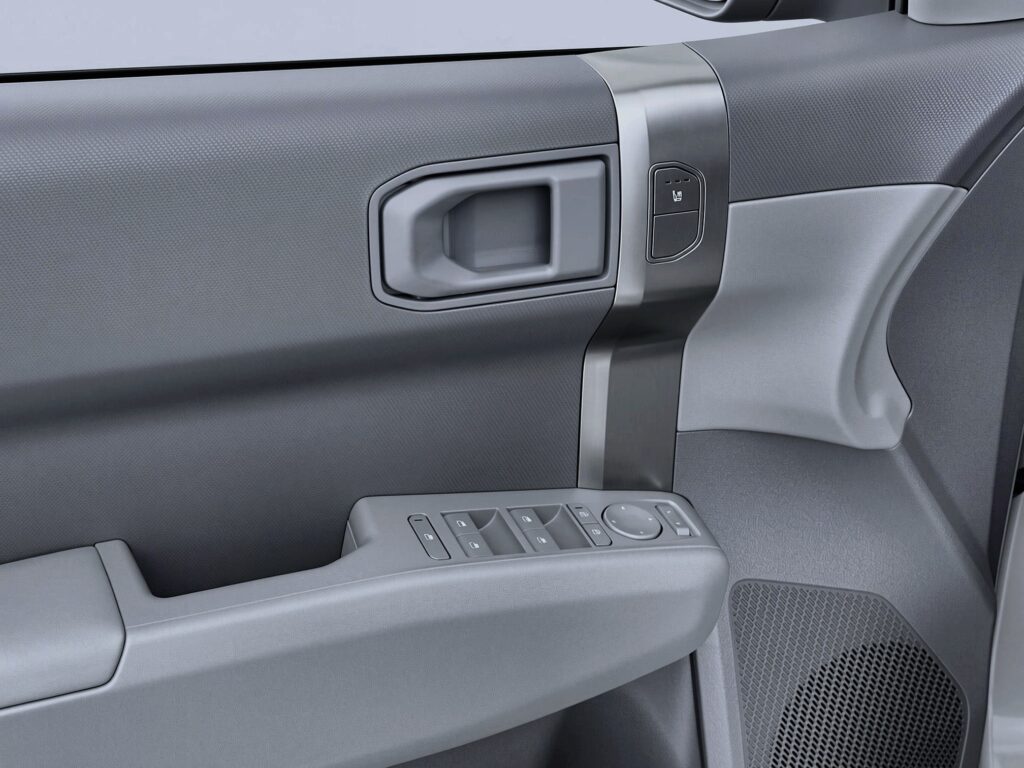
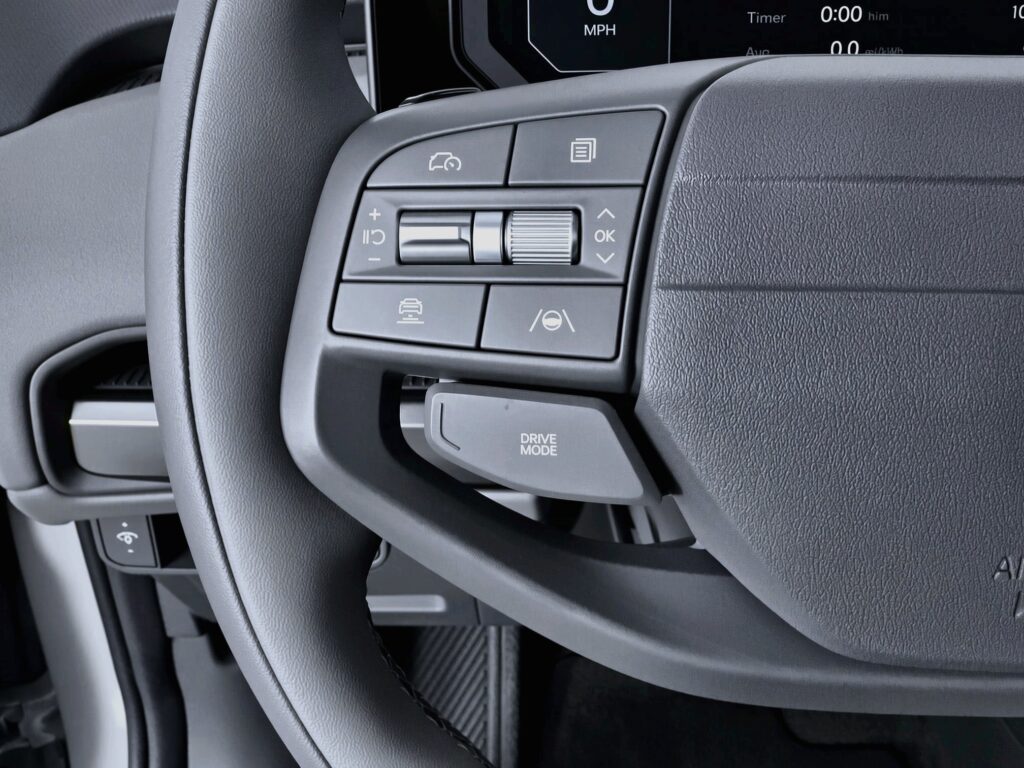
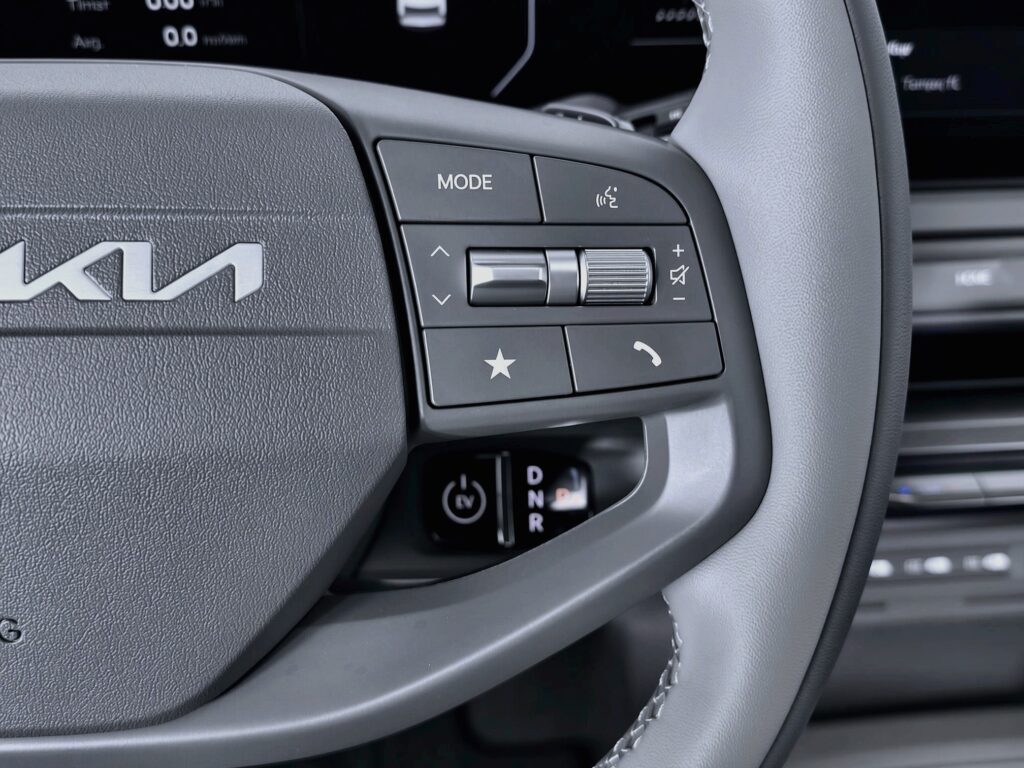
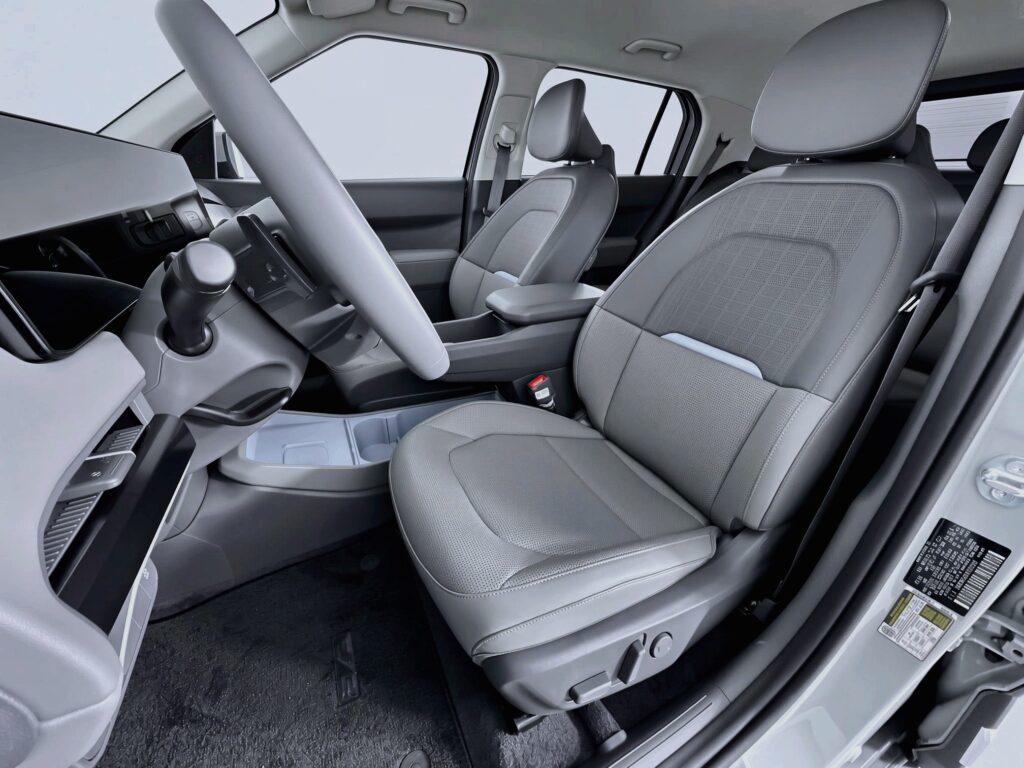
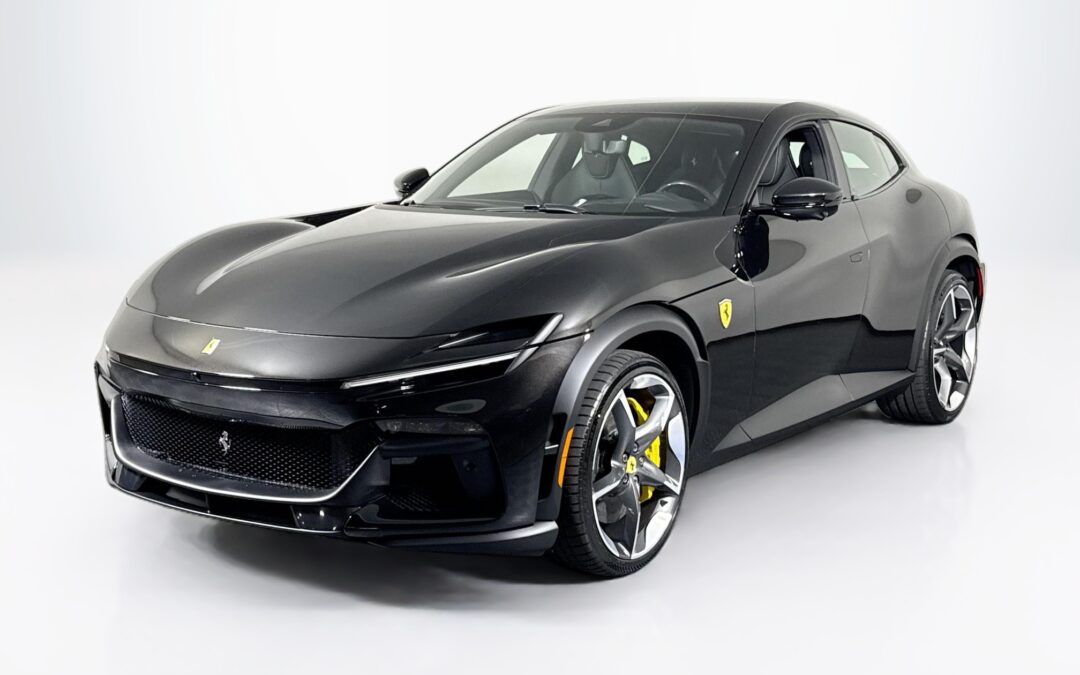
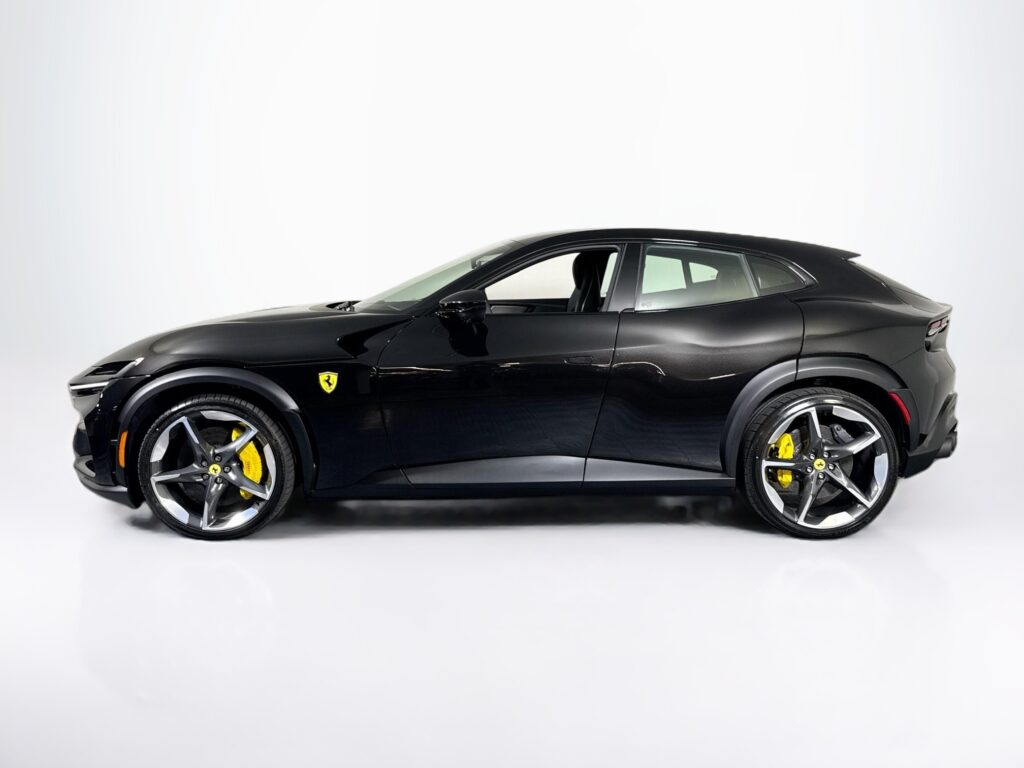
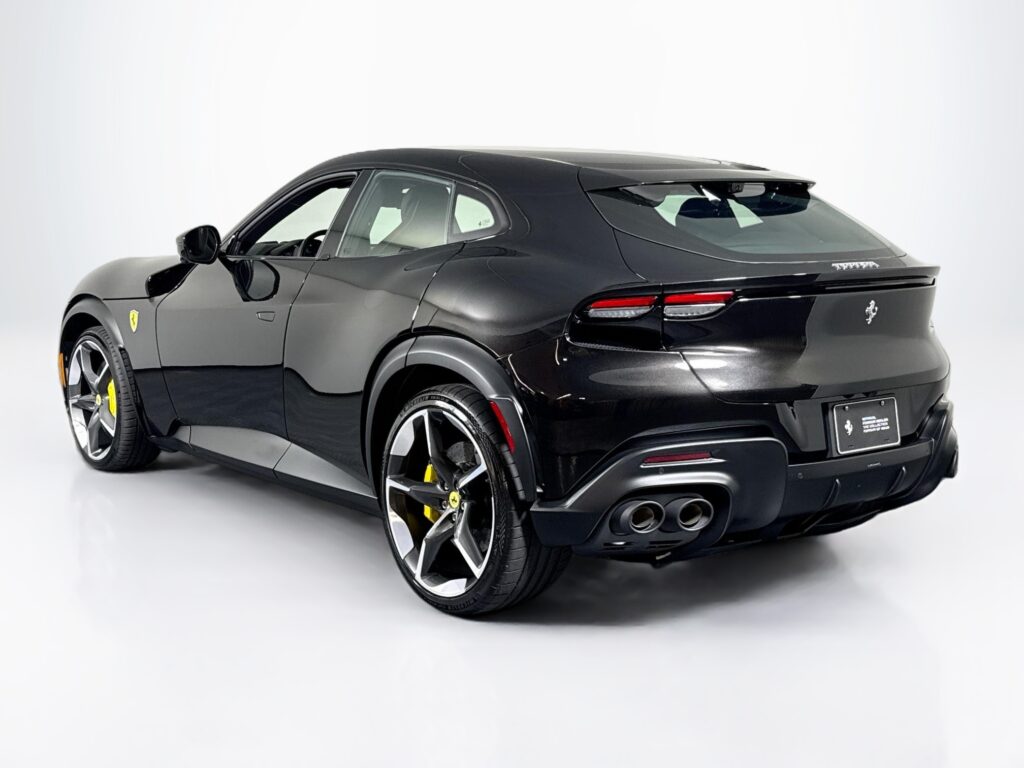
Most vehicles need a consistent core set. Customers expect to see the exterior from every useful angle, each wheel, the interior, equipment, cargo space and the details that distinguish one unit from another.
That is why SHOOTit AI guides employees through a repeatable 40+ image process. The sequence creates a dependable visual record without requiring the employee to remember a shot list or decide what comes next.
But forty is a starting standard, not a ceiling.
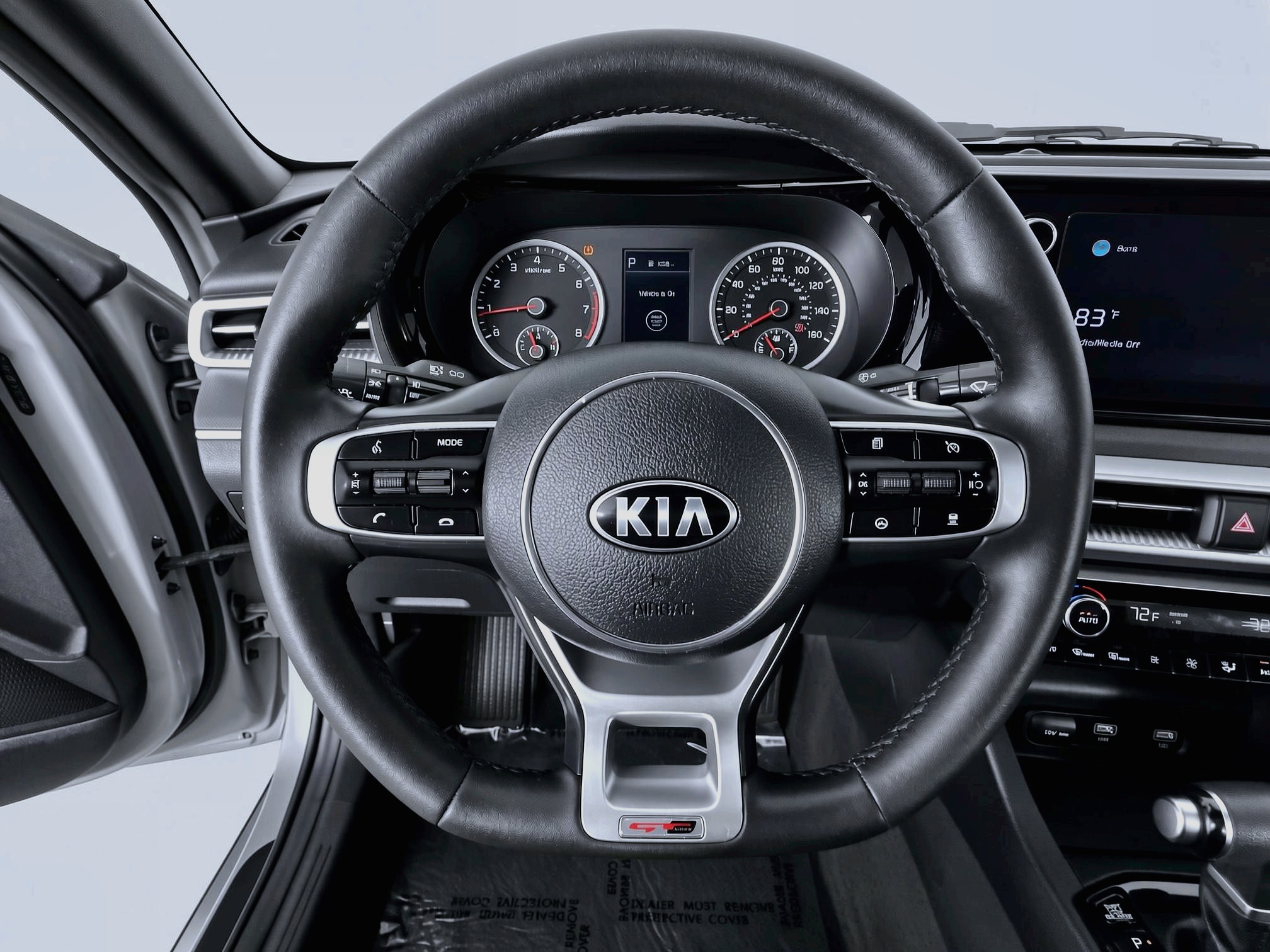
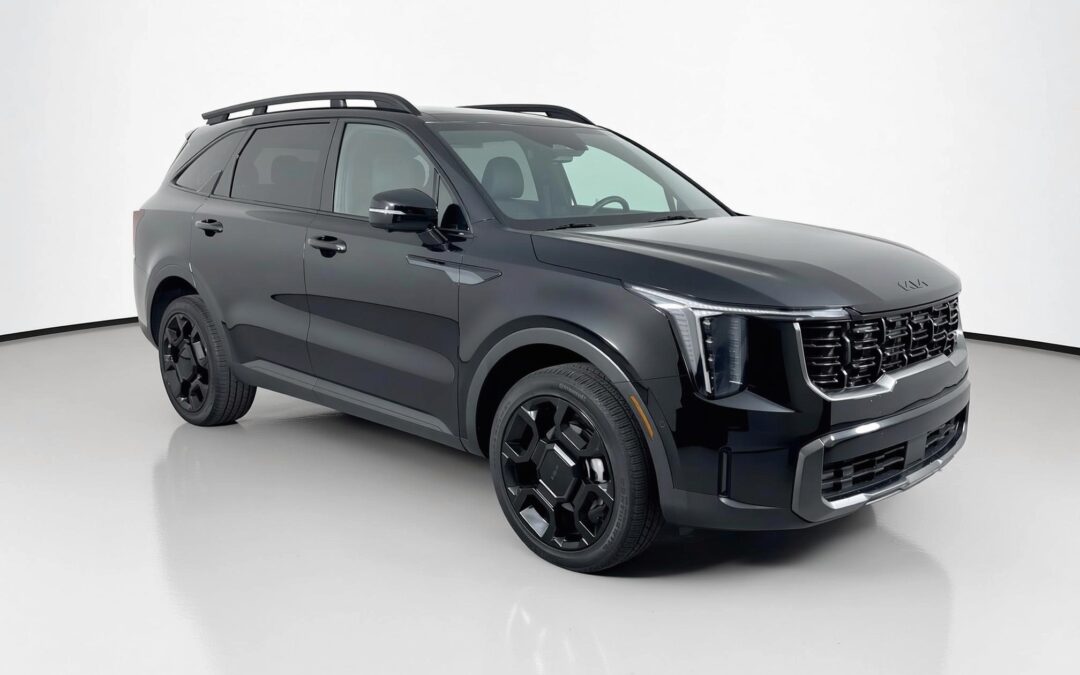
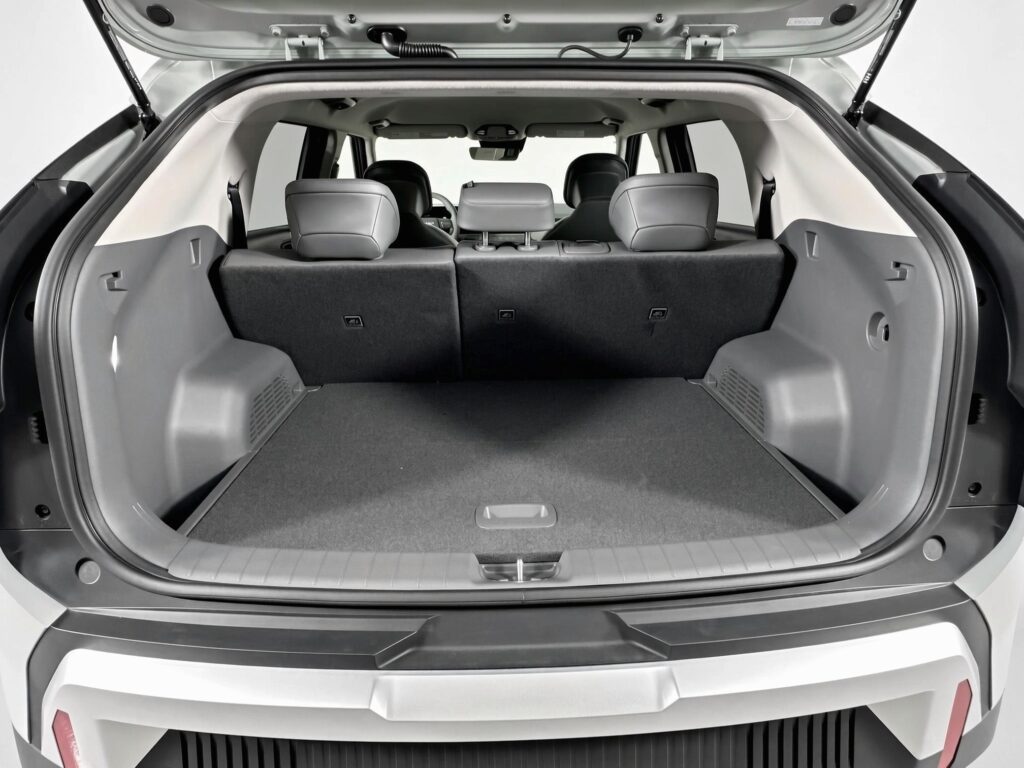
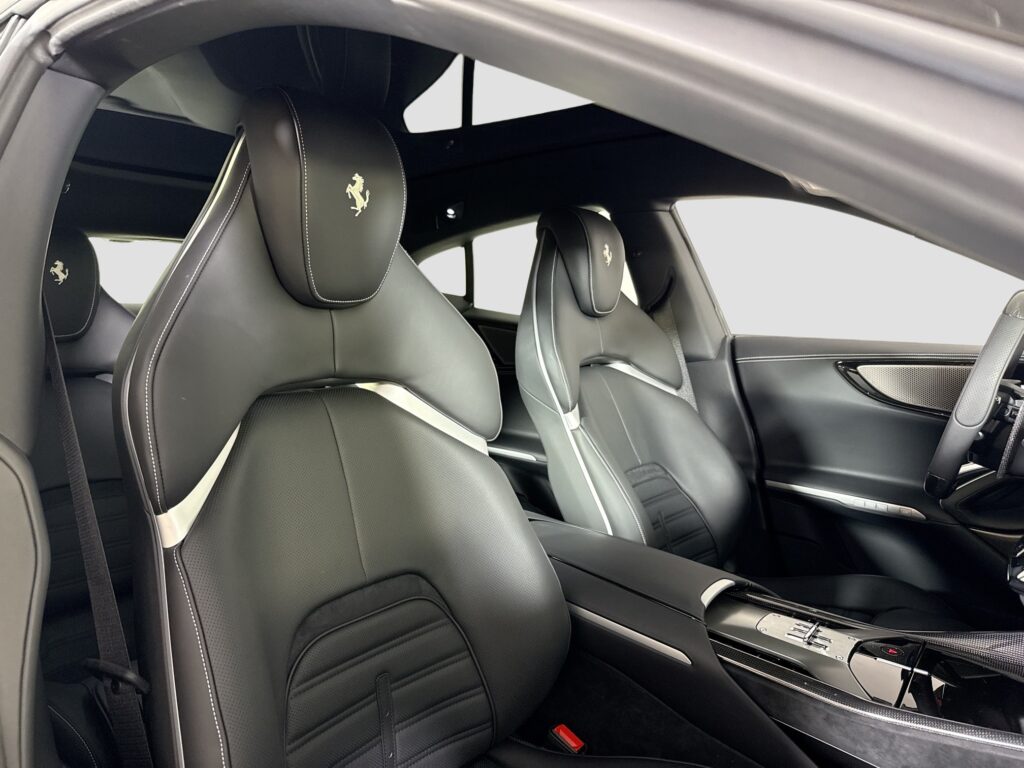
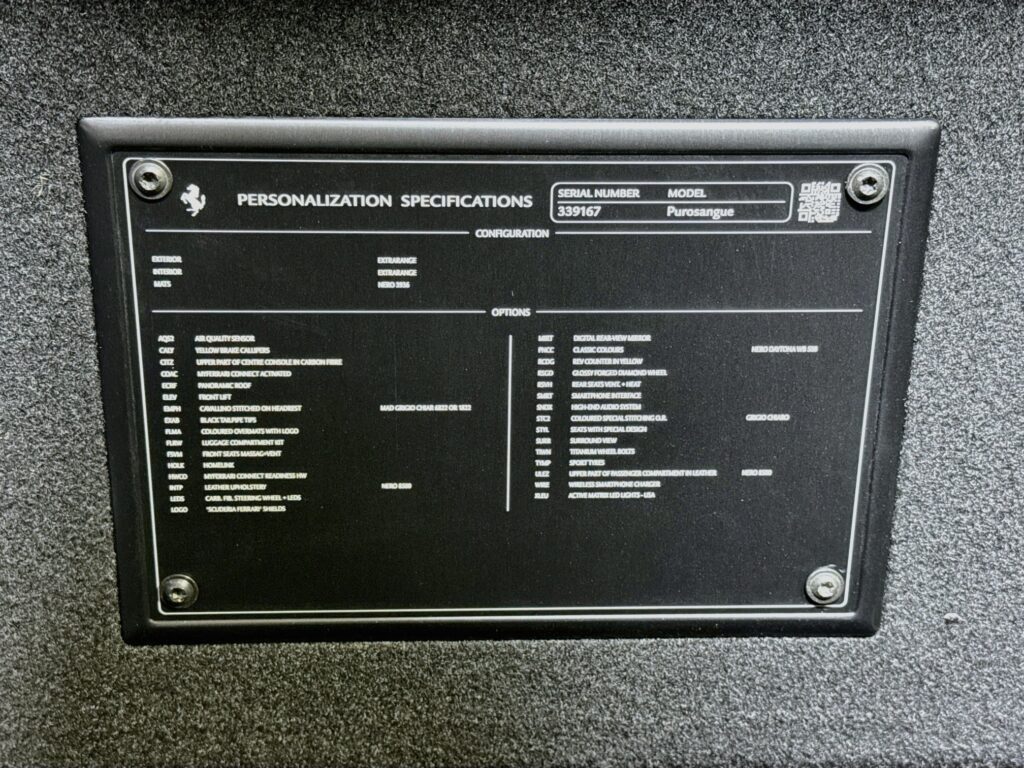
A loaded SUV may need additional photos of its third row, entertainment system, towing equipment or cargo configuration. A performance car may deserve closer views of its brakes, wheels and interior trim. A used vehicle may have normal wear that should be shown clearly so the customer understands its condition before arriving.
Take those photographs.
Limiting the image count may make a vendor’s package simpler, but it does not make the vehicle easier to evaluate. The car should determine which additional photos are useful.
The process still needs discipline. More images are not automatically better if they are repetitive, poorly framed or too dark to be useful. SHOOTit AI controls the capture sequence and stops the workflow when an image is dark, blurry or poorly centered, prompting the employee to reshoot it immediately.
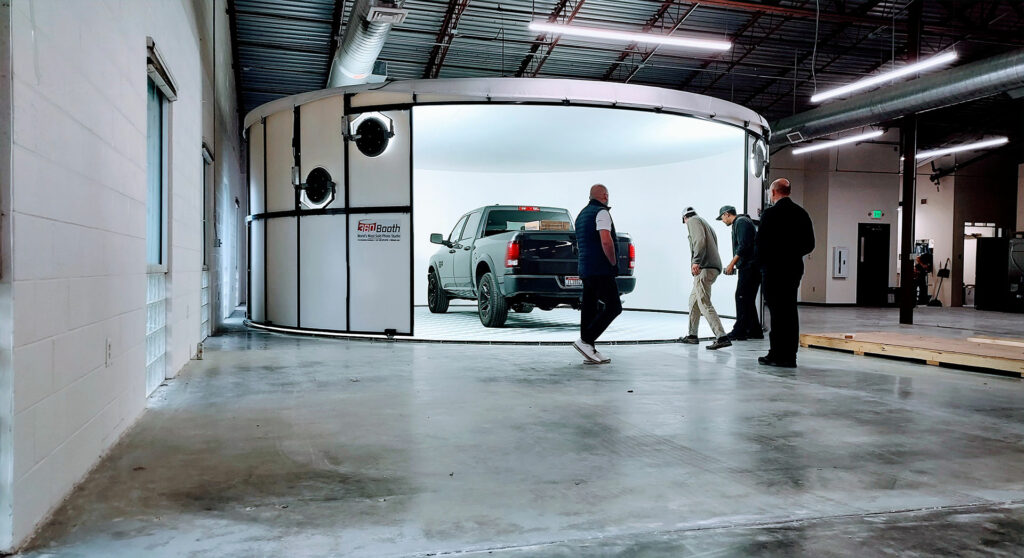
360Booth provides the controlled environment around that process. The standard sequence and any additional photographs receive the same lighting, clean physical background and consistent presentation.
That combination matters. The dealership gets a repeatable workflow without forcing every vehicle into an identical visual package. The employee receives clear direction, while still having the freedom to document the features and condition that make the car different.
This is also where the Evidence Booth becomes more than a marketing idea. A complete image set is a visual record of what the dealership actually owns: the equipment, options, interior, wheels and visible condition of the real vehicle.
The goal is not to win a contest for the highest photo count. The goal is to eliminate unanswered questions.
Direct challenge: open five used-vehicle listings from your own website and look at them as if you had never seen the cars.
Can you identify the important equipment? Can you evaluate the interior? Can you see the wheels and visible condition? Is there anything you would need to call the dealership to understand?
If the photographs leave obvious questions unanswered, the problem is not that the listing needs “more content.” It needs better evidence.
FAQ
How many photos should a dealership put on each vehicle listing?
Enough to answer the customer’s questions about the actual vehicle: the exterior from every useful angle, each wheel, the interior, equipment, cargo space and the details that set the unit apart.
Is 40 photos enough?
Forty is a starting standard, not a ceiling. SHOOTit AI guides a repeatable 40+ image process, and vehicles like loaded SUVs or performance cars may need extra shots of features or condition.
Are more photos always better?
No. Repetitive, poorly framed or dark images don’t help. SHOOTit AI stops the workflow when an image is dark, blurry or poorly centered so it gets reshot.
How can I check whether my listings have enough photos?
Open five used-vehicle listings on your own website as if you’d never seen the cars. If you’d need to call the dealership to understand the equipment, interior or condition, the photos need better evidence.
Your customer is not buying the background. They are buying the car.
That car has a real condition. It has wear, imperfections, wheel marks, seat creases, paint flaws and all the other things that come with a used vehicle.
That should not be treated like a problem that needs to be hidden.
The goal of good vehicle photography is to make the car look great while still showing the customer what is actually there.
That is where 360Booth makes sense.
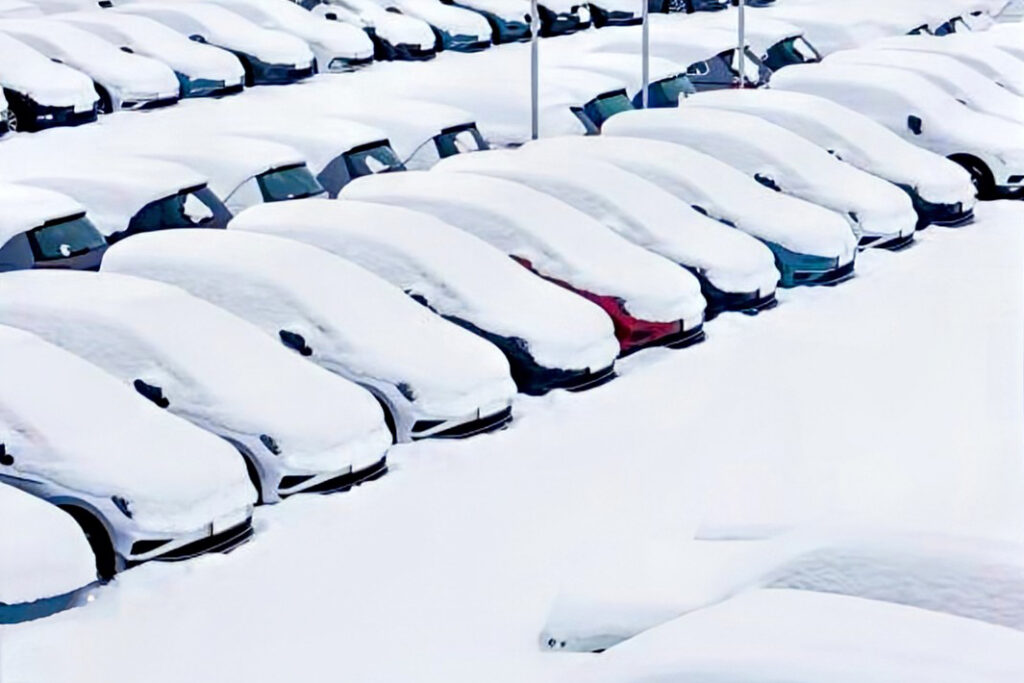
You put the vehicle into a controlled environment, light it correctly and photograph it without dealing with weather, changing sunlight or a distracting lot. SHOOTit AI then walks the employee through the required 40+ images so the process stays consistent from one car to the next.
If a photo is dark, blurry or poorly centered, the process stops and the employee reshoots it right then, while the vehicle is still in place. That is much better than finding out later that the photos are unusable or incomplete. And more importantly, you are building a real visual record of the car.
The scratch is still there. The wheel still looks like the wheel. The interior still shows the condition the customer will see when they open the door.
That is why we keep coming back to the idea of the Evidence Booth.
It is not about making a used car look perfect. It is about making the real car look its best while preserving the details that matter.
Here is the challenge: Open ten USED car listings from your own website and compare them to the actual vehicles on the lot.
Do the photos tell the truth?
If the answer is no, you do not have a photography problem. You have a trust problem.
FAQ
Should dealers hide wear in used car photos?
No. A used car has real wear, wheel marks, seat creases and paint flaws. Good vehicle photography makes the car look great while still showing what is actually there.
How does 360Booth help photograph a used car honestly?
The vehicle goes into a controlled, correctly lit environment without weather or a distracting lot, and SHOOTit AI walks the employee through the required 40+ images, stopping for a reshoot if a photo is dark, blurry or poorly centered.
How can I tell if my photos tell the truth?
Open ten used car listings from your own website and compare them to the actual vehicles on the lot. If they don’t match, you have a trust problem, not a photography problem.
DEALER WAKE UP CALL: the risk is no longer just a fake background. Software can now change the vehicle inside the photograph.
Automotive merchandising platforms already promote background replacement, reflection removal and automated image enhancement. Mainstream generative tools can add, remove or replace objects with convincing results.
That does not mean every provider is erasing vehicle condition but it will be most. Solely because they don’t have the inside developers to manage or expertiseley train their own models.
It means the capability exists.
Used carelessly, the same technology that cleans up a background can remove a wheel scuff, paint scratch, dent or seat crease. Once that happens, the photograph stops documenting the vehicle and starts manufacturing a better one.
A used car is not a stock rendering. It is a physical asset with actual equipment, history and wear. CarGurus advises dealers to be transparent about scratches, dents and dings because those details help customers understand the vehicle before arriving.
Digital trust is already fragile. In a September 18, 2024 study, Adobe reported that 93% of surveyed U.S. consumers considered it important to understand how digital content was created or edited, while 74% had questioned the authenticity of online photos or videos. The research was not automotive specific, but the warning applies directly to vehicle merchandising. (Source: Adobe Authenticity in the Age of AI study)
This is why dealerships need an Evidence Booth.
360Booth places the real vehicle inside a controlled physical studio. Consistent lighting, a clean background and reduced outside reflections allow the car to look exceptional without replacing its reality.
SHOOTit AI controls the capture process. It guides the employee through 40+ required images. If a photo is too dark, blurry or poorly centered, the workflow stops and immediately prompts a reshoot before the employee can continue.
The correction happens while the car is still there. The resulting record preserves its exterior, wheels, interior, equipment and visible condition before other software interprets the images.
AI can organize that evidence. It can analyze it and help customers understand it.
It should never quietly erase the evidence and manufacture a different vehicle.
That is the purpose of the 360Booth Evidence Booth: the controlled point where the physical car becomes trustworthy digital evidence.
Capture the truth first. Let AI work from there.
FAQ
Can generative AI change the vehicle inside a dealership photo?
Yes. Mainstream generative tools can add, remove or replace objects, so the same technology that cleans up a background can remove a wheel scuff, scratch, dent or seat crease if used carelessly.
Why does removing wear from used car photos matter?
Once wear is erased, the photo stops documenting the vehicle and starts manufacturing a better one. A used car is a physical asset with real equipment, history and wear.
Do consumers care how images were edited?
In Adobe’s 2024 study of U.S. consumers, 93% said it is important to understand how digital content was created or edited, and 74% had questioned the authenticity of online photos or videos.
How does the 360Booth Evidence Booth protect the record?
The real vehicle is photographed in a controlled studio, and SHOOTit AI guides 40+ required images, stopping dark, blurry or poorly centered shots for a reshoot while the car is still there.
DEALER WAKE UP CALL: the future of vehicle photography is not about making used cars look flawless. It is about creating evidence buyers, dealers and AI can trust.
That is why we call 360Booth the Evidence Booth.
A used vehicle has history. Wheel scuffs, seat creases, paint imperfections and normal wear are part of the actual asset sitting on your lot. Those details are not photography failures. They are evidence.
The job of a modern photo process is to make the vehicle look exceptional without changing what the vehicle actually is.
360Booth creates the controlled environment where that evidence is captured. Consistent lighting, reduced outside reflections and a clean physical background make the real vehicle easier to see and evaluate.
SHOOTit AI controls the capture process.
It guides the employee through the dealership’s required 40+ images. If a photo is too dark, blurry or poorly centered, SHOOTit AI stops the workflow and immediately prompts the employee to reshoot it before continuing.
That means the evidence is corrected while the vehicle is still standing in front of the employee, not discovered later after the car has returned to the frontline.
This is bigger than better photography.
The Evidence Booth creates a repeatable visual record of the vehicle’s exterior, wheels, interior, equipment and visible condition before software interprets, enhances or analyzes anything.
That original record matters.
AI can organize the evidence. It can analyze the evidence. It can help customers and dealers understand the evidence.
But AI should never be asked to invent evidence that was never captured or erase evidence that was inconvenient.
A strong VDP should not create a more perfect version of the car.
It should create a clearer, more complete and more trustworthy version of the truth.
That is the Evidence Booth: the controlled point where the physical vehicle becomes trustworthy digital evidence.
360Booth Authentic Capture™.
Capture the truth first. Let AI work from there.
FAQ
Should dealership AI remove scratches and wear from used car photos?
No. Wheel scuffs, seat creases, paint imperfections and normal wear are part of the actual vehicle. They are evidence, not photography failures.
What is the job of a modern vehicle photo process?
To make the vehicle look exceptional without changing what the vehicle actually is.
What should AI do with vehicle photos?
AI can organize, analyze and help people understand the evidence. It should not invent evidence that was never captured or erase evidence that was inconvenient.
How does SHOOTit AI support an accurate record?
It guides the employee through the dealership’s required 40+ images and stops for a reshoot if a photo is too dark, blurry or poorly centered, while the vehicle is still there.
Dealership vehicle photos must accurately represent the physical car because the VDP makes a promise the showroom must keep.
CarGurus surveyed more than 3,000 recent buyers and sellers for its 2025 Consumer Insights Report. It found that 83% prefer completing more of the process from home, while 86% still want to see the vehicle before making a final decision. (Source: 2025 CarGurus Consumer Insights Report)
That transition from online research to physical inspection is where trust is either confirmed or lost.
A used vehicle has normal wear. It may have a scratched wheel, a crease in a seat or another visible imperfection. Photographing those details clearly does not weaken the listing. It gives the customer evidence of the actual vehicle before arriving.
A 360Booth creates a controlled environment around the real car. Consistent lighting, reduced outside reflections and a clean physical background make its features and condition easier to evaluate without digitally manufacturing a different vehicle.
SHOOTit AI makes that process simple and repeatable. Existing staff receive about three minutes of direction, then follow the iPhone through the dealership’s required 40+ images. The vehicle receives a complete visual record without waiting for a professional photographer.
DEALER WAKE UP CALL: If the vehicle looks different when the customer arrives, your photography did not build trust. It spent it.
360Booth is the Evidence Booth where the online promise begins with the truth.
FAQ
Why must dealership photos match the actual vehicle?
The VDP makes a promise the showroom has to keep. If the car looks different when the customer arrives, the photos spent trust instead of building it.
Do car buyers still want to see the vehicle in person?
Yes. CarGurus’ 2025 Consumer Insights Report found 83% of consumers prefer doing more from home, but 86% still want to see the vehicle in person before a final decision.
How quickly can staff learn SHOOTit AI?
360Booth says existing staff receive about three minutes of direction, then follow the iPhone through the dealership’s required 40+ images.