Autoexact has been looking at dealer inventory photos since June 1997. Lots, studios, phones, DSLRs, every kind of setup. And the mistakes that cost dealers the most attention are rarely about the camera.
They’re small. They’re repeated on car after car. And most stores don’t realize they’re making them until a shopper does.
Here are the three dealer photo mistakes buyers notice most, and how to fix each one.
Mistake 1: A warning light glowing in the dash photo
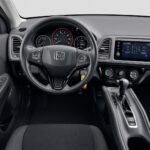
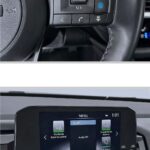
The engine light or service light is lit in the instrument cluster shot. Shoppers zoom in on the dash to check the mileage. They see the light, assume the car has a problem and move on to the next listing.
Most of the time, the car is fine. When the key turns on, many warning lights glow briefly as a self-check and then go out once the engine is running. The photo just caught that moment.
The fix: Start the engine and let the cluster settle before you take the dash shot. If a light stays on after the engine is running, that isn’t a photo problem. Send the car back to service before it’s listed. Never frame a real warning light out of the shot. The buyer will find it on the test drive, and the trust is gone.
Mistake 2: Every car shot from a different distance
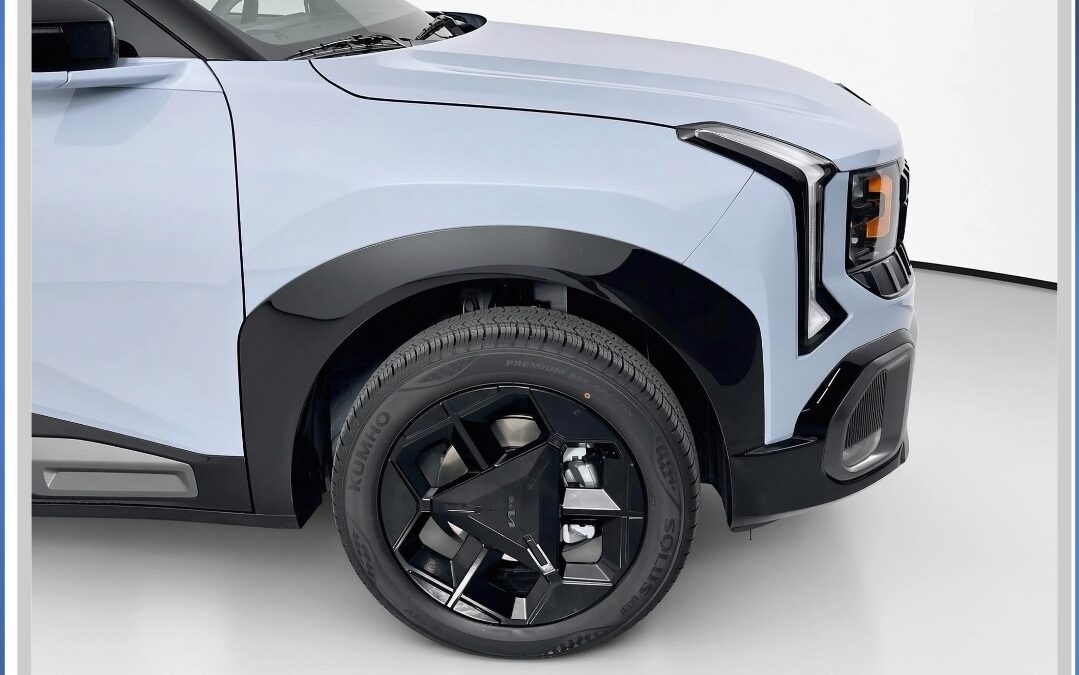
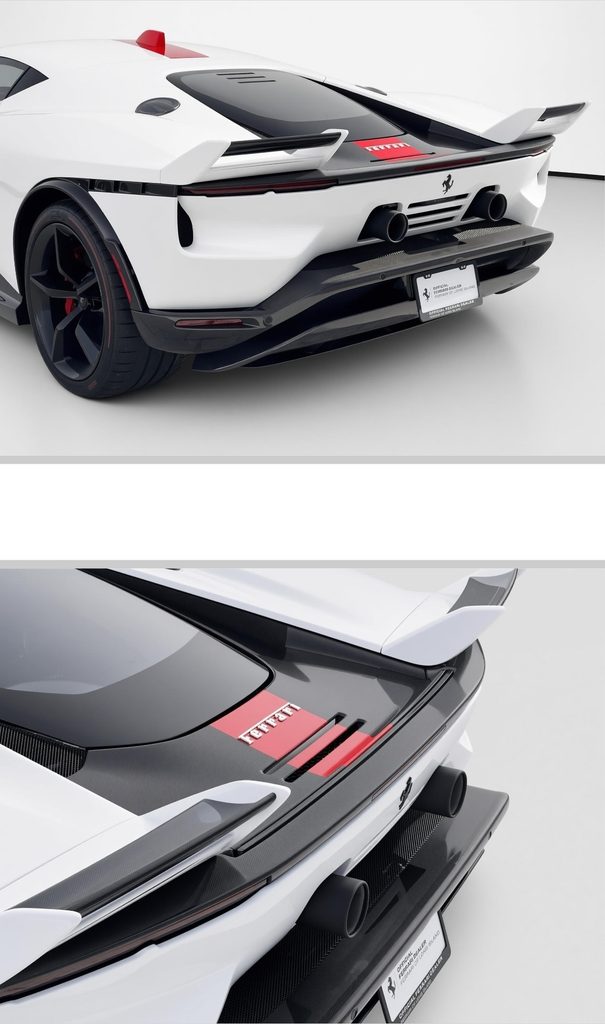
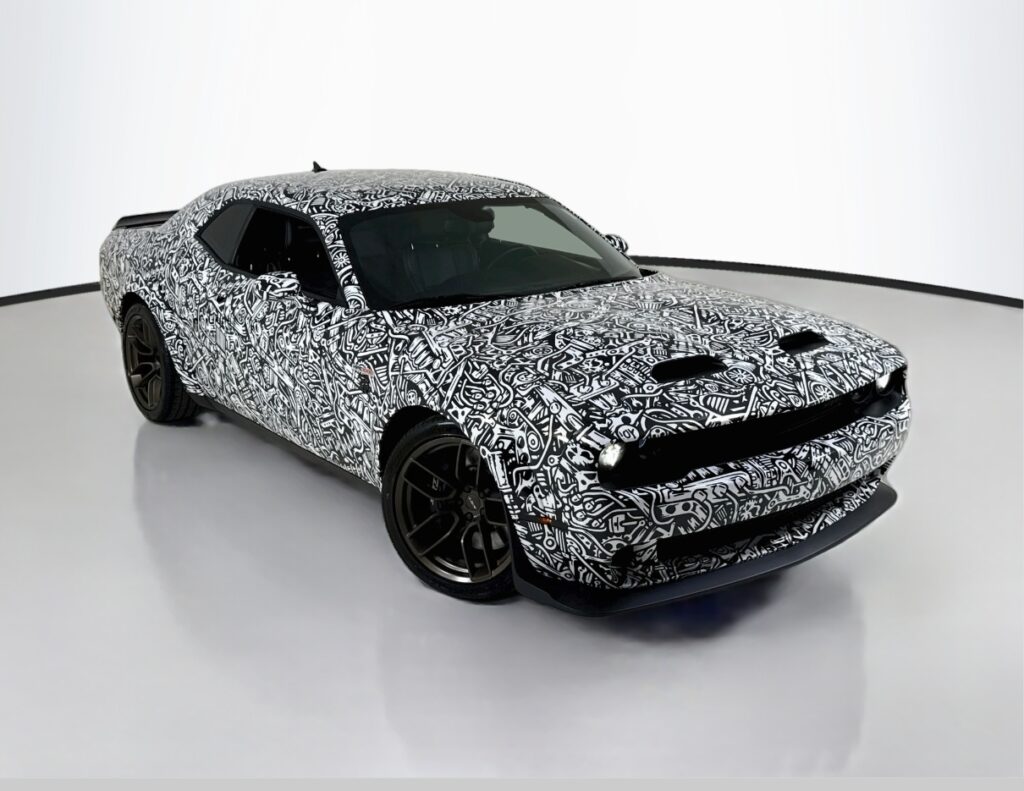
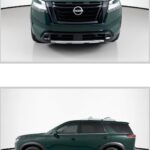
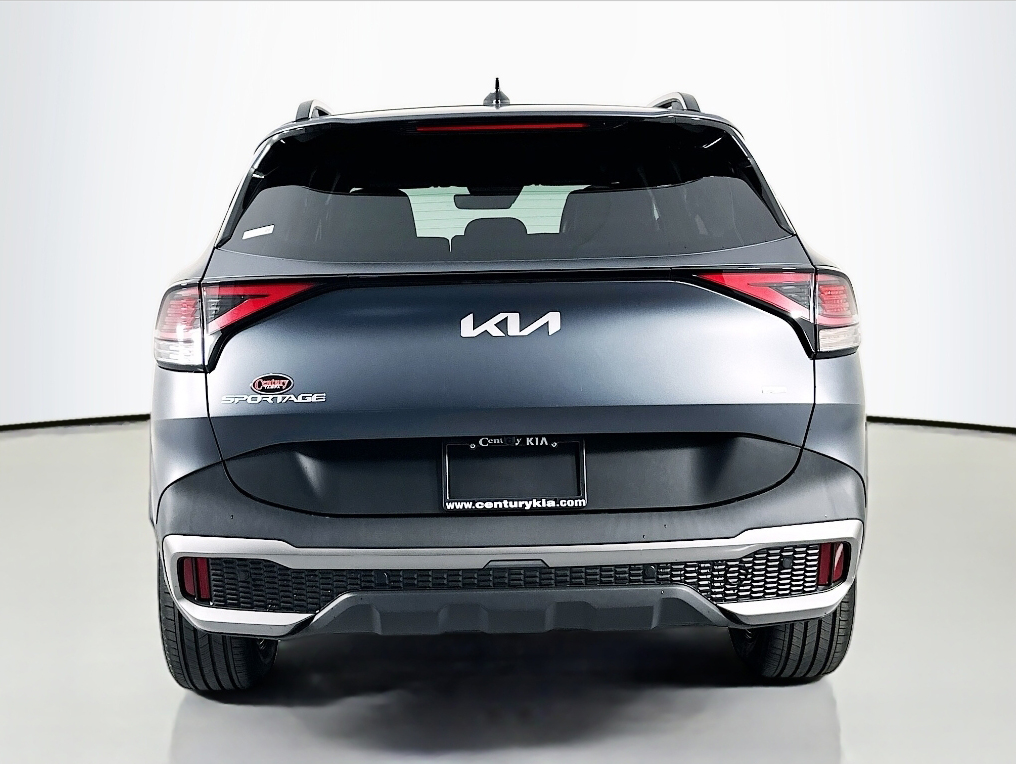
One car fills the frame. The next one is small, with half the lot around it. On its own, each photo looks fine. Side by side on your search results page, your inventory looks messy. Shoppers judge the whole store by that row of thumbnails.
The fix: Mark the spot on the ground. Same distance, same camera height, same order of shots, every car.
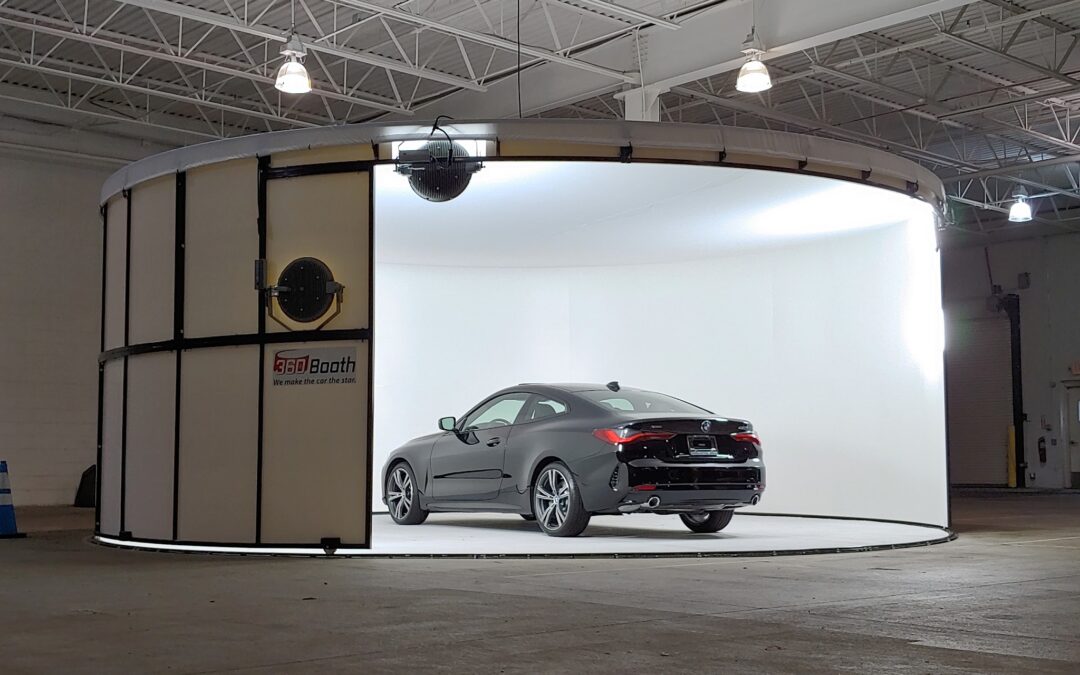
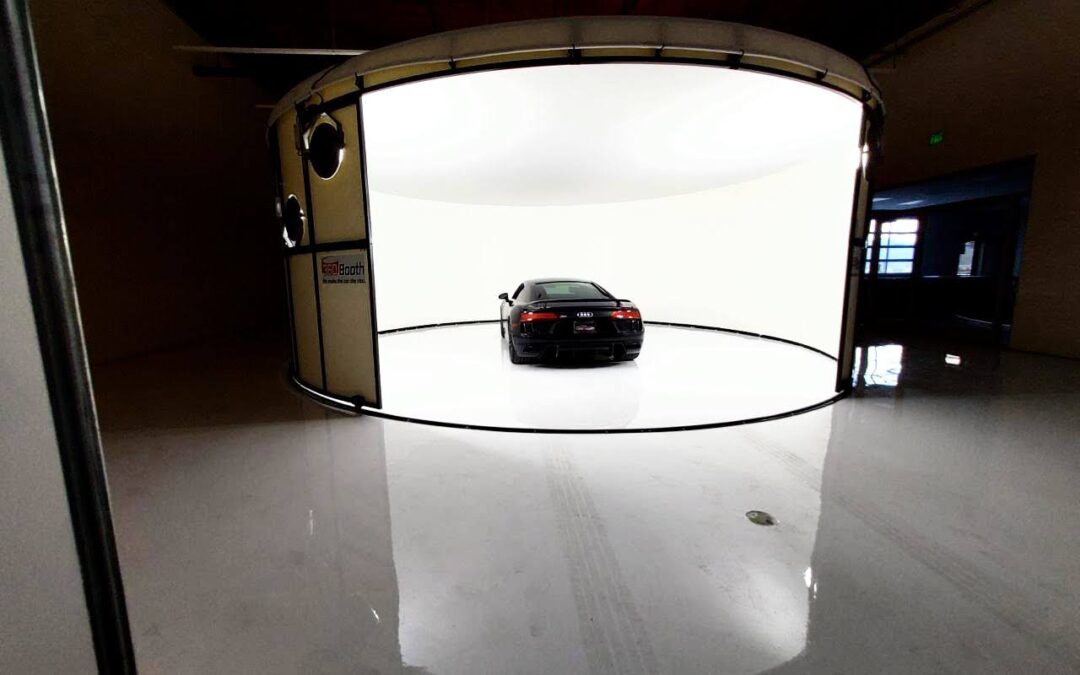
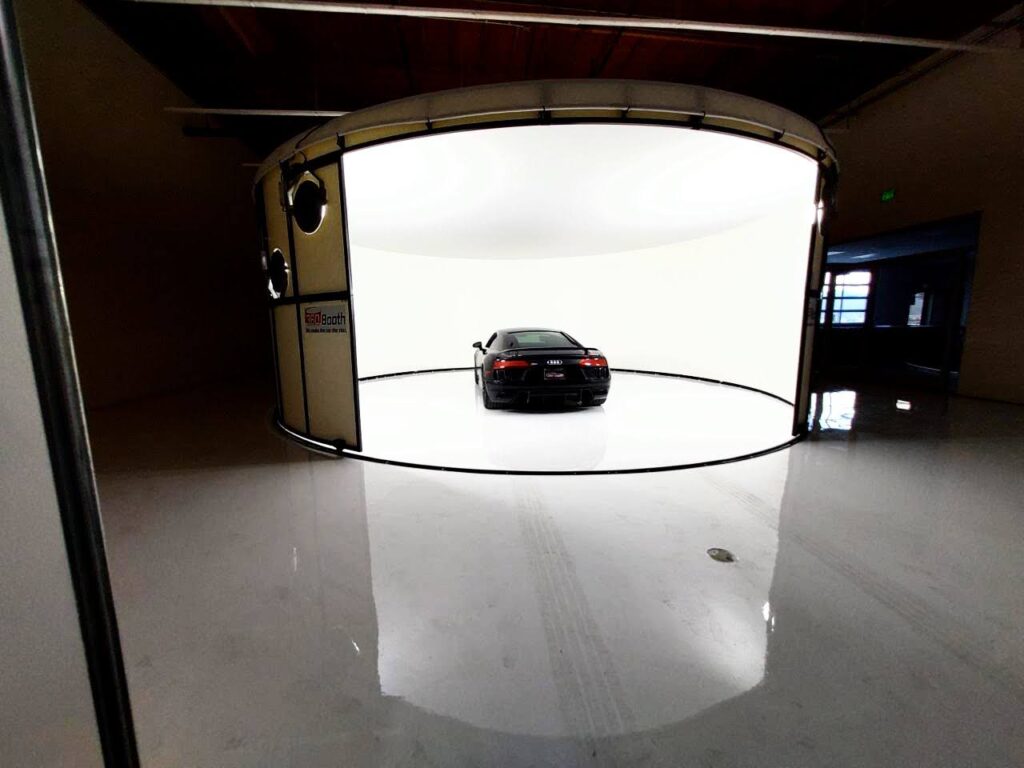
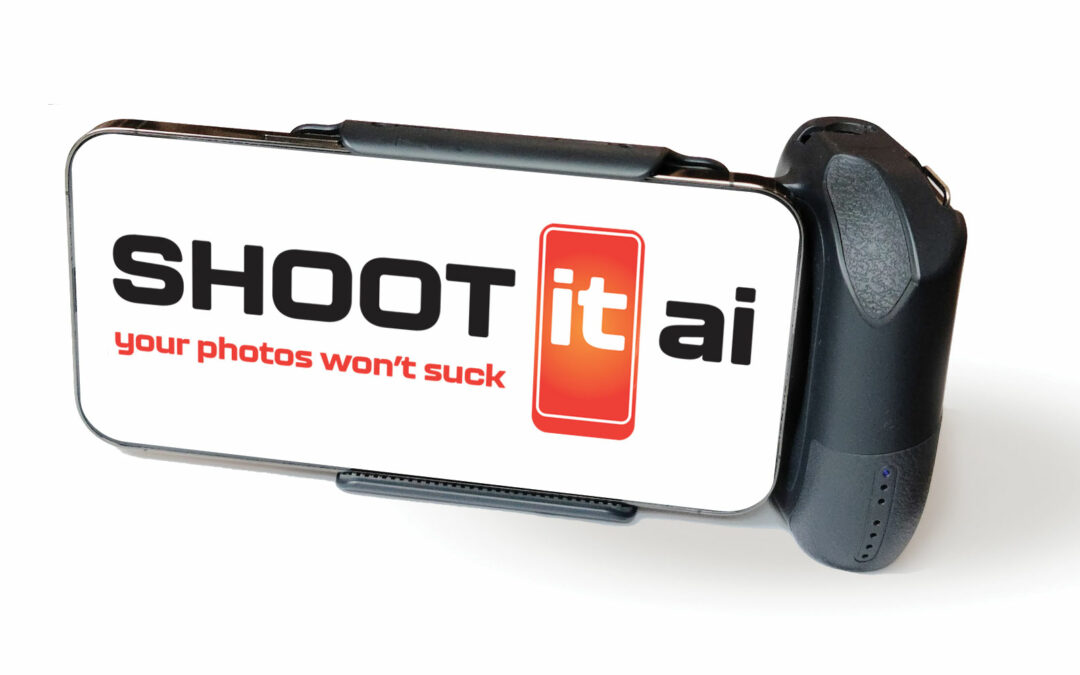
Better still, take the guesswork away. A 360Booth vehicle photo studio gives every car the same room, the same light and the same background. The SHOOTit AI smart camera gives every employee the same prompts and the same angles, so a new porter shoots the way your best shooter does.
Mistake 3: The side shot that never got taken
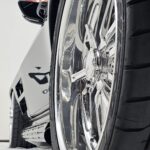
The car is already parked back on the lot when someone notices the passenger side is missing. Now it’s a reshoot: find the keys, pull the car back out, maybe wash it again. That walking back and forth is why vehicle photography is slow when the process is sloppy.
The big marketplaces are watching for this too. In the UK, Autotrader’s Co-Driver tools use AI image recognition to sort each dealer’s photos by view and flag missing imagery. Autotrader’s own research found that buyers spend almost twice as much time with vehicles that have the greatest variety of images, and it suggests at least 20 photos per advert.
The fix: Shoot the full set every time, even when it feels like one too many. As a minimum:
A warning light, a wrong distance and a missing angle all look the same at 12 megapixels or 200. More pixels don’t fix a missed shot. A process does.
That’s what SHOOTit AI was built for. It walks the employee through 40+ photos in order, tells them what to shoot next and flags blur, glare, crooked wheels, trash and dark images while they’re still standing at the car. That’s fixing the photo at the shutter, not finding the mistake after the car is gone. It’s the same idea behind catching mistakes before they reach the VDP.
A 10-minute audit you can run today
Pull up your last 20 listings side by side and check three things:
Dash photos. How many show a warning light? Zoom in like a buyer would.
Distance. Do the cars fill the frame the same way, or does every one look different?
Missing angles. Count the listings missing a side, a corner, the rear seats or the engine bay.
If any of the three come up more than once, the problem isn’t your camera. It’s your process. And that’s the easiest kind of problem to fix.
FAQ
What are the most common dealer photo mistakes?
Three of the most common are a warning light glowing in the dash photo, shooting every car from a different distance, and missing key angles such as a side profile, a corner, the rear seats or the engine bay. None of them are caused by the camera. They’re caused by an inconsistent process.
Why do warning lights show up in dealership dash photos?
Many warning lights glow briefly as a self-check when the key turns on, then go out once the engine is running. Start the engine and let the cluster settle before the dash shot. If a light stays on, send the car back to service before it’s listed rather than hiding it.
How many photos should a used car listing have?
In the UK, Autotrader suggests at least 20 photos per advert. SHOOTit AI guides dealership employees through 40+ photos, covering every exterior angle, the interior, the trunk, the engine bay and detail shots.
How do dealers keep vehicle photos consistent?
Shoot every car from the same distance, at the same height, in the same order. A 360Booth vehicle photo studio keeps the room, light and background the same for every car, and SHOOTit AI gives every employee the same prompts and angles.
Does a better camera fix dealership vehicle photos?
No. A warning light, an inconsistent distance or a missing angle looks the same at any resolution. Better photos come from a repeatable process that catches mistakes while the employee is still at the car.
It’s budget season. GMs are looking at the photography line and asking a fair question: should we shoot inventory ourselves, or pay a vendor to come shoot it for us?
The usual answer goes like this. Shoot in-house if you have a trained photographer who owns the job. Outsource if volume swings or if turnover means you’re always retraining someone. Some advice even admits the real secret of in-house success: the software carries the consistency.
Read that last part again. If the software carries the consistency, why are you paying someone to drive to your lot?
We ran the vendor model. That’s why we built something better.
Autoexact started photographing dealer lots in June 1997, five days a week, and went on to service thousands of stores. We know the outsourced model from the inside: the routes, the schedules, the cars that weren’t ready when the photographer arrived, and the photographers who left and had to be replaced.
That experience is exactly why we built SHOOTit AI. We took decades of knowing which angles sell a car and which mistakes get photos rejected, and put it inside the app. The full story is in our timeline from 1997 to today.
Turnover doesn’t go away when you outsource. You just stop seeing it.
The standard case for outsourcing says it fits stores where turnover means constant retraining. But lot photography is a field job, and field jobs turn over too. When you outsource, the retraining still happens. It just happens at the vendor, and you find out when a new face shows up and the photos look different.
SHOOTit AI removes turnover from the equation. The app tells the employee where to stand, what to frame and when to move to the next shot. A new porter or detailer follows the prompts and produces the same photos on their first day as your best shooter did on their hundredth. Your photography process stops depending on one person, inside your store or outside it.
All you need is a human to hold the camera
The old checklist for in-house photography says one person has to own it, with photography in their job description and a trained backup. That made sense when the shooter had to know photography. It doesn’t anymore.
Recon-to-live time: the vendor’s own metric works against them
Good advice tells GMs to measure the time between recon complete and photos live on the VDP. We agree. It’s the right number. And it’s the number a vendor can’t win.
A vendor shoots on their route, not on your recon schedule. A car that’s finished an hour after the photographer leaves waits for the next visit, picking up dust and fingerprints along the way. In-house, the detailer who washed the car shoots it. On average Wi-Fi, the photos reach Autoexact in about 50 seconds, and Autoexact sends them on to vAuto and other vendors through its 300+ custom data feeds.
Cost per car only goes one direction with a vendor
Cost per car is the right place to start. A vendor charges on every unit, every month, for as long as you’re a customer. When volume goes up, the invoice goes up with it.
In-house, the tools are a fixed investment and the labor is someone already on your payroll. Every additional car you shoot lowers your cost per car.
One standard across every rooftop, without a vendor
Groups often outsource to get the same look at every store. SHOOTit AI gives every rooftop the same prompts, the same angles and the same checks, so a dealer group can run one photo standard across every location. Pair it with a 360Booth vehicle photo studio and you also control the light, the background and the weather, with real photos of the real car.
The three numbers, revisited
Run the same three numbers everyone recommends:
Cost per car over the last 12 months. Compare a per-unit vendor fee that never ends with tools you own and staff you already have.
Hours from recon complete to photos live on your last 20 units. Count how many waited for the vendor’s next visit.
How consistent those 20 listings look side by side. Then ask what happens to that consistency the next time the vendor’s photographer quits.
The vendor model was built for a time when the person holding the camera had to be a photographer. That time is over. With SHOOTit AI, the photographer is in the app, and your car gets shot the minute it’s ready.
FAQ
Should a dealership outsource vehicle photography or shoot in-house?
With SHOOTit AI, shooting in-house makes more sense for most stores. The app guides any employee through the shots, so the store doesn’t need a trained photographer or a vendor visit, and cars get shot as soon as recon is finished.
Does employee turnover make in-house dealership photography harder?
Not with SHOOTit AI. The training lives in the app, which tells the employee where to stand, what to frame and when to move on. A new hire can follow the prompts and produce consistent photos on day one.
Who takes the photos when a dealership uses SHOOTit AI?
Any employee, often the detailer or porter who just finished the car. They pick up a dedicated dealership iPhone, follow the prompts and hit save.
How fast do in-house photos reach the VDP with SHOOTit AI?
On average Wi-Fi, photos reach Autoexact in about 50 seconds after the employee hits save. Autoexact then sends them to vAuto and other vendors through its 300+ custom data feeds.
Can a dealer group keep photos consistent across stores without a vendor?
Yes. SHOOTit AI gives every rooftop the same prompts, angles and quality checks, so a dealer group can run one photo standard across every location.
The cleanest a car will ever be is the minute the detailer finishes it. Most dealerships waste that minute. The car sits waiting for a photographer, a booth slot or a lot service, and picks up dust, water spots and fingerprints while it waits.
SHOOTit AI changes who takes the photos and when. The detailer who just washed the car picks up the iPhone, follows the prompts and hits save. On average Wi-Fi, the photos are in Autoexact in about 50 seconds. From there, Autoexact sends them to vAuto and other vendors every other hour.
29 years of lot photography, inside the app
Autoexact started photographing dealer lots in June 1997, five days a week, and went on to service thousands of stores. That is 29 years of knowing which angles sell a car, which mistakes get photos rejected and what buyers look for on a vehicle details page.
We put that knowledge into a knowledge base on the Apple platform. Then our in-house computer vision team, led by a PhD scientist, added professional photographer commands on top of it. The detailer doesn’t need to know photography. The app does. Read more on what gives SHOOTit AI its intelligence and the full timeline from 1997 to today.
Follow the prompts. SHOOTit AI tells them where to stand, what to frame and when to move to the next shot.
Hit save. On average Wi-Fi, the photos reach Autoexact in about 50 seconds. Autoexact sends them to vAuto and other vendors every other hour through its 300+ custom data feeds.
Can a detailer take dealership vehicle photos without photography training?
Yes. SHOOTit AI gives on-screen prompts built from 29 years of Autoexact lot photography experience and professional photographer commands. The detailer follows the prompts and hits save.
How fast do SHOOTit AI photos reach the dealership's inventory?
On average Wi-Fi, the photos reach Autoexact in about 50 seconds after the detailer hits save. Autoexact then sends them to vAuto and other vendors every other hour.
No. SHOOTit AI captures real photos of the real car and flags problems like crooked wheels, glare, blur and trash while the employee is still at the car.
Direct answer: SHOOTit AI’s intelligence starts with an in-house AI modeling team, PhD expertise in computer vision and models trained on tens of millions of vehicle photographs captured inside 360Booth vehicle photo studios. That foundation serves one practical purpose: put automotive photography expertise in the employee’s hands, guiding each shot and catching problems while the vehicle is still in front of the camera.
Trained on Real Dealership Vehicle Photos
Vehicle photography demands attention to framing, exposure, positioning and consistency across an entire inventory. Training on real dealership vehicle photos gives the models a clear target: the images a dealership needs to present its vehicles professionally.
Where the Intelligence Shows Up: On the Dealership Floor
An employee picks up an iPhone, starts with the VIN and follows the prompts. SHOOTit AI guides the required photo sequence, stops dark, blurry or poorly centered images, and prompts an immediate reshoot before moving on.
The best camera app must prove its intelligence where your dealership needs it: during capture.
Your employee follows the prompts. The expertise is already built in. SHOOTit AI. Your photos won’t suck.
FAQ
What is SHOOTit AI trained on?
SHOOTit AI’s models are trained on vehicle photographs captured inside 360Booth vehicle photo studios, where lighting and presentation follow a repeatable standard. That gives the models a consistent reference for the image quality a dealership needs.
What does SHOOTit AI check during capture?
SHOOTit AI guides the employee through the dealership’s required photo sequence and stops dark, blurry or poorly centered images, prompting an immediate reshoot before moving to the next shot.
Does an employee need photography experience to use SHOOTit AI?
No. The employee starts with the VIN and follows the prompts. The automotive photography expertise is built into the app, so another employee can pick it up and follow the same process.
Do I need a 360Booth studio to use SHOOTit AI?
No. SHOOTit AI runs on an iPhone and can guide capture anywhere. Paired with a 360Booth vehicle photo studio, the lighting and background are controlled as well, so every car is shot the same way regardless of weather.
Direct answer: 360Booth uses matte white ePVC wall panels because the surfaces surrounding a vehicle affect its photographed appearance. Matte surfaces reduce sharp reflections from the studio walls, while the neutral white environment supports consistent lighting. Combined with four 5600K LED lighting heads and a diffused white ceiling, the walls help create a repeatable photography environment around the actual vehicle without digitally replacing its surroundings.
Your Vehicle Reflects Everything Around It
A dealership can purchase an expensive camera and still produce inconsistent vehicle photographs.
Why? Because the camera records the light coming from the vehicle, including reflections of its surroundings.
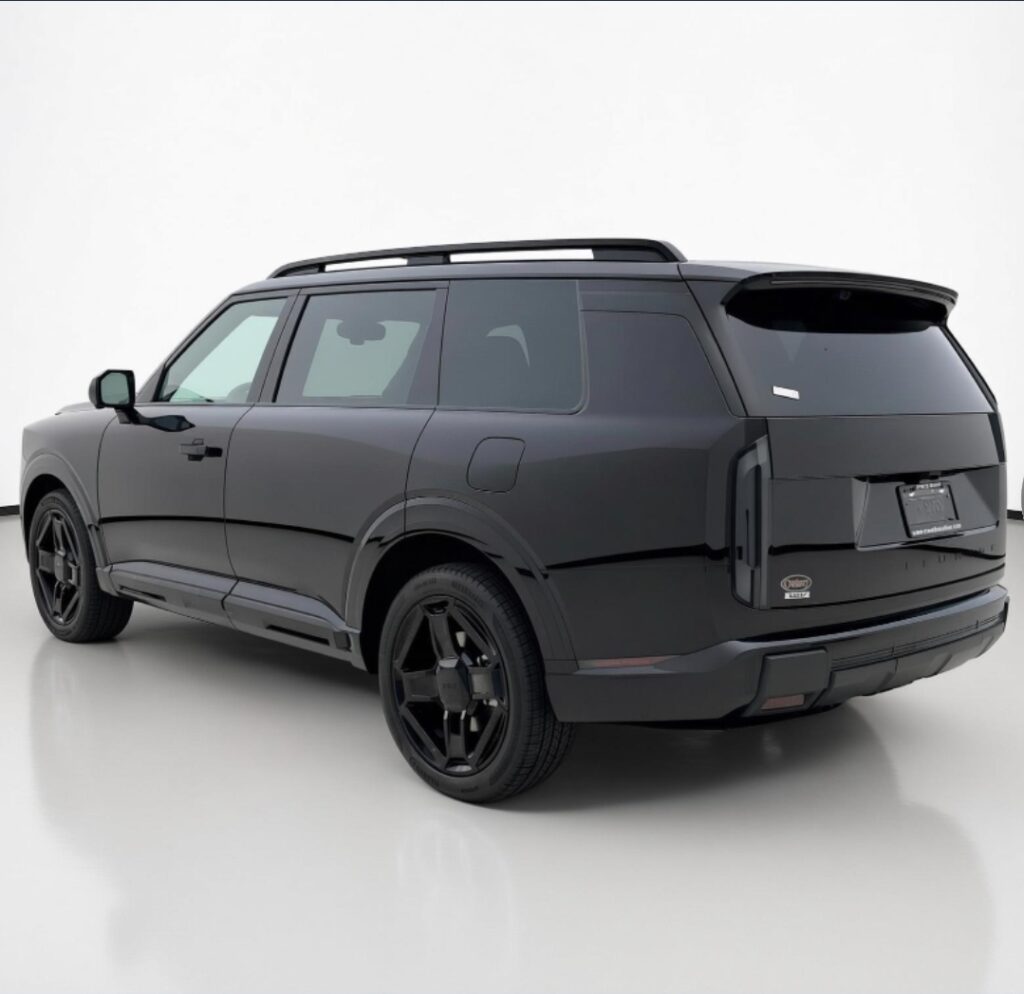
Look closely at a freshly detailed black SUV. You can often see ceiling fixtures, windows, equipment and nearby objects reflected across its painted surfaces.
Move the vehicle into another room, and those reflections change.
The vehicle hasn’t changed. Its surroundings have.
This is one reason the 360Booth vehicle photo studio was designed as a complete physical photography environment instead of simply a white background positioned behind a car.
The room is part of the photography equipment.
Why Matte White Walls Matter
360Booth uses matte white expanded PVC (ePVC) wall panels. The matte finish is intentional.
A glossy surface produces more concentrated, mirror-like reflections. A matte surface scatters reflected light across a wider range of directions.
That difference matters when photographing highly reflective automotive finishes. A shiny wall can introduce additional bright shapes and reflections into the vehicle’s body panels. A matte wall provides a more diffuse surrounding surface.
The purpose isn’t to eliminate every reflection. Reflections are valuable in vehicle photography. They help communicate the shape and curvature of body panels.
The objective is to make those reflections more manageable.
A controlled reflection helps reveal vehicle contours. An uncontrolled reflection can become a distraction or obscure visible details.
Why White Instead of Black or Colored Walls?
White surfaces reflect light broadly and provide a neutral surrounding environment. That supports the studio’s lighting design.
Colored walls can introduce unwanted color into reflections and nearby surfaces. Consider photographing a white vehicle beside a strongly colored wall. Some of that color can appear in the reflected light and the vehicle’s glossy surfaces.
Now photograph the same vehicle inside a neutral white environment. You’ve reduced one source of unwanted color variation.
Black surfaces have legitimate uses in specialized automotive photography because they can create contrast and define body lines. But a dealership needs a repeatable process for photographing different vehicles throughout the day.
360Booth uses a consistent white environment designed around that production requirement. The objective is reliable inventory photography, not rebuilding the lighting setup for every vehicle.
Why Does the Ceiling Use Diffusing Cloth?
The wall panels and ceiling serve complementary purposes.
The studio uses four LED lighting heads with a nominal 5600K color temperature. Above the vehicle is a white diffusing cloth ceiling made from durable polyester.
Rather than relying on harsh, exposed overhead fixtures, the cloth distributes the light more broadly across the photography environment. This helps reduce concentrated highlights and creates a more controlled lighting arrangement.
The ceiling diffuses the overhead illumination. The matte white walls provide a consistent surrounding environment.
Neither component operates independently of the vehicle, camera position or lighting arrangement. That’s why evaluating only the camera specifications tells an incomplete story, and why it belongs on the list of what a dealership should evaluate before buying a vehicle photo studio.
Why Does the 360Booth Structure Move Instead of the Vehicle?
This is another important part of reflection control.
A standard 360Booth does not use a motorized vehicle turntable. The vehicle remains stationary. The surrounding studio structure moves manually on a circular steel track using V-grooved wheels.
It also provides a practical photography advantage. The operator can reposition the surrounding studio structure and lighting environment when necessary. That can help manage reflections or improve lighting for interior photography.
The photographer is controlling the environment around the actual vehicle instead of digitally changing the vehicle after capture.
Do Matte Walls Automatically Reveal Every Scratch or Dent?
No. And this distinction is important for Authentic Capture™.
A controlled lighting environment can help photographers obtain clearer, more consistent views of vehicle surfaces. But detecting a scratch, dent or other imperfection depends on several factors:
The location and type of damage
Camera position
Viewing angle
Lighting direction
Image resolution
A matte white studio does not automatically make every surface defect visible. Nor should SHOOTit AI be described as perfectly identifying vehicle condition.
The purpose of the studio is to establish a more predictable environment for capturing evidence. Individual close-up photographs and physical inspection remain necessary when vehicle condition requires additional documentation.
Better photography conditions improve the opportunity to record visible evidence. They do not guarantee complete damage detection. That’s also why the original photographs should be preserved rather than replaced by edited versions.
Why the Physical Studio Still Matters in an AI Photography Workflow
AI can interpret images. It can evaluate certain capture characteristics. It can assist employees in following a required photography sequence.
But it cannot change the physical circumstances under which an original photograph was taken.
360Booth controls the physical surroundings. SHOOTit AI guides the evidence-capture process.
The first step in SHOOTit AI is capturing the VIN. The system uses VIN-decoder information to determine which requested equipment photographs are appropriate for that vehicle. If the employee attempts to skip a requested photograph of equipment identified as a standard feature, SHOOTit AI immediately warns the employee to check again.
The system then guides the dealership’s required 40+ image process. When an image is too dark, blurry or poorly centered, SHOOTit AI stops the workflow and immediately prompts the employee to reshoot before continuing. That’s quality control at the vehicle, not after it leaves.
The studio and camera address different problems. One provides the controlled environment. The other provides intelligent capture guidance. Together, they support 360Booth Authentic Capture™.
Does Every Dealership Need Matte White ePVC Walls?
Not every dealership has the space for a complete vehicle photo studio.
A properly planned DIY photography area may be appropriate in some buildings. SHOOTit AI can also guide vehicle photography outdoors.
However, a dealership should understand what it sacrifices when the physical environment becomes less controlled. A painted service bay with overhead fluorescent fixtures, windows and glossy surfaces is not automatically equivalent to a purpose-built studio. Its lighting and reflection characteristics must be evaluated. (Dealer groups mixing studios and DIY areas can see how in How Can a Dealership Group Standardize Vehicle Photography Across Multiple Locations?)
That is where access to more than 50 years of combined vehicle-photography expertise becomes valuable. Our experience includes lighting, color temperature, reflections, camera positioning, iPhone photography, studio installations and DIY photography environments.
The goal is to determine the best practical photography approach for the dealership’s actual building.
What About Maintaining the Wall Panels?
The walls are part of the studio’s photography environment and should be kept clean. Scuffs, dirt and other surface contamination can become visible in photographs or reflected surfaces.
Routine cleaning and inspection should therefore be part of the dealership’s studio upkeep. Damaged or heavily worn panels should be evaluated for replacement when necessary.
Cleaning methods should follow the material and installation guidance rather than relying on aggressive chemicals or abrasive equipment. A clean, consistent physical environment is part of maintaining consistent photographic results.
The Dealer Wake-Up Call
Dealerships spend thousands of dollars buying cameras, software and image-processing services. Then they photograph vehicles in buildings filled with uncontrolled reflections. And wonder why the pictures aren’t consistent.
Before asking AI to improve your vehicle photographs, ask whether you’ve given the camera a proper environment to photograph the vehicle in the first place.
That’s where Authentic Capture™ begins.
FAQ
What material are 360Booth walls made from?
Standard 360Booth wall panels are made from matte white expanded PVC, commonly abbreviated ePVC.
Why not use glossy white wall panels?
Glossy walls can produce stronger, more concentrated reflections. Matte panels provide a more diffuse reflective environment around the vehicle.
Do matte white walls eliminate vehicle reflections?
No. They help control the surrounding reflections. Vehicle paint and glass remain reflective, and camera position and lighting still affect the photograph.
Does 360Booth use natural daylight?
360Booth is designed around controlled studio illumination. Uncontrolled daylight entering through skylights or nearby windows should be evaluated during installation planning.
Does SHOOTit AI require matte white walls?
No. SHOOTit AI works in suitable photography environments independently of 360Booth. The studio provides additional control over physical lighting and surroundings.
Can a vehicle photo studio automatically detect damage?
Not simply because it has controlled lighting. Reliable vehicle condition imaging requires appropriate capture methods, image interpretation and, where necessary, physical verification.