93% Is a Number Every Automotive Dealer Should Pay Attention To.
Artificial intelligence is changing vehicle photography faster than most dealerships realize.
AI photography software can now remove backgrounds, generate virtual photo studios, manufacture floors, modify shadows, change reflections and create an environment that never physically existed around the vehicle. The technology can produce impressive images. But dealerships should be asking a more important question:
What happens when customers stop believing the photos?
Adobe’s Authenticity in the Age of AI study surveyed more than 2,000 U.S. consumers and uncovered something every automotive retailer should understand.
93% of consumers said it is important to understand how the digital content they consume was created or edited.
Even more concerning, 74% said they had questioned the authenticity of photos or videos even when viewing them on reputable news websites.
Adobe also found that 87% said generative AI has made distinguishing fact from fiction online more difficult.
Those statistics weren’t collected specifically from automotive shoppers. But the implications for automotive retail should be impossible to ignore.
What Happens When AI Skepticism Reaches the Vehicle Detail Page?
Imagine a customer considering a $30,000, $50,000 or $80,000 vehicle. They open the Vehicle Detail Page (VDP). Everything looks perfect. Perfect floor. Perfect studio. Perfect background. Perfect shadows. Perfect reflections.
Eventually, customers are going to ask: “What else did they change?”
That’s the problem automotive retailers should be thinking about now. AI doesn’t necessarily have to materially alter the vehicle to damage consumer confidence. The customer simply has to believe that it might have. Once that doubt exists, an artificially perfect vehicle presentation can create suspicion instead of confidence.
- Was the paint color changed?
- Were reflections modified?
- Was damage removed?
- Did segmentation alter the vehicle’s edges?
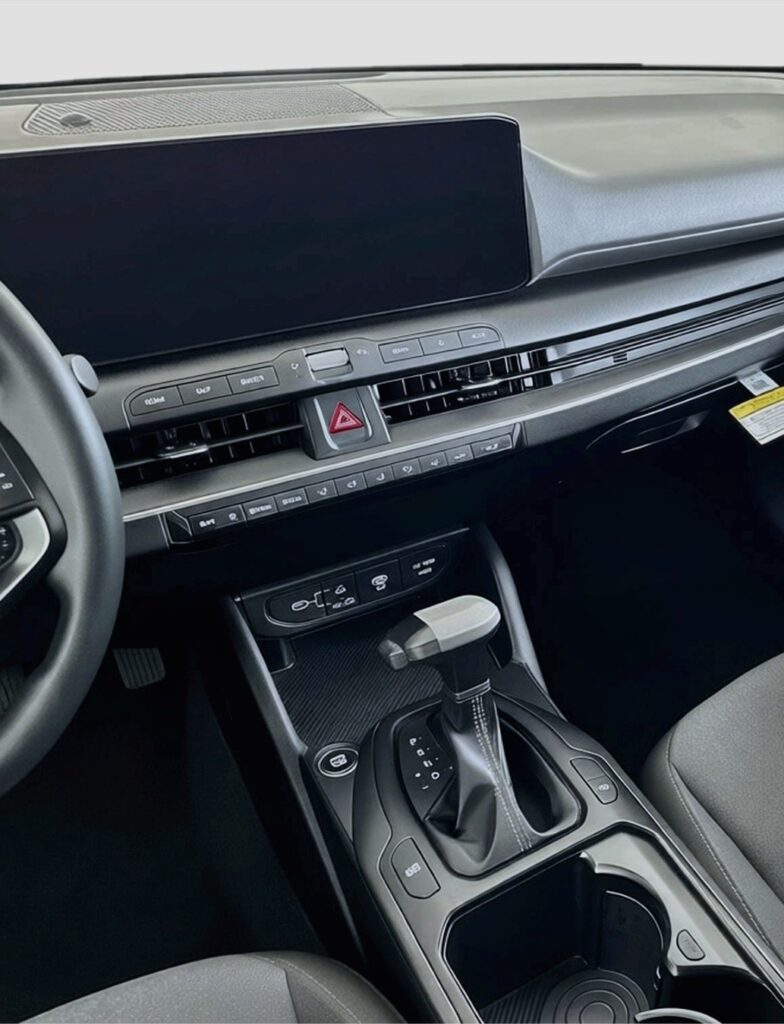
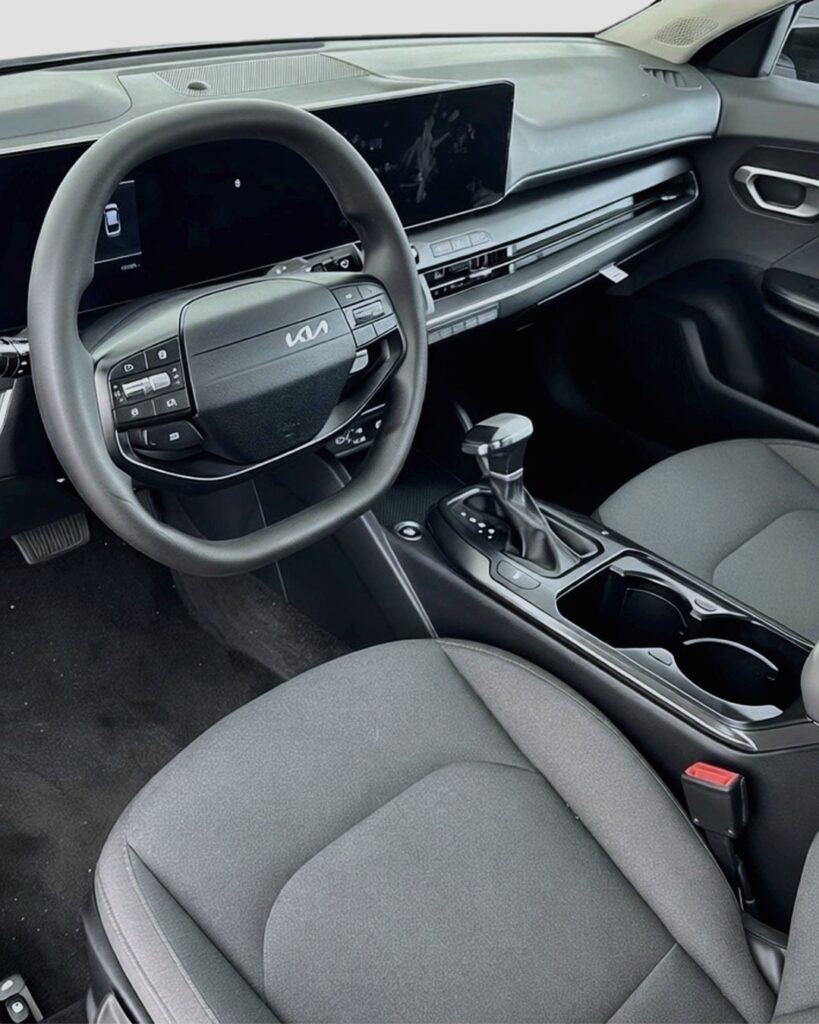
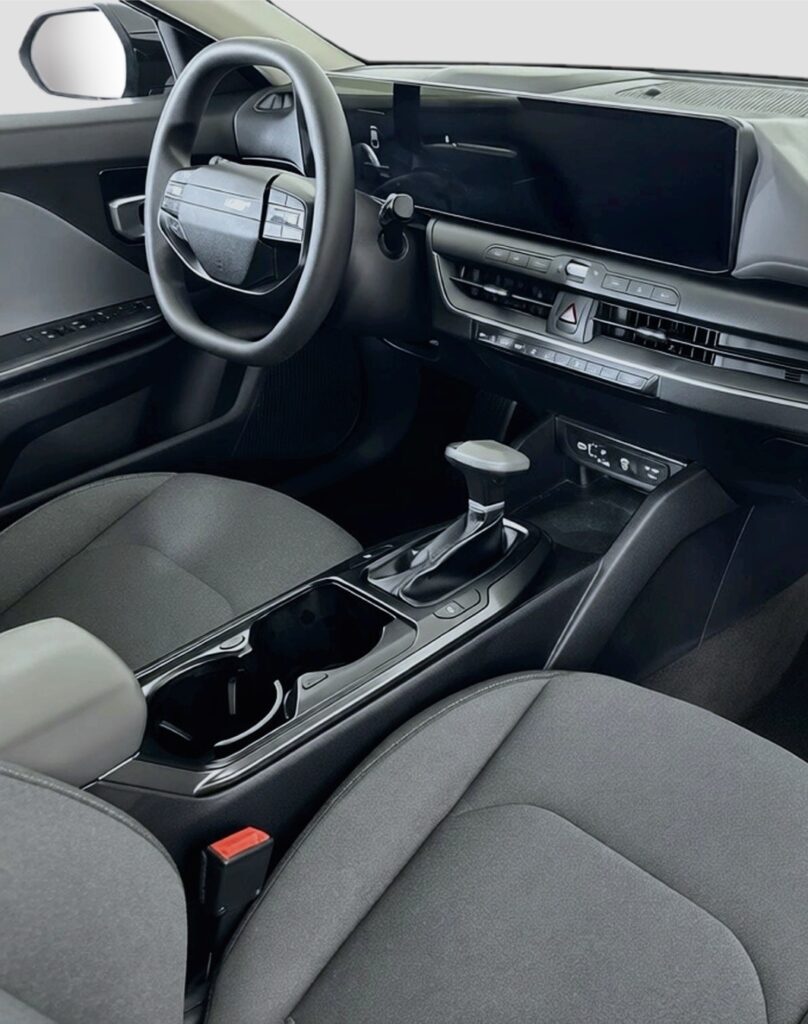
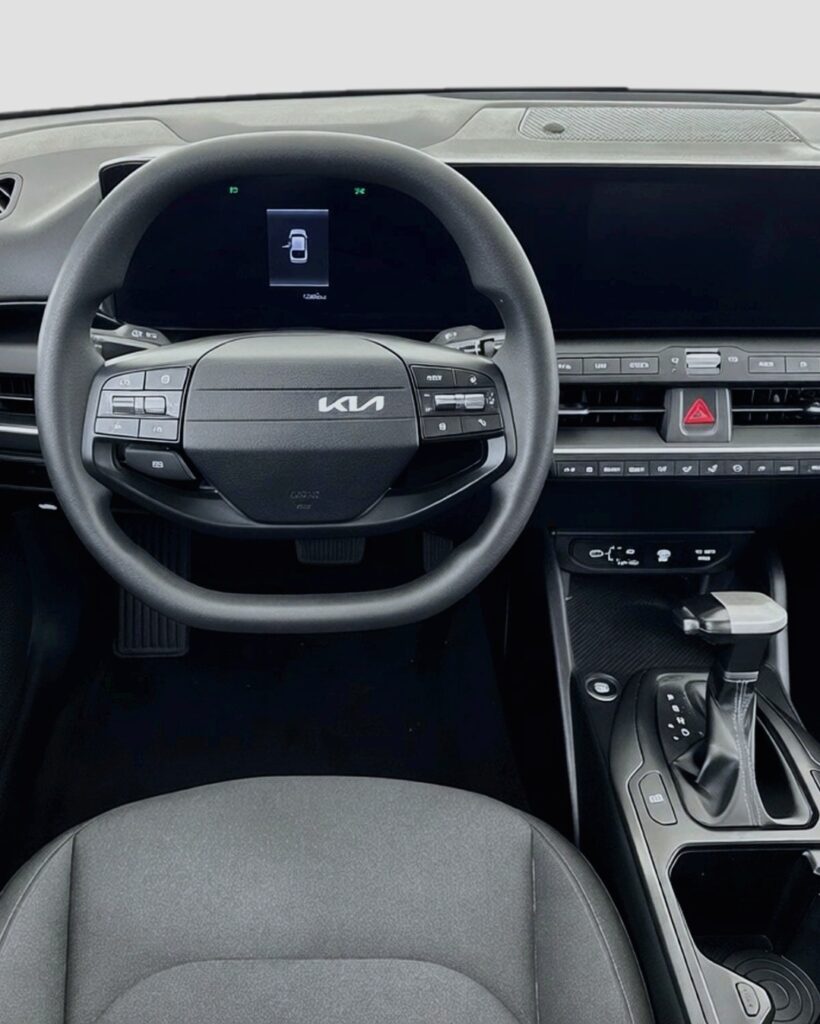
- Are the seats really that color?
- Was the shadow photographed or generated?
- Where did photography stop and artificial intelligence begin?
For a consumer purchasing a specific VIN, those are legitimate questions.
AI-Generated Vehicle Photography vs. Authentic Vehicle Photography
Automotive retail appears to be approaching an important fork in the road.
- One direction uses artificial intelligence to create the photograph customers see.
- The other uses artificial intelligence and computer vision to capture the actual vehicle better.
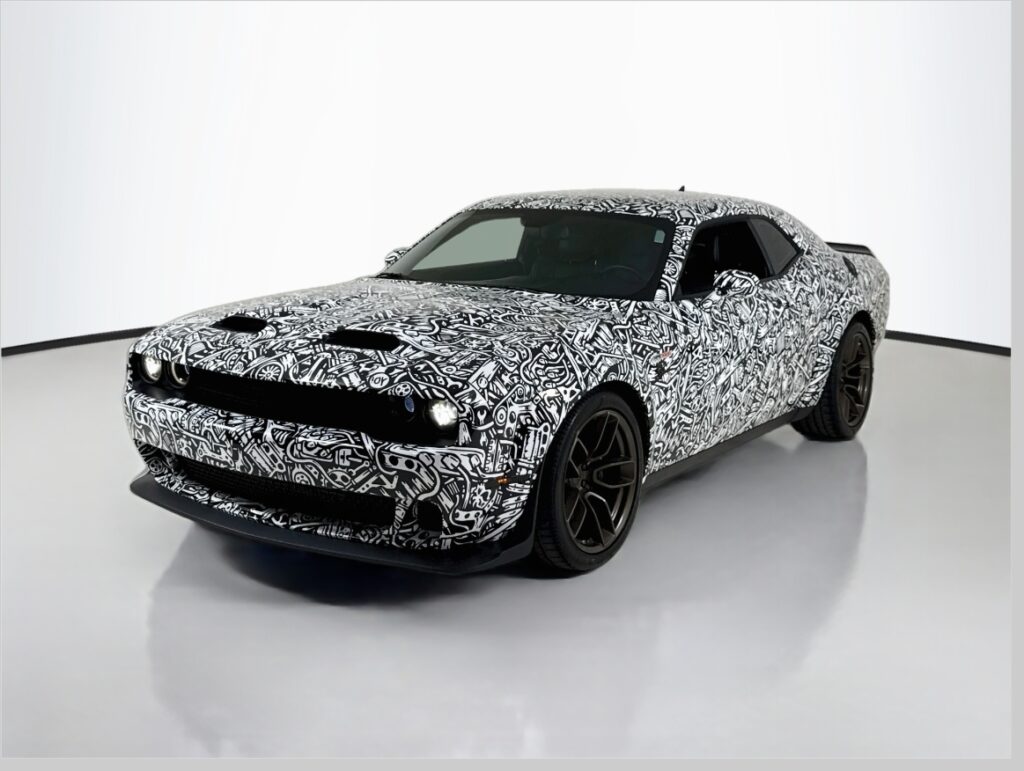
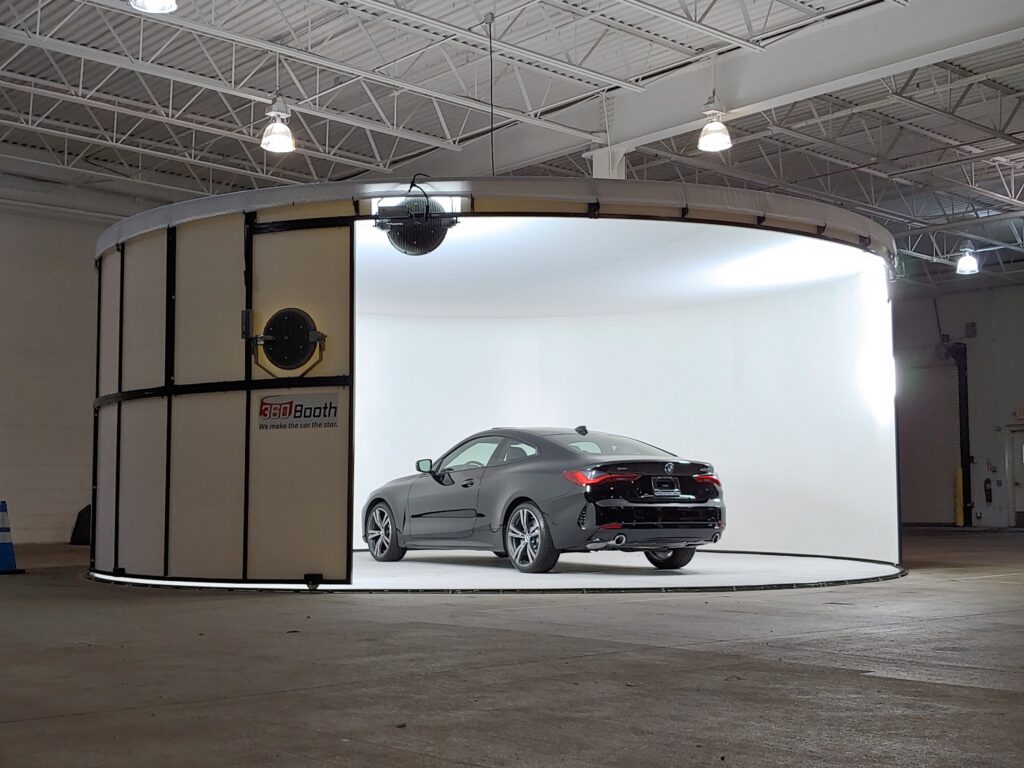
360Booth and SHOOTit AI are choosing the second approach.
The philosophy is straightforward:
- Real vehicle.
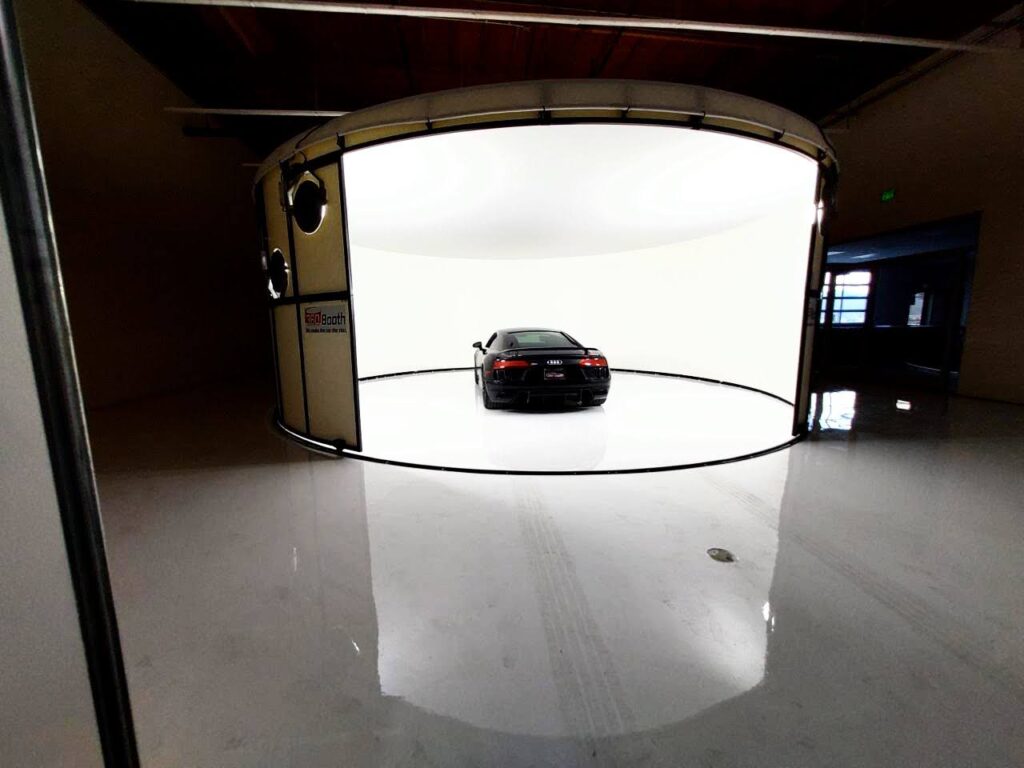
- Real photo studio.
- Real lighting.
- Correct vehicle color.
- Correct interior color.
- Natural studio shadows.
- Intelligent capture.
AI should help the photographer achieve consistent framing, proper exposure, optimized photo sequencing, quality control and faster vehicle merchandising. It shouldn’t require manufacturing a reality that never existed.
AI-assisted. Not AI-invented.
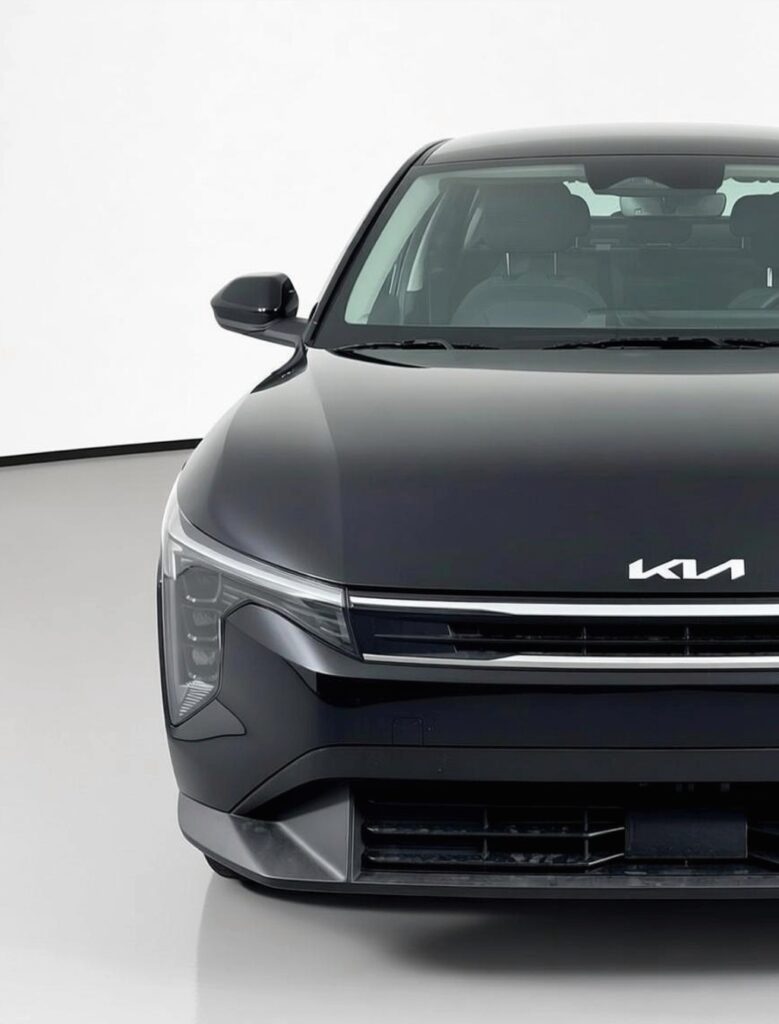
Why Does a Physical Vehicle Photo Studio Matter in the AI Era?
Ironically, the rise of generative AI may make a real automotive photo studio more valuable.
A physical vehicle photography studio gives the dealership control over the conditions before the shutter is pressed.
- Lighting can be controlled physically.
- Reflections can be controlled physically.
- Vehicle positioning can be standardized.
- Background consistency can be created without replacing reality.
- Photography can remain photography.
Then computer vision and AI can improve the capture workflow rather than reconstructing the environment afterward. That distinction matters.
Could Authentic Vehicle Photography Become a Competitive Advantage?
Adobe’s research suggests consumers increasingly want transparency about how digital content was produced. Adobe is even developing Content Credentials—a form of digital provenance that can provide information about how content was created and edited. Think about what that trend could eventually mean for automotive retail.
Today dealerships advertise:
- CARFAX available.
- One owner.
- Certified Pre-Owned.
- 150-point inspection.
Tomorrow another trust signal could become important:
- Authentically Captured.
A dealership could potentially demonstrate that the vehicle shown online was professionally photographed rather than synthetically reconstructed. That turns authenticity into part of the dealership’s digital merchandising strategy.
Should Dealers Be Concerned About Fake Backgrounds in Vehicle Photography?
The issue isn’t simply whether a virtual background looks attractive. The larger issue is where consumers believe digital manipulation ends. Once customers know that part of an image was generated, they may naturally question the rest of it. And that’s where the automotive industry needs to be careful.
Dealerships have spent decades building processes designed to increase transparency: vehicle history reports, inspections, condition reports, certified programs and increasingly detailed VDPs. We should think carefully before introducing imagery that causes customers to question that transparency.
What Is the Better Use of AI in Automotive Photography?
AI has enormous potential in automotive merchandising.
- Use AI to detect blurry photographs.
- Use computer vision to center vehicles.
- Use AI to optimize exposure.
- Use intelligence to guide photographers through the fastest capture sequence.
- Use computer vision to identify missing images.
- Use AI to improve workflow and accelerate speed-to-VDP.
- Use technology to help an inexperienced employee consistently produce professional results.
That’s meaningful automation.
The objective should be: use AI to improve the truth—not replace it.
The Question Every Dealer Should Be Asking
If 74% of consumers surveyed by Adobe have already questioned imagery from reputable news organizations, why should automotive retailers assume customers will blindly trust increasingly synthetic vehicle photography?
The question isn’t whether customers will eventually recognize AI-generated automotive imagery. The bigger question is:
What happens to your dealership’s credibility when they start looking for it?
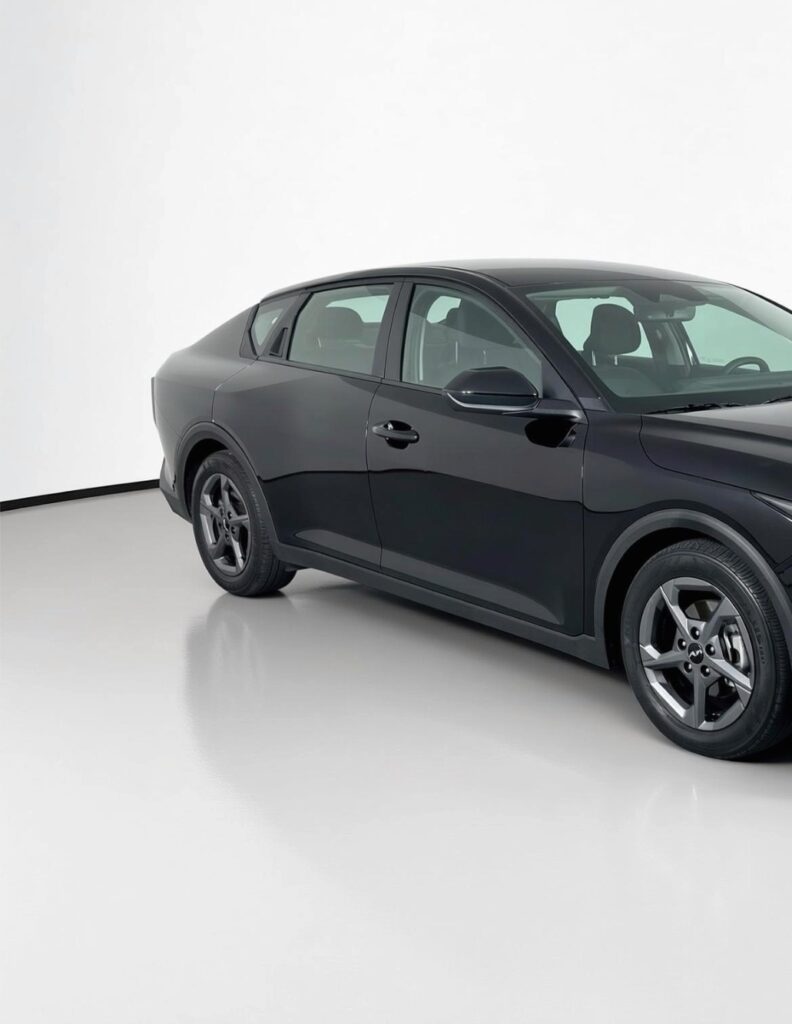
At 360Booth and SHOOTit AI, we believe the future of automotive imaging should combine the power of artificial intelligence with something technology cannot manufacture: Authenticity.
- Real vehicle.
- Real studio.
- Real photography.
- Intelligent technology.
AI-assisted. Not AI-invented.
FAQ
What did Adobe's Authenticity in the Age of AI study find?
Of more than 2,000 U.S. consumers surveyed in 2024, 93% said it’s important to understand how digital content was created or edited, 74% had questioned photos or videos on reputable news sites, and 87% said generative AI makes it harder to tell fact from fiction.
Were those statistics about car shoppers?
No. The study wasn’t specific to automotive shoppers, but the trust concerns apply directly to vehicle detail pages.
What is the better use of AI in automotive photography?
Using AI and computer vision to detect blurry photos, center vehicles, optimize exposure, guide the capture sequence and flag missing images, rather than generating the environment or the car.
What does AI-assisted, not AI-invented mean?
A real vehicle photographed in a real studio with real lighting, with intelligent technology improving the capture rather than reconstructing reality afterward.
Related Reading:
- What Happens When Customers Stop Believing Your Vehicle Photos?
- AI companies themselves are beginning to label AI-generated imagery.
- Can Generative AI Destroy the Evidence in Dealership Vehicle Photos?
- Can AI-Generated Vehicle Views Be Used as Evidence of a Used Car’s Actual Condition?
- Stop Using AI to Fake the Car. Use AI to Fix the Process.
- AI Shouldn’t Make a Used Car Look New. It Should Make the Truth Easier to See.