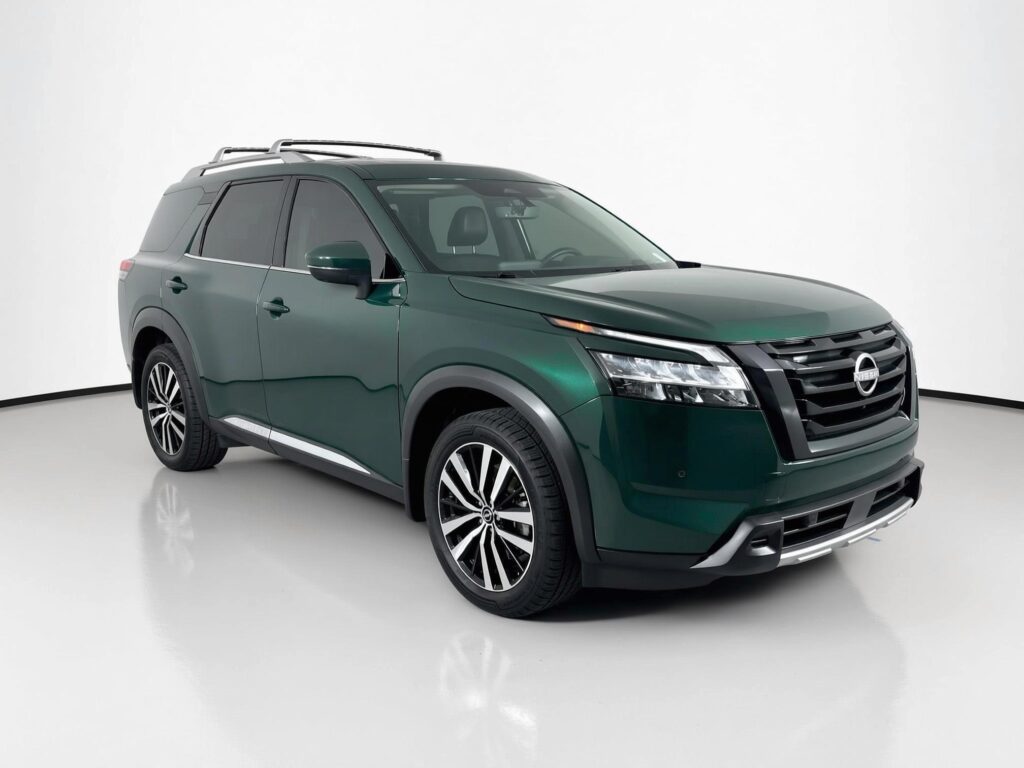
Direct Answer: A standard U.S. 360Booth vehicle photo studio installation requires a dedicated 110-volt, 20-amp electrical circuit and a one-hour timer switch for the studio lighting. The dealership’s local electrician handles electrical preparation according to the approved installation plan and applicable electrical requirements. Power location and installation details should be confirmed during the site survey, before the studio arrives.
A Vehicle Photo Studio Shouldn’t Require Complicated Electrical Infrastructure
One of the first questions dealership facility managers ask when considering a vehicle photo studio is how much electrical work the building will need.
For a standard U.S. 360Booth installation, the answer is straightforward.
- A dedicated 110V, 20A circuit.
- A one-hour timer switch.
- A qualified local electrician.
That’s the basic electrical preparation.
The objective is to create a professional, controlled photography environment without introducing unnecessary electrical or mechanical complexity.
Why Does 360Booth Need a Dedicated Circuit?
The studio has its own lighting system.
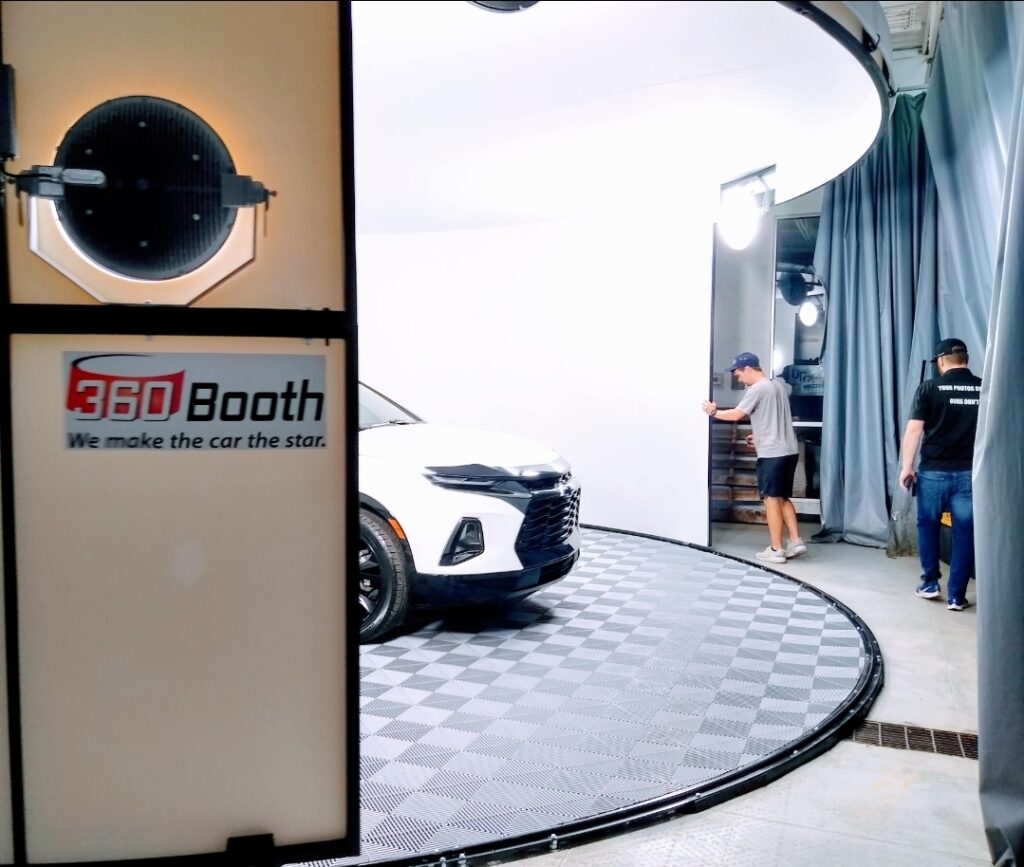
Four 5600K LED lighting heads illuminate the studio’s white diffusing ceiling, helping produce consistent light around the actual vehicle.
That lighting is an essential part of the photography process.
The dedicated electrical circuit is intended to serve the studio without sharing its specified circuit capacity with unrelated dealership equipment.
Dealership buildings are already filled with electrical loads. Service equipment, compressors, lifts, chargers, lighting and other systems may operate throughout the day.
The photography studio shouldn’t depend on a shared circuit that wasn’t planned for its operation.
The requirement is simple: provide the studio with its specified electrical service.
The dealership’s electrician should verify the existing electrical infrastructure and determine the appropriate installation under local requirements.
Why Does 360Booth Use a One-Hour Timer Switch?
The one-hour timer switch provides a straightforward method of controlling studio lighting.
The employee activates the lighting when the studio is needed. The timer limits how long the lights remain on after activation.
That reduces the likelihood of studio lighting being left operating indefinitely after photography has finished.
It’s a small operational detail, but it reflects the overall philosophy behind 360Booth: make the photography process simple enough that dealership employees can use it consistently.
The employee shouldn’t need to navigate complicated control systems before photographing the next vehicle.
Does 360Booth Need Electrical Power to Rotate the Vehicle?
No.
360Booth does not use a motorized vehicle turntable.
The vehicle remains stationary while the surrounding studio structure moves manually. The structure travels on a steel track using V-grooved wheels.
That means there is no turntable motor, motor controller or powered platform beneath the vehicle.
This design removes an entire category of powered mechanical components from the photography process. It also allows the employee to move the surrounding environment and reposition the lighting for better control of reflections and interior photography.
Reliability is the primary reason for this design. A dealership photo studio should be available when vehicles are ready to photograph. The system should not depend on the operation of an unnecessary motorized platform. That’s why a manual vehicle photo studio works better in a high-volume store.
Who Handles the Electrical Installation?
The dealership’s local electrician handles the electrical preparation.
During the site-survey process, 360Booth evaluates the proposed location and provides installation planning information, including electrical requirements and relevant placement considerations. If your architect or contractor needs drawings, see what we can provide to your architect.
The electrician determines how to supply the required circuit and timer switch within the building’s existing electrical system.
Electrical work must comply with applicable local codes and any required permits or inspections.
The studio installation team should not arrive only to discover that the building has no suitable electrical service prepared. That’s an avoidable delay.
What Should the Dealership Confirm Before Installation?
Before the studio is delivered, the dealership should confirm that:
- The dedicated electrical circuit is available.
- The one-hour timer switch can be installed in the approved location.
- The electrician understands the electrical requirements.
The proposed studio location also needs to be reviewed for existing ceiling fixtures and skylights. Uncontrolled lighting above the studio can interfere with the controlled photography environment. Here’s why building lights and skylights above the studio matter, and whether you’ll need to black out garage door windows.
The objective is to rely on the studio’s designed lighting system rather than competing sources of illumination.
These considerations belong in the site survey. Not on installation day.
For the complete facility checklist, see what a dealership should evaluate before buying a vehicle photo studio.
Why Simple Infrastructure Matters to Vehicle Photography
Dealerships don’t purchase vehicle photo studios because they want another complicated piece of equipment. They purchase them to photograph inventory more consistently.
360Booth creates the controlled physical environment around the actual vehicle. SHOOTit AI provides the intelligent iPhone-based capture process.
The camera guides employees through the dealership’s required 40+ images. If an image is too dark, blurry or poorly centered, SHOOTit AI stops the workflow and immediately prompts the employee to reshoot before continuing. That’s quality control at the vehicle, not after the fact.
The objective is to document the real vehicle, preserve visible wear and condition, and deliver a consistent set of images without unnecessary steps.
The building infrastructure should support that process rather than complicate it. That’s why electrical planning matters.
The Dealer Wake-Up Call
A vehicle photo studio shouldn’t require complicated equipment just to photograph a car.
- Give it the correct power.
- Control the lighting.
- Keep the vehicle stationary.
- Let the studio move manually.
- Use SHOOTit AI to guide the photographs.
That’s how a dealership builds a repeatable photography process around the actual vehicle.
The technology should simplify the job, not turn photographing inventory into another maintenance department responsibility.
FAQ
Does a standard 360Booth require 220V electrical service?
No. The standard U.S. electrical requirement is a dedicated 110V, 20A circuit. Electrical arrangements for international installations must be confirmed for the destination.
Can the studio share an existing 20-amp circuit with other equipment?
The standard requirement is a dedicated circuit. An electrician should verify that the proposed circuit meets the studio’s requirements.
Does 360Booth include its own lighting?
Yes. The standard studio includes four 5600K LED lighting heads and a white diffusing ceiling.
Does the studio require a motorized turntable?
No. The vehicle stays stationary while the studio structure moves manually around it.
Who installs the electrical circuit?
The dealership arranges for a qualified local electrician to complete the necessary electrical preparation.
Should electrical planning happen before studio delivery?
Yes. Electrical service, timer-switch placement and other site requirements should be addressed during the site survey and installation planning.
Related Reading:
- What Should a Dealership Evaluate Before Buying a Vehicle Photo Studio?
- Why Does a Manual Vehicle Photo Studio Work Better?
- Why 360Booth Does Not Use a Turntable
- Do my shop/ building lights have to be removed near or in the studio space?
- Do I need to black out my garage door windows?
- Do you have anything you can show my architect?
- Why Should Dealership Vehicle Photography Quality Control Happen at the Vehicle?
- 20 Questions Dealers Should Ask Before Choosing a Vehicle Photo Studio or Automotive Camera System