Direct Answer: Dealerships should preserve the highest-quality available source photographs associated with each vehicle VIN, even when websites display resized, compressed or cropped versions. Published images are designed for online presentation and may not retain all the visual detail of their source files. Preserving those files provides a reference for correcting media errors, reviewing visible vehicle condition and maintaining accurate vehicle merchandising records.
Your Website Photograph Isn’t Necessarily Your Original Photograph
A dealership employee photographs a vehicle using SHOOTit AI. The camera records the vehicle. The completed images are uploaded. The media moves through processing and delivery systems before appearing on the dealership website and other inventory destinations.
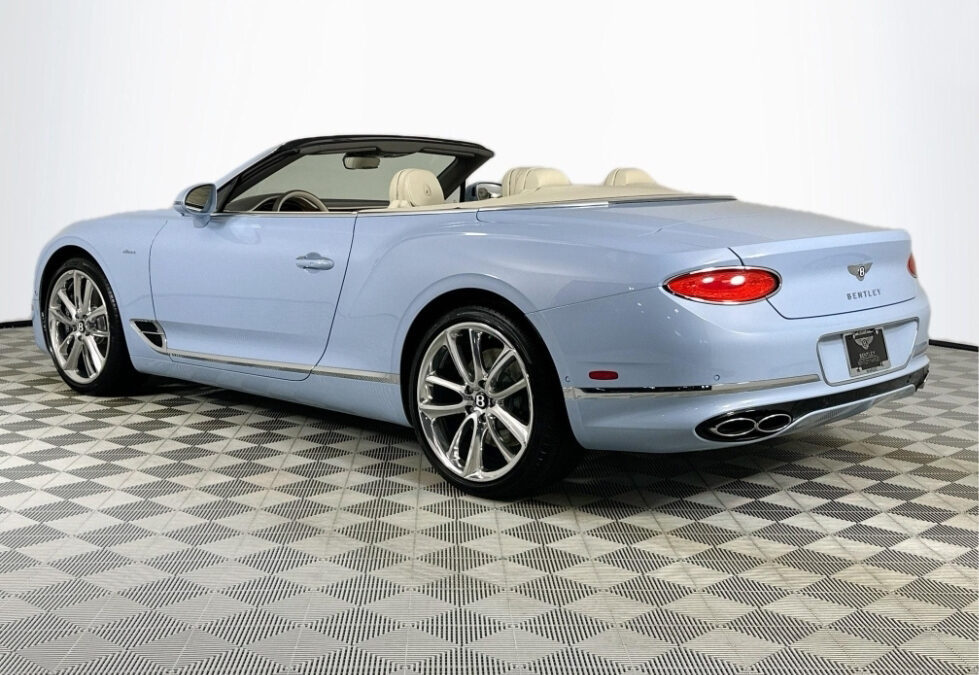
By the time a customer views an image, the displayed file may have been resized, compressed or cropped to fit that website’s requirements. That is normal digital image delivery.
But it introduces a distinction dealerships should understand: the photograph displayed to the customer is not necessarily the same file that came from the capture process.
That difference matters when someone needs to examine vehicle details, investigate a media problem or recover an earlier photograph.
Why Do Websites Use Smaller Versions of Vehicle Photographs?
Websites must display photographs efficiently across different devices. A desktop computer, tablet and smartphone may display the same vehicle image at very different sizes.
- An inventory search page may use a small thumbnail.
- A vehicle detail page may provide a larger image.
- An interactive gallery may request a different version when a shopper enlarges the photograph.
Resizing and compression help make those images practical to deliver. But neither operation can guarantee preservation of every visual detail.
A small photograph may be perfectly adequate for recognizing the vehicle. It may not provide enough detail to evaluate a minor wheel scuff, seat crease or paint imperfection. (See What If Shoppers Judge Your Whole Store by One Thumbnail?)
This is why the dealership should distinguish between the image prepared for online delivery and the best available source photograph.
What Should a Dealership Preserve?
The objective is not to build a complicated digital filing system. It is to preserve useful vehicle evidence in an organized way.
The Highest-Quality Available Source Images
The dealership should establish a policy for retaining the highest-quality available source images from its approved photography workflow. These may be camera-generated images or approved master files, depending on how the capture and processing system operates.
Do not assume that a published JPEG, marketplace thumbnail or downloaded website image is the original. Likewise, do not assume every camera or hosting provider automatically preserves unmodified files indefinitely. Source retention should be verified with the technology provider.
The Associated Vehicle VIN
The photograph must remain associated with the correct vehicle. A source image with no dependable vehicle association loses much of its operational value.
VIN-level organization helps connect photographs to the specific inventory record. Stock numbers can provide additional identification, but the process should account for the possibility that inventory identifiers change.
The Capture and Revision History
Where supported, the dealership should retain useful information about when the image set was captured and whether it was subsequently replaced or corrected.
Consider a used vehicle that receives replacement wheels after its original photography session. The dealership updates the photographs. The new image set accurately represents the vehicle after the change.
Both image sets may have legitimate historical value. The dealership should be able to distinguish between them instead of treating every version as interchangeable.
Why Does This Matter for Vehicle Condition?
A high-resolution source photograph may contain visible details that disappear when the image is reduced for online display.
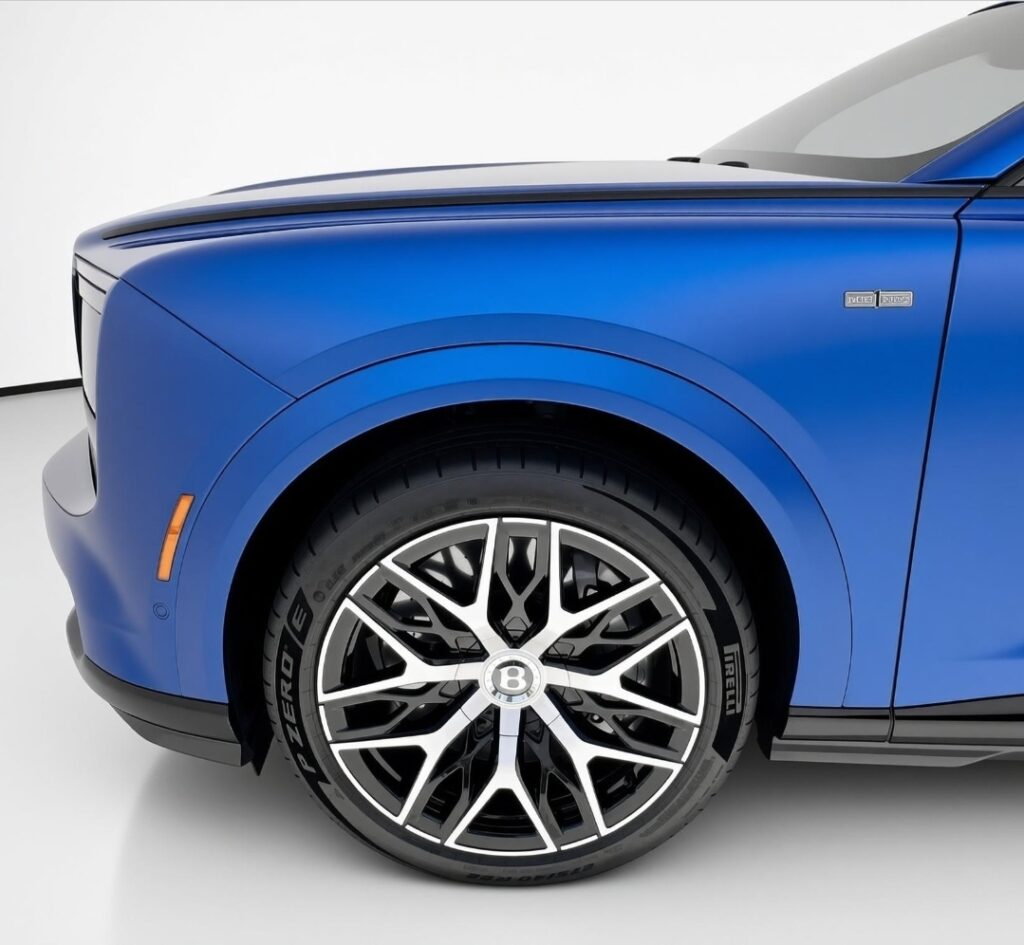
Consider a used vehicle with a small scuff on one wheel. The original photograph may show the mark clearly. A heavily reduced thumbnail may not.
That does not automatically mean anyone deliberately concealed the imperfection. It may simply be a limitation of the displayed image. However, if the dealership later needs to review what was originally photographed, the higher-quality source can provide a more useful reference.
Preserving a source image does not establish that every defect was captured or that a vehicle’s condition was perfectly documented. A photograph can only show what was visible from the captured viewpoint, under the available lighting and at the recorded resolution.
That is why complete photographic coverage remains important. (See Which Detail Photos Do Car Shoppers Actually Want?)
How Does 360Booth Improve the Source Evidence?
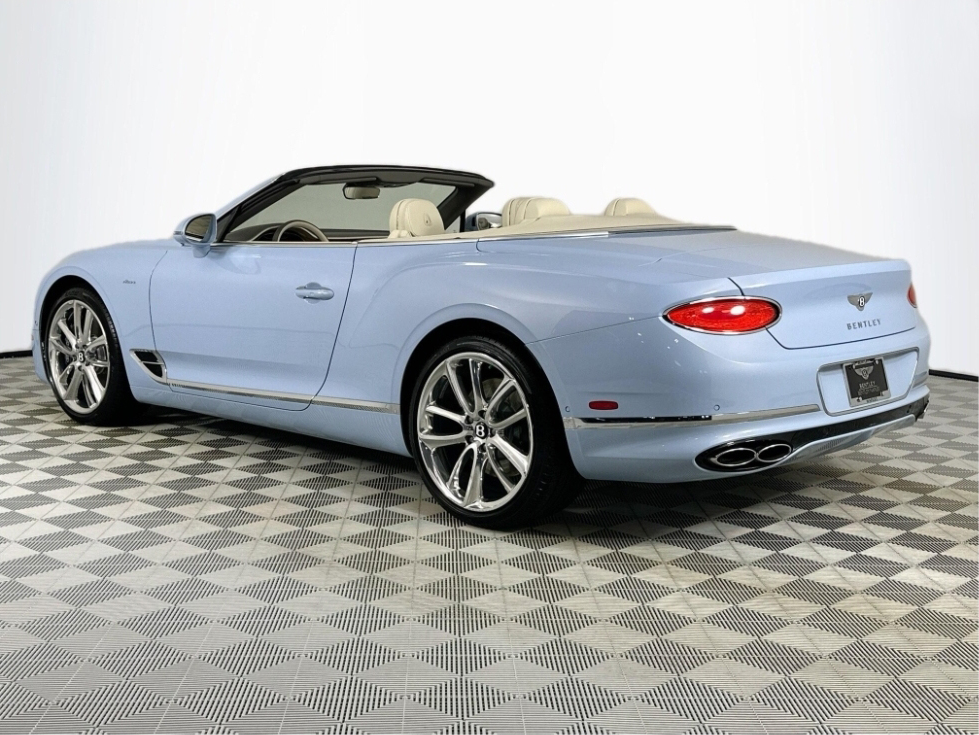
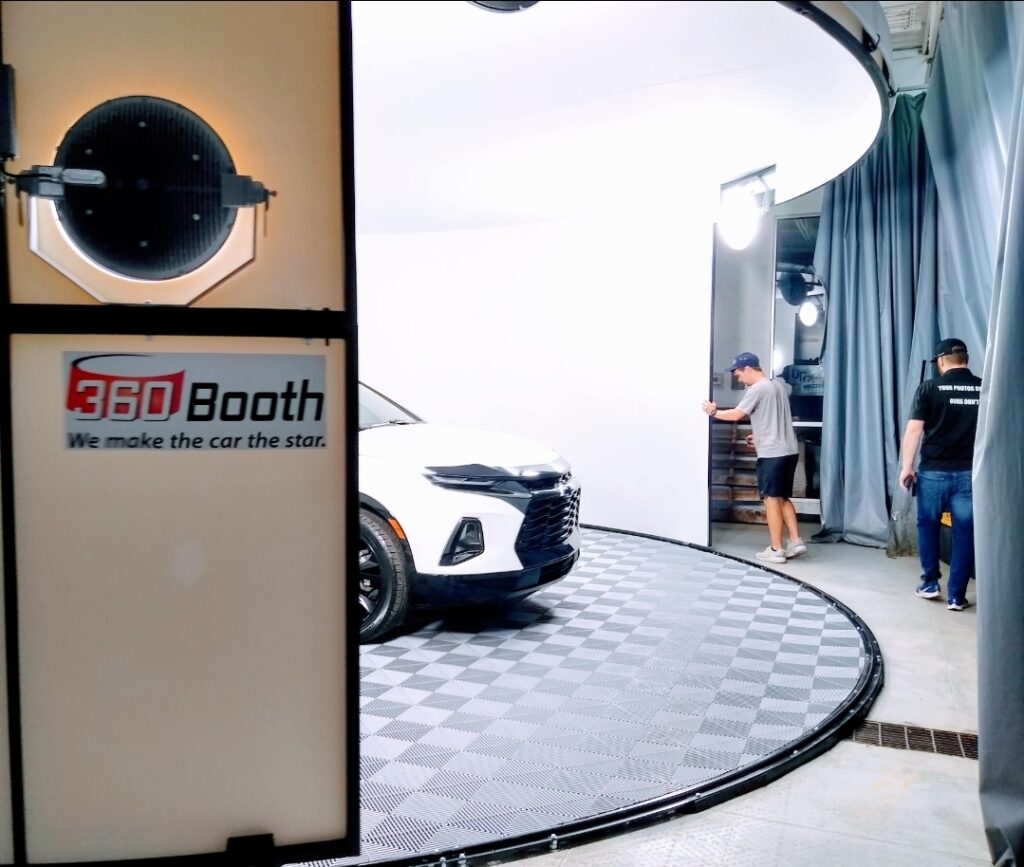
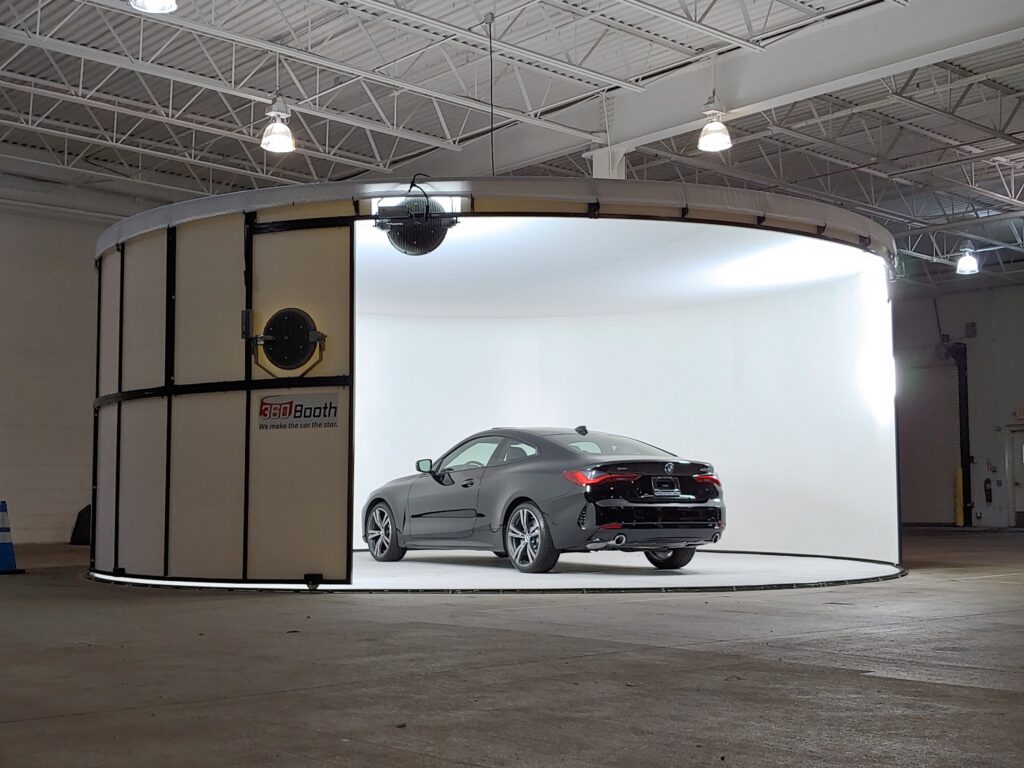
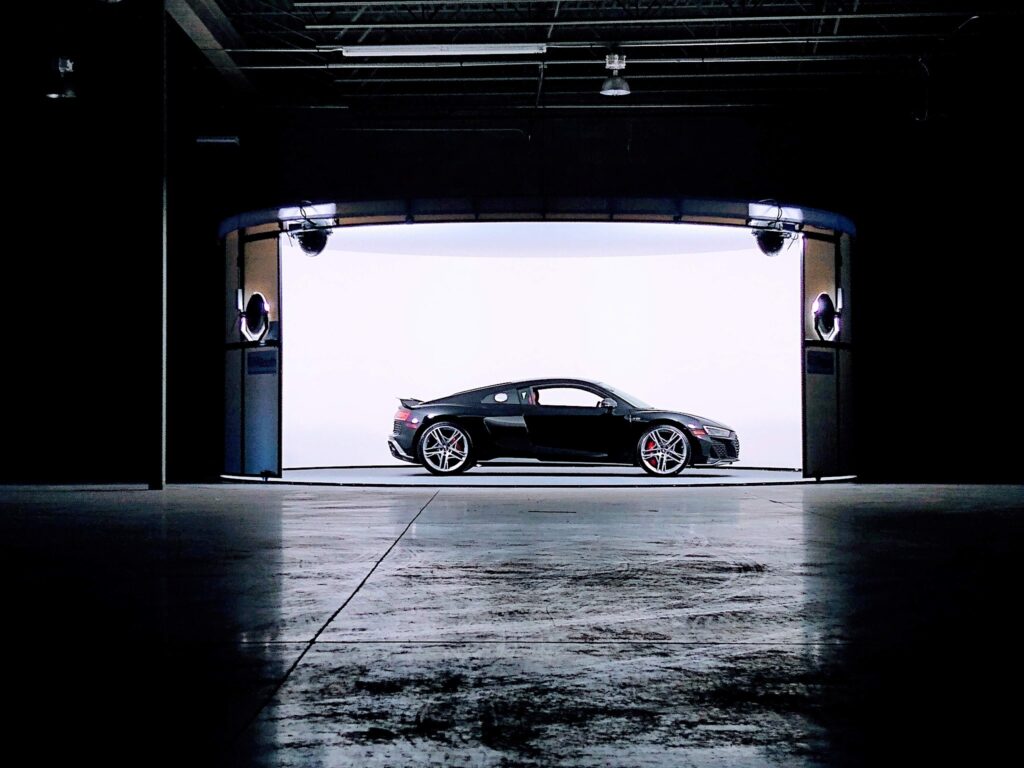
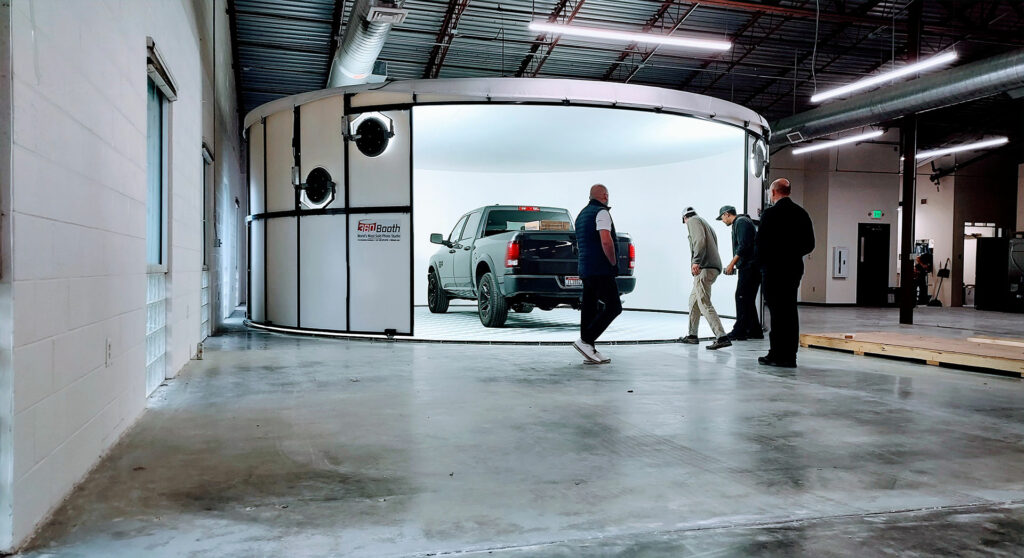
360Booth provides the controlled physical environment around the actual vehicle. Its purpose is to reduce unnecessary variations in lighting, reflections and surrounding distractions.
The studio uses four 5600K LED lighting heads, a diffusing white ceiling and matte white surrounding surfaces. The vehicle remains stationary while the studio structure moves manually around it. There is no motorized vehicle turntable.
This provides a repeatable environment for photographing the vehicle’s actual appearance. That consistency is valuable when images may later be reviewed or compared.
The objective is not to manufacture perfect condition. It is to produce clear, consistent photographs that document the vehicle as it appears.
- A scratch should remain a scratch.
- A worn seat should remain a worn seat.
- Real equipment should remain real equipment.
This is the physical foundation of 360Booth Authentic Capture™.
What Does SHOOTit AI Contribute?
SHOOTit AI provides the guided evidence-capture process.
The first step is capturing the vehicle VIN. The system uses VIN-decoder information to identify expected equipment and guide the dealership’s requested photographs. If an employee skips a requested image of equipment identified as a standard feature, SHOOTit AI immediately warns the employee to check again. That warning supports physical verification. It does not prove the equipment is present.
The employee then follows the dealership’s required 40+ image process. If a photograph is too dark, blurry or poorly centered, SHOOTit AI stops the workflow and immediately prompts the employee to reshoot before continuing.
That matters because preserving a bad photograph doesn’t make it good evidence. The correct time to address a capture-quality problem is while the vehicle and employee are still together. (See Why Should Dealership Vehicle Photography Quality Control Happen at the Vehicle?)
- 360Booth controls the photography environment.
- SHOOTit AI guides the capture.
- A source-image retention policy protects the resulting media against avoidable loss or confusion during subsequent handling.
These are complementary responsibilities.
Where Does Auto Exact Data Team Fit?
Photographs are only useful when they remain associated with the correct vehicle and can be delivered to the appropriate inventory destinations.
Auto Exact Data Team supports VIN-level media management and inventory-feed troubleshooting. Its documented support capabilities include locating and restoring archived photographs, correcting media assignments, managing image order and investigating downstream delivery problems. These capabilities are described in One Connected Vehicle Photography System.
However, the ability to recover archived media should not be confused with a guarantee that every original, uncompressed image is permanently retained. That depends on the configured capture, processing and storage arrangements.
A dealership should confirm which source files are retained, where they are stored, who can retrieve them and how long they remain available. That is a practical management decision.
Why Source Preservation Matters When a Listing Changes
Vehicles change while they remain in inventory. A dealership may replace a damaged panel. A wheel may be repaired. An accessory may be installed. Interior work may change the vehicle’s visible condition.
The dealership should update its published photographs when those changes affect what customers need to see. But replacing a published image does not necessarily mean the earlier source file has no value.
An organized image history can help explain why a photograph from one date differs from another. It can also help diagnose a website that accidentally republishes an outdated image set.
Without a dependable source record, staff may waste time trying to determine which version represents the vehicle. That is an unnecessary operational problem.
Should Original Photographs Be Published Without Modification?
Not necessarily. A dealership may need appropriately sized files for efficient website delivery. Image resizing and compression do not automatically make photographs misleading.
The important distinction is between preparing an image for display and changing the vehicle’s represented appearance.
- Reducing file size is different from digitally removing a scratch.
- Creating a thumbnail is different from manufacturing equipment.
- Adjusting an image for practical display is not permission to misrepresent vehicle condition.
The dealership should preserve the best available source while ensuring its published photographs accurately represent the vehicle. (See Can AI-Generated Vehicle Views Be Used as Evidence of a Used Car’s Actual Condition?)
What About Image Metadata?
Useful source records may include capture timestamps, image identifiers and technical camera information. Where available, that information can support internal image management.
Not every image necessarily contains complete or trustworthy metadata, however. Nor should dealerships indiscriminately publish every piece of technical or location information associated with a photograph.
The objective is controlled recordkeeping. Preserve useful internal information while protecting data that does not belong in a public vehicle listing.
The Dealer Wake-Up Call
The photograph on your website is there to help sell the vehicle. The source photograph serves another purpose. It provides a reference to what the camera actually recorded. Those are related responsibilities, but they aren’t identical.
360Booth creates the controlled evidence room. SHOOTit AI guides the capture of the actual vehicle. Auto Exact Data Team supports the connection between vehicle records, media and inventory delivery.
If you’re serious about Authentic Capture™, don’t stop thinking about the photograph the moment it reaches the website.
- Know where the source came from.
- Keep it connected to the right VIN.
- Understand what happens when the image is processed.
- Make sure your organization can retrieve the evidence it needs.
A good photograph sells the vehicle. A properly managed source photograph helps protect the integrity of that presentation.
FAQ
Are dealership website photographs always lower quality than the originals?
No. Some destinations may display high-resolution files. Others generate smaller or more compressed versions. The dealership should verify how its particular media systems handle images.
Can a dealership recover photographs after they disappear from a website?
Sometimes. Recovery depends on whether the source or an archived copy remains available. Auto Exact Data Team supports media recovery and correction within the systems and records it can access.
Does a VIN prove a photograph belongs to the correct vehicle?
No. The VIN provides an identification reference, but image assignments can still be incorrect. Vehicle identity and media associations should be verified when discrepancies occur.
Can an original photograph prove that a vehicle had no damage?
No. Photographs document visible details from particular viewpoints. They cannot guarantee that every area, defect or mechanical condition was captured.
Should dealers retain older images after a vehicle is repaired?
A documented retention policy can preserve earlier versions when there is a legitimate operational need. The dealership should establish appropriate access, retention periods and disposal procedures.
Does SHOOTit AI automatically provide permanent original-image archiving?
That should not be assumed. The dealership should confirm the specific source-file retention and retrieval capabilities included in its configured workflow.
Related Reading:
- One Connected Vehicle Photography System
- Which Detail Photos Do Car Shoppers Actually Want?
- Why Should Dealership Vehicle Photography Quality Control Happen at the Vehicle?
- Can AI-Generated Vehicle Views Be Used as Evidence of a Used Car’s Actual Condition?
- What If Shoppers Judge Your Whole Store by One Thumbnail?
- How Can a Dealership Group Standardize Vehicle Photography Across Multiple Locations?