The car is detailed. The paint is glowing. The studio light is perfect. Your photographer nails the driver’s door shot: seats, dash, wheel, console, all of it.
And right there in the footwell is a wrinkled paper floor mat, sitting crooked, with a footprint on it.
That mat just became the subject of the photo.
Why a $0 Piece of Paper Wins the Shot
The eye goes to the brightest, highest-contrast thing in the frame. In most interiors, the carpet is black, gray or tan. A white paper mat on dark carpet is the brightest object in the picture. It doesn’t matter how good the leather looks. The buyer’s eye lands on the paper first.
Crooked makes it worse. Every line in a good interior shot runs with the car: the seat rails, the console, the door sill. A mat thrown in at an angle breaks every one of those lines. It’s the one thing in the photo that looks like nobody was paying attention.
Then there’s the wrinkle, the tear and the boot print. Now it’s not just bright. It’s dirty.
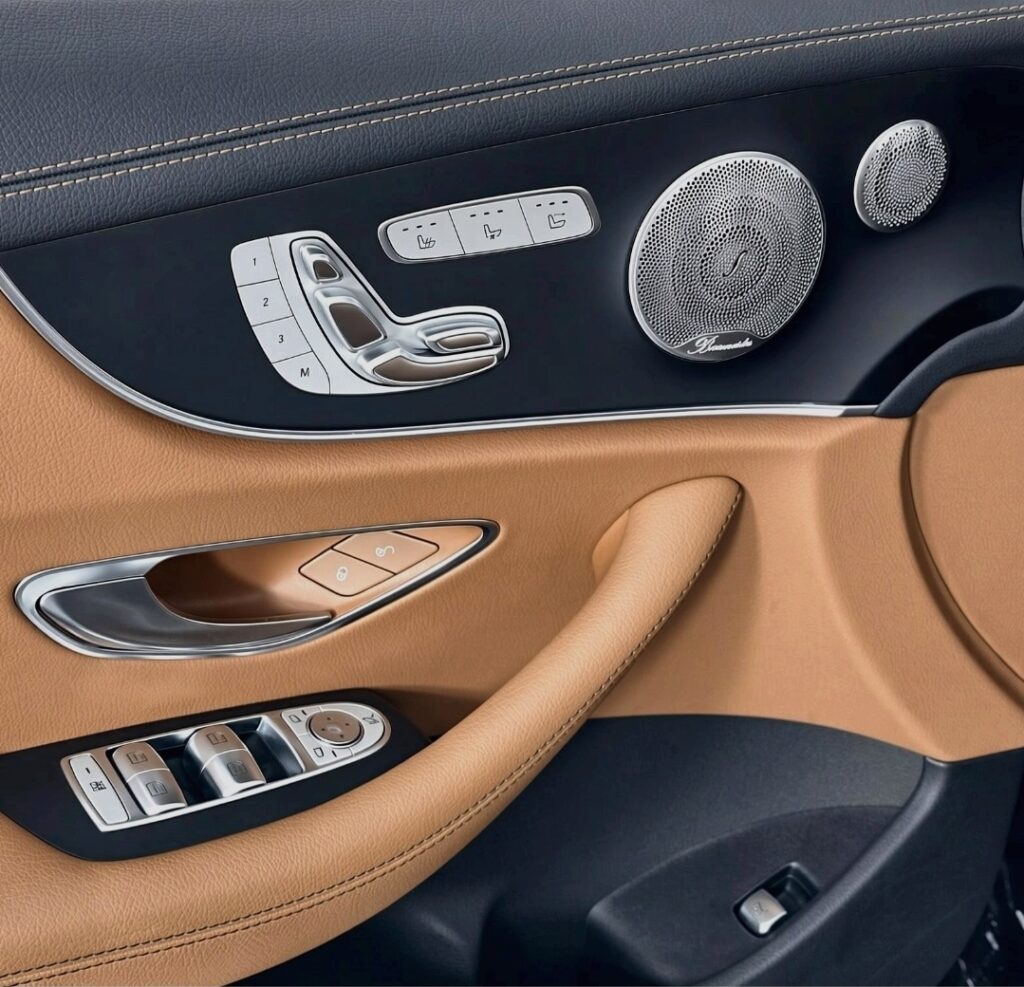
What the Buyer Thinks When They See It
Shoppers don’t see a paper mat and think, “The service department protected the carpet.” They think one of three things:
- “What was wrong with it?” Paper mats say the car just came out of the shop. A buyer who’s already worried about hidden problems now has a new one to wonder about.
- “What’s under there?” A mat covering the carpet looks like it’s covering something. Stains, wear, a burn. Maybe nothing. But the photo can’t prove it.
- “Nobody cared.” If the store didn’t take 30 seconds to pull the paper before the photo, what else got skipped?
None of those thoughts sell a car. Your photos are your hardest-working salesperson. Don’t send them to work with paper on their shoes.
A Studio Shows Everything. Including the Paper.
Here’s the part dealers don’t expect. The better your lighting, the worse the paper mat looks.
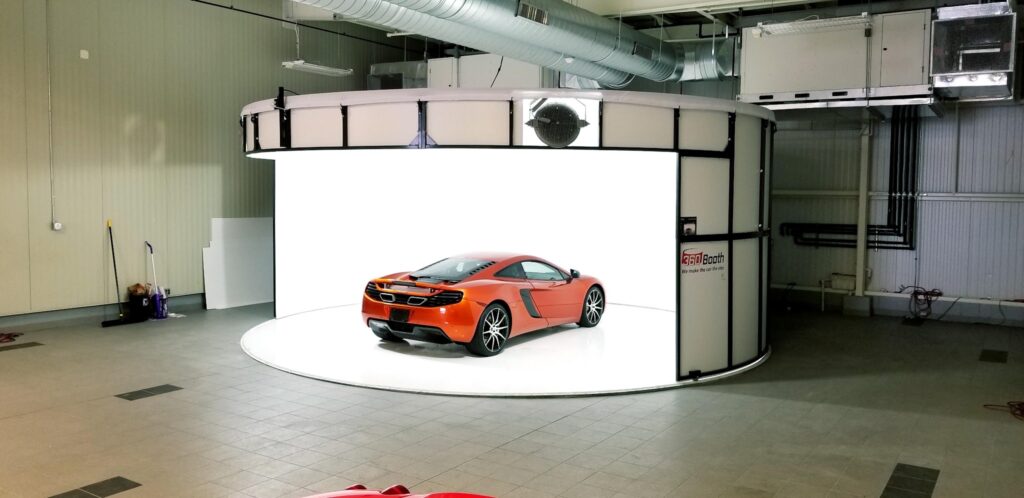
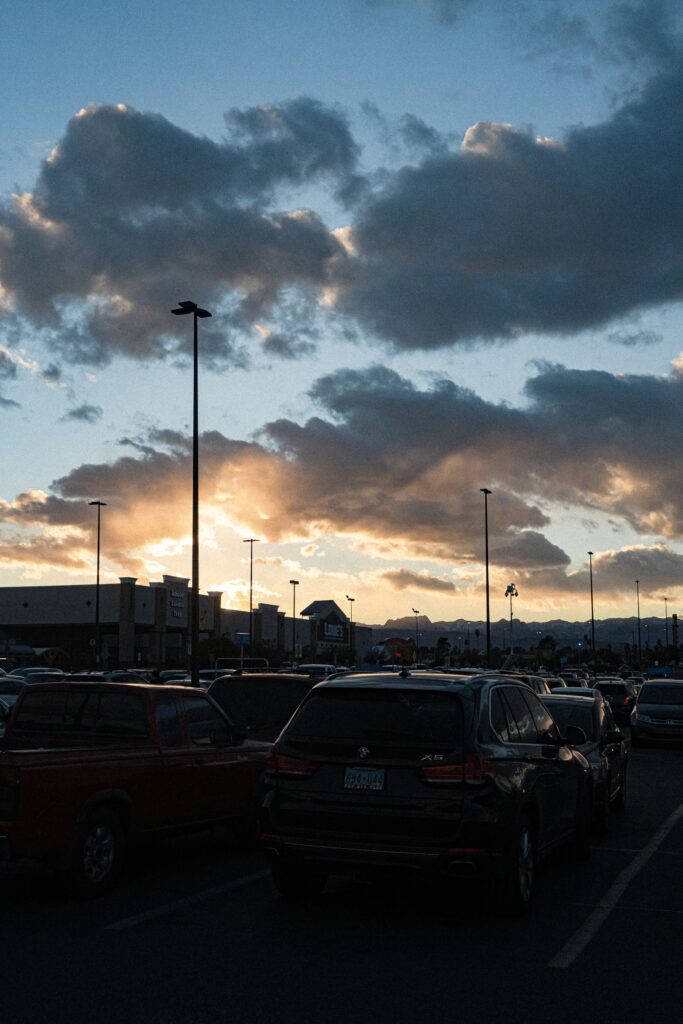
Shoot on a dark lot and a lot of interior detail gets lost in shadow. Shoot in a 360Booth vehicle photo studio and the cabin is evenly lit. The stitching shows. The grain on the dash shows. And so does every wrinkle in that paper mat.
That’s not a flaw. That’s the point. A real studio photographs the real car exactly as it sits. It won’t hide a crooked mat, and it won’t invent a clean floor that isn’t there. That’s why the car has to be ready before it rolls in.
Fake Backgrounds Can’t Fix the Footwell
Background software swaps out what’s behind the car. It doesn’t walk into the cabin and pull out a paper mat.
Interior shots go straight to the listing with whatever was on the floor. The only fix for a footwell is a person, at the car, before the shutter clicks. That’s why we keep saying it: fix the photo at the shutter, not after the car is gone.
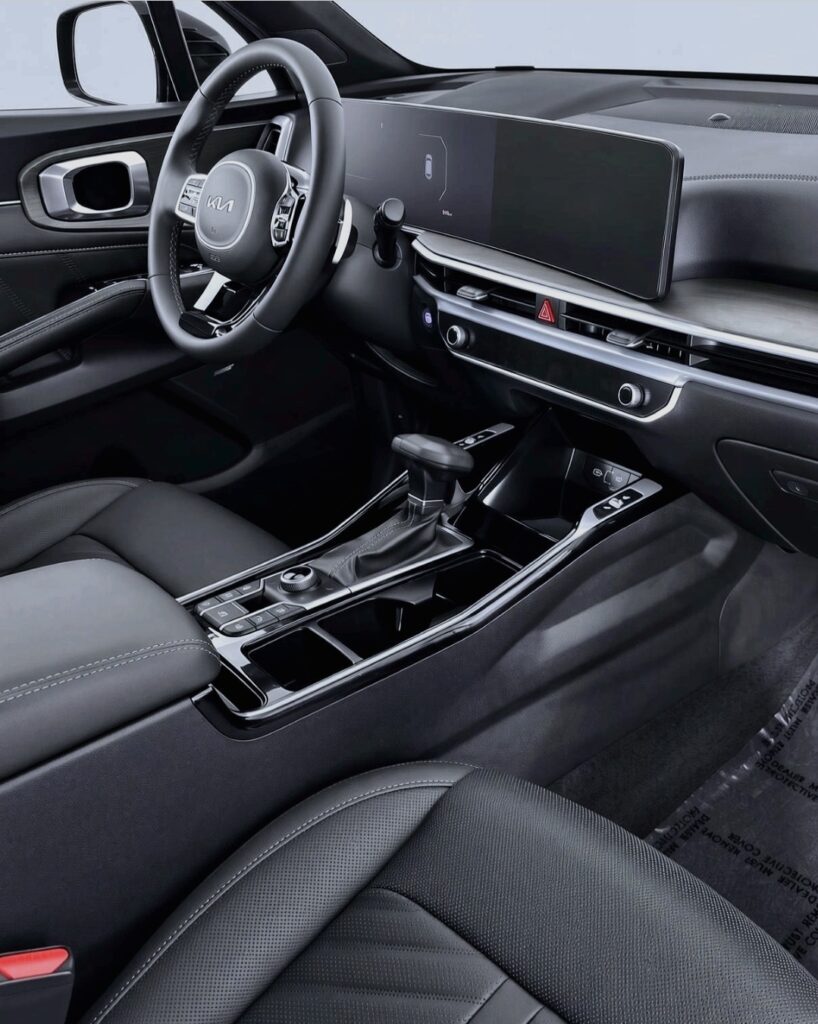
The 30-Second Fix
This is the easiest photo problem in the building. Make it a step, not a reminder:
- Pull every paper mat before the interior photos. Front, rear and cargo.
- Put the car’s real floor mats in if it has them, and square them to the seats. A crooked rubber mat steals the shot too.
- Vacuum the carpet the paper was hiding.
- Look at the footwell from the camera’s angle before you shoot. If it looks off on the screen, it will look worse on the VDP.
- Put fresh paper back after the photos if the car needs protection on the lot.
Write “mats out” on the detail checklist, right before the car goes to photos. If photos aren’t even a step in your recon, this is a good reason to add one.
Run This Check on Your Own Inventory Tonight
Pull up your last 20 listings. Go to the driver’s door shot and the rear seat shot. Count the paper mats.
Then count the crooked real mats, the mats flipped upside down, and the footwells with a mat missing on one side.
If you find more than one, you don’t have a camera problem. You have a process problem, the same kind behind the dealer photo mistakes buyers notice most. And it’s the cheapest one you’ll ever fix.
Great Photos Are Made of Small Decisions
A fabulous photo isn’t one big thing. It’s the light, the angle, the clean glass, the straight wheels and the empty footwell, all on the same car, every time.
The 360Booth studio handles the light. SHOOTit AI walks your employee through every angle. The paper mat is on you. Thirty seconds. Pull it.
Real car. Real light. Real photos. No paper.
FAQ
Should paper floor mats be removed before taking vehicle interior photos?
Yes. Pull every paper mat before the interior photos, vacuum the carpet underneath, put the vehicle’s real floor mats in square to the seats, then put fresh paper back after the photos if the car needs protection on the lot.
Why do paper floor mats stand out so much in interior photos?
A white paper mat on dark carpet is usually the brightest, highest-contrast object in the frame, so the eye goes to it first. When it sits crooked, it breaks the lines of the seats and console and makes the whole photo look careless.
What do buyers think when they see paper floor mats in listing photos?
They may wonder what was repaired, what the mat is covering, or whether the store cared enough to prepare the car. None of those thoughts help sell the vehicle.
Can AI background software remove paper floor mats from interior photos?
Background replacement changes what’s behind the car. It doesn’t fix the footwell. The reliable fix is removing the mat at the car before the photo is taken.
Do crooked rubber or carpet floor mats matter in photos too?
Yes. Any mat sitting at an angle breaks the lines of the interior. Square the vehicle’s real mats to the seats before shooting.
How can a dealership stop paper mats from showing up in photos?
Add “mats out” to the detail checklist as the last step before the car goes to photos, and have the photographer check the footwell from the camera’s angle before shooting.
Related Reading:
- 3 Dealer Photo Mistakes Buyers Notice. None of Them Need a Better Camera.
- What If Every Scratch You Didn’t Photograph Looks Like a Scratch You Hid?
- Fake Backgrounds Fix the Photo After the Damage Is Done. SHOOTit AI Fixes It at the Shutter.
- 10 Best Practices for Clean Vehicle Photos
- What If Photos Aren’t Even a Step in Your Recon?
- What If Your Hardest-Working Salesperson Never Clocks In?
- Is Your Aged Inventory Overpriced, or Just Under-Shown?