Definition:
Catfishing refers to the act of creating a FALSE online persona, often using DECEPTIVE IMAGE and fabricated information, to DECEIVE others, typically for romantic or FRAUDULENT purposes. This practice involves intentionally misleading individuals by presenting a false identity to gain their trust or exploit them.
Deception:
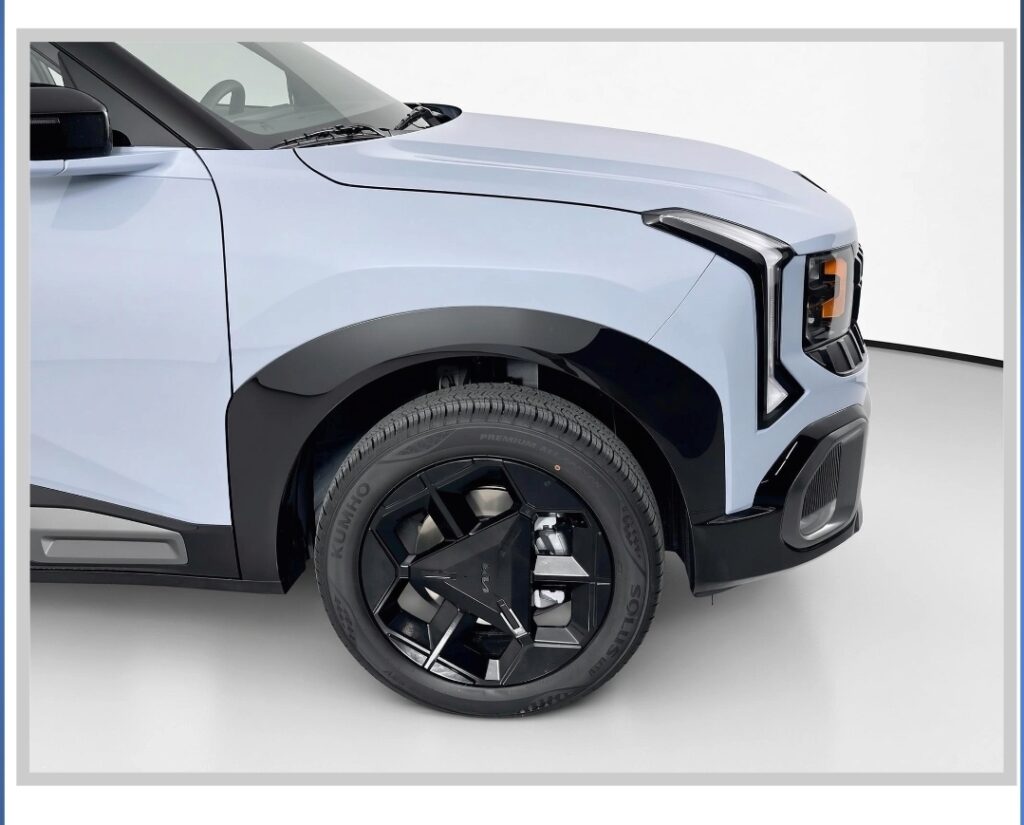
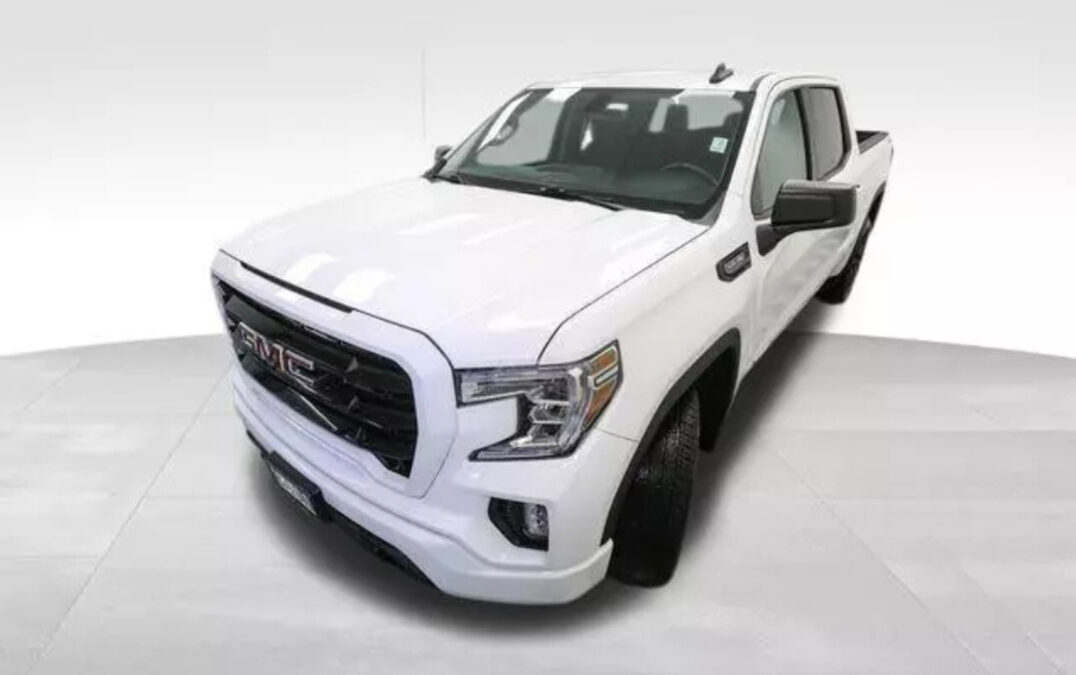
Catfishing involves deliberate deception to create a false impression. Similarly, using fake backgrounds to digitally alter vehicle photos can be seen as an attempt to deceive potential buyers by presenting a more idealized version of the car.
Misrepresentation:
Just as catfishers misrepresent photos of themselves online, dealerships using fake backgrounds misrepresent the actual appearance of the vehicle. They might digitally remove minor blemishes, enhance the color, or even change the background entirely, creating an unrealistic expectation for the buyer eerily the same as catfishing.
Lack of Transparency:
Catfishing thrives on a lack of transparency. Similarly, when dealerships use fake backgrounds, they lack transparency with potential buyers. This can erode trust and damage the dealership’s reputation.
However, it’s important to note some key distinctions:
Intent:
Catfishing typically involves malicious intent, such as financial gain or emotional manipulation. While using fake backgrounds can be misleading, the primary intent is usually to enhance the visual appeal of the vehicle and increase its perceived value.
Severity:
The consequences of catfishing can be severe, including emotional distress, financial loss, and even legal repercussions. The consequences of using fake backgrounds are generally less severe, although they can still negatively impact a dealership’s reputation and sales.
In Conclusion:
While the comparison isn’t perfect, there are some parallels between catfishing and dealerships using fake backgrounds. Both involve a degree of deception and misrepresentation. However, the intent and severity of the actions differ significantly.
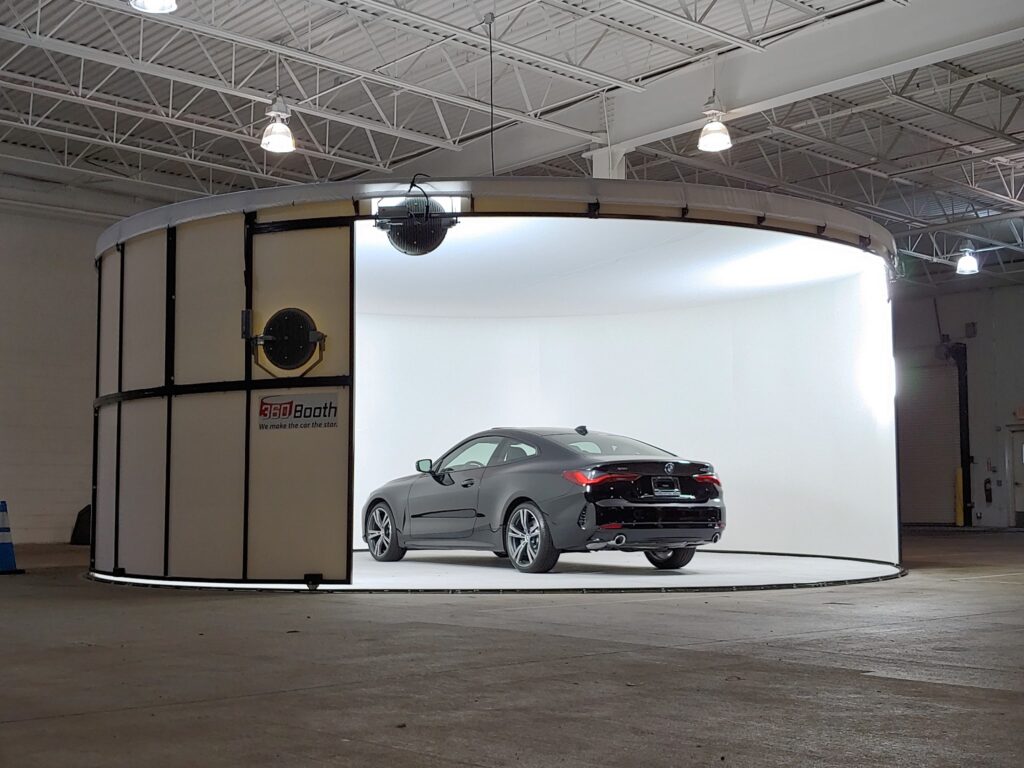
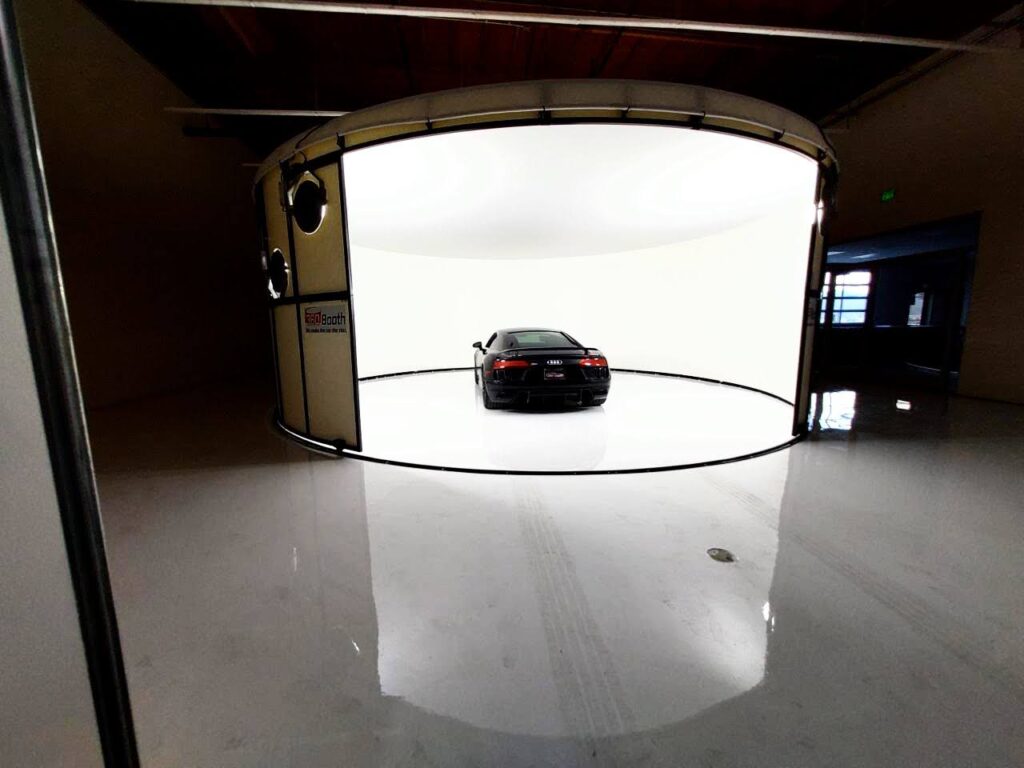
It’s important for dealerships to be transparent about their use of any image enhancement techniques and to prioritize ethical and honest practices in their marketing efforts.


FAQ
How are fake vehicle backgrounds like catfishing?
Both present an idealized image that doesn’t match reality. Altered vehicle photos can hide blemishes, shift colors or replace the setting, creating expectations the real car may not meet.
How are they different from catfishing?
The post notes that catfishing usually involves malicious intent and serious harm, while dealers using fake backgrounds typically aim to make a car look more appealing. The consequences are generally less severe, though trust and reputation can still suffer.
What should dealerships do if they edit photos?
Be transparent with shoppers about any image enhancement and put honest, ethical presentation first.
Related Reading:
- Addressing Critics
- Do Fake Backgrounds Help Sell Cars?
- AI Vehicle Photography & Consumer Trust
- Can Generative AI Destroy the Evidence in Dealership Vehicle Photos?
- What Happens When Customers Stop Believing Your Vehicle Photos?
- Beyond the Virtual Studio: Why Authentic Capture Beats AI Reconstructions