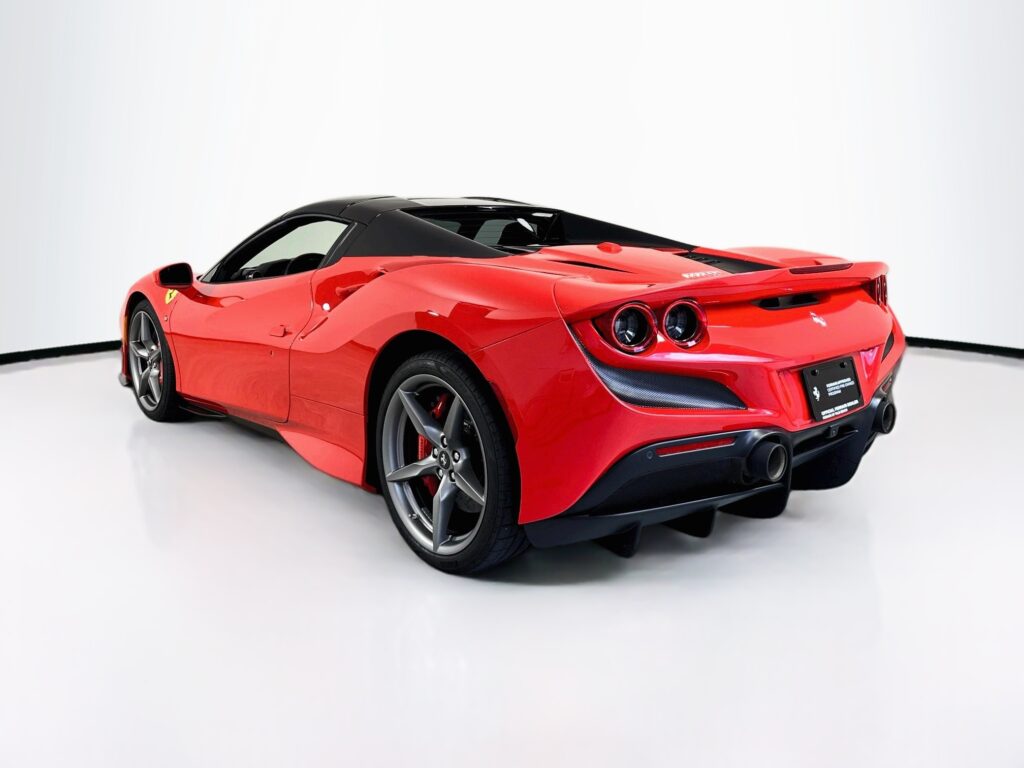
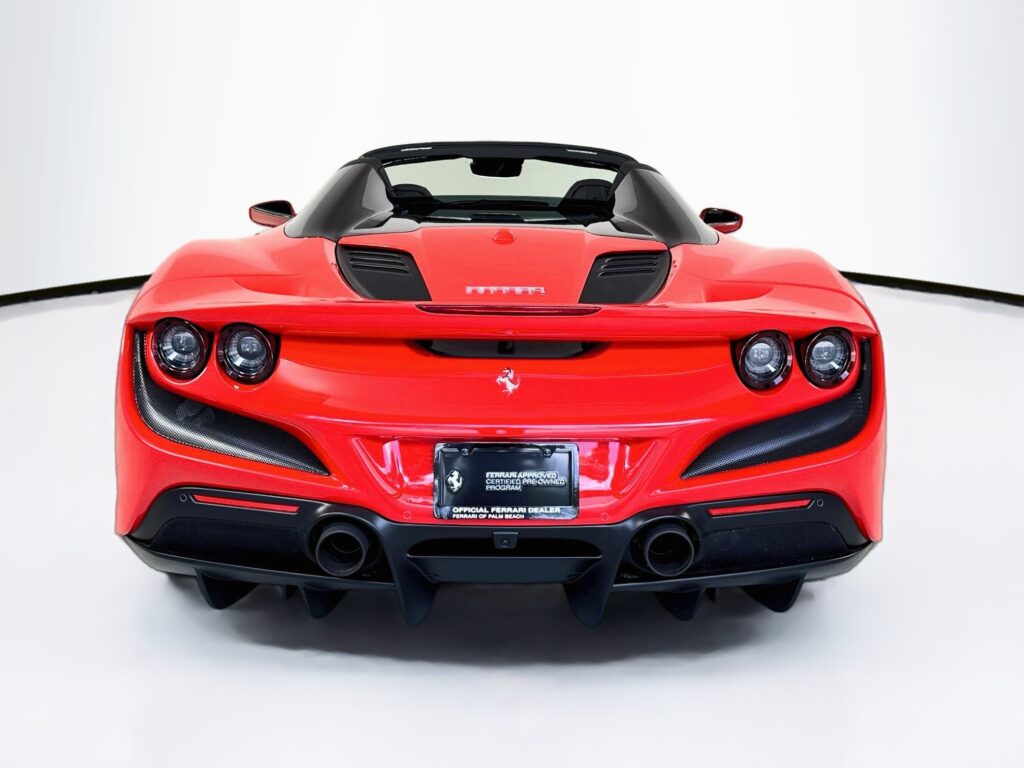
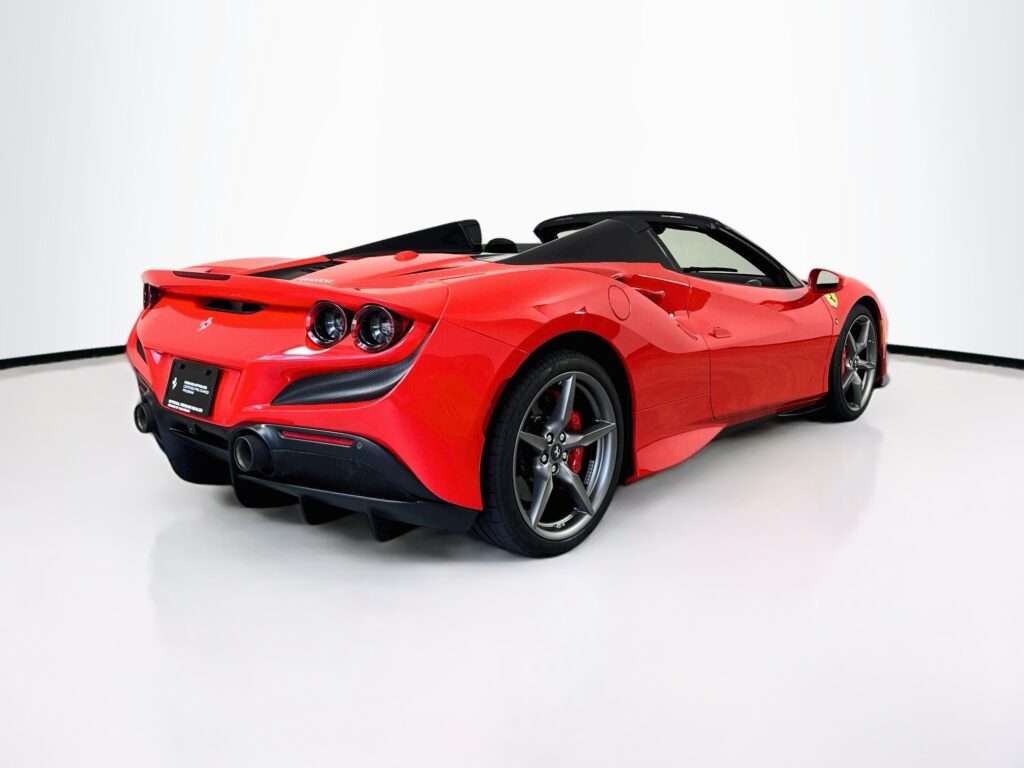
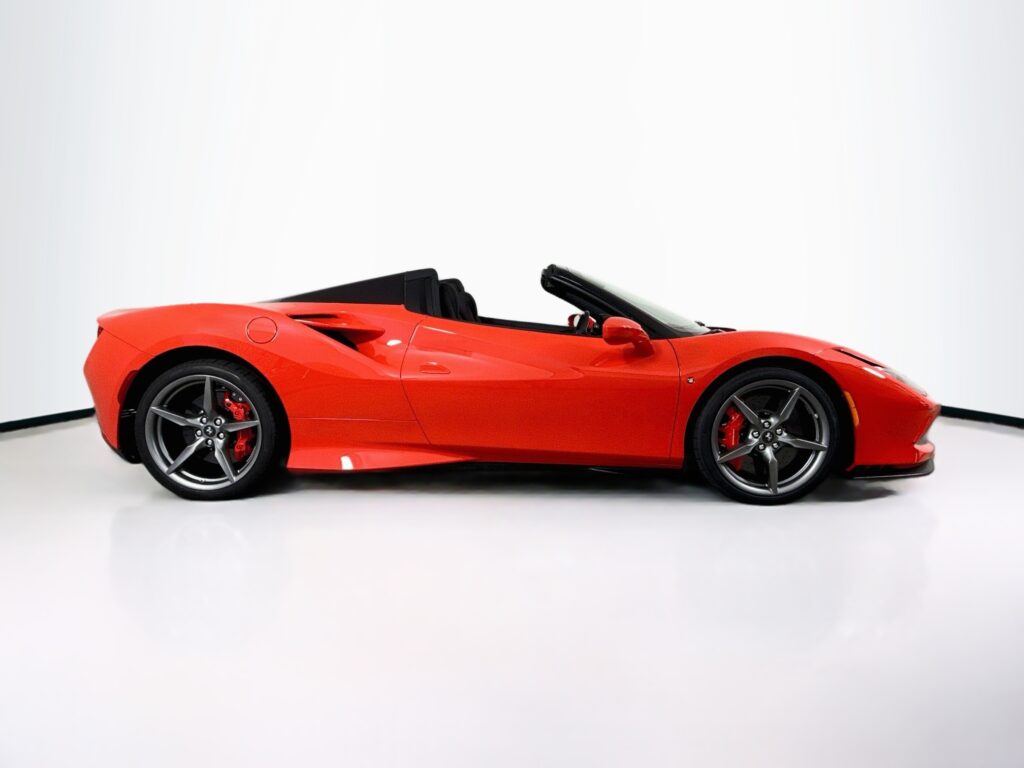
DEALER WAKE UP CALL: the future of vehicle photography is not about making used cars look flawless. It is about creating evidence buyers, dealers and AI can trust.
That is why we call 360Booth the Evidence Booth.
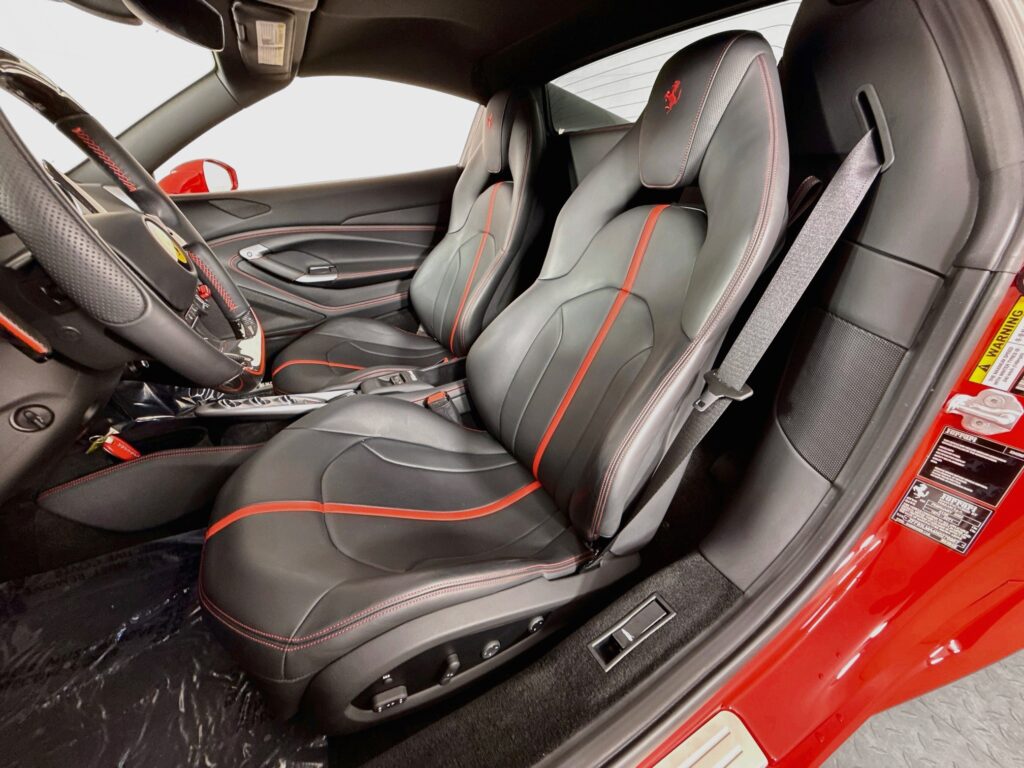
A used vehicle has history. Wheel scuffs, seat creases, paint imperfections and normal wear are part of the actual asset sitting on your lot. Those details are not photography failures. They are evidence.
The job of a modern photo process is to make the vehicle look exceptional without changing what the vehicle actually is.
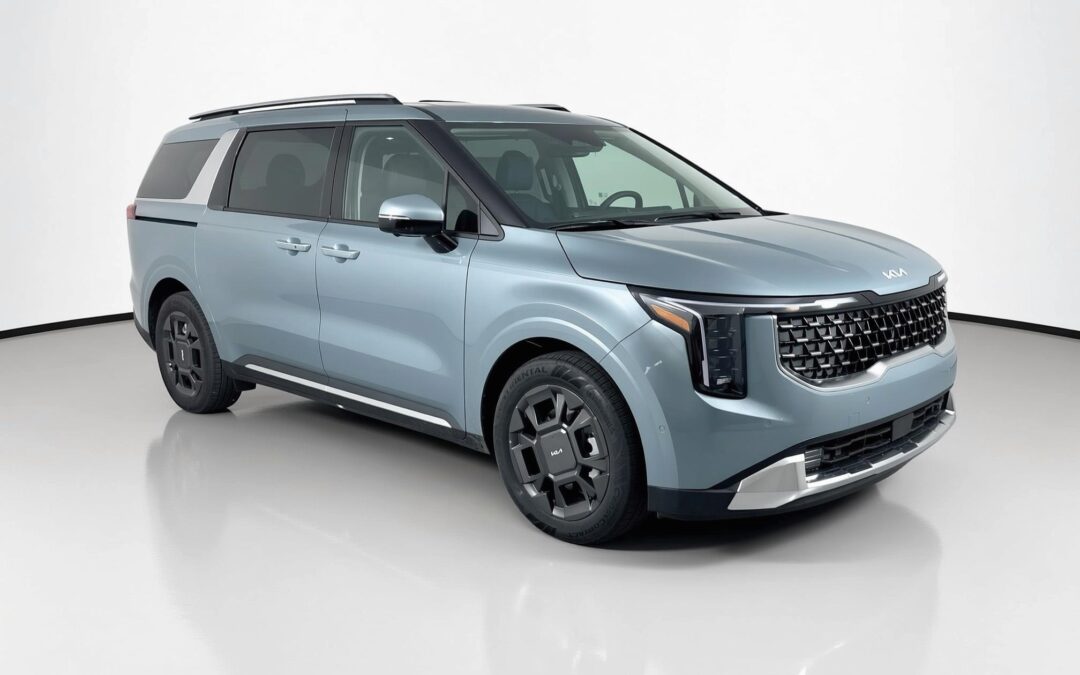
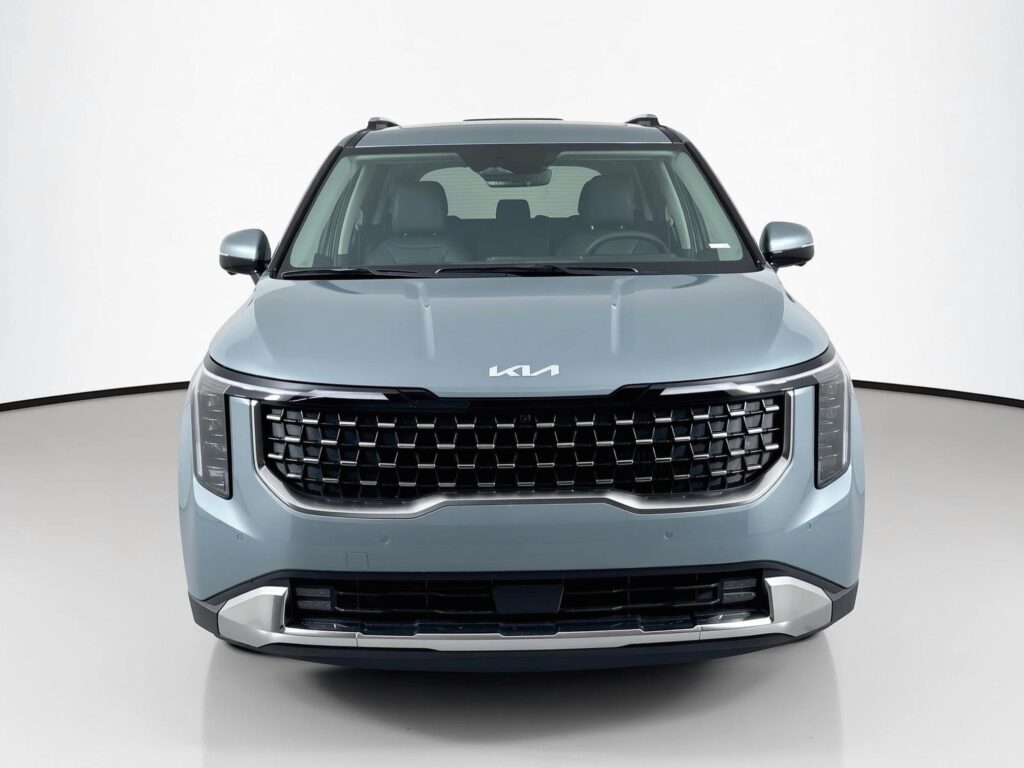
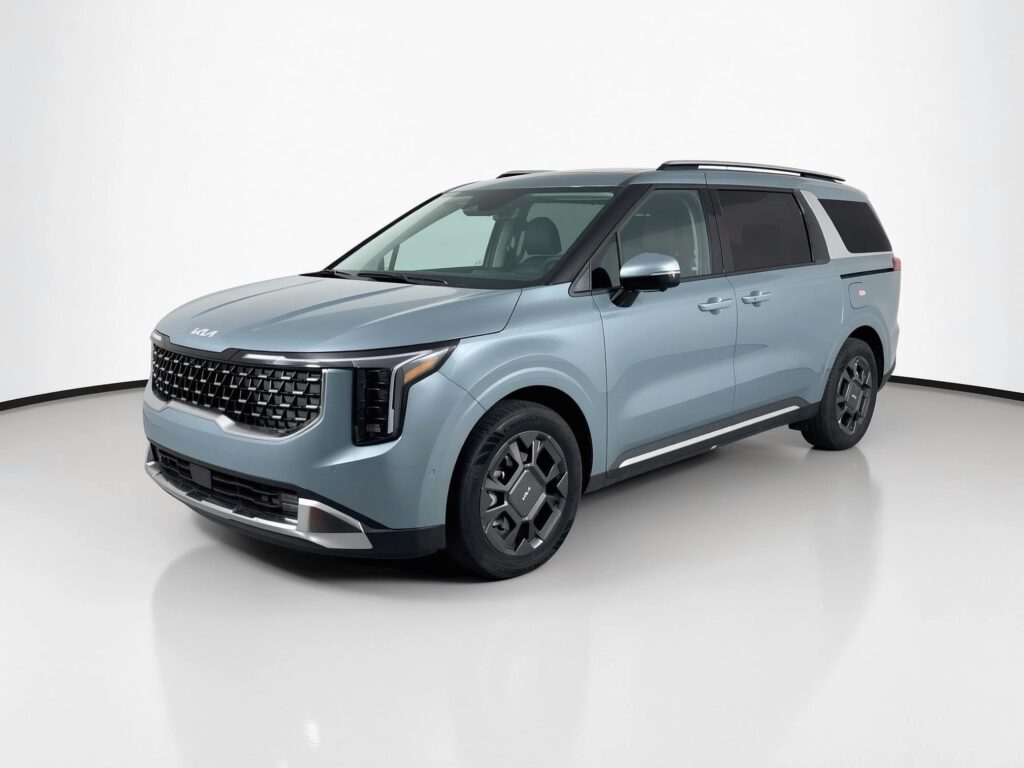
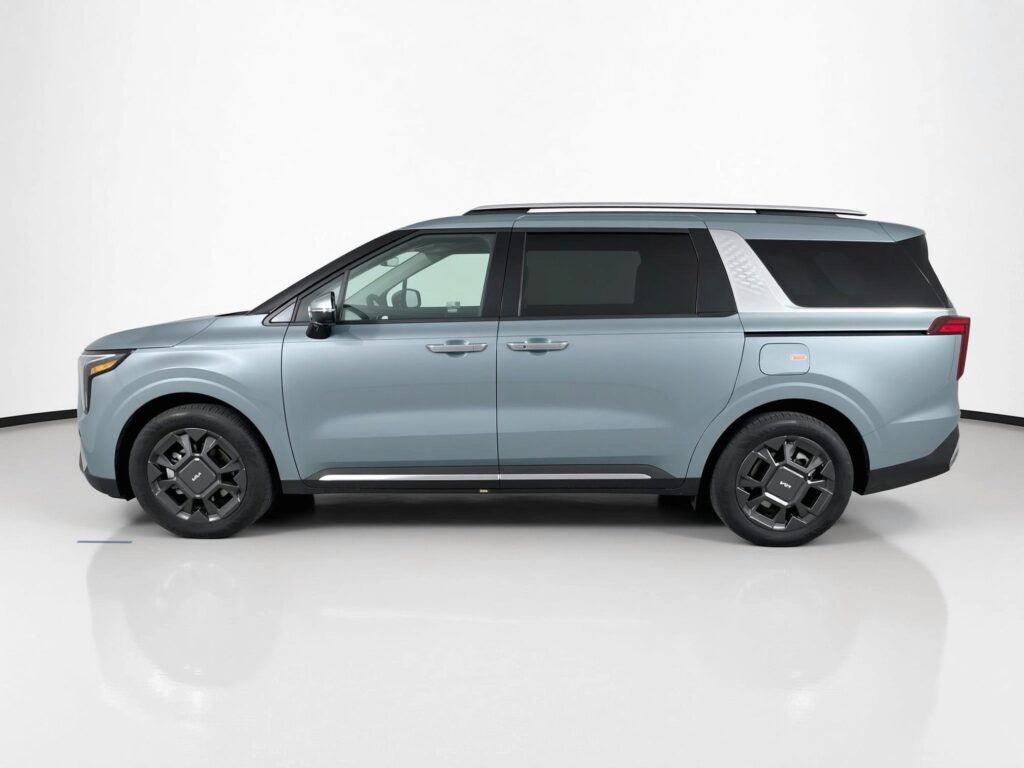
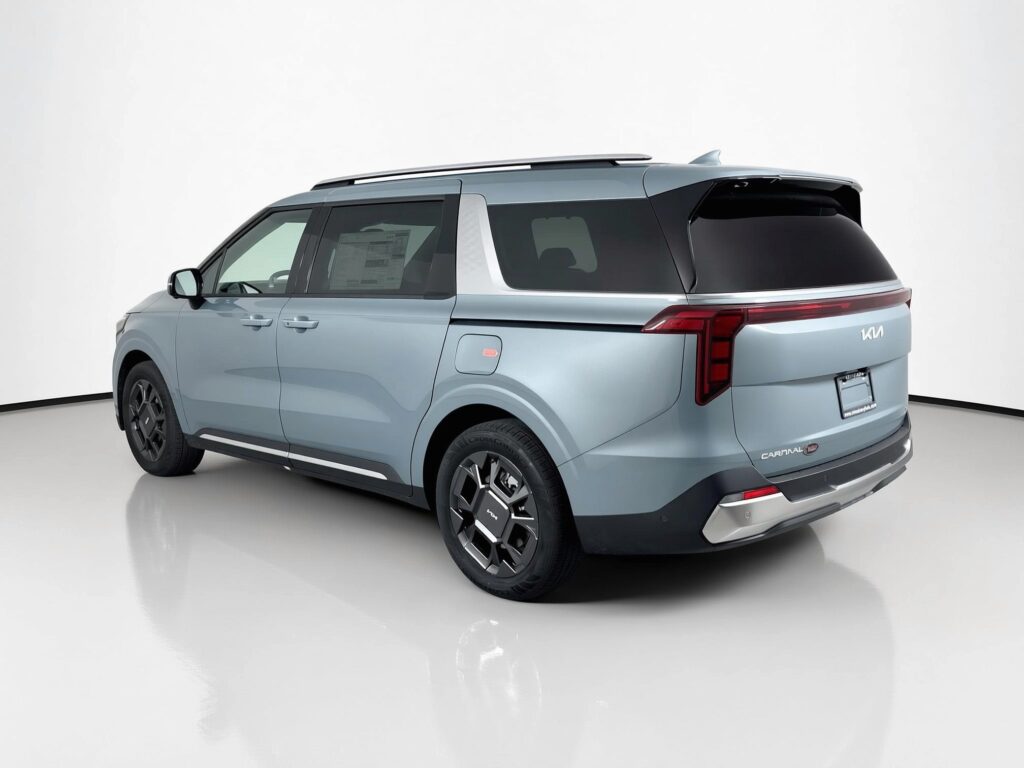
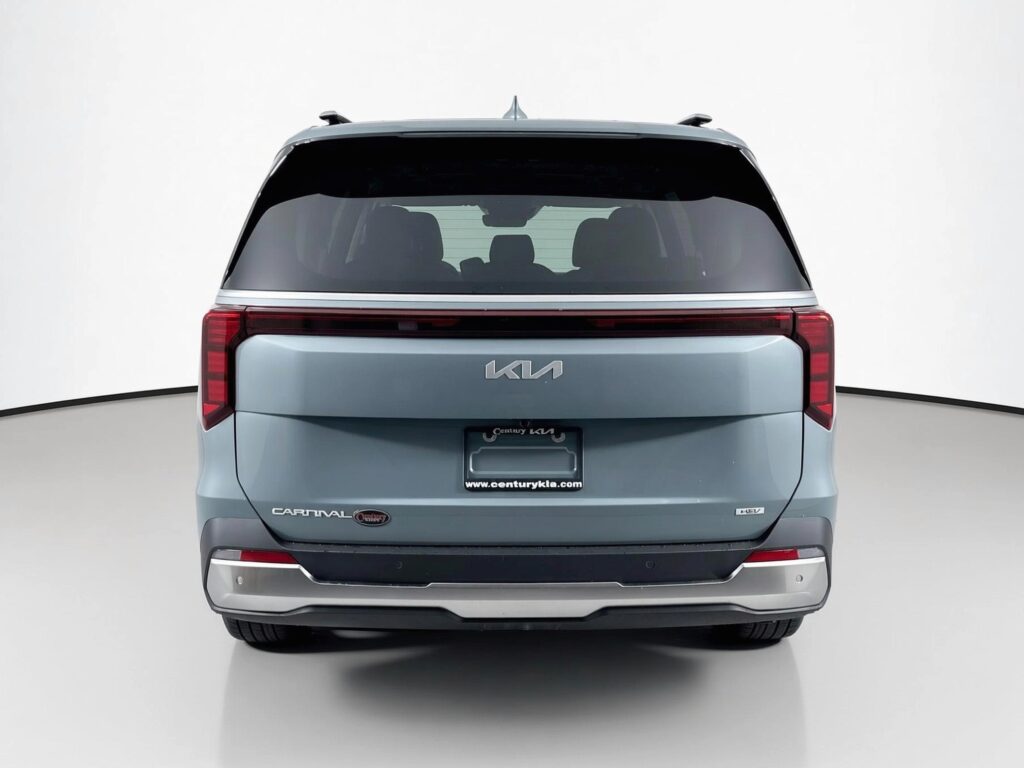
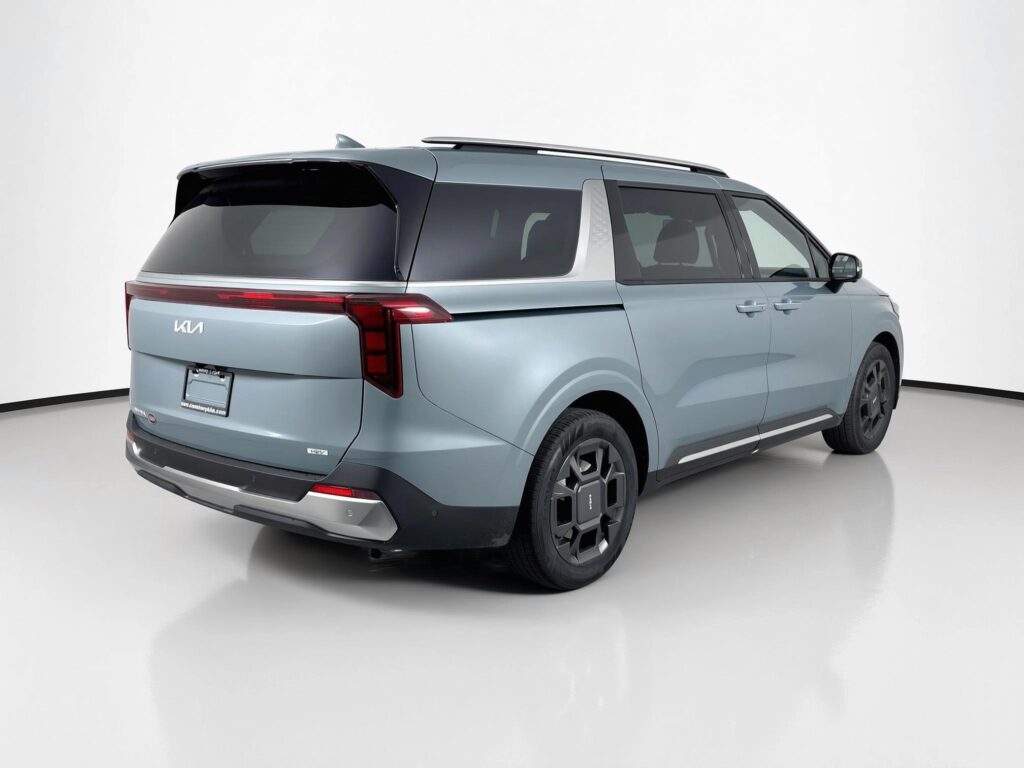
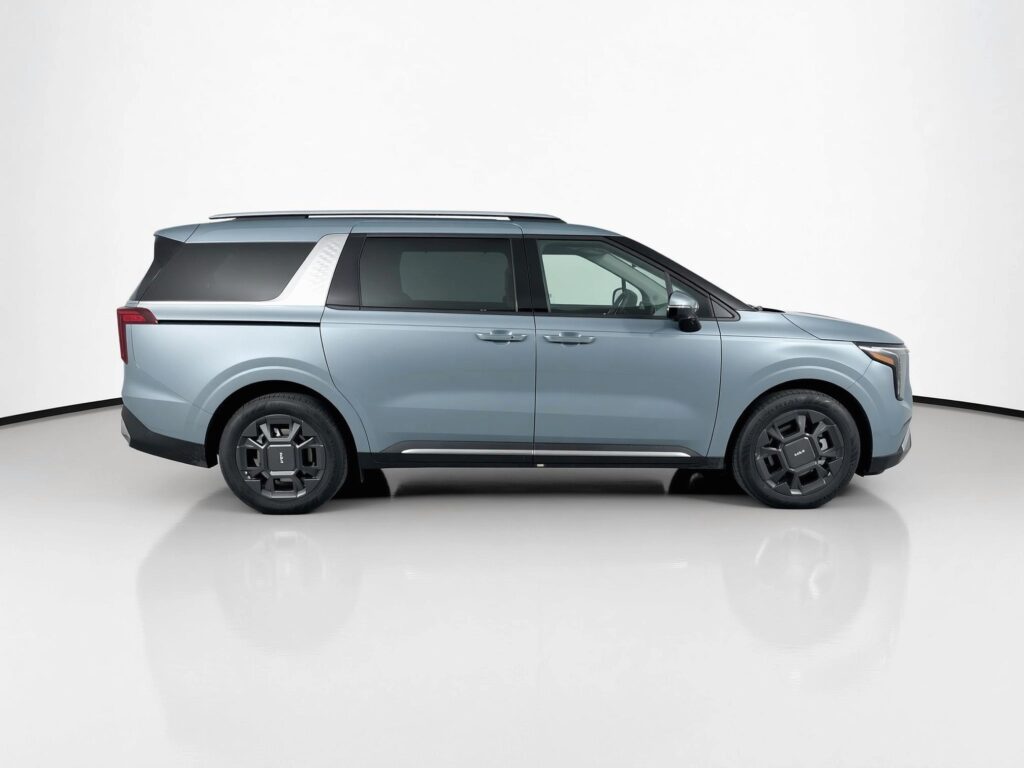
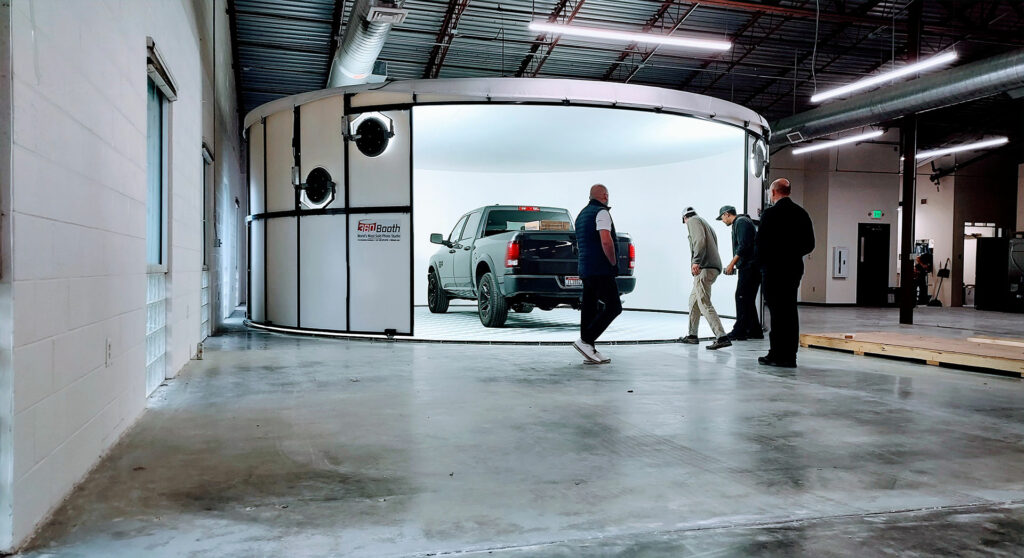
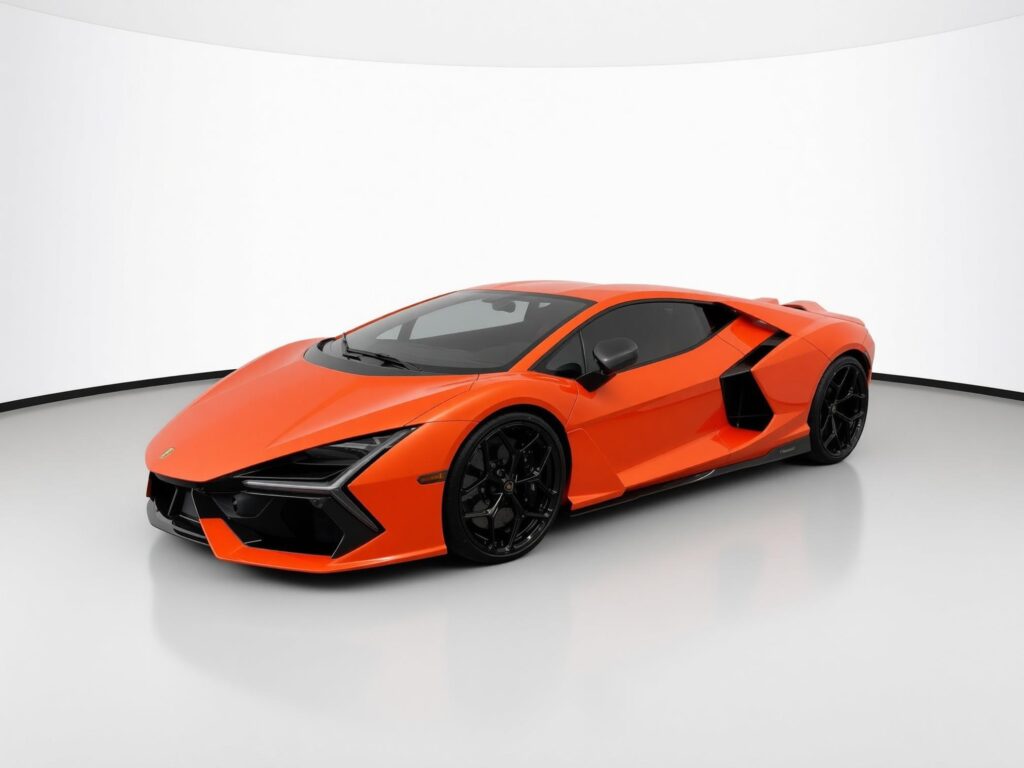
360Booth creates the controlled environment where that evidence is captured. Consistent lighting, reduced outside reflections and a clean physical background make the real vehicle easier to see and evaluate.
SHOOTit AI controls the capture process.
It guides the employee through the dealership’s required 40+ images. If a photo is too dark, blurry or poorly centered, SHOOTit AI stops the workflow and immediately prompts the employee to reshoot it before continuing.
That means the evidence is corrected while the vehicle is still standing in front of the employee, not discovered later after the car has returned to the frontline.
This is bigger than better photography.
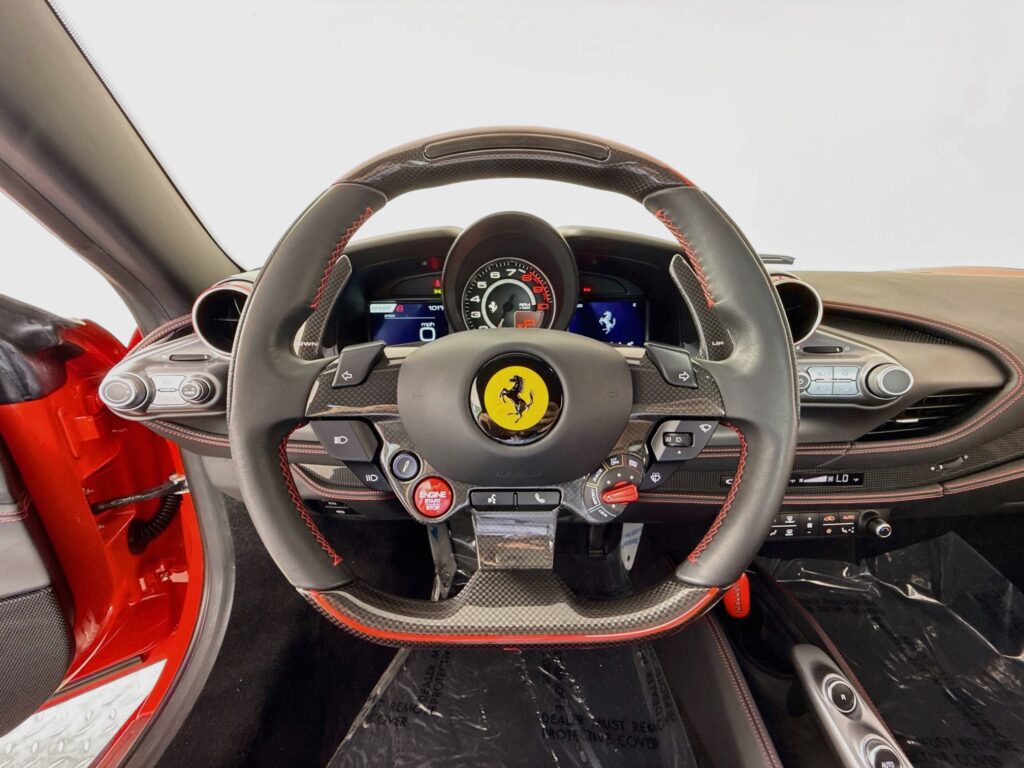
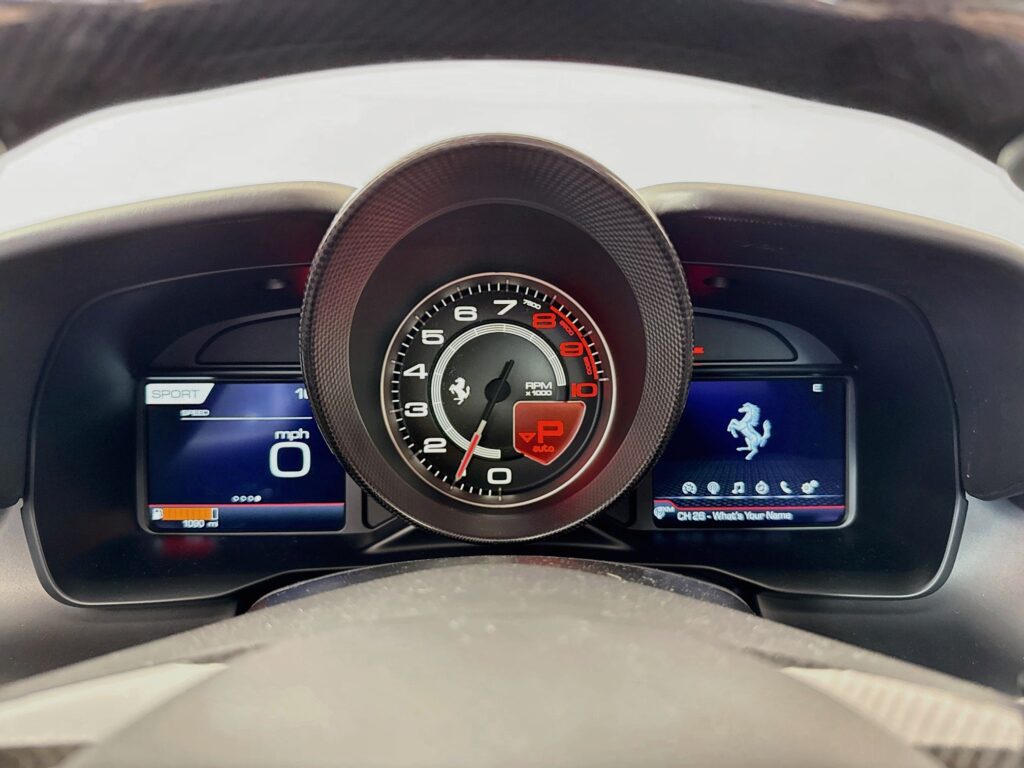
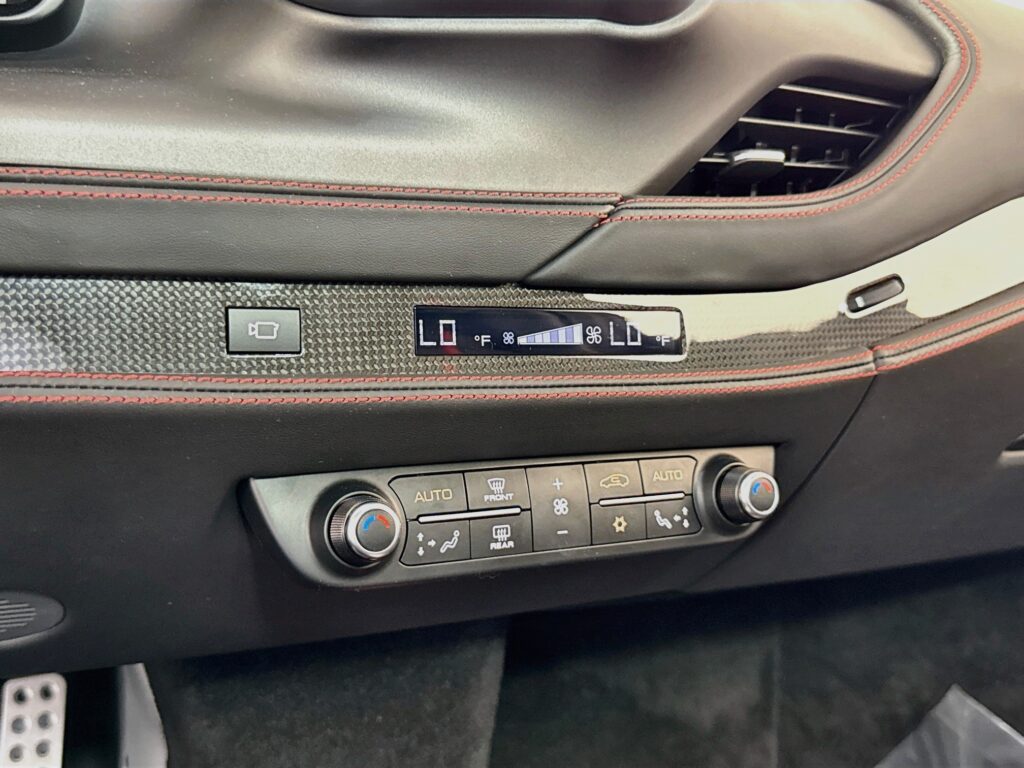
The Evidence Booth creates a repeatable visual record of the vehicle’s exterior, wheels, interior, equipment and visible condition before software interprets, enhances or analyzes anything.
That original record matters.
AI can organize the evidence. It can analyze the evidence. It can help customers and dealers understand the evidence.
But AI should never be asked to invent evidence that was never captured or erase evidence that was inconvenient.
A strong VDP should not create a more perfect version of the car.
It should create a clearer, more complete and more trustworthy version of the truth.
That is the Evidence Booth: the controlled point where the physical vehicle becomes trustworthy digital evidence.
360Booth Authentic Capture™.
Capture the truth first. Let AI work from there.
FAQ
Should dealership AI remove scratches and wear from used car photos?
No. Wheel scuffs, seat creases, paint imperfections and normal wear are part of the actual vehicle. They are evidence, not photography failures.
What is the job of a modern vehicle photo process?
To make the vehicle look exceptional without changing what the vehicle actually is.
What should AI do with vehicle photos?
AI can organize, analyze and help people understand the evidence. It should not invent evidence that was never captured or erase evidence that was inconvenient.
How does SHOOTit AI support an accurate record?
It guides the employee through the dealership’s required 40+ images and stops for a reshoot if a photo is too dark, blurry or poorly centered, while the vehicle is still there.
The obvious answer is better lighting, a controlled environment, proven mechanics, warranty support and a long list of customer reviews.
But that is not the biggest advantage.
The biggest advantage is expertise.
When a dealership installs a 360Booth, it is not just buying a room with lights. It is gaining access to a team with more than 50 years of combined vehicle-photography experience.
That matters because dealerships constantly face questions that sound simple until the photos look wrong.
What camera should we buy?
Which iPhone should we use?
How high should the camera be?
What lens or zoom setting works best?
What software should we use?
How should a DIY photo area be built?
What lighting should we install?
What color temperature should the lights be?
How do we eliminate bad reflections?
How many photos should we take?
Which angles actually matter?
How do we train a new employee?
How do we keep the results consistent when different people hold the camera?
Those questions are where experience becomes valuable.
Our team has spent decades photographing vehicles, designing studios, testing cameras, adjusting lighting, building workflows and helping dealerships create a repeatable process.
Sometimes the answer is 360Booth.
Sometimes it is SHOOTit AI.
Sometimes a dealership needs help improving an existing room, selecting equipment or building a practical DIY solution.
The real value is having someone to call who understands the entire process from the camera to the VDP.
A dealership should not have to become an expert in photography, lighting, camera technology and workflow just to put great vehicle images online.
With 360Booth, the expertise comes with the studio.
FAQ
What is the biggest advantage of owning a 360Booth?
Beyond lighting, a controlled environment, proven mechanics and warranty support, the biggest advantage is access to a team with more than 50 years of combined vehicle-photography experience.
What kinds of questions can the 360Booth team help with?
Which camera or iPhone to use, camera height, lens or zoom settings, software, lighting and color temperature, reflections, how many photos to take, which angles matter and how to train new employees.
Does 360Booth only help with its own studio?
No. Sometimes the answer is a 360Booth, sometimes SHOOTit AI, and sometimes help improving an existing room, choosing equipment or building a practical DIY solution.
Dealership vehicle photography should not require hiring a professional photographer.
For years, dealerships treated inventory photography like a specialized job. Hire a photographer. Schedule an outside company. Wait for someone to arrive. Hope every vehicle gets completed.
That model no longer makes operational sense.
With SHOOTit AI, an existing dealership employee can be shown the process in about three minutes. The intelligent iPhone camera guides the user through 40+ vehicle photos, helping with positioning, centering, lighting and image quality while the employee is still standing beside the car.
Put that process inside a 360Booth and it becomes even simpler. The studio controls the background and lighting, so the employee has fewer decisions to make.
Drive in. Follow the phone. Shoot the vehicle. Upload it.
The objective isn’t to turn a porter, detail employee or inventory manager into a professional photographer. It is to build a process where they don’t need to be one.
That changes the economics of vehicle photography.
You don’t have to build your workflow around one talented employee. You don’t have to wait for an outside photographer’s next visit. New employees can learn the process quickly, and management can establish one repeatable standard for every vehicle.
The technology handles more of the thinking so the employee can concentrate on completing the car.
For every dealership, simplicity matters.
You can’t have a volume store with a low volume process.
The future of dealership photography isn’t hiring more people to take pictures. It’s making great vehicle photography simple enough for the people you already have.
FAQ
Does a dealership need to hire a professional photographer for inventory photos?
Not with a guided process. With SHOOTit AI, an existing employee can be shown the process in about three minutes, according to 360Booth, and the iPhone camera guides them through 40+ photos.
What does SHOOTit AI help with during the shoot?
Positioning, centering, lighting and image quality, while the employee is still standing beside the car.
How does a 360Booth make it simpler?
The studio controls the background and lighting, so the employee has fewer decisions to make: drive in, follow the phone, shoot the vehicle and upload it.
A vehicle photo studio is the stronger choice when a dealership wants authentic, consistent photography produced correctly at the source.
An AI generated background and a vehicle photo studio solve different problems.
Background software begins after the photograph is taken. It can replace distracting surroundings and create a more uniform presentation, but it still depends on the original capture. If the vehicle was positioned poorly, photographed at inconsistent lights, heights or missing required angles, changing the background does not fix the underlying process.
A vehicle photo studio controls the environment before the employee presses the shutter.
Inside a 360Booth, the actual vehicle is photographed with consistent lighting, controlled reflections and a clean physical background. The employee is not searching the lot for a suitable location or adjusting to changing sunlight, weather and visual clutter.
SHOOTit AI adds guidance to the capture itself. It leads the employee through the dealership’s required 40+ photographs on the iPhone and helps identify centering, lighting and image quality problems while the vehicle is still present.
That distinction matters operationally. Correcting an image at the car takes moments. Discovering a problem after the vehicle has returned to the frontline creates another trip, another key search and another unfinished assignment.
A controlled studio also protects consistency. The dealership’s gallery should look like the same organization produced it regardless of the employee, vehicle or time of day.
AI can be valuable when it assists authentic capture. It becomes a different proposition when it invents the environment after the fact.
AI-assisted. Not AI invented.
Book a walk-through visit and bring one retail-ready vehicle. We will show you how 360Booth + SHOOTit AI creates consistent dealership photography without depending on artificial surroundings or complicated post-production.
FAQ
Is a vehicle photo studio better than an AI-generated background?
A studio is the stronger choice when a dealership wants authentic, consistent photography produced correctly at the source. Background software starts after the photo is taken and still depends on the original capture.
What can't background replacement fix?
Poor vehicle positioning, inconsistent lighting or camera height, and missing required angles. Changing the background doesn’t fix the underlying process.
Why does correcting a photo at the car matter?
Fixing an image at the car takes moments. Finding the problem after the vehicle returns to the frontline means another trip, another key search and another unfinished assignment.
The answer isn’t simply taking pictures faster. It’s removing the waiting between detail, photography and upload.
A clean vehicle should move directly into photography. Inside a 360Booth®, lighting and the environment are already controlled. SHOOTit AI guides the employee through the required capture process on the iPhone and uploads the completed media wirelessly.
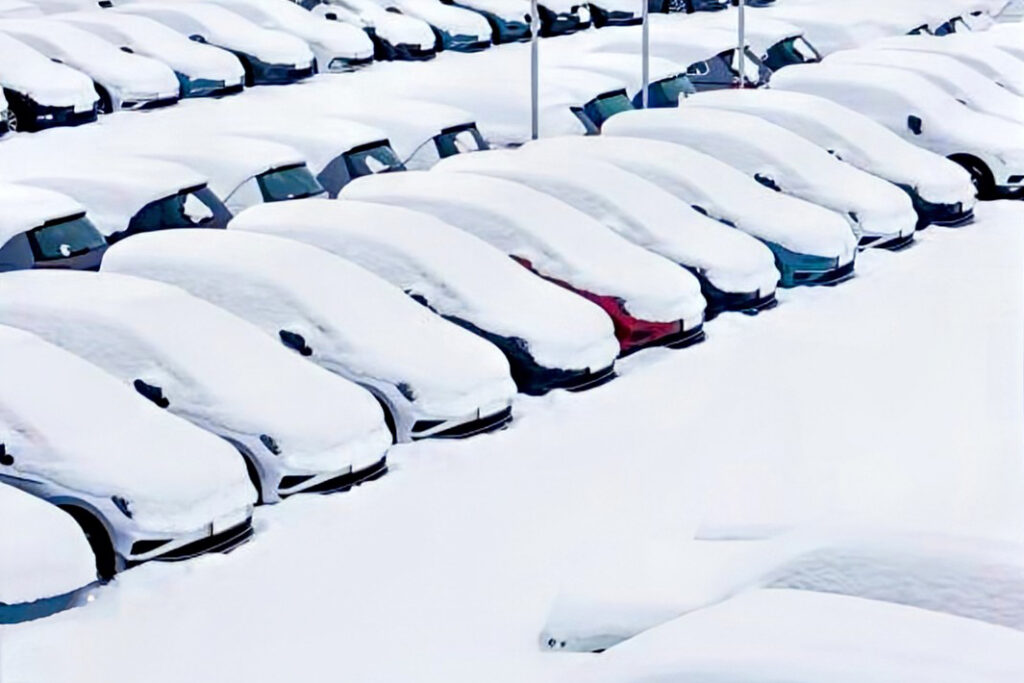
No waiting for weather. No reinventing the photo sequence. No relying on one experienced photographer to remember everything.
The simplest process is still the fastest. Clean it. Shoot it. Upload it.
If your retail ready cars are waiting hours or days for professional photos, the camera probably isn’t your biggest problem. The process is.
FAQ
How can a dealership get vehicle photos online faster?
By removing the waiting between detail, photography and upload, not just by taking pictures faster.
What does a fast photo process look like?
A clean vehicle goes straight into a 360Booth, where lighting and environment are already controlled. SHOOTit AI guides the capture on the iPhone and uploads the completed media wirelessly.
What slows most dealerships down?
Waiting for weather, reinventing the photo sequence and relying on one experienced photographer to remember everything.