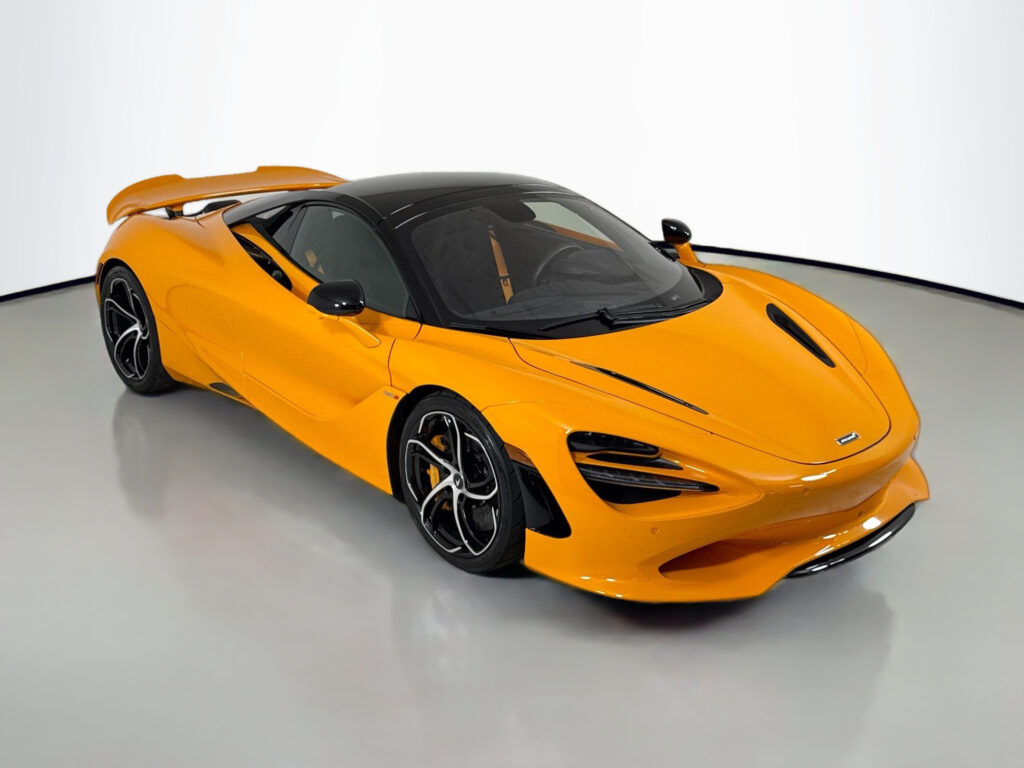
Direct answer: Car shoppers don’t just buy vehicles. They buy specific features. If those features never appear in the listing photos, the shopper can’t see them. SHOOTit AI starts every shoot with the VIN, decodes the factory options and tells the shooter what to photograph on that exact car.
What New-Vehicle Shoppers Say They Want
AutoPacific’s 2026 Future Vehicle Planner surveyed more than 19,000 licensed drivers planning to buy a new vehicle within the next three years. The most-wanted features were:
Heated seats: 47%
Front and rear parking sensors: 45%
Rear automatic emergency braking: 44%
Power-adjustable driver’s seat, lane change assist, adaptive cruise control with lane centering and stop-and-go, and blind spot cameras: 43% each
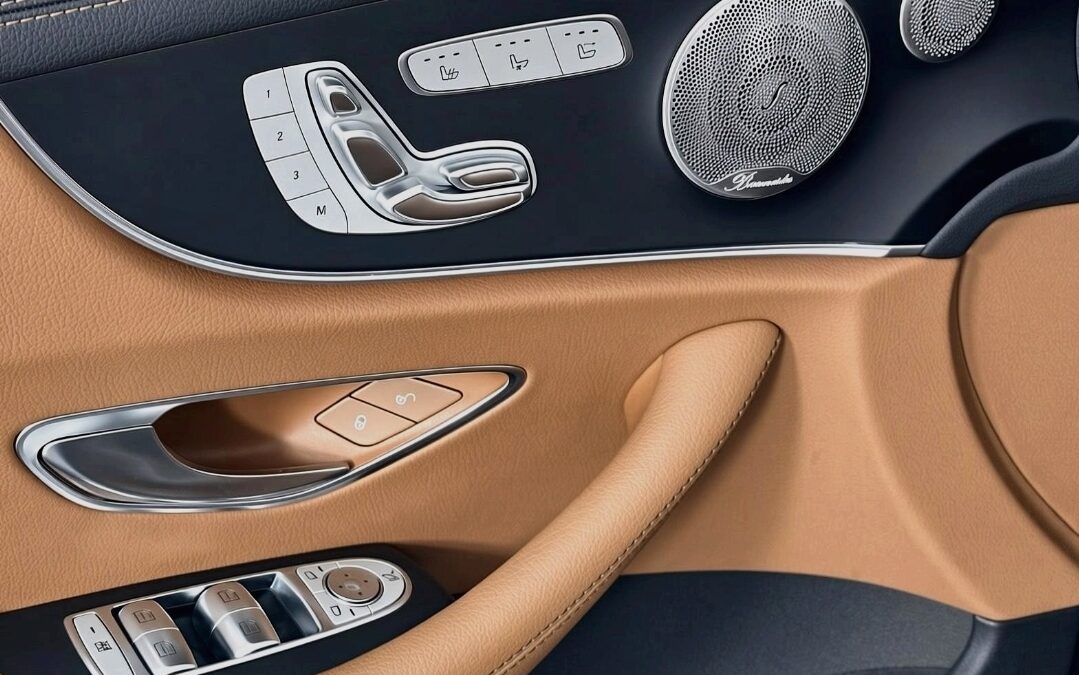
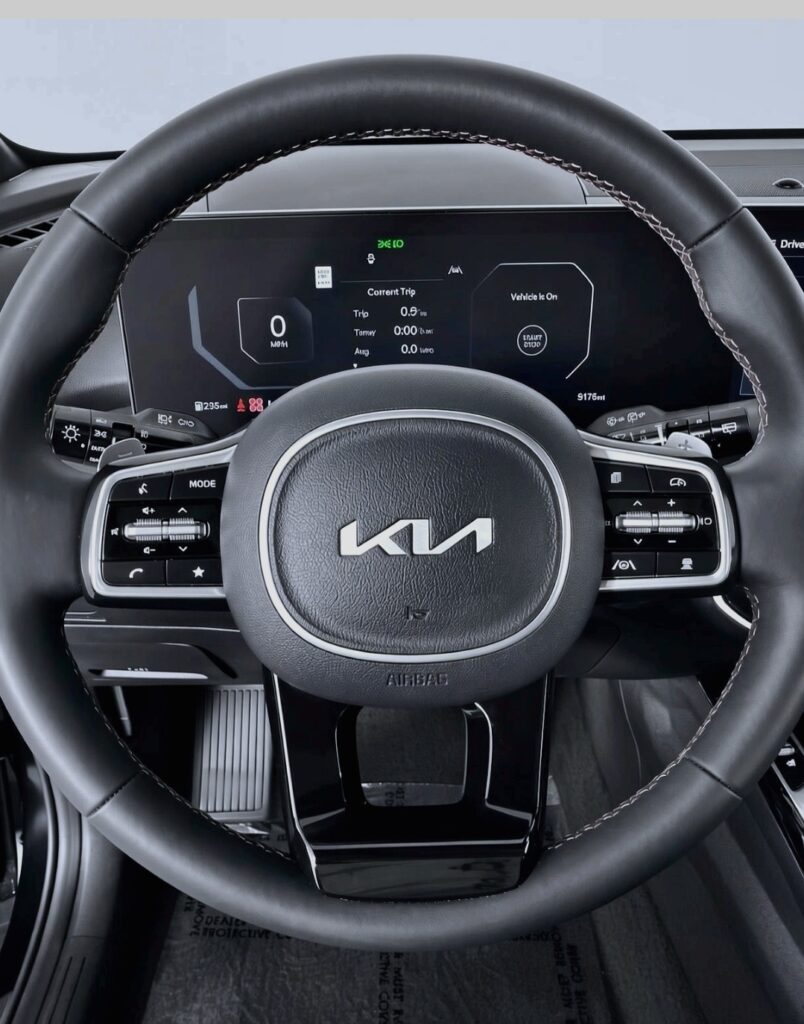
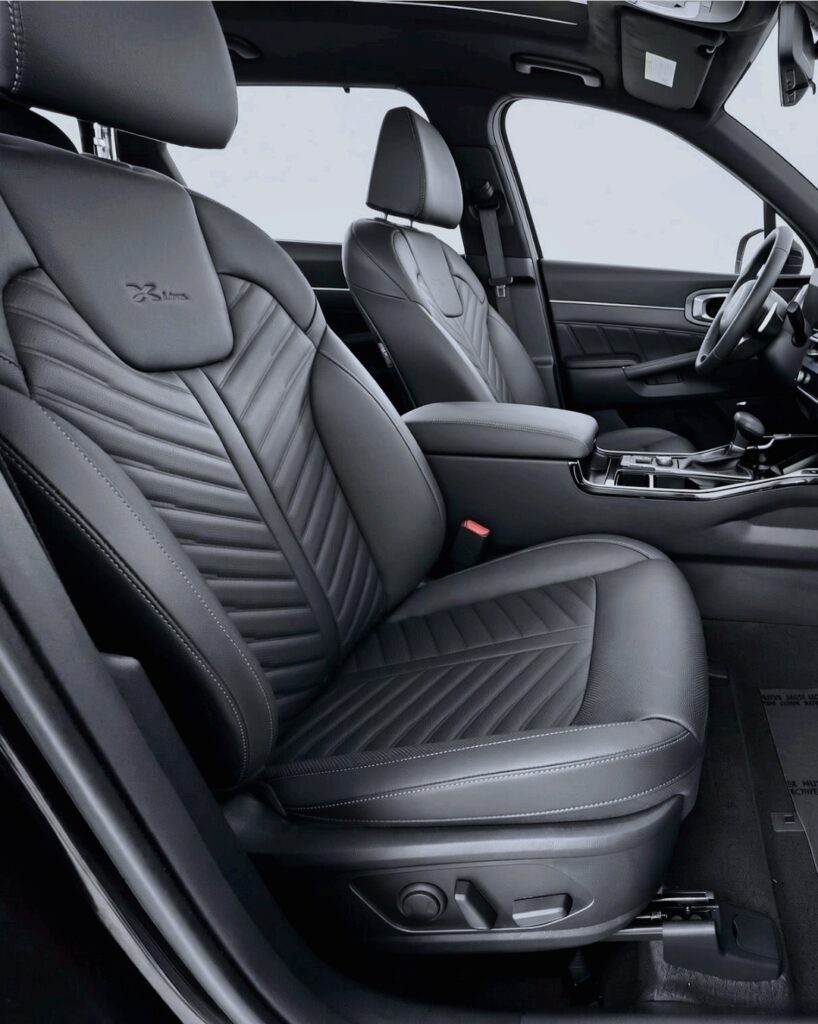
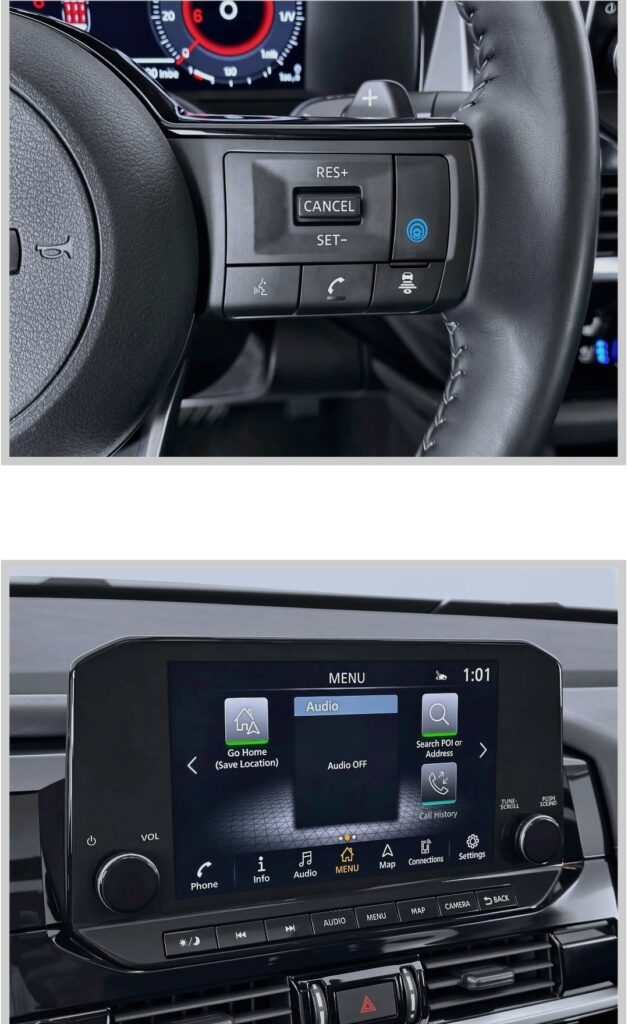
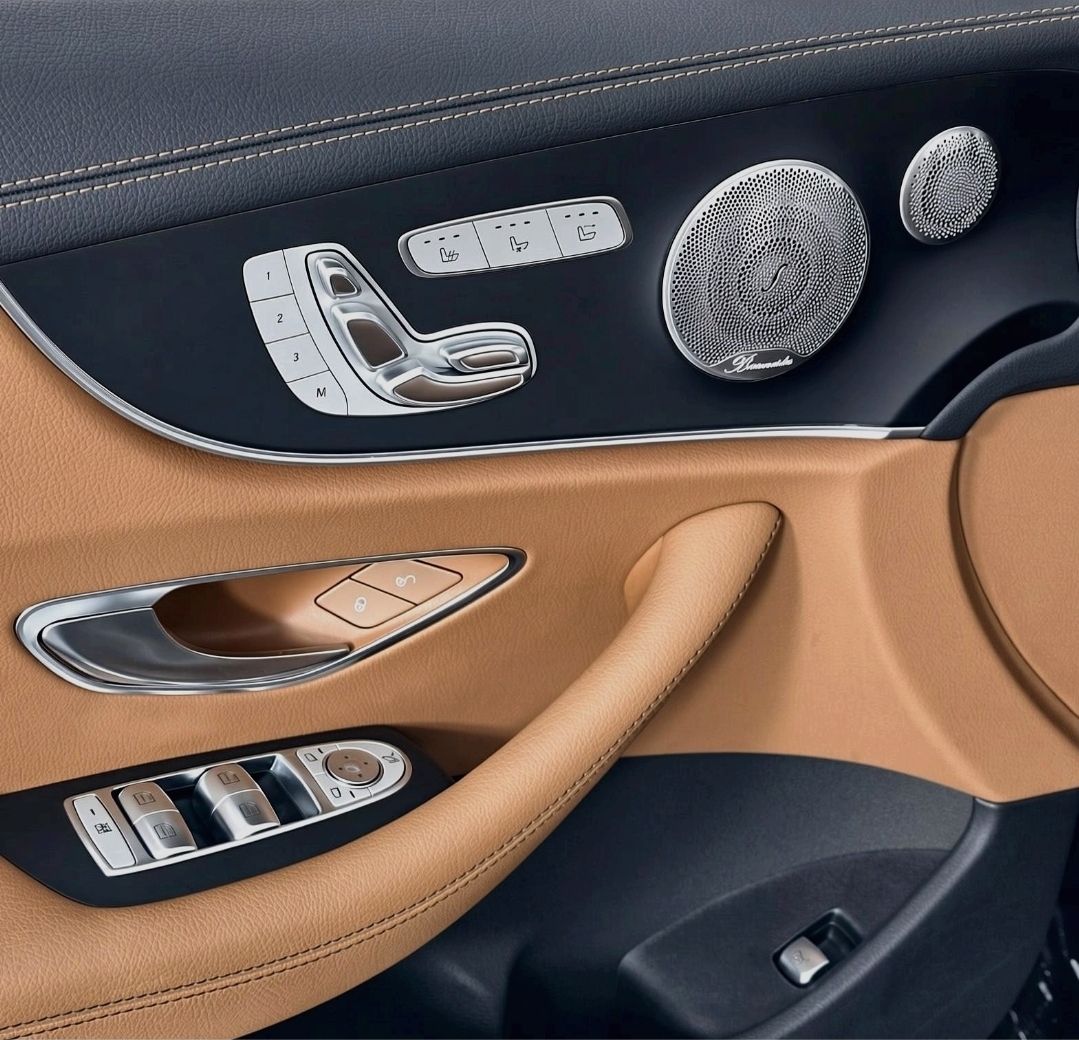
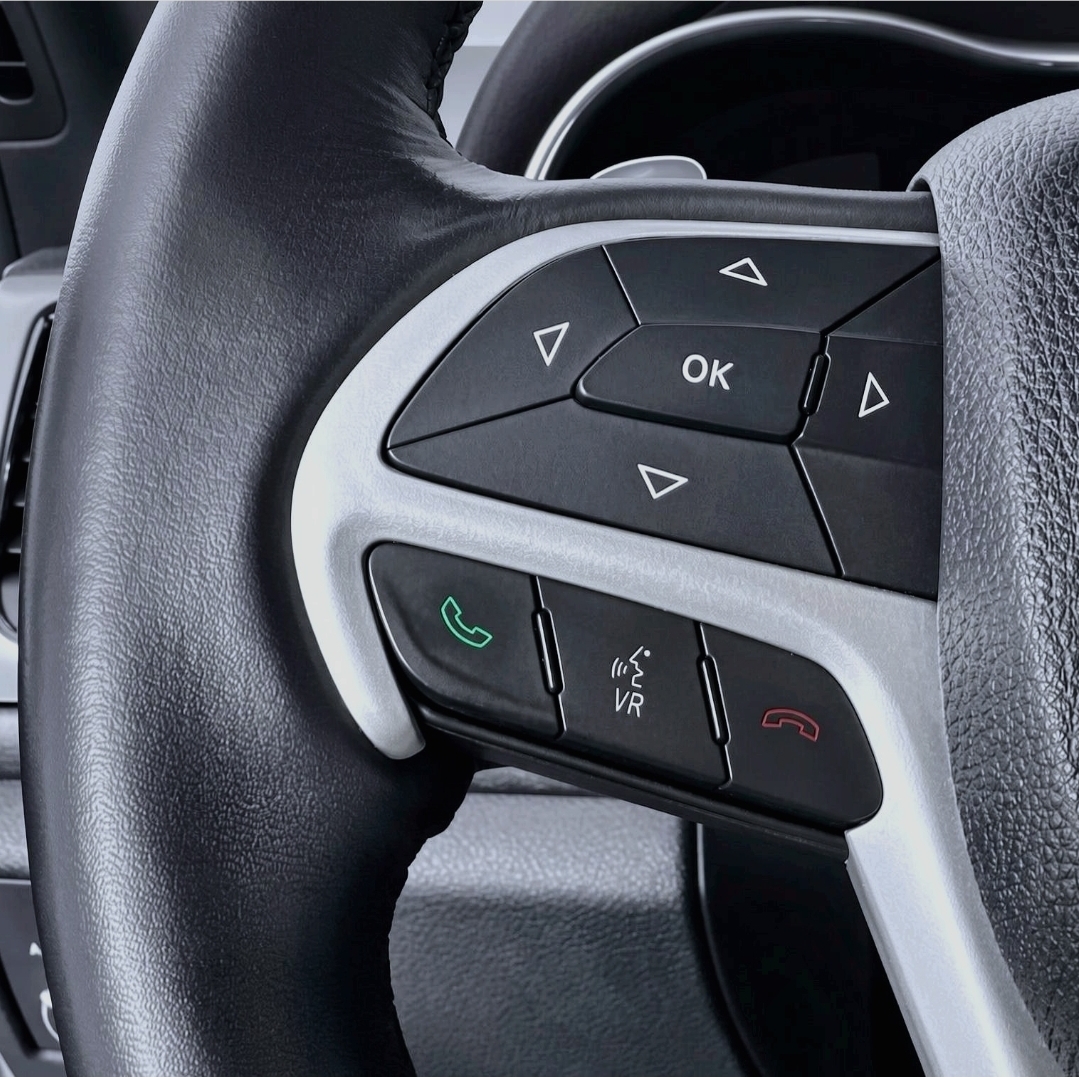
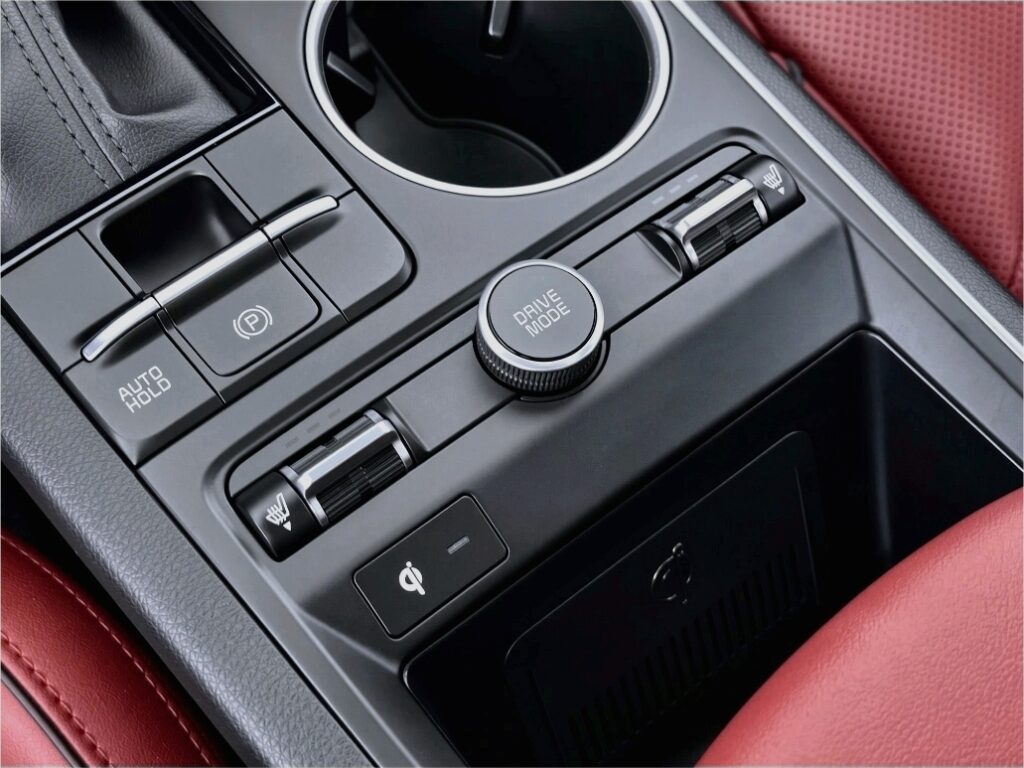
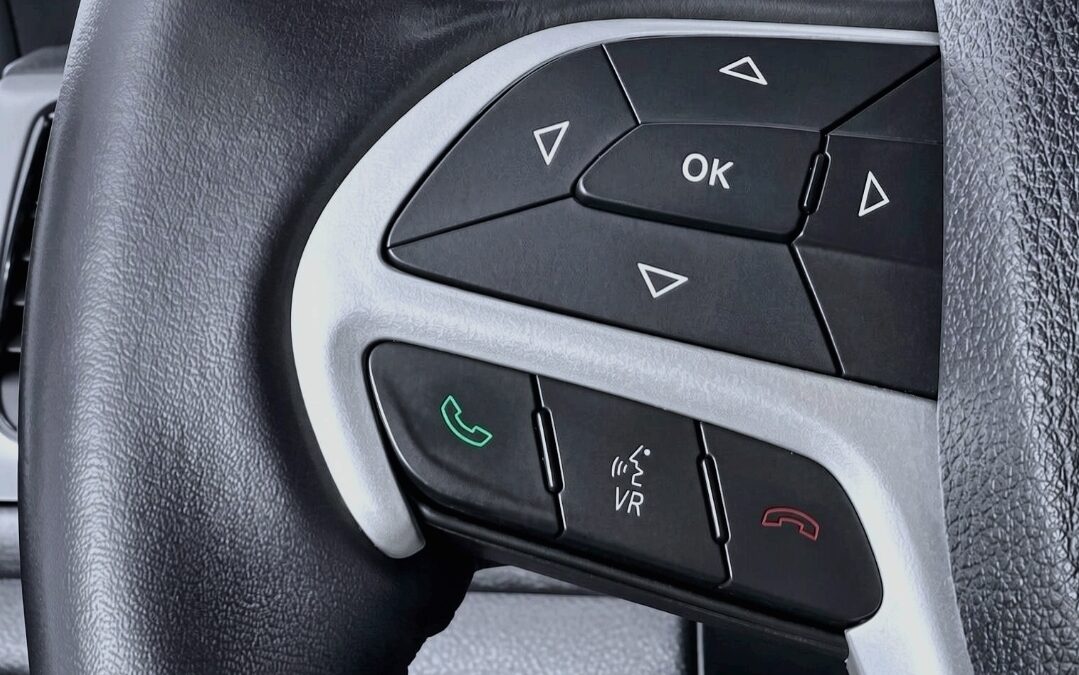
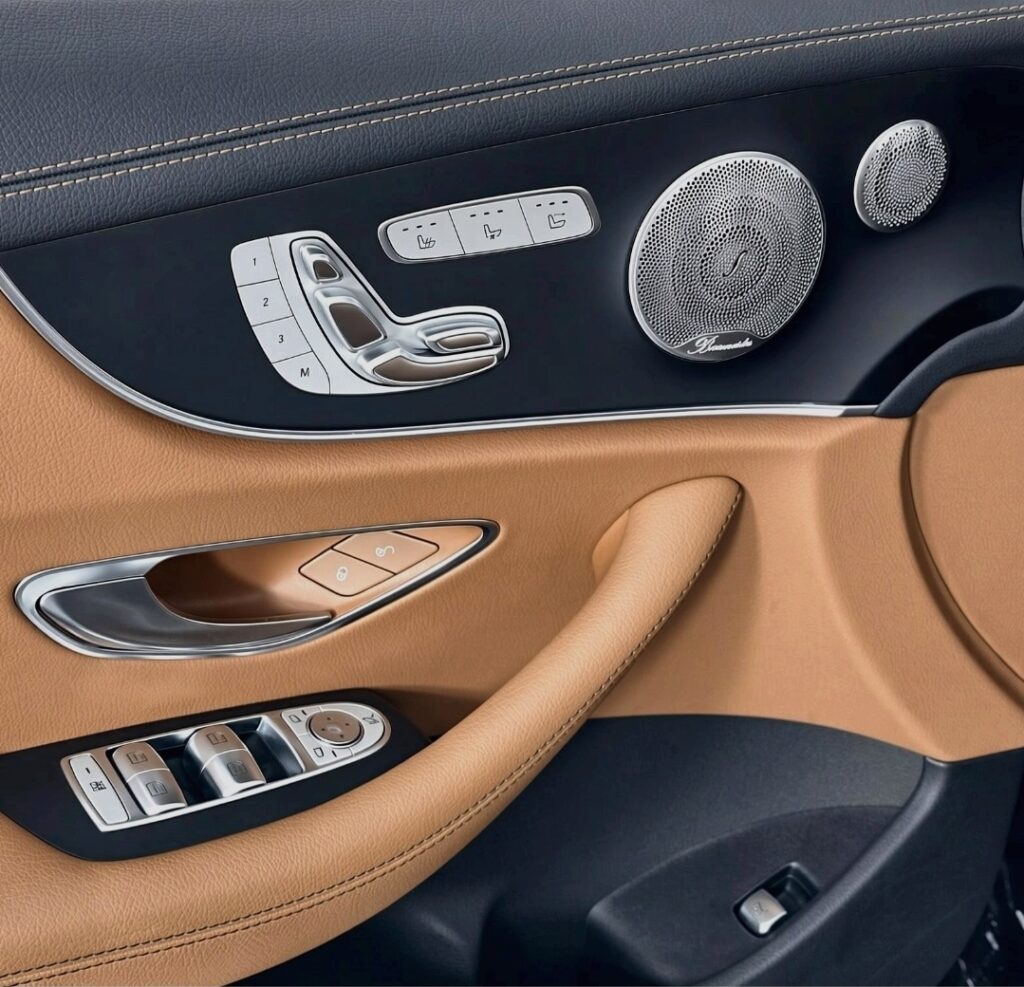
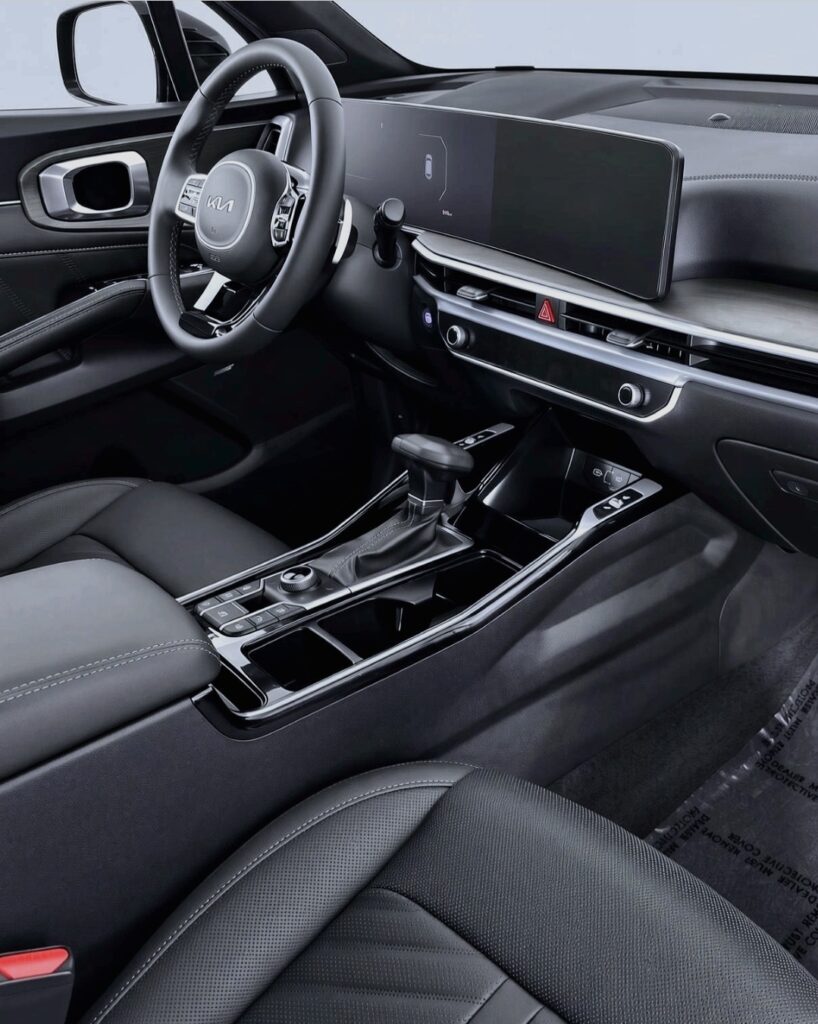
Many of these features are inside the cabin: a seat-heat button, a power-seat switch, a camera view on the screen. On many Vehicle Detail Pages (VDPs), those controls never make it into the photos. A shopper can’t value what they can’t see.
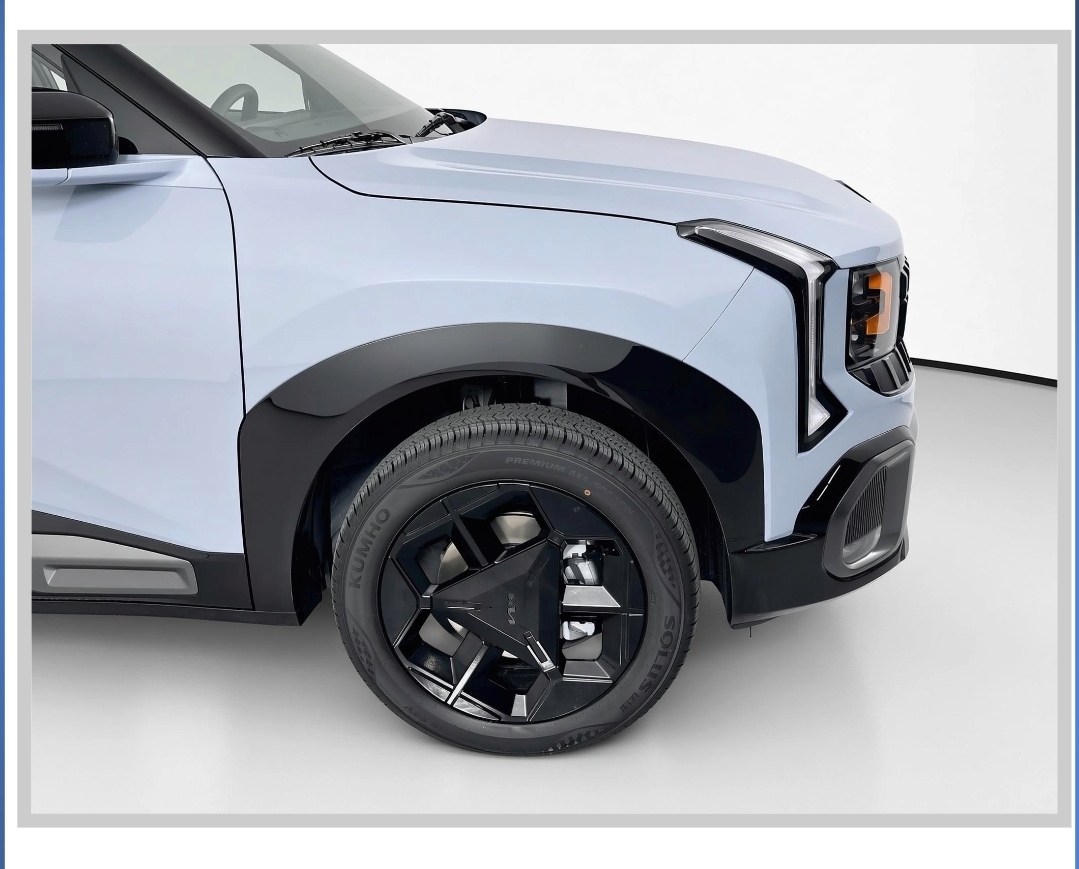
SHOOTit AI decodes the VIN to find which factory options are installed. When it finds high-demand equipment like blind spot cameras, lane change assist or power seats, it tells the operator to photograph those exact controls and sensors.
Real-Time Quality Control in the 360Booth
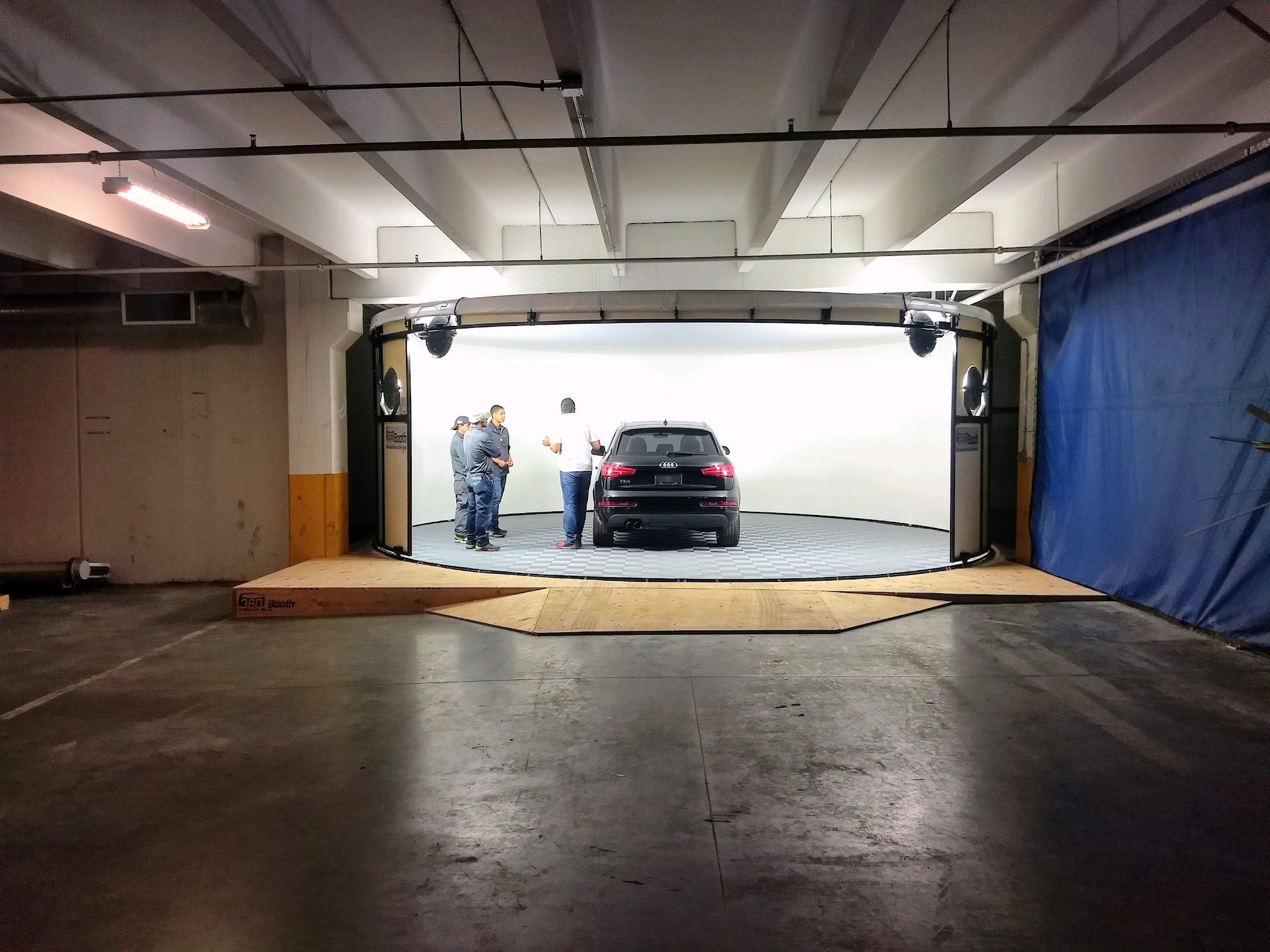
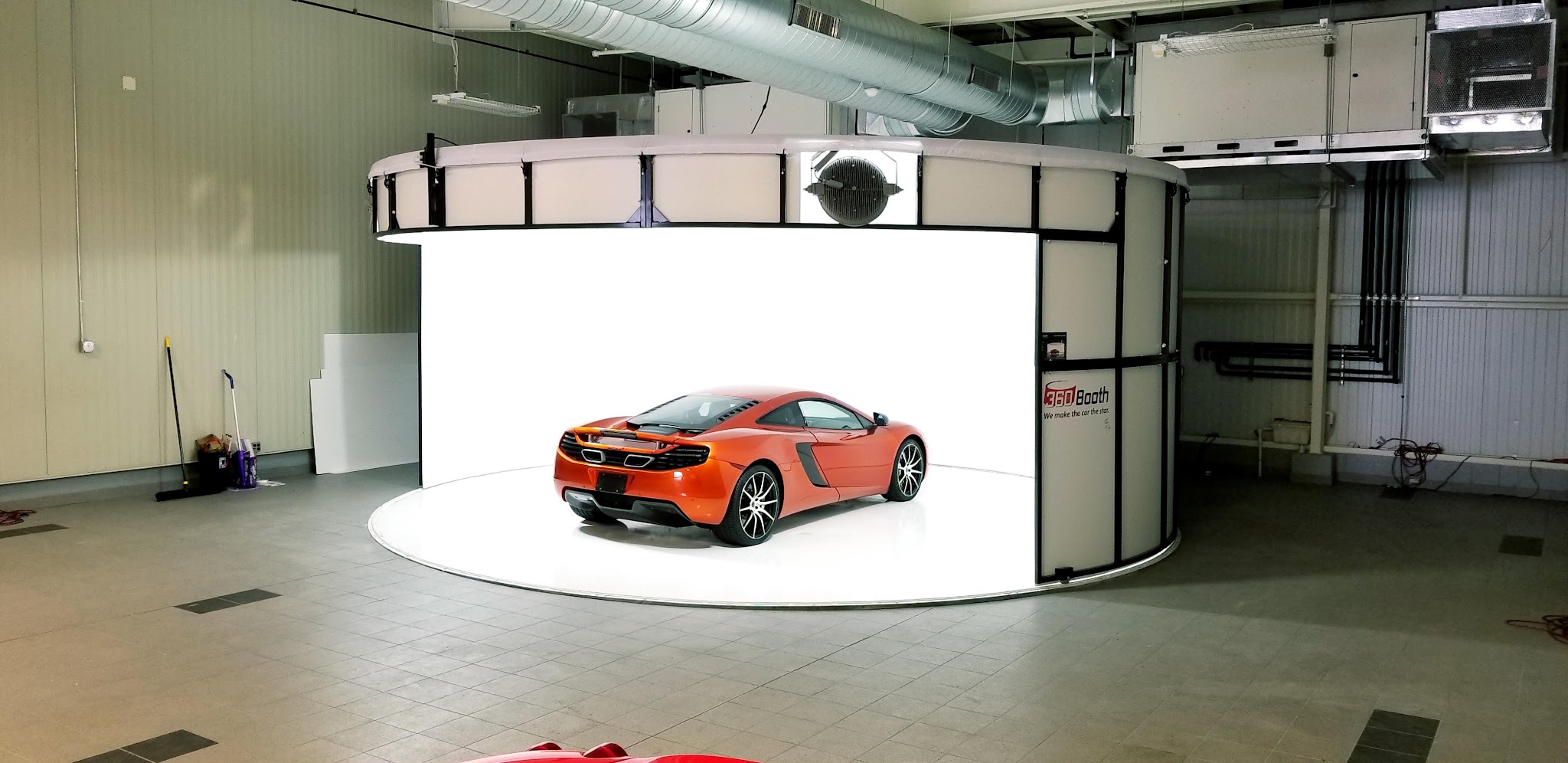
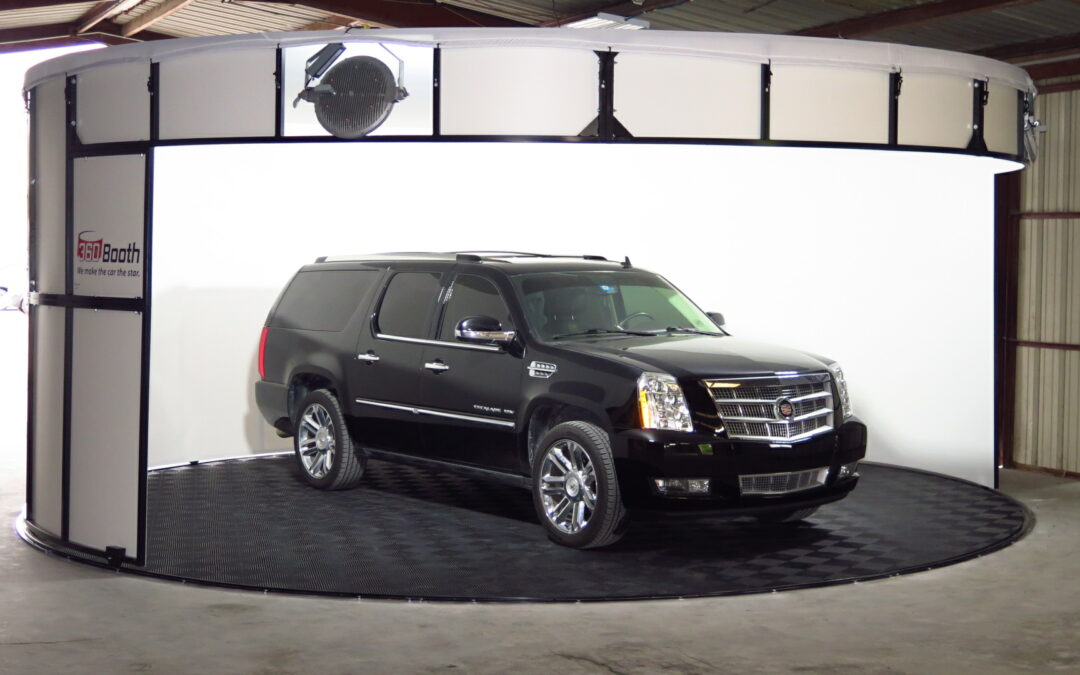
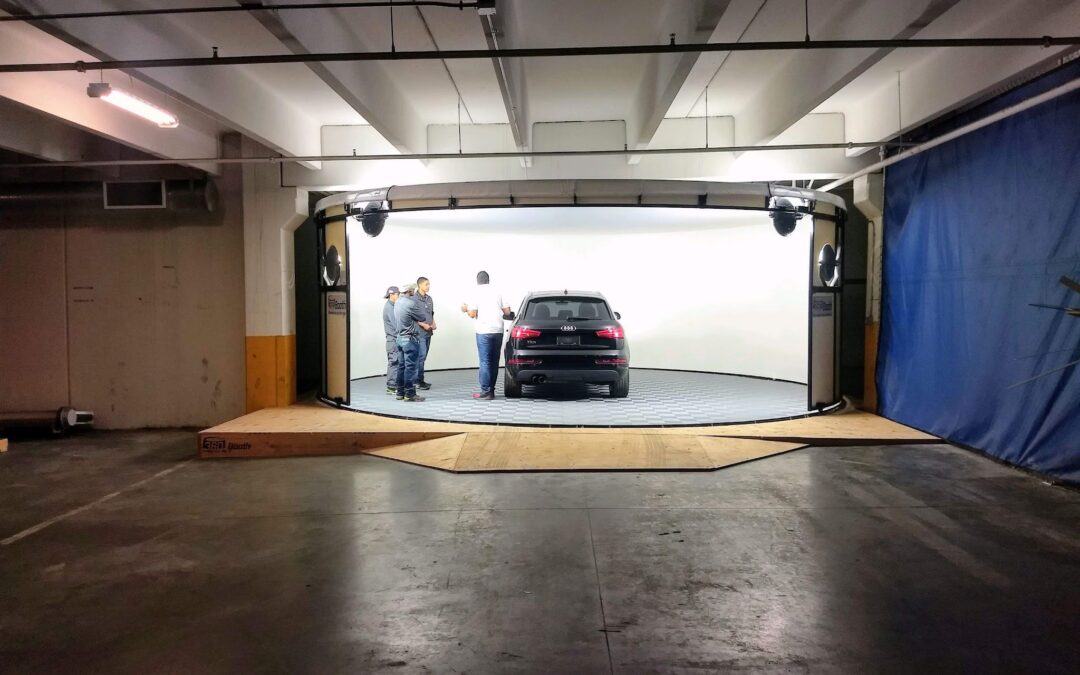
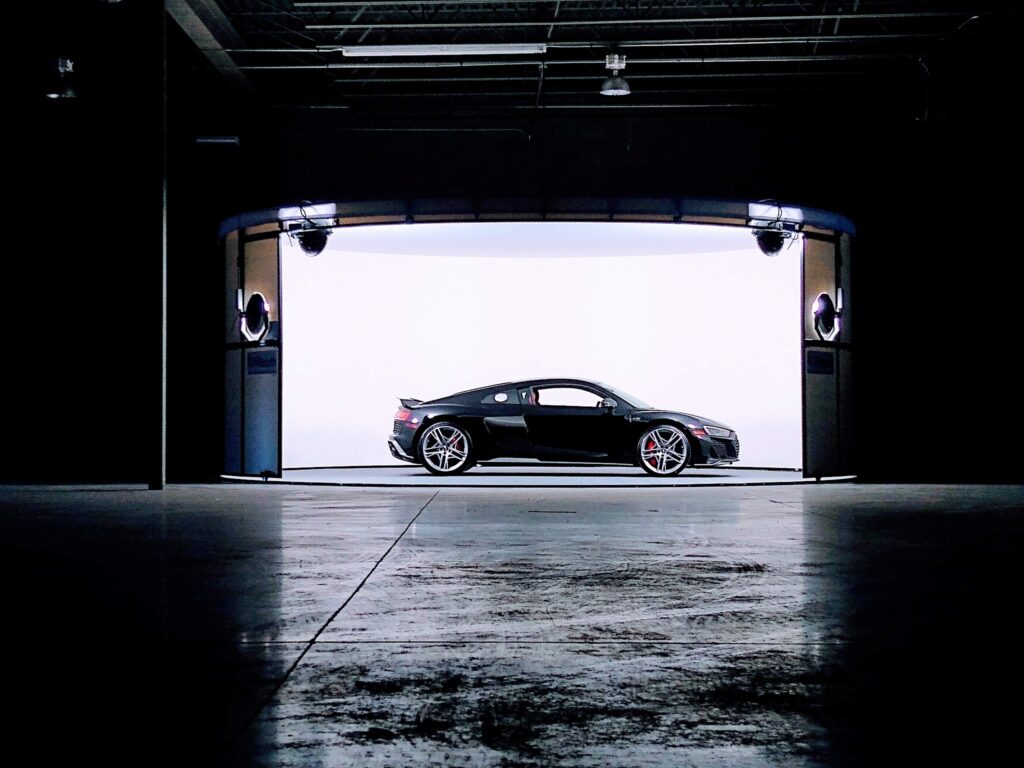
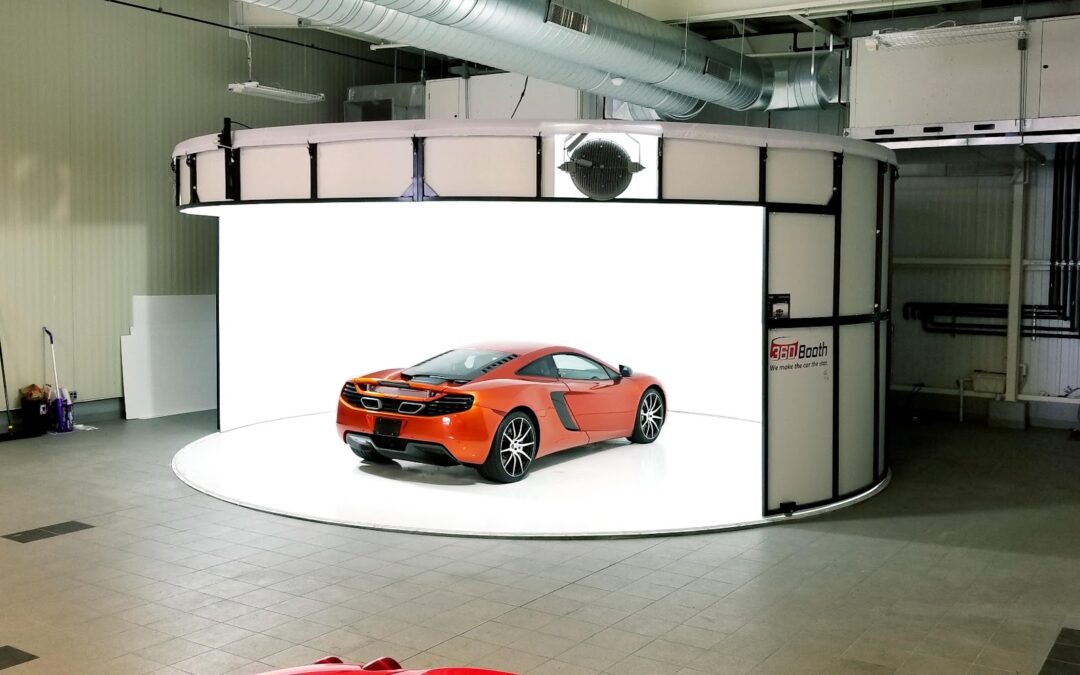
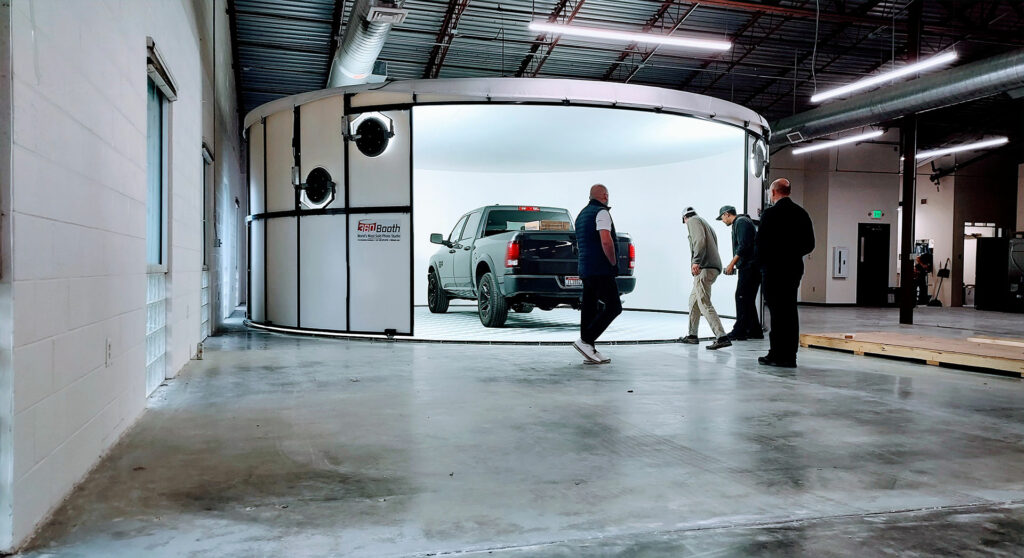
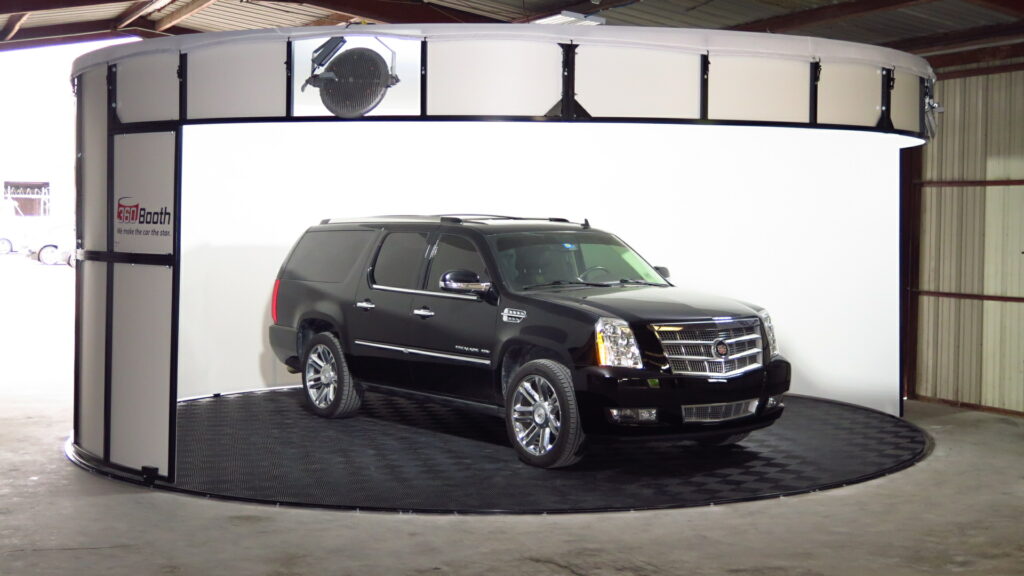
A 360Booth vehicle photo studio provides controlled lighting and a uniform backdrop. SHOOTit AI adds guidance and checks while the car is still in the studio:
Option shot list: tells the shooter which decoded factory options to photograph.
Instant QC: stops dark, blurry or poorly centered shots and prompts a reshoot before moving on.
Stop missing options. Start with the VIN. SHOOTit AI.
Source: AutoPacific 2026 Future Vehicle Planner, as reported by GM Authority and WardsAuto, August 2026.
FAQ
What features do new-car shoppers want most in 2026?
AutoPacific’s 2026 Future Vehicle Planner, a survey of more than 19,000 licensed drivers planning to buy a new vehicle, ranked heated seats first at 47%, front and rear parking sensors at 45% and rear automatic emergency braking at 44%.
How does SHOOTit AI start a vehicle photo shoot?
The employee starts with the VIN on an iPhone and follows SHOOTit AI’s prompts through the dealership’s required photo sequence.
What does SHOOTit AI check during capture?
SHOOTit AI stops dark, blurry or poorly centered images and prompts an immediate reshoot while the employee is still at the vehicle.
Do I need a 360Booth studio to use SHOOTit AI?
No. SHOOTit AI runs on an iPhone and can guide capture anywhere. Paired with a 360Booth vehicle photo studio, lighting and background are controlled as well.
Open your inventory and look closely. Does red look orange? Does black look blue? Are hot spots glaring off the hood?
Software can’t correct light it never controlled. Shoot a car in uneven light and the camera guesses at color. When the car on the lot doesn’t match the car online, buyers notice.
Inside a 360Booth studio, every light is controlled. Matte white walls and diffused light mean no hot spots and no distractions, the same on every car, every shift.
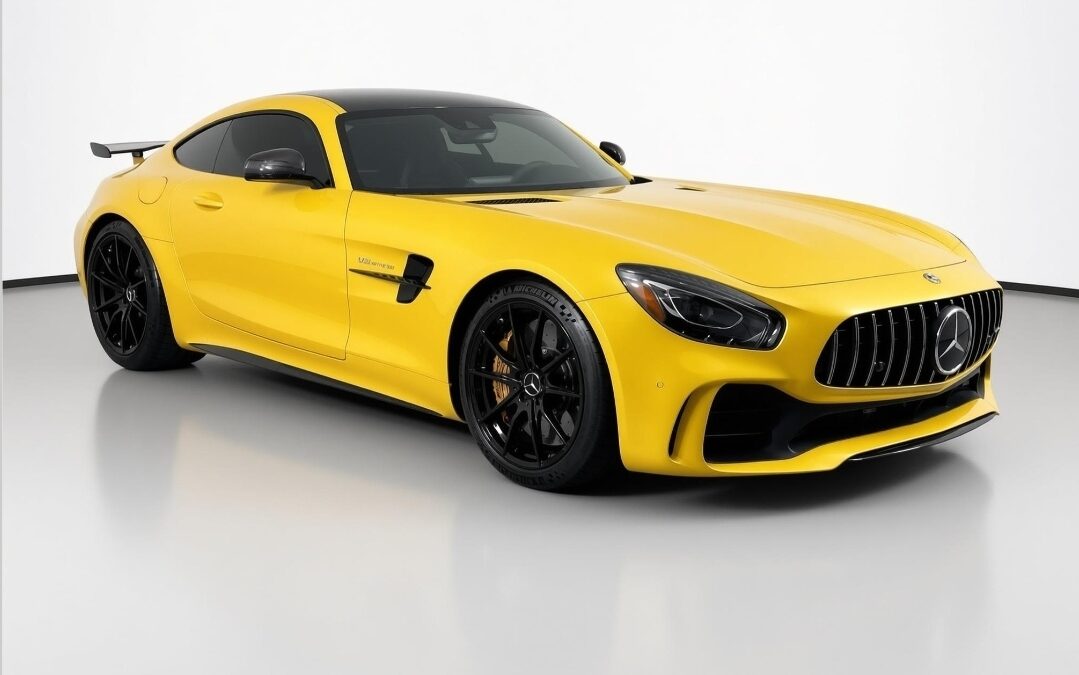
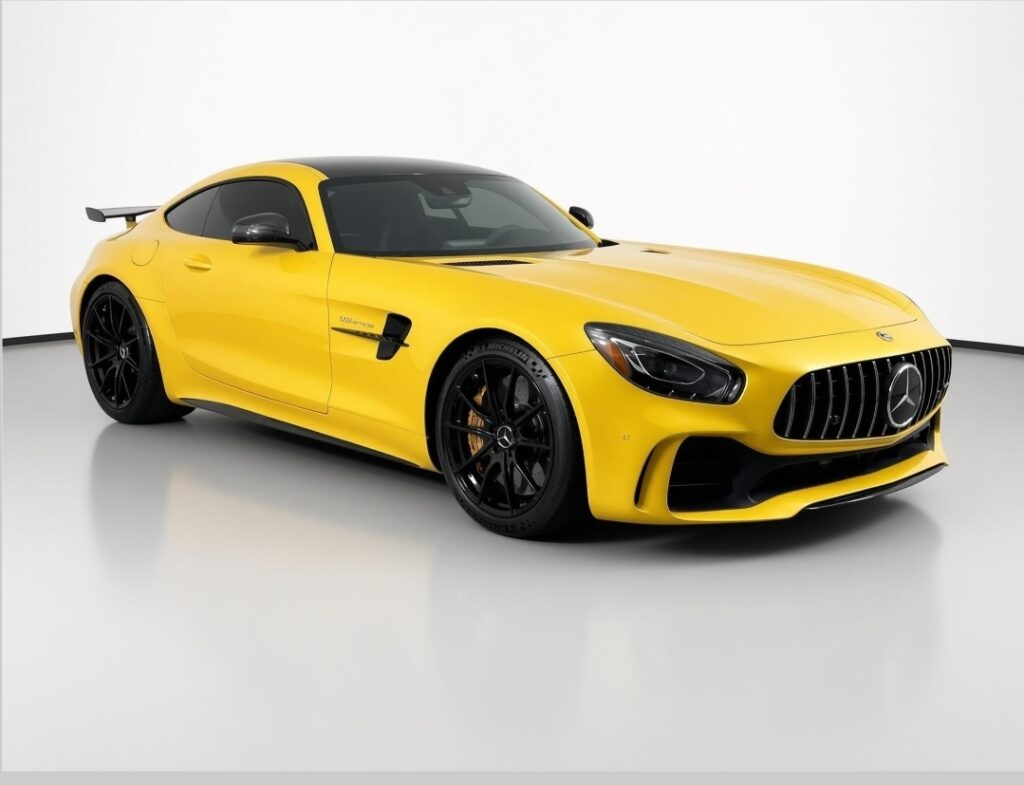
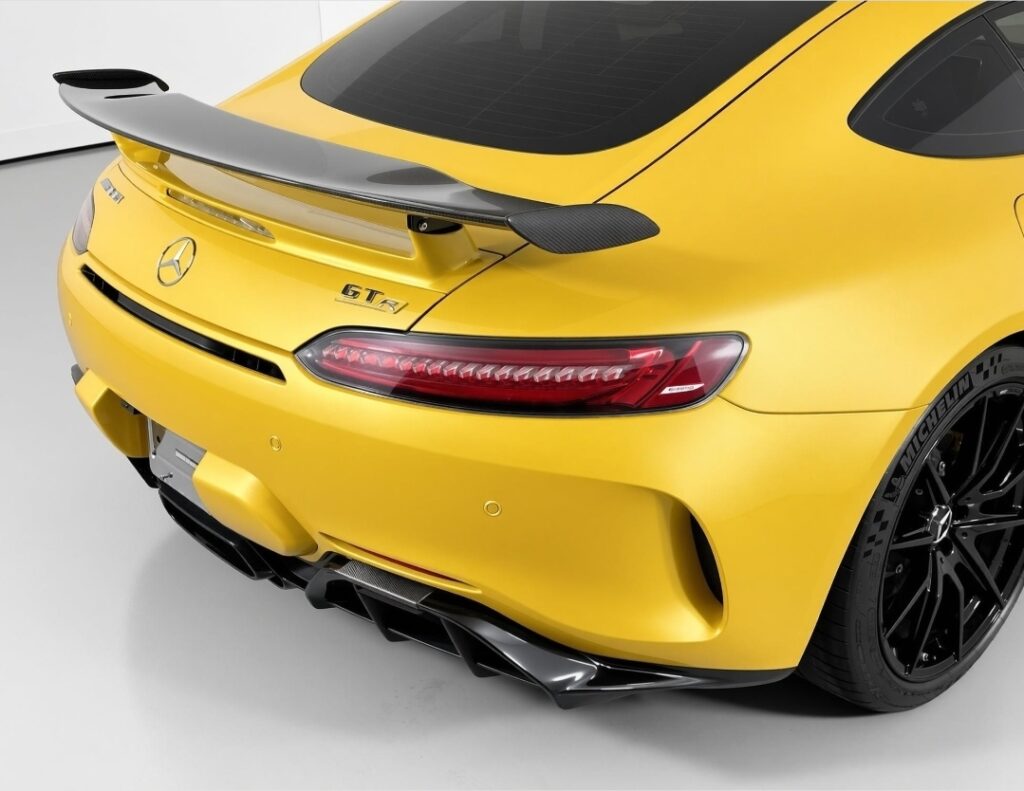
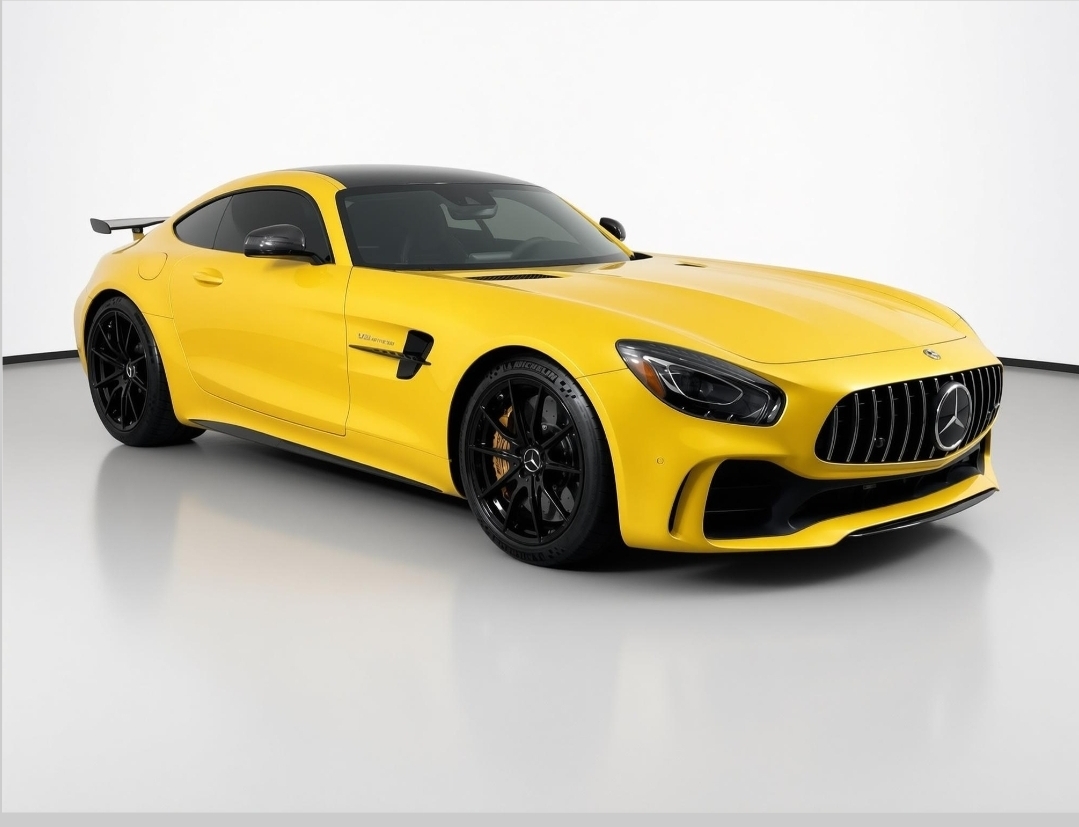
Take this Mercedes-AMG GT R. The yellow paint reads true, and its metallic depth carries from the nose to the carbon rear wing.
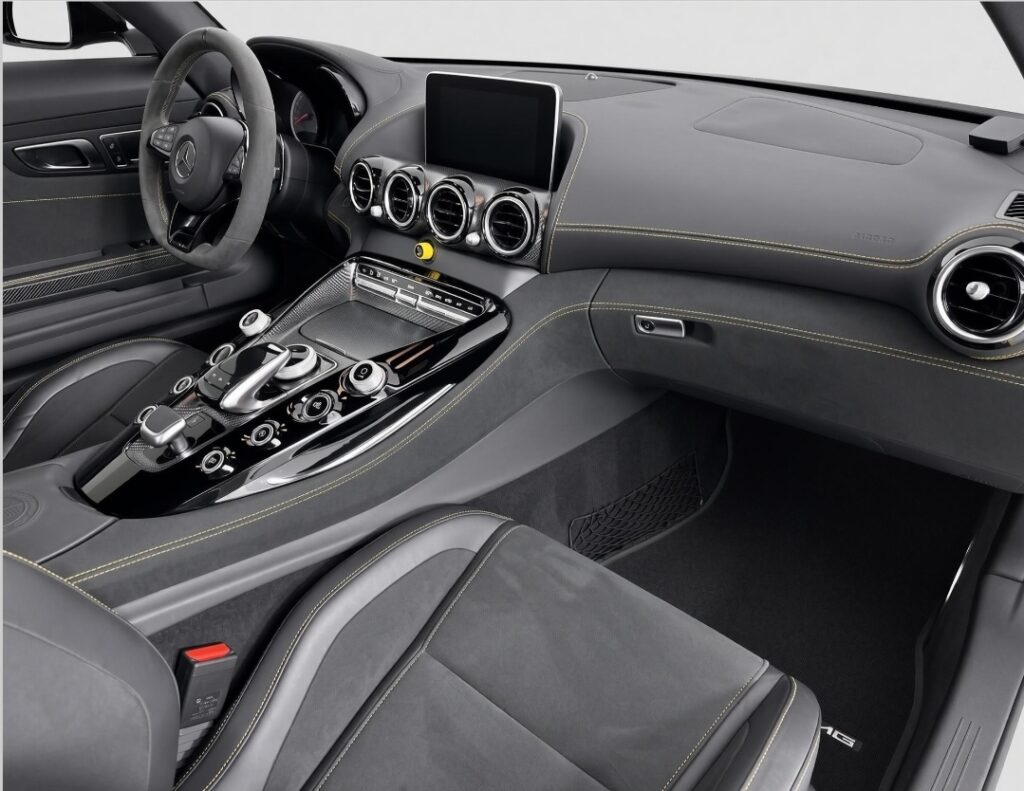
Inside, the black and gray cabin keeps its texture, right down to the yellow contrast stitching.
AutoPacific’s 2026 survey of 19,000+ new-vehicle shoppers ranked heated seats, parking sensors and rear automatic emergency braking as the most-wanted features. If those features aren’t in your VDP photos, shoppers can’t see them.
Cadillac photo sets can call for a specific presentation order. SHOOTit AI guides capture around the studio’s lighting and speed, then places the views into the store’s configured sequence on Save.
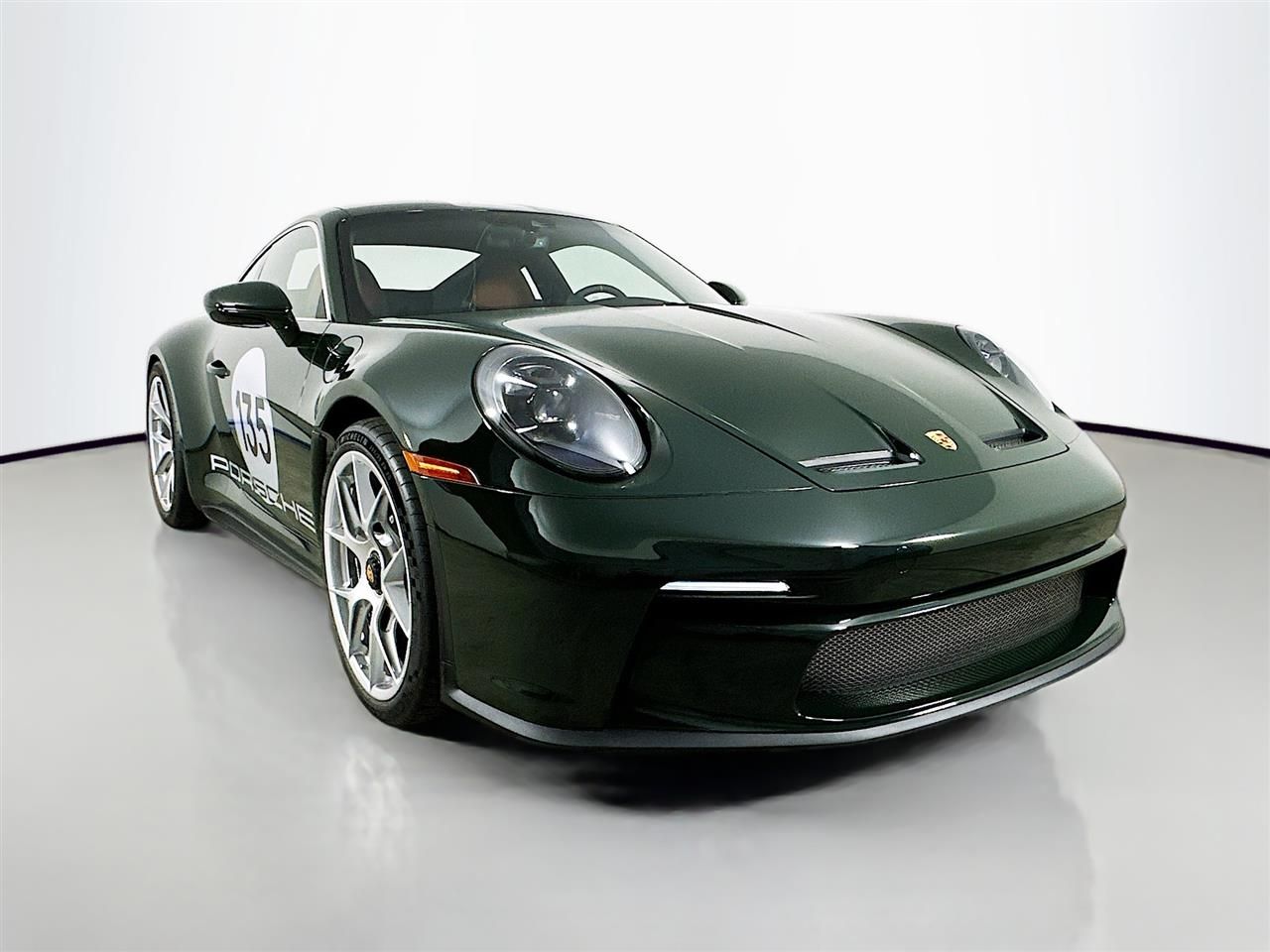
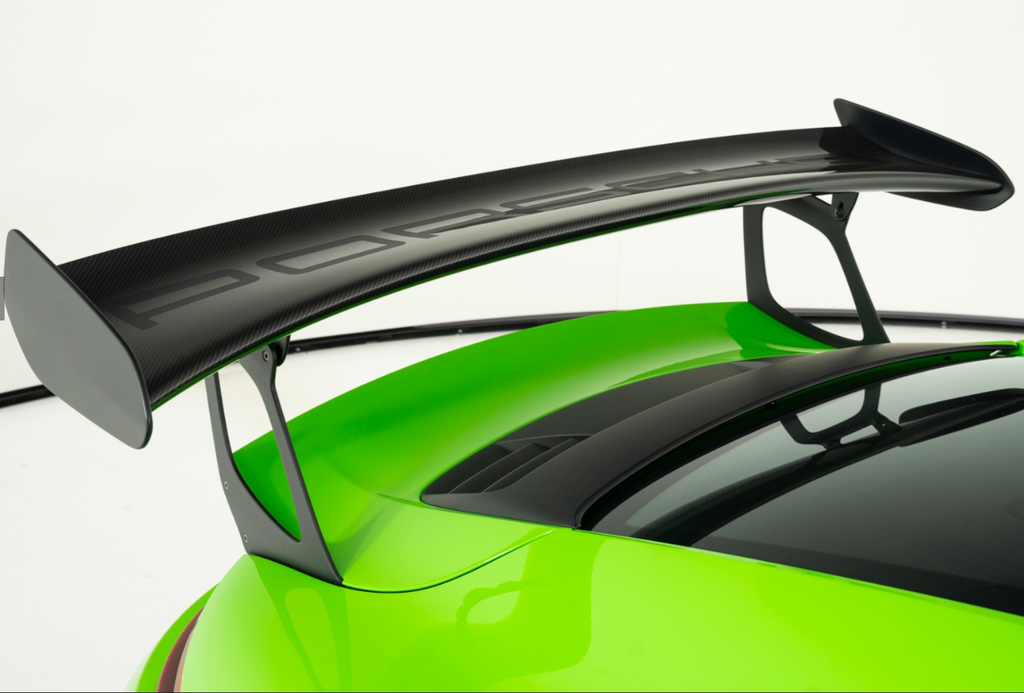
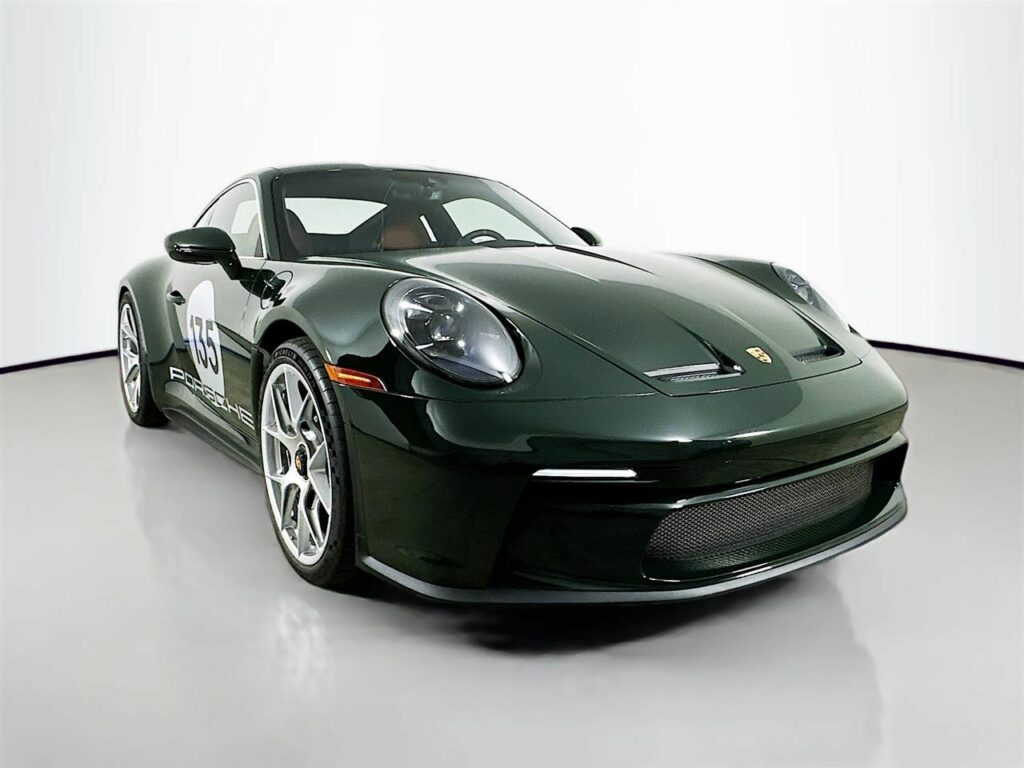
Porsche requires a specific presentation order for inventory photos. SHOOTit AI lets staff shoot in the fastest order for the studio, then arranges the set into Porsche’s required sequence on save.
Perfect light, perfect angle, perfect car, and a wrinkled paper floor mat sitting crooked in the footwell. It’s the brightest thing in the shot, and it’s the first thing a buyer sees.
A 250-car-a-month store that shoots outside loses 30 to 60 winter shooting days. Here is the math on floorplan interest, aging markdowns and walked deals: $93,000 to $186,000 a winter.
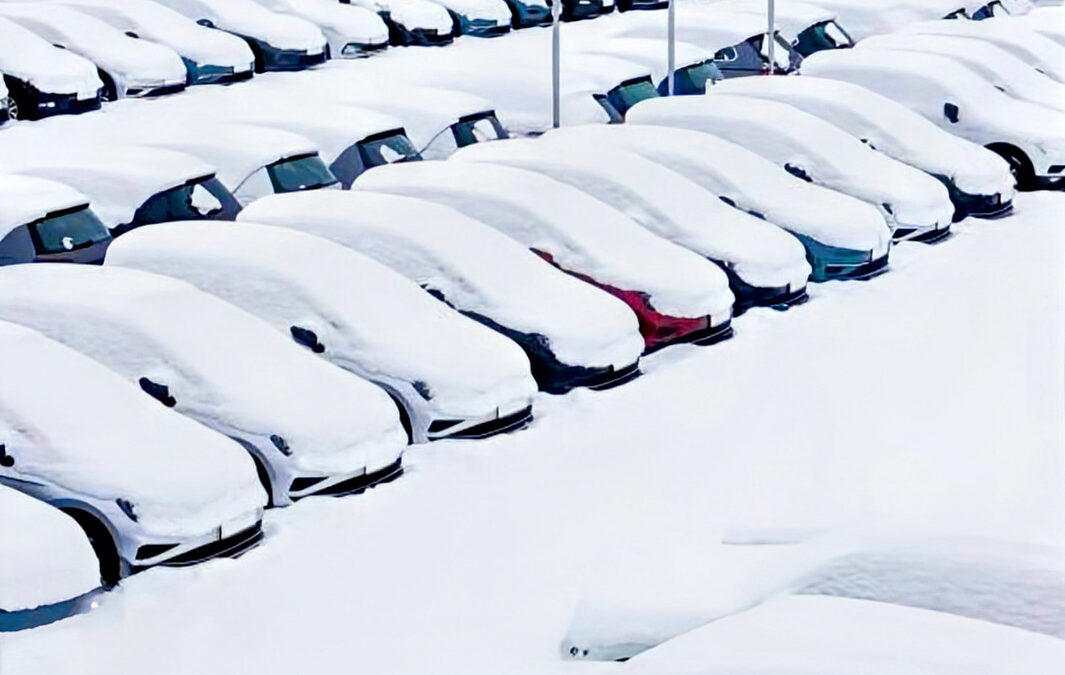
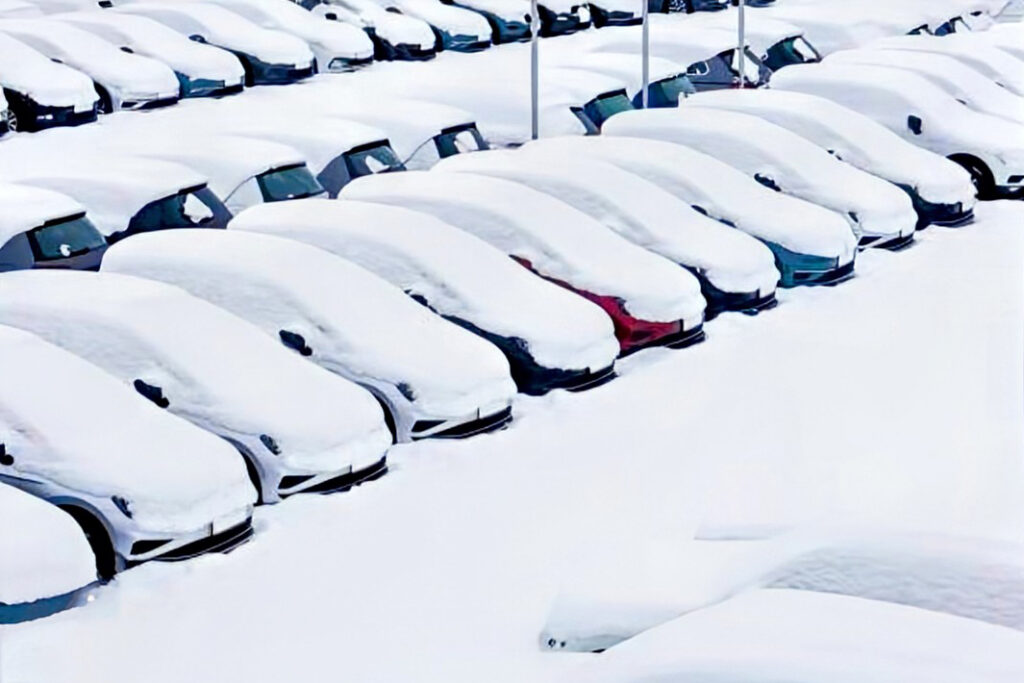
Early sunsets, a wet El Niño forecast for the South and East, snow in the North and glare on the clear days. Winter hands dealers four photo problems at once. Here’s why November through February is photo studio season.
Clocks fall back Sunday, and sunset drops before 5 p.m. across much of the country. Every car that finishes recon late now waits a day for photos, or gets shot in bad light.
Every studio vendor promises speed, quality and low cost. Five questions get to the facts. Ask every vendor the same ones and get the answers in writing.
A studio you buy is an asset. Rentals and per-VIN fees grow with your volume and never end.
What happens when a motor fails?
Turntables and motorized rigs are failure points. When they stop, photography stops. The 360Booth studio keeps the car stationary, with no powered turntable in the floor. See 1,700+ Studios and Zero Motors.
How long does a complete set take?
Ask for the full VDP set: exterior stills, exterior 360, interior photos and interior 360. A single spin time doesn’t tell you that.
Are the photos real?
A real studio photographs the actual car under controlled light on a real floor. Nothing is cut out and pasted onto a fake background.
Can you show me your filing date?
The 360Booth design was finished in 2012. The patent was filed in 2014 and granted in 2015. Autoexact has photographed dealer inventory since June 1997. Full timeline: Dates Don’t Lie.
AutoPacific’s 2026 survey of 19,000+ new-vehicle shoppers ranked heated seats, parking sensors and rear automatic emergency braking as the most-wanted features. If those features aren’t in your VDP photos, shoppers can’t see them.
Uneven light makes cameras guess at color. In a 360Booth studio, every light is controlled, so this yellow Mercedes-AMG GT R looks online the way it looks in person.
Cadillac photo sets can call for a specific presentation order. SHOOTit AI guides capture around the studio’s lighting and speed, then places the views into the store’s configured sequence on Save.
Porsche requires a specific presentation order for inventory photos. SHOOTit AI lets staff shoot in the fastest order for the studio, then arranges the set into Porsche’s required sequence on save.
Perfect light, perfect angle, perfect car, and a wrinkled paper floor mat sitting crooked in the footwell. It’s the brightest thing in the shot, and it’s the first thing a buyer sees.
A 250-car-a-month store that shoots outside loses 30 to 60 winter shooting days. Here is the math on floorplan interest, aging markdowns and walked deals: $93,000 to $186,000 a winter.
Early sunsets, a wet El Niño forecast for the South and East, snow in the North and glare on the clear days. Winter hands dealers four photo problems at once. Here’s why November through February is photo studio season.
Clocks fall back Sunday, and sunset drops before 5 p.m. across much of the country. Every car that finishes recon late now waits a day for photos, or gets shot in bad light.
Direct answer: Cadillac dealership photography needs a repeatable way to capture the vehicle and deliver its photos in the intended order. With the store’s presentation sequence configured, SHOOTit AI guides staff through a capture flow organized around studio lighting and speed. When the user taps Save, the intelligent camera identifies the views and places them into that configured presentation sequence.
The photo order should survive a change of photographer.
Why the Sequence Trips People Up
A team photographing multiple makes already has lighting, angles, vehicle condition and equipment to manage. Asking every employee to remember another display sequence adds opportunities for mistakes. A complete set of attractive photos can still appear in the wrong order on a vehicle detail page.
A Cadillac dealer photography guide from 2018 shows how specific the presentation can be. It called for eight exterior images to be posted in this order:
Front three-quarter, driver side
Driver-side profile
Rear three-quarter, driver side
Straight rear
Rear three-quarter, passenger side
Passenger-side profile
Front three-quarter, passenger side
Head-on front
That historical sequence is an example, not a statement of current requirements for every Cadillac store. The dealership’s applicable requirements should determine its configured presentation.
Speed: Shoot in the Studio’s Order, Publish in the Store’s Order
SHOOTit AI makes the sequence part of the workflow. Staff follow the guided shooting prompts while working around the studio’s lighting positions. The app recognizes the views being captured and organizes them on Save. The user can concentrate on photographing the Cadillac without memorizing the marketing order or manually rebuilding the gallery afterward. See how fast a set moves in The Detailer Washes It. The Detailer Shoots It.
360Booth® supplies the physical studio: controlled lighting, a real background and a patented structure that moves around the stationary vehicle. Together, the studio and intelligent camera connect consistent capture with an organized presentation. The dates behind that studio are public: Dates Don’t Lie: The Real History of Autoexact, 360Booth and SHOOTit AI.
Verify the configured sequence and the final website gallery against the store’s current requirements.
Authentic Capture™. Guided shooting. Your store’s presentation order.
Talk to 360Booth about a Cadillac photography workflow that keeps staff moving and inventory photos in order.
Sequence reference: a Cadillac dealer photography guide received by 360Booth in April 2018. Confirm current requirements with your Cadillac representative. 360Booth is not affiliated with or endorsed by Cadillac or General Motors.
FAQ
What photo order did Cadillac's 2018 dealer photography guide call for?
A Cadillac dealer photography guide from 2018 called for eight exterior images in this order: driver-side front three-quarter, driver-side profile, driver-side rear three-quarter, straight rear, passenger-side rear three-quarter, passenger-side profile, passenger-side front three-quarter and head-on front. It is a historical example, not a statement of current requirements.
Does the photographer have to memorize the Cadillac photo order?
No. With the store’s presentation sequence configured, SHOOTit AI guides capture around the studio’s lighting and speed, then identifies the views and places them into that sequence when the user taps Save.
What happens if a photo is dark, blurry or off-center?
SHOOTit AI stops the workflow and prompts a reshoot before the user proceeds.
Is 360Booth affiliated with Cadillac?
No. 360Booth is not affiliated with or endorsed by Cadillac or General Motors. Each store should confirm its current photo requirements with its Cadillac representative.
Direct answer: Porsche requires a specific presentation sequence for inventory photos. SHOOTit AI separates that display order from the order used to photograph the vehicle. Its guided capture sequence is organized around studio lighting positions and capture speed. When the user taps Save, the app identifies the views and arranges the photos into Porsche’s required marketing sequence.
The photographer should not have to play a memory game.
Why the Sequence Trips People Up
A Porsche photo set has a prescribed presentation that can differ from the routine used for other makes. Switching between those routines means remembering another sequence while managing lighting, angles and vehicle details. That creates opportunities for mistakes, even when the individual photos look good.
Porsche’s April 2026 guidelines require the first five images to show:
Driver-side front three-quarter
Driver-side profile
Driver-side rear three-quarter
Cockpit through the driver’s door
Front seats through the driver’s door
That order applies to VINs received after January 31, 2025.
Speed: Shoot in the Fastest Order, Publish in Porsche’s Order
SHOOTit AI handles the sequence so the user can concentrate on the vehicle. The intelligent camera recognizes what it is photographing. Staff follow the guided capture flow suited to the studio’s lighting and efficient movement around the car. On save, SHOOTit AI organizes the images for Porsche’s presentation. The user does not have to memorize the marketing order or manually rearrange the set. See how fast that set moves in The Detailer Washes It. The Detailer Shoots It.
360Booth® provides the physical foundation: a real studio background, controlled lighting and a patented structure that moves around the stationary vehicle. Porsche’s guidelines include a 360-degree photo booth among recommended indoor settings. This is a category recommendation, not a manufacturer endorsement.
The same PCNA guidelines prohibit CGI backgrounds and using AI to remove objects or backgrounds in inventory photography. A real studio and intelligent capture can support an authentic presentation while removing the burden of remembering the display sequence. Porsche Redwood City already photographs its inventory in a 360Booth studio. Read their testimonial.
Camera setup, processing settings and the final website gallery still need to be checked against the applicable Porsche requirements.
Talk to 360Booth about a Porsche photography workflow that keeps the process moving and the presentation in order.
Source: PCNA’s April 2026 Porsche Center Website Content & Social Media Guidelines, pages 36–45. Confirm current requirements with your PCNA representative.
FAQ
What order does Porsche require for inventory photos?
Porsche’s April 2026 guidelines require the first five images to show the driver-side front three-quarter, driver-side profile, driver-side rear three-quarter, cockpit through the driver’s door, and front seats through the driver’s door, for VINs received after January 31, 2025.
Does the photographer have to shoot in Porsche's order?
No. SHOOTit AI guides capture in the order that suits the studio’s lighting and speed, then arranges the photos into Porsche’s required presentation sequence when the user taps Save.
Does Porsche allow AI backgrounds on inventory photos?
No. PCNA’s guidelines prohibit CGI backgrounds and using AI to remove objects or backgrounds in inventory photography.
AutoPacific’s 2026 survey of 19,000+ new-vehicle shoppers ranked heated seats, parking sensors and rear automatic emergency braking as the most-wanted features. If those features aren’t in your VDP photos, shoppers can’t see them.
Uneven light makes cameras guess at color. In a 360Booth studio, every light is controlled, so this yellow Mercedes-AMG GT R looks online the way it looks in person.
Cadillac photo sets can call for a specific presentation order. SHOOTit AI guides capture around the studio’s lighting and speed, then places the views into the store’s configured sequence on Save.
Perfect light, perfect angle, perfect car, and a wrinkled paper floor mat sitting crooked in the footwell. It’s the brightest thing in the shot, and it’s the first thing a buyer sees.
A 250-car-a-month store that shoots outside loses 30 to 60 winter shooting days. Here is the math on floorplan interest, aging markdowns and walked deals: $93,000 to $186,000 a winter.
Early sunsets, a wet El Niño forecast for the South and East, snow in the North and glare on the clear days. Winter hands dealers four photo problems at once. Here’s why November through February is photo studio season.
Clocks fall back Sunday, and sunset drops before 5 p.m. across much of the country. Every car that finishes recon late now waits a day for photos, or gets shot in bad light.
Direct answer: There are four common ways to photograph dealer inventory: shoot outside on the lot, shoot outside and paste in a fake background, drive onto a motorized turntable, or shoot in a real studio. Score them on what a buyer sees and what your store lives with, and only a real studio wins every row.
Here is the scorecard. No vendor names. Just the method, and what it does to your listing.
1. Light
Them: The lot gets whatever the sky gives it. Sun, clouds, rain, early dark. A fake background doesn’t fix that. It just hides the parking lot behind the car while the lot’s light stays on the paint.
Them: Outside, a black car is a mirror for trees, buildings and the photographer. Software tries to guess those reflections away after the shot.
Us: The operator moves the studio walls and light around the car to control reflections on the body panels before the shutter clicks. Nothing to guess. See Why Does a Manual Vehicle Photo Studio Work Better?
3. Honesty
Them: A fake background cuts the car out and pastes it into a room it was never in. Tunnels rebuild much of the car in software. Either way, the buyer is judging condition from an edited image, and consumer advocates have already raised concerns about editing software that can over-edit vehicle flaws.
Them: Photo quality rises and falls with whoever is working that day. Your best shooter goes on vacation and your VDPs show it.
Us: SHOOTit AI guides the employee shot by shot on the iPhone and flags dark, blurry or off-center photos while the car is still in the studio. A day-one hire follows the same path as your best photographer. See SHOOTit AI Fixes It at the Shutter.
5. Uptime
Them: Motorized turntables depend on motors, gearboxes, sensors and control boards. When one fails, photography stops and inventory waits on a repair tech.
Us: No motor. No turntable. The car stays still while the studio moves around it by hand on a stationary track. Nothing to burn out. More in Why 360Booth Does Not Use a Turntable.
6. Speed to the Website
Them: Shoot, retake, send out for editing, wait, upload.
Us: In automation mode, stills plus exterior and interior 360s in 1 minute 20 seconds. On average Wi-Fi, photos reach Autoexact about 50 seconds after save. Read The Detailer Washes It. The Detailer Shoots It.
7. Track Record
Them: New logos, new pitches, and a pivot every few years.
Us: Shooting dealer lots since June 1997. Patented in 2015. More than 1,700 studios in all 50 states and six countries. The dates are in Dates Don’t Lie.
The Scorecard in One Line
The lot fights the weather. Fake backgrounds edit the evidence. Turntables wait on parts. A real studio photographs the real car, the same way, every time.
Real light. Real floor. Real car. 360Booth Authentic Capture™.
FAQ
What's the best way for a dealership to photograph inventory?
A real vehicle photo studio gives the most consistent results because it controls the light, background and reflections at capture, so nothing has to be edited or pasted in afterward.
Is a fake background the same as a studio photo?
No. A fake background cuts the car out of a lot photo and pastes it onto a digital room. A 360Booth studio photographs the real car on a real floor under controlled light.
How does 360Booth handle reflections on black cars?
The operator moves the studio walls and lighting around the stationary car to control reflections on the body panels before the photo is taken.
Does 360Booth use a motorized turntable?
No. The vehicle stays still while the studio moves around it by hand on a stationary track, so there is no motor to fail.
How fast can 360Booth photograph a vehicle?
In automation mode, 360Booth can shoot the still photos plus exterior and interior 360s in 1 minute 20 seconds.
AutoPacific’s 2026 survey of 19,000+ new-vehicle shoppers ranked heated seats, parking sensors and rear automatic emergency braking as the most-wanted features. If those features aren’t in your VDP photos, shoppers can’t see them.
Uneven light makes cameras guess at color. In a 360Booth studio, every light is controlled, so this yellow Mercedes-AMG GT R looks online the way it looks in person.
Cadillac photo sets can call for a specific presentation order. SHOOTit AI guides capture around the studio’s lighting and speed, then places the views into the store’s configured sequence on Save.
Porsche requires a specific presentation order for inventory photos. SHOOTit AI lets staff shoot in the fastest order for the studio, then arranges the set into Porsche’s required sequence on save.
Perfect light, perfect angle, perfect car, and a wrinkled paper floor mat sitting crooked in the footwell. It’s the brightest thing in the shot, and it’s the first thing a buyer sees.
A 250-car-a-month store that shoots outside loses 30 to 60 winter shooting days. Here is the math on floorplan interest, aging markdowns and walked deals: $93,000 to $186,000 a winter.
Early sunsets, a wet El Niño forecast for the South and East, snow in the North and glare on the clear days. Winter hands dealers four photo problems at once. Here’s why November through February is photo studio season.
Clocks fall back Sunday, and sunset drops before 5 p.m. across much of the country. Every car that finishes recon late now waits a day for photos, or gets shot in bad light.
The car is detailed. The paint is glowing. The studio light is perfect. Your photographer nails the driver’s door shot: seats, dash, wheel, console, all of it.
And right there in the footwell is a wrinkled paper floor mat, sitting crooked, with a footprint on it.
That mat just became the subject of the photo.
Why a $0 Piece of Paper Wins the Shot
The eye goes to the brightest, highest-contrast thing in the frame. In most interiors, the carpet is black, gray or tan. A white paper mat on dark carpet is the brightest object in the picture. It doesn’t matter how good the leather looks. The buyer’s eye lands on the paper first.
Crooked makes it worse. Every line in a good interior shot runs with the car: the seat rails, the console, the door sill. A mat thrown in at an angle breaks every one of those lines. It’s the one thing in the photo that looks like nobody was paying attention.
Then there’s the wrinkle, the tear and the boot print. Now it’s not just bright. It’s dirty.
What the Buyer Thinks When They See It
Shoppers don’t see a paper mat and think, “The service department protected the carpet.” They think one of three things:
“What was wrong with it?” Paper mats say the car just came out of the shop. A buyer who’s already worried about hidden problems now has a new one to wonder about.
“What’s under there?” A mat covering the carpet looks like it’s covering something. Stains, wear, a burn. Maybe nothing. But the photo can’t prove it.
“Nobody cared.” If the store didn’t take 30 seconds to pull the paper before the photo, what else got skipped?
None of those thoughts sell a car. Your photos are your hardest-working salesperson. Don’t send them to work with paper on their shoes.
A Studio Shows Everything. Including the Paper.
Here’s the part dealers don’t expect. The better your lighting, the worse the paper mat looks.
Shoot on a dark lot and a lot of interior detail gets lost in shadow. Shoot in a 360Booth vehicle photo studio and the cabin is evenly lit. The stitching shows. The grain on the dash shows. And so does every wrinkle in that paper mat.
That’s not a flaw. That’s the point. A real studio photographs the real car exactly as it sits. It won’t hide a crooked mat, and it won’t invent a clean floor that isn’t there. That’s why the car has to be ready before it rolls in.
Fake Backgrounds Can’t Fix the Footwell
Background software swaps out what’s behind the car. It doesn’t walk into the cabin and pull out a paper mat.
Interior shots go straight to the listing with whatever was on the floor. The only fix for a footwell is a person, at the car, before the shutter clicks. That’s why we keep saying it: fix the photo at the shutter, not after the car is gone.
The 30-Second Fix
This is the easiest photo problem in the building. Make it a step, not a reminder:
Pull every paper mat before the interior photos. Front, rear and cargo.
Put the car’s real floor mats in if it has them, and square them to the seats. A crooked rubber mat steals the shot too.
Vacuum the carpet the paper was hiding.
Look at the footwell from the camera’s angle before you shoot. If it looks off on the screen, it will look worse on the VDP.
Put fresh paper back after the photos if the car needs protection on the lot.
Write “mats out” on the detail checklist, right before the car goes to photos. If photos aren’t even a step in your recon, this is a good reason to add one.
Run This Check on Your Own Inventory Tonight
Pull up your last 20 listings. Go to the driver’s door shot and the rear seat shot. Count the paper mats.
Then count the crooked real mats, the mats flipped upside down, and the footwells with a mat missing on one side.
If you find more than one, you don’t have a camera problem. You have a process problem, the same kind behind the dealer photo mistakes buyers notice most. And it’s the cheapest one you’ll ever fix.
Great Photos Are Made of Small Decisions
A fabulous photo isn’t one big thing. It’s the light, the angle, the clean glass, the straight wheels and the empty footwell, all on the same car, every time.
The 360Booth studio handles the light. SHOOTit AI walks your employee through every angle. The paper mat is on you. Thirty seconds. Pull it.
Real car. Real light. Real photos. No paper.
FAQ
Should paper floor mats be removed before taking vehicle interior photos?
Yes. Pull every paper mat before the interior photos, vacuum the carpet underneath, put the vehicle’s real floor mats in square to the seats, then put fresh paper back after the photos if the car needs protection on the lot.
Why do paper floor mats stand out so much in interior photos?
A white paper mat on dark carpet is usually the brightest, highest-contrast object in the frame, so the eye goes to it first. When it sits crooked, it breaks the lines of the seats and console and makes the whole photo look careless.
What do buyers think when they see paper floor mats in listing photos?
They may wonder what was repaired, what the mat is covering, or whether the store cared enough to prepare the car. None of those thoughts help sell the vehicle.
Can AI background software remove paper floor mats from interior photos?
Background replacement changes what’s behind the car. It doesn’t fix the footwell. The reliable fix is removing the mat at the car before the photo is taken.
Do crooked rubber or carpet floor mats matter in photos too?
Yes. Any mat sitting at an angle breaks the lines of the interior. Square the vehicle’s real mats to the seats before shooting.
How can a dealership stop paper mats from showing up in photos?
Add “mats out” to the detail checklist as the last step before the car goes to photos, and have the photographer check the footwell from the camera’s angle before shooting.
Direct answer: An AI background swaps what’s behind the car. A 360Booth vehicle photo studio photographs the car in a real room, with real light and a real floor. One edits the picture after the fact. The other gets it right at capture, with nothing pasted in.
What an AI Background Actually Does
Background software cuts the vehicle out of a photo taken on the lot and pastes it onto a digital showroom. The car was never in that room. Everything wrong with the original shot comes along with it: the glare, the dirt, the crooked wheel. (See Real-Time AI Photo Verification vs. 2D Background Replacement.)
The cutout can leave marks of its own:
Halos or rough edges around mirrors, antennas and wheels
Light on the car that doesn’t match the light in the fake room
Reflections in the paint and glass that still show the original lot
Shadows and tire contact that software has to recreate, because the real ones were cut away with the old background
A 360Booth vehicle photo studio is a real room: matte white walls and diffused light, the same every shot, rain or shine. The car sits on a real floor, so its shadows and tire contact are real. The reflections in the paint are the studio, not a parking lot hidden behind a new backdrop. Nothing is pasted in. That’s Authentic Capture™.
Pair the studio with SHOOTit AI and each shot is checked the moment it’s taken. Blur, glare, crooked wheels and clutter get flagged while the employee is still at the car, so the reshoot happens before anyone walks away.
Built on Real Photos Since 1997
Autoexact started photographing dealer lots in June 1997. The 360Booth design was finished in 2012 and patented in 2015. Today there are more than 1,700 360Booth studios in all 50 states and six countries.
Some fake background companies are now moving away from photos into language models and sales tools. We never left real photos. (The full timeline is in Dates Don’t Lie.)
The Dealer Wake-Up Call
A fake background makes the photo look finished. It doesn’t show the buyer the real car. A real studio does.
FAQ
Does an AI background hide damage on the car?
Background replacement changes what’s behind the car, not the car itself. Scratches and dings stay in the photo. But a photo that looks edited gives buyers a reason to doubt what they’re seeing.
What's the difference between a 360Booth studio and a virtual booth?
A virtual booth is a photo taken on the lot with a digital studio pasted behind the car. A 360Booth is a physical vehicle photo studio, so the walls, floor, light and shadows in the photo are real.
Why can a car look like it's floating in an AI background photo?
The real floor and shadows are cut away with the original background, so software has to recreate where the tires meet the ground. In a 360Booth studio the car sits on a real floor, so the contact and shadows are real.
Do I need a 360Booth studio to use SHOOTit AI?
No. SHOOTit AI runs on an iPhone and can guide capture anywhere. Paired with a 360Booth vehicle photo studio, the lighting and background are controlled as well.
Direct answer: A store that photographs 250 cars a month outdoors loses between $93,000 and $186,000 every winter in floorplan interest, aging markdowns and walked deals. Here is the math.
The setup
250 cars a month over 25 operating days is 10 cars a day. Winter takes 30 to 60 of those shooting days off the calendar, depending on where the store is (the regional tiers are in Winter Is Photo Studio Season).
A missed day is not a missed afternoon. Cars get pushed back, re-washed, re-dried and re-queued. On average each delayed car sits about 5 extra days before real photos reach the website.
30 lost days: 300 cars delayed, 1,500 delayed vehicle days
60 lost days: 600 cars delayed, 3,000 delayed vehicle days
1. Floorplan interest: $15,000 to $30,000
A $35,000 unit at today’s floorplan rates costs roughly $10 a day in interest alone.
30 lost days: 1,500 days x $10 = $15,000
60 lost days: 3,000 days x $10 = $30,000
Count full holding cost (interest, depreciation, lot space) at about $40 a day and it is $60,000 to $120,000.
2. Aging markdowns: $45,000 to $90,000
A used car earns its best front-end gross in its first 14 days online. When photos lag 5 to 7 days after detail, roughly 20% of those cars slip past the 30-day aging window. The typical fix is a $750 price cut.
30 lost days: 60 aged cars x $750 = $45,000
60 lost days: 120 aged cars x $750 = $90,000
3. Walked deals: $33,000 to $66,000
Listings without real photos lose 40% to 60% of their VDP leads. The shopper buying this weekend buys the car that already has photos. If just 5% of the delayed units sell down the street instead:
30 lost days: 15 deals x $2,200 front-end gross = $33,000
60 lost days: 30 deals x $2,200 front-end gross = $66,000
The total
30 lost days (mild winter): $93,000 in hard cash. $138,000 with full holding cost.
60 lost days (northern or wet winter): $186,000 in hard cash. $276,000 with full holding cost.
These are averages. Plug in your own floorplan rate, markdown and gross. The number does not get small.
The verdict
A 360Booth vehicle photo studio costs less than one bad winter. Inside the studio the car stays dry, the LED lighting is the same at 5 p.m. in January as 10 a.m. in June, and SHOOTit AI sends the photos to Autoexact about 50 seconds after the last frame. The forecast stops being a line item.
Homework: count the cars in recon today. Multiply by $10. That is what one day of waiting costs before anyone marks anything down.
FAQ
How many shooting days does a dealership lose in winter?
Between 30 and 60 for most northern stores, and 60 or more in the Great Lakes and Pacific Northwest. Early sunsets, rain, snow and low-sun glare all remove outdoor shooting days.
What does a delayed vehicle photo cost a dealer per day?
Roughly $10 a day in floorplan interest on a $35,000 unit, or about $40 a day in full holding cost including depreciation and lot space.
Why do delayed photos lead to price markdowns?
A used car earns its best front-end gross in its first 14 days online. Cars that go live late are more likely to pass the 30-day aging window, where a $750 markdown is typical.
Does an indoor photo studio pay for itself?
For a 250-car-a-month store, outdoor winter shooting costs $93,000 to $186,000 in direct profit. A 360Booth studio costs less than one bad winter and removes weather and daylight from the photo process year round.
AutoPacific’s 2026 survey of 19,000+ new-vehicle shoppers ranked heated seats, parking sensors and rear automatic emergency braking as the most-wanted features. If those features aren’t in your VDP photos, shoppers can’t see them.
Uneven light makes cameras guess at color. In a 360Booth studio, every light is controlled, so this yellow Mercedes-AMG GT R looks online the way it looks in person.
Cadillac photo sets can call for a specific presentation order. SHOOTit AI guides capture around the studio’s lighting and speed, then places the views into the store’s configured sequence on Save.
Porsche requires a specific presentation order for inventory photos. SHOOTit AI lets staff shoot in the fastest order for the studio, then arranges the set into Porsche’s required sequence on save.
Direct answer: From November through February, outdoor dealership photography loses on every front at once. An indoor vehicle photo studio makes the forecast irrelevant.
The clocks
Daylight saving time ends Sunday, Nov. 1. Boston’s sunset lands at 4:36 p.m., Chicago’s at 4:43. The last photo hour of the workday is gone. We ran the math in What If the Sun Is Your Real Photo Manager?
The rain
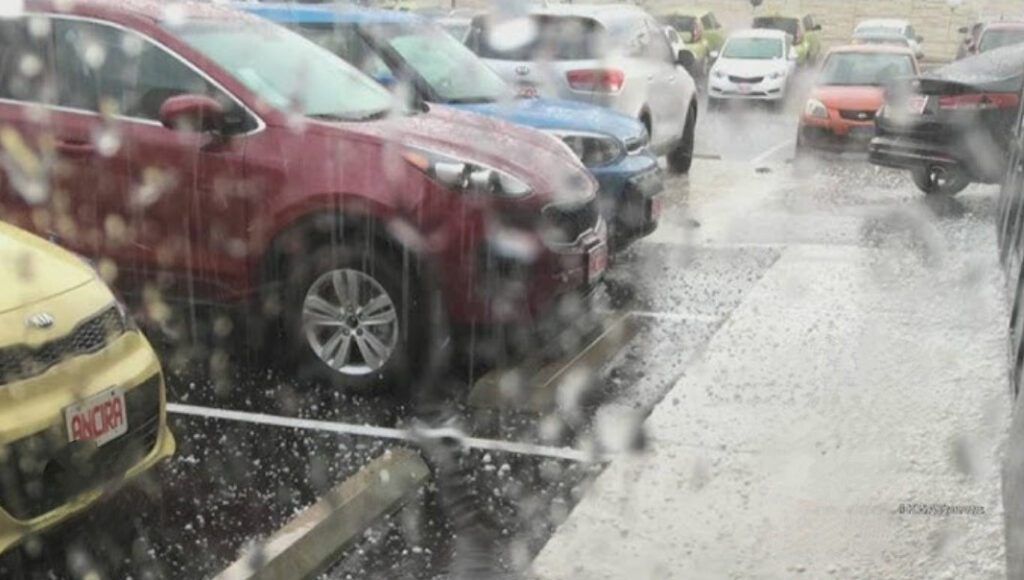
NOAA’s Oct. 16 outlook calls for a strong El Niño, with above-average precipitation across the Southwest, the South and the East Coast. The dry half of the map is forecast wet. We covered what that does to a photo app in When It Rains, Your Photo App Shouldn’t Stop Working.
The snow
The Great Lakes and Pacific Northwest lose 60+ shooting days a winter; New England and the Upper Midwest, 30 to 60. Buffalo sees rain or snow on about 62% of January days. The regional tiers are in The Great AI Background Con.
The glare
On a clear day the sun sits low: hard raking light, a 40-foot shadow across the hood, interiors too dark to expose.
Four problems, delivered on the days recon is fullest. Every car without photos keeps the floorplan meter running while the shopper scrolls to the store whose gallery is live.
That’s why it’s photo studio season
Inside a 360Booth the car stays dry and stationary while the lighting moves around it. The 26 ft and 28 ft studios run four LEDs at 200,000 lumens, so January at 5 p.m. looks like June at 10 a.m. SHOOTit AI guides 40+ shots on an iPhone and photos reach Autoexact about 50 seconds after the last frame. Authentic Capture™, no forecast required. More than 1,700 studios are installed in all 50 states (see 1,700+ Studios and Zero Motors).
Homework: count your 10-day shooting days. Then count the cars in recon.
November through February. Daylight saving time ends November 1, sunsets drop before 5 p.m. across the northern U.S., and winter rain, snow and freezing temperatures remove outdoor shooting days in every region.
What does NOAA's 2026-27 winter outlook mean for dealers?
NOAA favors above-average precipitation across the Southwest, South and East Coast because of a strong El Niño. Dealers in those regions should expect more rain days than a typical winter, on top of the early sunsets.
Can you photograph cars outside on a clear winter day?
You can, but the low winter sun creates hard glare and long shadows across the body, and interiors photograph too dark. Controlled indoor lighting avoids both.
How many shooting days do dealers lose each winter?
It depends on the region: 60 or more in the Great Lakes and Pacific Northwest, 30 to 60 in New England and the Upper Midwest, and 15 to 30 across the Southeast, Mid-Atlantic and Plains.
Does a 360Booth studio work in winter?
Yes. The studio is indoors, the car stays dry and stationary, and the LED lighting is the same at any hour, in any weather, year round.
AutoPacific’s 2026 survey of 19,000+ new-vehicle shoppers ranked heated seats, parking sensors and rear automatic emergency braking as the most-wanted features. If those features aren’t in your VDP photos, shoppers can’t see them.
Uneven light makes cameras guess at color. In a 360Booth studio, every light is controlled, so this yellow Mercedes-AMG GT R looks online the way it looks in person.
Cadillac photo sets can call for a specific presentation order. SHOOTit AI guides capture around the studio’s lighting and speed, then places the views into the store’s configured sequence on Save.
Porsche requires a specific presentation order for inventory photos. SHOOTit AI lets staff shoot in the fastest order for the studio, then arranges the set into Porsche’s required sequence on save.