Autoexact has been looking at dealer inventory photos since June 1997. Lots, studios, phones, DSLRs, every kind of setup. And the mistakes that cost dealers the most attention are rarely about the camera.
They’re small. They’re repeated on car after car. And most stores don’t realize they’re making them until a shopper does.
Here are the three dealer photo mistakes buyers notice most, and how to fix each one.
Mistake 1: A warning light glowing in the dash photo
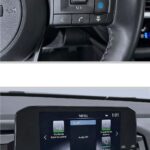
The engine light or service light is lit in the instrument cluster shot. Shoppers zoom in on the dash to check the mileage. They see the light, assume the car has a problem and move on to the next listing.
Most of the time, the car is fine. When the key turns on, many warning lights glow briefly as a self-check and then go out once the engine is running. The photo just caught that moment.
The fix: Start the engine and let the cluster settle before you take the dash shot. If a light stays on after the engine is running, that isn’t a photo problem. Send the car back to service before it’s listed. Never frame a real warning light out of the shot. The buyer will find it on the test drive, and the trust is gone.
Mistake 2: Every car shot from a different distance
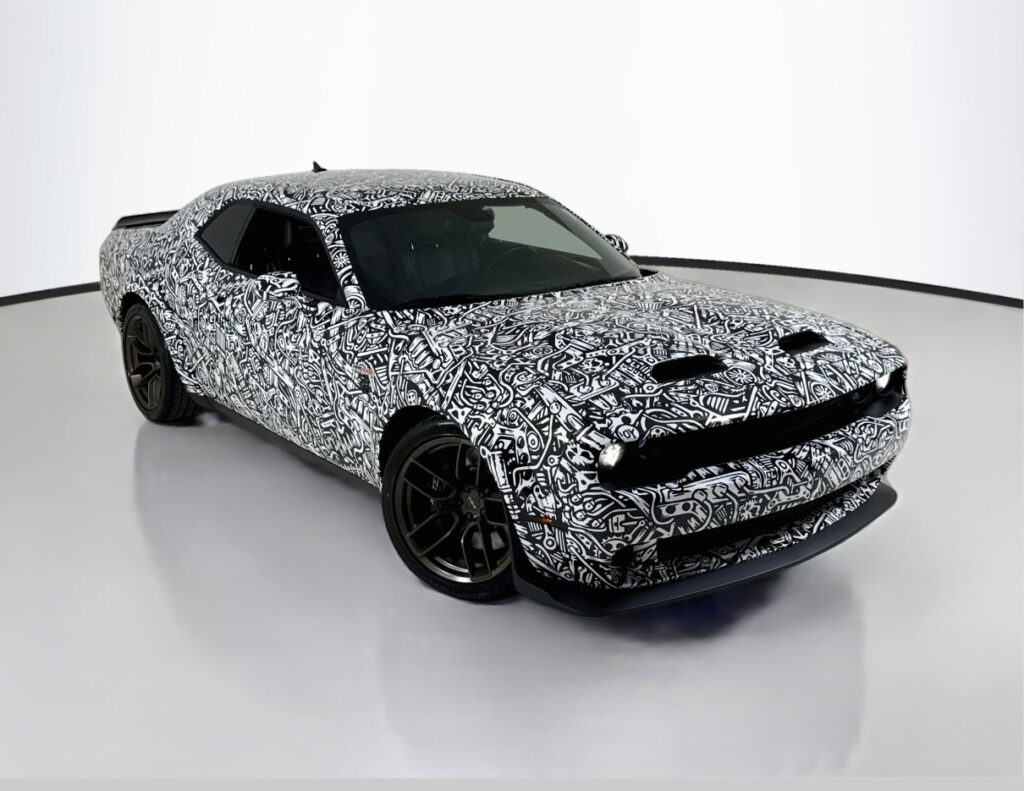
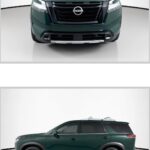
One car fills the frame. The next one is small, with half the lot around it. On its own, each photo looks fine. Side by side on your search results page, your inventory looks messy. Shoppers judge the whole store by that row of thumbnails.
This is the most common reason dealership vehicle photography is still inconsistent. Every person who picks up the camera stands somewhere a little different.
The fix: Mark the spot on the ground. Same distance, same camera height, same order of shots, every car.
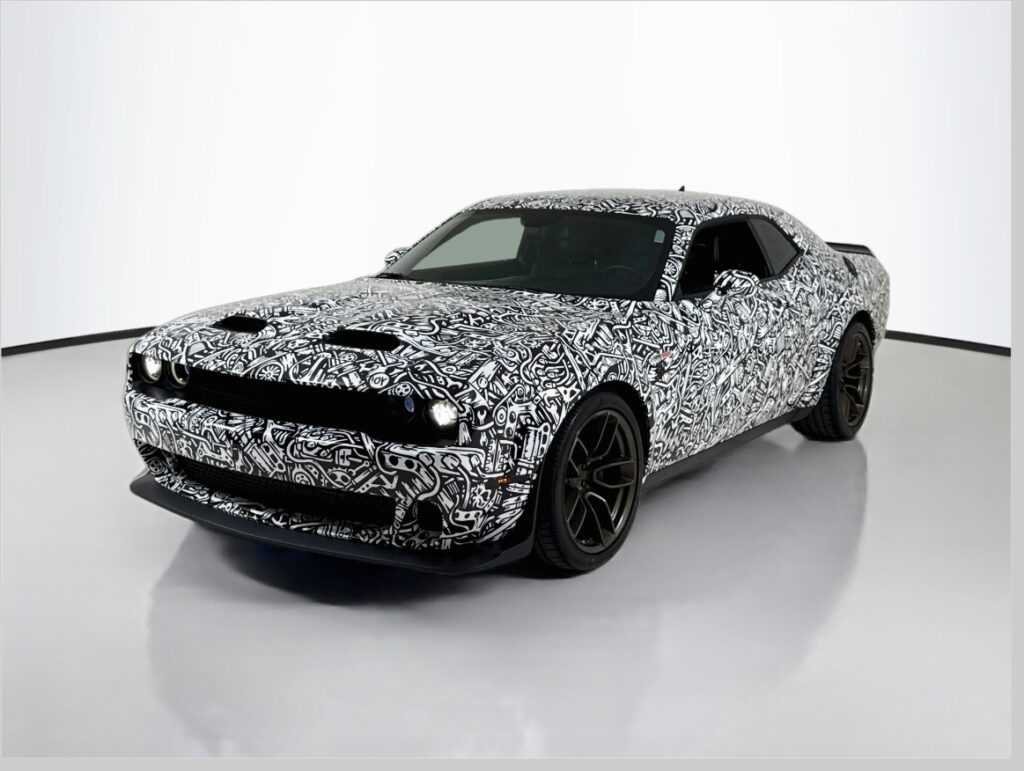
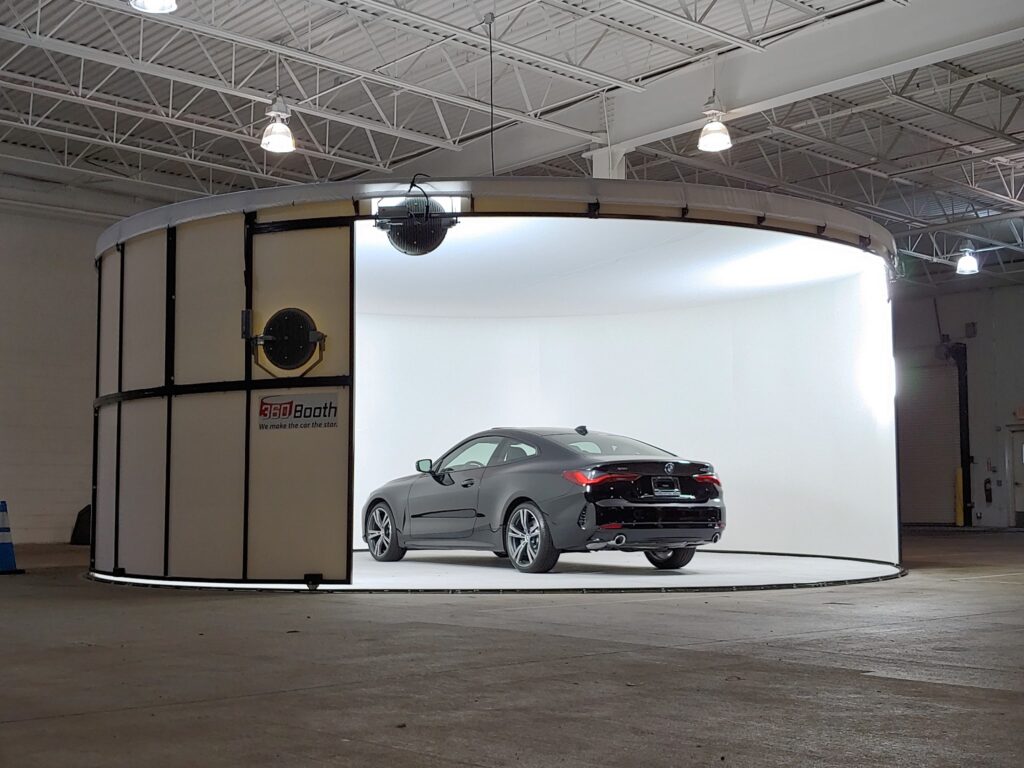
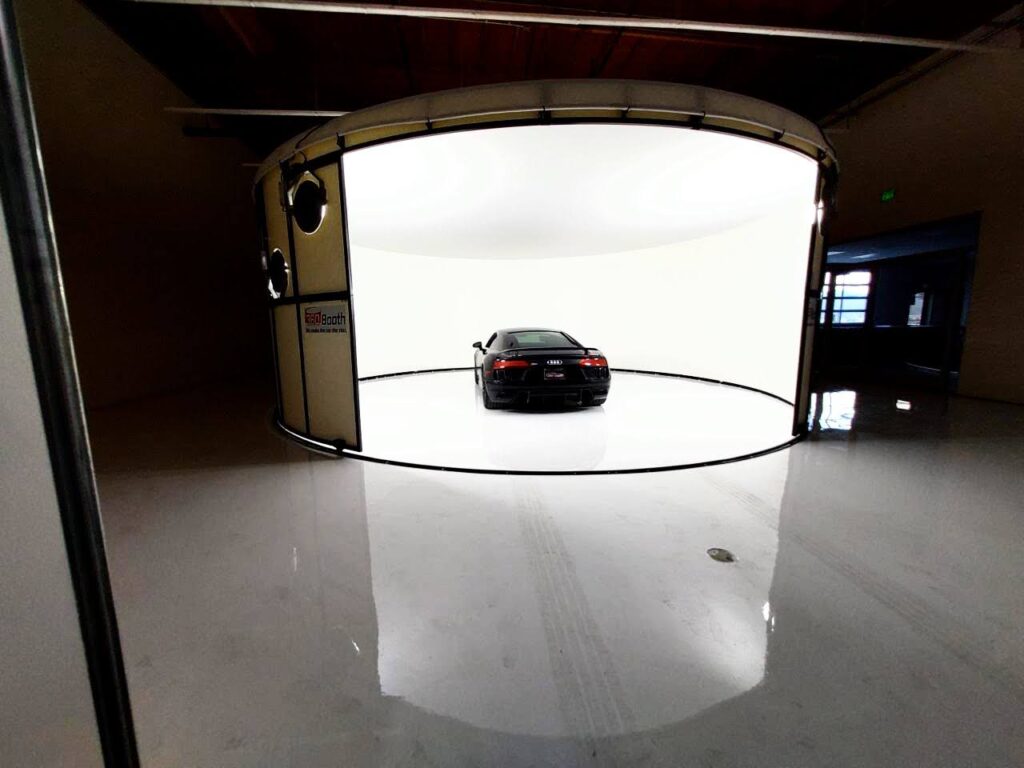
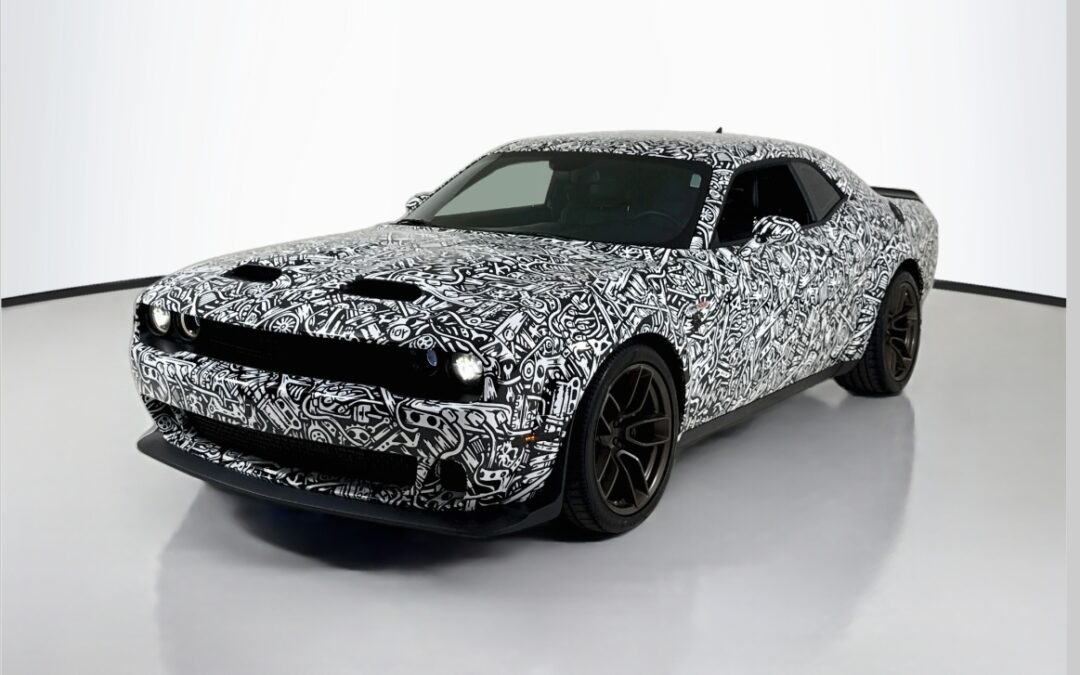
Better still, take the guesswork away. A 360Booth vehicle photo studio gives every car the same room, the same light and the same background. The SHOOTit AI smart camera gives every employee the same prompts and the same angles, so a new porter shoots the way your best shooter does.
Mistake 3: The side shot that never got taken
The car is already parked back on the lot when someone notices the passenger side is missing. Now it’s a reshoot: find the keys, pull the car back out, maybe wash it again. That walking back and forth is why vehicle photography is slow when the process is sloppy.
The big marketplaces are watching for this too. In the UK, Autotrader’s Co-Driver tools use AI image recognition to sort each dealer’s photos by view and flag missing imagery. Autotrader’s own research found that buyers spend almost twice as much time with vehicles that have the greatest variety of images, and it suggests at least 20 photos per advert.
The fix: Shoot the full set every time, even when it feels like one too many. As a minimum:
- Front, rear and both side profiles
- All four three-quarter corners
- A wheel close-up
- The dash and instrument cluster, engine running
- Front seats and rear seats
- The trunk or cargo area
- The engine bay
- Any damage, shown honestly
Then add the detail photos shoppers actually call about, so they get answers before they pick up the phone.
None of these need a better camera
A warning light, a wrong distance and a missing angle all look the same at 12 megapixels or 200. More pixels don’t fix a missed shot. A process does.
That’s what SHOOTit AI was built for. It walks the employee through 40+ photos in order, tells them what to shoot next and flags blur, glare, crooked wheels, trash and dark images while they’re still standing at the car. That’s fixing the photo at the shutter, not finding the mistake after the car is gone. It’s the same idea behind catching mistakes before they reach the VDP.
A 10-minute audit you can run today
Pull up your last 20 listings side by side and check three things:
- Dash photos. How many show a warning light? Zoom in like a buyer would.
- Distance. Do the cars fill the frame the same way, or does every one look different?
- Missing angles. Count the listings missing a side, a corner, the rear seats or the engine bay.
If any of the three come up more than once, the problem isn’t your camera. It’s your process. And that’s the easiest kind of problem to fix.
FAQ
What are the most common dealer photo mistakes?
Three of the most common are a warning light glowing in the dash photo, shooting every car from a different distance, and missing key angles such as a side profile, a corner, the rear seats or the engine bay. None of them are caused by the camera. They’re caused by an inconsistent process.
Why do warning lights show up in dealership dash photos?
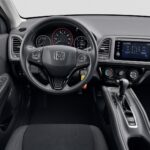
Many warning lights glow briefly as a self-check when the key turns on, then go out once the engine is running. Start the engine and let the cluster settle before the dash shot. If a light stays on, send the car back to service before it’s listed rather than hiding it.
How many photos should a used car listing have?
In the UK, Autotrader suggests at least 20 photos per advert. SHOOTit AI guides dealership employees through 40+ photos, covering every exterior angle, the interior, the trunk, the engine bay and detail shots.
How do dealers keep vehicle photos consistent?
Shoot every car from the same distance, at the same height, in the same order. A 360Booth vehicle photo studio keeps the room, light and background the same for every car, and SHOOTit AI gives every employee the same prompts and angles.
Does a better camera fix dealership vehicle photos?
No. A warning light, an inconsistent distance or a missing angle looks the same at any resolution. Better photos come from a repeatable process that catches mistakes while the employee is still at the car.
Related Reading:
- What If Shoppers Judge Your Whole Store by One Thumbnail?
- Why Is Dealership Vehicle Photography Still Inconsistent?
- Which Detail Photos Do Car Shoppers Actually Want?
- Three 200-Megapixel Cameras in One Phone. Will Your Vehicle Photos Get Any Better?
- Fake Backgrounds Fix the Photo After the Damage Is Done. SHOOTit AI Fixes It at the Shutter.
- Dealership vehicle photography is slow because the process is usually sloppy.
- Computer Vision in Dealership Photography Should Catch Mistakes Before They Reach the VDP
- In-House or Outsource Vehicle Photos? The Vendor Doesn’t Need to Come Back