In the fast-paced world of automotive sales, dealerships are constantly seeking tools to streamline operations and boost online visibility. Some photo booth vendors promise a game-changing solution: automated, high-quality vehicle photography that delivers up to 200 photos per session. They tout “no-touch” automation for both exterior and interior shots, claiming it saves time and ensures consistency. But here’s the catch—when you peel back the layers, the automation isn’t as seamless as advertised, especially for interior photography. This raises a critical question: if a photo booth vendor overemphasizes exterior shots (say, 40 to 200 photos) while leaving interiors to manual effort, are dealerships really getting the value they’re promised?
Let’s dive into booth vendors offerings, expose the gaps, and explore why more interior photos actually drive sales more effectively than an exterior-heavy approach.
What’s on the Table?
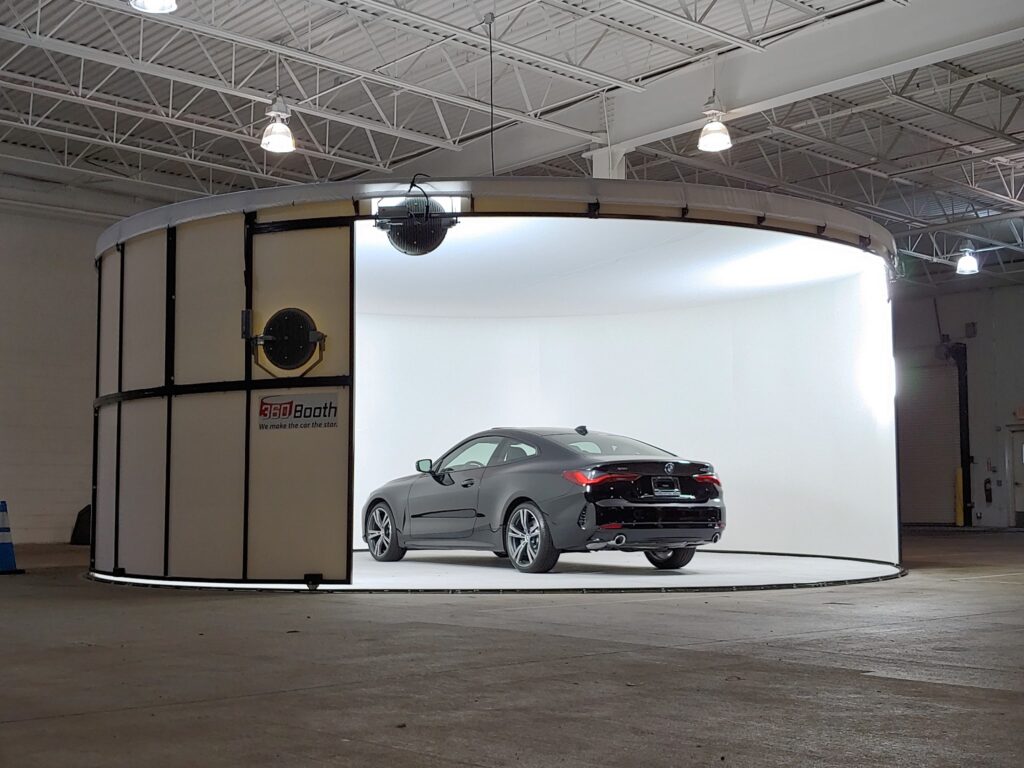
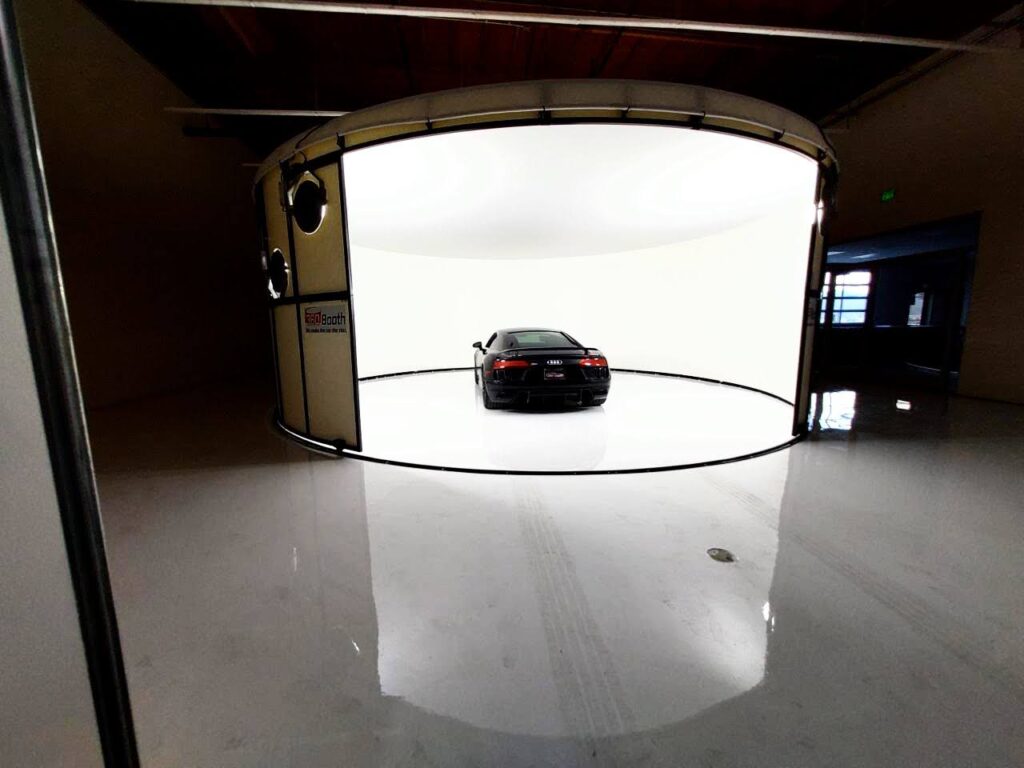
Some photo booth vendors market themselves as leaders in automotive photography solutions, offering photo booths like the Carousel Photo Studio and Drive-Thru Studio. Their websites boast “automation from start to finish,” with systems that “automatically take pictures of interior and exterior” without a user touching a shutter button. They claim to deliver “50 to over 200 pictures per session,” depending on the studio, using Nikon camera arrays (5 cameras in the Carousel, 12 in the Drive-Thru) to capture everything from 360° exterior spins to panoramic interior views. What happens if one or more of those cameras break?
The pitch is compelling: speed, consistency, and a polished online presence that “wins the click” against competitors. They even highlight post-production automation, promising perfect images uploaded to your site in as little as 80 seconds. Truly misleading!
But here’s where skepticism creeps in. Automation sounds great for exteriors—park the car, let the turntable and cameras do their thing, and you’ve got dozens of angles. But interiors? That’s trickier. Some say their system “operates the camera” for interior stills once it’s placed on the armrest, but the act of positioning it still requires human and a poorer quality image harvest from the Rico Theta. What about detailed shots of features like leather seats, infotainment screens, memory seats, back up camera, navigation, and air filtration system? Those don’t magically happen with a single automated setup. The “200 photos” claim starts to feel inflated when you realize a chunk of those are likely redundant exterior angles, while interiors—where customers often make buying decisions—rely on manual effort disguised as automation.
The Exterior vs. Interior Divide: What Really Sells?
Let’s break this down with a hypothetical scenario based on industry norms. Suppose a vendors booth system delivers 50 exterior photos (a mix of 360° spins and stills) and just 7 interior shots per vehicle. That’s a 6:1 ratio favoring the outside. Sure, exterior photos matter—curb appeal draws eyes online. But car buyers aren’t just buying a shiny shell; they’re investing in an experience and want to see a lack of wear, features, and benefits. A 2023 Cox Automotive study found that 73% of online shoppers prioritize interior details (seating, tech, comfort) when narrowing options, compared to 58% who focus on exterior styling. Another survey by Autotrader showed listings with 12+ interior photos get 30% more engagement than those with fewer than 7.
Now, imagine a customer browsing your inventory. Forty+ exterior shots might dazzle them with angles, but if the interior photos (dark, and few)—say, one dashboard pic, a blurry seat shot, and a vague rear view—they’re left guessing about the features that seal the deal. Seven interior photos might cover basics (front, back, trunk), but what about the sunroof, proof of miles on the odometer, climate controls, or third-row seating in an SUV? A competitor with 15-20 detailed interior shots—highlighting benefits like heated seats or a premium sound system—could easily steal that click. A photo booth vendor touting automation seems to prioritize quantity over relevance, pumping out exterior overload while shortchanging the interior story that drives conversions.
The Automation Lie: Where Some Photo Booth Vendors Fall Short
The “no-touch” claim unravels when you dig into the workflow. For exteriors, their Carousel Studio uses a motorized turntable and multi-camera setup—true automation, no argument there. Only to realize more to fail electronically. But where are the Interior photos? Some vendors sites claim you “place the interior camera on the arm rest,” and the system “automatically creates still interior pictures.” The Theta camera used in this operation Is strictly for interior 360 spins. The quality when harvesting still images Is unacceptable, and poor at best. That’s not full automation—that’s a human-assisted process with an automated trigger. Someone still has to frame the shot, adjust for lighting, and likely move the camera for multiple angles. Compare to a setup where a photographer shoots 7-10 or more curated interior shots from 360Booth (with 28 years of experience providing photo services to dealers); the time savings vanish, and the “automation” feels more like marketing spin.
Worse, their sites don’t clarify how those 200 photos break down. Are 150 exterior photos and 7 interiors realistic? Unlikely. X posts from dealership staff using similar booths suggest interiors often top out at 10-15 shots, with automation limited to basic panoramas. A Reddit thread from r/Justrolledintotheshop (2019) praised a dealership’s booth but lamented sparse interior coverage, with one user begging for “better and more interior photos” over exterior overkill. Vendors promise of “over 200 pictures” might technically hold if you count every frame of a 360° spin (many blurry), but that’s not practical value—it’s padding.
Why More Interior Shots Win—and How Vendors Miss the Mark
Shooting 47 exterior photos versus 7 interiors isn’t just imbalanced—it’s a strategic misstep, uncovering flaws and lies. Interior features and benefits are where customers connect emotionally and justify spending. A minivan buyer wants to see fold-flat seats in the floor; a luxury shopper craves close-ups of wood trim with lack of wear. Forty+ exterior shots might look impressive, but they’re redundant past a point—10-15 well-angled exteriors suffice to show condition and style. Doubling interior shots to 14-20, though, could showcase every selling point: tech, upholstery, storage, quirks. This isn’t speculation—listings with detailed interiors sell 15% faster, per a 2024 Impel report, because they reduce uncertainty and showroom visits.
Photo booth vendors boasting automation prioritize exterior volume over interior depth, and their “place-and-shoot” interior method lacks the flexibility to capture nuanced benefits. A human with the SHOOTit ai smart camera from 360Booth can intentionally highlight what matters—something some photo vendors rigid setup struggles to replicate. Not to mention inadequate data feeds, delays, and failures.
The advantage of 47 (some blurry) exterior and 7 mostly dark interior photos? Speed and consistency, maybe. But the benefit of more interior clear, well-lit shots—say, 20-30—far outweighs that, driving trust, engagement, and sales.
The Verdict: Half-Truths and Missed Opportunities. STOP THE AUTOMATION LIE!
Lying outright—they deliver automation, just not the full hands-off miracle they imply. Their 200-photo boast leans heavily on exterior blurry shots, with interiors as an afterthought requiring manual tweaks. For dealerships, this half-baked automation risks mechanical breakdowns and failures, alienating customers who crave transparency inside the cabin. The real advantage lies in balancing the equation: fewer, smarter exterior shots and a robust interior gallery. Until these vendors rethink their approach, “good enough” dealerships might buy the hype, but savvy ones will see through the smoke and demand more.
FAQ
Are automated vehicle photo booths fully hands-off?
Not for interiors, according to 360Booth. Exterior spins can run on a turntable, but interior stills still need someone to place and position a camera, so the process is human-assisted rather than fully automatic.
Why do interior photos matter so much on a vehicle listing?
Interiors are where shoppers check wear, features and comfort: seats, screens, the odometer, climate controls and third-row seating. A thin or dark interior gallery leaves buyers guessing about the details that often decide a purchase.
How many exterior photos does a listing need?
360Booth suggests that 10–15 well-angled exterior shots are usually enough to show condition and style, and that extra photo budget is better spent on clear, well-lit interior shots.
How does 360Booth® handle interior photography?
360Booth pairs its studio with the SHOOTit AI smart camera, so a person can deliberately capture the interior features that matter for each vehicle instead of relying on a single fixed camera position.
360Booth and SHOOTit ai aren’t just tools, they’re the Dream Makers of dealership photography.
For years, dealerships have invested millions into their facilities, customer experience, and branding To fulfill their dreams Yet, when it comes to vehicle photos, the first impression online many have unknowingly let their dream slip or honestly disappear.
That’s where we come in:
360Booth and SHOOTit ai bring those dreams back to life, ensuring every vehicle is photographed with perfect lighting, framing, and consistency. No more missed opportunities, no more amateur-looking inventory that look like dreams went to die. Just flawless, studio-quality images that reflect the excellence of your dealership. Once again making your dreams come true.
If you’ve built a your dream dealership YOU deserves to stand out, we’re here to make sure your photo dream come true.
We don’t just take photos, we make your photo dreams a reality.
FAQ
What do 360Booth® and SHOOTit AI do for a dealership?
Together they photograph inventory in a controlled studio with consistent lighting, framing and background, so online listings match the quality of the dealership itself.
Why do vehicle photos matter if a dealership already invests in its facility?
For most shoppers the vehicle photos are the first impression of the dealership online. 360Booth’s point is that amateur-looking inventory photos can undo the investment a dealer has made in its building and brand.
What is 360Booth?
360Booth makes drive-in vehicle photo studios for car dealerships, used with the SHOOTit AI smart camera to capture real, unaltered inventory photos.
The future of vehicle photography at dealerships is shaping up to be a battle between innovative technologies like AI segmentation with fake background replacement and established solutions like the 360Booth vehicle photo studio.
Will 360Booth’s professional, real-photo approach will outlast AI-driven methods and whether dealerships using AI segmentation will face significant hurdles due to quality and process issues.
Will the 360Booth Succeed in the Long Run for Most Dealerships?
The 360Booth vehicle photo studio is poised to remain a dominant choice for dealerships prioritizing professional, high-quality photos over cost-cutting alternatives like AI segmentation and fake backgrounds.
Here’s why we succeed in the long term:
Consistent and High-Quality Results 24/7:
Our 360Booth operates in a controlled studio environment indoors with professional lighting and clean, distraction-free studio background. Our studio design ensures every photo is visually appealing, uniform and 24/7 unaffected by external variables like weather or time of day. For dealerships, this consistency strengthens their brand image, critical in an industry where first impressions drive sales. In contrast, AI segmentation often starts with outdoor photos, which can vary widely in quality due to unpredictable lighting conditions, making it harder for budget-focused dealerships to maintain a polished online presence regardless of time or day or weather.
Efficiency Without Compromise:
Time is money at dealerships, especially high-volume ones. Our 360Booth streamlines the photography process by capturing sharp multiple angles and 360-degree views in a single, quick session, no need to reposition vehicles or wait for ideal outdoor conditions. This efficiency reduces labor costs, speeds up inventory listings and giving dealerships a competitive edge. AI segmentation, while potentially cheaper upfront (shooting outside avoids studio costs), often requires extensive post-processing to fix errors (wasting time), negating some of those savings and slowing the workflow.
Authenticity Drives Trust:
Customers shopping online demand transparency. The 360Booth delivers real, unmanipulated sharp images of vehicles, accurately showcasing their condition and features in the finest lighting. This authenticity builds trust, a key factor in converting browsers into buyers. Dealerships using AI to slap fake backgrounds onto photos risk coming across as artificial or deceptive, especially if the results look inconsistent or unrealistic. In an era where customer reviews and word-of-mouth can make or break a business, the 360Booth’s genuine approach aligns better with long- term inventory photo success.
While some dealerships might adopt AI segmentation to “save a dollar” by shooting outside, the trade-off in quality, professionalism and waiting for better weather could hurt them in a market that increasingly values polished, trustworthy listings. The 360Booth’s investment upfront pays off by delivering a superior product 24/7 that meets customer expectations and industry standards
Will AI Segmentation and Fake Background Dealerships Suffer Greatly?
Dealerships relying on AI segmentation and fake background replacement face significant challenges that could undermine their success, especially when compared to the structured advantages of the 360Booth. Let’s explore the specific issues you mentioned—inclement weather, reflections, inadequate data feeds—and how they contribute to potential struggles:
Inconsistent Quality from Outdoor Shooting:
AI segmentation typically begins with photos taken outdoors, where conditions like rain, overcast skies, or harsh sunlight can wreak havoc. Inclement weather can dull a vehicle’s appearance, while reflections from clouds, trees, or nearby objects can distort its surface, making it look scratched or dirty. These flaws carry over into the segmented image, even with a fake background, resulting in unprofessional photos that fail to impress buyers. The 360Booth sidesteps this entirely, its indoor setup eliminates weather and reflection issues, ensuring every shot is pristine 24/7 hours a day.
Software and Data Limitations:
AI segmentation depends heavily on advanced CV software, robust data sets and data teams knowledge in data feeds to accurately isolate a vehicle from its background and integrate it with a fake one. When the software struggles with complex reflections or shadows, or if the data feeding the AI is inadequate, the results can be disastrous. Vehicles might appear “floating,” edges might look jagged, or the background might clash unnaturally with the car. Dealerships using subpar software companies could see their photos riddled with these errors, damaging their credibility. The 360Booth, by contrast, doesn’t rely on such issues, it captures the real scene as-is, avoiding these pitfalls.
Legal and Ethical Risks:
Fake backgrounds replacement (FBR) introduce a risk of misrepresentation. If a vehicle’s condition or surroundings are altered in a way that misleads buyers—say, hiding damage or suggesting a pristine lot when it’s not, dealerships could face legal action for deceptive advertising. Even without legal trouble, the ethical hit to their reputation could drive customers away. The 360Booth’s real photos eliminate this risk, offering a transparent view that aligns with consumer protection standards and builds long-term trust.
Lack of Process Structure:
Outdoor AI shoots lack the rigid, repeatable process that the 360Booth provides. Weather delays, lighting adjustments, and manual fixes for segmentation errors make the workflow unpredictable and time-consuming. The 360Booth’s structured environment, consistent lighting, fixed camera positions, and quick turnaround, creates a smoother, faster pipeline. For high-volume dealerships, this reliability is a game-changer, while AI-dependent workflows could bog them down with inefficiencies.
These challenges suggest that dealerships leaning on AI segmentation and fake backgrounds might suffer in terms of quality, customer perception, and operational headaches, especially when pitted against the 360Booth’s proven strengths.
The Bigger Picture:
While AI technology is advancing and could eventually address some of these limitations (better segmentation algorithms, improved data feeds), its current state doesn’t match the reliability and professionalism of the 360Booth. Dealerships aiming to stand out in a crowded online market need photos that inspire confidence and showcase their inventory at its best. The 360Booth delivers that with a structured, high-quality process that combats the unpredictability of outdoor AI shoots.
In the long run, the 360Booth’s focus on authenticity, efficiency, and consistency positions it as the smarter choice for most dealerships. AI segmentation might appeal to budget-conscious operations, but its risks—lower quality, potential misrepresentation, and process inefficiencies—could cost more in lost sales and reputation than it saves in dollars. For now, and likely well into the future, the 360Booth remains the one to beat in vehicle photography.
FAQ
What is AI segmentation in car photography?
AI segmentation cuts a vehicle out of a photo, usually one shot outdoors, and places it on a computer-generated background. The quality depends on the source photo, the software and the data behind it.
What problems can fake background replacement cause?
Outdoor source photos carry weather, glare and reflections into the final image, and imperfect cut-outs can make a car look like it is floating or give it jagged edges. If edits mislead buyers about condition, a dealer could also face deceptive-advertising concerns.
How does a studio approach differ?
A 360Booth® studio photographs the real vehicle indoors with consistent lighting and a clean background, so photos aren’t affected by weather or time of day and no background is swapped in.
Could AI background tools improve over time?
360Booth acknowledges that segmentation algorithms and data feeds are improving, but argues that today they don’t match the consistency of a controlled studio process.
For nearly three decades, we have been at the forefront of lot photography, photo studio solutions, and cutting-edge AI technology. After countless consultations, installations, and discussions with dealerships nationwide, we’ve identified three distinct tiers of vehicle photography—each with its own strengths, limitations, and opportunities. No matter which category your dealership falls into, we have a custom-tailored solution to elevate your images and drive sales.
First Class: The Full Studio Experience
The gold standard in vehicle photography is a dedicated studio environment. A dealership that invests in a 360 Booth Vehicle Photo Studio ensures flawless lighting, perfectly clean floors, and AI-enhanced precision, creating magazine-quality images that inspire buyer confidence.
Why First Class Works:
Consistency & Professionalism: Every vehicle is showcased in ideal lighting conditions, with no distractions or environmental inconsistencies.
Trust & Credibility: High-end, studio-quality images communicate a level of care that enhances perceived value and speeds up online sales.
Efficiency & Automation: With AI-driven workflows and SHOOTit ai, dealerships can capture and upload high-quality images in minutes.
If you want the best of the best, a 360Booth Studio is the answer—giving you complete control over image quality, lighting, and branding.
Second Class: The DIY Photo Space
Not every dealership has the space or budget for a full studio, but that doesn’t mean they have to sacrifice quality. The DIY photo area is a structured but more flexible solution, designed to maximize image quality while working within existing dealership space.
How the DIY Model Works:
Designate a consistent photo area with proper lighting and backdrops.
Utilize the SHOOTit ai Smart Camera, which guides users through each shot, ensuring perfect framing and removing the need for extensive training.
Implement AI-powered lighting and post-processing tools to enhance images in real time.
With this cost-effective and highly scalable solution, dealerships can achieve studio-quality results without a dedicated studio.
Third Class: The Open Lot Photography Approach
For dealerships that rely on outdoor lot photography, challenges like inconsistent lighting, poor reflections, and distracting backgrounds are inevitable. But this doesn’t mean you have to settle for subpar photos.
How to Improve Open Lot Photography:
The SHOOTit ai Camera automatically adjusts for lighting conditions, ensuring better color accuracy and sharper images even in unpredictable outdoor environments.
AI-enhanced 3D modeling replaces cluttered backgrounds with seamless, professional-grade backdrops.
Intelligent image enhancement tools correct shadows, reflections, and distortions—eliminating the headaches of shooting in uncontrolled conditions.
For dealerships that can’t create a dedicated space, our AI-powered tools ensure the best possible images—no matter the conditions.
No Matter the Tier—We Have the Solution
Whether you’re investing in a full photo studio, setting up a DIY space, or capturing images directly on the lot, we provide industry-leading technology to improve efficiency, save time, and produce high-quality images that sell cars faster.
Our suite of solutions—including the 360 Booth Studio, SHOOTit ai Smart Camera, and AI-enhanced image processing—ensures that every dealership, at every level, can deliver top-tier photos.
Ready to Upgrade Your Photography?
Contact us today for a free consultation, and let’s find the perfect solution to enhance your vehicle images and increase buyer confidence.
FAQ
What are the three tiers of dealership vehicle photography?
360Booth describes a full photo studio, a DIY photo space set up within existing dealership space, and open-lot photography outdoors.
What is a DIY dealership photo space?
It is a consistent, designated area with proper lighting and backdrops, used with the SHOOTit AI smart camera to guide each shot. It suits dealers without room or budget for a full studio.
How can open-lot photos be improved?
360Booth recommends the SHOOTit AI camera, which adjusts for lighting conditions, plus image tools that correct shadows, reflections and distortion when a dedicated space isn’t possible.
Why choose a full studio?
A dedicated 360Booth® studio gives the most control over lighting, floor, background and branding, so every vehicle is photographed the same way.
The motivations behind these choices—in both travel and dealerships—boil down to priorities, resources, and vision.
Let’s relate them:
1. The “First-Class” Mindset: Long-Term Winners
Airline Parallel: A frequent flyer opts for first class or Clear because they value time, comfort, and status over cost. They’re likely professionals or high earners who see the investment as worth it—$189 for Clear saves hours yearly, and $2,000 for a first-class seat buys peace of mind.
Dealership Parallel: These dealers see photography as a PROFIT ENGINE, not an expense. A 20% sales life in revenue justifies a 360Booth Studio. They’re often larger franchises or ambitious independents aiming to dominate their market. They choose the “best route” to attract discerning buyers, build a premium brand, and maximize ROI—much like a traveler picking first class for efficiency and prestige.
Why: Future-focused, willing to spend now for exponential gains later. (Baller!)
2. The “Main Cabin” Mindset: Pragmatic Balancers
Airline Parallel: A middle manager picks Premium Economy or TSA PreCheck—comfort matters, but budget caps the splurge. $78 for PreCheck over 5 years is a no-brainer for occasional travel without committing to Clear’s cost.
Dealership Parallel: These dealers want decent photos but balk at high-end tech. A for lighting clear space indoor setup gets the job done, netting a respectable sales bump without breaking the bank. They’re typically mid-sized or resource-constrained, opting for “good enough” to stay competitive locally.
Why: Practicality—balancing cost and benefit without overreach ing. (No guts).
3. The “Coach” Mindset: Short-Term Survivors
Airline Parallel: A budget traveler picks coach and standard security—$100 flights trump comfort every time. They endure lines, delays, and cramped seats because immediate savings outweigh long-term perks. Often younger, less affluent, or one-off travelers. Lives in chaos and loves brain damage.
Dealership Parallel: These dealers prioritize survival over growth—why spend on a studio when a phones work fine? They’re week management without processes, small lots or struggling outfits cutting corners to keep cash flow alive, oblivious to lost sales and brand damage. Photos in the rain? “It’s fine, someone’ll buy it.”
Why: Short-sightedness or necessity, focused on today’s dollar, not tomorrow’s potential.
The Deeper Connection…
Both industries reveal a universal truth: Effort reflects intent. Airlines and dealerships catering to high expectations (first-class travelers, savvy car buyers) invest in systems, Clear’s eye scans, 360 Booths—that streamline and elevate the experience. They win loyalty and premiums because they solve pain points (time, trust). Meanwhile, the lazy route—coach seats, sloppy outdoor shots—signals indifference, losing customers who crave quality. Data backs this: 74% of car buyers say photos influence their purchase, just as 68% of flyers prefer airlines with better service tiers.
Conclusion:
Dealerships choosing a @360booth photo studio are like first-class travelers—paying upfront for a 20% sales boost, higher margins, and a standout brand. Main Cabin dealers limp along with indoor/outdoor compromises, while Coach dealers flounder outside, bleeding value in the rain. The best route wins because it aligns with modern demands—buyers, like travelers, reward those who make their journey effortless and impressive. The lazy route? It’s a one-way ticket to irrelevance.
What’s your dealership’s vibe, FIRST CLASS or stuck in coach?
I can crunch specific numbers if you’ve got an inventory size in mind!
FAQ
What are the three dealership photography mindsets in this post?
360Booth compares them to air travel: “first class” dealers invest in a full photo studio, “main cabin” dealers use a basic indoor setup with clear space and lighting, and “coach” dealers shoot with phones outdoors.
Why do some dealers treat photography as a profit engine?
360Booth’s view is that consistent studio photos attract more shoppers and support a premium brand, so the studio pays for itself rather than being a pure expense.
What's the risk of shooting inventory outdoors with a phone?
Rain, poor light and inconsistent framing can make inventory look neglected, which 360Booth argues costs dealers clicks and brand value over time.
Subpar photos lead to low click-through rates on digital ads, wasting budget on impressions that don’t convert. Listings with professional images see 133% higher click-throughs for new cars and 349% for used cars compared to stock photos. If a dealership spends $10,000 monthly on online ads, better photos could double lead generation without increasing ad spend, effectively halving the cost per lead.
FAQ
How do vehicle photos affect a dealership's ad spend?
If ads send shoppers to listings with poor photos, fewer of them turn into leads, so the dealer pays for clicks and impressions that don’t convert.
How can better photos lower cost per lead?
360Booth’s argument is that stronger photos generate more leads from the same ad budget, which brings down the cost of each lead without spending more.
What is 360Booth?
360Booth makes drive-in vehicle photo studios for car dealerships, used with the SHOOTit AI smart camera to capture consistent, real inventory photos.