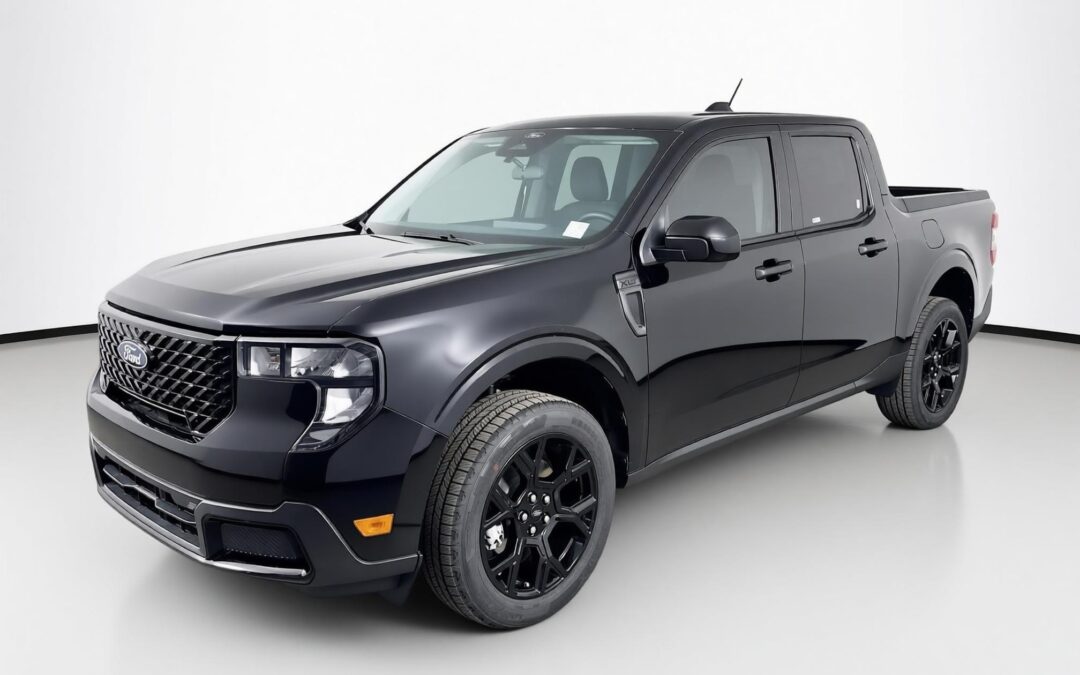
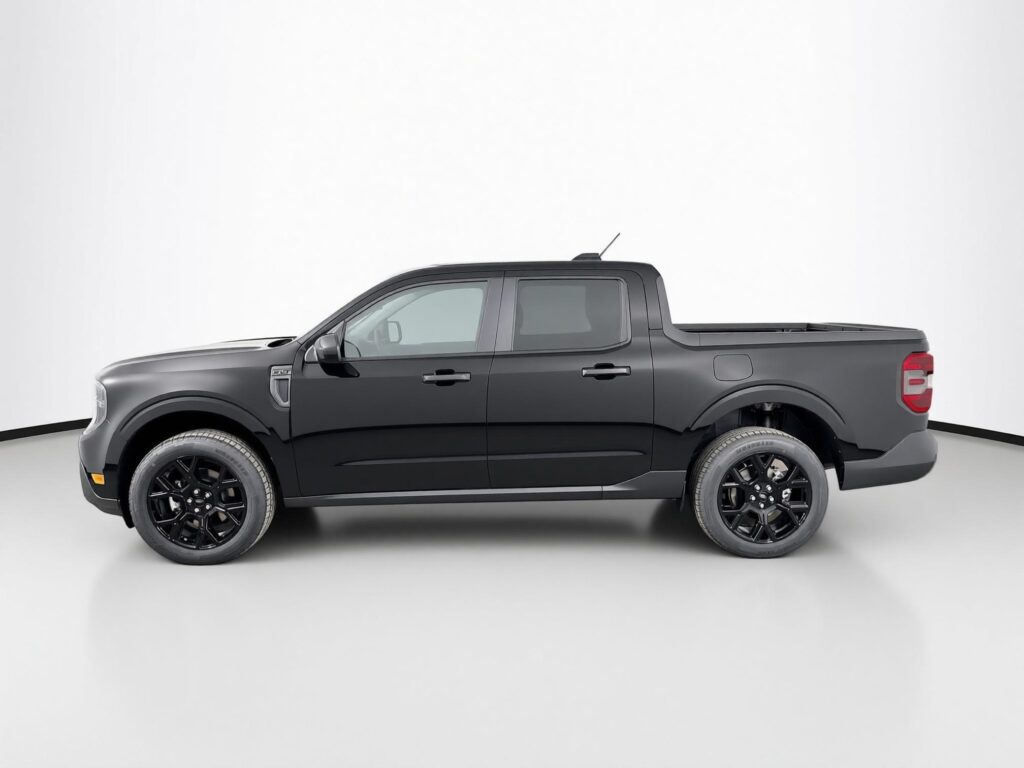
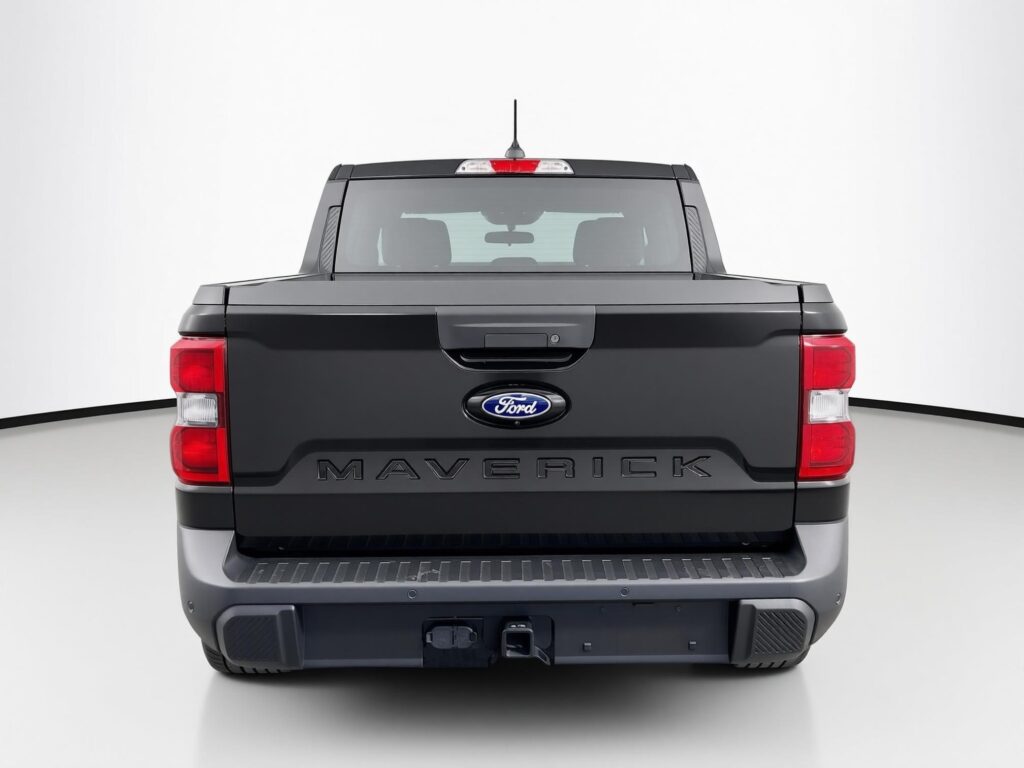
Shoppers don’t call the dealership to ask about the background. They call about the details your photos skipped.
How worn is the driver’s seat? How much tread is left on the tires? Does it have the third row? Does it come with two keys?
Every one of those questions is a missing photo. And every shopper who has to ask is a shopper deciding whether your car is worth the effort.
The wide shots get attention. The details close the gap.
The exterior angles tell a shopper what the car is. The detail shots tell them what this car is: its equipment, its condition and how it was cared for.
That is the difference between a listing that looks good and a listing that answers questions. As we said in How Many Photos Should a Dealership Put on Each Vehicle Listing?, the goal is not the highest photo count. The goal is eliminating unanswered questions.
The detail shots that answer shopper questions
1. The dash with the vehicle running
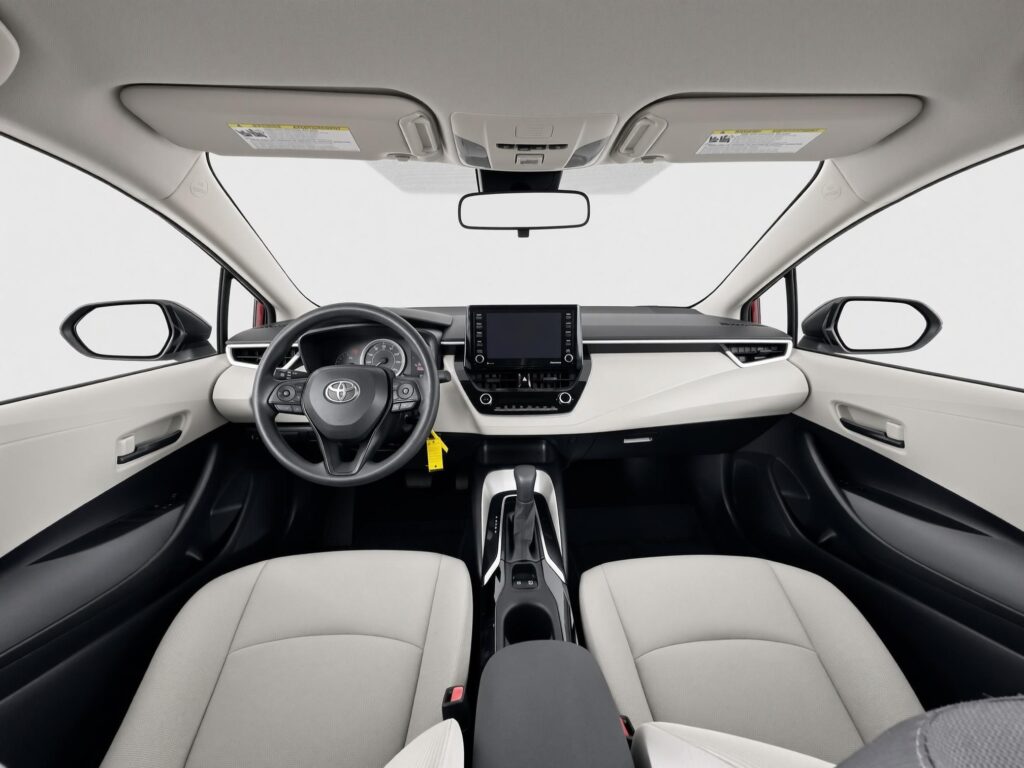
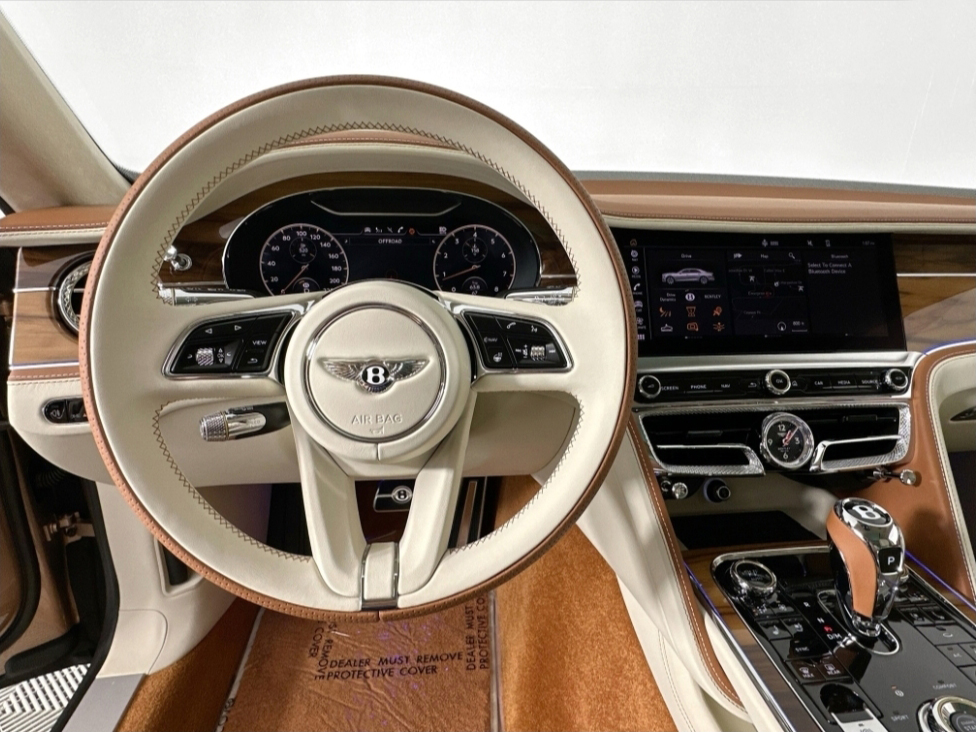
Mileage is one of the first things a shopper checks. A clear shot of the instrument cluster shows the odometer and lets the buyer see the dash lit up the way they’ll see it on the test drive.
2. Tires and wheels
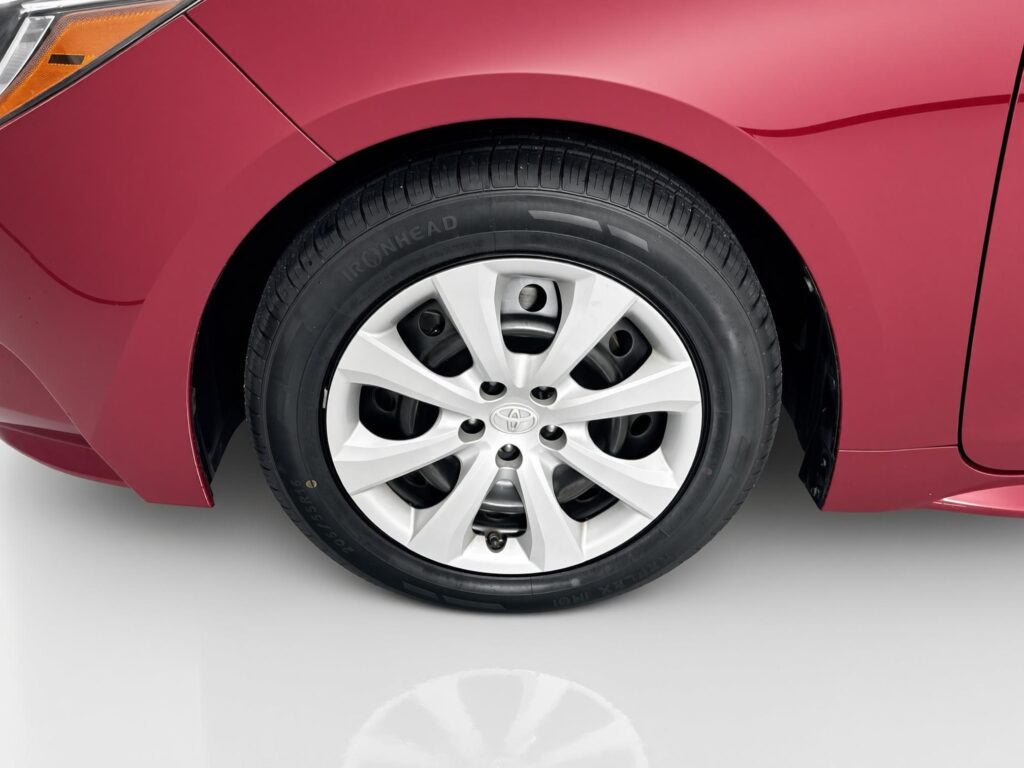
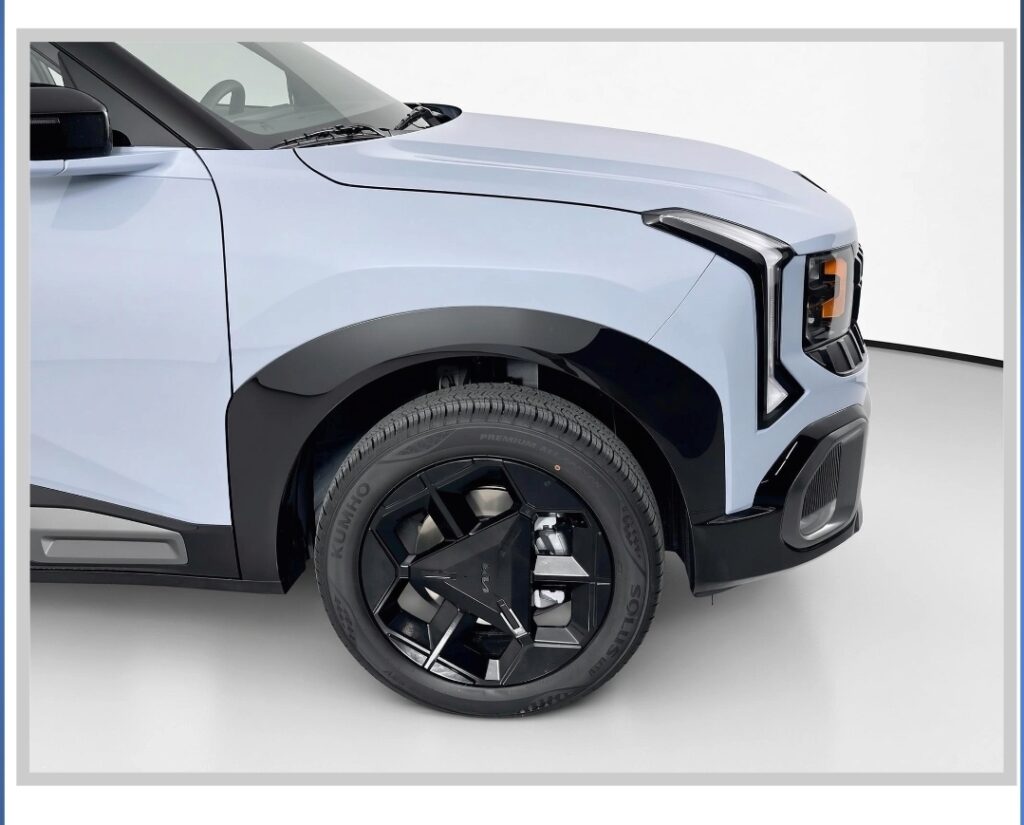
Tires are a cost the buyer is already calculating. Show the tread and the wheel face clearly. Curb rash is easy to hide in a wide shot and impossible to hide on the lot.
3. The driver’s seat
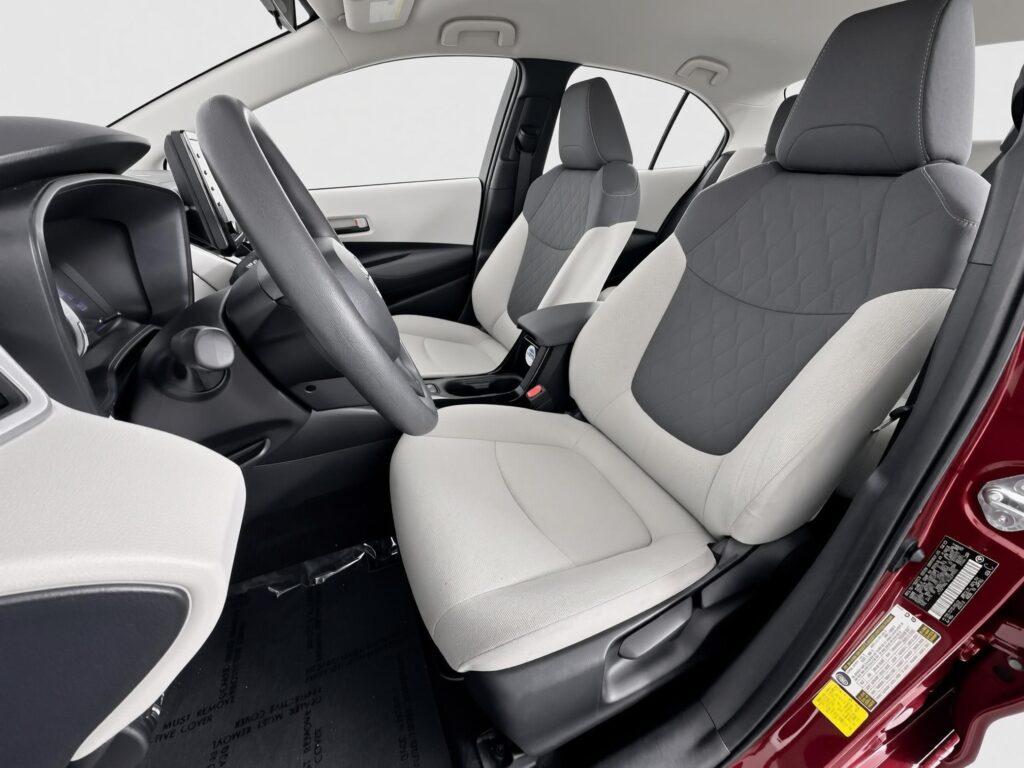
The driver’s seat takes the most wear of any surface in the car. Shoppers know that, and they look for it. Show the bolster, the cushion and the material clearly enough that the buyer can judge it for themselves.
4. The equipment that sets this unit apart
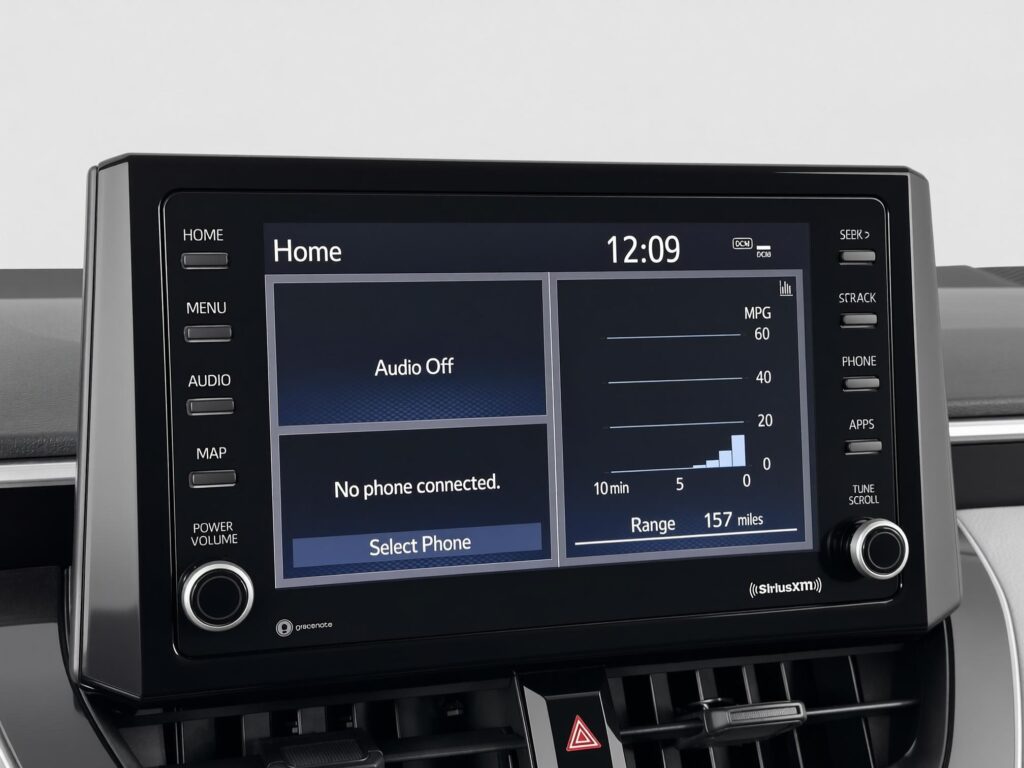
Sunroof, third row, towing equipment, upgraded audio, the infotainment screen. If a feature is part of why this car is priced the way it is, it deserves its own photo. A feature a shopper can’t see is a feature they may not believe is there.
5. Cargo space
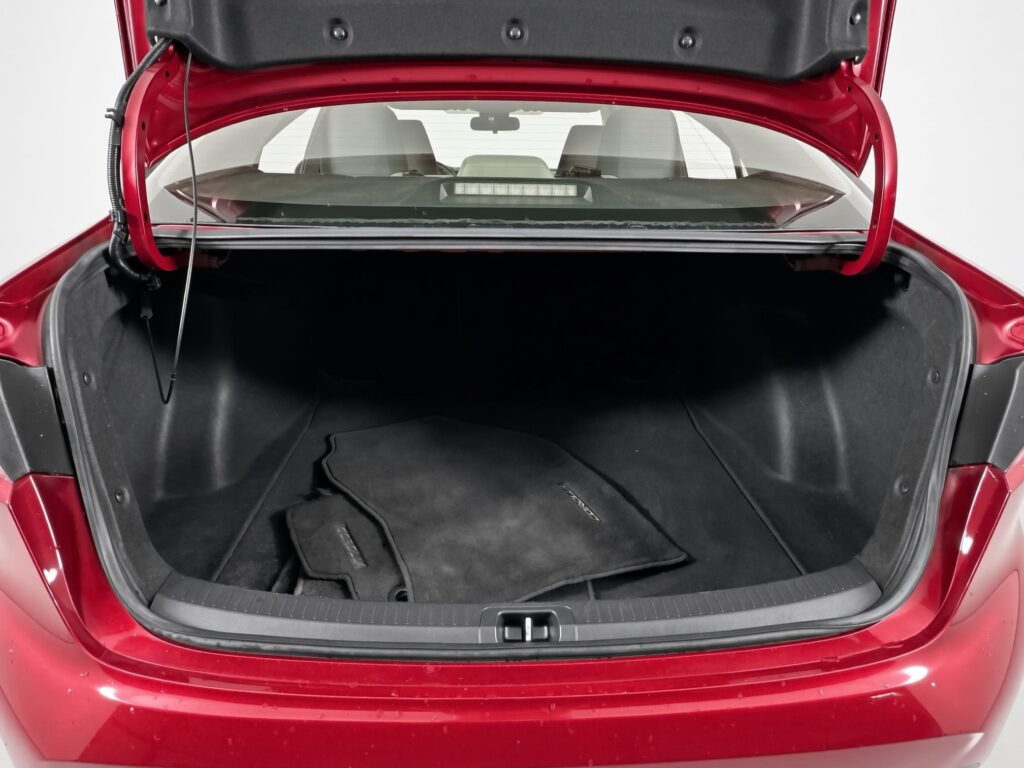
For SUVs, trucks and wagons, cargo space is often the reason for the purchase. Show the cargo area, and show it with the seats folded if they fold.
6. The keys
It’s a small photo that answers a common question. Shoppers want to know whether they’re getting one key or two before they drive across town.
7. Real condition
Scratches, scuffs and normal wear belong in the listing, shown clearly. A used car has a real condition. Photograph it, so the car the customer sees online is the car they find when they arrive. (More on that in Stop Selling a Version of the Car That Does Not Exist.)
Detail shots fail first when the light is bad
Close-ups are the least forgiving photos in the set. A dark cabin turns seat wear into a guess. Glare on the dash hides the odometer. Shadows in the wheel well hide the tire.
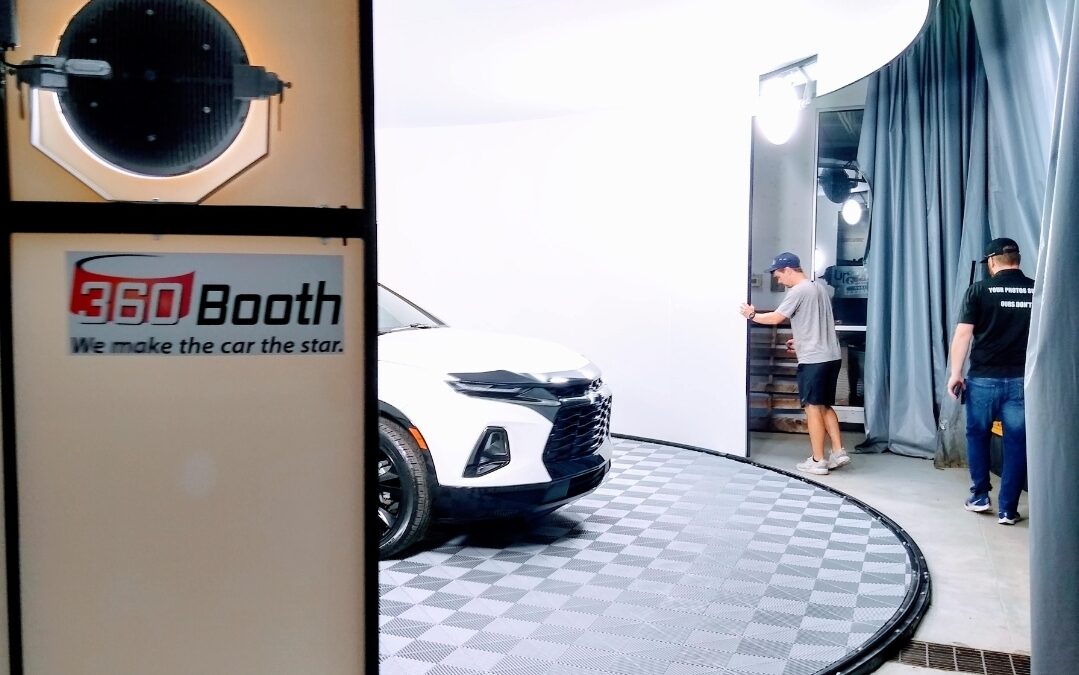
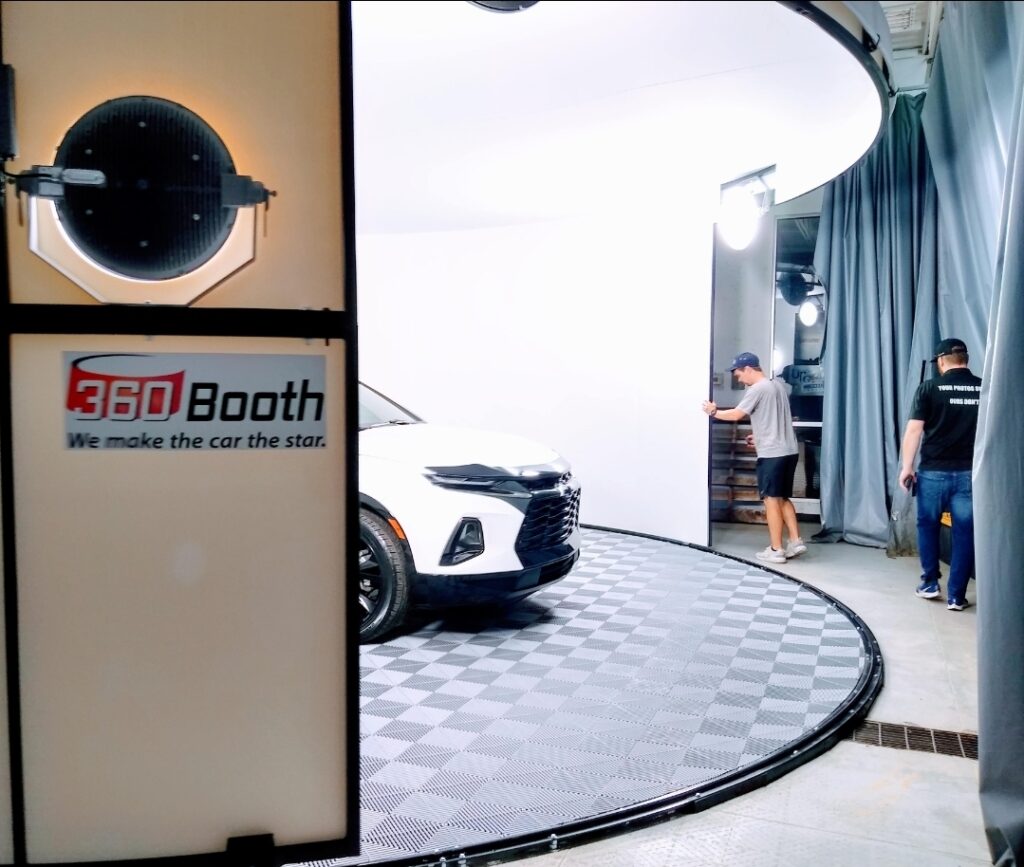
That is where a controlled environment earns its keep. Inside a 360Booth, the standard sequence and any extra photos receive the same lighting, clean physical background and consistent presentation. SHOOTit AI guides employees through a repeatable 40+ image process and stops the workflow when an image is dark, blurry or poorly centered, so the problem gets reshot while the employee is still at the car. (See why quality control should happen at the vehicle.)
The standard sequence covers the car. The details are where your team adds what makes this particular unit different. The car should decide which extra photos are worth taking.
Direct challenge
Open five used-vehicle listings on your own website. For each one, write down every question you’d have to call the dealership to answer.
Every line on that list is a photo your shoppers needed and didn’t get.
FAQ
What detail photos should a dealership include on a vehicle listing?
Show the details a shopper would otherwise call about: the dash with mileage, tires and wheels, seat wear, the screen and key equipment, cargo space, the keys, and any visible condition the buyer should know about.
Should dealers photograph scratches and wear on used cars?
Yes. A used car has a real condition. Showing it clearly in the listing means the car the customer sees online matches the car they find on the lot.
Do detail photos need the same lighting as exterior photos?
They need it more. Interior close-ups are where poor light hurts most. Inside a 360Booth, every photo, standard or extra, gets the same controlled lighting and clean physical background.
How do I know which detail photos my listings are missing?
Open five used-vehicle listings on your own website and write down every question you would have to call the dealership to answer. Each question is a missing photo.
Direct answer: Dealership vehicle photography quality control should happen while the employee is still standing beside the vehicle. SHOOTit AI guides the required 40+ image process and, when an image is too dark, blurry or poorly centered, stops the workflow and immediately requires a reshoot. Correcting the problem at capture prevents avoidable backtracking and protects the integrity of the original vehicle evidence.
The Best Time to Fix a Bad Vehicle Photo Is Before You Walk Away
Most photo problems are inexpensive to correct at one specific moment: when the vehicle, employee and camera are still together.
Once the car has been moved, parked, locked or handed to another department, the same correction becomes another task.
Someone has to locate the vehicle.
The vehicle may need to be repositioned.
A door, hatch or hood may need to be reopened.
The photographer has to recreate the angle.
That is not a camera problem. It is a workflow problem.
SHOOTit AI is designed to deal with the issue before that workflow breaks. If a required image is too dark, blurry or poorly centered, SHOOTit AI stops the process and immediately prompts the employee to reshoot before continuing.
The employee does not discover the problem hours later. The correction happens where the evidence is being created.
Capture Quality Is Different From Editing Quality
There is an important distinction between improving an image and correctly capturing the vehicle.
Software can adjust an image after capture. It cannot go backward in time and photograph an angle that was missed, refocus a blurred original, or document a vehicle detail the camera never properly recorded.
That distinction becomes increasingly important as automotive imaging uses more AI. AI can interpret evidence. It can organize it. It can enhance workflows around it. But the quality of that process still depends on what was actually captured.
That is why Authentic Capture™ starts with the real vehicle.
360Booth Controls the Physical Environment
360Booth is the controlled evidence room around the vehicle.
That physical control gives the photographer the ability to manage lighting, reflections and camera position around the actual vehicle instead of trying to correct an uncontrolled environment afterward.
The result is a repeatable place to create the source evidence. SHOOTit AI then provides the guided evidence-capture layer.
One controls the environment. The other controls the sequence.
Why the 40+ Image Process Matters
Forty-plus required images are not about creating an oversized photo gallery. They are about removing improvisation from the capture process.
The dealership decides what must be documented. SHOOTit AI guides the employee through that sequence. Instead of relying on memory, experience or personal preference, the process becomes repeatable from vehicle to vehicle and employee to employee.
That is especially important when the purpose of photography is not simply to make the vehicle attractive. It is also to show the actual vehicle being offered for sale:
Why Immediate Reshooting Is Operationally Important
Consider two workflows.
In the first, an employee completes the vehicle, moves on, uploads the media and later discovers that several photographs are unusable. Now the process has to move backward.
In the second, the camera recognizes that a required image is too dark, blurry or poorly centered and stops the employee before the next shot. The employee takes the photograph again. Then continues.
That is a small design difference with a large operational consequence. One workflow creates rework. The other corrects the mistake while correction is still part of the original job.
This Is What a Smart Camera Should Do
A smart camera should not simply take a picture. It should understand enough about the dealership’s required process to prevent obvious capture failures from moving downstream.
That is the philosophy behind SHOOTit AI. The objective is not to replace the person holding the camera. It is to make the process easier to execute correctly.
Existing dealership employees can learn the capture process quickly with brief direction because they are following a defined sequence rather than being trained to become professional automotive photographers.
Authentic Capture™ Starts Before AI Interpretation
The future of automotive imaging will include increasingly sophisticated AI. Vehicle condition imaging will improve. Computer vision will improve. Three-dimensional interpretation will improve.
If AI is going to interpret the vehicle, dealerships should give it the strongest possible real-world evidence. That means:
Controlling the physical environment.
Capturing the actual vehicle.
Preserving visible condition.
Following a repeatable sequence.
Correcting bad photographs before leaving the car.
Then allowing software to interpret what was actually recorded.
That is the difference between generating an image and building evidence.
The Dealer Wake-Up Call
Finding bad photos after the vehicle is gone is not quality control. It is rework.
The smartest place to correct a vehicle photograph is exactly where the mistake happened. At the car. Before the employee walks away. Before another vehicle enters the process. Before the mistake becomes somebody else’s problem.
Do not build a faster upload process for bad evidence. Build a capture process that refuses to move forward with it.
FAQ
What happens when SHOOTit AI detects a bad required image?
If the image is too dark, blurry or poorly centered, SHOOTit AI stops the workflow and immediately prompts the employee to reshoot before continuing.
Does SHOOTit AI replace the photographer?
No. It guides the employee through the dealership’s required capture process and applies capture-quality controls during that process.
Why use 360Booth with SHOOTit AI?
360Booth controls the physical photography environment around the real vehicle. SHOOTit AI controls the guided capture sequence. Together they create a repeatable system for producing real vehicle media.
Does Authentic Capture™ mean AI can perfectly determine vehicle condition?
No. Authentic Capture™ is about starting with evidence of the actual physical vehicle. AI can interpret that evidence, but it should not be represented as perfectly determining condition, damage, equipment or authenticity.
A shopper asks an AI search assistant to find a “2024 Bentley Continental GT with a red interior.” How does it decide which cars to show?
Short answer: AI search starts with your inventory feed, then leans on your photos when the feed is vague. If those photos are too dark or washed out to confirm the detail, your car is harder to recommend.
Feeds have gaps. Bespoke and two-tone interiors often get flattened to “Other,” “Custom,” or a generic “Black” somewhere between the build sheet, the DMS, and the syndication feed. When the text can’t confirm a detail, your photos are the only evidence left.
That matters more every year. Modern AI systems are multimodal: they can interpret images as well as text. Google says its AI Mode can understand objects’ “materials, colors, shapes and arrangements” in an image. A model looking at a clear cockpit shot can tell oxblood leather from black. A model looking at a sun-blasted, shadow-heavy photo often can’t.
Why does AI search struggle with lot photos?
Glare washes out color. Direct sun bleaches deep tones and creates hot spots across leather and paint.
Shadows hide it. In a dark cabin, red hides read as black or muddy brown.
Inconsistent angles leave gaps. If no one shot the seats, door cards, or dash, there’s nothing to verify.
See the difference side by side in The “Driveway” Look, which compares an outdoor shot with studio photos taken in a 360Booth.
When the evidence is ambiguous, an AI assistant has every reason to recommend a listing it’s more confident about, and that’s often a competitor’s car.
How do studio photos keep your cars in AI search results?
Your listing photos now serve two audiences: the shopper, and the algorithm deciding whether that shopper ever sees the car. A controlled 360Booth® environment helps with both.
Diffuse, high-output lighting removes sun glare and cabin shadows, so colors come through true to life.
SHOOTit ai guides lot staff through about 40 photos per car, so every vehicle gets the same interior and detail angles.
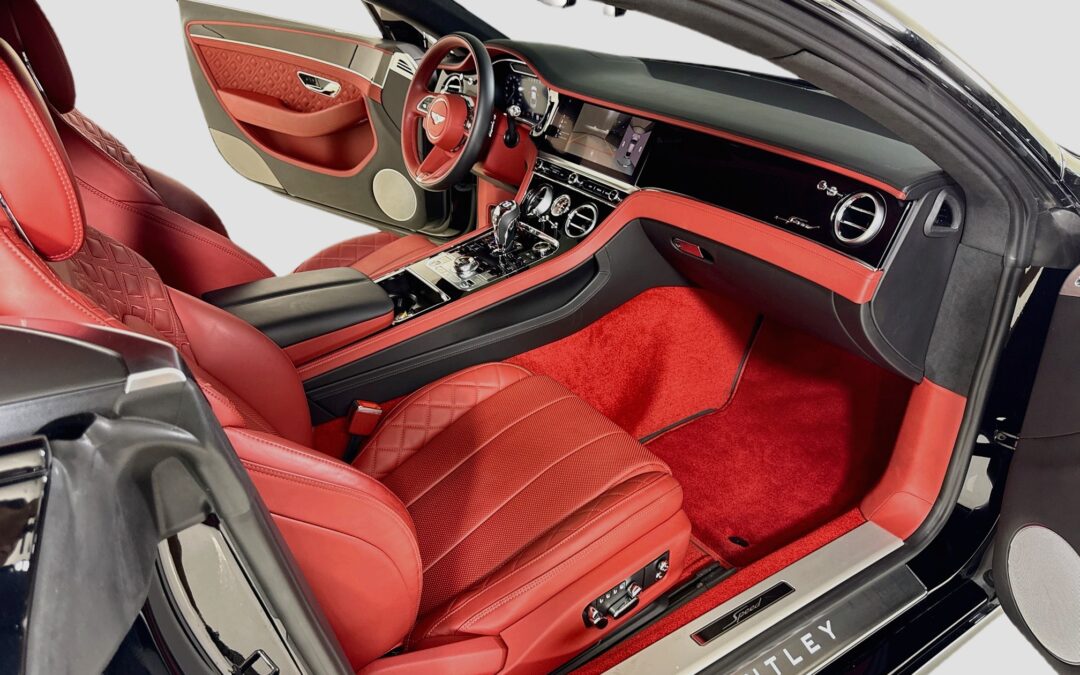
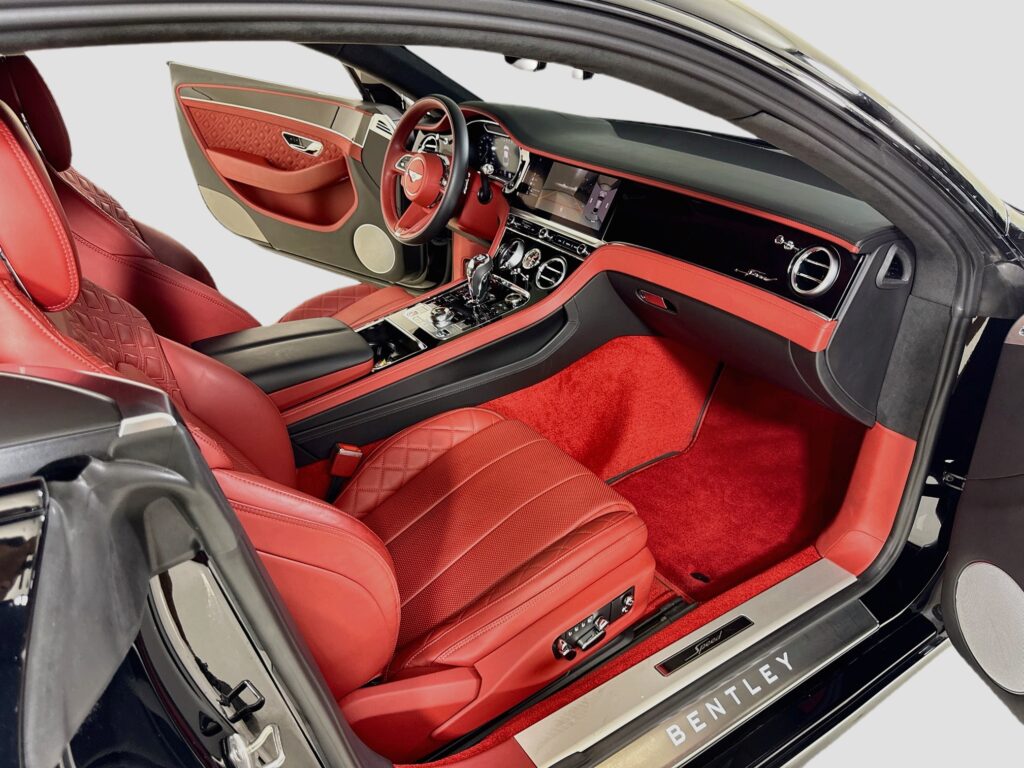
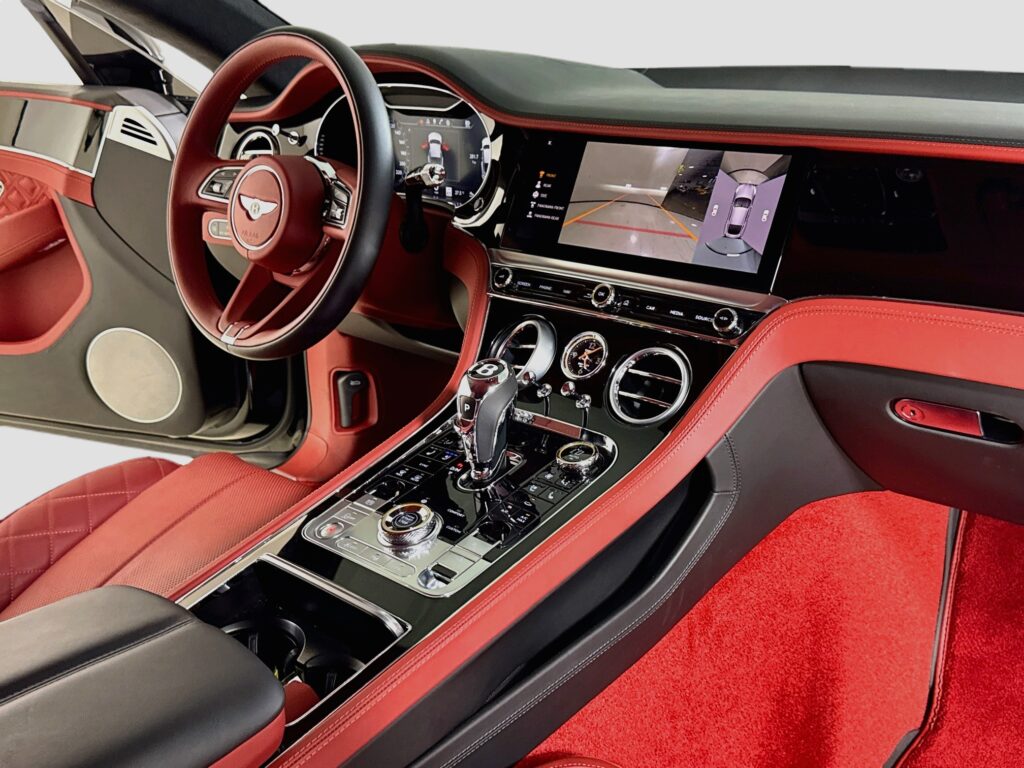
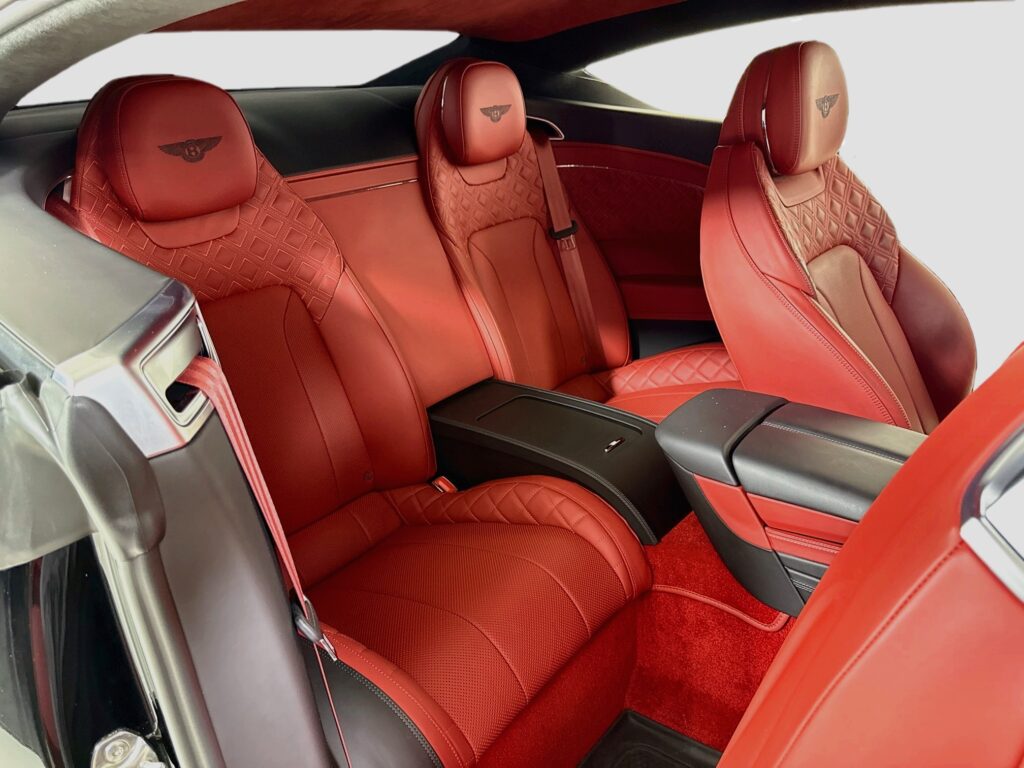
A Bentley interior shot in a 360Booth®: every stitch and panel reads in its true color.
Three bright, evenly lit shots of a 2024 Bentley Continental GT Speed.
What about fake backgrounds?
There’s no published evidence that a replaced background, by itself, pushes a listing down in AI search. The bigger risk is what the edit does to the car.
Google already asks sellers to be upfront about these images. Its Merchant Center image rules require images created with generative AI to carry metadata saying so, and tell merchants not to remove those tags. Google lists a separate label for a composite image that includes synthetic elements, which is what a real car placed on an AI-generated background is.
A fake background becomes a real problem when it changes the vehicle: edges that don’t line up, shadows and reflections from a room the car was never in, or wear that got cleaned away along with the lot. An AI assistant reading that listing can end up describing a car that doesn’t exist, and the shopper finds out at the dealership.
Dark, inconsistent photos make your inventory harder to find, for people and for machines. Consistent, color-accurate photos give AI search the proof it needs to send the buyer to you.
FAQ
How does AI search decide which vehicles to show?
AI assistants read inventory feeds, but feeds often flatten custom or two-tone interiors to “Other,” “Custom” or a generic color. When the text can’t confirm a detail, the photos are the remaining evidence.
Can AI search tell interior colors apart from photos?
Modern AI systems can interpret images as well as text. A clear, evenly lit cockpit photo can show oxblood leather versus black; a sun-blasted or shadow-heavy photo often can’t.
Why do outdoor lot photos fall short?
Direct sun washes out deep colors, cabin shadows make red hides look black or brown, and inconsistent angles leave seats, door cards or the dash unphotographed.
How does a 360Booth help?
A 360Booth uses diffuse, high-output lighting to remove glare and cabin shadows, and SHOOTit ai guides staff through about 40 photos per car so every vehicle gets the same interior and detail angles.
Every dealership that has adopted background replacement software knows the appeal. Pull a car out front, snap the photos, and let the app swap the lot behind it for a clean showroom backdrop or a polished studio look. Listings look consistent, and the cluttered parking lot, the neighboring building, and the stray shopping cart all disappear.
It works well, until the weather turns.
The Hidden Flaw: Built for Sunny Days
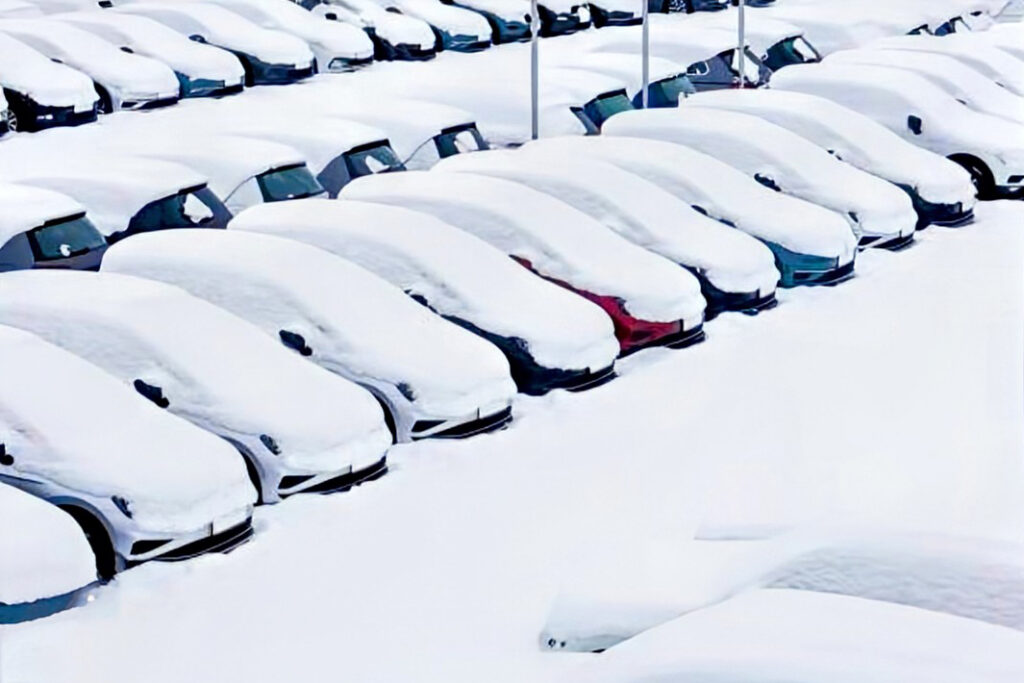
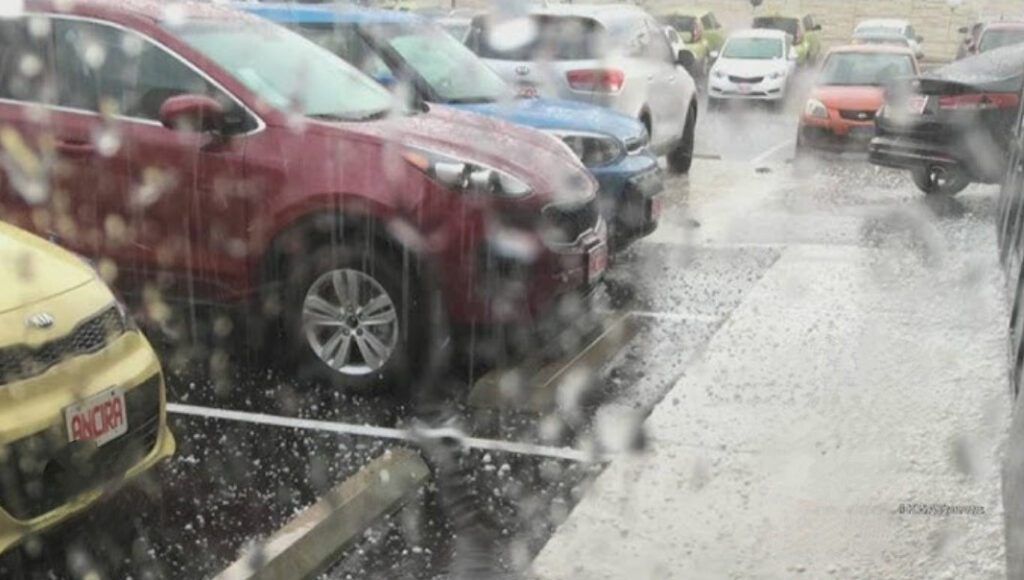
Most of these apps were designed around one assumption: the car will be shot outside. That makes sense on a clear afternoon, when the light is good and the vehicle is easy to separate from its surroundings. Rain and snow break that assumption.
Rain leaves water droplets and wet reflections on the paint and glass. The software struggles to tell where the car ends and the background begins, so edges blur, windows get cut out wrongly, and the car looks like it was pasted onto the scene.
Snow is worse. White snow against a white or silver vehicle confuses the cutout tool, and falling flakes show up as noise in the image. Photographers also don’t want to stand outside in freezing temperatures for 40 vehicles.
Gray, overcast days flatten the lighting, which makes the final images look dull no matter how nice the replacement background is.
The result is that the tool the dealership is paying for sits unused for days or weeks at a time. In many markets, that means a good part of the year.
What a Rainy Week Costs
Inventory doesn’t stop arriving because of the weather. Trade-ins come in, new stock gets delivered, and every unphotographed vehicle is a vehicle that isn’t properly listed online. When the app can’t be used, dealerships usually fall back on one of three bad options:
Wait for the weather to clear. Cars sit with no photos or placeholder images while competitors list theirs.
Shoot in the rain anyway. The photos are inconsistent and look unprofessional next to sunny-day shots of similar vehicles.
Pay for the software and work around it. The subscription keeps charging while the team goes back to old habits.
Since most car shoppers start their search online, slow or low-quality listings directly affect leads, and leads affect sales.
The Real Problem: Dependence on Outdoor Conditions
The issue isn’t background replacement itself. It’s that an outdoor-only workflow makes your photo pipeline depend on the forecast. Any business process that stops working when it rains is a risk, and your listings are too important for that. A dependable photo setup should work the same on a blizzard morning as on a perfect July afternoon.
What to Look For Instead
When evaluating photo software or workflows, ask these questions:
Can it run indoors? A covered bay, a service drive, or a dedicated photo area removes the weather variable entirely.
Does it handle imperfect conditions? Wet paint, low light, and reflective surfaces shouldn’t produce unusable cutouts.
Is the quality consistent? Your listings should look uniform whether they were shot Monday in the sun or Thursday in the snow.
Does it fit into your daily routine? If the team has to check the weather before deciding how to photograph a car, the system is working against you.
Make Your Photo Process Weatherproof
Dealerships invest in photo technology to move cars faster and present them better. A tool that works only part of the year delivers only part of that value. Before the next storm hits, take an honest look at your process. If bad weather shuts down your photography, it’s worth finding a setup that doesn’t. Your inventory, and your customers scrolling through listings, will notice the difference.
FAQ
Why do background replacement apps struggle in rain and snow?
Rain leaves droplets and wet reflections that confuse the cutout, snow blends into white or silver cars and shows up as noise, and gray days flatten the lighting.
What does a rainy week cost a dealership?
Inventory keeps arriving. Dealers either wait with unphotographed cars, shoot inconsistent photos in the rain, or keep paying for software the team works around.
What should a dealership look for in a weatherproof photo process?
A setup that runs indoors, handles imperfect conditions, produces consistent quality in any weather and fits the daily routine without checking the forecast.
The first image is a classic outdoor shot. It’s authentic, but it’s competing with the world around it. You have harsh sun shadows, reflections of trees on the hood, and the texture of the pavement drawing the eye away from the vehicle.
The Impression:
It feels like a private party sale or a “one-off” listing.
The “Studio” Look:
The Digital Showroom
The second set of images portrays something entirely different. By removing the environmental clutter, the car becomes the undisputed hero. The lighting is color-corrected, the shadows are controlled, and the finish looks “factory fresh.”
The Impression:
This is a high-stakes, professional presentation. It signals that the vehicle has been vetted, detailed, and respected.
Why Factory-Backed Dealerships Need the Studio Edge
When customers shop for a premium vehicle from a factory-backed dealership, they aren’t just buying a car; they are buying peace of mind.
Transparency over Mystery: Studio lighting provides 100% transparency. In the outdoor shot, a shadow could easily hide a door ding or a paint imperfection. In the 360Booth, there is nowhere for flaws to hide. That builds immediate trust.
Building Real Value: A 40+ photo presentation standardized across your entire inventory tells the customer that your dealership operates at a higher level. It justifies the premium price point and makes the digital shopping experience feel like a luxury boutique.
Consistency is Authority: When a customer scrolls through your inventory and every car looks like it’s on a pedestal in a museum, it creates a sense of authority.
The Bottom Line
If you want to sell like a premium brand, you have to look like one. SHOOTit ai and the 360Booth don’t just take pictures, they build a value proposition that “driveway” and fake backgrounds photos simply can’t match.
FAQ
What's wrong with outdoor car photos?
They compete with their surroundings: harsh sun shadows, tree reflections on the hood and pavement texture draw attention away from the car and can make it look like a private-party listing.
What does a studio photo do differently?
It removes clutter, uses color-corrected light and controlled shadows, and makes the car the focus, signaling that it’s been vetted and detailed.
Can studio lighting hide flaws?
The opposite. Even studio light leaves less room for shadows to hide a door ding or paint imperfection, which builds trust.