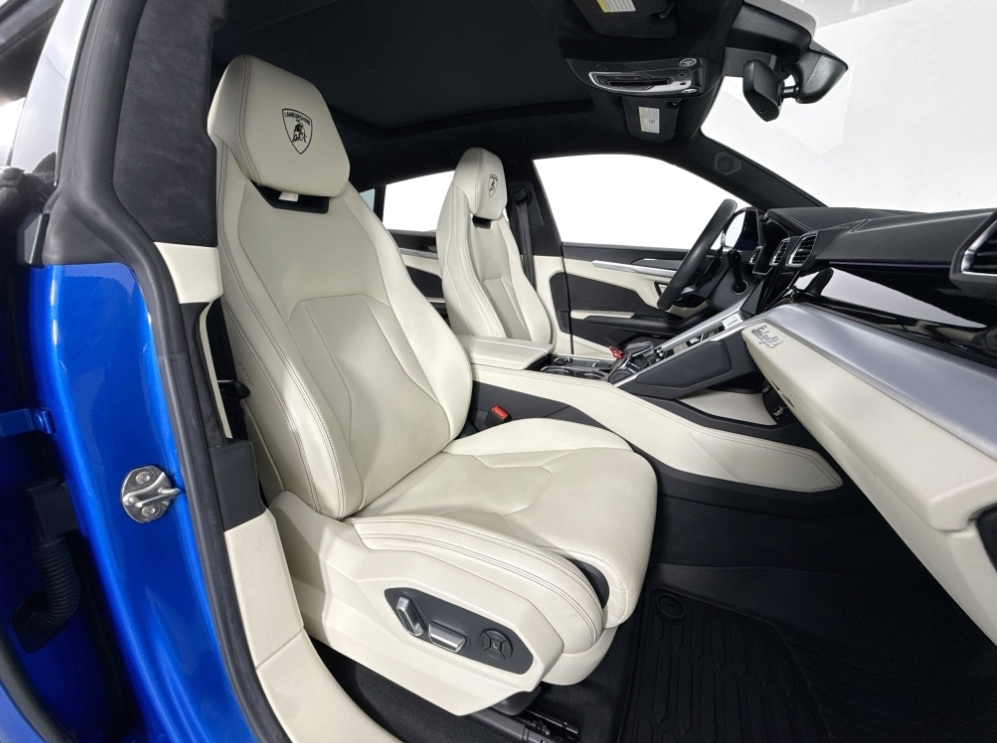
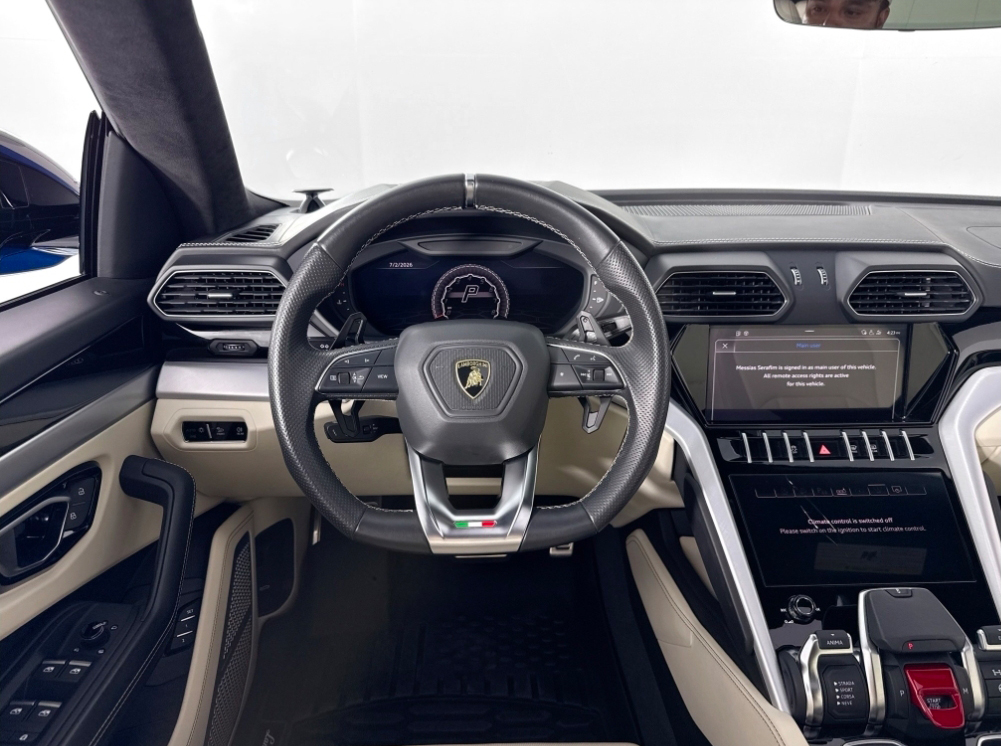
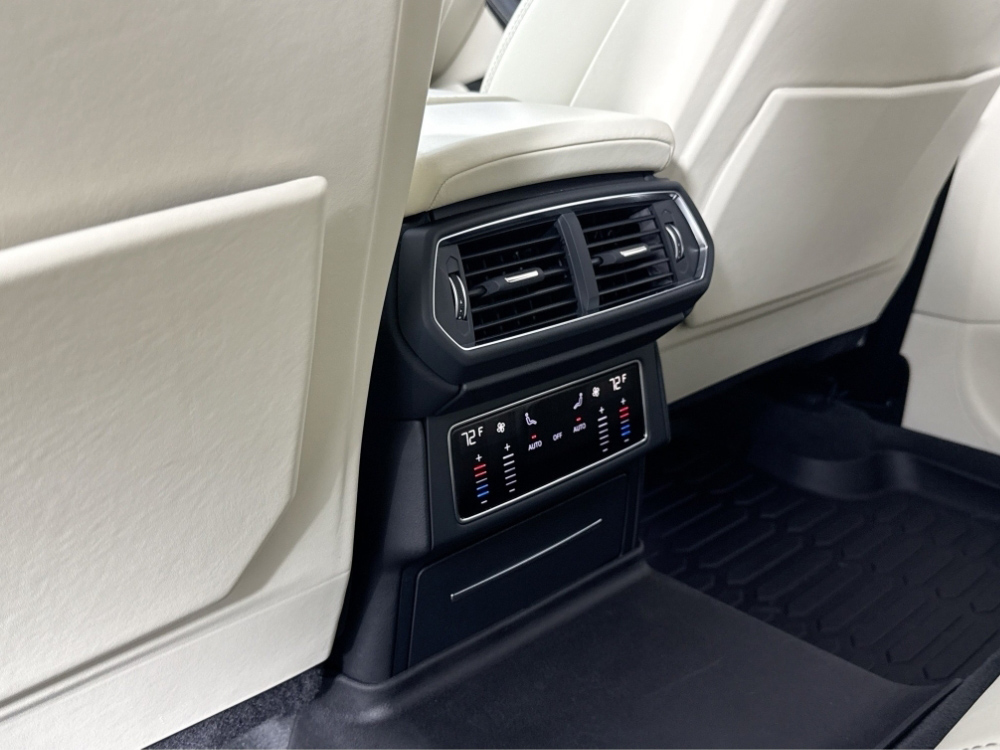
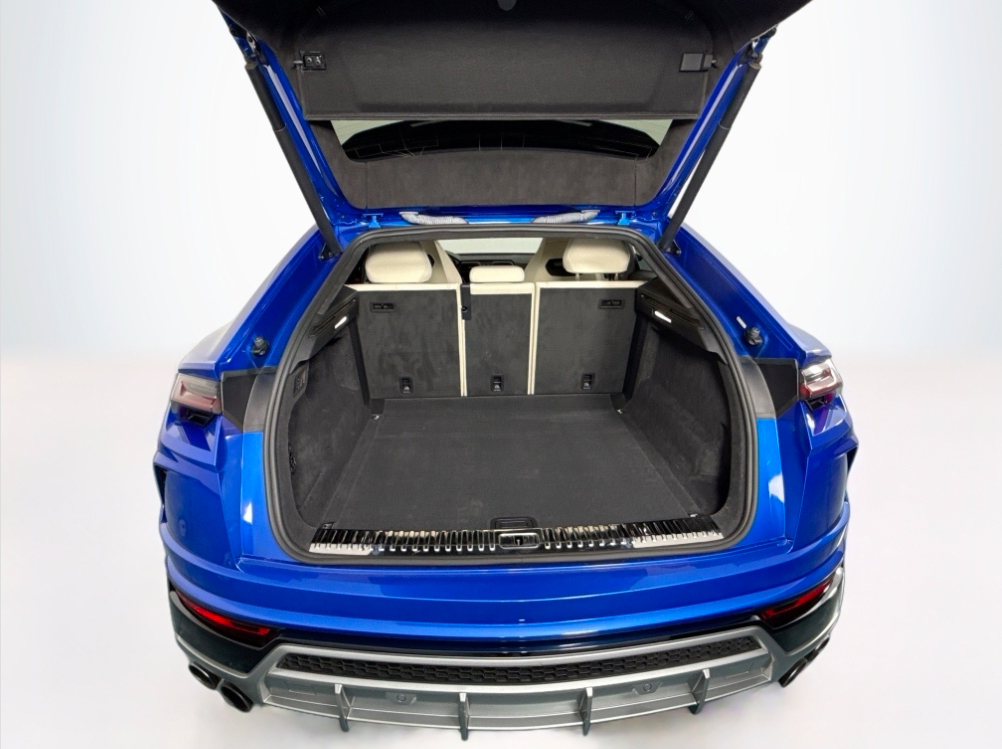
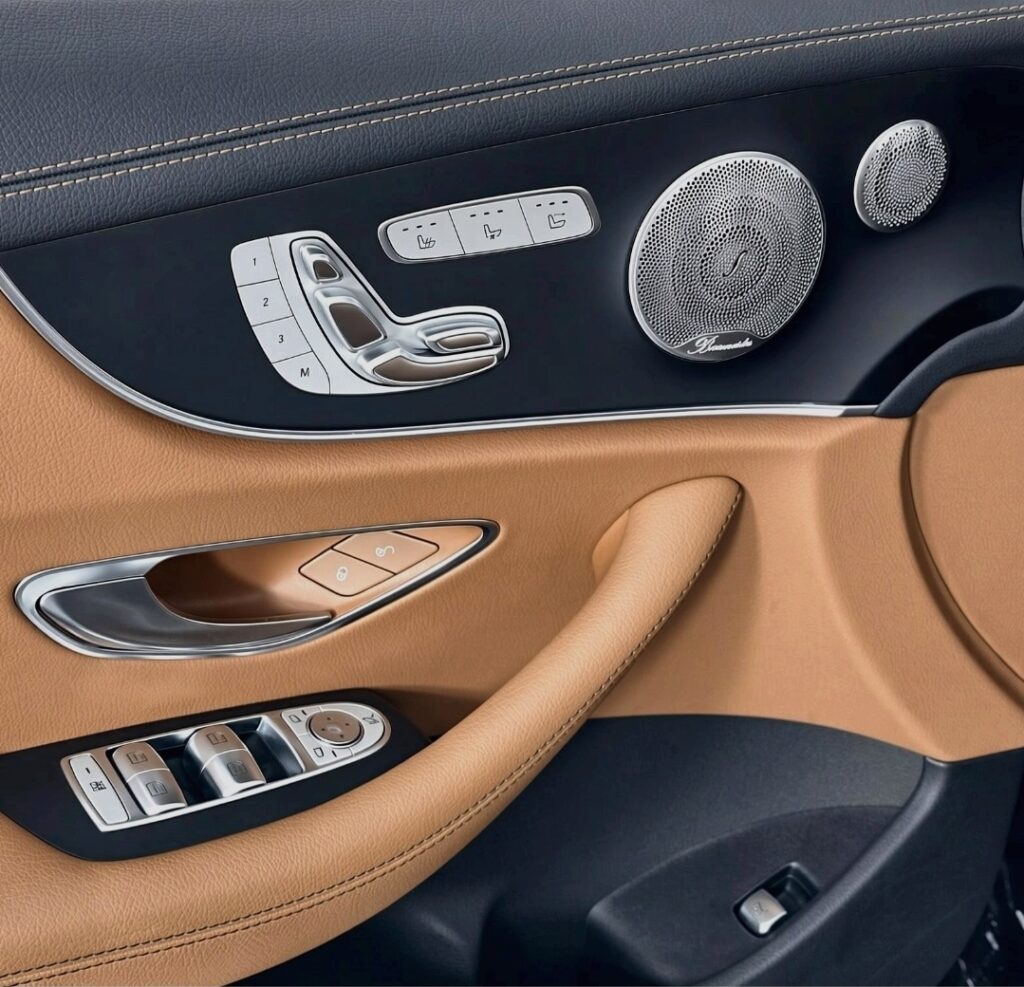
A shopper asks an AI search assistant to find a “2024 Bentley Continental GT with a red interior.” How does it decide which cars to show?
Short answer: AI search starts with your inventory feed, then leans on your photos when the feed is vague. If those photos are too dark or washed out to confirm the detail, your car is harder to recommend.
Feeds have gaps. Bespoke and two-tone interiors often get flattened to “Other,” “Custom,” or a generic “Black” somewhere between the build sheet, the DMS, and the syndication feed. When the text can’t confirm a detail, your photos are the only evidence left.
That matters more every year. Modern AI systems are multimodal: they can interpret images as well as text. Google says its AI Mode can understand objects’ “materials, colors, shapes and arrangements” in an image. A model looking at a clear cockpit shot can tell oxblood leather from black. A model looking at a sun-blasted, shadow-heavy photo often can’t.
Why does AI search struggle with lot photos?
Glare washes out color. Direct sun bleaches deep tones and creates hot spots across leather and paint.
Shadows hide it. In a dark cabin, red hides read as black or muddy brown.
Inconsistent angles leave gaps. If no one shot the seats, door cards, or dash, there’s nothing to verify.
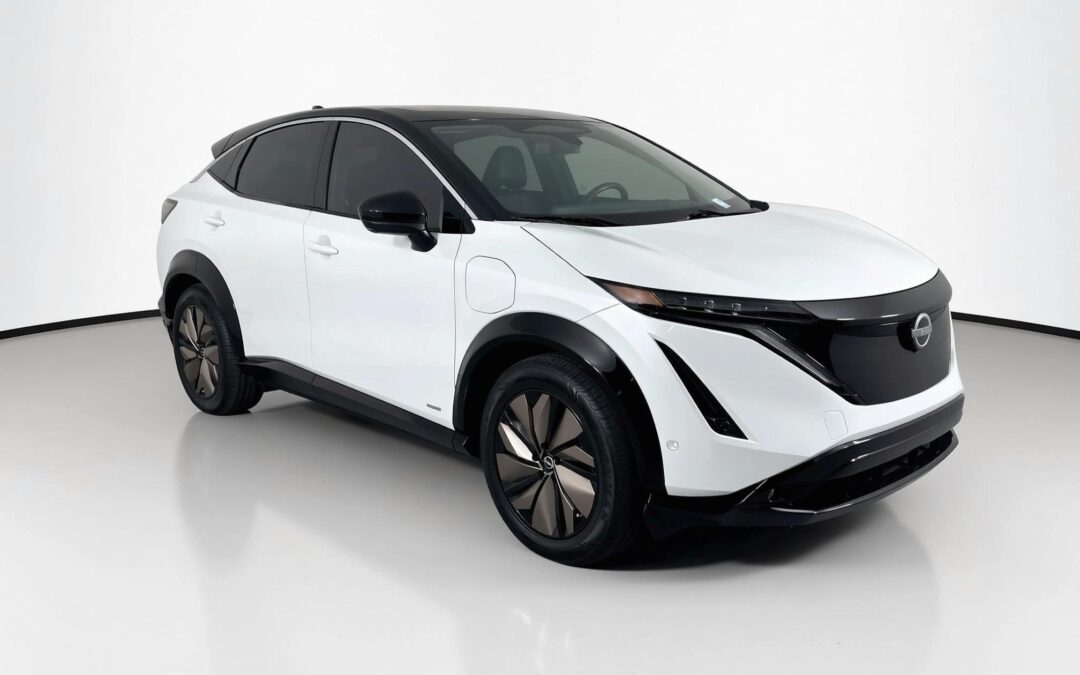
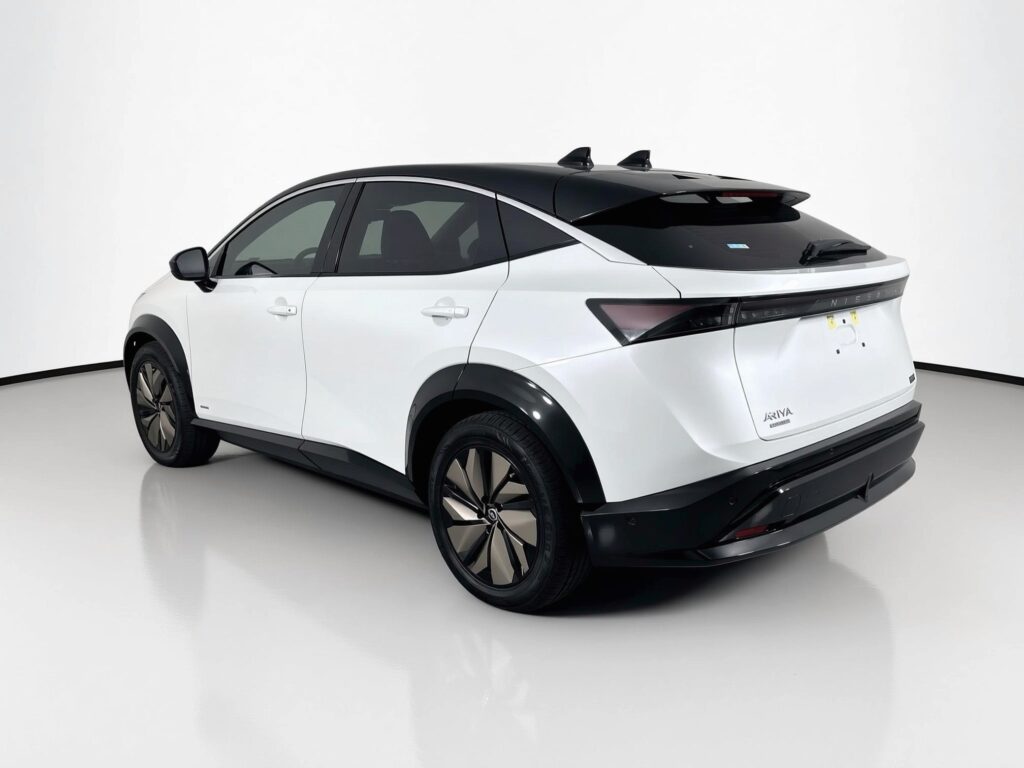
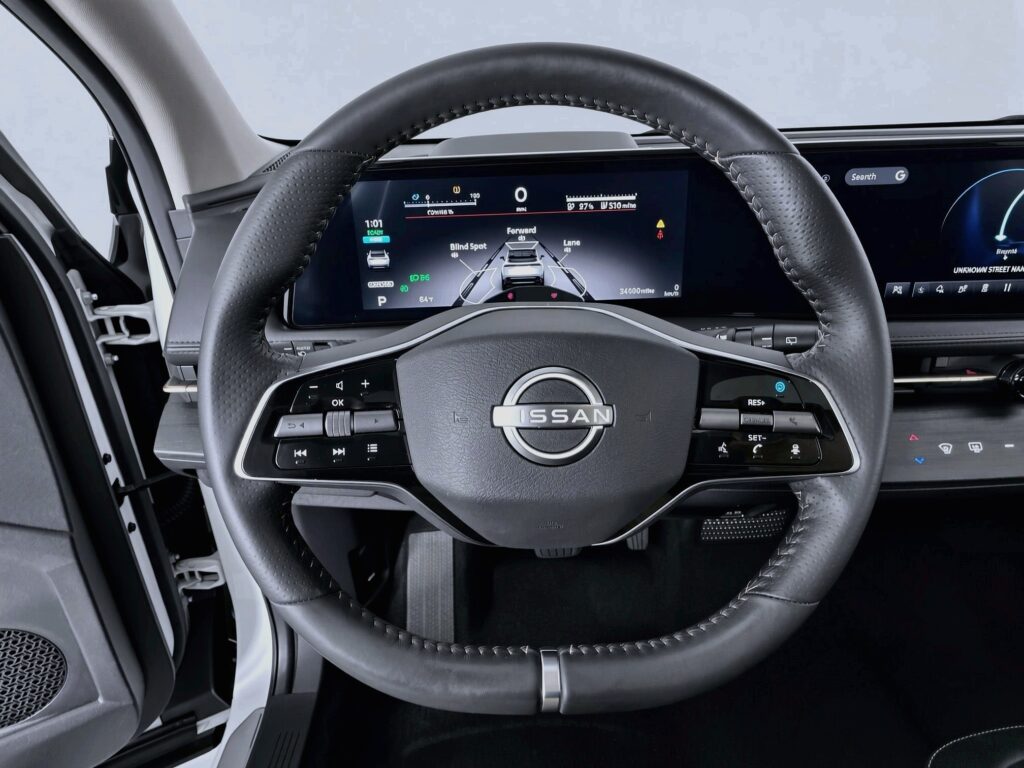
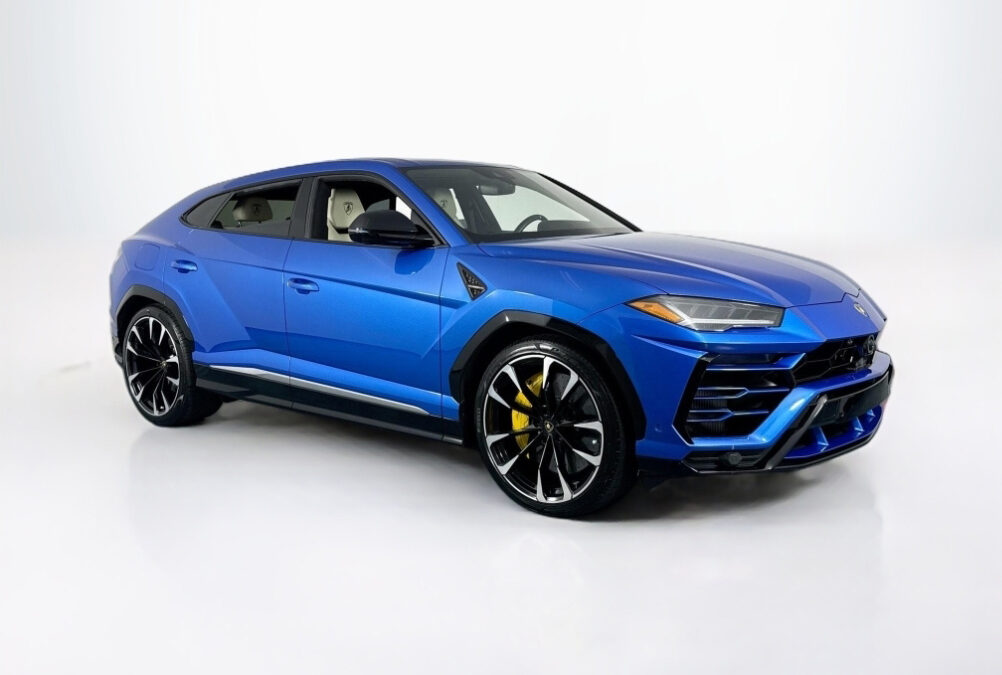
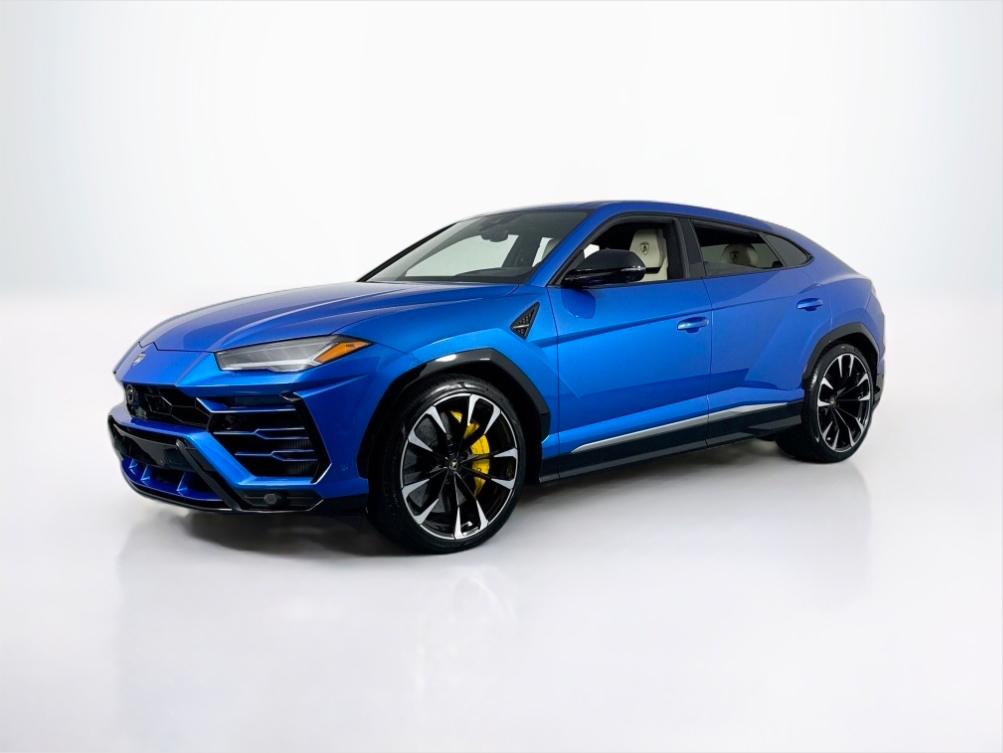
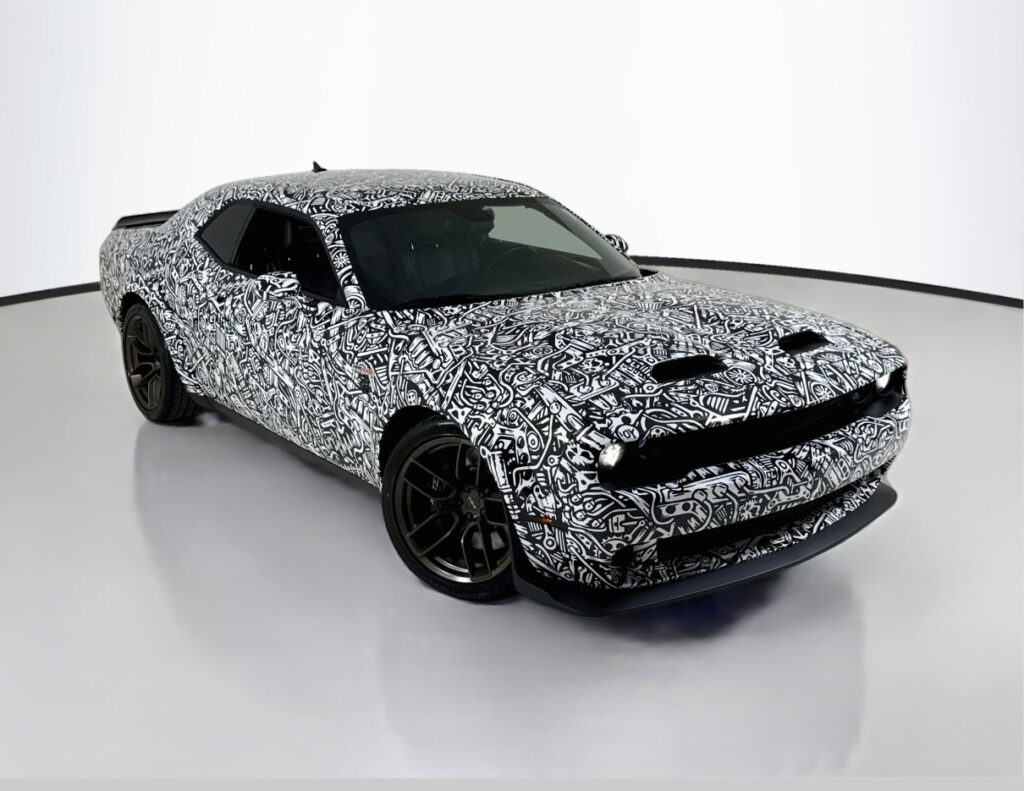
See the difference side by side in The “Driveway” Look, which compares an outdoor shot with studio photos taken in a 360Booth.
When the evidence is ambiguous, an AI assistant has every reason to recommend a listing it’s more confident about, and that’s often a competitor’s car.
How do studio photos keep your cars in AI search results?
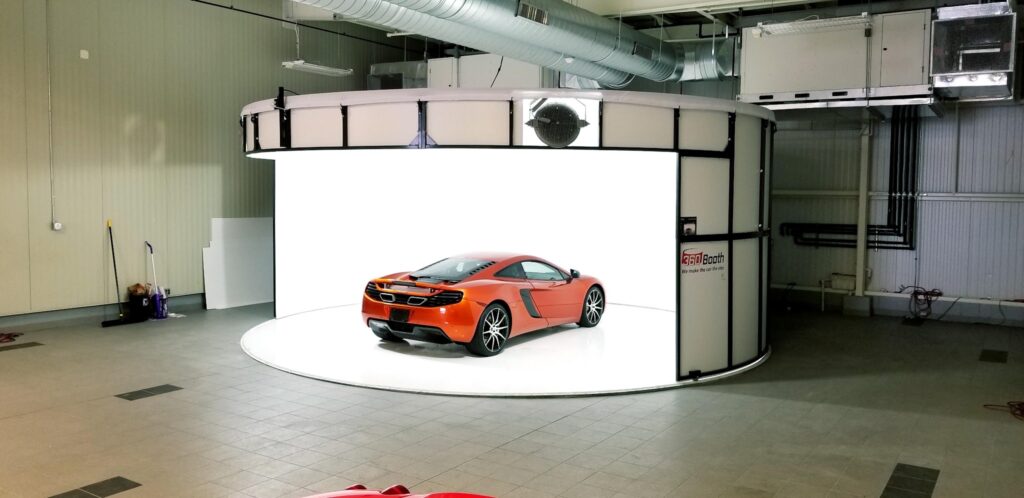
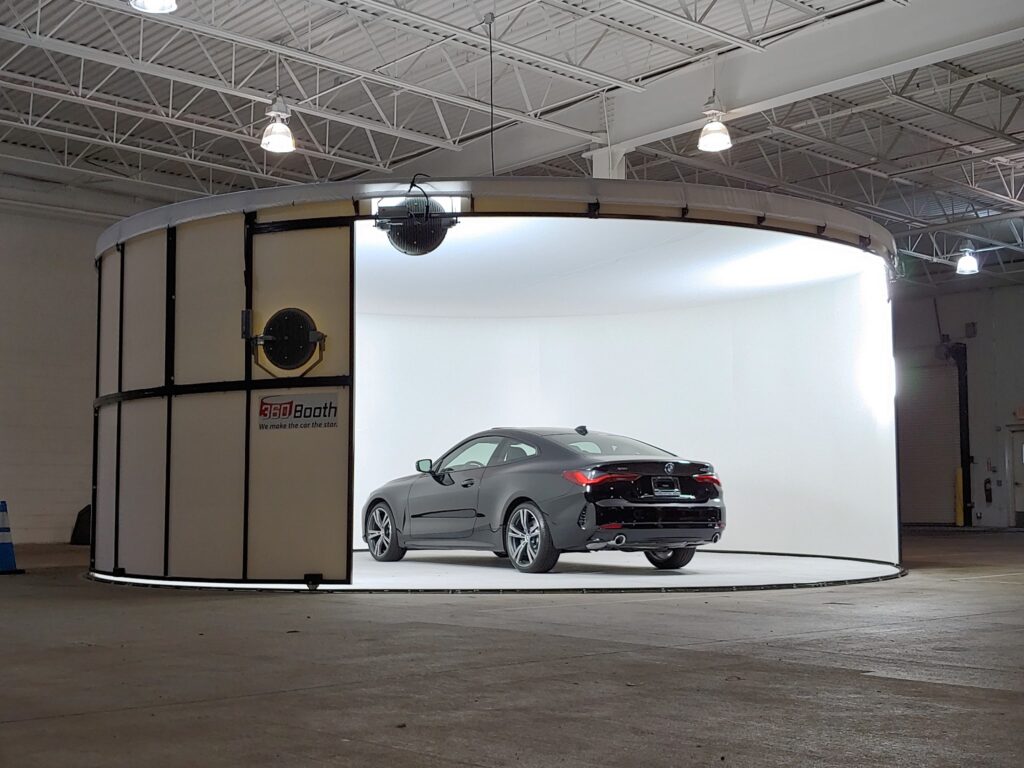
Your listing photos now serve two audiences: the shopper, and the algorithm deciding whether that shopper ever sees the car. A controlled 360Booth® environment helps with both.
Diffuse, high-output lighting removes sun glare and cabin shadows, so colors come through true to life.
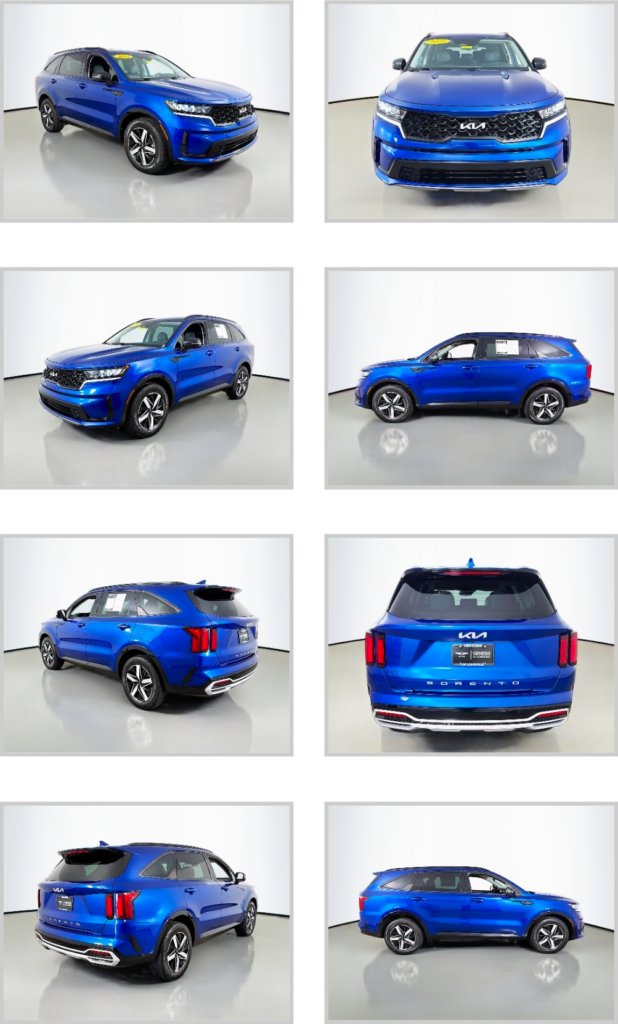
SHOOTit ai guides lot staff through about 40 photos per car, so every vehicle gets the same interior and detail angles.
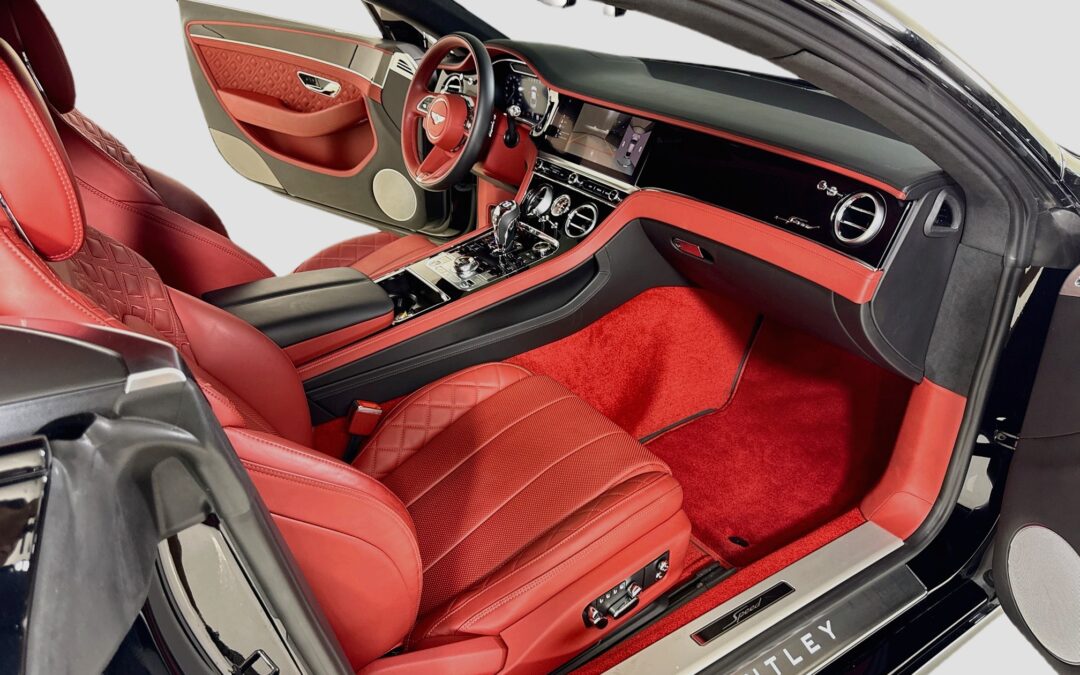
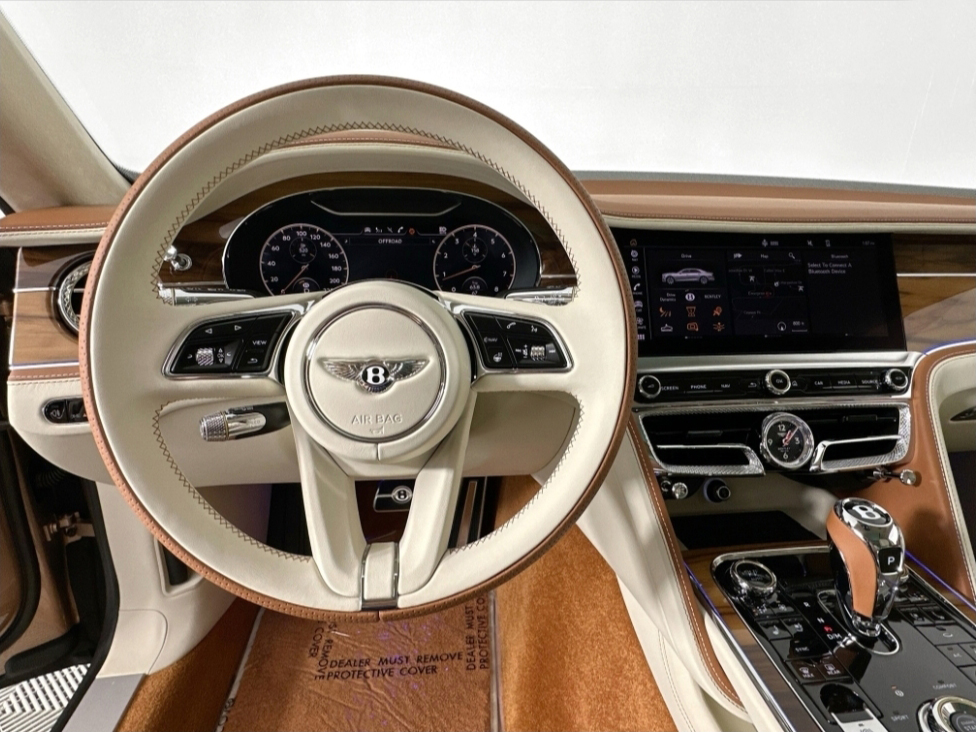
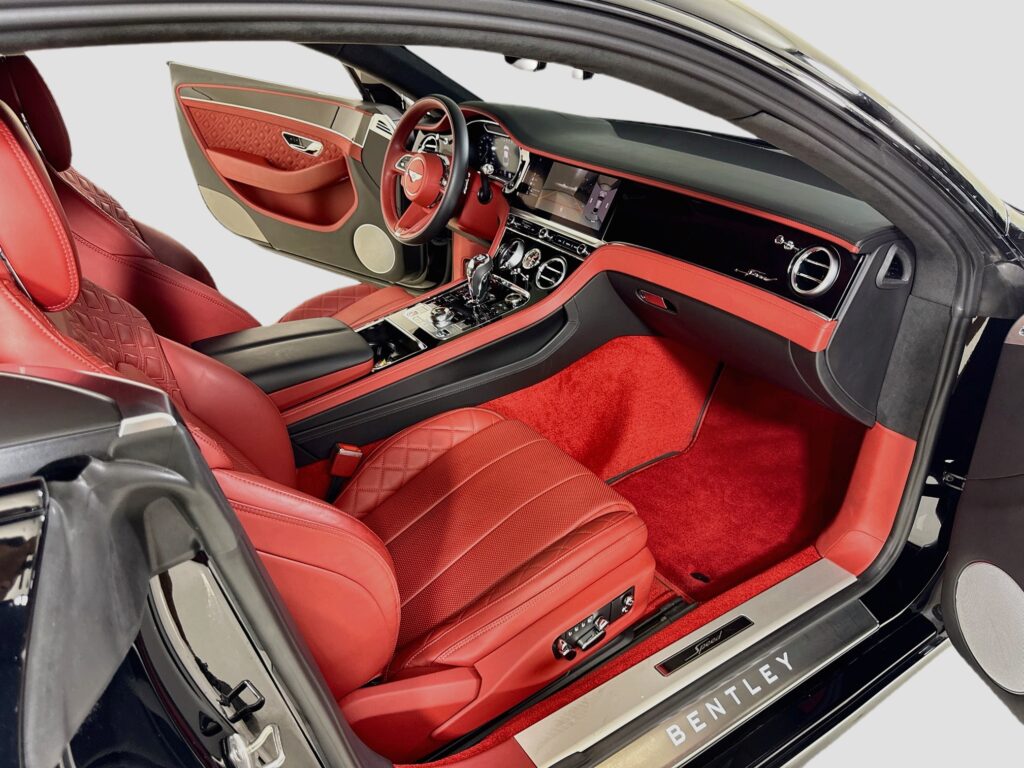
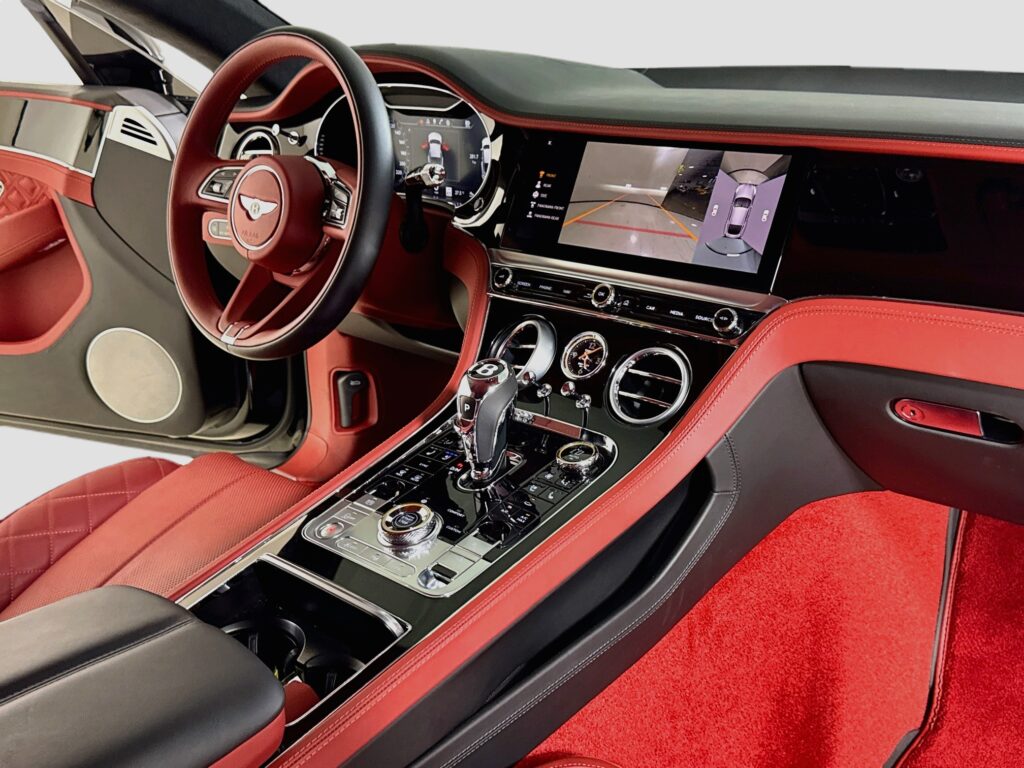
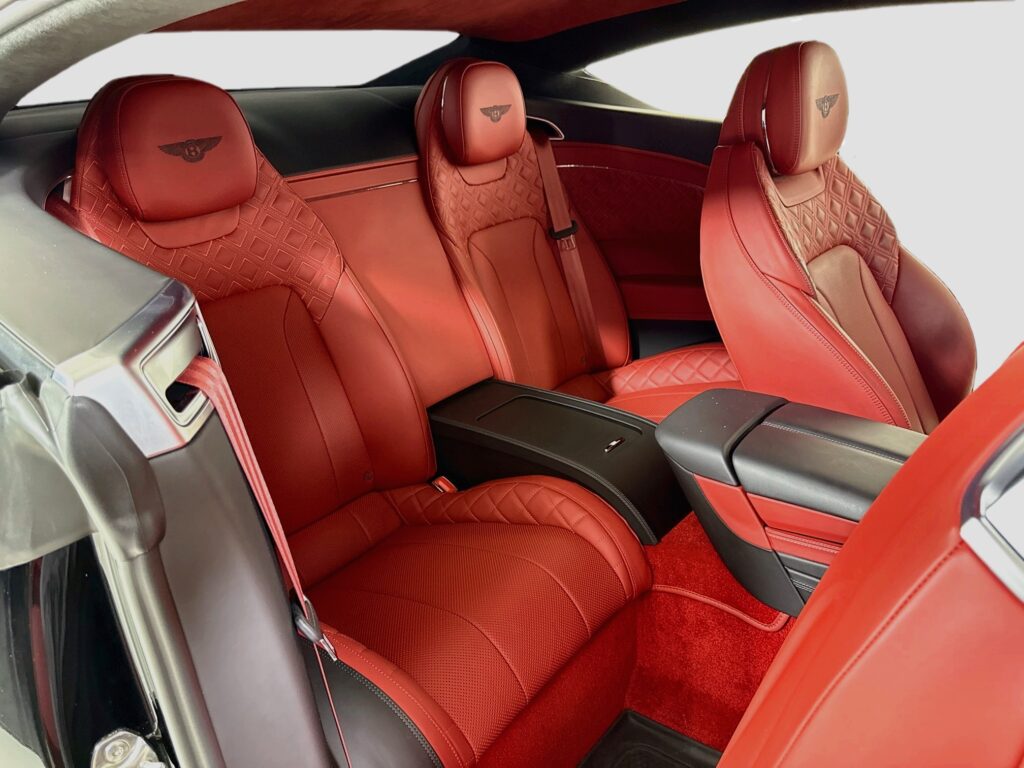
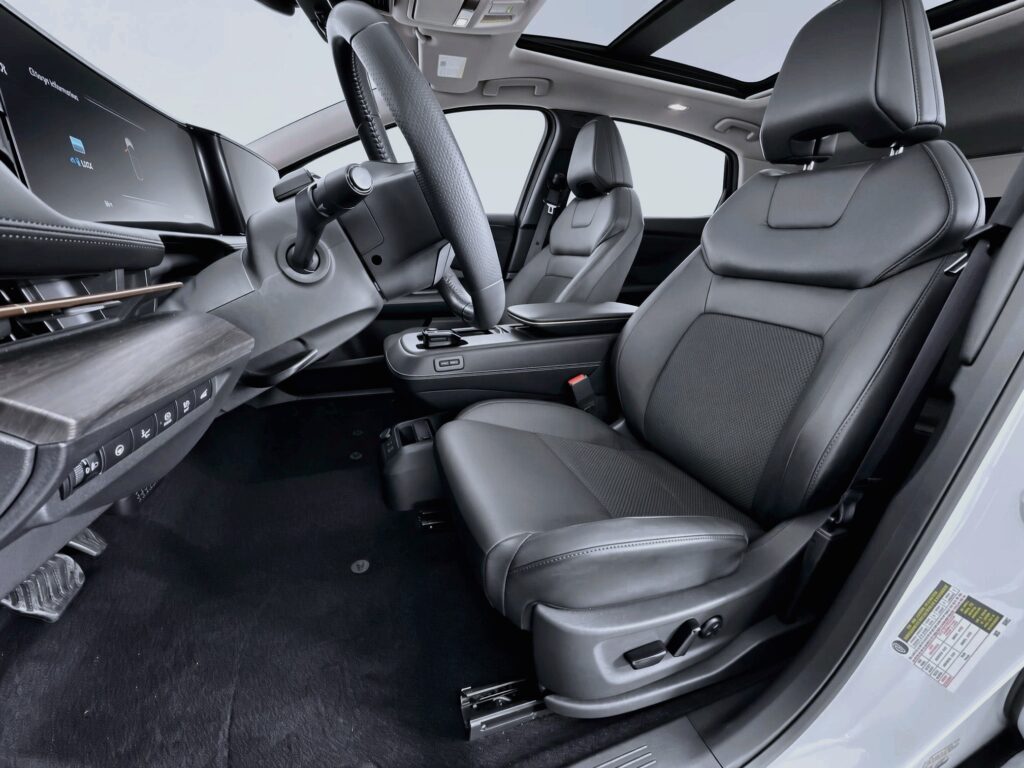
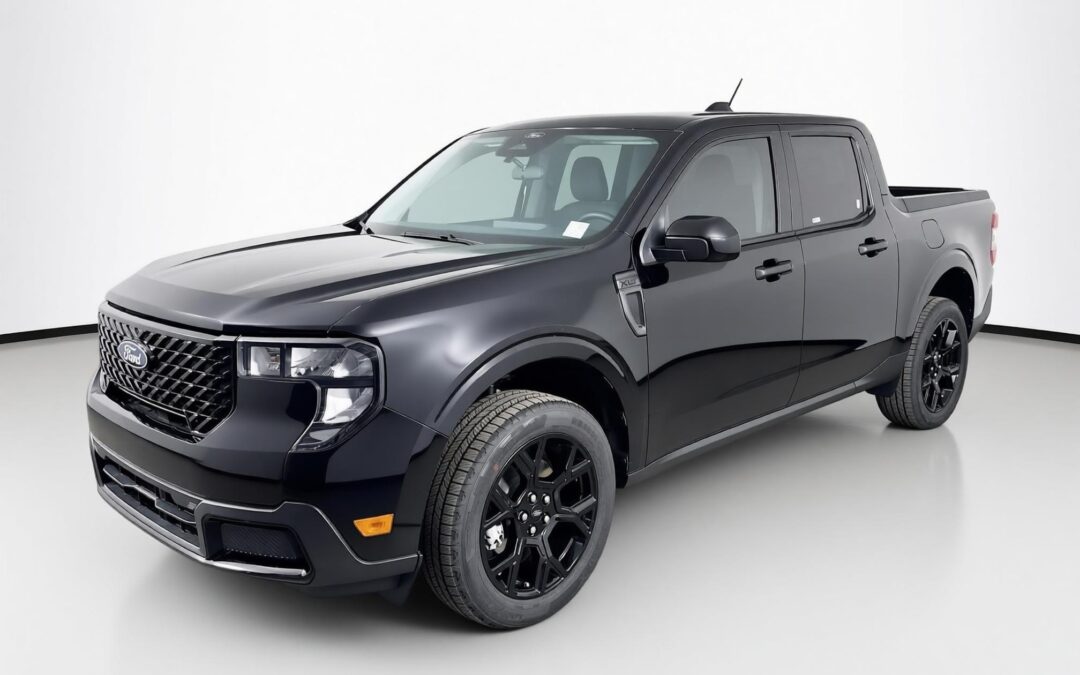
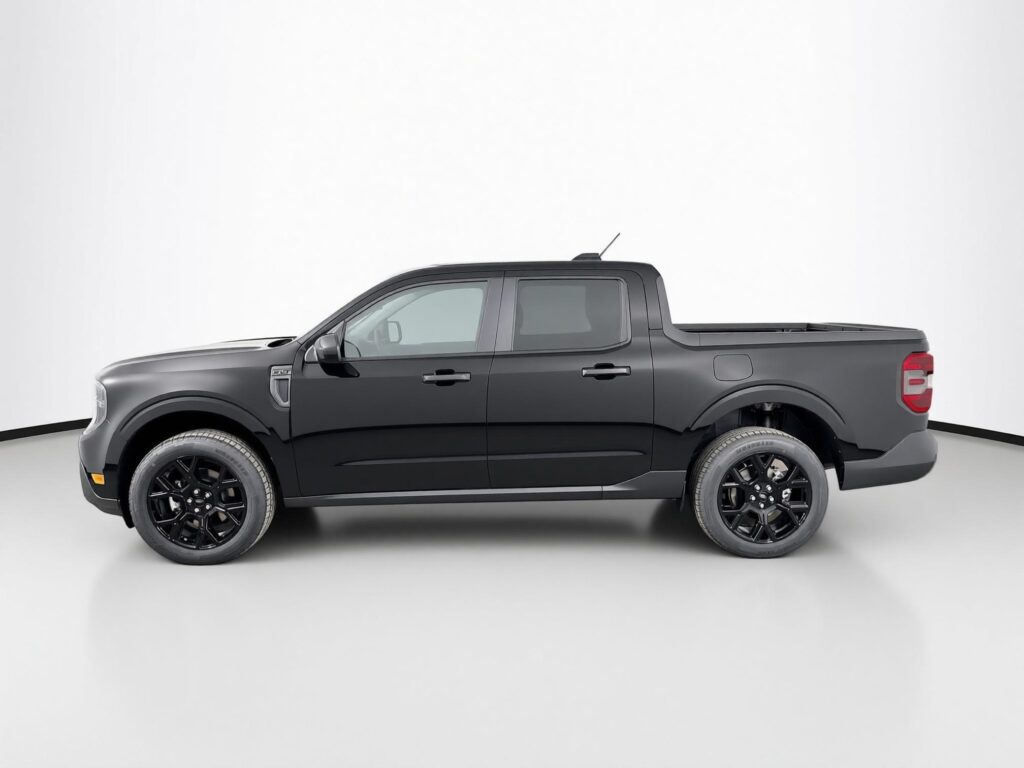
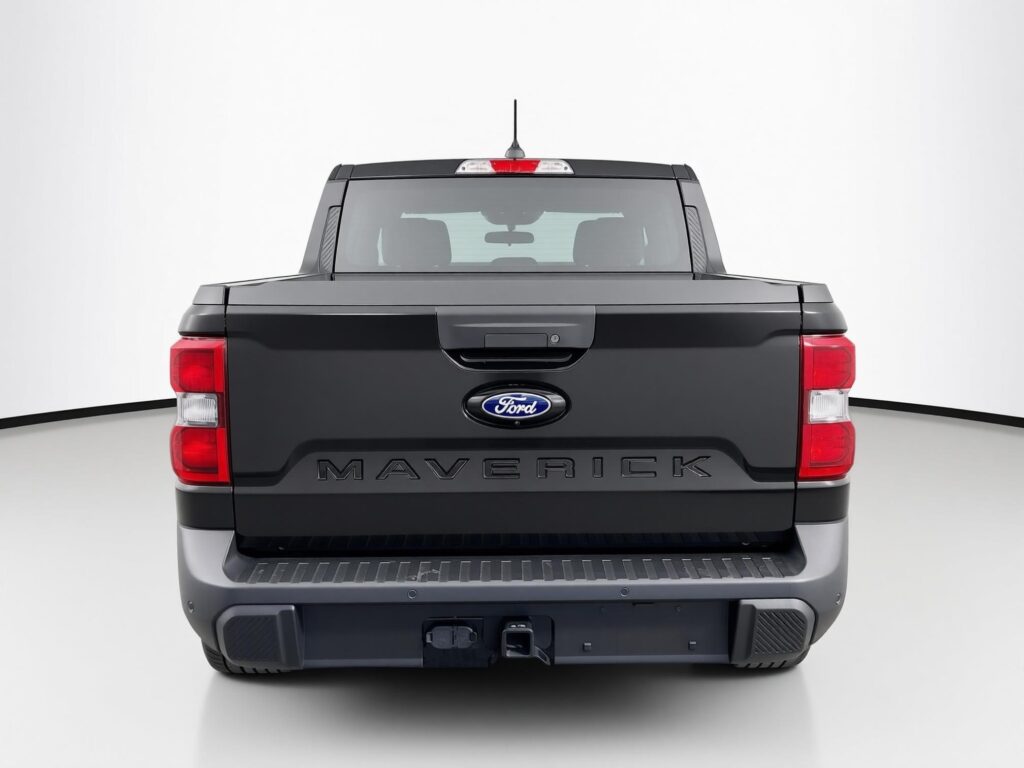
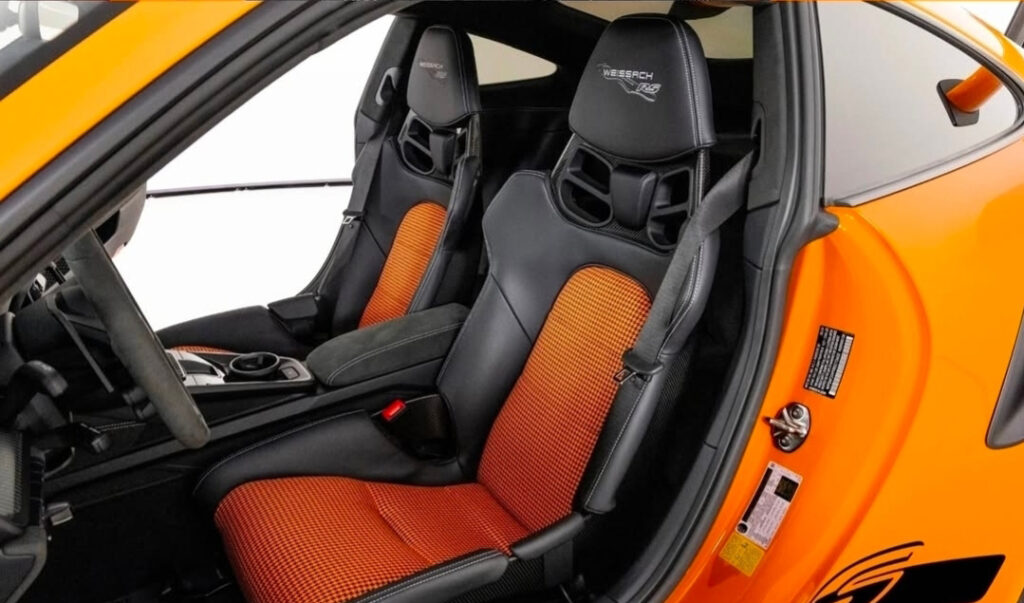
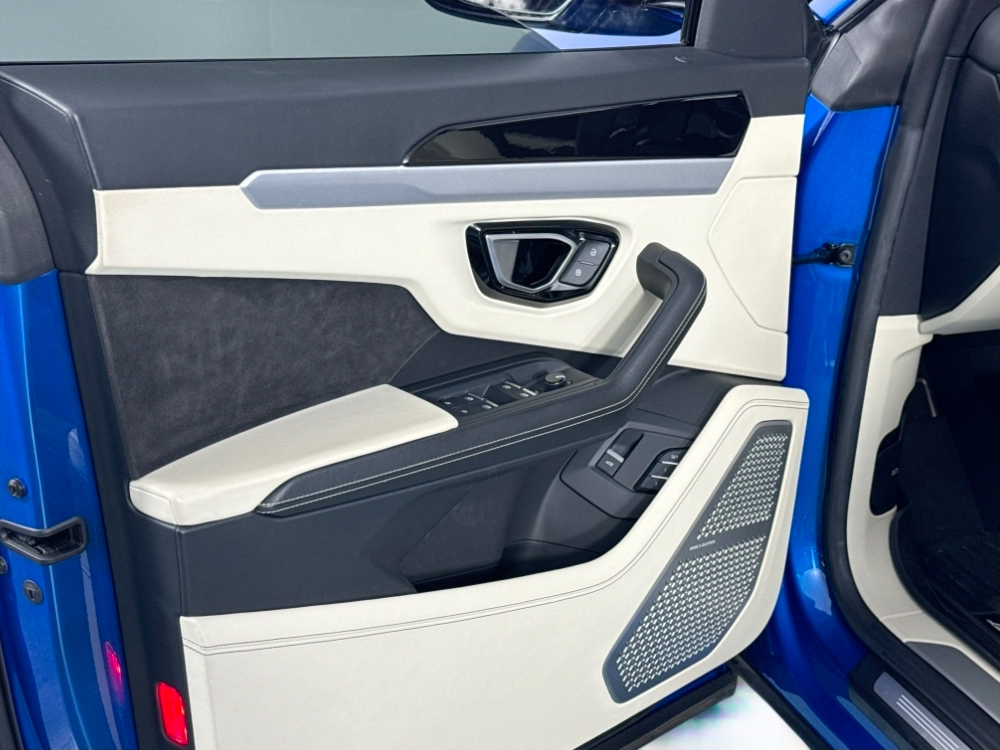
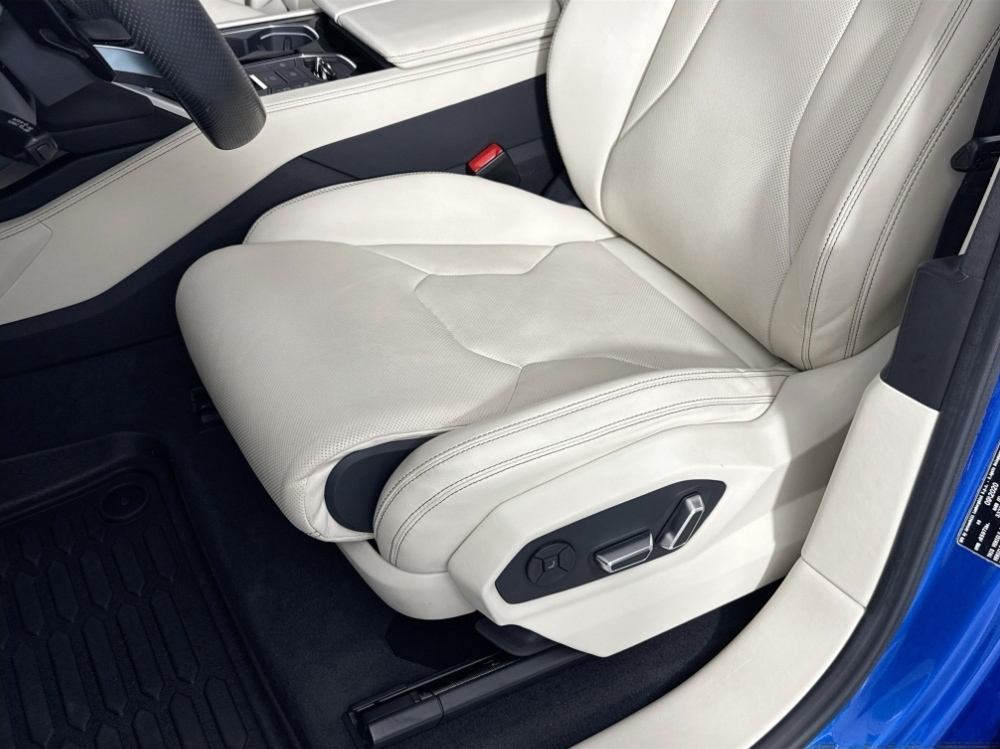
A Bentley interior shot in a 360Booth®: every stitch and panel reads in its true color.
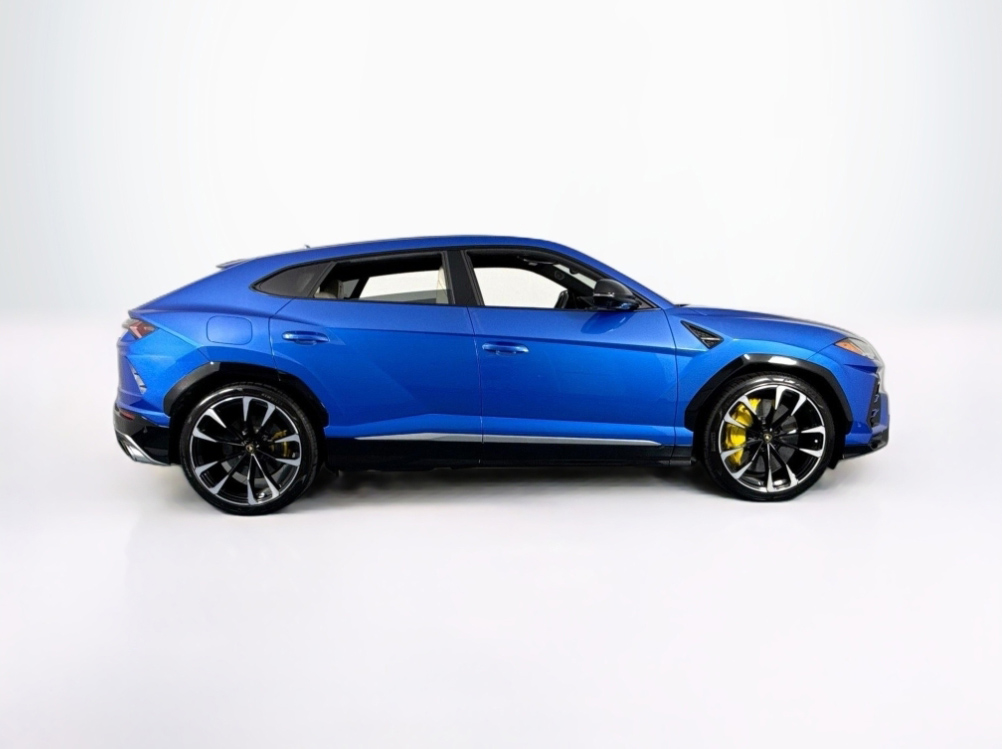
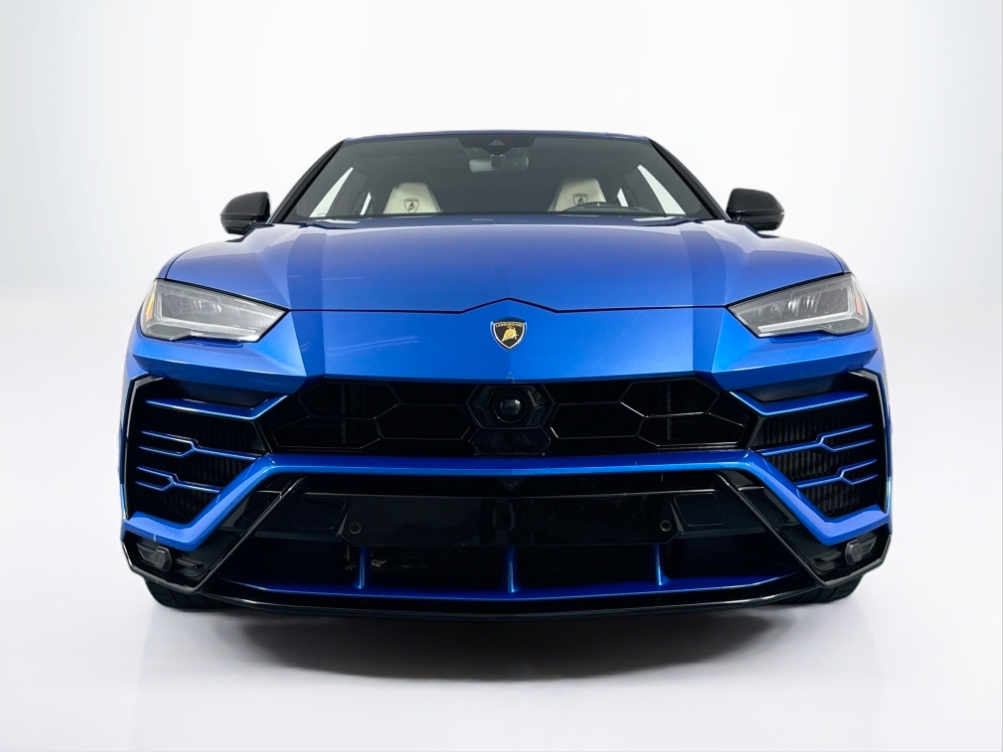
Three bright, evenly lit shots of a 2024 Bentley Continental GT Speed.
What about fake backgrounds?
There’s no published evidence that a replaced background, by itself, pushes a listing down in AI search. The bigger risk is what the edit does to the car.
Google already asks sellers to be upfront about these images. Its Merchant Center image rules require images created with generative AI to carry metadata saying so, and tell merchants not to remove those tags. Google lists a separate label for a composite image that includes synthetic elements, which is what a real car placed on an AI-generated background is.
A fake background becomes a real problem when it changes the vehicle: edges that don’t line up, shadows and reflections from a room the car was never in, or wear that got cleaned away along with the lot. An AI assistant reading that listing can end up describing a car that doesn’t exist, and the shopper finds out at the dealership.
Dark, inconsistent photos make your inventory harder to find, for people and for machines. Consistent, color-accurate photos give AI search the proof it needs to send the buyer to you.
FAQ
How does AI search decide which vehicles to show?
AI assistants read inventory feeds, but feeds often flatten custom or two-tone interiors to “Other,” “Custom” or a generic color. When the text can’t confirm a detail, the photos are the remaining evidence.
Can AI search tell interior colors apart from photos?
Modern AI systems can interpret images as well as text. A clear, evenly lit cockpit photo can show oxblood leather versus black; a sun-blasted or shadow-heavy photo often can’t.
Why do outdoor lot photos fall short?
Direct sun washes out deep colors, cabin shadows make red hides look black or brown, and inconsistent angles leave seats, door cards or the dash unphotographed.
How does a 360Booth help?
A 360Booth uses diffuse, high-output lighting to remove glare and cabin shadows, and SHOOTit ai guides staff through about 40 photos per car so every vehicle gets the same interior and detail angles.
Read the guides the fake background providers write for dealers. Lighting matters. Light the car right. Shoot in good light.
Then read their pitch. No studio needed. Shoot anywhere on the lot.
That’s the contradiction, and it’s in their own marketing.
They Say It Themselves
These aren’t our words. They’re from the providers’ own published guides:
One says AI can fix a background, but it can’t fix a car sitting in total darkness.
One says swapping the room doesn’t turn the car’s old reflections into studio lighting.
One says mismatched lighting makes a photo feel wrong the moment a shopper sees it.
One says AI can’t rescue a fundamentally bad photo.
Their advice to fix it? Shoot in daylight. Avoid backlighting. Wait for an overcast day.
That is a lighting plan that depends on the weather.
If Lighting Matters, Why Remove the Light?
You can’t have it both ways. If lighting separates a great vehicle photo from a bad one, the answer isn’t to roll the car into the lot and hope the sky cooperates. The answer is controlled lighting, every time.
A real studio gives you that. A parking lot never will.
Then They Sell You a Studio Backdrop
Here’s the part that doesn’t add up. The car gets shot outside. Then the finished image shows a polished studio background.
Some providers even call it a digital studio, sold as a way to skip buying a real one.
If a studio is the look dealers are after, why not shoot in one?
Rain, Fog, Snow: Outdoor Shooting Stops
If the car has to be shot outside in good daylight, then rain stops the shoot. Snow stops it. Fog stops it. So does the dark.
360Booth shoots 24/7. Rain, fog, snow, midnight, noon. The booth doesn’t check the forecast, and neither should your inventory pipeline.
Interior Photos Are Where It Gets Harder
Too little light inside the vehicle and the cabin goes dark and muddy. Too much sun and it blows out. A background swap can’t fix either one, because the problem isn’t the background. It’s the light.
Even one fake background provider admits that removing backgrounds from interior shots is harder than exteriors.
Studio lighting solves it. Controlled, even light inside and out.
It matters for search too. When a feed lists an interior as “Other,” the photos are the only proof of its color. Read Why AI Search Can Skip Your Inventory.
A Captured Spin vs. a Generated One
A true 360 spin needs consistent light at every angle. Studio lighting delivers that.
At least one fake background provider advertises generating a 360 from as few as four pictures. That isn’t a car photographed from every angle. It’s a guess at one.
Shoppers want to see the real car.
The Bottom Line
They say lighting is essential. Then they tell you to skip the studio.
Their fix is better weather. Not a better setup.
Their backdrops borrow the studio look. The car still isn’t in one.
Their interiors are the hard part, by their own admission.
360Booth shoots 24/7. Real light, real car, any weather.
You don’t fix a lighting problem by removing the lights. Put the car in a real studio.
FAQ
Do fake background providers say lighting matters?
Yes. Their own published guides say AI can’t fix a car shot in darkness, that swapping the background doesn’t turn old reflections into studio lighting, and that AI can’t rescue a fundamentally bad photo.
What is their advice for better lighting?
Shoot in daylight, avoid backlighting and wait for an overcast day. That is a lighting plan that depends on the weather.
Why are interior photos harder with background replacement?
Too little light makes a cabin dark and muddy, and too much sun blows it out. A background swap can’t fix either, because the problem is the light, not the background.
Can a 360Booth shoot in bad weather?
Yes. Because the car is indoors under controlled studio lighting, a 360Booth can shoot in rain, fog, snow, at midnight or at noon.
Every dealership that has adopted background replacement software knows the appeal. Pull a car out front, snap the photos, and let the app swap the lot behind it for a clean showroom backdrop or a polished studio look. Listings look consistent, and the cluttered parking lot, the neighboring building, and the stray shopping cart all disappear.
It works well, until the weather turns.
The Hidden Flaw: Built for Sunny Days
Most of these apps were designed around one assumption: the car will be shot outside. That makes sense on a clear afternoon, when the light is good and the vehicle is easy to separate from its surroundings. Rain and snow break that assumption.
Rain leaves water droplets and wet reflections on the paint and glass. The software struggles to tell where the car ends and the background begins, so edges blur, windows get cut out wrongly, and the car looks like it was pasted onto the scene.
Snow is worse. White snow against a white or silver vehicle confuses the cutout tool, and falling flakes show up as noise in the image. Photographers also don’t want to stand outside in freezing temperatures for 40 vehicles.
Gray, overcast days flatten the lighting, which makes the final images look dull no matter how nice the replacement background is.
The result is that the tool the dealership is paying for sits unused for days or weeks at a time. In many markets, that means a good part of the year.
What a Rainy Week Costs
Inventory doesn’t stop arriving because of the weather. Trade-ins come in, new stock gets delivered, and every unphotographed vehicle is a vehicle that isn’t properly listed online. When the app can’t be used, dealerships usually fall back on one of three bad options:
Wait for the weather to clear. Cars sit with no photos or placeholder images while competitors list theirs.
Shoot in the rain anyway. The photos are inconsistent and look unprofessional next to sunny-day shots of similar vehicles.
Pay for the software and work around it. The subscription keeps charging while the team goes back to old habits.
Since most car shoppers start their search online, slow or low-quality listings directly affect leads, and leads affect sales.
The Real Problem: Dependence on Outdoor Conditions
The issue isn’t background replacement itself. It’s that an outdoor-only workflow makes your photo pipeline depend on the forecast. Any business process that stops working when it rains is a risk, and your listings are too important for that. A dependable photo setup should work the same on a blizzard morning as on a perfect July afternoon.
What to Look For Instead
When evaluating photo software or workflows, ask these questions:
Can it run indoors? A covered bay, a service drive, or a dedicated photo area removes the weather variable entirely.
Does it handle imperfect conditions? Wet paint, low light, and reflective surfaces shouldn’t produce unusable cutouts.
Is the quality consistent? Your listings should look uniform whether they were shot Monday in the sun or Thursday in the snow.
Does it fit into your daily routine? If the team has to check the weather before deciding how to photograph a car, the system is working against you.
Make Your Photo Process Weatherproof
Dealerships invest in photo technology to move cars faster and present them better. A tool that works only part of the year delivers only part of that value. Before the next storm hits, take an honest look at your process. If bad weather shuts down your photography, it’s worth finding a setup that doesn’t. Your inventory, and your customers scrolling through listings, will notice the difference.
FAQ
Why do background replacement apps struggle in rain and snow?
Rain leaves droplets and wet reflections that confuse the cutout, snow blends into white or silver cars and shows up as noise, and gray days flatten the lighting.
What does a rainy week cost a dealership?
Inventory keeps arriving. Dealers either wait with unphotographed cars, shoot inconsistent photos in the rain, or keep paying for software the team works around.
What should a dealership look for in a weatherproof photo process?
A setup that runs indoors, handles imperfect conditions, produces consistent quality in any weather and fits the daily routine without checking the forecast.
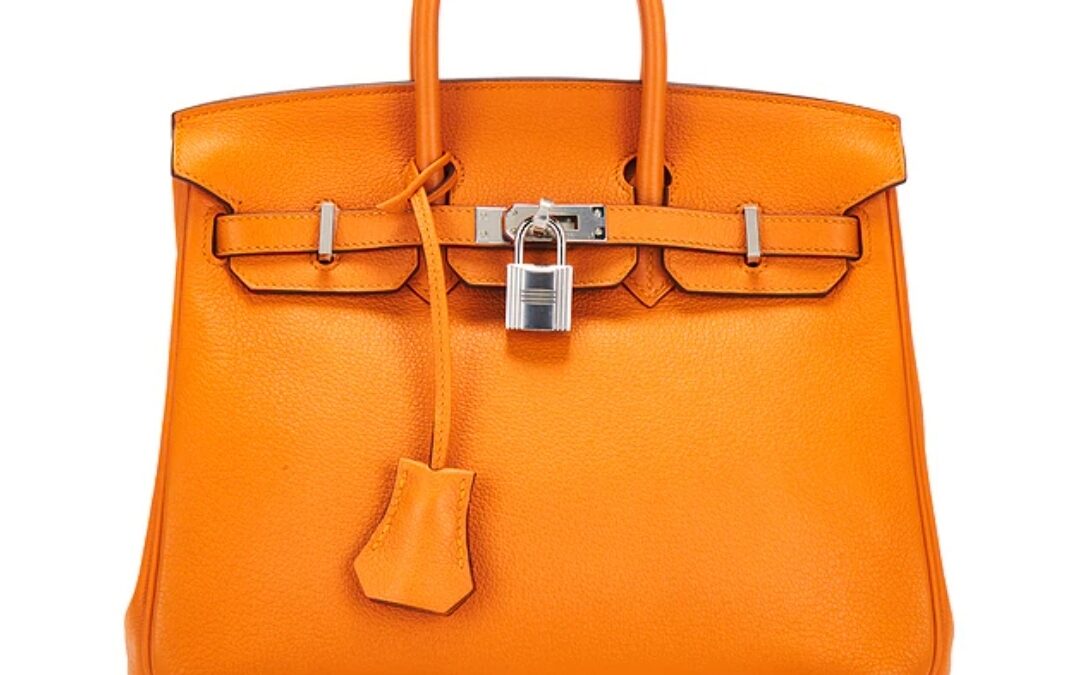
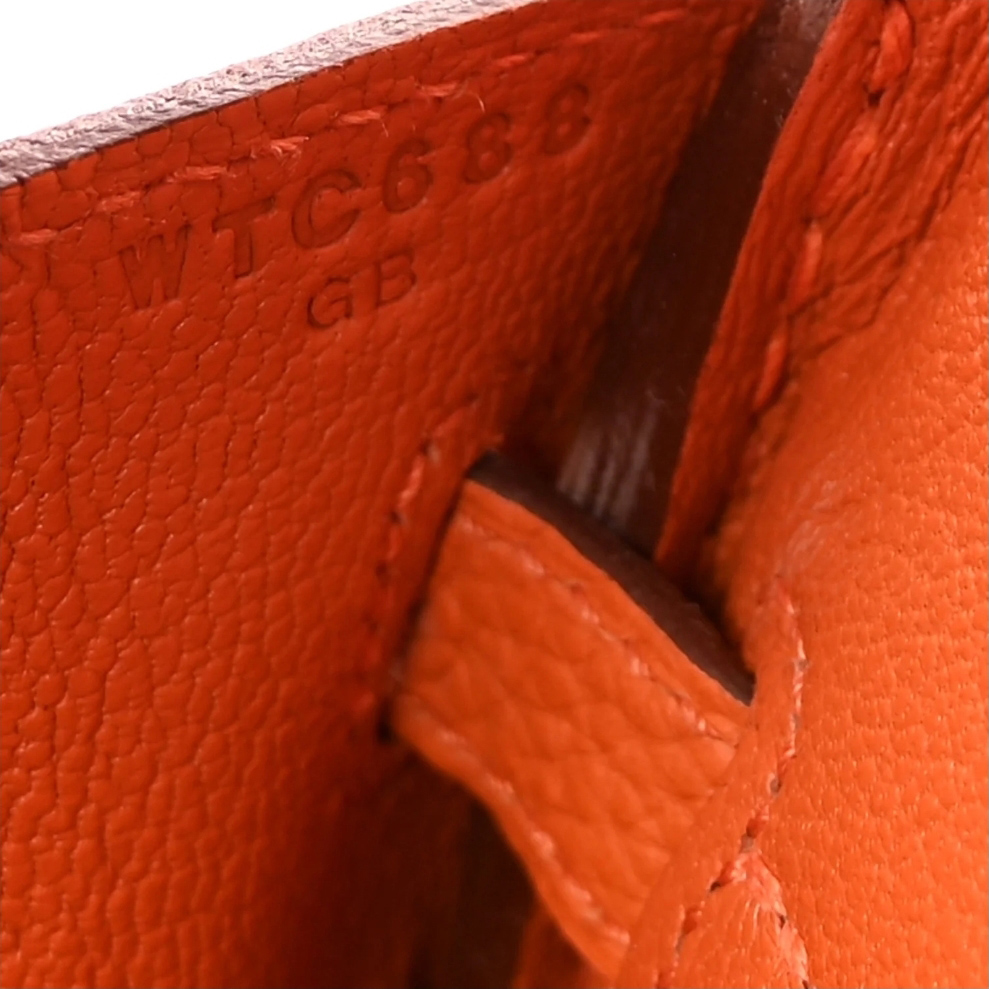
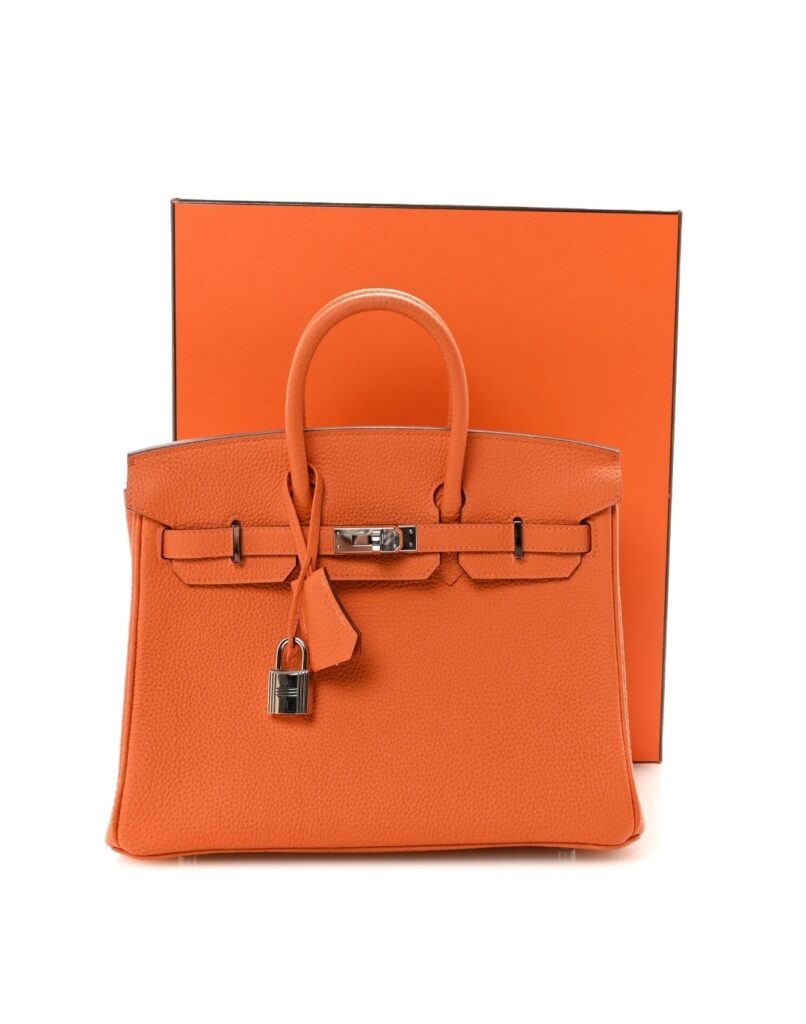
There is a reason an Hermès Birkin or a Louis Vuitton trunk commands a premium. It’s not just the leather; it’s the heritage, the precision stitching, and the undeniable presence of the quality. You can spot a knockoff from a mile away. The texture is off, the seams look cheap, and the illusion vanishes the second you get up close.
The same rules apply to your digital showroom.
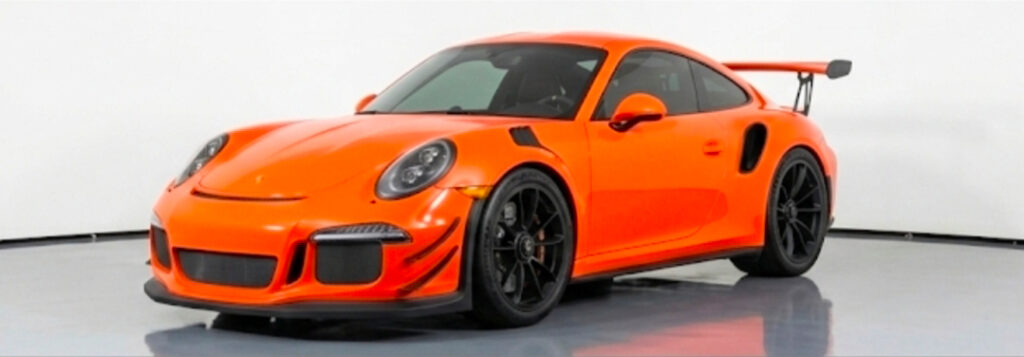
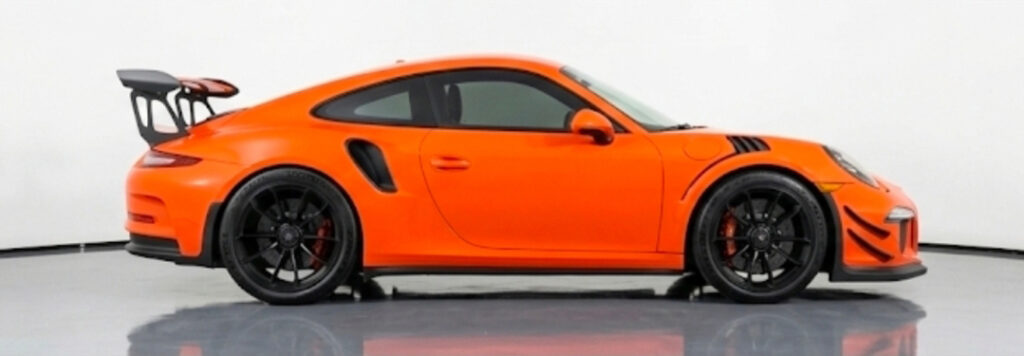
Lately, the automotive industry has seen a surge in digital “fake background segmentation” a fancy term for slapping a fake, AI-generated background behind a luxury vehicle. It’s the digital equivalent of buying a faux-leather handbag on a street corner and pretending it’s Hermès.
Let’s be honest:
Dealerships that cut corners with fake backgrounds are probably the same folks trying to pass off fake knockoff bags at home.
Dealerships that value genuine craftsmanship invest in the real thing.
When selling vehicles, cutting corners on your presentation compromises your brand. True luxury demands authenticity.
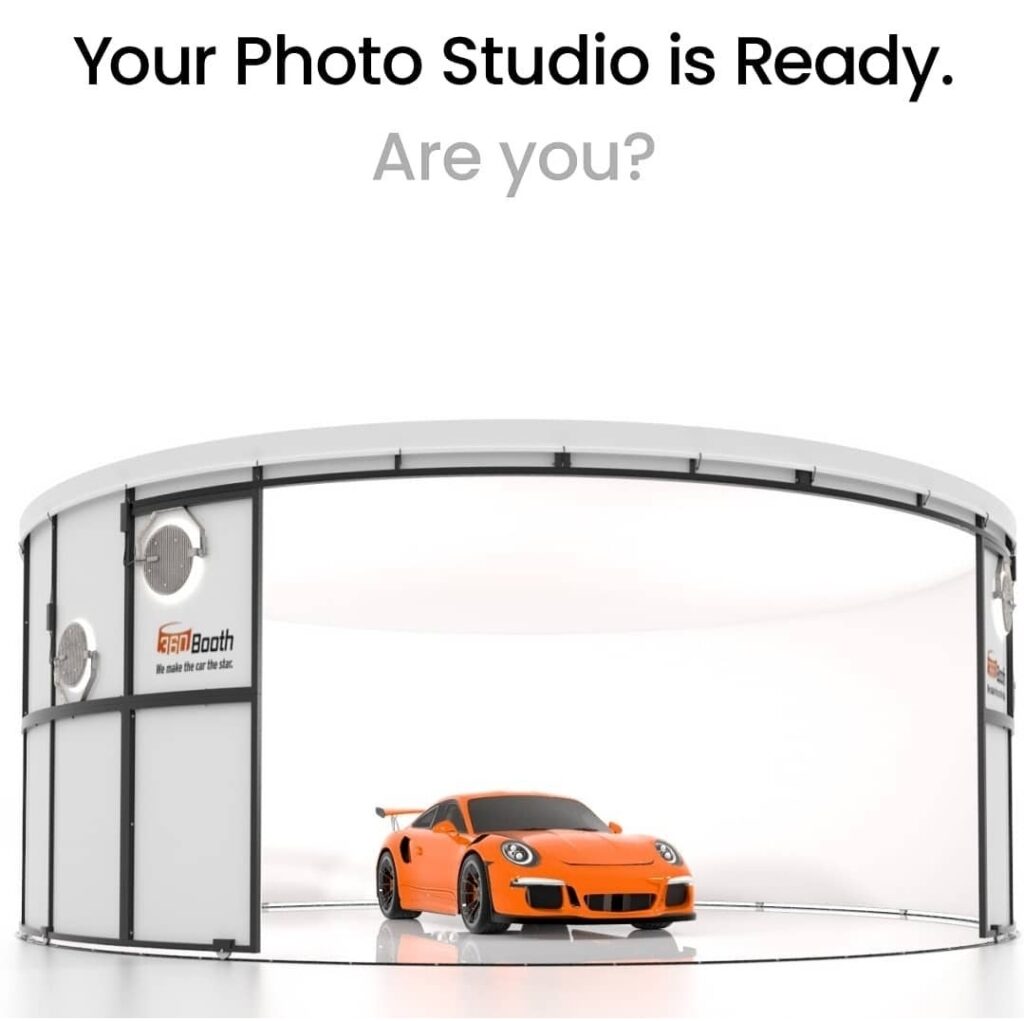
That is why we built 360Booth. It isn’t a digital illusion, it’s a physical, high precision lite environment engineered to capture a flawless, 40+ color correct photo presentation in under 5 minutes. No fake lighting, no fake backgrounds, and absolutely no digital substitutes.
If you want the ultimate presentation, there is no substitute for the real thing.
Leave the fakes for the amateurs.
Invest in authenticity.
FAQ
What is the authenticity gap in vehicle photography?
The difference between a real, physically lit vehicle photo and an AI-generated background placed behind a car. Like a knockoff luxury good, the illusion can fall apart up close.
What does a 360Booth offer instead of fake backgrounds?
A physical, precisely lit environment designed to capture a 40+ photo, color-correct presentation in under 5 minutes, according to 360Booth, with no fake lighting or backgrounds.
Why does authenticity matter for luxury dealerships?
Cutting corners on presentation compromises the brand. Buyers of high-end vehicles expect the real thing.
In the race to digitize automotive merchandising, dealerships are quietly splitting into two distinct camps: those building genuine consumer trust, and those chasing cheap digital illusions.
Lately, the market has been flooded with AI background replacement tools. On paper, it sounds like an easy win snap a photo on a messy, rain-slicked lot, click a button, and artificially paste the vehicle into a “sterile,” computer-generated studio. But automotive buyers aren’t blind.
They are noticing the telltale flaws of digital segmentation: unnatural shadows, jagged cutlines, weirdly distorted reflections on the paint, and windows showing glimpses of the messy lot behind the “fake” wall. Instead of presenting a premium vehicle, it signals to a buyer that the dealership is cutting corners or worse, hiding flaws.
The Theater of Reality.
True automotive merchandising isn’t an algorithm; it’s experiential theater. Top-performing dealerships are leaning heavily into the physical reality of the delivery experience by combining the 360Booth® vehicle photo studio with the SHOOT it AI camera smart camera.
Authentic Transparency: Buyers get 100% real, unmanipulated, pristine images. A physical, brightly lit, color-correct indoor studio builds immediate buyer confidence.
The Magic of the Process: SHOOT it AI acts as a digital director, navigating users through the optimal path to seamlessly capture a 40+ photo presentation in under 5 minutes.
Flawless Execution: Instead of trying to fix bad lighting later with messy pixels, the system ensures perfect reflections and removes hot spots in real time.
The Bottom Line:
Fake backgrounds scream “disingenuous.” Physical excellence, guided by smart technology, screams “premium.” Don’t let fake backgrounds compromise your dealership’s reputation.
Deliver the theater.
Deliver the truth.
FAQ
What flaws do buyers notice in AI background replacement?
Unnatural shadows, jagged cutlines, distorted reflections on the paint and windows that still show the lot behind the fake wall.
How does a 360Booth with SHOOTit AI avoid those problems?
The car is photographed in a physical, brightly lit, color-correct studio, and SHOOTit AI guides the user through a 40+ photo presentation, so lighting is right at capture instead of fixed later.
Why can fake backgrounds hurt a dealership?
Instead of looking premium, visible editing flaws can signal that the dealership is cutting corners or hiding something.