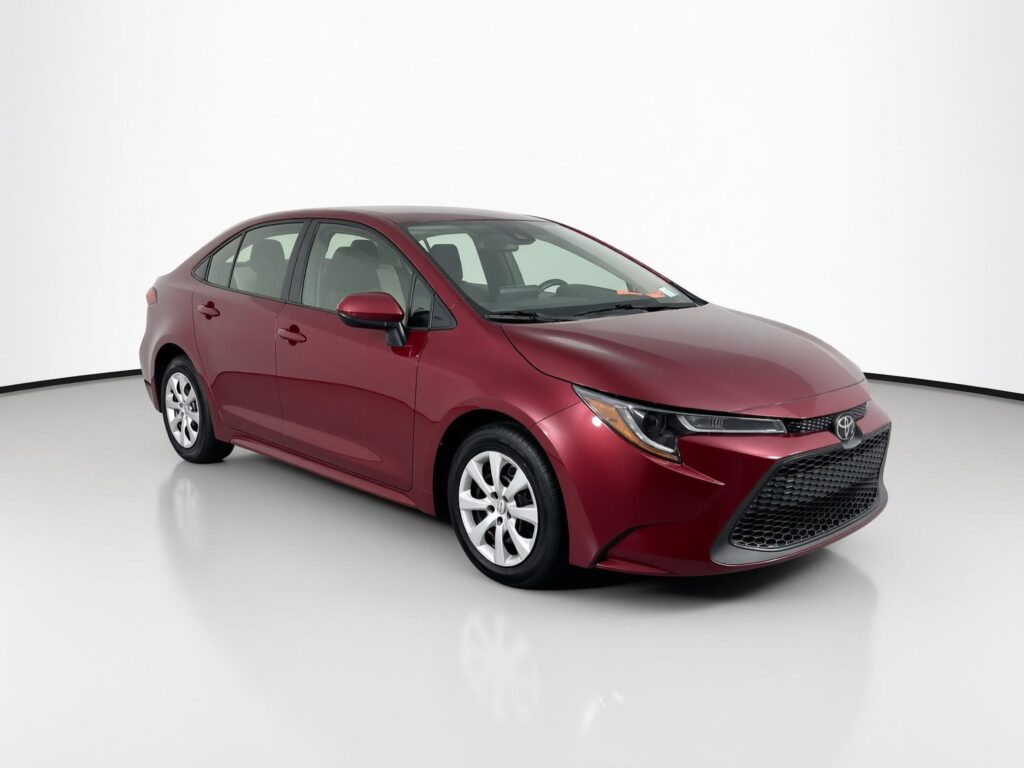
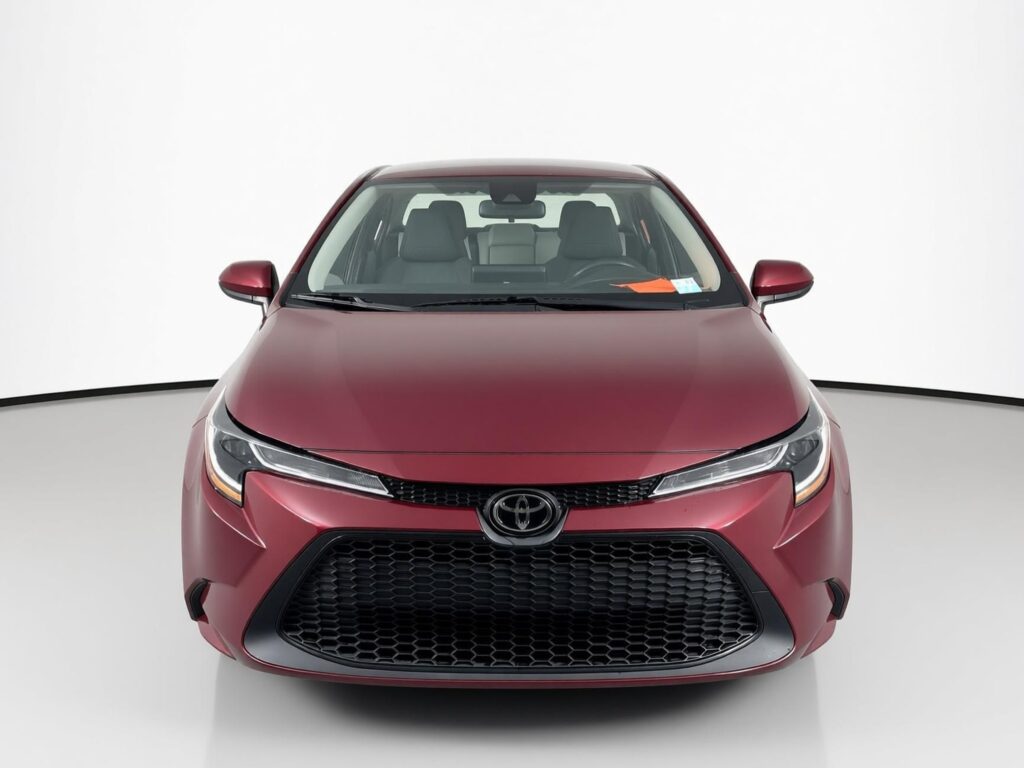
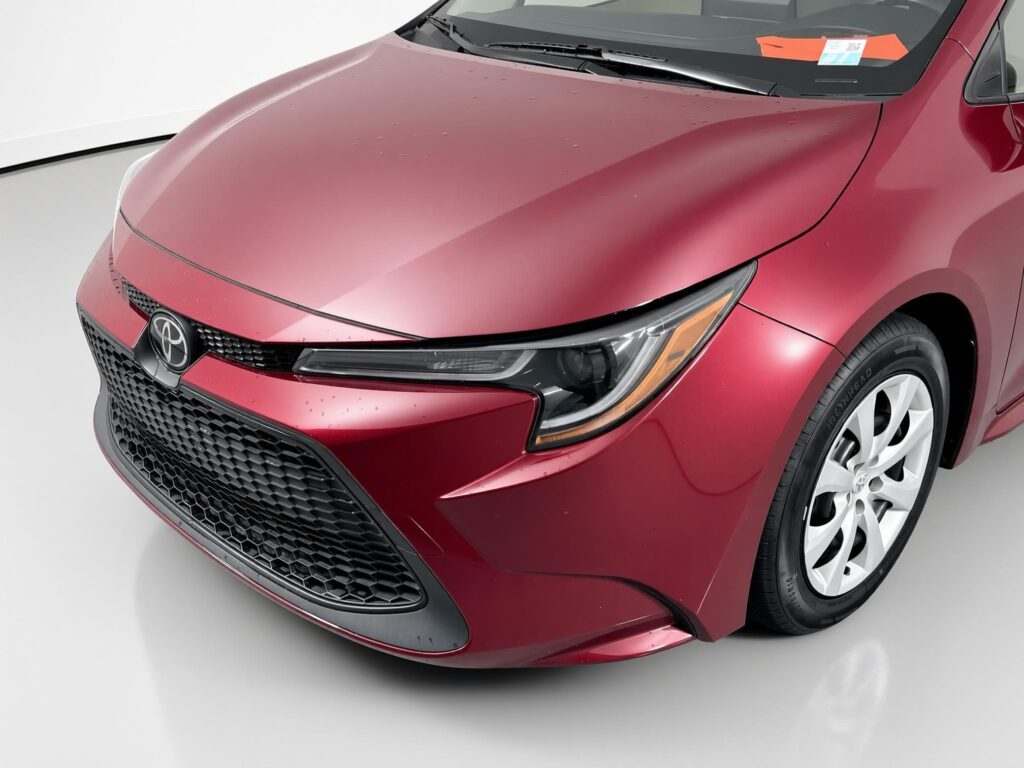
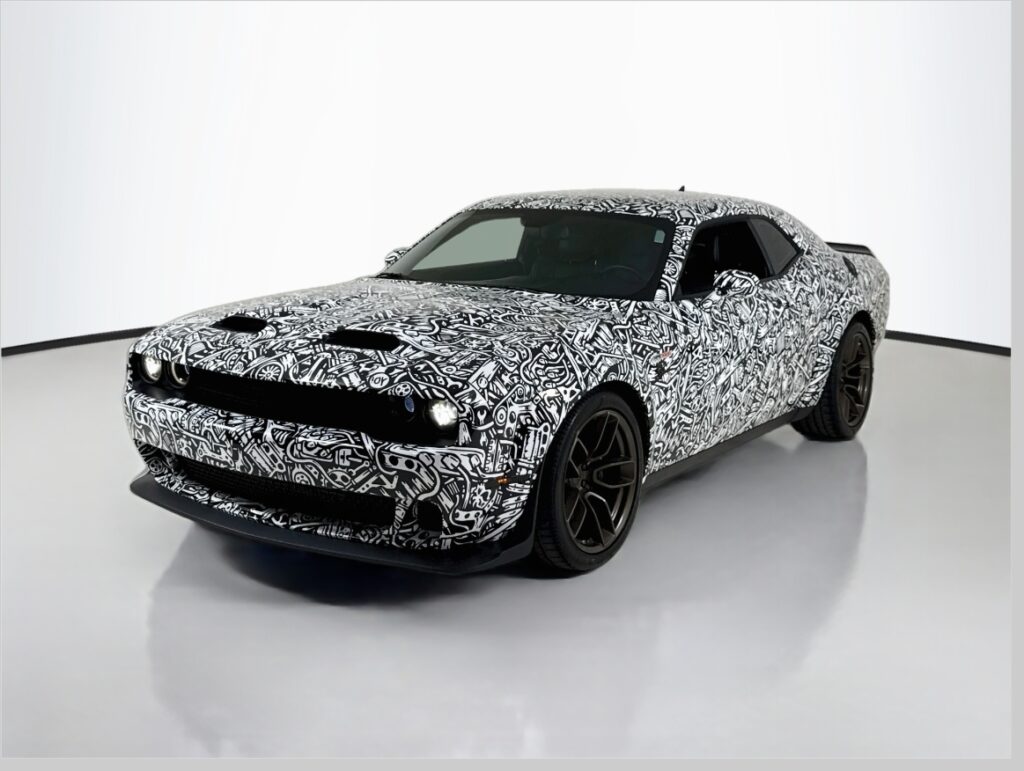
What if your next buyer is 100 miles away and your photos are the only walkaround they get?
No test drive. No circle around the car on the lot. No running a thumb over the scuff on the bumper. Just your VDP, their phone and a decision about whether the drive is worth it.
How far are car buyers really shopping?
uShip surveyed 426 recent U.S. car buyers in April 2026 for its Modern Car Buyer Report. Nearly three-quarters said they considered vehicles more than 30 miles from home. Among buyers under 34, 30% actually bought a vehicle more than 50 miles away.
So the shopper scrolling your inventory tonight may not live in your market. They may be three counties over, comparing your car with one from a store two states away.
Why do some buyers stay local?
The same survey asked shoppers who kept their search close to home why. Their top reason was wanting to inspect the car in person, at 52%.
Read that again. Distance isn’t the dealbreaker. Not being able to inspect the car is.
Which raises the obvious question for every dealer: what if your photos did the inspecting for them?
What does a remote buyer need to see?
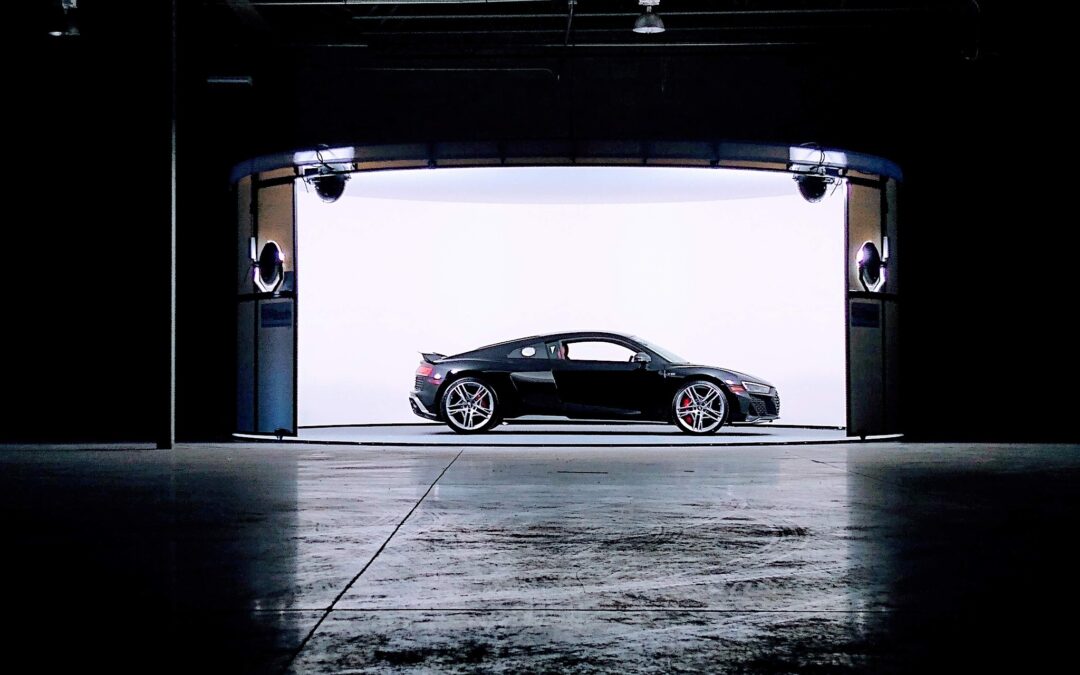
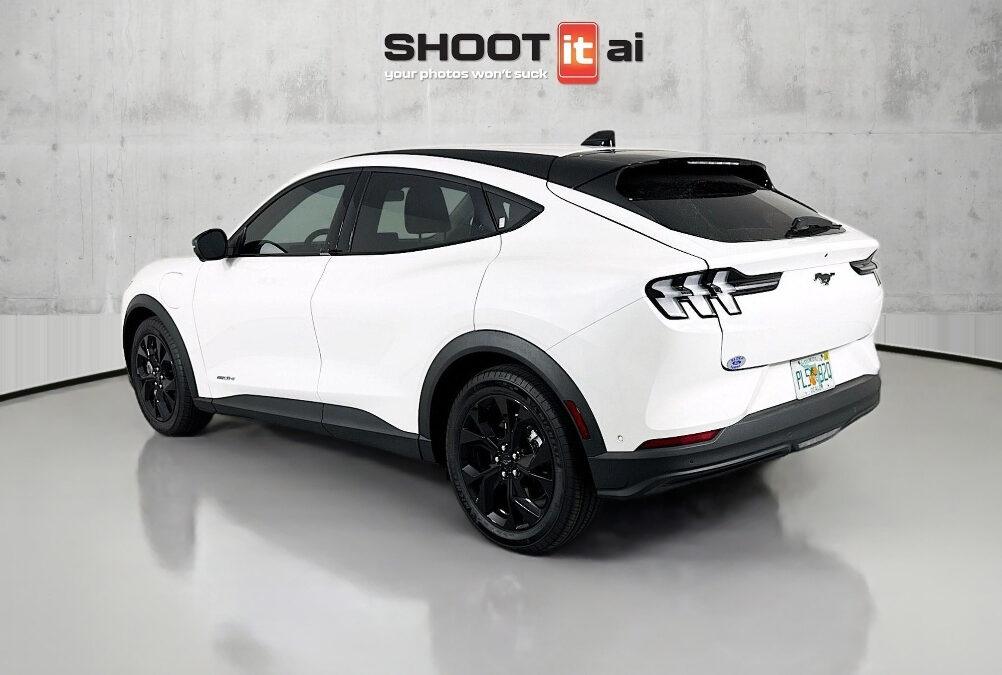
Not a pretty backdrop pasted behind a car shot in a dark corner of the lot. A perfect background tells the buyer nothing about the car.
Condition matters even more when the car is coming from somewhere else. In the uShip survey, 45% of buyers said they avoided vehicles from certain regions because of flood, road salt or coastal concerns. The buyer three counties over wants to see the rocker panels, not your logo.
Dealer wake-up call
To the out-of-town buyer, your photos ARE the inspection. Dark, blurry photos fail it.
A local shopper can forgive a weak listing and come see the car anyway. A shopper 100 miles away won’t make the drive to find out. They’ll click the next listing, and you’ll never know they were there.
How do you make photos that pass the inspection?
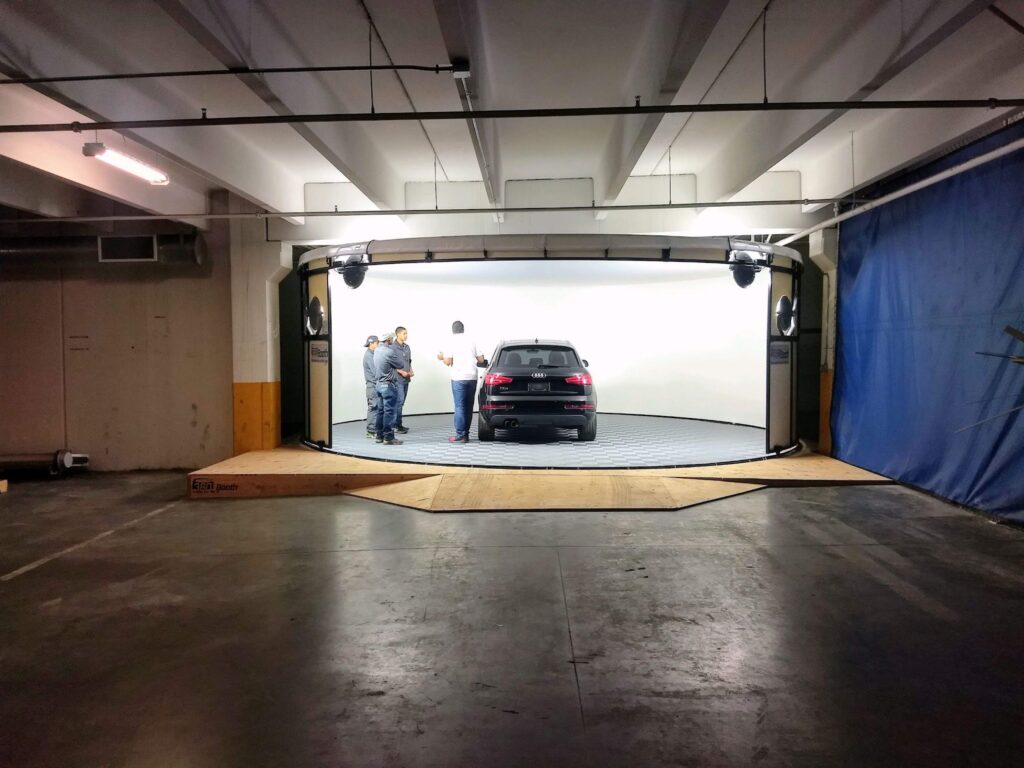
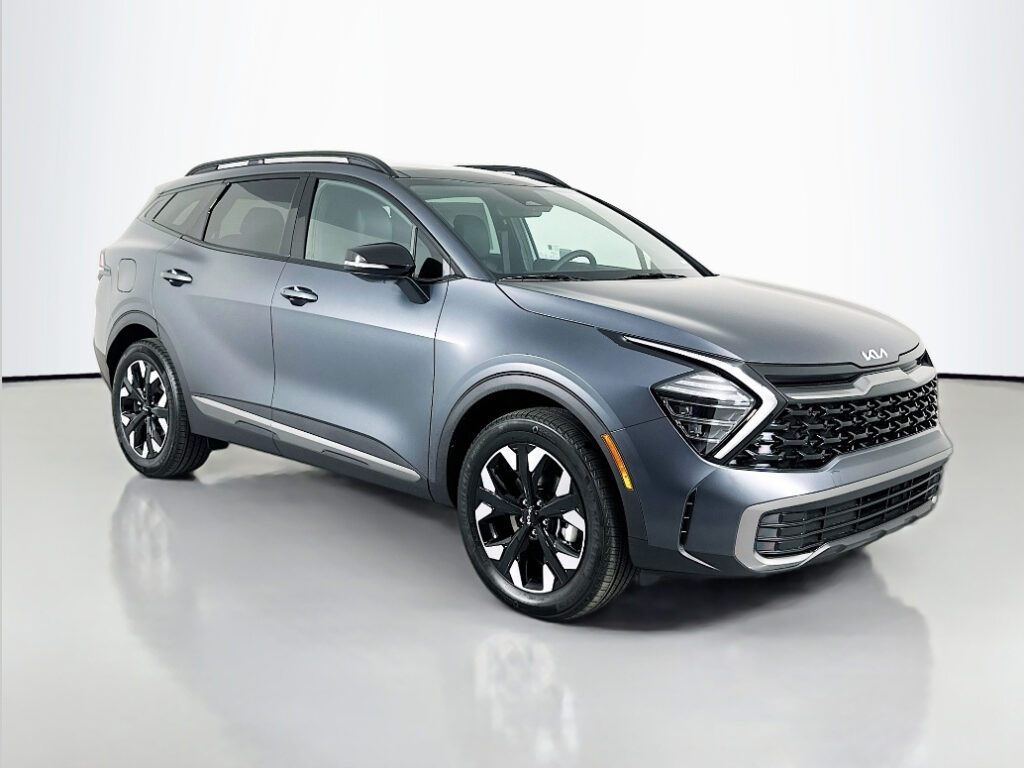
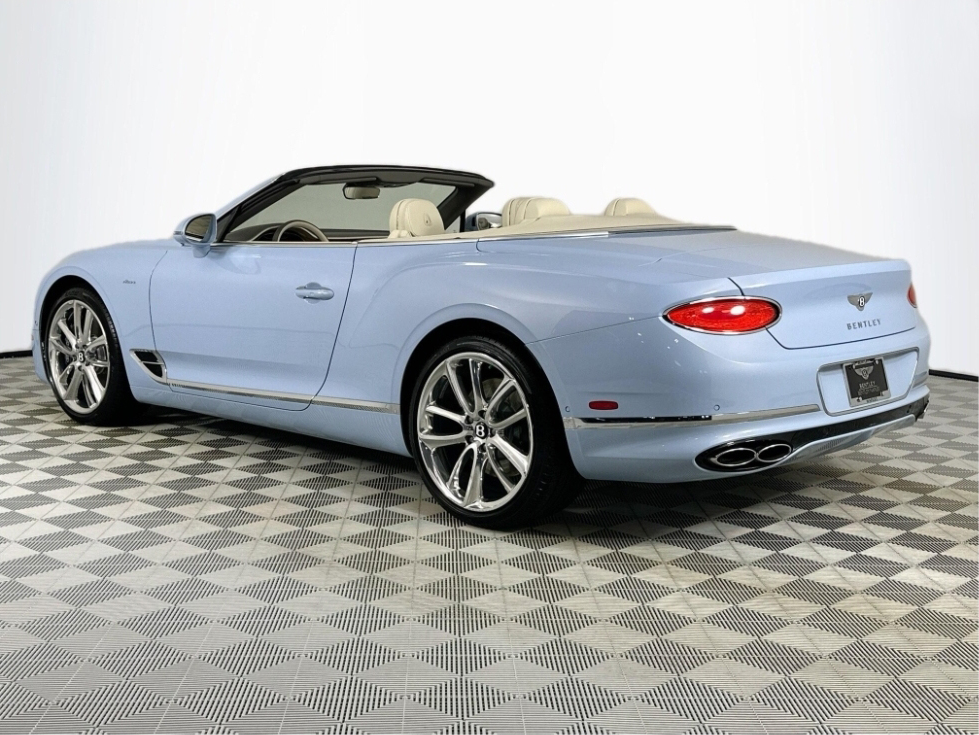
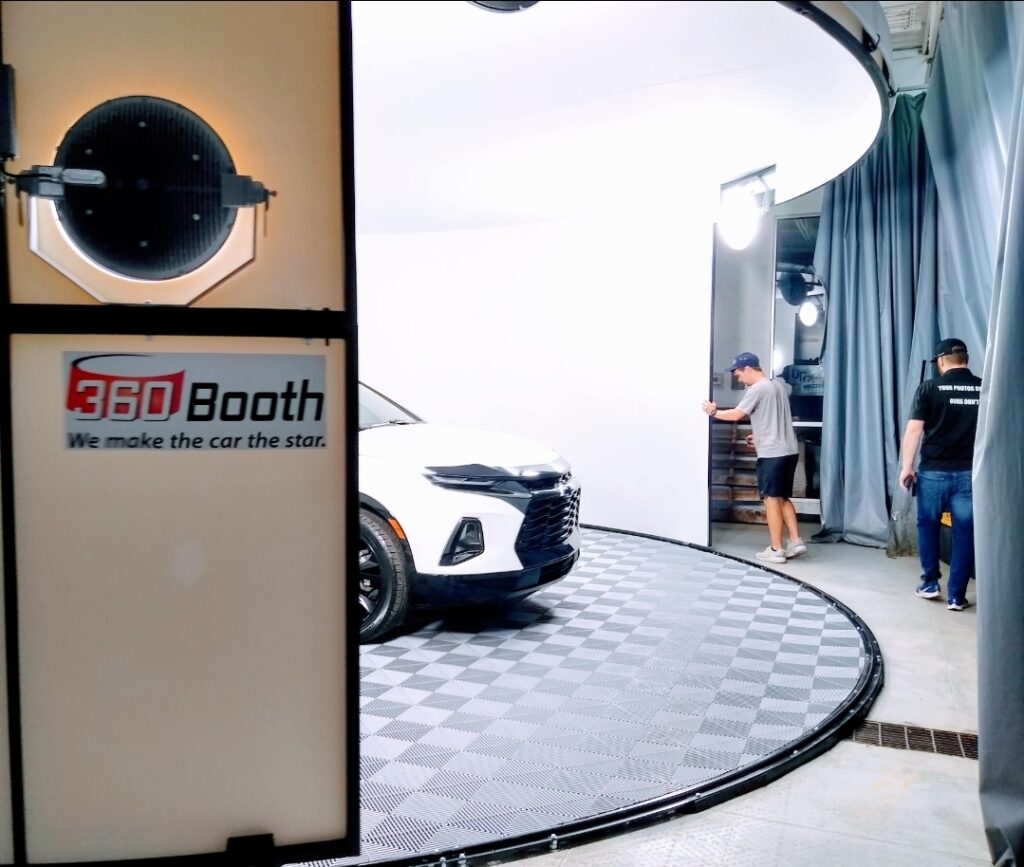
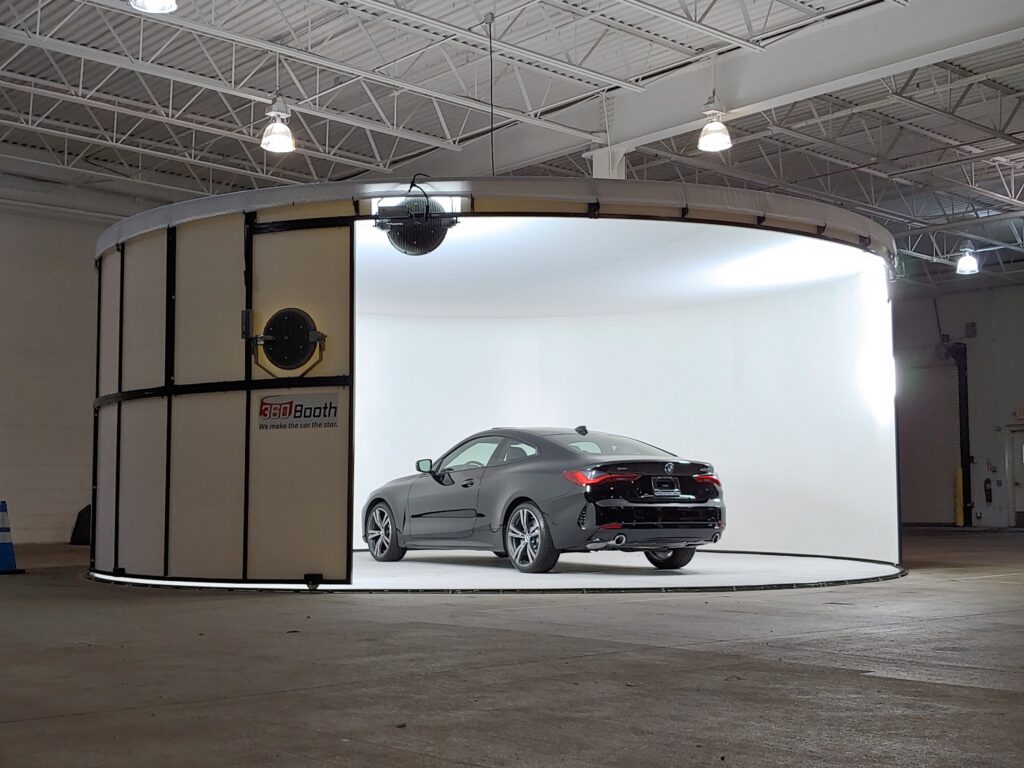
That’s the Evidence Booth. 360Booth moves the lighting and background around the real, stationary car in controlled indoor light, so condition shows up the same way every time, rain or shine.
Your homework: pull your three oldest listings. Would you drive 100 miles on those photos? If not, they may be under-shown, not overpriced.
Source: uShip, The Modern Car Buyer Report 2026 (426 U.S. car buyers, April 2026).
FAQ
How far are car buyers willing to shop from home?
In uShip’s Modern Car Buyer Report 2026, nearly three-quarters of 426 recent U.S. car buyers considered vehicles more than 30 miles from home, and 30% of buyers under 34 bought a vehicle more than 50 miles away.
Why do some car buyers only shop locally?
The top reason buyers gave for keeping their search local was wanting to inspect the vehicle in person (52%).
What photos should a dealer show an out-of-town buyer?
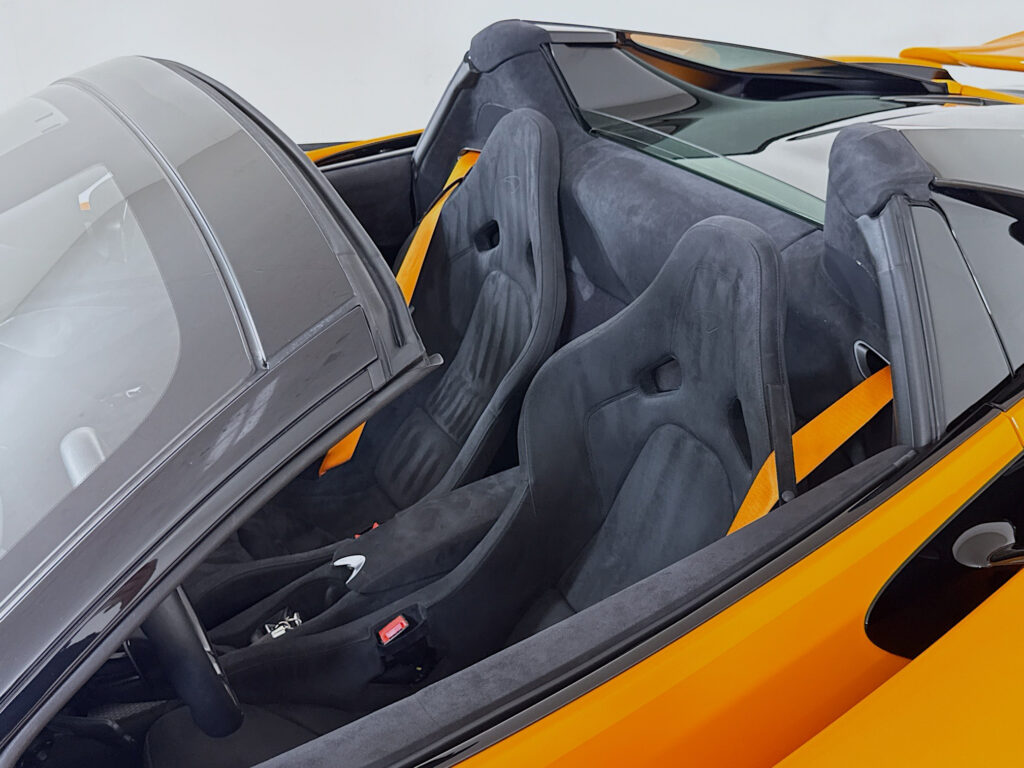
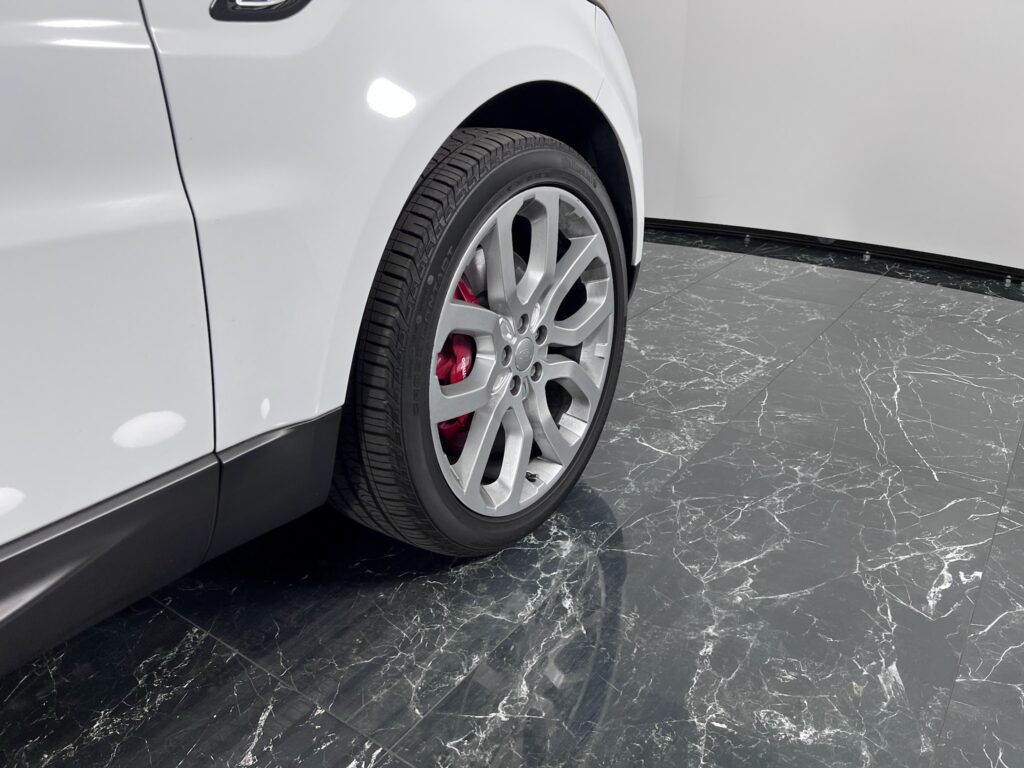
Show the real condition: tires, wheels, seats, wheel wells, rocker panels and any scuffs or wear. Out-of-town buyers can’t inspect the car themselves, so the photos have to answer those questions for them.
How do 360Booth and SHOOTit AI help with remote buyers?
360Booth lights the real, stationary vehicle in a controlled indoor studio. SHOOTit AI guides staff through the same 40+ shot sequence on iPhone and flags dark, blurry or off-center frames for a reshoot before anyone leaves the car.
Direct Answer: A dealership group can standardize vehicle photography across multiple locations without requiring identical buildings or equipment. Establish one required photo sequence, use VIN-based capture guidance, enforce image-quality standards and verify correct media delivery. Install 360Booth where space permits, establish controlled DIY photography areas where appropriate and use SHOOTit AI for guided outdoor capture when necessary. The photography environment can vary. The evidence standard should remain consistent.
The Biggest Multi-Store Photography Problem Isn’t the Camera
Imagine owning ten dealerships.
Three photograph vehicles inside dedicated studios. Four use service or detail bays. Three photograph everything outdoors.
Each location has its own photographer, equipment preferences and approach to vehicle merchandising.
One store publishes 45 photographs. Another publishes 18. Another has beautiful exterior photographs but almost nothing showing the interior.
Management sees ten dealerships selling vehicles under the same ownership group. Customers see ten different standards of professionalism.
The problem isn’t necessarily the equipment. The problem is that nobody established one photography standard for the entire organization, and that problem doesn’t disappear simply because every dealership purchases the same camera. It’s the same reason dealership vehicle photography is still inconsistent at so many single stores, multiplied across every rooftop.
Standardize the Photographs Before Standardizing the Buildings
The first decision for a dealership group should be determining what every completed vehicle photo set needs to communicate. We’ve argued before that dealer group vehicle photography should be governed as one brand standard. This article is about how to put that standard into practice when your buildings don’t match.
Customers want to see the actual vehicle. That includes its exterior appearance, interior, equipment, wheels, cargo areas and visible condition.
A repeatable core image sequence creates consistency. SHOOTit AI guides employees through the dealership’s required 40+ image process. The employee follows an established sequence rather than deciding which pictures to take at every vehicle.
Additional images can be captured when the vehicle has equipment or condition details that deserve closer examination.
That distinction matters. A consistent process does not mean photographing every vehicle as though it has identical equipment. It means giving every vehicle the same level of attention. For more on why a defined sequence beats individual judgment, see What Makes Dealership Vehicle Photography Fast, Simple and Repeatable?
VIN Identification Should Come Before Photography
SHOOTit AI begins by capturing the vehicle VIN. The system uses VIN-decoder information to identify equipment and standard features expected on that particular vehicle. This makes the photography process vehicle-aware.
Consider an employee who reaches a requested equipment photograph but cannot immediately locate the feature. The employee attempts to skip the photograph. If the decoded vehicle information identifies that equipment as a standard feature, SHOOTit AI immediately warns the employee to check again.
That is important when a dealership group employs people with different levels of automotive experience. Employees shouldn’t need to memorize the equipment specifications of every manufacturer. The camera provides guidance based on the vehicle information.
The VIN identifies what should be there. The employee documents what is actually there.
VIN decoding is not infallible. Equipment can vary, and a human must resolve discrepancies between expected features and the physical vehicle. The system should guide the inspection, not invent equipment or declare a vehicle’s configuration perfectly verified.
The Building Determines the Environment, Not the Photography Standard
This is where dealership groups frequently make unnecessary compromises. They assume that if every location cannot accommodate an identical studio, the group cannot establish a consistent photography process.
That’s incorrect. There are three practical approaches.
1. Install 360Booth Where Space Permits
360Booth provides the controlled physical photography environment. The vehicle remains stationary while the studio structure moves manually around it. There is no motorized vehicle turntable.
The studio uses its own lighting system and diffused white ceiling to control illumination and reflections around the actual vehicle. The result is a repeatable photography environment that isn’t dependent on outdoor lighting conditions.
For standard 24-, 26- and 28-foot studios, the minimum clear room is 30 feet long in the vehicle-entry direction, 30 feet wide and 11 feet high. A professional site survey determines whether the space, vehicle flow and building conditions are appropriate. See How much room do I need to install 360Booth® at my dealership?
2. Create a Controlled DIY Photography Area
Not every dealership has room for a complete 360Booth installation. An existing indoor area may still be suitable for vehicle photography.
Lighting, color temperature, reflections, background distractions and vehicle positioning must be evaluated.
That’s where access to more than 50 years of combined vehicle-photography expertise becomes valuable. Our experience covers dedicated studios, cameras, iPhones, lighting arrangements, DIY spaces, capture sequencing and dealership workflows.
The objective is to create the best practical physical environment available within that building.
A DIY area should not be represented as automatically matching the consistency of a purpose-built 360Booth. Its limitations need to be understood and managed.
3. Use SHOOTit AI When Indoor Photography Isn’t Practical
Some dealerships simply don’t have the appropriate indoor space. That shouldn’t prevent them from using a structured vehicle photography process.
SHOOTit AI can guide employees through the required image sequence outdoors. The camera’s intelligent guidance remains valuable even when the surrounding environment is less controlled.
However, outdoor capture remains subject to weather, sunlight, reflections and other physical limitations. Software does not make those conditions disappear.
The objective is to maintain a consistent capture process while recognizing the differences between environments.
Image Quality Must Be Enforced at Every Location
A standardized photo sequence means little if one dealership accepts dark photographs and another refuses them.
SHOOTit AI applies image-quality controls during capture. When an image is too dark, blurry or poorly centered, SHOOTit AI stops the workflow and immediately prompts the employee to reshoot before continuing.
That matters across an ownership group. Employees may have different experience levels. Photography environments may differ. But the same unacceptable image conditions should trigger the same immediate correction.
The employee doesn’t need to finish the vehicle, upload the photographs and wait for someone at another location to discover the mistake. The problem gets corrected while the vehicle is still in front of the camera. That’s why quality control should happen at the vehicle.
That is how technology reduces dependence on individual photography skills.
Management Must Separate Capture From Publication
A dealership group should also distinguish between three different events:
The vehicle was photographed.
The photographs were successfully uploaded.
The photographs appeared on the correct online vehicle listing.
Those events are connected, but they are not identical.
SHOOTit AI supports the capture and upload process. Auto Exact Data Team supports VIN-level media management, inventory feeds and delivery troubleshooting across connected systems, as part of one connected vehicle photography system.
This becomes especially important when dealerships use different inventory management platforms or website providers. A groupwide photography standard should include verifying that the correct images ultimately appear on the correct vehicle detail page.
Otherwise, management may believe a vehicle has been successfully merchandised simply because its photographs were captured.
The customer cannot shop photographs that never reach the listing.
What Should Dealership Group Management Measure?
A dealership group should be able to evaluate its photography operation without relying entirely on individual store managers’ opinions. Useful operational measurements include:
Vehicles awaiting photography
Time between photo readiness and completed capture
Required-image completeness
Upload exceptions
Vehicles missing published media
Management should also investigate unusual gaps in camera usage. SHOOTit AI’s five-day inactive-license reporting can help identify accounts that deserve follow-up.
That inactivity does not automatically prove a dealership has stopped photographing vehicles. Employees may be absent, responsibilities may have changed or devices may have been reassigned. But it provides a practical question for management to investigate.
Not every measurement needs to come from one software dashboard. Some require inventory, staffing and website-delivery information from connected systems.
The objective is operational visibility, not another report nobody reads.
Why Authentic Capture™ Matters Across Multiple Dealerships
360Booth Authentic Capture™ starts with evidence of the actual vehicle. That principle should remain consistent whether the vehicle is photographed inside a 360Booth, in a prepared indoor area or outdoors using SHOOTit AI.
The actual equipment matters. Visible wear matters. Vehicle identity matters. Accurate image assignment matters.
A dealership group should never establish consistency by digitally making every vehicle appear newer, cleaner or better equipped than it actually is. AI can organize or interpret vehicle evidence. It should not replace that evidence with imagined condition or equipment.
This is why the relationship between 360Booth and SHOOTit AI is so important. 360Booth is the controlled evidence room. SHOOTit AI is the guided evidence-capture layer. Together, they establish a practical foundation for repeatable vehicle merchandising. Where a studio isn’t feasible, the intelligent capture process remains available.
How Should a Dealer Group Begin?
Start with the photography standard, not the equipment order.
Define the standard. Determine which views every vehicle requires, which additional equipment and condition images matter, and what constitutes an acceptable finished image set.
Evaluate each rooftop. Identify the locations that support a 360Booth, those suitable for a DIY indoor area and those that must initially rely on outdoor capture. Our guide to what dealers should really look for in a vehicle photo studio covers the studio decision.
Train on one sequence. Train employees on the same guided sequence.
Verify delivery. Confirm that the completed photographs are reaching the correct inventory listings.
The goal isn’t to make every dealership building identical. The goal is to make the photography operation understandable, repeatable and accountable regardless of the building.
The Dealer Wake-Up Call
A dealership group doesn’t need ten identical buildings to operate one photography standard.
It needs one expectation. One repeatable process. Employees who understand that process. And management willing to verify the results.
We’ve spent decades developing vehicle photography systems for dealerships, auctions and large automotive operations. The lesson is straightforward.
Standardize what the customer deserves to see. Adapt the equipment to the building. Never lower the evidence standard simply because one dealership has less space than another.
That’s how vehicle photography becomes a managed operation instead of ten separate experiments.
FAQ
Does every dealership in a group need a 360Booth?
No. A 360Booth provides a controlled studio environment where the building supports installation. SHOOTit AI can also operate in appropriate DIY indoor or outdoor photography environments.
Can different dealerships follow the same SHOOTit AI photography process?
Yes. SHOOTit AI guides the dealership’s required image sequence, allowing locations to follow a consistent capture approach even when their physical photography environments differ.
Does SHOOTit AI use VIN information to guide equipment photography?
Yes. The process begins with VIN capture and uses VIN-decoder information to identify expected equipment. If an employee skips a requested standard-feature image, SHOOTit AI immediately warns them to check again.
Can AI guarantee that every vehicle's equipment and condition have been accurately documented?
No. VIN-decoder information and AI guidance support the process, but physical verification remains necessary. AI should not be represented as perfectly identifying equipment, damage, authenticity or condition.
How can management determine whether a dealership is using its camera?
SHOOTit AI’s inactive-license reporting provides visibility into accounts without recent activity. Management should investigate the reason rather than automatically assuming an employee or location has stopped working.
Should vehicle photos be checked after uploading?
Yes. Correct capture and successful upload do not guarantee correct website publication. Dealerships should verify that the proper media appears on the correct vehicle listing.
OPPO introduced the Find X10 Pro Max at its September 22, 2026 launch in China, marketed as the first phone with three 200-megapixel rear cameras: main, periscope telephoto and ultrawide. Six hundred megapixels in your pocket.
Here’s the question every automotive dealer should ask: do more megapixels mean better vehicle photos?
What happens to all those pixels?
Most of them never reach your VDP.
Phones with 200-megapixel sensors usually don’t save 200-megapixel photos. They combine groups of pixels into one to get a cleaner image. Samsung’s Galaxy S26 Ultra, for example, has a 200MP main camera that saves 12MP photos by default.
And even if every pixel made it through, your listing site would resize the image before a shopper ever sees it.
Resolution was never the problem on your lot.
What actually ruins dealership vehicle photos?
Look at the photos shoppers complain about. The problem is almost never too few pixels. It’s:
The rear three-quarter angle nobody took.
The interior shot that’s dark or blurry.
Glare across the hood.
The tires, the cargo area or the back seat, skipped.
A different sequence on every car, depending on who was shooting.
A 200-megapixel camera captures every one of those mistakes in stunning detail.
A camera that understands the vehicle, rejects bad shots and completes the correct photo sequence is worth more than another hundred megapixels.
The smartest camera on your lot isn’t the one with the biggest number on the box. It’s the one that won’t let your employee walk away from the car with a missing or bad photo.
Before you upgrade your phones, pull up five of your VDPs. Count the missing angles. Count the blurry shots. Then ask whether more megapixels would have fixed any of them.
Do more megapixels make better dealership vehicle photos?
Not on their own. Most 200MP phone cameras save 12MP images by default, and listing sites resize photos anyway. Missed angles, blur, glare and inconsistent sequences hurt vehicle photos far more than resolution does.
What makes a camera better for dealership inventory photos?
A camera that guides the employee through the correct shot sequence, rejects dark, blurry or off-center frames before they leave the vehicle, and produces the same angles on every car.
How does SHOOTit AI improve vehicle photos?
SHOOTit AI runs on iPhone and walks staff through the same 40+ shot sequence on every vehicle, stopping bad frames for a reshoot at the vehicle. Inside a 360Booth, the lighting around the real car is controlled as well.
What if your hardest-working salesperson never clocks in?
You already have one. It works nights, weekends and holidays. It talks to every shopper who finds your inventory. And most stores never train it.
It’s your listing photos.
Do the math on face time
Cox Automotive’s 2025 Car Buyer Journey Study found that used-car buyers spent 7 hours 45 minutes researching and shopping online. They spent 2 hours 57 minutes with the dealer they actually bought from.
That means your dealership listing photos get more than 2.5x the face time your people do.
And they aren’t just confirming a decision that’s already made. Cox found that 74% of used buyers didn’t know the exact car they wanted when they started shopping. Used buyers visited 4.8 websites on average. Your photos are pitching against every other car on every one of those sites, and shoppers judge your whole store by one thumbnail.
You’d fire that person by lunch. Yet that’s the job many stores hand their photos. Then the real salesperson ends up apologizing for the pictures before the walkaround starts.
Dealer wake-up call
Your photos are on the sales floor 24/7. Train them like it.
Training a salesperson means a process: what to show, in what order, every time. Your photos need the same thing. Not a better phone. A better process.
How much time do used-car buyers spend shopping online?
Cox Automotive’s 2025 Car Buyer Journey Study found used-car buyers spent 7 hours 45 minutes researching and shopping online, compared with 2 hours 57 minutes with the dealer they bought from.
Why are listing photos called a dealership's hardest-working salesperson?
Shoppers spend more than 2.5x as long with a dealer’s listings online as they do with the dealership’s staff. Most used buyers also start without knowing the exact car they want, so photos do much of the persuading across the 4.8 sites the average used buyer visits.
How do 360Booth and SHOOTit AI make listing photos consistent?
360Booth controls the light around the real vehicle. SHOOTit AI guides staff through the same 40+ shot sequence on iPhone and stops dark, blurry or off-center frames for a reshoot before anyone leaves the car.
Direct answer: Yes. A 360Booth vehicle photo studio can be professionally disassembled, relocated and reinstalled at another suitable dealership location. Relocation requires evaluating the new building, dismantling and transporting the studio components, replacing necessary materials, leveling the track and reassembling the structure. The dealership should plan the move with 360Booth before construction or relocation begins.
A Dealership Changes Buildings. What Happens to Its Photo Studio?
Dealerships relocate. Ownership groups consolidate operations. Buildings get renovated. Service departments expand.
A photography department that made sense five years ago may need to move somewhere else.
That raises an important question for anyone investing in a physical vehicle photo studio: can you take it with you?
With 360Booth, the answer is yes. But relocating a professional studio is not the same as moving a desk. The equipment must be properly disassembled, transported and reinstalled in a location that meets the necessary physical requirements.
Planning matters.
What Is Involved in Disassembling a 360Booth?
360Booth uses a modular physical structure built around a steel frame, circular track, wall panels and diffused overhead lighting. The structure can be taken apart for relocation.
Based on previous relocation planning, a typical disassembly may require approximately six to eight hours of installation labor. That is a planning example, not a guaranteed timeframe. Actual labor depends on the studio configuration, building access and condition of the existing installation.
The work includes separating the structural components, removing applicable materials and preparing the equipment for transportation. For a closer look at what the team does on site, see what is included in a breakdown and reinstall.
This is where professional experience becomes valuable. The objective isn’t simply to take the studio apart. It’s to preserve the components that can be reused and identify everything needed for proper reassembly.
Can Every Component Be Reused?
Not necessarily. Dealers should not assume that every material from the original installation can simply be removed and reused indefinitely.
Depending on condition and the relocation plan, materials such as track adhesive, wall panels, ceiling cloth and wheel components may need replacement. The track must be properly supported and leveled at the new location. (Here’s more on how the track is secured and leveled.)
Damaged or unsuitable materials should be addressed before the studio returns to production.
This is production equipment. The objective is not the cheapest possible reassembly. It’s to restore reliable operation and consistent photography.
How Long Does Reinstallation Take?
Previous 360Booth relocation planning has allowed approximately three working days for reassembly. That estimate assumes the new site is properly prepared and the necessary components are available. It is not a guaranteed completion time.
The total project schedule must also account for transportation, building preparation, replacement materials and installer availability.
A dealership should establish its relocation schedule before committing to a building move. That allows photography operations to be coordinated with the rest of the dealership’s transition.
Does the New Building Need Another Site Survey?
Absolutely. The fact that a studio fit inside the original building doesn’t mean it will fit inside the new one. Every building is different.
For the standard 24-foot, 26-foot and 28-foot 360Booth configurations, the standard minimum clear space is 30 feet long in the vehicle-entry direction, 30 feet wide and 11 feet high. The standard studio height is 10 feet.
Entrance openings vary by studio size:
24-foot studio: 14-foot opening
26-foot studio: 16-foot opening
28-foot studio: 18-foot opening
These measurements are starting requirements, not substitutes for evaluating vehicle access and surrounding obstacles.
The new location must also be examined for concrete floor pitch, overhead obstructions, lighting, electrical service and vehicle traffic.
A studio should fit the dealership’s workflow, not merely fit inside the building.
What Happens to the Lighting and Electrical Requirements?
The standard U.S. 360Booth uses four 5600K LED lighting heads, a white diffusing ceiling and a dedicated 110V, 20A electrical circuit with a one-hour timer switch. Those requirements must be met at the new location; our guide to vehicle photo studio electrical requirements covers them in detail.
The dealership’s qualified local electrician handles the necessary electrical preparation.
Moving the studio without addressing these conditions defeats part of the reason for owning a controlled photography environment.
Why Relocation Matters to the Long-Term Investment
A physical vehicle photo studio should be evaluated as a long-term operational asset. Dealership buildings can change. Ownership groups can reorganize. Inventory operations can be consolidated into different facilities.
Knowing that an existing 360Booth can be professionally relocated gives management another option when those changes happen. The equipment does not automatically become useless simply because the photography department changes locations.
Of course, relocation has real labor, transportation and replacement-material costs. It should never be presented as free or effortless. But the ability to reinstall the equipment gives a dealership flexibility that should be considered during the original purchasing decision.
Does SHOOTit AI Need to Change When the Studio Moves?
The studio’s physical relocation does not inherently require changing the dealership’s established SHOOTit AI capture sequence.
SHOOTit AI remains the guided evidence-capture layer. Employees photograph the actual vehicle using the dealership’s required 40+ image process. If an image is too dark, blurry or poorly centered, SHOOTit AI stops the workflow and immediately prompts the employee to reshoot before continuing.
Once the studio is reinstalled, the team should verify lighting, camera workflow, upload connectivity and media delivery before returning to normal production. That’s where one connected vehicle photography system pays off: studio, capture app and media delivery are checked together.
This protects the consistency of the dealership’s Authentic Capture™ process. The goal is to relocate the physical environment without unnecessarily reinventing how employees photograph vehicles.
The Dealer Wake-Up Call
A dealership building isn’t necessarily permanent. Your investment in professional vehicle photography shouldn’t automatically end when the dealership moves.
360Booth was designed as physical equipment that can be professionally serviced, maintained, disassembled and reinstalled. That’s a different conversation from paying another monthly software bill.
Before buying a photography system, ask what happens to your investment when the dealership changes buildings. A serious equipment supplier should have an answer.
Planning a move? Contact 360Booth before construction starts so the site survey and relocation schedule are in place.
FAQ
Can an existing 360Booth be installed in another dealership?
Yes, provided the new location is suitable and the studio is properly disassembled, transported and reinstalled.
Can dealership employees disassemble and reinstall the studio themselves?
Professional planning and installer coordination are recommended. Improper disassembly or reinstallation can affect the structure, track operation and photography environment.
Does relocation require replacing the entire studio?
Not necessarily. Reusable components are evaluated alongside materials that require replacement. The final scope depends on the condition of the existing equipment and the new installation requirements.
How much does relocating a 360Booth cost?
Costs depend on the studio configuration, transportation, labor, replacement components and new building conditions. A site-specific quotation should be prepared before relocation. Contact 360Booth to start planning.
Can a relocated 360Booth continue using SHOOTit AI?
Yes. The existing capture workflow can continue once the studio, camera and media-delivery systems have been verified at the new location.