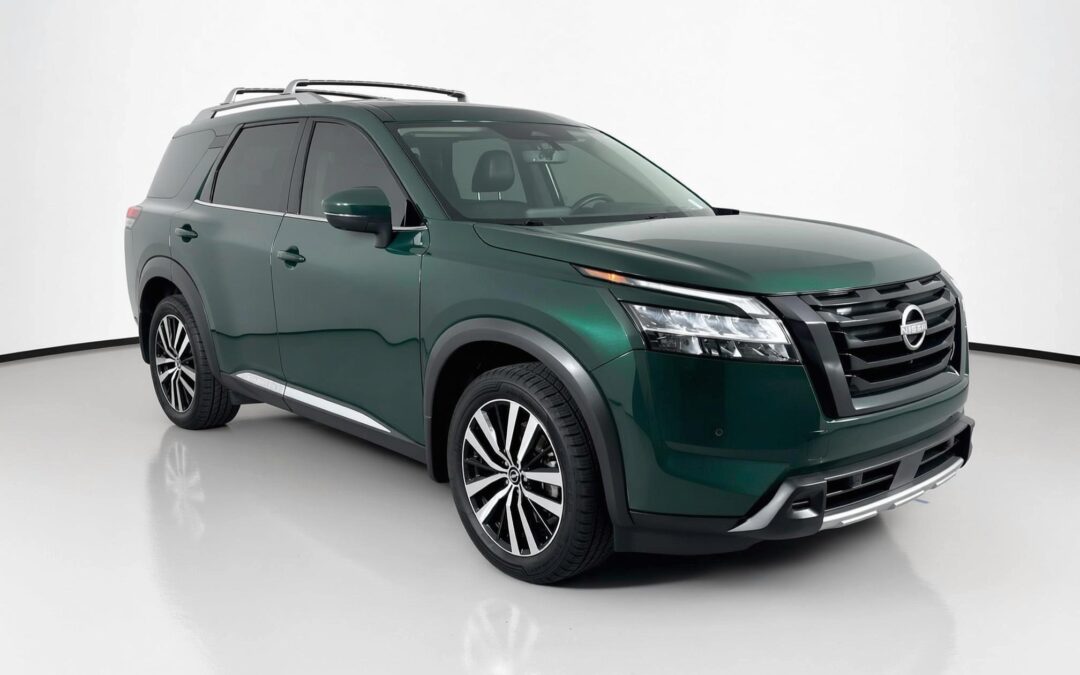
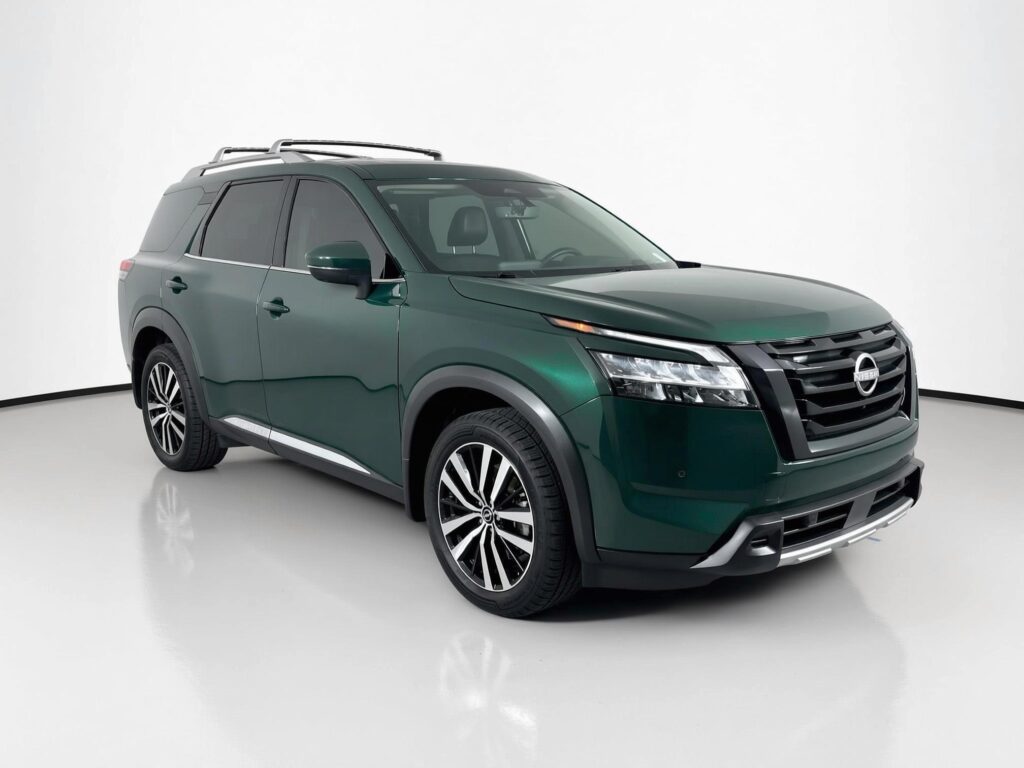
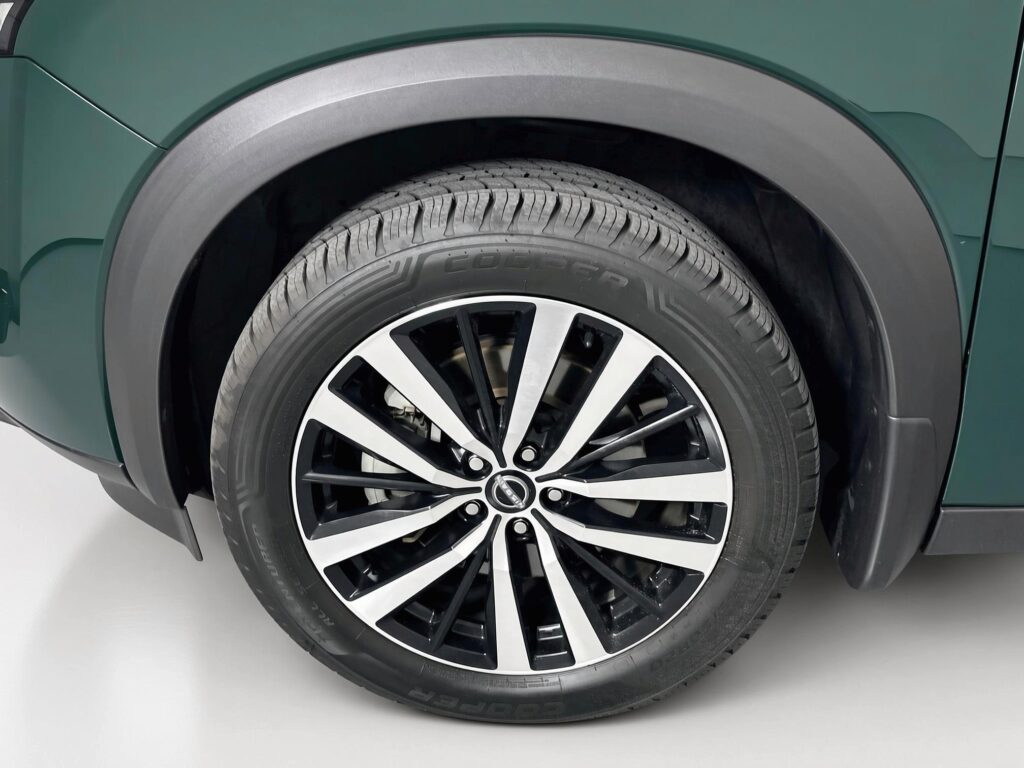
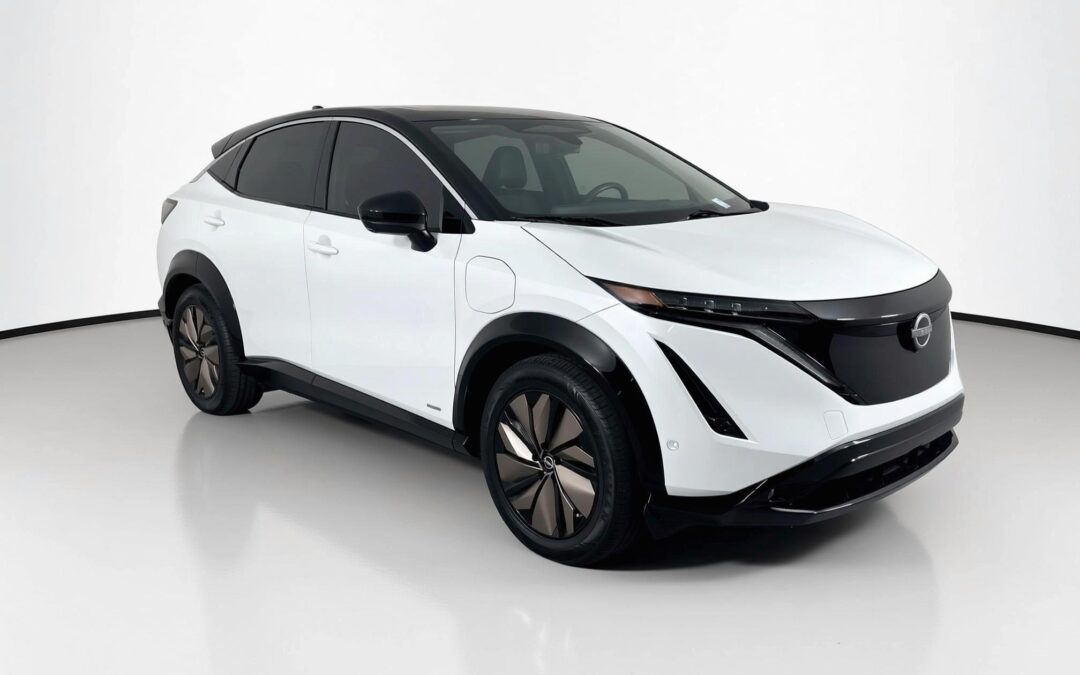
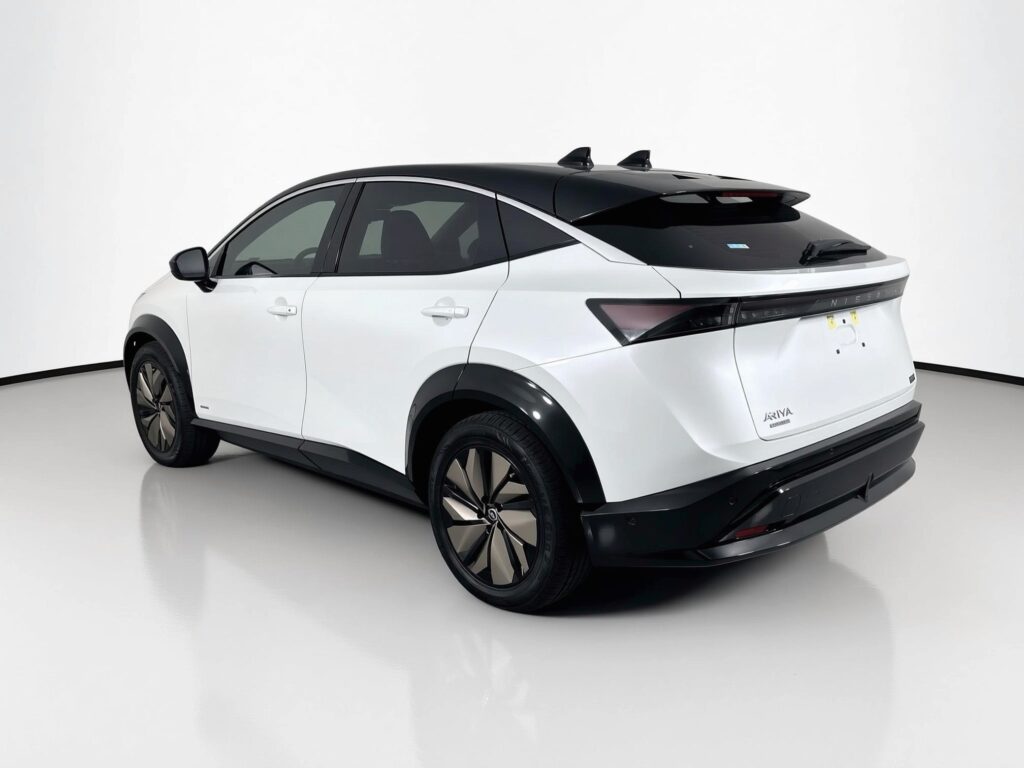
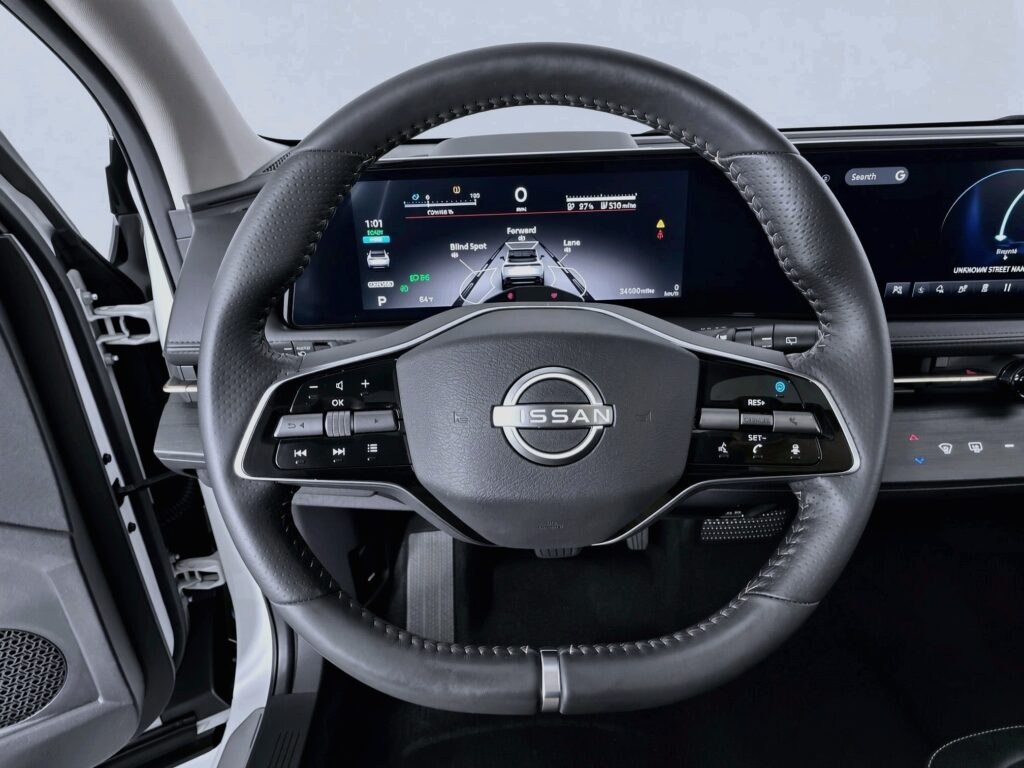
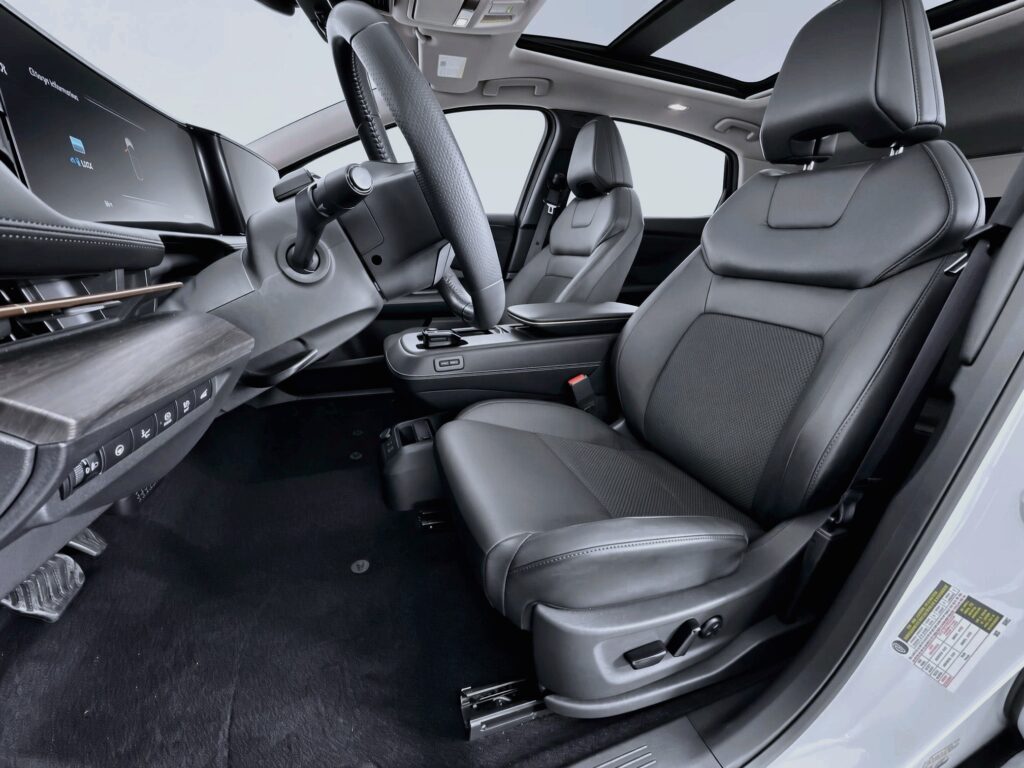
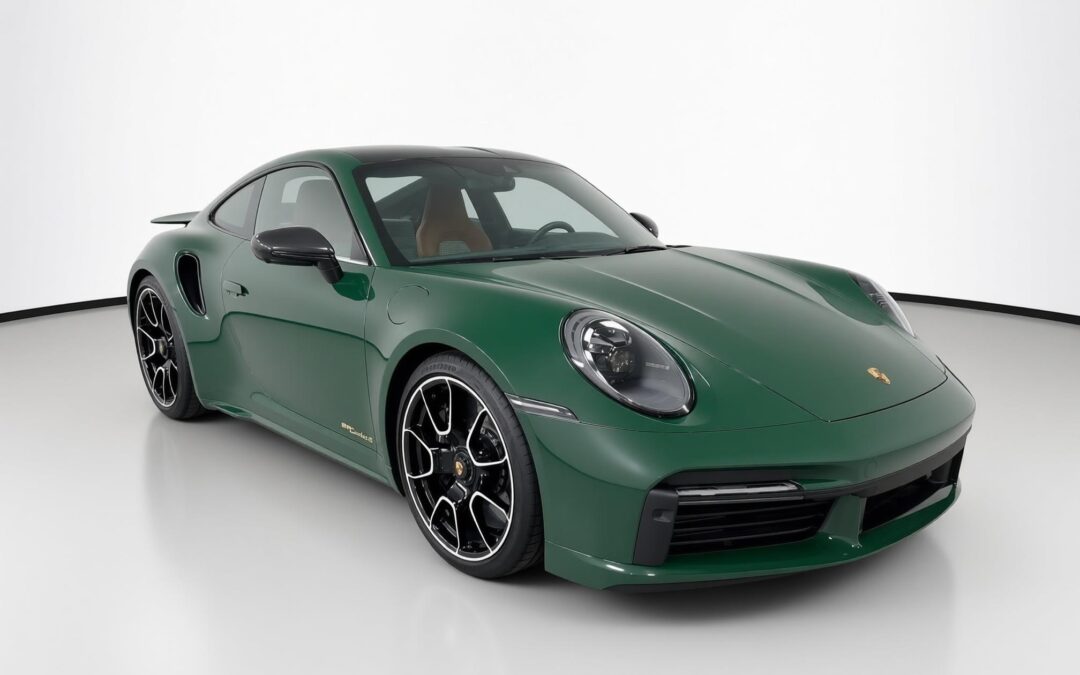
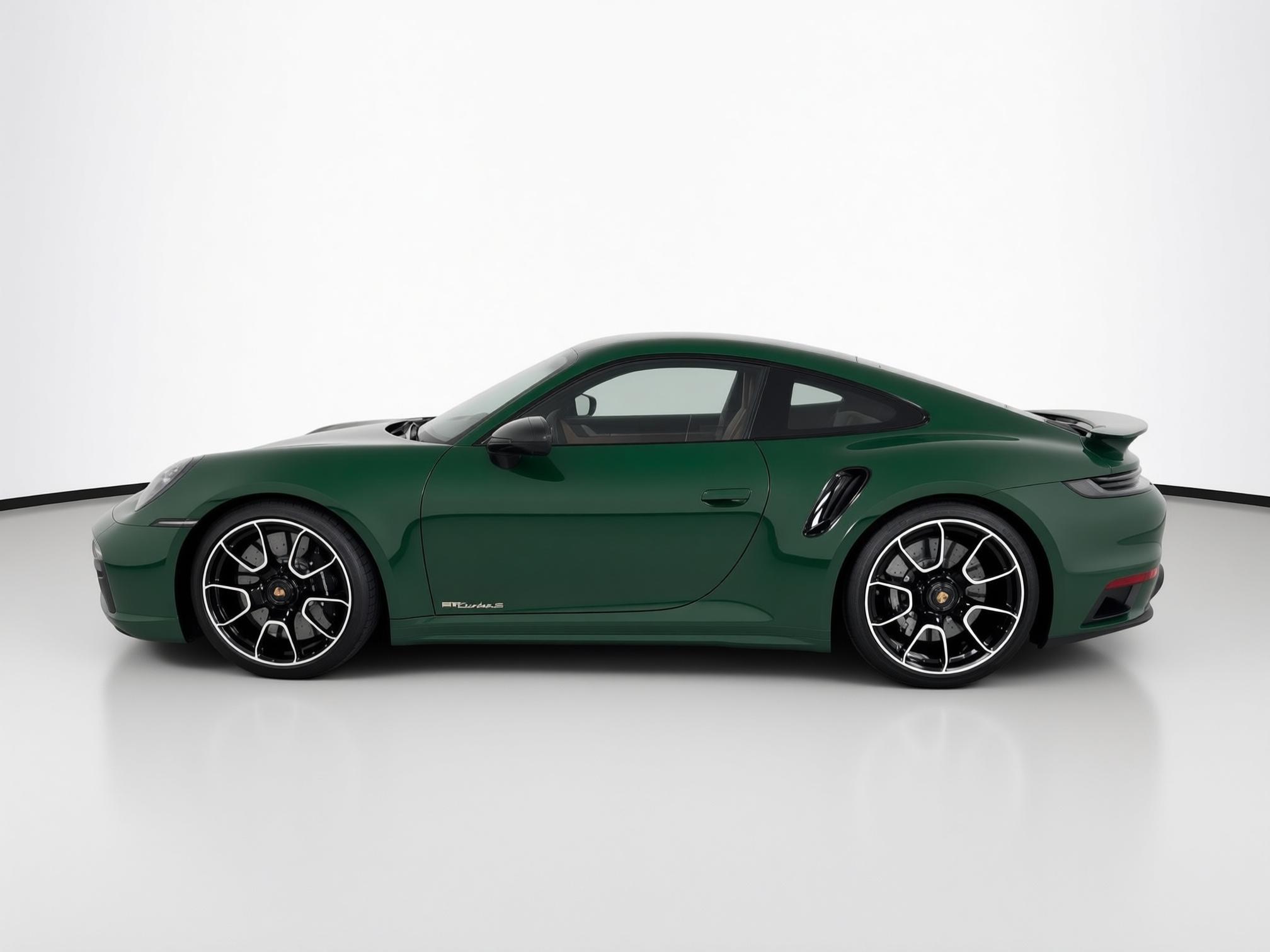
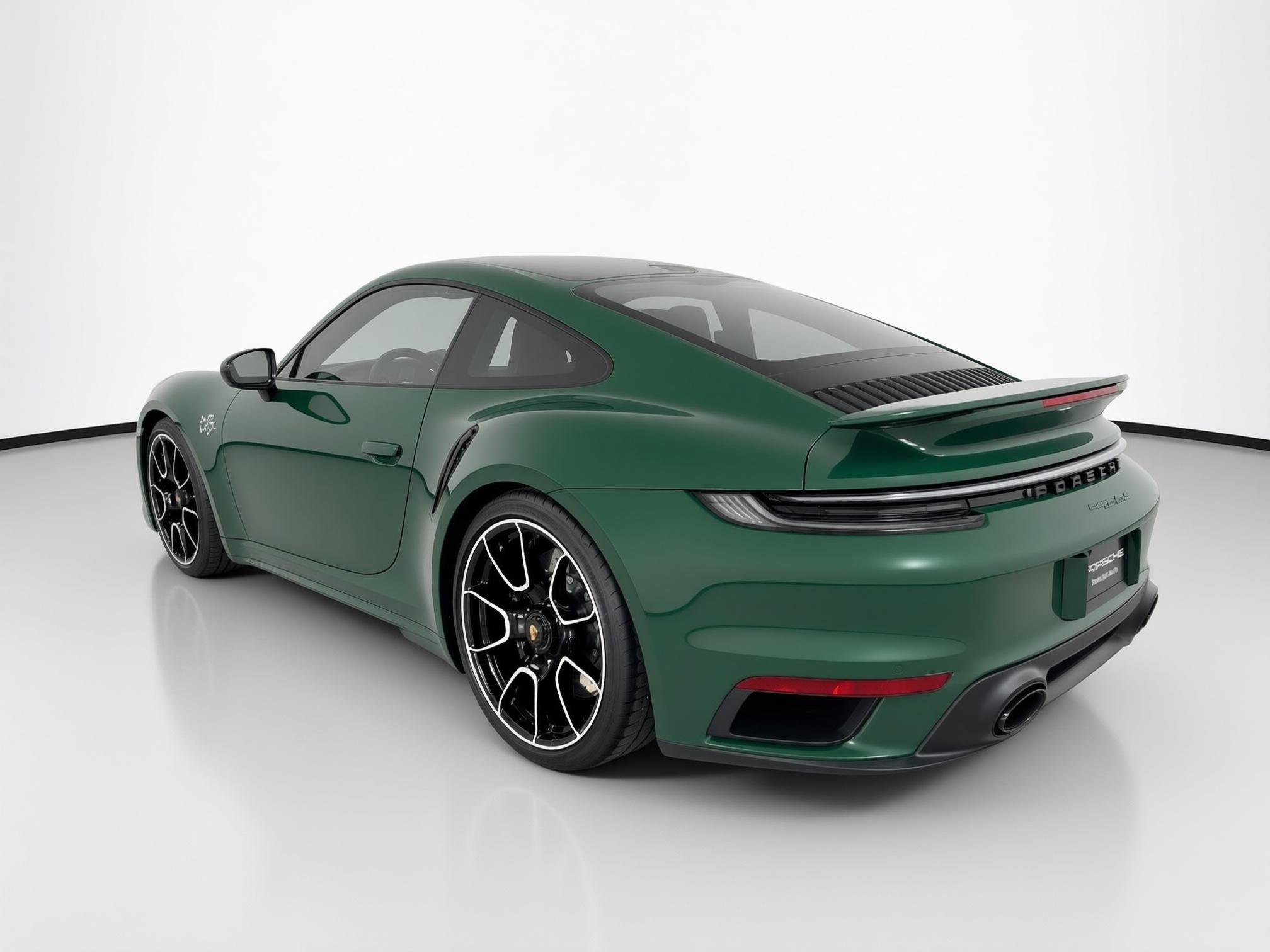
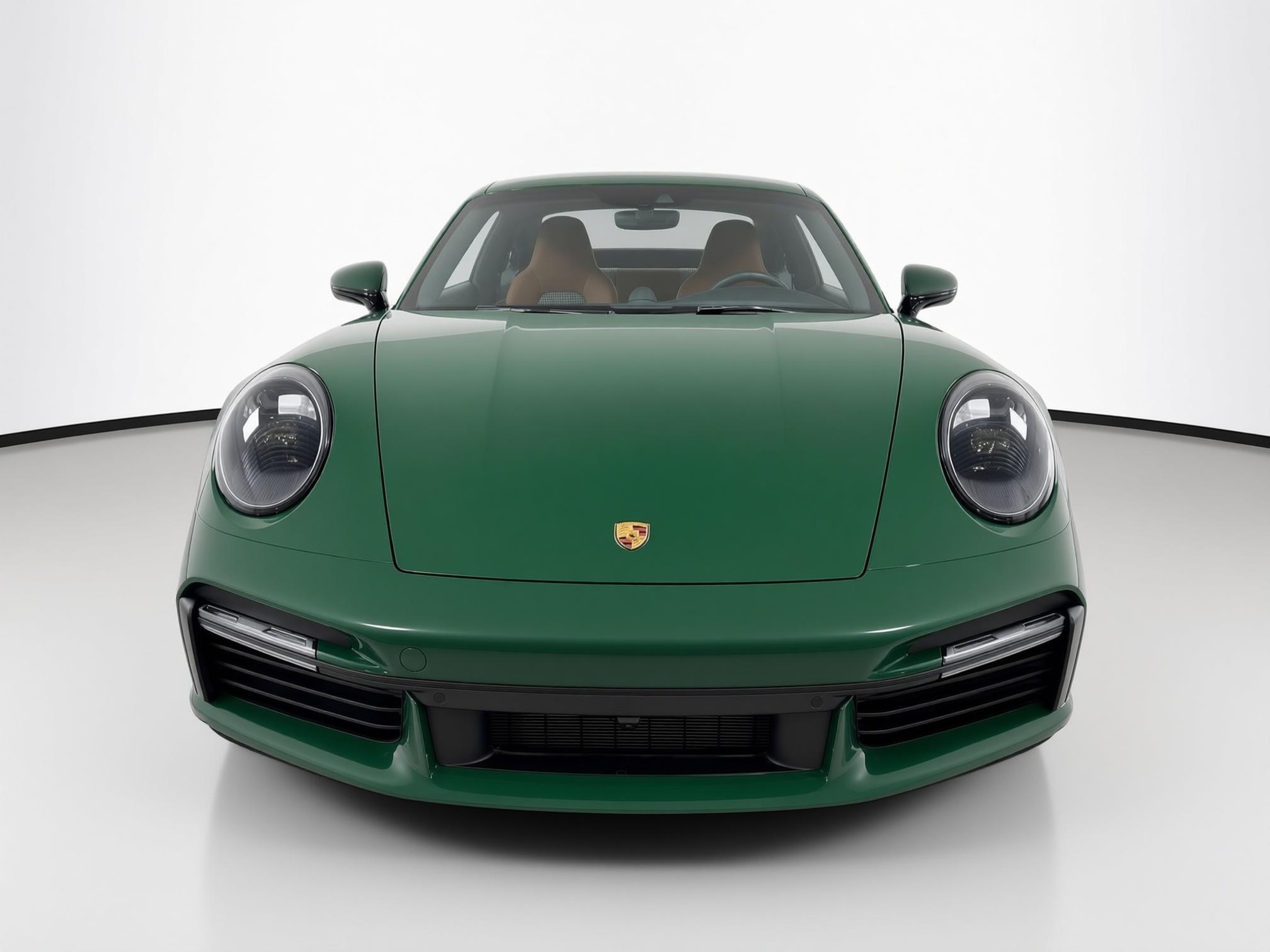
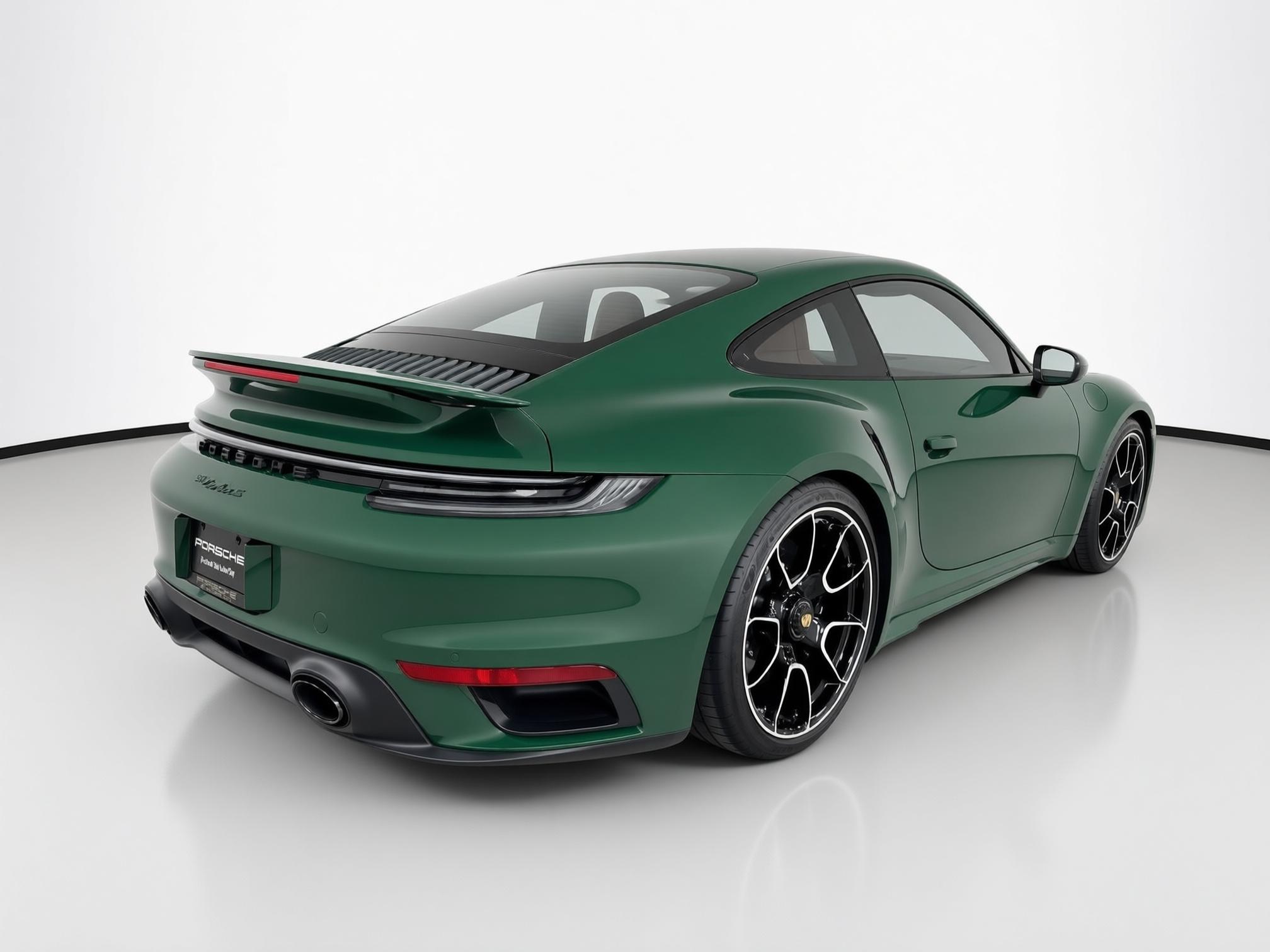
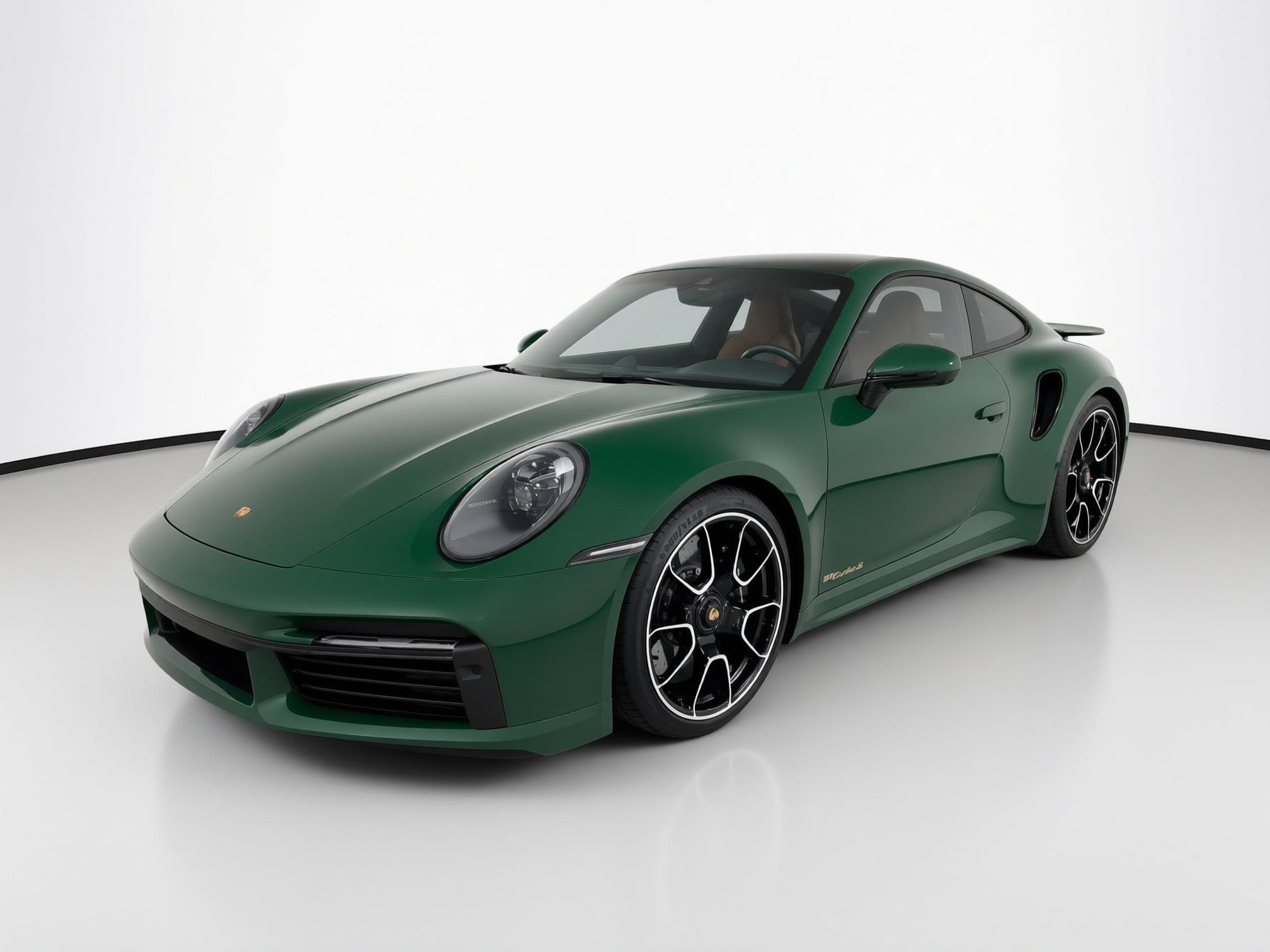
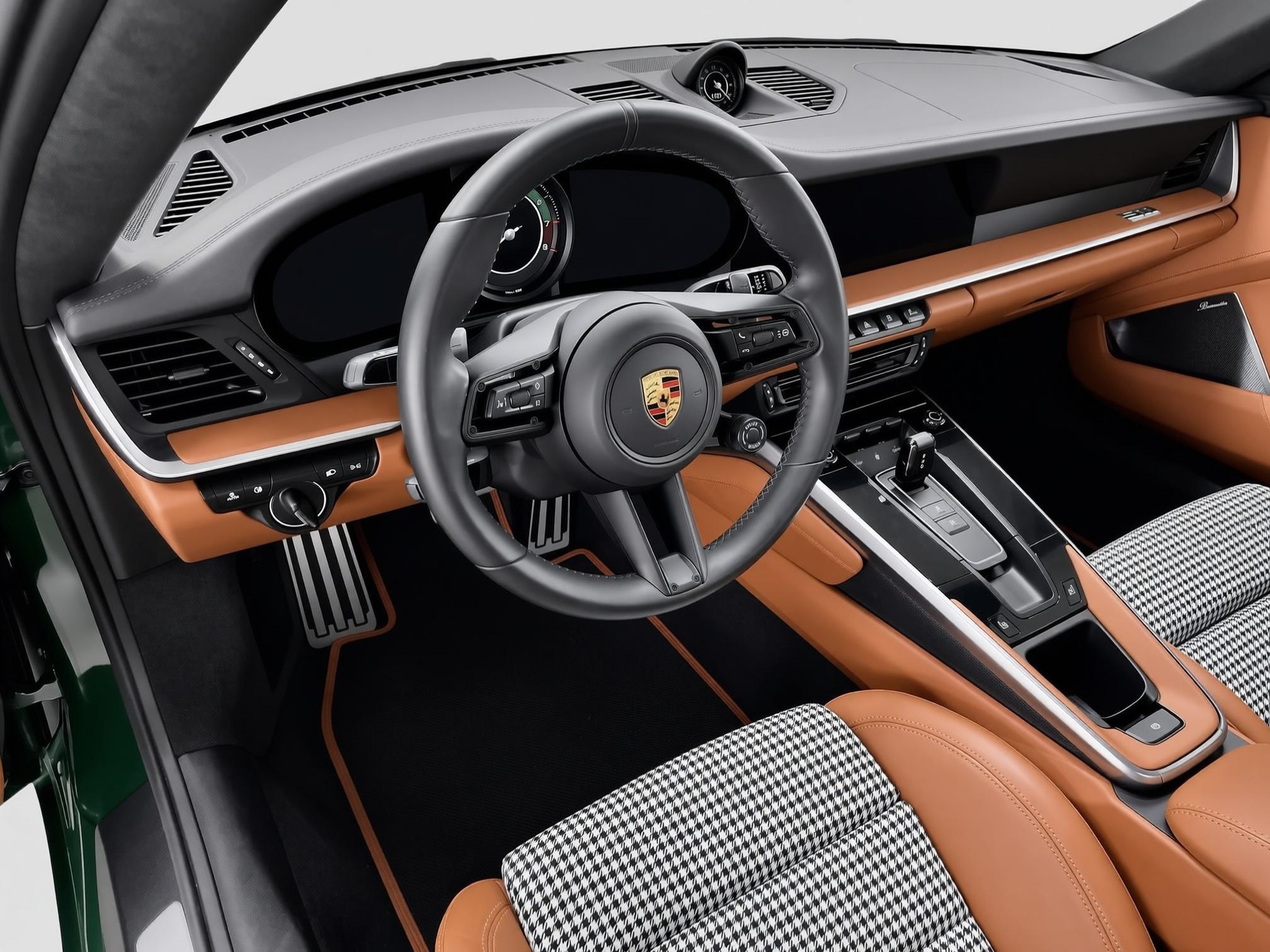
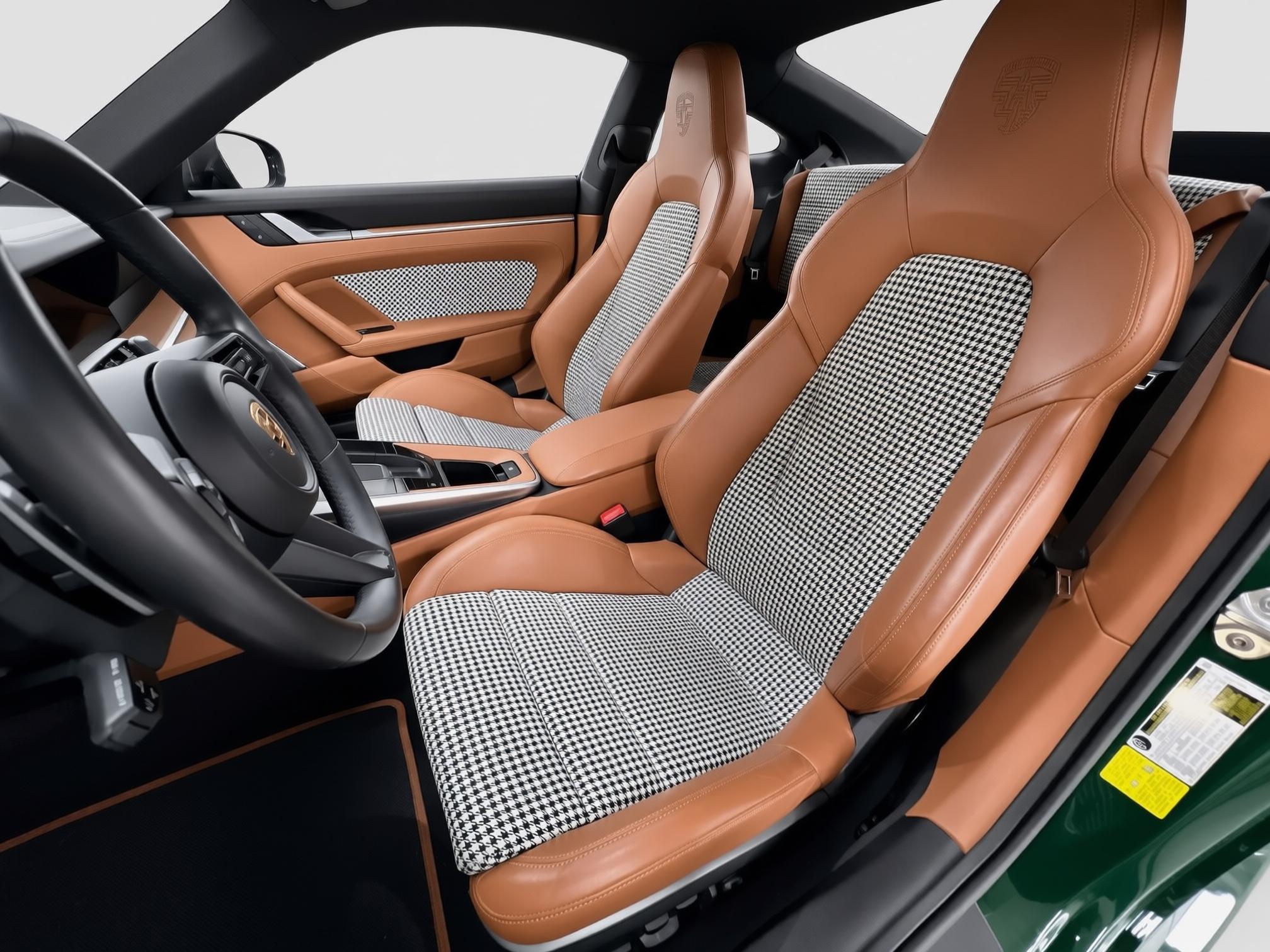
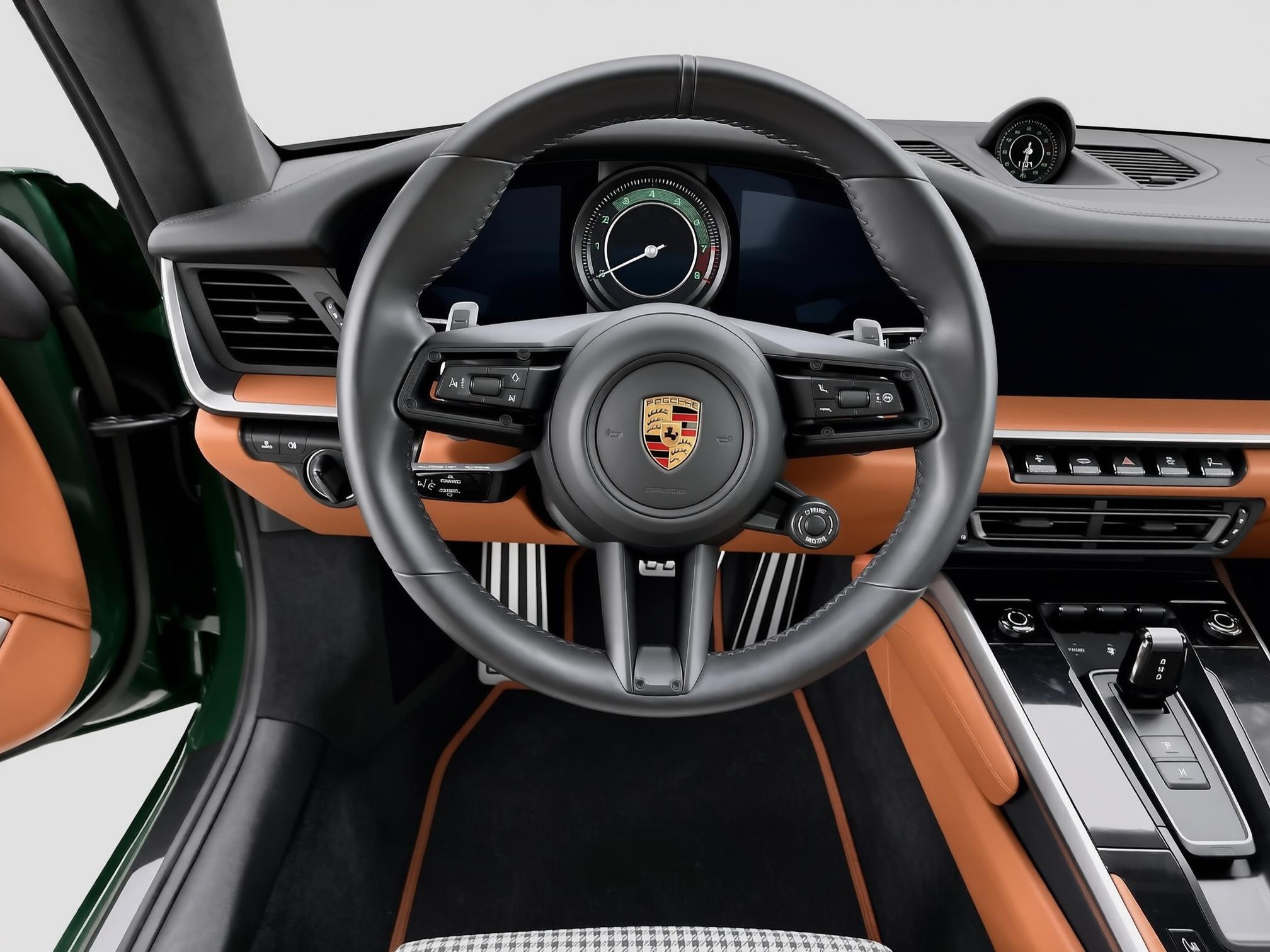
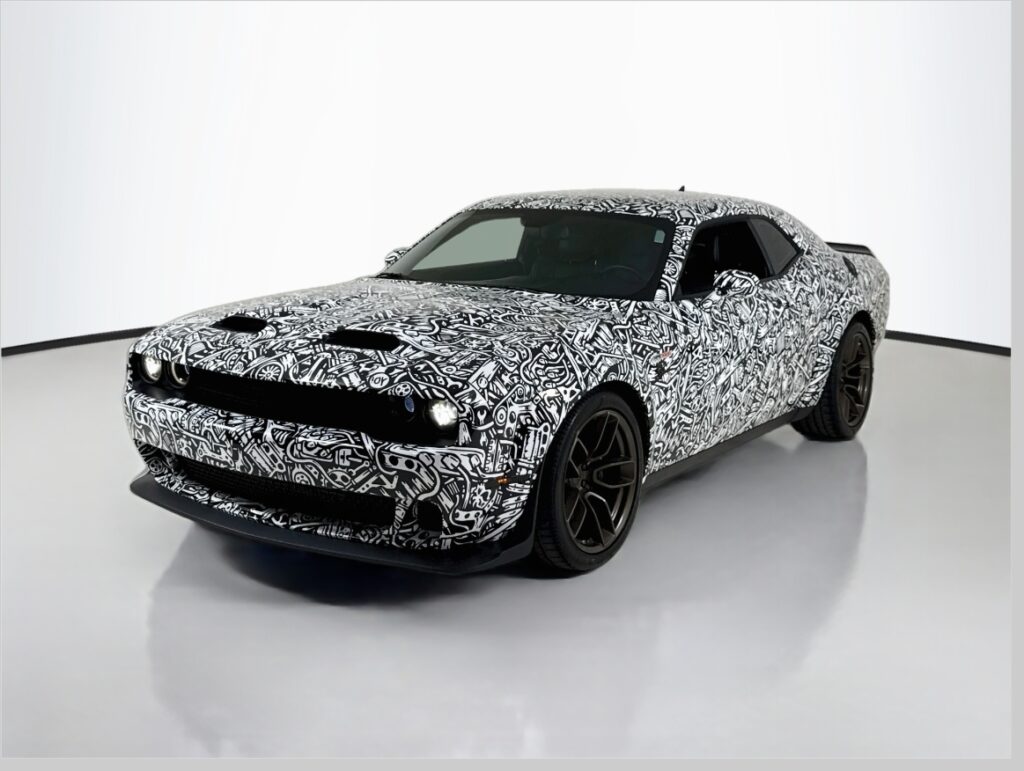
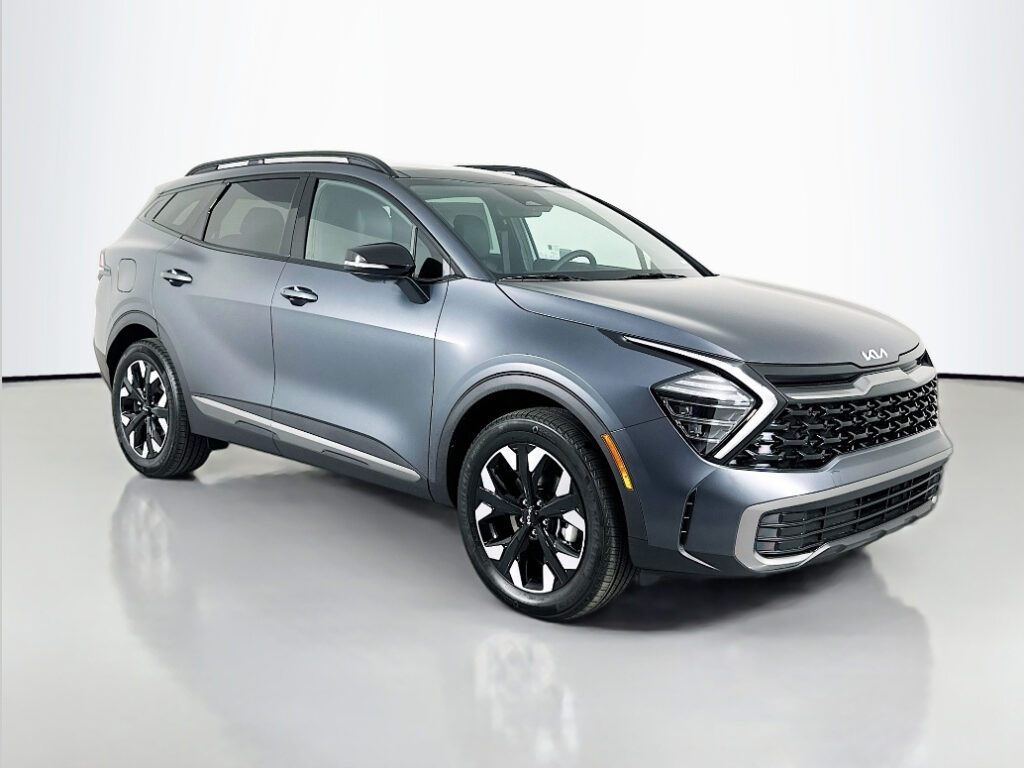
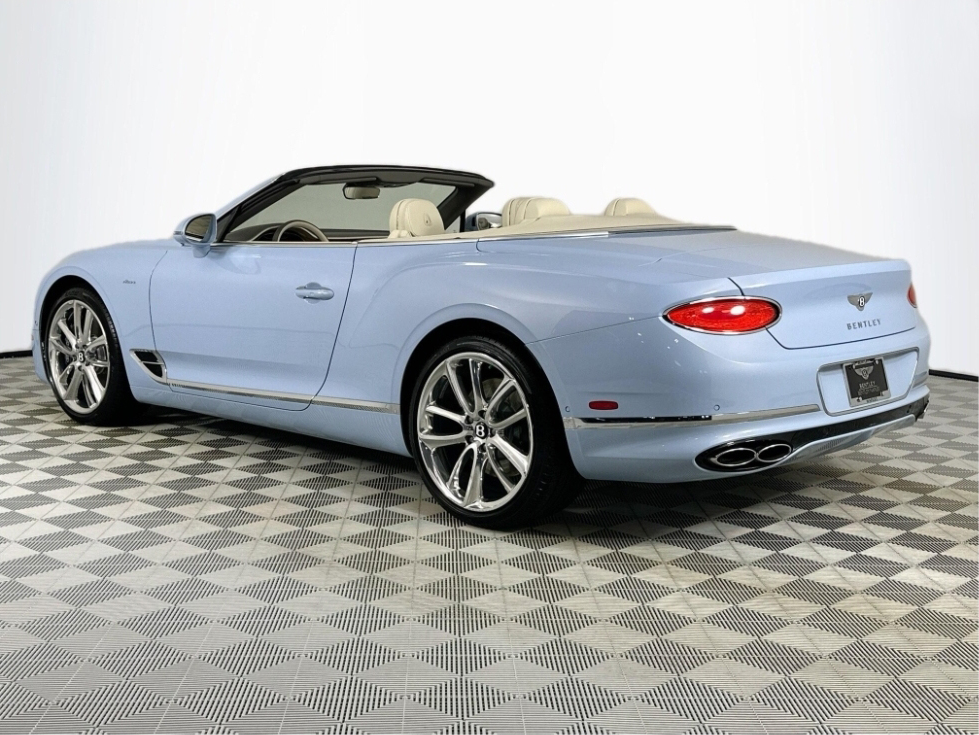
What if shoppers judge your whole store by one thumbnail?
They do. Every day.
On a search results page, your car is one little rectangle in a row of rectangles. The shopper scrolls with their thumb and decides in about the time it takes to read this sentence.
What does your thumbnail row say?
Now look at your row.
One shot in the sun with glare across the hood. One crooked. One half in shadow. One with a service truck photobombing. When weather and daylight control the shoot, every car comes out different.
Those say: nobody’s paying attention here.
Then there’s the one with a fake backdrop so perfect it looks like a stock photo. That one says something worse: what you see isn’t what you’ll get.
Dealer wake-up call
Shoppers don’t just judge the car. They judge whether your store has its act together. Your thumbnail row is your storefront window.
Why do SRP thumbnails matter so much for car dealers?
On a search results page, each vehicle is one small thumbnail in a row. Shoppers decide in seconds whether to click, and they judge whether the store has its act together by how that whole row looks.
What makes vehicle photos look inconsistent?
Shooting outdoors in changing sun and shadow, crooked angles, distracting backgrounds, and fake backdrops that look like stock images. Each car ends up looking different depending on the weather and who held the camera.
How do 360Booth and SHOOTit AI make vehicle photos consistent?
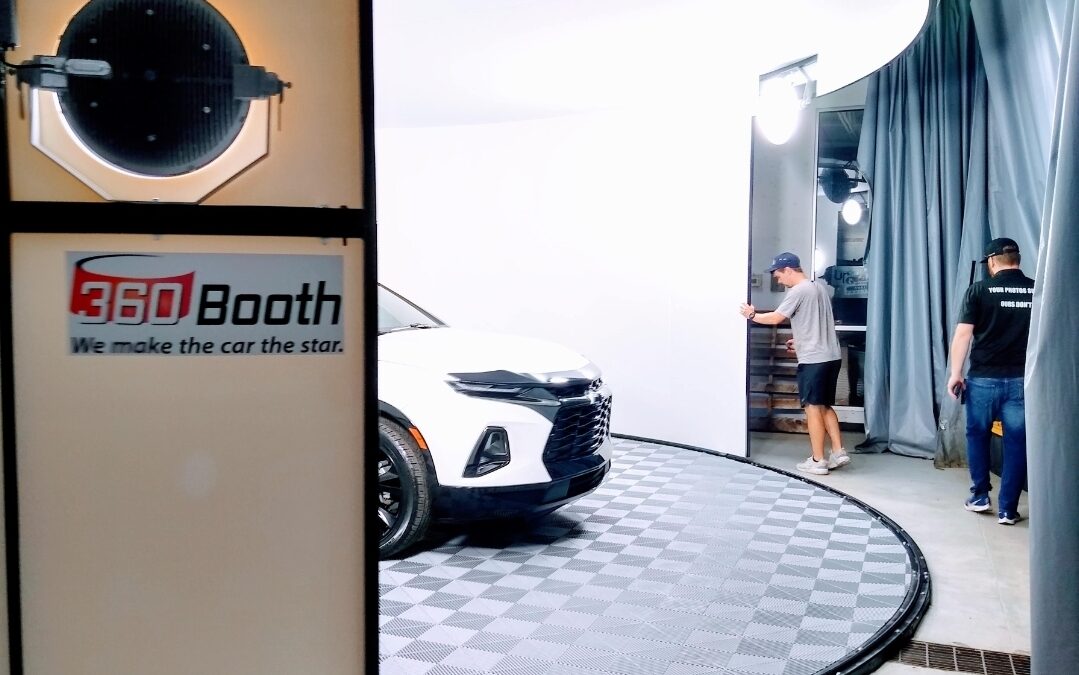
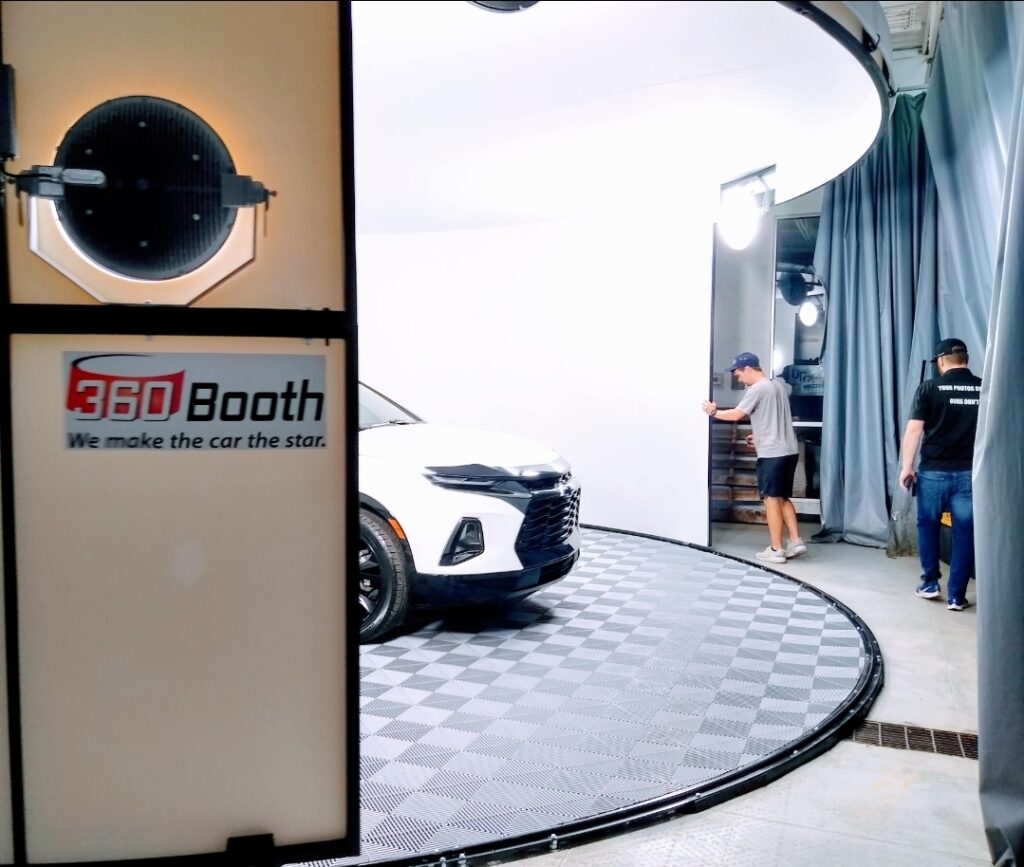
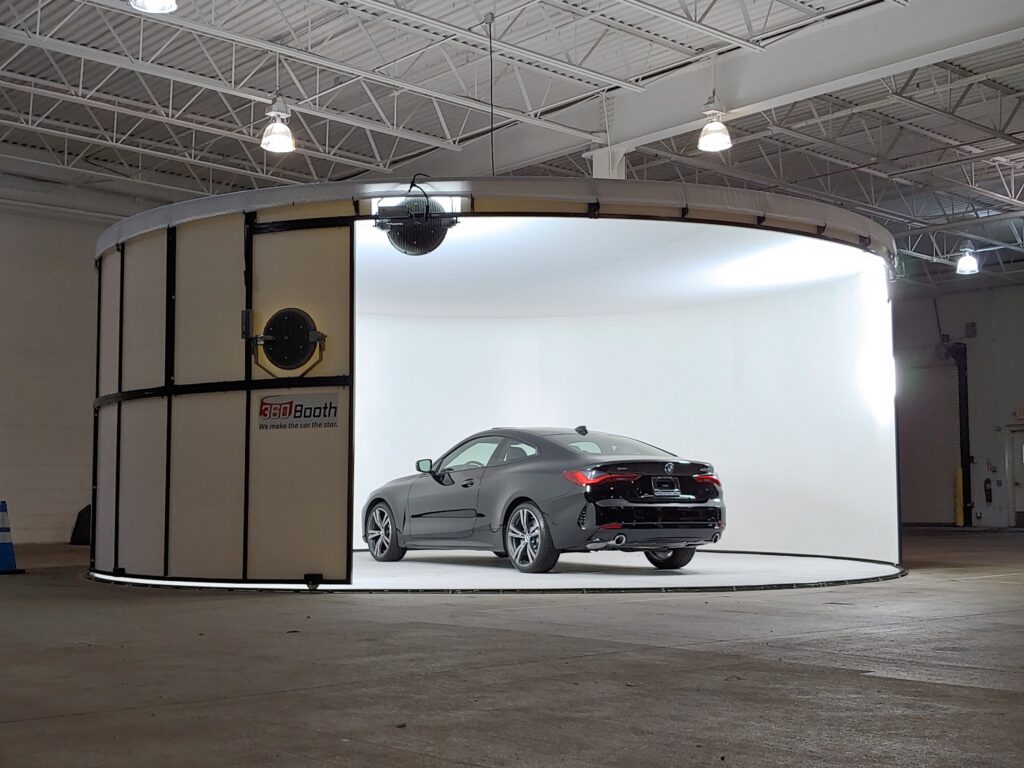
360Booth controls the light and real background around the actual vehicle. SHOOTit AI guides staff through the same 40+ shot sequence every time and flags dark, blurry or off-center shots for a reshoot before the car leaves the booth.
What if the car online matched the car on the lot?
That’s the Evidence Booth idea. 360Booth captures the real vehicle in controlled light against a clean physical background. SHOOTit AI guides a 40+ shot sequence on iPhone and stops dark, blurry or off-center frames for a reshoot while you’re still at the car.
Authentic Capture™. No apology required.
Would your sales team still open with “ignore the pictures”?
FAQ
Why do salespeople apologize for vehicle listing photos?
When listing photos use fake-perfect backgrounds, dark cabins, missing angles or crooked exteriors, the car on the lot doesn’t match the car online. The salesperson ends up explaining away the listing before the walkaround starts.
What happens to trust when the listing doesn't match the car?
The shopper drove over expecting the online car. When the salesperson has to apologize for the photos, the walkaround becomes damage control and the deal has already lost trust.
How do 360Booth and SHOOTit AI help photos match the real car?
360Booth captures the real vehicle in controlled light against a clean physical background. SHOOTit AI guides a 40+ shot sequence on iPhone and stops dark, blurry or off-center frames for a reshoot while the employee is still at the car.
Direct answer: Dealership vehicle photography quality control should happen while the employee is still standing beside the vehicle. SHOOTit AI guides the required 40+ image process and, when an image is too dark, blurry or poorly centered, stops the workflow and immediately requires a reshoot. Correcting the problem at capture prevents avoidable backtracking and protects the integrity of the original vehicle evidence.
The Best Time to Fix a Bad Vehicle Photo Is Before You Walk Away
Most photo problems are inexpensive to correct at one specific moment: when the vehicle, employee and camera are still together.
Once the car has been moved, parked, locked or handed to another department, the same correction becomes another task.
Someone has to locate the vehicle.
The vehicle may need to be repositioned.
A door, hatch or hood may need to be reopened.
The photographer has to recreate the angle.
That is not a camera problem. It is a workflow problem.
SHOOTit AI is designed to deal with the issue before that workflow breaks. If a required image is too dark, blurry or poorly centered, SHOOTit AI stops the process and immediately prompts the employee to reshoot before continuing.
The employee does not discover the problem hours later. The correction happens where the evidence is being created.
Capture Quality Is Different From Editing Quality
There is an important distinction between improving an image and correctly capturing the vehicle.
Software can adjust an image after capture. It cannot go backward in time and photograph an angle that was missed, refocus a blurred original, or document a vehicle detail the camera never properly recorded.
That distinction becomes increasingly important as automotive imaging uses more AI. AI can interpret evidence. It can organize it. It can enhance workflows around it. But the quality of that process still depends on what was actually captured.
That is why Authentic Capture™ starts with the real vehicle.
360Booth Controls the Physical Environment
360Booth is the controlled evidence room around the vehicle.
That physical control gives the photographer the ability to manage lighting, reflections and camera position around the actual vehicle instead of trying to correct an uncontrolled environment afterward.
The result is a repeatable place to create the source evidence. SHOOTit AI then provides the guided evidence-capture layer.
One controls the environment. The other controls the sequence.
Why the 40+ Image Process Matters
Forty-plus required images are not about creating an oversized photo gallery. They are about removing improvisation from the capture process.
The dealership decides what must be documented. SHOOTit AI guides the employee through that sequence. Instead of relying on memory, experience or personal preference, the process becomes repeatable from vehicle to vehicle and employee to employee.
That is especially important when the purpose of photography is not simply to make the vehicle attractive. It is also to show the actual vehicle being offered for sale:
Why Immediate Reshooting Is Operationally Important
Consider two workflows.
In the first, an employee completes the vehicle, moves on, uploads the media and later discovers that several photographs are unusable. Now the process has to move backward.
In the second, the camera recognizes that a required image is too dark, blurry or poorly centered and stops the employee before the next shot. The employee takes the photograph again. Then continues.
That is a small design difference with a large operational consequence. One workflow creates rework. The other corrects the mistake while correction is still part of the original job.
This Is What a Smart Camera Should Do
A smart camera should not simply take a picture. It should understand enough about the dealership’s required process to prevent obvious capture failures from moving downstream.
That is the philosophy behind SHOOTit AI. The objective is not to replace the person holding the camera. It is to make the process easier to execute correctly.
Existing dealership employees can learn the capture process quickly with brief direction because they are following a defined sequence rather than being trained to become professional automotive photographers.
Authentic Capture™ Starts Before AI Interpretation
The future of automotive imaging will include increasingly sophisticated AI. Vehicle condition imaging will improve. Computer vision will improve. Three-dimensional interpretation will improve.
If AI is going to interpret the vehicle, dealerships should give it the strongest possible real-world evidence. That means:
Controlling the physical environment.
Capturing the actual vehicle.
Preserving visible condition.
Following a repeatable sequence.
Correcting bad photographs before leaving the car.
Then allowing software to interpret what was actually recorded.
That is the difference between generating an image and building evidence.
The Dealer Wake-Up Call
Finding bad photos after the vehicle is gone is not quality control. It is rework.
The smartest place to correct a vehicle photograph is exactly where the mistake happened. At the car. Before the employee walks away. Before another vehicle enters the process. Before the mistake becomes somebody else’s problem.
Do not build a faster upload process for bad evidence. Build a capture process that refuses to move forward with it.
FAQ
What happens when SHOOTit AI detects a bad required image?
If the image is too dark, blurry or poorly centered, SHOOTit AI stops the workflow and immediately prompts the employee to reshoot before continuing.
Does SHOOTit AI replace the photographer?
No. It guides the employee through the dealership’s required capture process and applies capture-quality controls during that process.
Why use 360Booth with SHOOTit AI?
360Booth controls the physical photography environment around the real vehicle. SHOOTit AI controls the guided capture sequence. Together they create a repeatable system for producing real vehicle media.
Does Authentic Capture™ mean AI can perfectly determine vehicle condition?
No. Authentic Capture™ is about starting with evidence of the actual physical vehicle. AI can interpret that evidence, but it should not be represented as perfectly determining condition, damage, equipment or authenticity.
Read the guides the fake background providers write for dealers. Lighting matters. Light the car right. Shoot in good light.
Then read their pitch. No studio needed. Shoot anywhere on the lot.
That’s the contradiction, and it’s in their own marketing.
They Say It Themselves
These aren’t our words. They’re from the providers’ own published guides:
One says AI can fix a background, but it can’t fix a car sitting in total darkness.
One says swapping the room doesn’t turn the car’s old reflections into studio lighting.
One says mismatched lighting makes a photo feel wrong the moment a shopper sees it.
One says AI can’t rescue a fundamentally bad photo.
Their advice to fix it? Shoot in daylight. Avoid backlighting. Wait for an overcast day.
That is a lighting plan that depends on the weather.
If Lighting Matters, Why Remove the Light?
You can’t have it both ways. If lighting separates a great vehicle photo from a bad one, the answer isn’t to roll the car into the lot and hope the sky cooperates. The answer is controlled lighting, every time.
A real studio gives you that. A parking lot never will.
Then They Sell You a Studio Backdrop
Here’s the part that doesn’t add up. The car gets shot outside. Then the finished image shows a polished studio background.
Some providers even call it a digital studio, sold as a way to skip buying a real one.
If a studio is the look dealers are after, why not shoot in one?
Rain, Fog, Snow: Outdoor Shooting Stops
If the car has to be shot outside in good daylight, then rain stops the shoot. Snow stops it. Fog stops it. So does the dark.
360Booth shoots 24/7. Rain, fog, snow, midnight, noon. The booth doesn’t check the forecast, and neither should your inventory pipeline.
Interior Photos Are Where It Gets Harder
Too little light inside the vehicle and the cabin goes dark and muddy. Too much sun and it blows out. A background swap can’t fix either one, because the problem isn’t the background. It’s the light.
Even one fake background provider admits that removing backgrounds from interior shots is harder than exteriors.
Studio lighting solves it. Controlled, even light inside and out.
It matters for search too. When a feed lists an interior as “Other,” the photos are the only proof of its color. Read Why AI Search Can Skip Your Inventory.
A Captured Spin vs. a Generated One
A true 360 spin needs consistent light at every angle. Studio lighting delivers that.
At least one fake background provider advertises generating a 360 from as few as four pictures. That isn’t a car photographed from every angle. It’s a guess at one.
Shoppers want to see the real car.
The Bottom Line
They say lighting is essential. Then they tell you to skip the studio.
Their fix is better weather. Not a better setup.
Their backdrops borrow the studio look. The car still isn’t in one.
Their interiors are the hard part, by their own admission.
360Booth shoots 24/7. Real light, real car, any weather.
You don’t fix a lighting problem by removing the lights. Put the car in a real studio.
FAQ
Do fake background providers say lighting matters?
Yes. Their own published guides say AI can’t fix a car shot in darkness, that swapping the background doesn’t turn old reflections into studio lighting, and that AI can’t rescue a fundamentally bad photo.
What is their advice for better lighting?
Shoot in daylight, avoid backlighting and wait for an overcast day. That is a lighting plan that depends on the weather.
Why are interior photos harder with background replacement?
Too little light makes a cabin dark and muddy, and too much sun blows it out. A background swap can’t fix either, because the problem is the light, not the background.
Can a 360Booth shoot in bad weather?
Yes. Because the car is indoors under controlled studio lighting, a 360Booth can shoot in rain, fog, snow, at midnight or at noon.
AI generated vehicle views can be useful merchandising, but they should not be treated as primary photographic evidence of vehicle condition when the displayed viewpoint was never actually captured. If software creates new angles from a small number of source photographs, unseen scratches, dents, wheel damage, paint defects or other wear were never directly recorded from those viewpoints.
Generated Vehicle Merchandising and Vehicle Evidence Are Different
Automotive AI companies are rapidly reducing the amount of photography required to create a complete-looking presentation.
A photo software company currently advertises a 360 experience created from four standard vehicle photographs with no additional shooting. Its website describes the process as turning those photographs into an interactive 360° experience.
Another photo software company similarly markets 360° vehicle experiences created from existing vehicle images without additional capture.
The technology is impressive. But the terminology matters. If a camera captured four viewpoints and software displays many more viewpoints, the additional views were not original photographs taken from those camera positions. They were created from the available source information. Data Imagination predicting what it looks like.
That is merchandising. It is not the same thing as photographing the actual vehicle from every displayed angle.
Why This Matters More With Used Vehicles
A new vehicle and a used vehicle present very different imaging problems.
Used vehicles have history.
A door may have a small ding.
One wheel may have curb rash.
A quarter panel may carry a scratch.
A seat bolster may show wear.
Paint may have an imperfection visible only from a particular angle or under a particular reflection.
If that area was never photographed directly, software cannot recover photographic evidence that was never captured.
It may estimate what belongs there. It may create a visually convincing continuation. It may produce an excellent merchandising image. But those are different claims from saying the image documents the actual condition of that surface.
That distinction should become more important, not less important, as vehicle-condition imaging advances.
SHOOTit AI guides the dealership through the required 40+ image process rather than attempting to manufacture a complete visual record from only a handful of source photographs.
This is not an argument that generated imagery has no value.
Generated backgrounds can improve merchandising consistency.
Synthetic video can create engaging advertising.
Generated viewpoints can produce smooth, attractive presentations.
Those can all be legitimate tools when their purpose is clear.
The problem is category confusion. A marketing asset should not automatically be treated as a condition record. A simulated viewpoint should not automatically be described as an original photograph. A visually accurate-looking vehicle is not automatically proof that every visible surface corresponds exactly to what the camera recorded.
Provenance Helps, but Provenance Is Not Proof of Condition
The broader technology industry is already developing systems to identify how digital media was created.
C2PA Content Credentials can record information about a file’s origin, editing history and AI involvement. Google’s documentation explicitly notes that C2PA does not classify media as “real” or “fake” and does not guarantee that the depicted information is truthful.
That distinction matters for automotive imaging. Knowing that AI was used is useful provenance. It still does not turn a generated viewpoint into a photograph that was physically captured from that position.
What Dealers Should Ask Their Imaging Provider
A dealer evaluating an AI imaging product should ask one very simple question: Was every displayed exterior viewpoint actually photographed, or were some of those viewpoints generated from other images? That question separates capture from synthesis immediately.
Then ask:
Was the vehicle itself regenerated?
Was only the background replaced?
Were unseen surfaces estimated?
Can the original source photographs be retained?
Can generated media be clearly identified?
Does the system preserve visible condition exactly as captured?
Those questions will become increasingly important as merchandising, computer vision and vehicle condition analysis begin using the same image pipelines.
Authentic Capture™ Is About the Chain of Evidence
The future of automotive imaging will use more AI, not less. That makes source quality more important. Damage models, merchandising systems, appraisal tools, inspection platforms and AI search systems will all depend on the visual information they receive.
A beautiful synthetic image may be useful. A properly captured source image can also become evidence. Those are not interchangeable assets.
360Booth and SHOOTit AI are being built around that distinction.
Photograph the actual car. Preserve the actual condition. Then let AI work from evidence instead of inventing what the camera never saw.
FAQ
Can four photographs produce an interactive 360° presentation?
Yes. Current automotive AI vendors publicly advertise interactive 360° presentations generated from only a small number of source photographs.
Does that mean every displayed viewpoint was photographed?
No. If only a limited set of camera positions was captured, additional displayed viewpoints were created computationally rather than photographed from those physical positions.
Is AI background replacement the same as generating the vehicle?
No. Background removal or replacement can preserve the photographed vehicle pixels. Generating new viewpoints or reconstructing unseen portions of the vehicle is a materially different operation.
Can generated vehicle imagery still be valuable?
Yes. It can be useful for merchandising, advertising and presentation. The key is not confusing generated presentation with original photographic evidence.