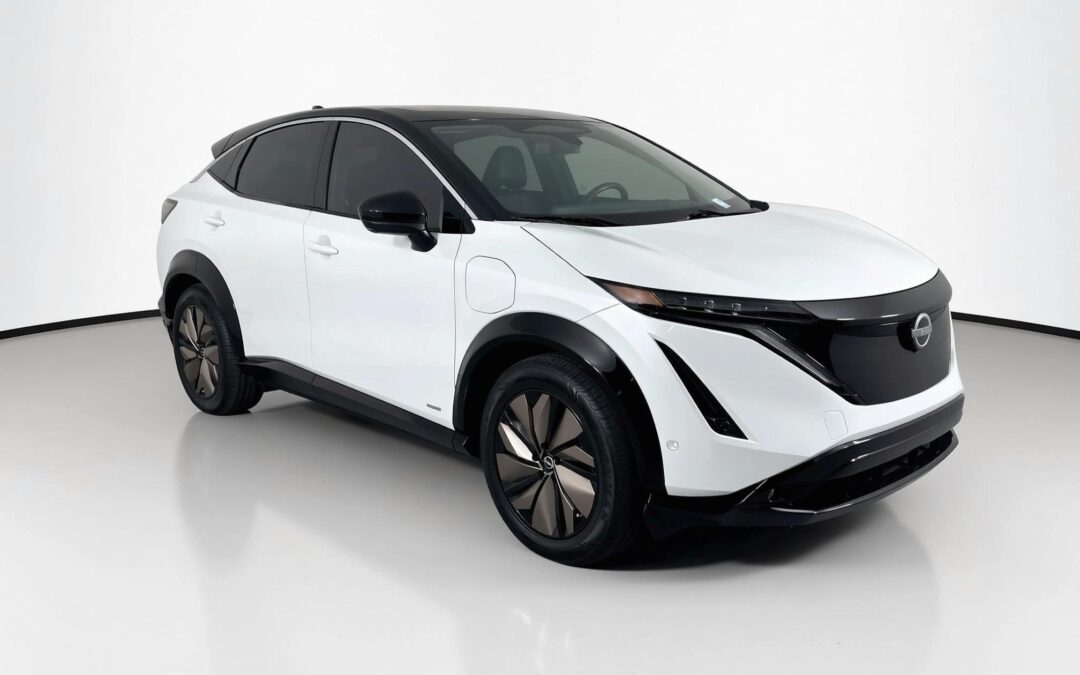
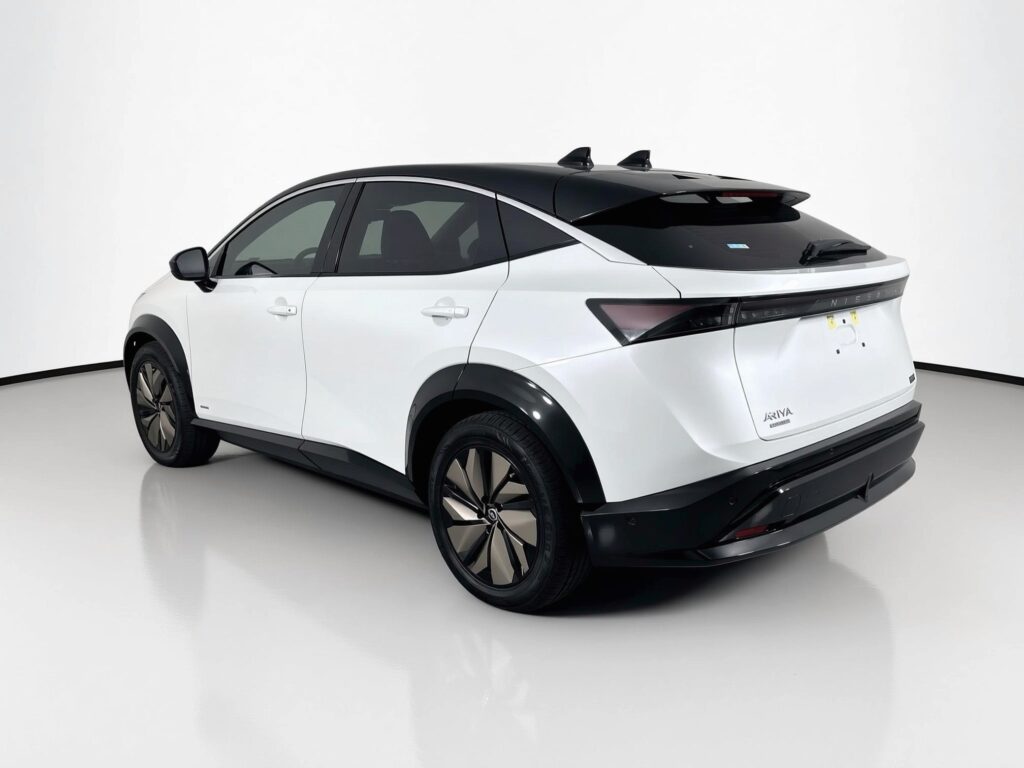
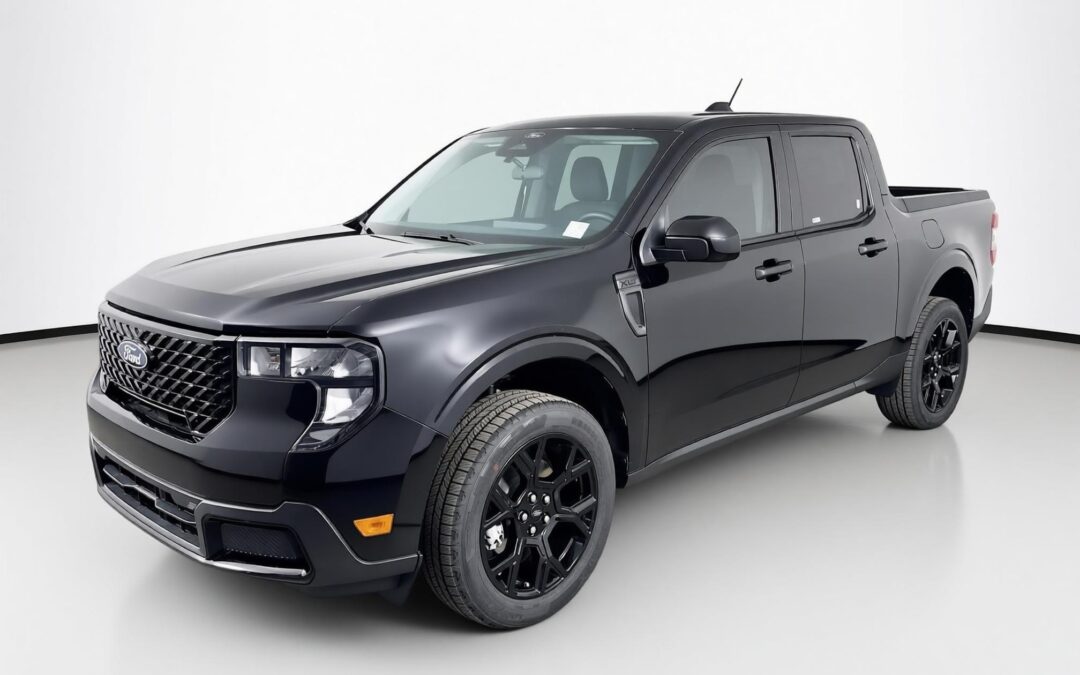
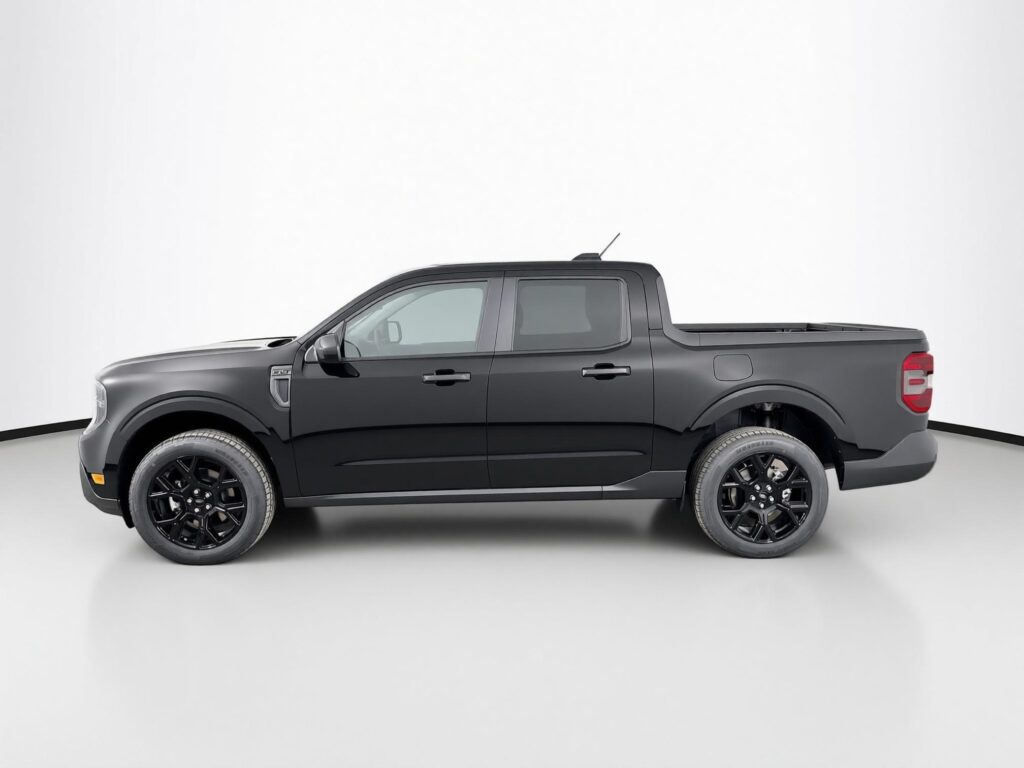
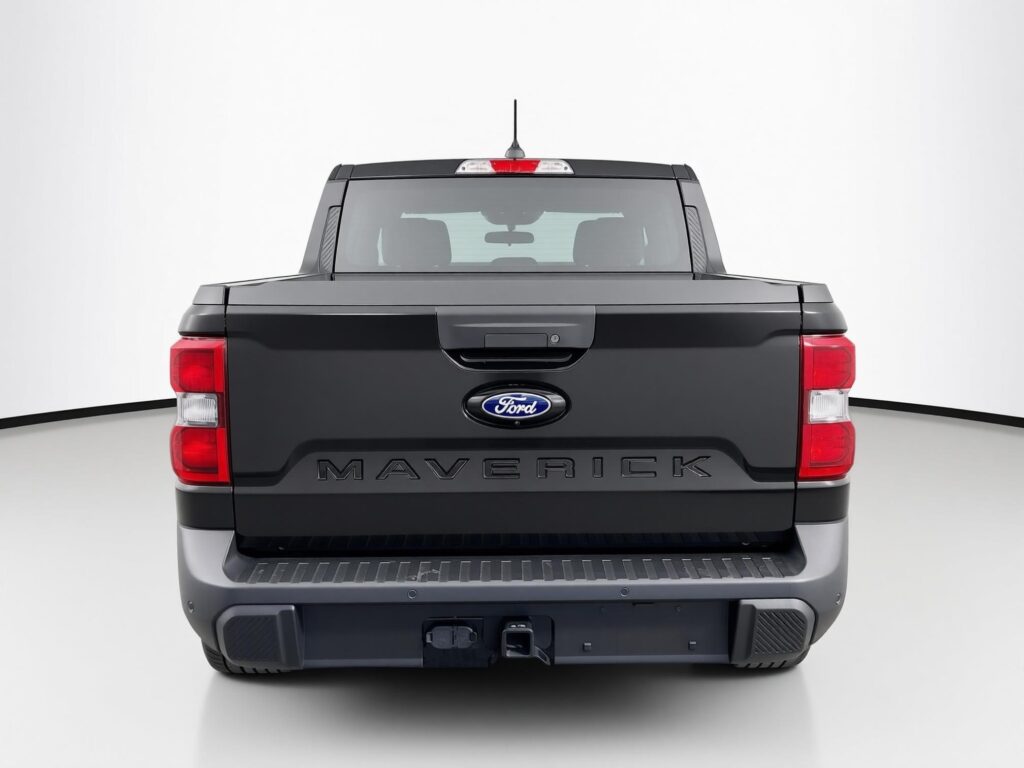
What if shoppers judge your whole store by one thumbnail?
They do. Every day.
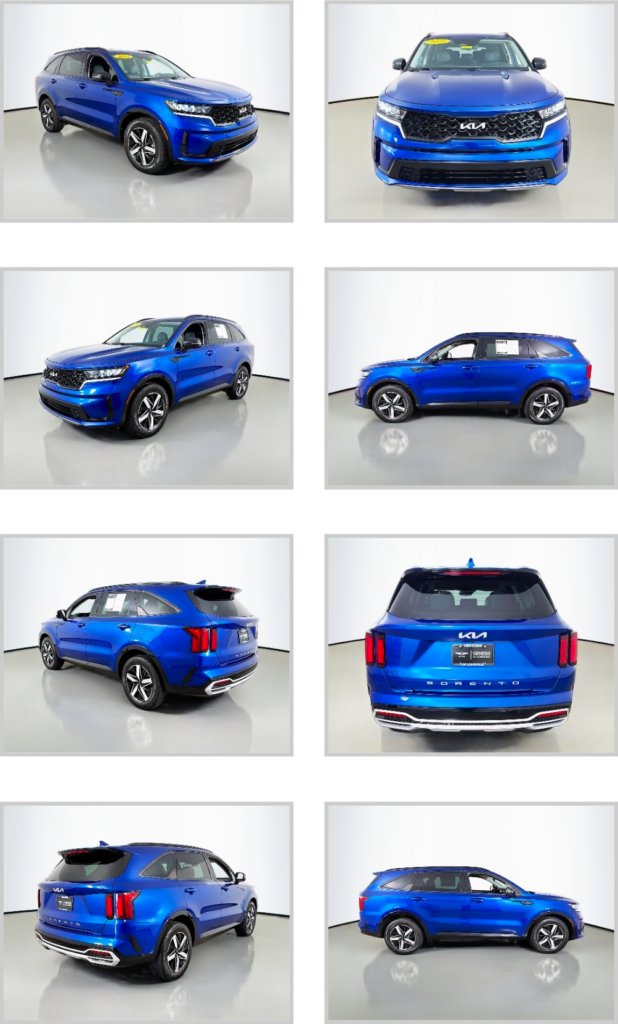
On a search results page, your car is one little rectangle in a row of rectangles. The shopper scrolls with their thumb and decides in about the time it takes to read this sentence.
What does your thumbnail row say?
Now look at your row.
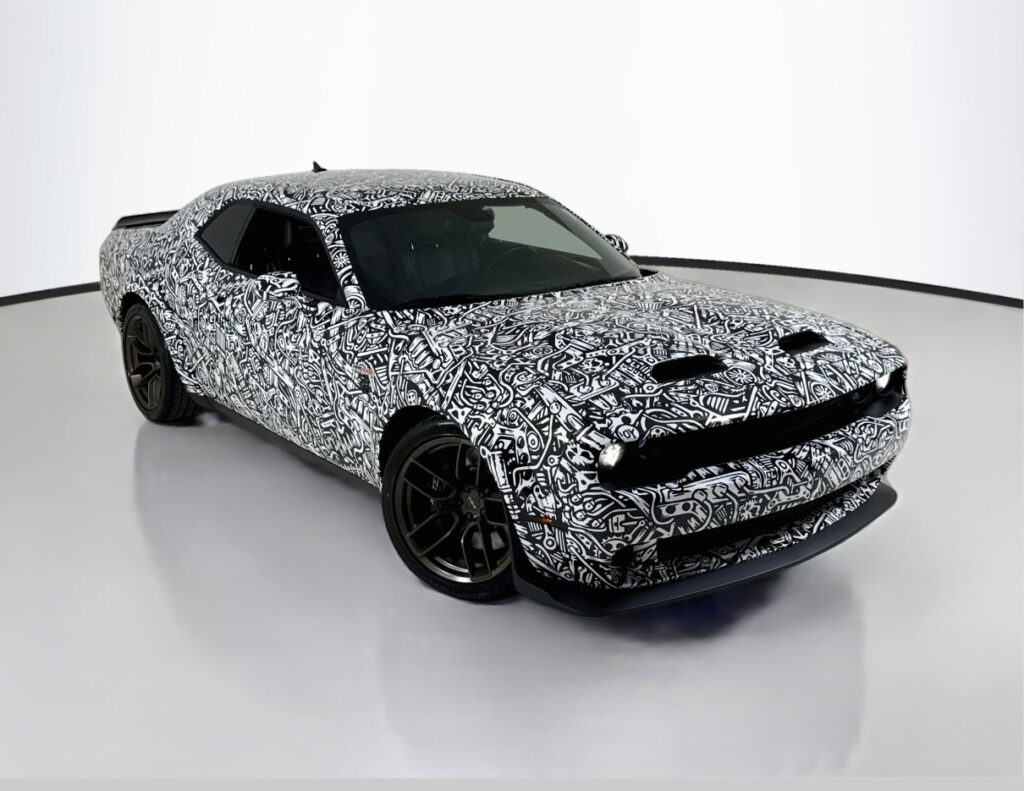
One shot in the sun with glare across the hood. One crooked. One half in shadow. One with a service truck photobombing. When weather and daylight control the shoot, every car comes out different.
Those say: nobody’s paying attention here.
Then there’s the one with a fake backdrop so perfect it looks like a stock photo. That one says something worse: what you see isn’t what you’ll get.
Dealer wake-up call
Shoppers don’t just judge the car. They judge whether your store has its act together. Your thumbnail row is your storefront window.
Why do SRP thumbnails matter so much for car dealers?
On a search results page, each vehicle is one small thumbnail in a row. Shoppers decide in seconds whether to click, and they judge whether the store has its act together by how that whole row looks.
What makes vehicle photos look inconsistent?
Shooting outdoors in changing sun and shadow, crooked angles, distracting backgrounds, and fake backdrops that look like stock images. Each car ends up looking different depending on the weather and who held the camera.
How do 360Booth and SHOOTit AI make vehicle photos consistent?
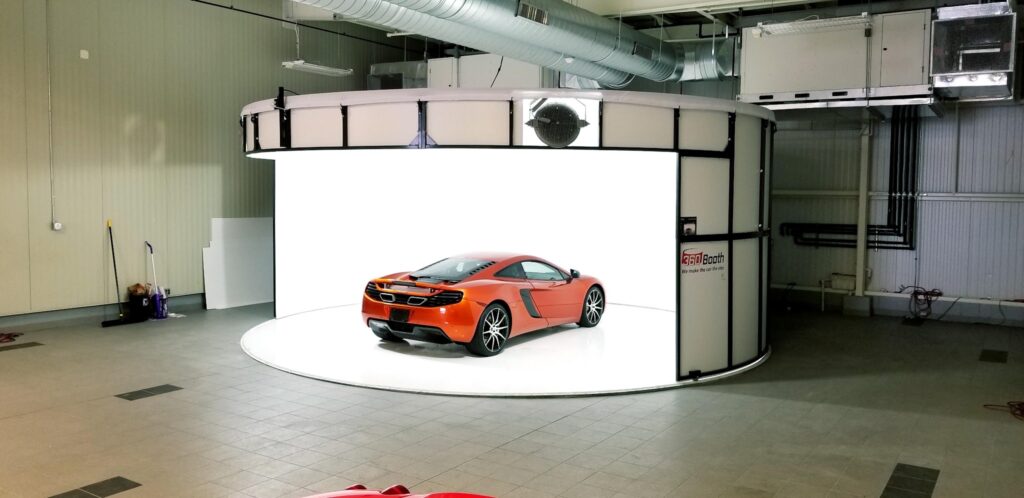
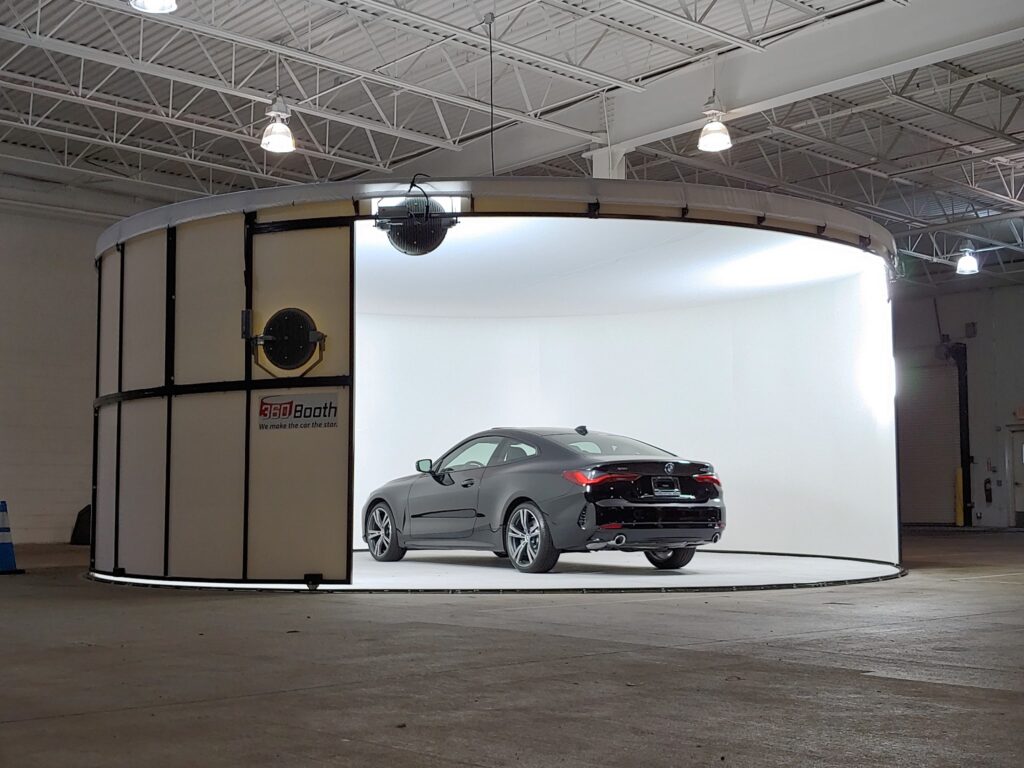
360Booth controls the light and real background around the actual vehicle. SHOOTit AI guides staff through the same 40+ shot sequence every time and flags dark, blurry or off-center shots for a reshoot before the car leaves the booth.
Read the guides the fake background providers write for dealers. Lighting matters. Light the car right. Shoot in good light.
Then read their pitch. No studio needed. Shoot anywhere on the lot.
That’s the contradiction, and it’s in their own marketing.
They Say It Themselves
These aren’t our words. They’re from the providers’ own published guides:
One says AI can fix a background, but it can’t fix a car sitting in total darkness.
One says swapping the room doesn’t turn the car’s old reflections into studio lighting.
One says mismatched lighting makes a photo feel wrong the moment a shopper sees it.
One says AI can’t rescue a fundamentally bad photo.
Their advice to fix it? Shoot in daylight. Avoid backlighting. Wait for an overcast day.
That is a lighting plan that depends on the weather.
If Lighting Matters, Why Remove the Light?
You can’t have it both ways. If lighting separates a great vehicle photo from a bad one, the answer isn’t to roll the car into the lot and hope the sky cooperates. The answer is controlled lighting, every time.
A real studio gives you that. A parking lot never will.
Then They Sell You a Studio Backdrop
Here’s the part that doesn’t add up. The car gets shot outside. Then the finished image shows a polished studio background.
Some providers even call it a digital studio, sold as a way to skip buying a real one.
If a studio is the look dealers are after, why not shoot in one?
Rain, Fog, Snow: Outdoor Shooting Stops
If the car has to be shot outside in good daylight, then rain stops the shoot. Snow stops it. Fog stops it. So does the dark.
360Booth shoots 24/7. Rain, fog, snow, midnight, noon. The booth doesn’t check the forecast, and neither should your inventory pipeline.
Interior Photos Are Where It Gets Harder
Too little light inside the vehicle and the cabin goes dark and muddy. Too much sun and it blows out. A background swap can’t fix either one, because the problem isn’t the background. It’s the light.
Even one fake background provider admits that removing backgrounds from interior shots is harder than exteriors.
Studio lighting solves it. Controlled, even light inside and out.
It matters for search too. When a feed lists an interior as “Other,” the photos are the only proof of its color. Read Why AI Search Can Skip Your Inventory.
A Captured Spin vs. a Generated One
A true 360 spin needs consistent light at every angle. Studio lighting delivers that.
At least one fake background provider advertises generating a 360 from as few as four pictures. That isn’t a car photographed from every angle. It’s a guess at one.
Shoppers want to see the real car.
The Bottom Line
They say lighting is essential. Then they tell you to skip the studio.
Their fix is better weather. Not a better setup.
Their backdrops borrow the studio look. The car still isn’t in one.
Their interiors are the hard part, by their own admission.
360Booth shoots 24/7. Real light, real car, any weather.
You don’t fix a lighting problem by removing the lights. Put the car in a real studio.
FAQ
Do fake background providers say lighting matters?
Yes. Their own published guides say AI can’t fix a car shot in darkness, that swapping the background doesn’t turn old reflections into studio lighting, and that AI can’t rescue a fundamentally bad photo.
What is their advice for better lighting?
Shoot in daylight, avoid backlighting and wait for an overcast day. That is a lighting plan that depends on the weather.
Why are interior photos harder with background replacement?
Too little light makes a cabin dark and muddy, and too much sun blows it out. A background swap can’t fix either, because the problem is the light, not the background.
Can a 360Booth shoot in bad weather?
Yes. Because the car is indoors under controlled studio lighting, a 360Booth can shoot in rain, fog, snow, at midnight or at noon.
Every dealership that has adopted background replacement software knows the appeal. Pull a car out front, snap the photos, and let the app swap the lot behind it for a clean showroom backdrop or a polished studio look. Listings look consistent, and the cluttered parking lot, the neighboring building, and the stray shopping cart all disappear.
It works well, until the weather turns.
The Hidden Flaw: Built for Sunny Days
Most of these apps were designed around one assumption: the car will be shot outside. That makes sense on a clear afternoon, when the light is good and the vehicle is easy to separate from its surroundings. Rain and snow break that assumption.
Rain leaves water droplets and wet reflections on the paint and glass. The software struggles to tell where the car ends and the background begins, so edges blur, windows get cut out wrongly, and the car looks like it was pasted onto the scene.
Snow is worse. White snow against a white or silver vehicle confuses the cutout tool, and falling flakes show up as noise in the image. Photographers also don’t want to stand outside in freezing temperatures for 40 vehicles.
Gray, overcast days flatten the lighting, which makes the final images look dull no matter how nice the replacement background is.
The result is that the tool the dealership is paying for sits unused for days or weeks at a time. In many markets, that means a good part of the year.
What a Rainy Week Costs
Inventory doesn’t stop arriving because of the weather. Trade-ins come in, new stock gets delivered, and every unphotographed vehicle is a vehicle that isn’t properly listed online. When the app can’t be used, dealerships usually fall back on one of three bad options:
Wait for the weather to clear. Cars sit with no photos or placeholder images while competitors list theirs.
Shoot in the rain anyway. The photos are inconsistent and look unprofessional next to sunny-day shots of similar vehicles.
Pay for the software and work around it. The subscription keeps charging while the team goes back to old habits.
Since most car shoppers start their search online, slow or low-quality listings directly affect leads, and leads affect sales.
The Real Problem: Dependence on Outdoor Conditions
The issue isn’t background replacement itself. It’s that an outdoor-only workflow makes your photo pipeline depend on the forecast. Any business process that stops working when it rains is a risk, and your listings are too important for that. A dependable photo setup should work the same on a blizzard morning as on a perfect July afternoon.
What to Look For Instead
When evaluating photo software or workflows, ask these questions:
Can it run indoors? A covered bay, a service drive, or a dedicated photo area removes the weather variable entirely.
Does it handle imperfect conditions? Wet paint, low light, and reflective surfaces shouldn’t produce unusable cutouts.
Is the quality consistent? Your listings should look uniform whether they were shot Monday in the sun or Thursday in the snow.
Does it fit into your daily routine? If the team has to check the weather before deciding how to photograph a car, the system is working against you.
Make Your Photo Process Weatherproof
Dealerships invest in photo technology to move cars faster and present them better. A tool that works only part of the year delivers only part of that value. Before the next storm hits, take an honest look at your process. If bad weather shuts down your photography, it’s worth finding a setup that doesn’t. Your inventory, and your customers scrolling through listings, will notice the difference.
FAQ
Why do background replacement apps struggle in rain and snow?
Rain leaves droplets and wet reflections that confuse the cutout, snow blends into white or silver cars and shows up as noise, and gray days flatten the lighting.
What does a rainy week cost a dealership?
Inventory keeps arriving. Dealers either wait with unphotographed cars, shoot inconsistent photos in the rain, or keep paying for software the team works around.
What should a dealership look for in a weatherproof photo process?
A setup that runs indoors, handles imperfect conditions, produces consistent quality in any weather and fits the daily routine without checking the forecast.
In the automotive industry, the use of artificial or “fake” backgrounds in vehicle photography has become a topic of debate. While these backgrounds can offer a CHEAP convenience, they often fall short in realism, potentially undermining the credibility of the images.
Why Fake Backgrounds Often Fail:
Lack of Authentic Interaction: Artificial backgrounds may not accurately reflect how light interacts with the vehicle, leading to unnatural shadows or HIGHLIGHTS. This discrepancy can make the car appear out of place within the scene.
Perspective Mismatch: Aligning the vehicle’s perspective with a fake background is challenging. Even slight misalignments can result in images that feel “off,” causing viewers to question their authenticity.
Inconsistent Image Quality: Differences in resolution and image quality between the car and the background can be jarring. A high-resolution image of a car placed against a lower-quality background (or vice versa) disrupts the visual harmony.
Perceptual Discrepancies: Humans are adept at detecting anomalies in images. When a vehicle doesn’t seamlessly blend with its background, it can trigger skepticism, leading viewers to perceive the image as manipulated or untrustworthy.
The Importance of Authentic Backgrounds and lighting:
Authentic backgrounds ensure that lighting, perspective, and context align naturally, creating a cohesive and believable image. This authenticity is crucial in automotive photography, where the goal is to present vehicles in the best possible light without compromising realism.
Conclusion:
While fake backgrounds might offer a quick solution, they often fail to provide the realism and credibility that authentic settings deliver. Investing in a genuine 360Booth photo studio not only enhances the visual appeal of automotive photographs but also maintains the trust, confidence of potential buyers while building a store brand, it gives your team the professional look that they demand.
FAQ
Do fake backgrounds help sell cars?
360Booth argues they often don’t. Replaced backgrounds can look cheap and unrealistic, which can make shoppers question whether the photo, and the car, is genuine.
Why do fake backgrounds look wrong?
The light on the car rarely matches the background, perspective can be slightly off, and the car and background often differ in resolution. People are good at spotting these mismatches.
What's the alternative to fake backgrounds?
Photographing the vehicle in a real, controlled setting, such as a 360Booth® studio, so lighting, perspective and background all match naturally.
Consumers are easily deceived by AI-generated car photos. This practice raises significant legal and ethical concerns for dealerships.
Potential Legal Issues:
Misrepresentation of Goods: Using AI-generated images to misrepresent a vehicle’s condition or surroundings could be considered deceptive advertising.
Consumer Protection Laws: Many jurisdictions have laws that protect consumers from false or misleading advertising.
Breach of Contract: If a customer purchases a vehicle based on misleading images, they may have grounds for legal action.
Damage to Reputation: Negative publicity and loss of customer trust can have long-term consequences for dealerships.
Ethical Considerations:
Transparency: Dealerships should be transparent about the use of AI-generated images.
Accuracy: The use of AI should not distort the reality of the vehicle or its condition.
Consumer Trust: Misleading customers can erode trust, leading to negative consequences for the dealership’s reputation.
Recommendations:
Transparency: Disclose the use of AI-generated images to customers.
Accuracy: Ensure that AI-generated images accurately represent the vehicle and its surroundings.
Legal Counsel: Consult with legal experts to understand the specific regulations in your jurisdiction.
Ethical Guidelines: Develop internal guidelines to ensure ethical use of AI in marketing and advertising.
By addressing these issues proactively, dealerships can avoid legal trouble and maintain customer trust.
FAQ
Are AI-generated car photos legal?
It depends on how they’re used and where. Images that misrepresent a vehicle’s condition or surroundings could be treated as deceptive advertising under consumer protection laws. Dealers should check the rules in their own jurisdiction with legal counsel. In the U.S., the FTC Policy Statement on Deception is a useful starting point.
What legal risks do fake background photos create for dealers?
The post lists misrepresentation of goods, consumer protection claims, possible breach-of-contract claims if a buyer relied on misleading images, and reputational damage.
How can dealerships use AI imagery responsibly?
Disclose AI-generated images to customers, make sure images accurately represent the vehicle, consult legal experts, and set internal ethical guidelines for AI in marketing.