OPPO introduced the Find X10 Pro Max at its September 22, 2026 launch in China, marketed as the first phone with three 200-megapixel rear cameras: main, periscope telephoto and ultrawide. Six hundred megapixels in your pocket.
Here’s the question every automotive dealer should ask: do more megapixels mean better vehicle photos?
What happens to all those pixels?
Most of them never reach your VDP.
Phones with 200-megapixel sensors usually don’t save 200-megapixel photos. They combine groups of pixels into one to get a cleaner image. Samsung’s Galaxy S26 Ultra, for example, has a 200MP main camera that saves 12MP photos by default.
And even if every pixel made it through, your listing site would resize the image before a shopper ever sees it.
Resolution was never the problem on your lot.
What actually ruins dealership vehicle photos?
Look at the photos shoppers complain about. The problem is almost never too few pixels. It’s:
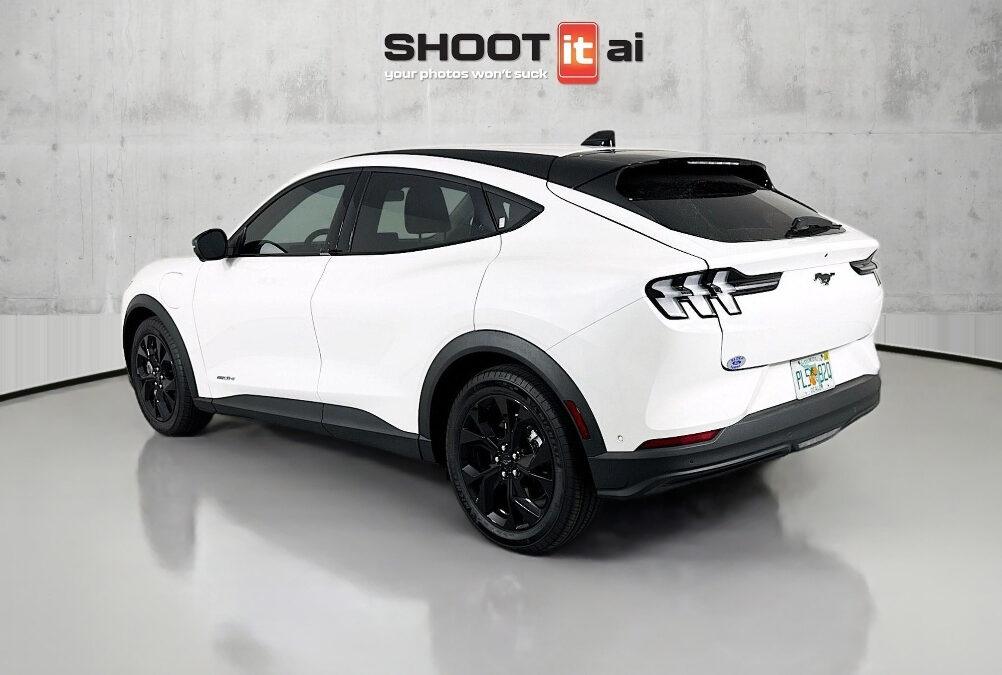
The rear three-quarter angle nobody took.
The interior shot that’s dark or blurry.
Glare across the hood.
The tires, the cargo area or the back seat, skipped.
A different sequence on every car, depending on who was shooting.
A 200-megapixel camera captures every one of those mistakes in stunning detail.
A camera that understands the vehicle, rejects bad shots and completes the correct photo sequence is worth more than another hundred megapixels.
The smartest camera on your lot isn’t the one with the biggest number on the box. It’s the one that won’t let your employee walk away from the car with a missing or bad photo.
Before you upgrade your phones, pull up five of your VDPs. Count the missing angles. Count the blurry shots. Then ask whether more megapixels would have fixed any of them.
Do more megapixels make better dealership vehicle photos?
Not on their own. Most 200MP phone cameras save 12MP images by default, and listing sites resize photos anyway. Missed angles, blur, glare and inconsistent sequences hurt vehicle photos far more than resolution does.
What makes a camera better for dealership inventory photos?
A camera that guides the employee through the correct shot sequence, rejects dark, blurry or off-center frames before they leave the vehicle, and produces the same angles on every car.
How does SHOOTit AI improve vehicle photos?
SHOOTit AI runs on iPhone and walks staff through the same 40+ shot sequence on every vehicle, stopping bad frames for a reshoot at the vehicle. Inside a 360Booth, the lighting around the real car is controlled as well.
What if your hardest-working salesperson never clocks in?
You already have one. It works nights, weekends and holidays. It talks to every shopper who finds your inventory. And most stores never train it.
It’s your listing photos.
Do the math on face time
Cox Automotive’s 2025 Car Buyer Journey Study found that used-car buyers spent 7 hours 45 minutes researching and shopping online. They spent 2 hours 57 minutes with the dealer they actually bought from.
That means your dealership listing photos get more than 2.5x the face time your people do.
And they aren’t just confirming a decision that’s already made. Cox found that 74% of used buyers didn’t know the exact car they wanted when they started shopping. Used buyers visited 4.8 websites on average. Your photos are pitching against every other car on every one of those sites, and shoppers judge your whole store by one thumbnail.
You’d fire that person by lunch. Yet that’s the job many stores hand their photos. Then the real salesperson ends up apologizing for the pictures before the walkaround starts.
Dealer wake-up call
Your photos are on the sales floor 24/7. Train them like it.
Training a salesperson means a process: what to show, in what order, every time. Your photos need the same thing. Not a better phone. A better process.
How much time do used-car buyers spend shopping online?
Cox Automotive’s 2025 Car Buyer Journey Study found used-car buyers spent 7 hours 45 minutes researching and shopping online, compared with 2 hours 57 minutes with the dealer they bought from.
Why are listing photos called a dealership's hardest-working salesperson?
Shoppers spend more than 2.5x as long with a dealer’s listings online as they do with the dealership’s staff. Most used buyers also start without knowing the exact car they want, so photos do much of the persuading across the 4.8 sites the average used buyer visits.
How do 360Booth and SHOOTit AI make listing photos consistent?
360Booth controls the light around the real vehicle. SHOOTit AI guides staff through the same 40+ shot sequence on iPhone and stops dark, blurry or off-center frames for a reshoot before anyone leaves the car.
Direct answer: Yes. A 360Booth vehicle photo studio can be professionally disassembled, relocated and reinstalled at another suitable dealership location. Relocation requires evaluating the new building, dismantling and transporting the studio components, replacing necessary materials, leveling the track and reassembling the structure. The dealership should plan the move with 360Booth before construction or relocation begins.
A Dealership Changes Buildings. What Happens to Its Photo Studio?
Dealerships relocate. Ownership groups consolidate operations. Buildings get renovated. Service departments expand.
A photography department that made sense five years ago may need to move somewhere else.
That raises an important question for anyone investing in a physical vehicle photo studio: can you take it with you?
With 360Booth, the answer is yes. But relocating a professional studio is not the same as moving a desk. The equipment must be properly disassembled, transported and reinstalled in a location that meets the necessary physical requirements.
Planning matters.
What Is Involved in Disassembling a 360Booth?
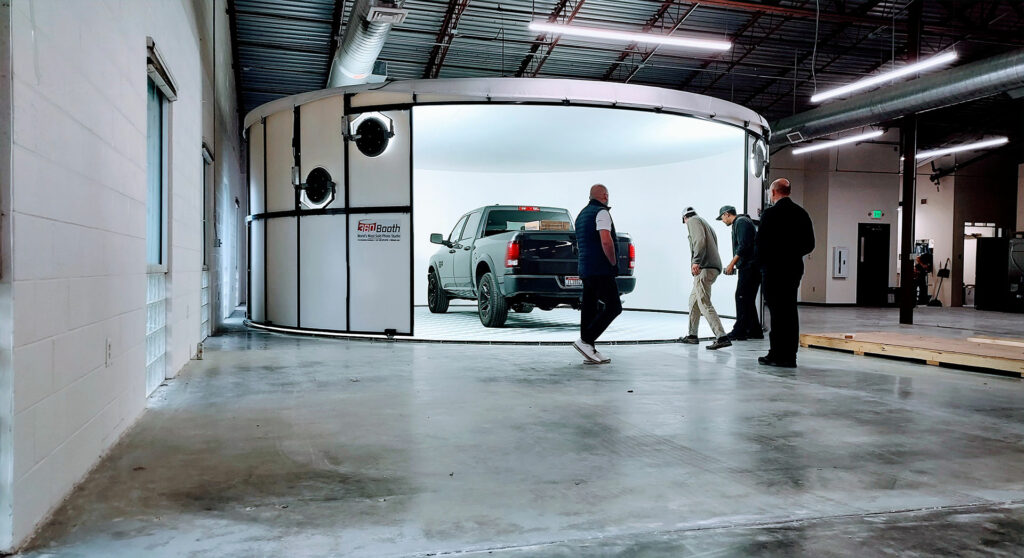
360Booth uses a modular physical structure built around a steel frame, circular track, wall panels and diffused overhead lighting. The structure can be taken apart for relocation.
Based on previous relocation planning, a typical disassembly may require approximately six to eight hours of installation labor. That is a planning example, not a guaranteed timeframe. Actual labor depends on the studio configuration, building access and condition of the existing installation.
The work includes separating the structural components, removing applicable materials and preparing the equipment for transportation. For a closer look at what the team does on site, see what is included in a breakdown and reinstall.
This is where professional experience becomes valuable. The objective isn’t simply to take the studio apart. It’s to preserve the components that can be reused and identify everything needed for proper reassembly.
Can Every Component Be Reused?
Not necessarily. Dealers should not assume that every material from the original installation can simply be removed and reused indefinitely.
Depending on condition and the relocation plan, materials such as track adhesive, wall panels, ceiling cloth and wheel components may need replacement. The track must be properly supported and leveled at the new location. (Here’s more on how the track is secured and leveled.)
Damaged or unsuitable materials should be addressed before the studio returns to production.
This is production equipment. The objective is not the cheapest possible reassembly. It’s to restore reliable operation and consistent photography.
How Long Does Reinstallation Take?
Previous 360Booth relocation planning has allowed approximately three working days for reassembly. That estimate assumes the new site is properly prepared and the necessary components are available. It is not a guaranteed completion time.
The total project schedule must also account for transportation, building preparation, replacement materials and installer availability.
A dealership should establish its relocation schedule before committing to a building move. That allows photography operations to be coordinated with the rest of the dealership’s transition.
Does the New Building Need Another Site Survey?
Absolutely. The fact that a studio fit inside the original building doesn’t mean it will fit inside the new one. Every building is different.
For the standard 24-foot, 26-foot and 28-foot 360Booth configurations, the standard minimum clear space is 30 feet long in the vehicle-entry direction, 30 feet wide and 11 feet high. The standard studio height is 10 feet.
Entrance openings vary by studio size:
24-foot studio: 14-foot opening
26-foot studio: 16-foot opening
28-foot studio: 18-foot opening
These measurements are starting requirements, not substitutes for evaluating vehicle access and surrounding obstacles.
The new location must also be examined for concrete floor pitch, overhead obstructions, lighting, electrical service and vehicle traffic.
A studio should fit the dealership’s workflow, not merely fit inside the building.
What Happens to the Lighting and Electrical Requirements?
The standard U.S. 360Booth uses four 5600K LED lighting heads, a white diffusing ceiling and a dedicated 110V, 20A electrical circuit with a one-hour timer switch. Those requirements must be met at the new location; our guide to vehicle photo studio electrical requirements covers them in detail.
The dealership’s qualified local electrician handles the necessary electrical preparation.
Moving the studio without addressing these conditions defeats part of the reason for owning a controlled photography environment.
Why Relocation Matters to the Long-Term Investment
A physical vehicle photo studio should be evaluated as a long-term operational asset. Dealership buildings can change. Ownership groups can reorganize. Inventory operations can be consolidated into different facilities.
Knowing that an existing 360Booth can be professionally relocated gives management another option when those changes happen. The equipment does not automatically become useless simply because the photography department changes locations.
Of course, relocation has real labor, transportation and replacement-material costs. It should never be presented as free or effortless. But the ability to reinstall the equipment gives a dealership flexibility that should be considered during the original purchasing decision.
Does SHOOTit AI Need to Change When the Studio Moves?
The studio’s physical relocation does not inherently require changing the dealership’s established SHOOTit AI capture sequence.
SHOOTit AI remains the guided evidence-capture layer. Employees photograph the actual vehicle using the dealership’s required 40+ image process. If an image is too dark, blurry or poorly centered, SHOOTit AI stops the workflow and immediately prompts the employee to reshoot before continuing.
Once the studio is reinstalled, the team should verify lighting, camera workflow, upload connectivity and media delivery before returning to normal production. That’s where one connected vehicle photography system pays off: studio, capture app and media delivery are checked together.
This protects the consistency of the dealership’s Authentic Capture™ process. The goal is to relocate the physical environment without unnecessarily reinventing how employees photograph vehicles.
The Dealer Wake-Up Call
A dealership building isn’t necessarily permanent. Your investment in professional vehicle photography shouldn’t automatically end when the dealership moves.
360Booth was designed as physical equipment that can be professionally serviced, maintained, disassembled and reinstalled. That’s a different conversation from paying another monthly software bill.
Before buying a photography system, ask what happens to your investment when the dealership changes buildings. A serious equipment supplier should have an answer.
Planning a move? Contact 360Booth before construction starts so the site survey and relocation schedule are in place.
FAQ
Can an existing 360Booth be installed in another dealership?
Yes, provided the new location is suitable and the studio is properly disassembled, transported and reinstalled.
Can dealership employees disassemble and reinstall the studio themselves?
Professional planning and installer coordination are recommended. Improper disassembly or reinstallation can affect the structure, track operation and photography environment.
Does relocation require replacing the entire studio?
Not necessarily. Reusable components are evaluated alongside materials that require replacement. The final scope depends on the condition of the existing equipment and the new installation requirements.
How much does relocating a 360Booth cost?
Costs depend on the studio configuration, transportation, labor, replacement components and new building conditions. A site-specific quotation should be prepared before relocation. Contact 360Booth to start planning.
Can a relocated 360Booth continue using SHOOTit AI?
Yes. The existing capture workflow can continue once the studio, camera and media-delivery systems have been verified at the new location.
Direct Answer: A standard U.S. 360Booth vehicle photo studio installation requires a dedicated 110-volt, 20-amp electrical circuit and a one-hour timer switch for the studio lighting. The dealership’s local electrician handles electrical preparation according to the approved installation plan and applicable electrical requirements. Power location and installation details should be confirmed during the site survey, before the studio arrives.
A Vehicle Photo Studio Shouldn’t Require Complicated Electrical Infrastructure
One of the first questions dealership facility managers ask when considering a vehicle photo studio is how much electrical work the building will need.
For a standard U.S. 360Booth installation, the answer is straightforward.
A dedicated 110V, 20A circuit.
A one-hour timer switch.
A qualified local electrician.
That’s the basic electrical preparation.
The objective is to create a professional, controlled photography environment without introducing unnecessary electrical or mechanical complexity.
Why Does 360Booth Need a Dedicated Circuit?
The studio has its own lighting system.
Four 5600K LED lighting heads illuminate the studio’s white diffusing ceiling, helping produce consistent light around the actual vehicle.
That lighting is an essential part of the photography process.
The dedicated electrical circuit is intended to serve the studio without sharing its specified circuit capacity with unrelated dealership equipment.
Dealership buildings are already filled with electrical loads. Service equipment, compressors, lifts, chargers, lighting and other systems may operate throughout the day.
The photography studio shouldn’t depend on a shared circuit that wasn’t planned for its operation.
The requirement is simple: provide the studio with its specified electrical service.
The dealership’s electrician should verify the existing electrical infrastructure and determine the appropriate installation under local requirements.
Why Does 360Booth Use a One-Hour Timer Switch?
The one-hour timer switch provides a straightforward method of controlling studio lighting.
The employee activates the lighting when the studio is needed. The timer limits how long the lights remain on after activation.
That reduces the likelihood of studio lighting being left operating indefinitely after photography has finished.
It’s a small operational detail, but it reflects the overall philosophy behind 360Booth: make the photography process simple enough that dealership employees can use it consistently.
The employee shouldn’t need to navigate complicated control systems before photographing the next vehicle.
Does 360Booth Need Electrical Power to Rotate the Vehicle?
The vehicle remains stationary while the surrounding studio structure moves manually. The structure travels on a steel track using V-grooved wheels.
That means there is no turntable motor, motor controller or powered platform beneath the vehicle.
This design removes an entire category of powered mechanical components from the photography process. It also allows the employee to move the surrounding environment and reposition the lighting for better control of reflections and interior photography.
Reliability is the primary reason for this design. A dealership photo studio should be available when vehicles are ready to photograph. The system should not depend on the operation of an unnecessary motorized platform. That’s why a manual vehicle photo studio works better in a high-volume store.
Who Handles the Electrical Installation?
The dealership’s local electrician handles the electrical preparation.
During the site-survey process, 360Booth evaluates the proposed location and provides installation planning information, including electrical requirements and relevant placement considerations. If your architect or contractor needs drawings, see what we can provide to your architect.
The electrician determines how to supply the required circuit and timer switch within the building’s existing electrical system.
Electrical work must comply with applicable local codes and any required permits or inspections.
The studio installation team should not arrive only to discover that the building has no suitable electrical service prepared. That’s an avoidable delay.
What Should the Dealership Confirm Before Installation?
Before the studio is delivered, the dealership should confirm that:
The dedicated electrical circuit is available.
The one-hour timer switch can be installed in the approved location.
The electrician understands the electrical requirements.
Why Simple Infrastructure Matters to Vehicle Photography
Dealerships don’t purchase vehicle photo studios because they want another complicated piece of equipment. They purchase them to photograph inventory more consistently.
360Booth creates the controlled physical environment around the actual vehicle. SHOOTit AI provides the intelligent iPhone-based capture process.
The camera guides employees through the dealership’s required 40+ images. If an image is too dark, blurry or poorly centered, SHOOTit AI stops the workflow and immediately prompts the employee to reshoot before continuing. That’s quality control at the vehicle, not after the fact.
The objective is to document the real vehicle, preserve visible wear and condition, and deliver a consistent set of images without unnecessary steps.
The building infrastructure should support that process rather than complicate it. That’s why electrical planning matters.
The Dealer Wake-Up Call
A vehicle photo studio shouldn’t require complicated equipment just to photograph a car.
Give it the correct power.
Control the lighting.
Keep the vehicle stationary.
Let the studio move manually.
Use SHOOTit AI to guide the photographs.
That’s how a dealership builds a repeatable photography process around the actual vehicle.
The technology should simplify the job, not turn photographing inventory into another maintenance department responsibility.
FAQ
Does a standard 360Booth require 220V electrical service?
No. The standard U.S. electrical requirement is a dedicated 110V, 20A circuit. Electrical arrangements for international installations must be confirmed for the destination.
Can the studio share an existing 20-amp circuit with other equipment?
The standard requirement is a dedicated circuit. An electrician should verify that the proposed circuit meets the studio’s requirements.
Does 360Booth include its own lighting?
Yes. The standard studio includes four 5600K LED lighting heads and a white diffusing ceiling.
Does the studio require a motorized turntable?
No. The vehicle stays stationary while the studio structure moves manually around it.
Who installs the electrical circuit?
The dealership arranges for a qualified local electrician to complete the necessary electrical preparation.
Should electrical planning happen before studio delivery?
Yes. Electrical service, timer-switch placement and other site requirements should be addressed during the site survey and installation planning.
What if shoppers judge your whole store by one thumbnail?
They do. Every day.
On a search results page, your car is one little rectangle in a row of rectangles. The shopper scrolls with their thumb and decides in about the time it takes to read this sentence.
What does your thumbnail row say?
Now look at your row.
One shot in the sun with glare across the hood. One crooked. One half in shadow. One with a service truck photobombing. When weather and daylight control the shoot, every car comes out different.
Those say: nobody’s paying attention here.
Then there’s the one with a fake backdrop so perfect it looks like a stock photo. That one says something worse: what you see isn’t what you’ll get.
Dealer wake-up call
Shoppers don’t just judge the car. They judge whether your store has its act together. Your thumbnail row is your storefront window.
Why do SRP thumbnails matter so much for car dealers?
On a search results page, each vehicle is one small thumbnail in a row. Shoppers decide in seconds whether to click, and they judge whether the store has its act together by how that whole row looks.
What makes vehicle photos look inconsistent?
Shooting outdoors in changing sun and shadow, crooked angles, distracting backgrounds, and fake backdrops that look like stock images. Each car ends up looking different depending on the weather and who held the camera.
How do 360Booth and SHOOTit AI make vehicle photos consistent?
360Booth controls the light and real background around the actual vehicle. SHOOTit AI guides staff through the same 40+ shot sequence every time and flags dark, blurry or off-center shots for a reshoot before the car leaves the booth.