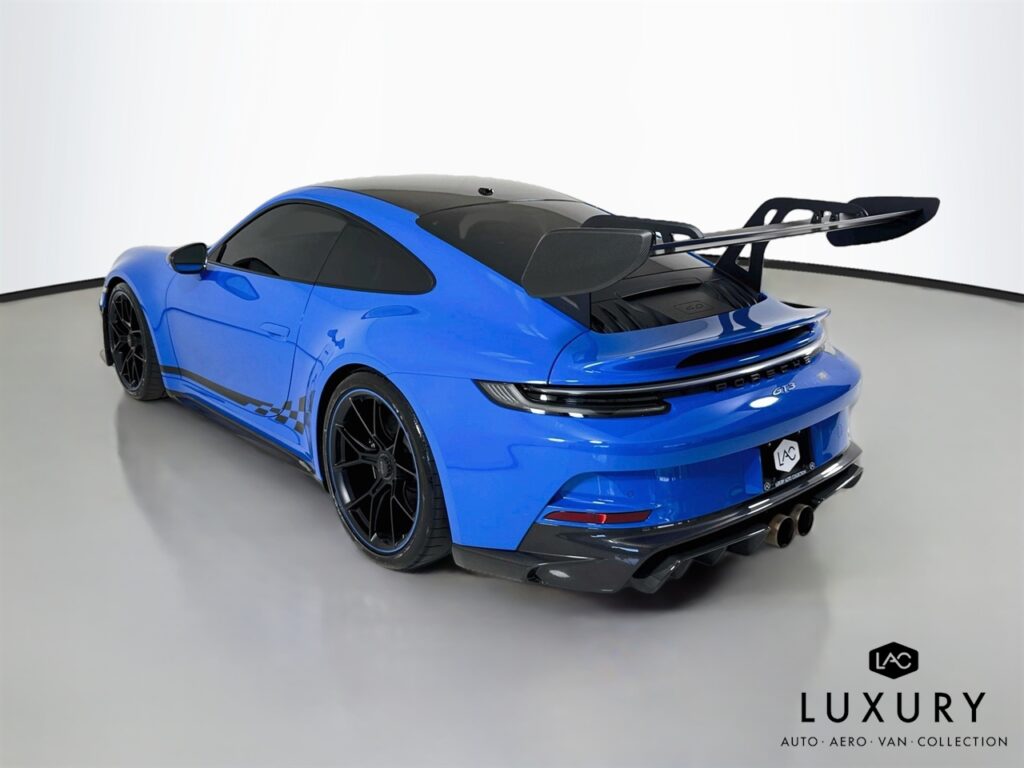
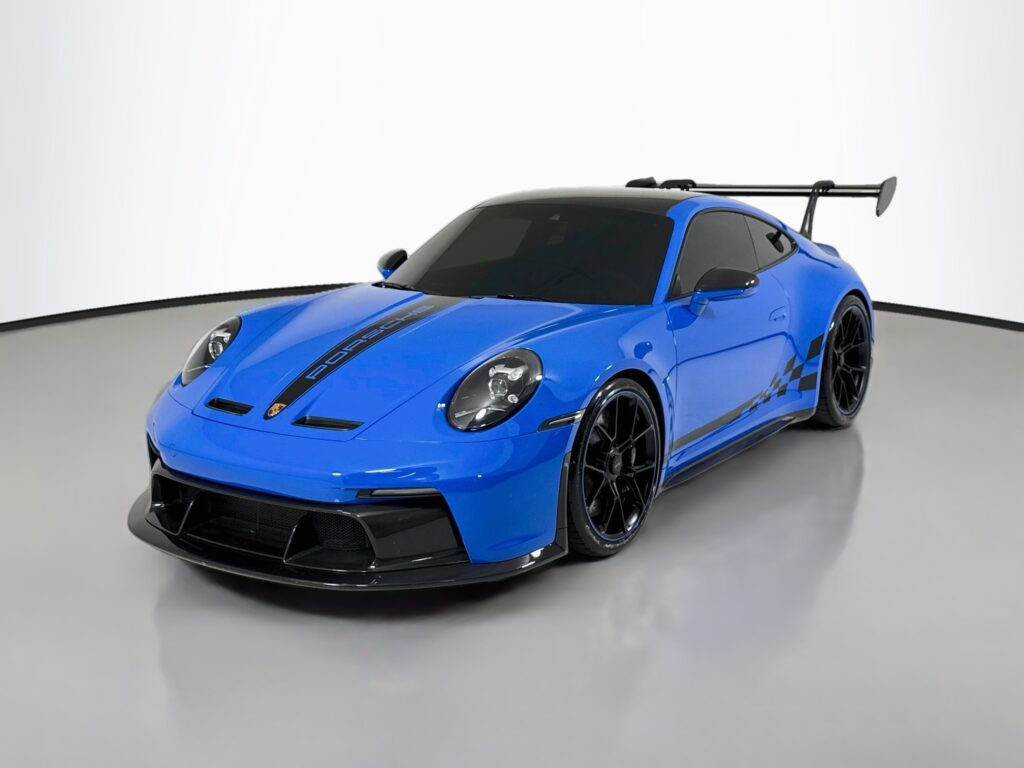
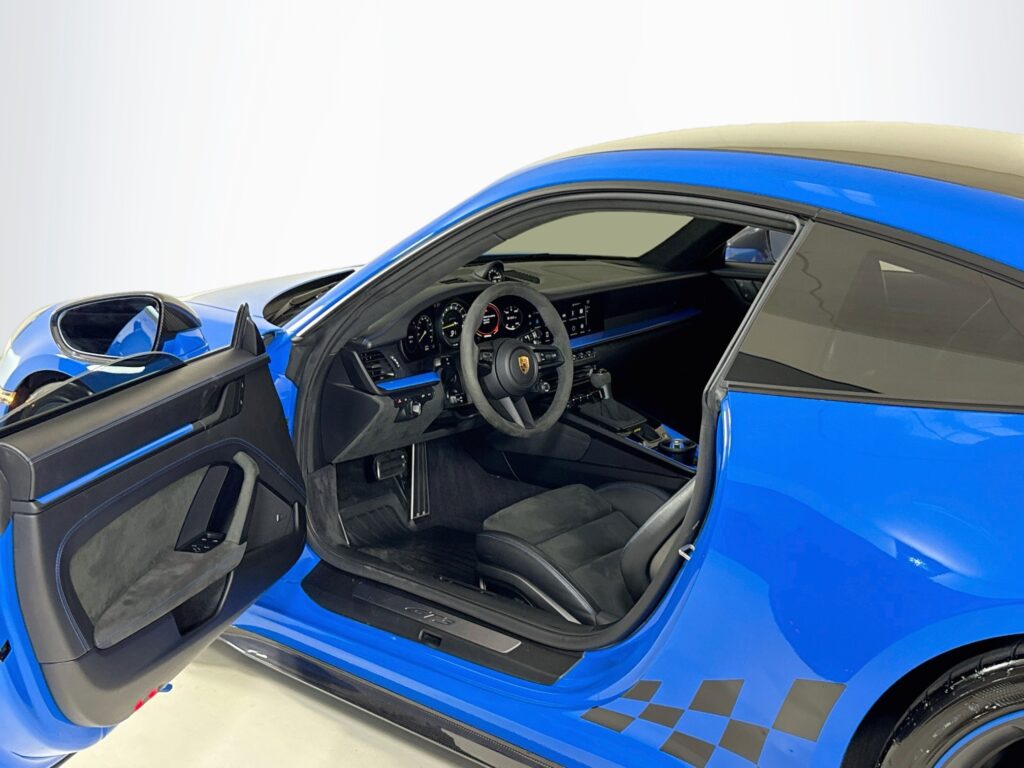
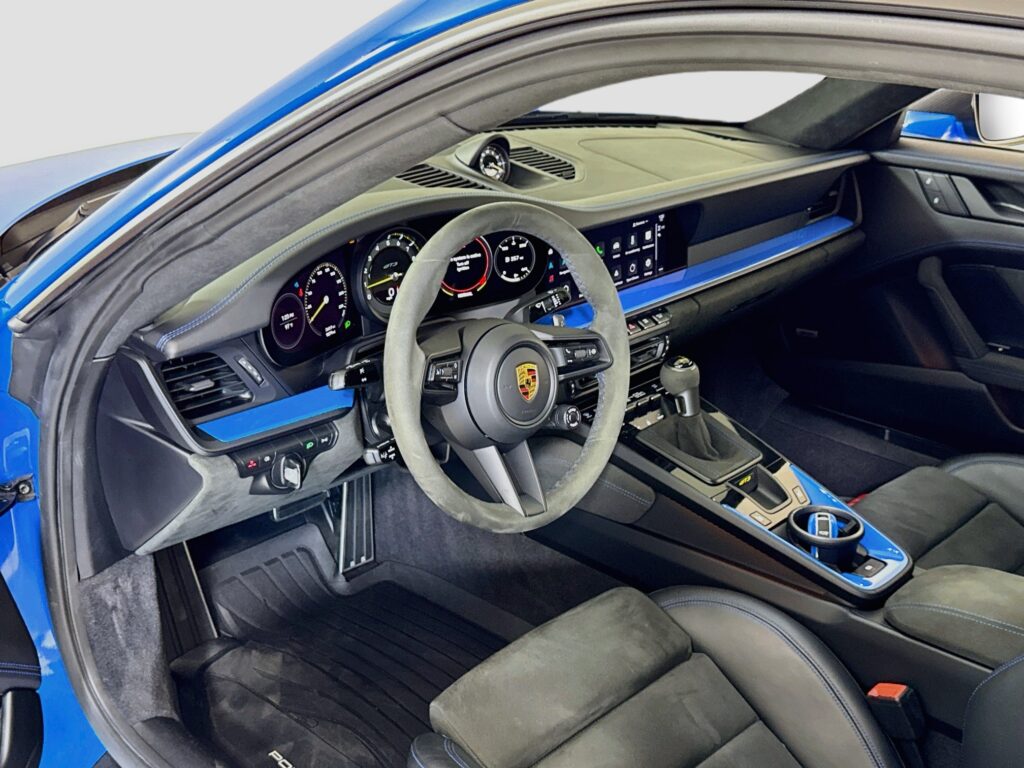
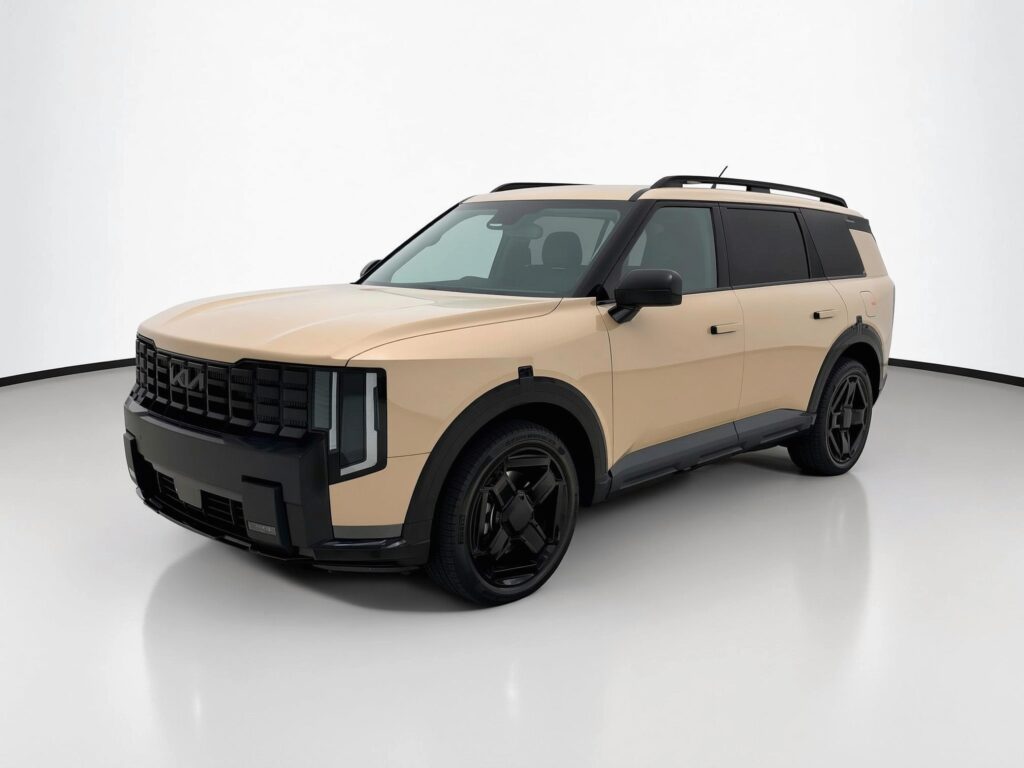
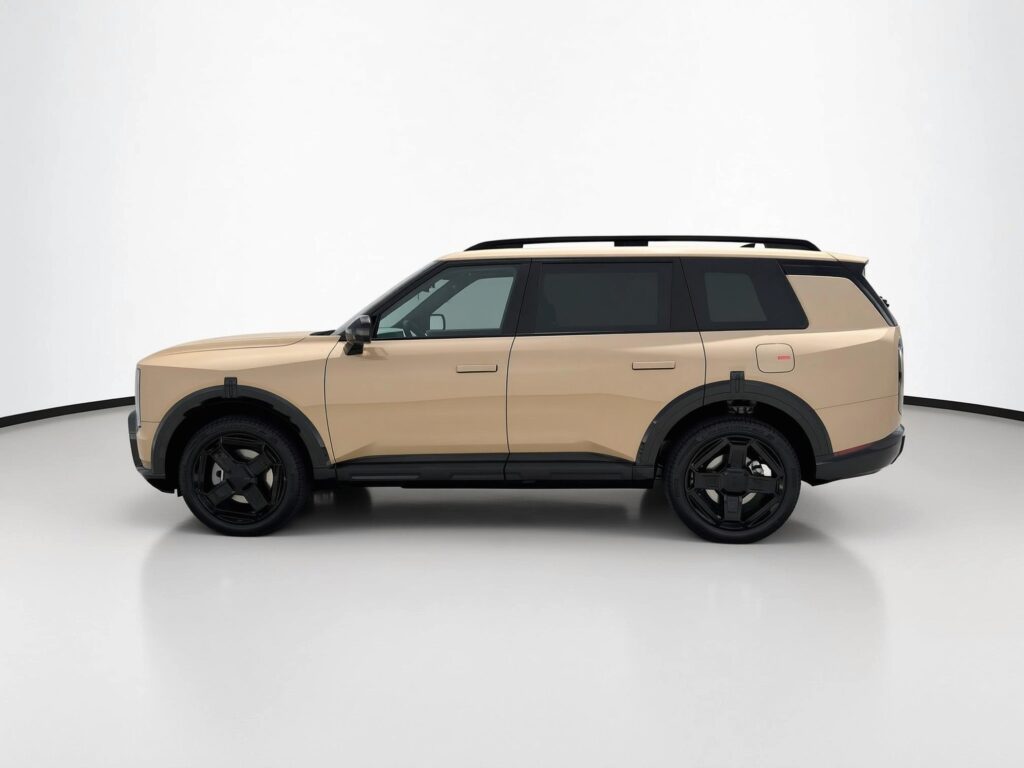
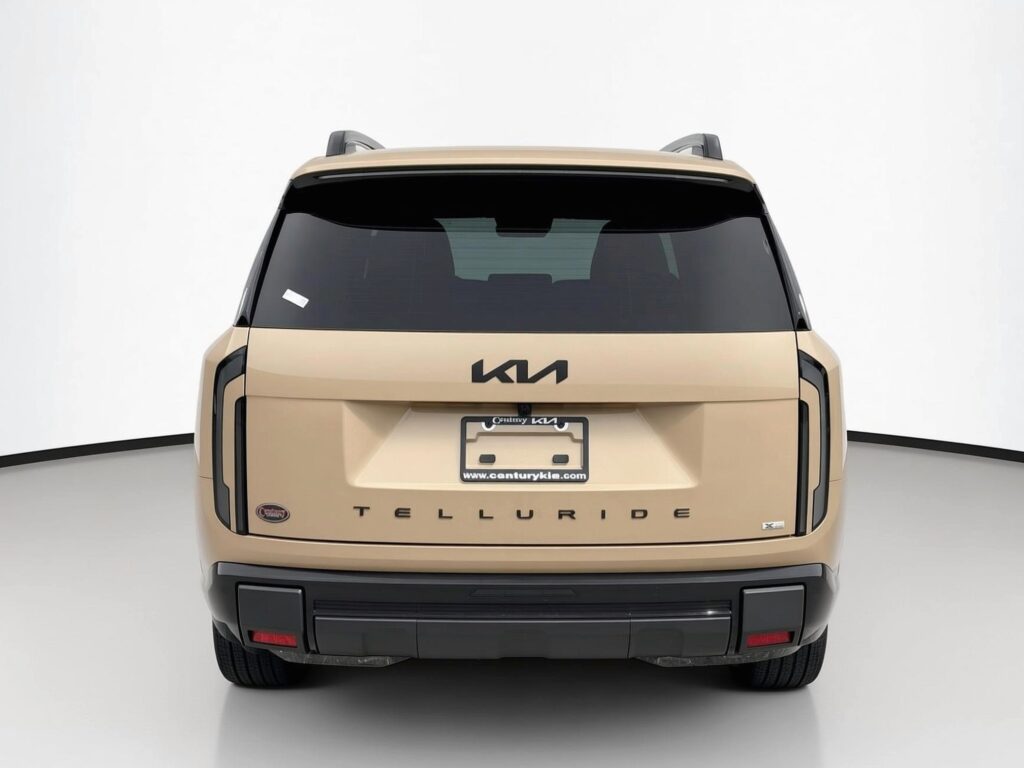
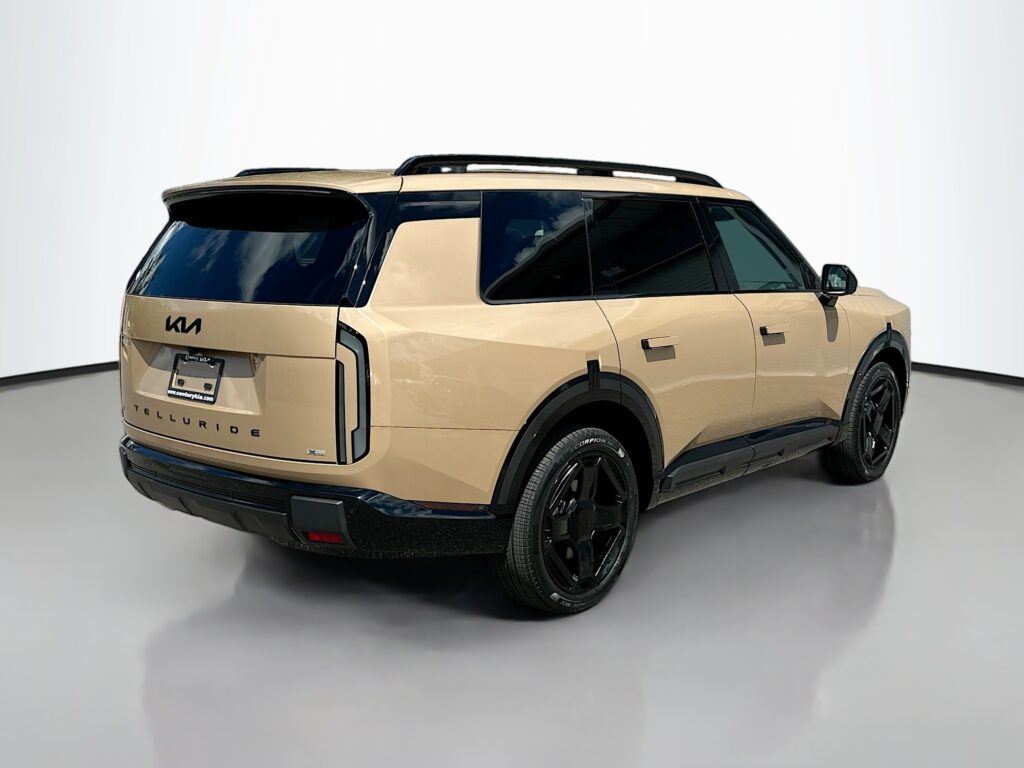
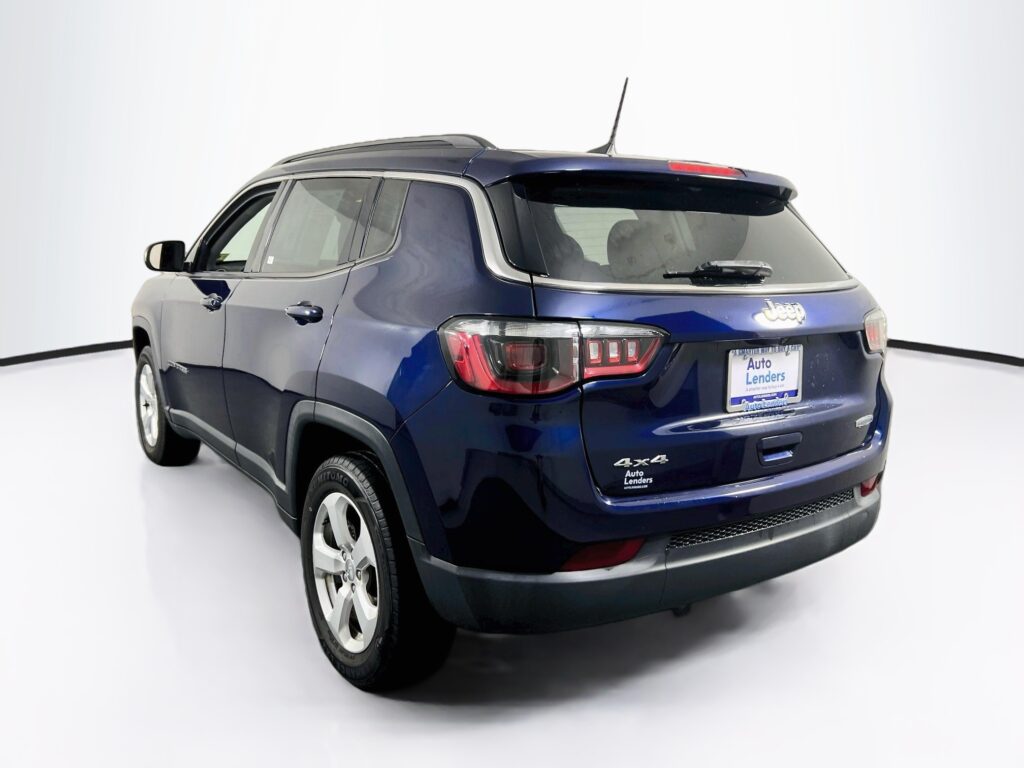
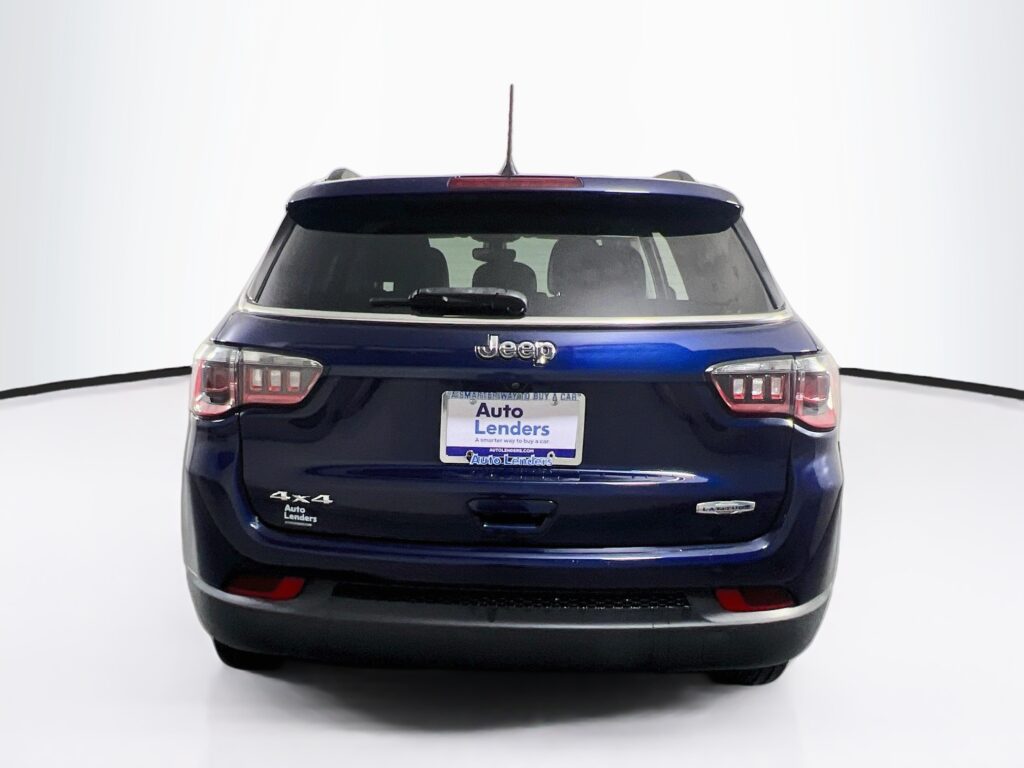
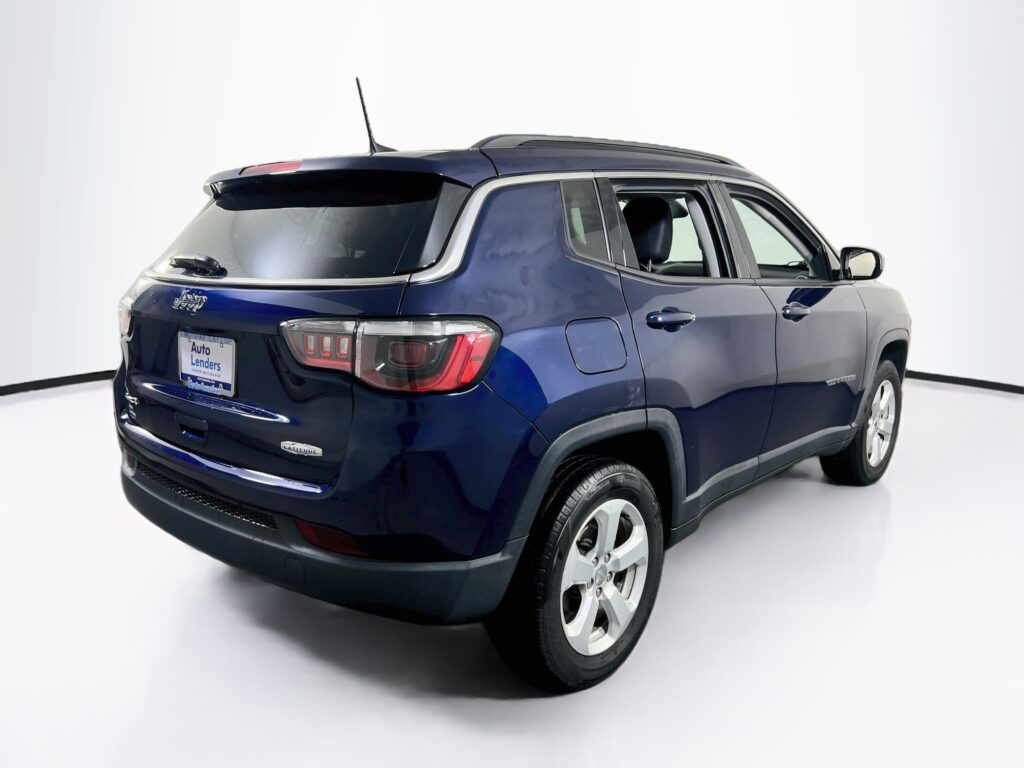
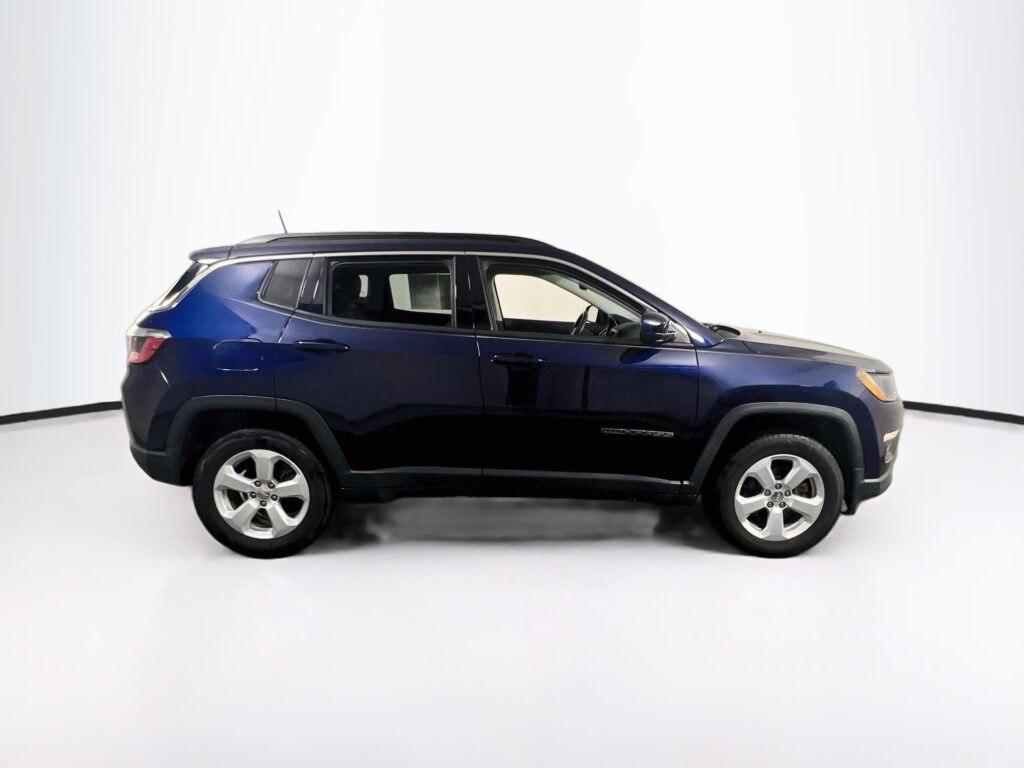
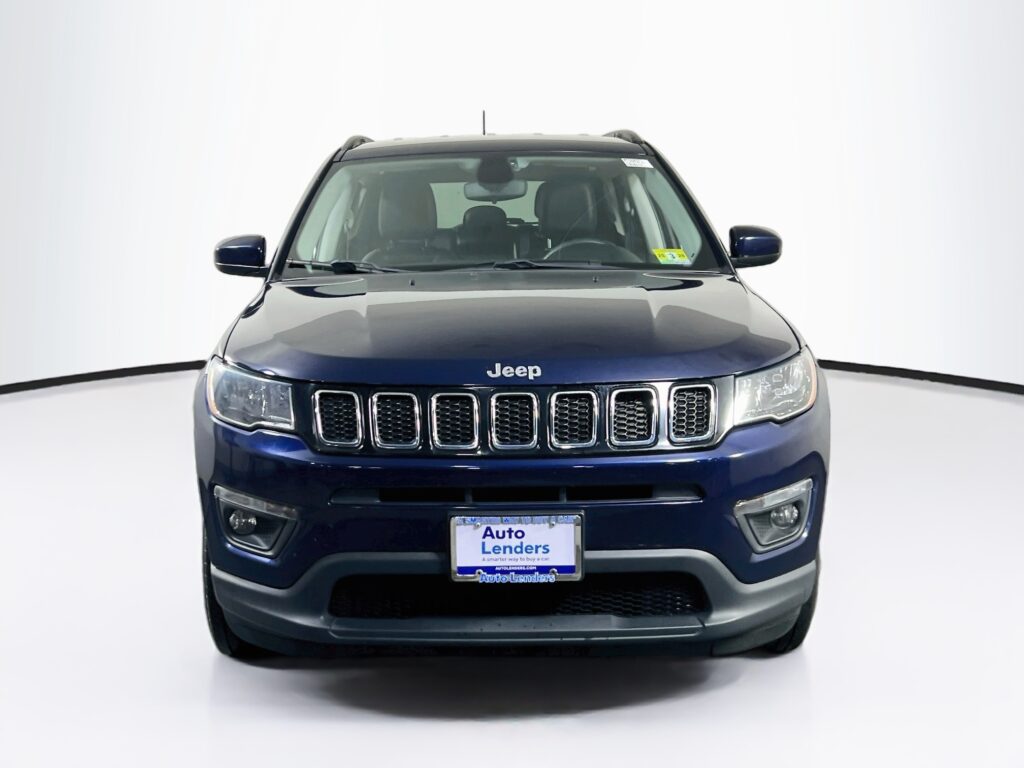
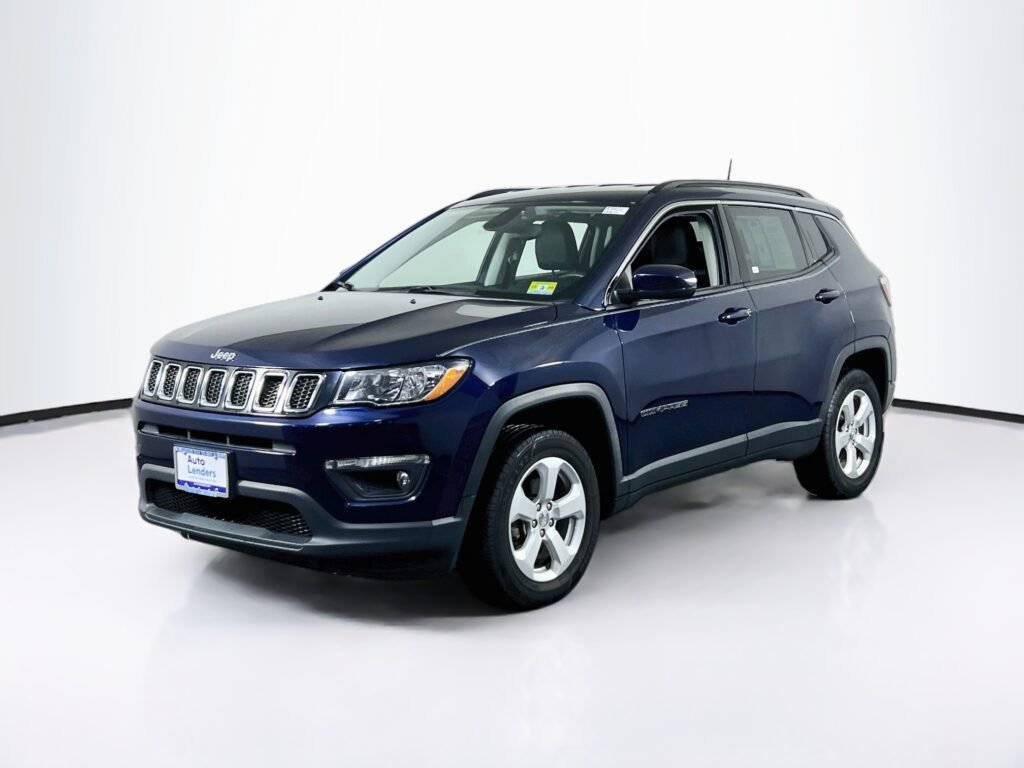
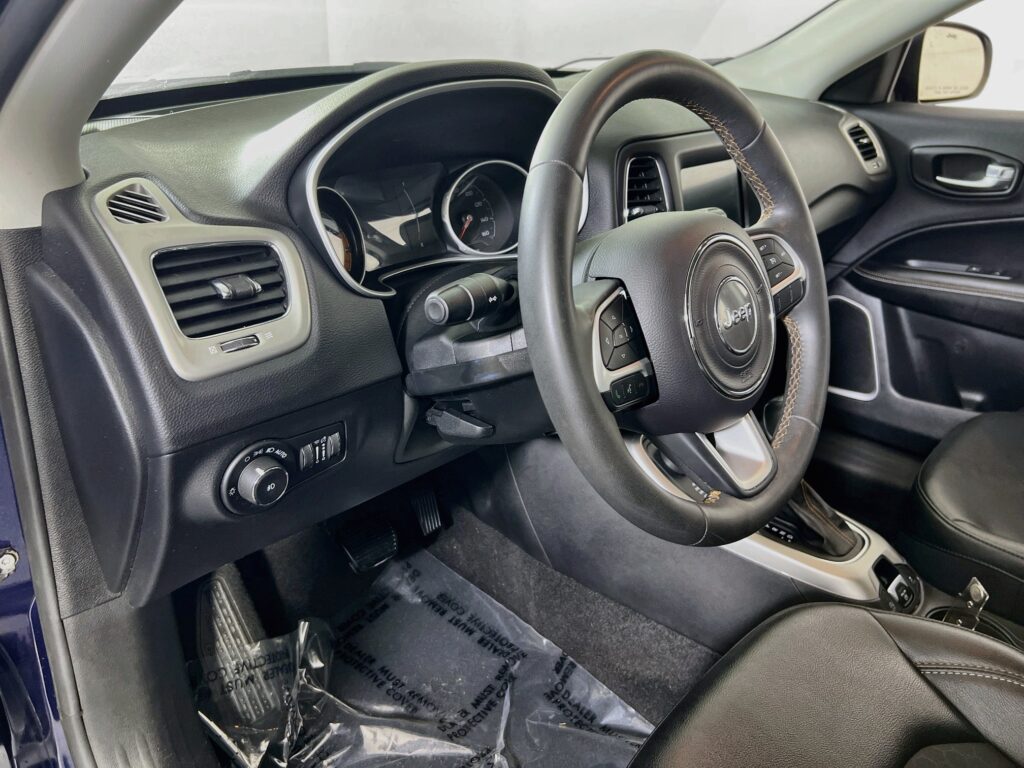
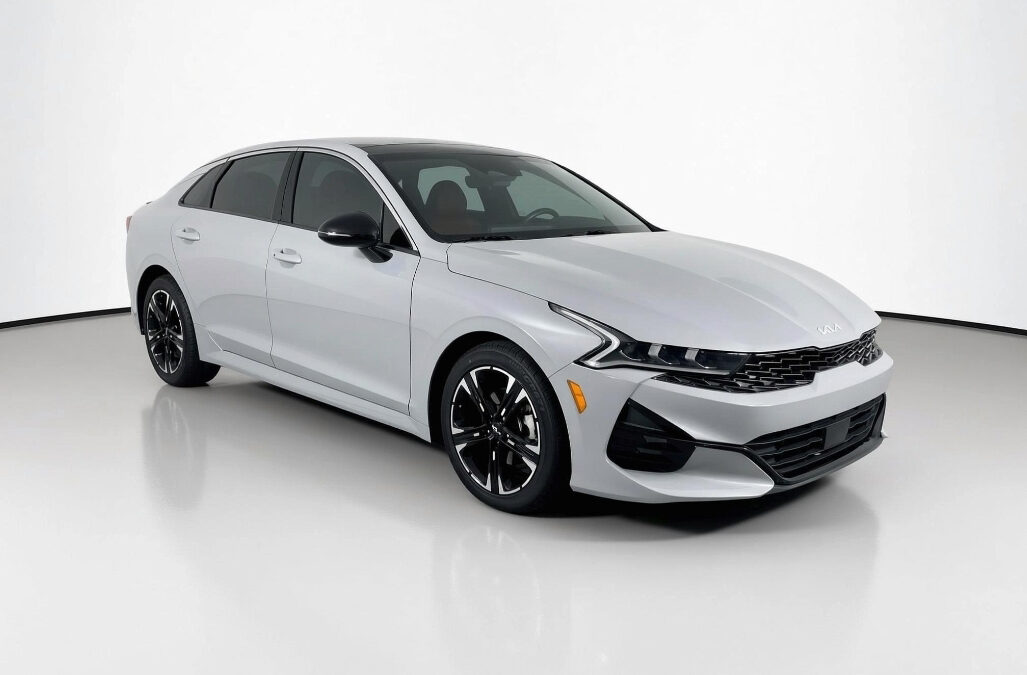
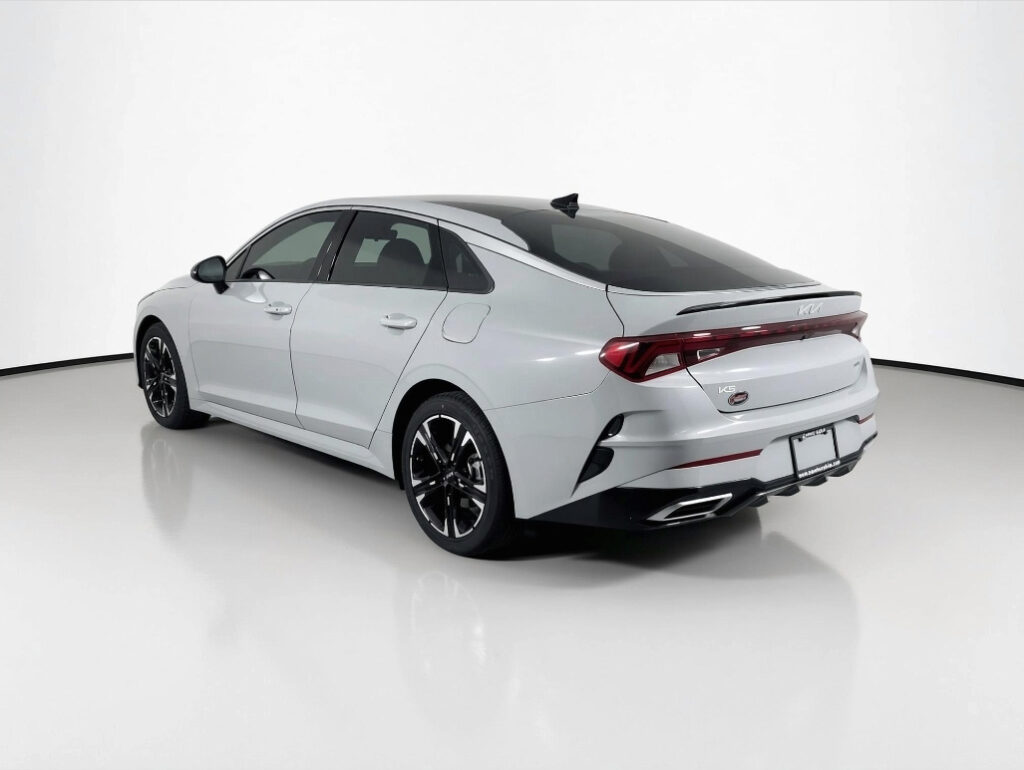
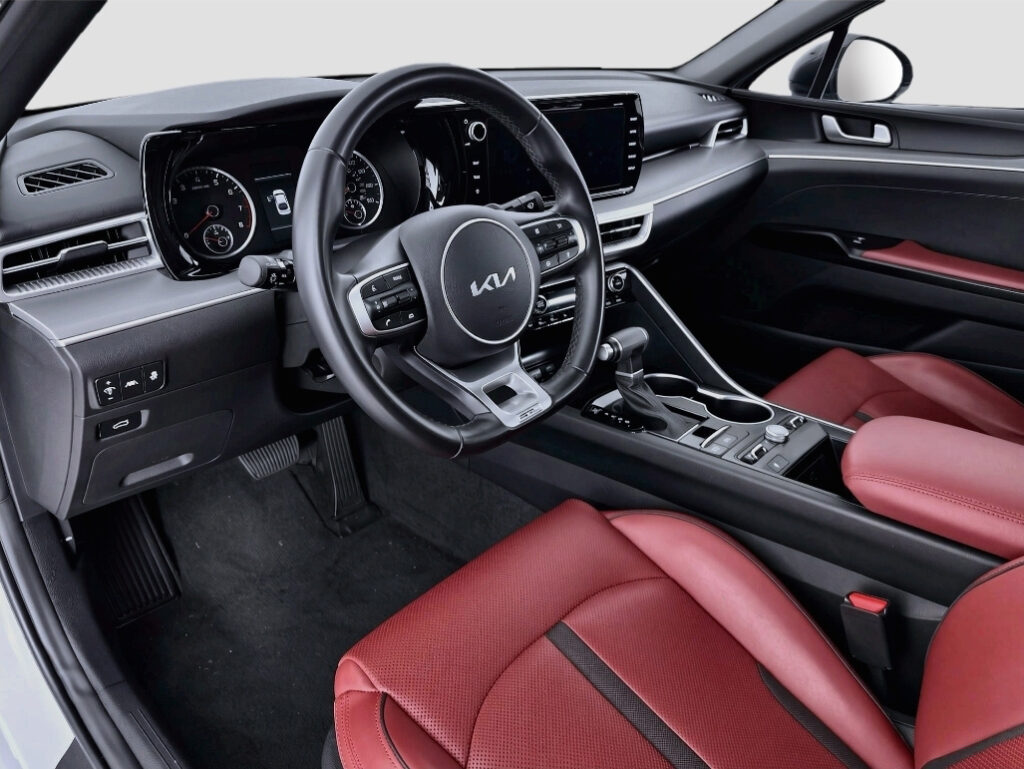
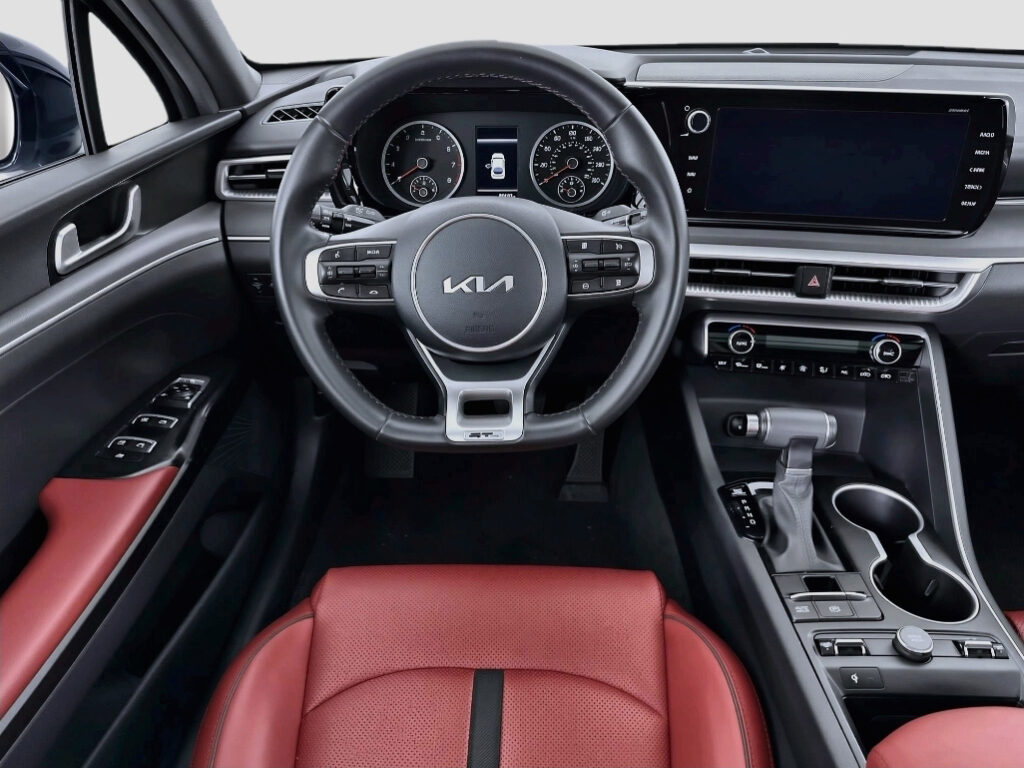
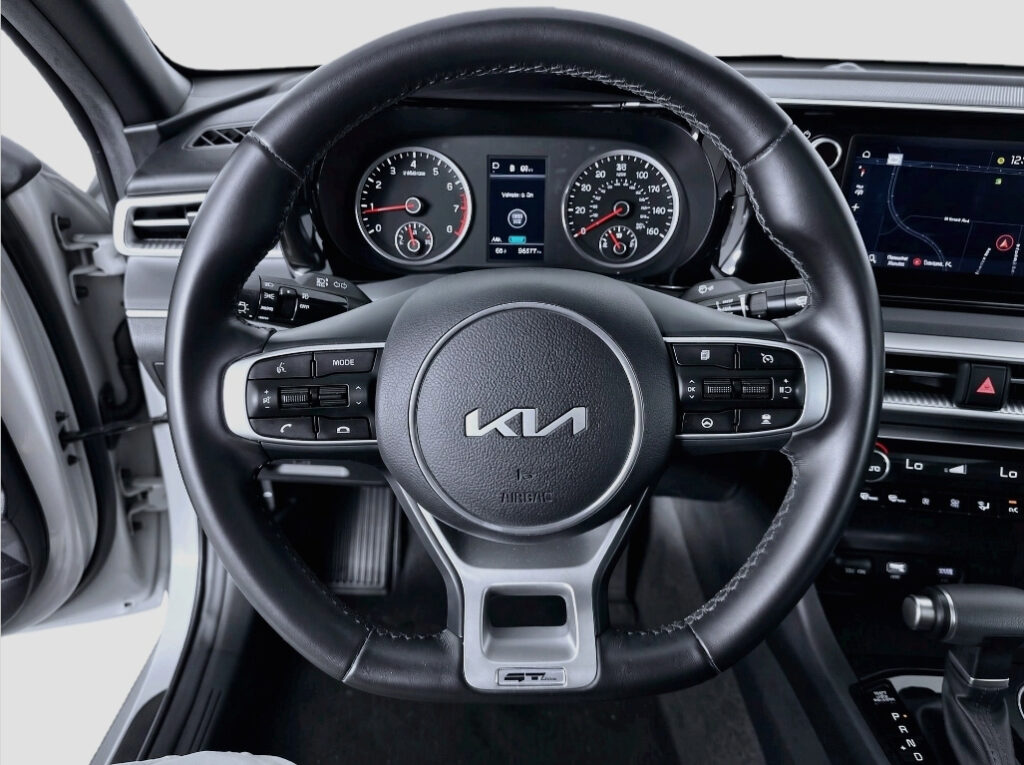
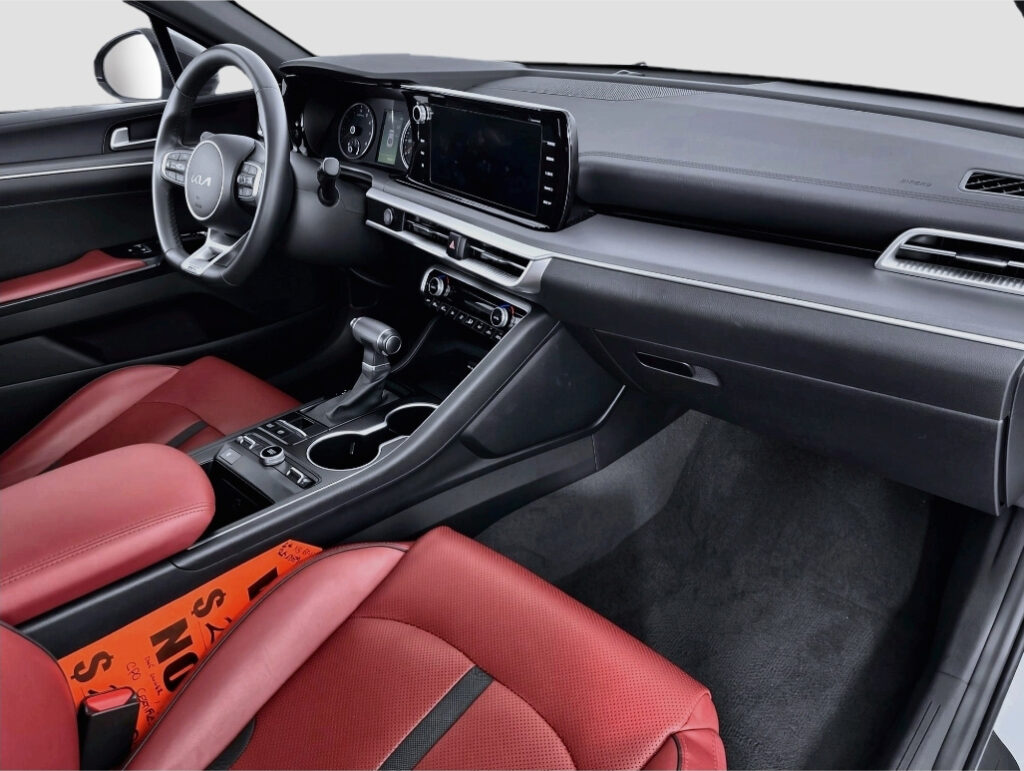
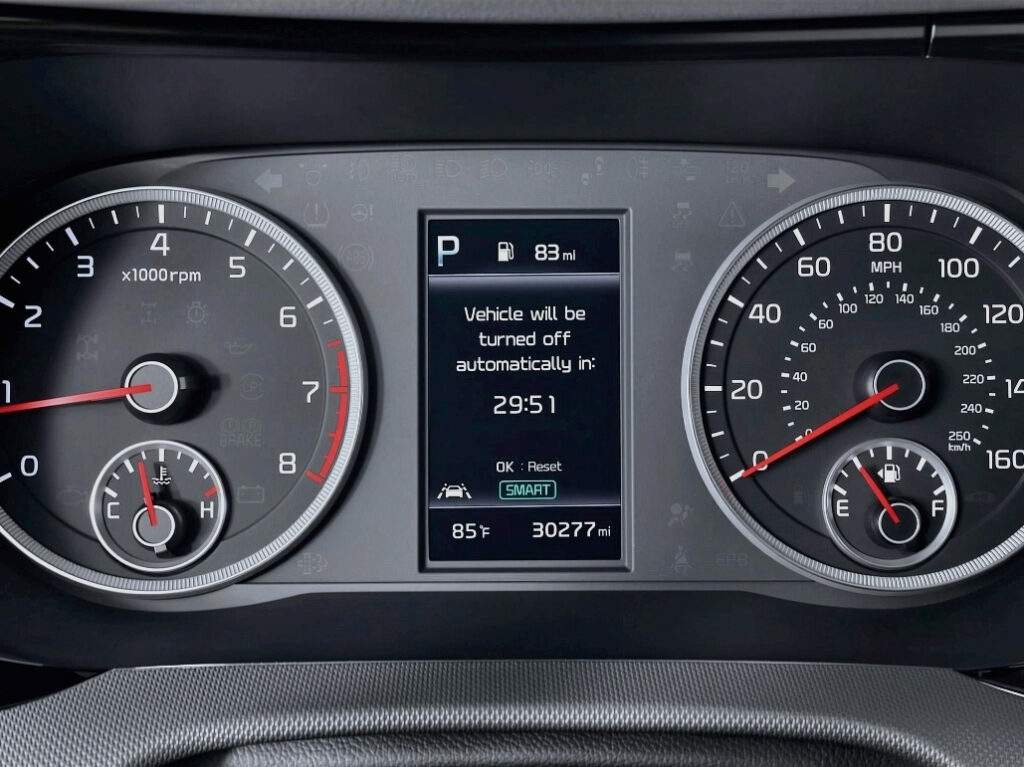
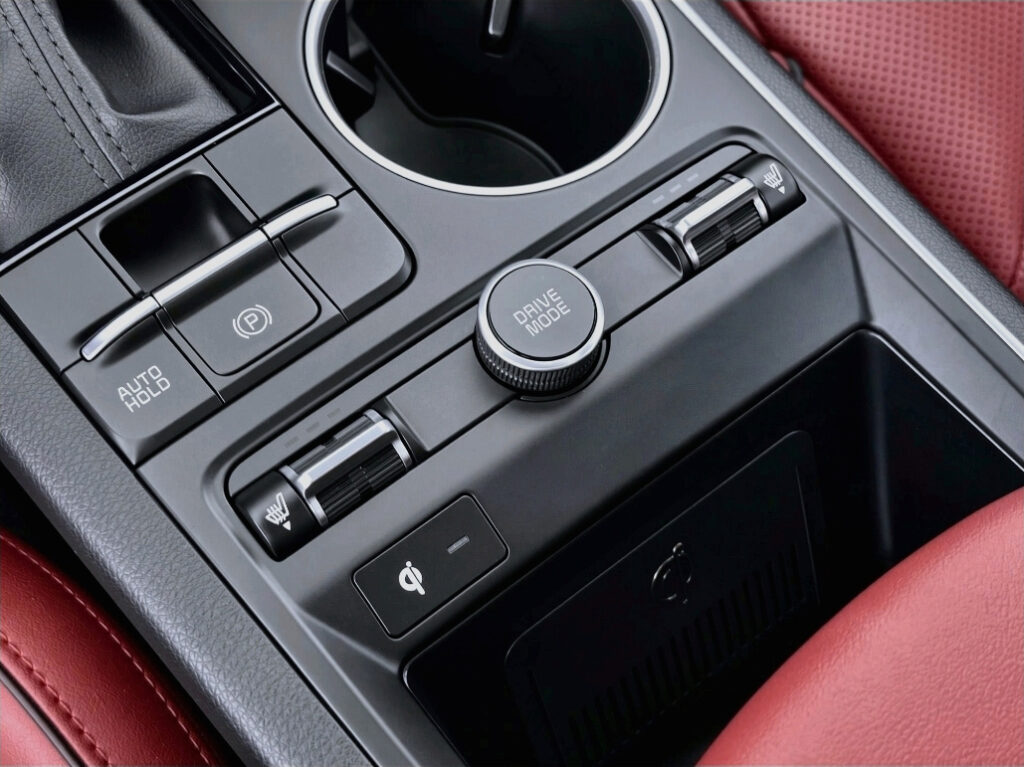
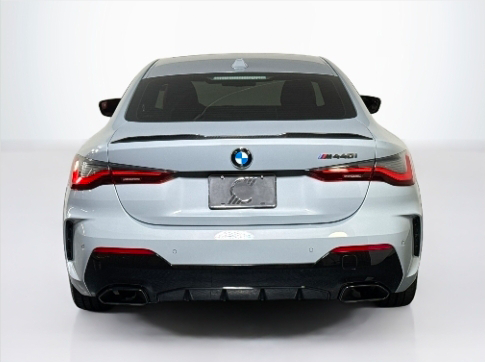
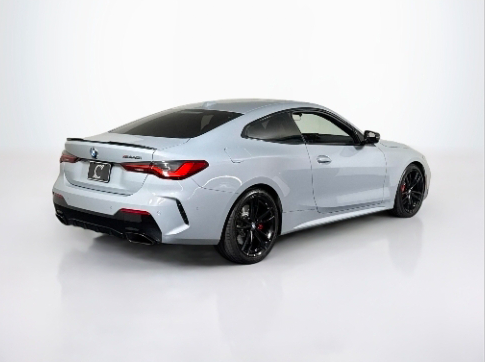
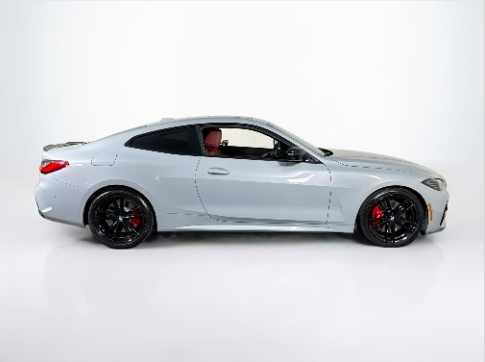
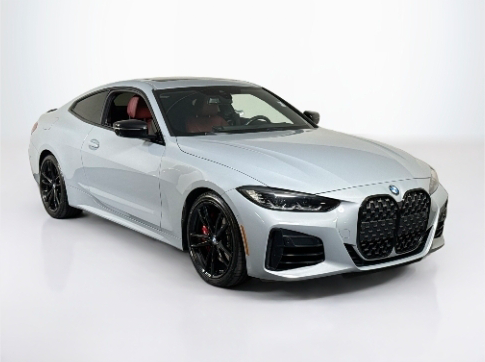
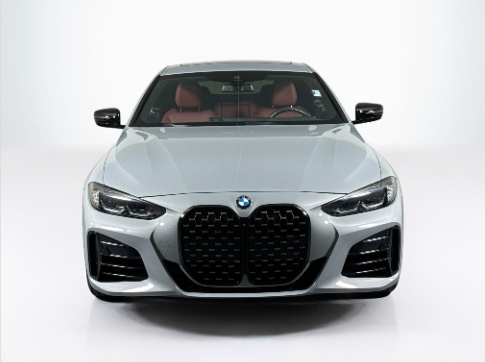
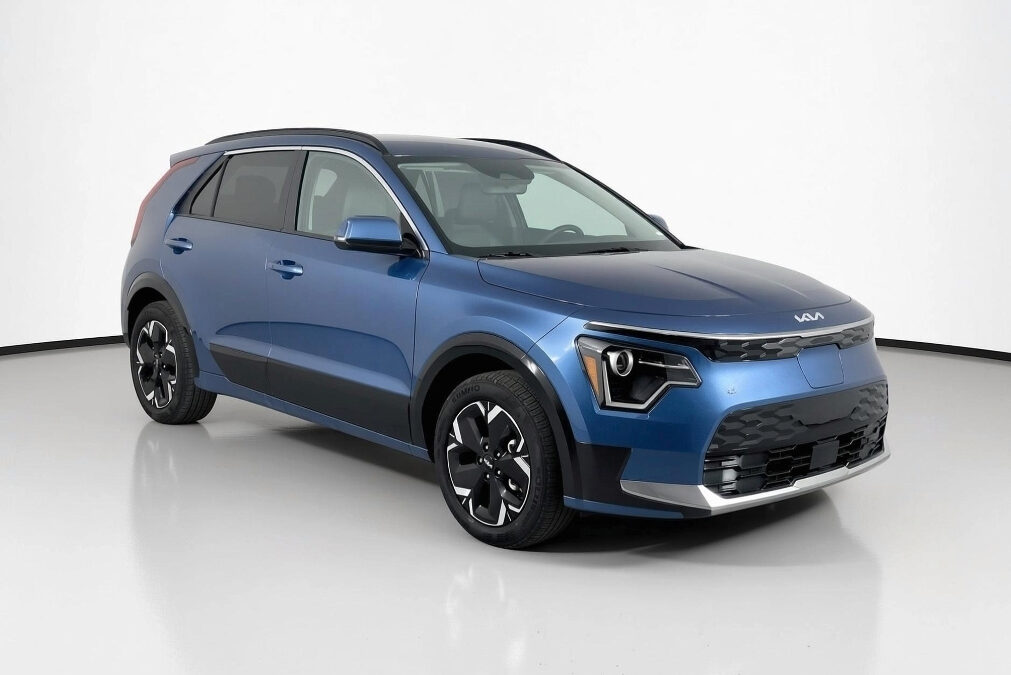
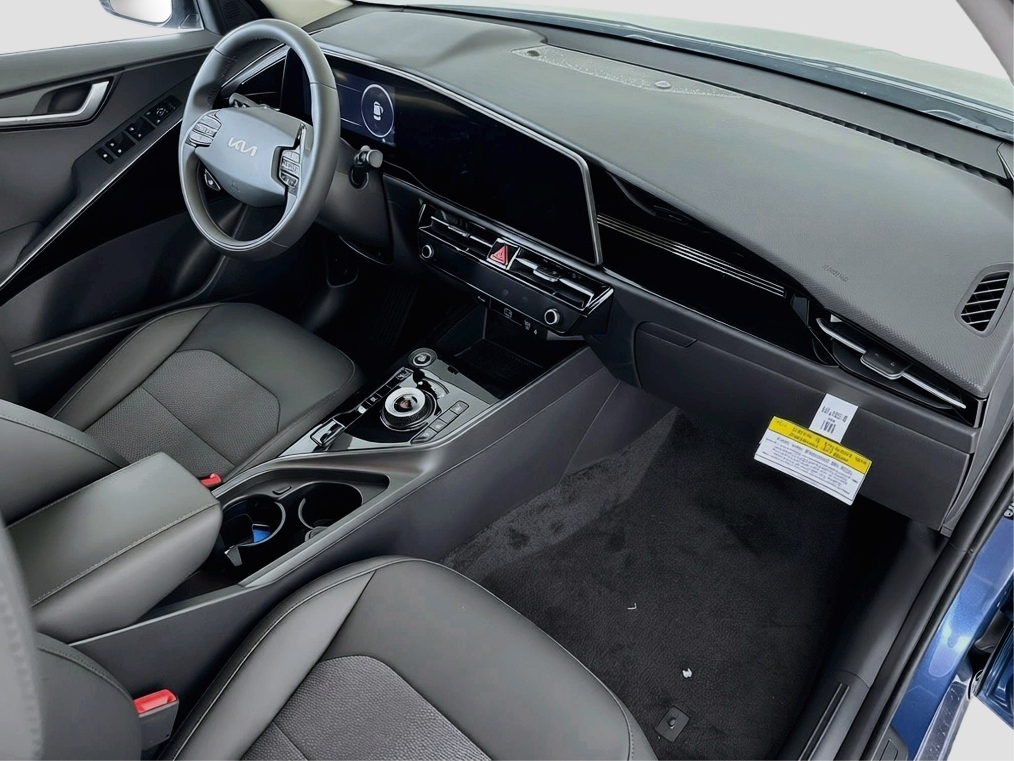
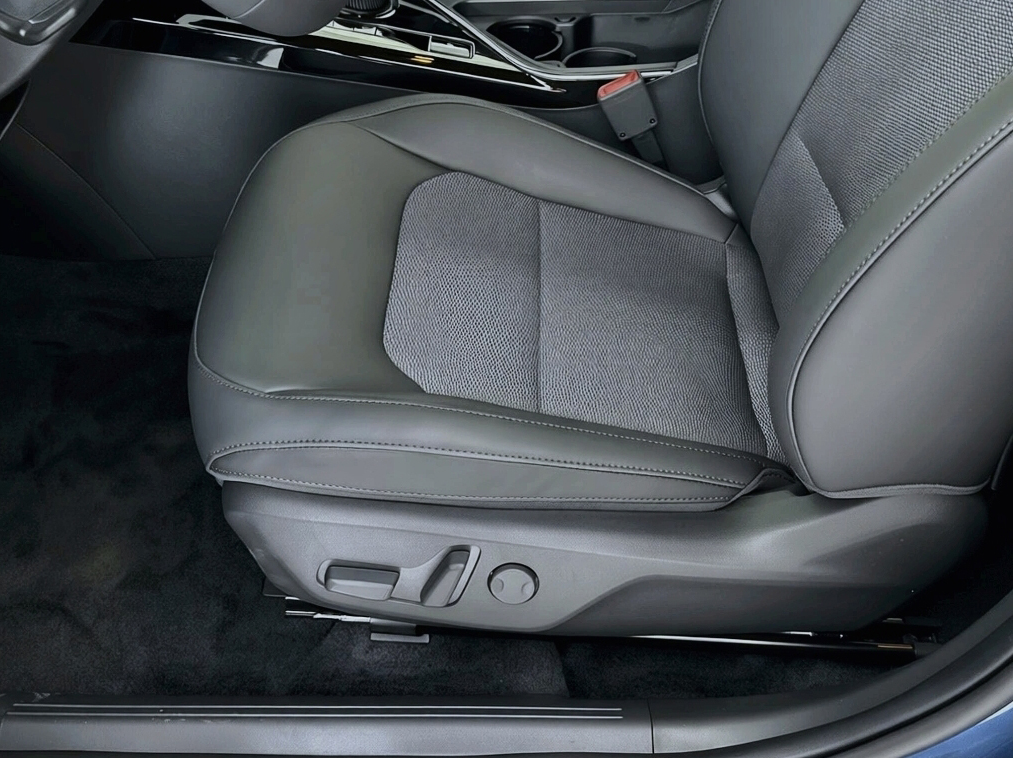
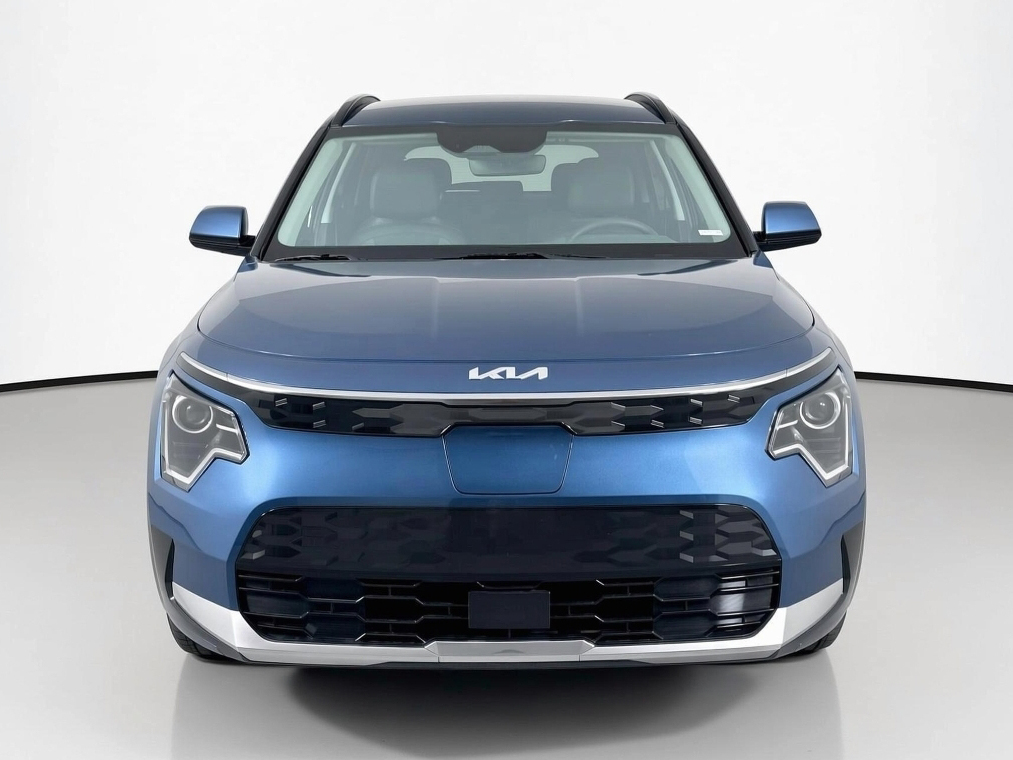
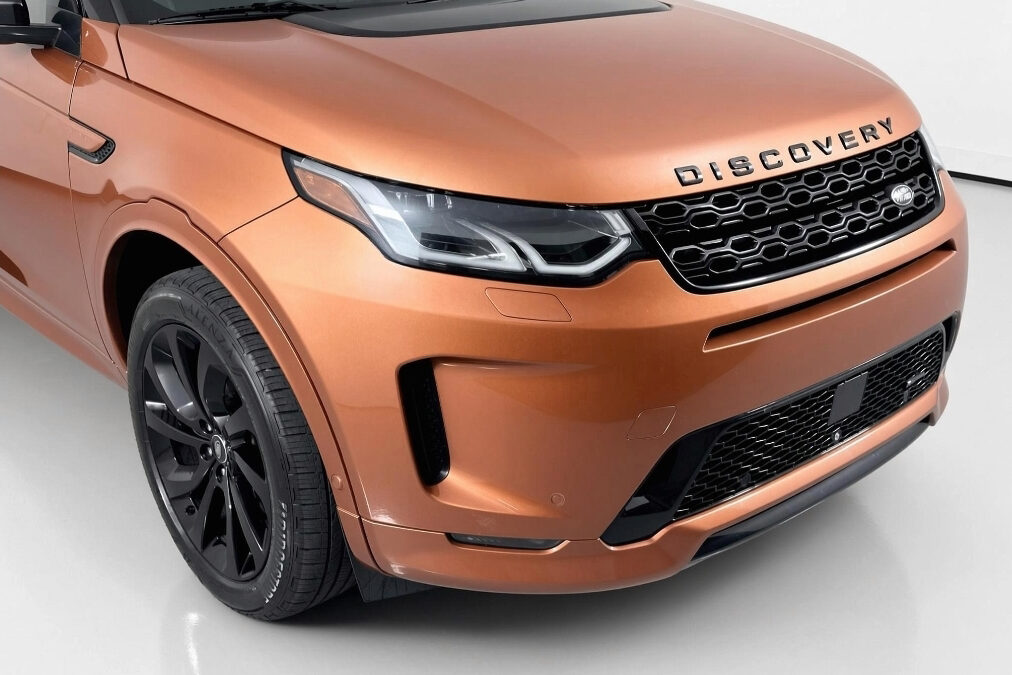
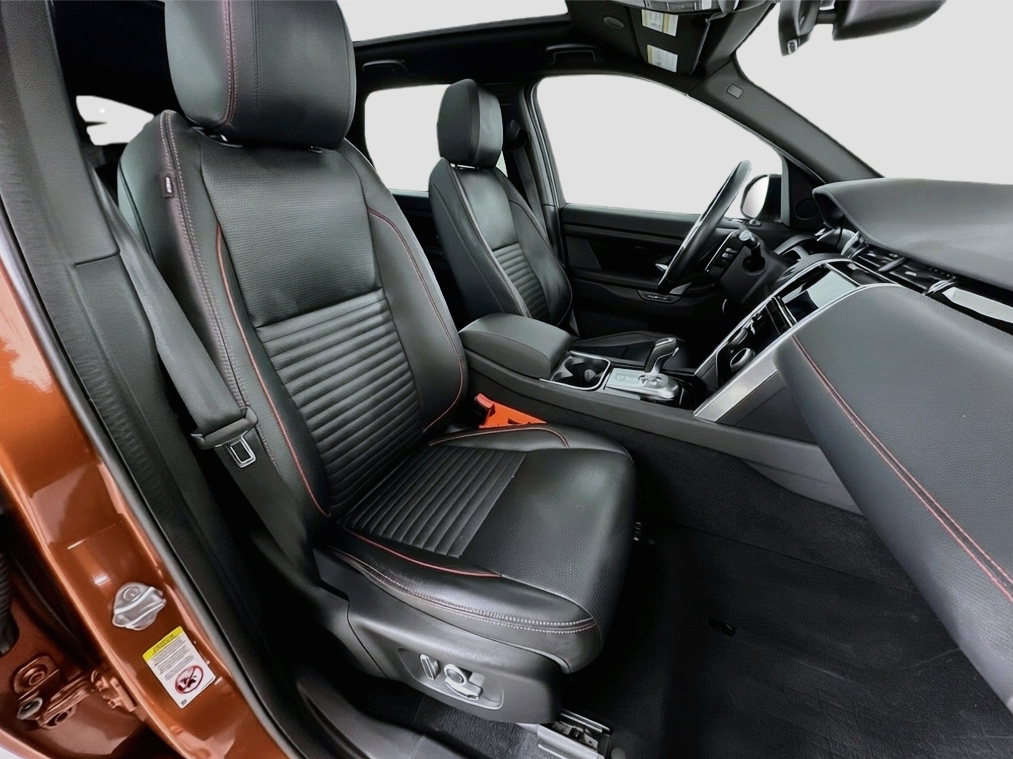
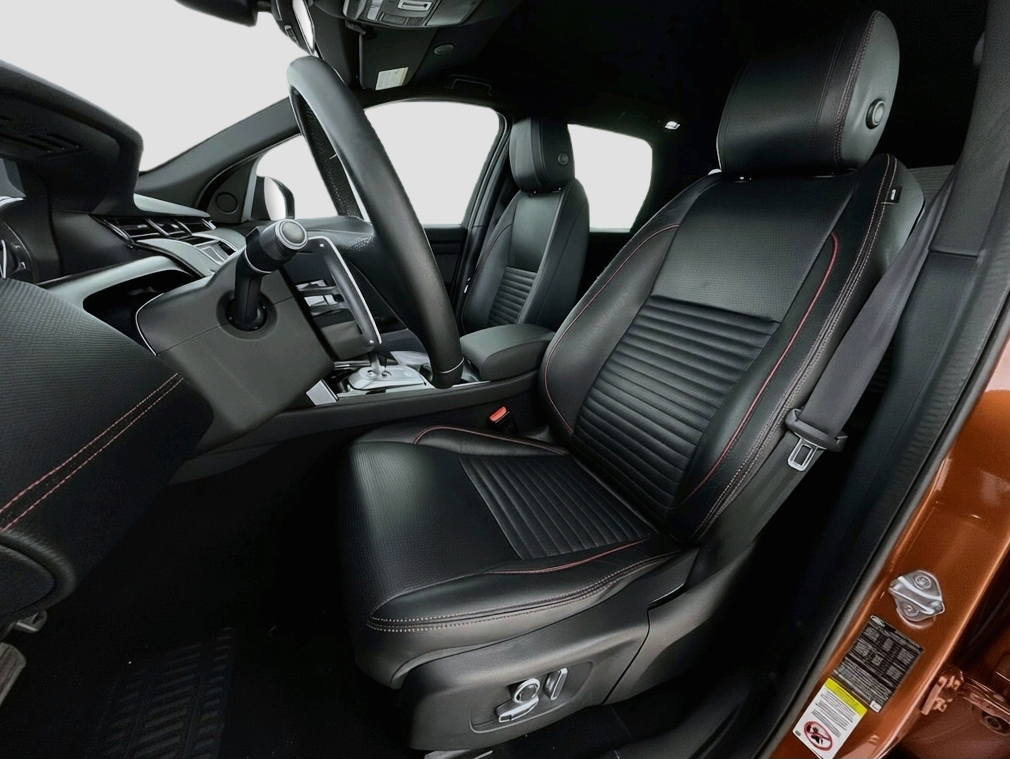
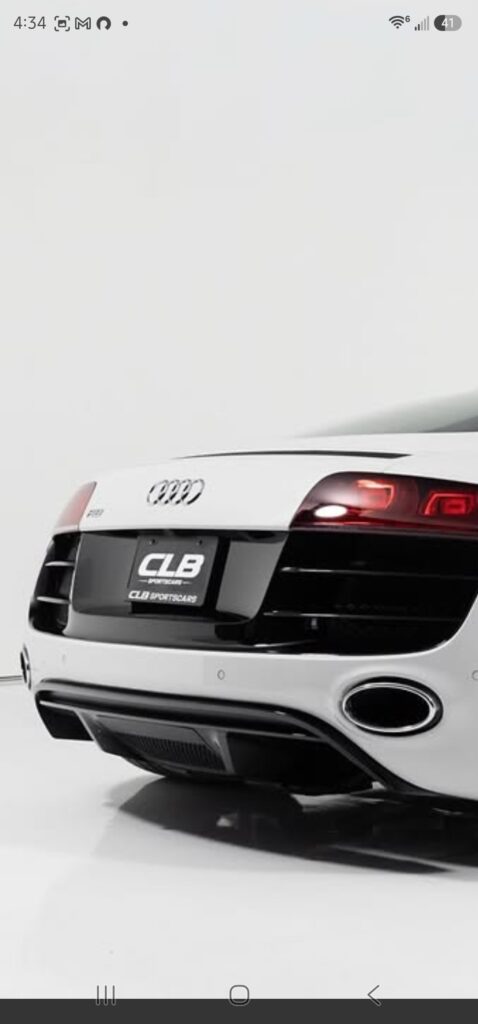
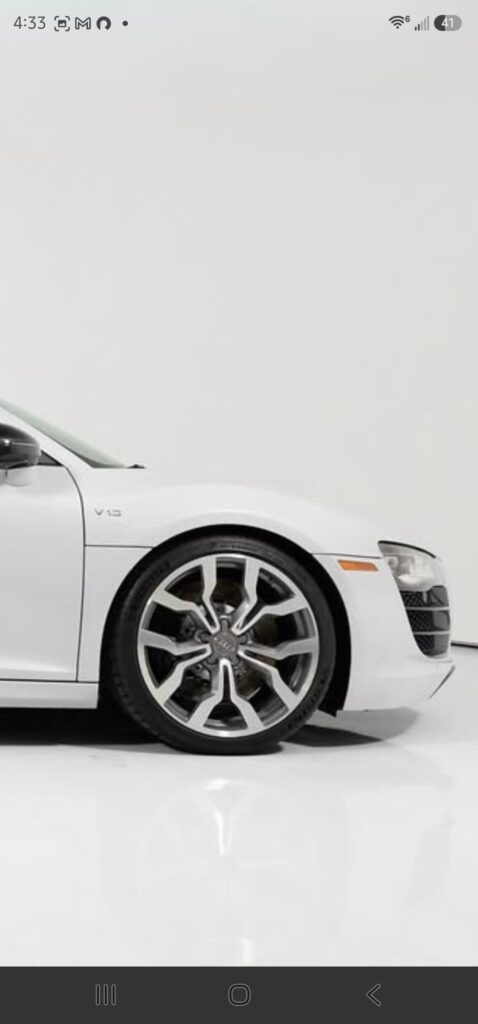
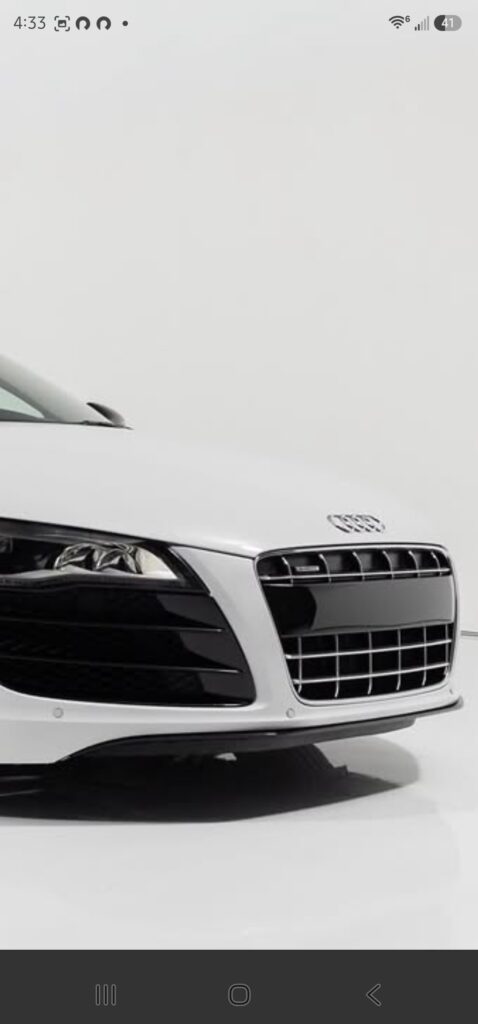
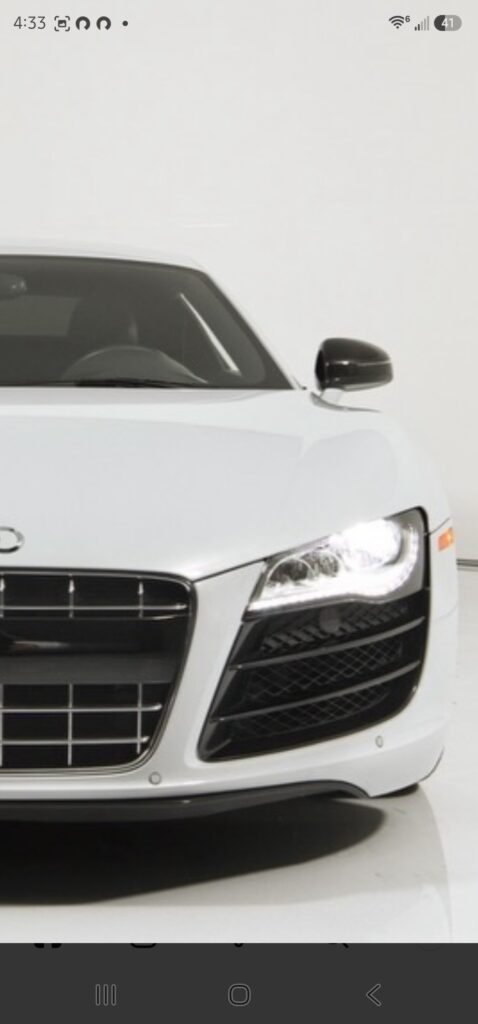
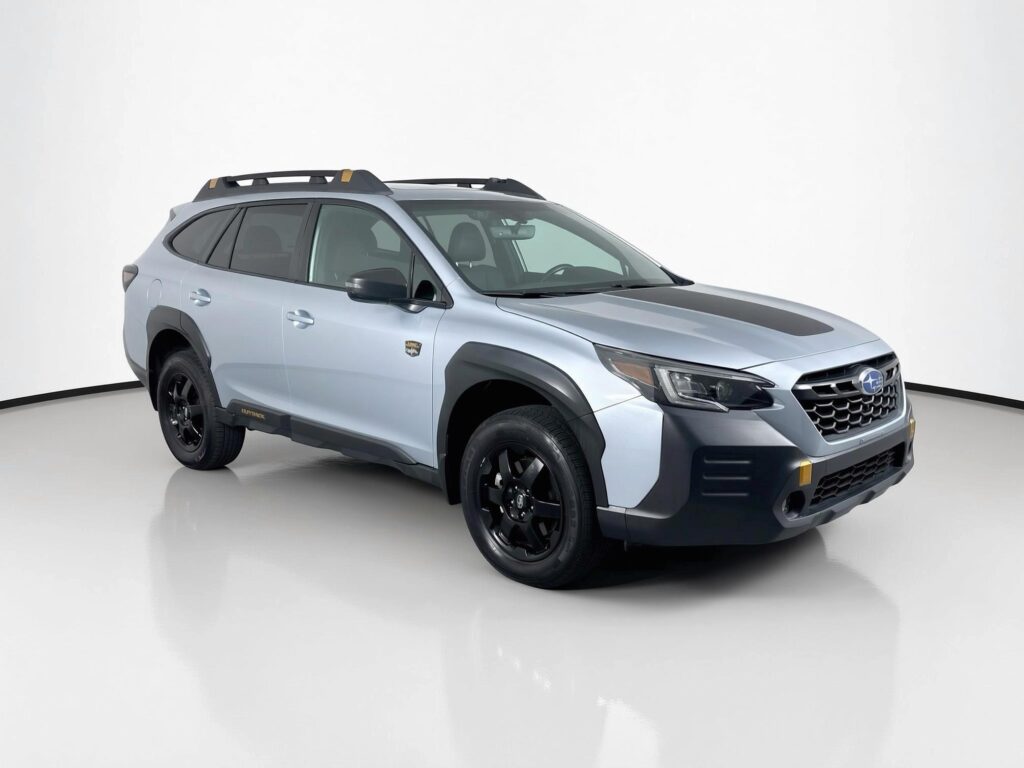
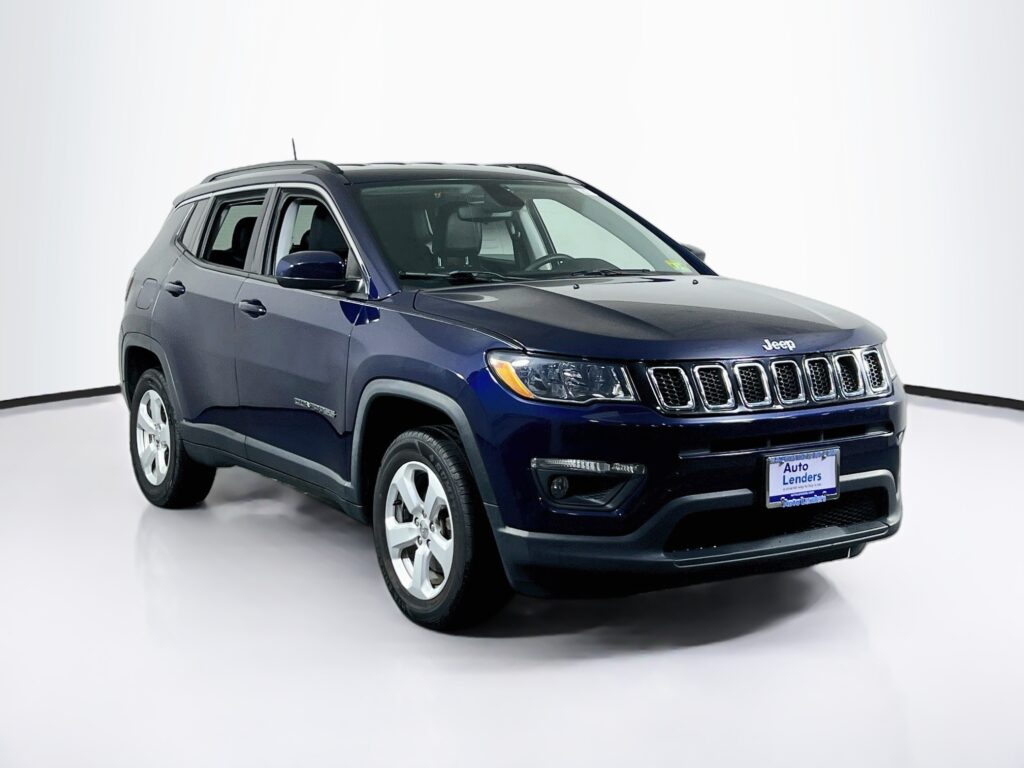
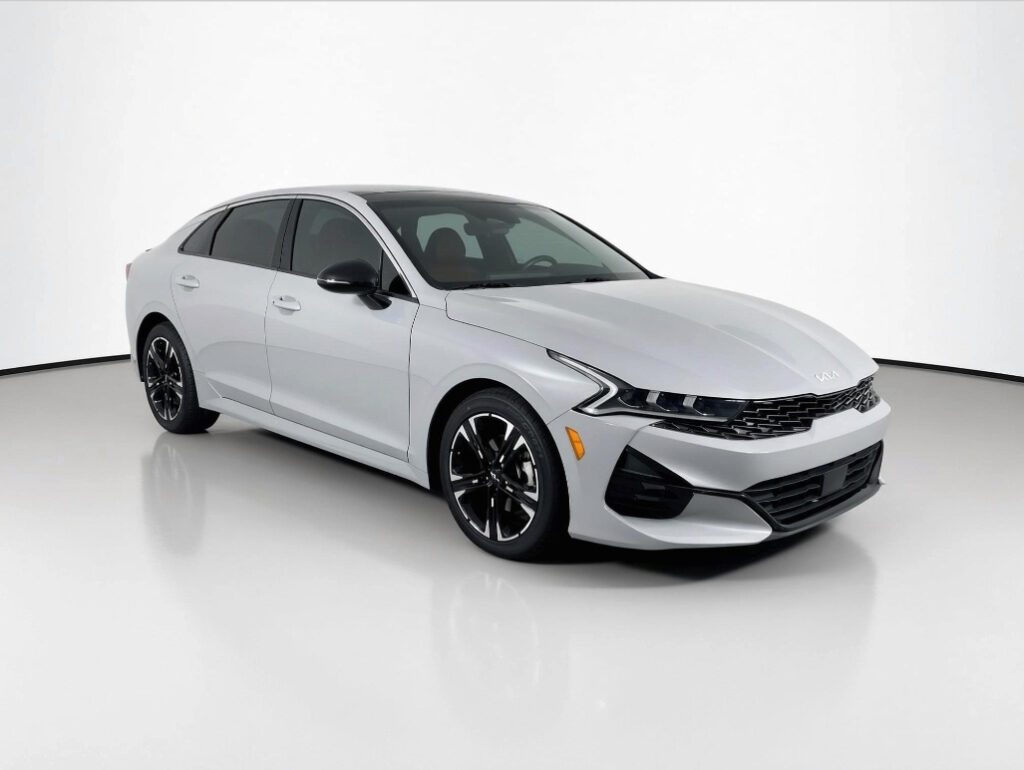
Consistent dealership vehicle photography should continue when your best photographer is absent.
Many stores have one employee who knows every angle, every required image and every step needed to move a vehicle online. That expertise is valuable, but when the entire process lives in one person’s head, it becomes an operational risk.
A scalable photography process puts the standard into the system.
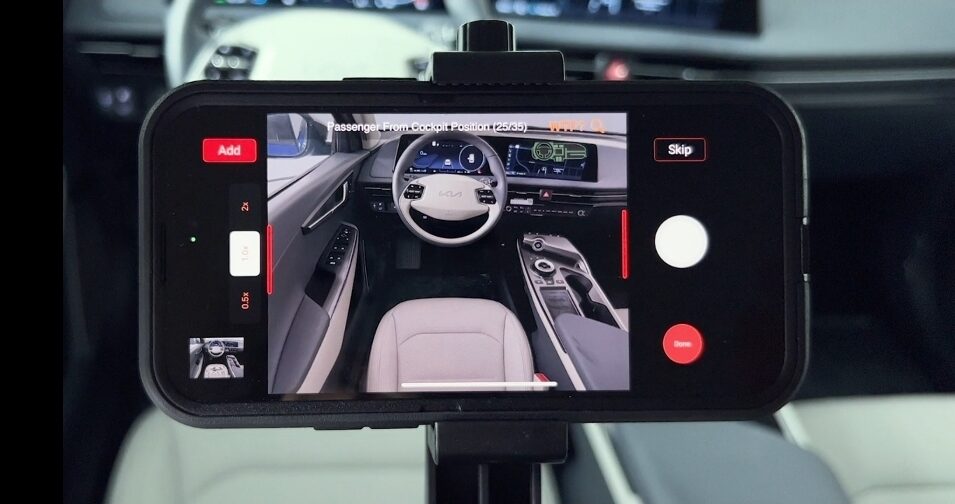
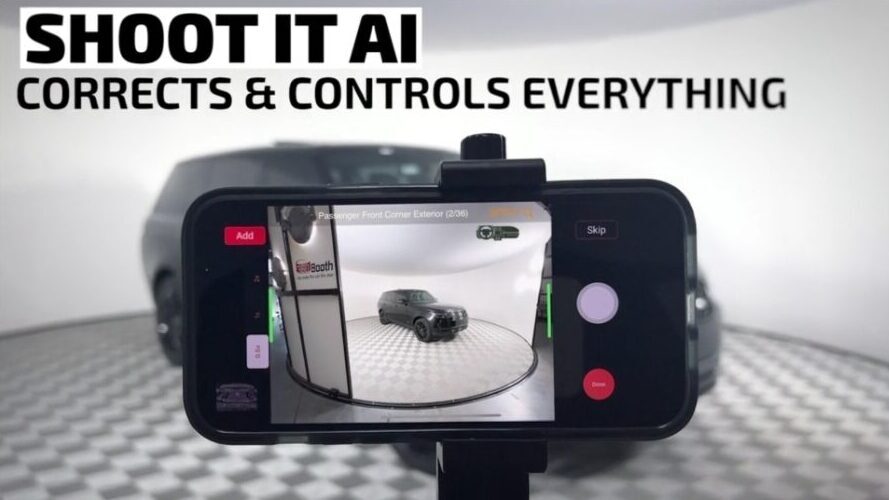
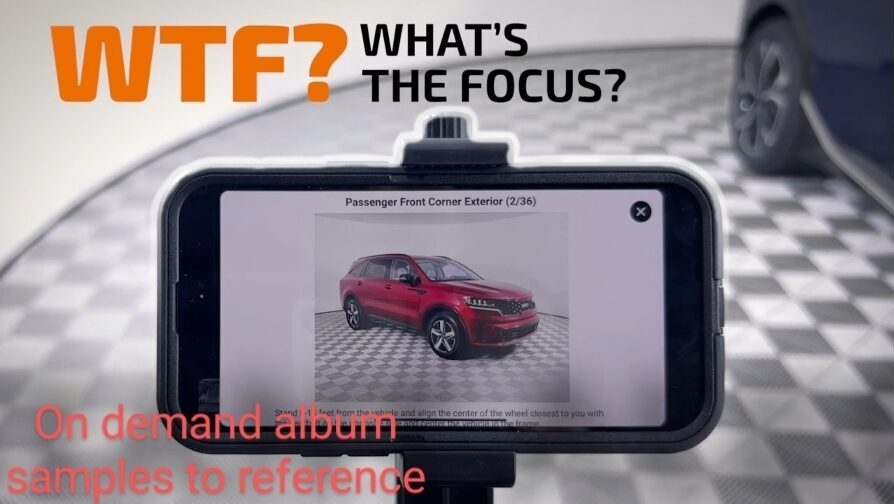
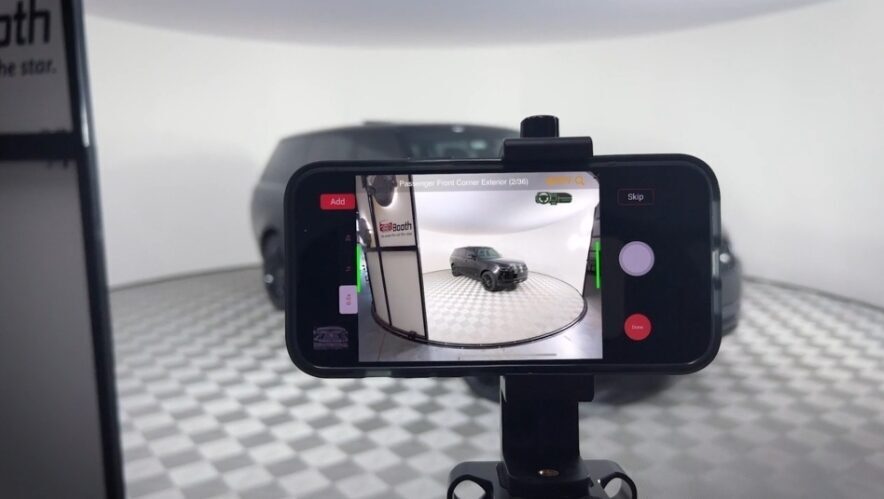
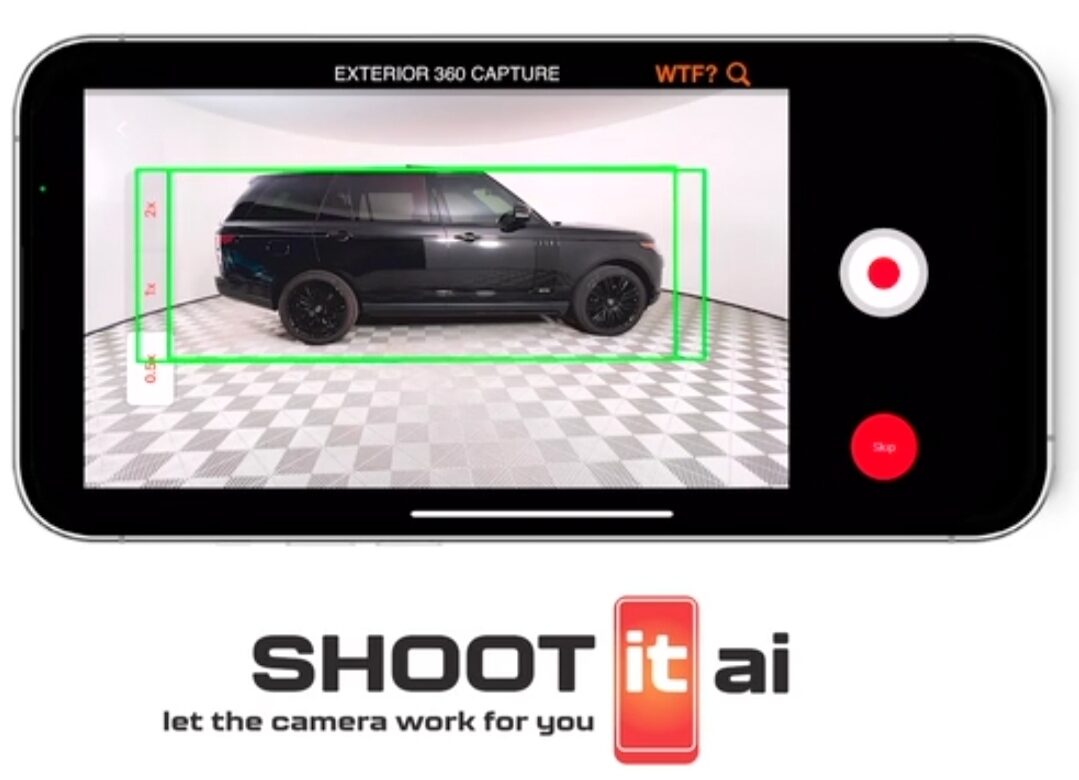
SHOOTit AI guides the employee through the dealership’s required 40+ photos on the iPhone. It assists with positioning, centering, lighting and sequence while the vehicle is still in front of the camera. The operator follows a defined path instead of relying on memory or personal preference.
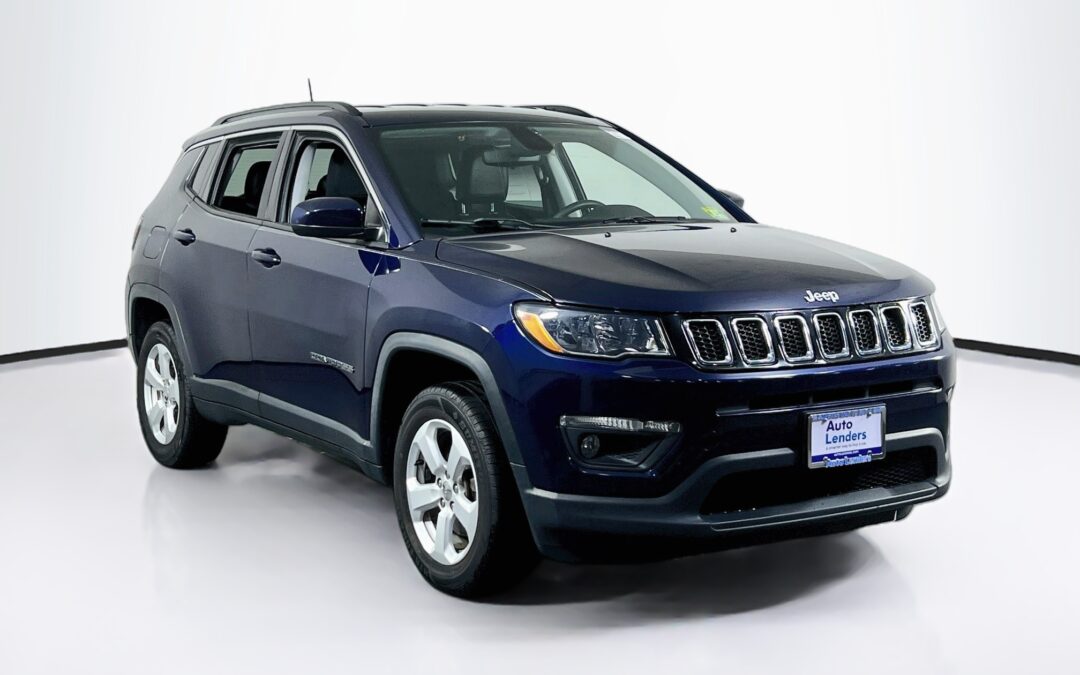
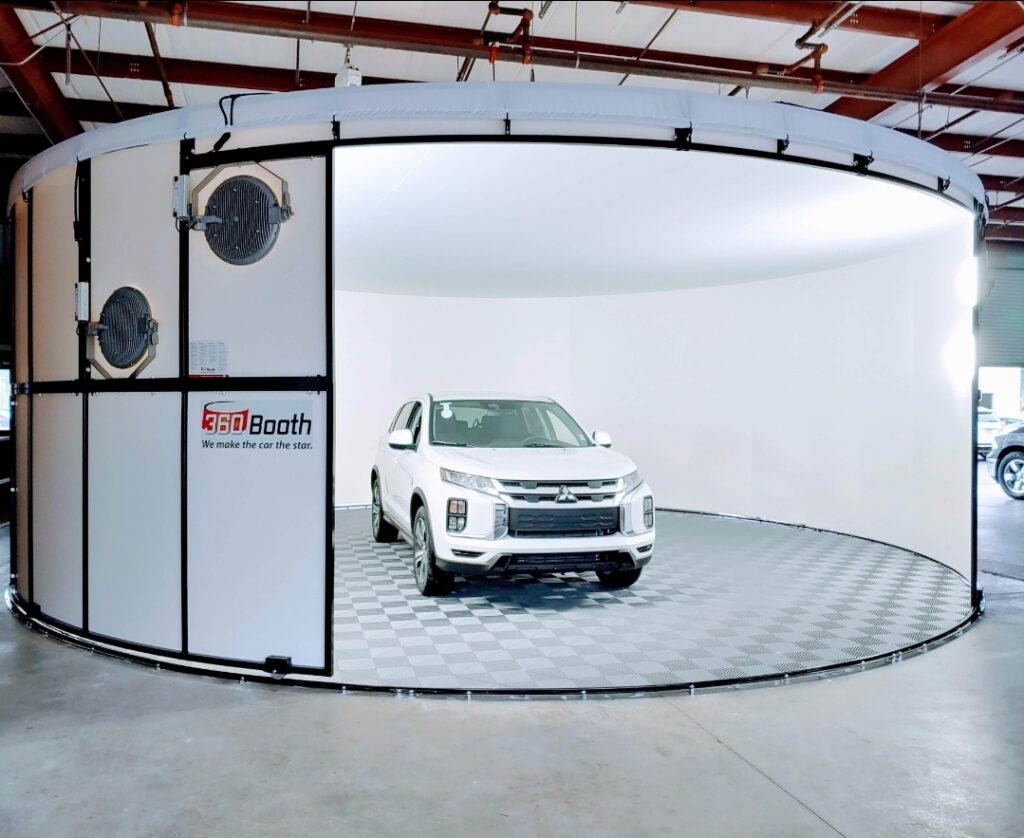
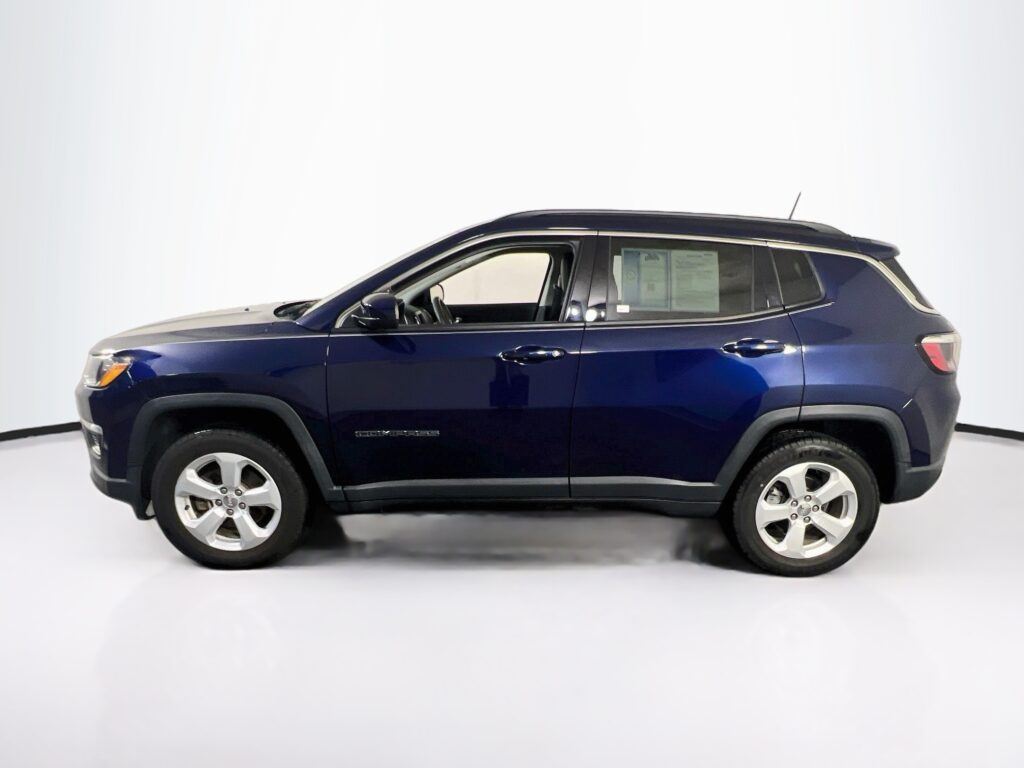
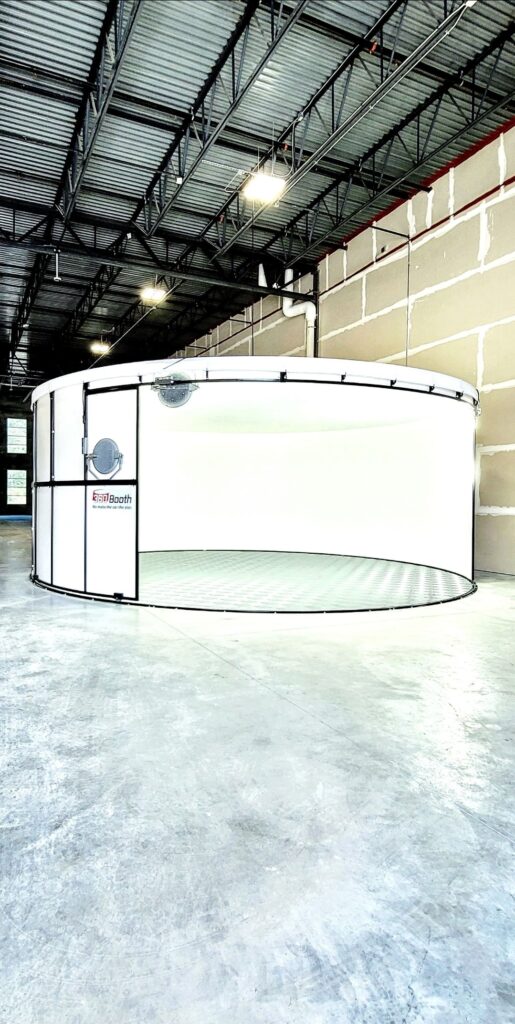
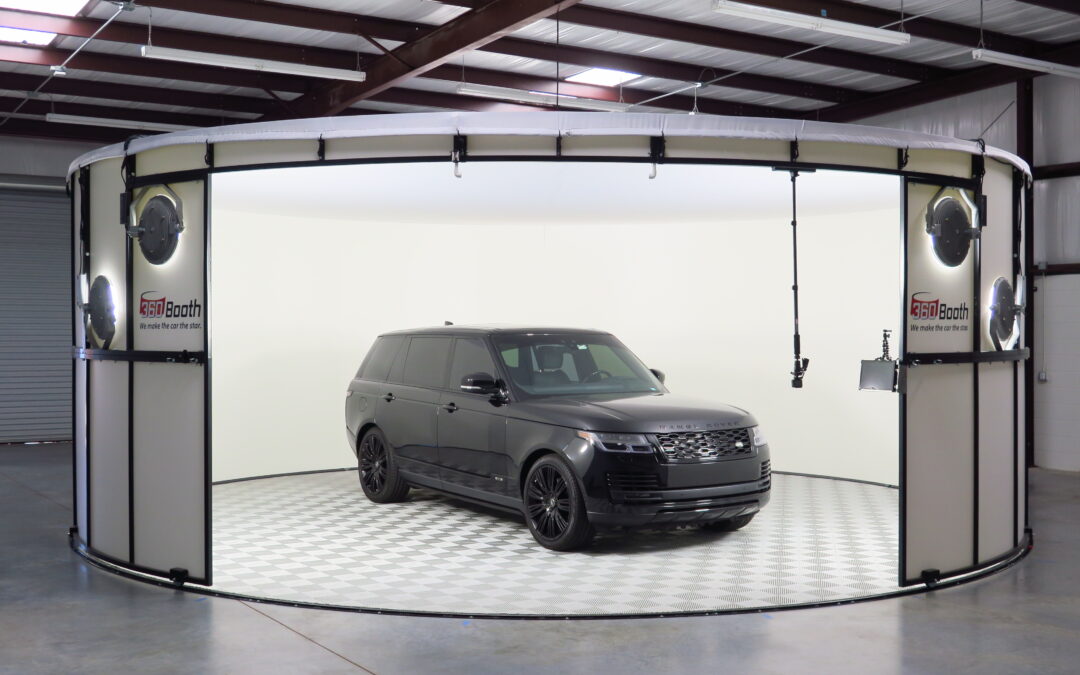
A 360Booth makes that process even more repeatable by controlling the physical environment. Lighting, surroundings and presentation remain consistent whether the vehicle is photographed Monday morning or Saturday afternoon.
The value is bigger than easier training.
When another employee takes over, the gallery should not suddenly change. The hero angle, image order and overall presentation should still look like the same dealership produced them. Completed media uploads wirelessly into the dealership’s selected workflow, keeping the handoff simple.
The goal is not to eliminate talented people. It is to stop making talent compensate for an inconsistent process.
Your photography standard should survive vacations, days off, turnover and growth across multiple rooftops.
Book a walk-through visit and put SHOOTit AI into the hands of someone who is not your best photographer. One vehicle will show you whether the process is truly easy to repeat.
Indoor dealership vehicle photography removes weather, daylight and background conditions from the inventory production schedule.
A retail ready vehicle should not wait for the rain to stop, the shadows to move or the photographer’s preferred time of day.
Yet that is exactly what happens when vehicle photography depends on an outdoor process. Bad conditions delay capture. Delayed capture creates a backlog. The vehicle may be physically ready for sale while remaining poorly represented or invisible online.
A 360Booth changes the operating environment.
The vehicle enters a controlled studio with consistent lighting, clean surroundings and repeatable positioning. The employee does not need to study the sky, search for an uncluttered location or adjust the entire process as daylight changes.
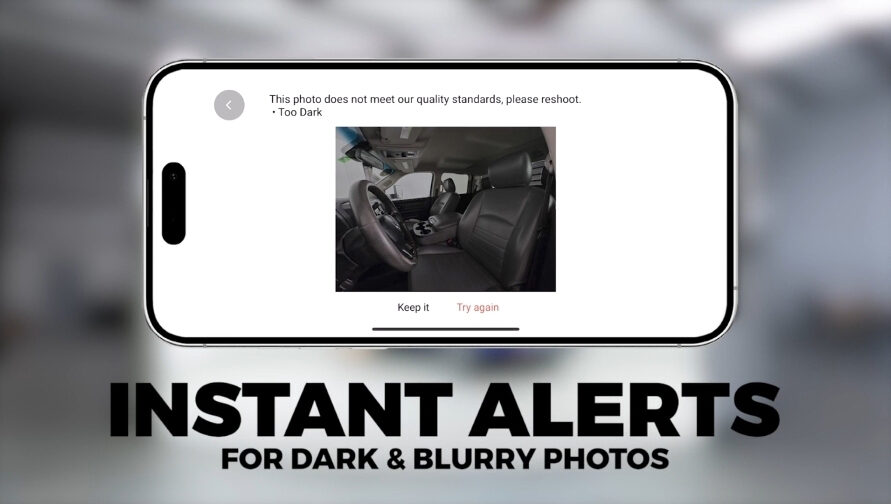
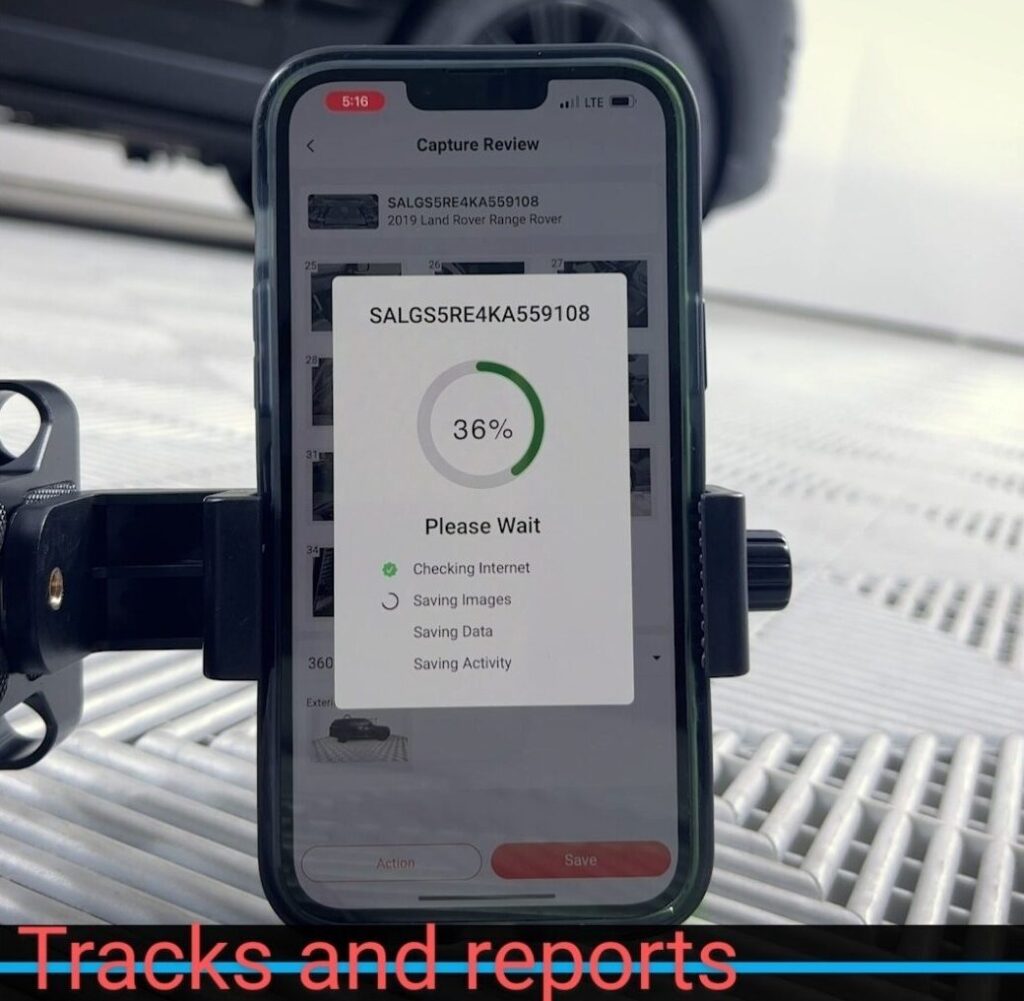
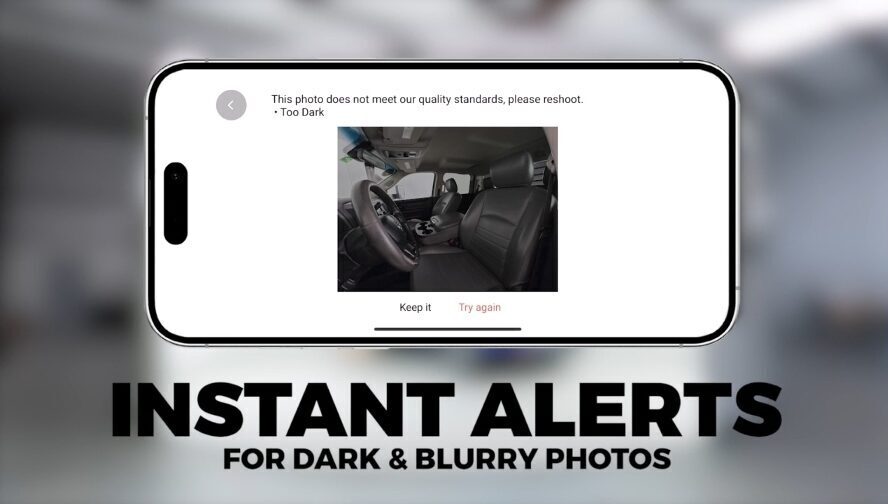
SHOOTit AI simplifies the next step. It guides the employee around the vehicle through the required image sequence, assists with centering and helps identify blurry or dark photographs while the car is still in front of them. The completed media then uploads wirelessly into the dealership’s selected workflow.
A standard 24ft 26ft or 28ft 360Booth requires a minimum room of 30 feet long in the direction the vehicle enters, 30 feet wide and 11 feet of clear height.
If the available room is smaller, the conversation does not end. An on-site evaluation determines whether a smaller standard studio, customized 360Booth, reduced-height configuration, custom capture environment or SHOOTit AI assisted solution is best.
The objective is simple. Create a photography process the dealership can operate every day, regardless of weather or who is holding the phone.
If outside conditions still determine when your inventory reaches the VDP, it is time to move the process inside.
AI automotive photography should make taking 40+ professional vehicle photos easier, not make the photographer learn another complicated system.
That’s the standard we’ve used with SHOOTit AI.
Think about the traditional problem. One employee knows exactly where to stand, what angle comes next, how to center the vehicle and which interior photos are required. Then that employee is off on Tuesday and someone else picks up the camera.
Suddenly the process changes.
It shouldn’t.
SHOOTit AI puts the process into the iPhone. The person holding the camera is guided around the vehicle through the photo sequence. The technology helps with centering, framing and lighting and can catch blurry or dark images while the employee is still standing beside the car.
That last part matters. The easiest retake is the one you make immediately. Finding a bad image after the vehicle has been moved creates another job.
Now Put That Same Employee Inside a 360Booth This is where simplicity really starts to compound.
SHOOTit AI helps control the capture process. The 360Booth controls the physical environment.
The employee isn’t fighting changing sunlight, rain, distracting backgrounds or different lighting conditions throughout the day. They drive a clean vehicle into a controlled studio, follow the guided capture process and wirelessly upload the completed media.
The objective isn’t to spend weeks turning dealership employees into professional automotive photographers.
It’s to take more than 50 years of combined automotive photography experience and build as much of that knowledge as possible into the process they follow.
That makes training easier. It reduces dependence on one experienced photographer. It creates a standard that can be repeated when employees change.
And most importantly, it keeps the process moving.
Clean car → 360Booth → SHOOTit AI → upload → VDP.
That’s what intelligent technology should do. It shouldn’t make an easy job complicated so the technology looks impressive. It should make a complicated job feel easy.
A customer shopping across several stores in the same group should not encounter five different versions of the company.
One rooftop uses controlled studio photography. Another shoots beside the service drive. One begins every gallery with the same hero angle. Another changes the angle, camera height, background and image count depending on who is holding the phone.
That inconsistency weakens the group’s brand and makes inventory harder to compare.
An enterprise photography standard should define the capture environment, hero position, camera height, required interior and exterior views, image sequence, 360 content, quality rules and delivery destination. Local employees can perform the work, but the visual standard should not change with the employee or store.
360Booth creates a repeatable physical environment. SHOOTit AI guides framing, centering, lighting and sequence on the iPhone. Together, they allow a dealer group to scale one merchandising process without depending on one photographer’s judgment at every location.
A brand standard is not a logo placed on the corner of a photograph.
It is the discipline to make every vehicle, at every rooftop, look like it came from the same company.
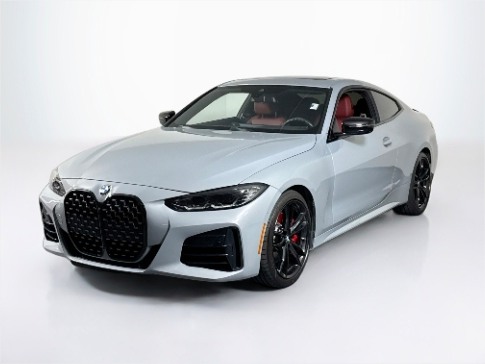
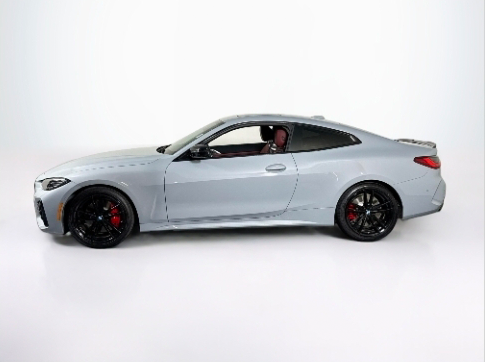
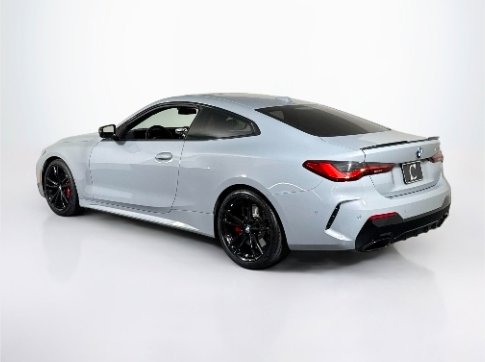
A vehicle gallery should function like a guided walkaround, not a folder of images arranged by filename.
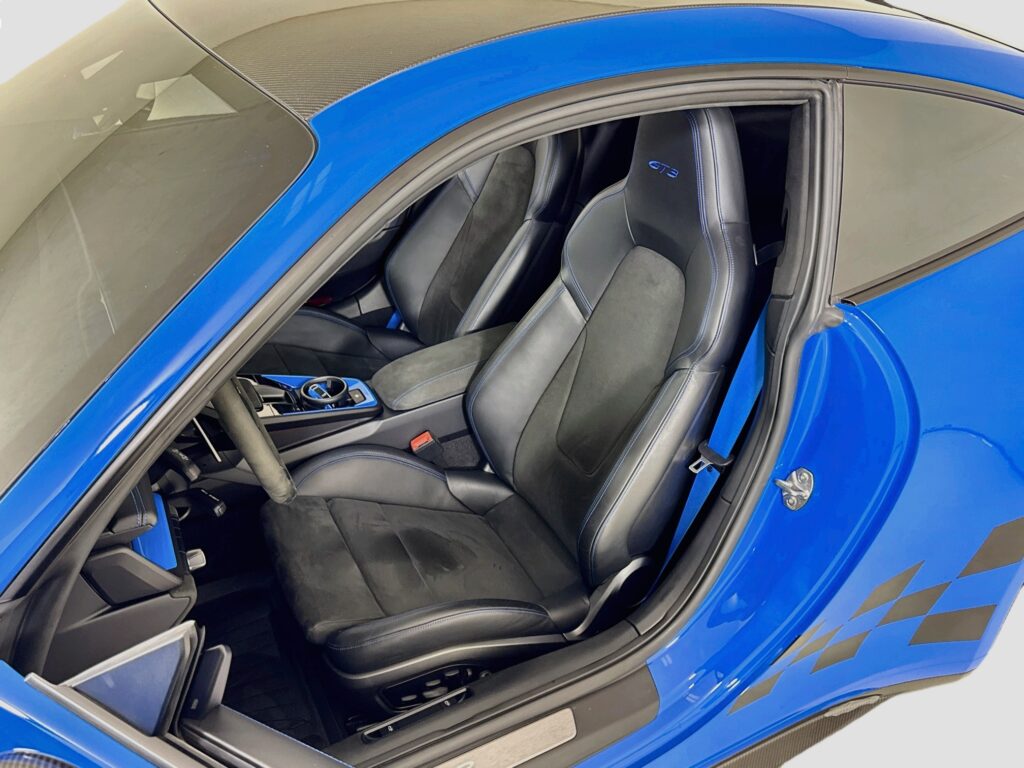
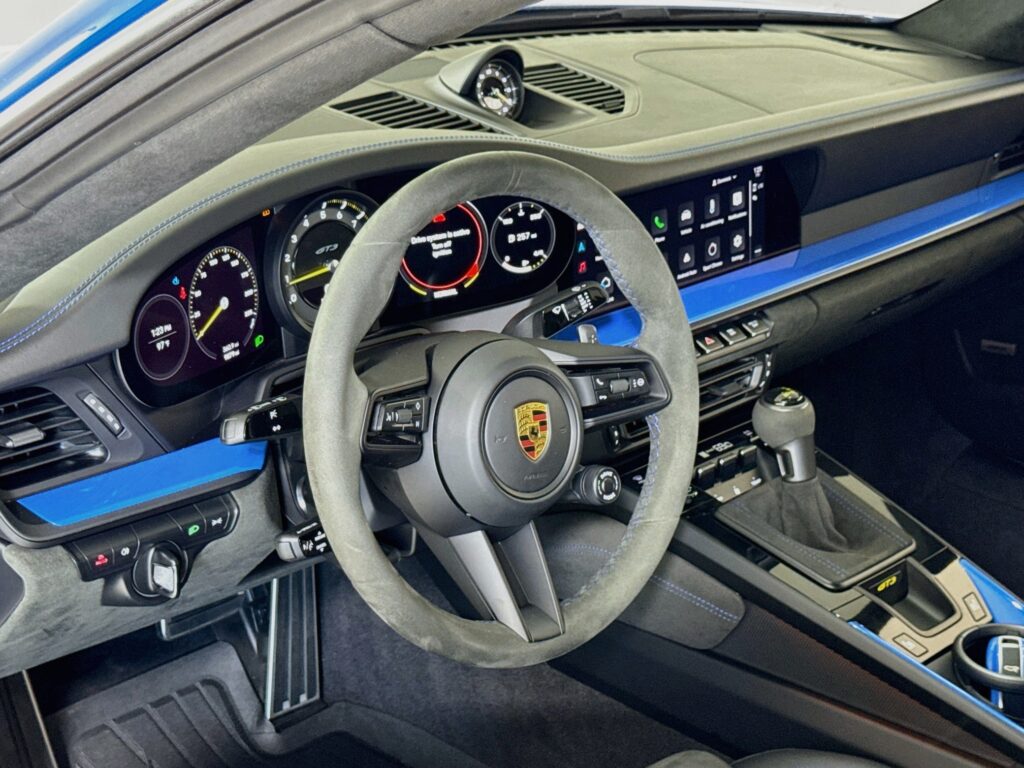
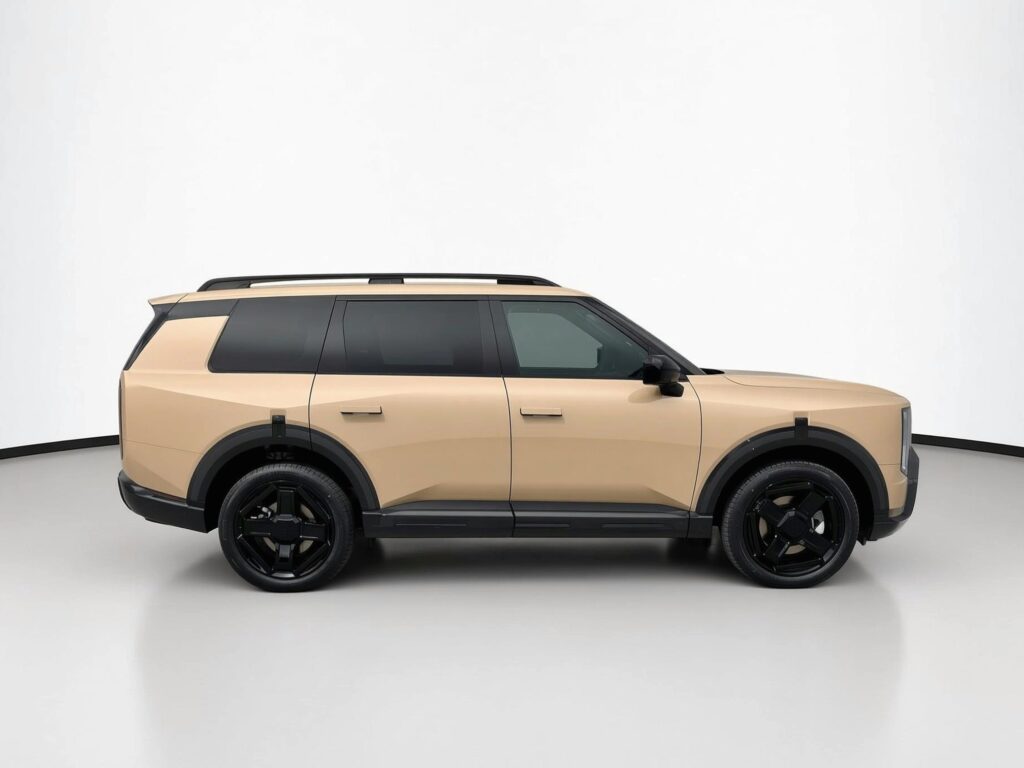
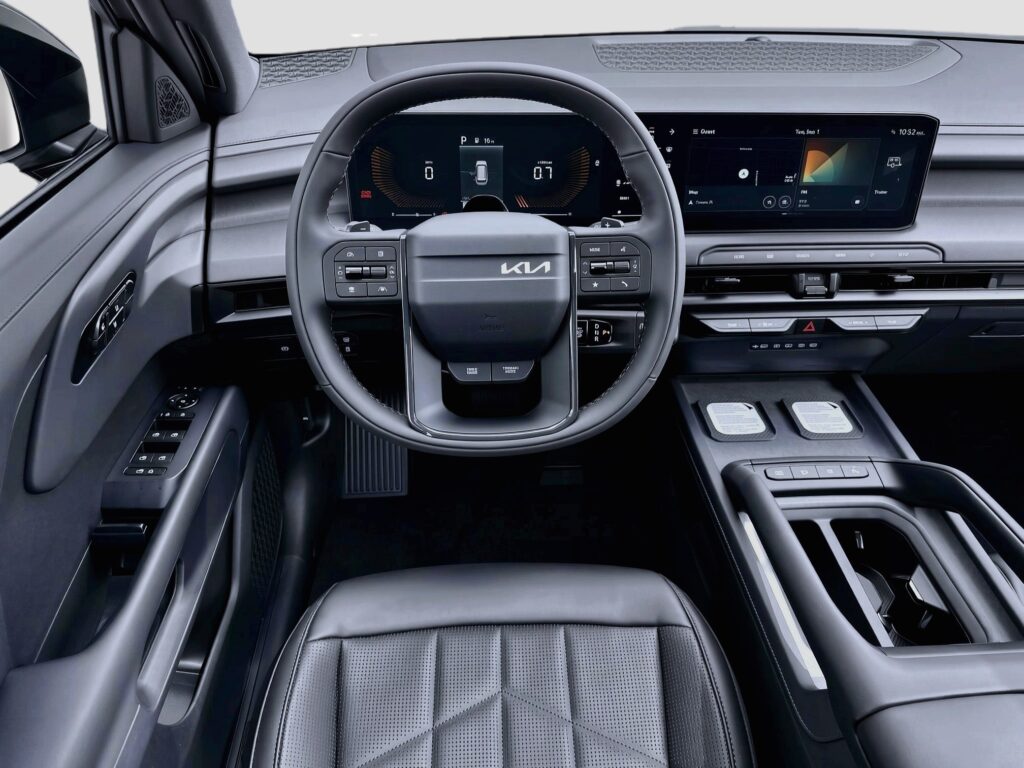
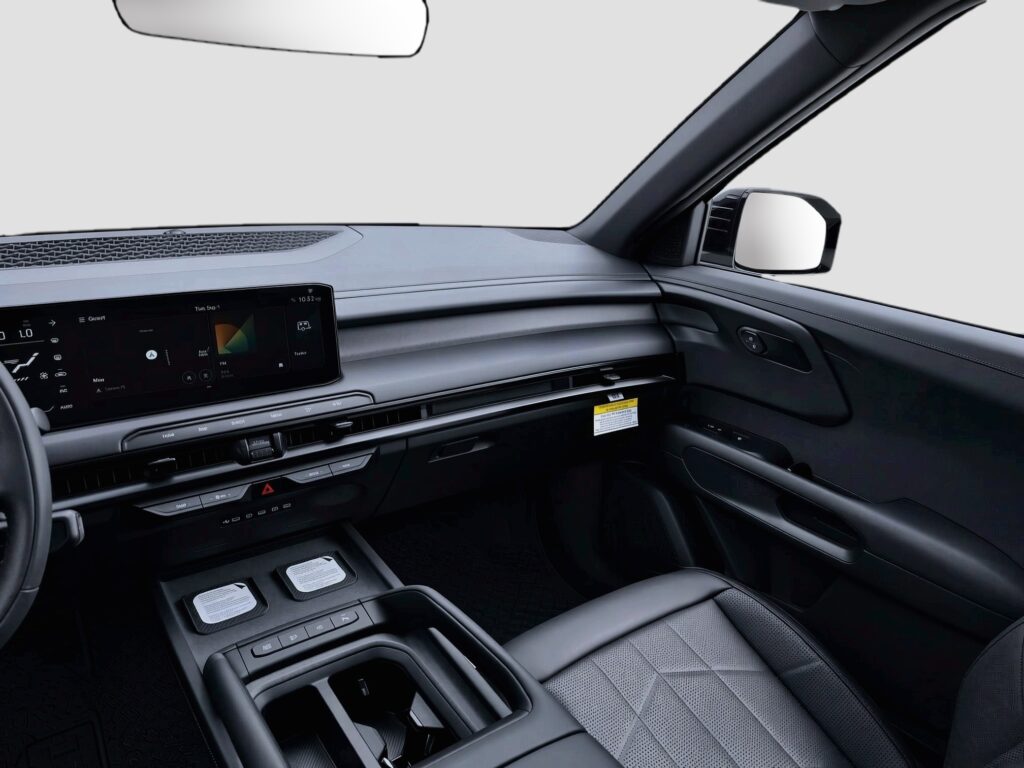
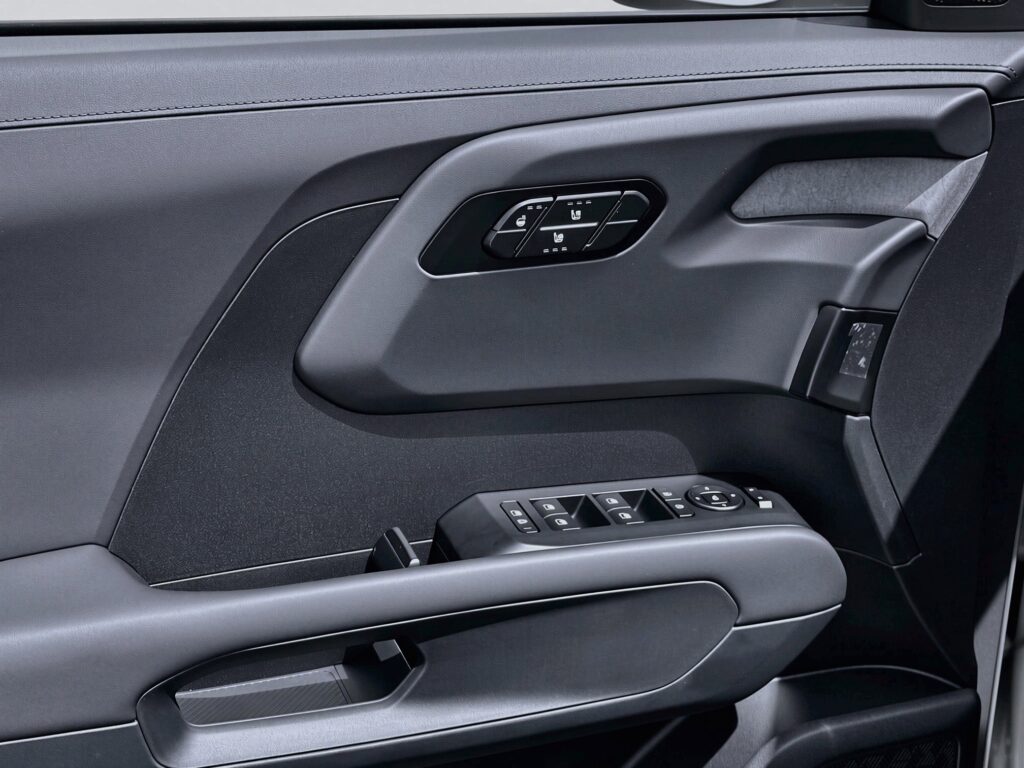
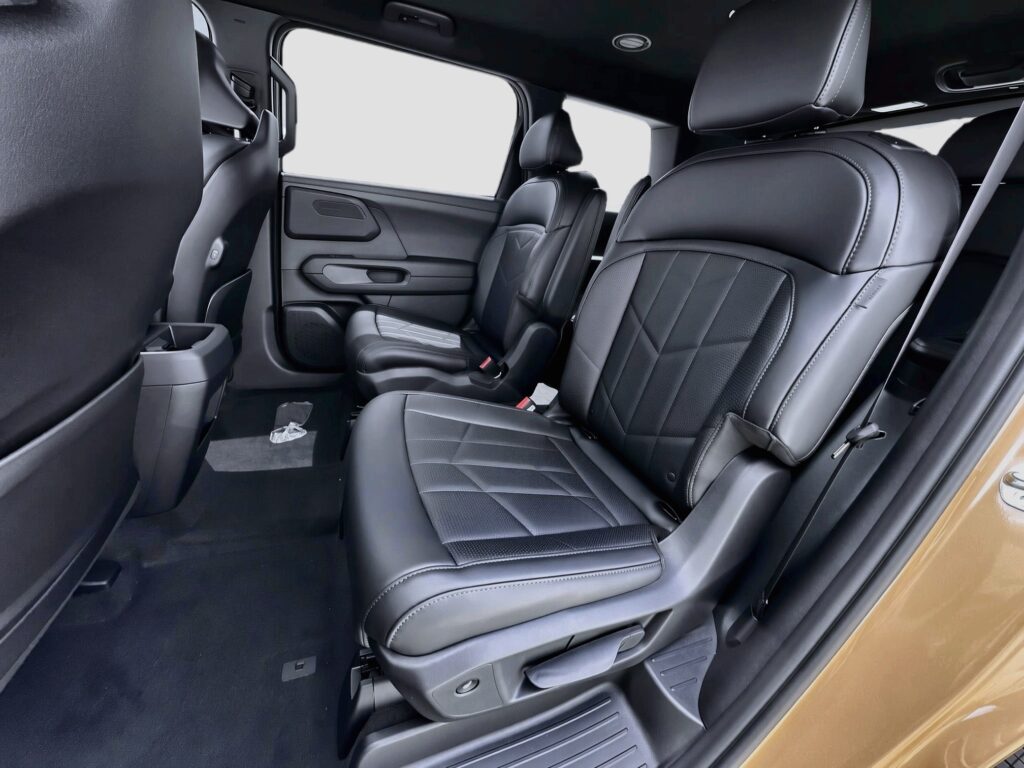
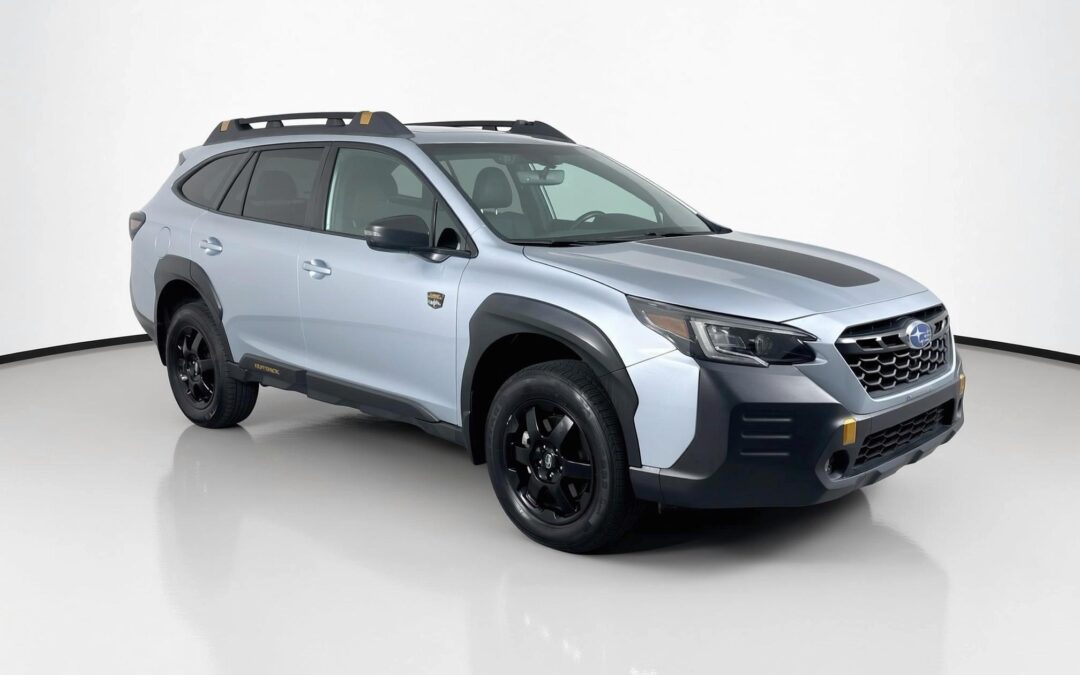
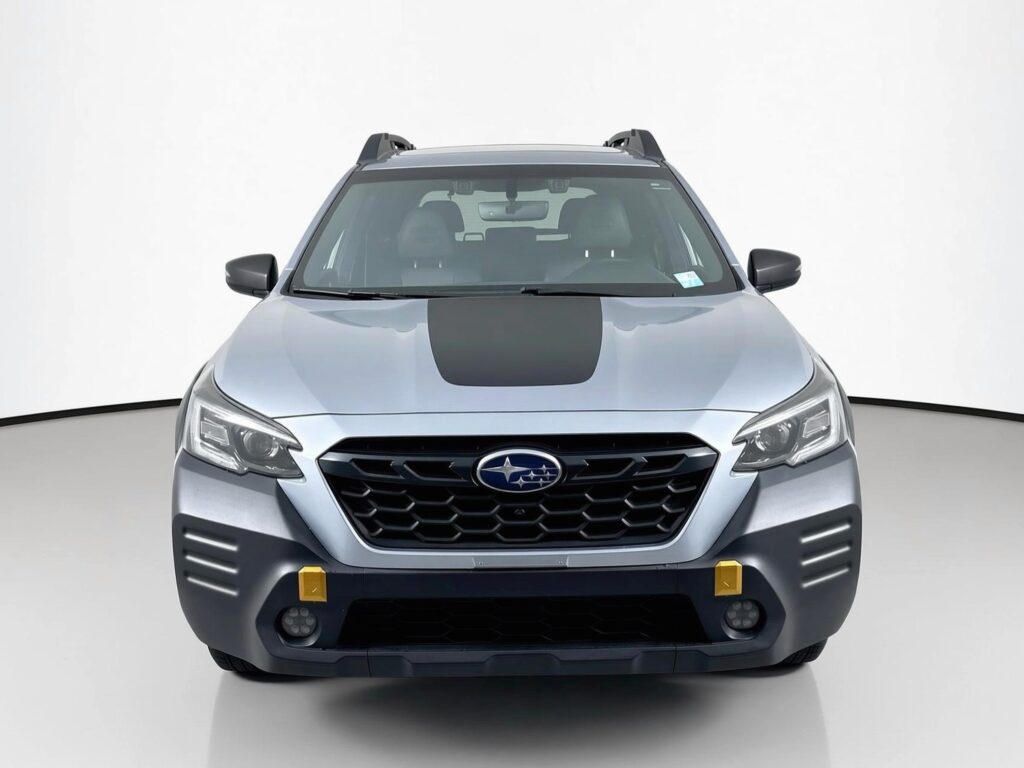
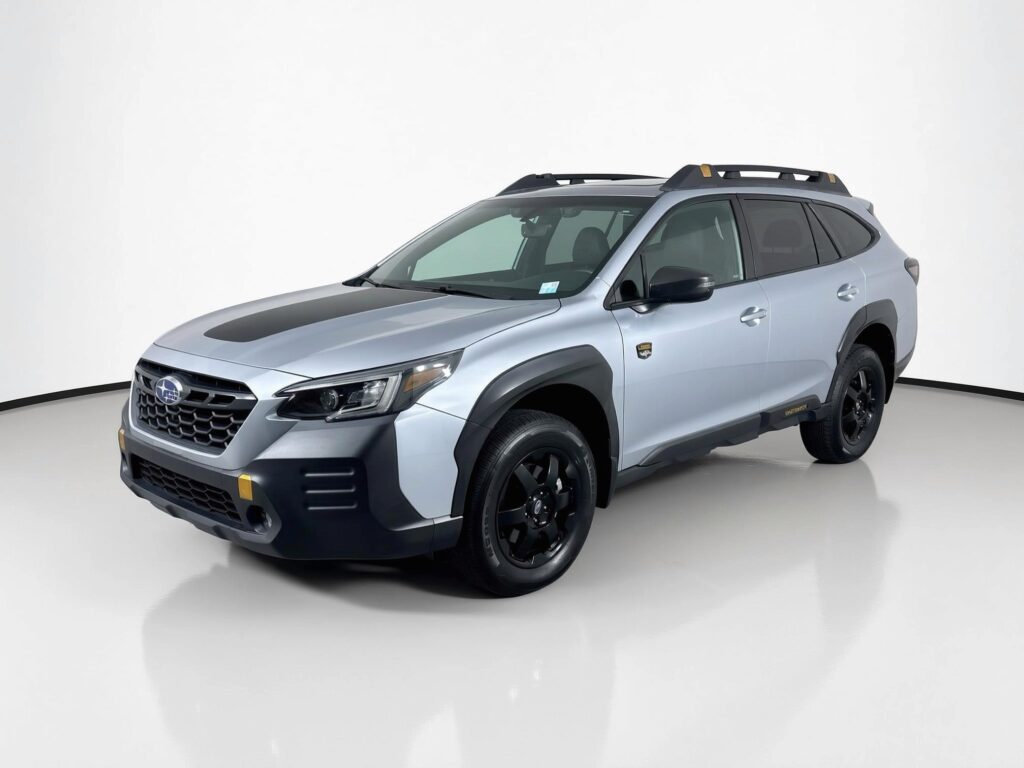
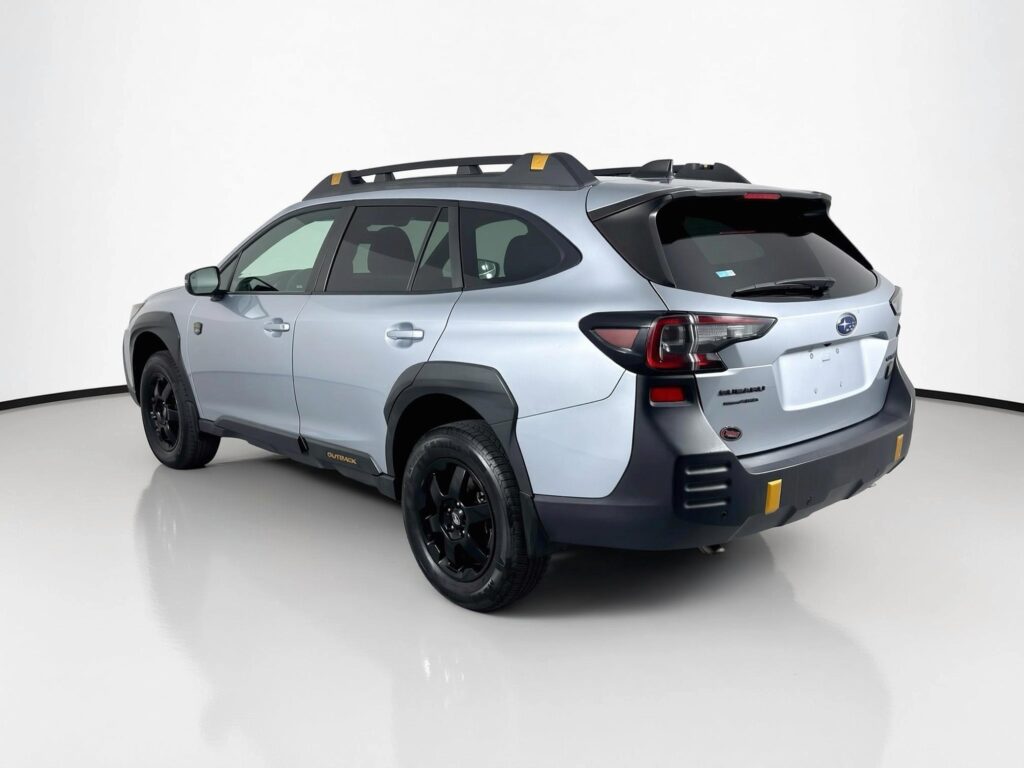
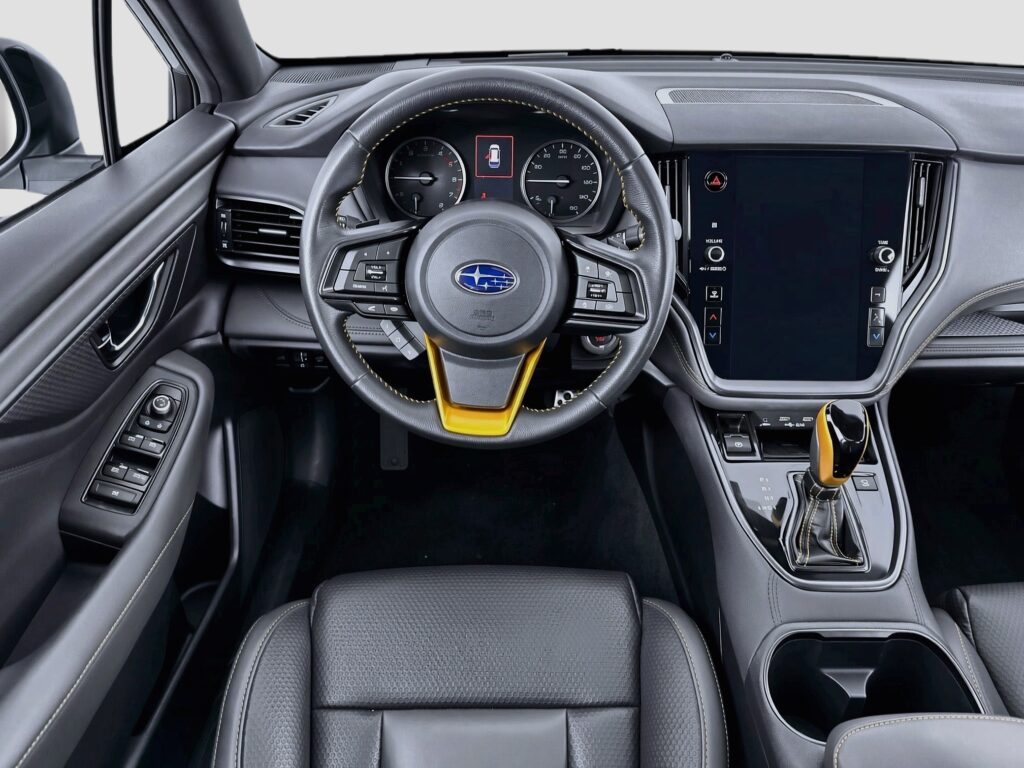
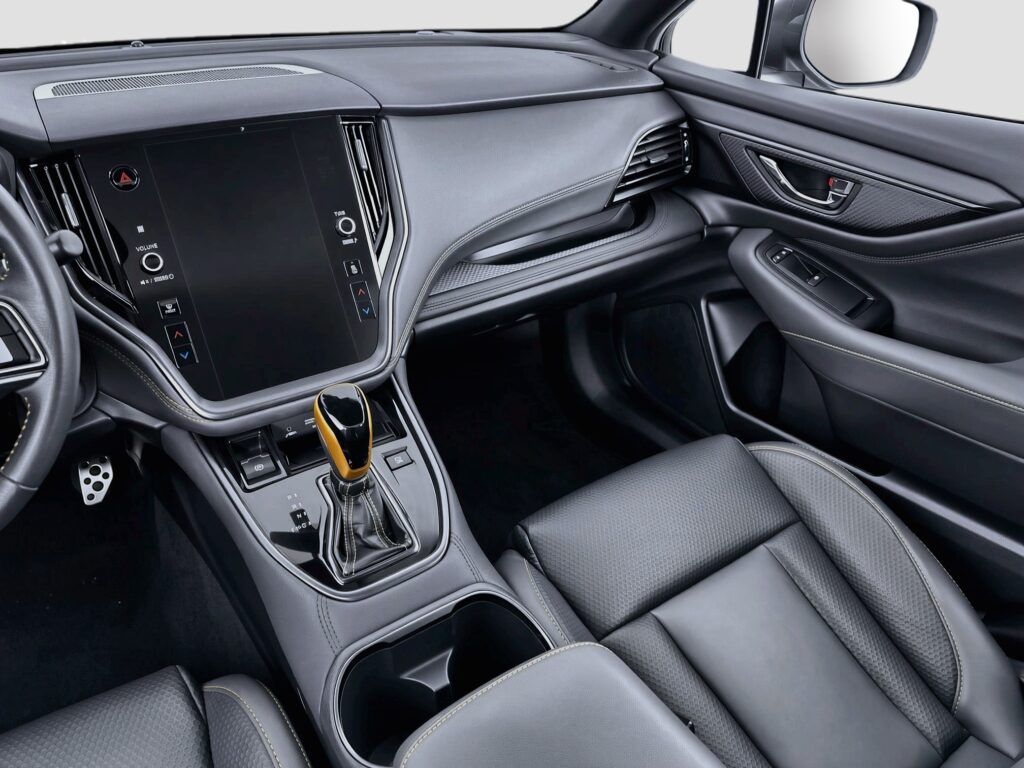
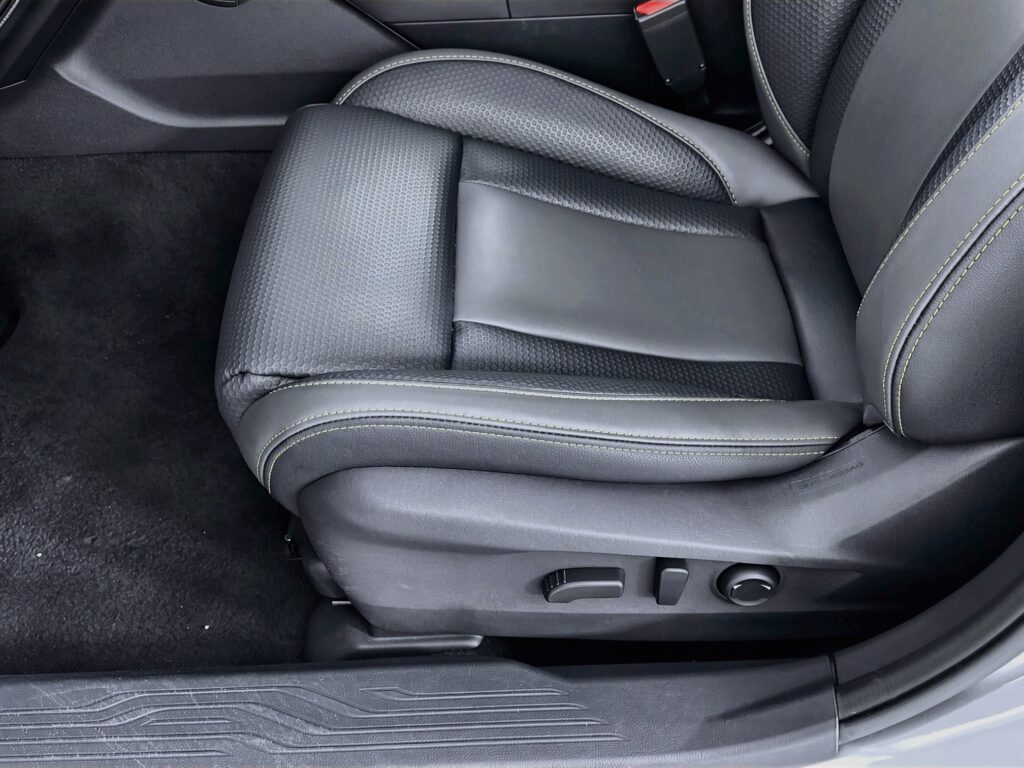
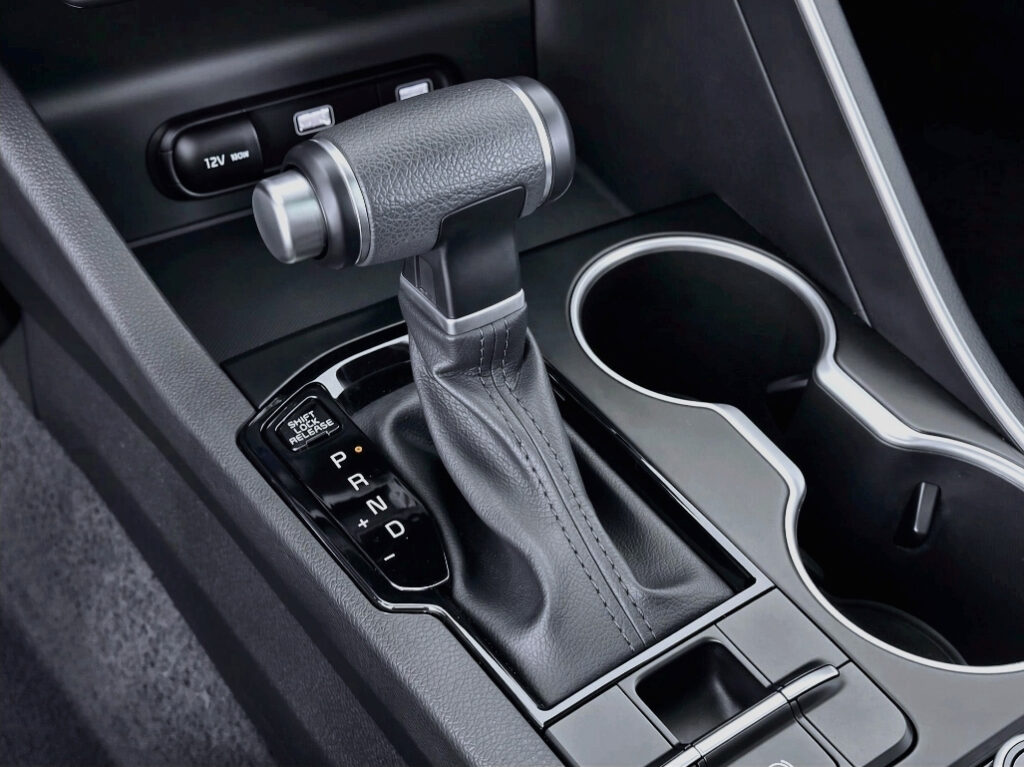
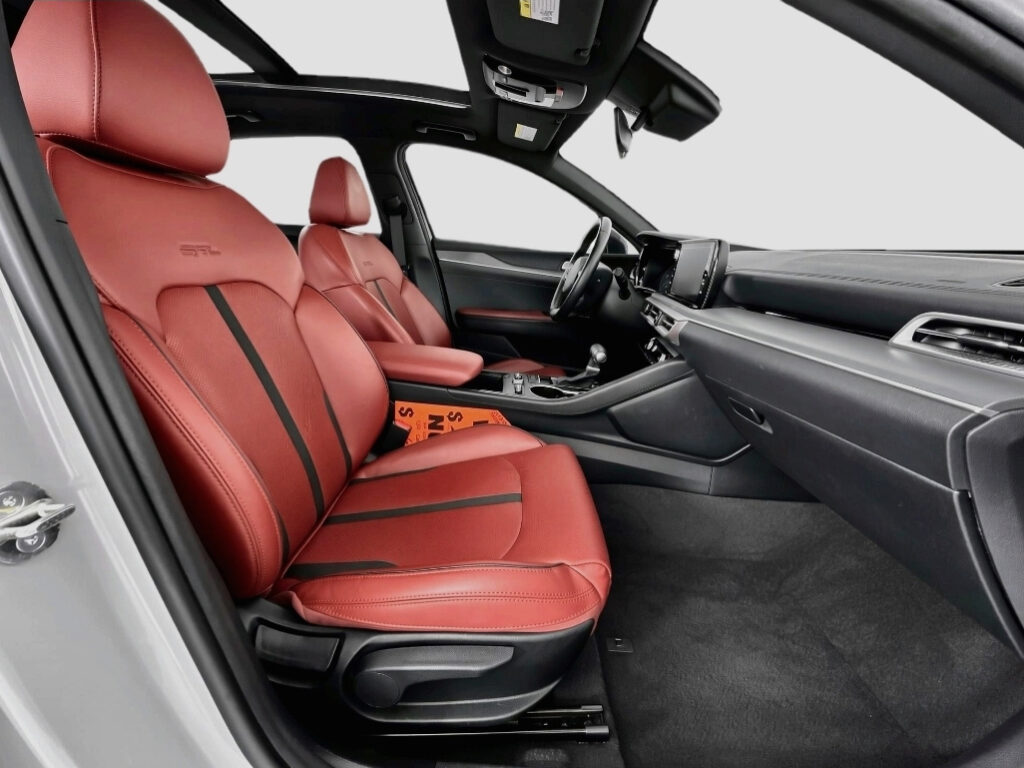
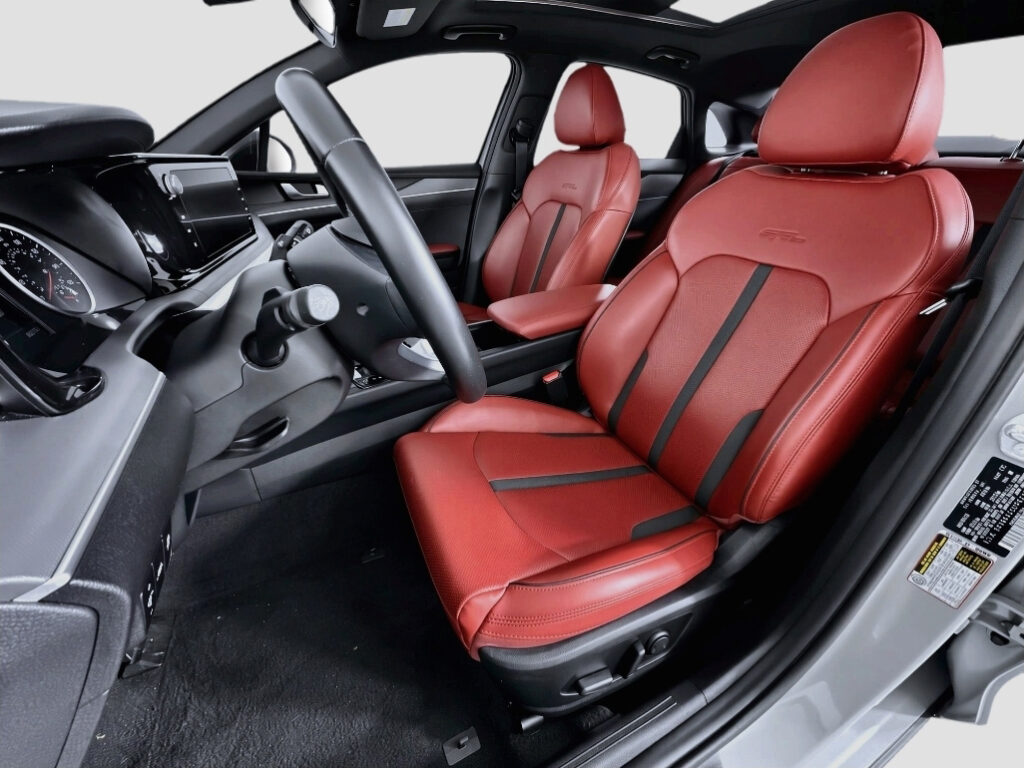
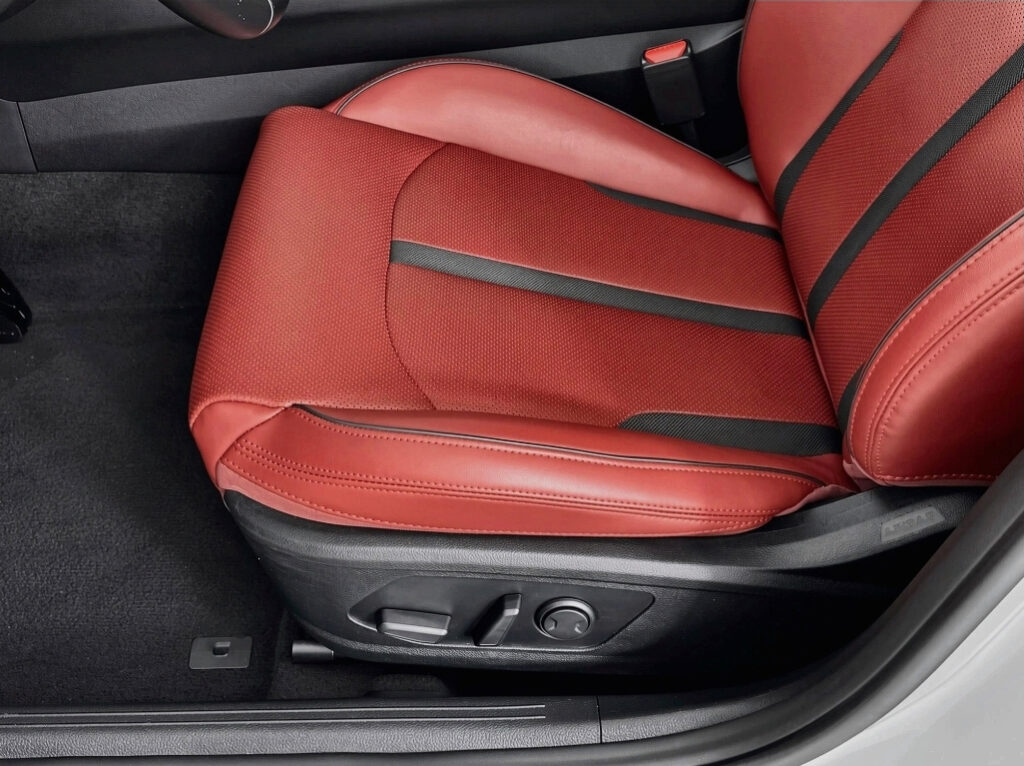
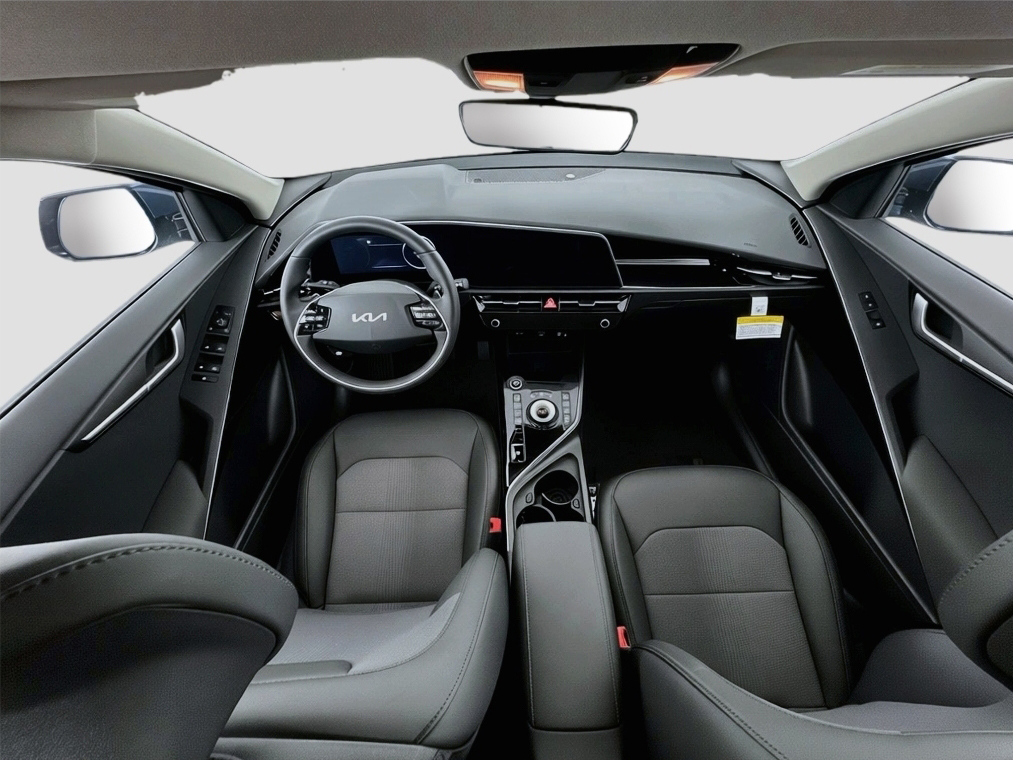
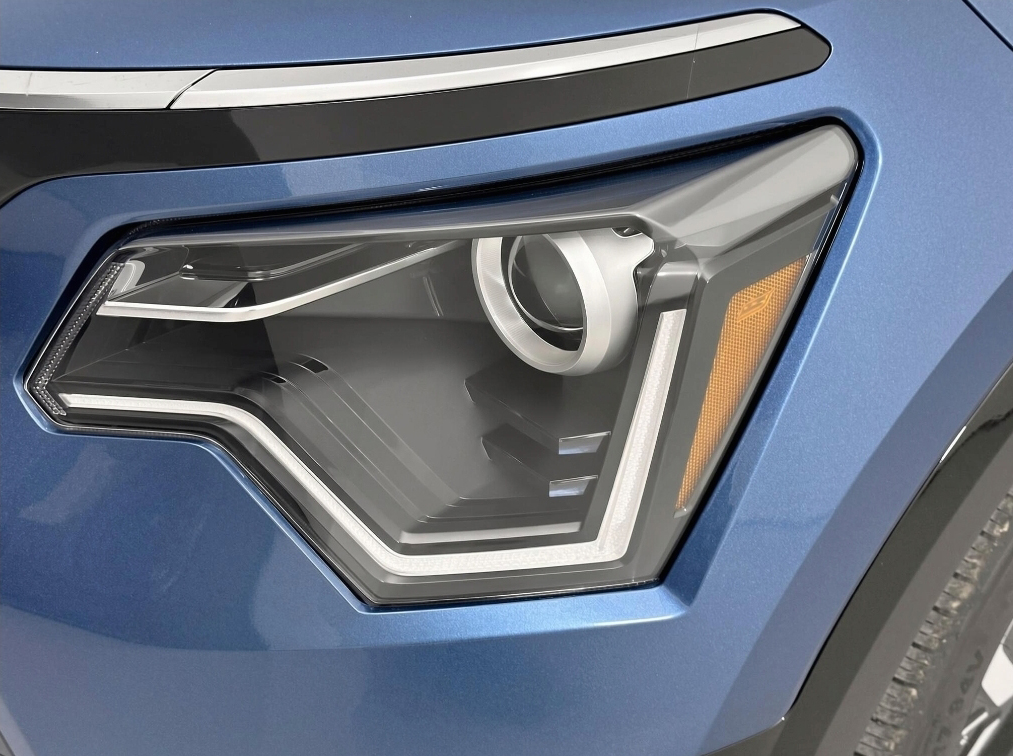
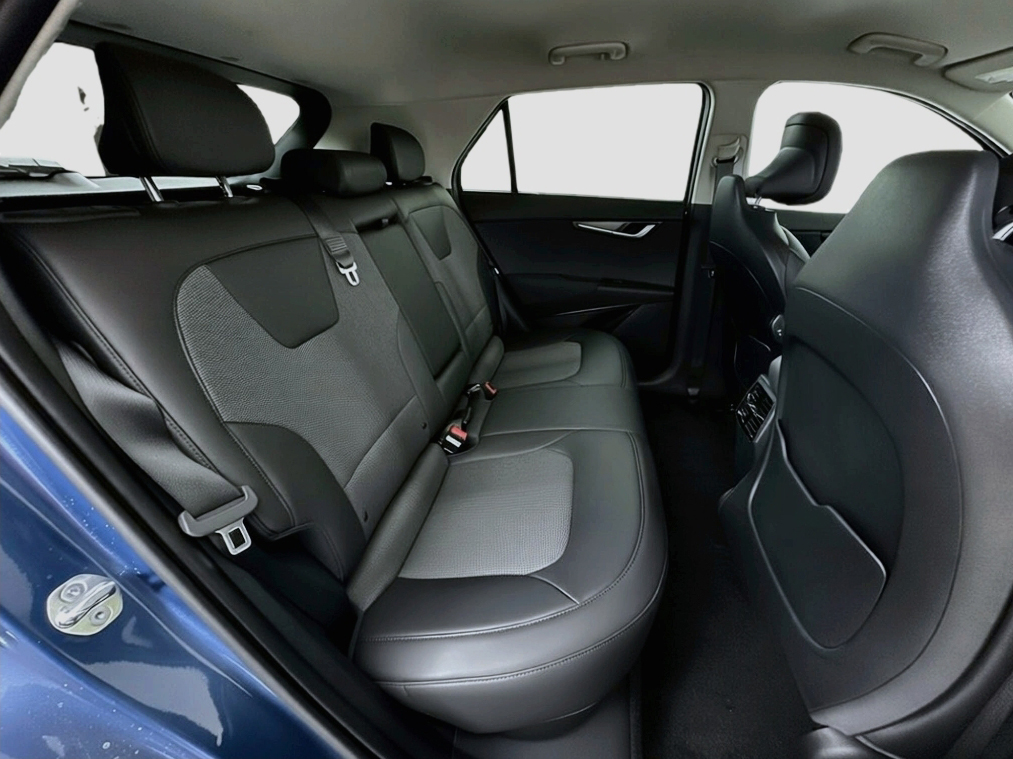
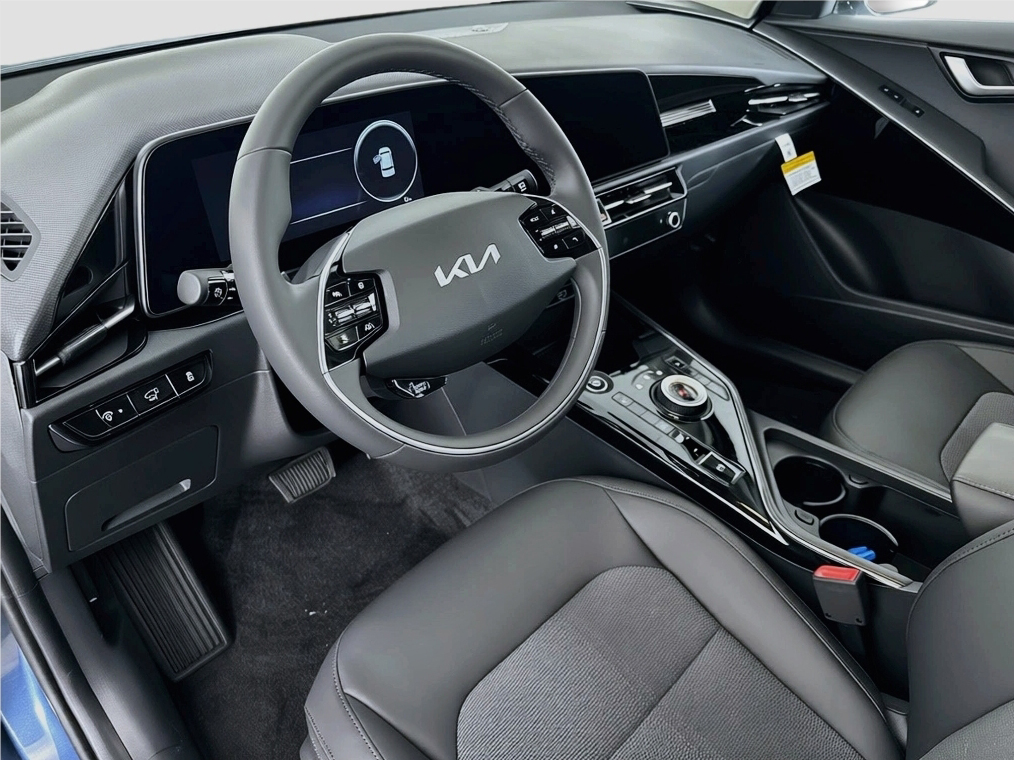
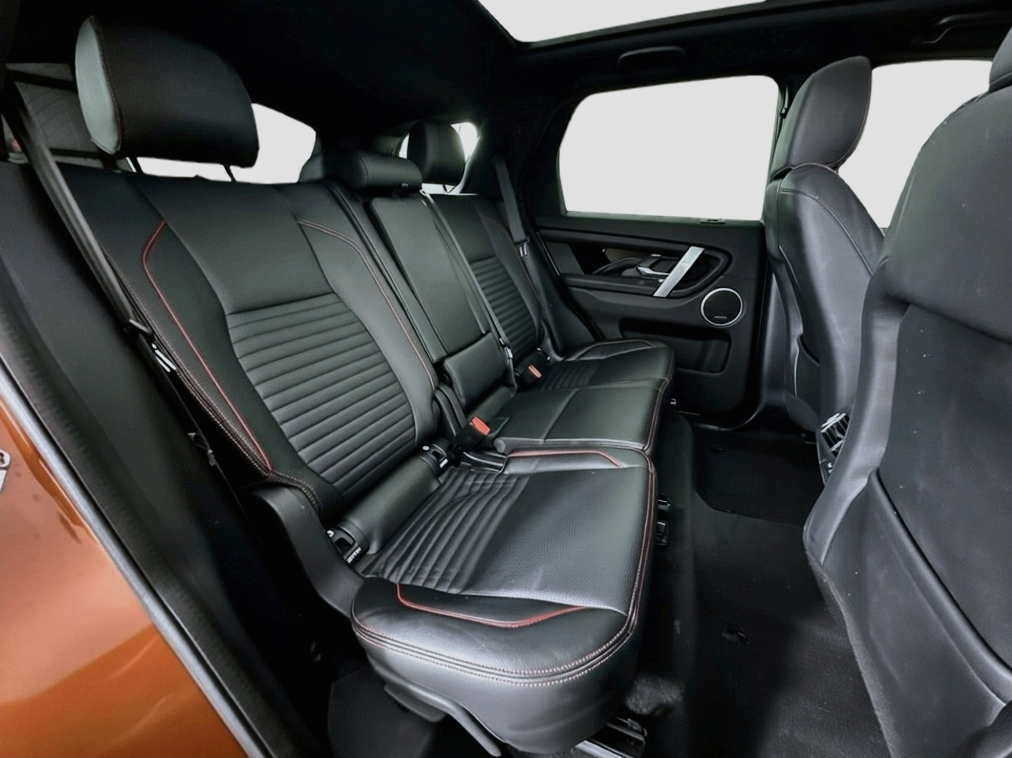
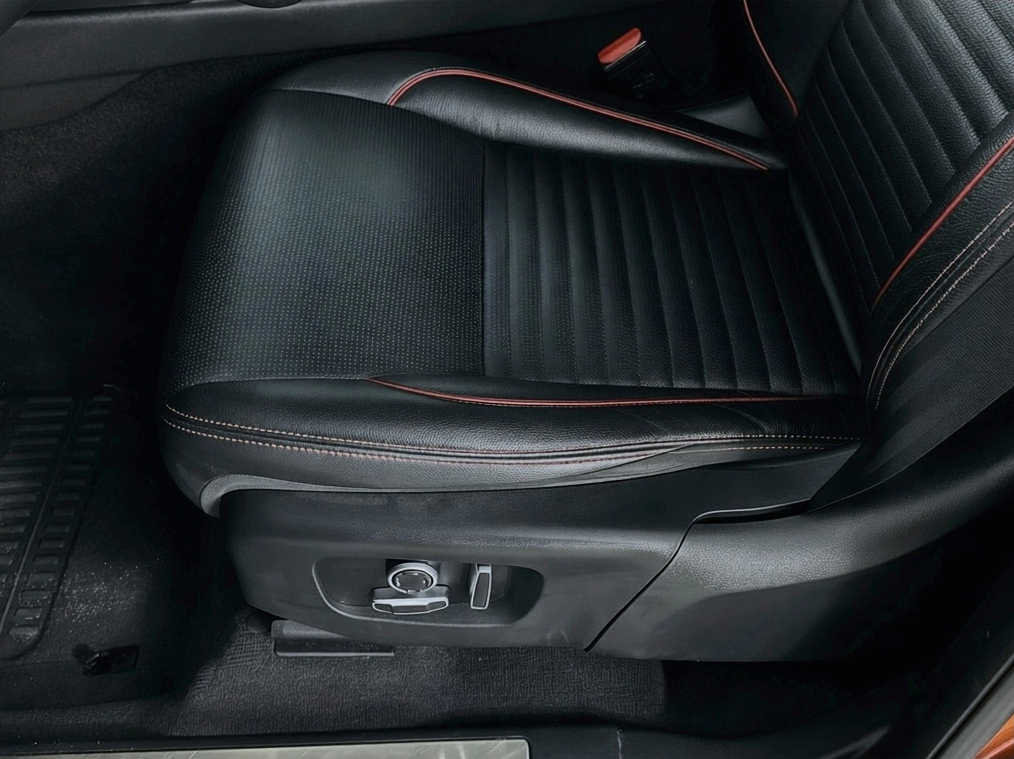
The opening photograph establishes the vehicle’s identity. Exterior angles confirm color, body style and overall condition. Wheels and body panels answer condition questions. The driver’s area, dashboard and seating show where the buyer will spend time. Rear seating, cargo space, equipment and key features complete the evaluation.
Interior and exterior 360 content should deepen that experience, not compensate for missing still photography.
When the sequence is random, the customer must search for basic answers. When the gallery is incomplete, the BDC inherits questions the photography process should have answered.
SHOOTit AI guides the operator through the dealership’s required capture sequence, organizes the actual vehicle’s images and preserves their intended order through delivery. That creates consistency across employees and inventory without asking each photographer to redesign the gallery.
Photo quality earns attention. Photo order creates understanding.
The right photograph can still be in the wrong place. A disciplined VDP sequence makes the vehicle easier to evaluate before the shopper ever contacts the dealership.
A beautiful photograph has limited value if the dealership cannot produce it consistently when the photographer is absent, the weather changes or inventory volume increases.
The real investment question is operational:
Can a detailer learn the process?
Can different employees create the same sequence?
Can the dealership photograph vehicles every day?
Do the images upload wirelessly to the selected inventory vendor?
Is support available when the process breaks?
This is where complicated photography systems become expensive. Every additional calibration, manual editing step, specialized camera requirement and handoff introduces another opportunity for delay.
360Booth controls the physical lighting environment. SHOOTit AI guides the iPhone user through positioning, framing, sequence, processing and delivery. Together, they turn vehicle photography from an individual skill into a repeatable dealership process.
The return is not limited to better-looking inventory. It comes from removing dependence on weather, inconsistent technique, outside vendors and the one employee who “knows how the camera works.”
A dealership should never buy photography equipment without first answering one question:
Can our people repeat this process every day without slowing down the path from detail to VDP?
You can’t have a high-volume store with a low-volume process.
A VDP can contain 40 photographs and still leave the shopper with basic unanswered questions.
Were the seats photographed clearly?
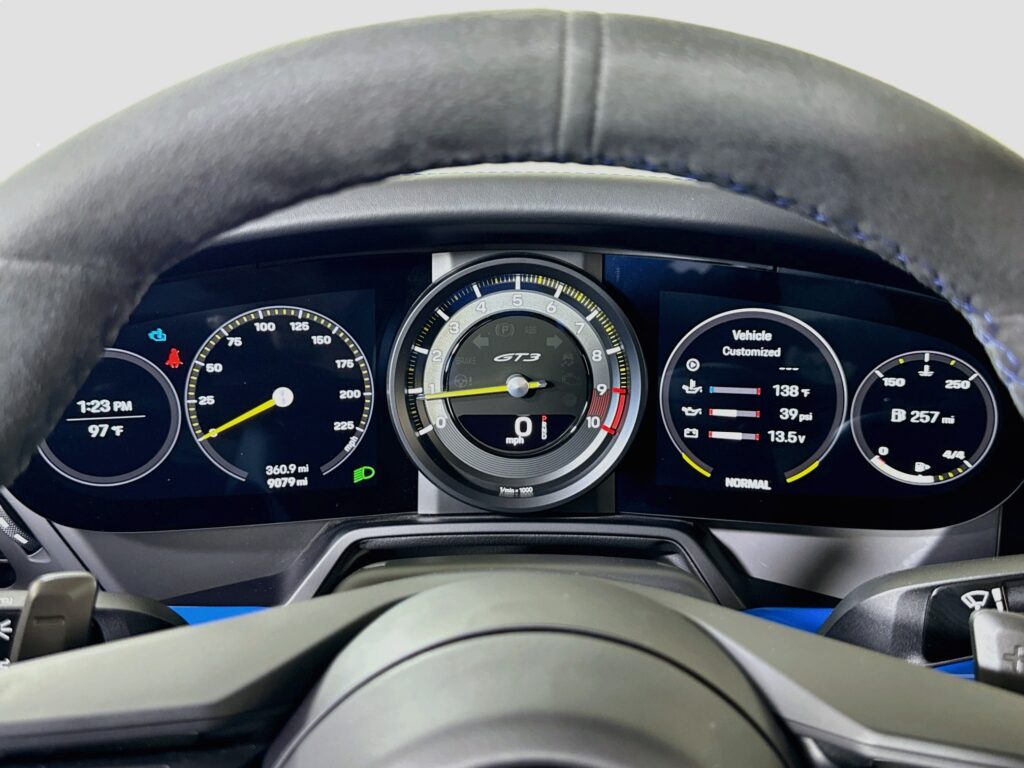
Can the customer see the dashboard, wheels, cargo area and important equipment?
Does the sequence help someone understand the vehicle, or is it simply a collection of exterior angles uploaded in no particular order?
That distinction matters to marketing and BDC teams because every missing answer can become another question the shopper must ask before deciding whether to contact the dealership.
The photography process should anticipate those questions.
SHOOTit AI guides the person holding the iPhone through a consistent capture sequence. The objective is to photograph the actual vehicle completely, organize the images properly and deliver them in an order that makes sense when they reach the VDP.
Pair that with the controlled lighting of a 360Booth and the dealership gains more than visual consistency. It gains a merchandising standard that can be repeated across employees, inventory types and rooftops.
Photo count measures volume. Photo completeness measures whether the shopper can understand the vehicle.
When your BDC opens one of your VDPs, what questions will the photographs answer before the customer ever needs to ask?
Computer vision in dealership photography should identify problems while the vehicle is still in front of the camera, not hours later after the photos reach the website.
For years, automotive dealerships have accepted an inefficient photography process. Someone photographs the vehicle, moves on to the next car, uploads the images and only later discovers a problem. Maybe an important angle was missed. A dashboard photo is blurry. The vehicle wasn’t centered correctly. An image is too dark or the photo sequence is incomplete.
Now someone has to find that vehicle again and correct the mistake.
That isn’t a photography problem. It’s a process problem.
The best time to identify a bad vehicle photo is immediately after it was taken, while the photographer is still standing next to the car.
How SHOOTit AI Uses Computer Vision During Vehicle Photography
SHOOTit AI puts intelligence at the point of capture. Using the Apple iPhone, it guides the photographer through an optimized 40+ photo process and helps standardize positioning, framing, zoom, lighting and photo sequencing.
If SHOOTit AI identifies a blurry or improperly exposed image, the photographer has the opportunity to correct it immediately. Instead of depending entirely on the experience of the person holding the camera, intelligence is built into the photography process itself.
That matters in a dealership because the person photographing inventory can change.
The experienced photographer may be off. A detailer may need to photograph cars. A new employee may have five minutes of training. The dealership’s photography standard shouldn’t disappear because a different person picked up the camera.
360Booth Controls the Environment. SHOOTit AI Controls the Capture Process.
This is where a 360Booth vehicle photo studio and SHOOTit AI work together.
360Booth provides controlled lighting and a repeatable physical photography environment. SHOOTit AI provides the intelligence that helps the person behind the iPhone consistently capture the vehicle correctly.
One controls variables around the vehicle. The other helps control variables behind the camera.
The result is a repeatable automotive merchandising process that doesn’t depend on weather, changing sunlight or one highly experienced photographer being available.
Our team has more than 50 years of combined automotive photography experience. We’ve learned that better dealership photography isn’t simply about buying a better camera. It’s about removing opportunities for mistakes throughout the entire process.
The Dealership Camera Has Changed
A dealership camera shouldn’t simply document inventory anymore. It should help manage the process.
Was the vehicle photographed correctly? Were the required images captured? Were quality problems identified? Were mistakes corrected before the employee walked away?
That’s practical artificial intelligence.
The objective isn’t to manufacture a different version of the vehicle afterward. It’s to use AI and computer vision to help capture the actual vehicle correctly the first time.
That distinction is becoming increasingly important as automotive retail adopts more AI-generated and synthetic imagery.
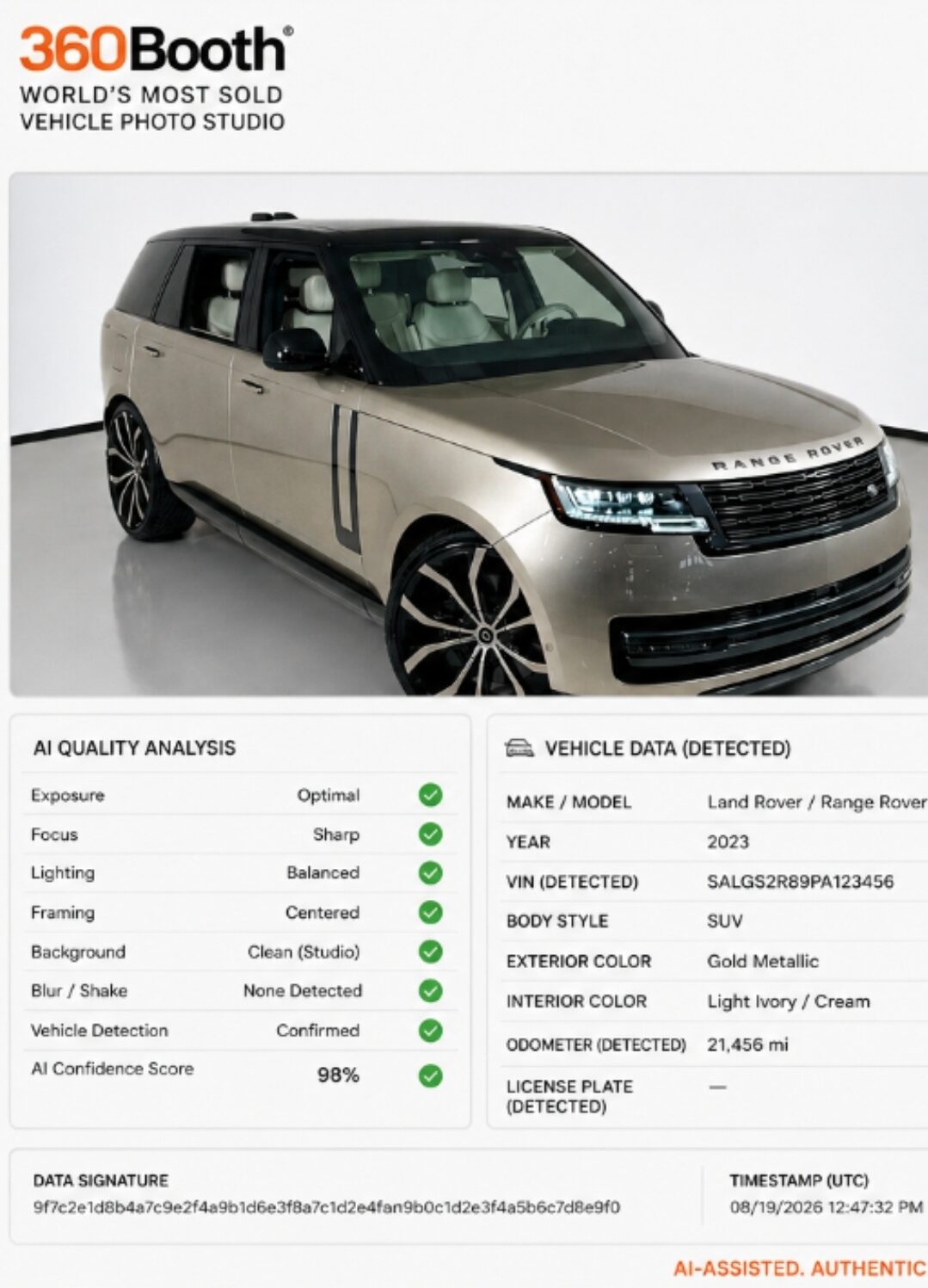
SHOOTit AI uses intelligence to improve authentic vehicle photography at capture. Pair it with the controlled environment of a 360Booth and dealerships can create professional, consistent photography of the actual vehicle while reducing the human errors that traditionally create retakes and delays.
Better technology shouldn’t create more work after the photograph. It should prevent that work from becoming necessary in the first place. That’s the difference between correcting quality and controlling quality.
The breakthrough in dealership photography isn’t taking a prettier picture. It’s knowing the picture is right before the photographer walks away.
That technology isn’t coming someday. It’s available today with SHOOTit AI.
Traditional dealership photography depends heavily on the person holding the camera. One employee understands lighting and framing. Another forgets important angles. Someone else takes a blurry dashboard photo or shoots a vehicle too dark.
The mistake often isn’t discovered until the images reach the Vehicle Detail Page (VDP). Now the dealership has to find the vehicle, move it back to the photography area and shoot it again. That’s wasted time.
How Does SHOOTit AI Improve Dealership Vehicle Photography?
SHOOTit AI turns the Apple iPhone into an intelligent automotive photography tool. The system guides the photographer through an optimized sequence around the vehicle, helping a dealership capture 40+ consistent vehicle photos efficiently.
SHOOTit AI helps standardize vehicle positioning, framing, zoom, lighting and photo sequencing. It can identify problems such as blurry or poorly exposed images while the photographer is still with the vehicle, giving the employee an opportunity to correct the photograph immediately.
The objective isn’t to turn every dealership employee into a professional photographer. It’s to put decades of automotive photography knowledge into the process they’re following. That means a porter, detailer or new employee can follow the same standardized workflow instead of inventing their own photography process.
Why Combine SHOOTit AI With a 360Booth Vehicle Photo Studio?
This is where the combination becomes powerful. 360Booth controls the physical environment. SHOOTit AI controls and monitors the capture process.
A 360Booth provides consistent studio lighting and a repeatable environment regardless of weather, changing sunlight or outdoor distractions.
SHOOTit AI adds the intelligence needed to guide the person holding the camera and maintain the dealership’s photography standard.
Together, they address two major sources of inconsistent automotive photography: The environment and human error.
Can AI Reduce Vehicle Photography Retakes?
Yes—that’s one of the most important benefits of intelligent capture.
The best time to discover a bad photograph isn’t after the vehicle has been uploaded. It’s instantly after the photograph was taken.
If the system identifies a blurry or improperly exposed image while the photographer is standing next to the vehicle, correcting it takes seconds. Discovering the same problem hours later creates another workflow. That’s the difference between quality correction and quality prevention.
Automotive Experience Matters
SHOOTit AI wasn’t created simply by teaching software how a camera works. Behind 360Booth and SHOOTit AI is a team with more than 50 years of combined automotive photography experience.
That experience matters because dealership photography isn’t simply about exposure and focus. It’s understanding which images customers need, the sequence in which vehicles should be photographed, how dealerships actually operate and how to move inventory from retail ready to professionally merchandised as efficiently as possible.
Technology alone doesn’t understand a dealership. Experience teaches the technology what matters.
AI Automotive Photography Is Already Here
Dealers don’t need to wait for the future of AI vehicle photography. SHOOTit AI already uses intelligence to help dealerships standardize capture, reduce mistakes and create consistent vehicle imagery. Combine it with the controlled environment of a 360Booth and dealerships gain something much more valuable than another camera: A repeatable automotive merchandising process.
Better lighting. Better consistency. Fewer mistakes. Faster corrections. Professional photography of the actual vehicle.
And most importantly, less dependence on whether the person holding the iPhone happens to be an experienced photographer. That’s what practical AI should accomplish.
It shouldn’t replace the photographer. It should make the photographer.
We spend a lot of time talking about image quality in automotive retail: resolution, lighting, backgrounds, angles and consistency. But there’s another measurement I think matters more. The inspection value.
Can the customer actually use your photographs to inspect the vehicle?
Can they clearly see the wheels, tires, paint, seats, dashboard, cargo area, options and condition?
Can they understand what they’re buying before they ever walk into the dealership?
REMEMBER.. every photo should tell a story visually.
That’s where I think some of the obsession with AI-perfect imagery misses the point. A beautiful artificial background might make the advertisement cleaner, but it doesn’t necessarily give the shopper more information about the car.
The next generation of automotive photography should be measured by how much uncertainty it removes.
That’s one reason we’ve focused SHOOTit AI on guiding the person holding the camera toward the right photographs, in the right sequence, while 360Booth creates the controlled environment around the actual vehicle.
The goal isn’t simply to make inventory look good. The goal is to help a customer inspect a $40,000 vehicle from their couch with confidence.
Maybe dealerships should stop asking, “How beautiful are our photos?” and start asking, “How much can a customer learn from them?”