Direct answer: To a lot of used-car shoppers, it already does. A Cazoo survey of 2,025 UK used-car buyers, reported by Car Dealer Magazine on October 22, 2026, found only 35.5% trust used-car dealers, and 68% named hidden faults or undisclosed damage as their biggest concern. Separately, a Bumper.com survey of 2,011 people found 48% of buyers who ran into problems felt the seller hadn’t fully disclosed known issues. When shoppers expect you to hide something, a gallery that skips the flaws looks like proof.
What are used-car buyers most afraid of?
According to the Cazoo study reported by Car Dealer Magazine:
68% said hidden faults or undisclosed damage were their top concern
45% worried about unclear vehicle history
41% worried about being overcharged
Only 35.5% said they trust used-car dealers; 48% were neutral and 16.5% said they don’t trust them
54% expect friction or difficult negotiations before a sale is even agreed
Those are UK buyers. Bumper’s numbers rhyme anyway. In Bumper.com’s April 2026 survey, reported by CDG News, 58% of affected buyers had problems within three months, 48% felt the seller hadn’t fully disclosed known issues, and the buyers in the survey split almost evenly between private sellers (51%) and dealerships (49%).
What if your photos had to prove you weren’t hiding anything?
Here’s the what-if. Picture a shopper who already assumes the worst, scrolling your listing.
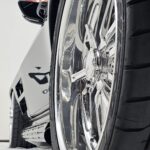
Twelve beauty shots, all from the clean side. No wheel close-ups. No driver’s seat bolster. No shot of the rear bumper. You know that bumper has a scuff. Now the shopper is guessing, and a shopper who’s guessing assumes the worst. (See Which Detail Photos Do Car Shoppers Actually Want?)
Bumper’s consumer advocate Erin Kemp told CDG News that dealers should “be specific with their customers about any problems they found during inspections and initiate the conversation so buyers don’t feel like any information is being hidden from them.” Photos are the first place that conversation starts.
The Dealer Wake-Up Call
Shoppers aren’t grading your photos on beauty. They’re grading them on honesty. Six glamour shots and no close-up of the curb rash isn’t a listing. It’s an alibi.
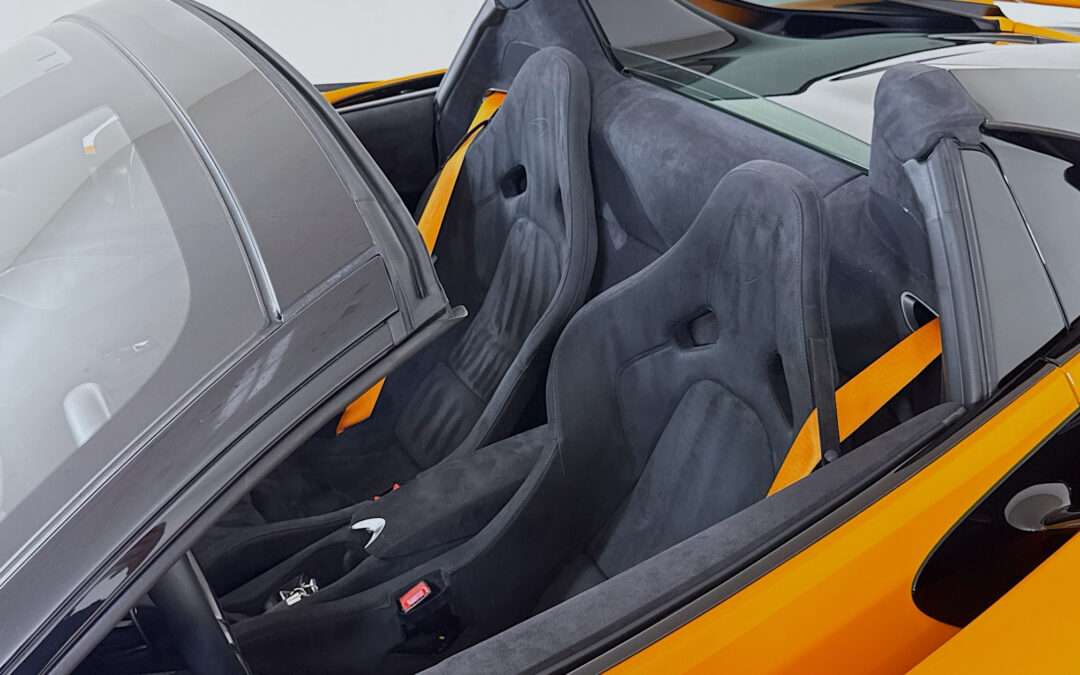
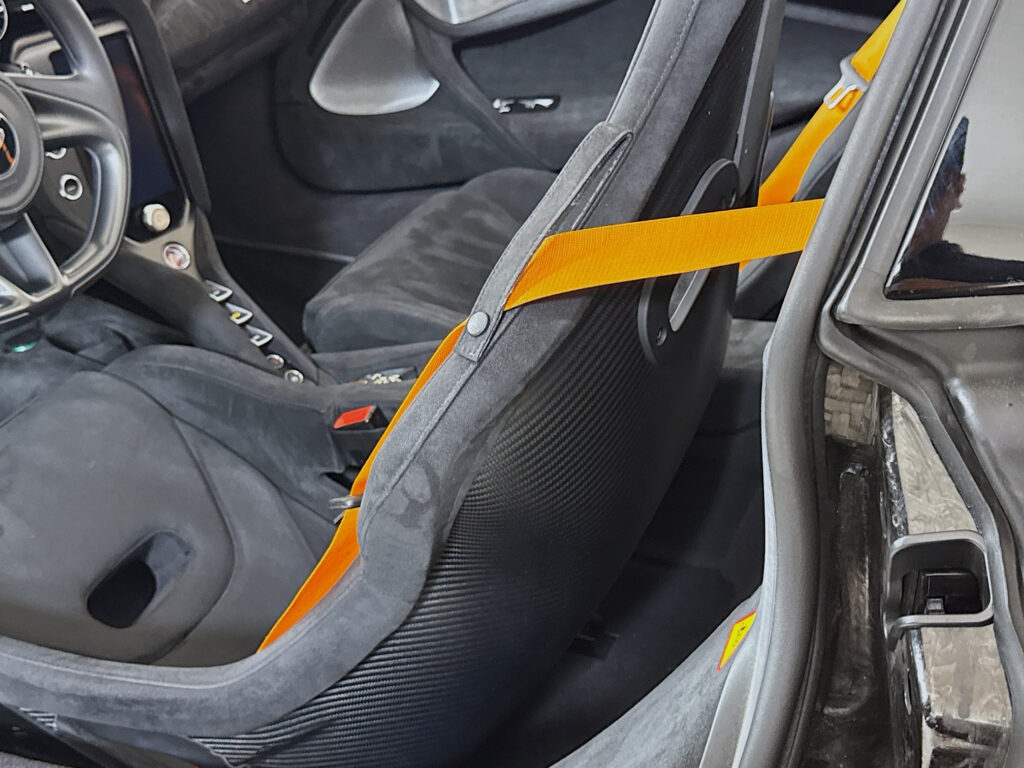
Let’s be brutally honest about the limits, too. Photos can’t show a slipping transmission, and engine and transmission problems made up 58% of the issues in Bumper’s survey. That’s what vehicle history reports and inspections are for, and Cazoo’s buyers ranked full history reports (61%) and independent inspections or warranties (42%) as top trust builders. But paint, wheels, glass, seats and wear are visible, so there’s no excuse for leaving them out of the gallery. (See Should Dealership AI Remove Scratches and Wear From Used Car Photos?)
That’s the Evidence Booth
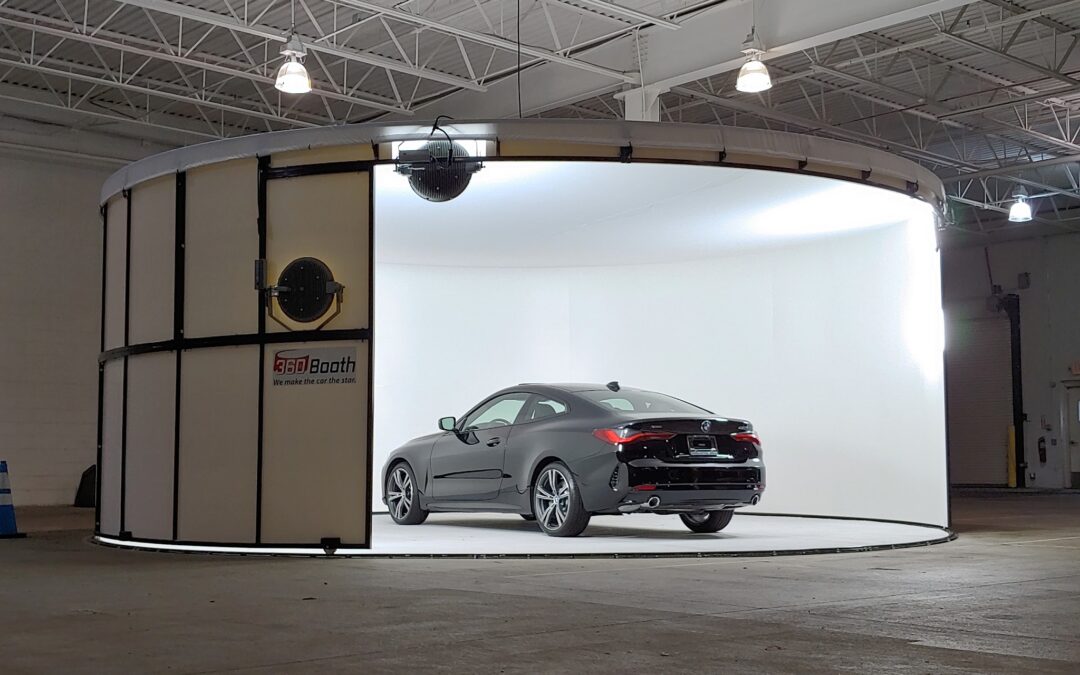
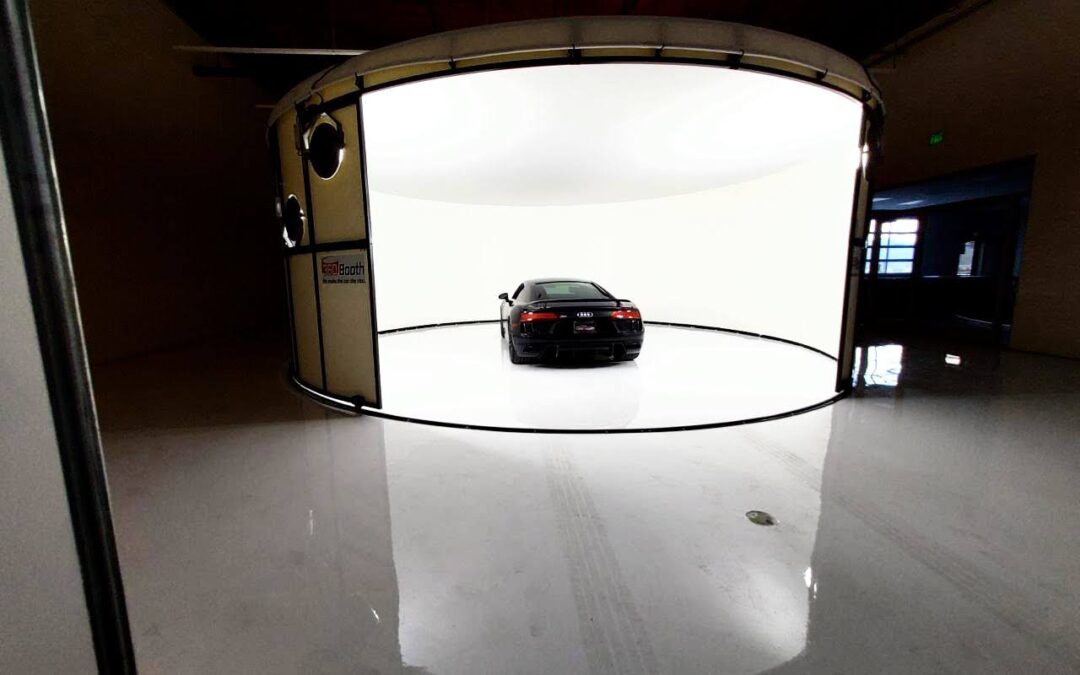
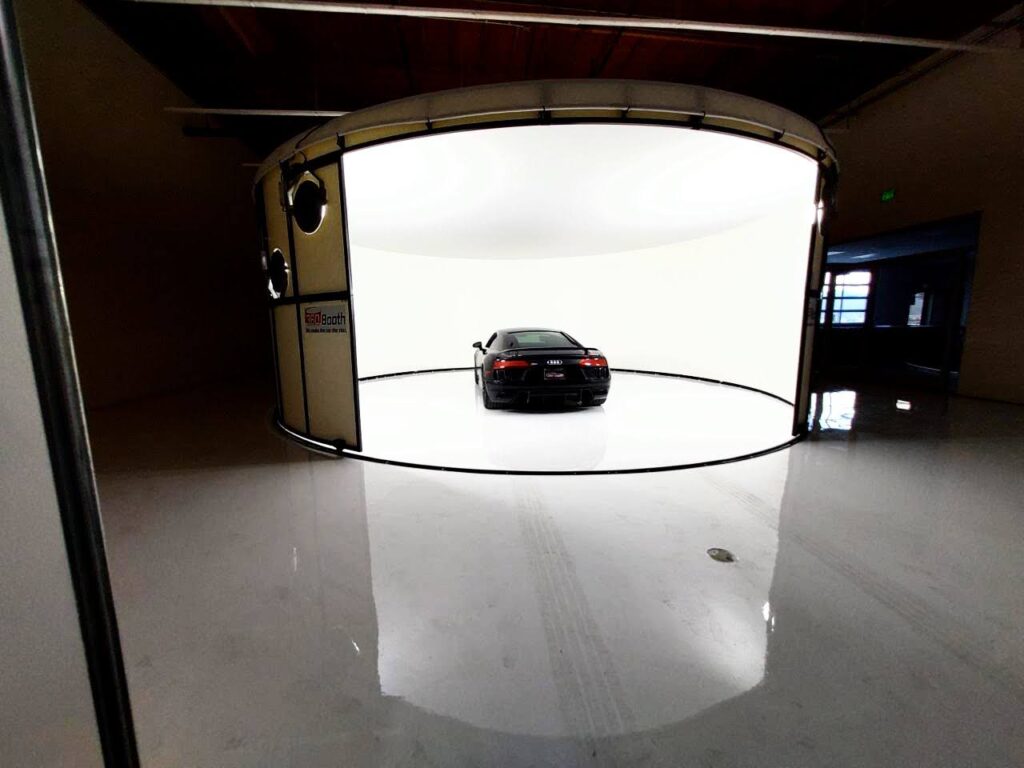
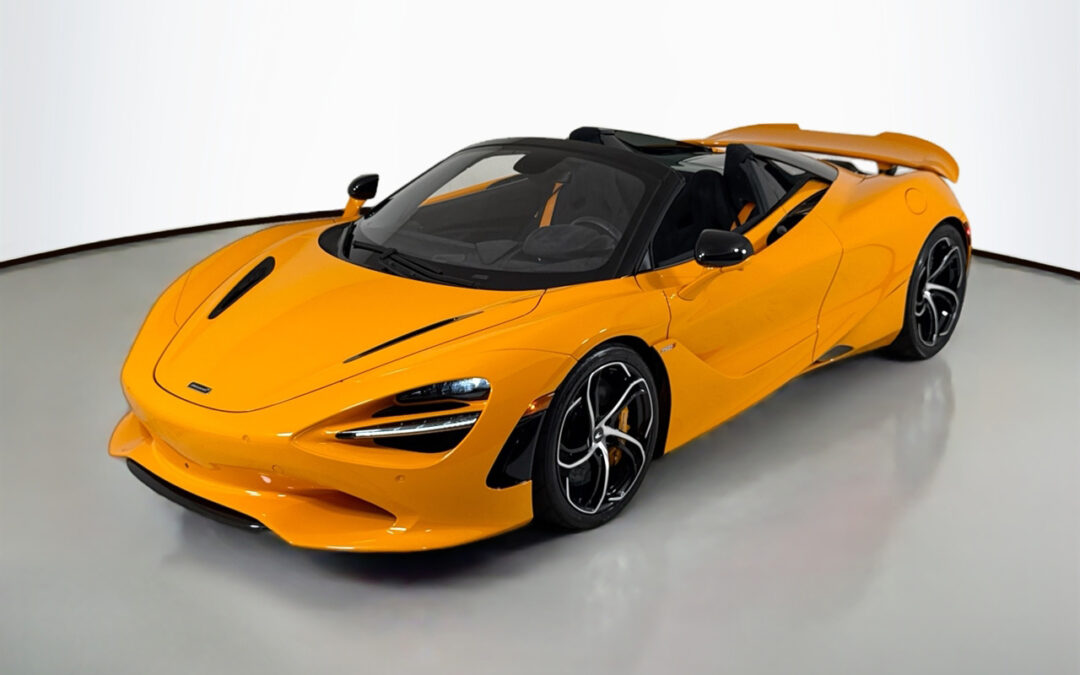
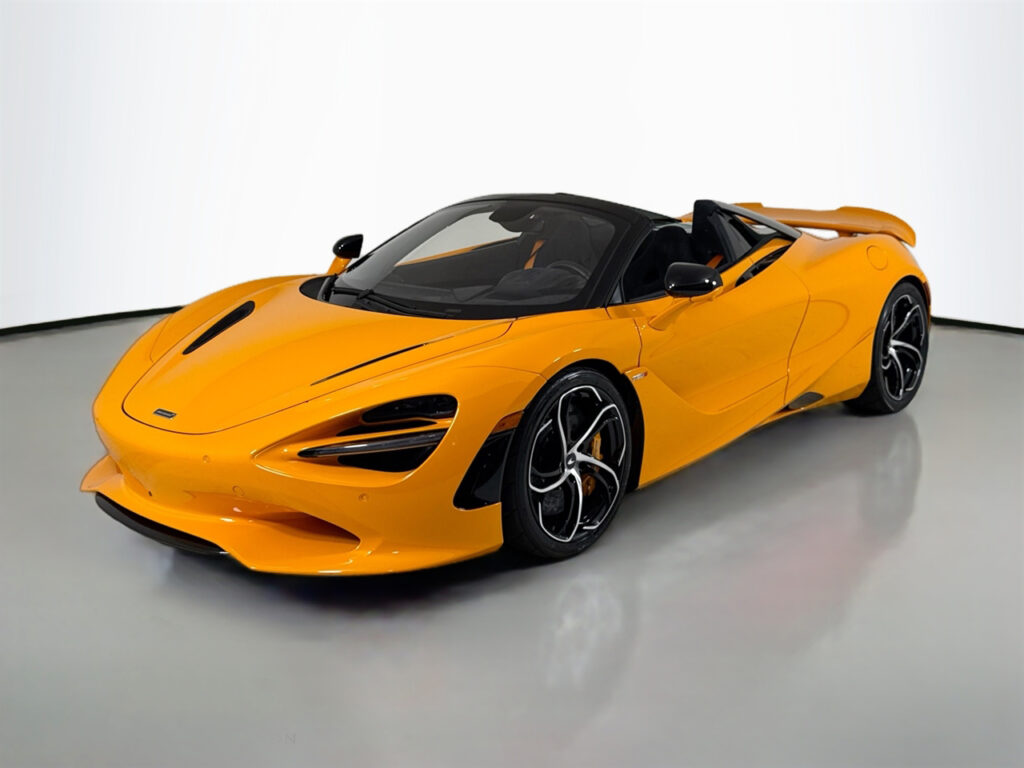
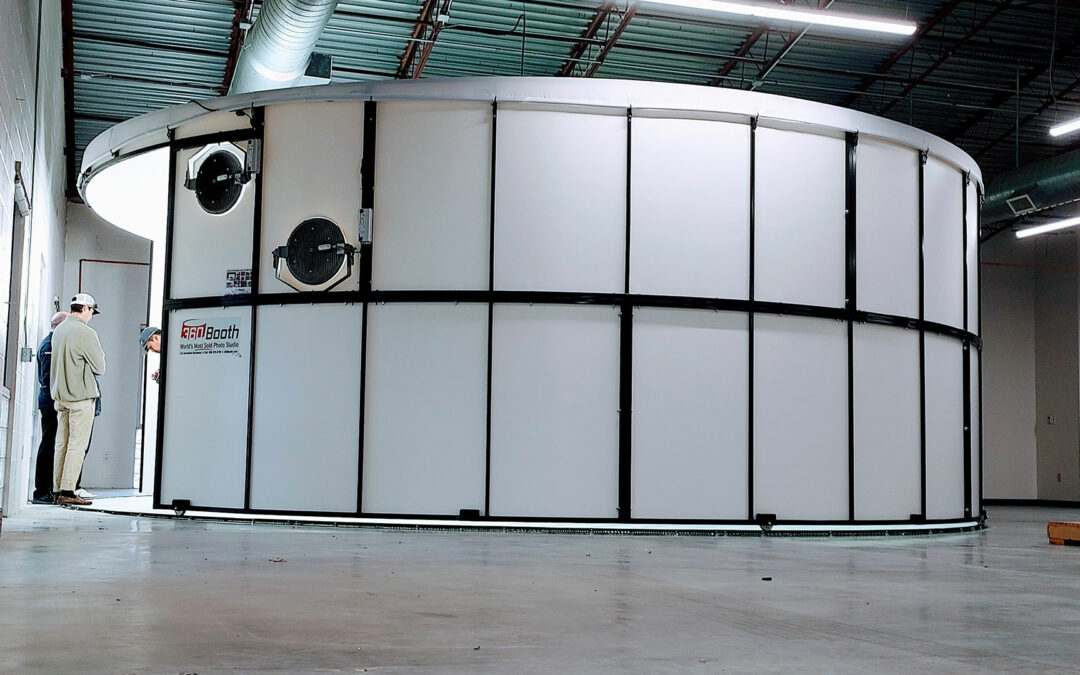
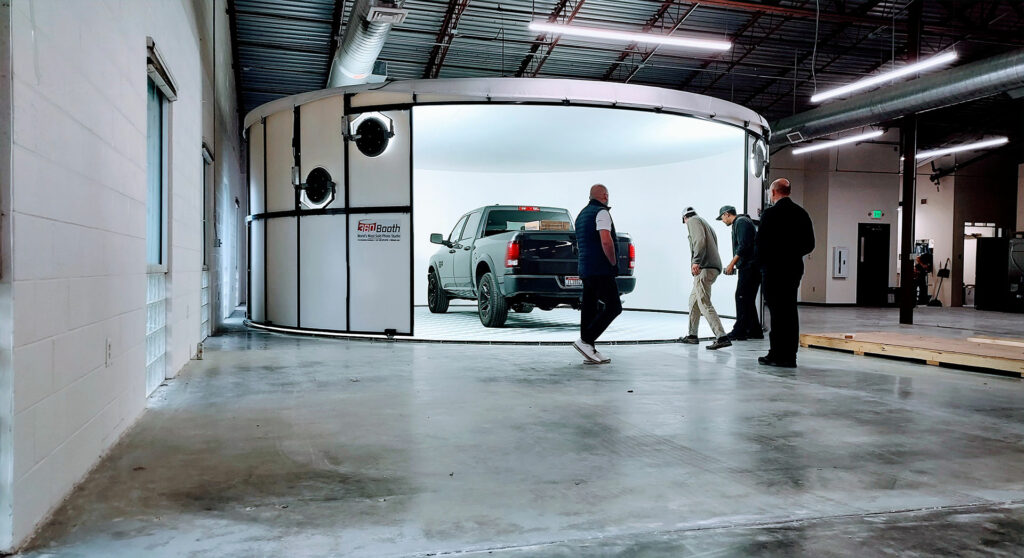
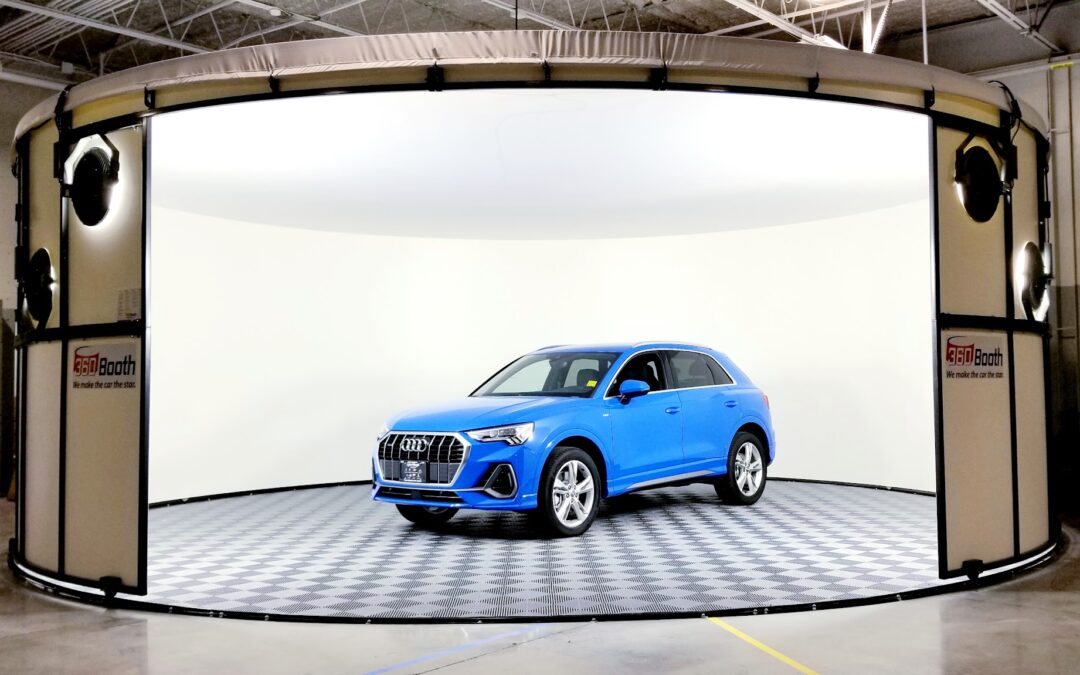
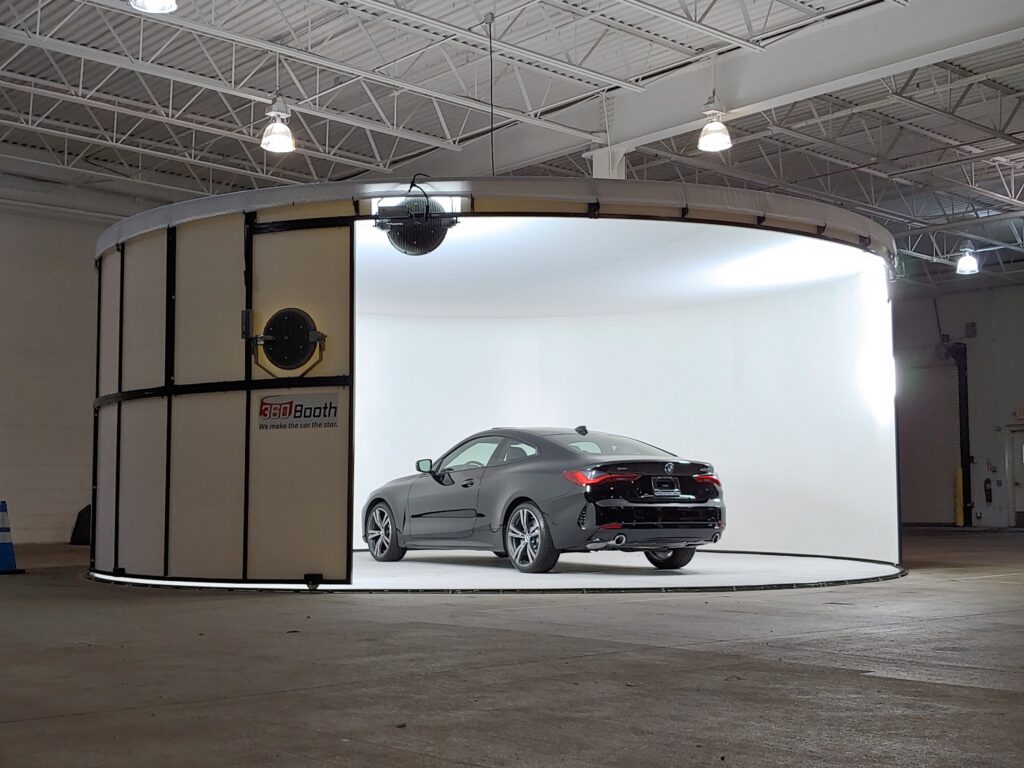
A 360Booth vehicle photo studio moves the walls and lighting around the real, stationary car, so the light is controlled and the wear shows exactly as it is. Nothing gets painted over or rebuilt. SHOOTit AI starts with the VIN, guides the dealership’s 40+ image sequence on iPhone, and flags dark, blurry or poorly centered frames for a reshoot before anyone walks away. That’s Authentic Capture™: the car the buyer drives home is the car they saw online. (See Why Must Dealership Photos Match the Vehicle Customers See Online?)
Your homework: find the worst cosmetic flaw on your next frontline car. Then open the listing. Is it in the photos?
Many don’t. In a Cazoo survey of 2,025 UK used-car buyers reported in October 2026, only 35.5% said they trust used-car dealers, 48% were neutral and 16.5% said they don’t trust them.
What is the biggest worry when buying a used car?
In the same Cazoo survey, 68% of buyers named hidden faults or undisclosed damage as their top concern, ahead of unclear vehicle history (45%) and being overcharged (41%).
Should dealers show damage in used-car listing photos?
Showing known cosmetic wear builds trust. Bumper’s Erin Kemp advised dealers to be specific about problems found during inspection and to start the conversation so buyers don’t feel information is being hidden.
Can photos prove a used car has no problems?
No. Photos show cosmetic condition like paint, wheels and interior wear. Mechanical issues need a vehicle history report and an inspection. Clear, complete photos and honest disclosure work together.
Do I need a 360Booth studio to use SHOOTit AI?
No. SHOOTit AI runs on an iPhone and can guide capture anywhere. Paired with a 360Booth vehicle photo studio, the lighting and background are controlled as well.
Autoexact has been looking at dealer inventory photos since June 1997. Lots, studios, phones, DSLRs, every kind of setup. And the mistakes that cost dealers the most attention are rarely about the camera.
They’re small. They’re repeated on car after car. And most stores don’t realize they’re making them until a shopper does.
Here are the three dealer photo mistakes buyers notice most, and how to fix each one.
Mistake 1: A warning light glowing in the dash photo
The engine light or service light is lit in the instrument cluster shot. Shoppers zoom in on the dash to check the mileage. They see the light, assume the car has a problem and move on to the next listing.
Most of the time, the car is fine. When the key turns on, many warning lights glow briefly as a self-check and then go out once the engine is running. The photo just caught that moment.
The fix: Start the engine and let the cluster settle before you take the dash shot. If a light stays on after the engine is running, that isn’t a photo problem. Send the car back to service before it’s listed. Never frame a real warning light out of the shot. The buyer will find it on the test drive, and the trust is gone.
Mistake 2: Every car shot from a different distance
One car fills the frame. The next one is small, with half the lot around it. On its own, each photo looks fine. Side by side on your search results page, your inventory looks messy. Shoppers judge the whole store by that row of thumbnails.
The fix: Mark the spot on the ground. Same distance, same camera height, same order of shots, every car.
Better still, take the guesswork away. A 360Booth vehicle photo studio gives every car the same room, the same light and the same background. The SHOOTit AI smart camera gives every employee the same prompts and the same angles, so a new porter shoots the way your best shooter does.
Mistake 3: The side shot that never got taken
The car is already parked back on the lot when someone notices the passenger side is missing. Now it’s a reshoot: find the keys, pull the car back out, maybe wash it again. That walking back and forth is why vehicle photography is slow when the process is sloppy.
The big marketplaces are watching for this too. In the UK, Autotrader’s Co-Driver tools use AI image recognition to sort each dealer’s photos by view and flag missing imagery. Autotrader’s own research found that buyers spend almost twice as much time with vehicles that have the greatest variety of images, and it suggests at least 20 photos per advert.
The fix: Shoot the full set every time, even when it feels like one too many. As a minimum:
A warning light, a wrong distance and a missing angle all look the same at 12 megapixels or 200. More pixels don’t fix a missed shot. A process does.
That’s what SHOOTit AI was built for. It walks the employee through 40+ photos in order, tells them what to shoot next and flags blur, glare, crooked wheels, trash and dark images while they’re still standing at the car. That’s fixing the photo at the shutter, not finding the mistake after the car is gone. It’s the same idea behind catching mistakes before they reach the VDP.
A 10-minute audit you can run today
Pull up your last 20 listings side by side and check three things:
Dash photos. How many show a warning light? Zoom in like a buyer would.
Distance. Do the cars fill the frame the same way, or does every one look different?
Missing angles. Count the listings missing a side, a corner, the rear seats or the engine bay.
If any of the three come up more than once, the problem isn’t your camera. It’s your process. And that’s the easiest kind of problem to fix.
FAQ
What are the most common dealer photo mistakes?
Three of the most common are a warning light glowing in the dash photo, shooting every car from a different distance, and missing key angles such as a side profile, a corner, the rear seats or the engine bay. None of them are caused by the camera. They’re caused by an inconsistent process.
Why do warning lights show up in dealership dash photos?
Many warning lights glow briefly as a self-check when the key turns on, then go out once the engine is running. Start the engine and let the cluster settle before the dash shot. If a light stays on, send the car back to service before it’s listed rather than hiding it.
How many photos should a used car listing have?
In the UK, Autotrader suggests at least 20 photos per advert. SHOOTit AI guides dealership employees through 40+ photos, covering every exterior angle, the interior, the trunk, the engine bay and detail shots.
How do dealers keep vehicle photos consistent?
Shoot every car from the same distance, at the same height, in the same order. A 360Booth vehicle photo studio keeps the room, light and background the same for every car, and SHOOTit AI gives every employee the same prompts and angles.
Does a better camera fix dealership vehicle photos?
No. A warning light, an inconsistent distance or a missing angle looks the same at any resolution. Better photos come from a repeatable process that catches mistakes while the employee is still at the car.
It’s budget season. GMs are looking at the photography line and asking a fair question: should we shoot inventory ourselves, or pay a vendor to come shoot it for us?
The usual answer goes like this. Shoot in-house if you have a trained photographer who owns the job. Outsource if volume swings or if turnover means you’re always retraining someone. Some advice even admits the real secret of in-house success: the software carries the consistency.
Read that last part again. If the software carries the consistency, why are you paying someone to drive to your lot?
We ran the vendor model. That’s why we built something better.
Autoexact started photographing dealer lots in June 1997, five days a week, and went on to service thousands of stores. We know the outsourced model from the inside: the routes, the schedules, the cars that weren’t ready when the photographer arrived, and the photographers who left and had to be replaced.
That experience is exactly why we built SHOOTit AI. We took decades of knowing which angles sell a car and which mistakes get photos rejected, and put it inside the app. The full story is in our timeline from 1997 to today.
Turnover doesn’t go away when you outsource. You just stop seeing it.
The standard case for outsourcing says it fits stores where turnover means constant retraining. But lot photography is a field job, and field jobs turn over too. When you outsource, the retraining still happens. It just happens at the vendor, and you find out when a new face shows up and the photos look different.
SHOOTit AI removes turnover from the equation. The app tells the employee where to stand, what to frame and when to move to the next shot. A new porter or detailer follows the prompts and produces the same photos on their first day as your best shooter did on their hundredth. Your photography process stops depending on one person, inside your store or outside it.
All you need is a human to hold the camera
The old checklist for in-house photography says one person has to own it, with photography in their job description and a trained backup. That made sense when the shooter had to know photography. It doesn’t anymore.
Recon-to-live time: the vendor’s own metric works against them
Good advice tells GMs to measure the time between recon complete and photos live on the VDP. We agree. It’s the right number. And it’s the number a vendor can’t win.
A vendor shoots on their route, not on your recon schedule. A car that’s finished an hour after the photographer leaves waits for the next visit, picking up dust and fingerprints along the way. In-house, the detailer who washed the car shoots it. On average Wi-Fi, the photos reach Autoexact in about 50 seconds, and Autoexact sends them on to vAuto and other vendors through its 300+ custom data feeds.
Cost per car only goes one direction with a vendor
Cost per car is the right place to start. A vendor charges on every unit, every month, for as long as you’re a customer. When volume goes up, the invoice goes up with it.
In-house, the tools are a fixed investment and the labor is someone already on your payroll. Every additional car you shoot lowers your cost per car.
One standard across every rooftop, without a vendor
Groups often outsource to get the same look at every store. SHOOTit AI gives every rooftop the same prompts, the same angles and the same checks, so a dealer group can run one photo standard across every location. Pair it with a 360Booth vehicle photo studio and you also control the light, the background and the weather, with real photos of the real car.
The three numbers, revisited
Run the same three numbers everyone recommends:
Cost per car over the last 12 months. Compare a per-unit vendor fee that never ends with tools you own and staff you already have.
Hours from recon complete to photos live on your last 20 units. Count how many waited for the vendor’s next visit.
How consistent those 20 listings look side by side. Then ask what happens to that consistency the next time the vendor’s photographer quits.
The vendor model was built for a time when the person holding the camera had to be a photographer. That time is over. With SHOOTit AI, the photographer is in the app, and your car gets shot the minute it’s ready.
FAQ
Should a dealership outsource vehicle photography or shoot in-house?
With SHOOTit AI, shooting in-house makes more sense for most stores. The app guides any employee through the shots, so the store doesn’t need a trained photographer or a vendor visit, and cars get shot as soon as recon is finished.
Does employee turnover make in-house dealership photography harder?
Not with SHOOTit AI. The training lives in the app, which tells the employee where to stand, what to frame and when to move on. A new hire can follow the prompts and produce consistent photos on day one.
Who takes the photos when a dealership uses SHOOTit AI?
Any employee, often the detailer or porter who just finished the car. They pick up a dedicated dealership iPhone, follow the prompts and hit save.
How fast do in-house photos reach the VDP with SHOOTit AI?
On average Wi-Fi, photos reach Autoexact in about 50 seconds after the employee hits save. Autoexact then sends them to vAuto and other vendors through its 300+ custom data feeds.
Can a dealer group keep photos consistent across stores without a vendor?
Yes. SHOOTit AI gives every rooftop the same prompts, angles and quality checks, so a dealer group can run one photo standard across every location.
Vendors love footprint numbers. Some count drive-through tunnels. Those tunnels can put images on your VDP, but the cameras catch the car in motion and the raw captures come out distorted. Re-rendering software then rebuilds most of the car for the few images that get posted. That’s a reconstruction of your car, not a photograph of it.
When the question is who photographs real dealer inventory, here is our number: more than 1,700 360Booth studios in all 50 states and six countries.
Here’s what that footprint means for your store.
1. 1,700+ Studios Didn’t Happen Overnight
Autoexact started shooting dealer lots in June 1997. The 360Booth design was finished in 2012. The patent was filed in 2014 and granted in 2015. We are in our 13th year with the same manufacturing team. Our in-house computer vision team started building SHOOTit AI in late 2019. Today there are 360Booth studios in every one of the 50 states.
A drive-through tunnel shoots the car through fixed cameras while it rolls past. The angles are distorted, so software has to rebuild most of the vehicle before anything reaches your VDP. What the shopper sees is a rendering.
A 360Booth photo is the camera’s capture of the real car under controlled light. Nothing gets rebuilt. The paint, the wheels and the wear are the ones on the car.
3. No Motor. No Turntable. No Waiting on a Repair Tech.
A 1,700-studio footprint is only possible with equipment that keeps working in a real dealership.
Motorized turntables and rotating platforms depend on motors, gearboxes, sensors and control boards. When one of them fails, photography stops. Inventory backs up while the store waits days or weeks for parts or a service technician.
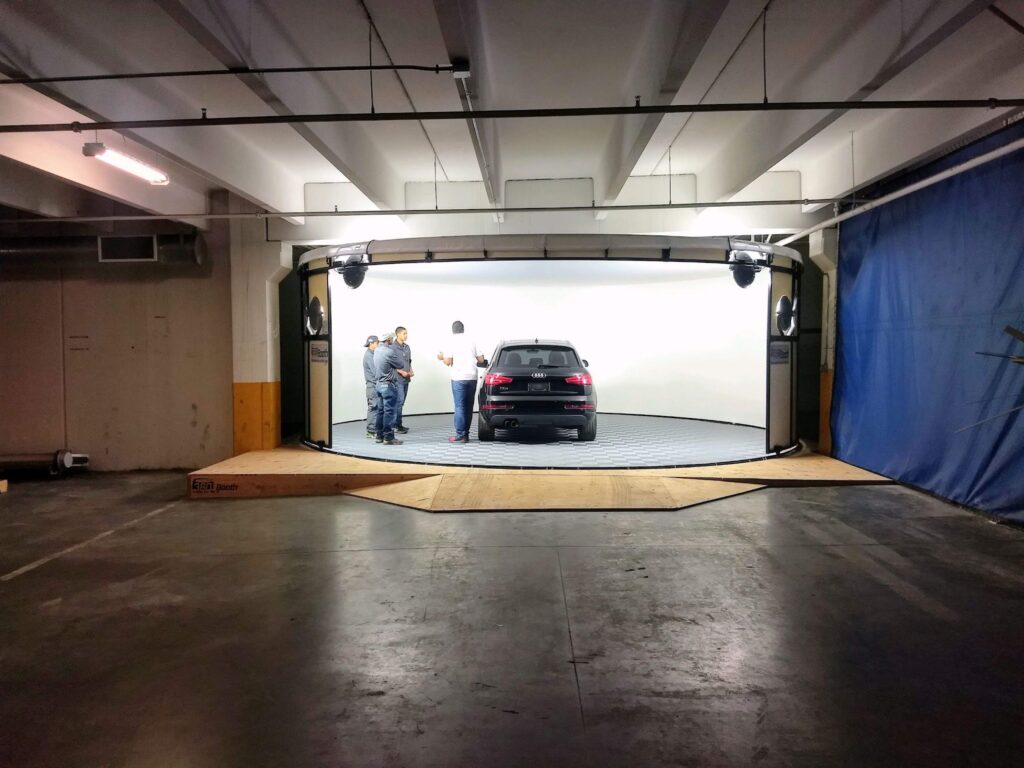
360Booth was designed without a motor or a turntable. The vehicle stays still. The studio walls, background and lighting move around it by hand on a stationary track with V-groove wheels, using roughly 20 to 30 pounds of pushing force.
No offshore editing queue. No replacement backdrop pasted behind a car shot on the lot. No software rebuilding the parts a camera missed. The studio controls the light before the shutter clicks, so the photo shows the car the buyer will drive home. More in Your Car Doesn’t Need a Filter. It Needs a Room.
Four Questions to Ask Any Vendor
How much of the car in your VDP images was photographed, and how much was rebuilt by software?
What happens to my photo department when your motor fails?
1,700+ studios. All 50 states. Six countries. No motors. No excuses. 360Booth Authentic Capture™.
FAQ
How many 360Booth studios are installed?
More than 1,700 360Booth vehicle photo studios operate in all 50 U.S. states and six countries.
Does 360Booth use motors or a turntable?
No. The vehicle stays still while the studio walls, background and lighting move around it by hand on a stationary track with V-groove wheels.
How fast can 360Booth capture a vehicle?
In automation mode, 360Booth can shoot the still photos plus exterior and interior 360s in 1 minute 20 seconds.
How fast do the photos reach the data feed?
On average Wi-Fi, SHOOTit AI photos reach Autoexact in about 50 seconds after the employee hits save. Autoexact sends them to vAuto and other vendors every other hour.
Are drive-through tunnel images the same as studio photos?
No. Tunnel cameras capture the car in motion at distorted angles, then software rebuilds most of the vehicle for the few images posted to the VDP. A 360Booth studio photographs the real car under controlled light, with nothing rebuilt.
When was 360Booth patented?
The patent was filed in 2014 and granted to 360Booth in 2015. The full timeline is in Dates Don’t Lie.
The cleanest a car will ever be is the minute the detailer finishes it. Most dealerships waste that minute. The car sits waiting for a photographer, a booth slot or a lot service, and picks up dust, water spots and fingerprints while it waits.
SHOOTit AI changes who takes the photos and when. The detailer who just washed the car picks up the iPhone, follows the prompts and hits save. On average Wi-Fi, the photos are in Autoexact in about 50 seconds. From there, Autoexact sends them to vAuto and other vendors every other hour.
29 years of lot photography, inside the app
Autoexact started photographing dealer lots in June 1997, five days a week, and went on to service thousands of stores. That is 29 years of knowing which angles sell a car, which mistakes get photos rejected and what buyers look for on a vehicle details page.
We put that knowledge into a knowledge base on the Apple platform. Then our in-house computer vision team, led by a PhD scientist, added professional photographer commands on top of it. The detailer doesn’t need to know photography. The app does. Read more on what gives SHOOTit AI its intelligence and the full timeline from 1997 to today.
Follow the prompts. SHOOTit AI tells them where to stand, what to frame and when to move to the next shot.
Hit save. On average Wi-Fi, the photos reach Autoexact in about 50 seconds. Autoexact sends them to vAuto and other vendors every other hour through its 300+ custom data feeds.
Can a detailer take dealership vehicle photos without photography training?
Yes. SHOOTit AI gives on-screen prompts built from 29 years of Autoexact lot photography experience and professional photographer commands. The detailer follows the prompts and hits save.
How fast do SHOOTit AI photos reach the dealership's inventory?
On average Wi-Fi, the photos reach Autoexact in about 50 seconds after the detailer hits save. Autoexact then sends them to vAuto and other vendors every other hour.
No. SHOOTit AI captures real photos of the real car and flags problems like crooked wheels, glare, blur and trash while the employee is still at the car.
Direct answer: 2D background replacement edits a flat photo after the shoot. Real-time AI photo verification checks the photo while the employee is still standing at the car. One hides the problem behind a new backdrop. The other catches it before anyone walks away.
What 2D Background Replacement Actually Does
Background software cuts the vehicle out of the image and pastes it onto a digital showroom. That’s the whole trick. It works on a flat picture, after the fact, with no idea whether the shot was any good to begin with.
SHOOTit AI checks each shot the moment it’s taken. It guides the dealership’s required 40+ image sequence on an iPhone and flags problems on the spot:
Blurry, dark or poorly centered frames
Crooked wheels and bad angles
Harsh glare
Trash, water bottles and paper floor mats
Dirty inventory
When a required image fails, the workflow stops and asks for a reshoot before moving on. The fix happens on the car, not in software. No queue, no rejection email tomorrow, no hunting for keys.
Why the Timing Matters
Fix it later and the car has already moved. Someone has to find the keys, find the car, clean it again and reshoot. Every day of that loop is a day the car isn’t on the market. (The full cost breakdown is in Fake Backgrounds Fix the Photo After the Damage Is Done.)
A new background doesn’t verify anything. Check the photo at the car, fix it at the car, and show shoppers the real vehicle they’re going to buy.
FAQ
What is real-time AI photo verification?
It checks each vehicle photo the moment it’s taken and flags problems like blur, glare, crooked wheels, clutter and dirty inventory, so the employee reshoots before leaving the car. SHOOTit AI does this on an iPhone.
Does background replacement fix a bad vehicle photo?
No. It swaps what’s behind the car. Blur, glare, dirt and clutter on the vehicle stay in the photo.
Can AI systems tell when a dealership photo has a fake background?
Often, yes. Background replacement can leave edge artifacts, lighting that doesn’t match the vehicle, and reflections that show the original surroundings. Image models are increasingly good at spotting these signs. Photos captured in a real studio don’t have them.
Do I need a 360Booth studio to use SHOOTit AI?
No. SHOOTit AI runs on an iPhone and can guide capture anywhere. Paired with a 360Booth vehicle photo studio, the lighting and background are controlled as well.
Everybody in dealership photography wants to be first. Fake background software companies say it. Do-it-yourself studio sellers say it. Turntable and booth vendors that showed up a few years ago say it in their sales decks, on their websites and at every trade show booth they rent.
Saying it is easy. Proving it takes dates. Ours are below, in order, from the first lot we photographed to the computer vision models we run today. Read them, then go ask your vendor for theirs.
June 1997: Autoexact Starts Shooting Dealer Lots
Before anyone was pasting fake studios behind phone photos, before there was a smartphone camera worth the name, Autoexact was on dealership lots photographing inventory. We launched in June 1997 as a lot photography service, visiting stores five days a week.
At that time, Autoexact was the third or fourth lot photography service operating in the country. Not the third app. Not the fourth funding round. The third or fourth company in America physically standing in front of dealer inventory with a camera, week after week.
Over the years that service reached thousands of stores. Those years taught us every way a vehicle photo can go wrong: sun glare, rain, shadows, trash cans, light poles, wet paint, missed angles and cars that had to be moved ten times for one set of photos.
The Data Feed Platform Behind It All
Autoexact also became our platform for data feeds. Photos are only useful when they reach the right place, attached to the right VIN, on time. Today Autoexact is celebrating 29 years as a leading platform for automotive data feeds and currently provides more than 300 custom data feeds to vendors throughout the automotive industry.
That matters. A photo company without a data pipeline is a camera. We built the pipeline first. You can see how the pieces fit together today in One Connected Vehicle Photography System.
2009: Twelve Years of Lot Experience Becomes a Studio Concept
By 2009 we had twelve years of field data on what outdoor lot photography costs dealers. So we started working on concepts for a better answer: a controlled studio built for vehicles.
We tried and tested ideas that many companies are still pitching today as new. Box trucks. Inflatable tents. Other portable and semi-permanent setups. Each one taught us something about light, space, cost and how real dealership employees actually work.
2012: The 360Booth Design Is Finished
All of those concepts led to one design. In 2012 we finished the design of 360Booth: a vehicle photo studio that moves around the car instead of making the dealership move the car around the studio.
We knew we had a winning studio solution. So we immediately started working on the details for a patent.
2013: The Busy Year
2013 was a busy year. While the patent details were being prepared, we started building Booth app, a large touchscreen mounted inside the studio that guided users through every photo with wireless DSLR cameras.
Booth app did something most vendors still can’t do today. It updated vehicle data and photos instantly from inside the studio into our Autoexact data feed system. Capture, data and delivery in one connected flow, back in 2013.
2014 and 2015: Filed, Granted, Protected
Here is the part no sales deck can rewrite.
2014: The 360Booth patent application was filed.
2015: The patent was granted to 360 Booth Inc.
360Booth trademark: registered to protect the name.
Patents and trademarks are public records with filing dates stamped by the government. They are not marketing. They are not best guesses. They are not a founder’s memory adjusted for a pitch deck. If a company claims it was first to bring a vehicle photo studio to dealerships, ask one simple question: show me your filing date.
2014 to Today: 13 Years With Our Manufacturing Team
A great design is worthless if it can’t be built the same way every time. After the design was finished, it took us a couple of years to find a manufacturer that could support us and consistently build a superior patented product.
We found them. We are now celebrating our 13th year with that manufacturing team. Thirteen years of the same standard, studio after studio, which is how 360Booth reached the dealerships covered in The Global Reach of 360Booth.
From Touchscreens to Phones: Why SHOOTit AI Exists
As cell phones got smarter and their cameras got better, we saw where capture was heading. We wanted to move away from large touchscreens and multi-step hardware and put that intelligence into the phone in the employee’s hand.
Everything we learned from Booth app became the foundation of SHOOTit AI. But we refused to fake it. Doing this right meant real computer vision, not a background eraser with a new logo.
2016 to 2019: A Global Search for the Right Scientists
From 2016 to 2019 we ran a global search for a computer vision team with the depth to take vehicle capture into the phone. We weren’t hiring app developers. We were looking for the professors and scientists who build the models.
Late 2019: The Team, the Domain, the Architecture
In late 2019 we assembled our team: a PhD computer vision scientist and an in-house team. We secured the domain SHOOTitai.com and started the architecture.
More than six years later, that team has developed some of the most advanced AI computer vision technology and models the automotive industry has seen. Models trained on real vehicles photographed in real 360Booth studios, catching crooked wheels, glare, blur and missed angles at the shutter instead of hiding problems afterward. Read more in What Gives SHOOTit AI Its Intelligence Behind the Camera?
Why We’re Saying This Now
We had to tell our story because the industry has been fed misleading statements and best guesses for years. Companies that arrived long after us call themselves pioneers. Software vendors that cut a car out of a photo and paste a fake studio behind it call that a studio. Booth sellers with no patent history talk like they invented the category.
The calendar disagrees. Here is the record:
June 1997: Autoexact begins lot photography, five days a week
2009: Studio concepts begin: box trucks, inflatable tents and more
2012: 360Booth design finished
2013: Booth app built, with instant photo and data updates into Autoexact feeds
2015: Patent granted to 360 Booth Inc.; 360Booth trademark
2016 to 2019: Global search for a computer vision team
Late 2019: PhD-led in-house team assembled; SHOOTitai.com secured; architecture begins
Today: 29 years of Autoexact, 300+ custom data feeds, 13 years with our manufacturer, and SHOOTit AI computer vision in dealers’ hands
Now notice what’s happening on the other side. Some of the larger, well-funded fake background companies are quietly moving away from photos, the very thing they built their names on, and pivoting into language models and sales tools. When a company walks away from the problem it claimed to solve, that tells you something about how well it solved it. Our take on that model is in Fake Backgrounds Fix the Photo After the Damage Is Done and Your Photo Vendor Sold You a Picture of a Booth.
We never left. We started on the lot in 1997, we’re still photographing real vehicles, and we’re still building the studios, the computer vision and the data feeds that put those photos to work.
The Future Has Never Looked Better
For 360Booth, SHOOTit AI and the entire Autoexact data team, the road ahead is very, very bright. We aren’t chasing the next buzzword. We are doing the same thing we’ve done since 1997: helping dealers show the real car, faster and better than anyone else.
Anyone can say they were first. We can prove it.
FAQ
When did Autoexact start?
Autoexact started in June 1997 as a lot photography service visiting dealership stores five days a week, and later became the data feed platform behind 360Booth and SHOOTit AI.
When was 360Booth designed and patented?
The 360Booth vehicle photo studio design was finished in 2012. The patent was filed in 2014 and granted to 360 Booth Inc. in 2015.
What was Booth app?
Booth app, started in 2013, was a large touchscreen inside the 360Booth studio that guided users through photos with wireless DSLR cameras and sent vehicle data and photos instantly into Autoexact’s data feeds.
When did SHOOTit AI begin?
After a global search from 2016 to 2019, 360Booth assembled a PhD-led in-house computer vision team in late 2019, secured SHOOTitai.com and began building SHOOTit AI.
How many data feeds does Autoexact provide?
Autoexact currently provides more than 300 custom data feeds to vendors throughout the automotive industry.
They need a car to get to work. Not want. Need. They’ve been scrolling listings for weeks. They’re about to hand over a cashier’s check that took them years to save, for a car that’s older than their kid.
And the listing they’re staring at has six blurry photos taken next to the dumpster.
That buyer isn’t hypothetical. Cox Automotive just described them.
What the research found
In June 2026, Cox Automotive released “Know Your Buyer, Grow Your Lot,” developed in consultation with NIADA and based on 384 people who bought from an independent dealership between September 2024 and August 2025. The findings:
79% of buyers need a vehicle rather than want one.
Among buyers of 11- to 20-year-old vehicles, 77% report household incomes under $75,000.
Buyers spend an average of 16.5 hours researching online, visit more than five websites, and 77% use third-party listing sites before ever contacting a dealer.
Only 21% say they’d return to the same dealership.
Speaking to Car Dealership Guy, Cox Automotive’s Elizabeth Stegall added more: the average independent shopper spends about 97 days shopping, 56% pay cash, and dealers should post 20 photos of every vehicle with full descriptions that include service history.
A cheap car doesn’t get cheap photos
Here’s the wake-up call. Too many lots treat their least expensive cars as the least important to photograph. A quick walkaround, a few shots, done.
The research says that’s backward. The buyer of a 14-year-old SUV is often paying cash, often stretching to do it, and has studied your listing for weeks. The less a buyer can afford a mistake, the more evidence they need.
Every photo you skip is a question they can’t answer. How are the tires? Is the driver’s seat torn? Is that a dent or a shadow? If your listing doesn’t answer, the buyer moves on to one that does. They’ve got five other websites open.
Cox found trust, not just price, is a leading barrier to conversion and repeat business. And this buyer forms that trust online, long before the first phone call.
Blurry, dark or incomplete photos say “we’re hiding something,” even when you’re not. Clear, consistent, complete photos say “look all you want.” That’s how a dealer earns a visit, and maybe one of the 21% who come back. See What If Your Salesperson Has to Apologize for the Photos?
That’s the Evidence Booth
360Booth was built for exactly this buyer. The studio moves around the real, stationary car in controlled light, so every vehicle, from the $60,000 truck to the $9,000 commuter, gets the same honest, consistent presentation.
SHOOTit AI makes sure nothing gets skipped:
Starts with the VIN
Guides a 40+ shot sequence on iPhone
Stops dark, blurry or off-center frames for a reshoot on the spot
What did Cox Automotive's "Know Your Buyer, Grow Your Lot" study find?
Based on 384 independent-dealer buyers, 79% said they need a vehicle rather than want one, buyers research an average of 16.5 hours online, and only 21% say they would return to the same dealership.
How many photos should a used car listing have?
Cox Automotive’s Elizabeth Stegall recommends at least 20 photos per vehicle with full descriptions and service history. SHOOTit AI guides a 40+ shot sequence so nothing is skipped.
Why do inexpensive used cars need good photos?
Buyers of older, lower-priced vehicles often pay cash and research for weeks. The less a buyer can afford a mistake, the more photographic evidence they need before they visit.
What is the Evidence Booth?
It’s how 360Booth and SHOOTit AI work together: the studio moves around the real, stationary car in controlled light, and SHOOTit AI guides every shot and stops bad frames for a reshoot.
A competing studio company published a comparison of its product against 360Booth. We read it. It’s wrong about us.
When a competitor needs to get your specs wrong to win the comparison, that tells you something about the comparison. So here are the facts, straight from the people who build the studio.
What they said vs. what’s true
They said: 360Booth has a limited warranty. The fact: 360Booth carries a 5-year unconditional warranty. Not limited. Unconditional.
They said: 360Booth has extra integration costs. The fact:There is no integration fee. None.
They said: 360Booth has two wall lights. The fact: Our 26 ft and 28 ft studios run four LEDs at 200,000 lumens.
Three claims. Three misses. If a vendor can’t get the competition right, ask how carefully they’re describing their own product.
“Real, not AI”? Read the product list.
Some studio companies market themselves as the real alternative to AI. Then you look at what they actually sell: AI background replacement, and a feature that reuses one car’s photos on other matching vehicles in your inventory.
Think about that second one. A shopper looks at a listing and sees photos of a different car. Same trim, same color, not the car on your lot. That’s not real. That’s a stock photo with your VIN on it.
Before you sign with any studio, put its website pages side by side. If the same system is listed with 12 cameras on one page and 16 on another, a capture time of 2 seconds here and 45 seconds there, and a lumen rating that changes by the page, ask one question:
“Which of these numbers goes in my contract?”
If they can’t answer it, you have your answer.
Rent forever, or own it?
Some studios are rented by the month, for as long as you shoot. Some still charge per VIN, with volume minimums. Every car you photograph is another line on the invoice.
A 360Booth is different:
You own the studio outright
No monthly invoice for the studio
No per-VIN fees
No contracts
Zero cost for on-site visits
5-year unconditional warranty
Add SHOOTit AI for one flat monthly invoice with no contract and no credit card required: unlimited vehicles, unlimited photos per vehicle, unlimited interior and exterior 360 videos and unlimited training.
Do you want a studio, or a construction project?
Ask any studio vendor exactly what installation takes. Some drive-thru systems need dedicated electrical circuits, a forklift on site for days, and a metal building that eats a row of parking spaces. Then ask who handles the permits.
Get it in writing before your service manager finds out the hard way.
Ask the right questions
Any studio, ours included, should be able to answer these without hesitation:
What exactly does your warranty cover, and for how long?
Is there an integration fee?
Do you charge per VIN, and is there a minimum?
Do you sell AI background replacement or reuse photos across vehicles?
Which camera count, capture time and lighting spec will be in my contract?
What does installation require, and who pulls the permits?
If you’re comparing studios, compare facts. Ours are simple: own it outright, 5-year unconditional warranty, no integration fee, four LEDs at 200,000 lumens, and real photos of the real car.
FAQ
What warranty does 360Booth have?
360Booth carries a 5-year unconditional warranty. It is not a limited warranty.
Does 360Booth charge an integration fee?
No. There is no integration fee with 360Booth.
How much lighting does a 360Booth studio have?
The 26 ft and 28 ft 360Booth studios use four LEDs at 200,000 lumens.
Does 360Booth charge per VIN or require a monthly rental?
No. You own the 360Booth studio outright, with no per-VIN fees, no monthly studio invoice and no contracts.
A “virtual booth” is a phone photo taken in your parking lot with a fake studio pasted behind the car. That’s it. The vendor tells you to forget studios and fancy rigs. Of course they do. They don’t have one. They have a picture of one.
The light on your car is still parking-lot light. The reflections are still your lot, your sky, your service drive. The software swapped the wall. It didn’t fix the car.
And the photo is the least of the problems.
They stopped caring about photos
Look at what some of these vendors announce now. AI chatbots. AI sales agents. AI service agents. Photography barely makes the press release, and their imaging pages sit untouched for months.
You’re paying for a product the vendor has already moved past. Nobody is coming to fix it.
At 360Booth, vehicle photography isn’t a side line. It’s the only line. SHOOTit AI’s intelligence was built from real cars photographed in real 360Booth studios.
Their own users are telling you
Skip the demo. Open the App Store and Google Play and read the reviews from the people who use these apps every day. Low star ratings. Apps that won’t connect. Shoots that fail on the lot.
That’s your photo team’s morning. Every morning. While your fresh trades sit offline.
“No hardware” comes in a box
The pitch is no studio, no rig, no hardware. Then the quote shows up with a hardware kit, billed separately, on top of the software package.
Now read the warranty on that kit. Some vendors give it nothing but the original manufacturer’s warranty. You bought their hardware. They won’t stand behind it.
360Booth stands behind ours for five years. Five-year unconditional warranty. You own the studio outright. No monthly invoice. Zero cost for on-site visits.
The contract is built so you can’t leave
This is where the “easy” software gets expensive. Read the terms and look for:
Auto-renewal at their new price. Not the price you signed. Whatever they say it is next year.
Written cancellation months in advance. Miss the window by a day and you’ve bought another term.
A ransom on your own data. Want to take your photos to another provider? That can cost several times your monthly fee.
Your inventory. Your photos. Their fee to let them go.
A lot of franchise dealers are in an OEM-approved merchandising program and pay for it with co-op dollars. Fine. Keep the program. Keep the money.
Then put a real studio under it. A 360Booth is equipment you own, not another subscription. It feeds your program real photos, shot under real light, on rain days and snow days when the lot is shut down. See When It Rains, Your Photo App Shouldn’t Stop Working.
Stop paying for a picture of a booth
A fake background can’t fix bad light. A buggy app can’t shoot your inventory. A contract you can’t leave isn’t a partnership.
A virtual photo booth is software that replaces the background of a vehicle photo shot on the lot with a studio-style background. The car is still lit by the lot, not by a studio.
Is a virtual booth the same as a real vehicle photo studio?
No. A virtual booth changes only the background. A real studio like 360Booth controls the light, reflections and floor around the car before the photo is taken.
What should dealers check in a photo vendor's contract?
Check for auto-renewal at new prices, how far ahead you must cancel in writing, and any fees to move your data to another provider. 360Booth and SHOOTit AI have no contracts.
Can a dealer in an OEM merchandising program still use 360Booth?
Yes. 360Booth is studio equipment you own, so it works alongside your merchandising program and improves the photos that feed it.