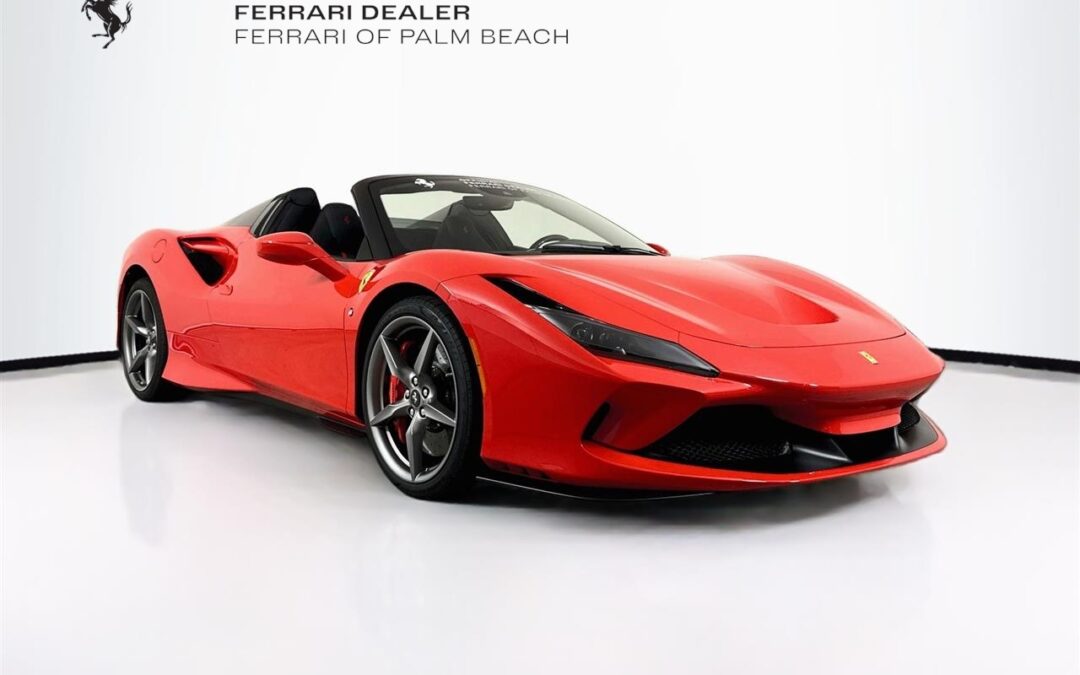
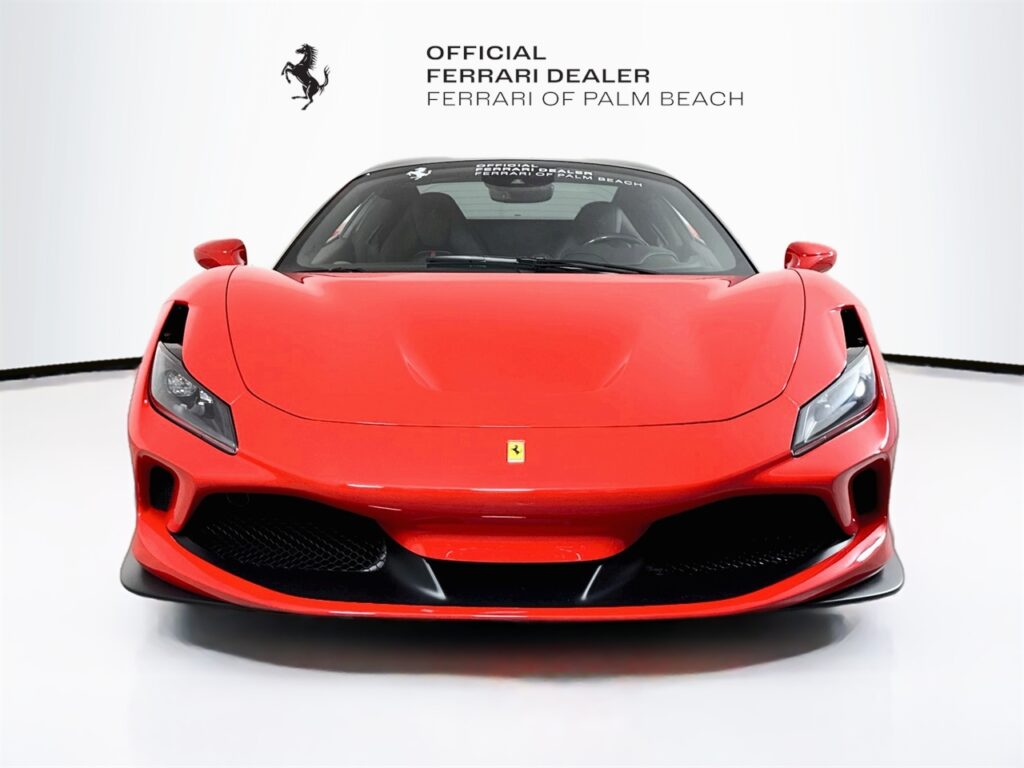
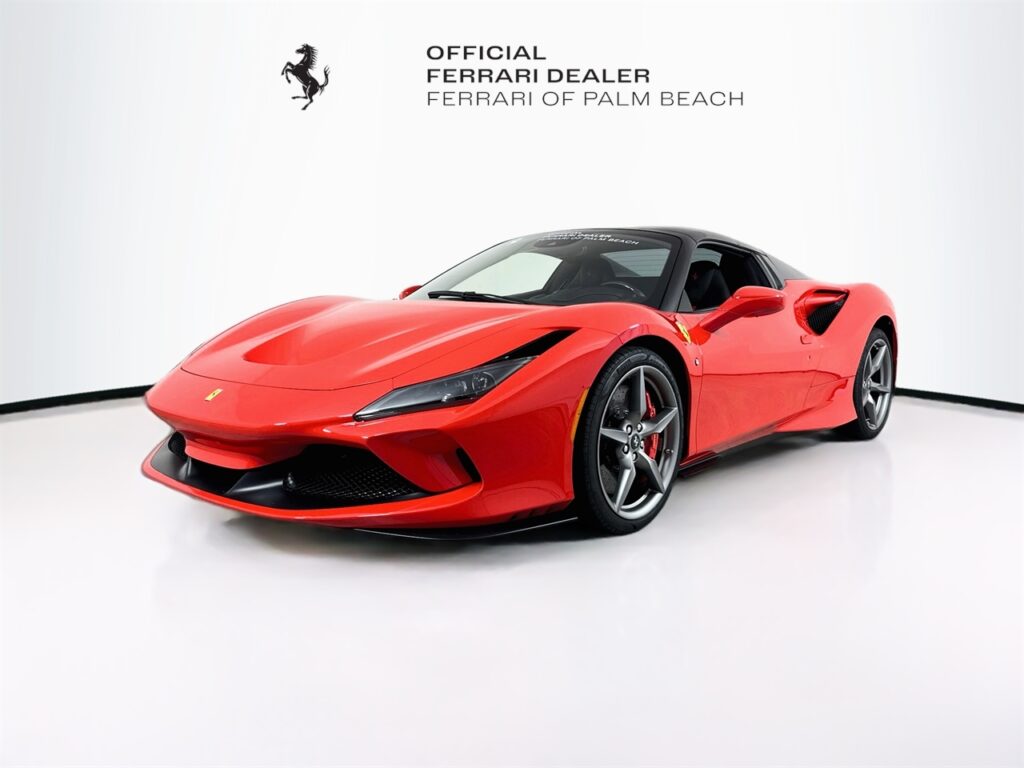
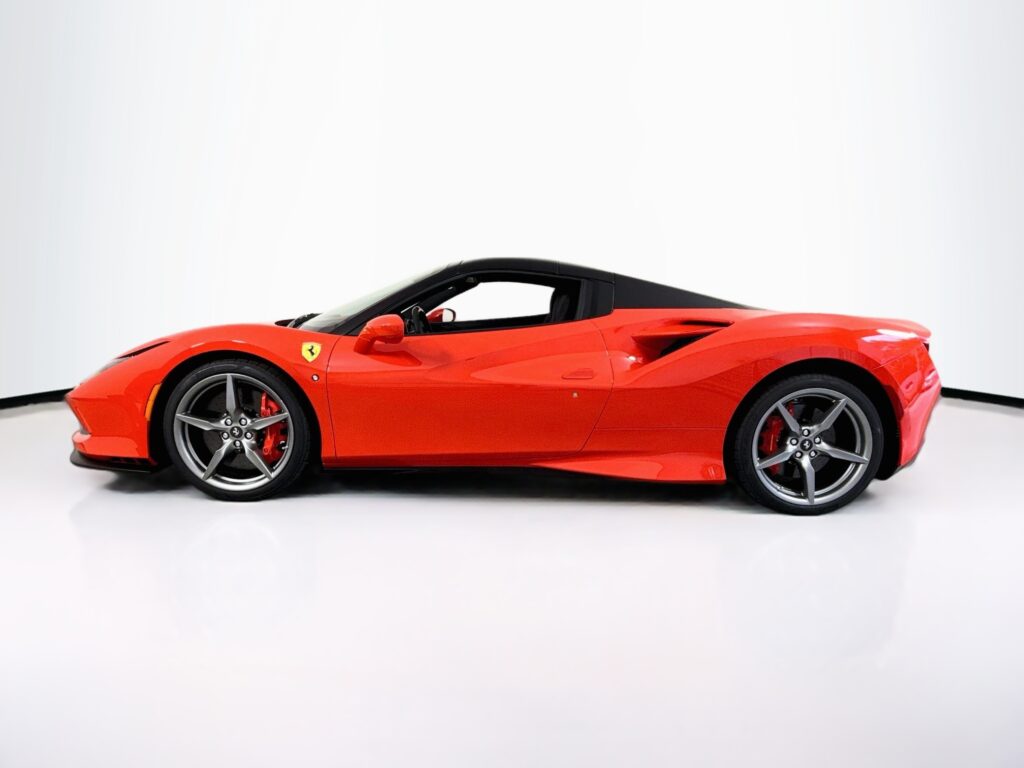
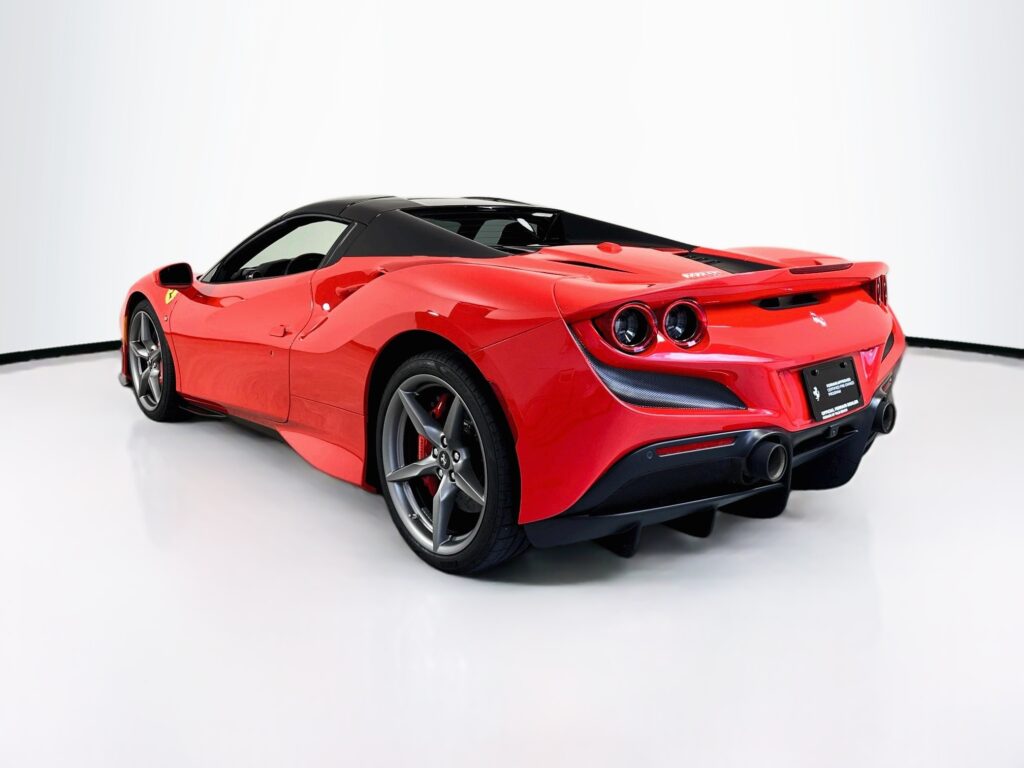
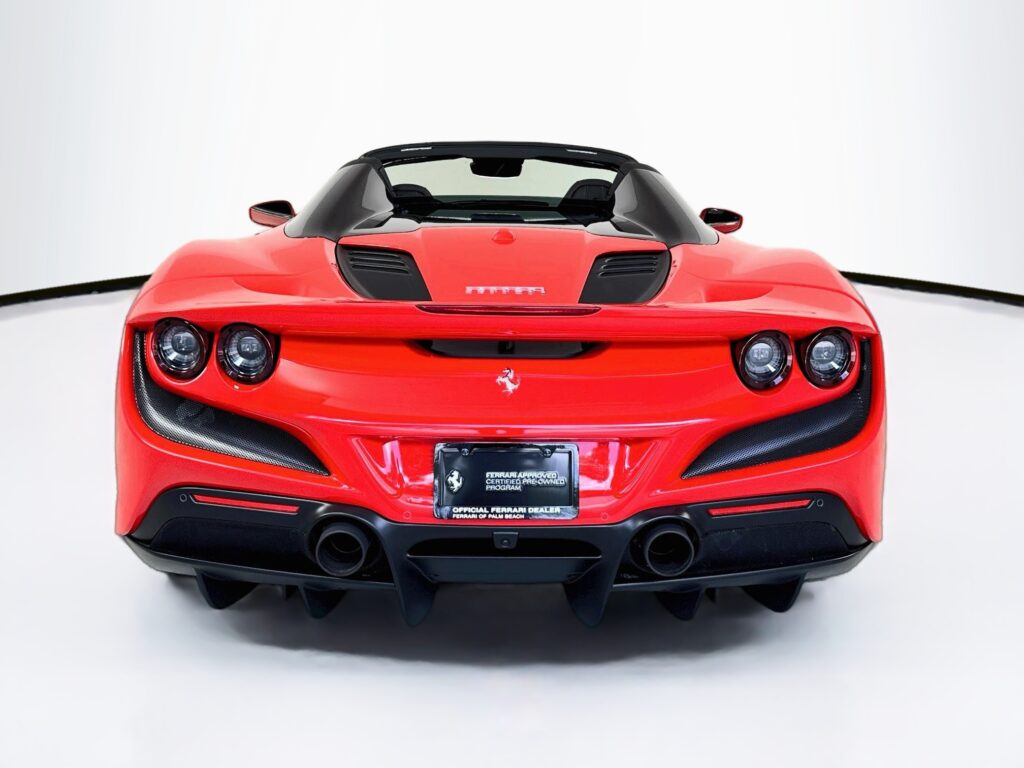
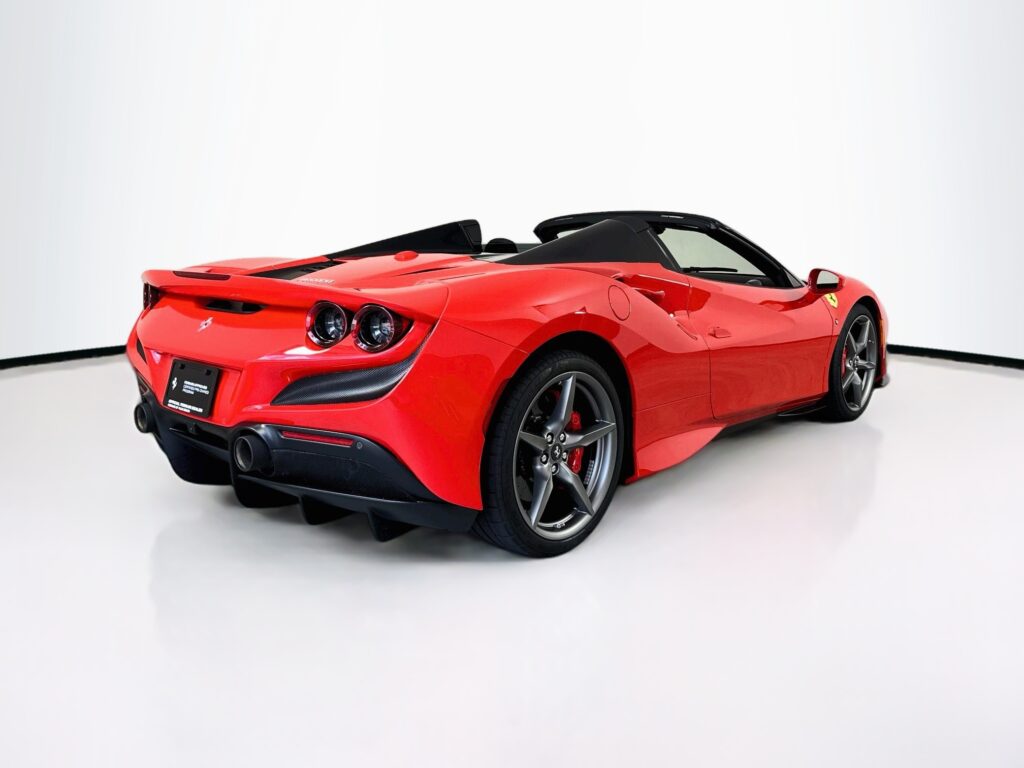
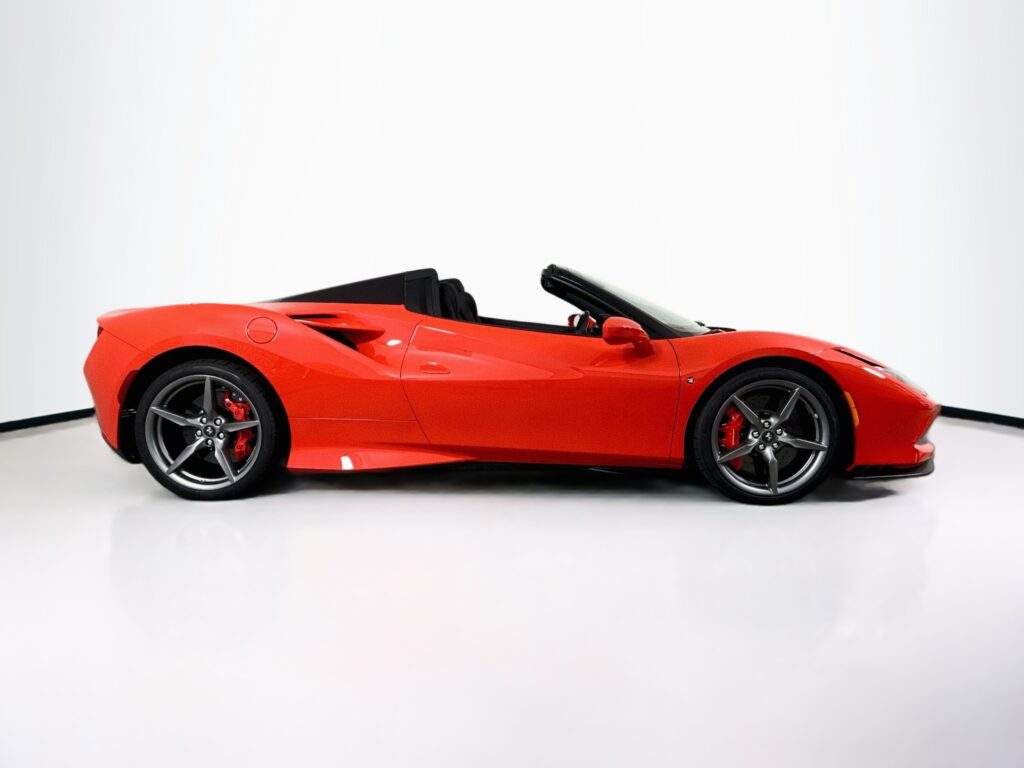
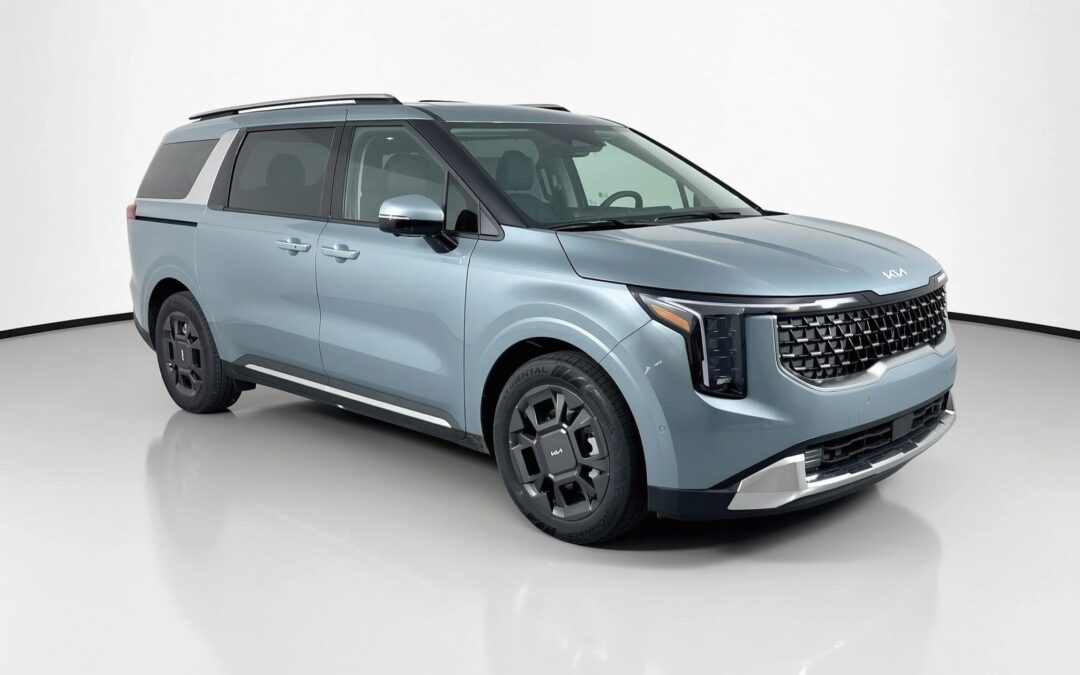
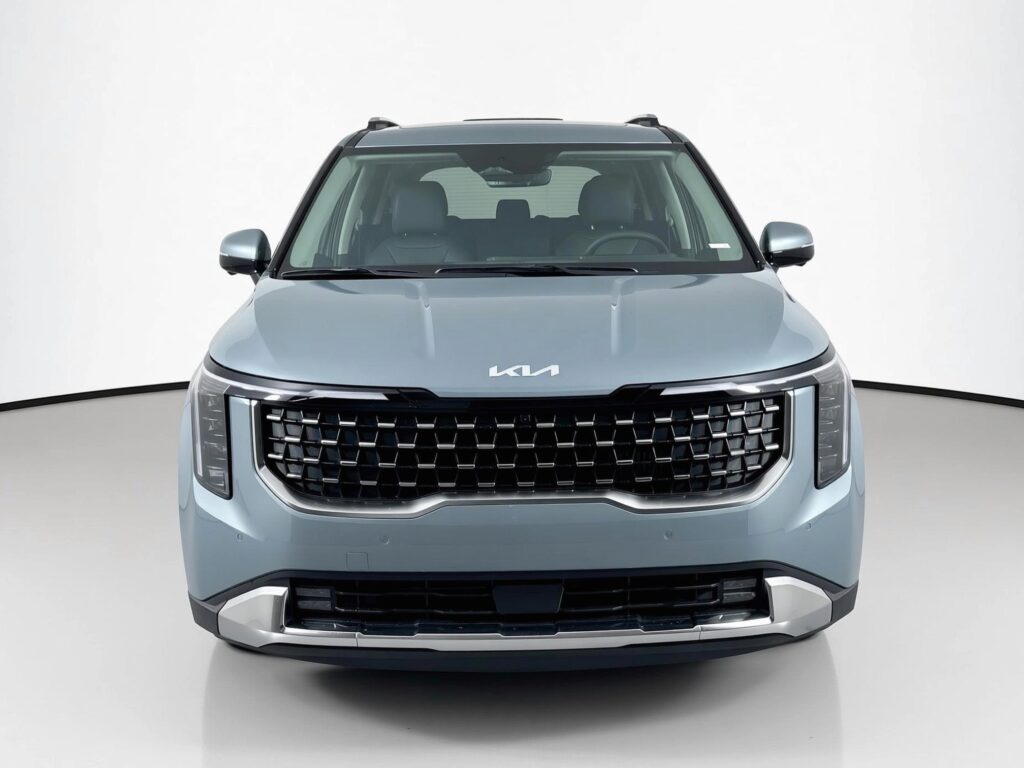
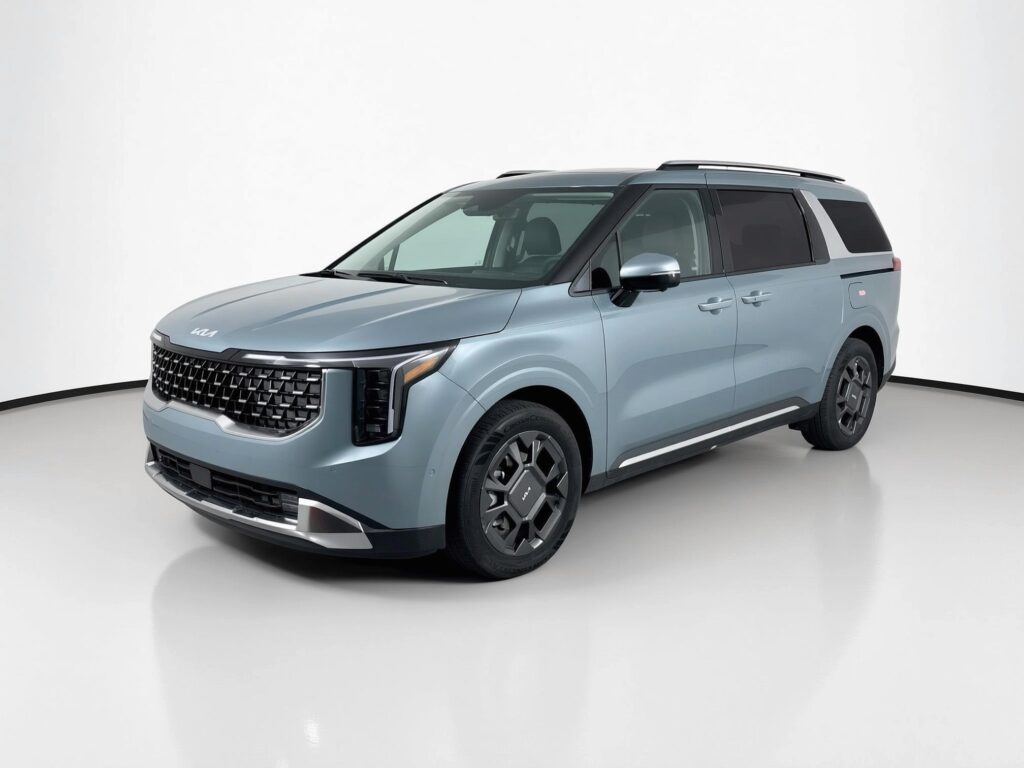
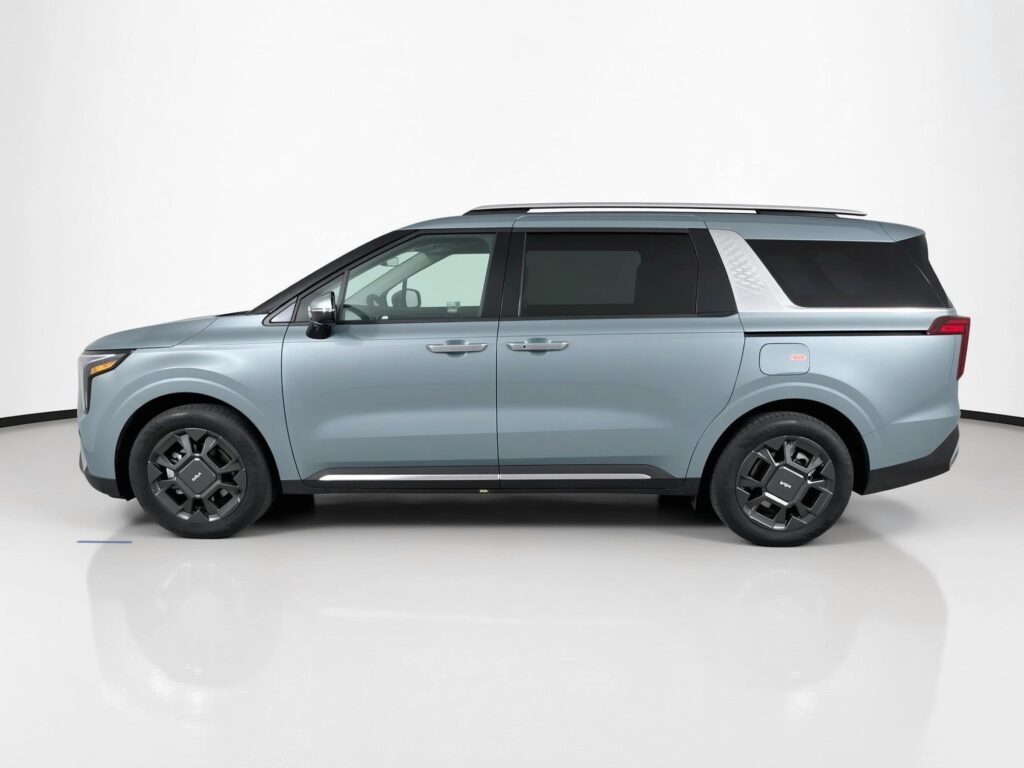
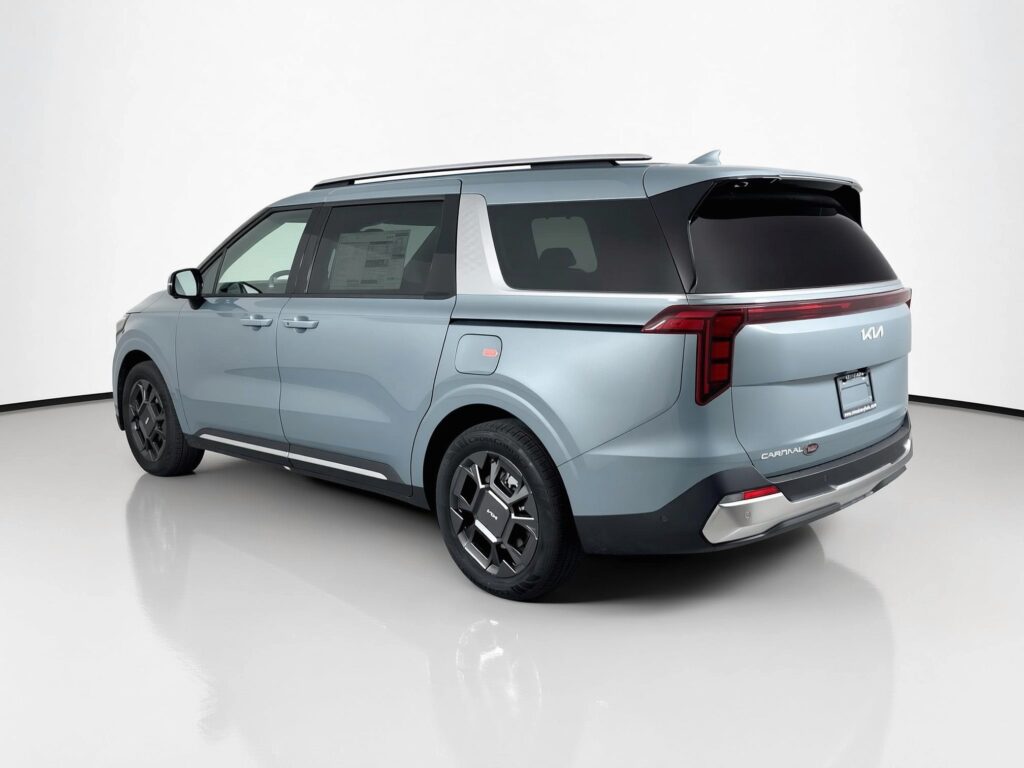
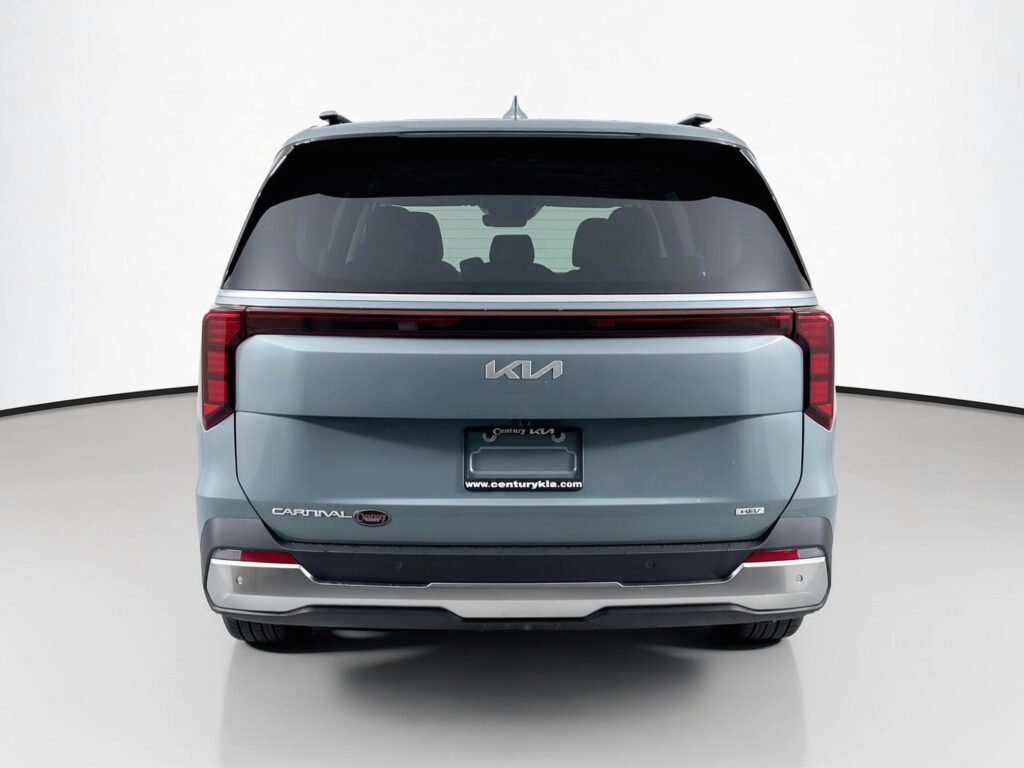
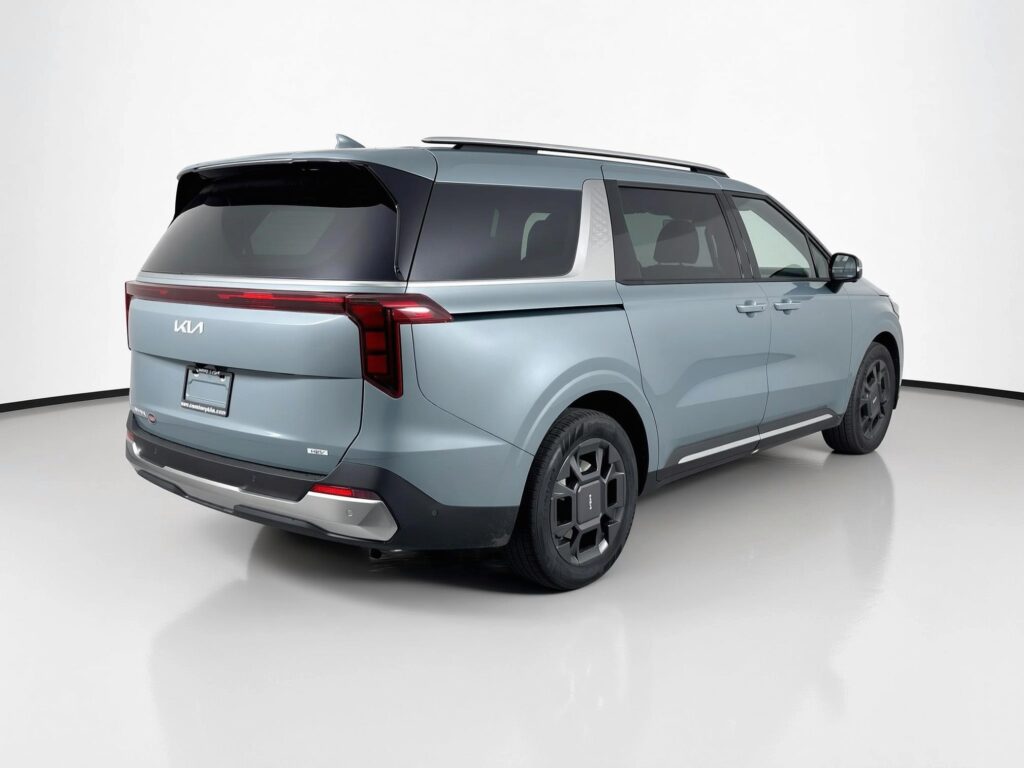
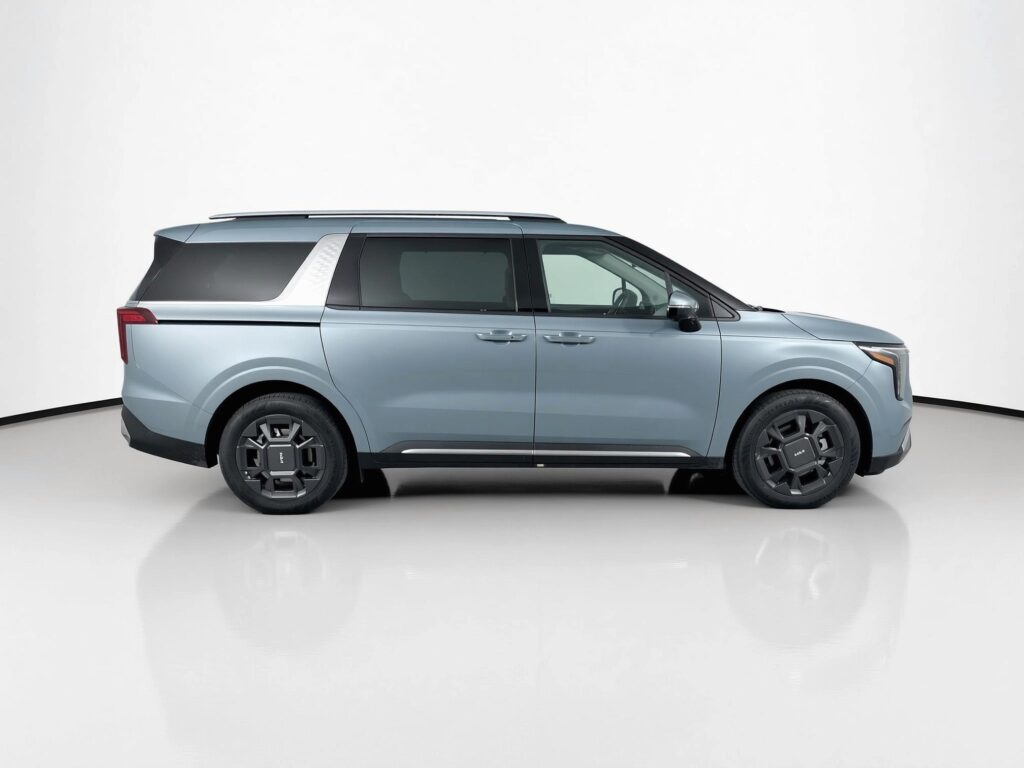
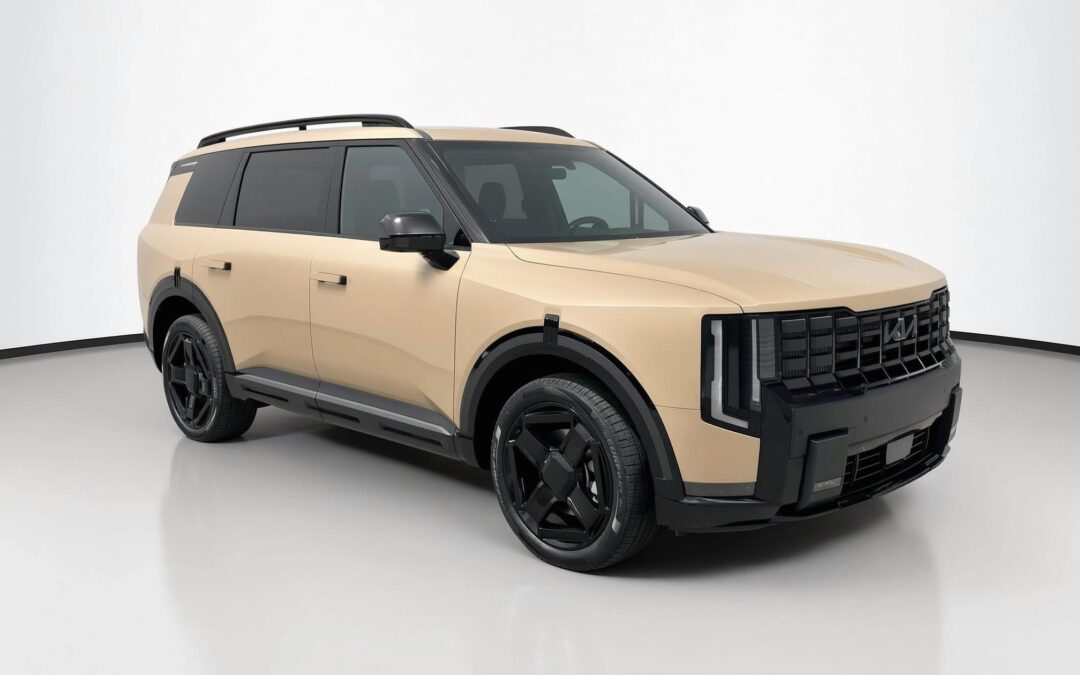
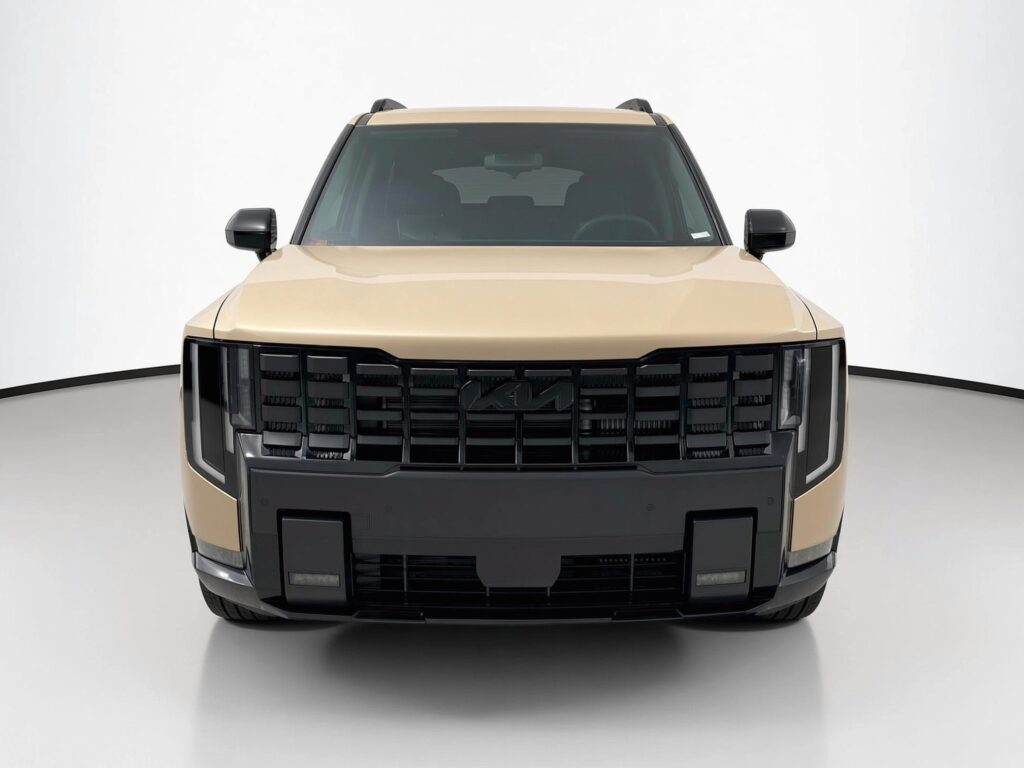
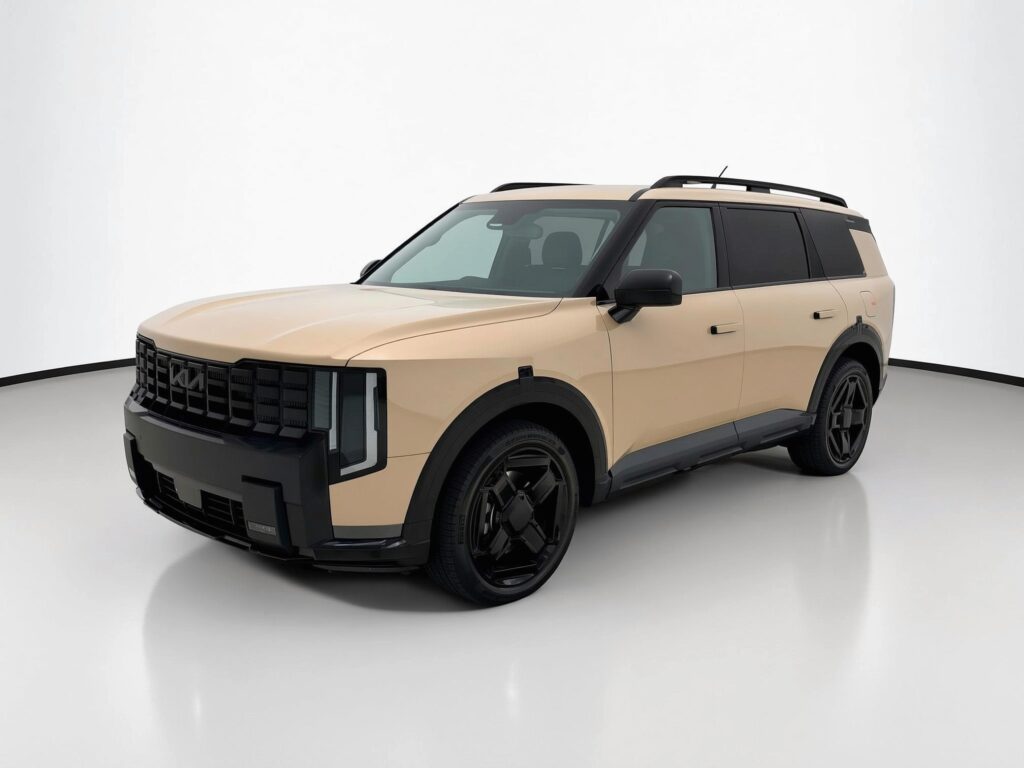
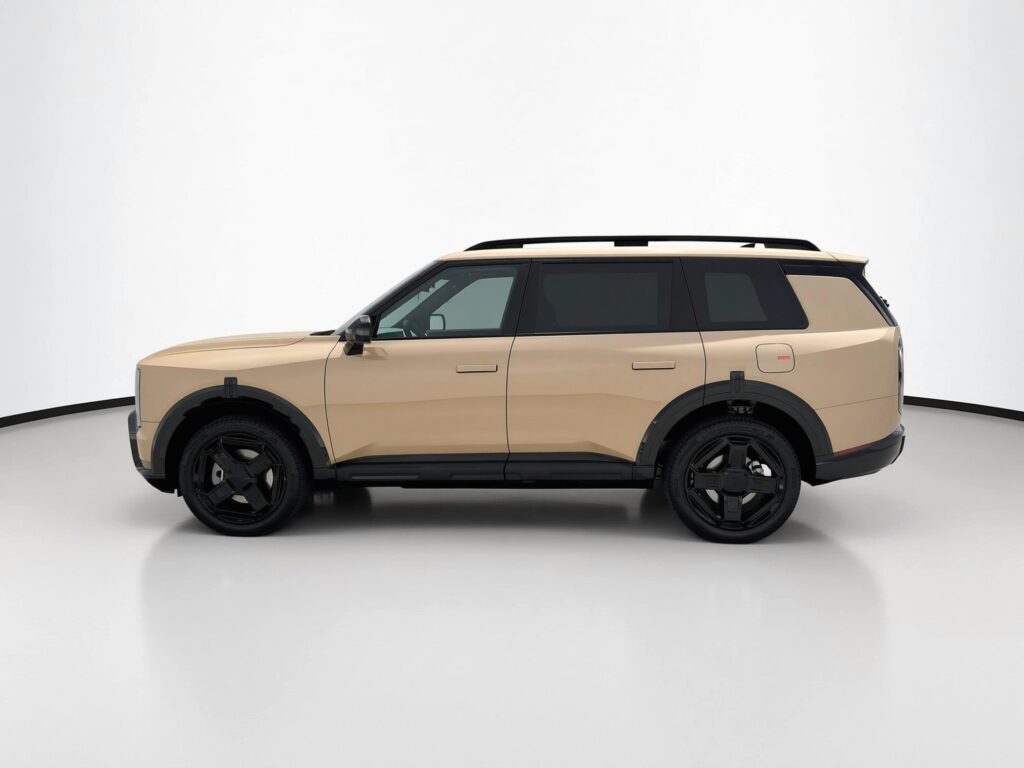
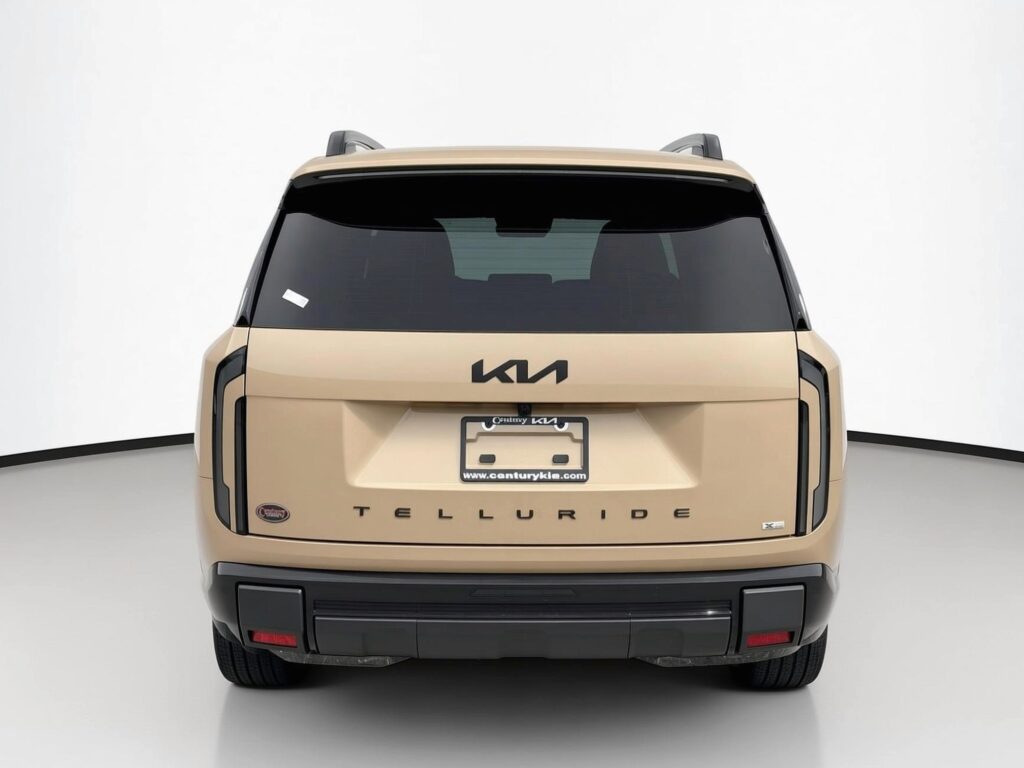
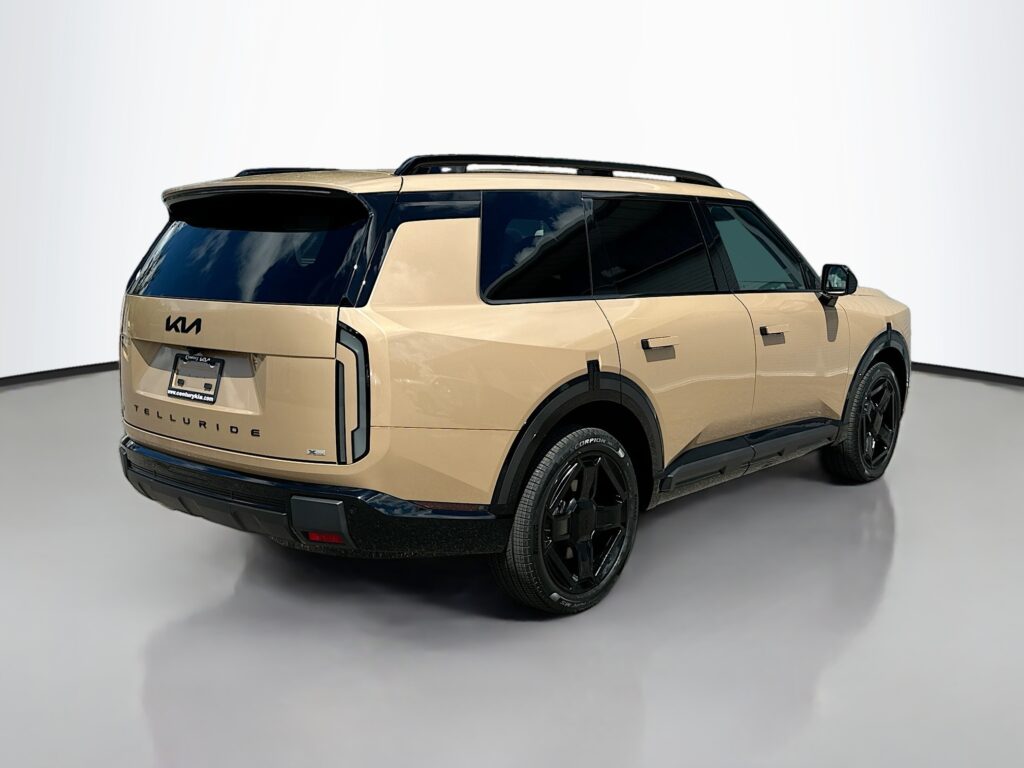
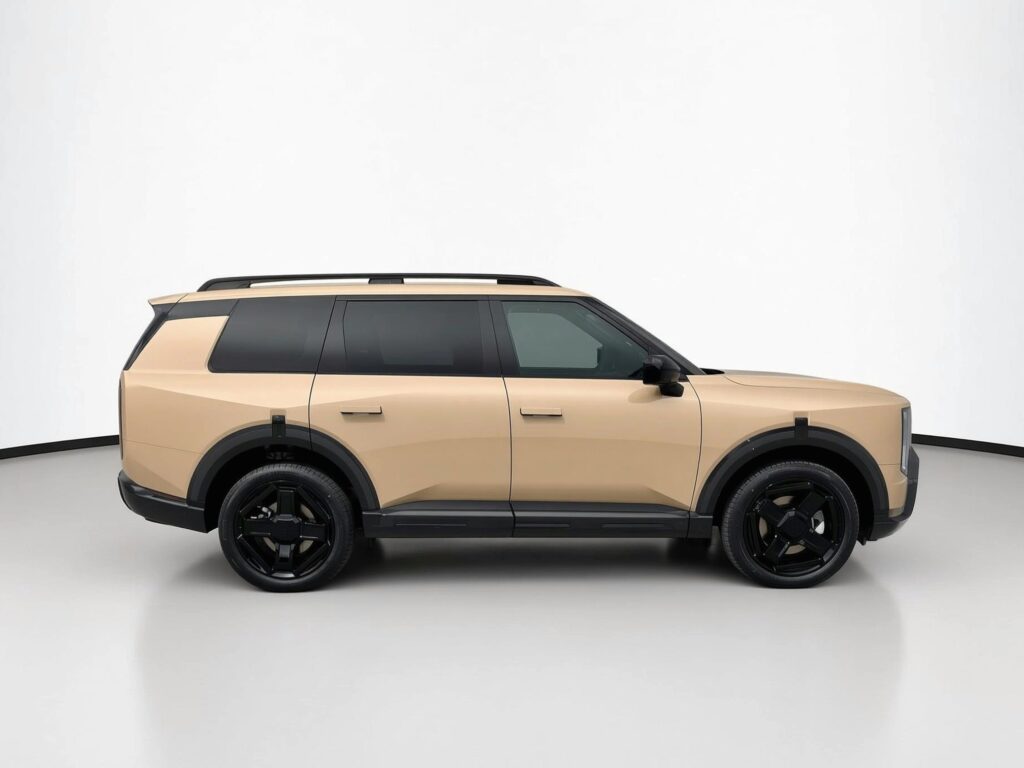
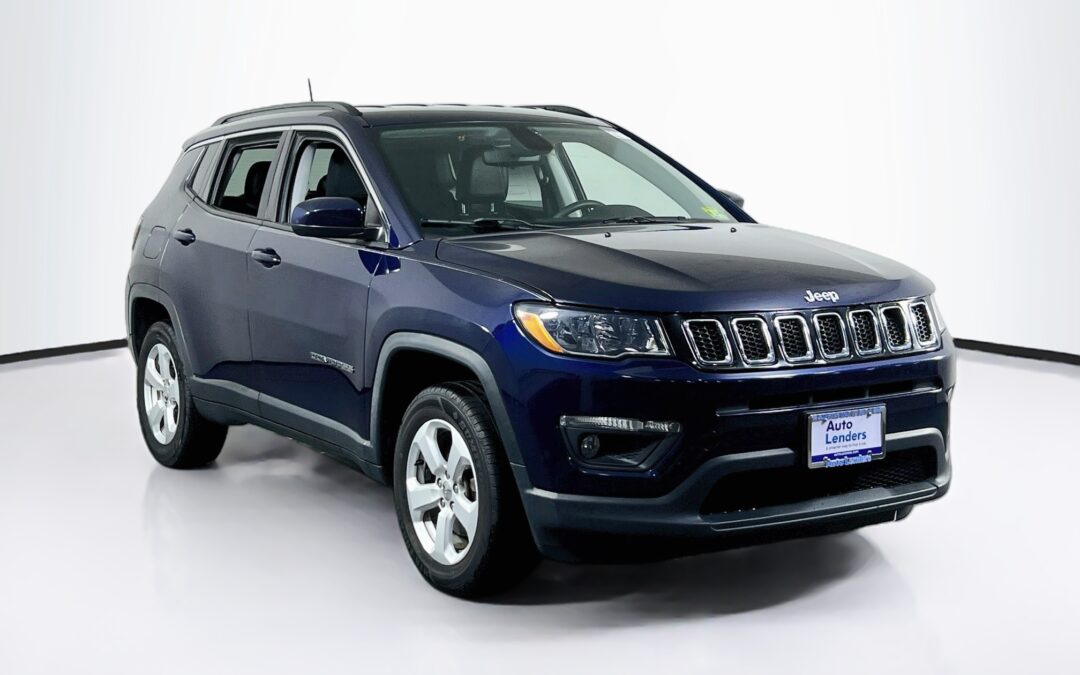
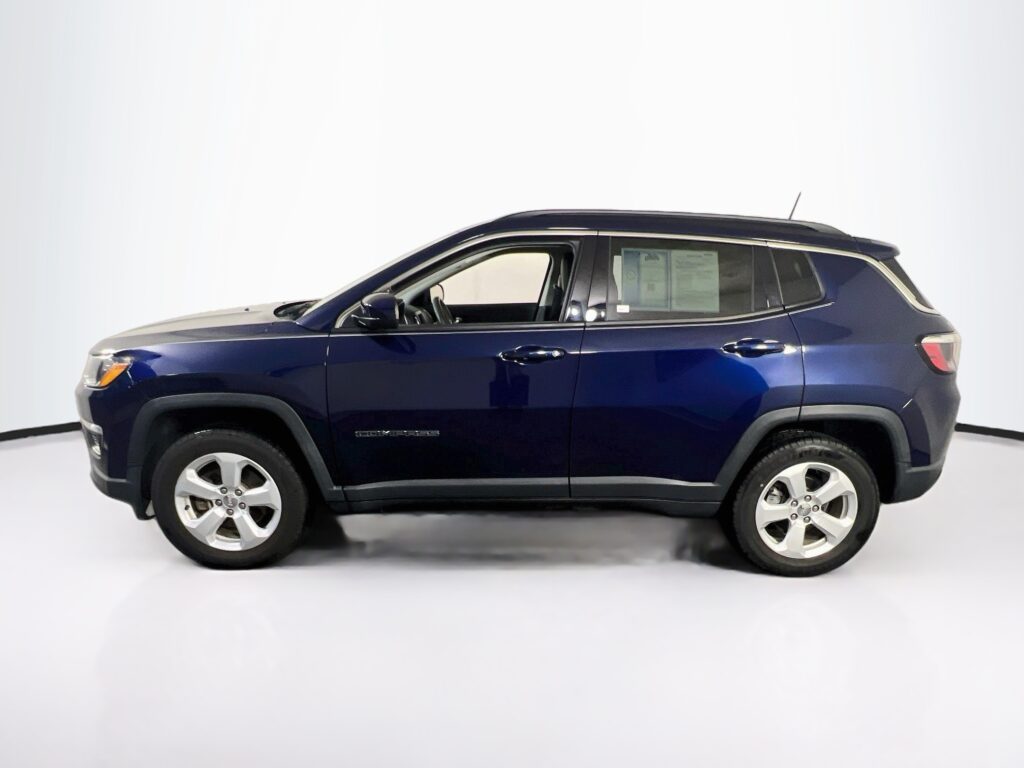
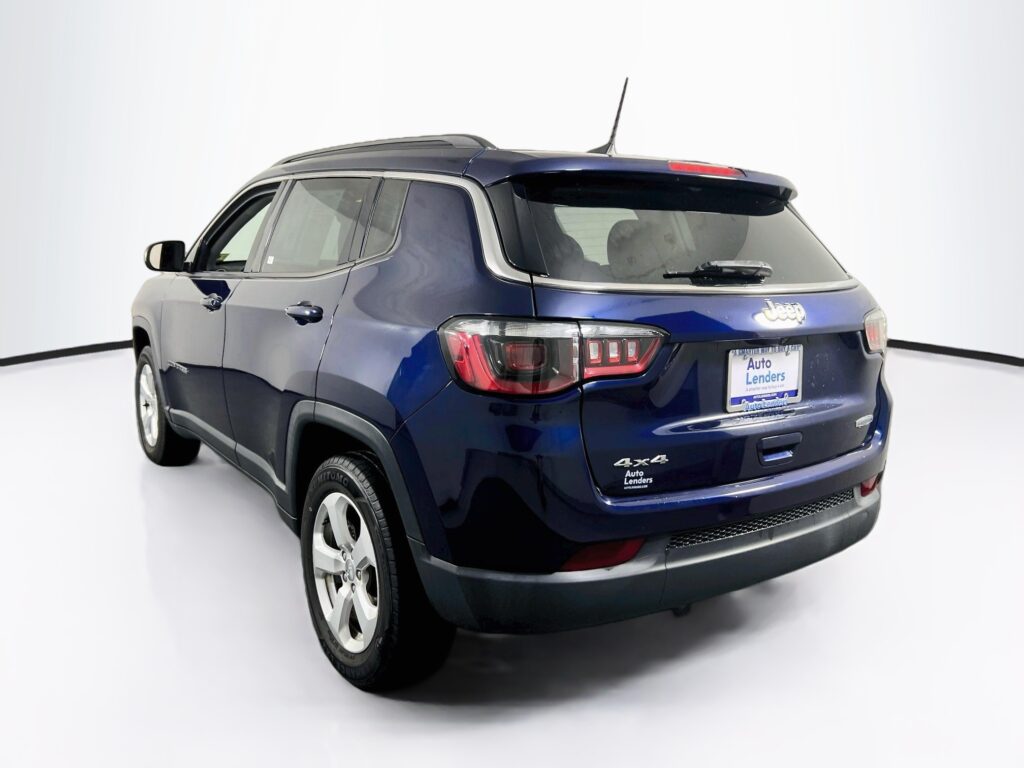
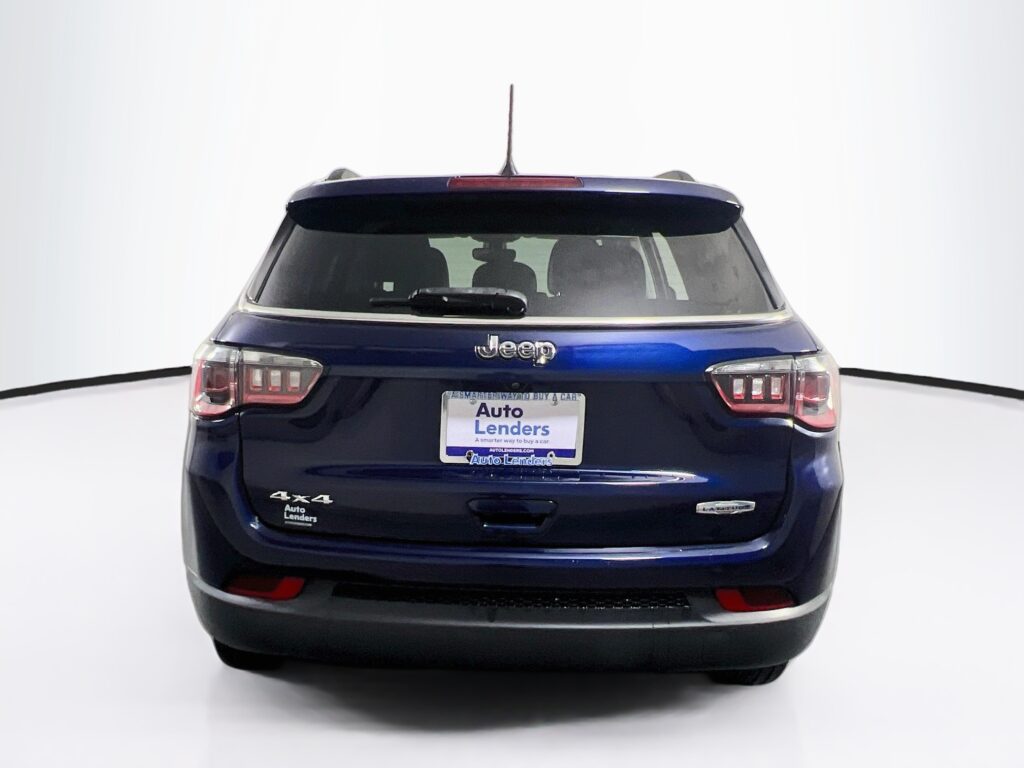
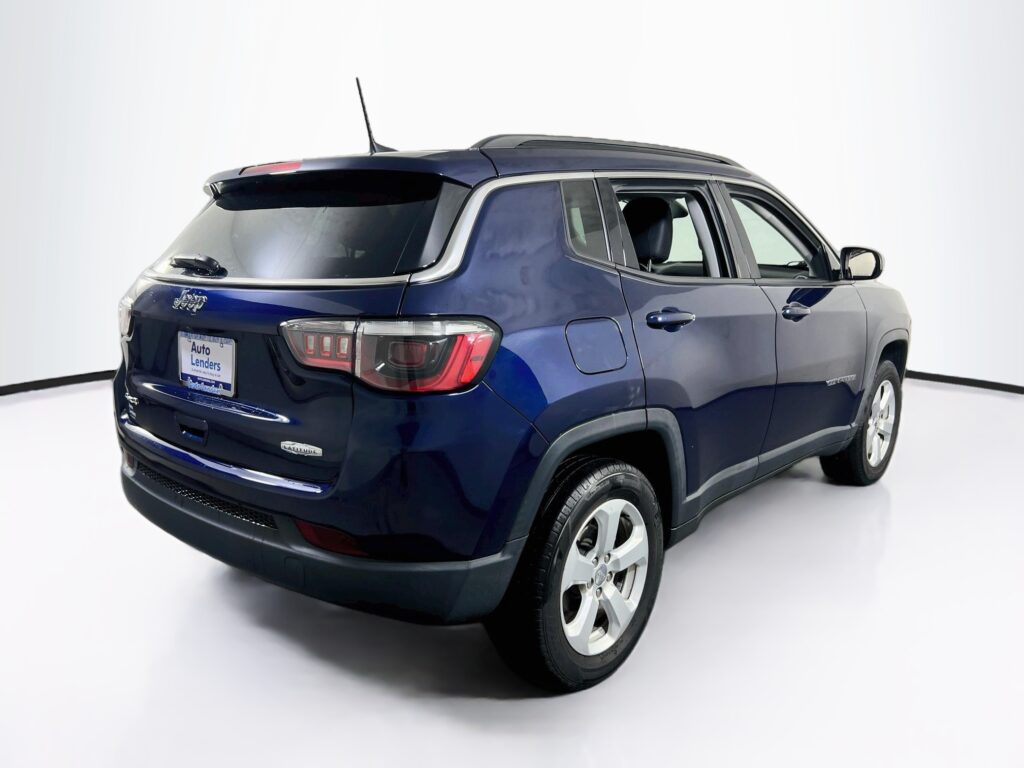
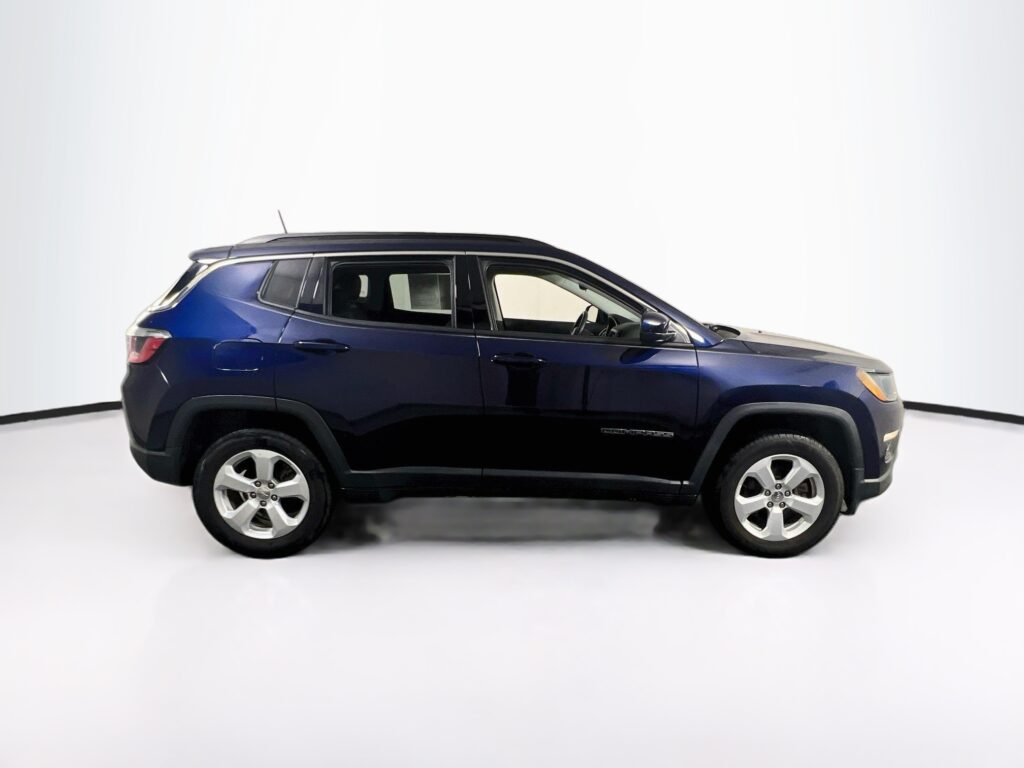
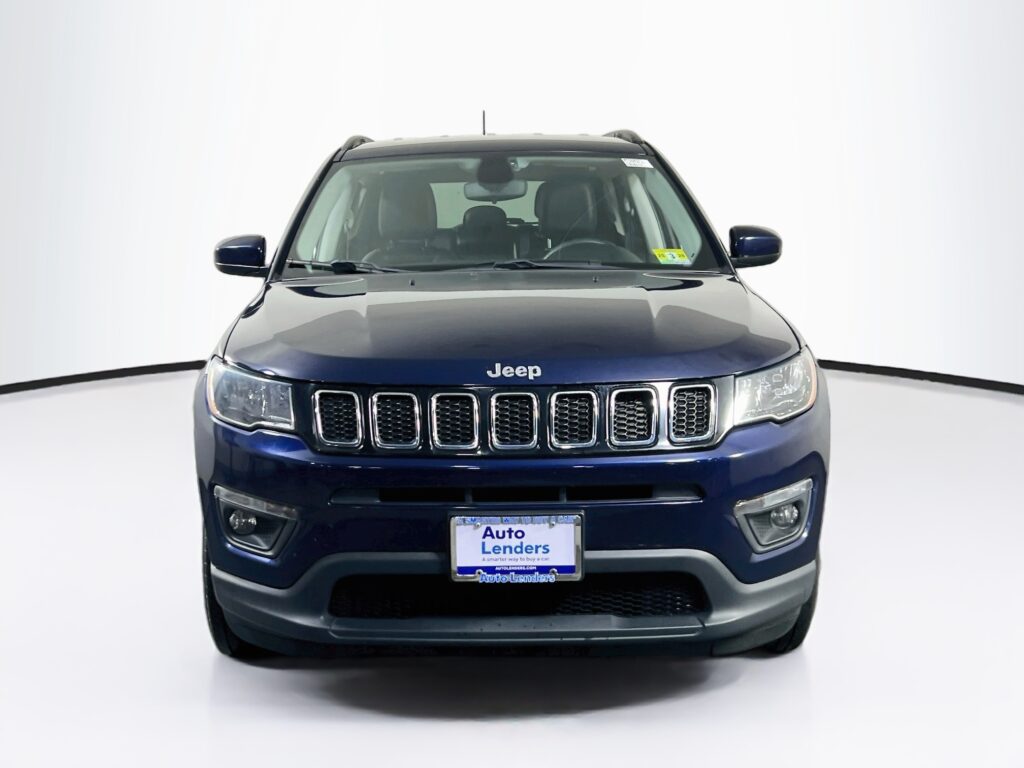
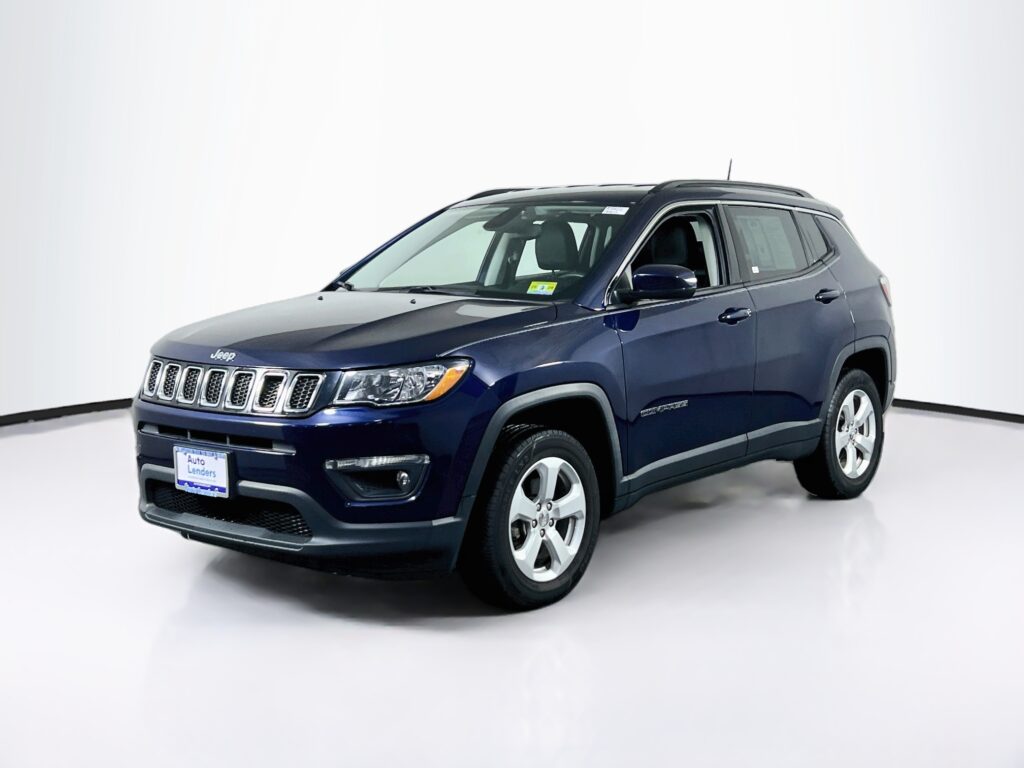
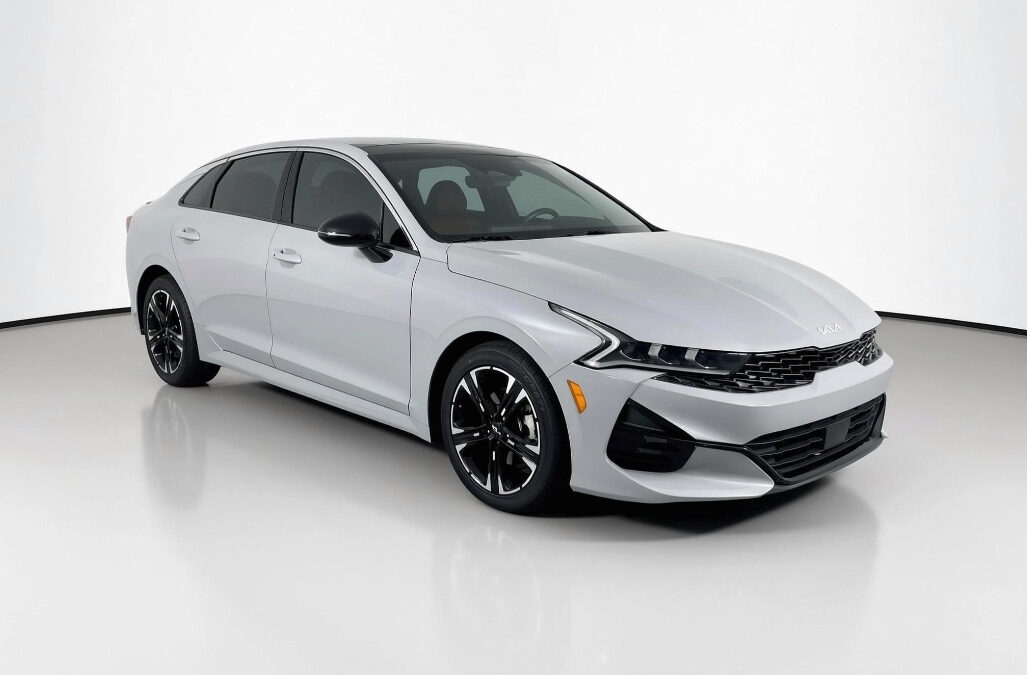
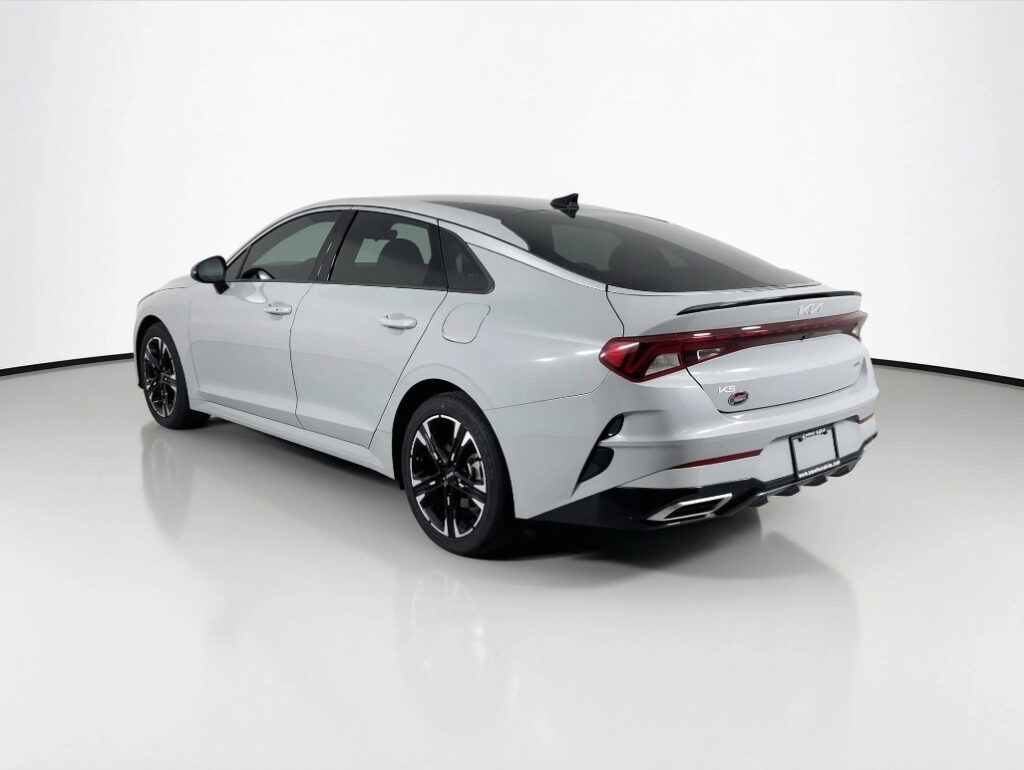
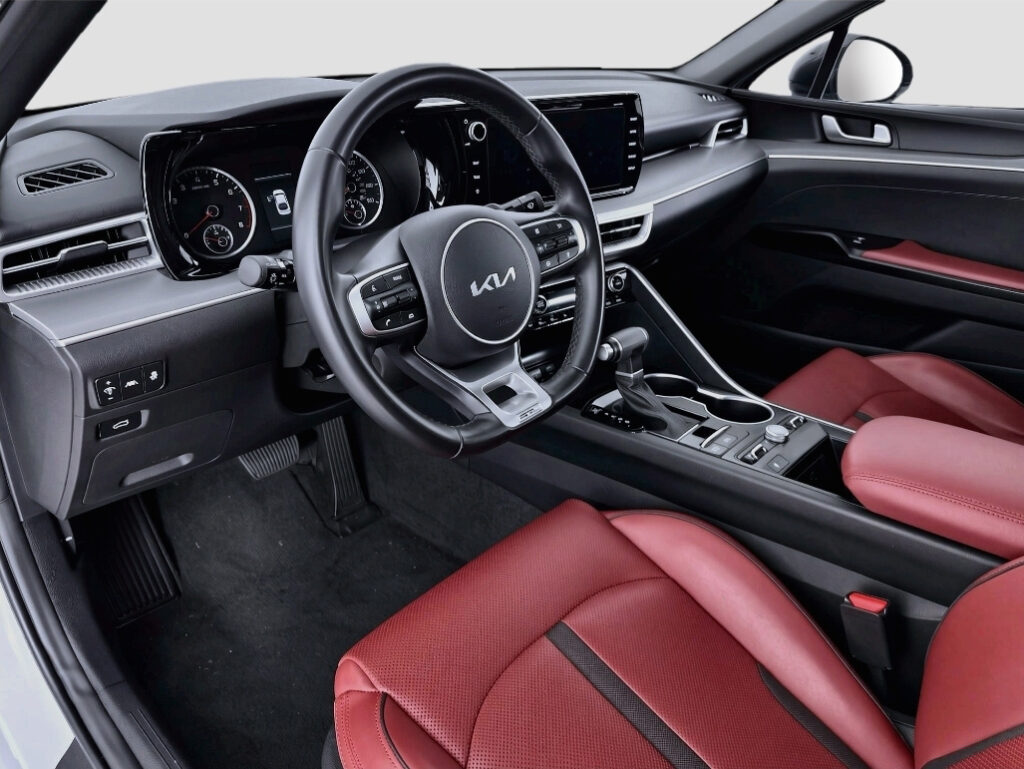
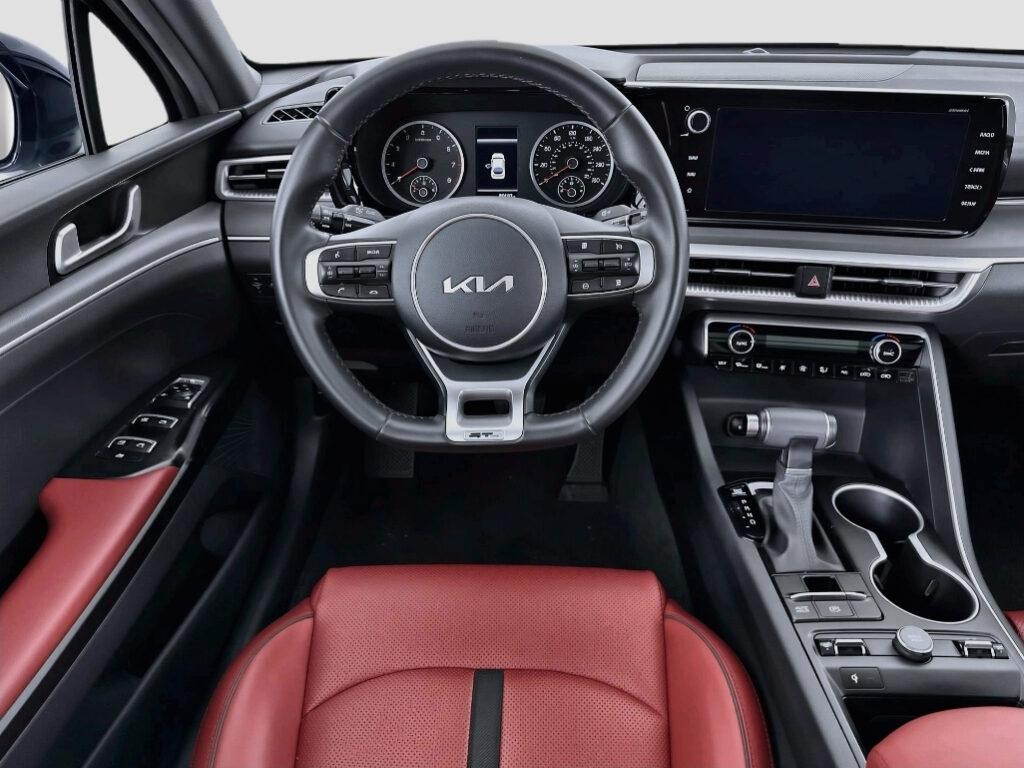
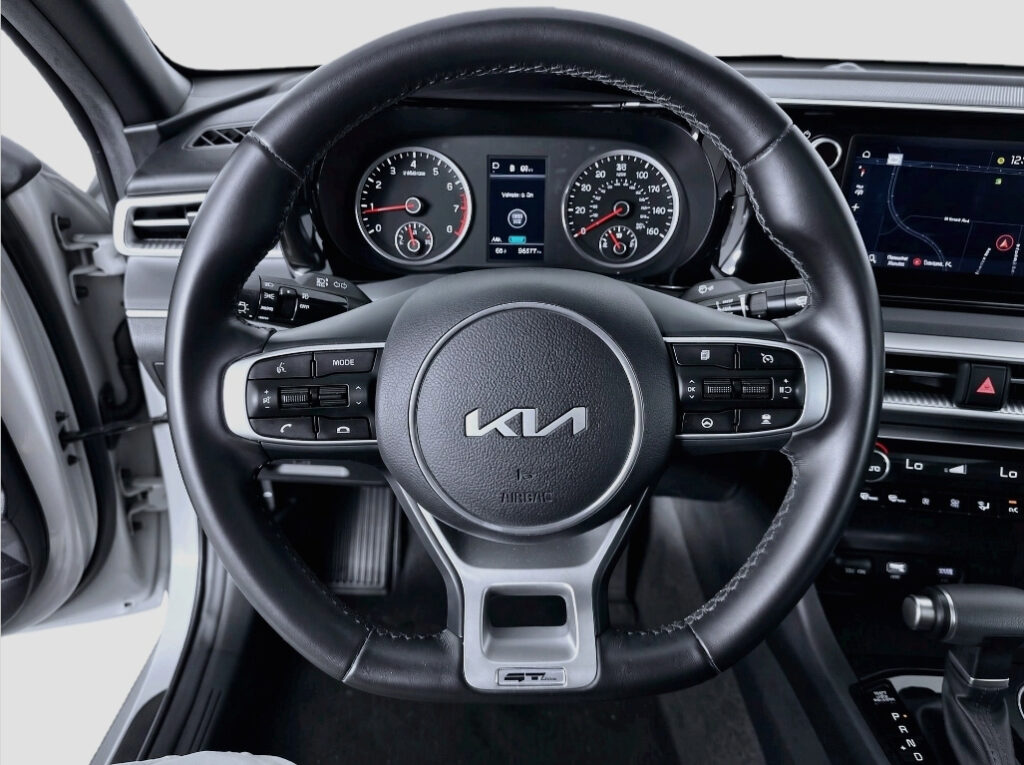
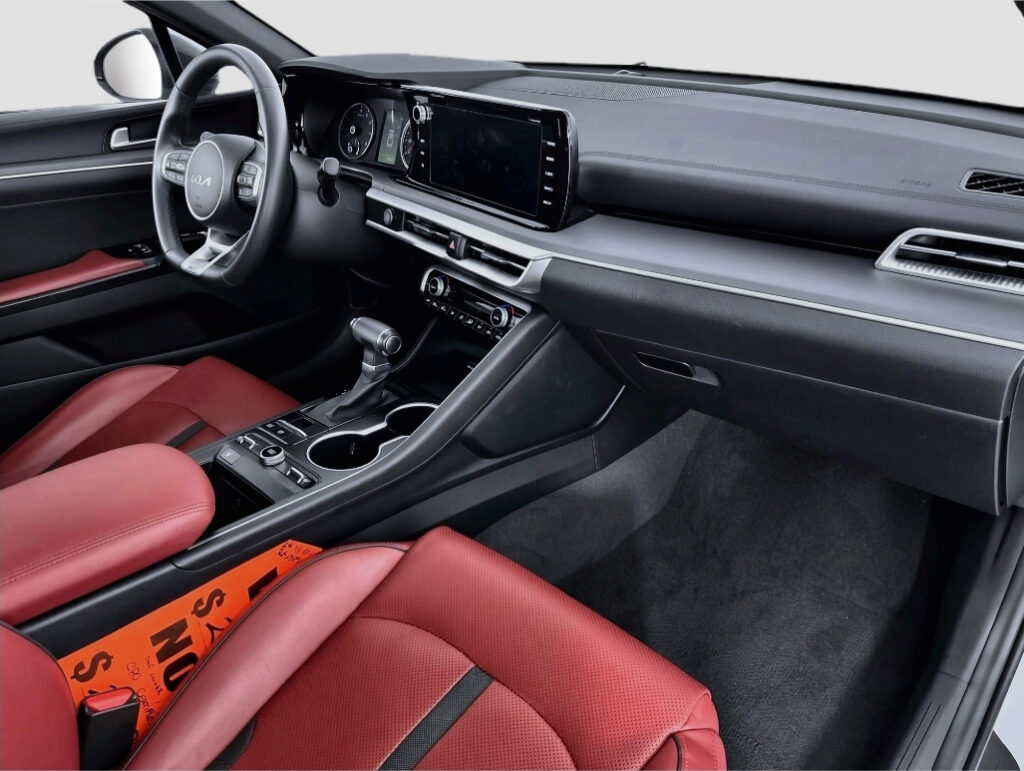
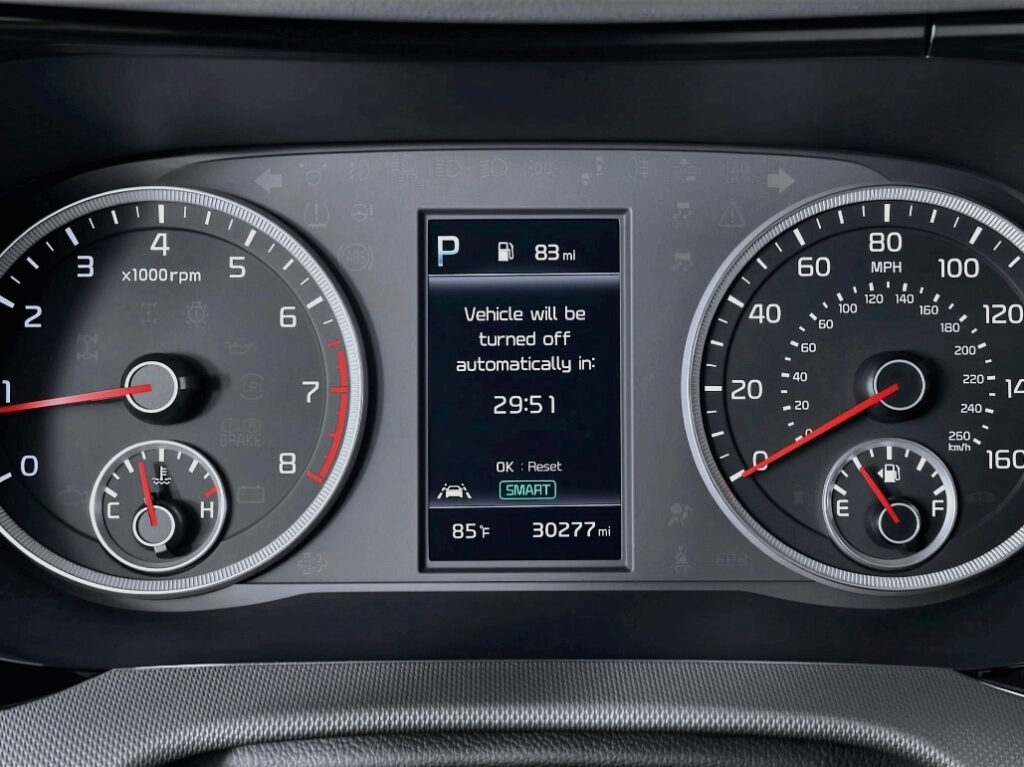
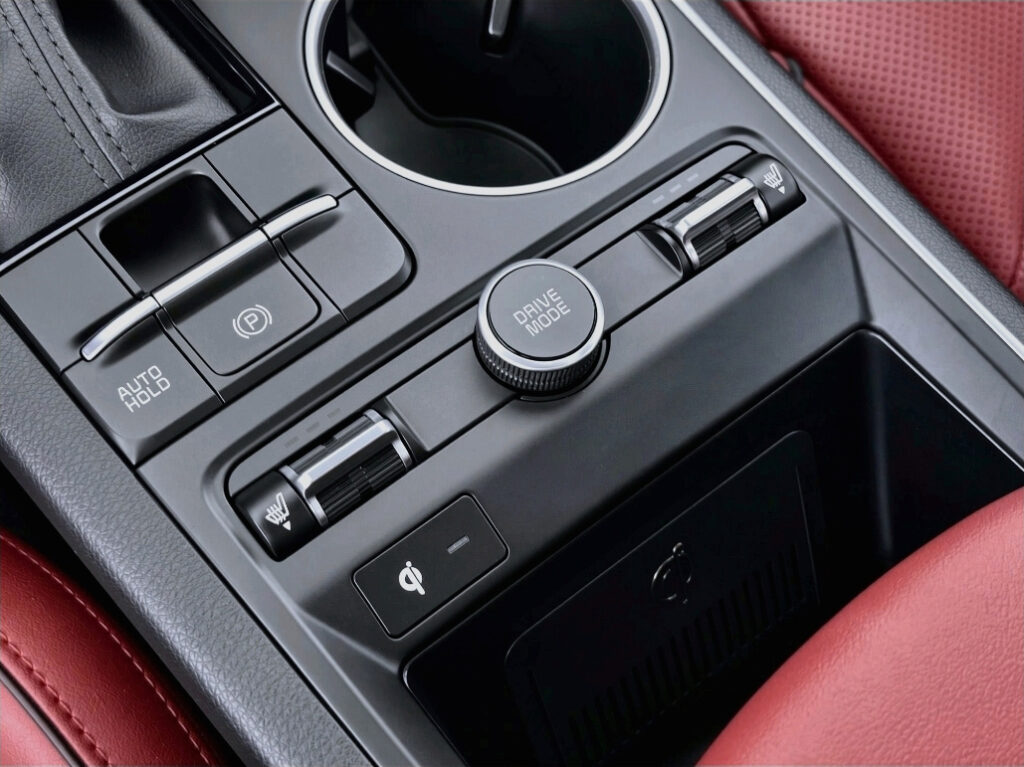
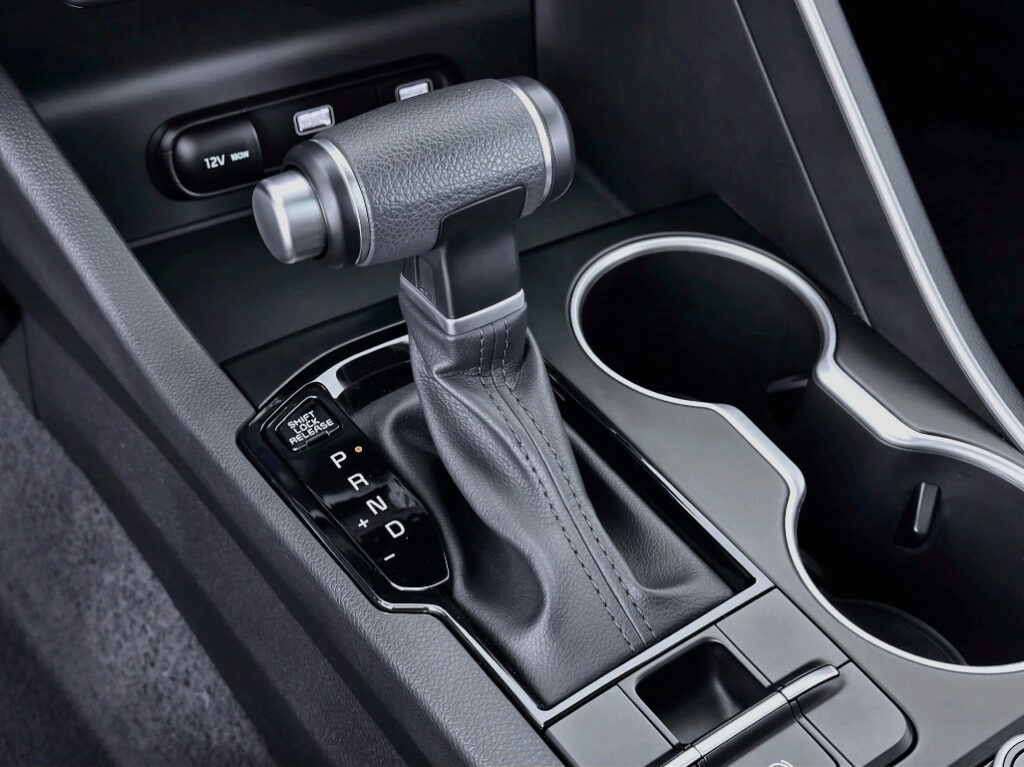
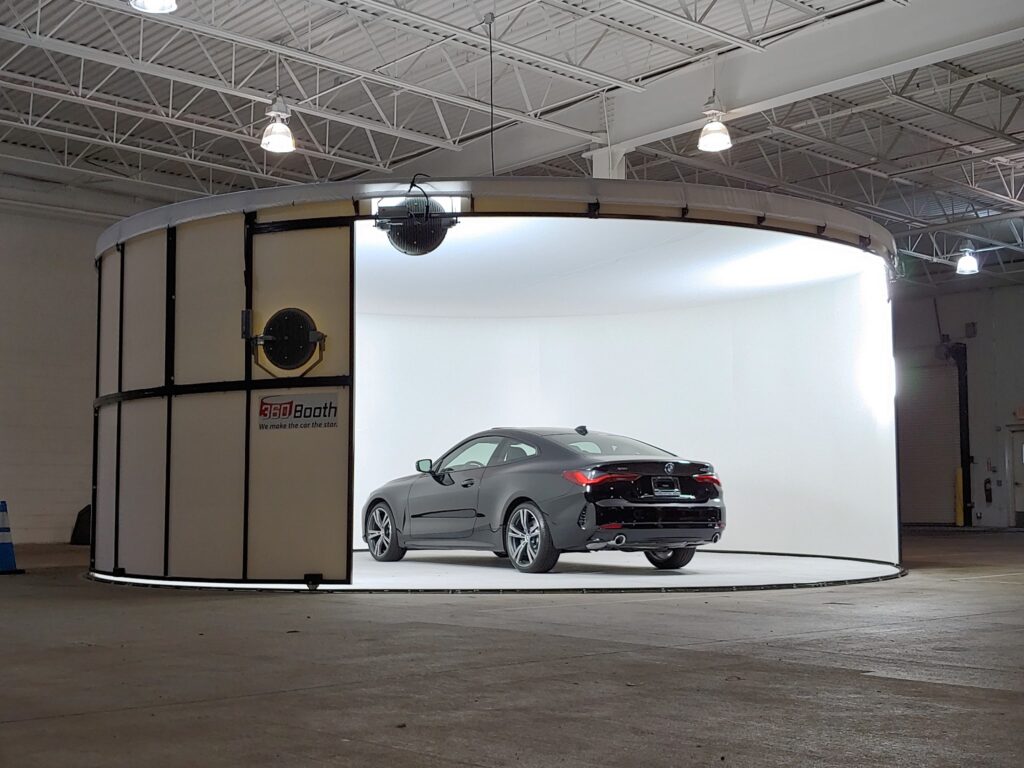
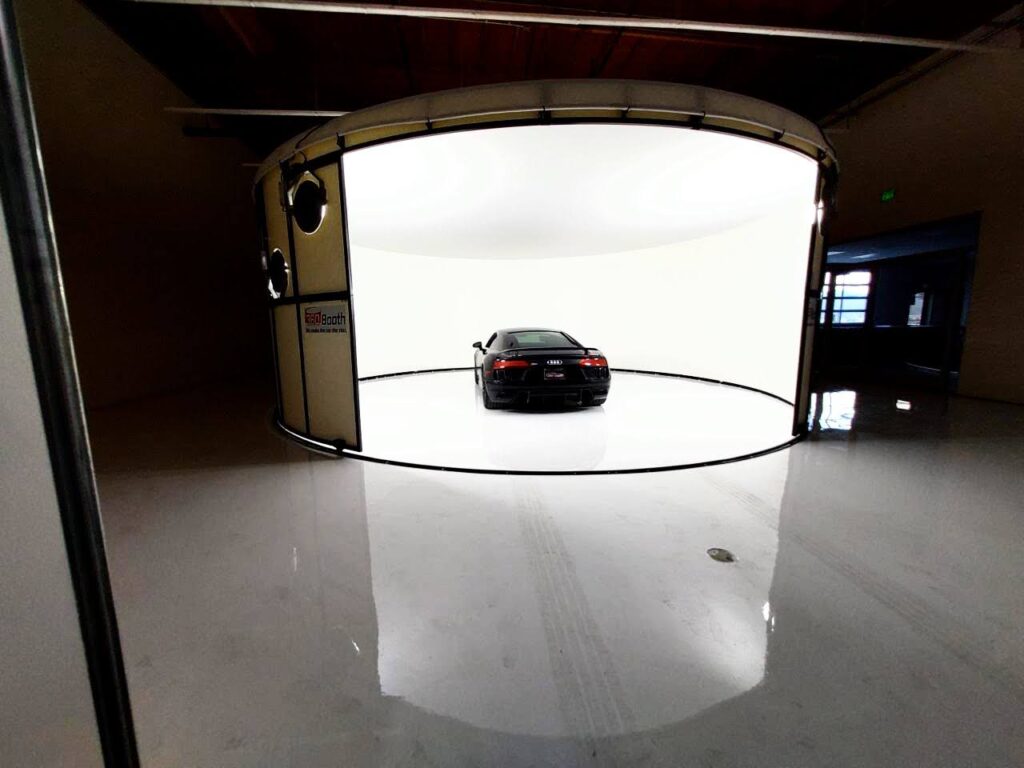
A vehicle photo studio is the stronger choice when a dealership wants authentic, consistent photography produced correctly at the source.
An AI generated background and a vehicle photo studio solve different problems.
Background software begins after the photograph is taken. It can replace distracting surroundings and create a more uniform presentation, but it still depends on the original capture. If the vehicle was positioned poorly, photographed at inconsistent lights, heights or missing required angles, changing the background does not fix the underlying process.
A vehicle photo studio controls the environment before the employee presses the shutter.
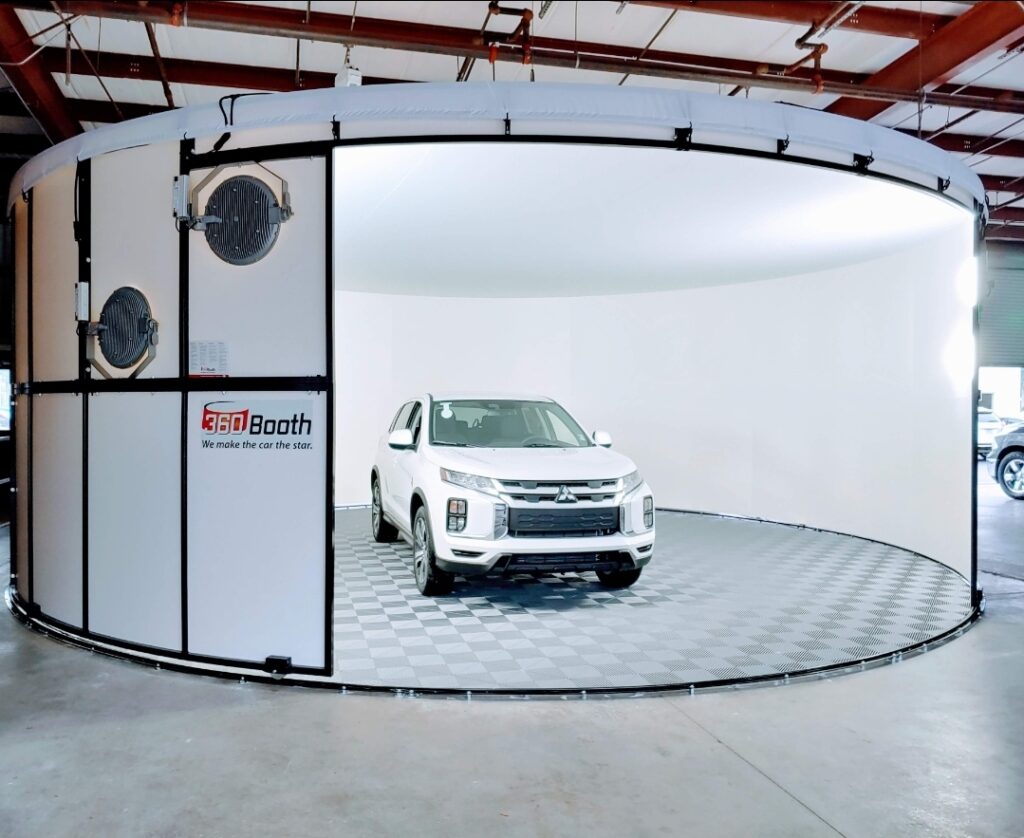
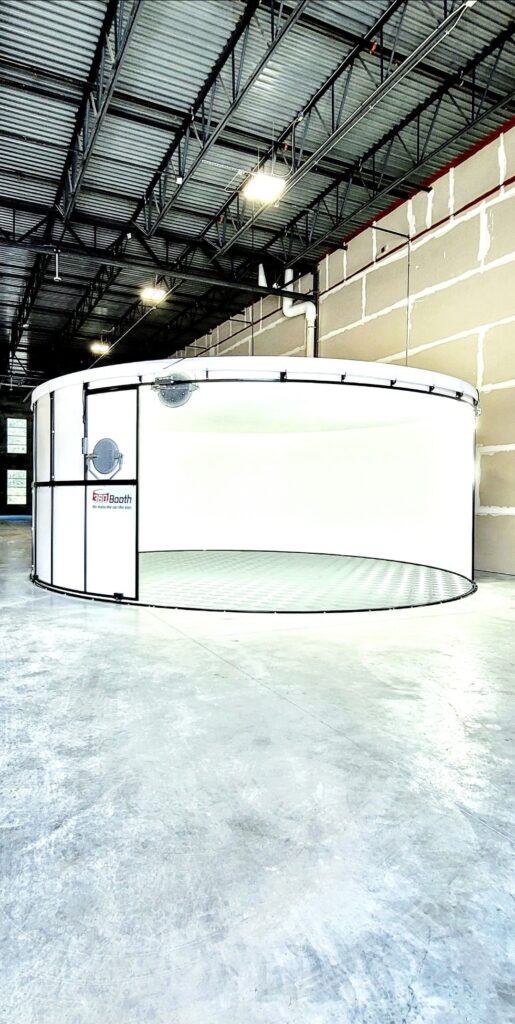
Inside a 360Booth, the actual vehicle is photographed with consistent lighting, controlled reflections and a clean physical background. The employee is not searching the lot for a suitable location or adjusting to changing sunlight, weather and visual clutter.
SHOOTit AI adds guidance to the capture itself. It leads the employee through the dealership’s required 40+ photographs on the iPhone and helps identify centering, lighting and image quality problems while the vehicle is still present.
That distinction matters operationally. Correcting an image at the car takes moments. Discovering a problem after the vehicle has returned to the frontline creates another trip, another key search and another unfinished assignment.
A controlled studio also protects consistency. The dealership’s gallery should look like the same organization produced it regardless of the employee, vehicle or time of day.
AI can be valuable when it assists authentic capture. It becomes a different proposition when it invents the environment after the fact.
AI-assisted. Not AI invented.
Book a walk-through visit and bring one retail-ready vehicle. We will show you how 360Booth + SHOOTit AI creates consistent dealership photography without depending on artificial surroundings or complicated post-production.
FAQ
Is a vehicle photo studio better than an AI-generated background?
A studio is the stronger choice when a dealership wants authentic, consistent photography produced correctly at the source. Background software starts after the photo is taken and still depends on the original capture.
What can't background replacement fix?
Poor vehicle positioning, inconsistent lighting or camera height, and missing required angles. Changing the background doesn’t fix the underlying process.
Why does correcting a photo at the car matter?
Fixing an image at the car takes moments. Finding the problem after the vehicle returns to the frontline means another trip, another key search and another unfinished assignment.
The answer isn’t simply taking pictures faster. It’s removing the waiting between detail, photography and upload.
A clean vehicle should move directly into photography. Inside a 360Booth®, lighting and the environment are already controlled. SHOOTit AI guides the employee through the required capture process on the iPhone and uploads the completed media wirelessly.
No waiting for weather. No reinventing the photo sequence. No relying on one experienced photographer to remember everything.
The simplest process is still the fastest. Clean it. Shoot it. Upload it.
If your retail ready cars are waiting hours or days for professional photos, the camera probably isn’t your biggest problem. The process is.
FAQ
How can a dealership get vehicle photos online faster?
By removing the waiting between detail, photography and upload, not just by taking pictures faster.
What does a fast photo process look like?
A clean vehicle goes straight into a 360Booth, where lighting and environment are already controlled. SHOOTit AI guides the capture on the iPhone and uploads the completed media wirelessly.
What slows most dealerships down?
Waiting for weather, reinventing the photo sequence and relying on one experienced photographer to remember everything.
Indoor dealership vehicle photography removes weather, daylight and background conditions from the inventory production schedule.
A retail ready vehicle should not wait for the rain to stop, the shadows to move or the photographer’s preferred time of day.
Yet that is exactly what happens when vehicle photography depends on an outdoor process. Bad conditions delay capture. Delayed capture creates a backlog. The vehicle may be physically ready for sale while remaining poorly represented or invisible online.
A 360Booth changes the operating environment.
The vehicle enters a controlled studio with consistent lighting, clean surroundings and repeatable positioning. The employee does not need to study the sky, search for an uncluttered location or adjust the entire process as daylight changes.
SHOOTit AI simplifies the next step. It guides the employee around the vehicle through the required image sequence, assists with centering and helps identify blurry or dark photographs while the car is still in front of them. The completed media then uploads wirelessly into the dealership’s selected workflow.
A standard 24ft 26ft or 28ft 360Booth requires a minimum room of 30 feet long in the direction the vehicle enters, 30 feet wide and 11 feet of clear height.
If the available room is smaller, the conversation does not end. An on-site evaluation determines whether a smaller standard studio, customized 360Booth, reduced-height configuration, custom capture environment or SHOOTit AI assisted solution is best.
The objective is simple. Create a photography process the dealership can operate every day, regardless of weather or who is holding the phone.
If outside conditions still determine when your inventory reaches the VDP, it is time to move the process inside.
Why does weather slow down dealership vehicle photography?
With an outdoor process, bad conditions delay capture, delays build a backlog, and a car that’s ready for sale stays poorly represented or missing online.
What does the indoor 360Booth process look like?
Clean vehicle, controlled studio, guided iPhone capture with SHOOTit AI, wireless upload, then the VDP.
How much room does a standard 360Booth need?
A standard 24, 26 or 28 ft 360Booth needs a minimum room of 30 feet long in the direction the vehicle enters, 30 feet wide and 11 feet of clear height.
What if my room is smaller?
An on-site evaluation determines whether a smaller studio, a customized or reduced-height 360Booth, a custom capture environment or a SHOOTit AI-assisted solution fits best.
AI automotive photography should make taking 40+ professional vehicle photos easier, not make the photographer learn another complicated system.
That’s the standard we’ve used with SHOOTit AI.
Think about the traditional problem. One employee knows exactly where to stand, what angle comes next, how to center the vehicle and which interior photos are required. Then that employee is off on Tuesday and someone else picks up the camera.
Suddenly the process changes.
It shouldn’t.
SHOOTit AI puts the process into the iPhone. The person holding the camera is guided around the vehicle through the photo sequence. The technology helps with centering, framing and lighting and can catch blurry or dark images while the employee is still standing beside the car.
That last part matters. The easiest retake is the one you make immediately. Finding a bad image after the vehicle has been moved creates another job.
Now Put That Same Employee Inside a 360Booth This is where simplicity really starts to compound.
SHOOTit AI helps control the capture process. The 360Booth controls the physical environment.
The employee isn’t fighting changing sunlight, rain, distracting backgrounds or different lighting conditions throughout the day. They drive a clean vehicle into a controlled studio, follow the guided capture process and wirelessly upload the completed media.
The objective isn’t to spend weeks turning dealership employees into professional automotive photographers.
It’s to take more than 50 years of combined automotive photography experience and build as much of that knowledge as possible into the process they follow.
That makes training easier. It reduces dependence on one experienced photographer. It creates a standard that can be repeated when employees change.
And most importantly, it keeps the process moving.
Clean car → 360Booth → SHOOTit AI → upload → VDP.
That’s what intelligent technology should do. It shouldn’t make an easy job complicated so the technology looks impressive. It should make a complicated job feel easy.
SHOOTit AI. Your photos won’t suck.
FAQ
What should AI automotive photography do?
Make taking 40+ professional vehicle photos easier, not make the photographer learn another complicated system.
How does SHOOTit AI guide the photographer?
It puts the process into the iPhone, guiding the person around the vehicle through the photo sequence and helping with centering, framing and lighting.
When does SHOOTit AI catch bad photos?
It can catch blurry or dark images while the employee is still standing beside the car, so the retake happens immediately.
What happens when the regular photographer is off?
Because the process lives in the app, someone else can pick up the iPhone and follow the same sequence without the results changing.
A customer shopping across several stores in the same group should not encounter five different versions of the company.
One rooftop uses controlled studio photography. Another shoots beside the service drive. One begins every gallery with the same hero angle. Another changes the angle, camera height, background and image count depending on who is holding the phone.
That inconsistency weakens the group’s brand and makes inventory harder to compare.
An enterprise photography standard should define the capture environment, hero position, camera height, required interior and exterior views, image sequence, 360 content, quality rules and delivery destination. Local employees can perform the work, but the visual standard should not change with the employee or store.
360Booth creates a repeatable physical environment. SHOOTit AI guides framing, centering, lighting and sequence on the iPhone. Together, they allow a dealer group to scale one merchandising process without depending on one photographer’s judgment at every location.
A brand standard is not a logo placed on the corner of a photograph.
It is the discipline to make every vehicle, at every rooftop, look like it came from the same company.
FAQ
Why should a dealer group standardize vehicle photography?
A shopper comparing stores in the same group shouldn’t see five different versions of the company. Inconsistent photos weaken the brand and make inventory harder to compare.
What should an enterprise photography standard define?
The capture environment, hero position, camera height, required interior and exterior views, image sequence, 360 content, quality rules and delivery destination.
How do 360Booth and SHOOTit AI support a group standard?
360Booth creates a repeatable physical environment, and SHOOTit AI guides framing, centering, lighting and sequence on the iPhone at every location.
A vehicle gallery should function like a guided walkaround, not a folder of images arranged by filename.
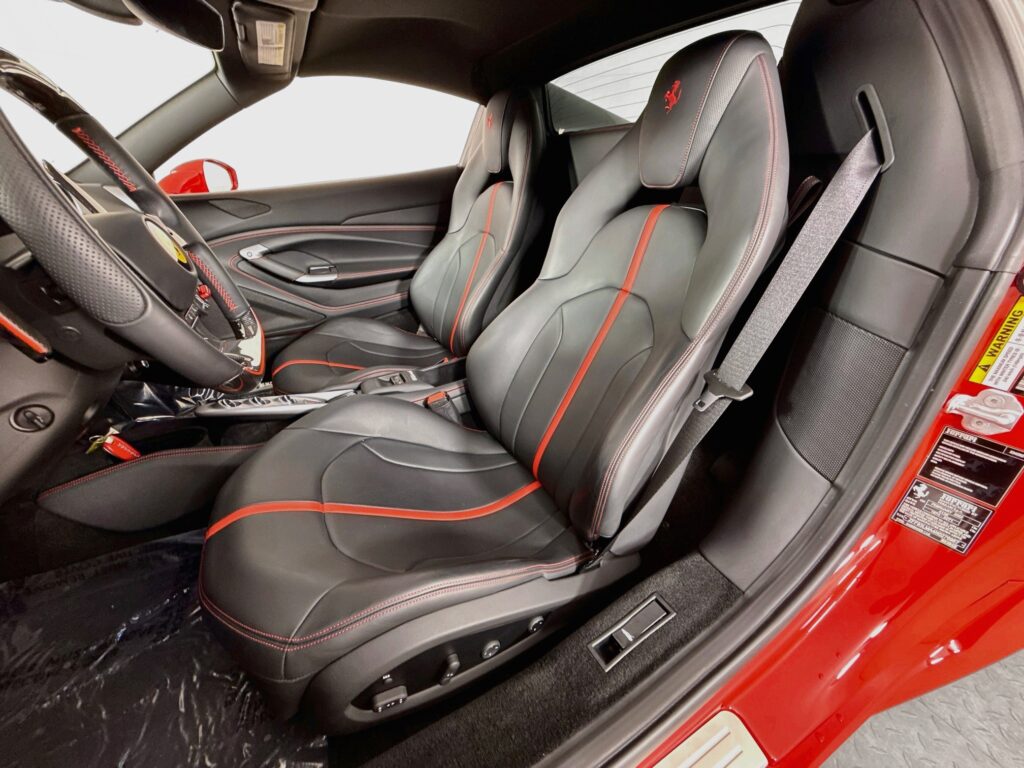
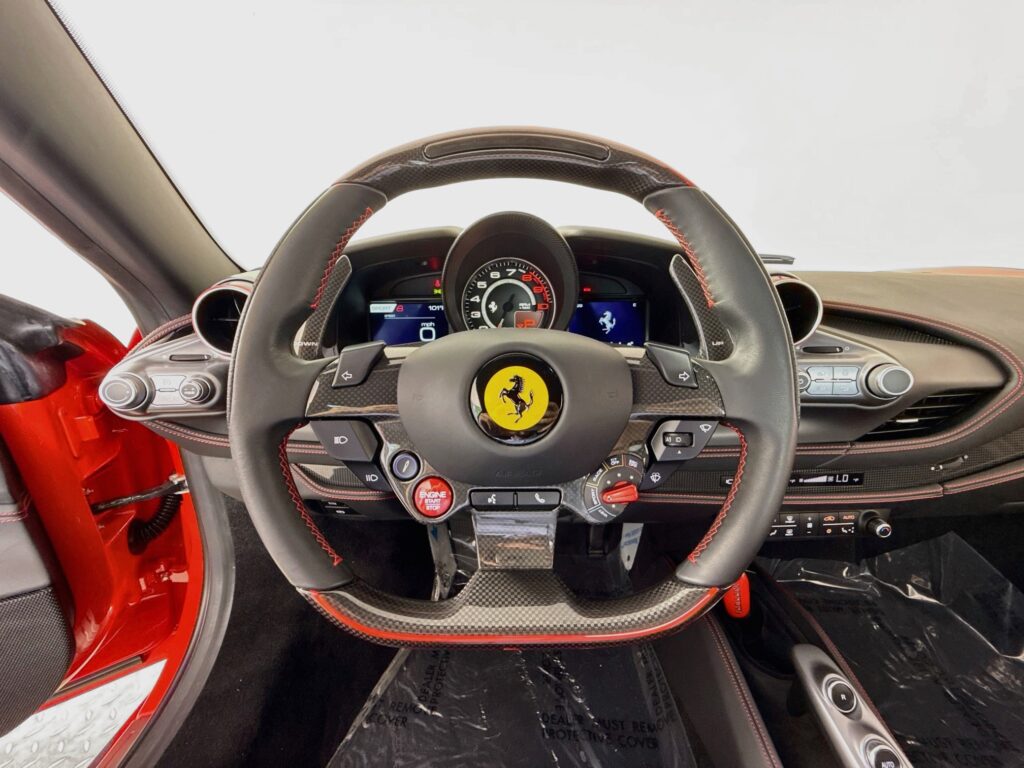
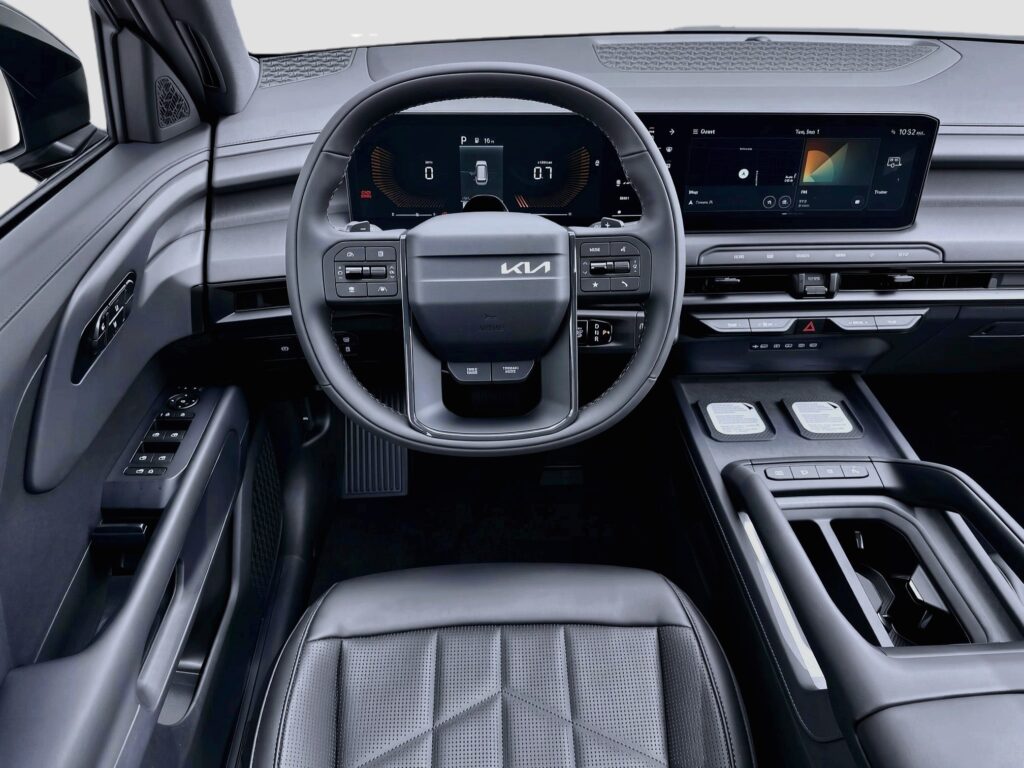
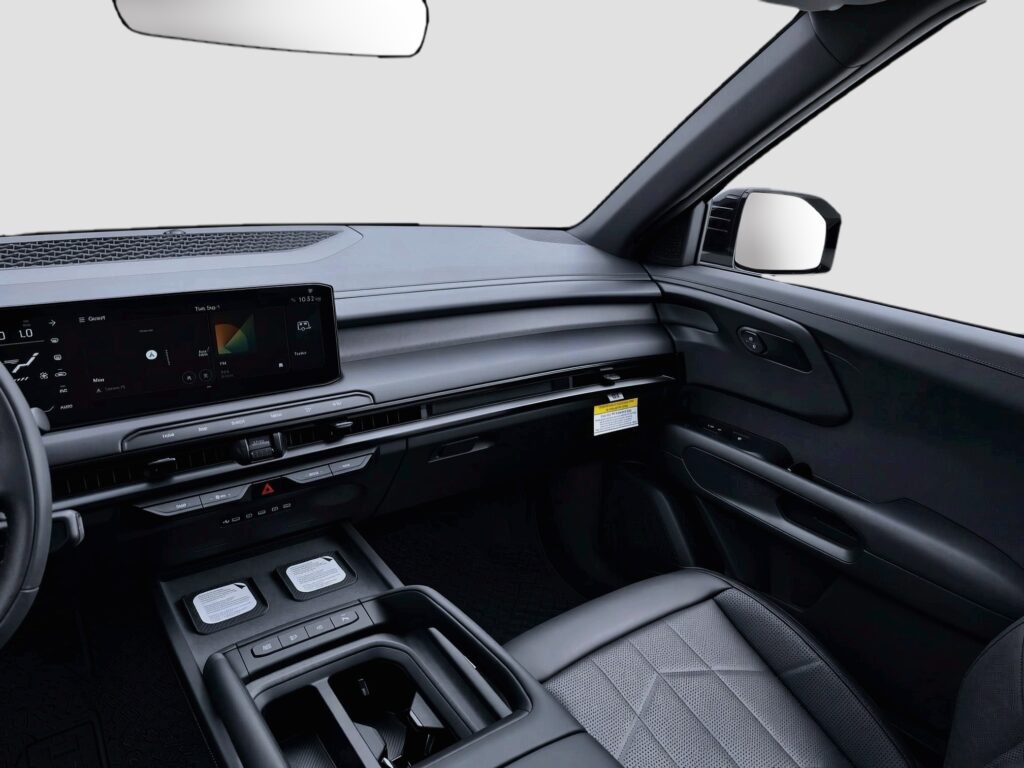
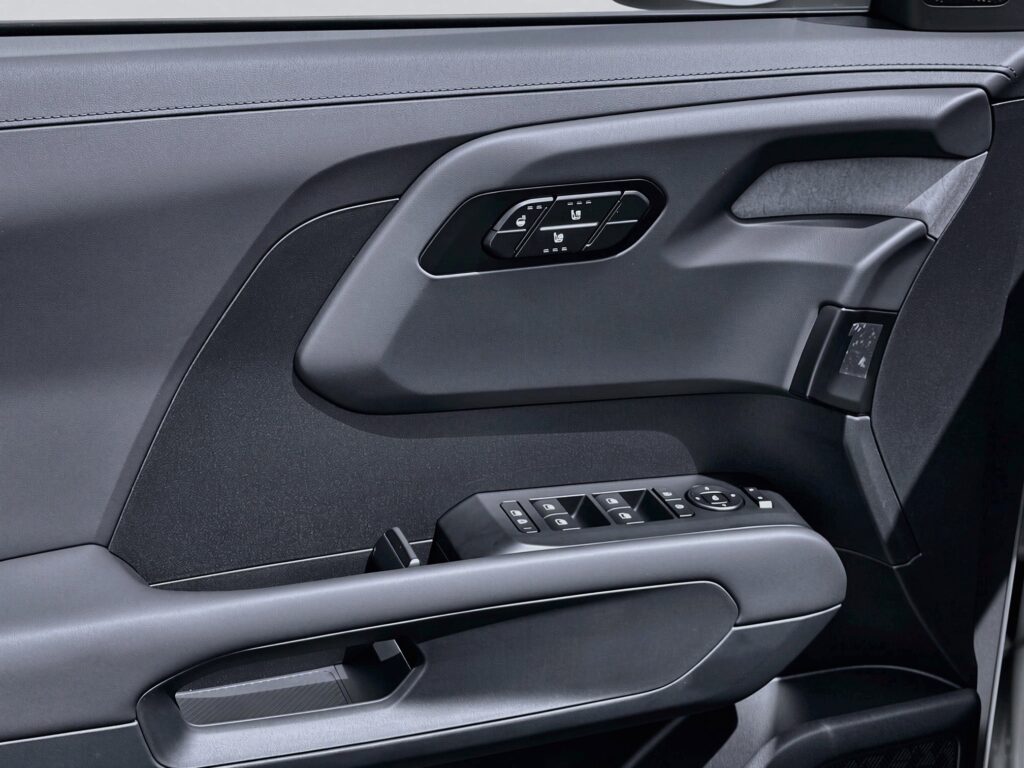
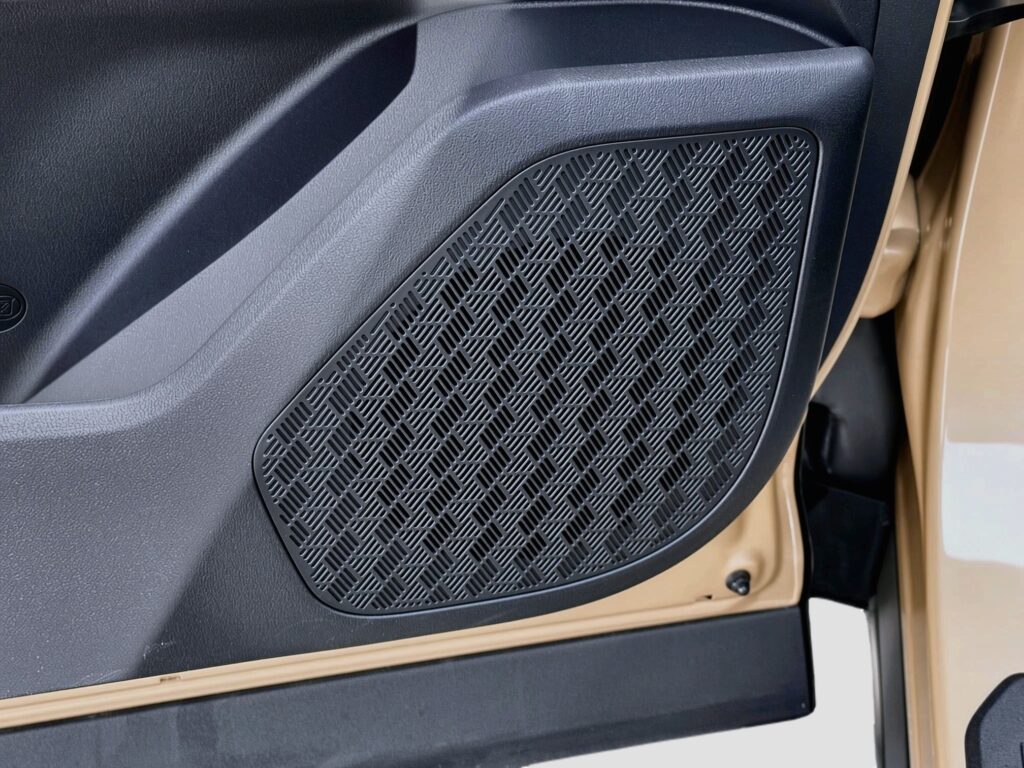
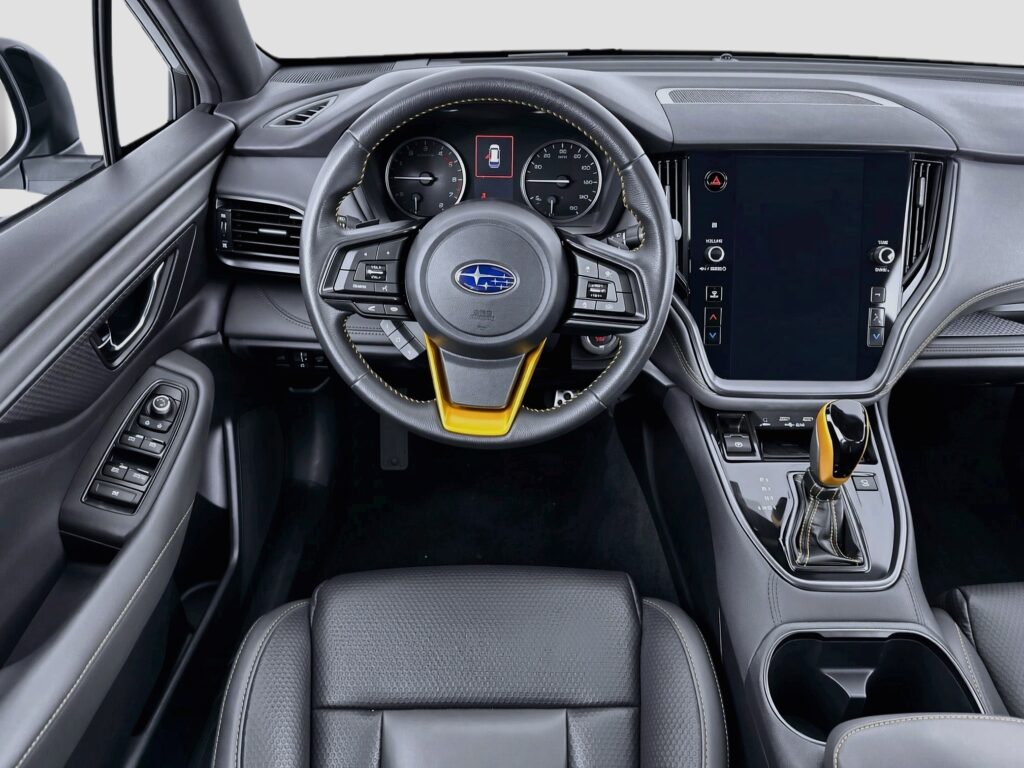
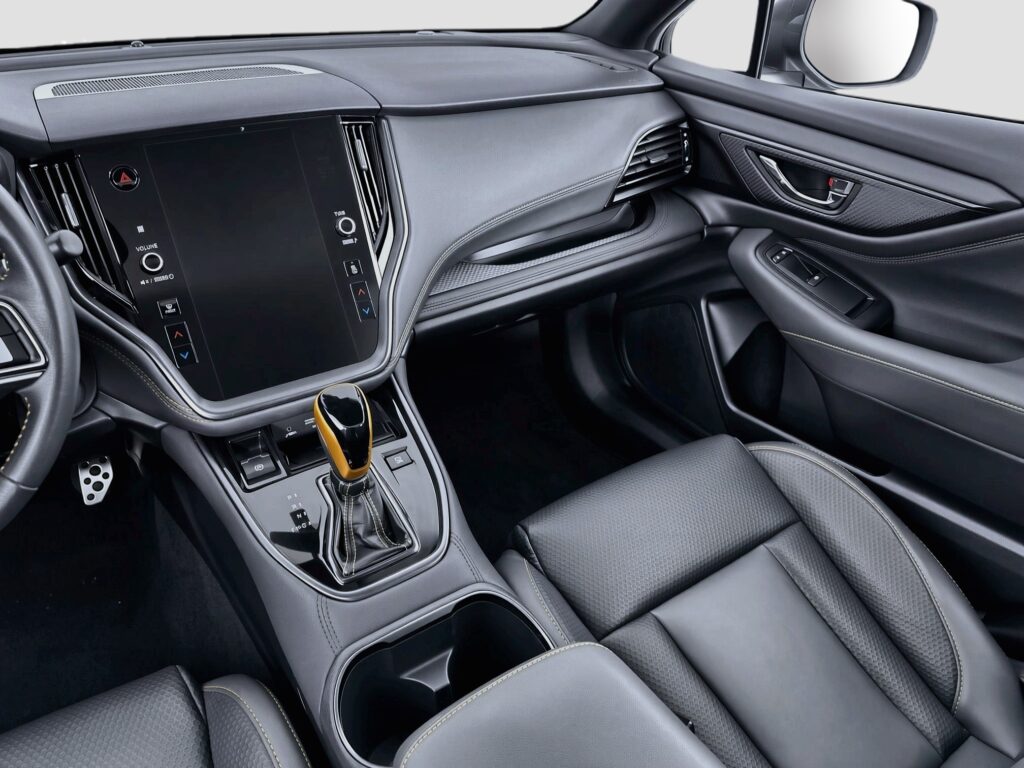
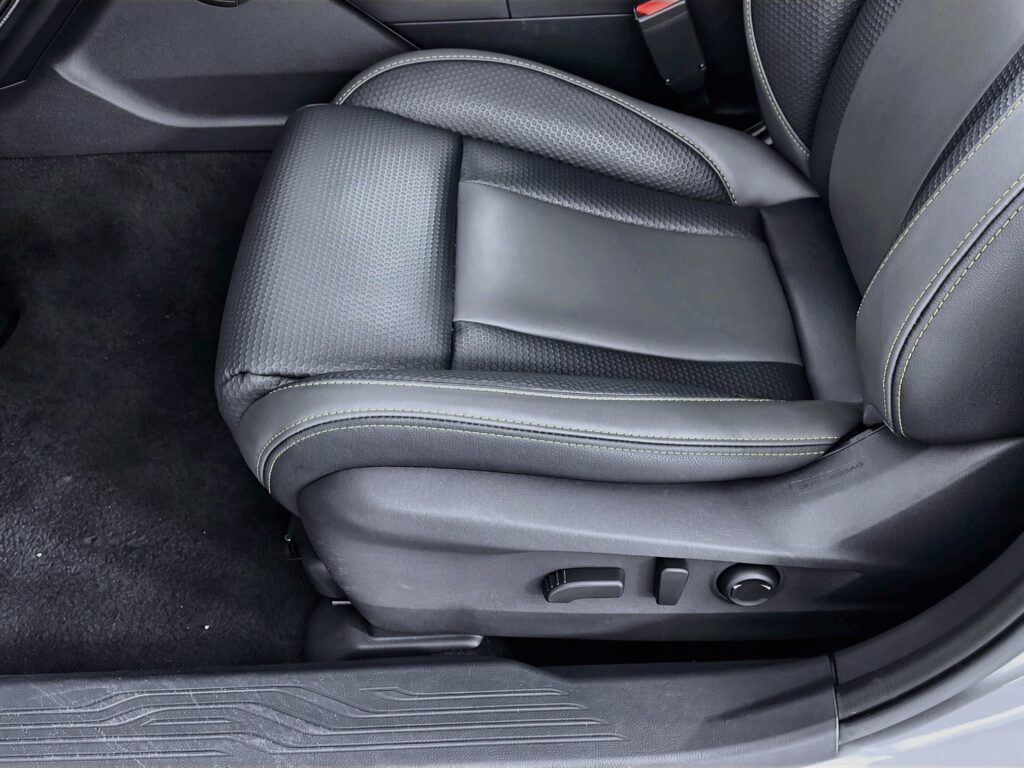
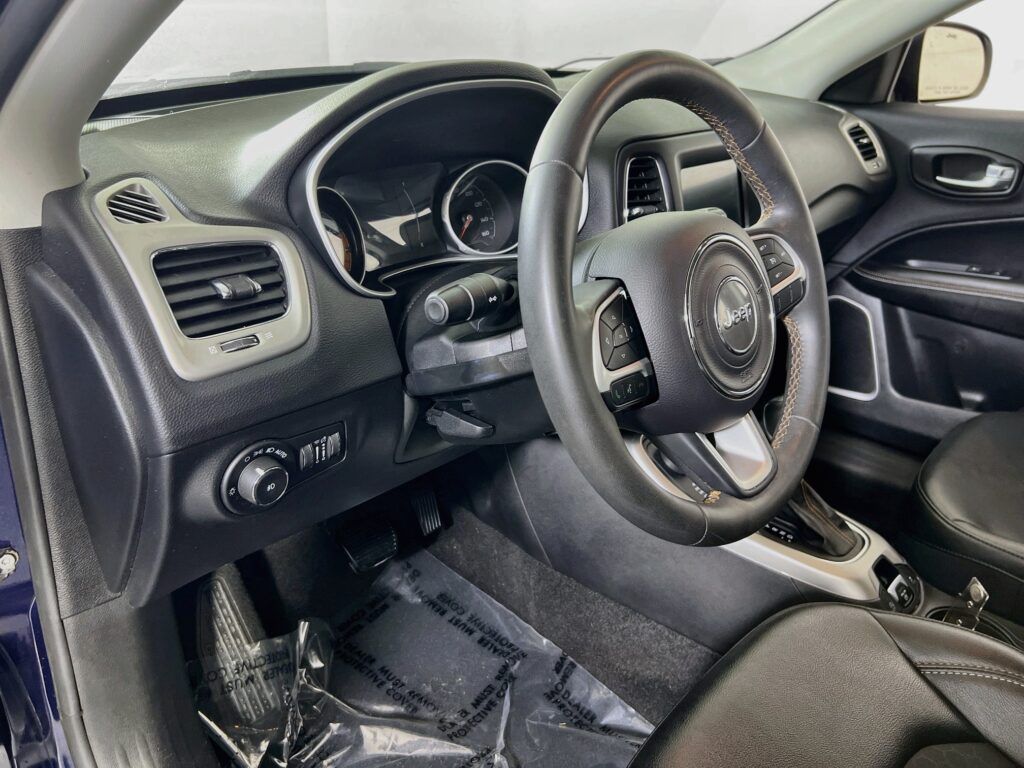
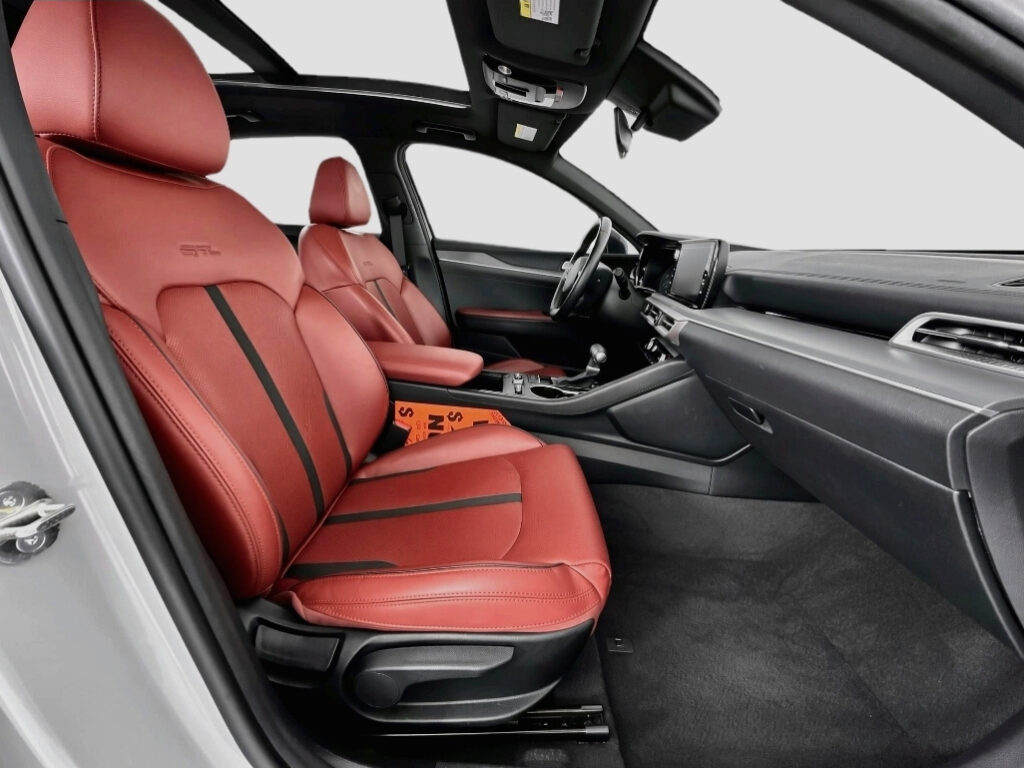
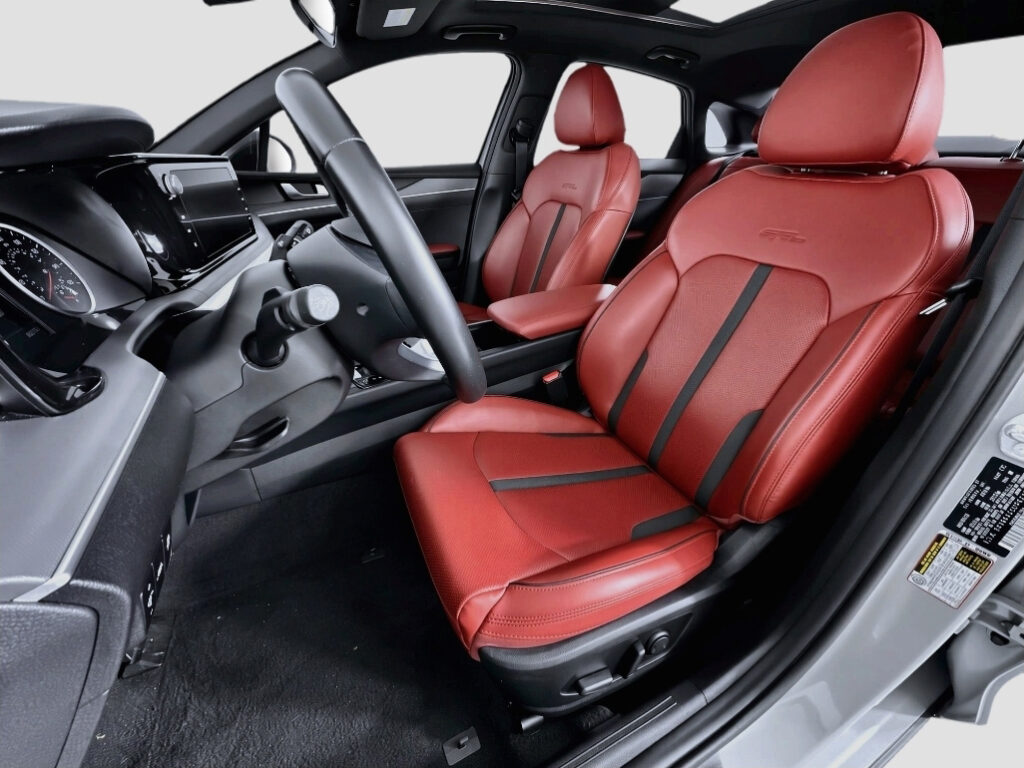
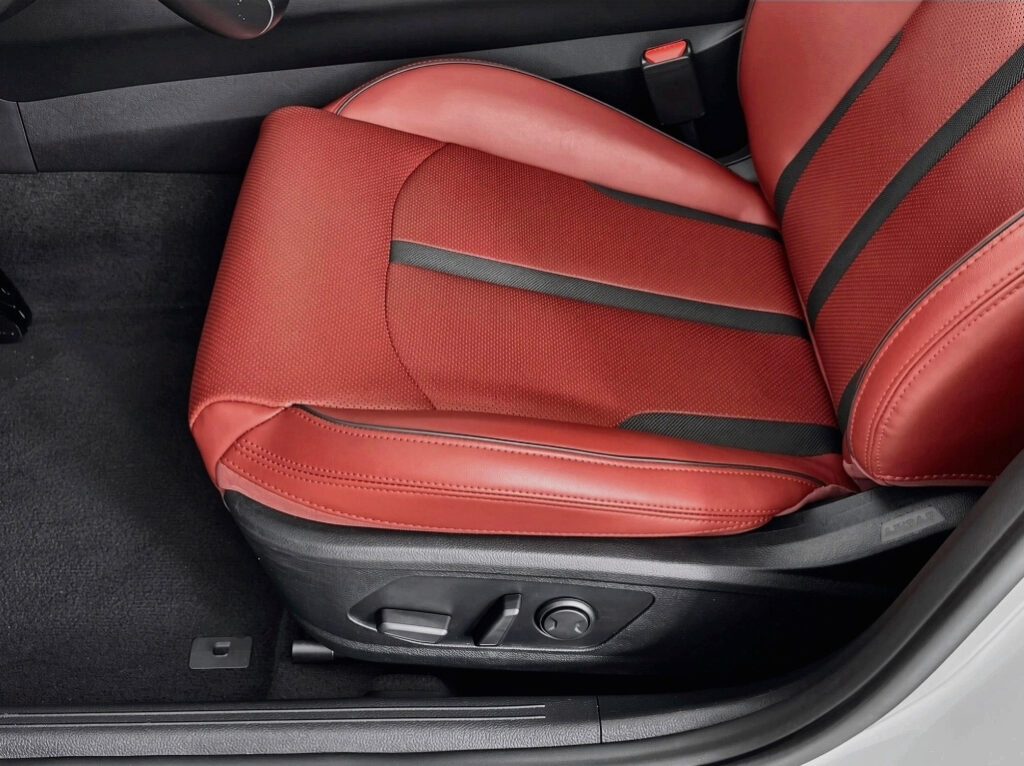
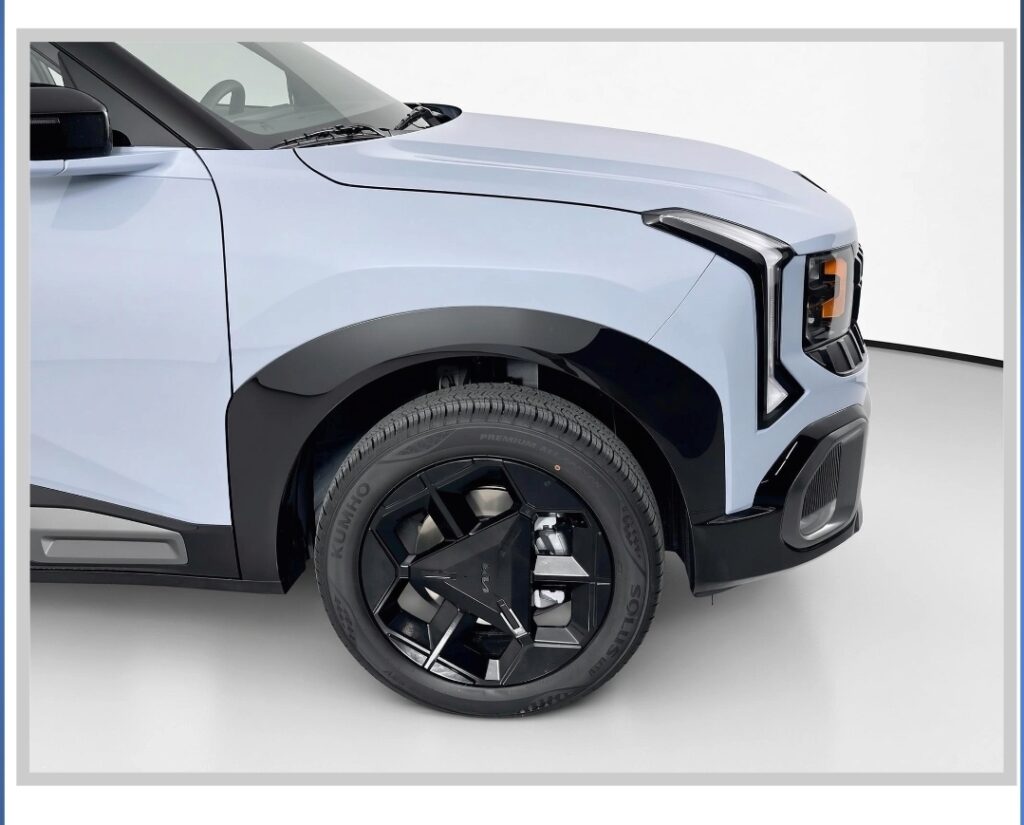
The opening photograph establishes the vehicle’s identity. Exterior angles confirm color, body style and overall condition. Wheels and body panels answer condition questions. The driver’s area, dashboard and seating show where the buyer will spend time. Rear seating, cargo space, equipment and key features complete the evaluation.
Interior and exterior 360 content should deepen that experience, not compensate for missing still photography.
When the sequence is random, the customer must search for basic answers. When the gallery is incomplete, the BDC inherits questions the photography process should have answered.
SHOOTit AI guides the operator through the dealership’s required capture sequence, organizes the actual vehicle’s images and preserves their intended order through delivery. That creates consistency across employees and inventory without asking each photographer to redesign the gallery.
Photo quality earns attention. Photo order creates understanding.
The right photograph can still be in the wrong place. A disciplined VDP sequence makes the vehicle easier to evaluate before the shopper ever contacts the dealership.
FAQ
What order should VDP photos follow?
Like a guided walkaround: an opening shot that establishes the vehicle, exterior angles, wheels and body panels, the driver’s area and dashboard, seating, then rear seats, cargo, equipment and key features.
Can 360 content replace still photos?
No. Interior and exterior 360 content should deepen the experience, not make up for missing still photography.
How does SHOOTit AI keep the order consistent?
It guides the operator through the dealership’s required capture sequence and preserves the intended image order through delivery.