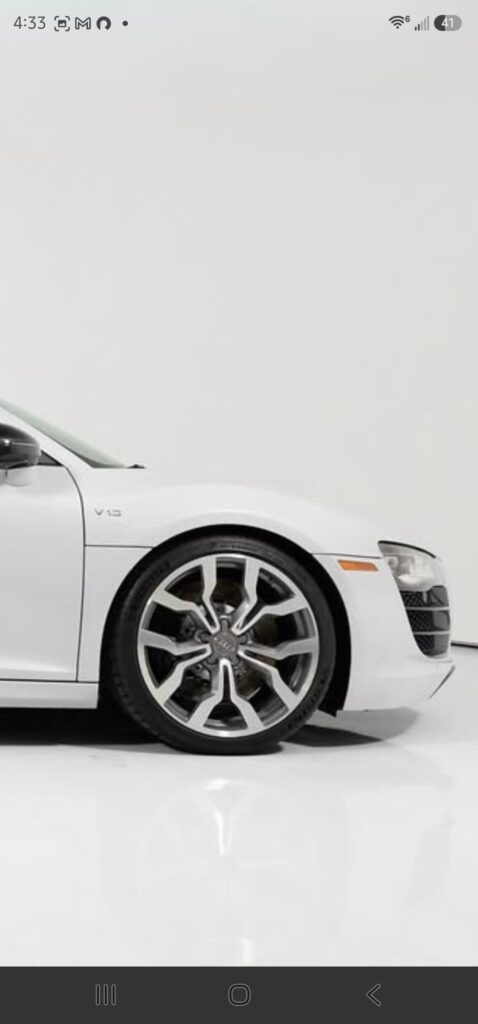
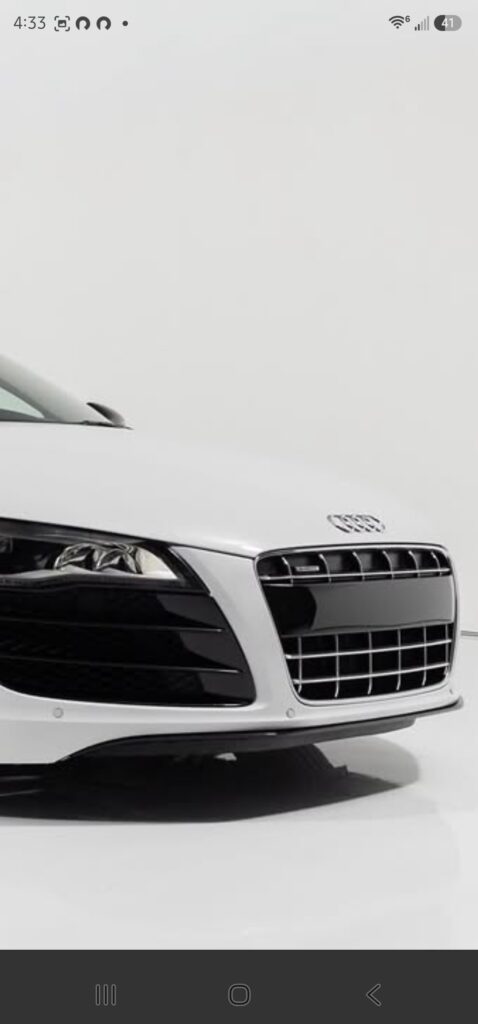
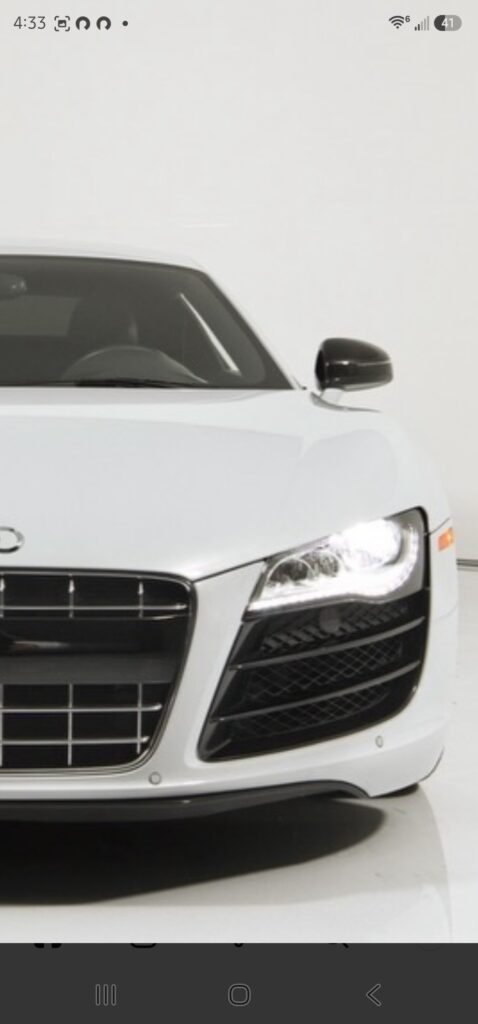
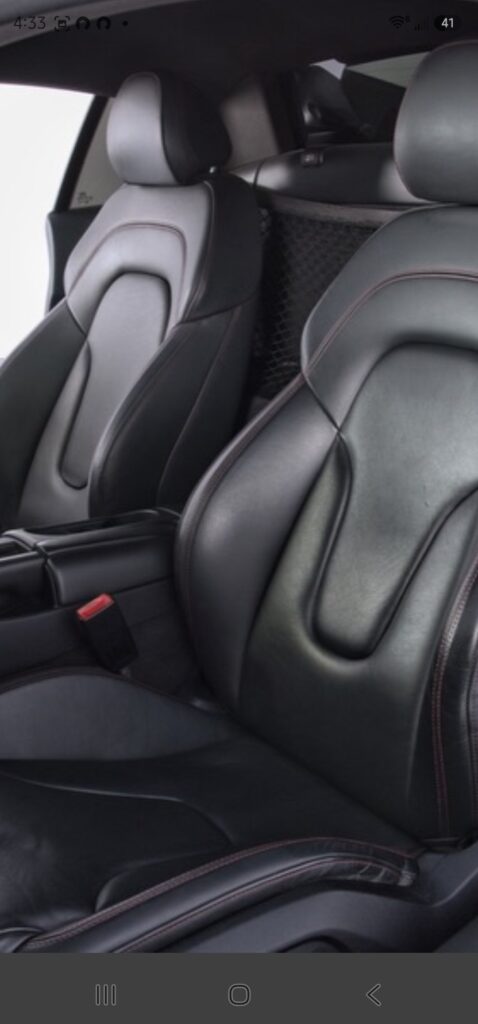
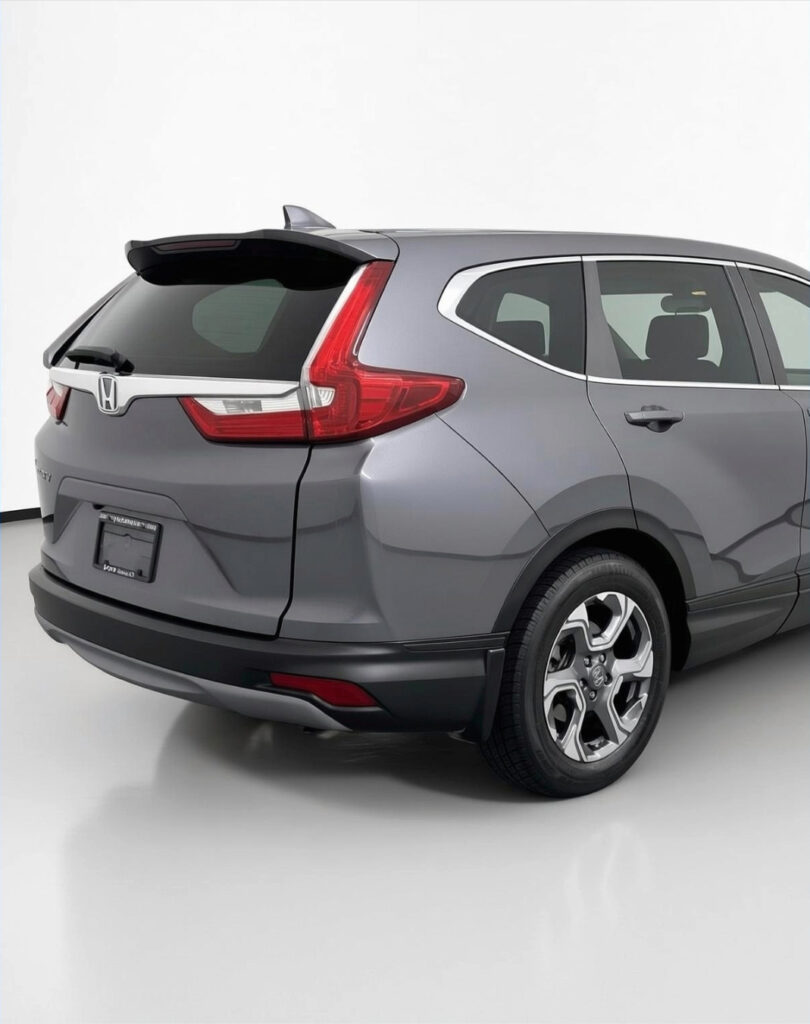
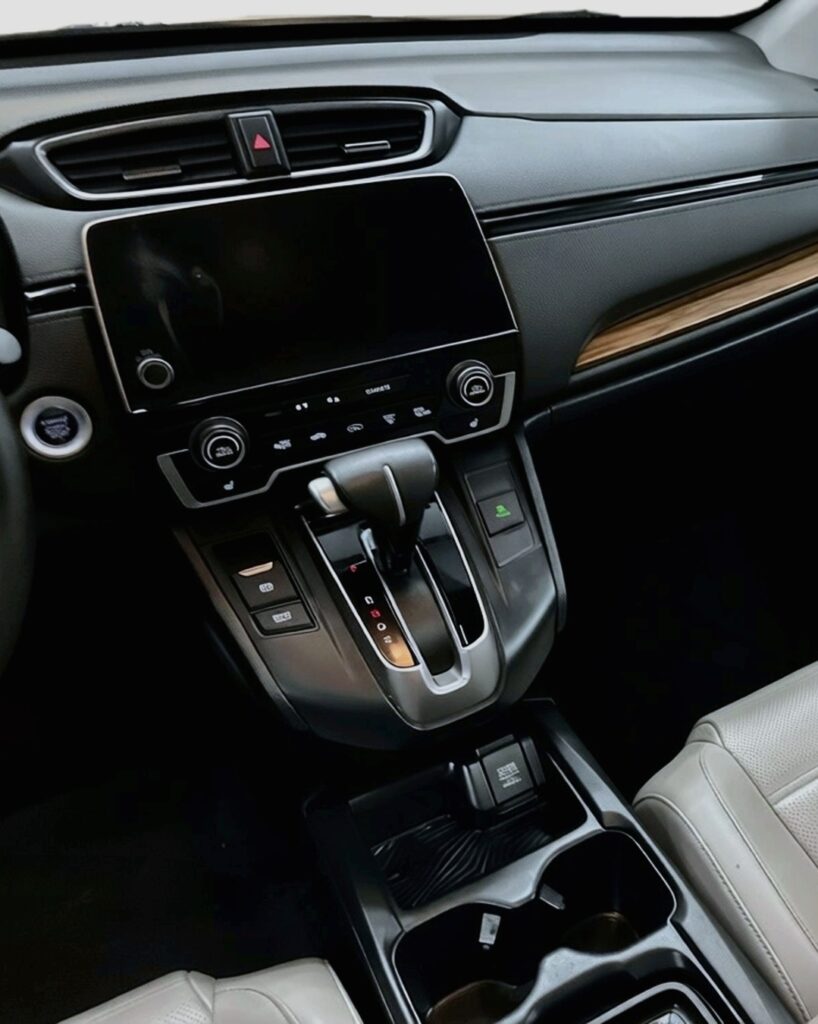
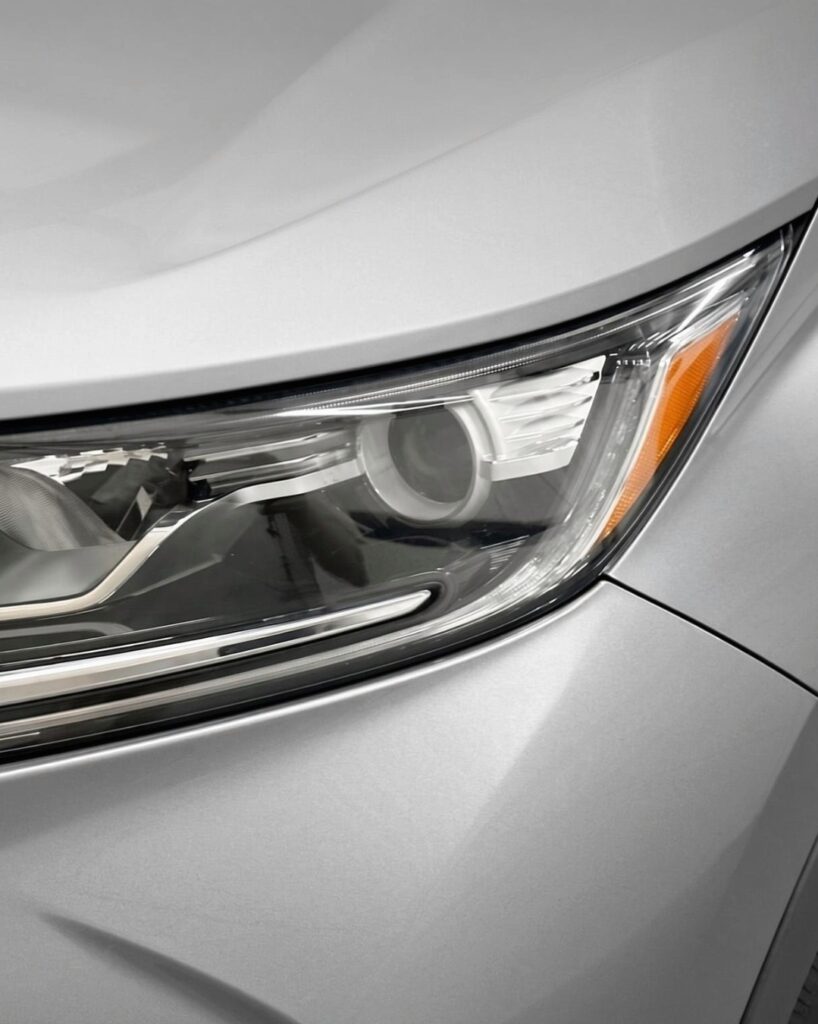
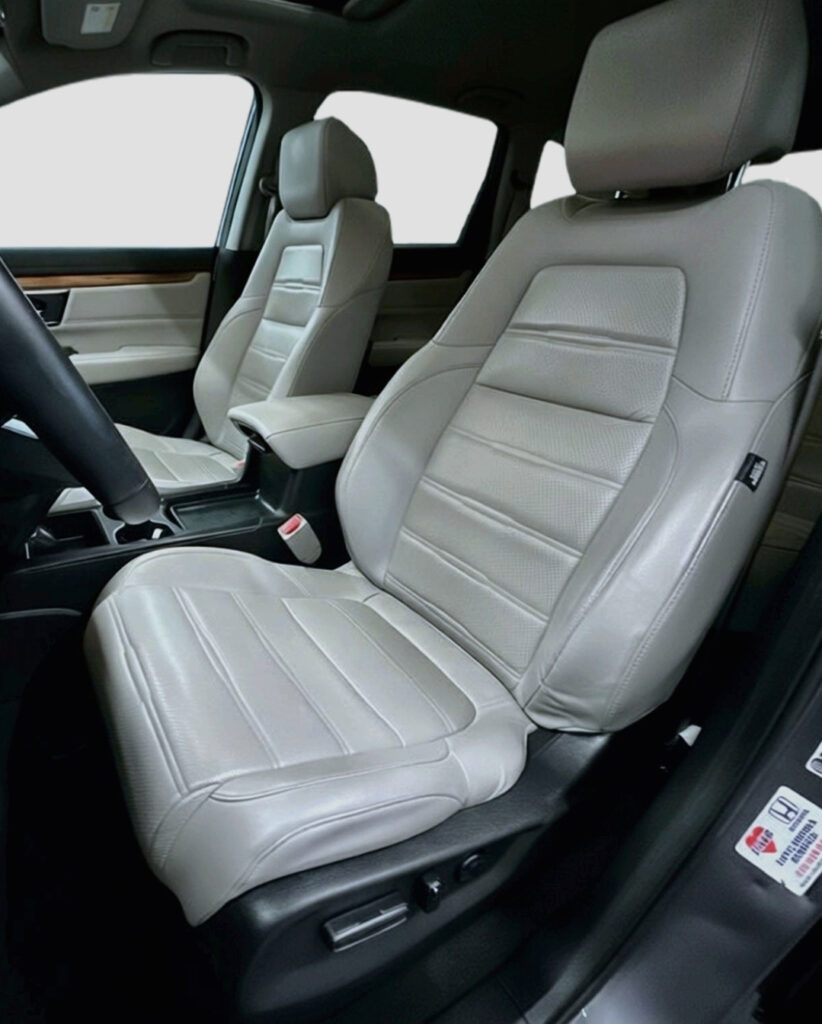
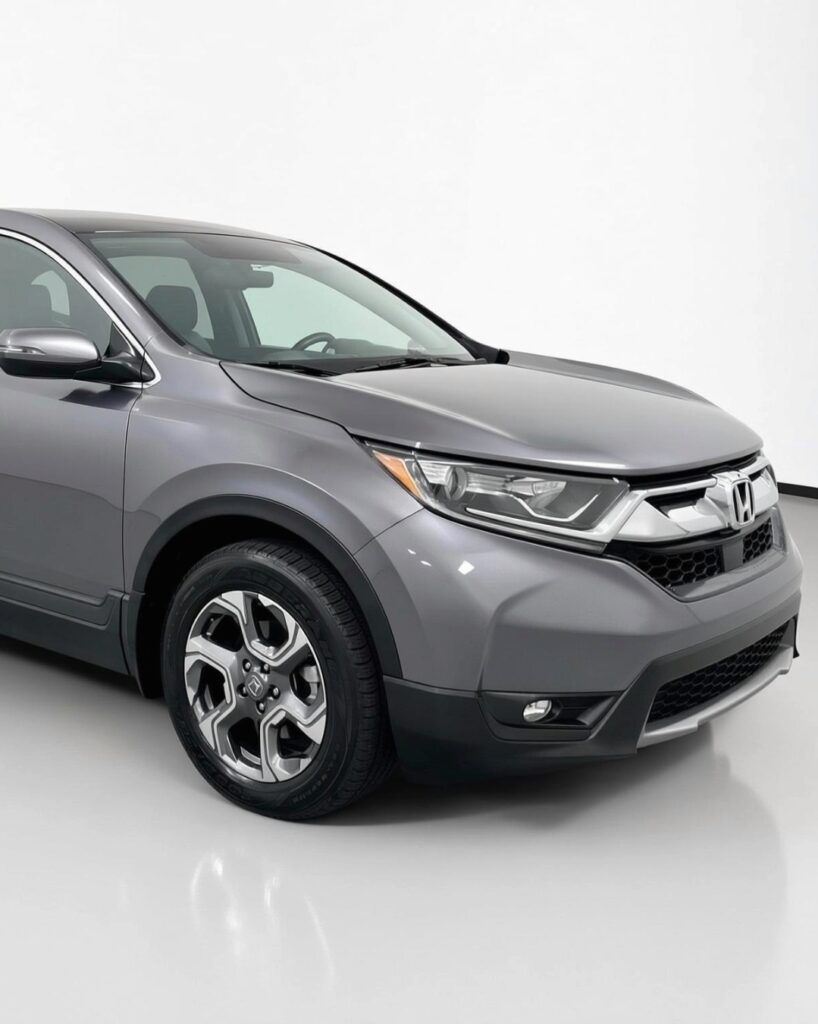
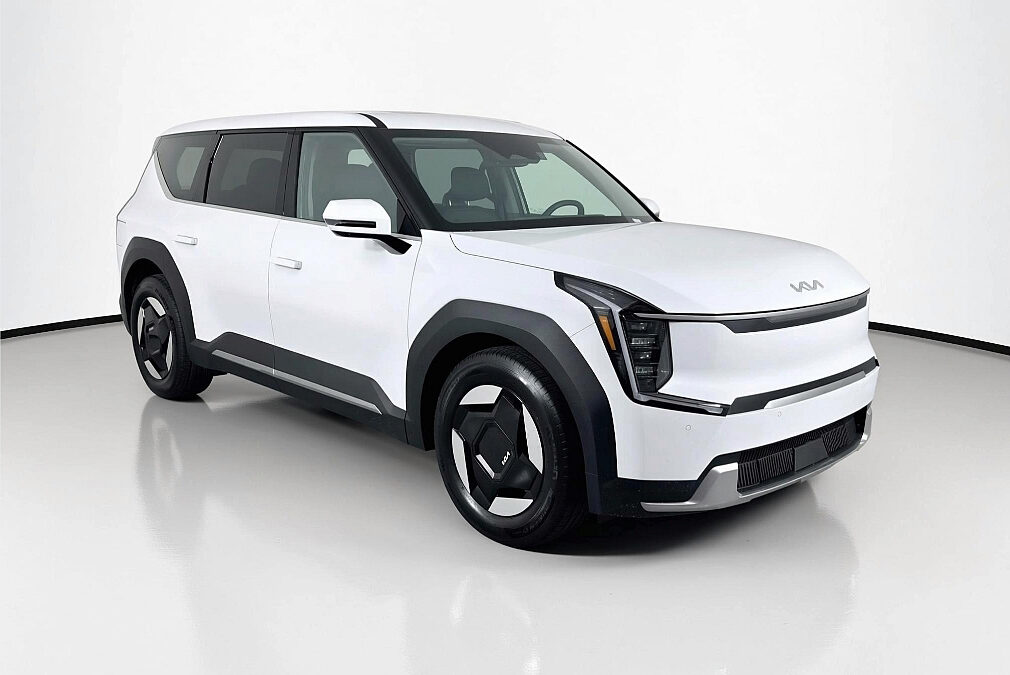
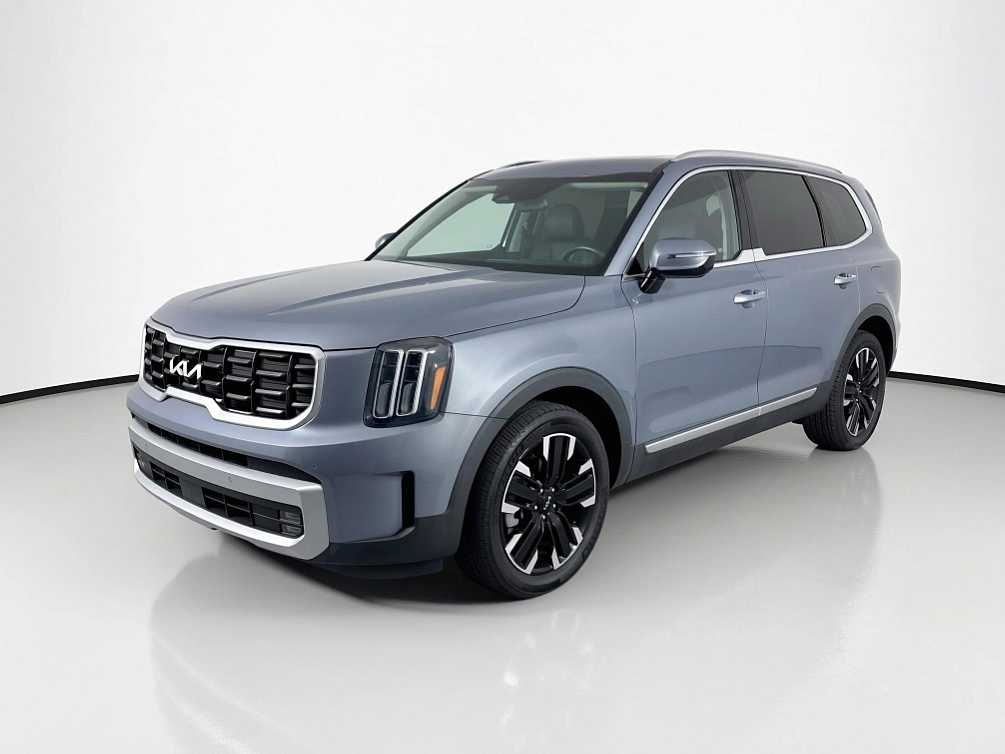
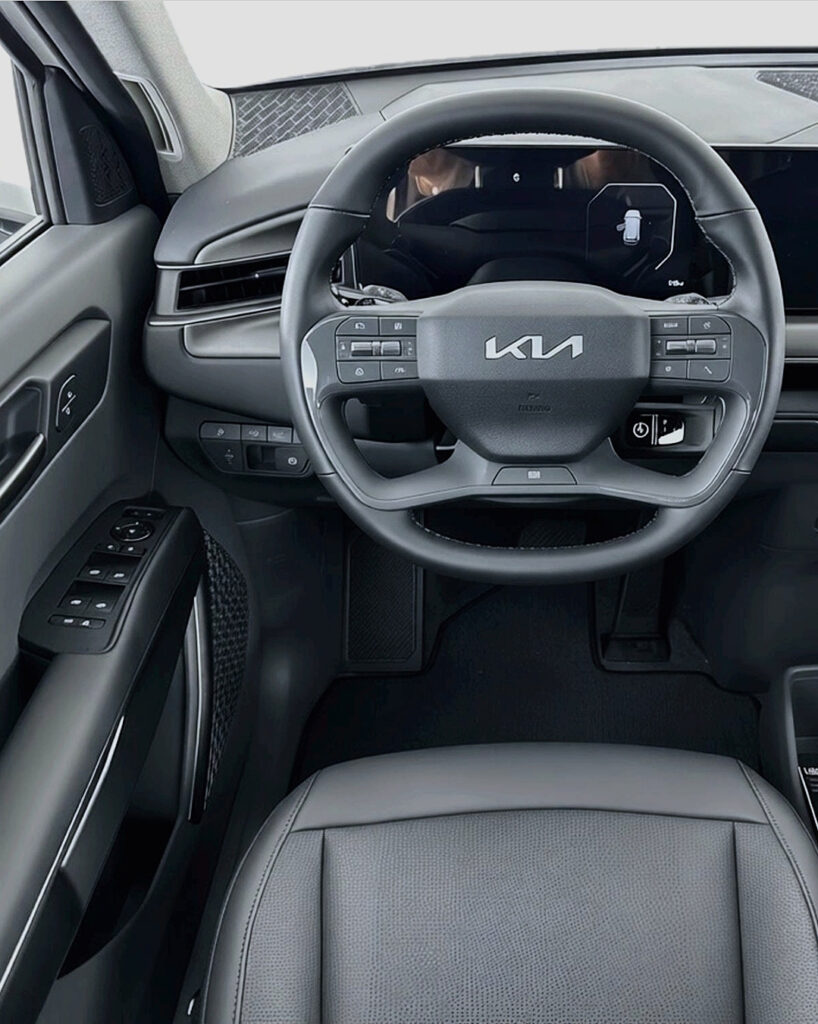
Computer vision in dealership photography should identify problems while the vehicle is still in front of the camera, not hours later after the photos reach the website.
For years, automotive dealerships have accepted an inefficient photography process. Someone photographs the vehicle, moves on to the next car, uploads the images and only later discovers a problem. Maybe an important angle was missed. A dashboard photo is blurry. The vehicle wasn’t centered correctly. An image is too dark or the photo sequence is incomplete.
Now someone has to find that vehicle again and correct the mistake.
That isn’t a photography problem. It’s a process problem.
The best time to identify a bad vehicle photo is immediately after it was taken, while the photographer is still standing next to the car.
How SHOOTit AI Uses Computer Vision During Vehicle Photography
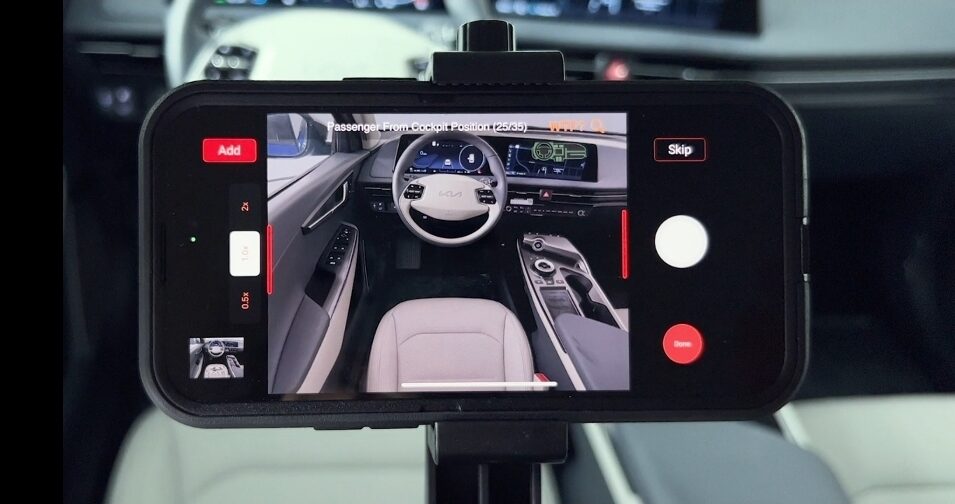
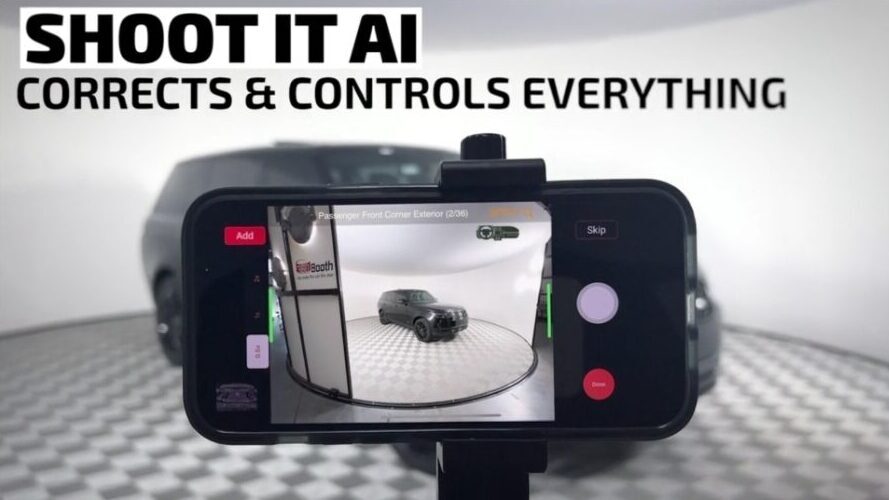
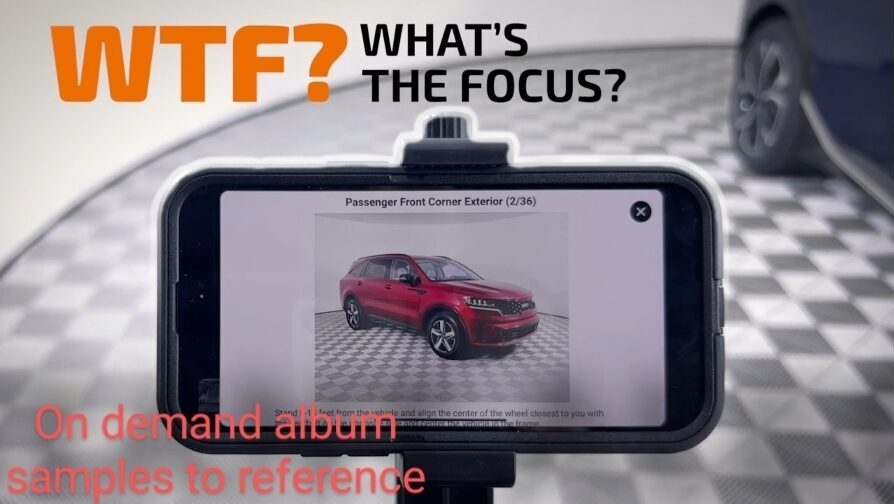
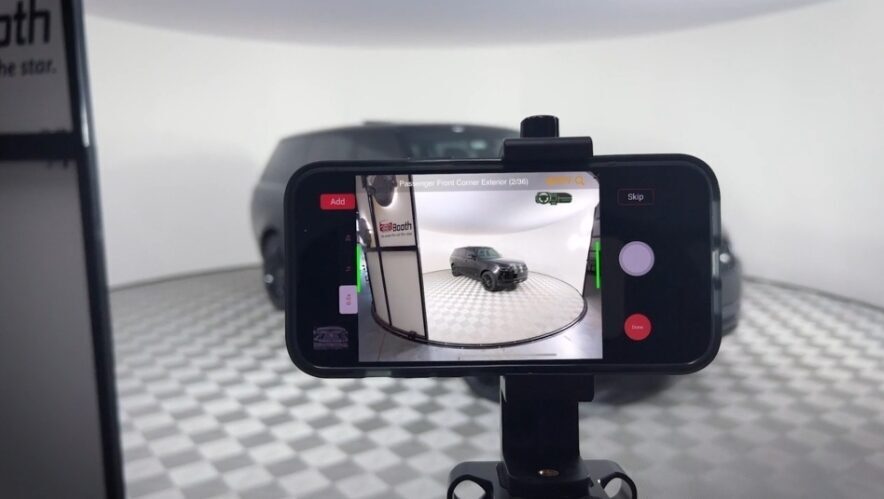
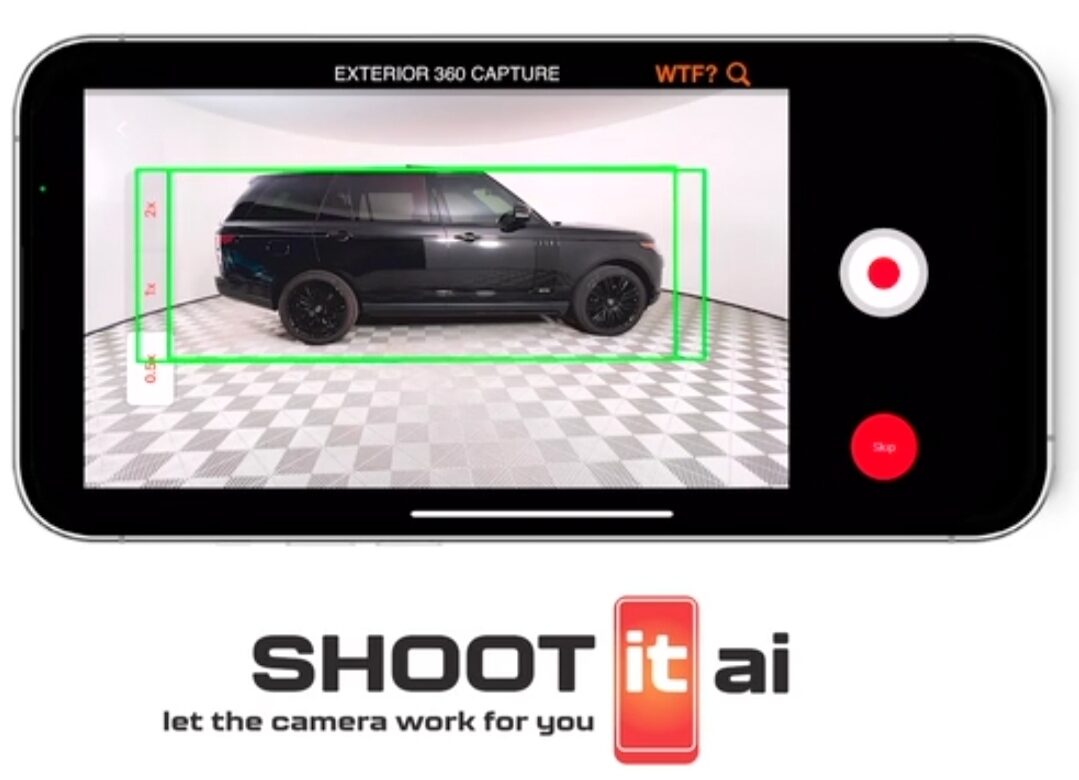
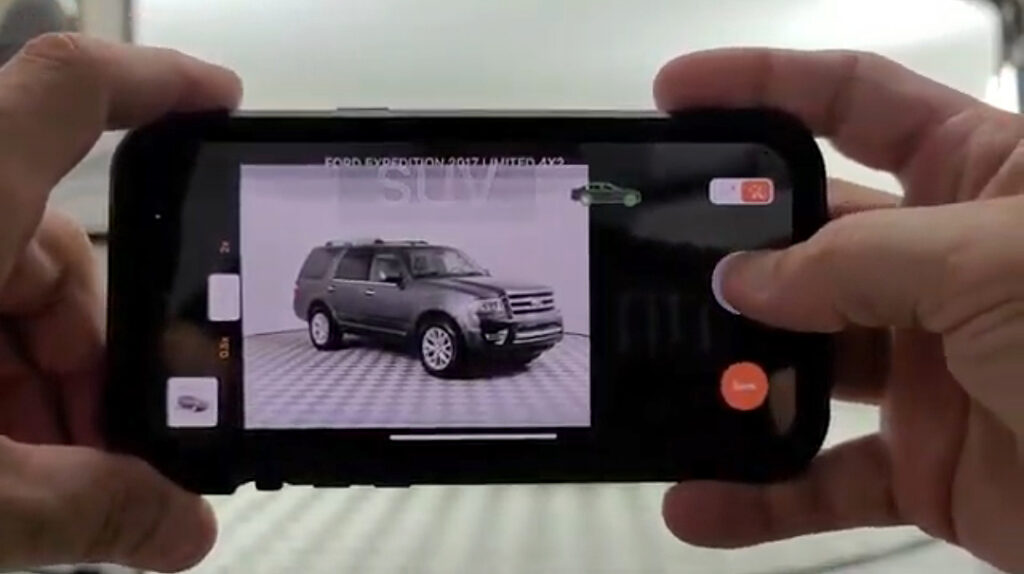
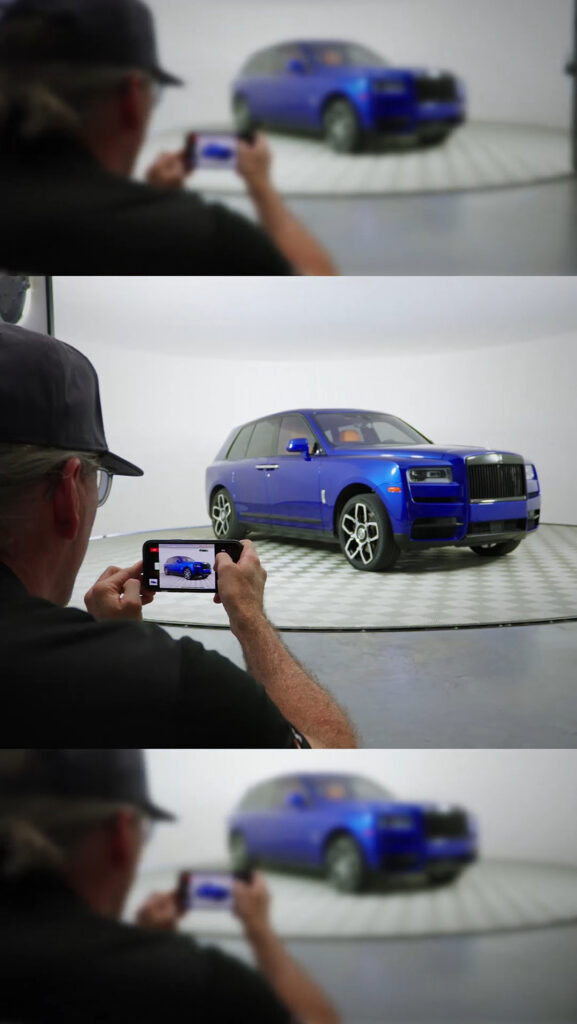
SHOOTit AI puts intelligence at the point of capture. Using the Apple iPhone, it guides the photographer through an optimized 40+ photo process and helps standardize positioning, framing, zoom, lighting and photo sequencing.
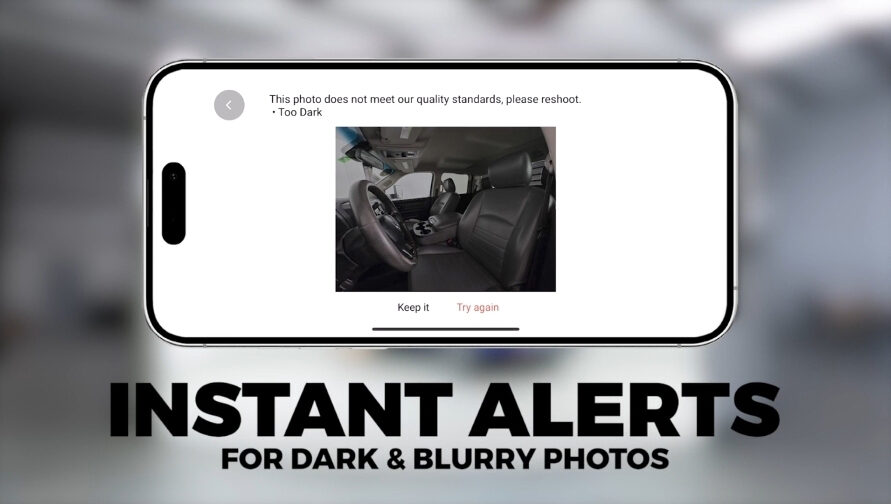
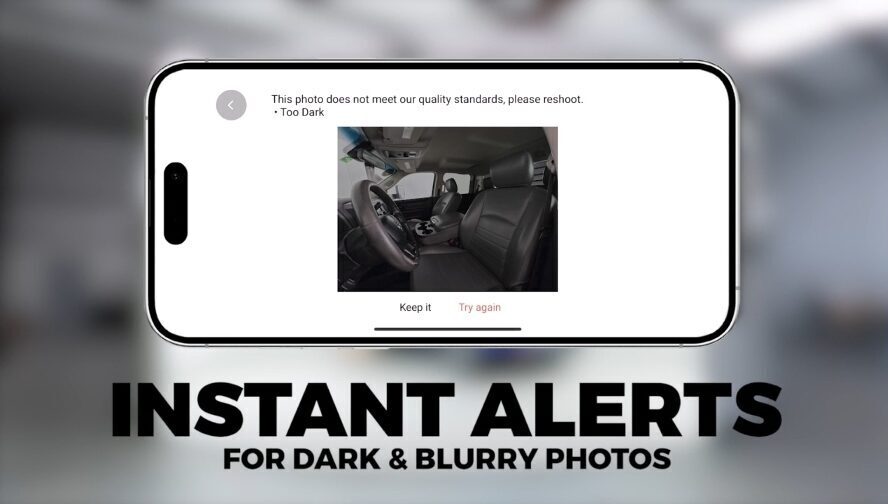
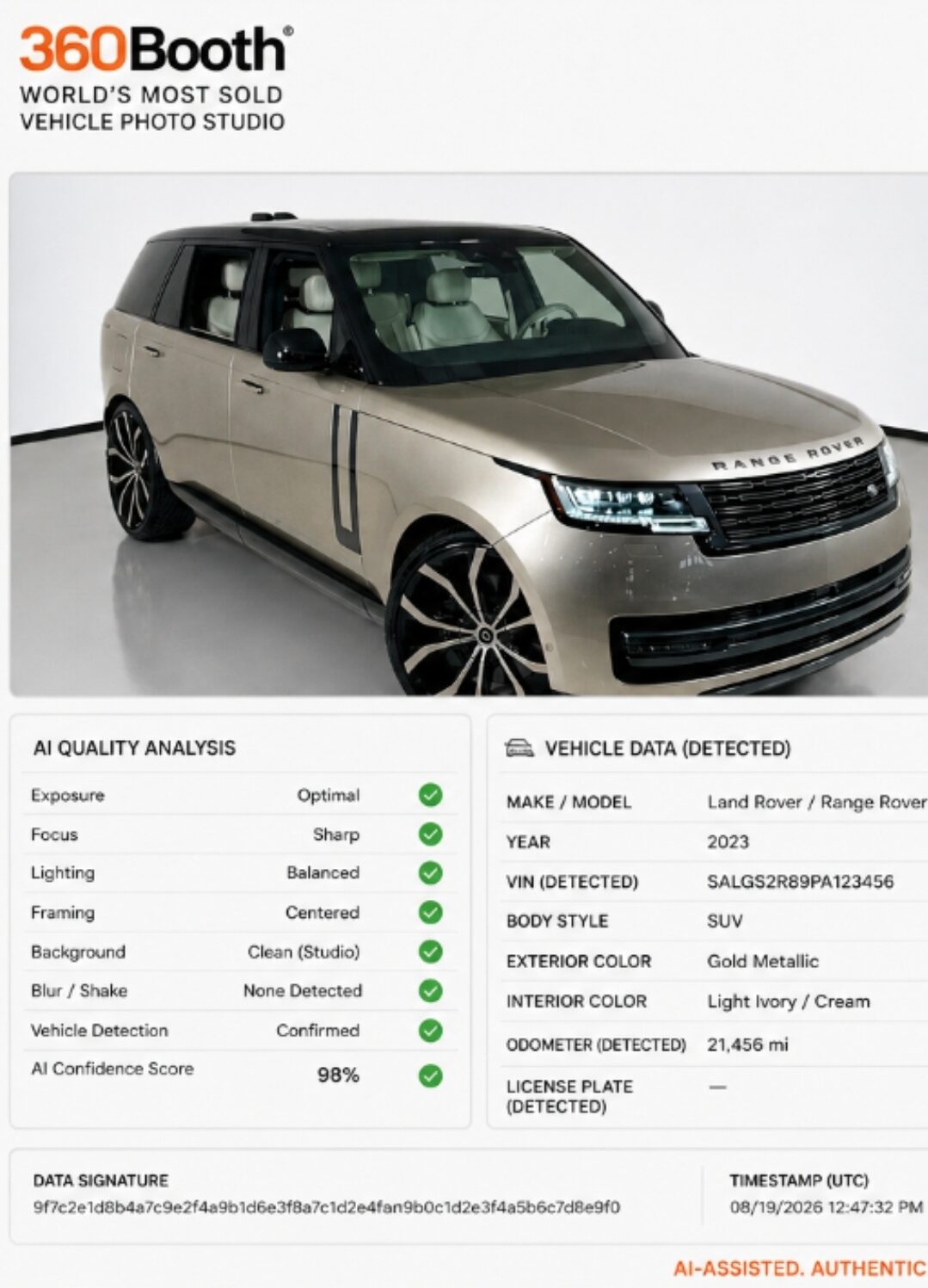
If SHOOTit AI identifies a blurry or improperly exposed image, the photographer has the opportunity to correct it immediately. Instead of depending entirely on the experience of the person holding the camera, intelligence is built into the photography process itself.
That matters in a dealership because the person photographing inventory can change.
The experienced photographer may be off. A detailer may need to photograph cars. A new employee may have five minutes of training. The dealership’s photography standard shouldn’t disappear because a different person picked up the camera.
360Booth Controls the Environment. SHOOTit AI Controls the Capture Process.
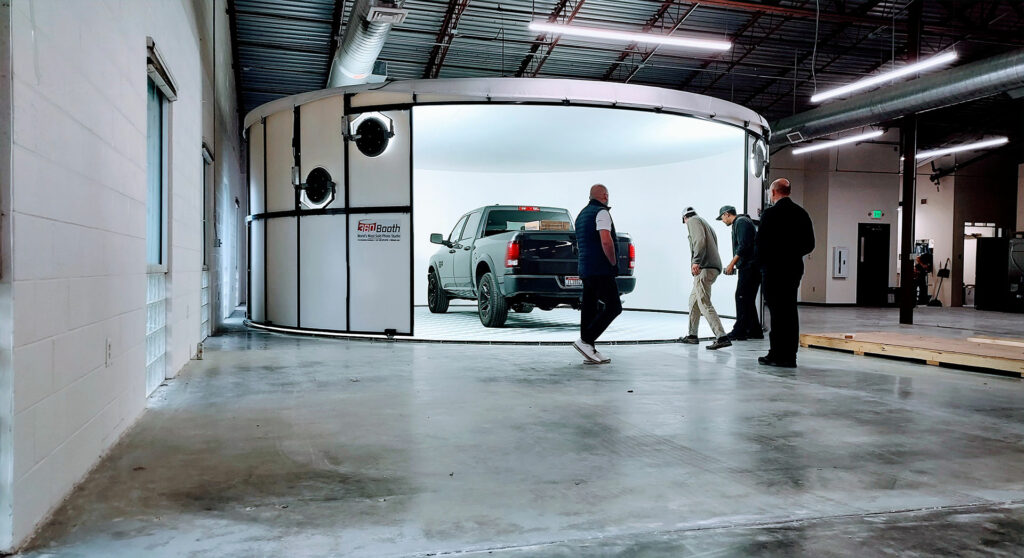
This is where a 360Booth vehicle photo studio and SHOOTit AI work together.
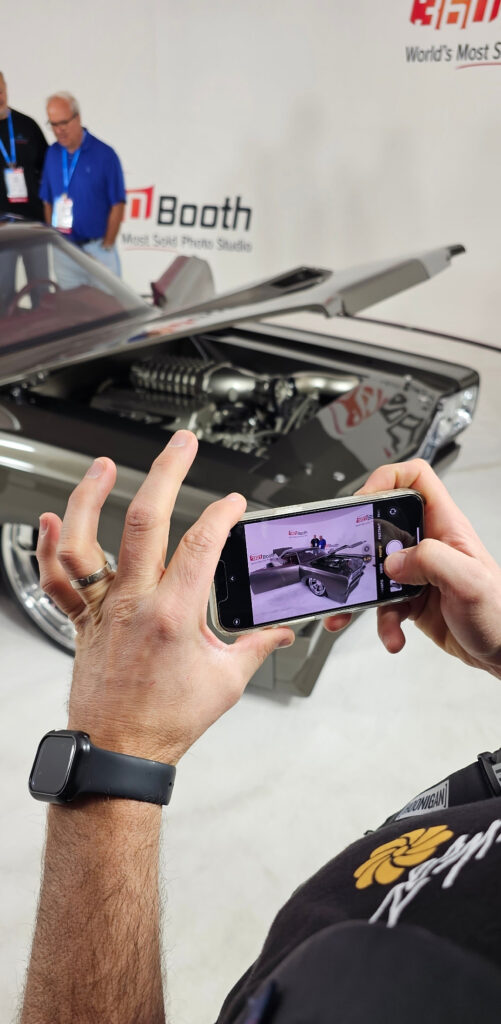
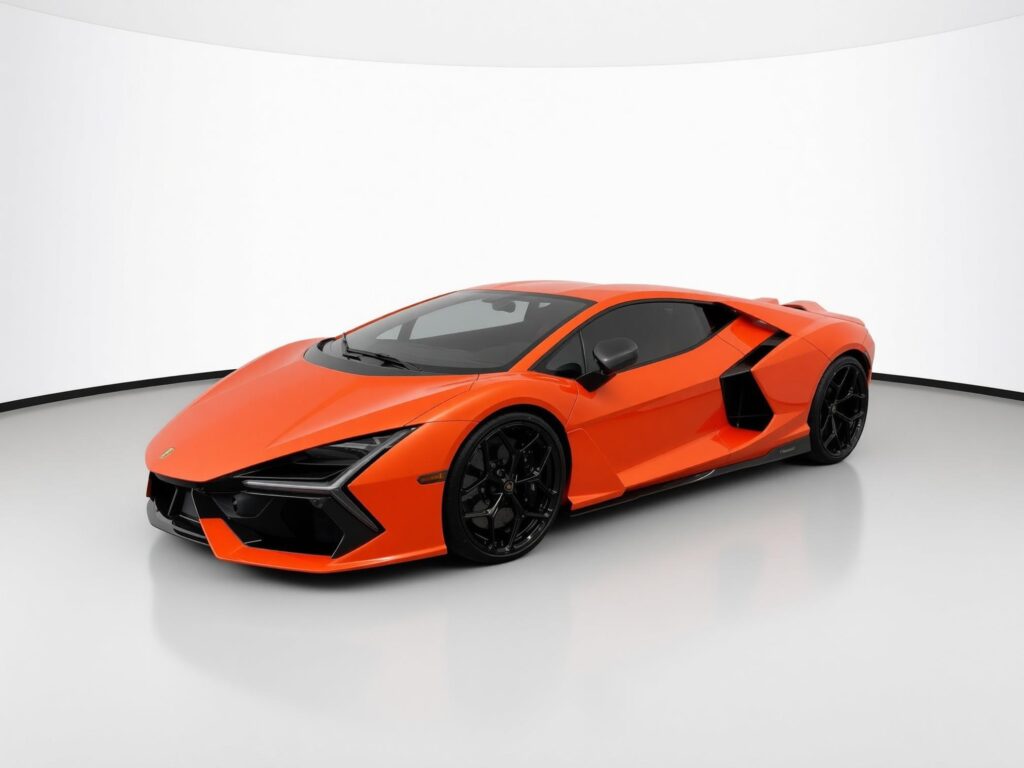
360Booth provides controlled lighting and a repeatable physical photography environment. SHOOTit AI provides the intelligence that helps the person behind the iPhone consistently capture the vehicle correctly.
One controls variables around the vehicle. The other helps control variables behind the camera.
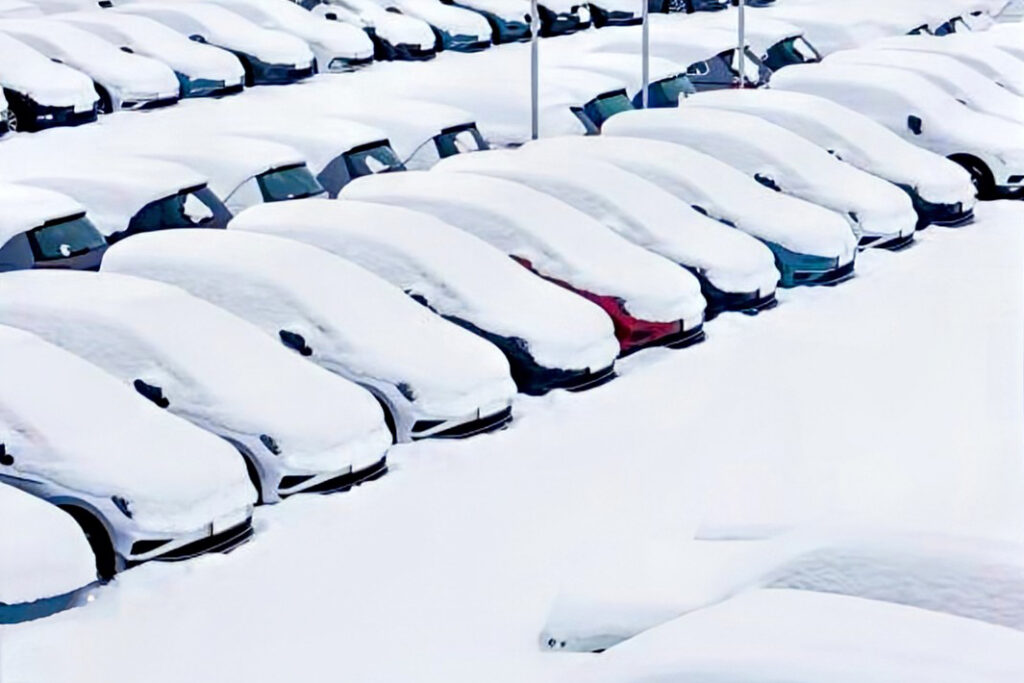
The result is a repeatable automotive merchandising process that doesn’t depend on weather, changing sunlight or one highly experienced photographer being available.
Our team has more than 50 years of combined automotive photography experience. We’ve learned that better dealership photography isn’t simply about buying a better camera. It’s about removing opportunities for mistakes throughout the entire process.
The Dealership Camera Has Changed
A dealership camera shouldn’t simply document inventory anymore. It should help manage the process.
Was the vehicle photographed correctly? Were the required images captured? Were quality problems identified? Were mistakes corrected before the employee walked away?
That’s practical artificial intelligence.
The objective isn’t to manufacture a different version of the vehicle afterward. It’s to use AI and computer vision to help capture the actual vehicle correctly the first time.
That distinction is becoming increasingly important as automotive retail adopts more AI-generated and synthetic imagery.
SHOOTit AI uses intelligence to improve authentic vehicle photography at capture. Pair it with the controlled environment of a 360Booth and dealerships can create professional, consistent photography of the actual vehicle while reducing the human errors that traditionally create retakes and delays.
Better technology shouldn’t create more work after the photograph. It should prevent that work from becoming necessary in the first place. That’s the difference between correcting quality and controlling quality.
SHOOTit AI. Your photos won’t suck.
FAQ
What should computer vision do in dealership photography?
Identify problems such as missed angles, blurry or dark images and off-center vehicles while the car is still in front of the camera, not after the photos reach the website.
How does SHOOTit AI use computer vision?
On the iPhone, it guides the photographer through an optimized 40+ photo process, helps standardize positioning, framing, zoom, lighting and sequence, and flags blurry or poorly exposed images so they can be fixed immediately.
How do 360Booth and SHOOTit AI divide the work?
360Booth controls the variables around the vehicle, such as lighting and environment. SHOOTit AI helps control the variables behind the camera.
Does SHOOTit AI alter the vehicle?
No. The goal is to capture the actual vehicle correctly the first time, not to manufacture a different version of it afterward.
The breakthrough in dealership photography isn’t taking a prettier picture. It’s knowing the picture is right before the photographer walks away.
That technology isn’t coming someday. It’s available today with SHOOTit AI.
Traditional dealership photography depends heavily on the person holding the camera. One employee understands lighting and framing. Another forgets important angles. Someone else takes a blurry dashboard photo or shoots a vehicle too dark.
The mistake often isn’t discovered until the images reach the Vehicle Detail Page (VDP). Now the dealership has to find the vehicle, move it back to the photography area and shoot it again. That’s wasted time.
How Does SHOOTit AI Improve Dealership Vehicle Photography?
SHOOTit AI turns the Apple iPhone into an intelligent automotive photography tool. The system guides the photographer through an optimized sequence around the vehicle, helping a dealership capture 40+ consistent vehicle photos efficiently.
SHOOTit AI helps standardize vehicle positioning, framing, zoom, lighting and photo sequencing. It can identify problems such as blurry or poorly exposed images while the photographer is still with the vehicle, giving the employee an opportunity to correct the photograph immediately.
The objective isn’t to turn every dealership employee into a professional photographer. It’s to put decades of automotive photography knowledge into the process they’re following. That means a porter, detailer or new employee can follow the same standardized workflow instead of inventing their own photography process.
Why Combine SHOOTit AI With a 360Booth Vehicle Photo Studio?
This is where the combination becomes powerful. 360Booth controls the physical environment. SHOOTit AI controls and monitors the capture process.
A 360Booth provides consistent studio lighting and a repeatable environment regardless of weather, changing sunlight or outdoor distractions.
SHOOTit AI adds the intelligence needed to guide the person holding the camera and maintain the dealership’s photography standard.
Together, they address two major sources of inconsistent automotive photography: The environment and human error.
Can AI Reduce Vehicle Photography Retakes?
Yes—that’s one of the most important benefits of intelligent capture.
The best time to discover a bad photograph isn’t after the vehicle has been uploaded. It’s instantly after the photograph was taken.
If the system identifies a blurry or improperly exposed image while the photographer is standing next to the vehicle, correcting it takes seconds. Discovering the same problem hours later creates another workflow. That’s the difference between quality correction and quality prevention.
Automotive Experience Matters
SHOOTit AI wasn’t created simply by teaching software how a camera works. Behind 360Booth and SHOOTit AI is a team with more than 50 years of combined automotive photography experience.
That experience matters because dealership photography isn’t simply about exposure and focus. It’s understanding which images customers need, the sequence in which vehicles should be photographed, how dealerships actually operate and how to move inventory from retail ready to professionally merchandised as efficiently as possible.
Technology alone doesn’t understand a dealership. Experience teaches the technology what matters.
AI Automotive Photography Is Already Here
Dealers don’t need to wait for the future of AI vehicle photography. SHOOTit AI already uses intelligence to help dealerships standardize capture, reduce mistakes and create consistent vehicle imagery. Combine it with the controlled environment of a 360Booth and dealerships gain something much more valuable than another camera: A repeatable automotive merchandising process.
Better lighting. Better consistency. Fewer mistakes. Faster corrections. Professional photography of the actual vehicle.
And most importantly, less dependence on whether the person holding the iPhone happens to be an experienced photographer. That’s what practical AI should accomplish.
It shouldn’t replace the photographer. It should make the photographer.
FAQ
How does SHOOTit AI improve dealership vehicle photography?
It turns the iPhone into a guided photography tool, leading the photographer through an optimized sequence for 40+ consistent photos and flagging blurry or poorly exposed images while they’re still with the car.
Can AI reduce vehicle photography retakes?
Yes. Fixing a bad photo right after it’s taken takes seconds; finding it hours later means moving the car back and starting another workflow.
Why combine SHOOTit AI with a 360Booth?
360Booth controls the physical environment and SHOOTit AI guides and monitors the capture, addressing the two main sources of inconsistent photos: the environment and human error.
We spend a lot of time talking about image quality in automotive retail: resolution, lighting, backgrounds, angles and consistency. But there’s another measurement I think matters more. The inspection value.
Can the customer actually use your photographs to inspect the vehicle?
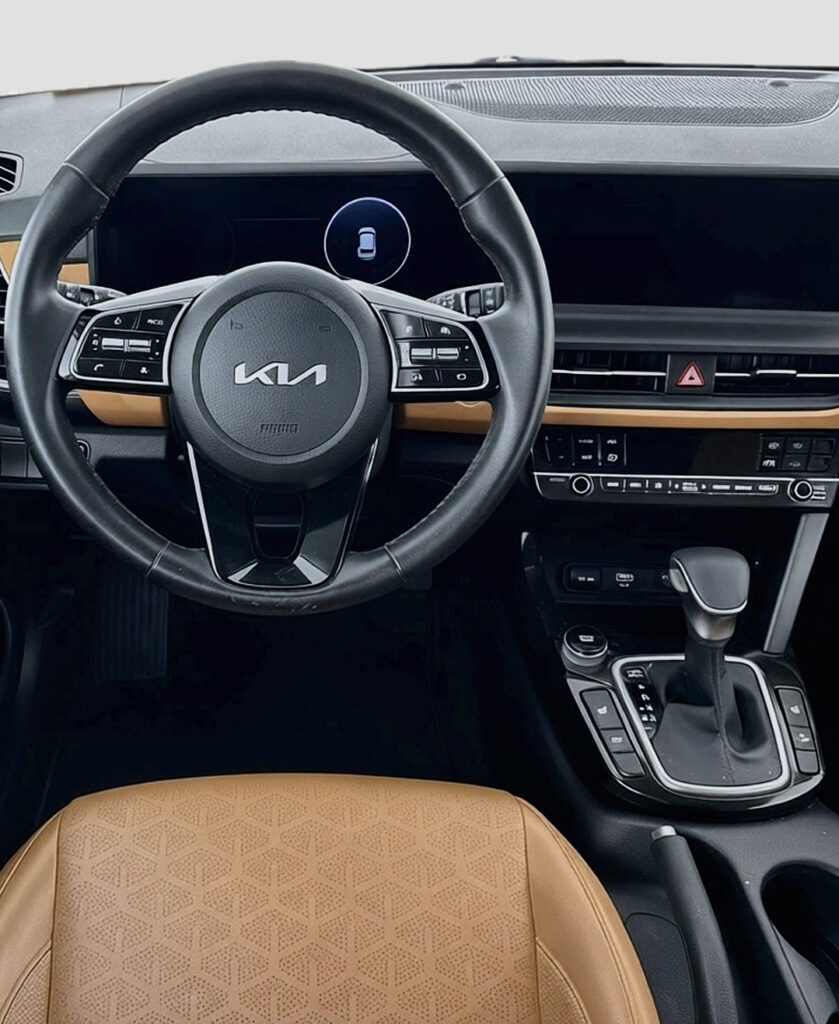
Can they clearly see the wheels, tires, paint, seats, dashboard, cargo area, options and condition?
Can they understand what they’re buying before they ever walk into the dealership?
REMEMBER.. every photo should tell a story visually.
That’s where I think some of the obsession with AI-perfect imagery misses the point. A beautiful artificial background might make the advertisement cleaner, but it doesn’t necessarily give the shopper more information about the car.
The next generation of automotive photography should be measured by how much uncertainty it removes.
That’s one reason we’ve focused SHOOTit AI on guiding the person holding the camera toward the right photographs, in the right sequence, while 360Booth creates the controlled environment around the actual vehicle.
The goal isn’t simply to make inventory look good. The goal is to help a customer inspect a $40,000 vehicle from their couch with confidence.
Maybe dealerships should stop asking, “How beautiful are our photos?” and start asking, “How much can a customer learn from them?”
FAQ
What is inspection value in vehicle photography?
How well a customer can use the photos to inspect the vehicle: wheels, tires, paint, seats, dashboard, cargo area, options and condition, before visiting the dealership.
Do AI-perfect backgrounds add inspection value?
Not necessarily. An artificial background can make an ad cleaner without giving the shopper any more information about the car.
How should dealers judge their photos?
Ask how much a customer can learn from them, not just how beautiful they look. The next generation of automotive photography should be measured by how much uncertainty it removes.
Automotive retail may be creating its next trust problem and calling it innovation.
Software companies are encouraging dealerships to photograph vehicles anywhere, digitally remove reality, generate fake studio backgrounds, manufacture floors, rebuild shadows and create a presentation that never physically existed.
It looks impressive. But dealers need to ask a harder question. What exactly are we representing to the customer?
The customer isn’t buying an AI generated studio. They’re buying truth in transparency.
Once software begins manipulating the environment around a vehicle, customers have every reason to wonder where the manipulation stops.
Was the paint altered?
Was a reflection hiding damage removed?
Was a body line changed during segmentation?
Did AI soften an imperfection?
Is that shadow real?
And who is responsible if the resulting image misrepresents the vehicle?
Dealers should not need another regulation to understand the underlying risk. Once customers stop believing vehicle photography, every dealership pays the price.
At 360Booth + SHOOTit AI, we believe AI should make authentic photography better not manufacture reality.
Build the studio.
Control the lighting.
Photograph the actual vehicle.
Use computer vision to improve framing, exposure, sequencing, quality control and speed to VDP.
AI ASSISTED. NOT AI-INVENTED.
As synthetic imagery becomes cheaper and easier, I believe Authentic Capture™ will become more valuable, not less.
Before approving another AI generated vehicle image, every dealer executive should ask:
If a customer, attorney or regulator challenged this photograph tomorrow, could we prove exactly what was captured by the camera and what was created by software?
If the answer is no, maybe the technology isn’t as advanced as it looks.
Maybe it’s simply creating a liability nobody has priced in yet.
FAQ
Why can AI-generated backgrounds hurt customer trust?
Once software manipulates the environment around a vehicle, customers have reason to wonder where the manipulation stops: paint, reflections, body lines, imperfections or shadows.
Who is responsible if an AI-edited image misrepresents a vehicle?
That’s the open question dealers should ask: the software company, the photographer, the merchandising vendor, the GM who approved it, or the dealership publishing the ad.
What question should dealer executives ask before approving AI-generated images?
If a customer, attorney or regulator challenged the photo tomorrow, could you prove exactly what the camera captured and what software created?
Buying a vehicle photo studio shouldn’t come down to who has the most cameras, motors, computers or automation.
Dealers should ask a different question: How quickly, reliably and consistently can we create the complete set of vehicle images our customers need?
After 28 years in automotive inventory photography and more than 1,700 360Booth installations across six countries, we’ve learned that the best technology often isn’t the most complicated technology.
Here are 10 questions every dealership should ask when comparing 360Booth® + SHOOT it AI with any other vehicle photography system.
1. How many vehicles per hour can a dealership photograph with 360Booth?
Be careful with advertised “capture time.” A company may advertise how quickly several cameras can fire without explaining how long it takes to produce the complete merchandising package.
360Booth + SHOOT it AI is designed around the entire vehicle photography workflow. A trained user can capture 40+ still photographs, an interior 360 and an exterior 360 in approximately 1 minute and 20 seconds. That is the number dealers should compare: not how quickly one camera fires, but how quickly the dealership can create the media it actually needs.
2. How long does a complete vehicle photography session take?
Proof matters more than promises.
Using SHOOT it AI with 360Booth, we have demonstrated:
142 exterior 360 images plus video in approximately 25 seconds
40+ still photographs
Interior 360 capture
Exterior 360 capture
Approximately 1 minute and 20 seconds for the complete capture process
3. Does a dealership need a dedicated photographer?
Our objective is the opposite. We’ve spent 28 years learning how dealership inventory photography actually works. A system that requires a highly trained photographer can create another labor bottleneck.
With 360Booth and SHOOT it AI, a detailer or dealership employee can drive the vehicle into the studio, pick up the intelligent camera and follow the guided capture process.
SHOOT it AI helps standardize the process so the technology carries more of the photographic knowledge.
The scalability is real. One auction operation in Perth, Australia has photographed as many as 80 vehicles in a day using the 360Booth workflow.
4. Fixed multi-camera system or an intelligent moving camera?
This is one of the biggest differences dealers should understand.
A fixed multi-camera system achieves speed by positioning numerous cameras around the vehicle. 360Booth takes a different approach.
The vehicle remains stationary while the 360Booth photography environment and photographer move around it.
SHOOT it AI adds intelligence to that process by helping:
Optimize the path around the vehicle
Dynamically adjust image capture
Identify images that are too dark or blurry
Prompt the user when another image is required
Center the vehicle
Maintain consistent exterior framing
Capture dozens of different vehicle details without being restricted to fixed camera positions
There is another benefit: lighting and reflections change as the 360Booth moves around the vehicle.
Automobiles are among the most reflective products dealerships photograph. Managing those reflections matters.
More cameras don’t automatically mean better photography. Sometimes they simply mean more cameras.
5. Can 360Booth photograph VINs, wheels, damage and unique vehicle features?
Absolutely. A vehicle isn’t a standardized box.
One car may need a photograph of carbon-ceramic brakes. Another may need third-row seating, a panoramic roof, special stitching, a window sticker, tire condition, a scratch, a wheel, an engine compartment or a particular option.
SHOOT it AI isn’t restricted to what a collection of permanently mounted cameras can see.
The photographer can capture:
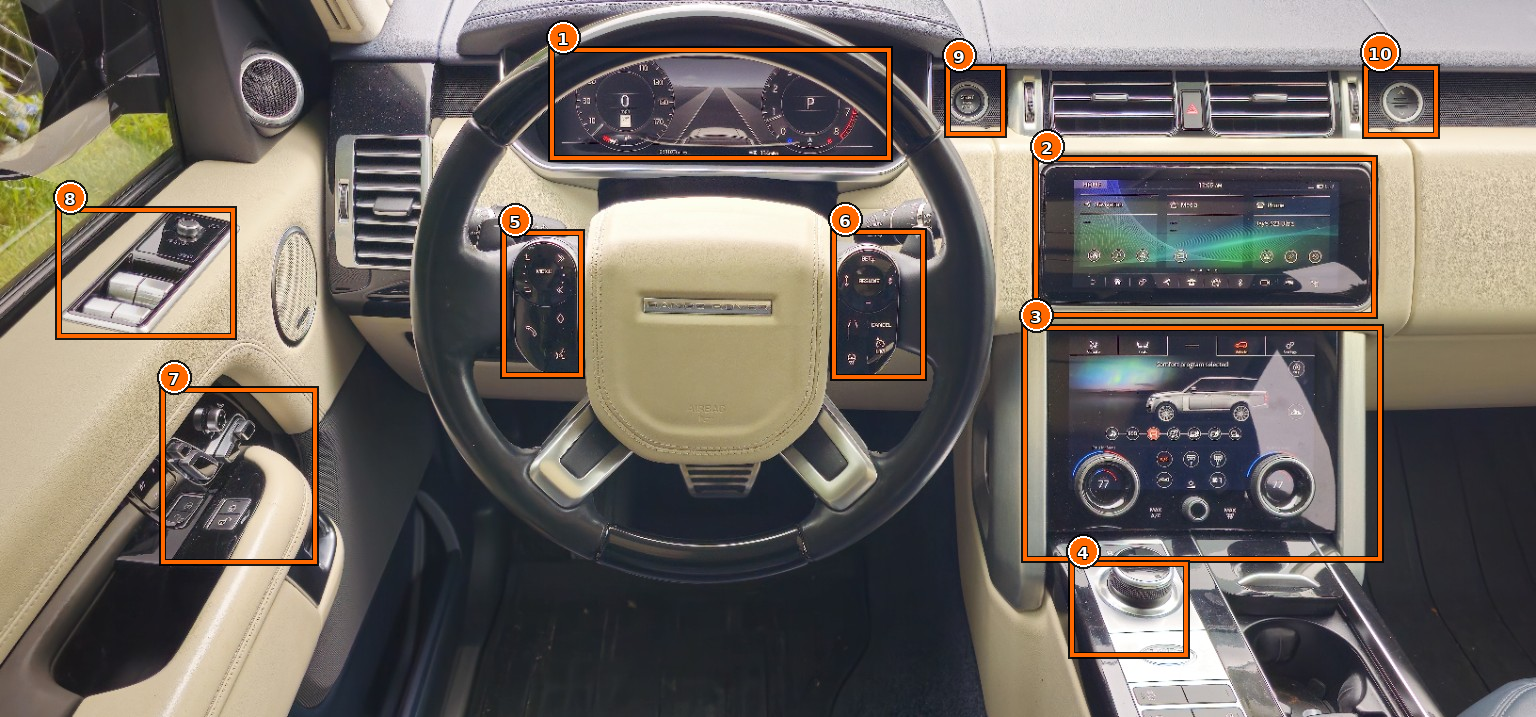
VINs, wheels, tires, scratches, dents, options, dashboards, seats, engines, cargo areas, third rows, window stickers and other vehicle-specific details.
Our philosophy is simple:
Automation should help the photographer—not restrict what the dealership can photograph.
6. Which vehicle photo studio produces better photographs?
Speed means very little if the resulting photographs aren’t good.
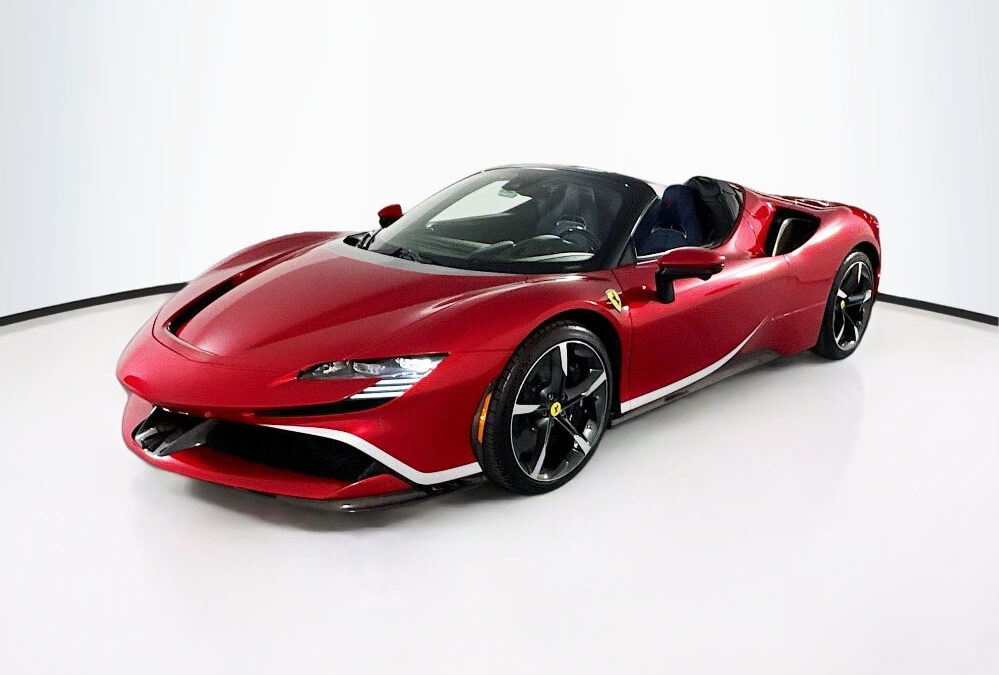
Vehicle photography is fundamentally about light and reflection management. Dark paint, glossy surfaces, glass, chrome and windshields can expose weaknesses in a poorly designed lighting environment.
360Booth uses powerful LED illumination combined with engineered diffusion to create a bright environment while controlling harsh reflections. Our lighting system uses four high-output LED sources rated at approximately 50,000 lumens each, combined with the 360Booth’s diffusion system.
The objective is simple:
Accurate color.
Clean reflections.
Visible vehicle details.
Clear glass.
Consistent exposure.
Professional presentation.
And because the 360Booth moves around the stationary vehicle, the relationship between the light, walls, camera and reflective vehicle surface changes throughout the photography sequence.
Don’t evaluate a vehicle photo studio by looking at the studio. Evaluate the cars photographed inside it.
7. What is the true cost of owning a vehicle photo studio?
Purchase price isn’t the same thing as cost of ownership.
Dealers comparing systems should ask about:
Motors.
Turntables.
Camera replacement.
Calibration.
Computers.
Control equipment.
Maintenance.
Service calls.
Software obligations.
Long-term contracts.
Downtime.
360Booth was deliberately engineered around mechanical simplicity.
Buy the 360Booth and the studio is yours. There is no studio lease and no long-term equipment contract required to continue owning the physical studio.
360Booth also provides an unlimited five-year warranty, designed to protect the dealership from unexpected equipment costs during the first five years.
Before signing a five-year agreement for a complicated automated system, calculate what you will actually spend over those five years. Compare total cost of ownership—not monthly payment.
8. What happens when the photo studio breaks?
This might be the most overlooked question in vehicle photography.
A dealership can have the fastest studio in the world, but if the system is down, its production speed becomes zero.
360Booth has:
No powered turntable.
No turntable motor.
No complicated drive mechanism moving the vehicle.
The studio travels manually around its steel track with approximately 20 pounds of pressure.
We have 360Booth installations that have been operating for approximately 13 years, photographing enormous numbers of vehicles. Even the lighting system was designed with redundancy in mind.
Four approximately 50,000-lumen LED sources create substantial illumination. If one lighting component requires service, the dealership isn’t necessarily faced with an unusable photography environment.
That’s an important distinction.
Reliability isn’t how impressive equipment looks when everything works. Reliability is what happens when something doesn’t.
9. How quickly can 360Booth photographs reach the dealership’s VDP?
Capture speed is only one part of speed-to-market.
SHOOT it AI was designed around eliminating unnecessary steps throughout that chain.
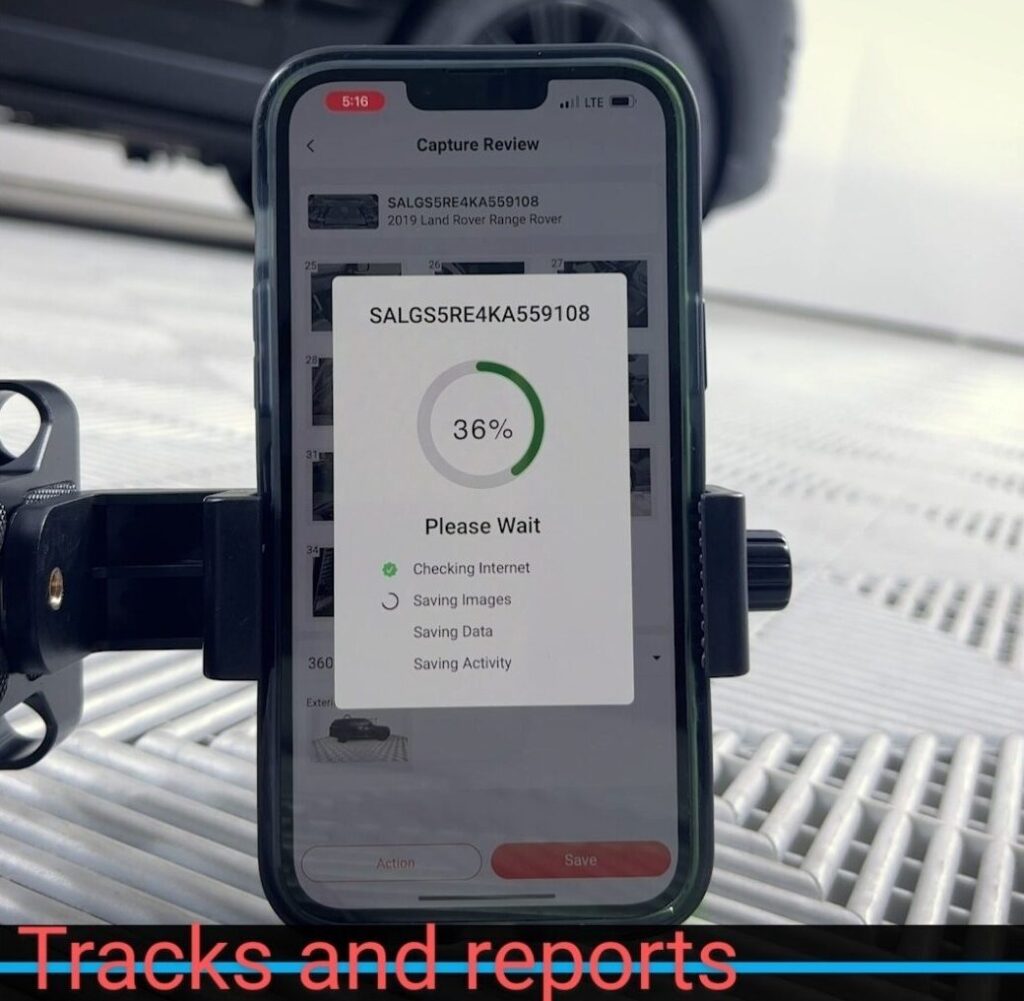
The operator follows an optimized route around the vehicle. Images are processed using our computer-vision and AI systems. The photography sequence can be standardized. Images can then enter the dealership’s data-feed workflow.
There will always be downstream variables outside the studio’s control, including how frequently a dealership’s website or inventory provider accepts updated feeds.
That’s why we don’t believe in pretending every downstream system operates instantaneously.
What we can control is our portion of the workflow.
Our in-house data experience goes back 28 years, and support is a fundamental part of the system. The fastest camera doesn’t necessarily create the fastest VDP. The fastest complete workflow does.
10. Why should a dealership choose 360Booth?
Because automotive photography doesn’t need to become more complicated to become more intelligent.
360Booth combines a mechanically simple vehicle photo studio with SHOOT it AI intelligent-camera technology.
The physical system concentrates on what a studio should do exceptionally well:
Light the vehicle. Control the environment. Manage reflections. Remain reliable.
SHOOT it AI concentrates on what software should do:
Guide capture. Improve consistency. Detect problems. Optimize workflow. Process images. Reduce human error.
That combination has been built on 28 years of automotive photography experience, rather than adapting a generic imaging system to dealerships.
Today, that experience includes:
1,700+ 360Booth studios installed across six countries and more than 2,500 users.
So when comparing 360Booth with any other vehicle photo studio, don’t simply ask: “Which one takes pictures fastest?”
Ask:
How fast can it produce my complete photo set?
How good are those photographs?
Can my existing employees operate it?
Can I photograph anything I want?
What happens when something breaks?
What will I spend over five years?
How quickly will my inventory actually reach the VDP?
And perhaps the most important question:
Am I buying technology that simplifies my photography operation—or technology that makes a simple job more complicated?
At 360Booth, our philosophy after 28 years remains remarkably simple: Light it. Shoot it. Upload it.
360Booth® + SHOOT it AI: AI-assisted. Real-world captured.
FAQ
What is the most important question when buying a vehicle photo studio?
How quickly, reliably and consistently the dealership can create the complete set of vehicle images customers need, not how many cameras or motors the system has.
Does a dealership need a dedicated photographer for a 360Booth?
No. With 360Booth and SHOOTit AI, a detailer or other employee can drive the car in, pick up the intelligent camera and follow the guided capture process.
Can a 360Booth photograph VINs, wheels, damage and unique features?
Yes. Because the camera isn’t fixed in place, the photographer can capture VINs, wheels, tires, scratches, dents, options, dashboards, seats, engines, cargo areas, third rows and window stickers.
What should be included in total cost of ownership?
Motors, turntables, camera replacement, calibration, computers, control equipment, maintenance, service calls, software obligations, long-term contracts and downtime.
What happens if a 360Booth breaks down?
There’s no powered turntable or drive mechanism. The studio moves manually on a steel track, and the lighting uses four LED sources, so one light needing service doesn’t necessarily stop photography.