They need a car to get to work. Not want. Need. They’ve been scrolling listings for weeks. They’re about to hand over a cashier’s check that took them years to save, for a car that’s older than their kid.
And the listing they’re staring at has six blurry photos taken next to the dumpster.
That buyer isn’t hypothetical. Cox Automotive just described them.
What the research found
In June 2026, Cox Automotive released “Know Your Buyer, Grow Your Lot,” developed in consultation with NIADA and based on 384 people who bought from an independent dealership between September 2024 and August 2025. The findings:
79% of buyers need a vehicle rather than want one.
Among buyers of 11- to 20-year-old vehicles, 77% report household incomes under $75,000.
Buyers spend an average of 16.5 hours researching online, visit more than five websites, and 77% use third-party listing sites before ever contacting a dealer.
Only 21% say they’d return to the same dealership.
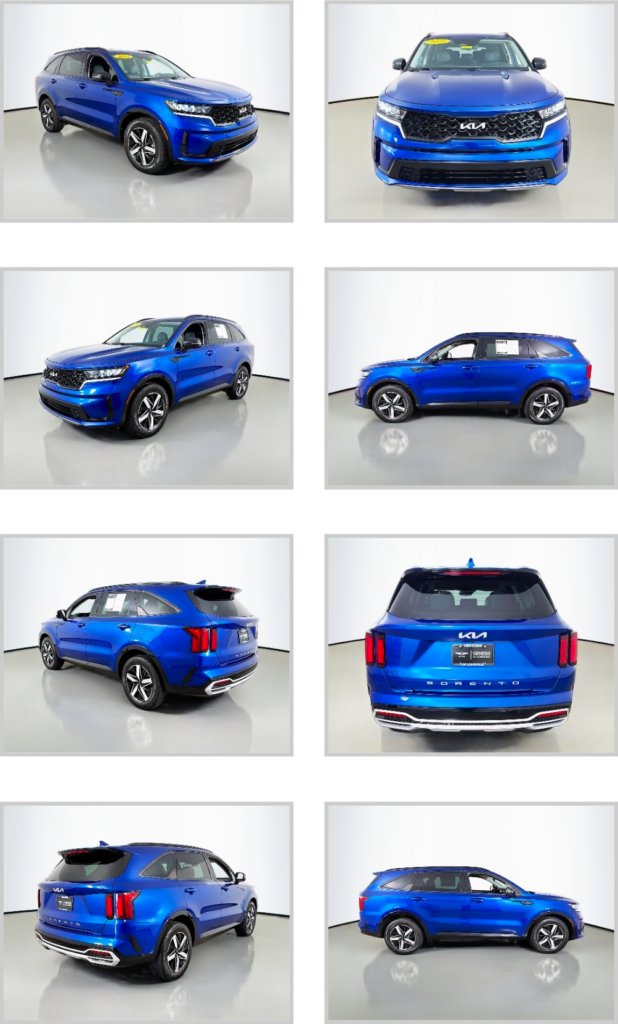
Speaking to Car Dealership Guy, Cox Automotive’s Elizabeth Stegall added more: the average independent shopper spends about 97 days shopping, 56% pay cash, and dealers should post 20 photos of every vehicle with full descriptions that include service history.
A cheap car doesn’t get cheap photos
Here’s the wake-up call. Too many lots treat their least expensive cars as the least important to photograph. A quick walkaround, a few shots, done.
The research says that’s backward. The buyer of a 14-year-old SUV is often paying cash, often stretching to do it, and has studied your listing for weeks. The less a buyer can afford a mistake, the more evidence they need.
Every photo you skip is a question they can’t answer. How are the tires? Is the driver’s seat torn? Is that a dent or a shadow? If your listing doesn’t answer, the buyer moves on to one that does. They’ve got five other websites open.
Cox found trust, not just price, is a leading barrier to conversion and repeat business. And this buyer forms that trust online, long before the first phone call.
Blurry, dark or incomplete photos say “we’re hiding something,” even when you’re not. Clear, consistent, complete photos say “look all you want.” That’s how a dealer earns a visit, and maybe one of the 21% who come back. See What If Your Salesperson Has to Apologize for the Photos?
That’s the Evidence Booth
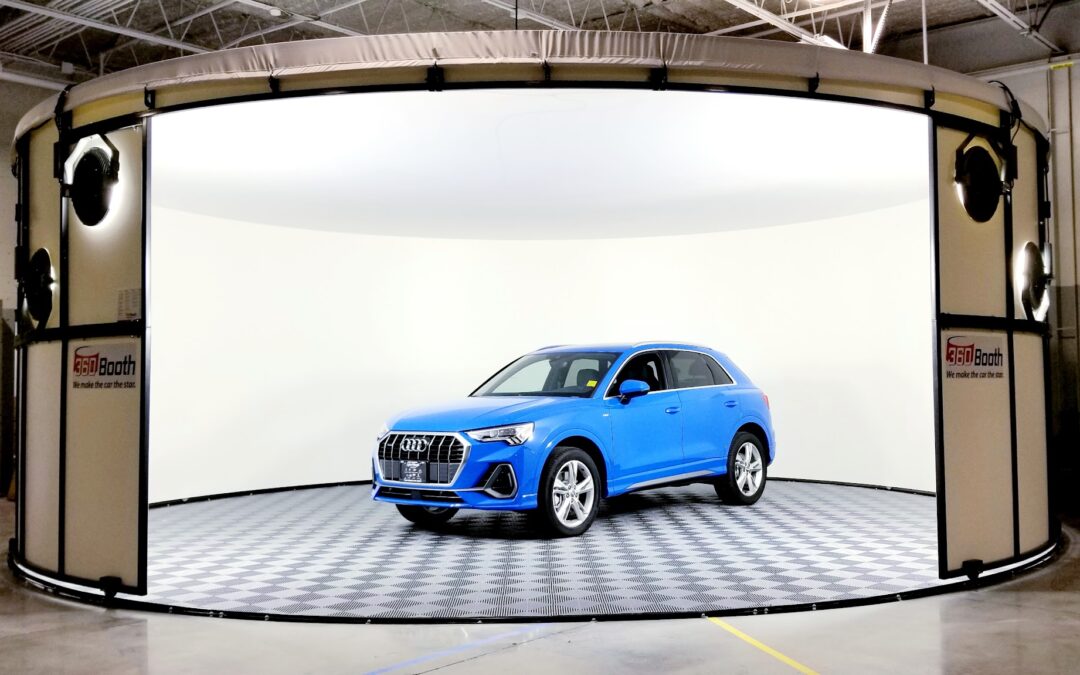
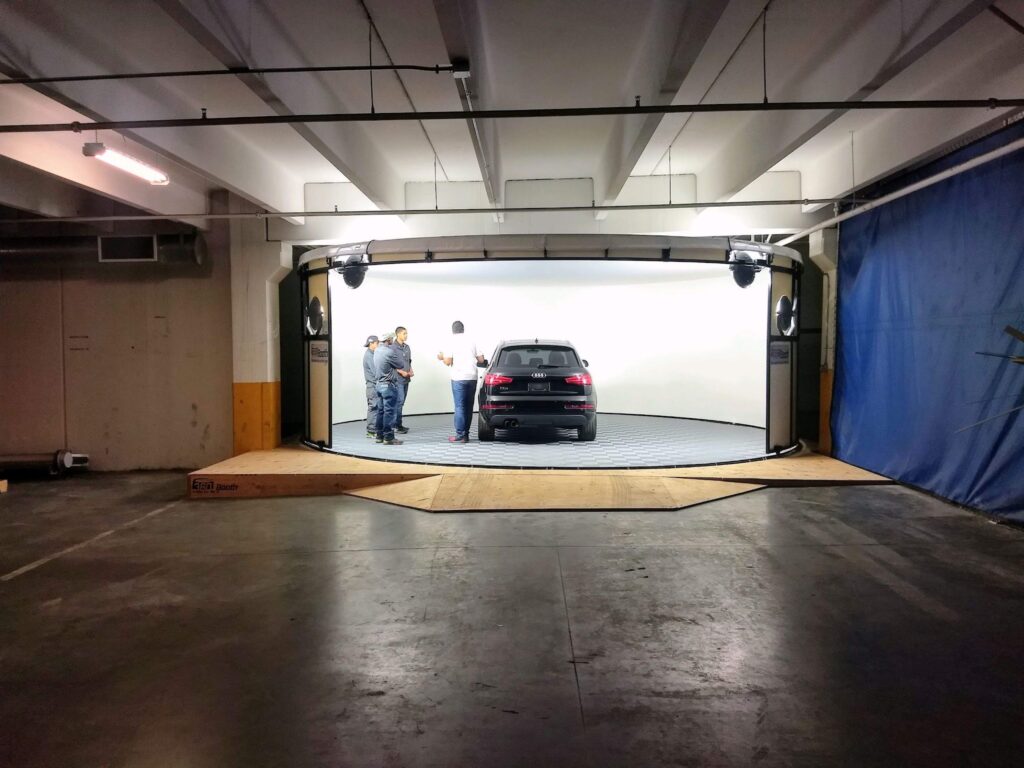
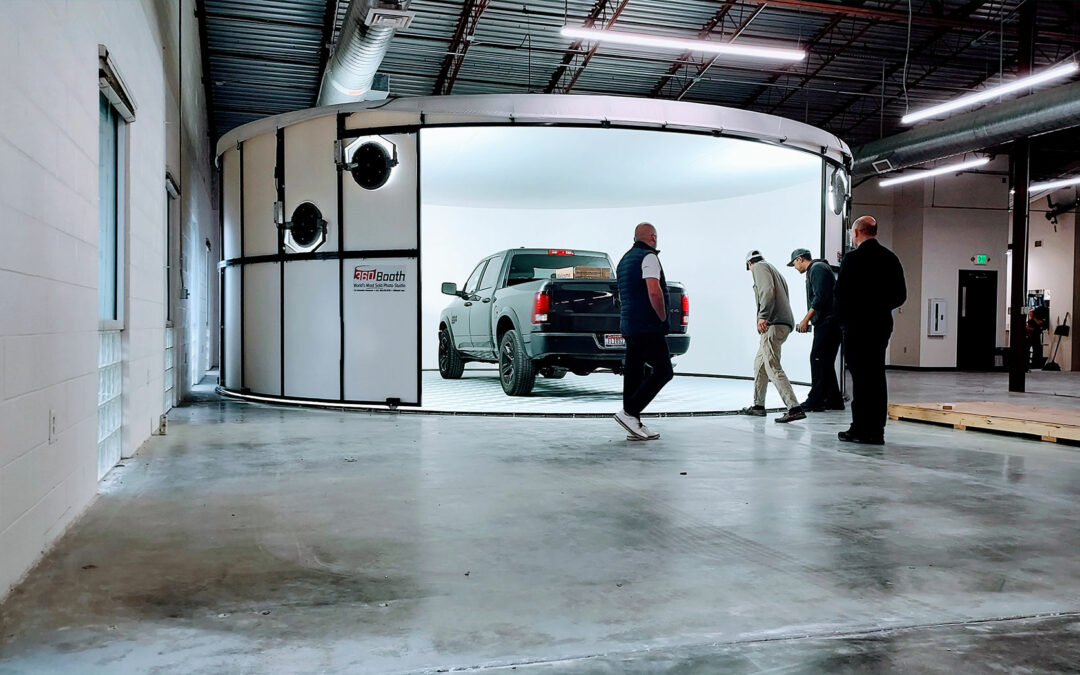
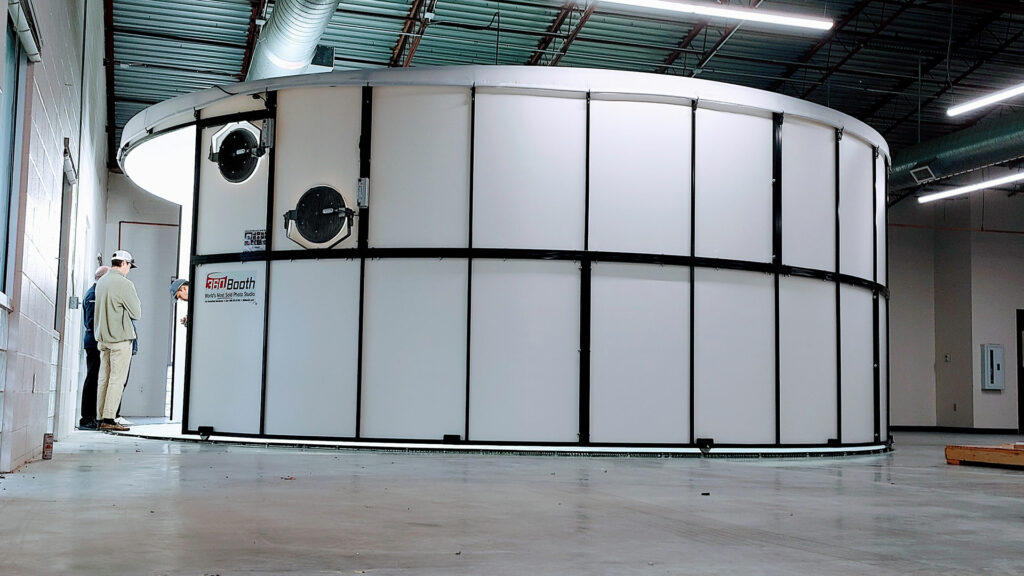
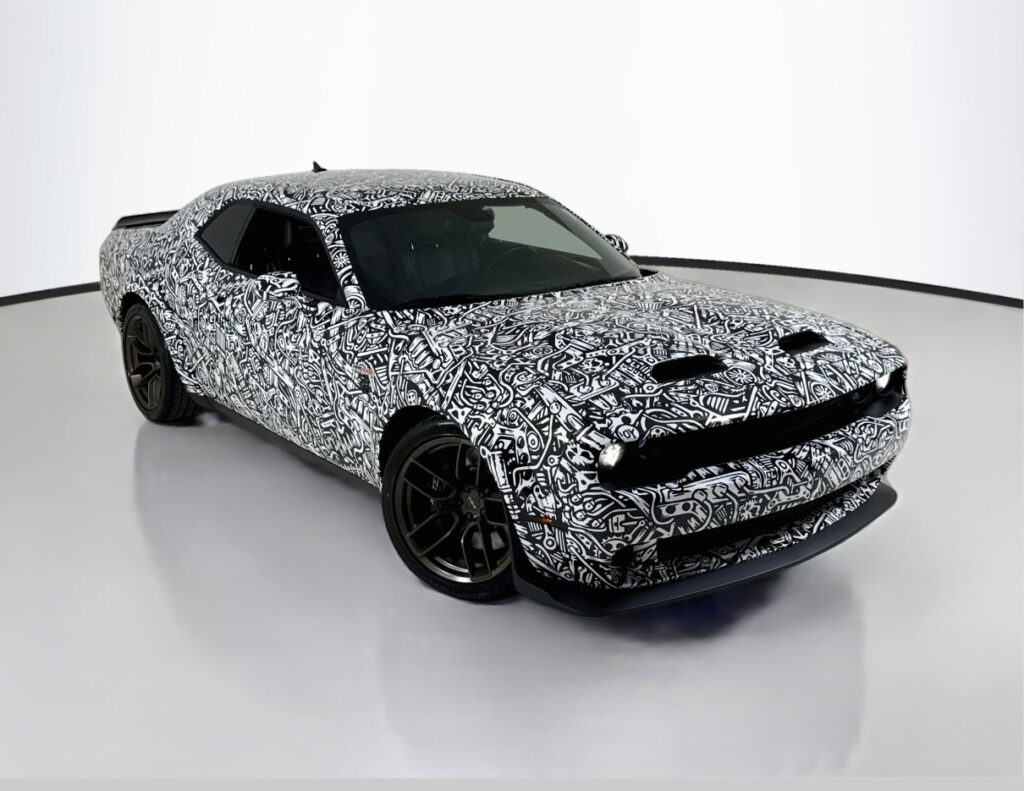
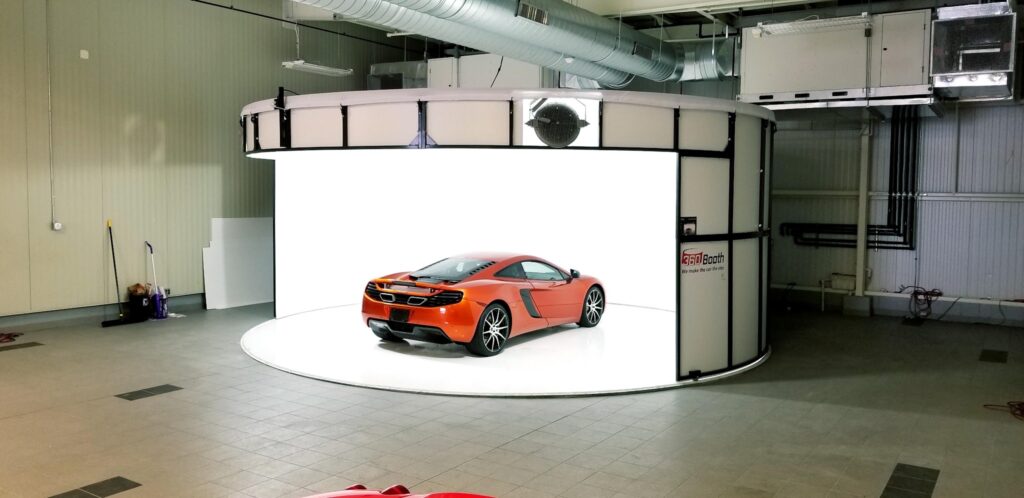
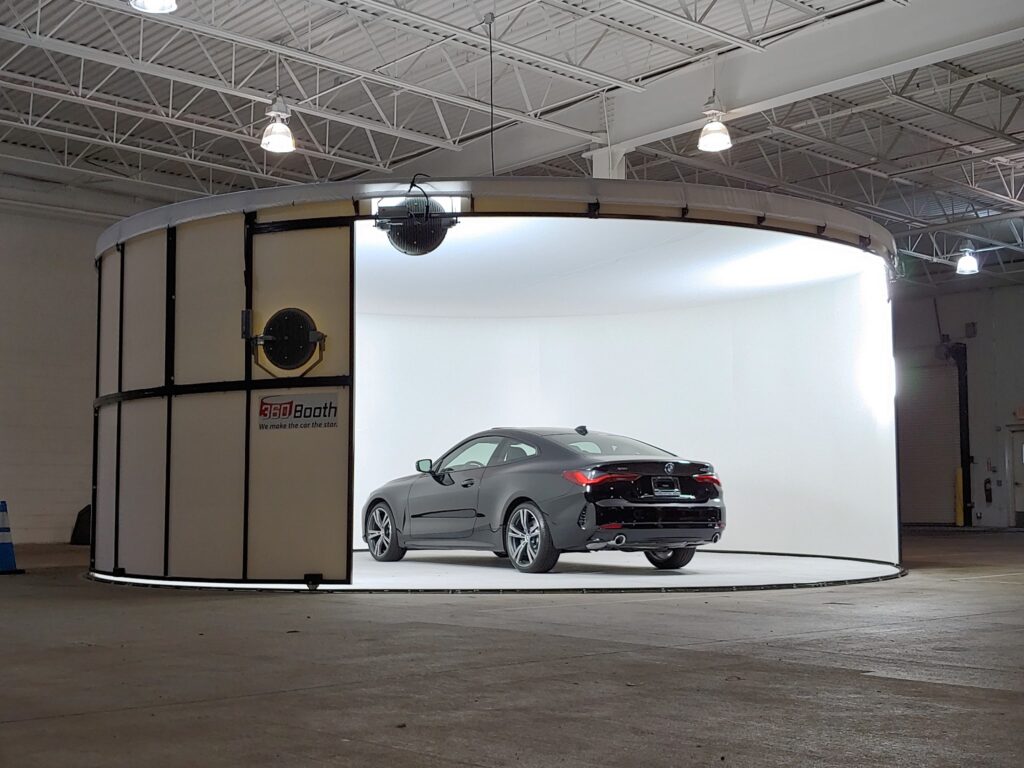
360Booth was built for exactly this buyer. The studio moves around the real, stationary car in controlled light, so every vehicle, from the $60,000 truck to the $9,000 commuter, gets the same honest, consistent presentation.
SHOOTit AI makes sure nothing gets skipped:
Starts with the VIN
Guides a 40+ shot sequence on iPhone
Stops dark, blurry or off-center frames for a reshoot on the spot
What did Cox Automotive's "Know Your Buyer, Grow Your Lot" study find?
Based on 384 independent-dealer buyers, 79% said they need a vehicle rather than want one, buyers research an average of 16.5 hours online, and only 21% say they would return to the same dealership.
How many photos should a used car listing have?
Cox Automotive’s Elizabeth Stegall recommends at least 20 photos per vehicle with full descriptions and service history. SHOOTit AI guides a 40+ shot sequence so nothing is skipped.
Why do inexpensive used cars need good photos?
Buyers of older, lower-priced vehicles often pay cash and research for weeks. The less a buyer can afford a mistake, the more photographic evidence they need before they visit.
What is the Evidence Booth?
It’s how 360Booth and SHOOTit AI work together: the studio moves around the real, stationary car in controlled light, and SHOOTit AI guides every shot and stops bad frames for a reshoot.
A “virtual booth” is a phone photo taken in your parking lot with a fake studio pasted behind the car. That’s it. The vendor tells you to forget studios and fancy rigs. Of course they do. They don’t have one. They have a picture of one.
The light on your car is still parking-lot light. The reflections are still your lot, your sky, your service drive. The software swapped the wall. It didn’t fix the car.
And the photo is the least of the problems.
They stopped caring about photos
Look at what some of these vendors announce now. AI chatbots. AI sales agents. AI service agents. Photography barely makes the press release, and their imaging pages sit untouched for months.
You’re paying for a product the vendor has already moved past. Nobody is coming to fix it.
At 360Booth, vehicle photography isn’t a side line. It’s the only line. SHOOTit AI’s intelligence was built from real cars photographed in real 360Booth studios.
Their own users are telling you
Skip the demo. Open the App Store and Google Play and read the reviews from the people who use these apps every day. Low star ratings. Apps that won’t connect. Shoots that fail on the lot.
That’s your photo team’s morning. Every morning. While your fresh trades sit offline.
“No hardware” comes in a box
The pitch is no studio, no rig, no hardware. Then the quote shows up with a hardware kit, billed separately, on top of the software package.
Now read the warranty on that kit. Some vendors give it nothing but the original manufacturer’s warranty. You bought their hardware. They won’t stand behind it.
360Booth stands behind ours for five years. Five-year unconditional warranty. You own the studio outright. No monthly invoice. Zero cost for on-site visits.
The contract is built so you can’t leave
This is where the “easy” software gets expensive. Read the terms and look for:
Auto-renewal at their new price. Not the price you signed. Whatever they say it is next year.
Written cancellation months in advance. Miss the window by a day and you’ve bought another term.
A ransom on your own data. Want to take your photos to another provider? That can cost several times your monthly fee.
Your inventory. Your photos. Their fee to let them go.
A lot of franchise dealers are in an OEM-approved merchandising program and pay for it with co-op dollars. Fine. Keep the program. Keep the money.
Then put a real studio under it. A 360Booth is equipment you own, not another subscription. It feeds your program real photos, shot under real light, on rain days and snow days when the lot is shut down. See When It Rains, Your Photo App Shouldn’t Stop Working.
Stop paying for a picture of a booth
A fake background can’t fix bad light. A buggy app can’t shoot your inventory. A contract you can’t leave isn’t a partnership.
A virtual photo booth is software that replaces the background of a vehicle photo shot on the lot with a studio-style background. The car is still lit by the lot, not by a studio.
Is a virtual booth the same as a real vehicle photo studio?
No. A virtual booth changes only the background. A real studio like 360Booth controls the light, reflections and floor around the car before the photo is taken.
What should dealers check in a photo vendor's contract?
Check for auto-renewal at new prices, how far ahead you must cancel in writing, and any fees to move your data to another provider. 360Booth and SHOOTit AI have no contracts.
Can a dealer in an OEM merchandising program still use 360Booth?
Yes. 360Booth is studio equipment you own, so it works alongside your merchandising program and improves the photos that feed it.
Before your dealership signs up for a fake background service, do one thing most stores skip: read the billing terms. Not the demo. Not the pricing slide. The actual terms of service you click “I agree” to.
Some of those agreements say things a general manager would never accept if a salesperson read them out loud across the desk.
What to look for in fake background billing terms
Non-refundable charges. Some providers state that fees are non-refundable, even if you stop using the service partway through a billing cycle.
Auto-renewal. Subscriptions can renew automatically. Miss the cancellation window and you’ve bought another term.
Dispute penalties. In some terms, if you dispute a charge with your card company, the provider can suspend your account, which shuts off the photos feeding your VDPs, and pass the dispute fees back to you.
Think about what that last one means. Your only leverage on a bad charge can cost you your online inventory photos and an extra bill on top.
A 360Booth vehicle photo studio is equipment your dealership owns. There’s nothing to renew and nothing to dispute.
You own it outright. No monthly invoices.
Zero cost for on-site visits.
No contracts.
5-year unconditional warranty.
And because the studio controls the light before the shutter clicks, there’s nothing to fake afterward. As we wrote in Your Car Doesn’t Need a Filter. It Needs a Room., the room fixes the problem a filter can only hide.
With SHOOTit AI, one simple flat monthly invoice
SHOOTit AI is the smart camera that guides your employees through every shot and catches mistakes at capture. Its billing is built to be as simple as the app:
Before you sign anything, ask: “What happens to my photos and my account if I dispute a charge or want to leave?” If the answer is complicated, the billing is working for them, not for you.
It depends on the provider. Some fake background companies state in their terms that fees are non-refundable. Read the billing terms before you sign up.
What happens if I dispute a charge with a fake background provider?
Under some providers’ terms, a disputed charge can lead to account suspension and the dispute fees being passed back to you. Check the terms before you agree.
Does 360Booth charge a monthly fee?
No. You own the 360Booth studio outright, with no monthly invoices, no contracts, zero cost for on-site visits and a 5-year unconditional warranty.
How is SHOOTit AI billed?
SHOOTit AI uses simple flat monthly invoicing with no contracts and no credit card required. It includes unlimited vehicles, unlimited photos per vehicle, unlimited interior and exterior 360 videos and unlimited training.
Direct answer: SHOOTit AI’s intelligence starts with an in-house AI modeling team, PhD expertise in computer vision and models trained on tens of millions of vehicle photographs captured inside 360Booth vehicle photo studios. That foundation serves one practical purpose: put automotive photography expertise in the employee’s hands, guiding each shot and catching problems while the vehicle is still in front of the camera.
Trained on Real Dealership Vehicle Photos
Vehicle photography demands attention to framing, exposure, positioning and consistency across an entire inventory. Training on real dealership vehicle photos gives the models a clear target: the images a dealership needs to present its vehicles professionally.
Where the Intelligence Shows Up: On the Dealership Floor
An employee picks up an iPhone, starts with the VIN and follows the prompts. SHOOTit AI guides the required photo sequence, stops dark, blurry or poorly centered images, and prompts an immediate reshoot before moving on.
The best camera app must prove its intelligence where your dealership needs it: during capture.
Your employee follows the prompts. The expertise is already built in. SHOOTit AI. Your photos won’t suck.
FAQ
What is SHOOTit AI trained on?
SHOOTit AI’s models are trained on vehicle photographs captured inside 360Booth vehicle photo studios, where lighting and presentation follow a repeatable standard. That gives the models a consistent reference for the image quality a dealership needs.
What does SHOOTit AI check during capture?
SHOOTit AI guides the employee through the dealership’s required photo sequence and stops dark, blurry or poorly centered images, prompting an immediate reshoot before moving to the next shot.
Does an employee need photography experience to use SHOOTit AI?
No. The employee starts with the VIN and follows the prompts. The automotive photography expertise is built into the app, so another employee can pick it up and follow the same process.
Do I need a 360Booth studio to use SHOOTit AI?
No. SHOOTit AI runs on an iPhone and can guide capture anywhere. Paired with a 360Booth vehicle photo studio, the lighting and background are controlled as well, so every car is shot the same way regardless of weather.
Every dealership has a photo problem. Most are trying to solve it with software. That’s like fixing a leaky roof by buying a better mop.
Background replacement apps promise studio-quality listings from a lot photo. Shoot it anywhere, swap the sky for a seamless gray sweep, publish. Done.
Except it isn’t done. The glare is still on the hood. The neighbor’s red truck is still reflected in the door. The interior is still dark because it was shot at 4:30 in November. The software painted a new wall behind the car. It didn’t change the light on the car.
The light is the photo
Here’s the part nobody selling filters wants to say out loud: a vehicle is a rolling mirror. Every panel reflects whatever surrounds it. Shoot outside and you photograph the sky, the building, the lot and the guy in the orange vest. Then you pay a monthly fee to hide the evidence.
It tells the truth. The car online is the car on the lot. No softened scuffs, no floating tires, no awkward apology from your salesperson.
The best compliment a dealer can get
Years ago, Steven Toyota turned an empty service building into a photo studio. According to Auto Dealer Today, shoppers started calling to ask for the “real” photos. The team had to explain they were already looking at them.
That’s the goal. Photos so clean people assume they’re fake, and so honest they hold up when the customer walks around the car.
Fake backgrounds get the first half. A room gets both.
Stop renting the look. Own the light.
Background software is a subscription to a symptom. A 360Booth vehicle photo studio fixes the cause: uncontrolled light around a reflective object. Pair it with the SHOOTit AI smart camera and the employee gets guided through every angle while the car is still in front of them, not a day later when the edits come back wrong.
Your car is the star. Give it a stage, not a sticker.
Can AI background replacement fix glare and reflections on a vehicle?
Not reliably. Background tools replace what’s behind the car. Reflections live on the car’s paint and glass, so they come from whatever surrounded the vehicle when it was shot. Controlling the surroundings is the dependable fix.
Why do studio vehicle photos look more consistent?
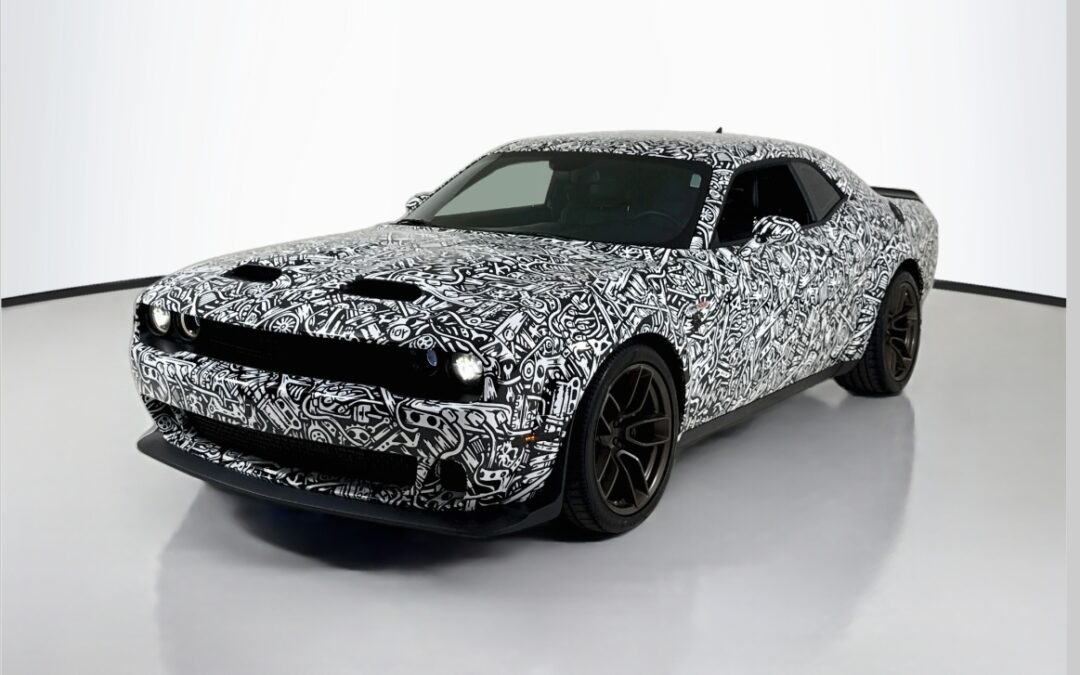
Every car is shot under the same lighting, walls and camera positions, so the whole inventory matches no matter who takes the photos or what the weather is doing.