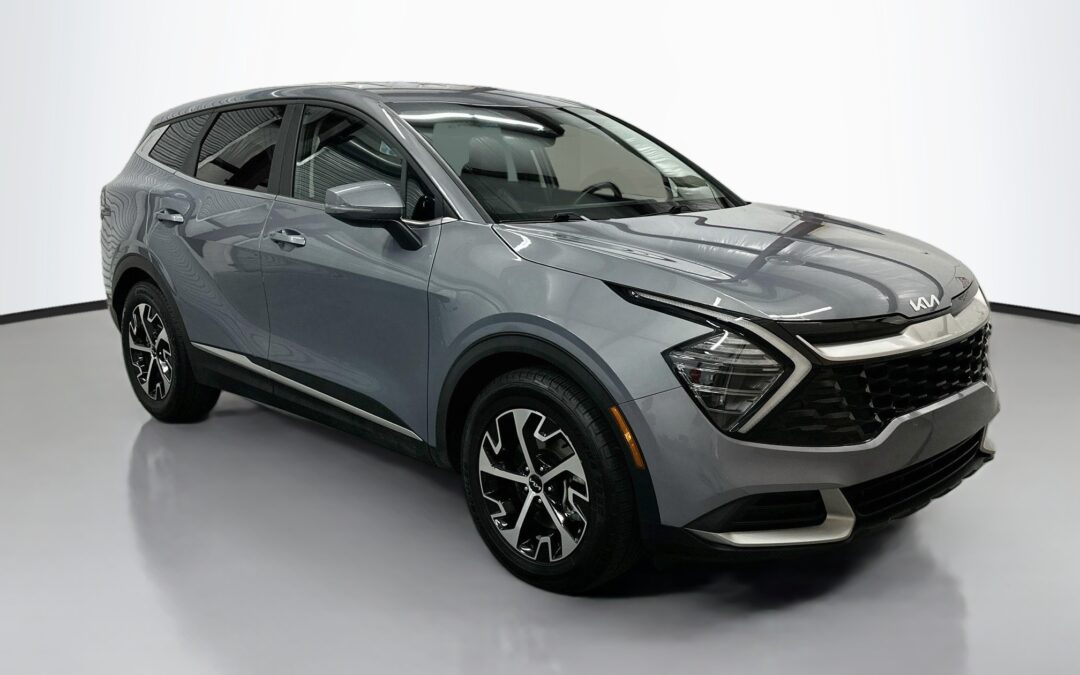
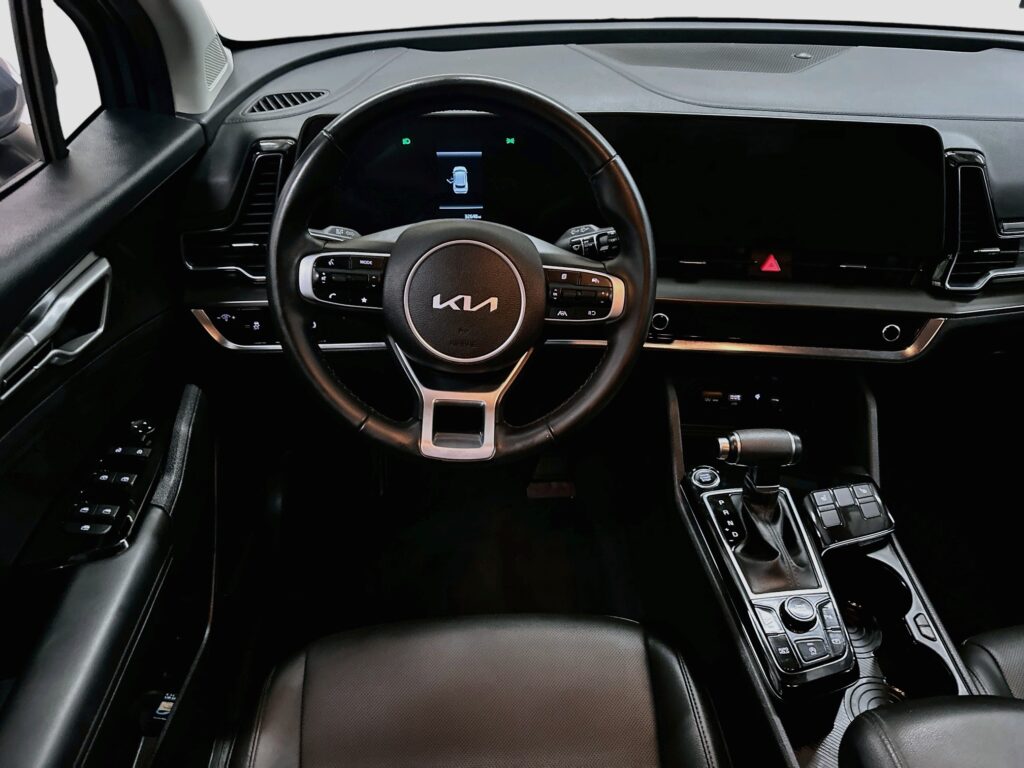
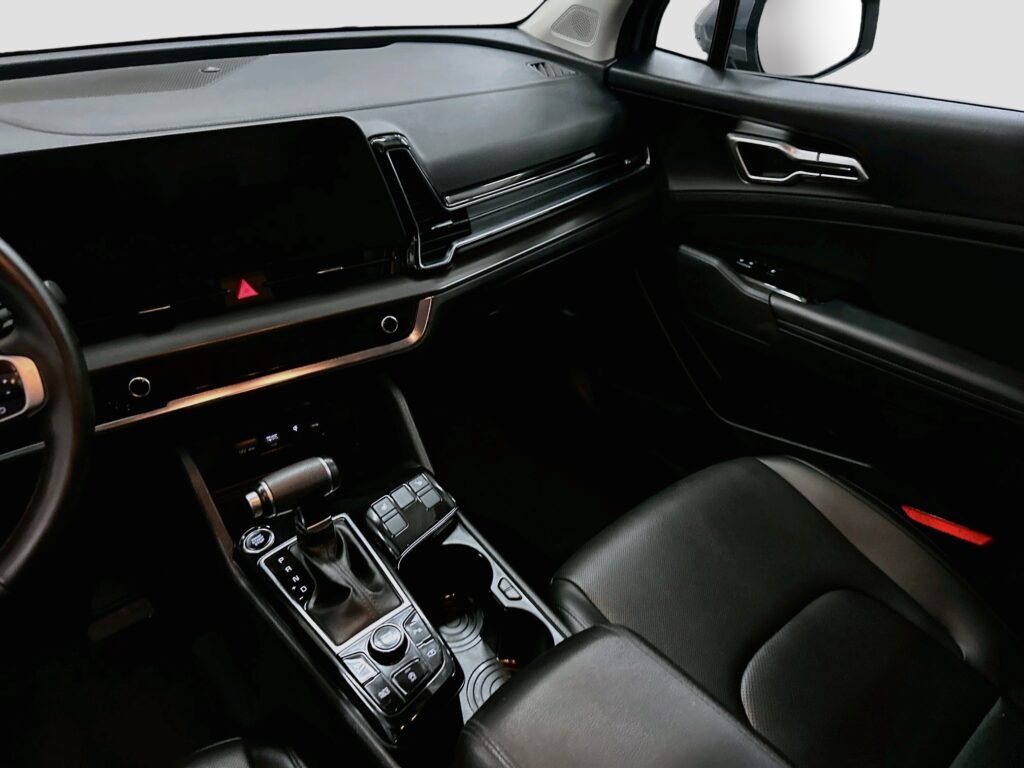
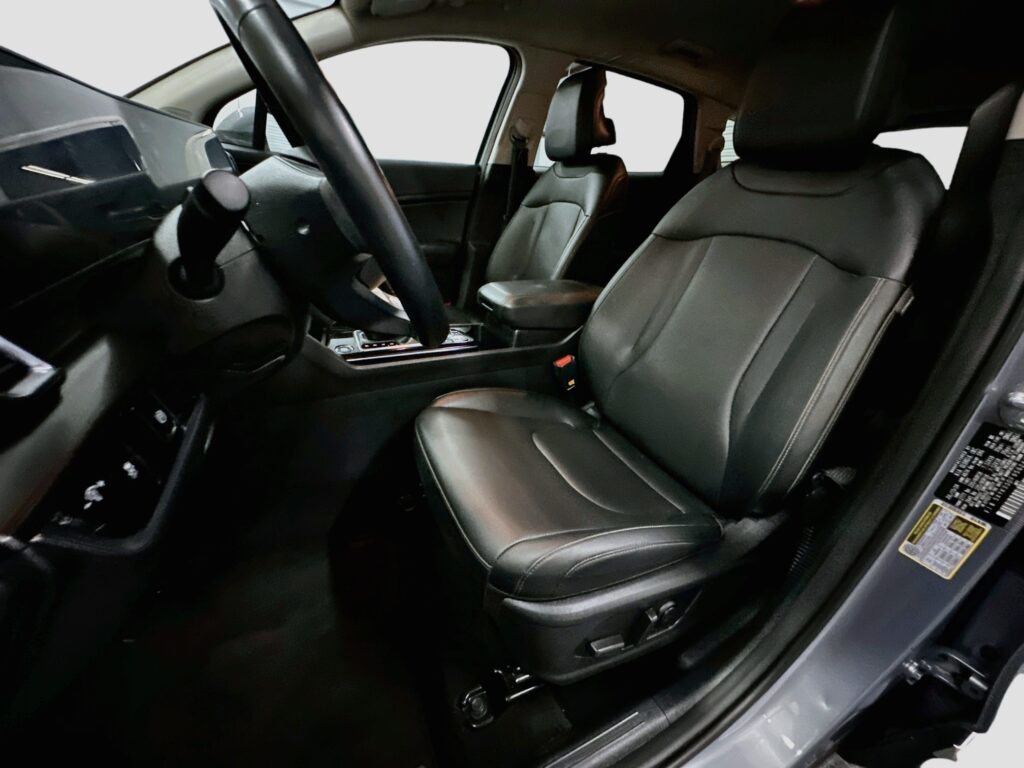
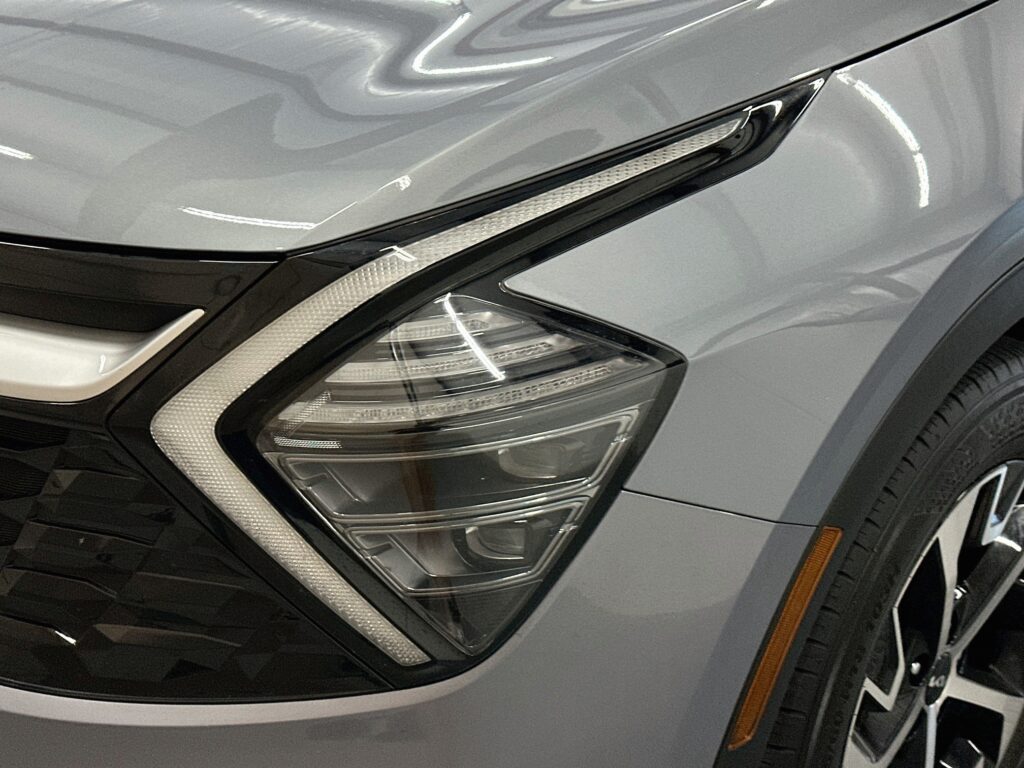
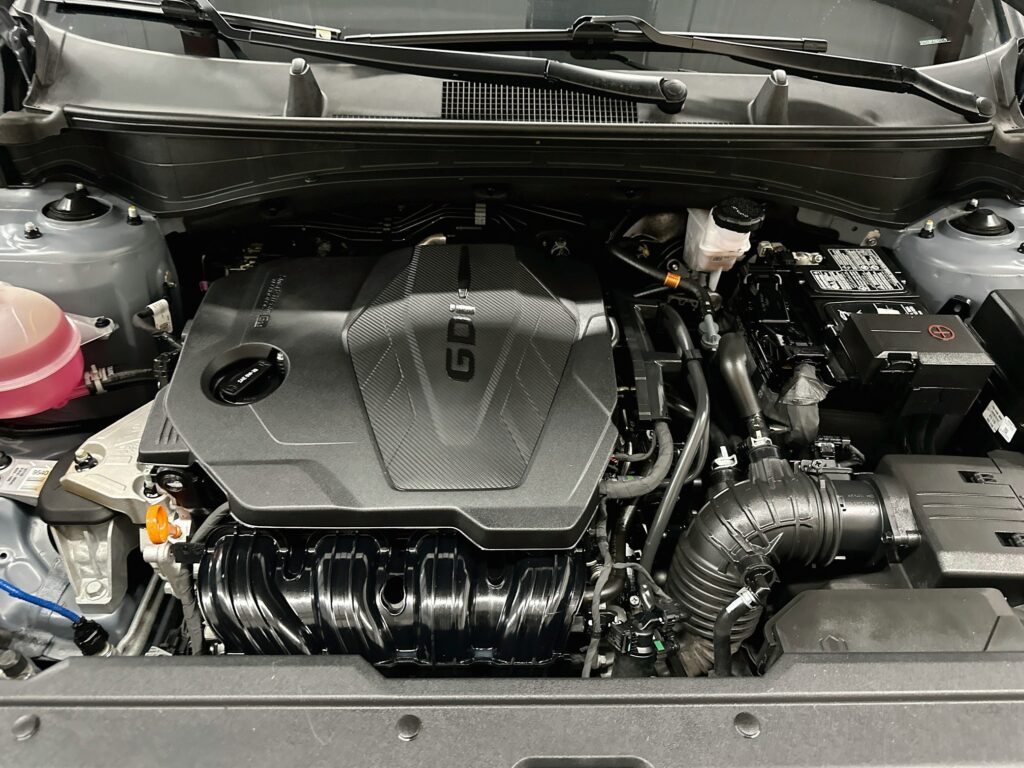
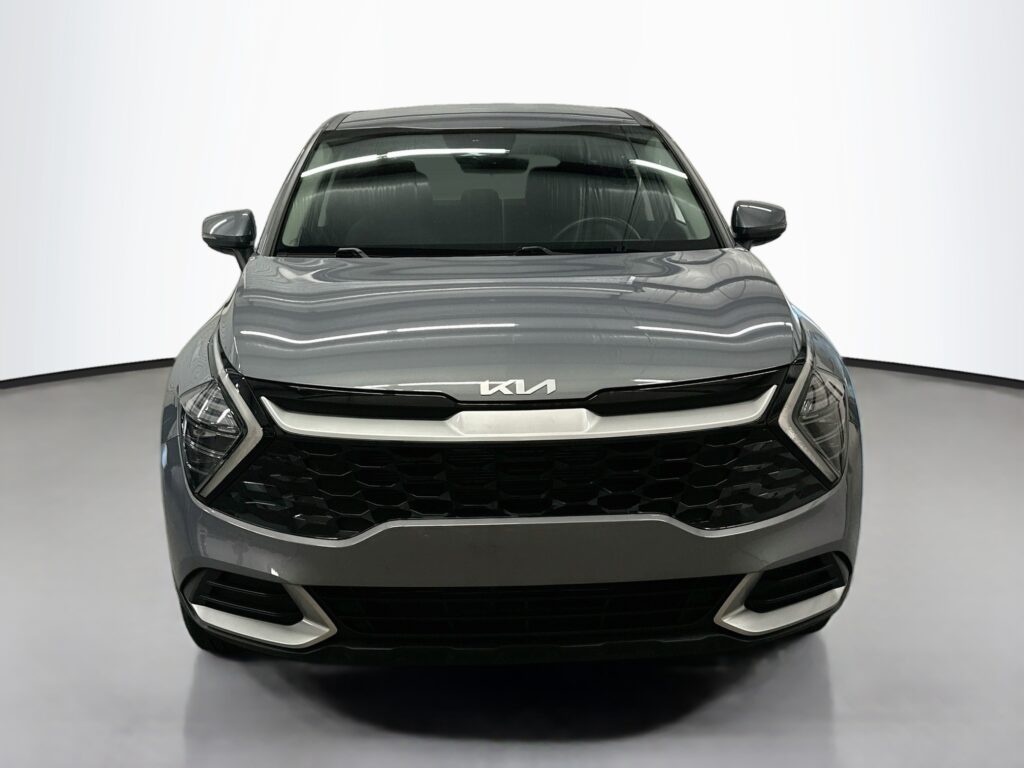
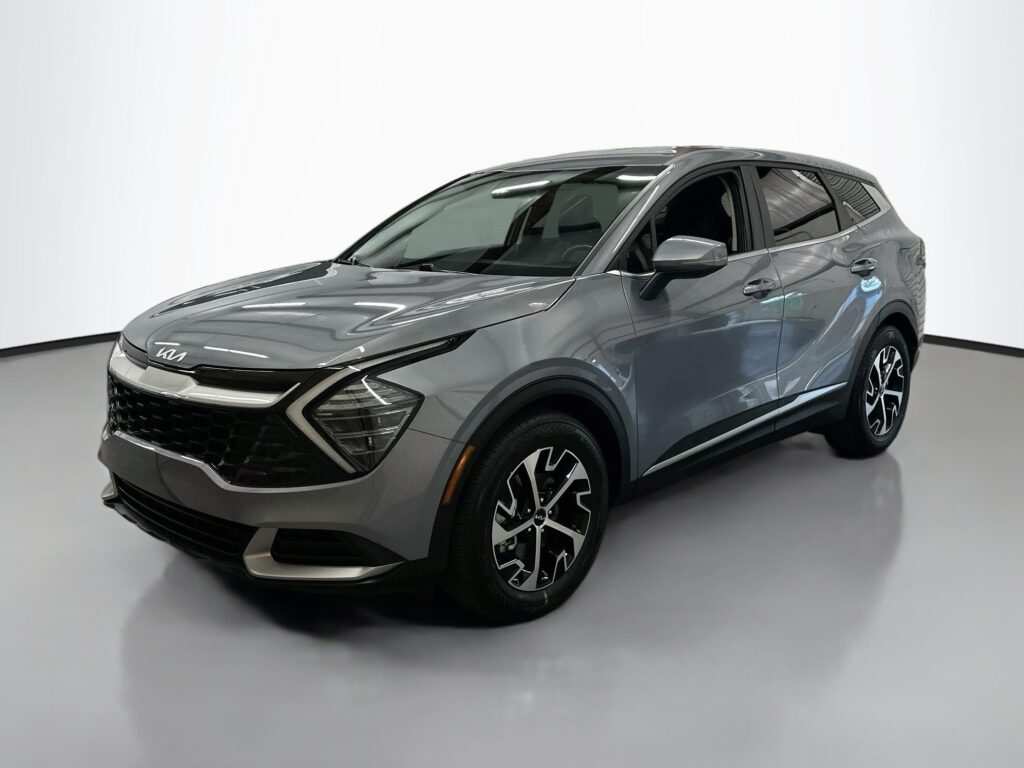
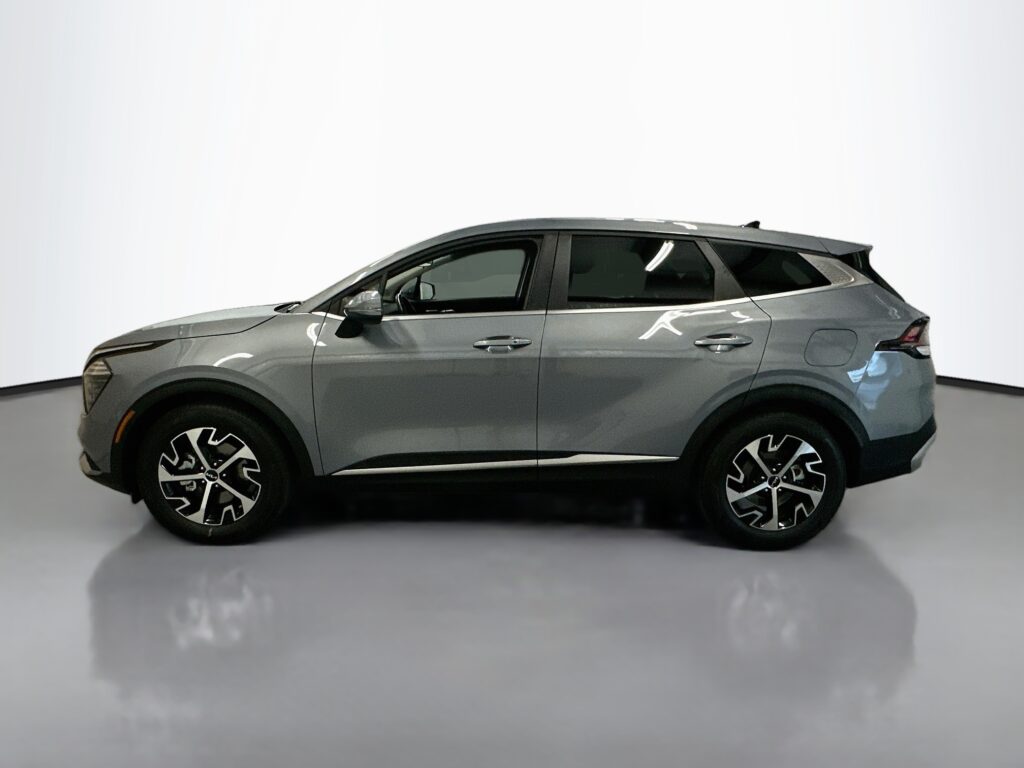
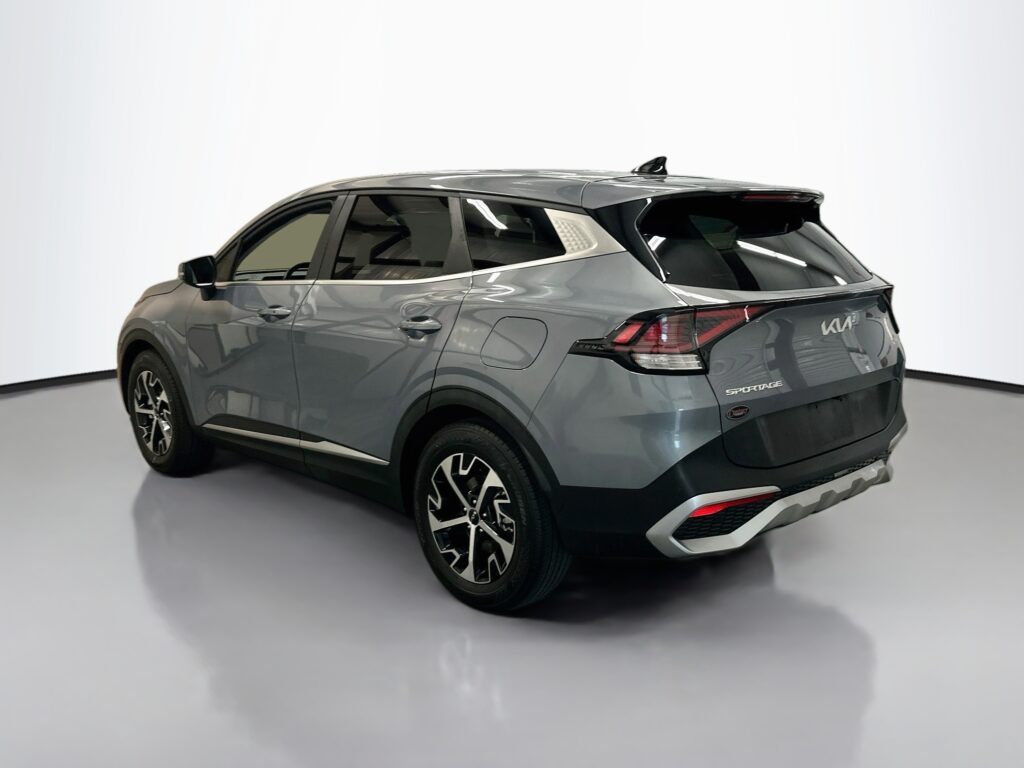
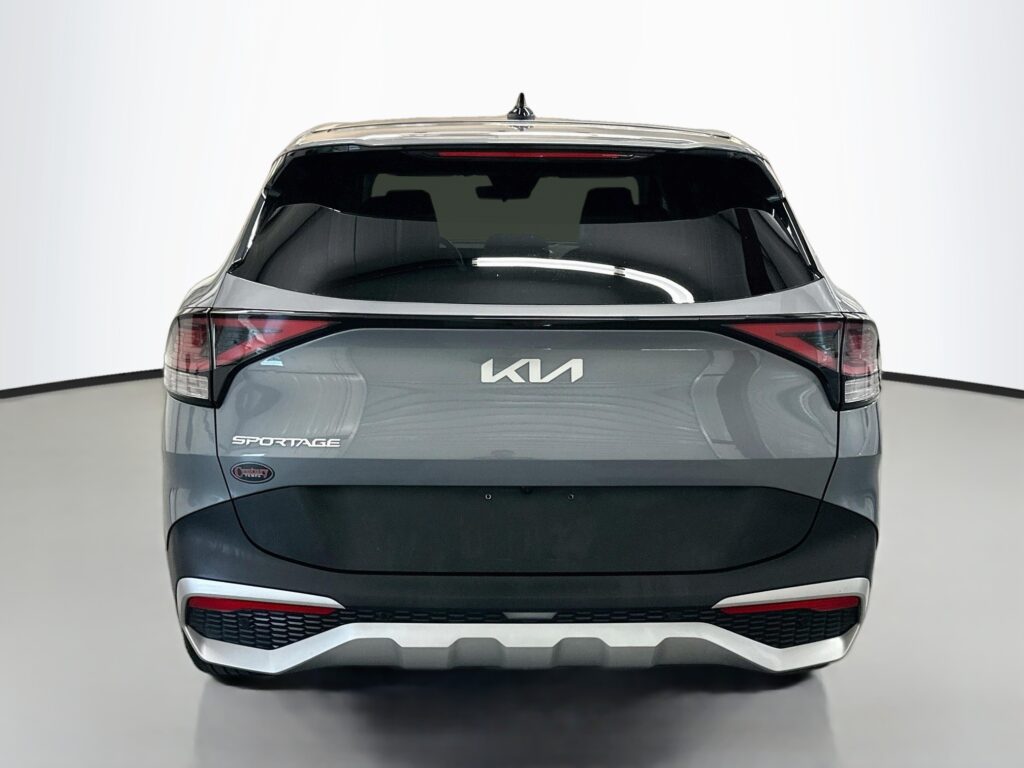
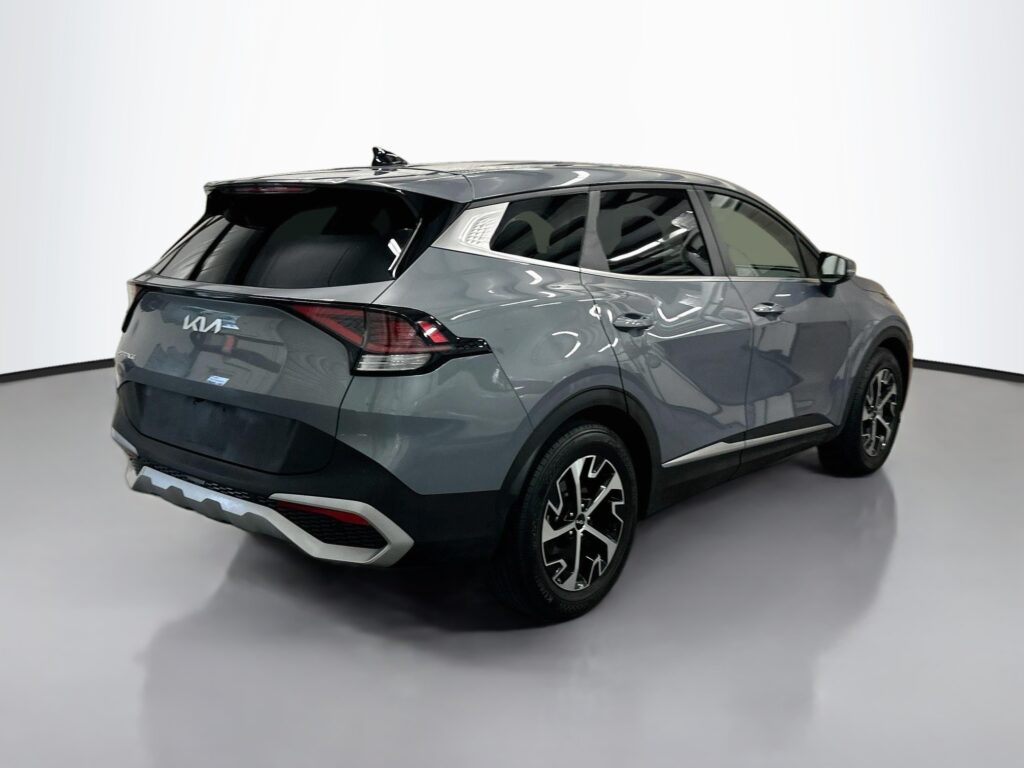
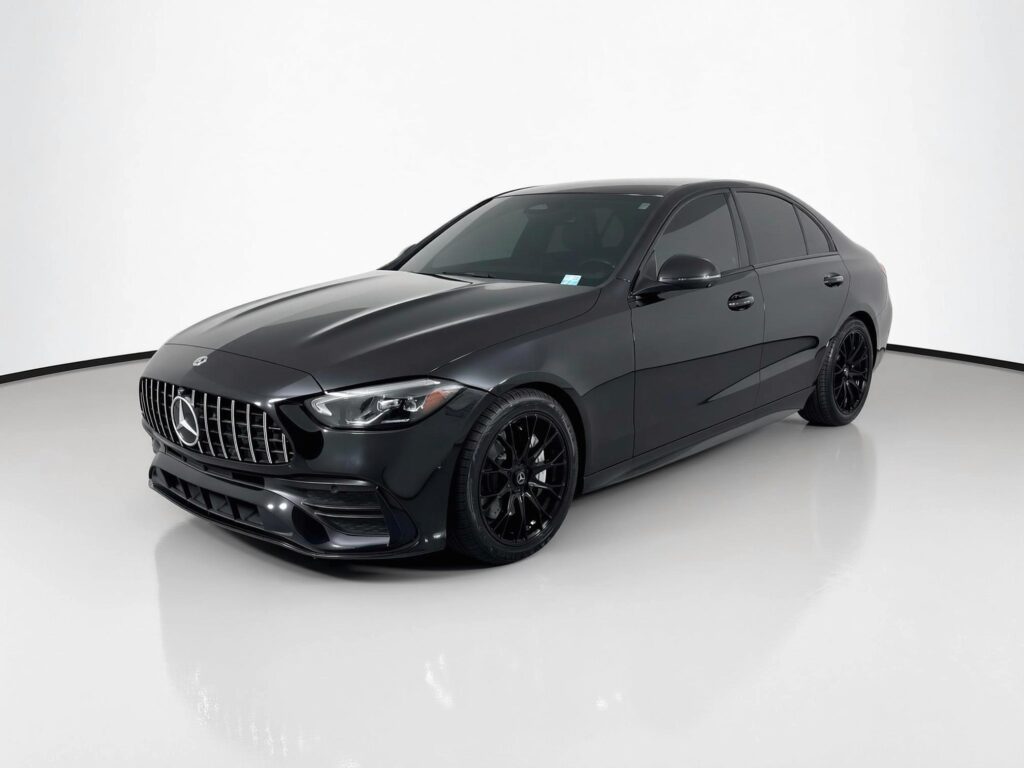
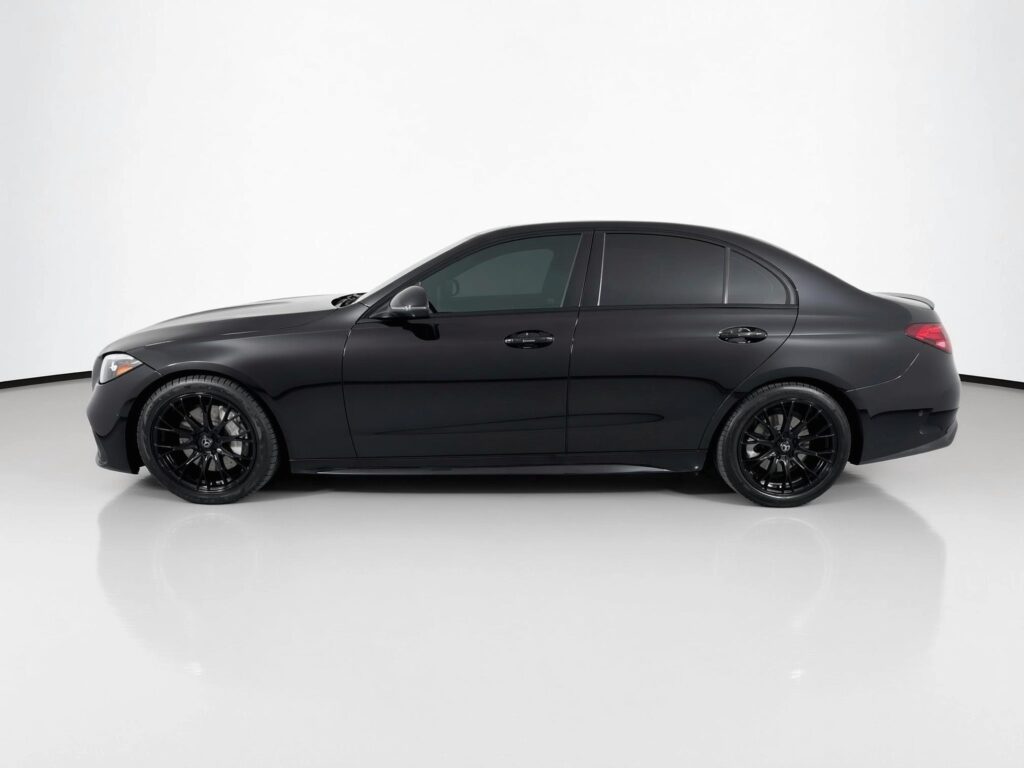
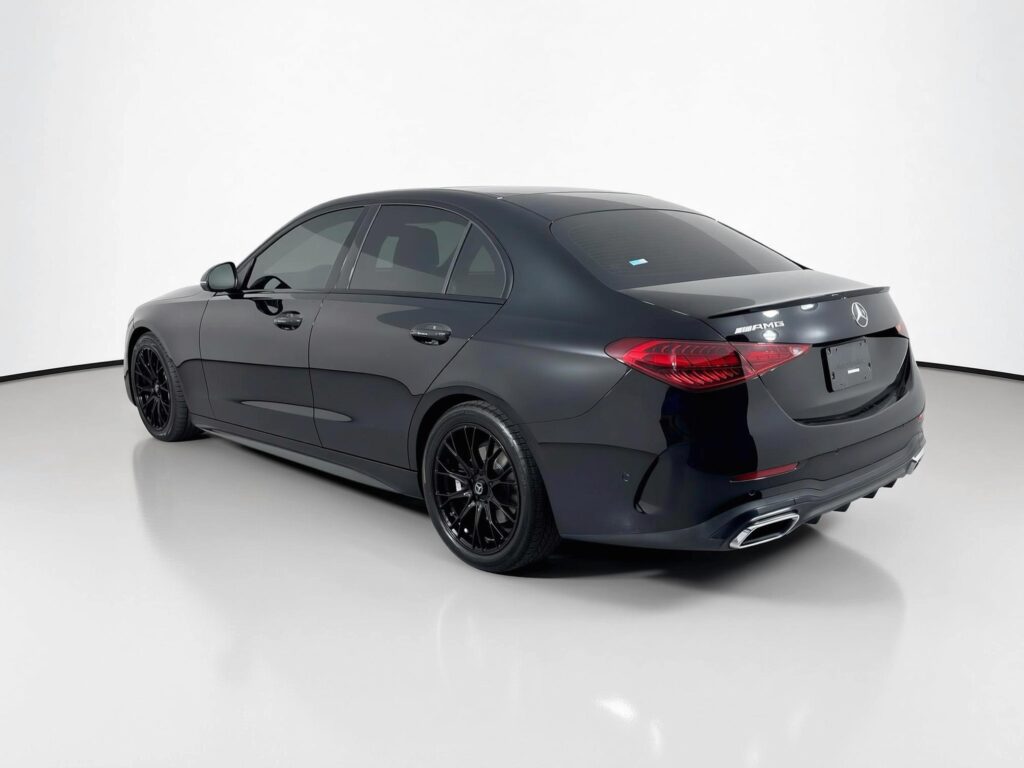
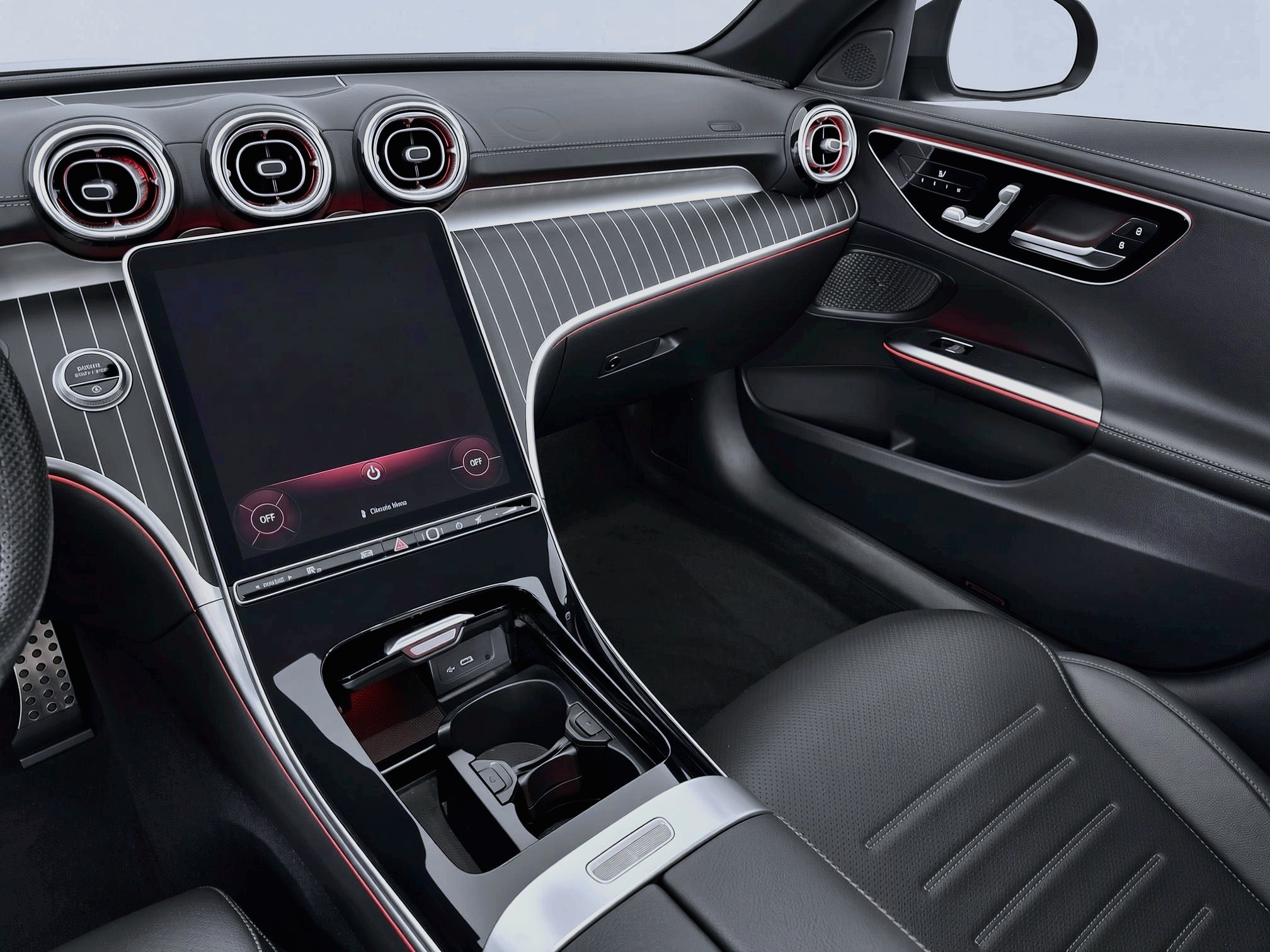
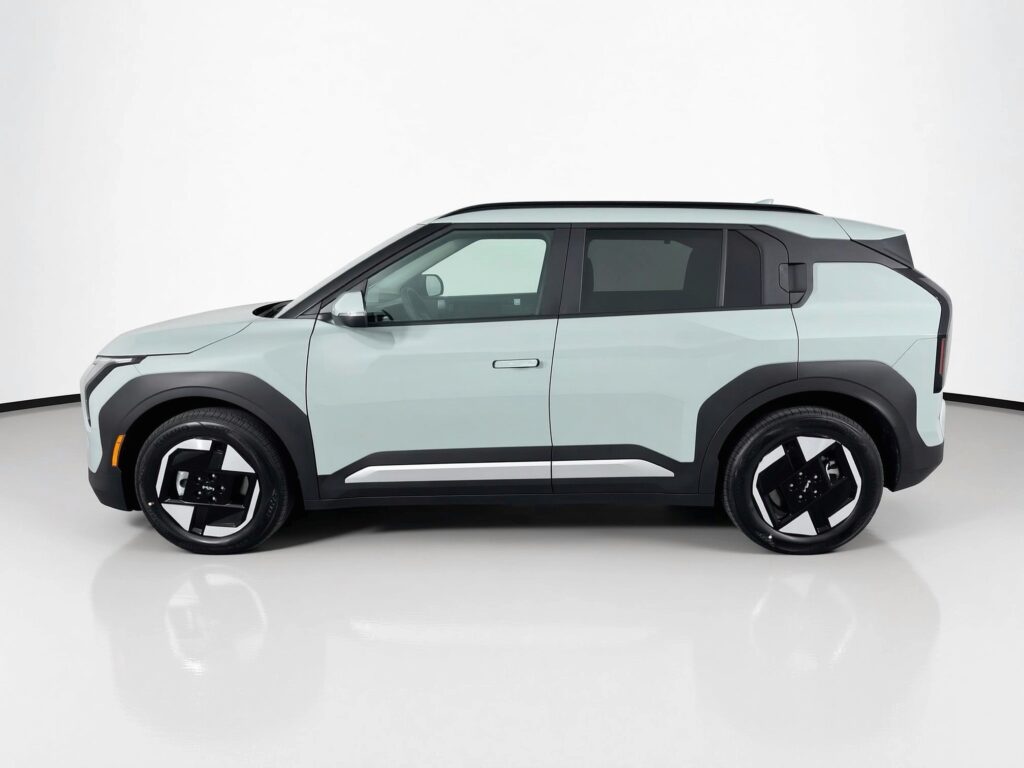
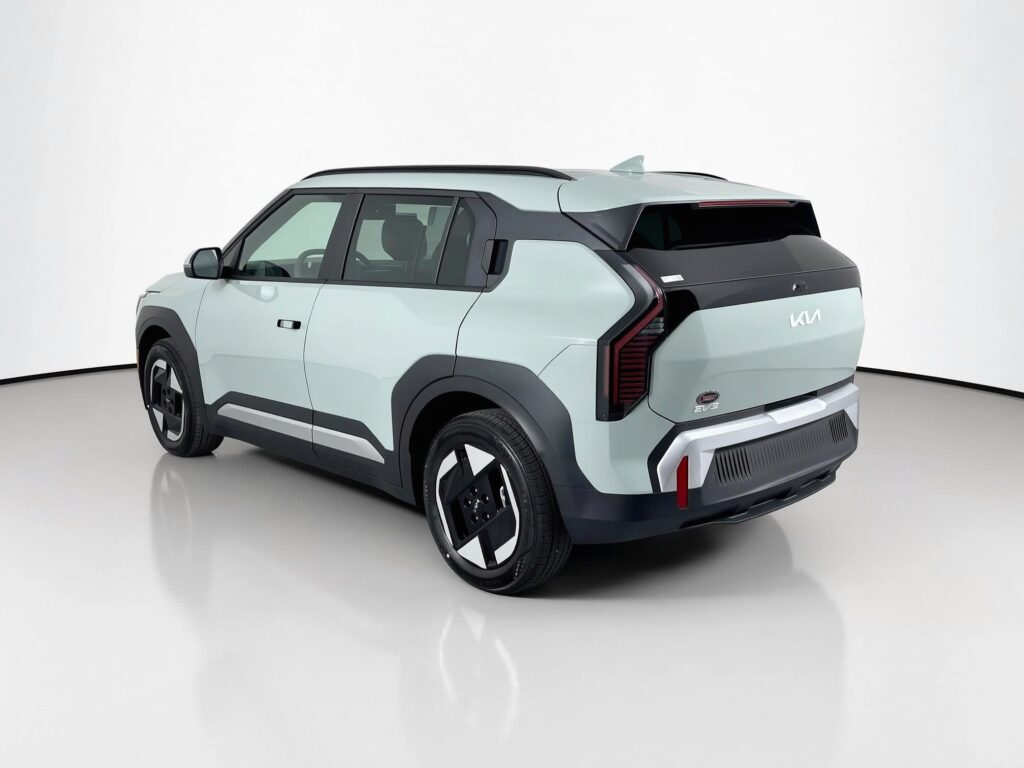
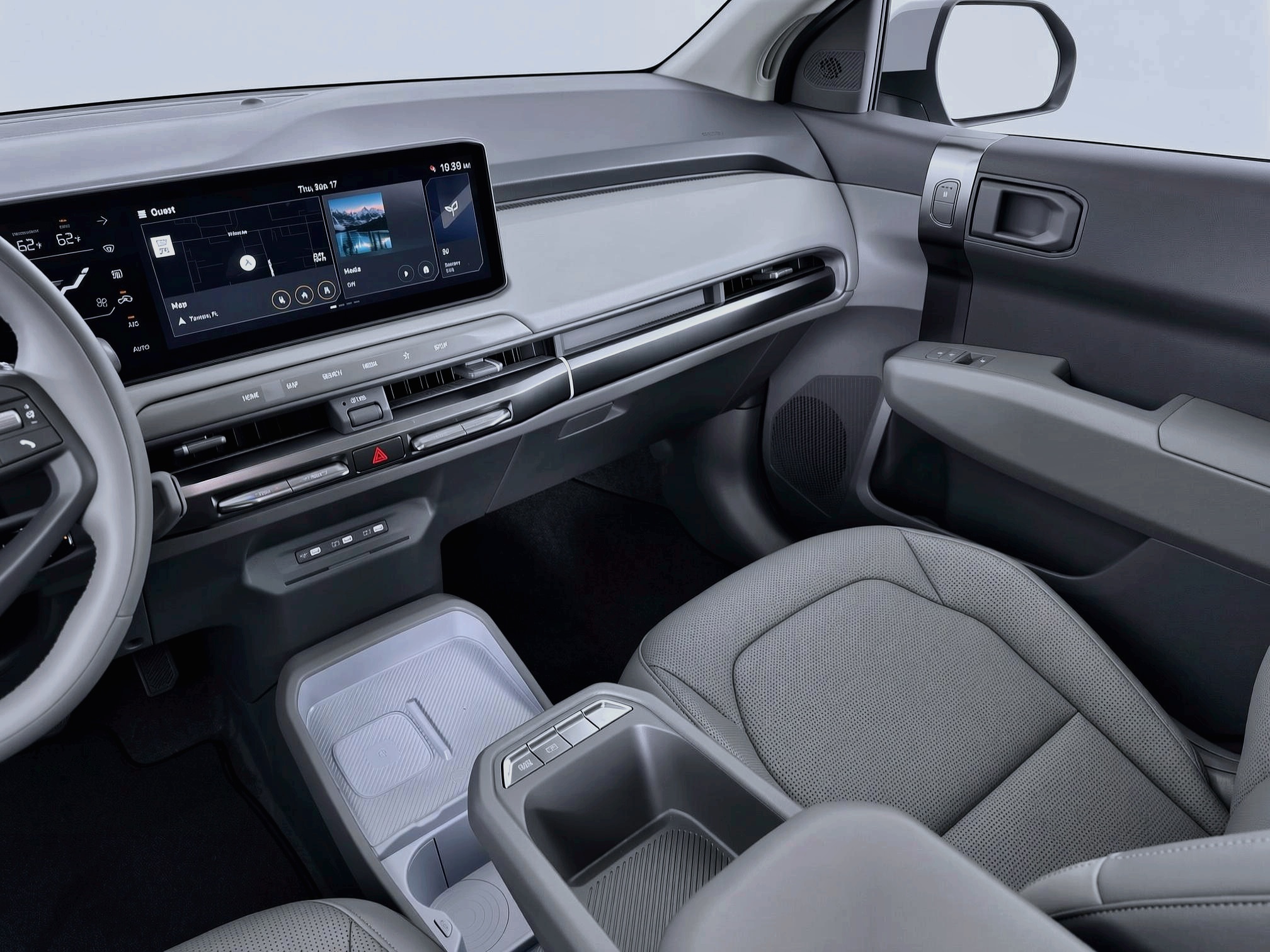
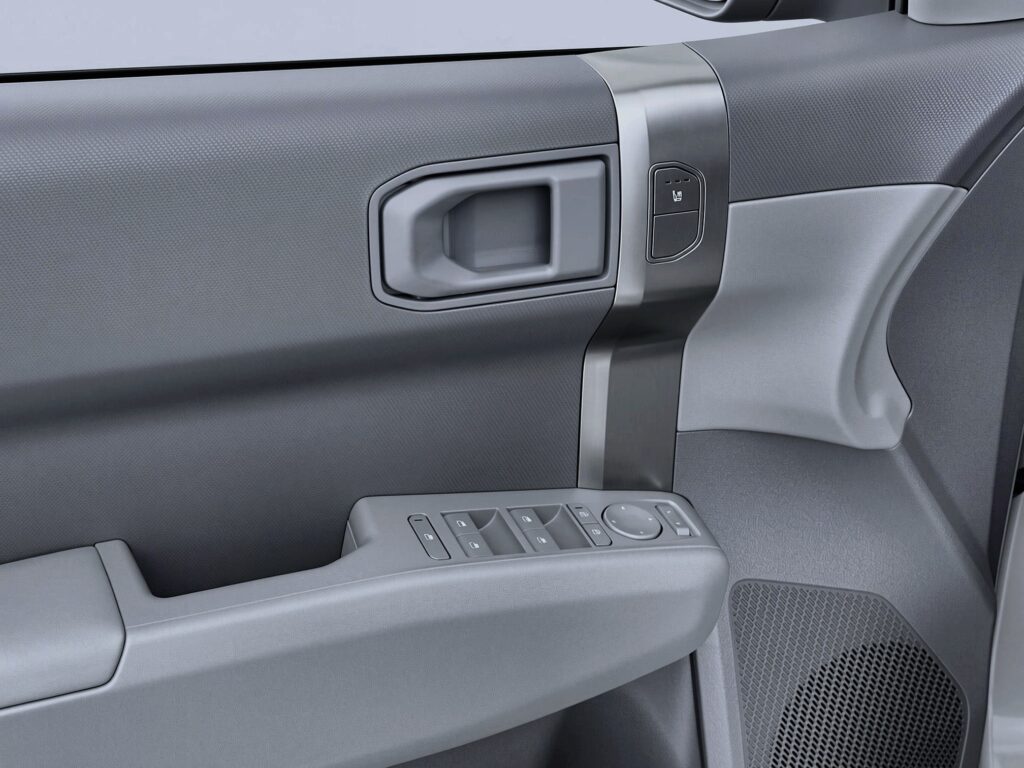
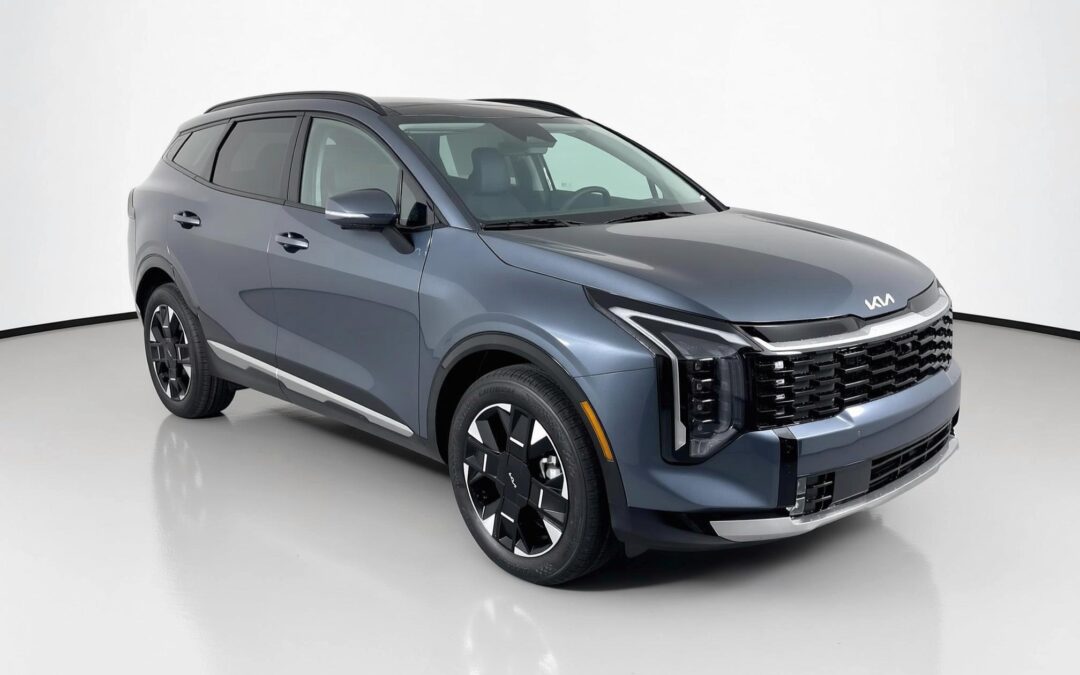
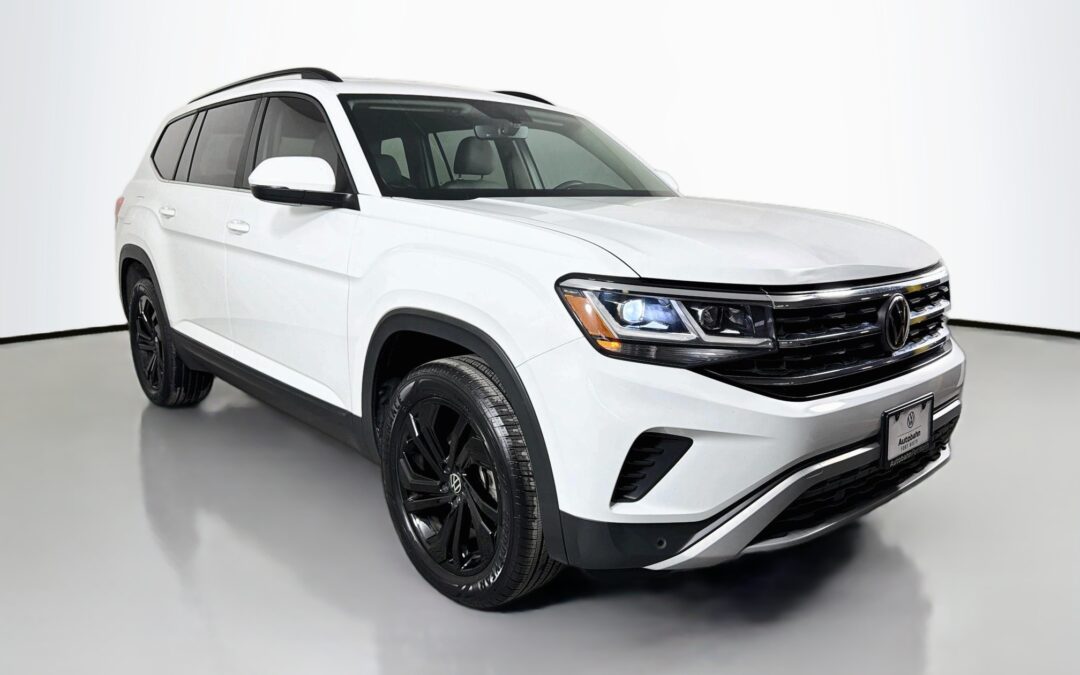
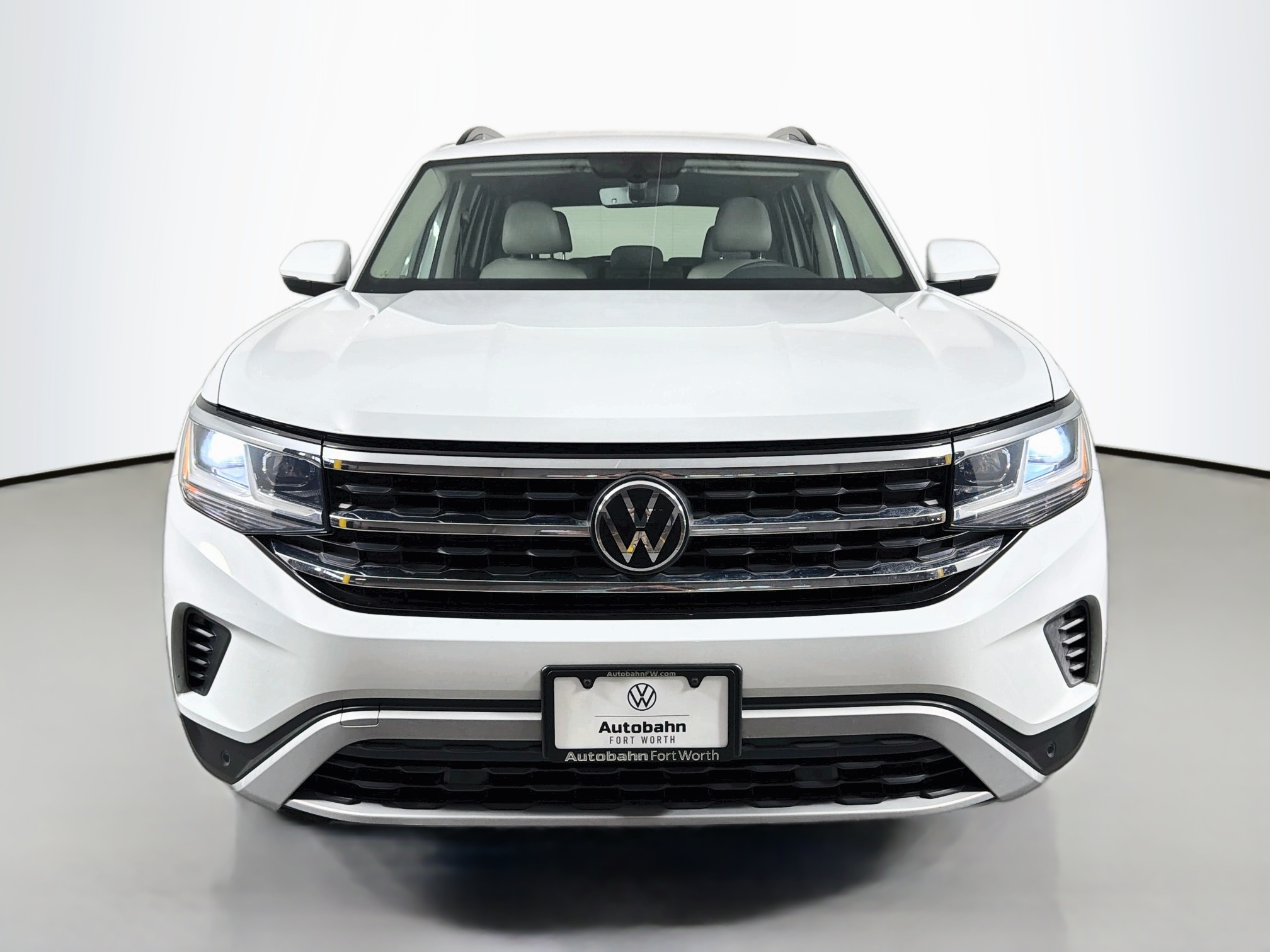
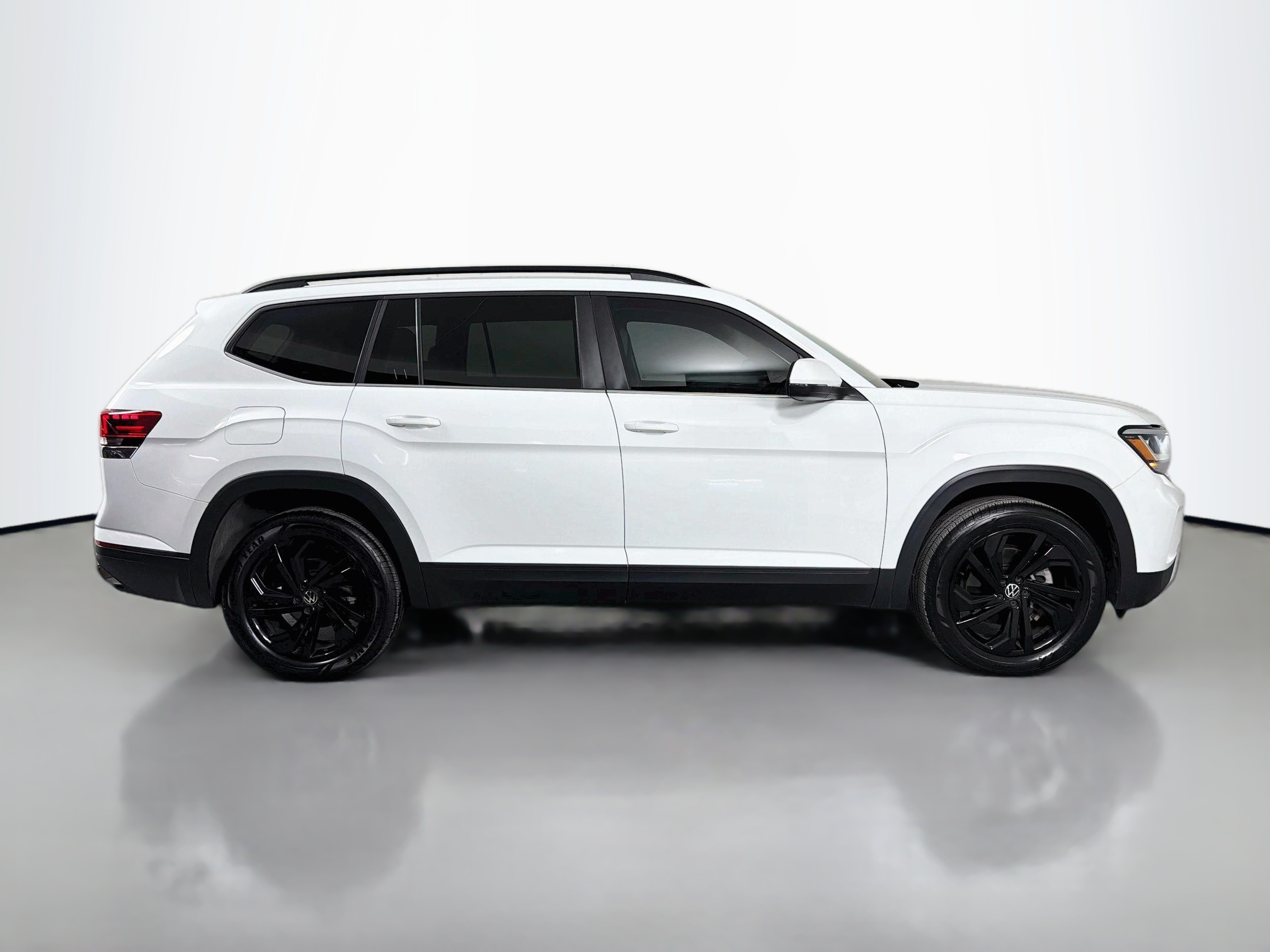
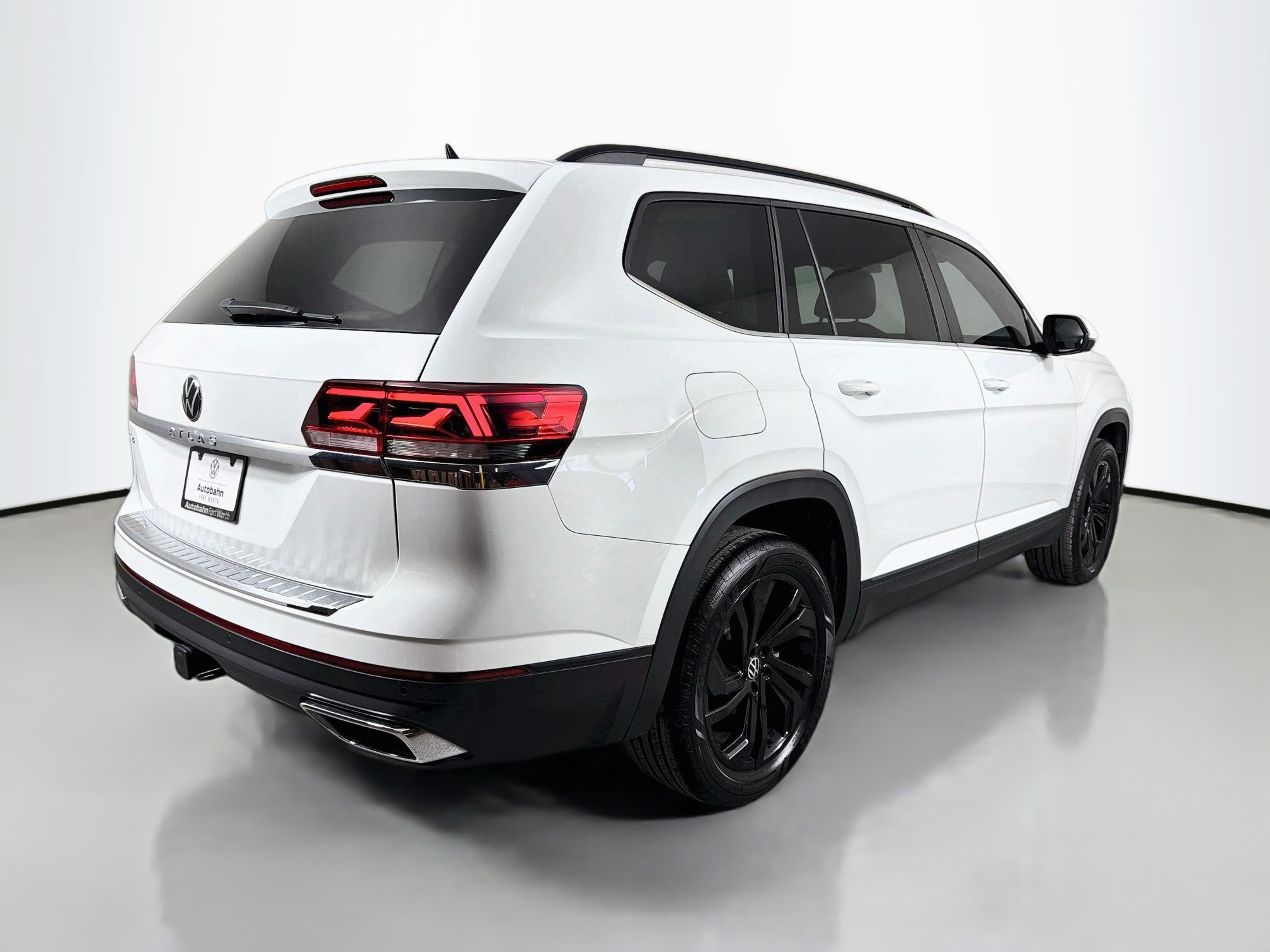
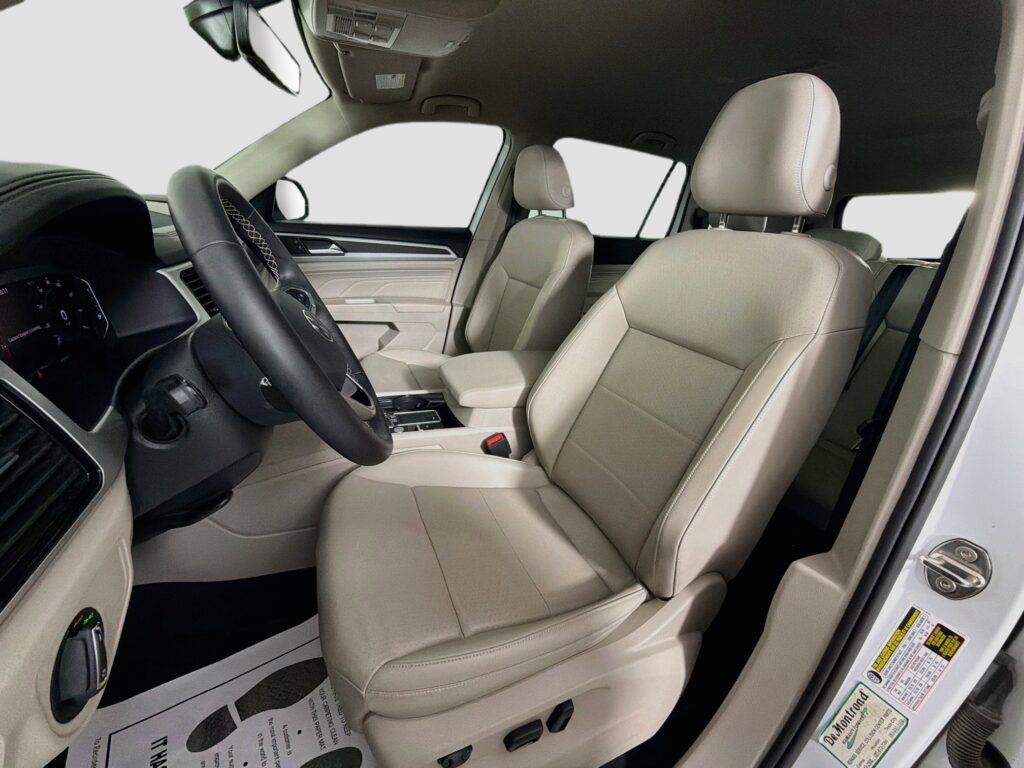
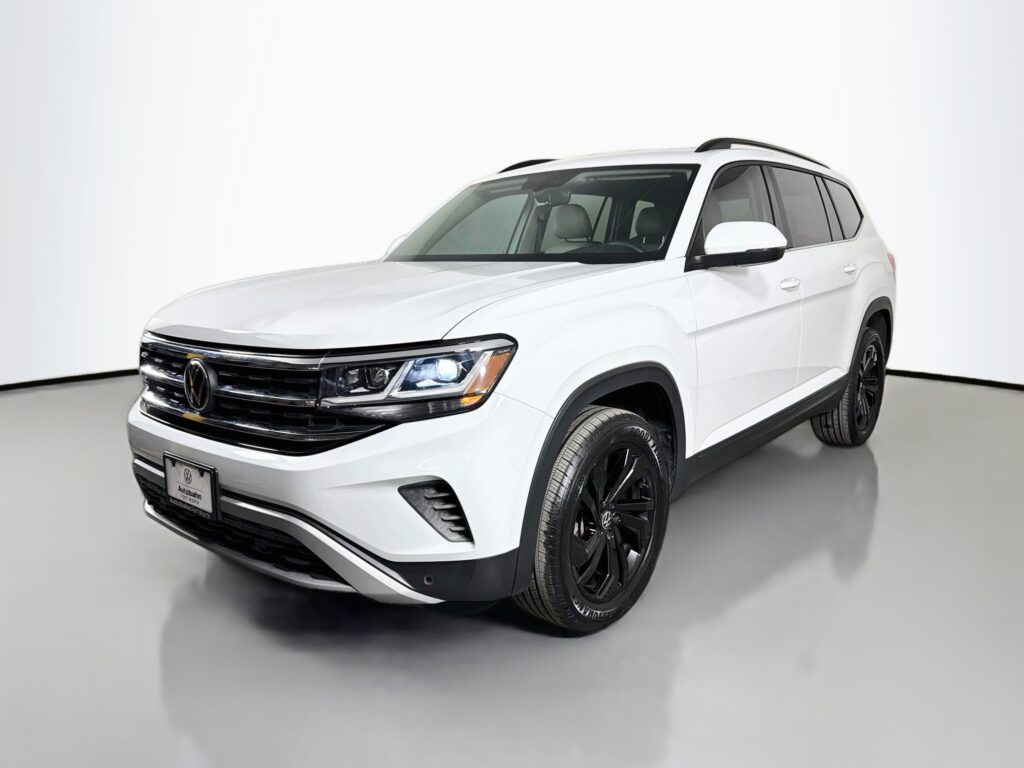
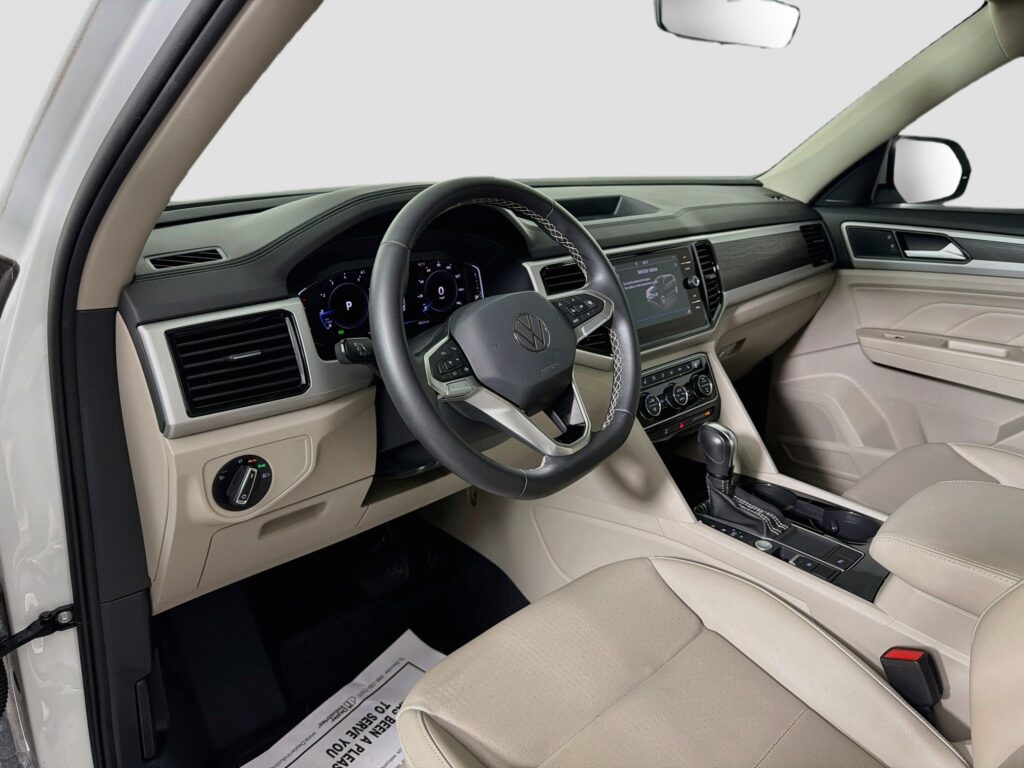
A dealership should publish enough photos to answer the customer’s questions about the actual vehicle, not stop at an arbitrary number because a software package says the job is finished.
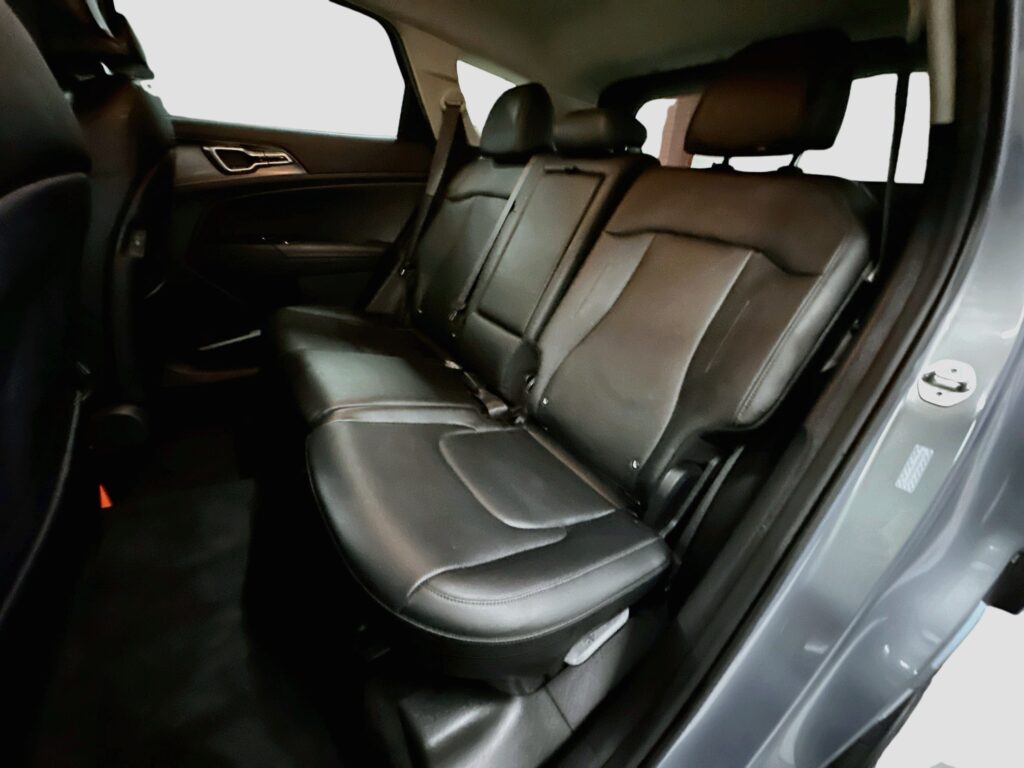
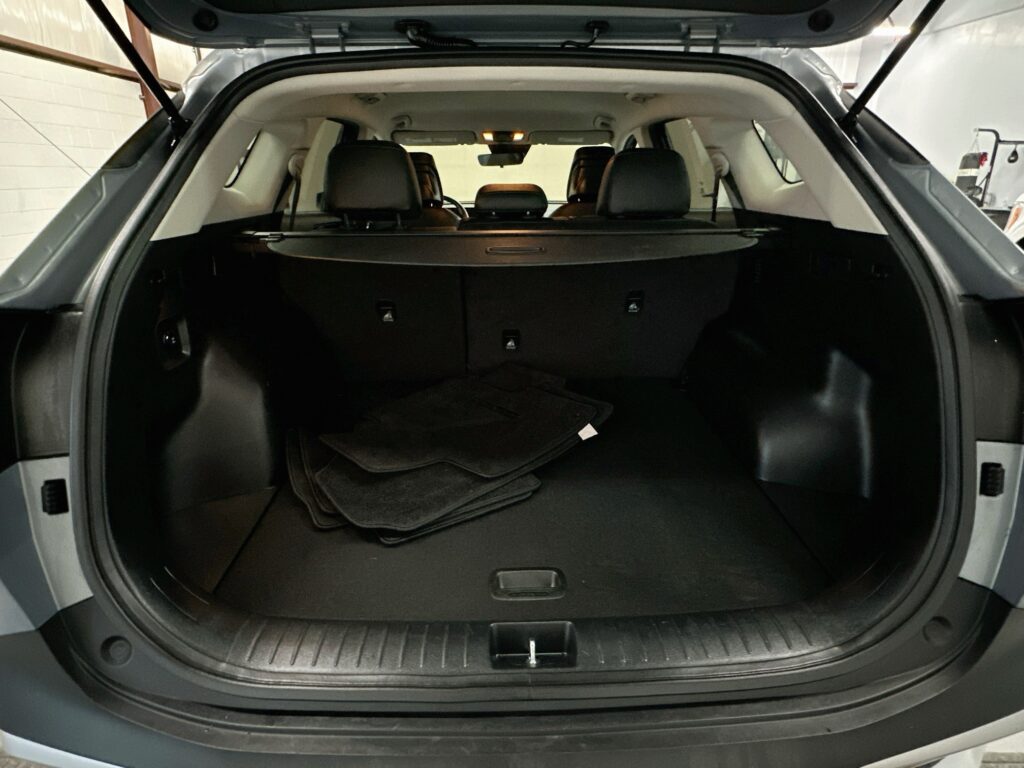
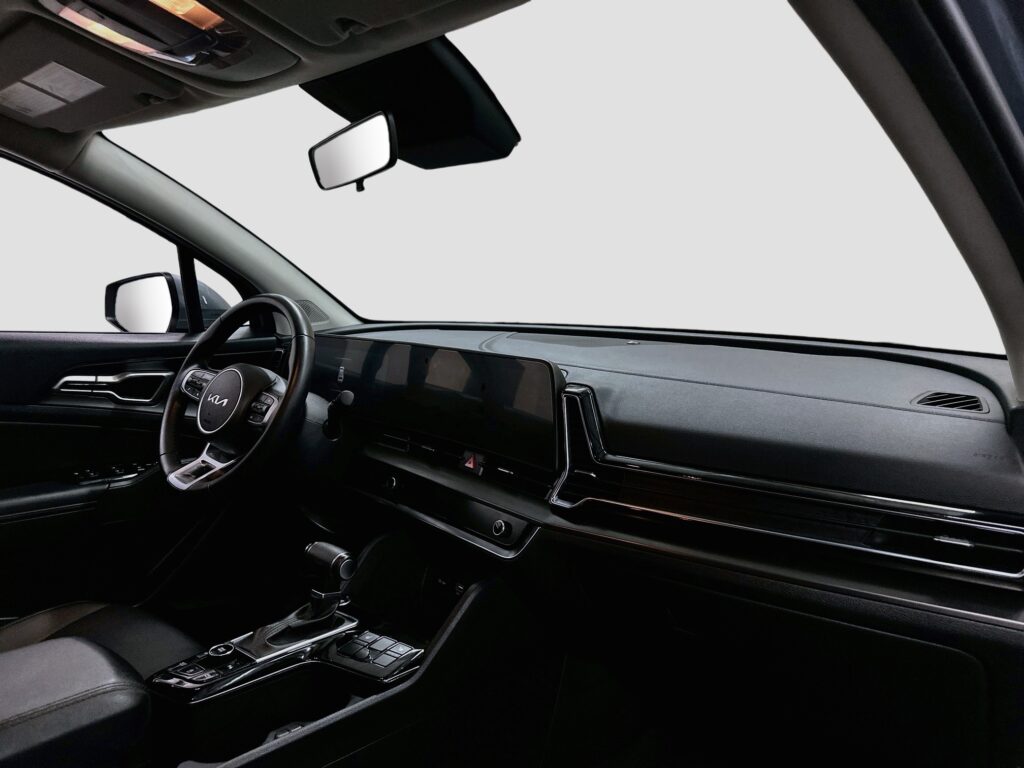
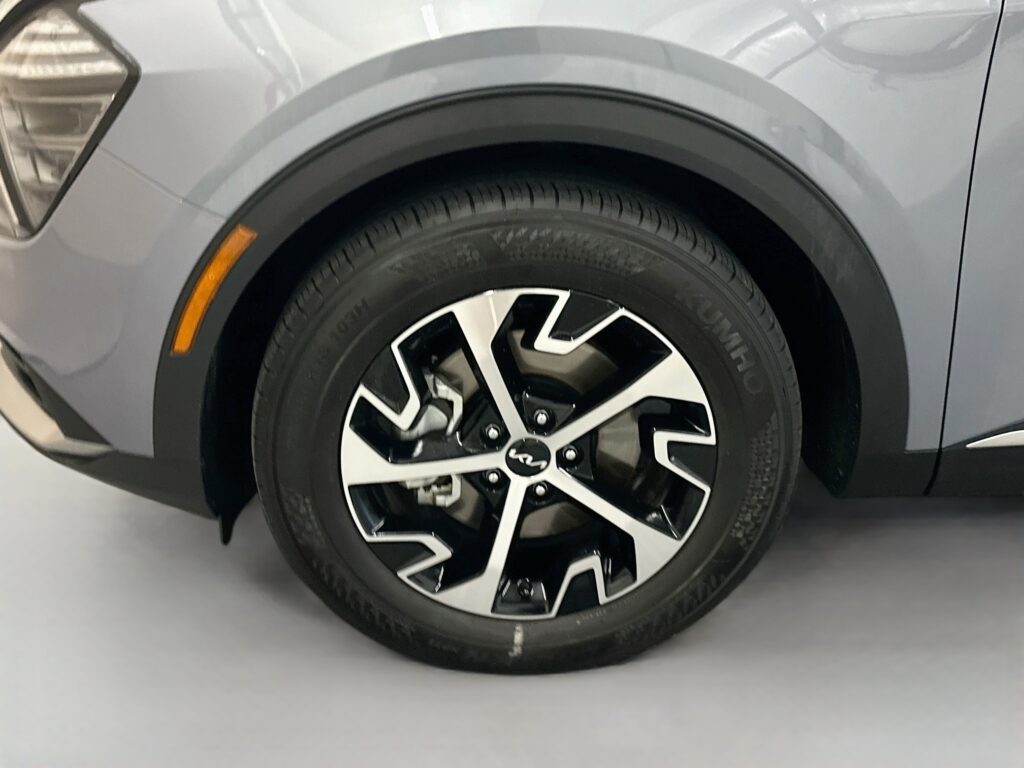
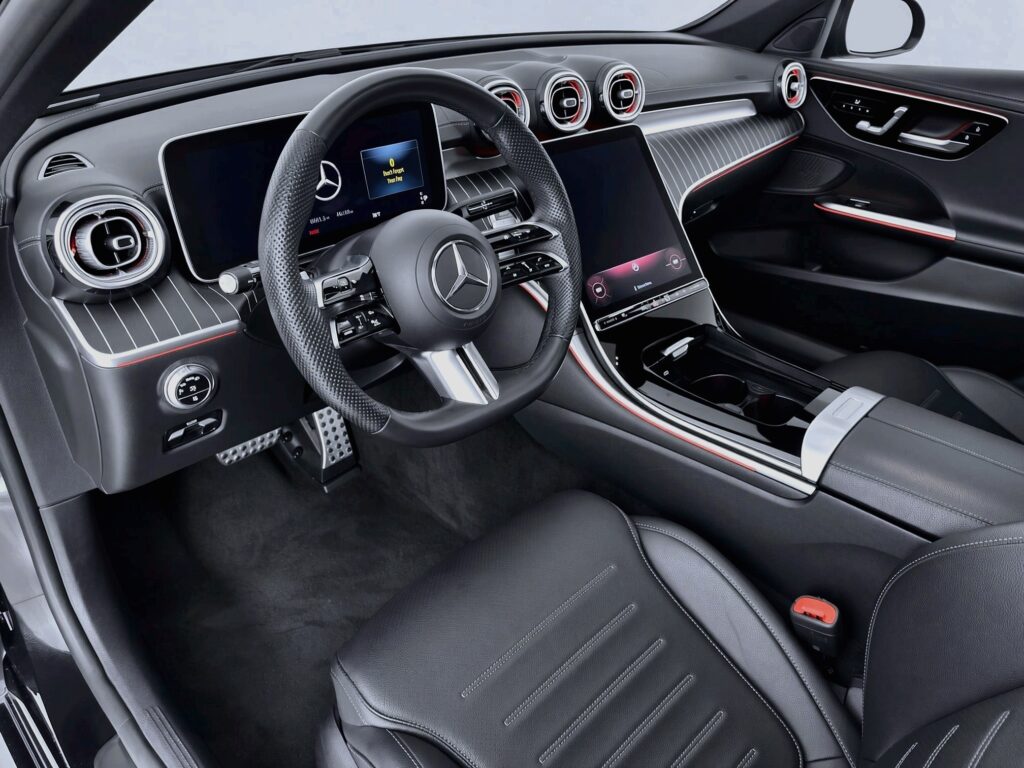
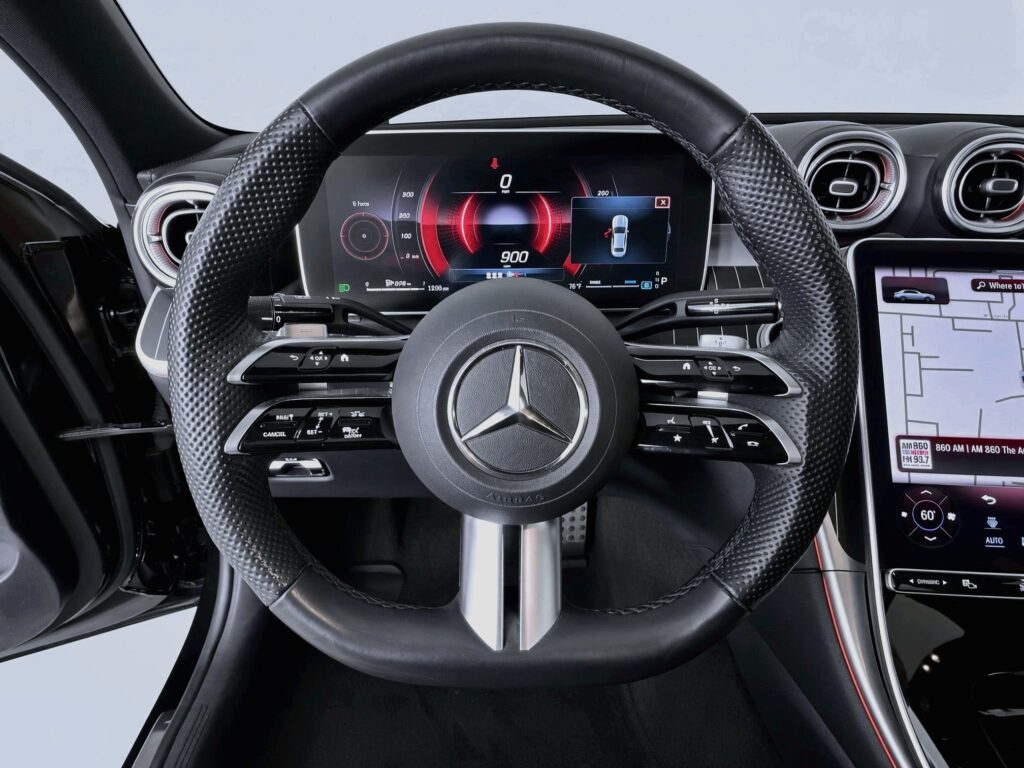
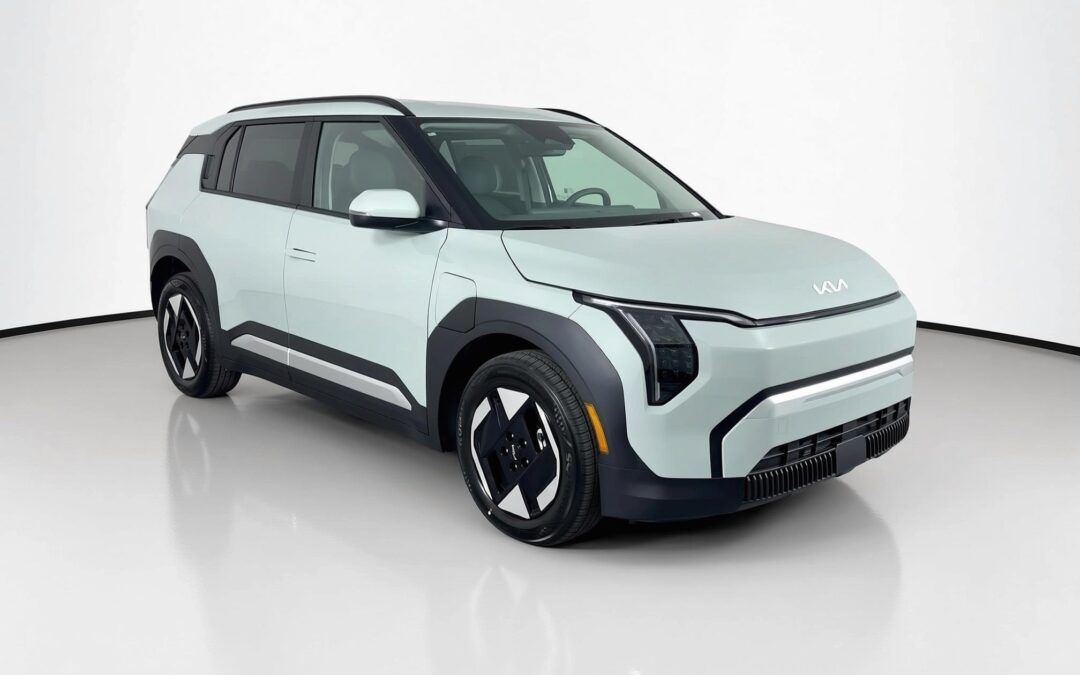
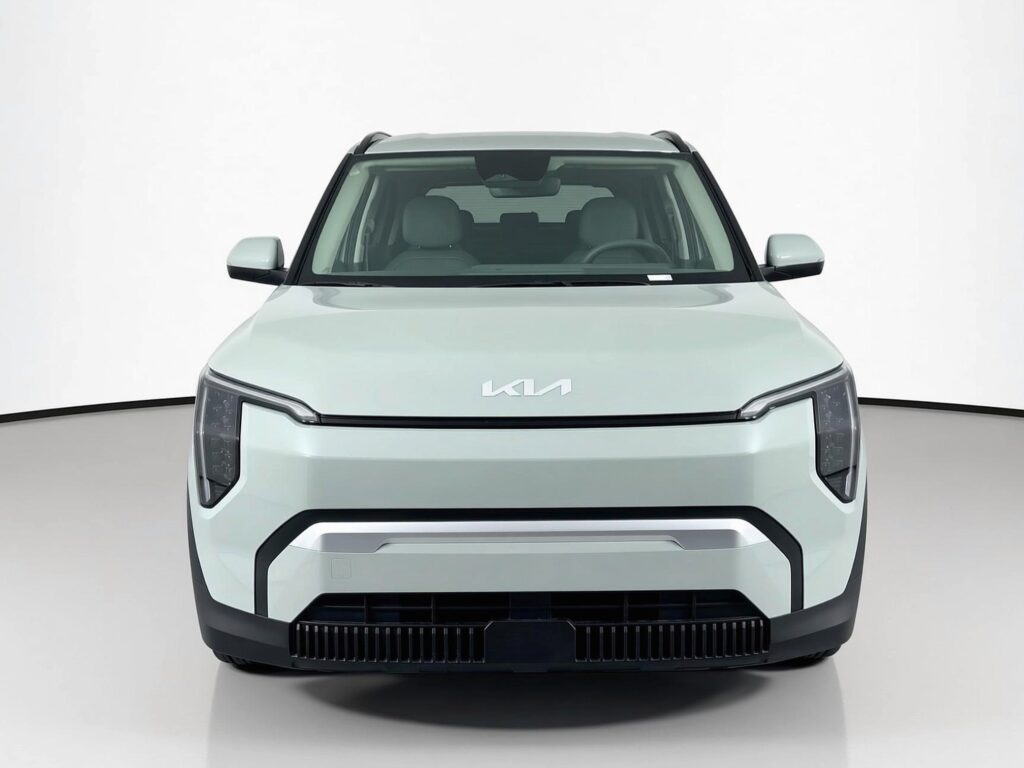
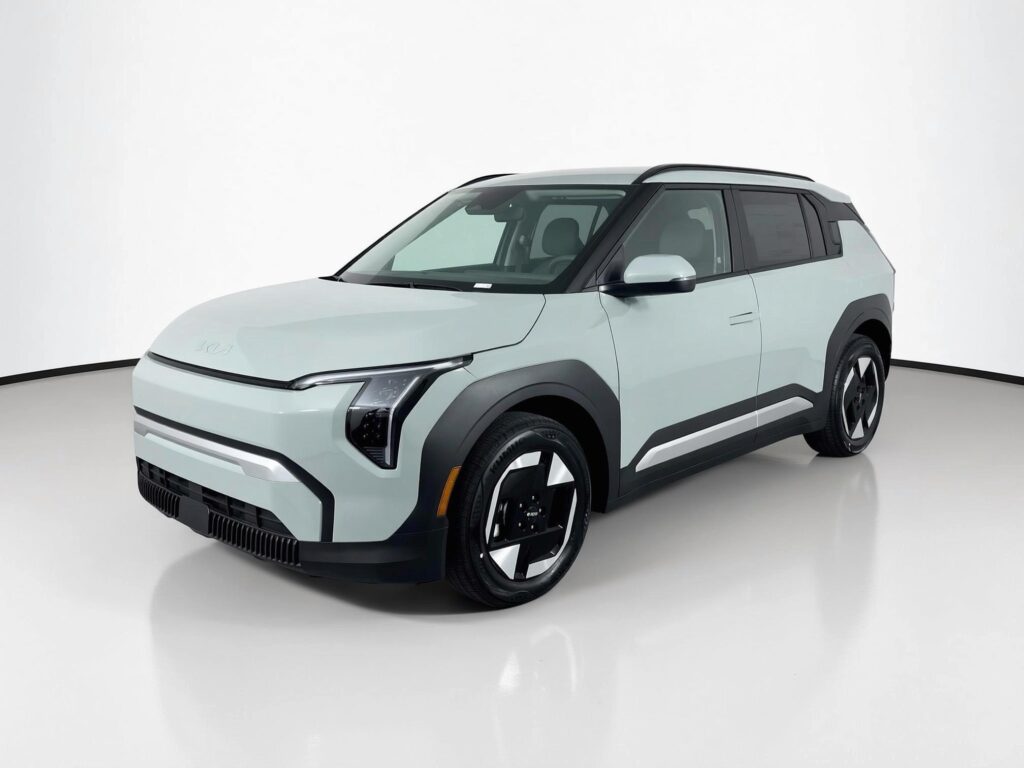
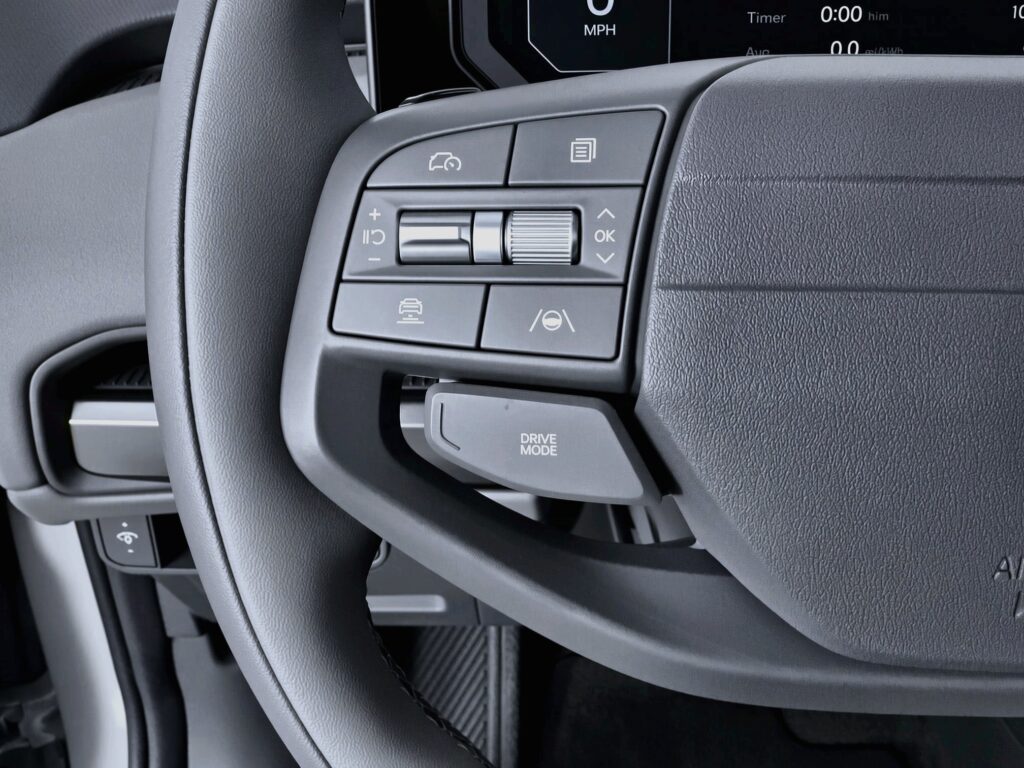
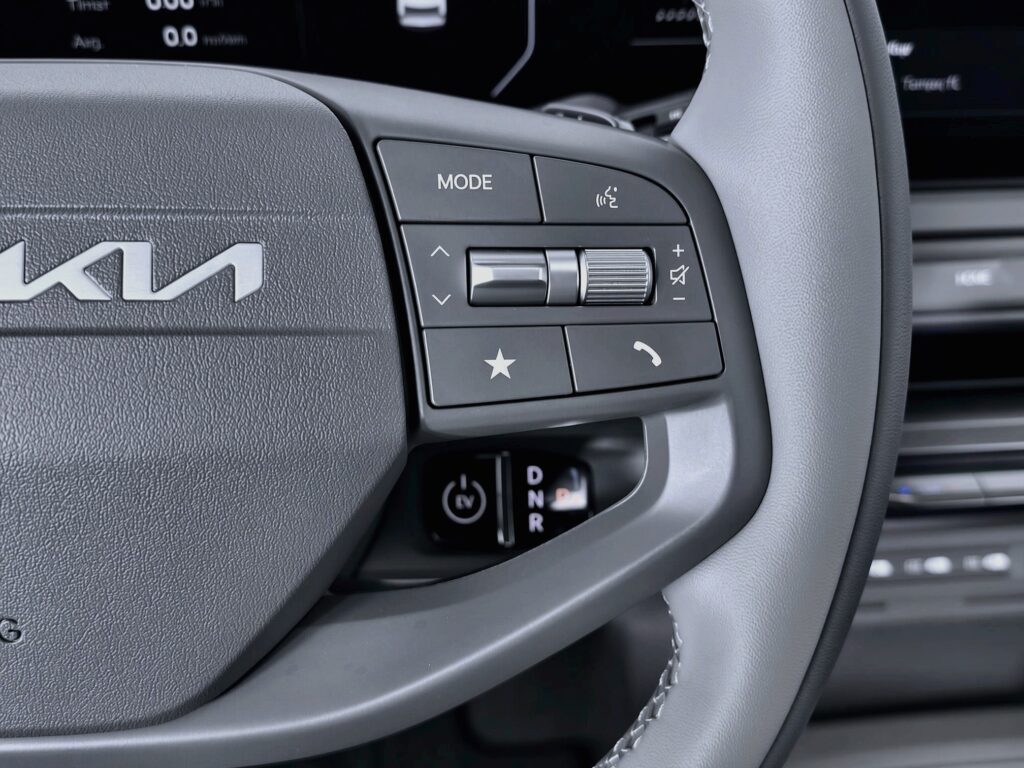
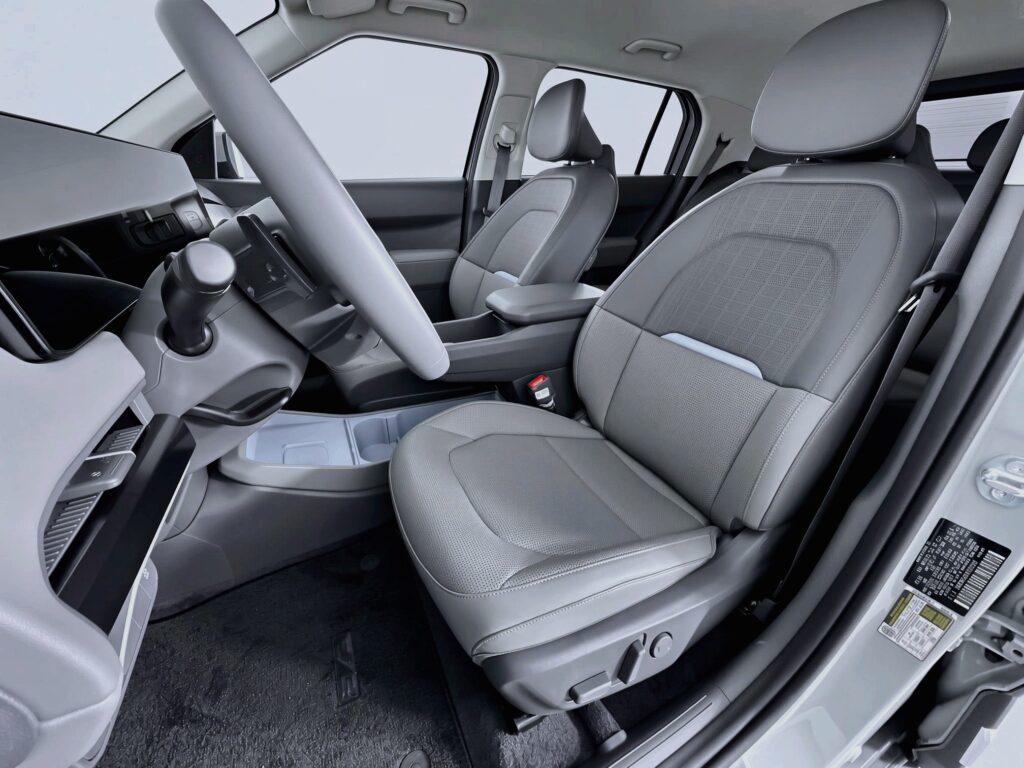
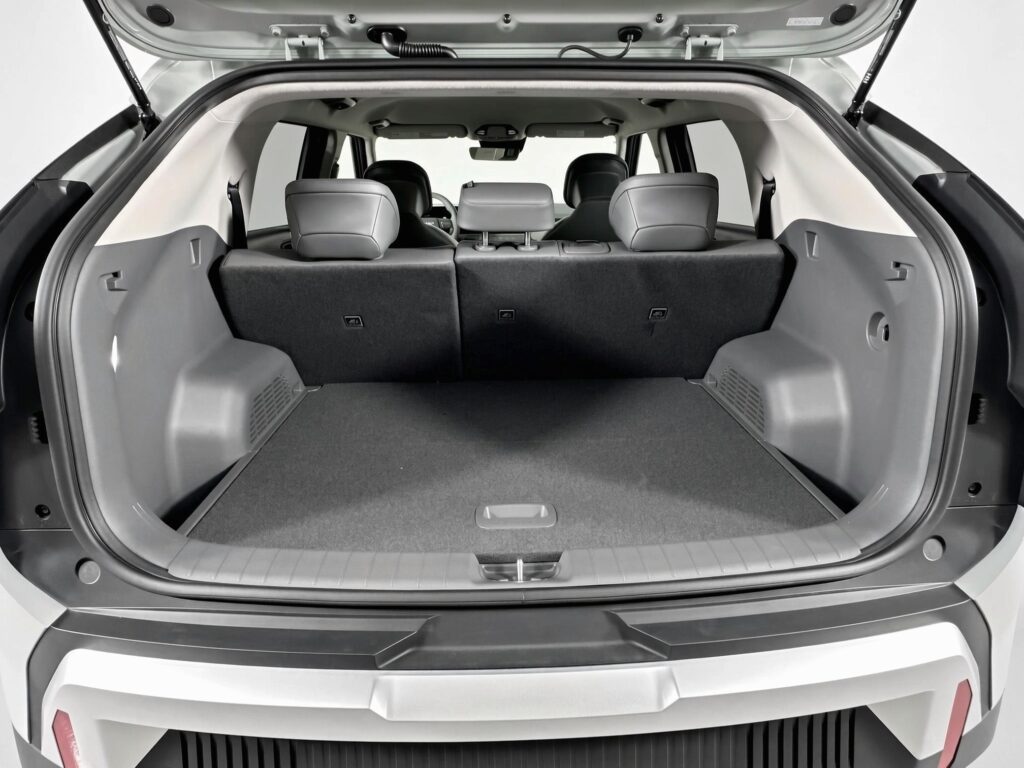
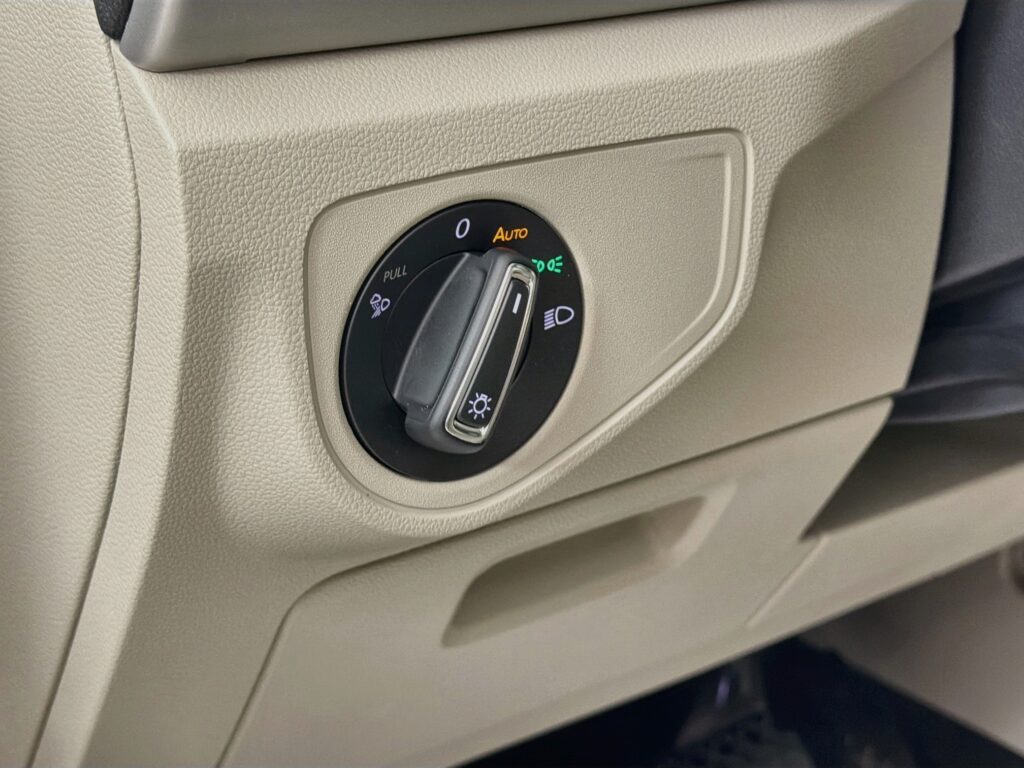
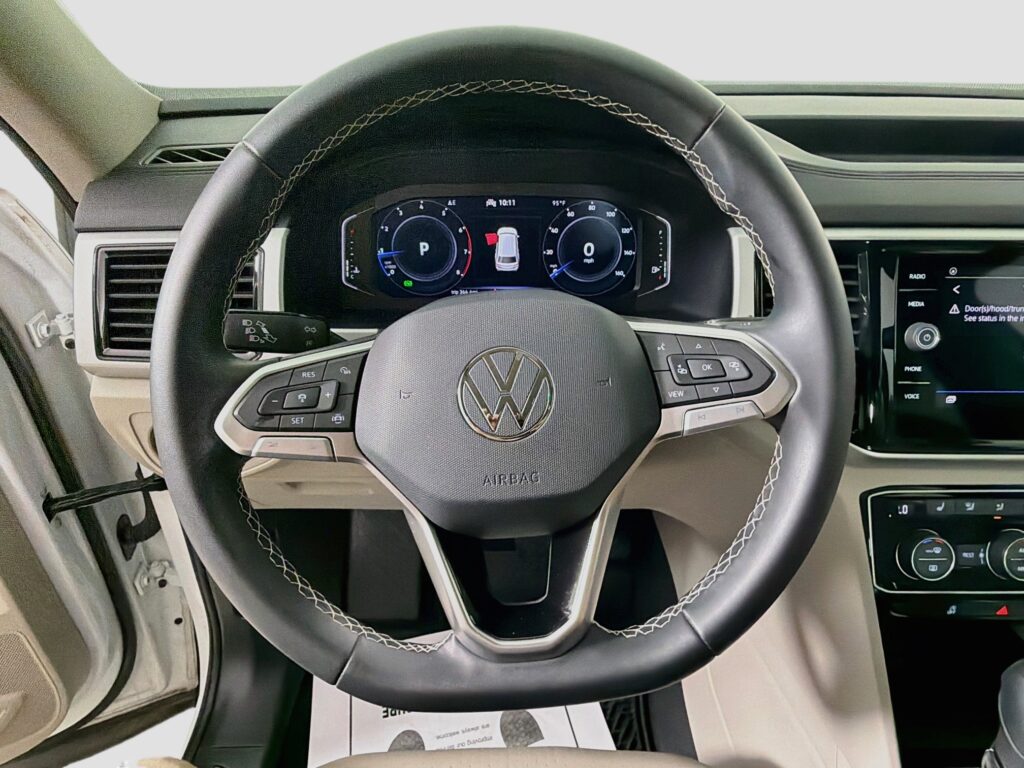
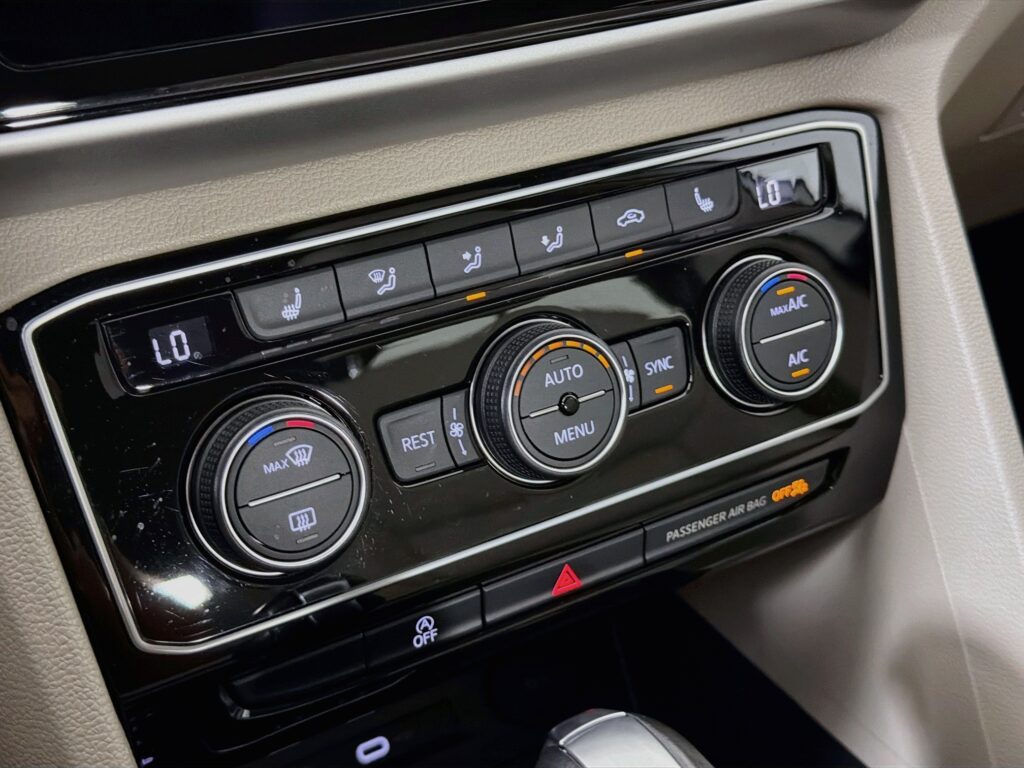
Most vehicles need a consistent core set. Customers expect to see the exterior from every useful angle, each wheel, the interior, equipment, cargo space and the details that distinguish one unit from another.
That is why SHOOTit AI guides employees through a repeatable 40+ image process. The sequence creates a dependable visual record without requiring the employee to remember a shot list or decide what comes next.
But forty is a starting standard, not a ceiling.
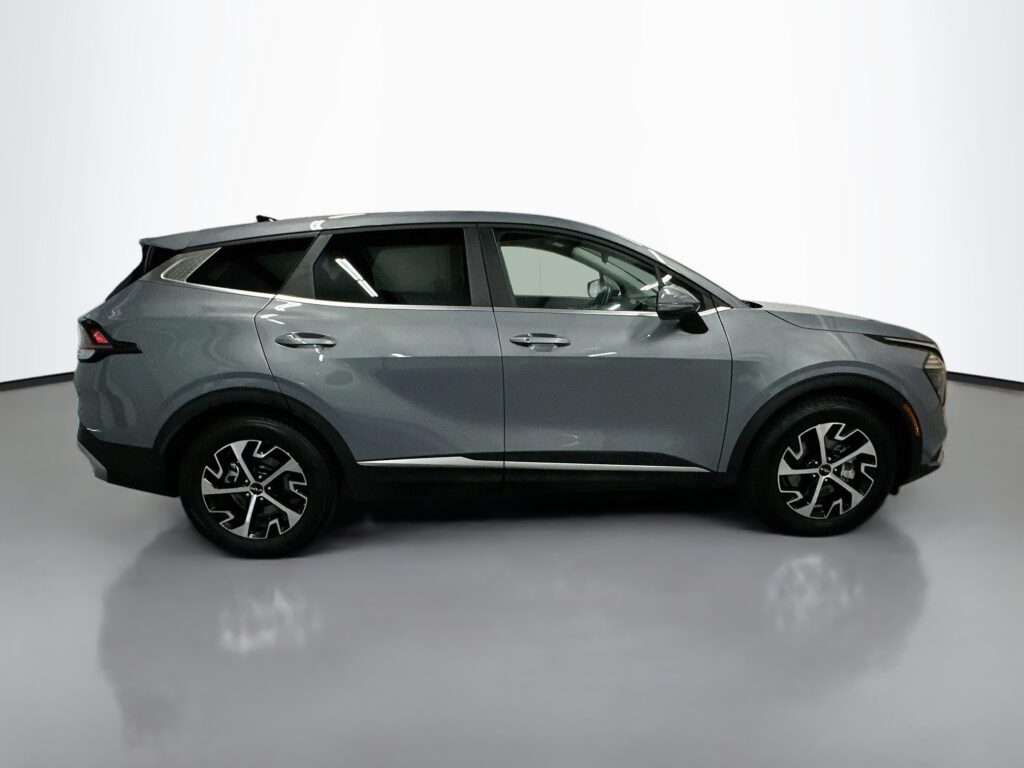
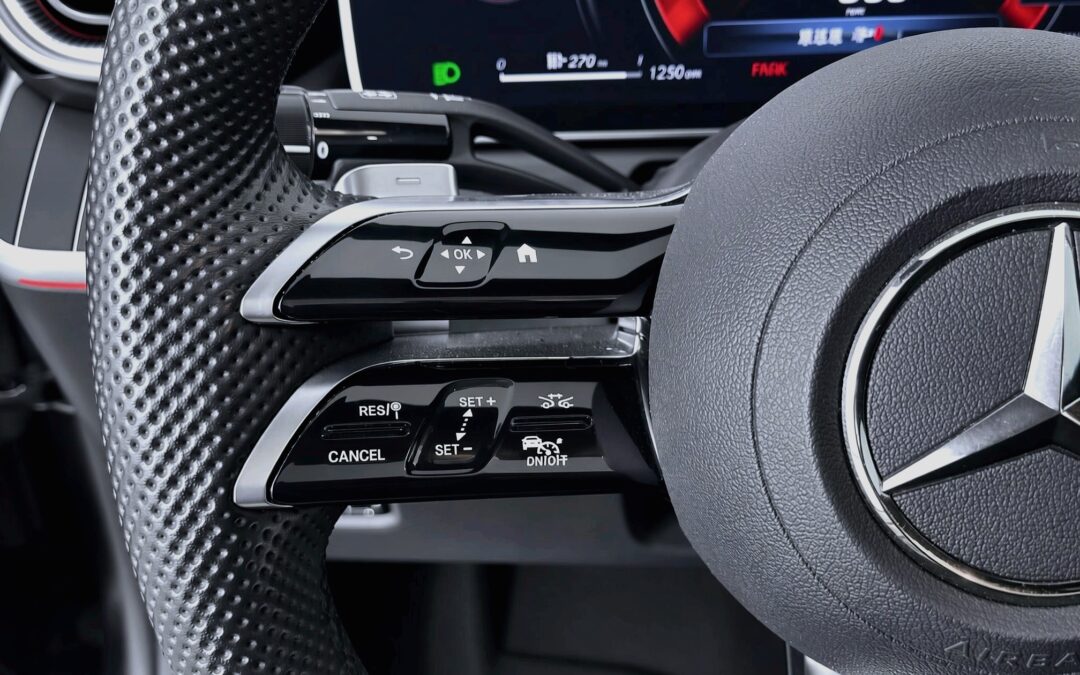
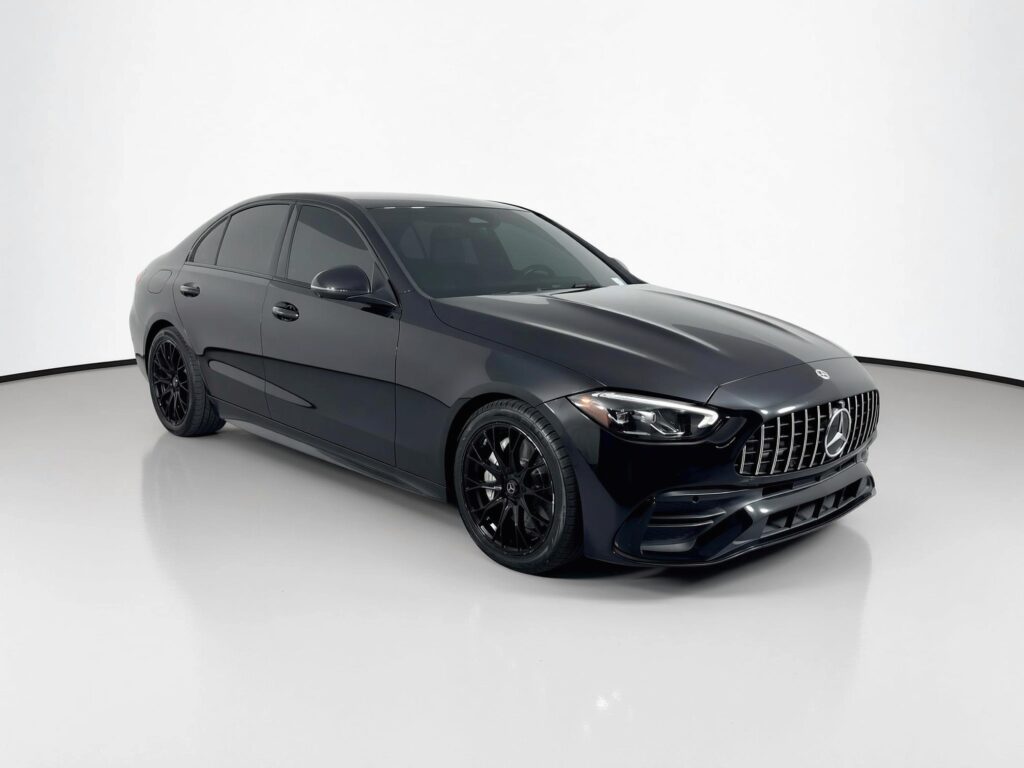
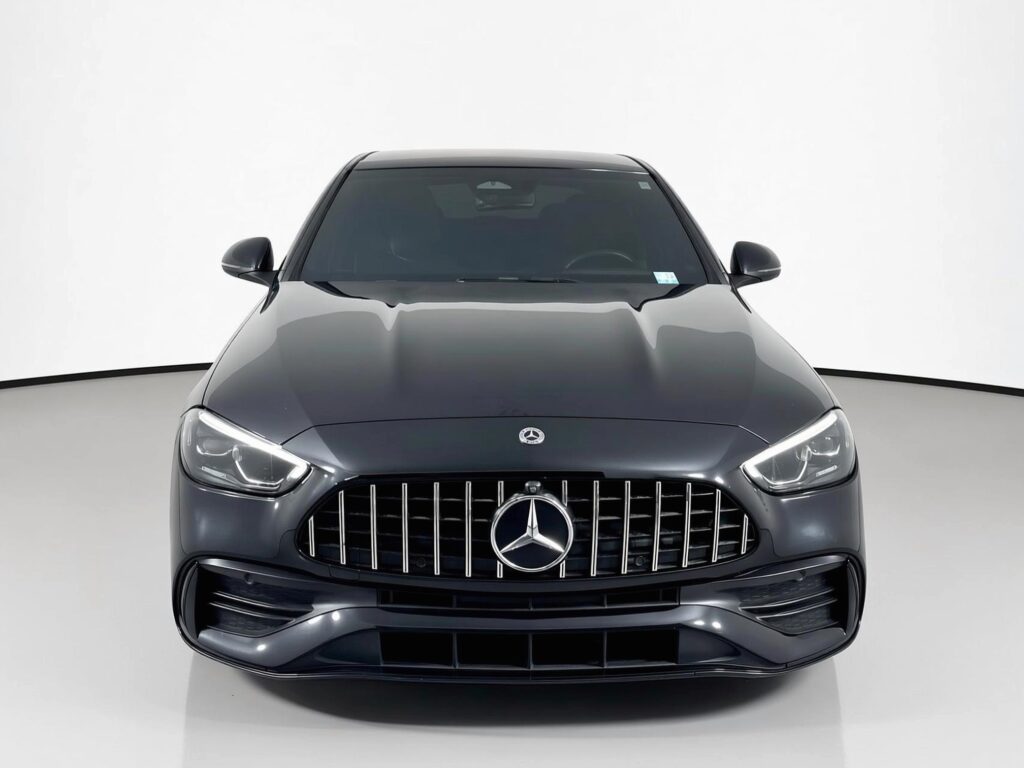
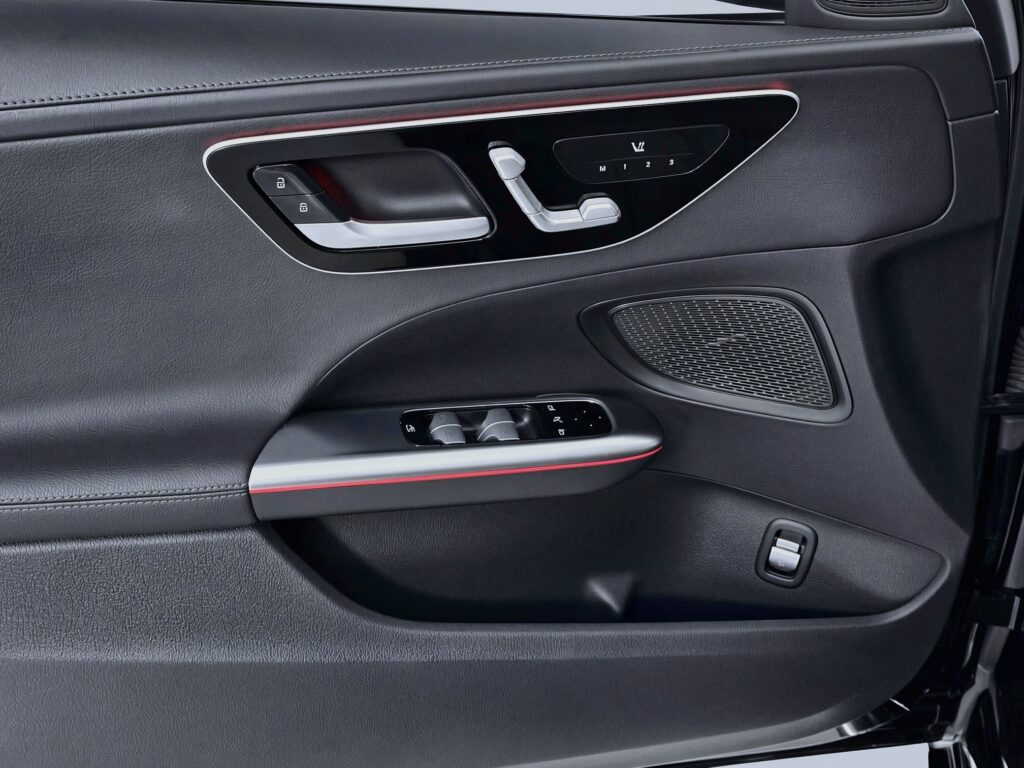
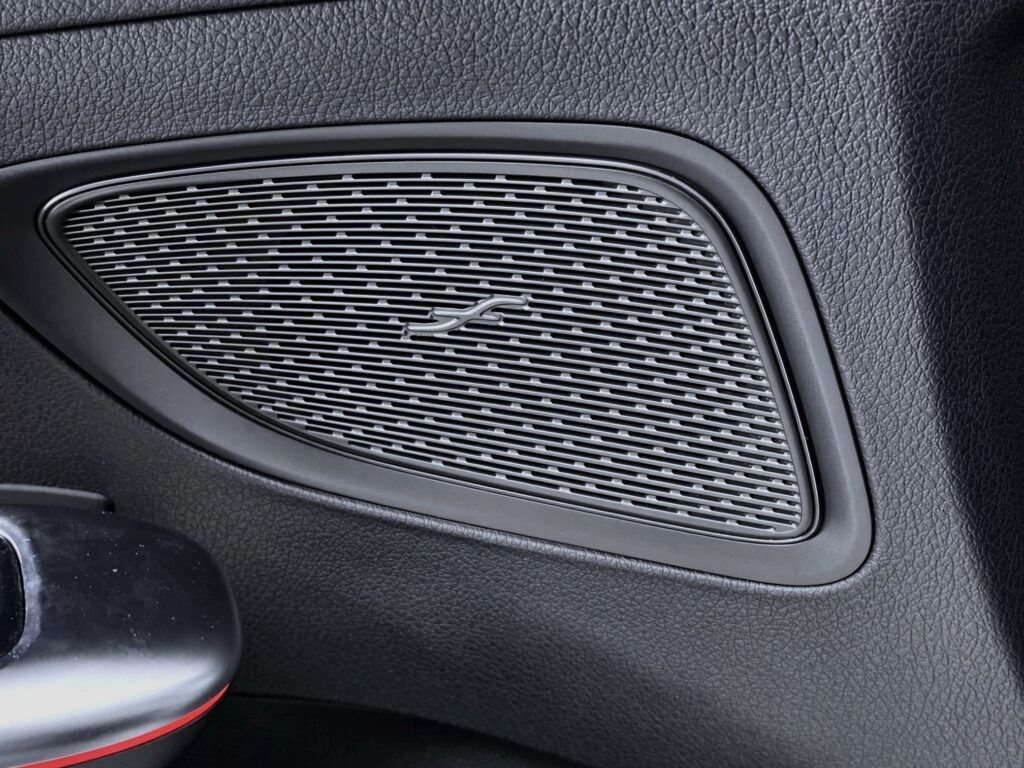
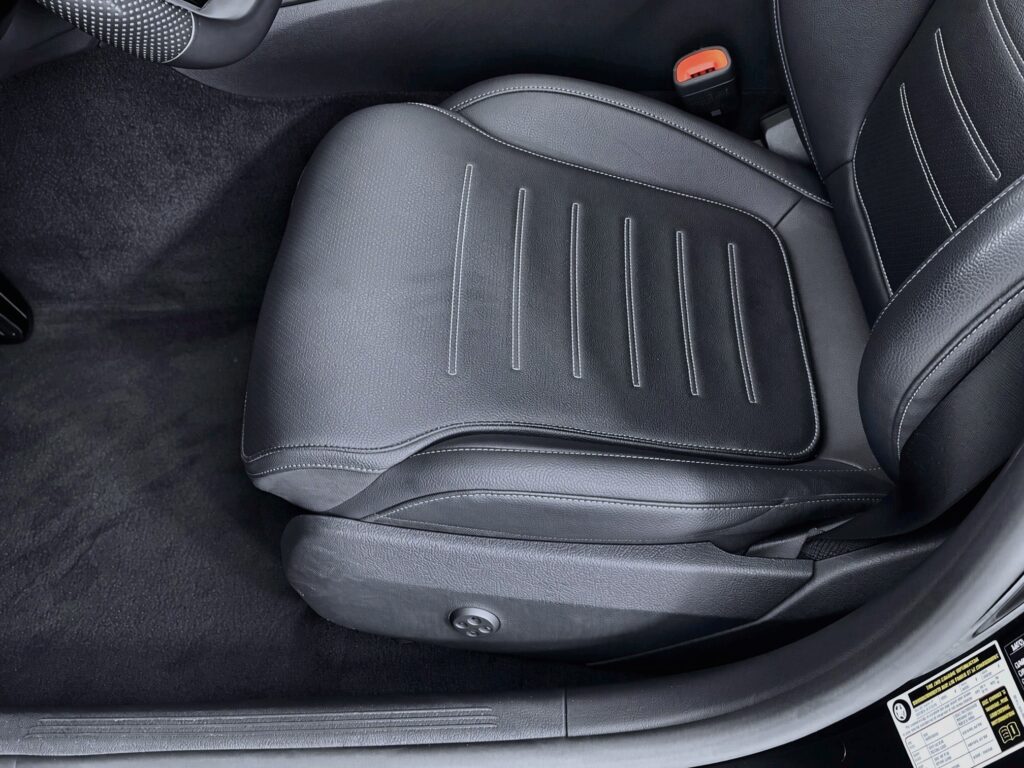
A loaded SUV may need additional photos of its third row, entertainment system, towing equipment or cargo configuration. A performance car may deserve closer views of its brakes, wheels and interior trim. A used vehicle may have normal wear that should be shown clearly so the customer understands its condition before arriving.
Take those photographs.
Limiting the image count may make a vendor’s package simpler, but it does not make the vehicle easier to evaluate. The car should determine which additional photos are useful.
The process still needs discipline. More images are not automatically better if they are repetitive, poorly framed or too dark to be useful. SHOOTit AI controls the capture sequence and stops the workflow when an image is dark, blurry or poorly centered, prompting the employee to reshoot it immediately.
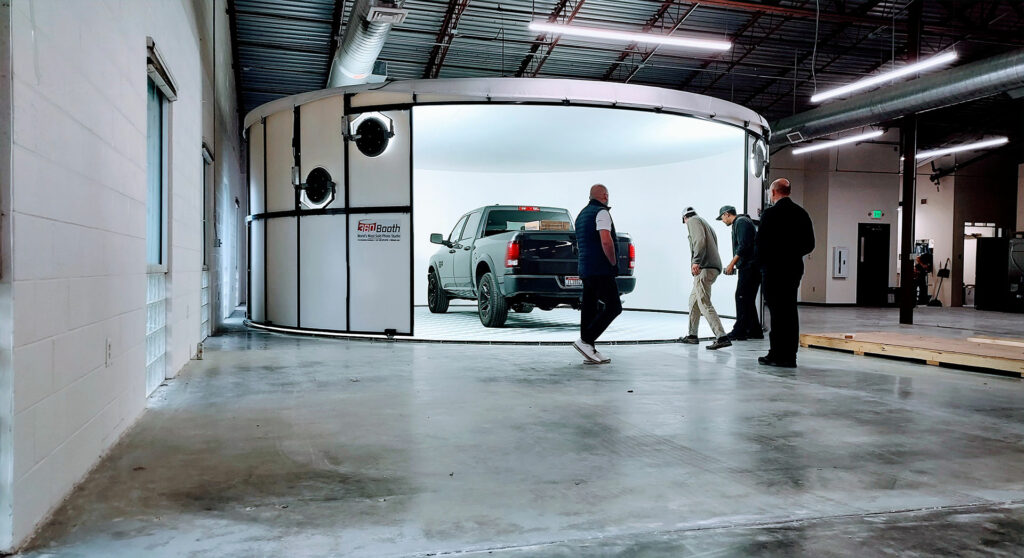
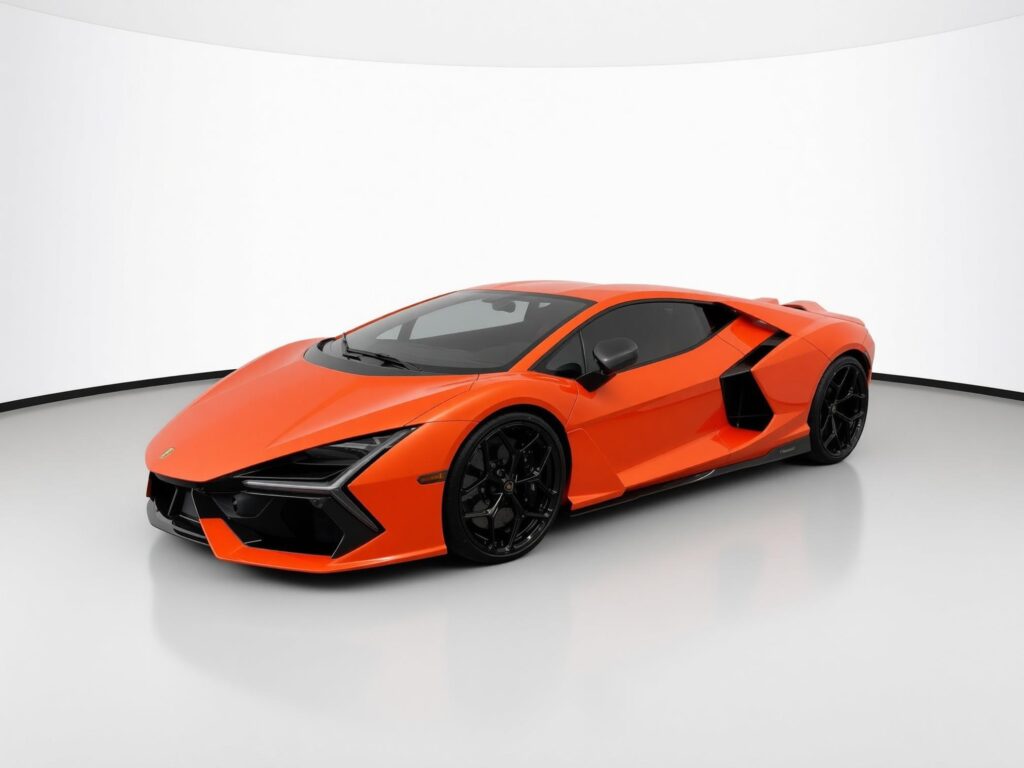
360Booth provides the controlled environment around that process. The standard sequence and any additional photographs receive the same lighting, clean physical background and consistent presentation.
That combination matters. The dealership gets a repeatable workflow without forcing every vehicle into an identical visual package. The employee receives clear direction, while still having the freedom to document the features and condition that make the car different.
This is also where the Evidence Booth becomes more than a marketing idea. A complete image set is a visual record of what the dealership actually owns: the equipment, options, interior, wheels and visible condition of the real vehicle.
The goal is not to win a contest for the highest photo count. The goal is to eliminate unanswered questions.
Direct challenge: open five used-vehicle listings from your own website and look at them as if you had never seen the cars.
Can you identify the important equipment? Can you evaluate the interior? Can you see the wheels and visible condition? Is there anything you would need to call the dealership to understand?
If the photographs leave obvious questions unanswered, the problem is not that the listing needs “more content.” It needs better evidence.
FAQ
How many photos should a dealership put on each vehicle listing?
Enough to answer the customer’s questions about the actual vehicle: the exterior from every useful angle, each wheel, the interior, equipment, cargo space and the details that set the unit apart.
Is 40 photos enough?
Forty is a starting standard, not a ceiling. SHOOTit AI guides a repeatable 40+ image process, and vehicles like loaded SUVs or performance cars may need extra shots of features or condition.
Are more photos always better?
No. Repetitive, poorly framed or dark images don’t help. SHOOTit AI stops the workflow when an image is dark, blurry or poorly centered so it gets reshot.
How can I check whether my listings have enough photos?
Open five used-vehicle listings on your own website as if you’d never seen the cars. If you’d need to call the dealership to understand the equipment, interior or condition, the photos need better evidence.
DEALER WAKE UP CALL: if your vehicle photography depends on an employee remembering every angle, checking every image and making every creative decision, you do not have a process. You have forty opportunities for inconsistency.
Speed does not come from telling employees to work faster. It comes from removing decisions that should already be standardized.
Where should I stand? Which angle comes next? Is the car centered? Is the image dark? Did I capture the wheels, equipment and interior? Can I move on? No one’s watching so that blurry photo won’t matter.
When employees answer those questions independently, photo quality changes with the person holding the camera. Training becomes harder. Managers discover missing or unusable images after the vehicle has returned to the frontline. Then someone must locate the keys, move the car and repeat the work.
That is not an employee problem. It is a workflow problem.
360Booth and SHOOTit AI simplify both sides of the process.
360Booth controls the physical environment. The vehicle enters a studio with consistent lighting, a clean background and fewer uncontrolled reflections. The employee is not searching the lot for the right location or adjusting to changing weather.
SHOOTit AI controls the capture sequence. It guides the user through the dealership’s required 40+ images and shows what comes next. If a photograph is too dark, blurry or poorly centered, the workflow stops and immediately prompts the employee to reshoot it before continuing.
The mistake does not reach the manager. It does not reach the VDP. It does not leave the vehicle.
That is what makes the process easy to learn and repeat. The employee follows the iPhone instead of memorizing photography rules. A different employee can perform the same workflow tomorrow without creating a different visual standard.
Management also gains visibility into capture activity and employee performance. Completion no longer depends on someone saying the photos were taken. The process becomes observable, teachable and accountable.
The result is a cleaner path from retail ready to VDP ready: fewer decisions, fewer delayed corrections and less dependence on one skilled photographer, and because the process documents the actual vehicle, speed does not come at the expense of truth. The exterior, wheels, interior, equipment and visible condition remain part of the visual record.
That is the Evidence Booth: a controlled environment paired with an intelligent capture process that makes authentic vehicle photography simple enough to repeat every day.
A fast process is not rushed. It is standardized.
If your dealership still relies on memory, talent and luck, what exactly are you managing?
FAQ
What makes dealership vehicle photography fast and repeatable?
Removing decisions that should already be standardized: where to stand, which angle is next, and whether a shot is dark, blurry or off-center.
How do 360Booth and SHOOTit AI split the work?
360Booth controls the physical environment with consistent lighting and a clean background. SHOOTit AI controls the capture sequence, guiding the user through the dealership’s required 40+ images.
What happens when a photo is bad?
If a photograph is too dark, blurry or poorly centered, the workflow stops and prompts the employee to reshoot it before continuing, so the mistake doesn’t reach the manager or the VDP.
Can managers see what was captured?
Yes. Management gains visibility into capture activity and employee performance, so completion no longer depends on someone saying the photos were taken.
DEALER WAKE UP CALL: the future of vehicle photography is not about making used cars look flawless. It is about creating evidence buyers, dealers and AI can trust.
That is why we call 360Booth the Evidence Booth.
A used vehicle has history. Wheel scuffs, seat creases, paint imperfections and normal wear are part of the actual asset sitting on your lot. Those details are not photography failures. They are evidence.
The job of a modern photo process is to make the vehicle look exceptional without changing what the vehicle actually is.
360Booth creates the controlled environment where that evidence is captured. Consistent lighting, reduced outside reflections and a clean physical background make the real vehicle easier to see and evaluate.
SHOOTit AI controls the capture process.
It guides the employee through the dealership’s required 40+ images. If a photo is too dark, blurry or poorly centered, SHOOTit AI stops the workflow and immediately prompts the employee to reshoot it before continuing.
That means the evidence is corrected while the vehicle is still standing in front of the employee, not discovered later after the car has returned to the frontline.
This is bigger than better photography.
The Evidence Booth creates a repeatable visual record of the vehicle’s exterior, wheels, interior, equipment and visible condition before software interprets, enhances or analyzes anything.
That original record matters.
AI can organize the evidence. It can analyze the evidence. It can help customers and dealers understand the evidence.
But AI should never be asked to invent evidence that was never captured or erase evidence that was inconvenient.
A strong VDP should not create a more perfect version of the car.
It should create a clearer, more complete and more trustworthy version of the truth.
That is the Evidence Booth: the controlled point where the physical vehicle becomes trustworthy digital evidence.
360Booth Authentic Capture™.
Capture the truth first. Let AI work from there.
FAQ
Should dealership AI remove scratches and wear from used car photos?
No. Wheel scuffs, seat creases, paint imperfections and normal wear are part of the actual vehicle. They are evidence, not photography failures.
What is the job of a modern vehicle photo process?
To make the vehicle look exceptional without changing what the vehicle actually is.
What should AI do with vehicle photos?
AI can organize, analyze and help people understand the evidence. It should not invent evidence that was never captured or erase evidence that was inconvenient.
How does SHOOTit AI support an accurate record?
It guides the employee through the dealership’s required 40+ images and stops for a reshoot if a photo is too dark, blurry or poorly centered, while the vehicle is still there.
The obvious answer is better lighting, a controlled environment, proven mechanics, warranty support and a long list of customer reviews.
But that is not the biggest advantage.
The biggest advantage is expertise.
When a dealership installs a 360Booth, it is not just buying a room with lights. It is gaining access to a team with more than 50 years of combined vehicle-photography experience.
That matters because dealerships constantly face questions that sound simple until the photos look wrong.
What camera should we buy?
Which iPhone should we use?
How high should the camera be?
What lens or zoom setting works best?
What software should we use?
How should a DIY photo area be built?
What lighting should we install?
What color temperature should the lights be?
How do we eliminate bad reflections?
How many photos should we take?
Which angles actually matter?
How do we train a new employee?
How do we keep the results consistent when different people hold the camera?
Those questions are where experience becomes valuable.
Our team has spent decades photographing vehicles, designing studios, testing cameras, adjusting lighting, building workflows and helping dealerships create a repeatable process.
Sometimes the answer is 360Booth.
Sometimes it is SHOOTit AI.
Sometimes a dealership needs help improving an existing room, selecting equipment or building a practical DIY solution.
The real value is having someone to call who understands the entire process from the camera to the VDP.
A dealership should not have to become an expert in photography, lighting, camera technology and workflow just to put great vehicle images online.
With 360Booth, the expertise comes with the studio.
FAQ
What is the biggest advantage of owning a 360Booth?
Beyond lighting, a controlled environment, proven mechanics and warranty support, the biggest advantage is access to a team with more than 50 years of combined vehicle-photography experience.
What kinds of questions can the 360Booth team help with?
Which camera or iPhone to use, camera height, lens or zoom settings, software, lighting and color temperature, reflections, how many photos to take, which angles matter and how to train new employees.
Does 360Booth only help with its own studio?
No. Sometimes the answer is a 360Booth, sometimes SHOOTit AI, and sometimes help improving an existing room, choosing equipment or building a practical DIY solution.
For years, the goal was simple. Make the car look good online. Today, the images also need to prove what the vehicle actually is.
Customers want to see the real car. Managers need a reliable record of condition. AI systems increasingly depend on visual evidence to identify equipment, evaluate damage, confirm features and understand what they are looking at.
That makes the capture process more important than ever.
A 360Booth creates a controlled environment around the actual vehicle. Consistent lighting, a clean white background and reduced outside reflections make the vehicle easier to evaluate without inventing a new environment around it.
SHOOTit AI adds structure to that evidence. It guides the employee through 40+ required images, helping maintain consistent angles, centering and image quality while the vehicle is still in front of them without removing any of the actual condition of the vehicle. First of its kind.
The objective is not to hide normal wear. It is to document the vehicle clearly enough that the customer, the dealership and the AI are all working from the same visual truth.
That is why we increasingly think of 360Booth as more than a photo studio. It is an evidence booth.
The car enters as a physical asset. It leaves with a repeatable visual record of what actually exists. AI can analyze that evidence. It can organize it. It can explain it.
But first, someone has to capture the truth.
360Booth Authentic Capture™: the evidence layer between the physical vehicle and automotive AI.
FAQ
What is the Evidence Booth?
It is how 360Booth describes its studio today: a controlled environment where the physical vehicle leaves with a repeatable visual record of what actually exists.
Why do vehicle photos need to prove what the car is?
Customers want to see the real car, managers need a reliable record of condition, and AI systems increasingly rely on visual evidence to identify equipment, evaluate damage and confirm features.
How does SHOOTit AI add to the evidence?
It guides the employee through 40+ required images, keeping angles, centering and image quality consistent while the vehicle is still there, without removing the vehicle’s actual condition.