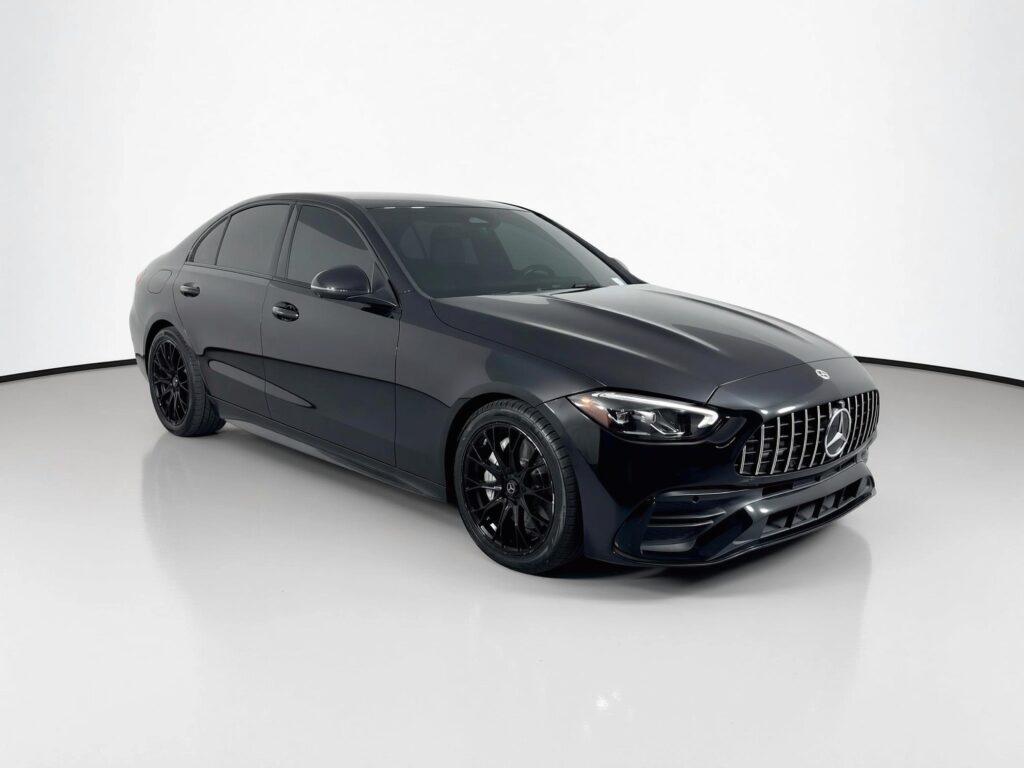
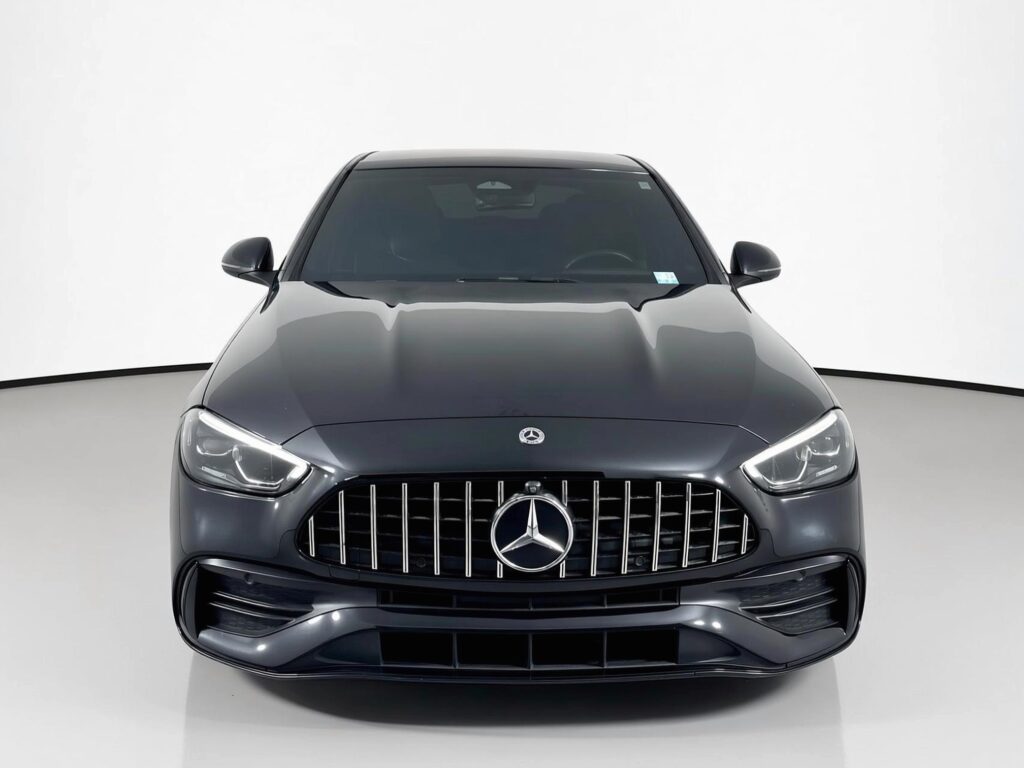
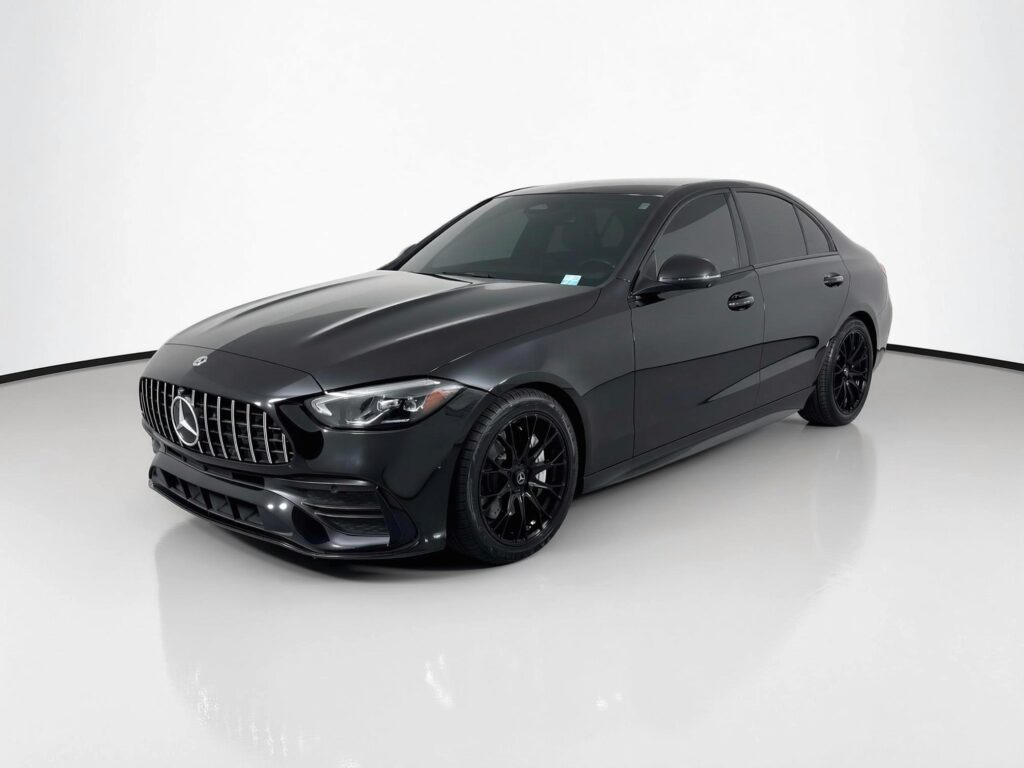
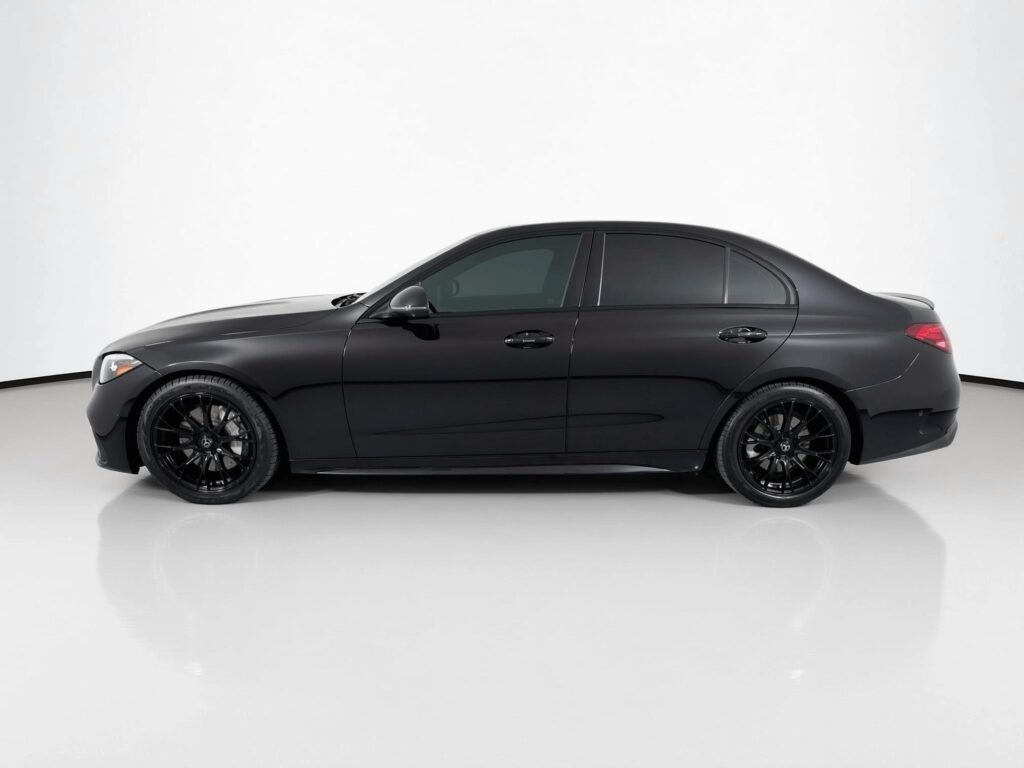
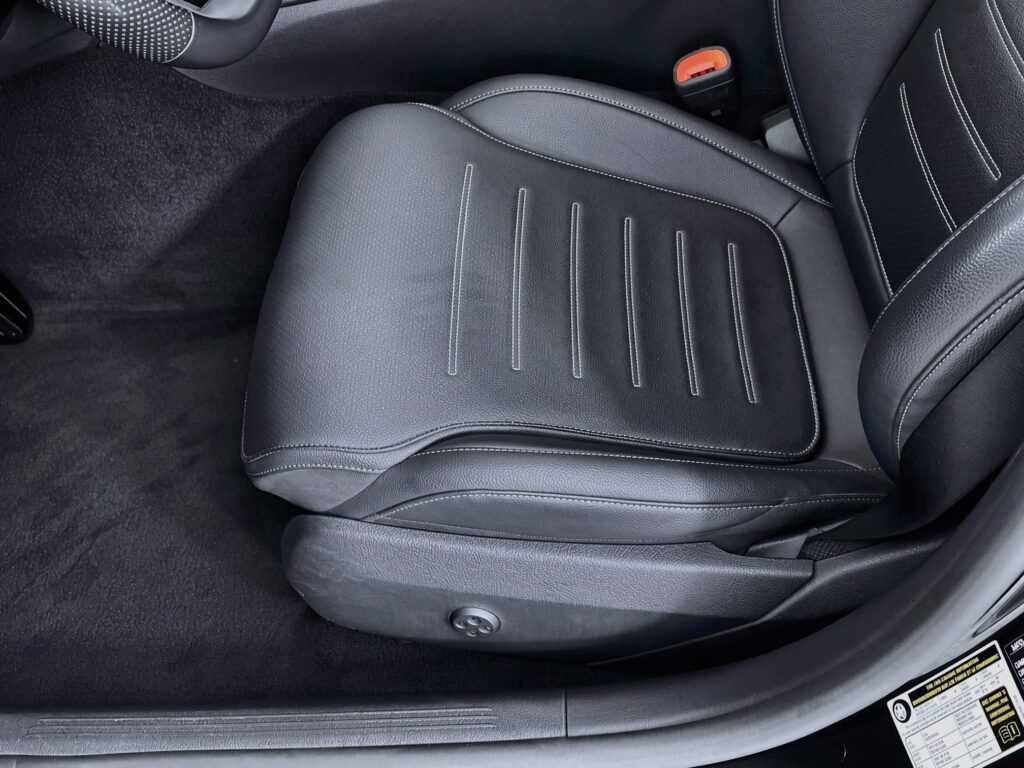
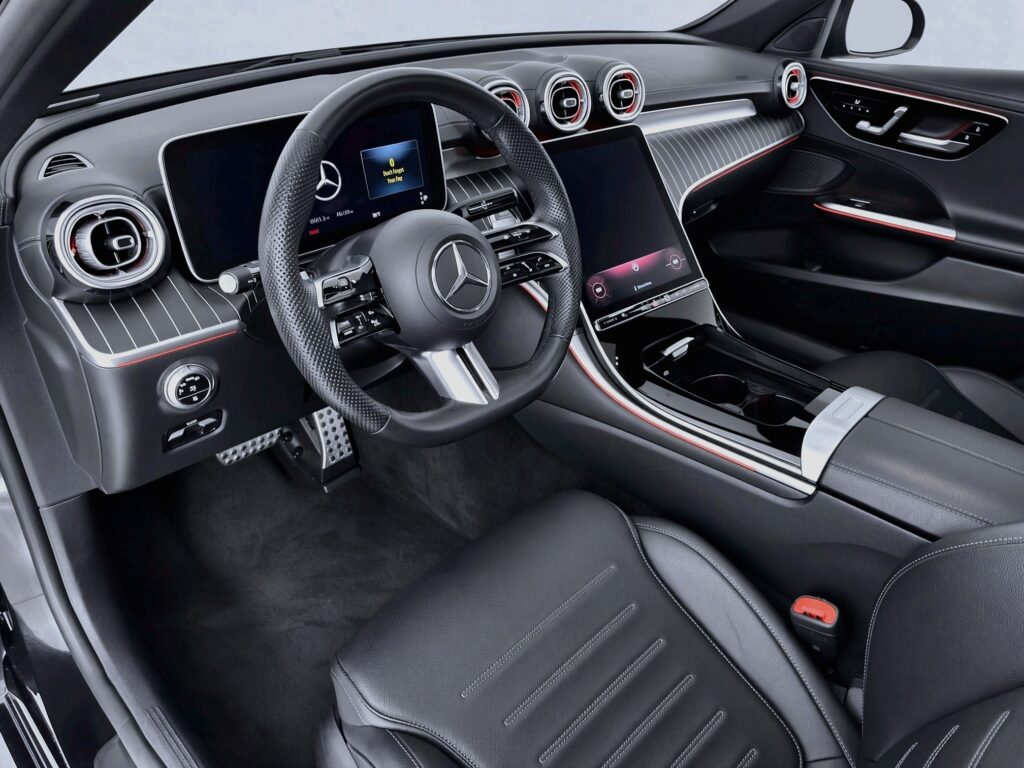
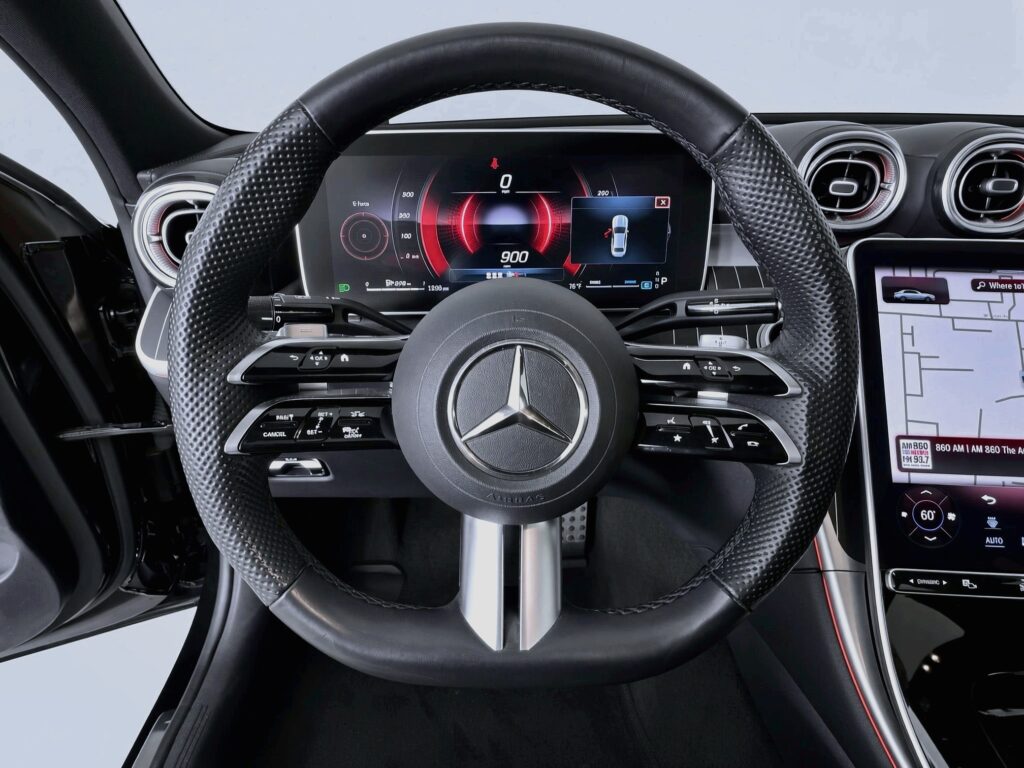
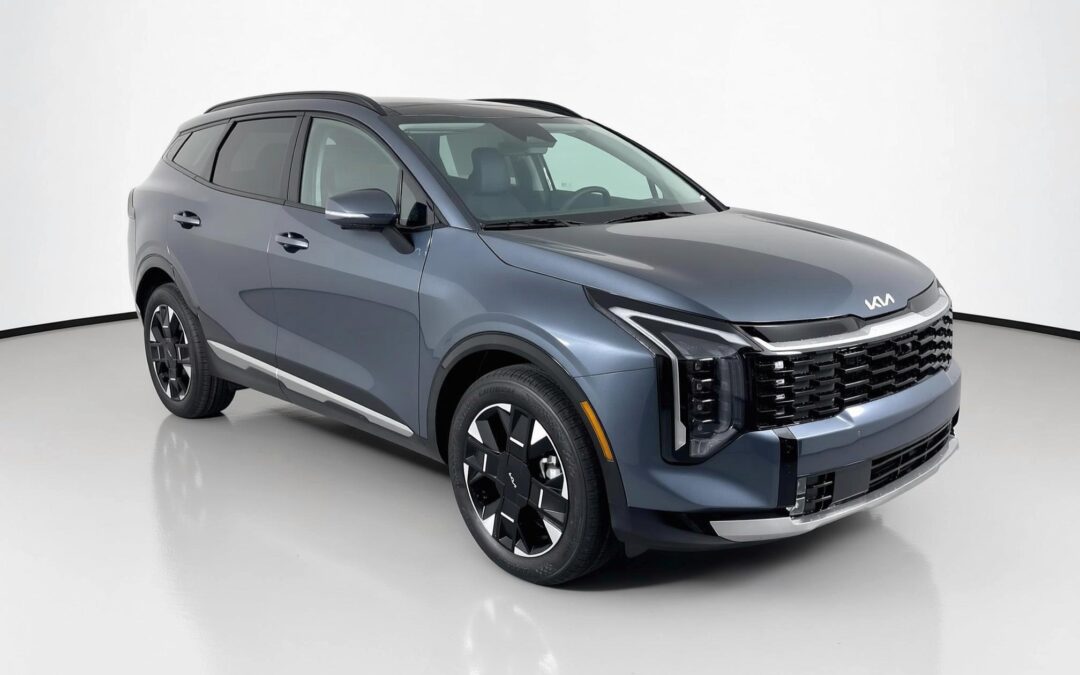
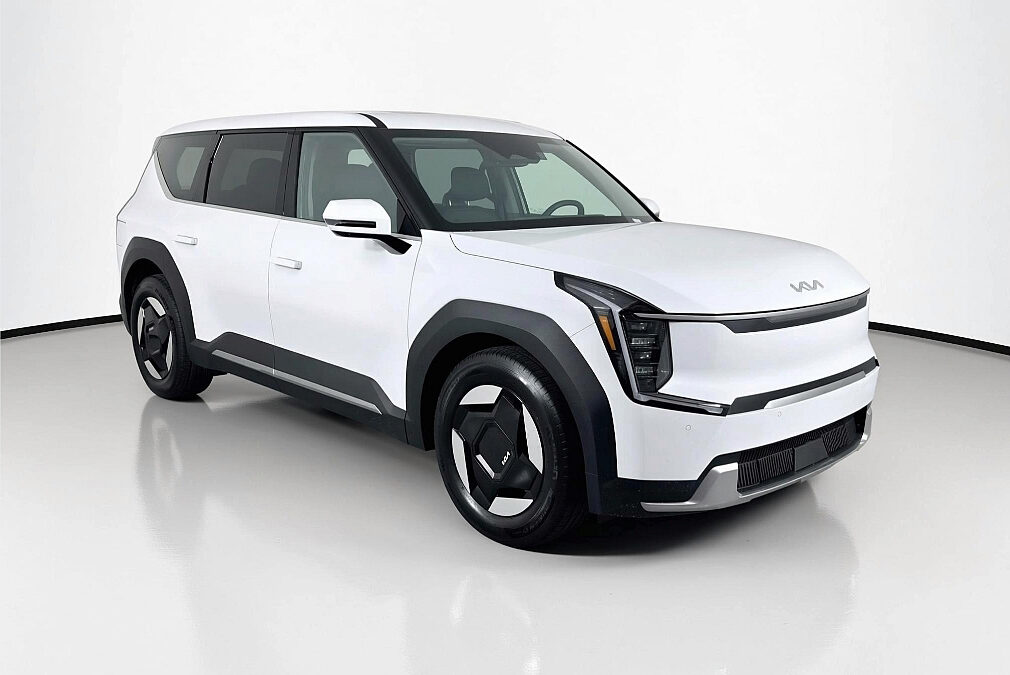
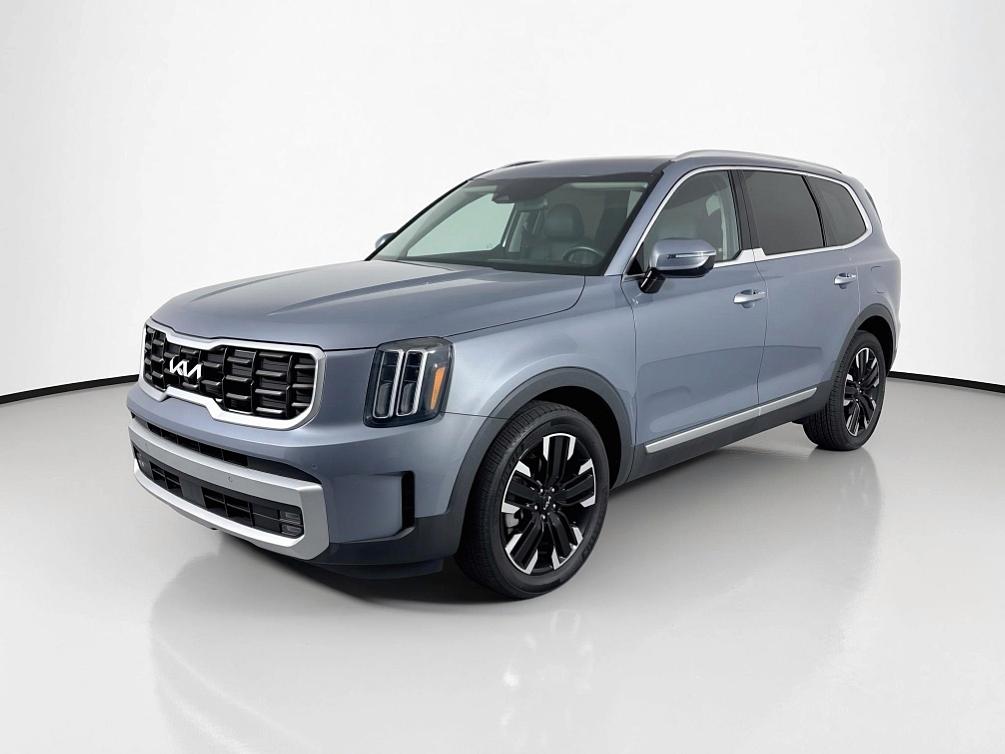
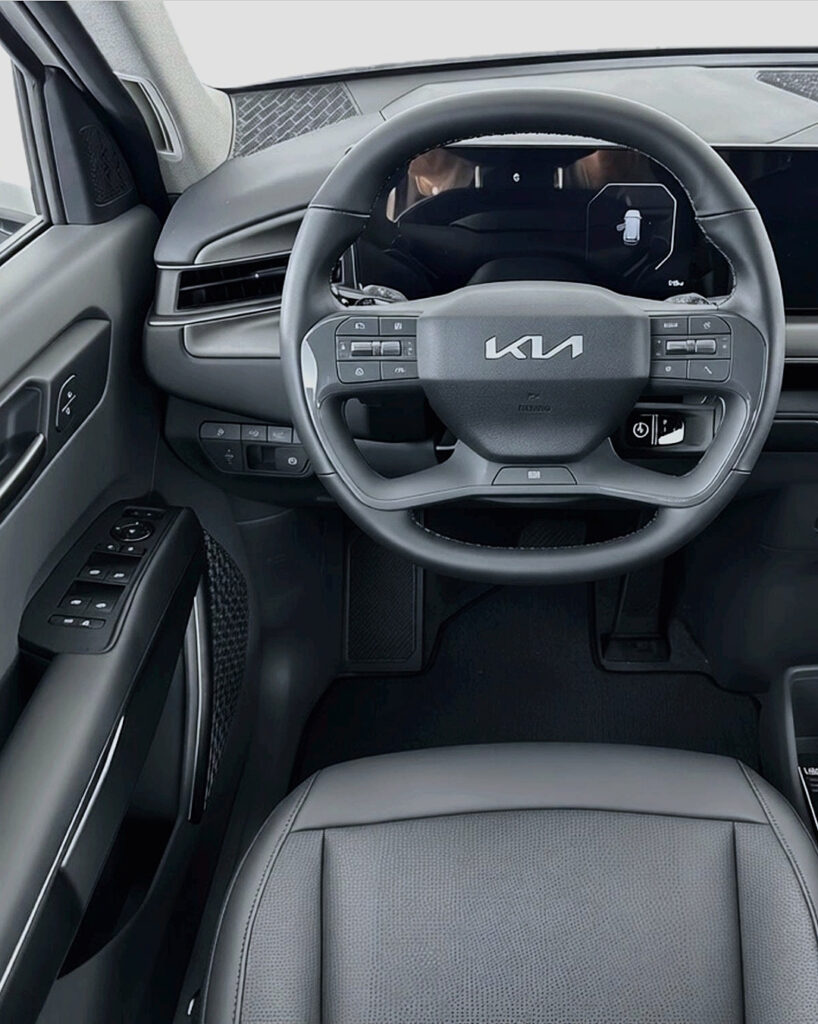
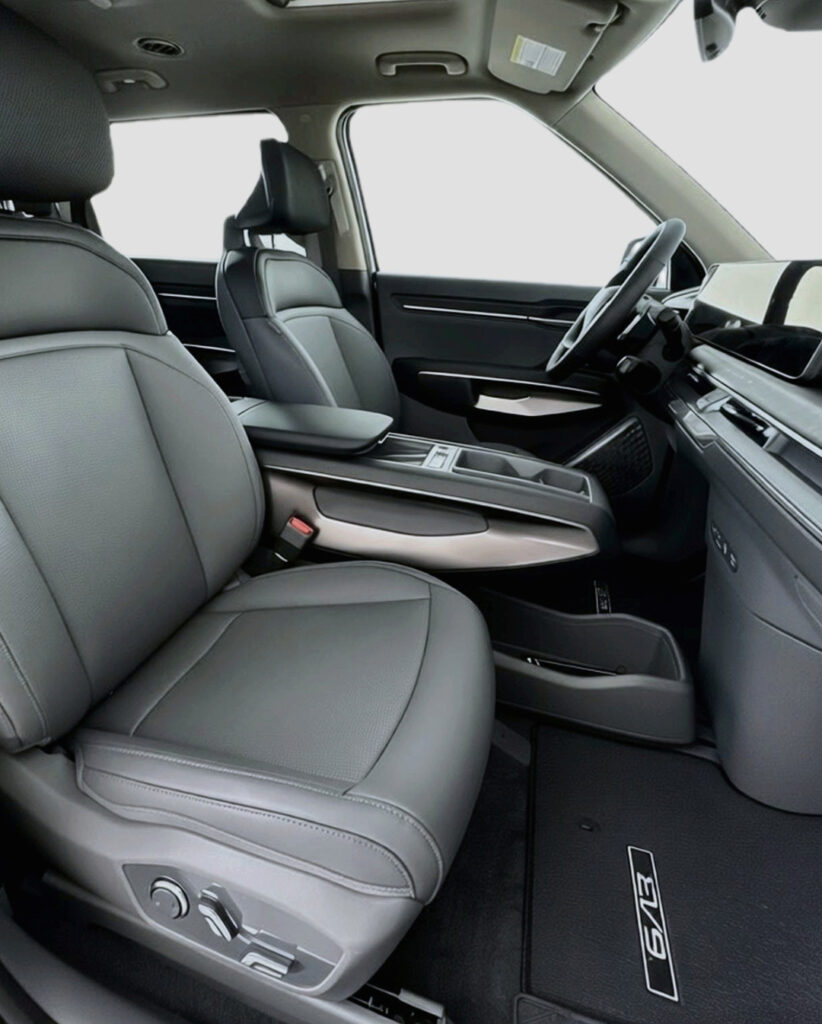
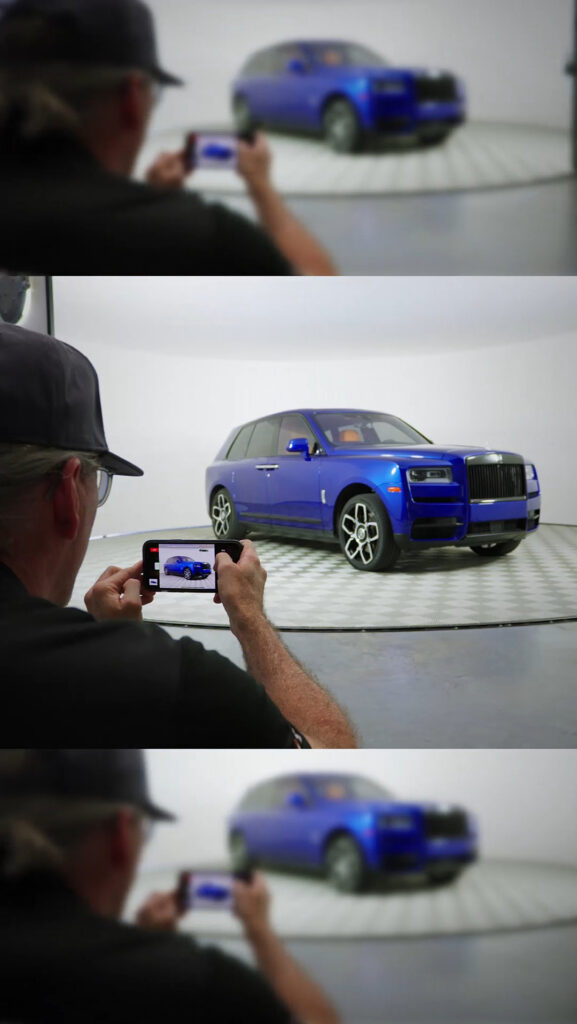
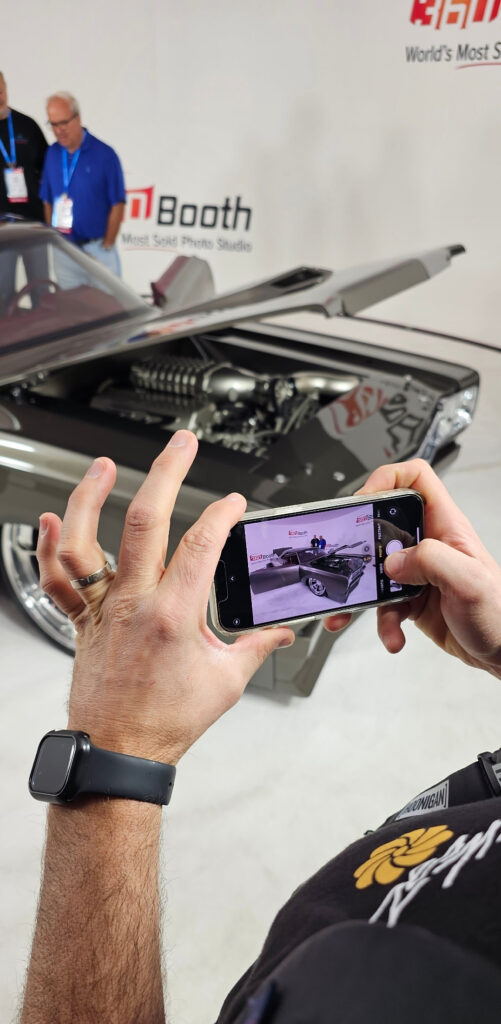
Direct answer: Dealership vehicle photography quality control should happen while the employee is still standing beside the vehicle. SHOOTit AI guides the required 40+ image process and, when an image is too dark, blurry or poorly centered, stops the workflow and immediately requires a reshoot. Correcting the problem at capture prevents avoidable backtracking and protects the integrity of the original vehicle evidence.
The Best Time to Fix a Bad Vehicle Photo Is Before You Walk Away
Most photo problems are inexpensive to correct at one specific moment: when the vehicle, employee and camera are still together.
Once the car has been moved, parked, locked or handed to another department, the same correction becomes another task.
Someone has to locate the vehicle.
The vehicle may need to be repositioned.
A door, hatch or hood may need to be reopened.
The photographer has to recreate the angle.
That is not a camera problem. It is a workflow problem.
SHOOTit AI is designed to deal with the issue before that workflow breaks. If a required image is too dark, blurry or poorly centered, SHOOTit AI stops the process and immediately prompts the employee to reshoot before continuing.
The employee does not discover the problem hours later. The correction happens where the evidence is being created.
Capture Quality Is Different From Editing Quality
There is an important distinction between improving an image and correctly capturing the vehicle.
Software can adjust an image after capture. It cannot go backward in time and photograph an angle that was missed, refocus a blurred original, or document a vehicle detail the camera never properly recorded.
That distinction becomes increasingly important as automotive imaging uses more AI. AI can interpret evidence. It can organize it. It can enhance workflows around it. But the quality of that process still depends on what was actually captured.
That is why Authentic Capture™ starts with the real vehicle.
360Booth Controls the Physical Environment
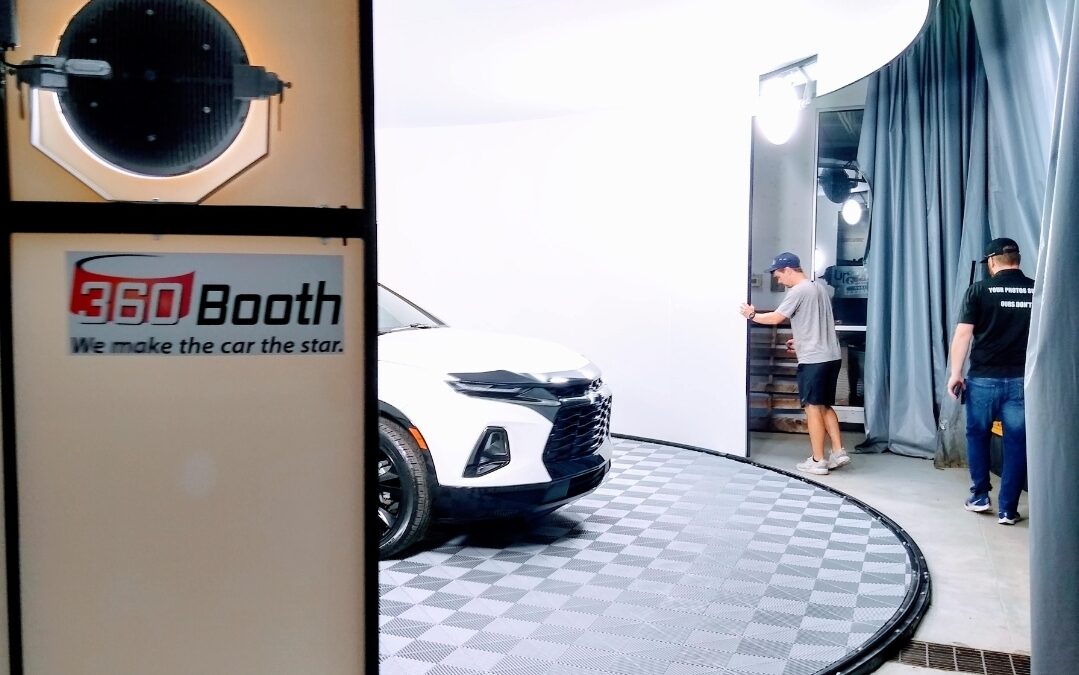
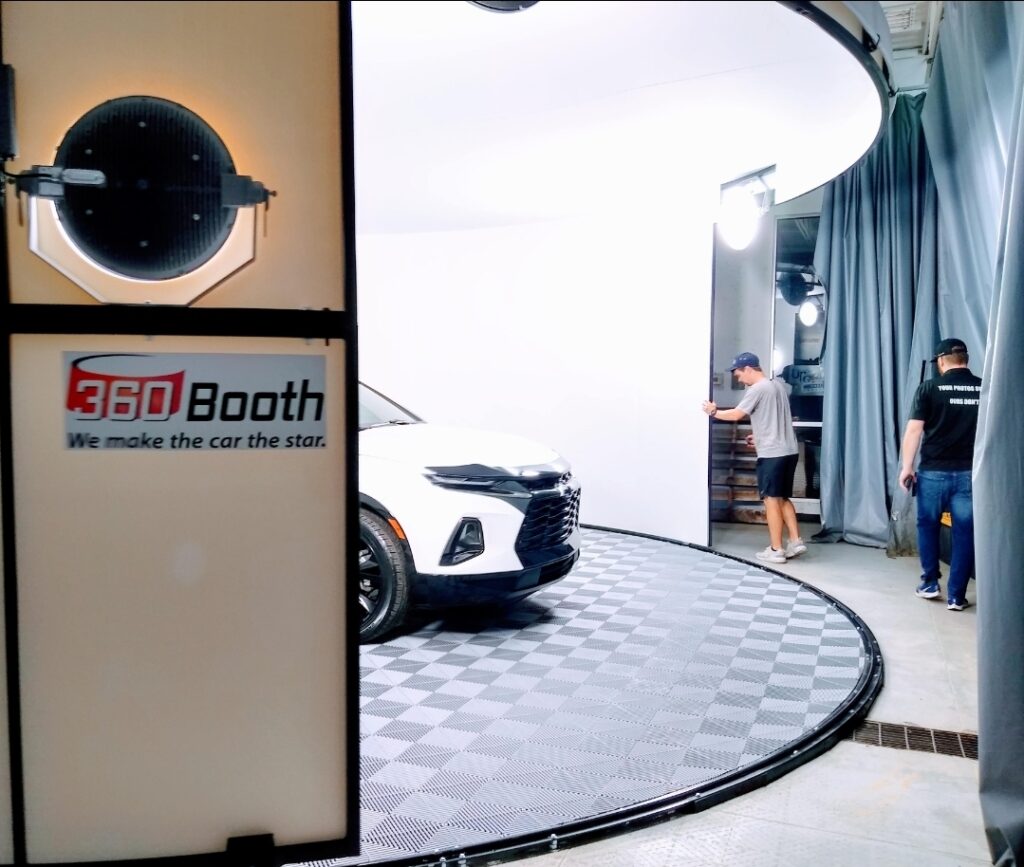
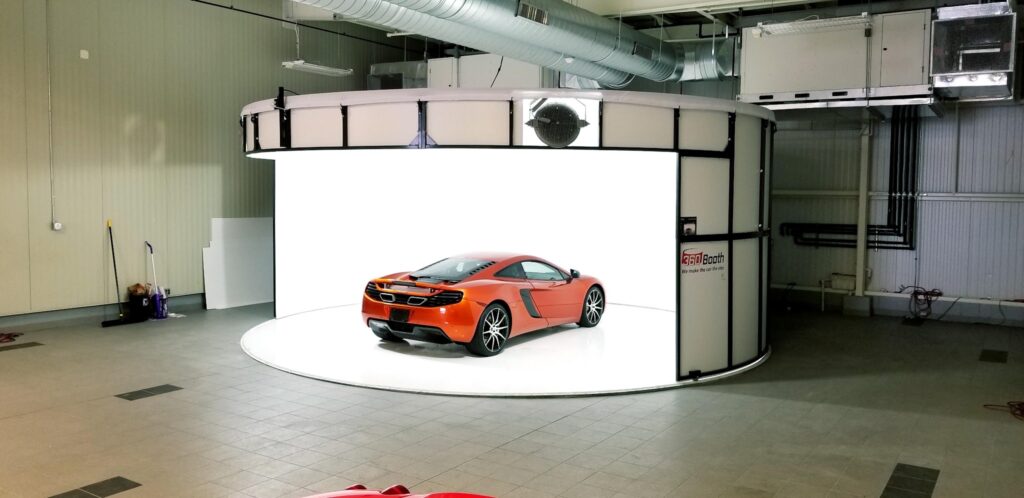
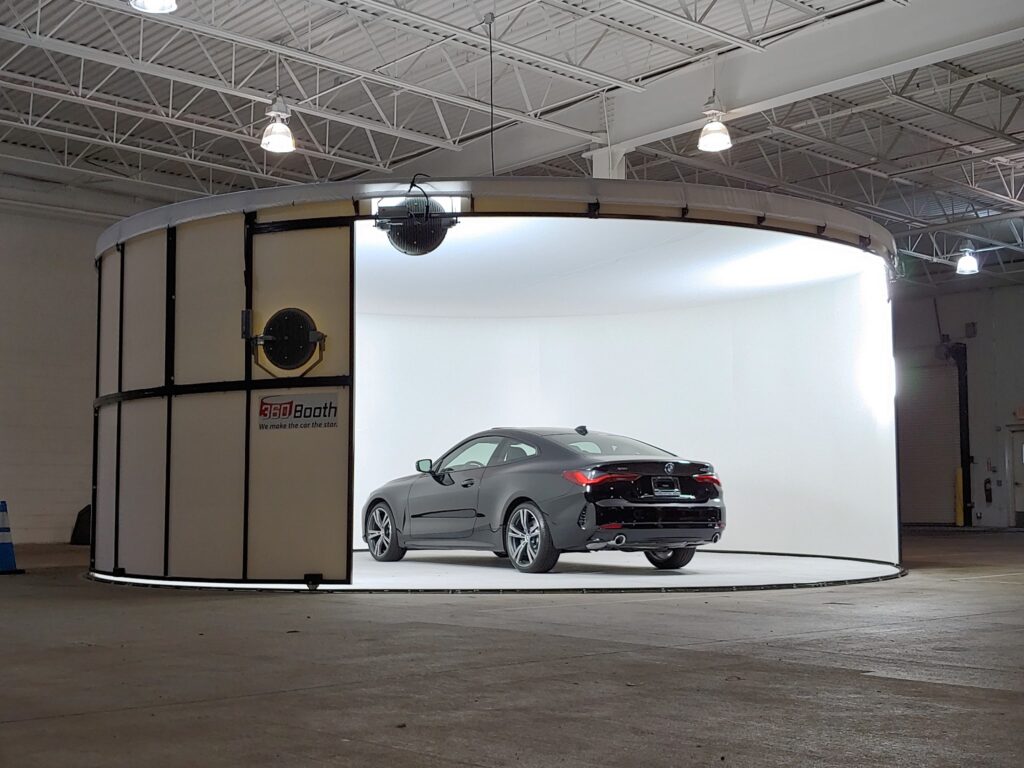
360Booth is the controlled evidence room around the vehicle.
That physical control gives the photographer the ability to manage lighting, reflections and camera position around the actual vehicle instead of trying to correct an uncontrolled environment afterward.
The result is a repeatable place to create the source evidence. SHOOTit AI then provides the guided evidence-capture layer.
One controls the environment. The other controls the sequence.
Why the 40+ Image Process Matters
Forty-plus required images are not about creating an oversized photo gallery. They are about removing improvisation from the capture process.
The dealership decides what must be documented. SHOOTit AI guides the employee through that sequence. Instead of relying on memory, experience or personal preference, the process becomes repeatable from vehicle to vehicle and employee to employee.
That is especially important when the purpose of photography is not simply to make the vehicle attractive. It is also to show the actual vehicle being offered for sale:
Why Immediate Reshooting Is Operationally Important
Consider two workflows.
In the first, an employee completes the vehicle, moves on, uploads the media and later discovers that several photographs are unusable. Now the process has to move backward.
In the second, the camera recognizes that a required image is too dark, blurry or poorly centered and stops the employee before the next shot. The employee takes the photograph again. Then continues.
That is a small design difference with a large operational consequence. One workflow creates rework. The other corrects the mistake while correction is still part of the original job.
This Is What a Smart Camera Should Do
A smart camera should not simply take a picture. It should understand enough about the dealership’s required process to prevent obvious capture failures from moving downstream.
That is the philosophy behind SHOOTit AI. The objective is not to replace the person holding the camera. It is to make the process easier to execute correctly.
Existing dealership employees can learn the capture process quickly with brief direction because they are following a defined sequence rather than being trained to become professional automotive photographers.
Authentic Capture™ Starts Before AI Interpretation
The future of automotive imaging will include increasingly sophisticated AI. Vehicle condition imaging will improve. Computer vision will improve. Three-dimensional interpretation will improve.
If AI is going to interpret the vehicle, dealerships should give it the strongest possible real-world evidence. That means:
Controlling the physical environment.
Capturing the actual vehicle.
Preserving visible condition.
Following a repeatable sequence.
Correcting bad photographs before leaving the car.
Then allowing software to interpret what was actually recorded.
That is the difference between generating an image and building evidence.
The Dealer Wake-Up Call
Finding bad photos after the vehicle is gone is not quality control. It is rework.
The smartest place to correct a vehicle photograph is exactly where the mistake happened. At the car. Before the employee walks away. Before another vehicle enters the process. Before the mistake becomes somebody else’s problem.
Do not build a faster upload process for bad evidence. Build a capture process that refuses to move forward with it.
FAQ
What happens when SHOOTit AI detects a bad required image?
If the image is too dark, blurry or poorly centered, SHOOTit AI stops the workflow and immediately prompts the employee to reshoot before continuing.
Does SHOOTit AI replace the photographer?
No. It guides the employee through the dealership’s required capture process and applies capture-quality controls during that process.
Why use 360Booth with SHOOTit AI?
360Booth controls the physical photography environment around the real vehicle. SHOOTit AI controls the guided capture sequence. Together they create a repeatable system for producing real vehicle media.
Does Authentic Capture™ mean AI can perfectly determine vehicle condition?
No. Authentic Capture™ is about starting with evidence of the actual physical vehicle. AI can interpret that evidence, but it should not be represented as perfectly determining condition, damage, equipment or authenticity.
The problem is not pressing the shutter. It is walking back for missed shots, reopening doors, circling the car twice, hunting for the next angle, and realizing later that something was skipped.
360Booth gives you the controlled environment. SHOOTit AI gives your staff the sequence.
Forty plus required images. Exterior and interior coverage. Immediate reshoot if a photo is dark, blurry, or poorly centered.
No guessing. No backtracking. No relying on one “photo guy” to remember everything.
High volume stores do not need faster fingers. They need fewer wasted steps.
Dealer wake up call: if your photo process depends on memory, backtracking, and one talented employee, you do not have a system. You have a liability.
FAQ
Why is dealership vehicle photography slow?
The time goes to walking back for missed shots, reopening doors, circling the car twice, hunting for the next angle and finding out later that something was skipped.
How do 360Booth and SHOOTit AI speed it up?
360Booth provides the controlled environment. SHOOTit AI gives staff the sequence: 40+ required images covering exterior and interior, with an immediate reshoot if a photo is dark, blurry or poorly centered.
Does the process depend on one skilled photographer?
No. The guided sequence means staff don’t have to rely on one person to remember every shot.
DEALER WAKE UP CALL: if your vehicle photography depends on an employee remembering every angle, checking every image and making every creative decision, you do not have a process. You have forty opportunities for inconsistency.
Speed does not come from telling employees to work faster. It comes from removing decisions that should already be standardized.
Where should I stand? Which angle comes next? Is the car centered? Is the image dark? Did I capture the wheels, equipment and interior? Can I move on? No one’s watching so that blurry photo won’t matter.
When employees answer those questions independently, photo quality changes with the person holding the camera. Training becomes harder. Managers discover missing or unusable images after the vehicle has returned to the frontline. Then someone must locate the keys, move the car and repeat the work.
That is not an employee problem. It is a workflow problem.
360Booth and SHOOTit AI simplify both sides of the process.
360Booth controls the physical environment. The vehicle enters a studio with consistent lighting, a clean background and fewer uncontrolled reflections. The employee is not searching the lot for the right location or adjusting to changing weather.
SHOOTit AI controls the capture sequence. It guides the user through the dealership’s required 40+ images and shows what comes next. If a photograph is too dark, blurry or poorly centered, the workflow stops and immediately prompts the employee to reshoot it before continuing.
The mistake does not reach the manager. It does not reach the VDP. It does not leave the vehicle.
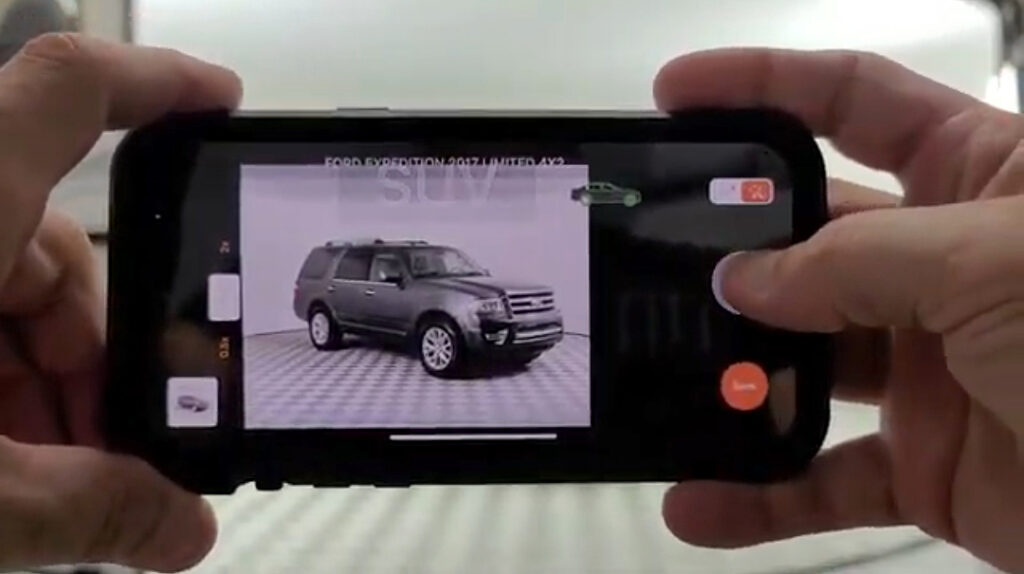
That is what makes the process easy to learn and repeat. The employee follows the iPhone instead of memorizing photography rules. A different employee can perform the same workflow tomorrow without creating a different visual standard.
Management also gains visibility into capture activity and employee performance. Completion no longer depends on someone saying the photos were taken. The process becomes observable, teachable and accountable.
The result is a cleaner path from retail ready to VDP ready: fewer decisions, fewer delayed corrections and less dependence on one skilled photographer, and because the process documents the actual vehicle, speed does not come at the expense of truth. The exterior, wheels, interior, equipment and visible condition remain part of the visual record.
That is the Evidence Booth: a controlled environment paired with an intelligent capture process that makes authentic vehicle photography simple enough to repeat every day.
A fast process is not rushed. It is standardized.
If your dealership still relies on memory, talent and luck, what exactly are you managing?
FAQ
What makes dealership vehicle photography fast and repeatable?
Removing decisions that should already be standardized: where to stand, which angle is next, and whether a shot is dark, blurry or off-center.
How do 360Booth and SHOOTit AI split the work?
360Booth controls the physical environment with consistent lighting and a clean background. SHOOTit AI controls the capture sequence, guiding the user through the dealership’s required 40+ images.
What happens when a photo is bad?
If a photograph is too dark, blurry or poorly centered, the workflow stops and prompts the employee to reshoot it before continuing, so the mistake doesn’t reach the manager or the VDP.
Can managers see what was captured?
Yes. Management gains visibility into capture activity and employee performance, so completion no longer depends on someone saying the photos were taken.
The obvious answer is better lighting, a controlled environment, proven mechanics, warranty support and a long list of customer reviews.
But that is not the biggest advantage.
The biggest advantage is expertise.
When a dealership installs a 360Booth, it is not just buying a room with lights. It is gaining access to a team with more than 50 years of combined vehicle-photography experience.
That matters because dealerships constantly face questions that sound simple until the photos look wrong.
What camera should we buy?
Which iPhone should we use?
How high should the camera be?
What lens or zoom setting works best?
What software should we use?
How should a DIY photo area be built?
What lighting should we install?
What color temperature should the lights be?
How do we eliminate bad reflections?
How many photos should we take?
Which angles actually matter?
How do we train a new employee?
How do we keep the results consistent when different people hold the camera?
Those questions are where experience becomes valuable.
Our team has spent decades photographing vehicles, designing studios, testing cameras, adjusting lighting, building workflows and helping dealerships create a repeatable process.
Sometimes the answer is 360Booth.
Sometimes it is SHOOTit AI.
Sometimes a dealership needs help improving an existing room, selecting equipment or building a practical DIY solution.
The real value is having someone to call who understands the entire process from the camera to the VDP.
A dealership should not have to become an expert in photography, lighting, camera technology and workflow just to put great vehicle images online.
With 360Booth, the expertise comes with the studio.
FAQ
What is the biggest advantage of owning a 360Booth?
Beyond lighting, a controlled environment, proven mechanics and warranty support, the biggest advantage is access to a team with more than 50 years of combined vehicle-photography experience.
What kinds of questions can the 360Booth team help with?
Which camera or iPhone to use, camera height, lens or zoom settings, software, lighting and color temperature, reflections, how many photos to take, which angles matter and how to train new employees.
Does 360Booth only help with its own studio?
No. Sometimes the answer is a 360Booth, sometimes SHOOTit AI, and sometimes help improving an existing room, choosing equipment or building a practical DIY solution.
Buying a vehicle photo studio shouldn’t come down to who has the most cameras, motors, computers or automation.
Dealers should ask a different question: How quickly, reliably and consistently can we create the complete set of vehicle images our customers need?
After 28 years in automotive inventory photography and more than 1,700 360Booth installations across six countries, we’ve learned that the best technology often isn’t the most complicated technology.
Here are 10 questions every dealership should ask when comparing 360Booth® + SHOOT it AI with any other vehicle photography system.
1. How many vehicles per hour can a dealership photograph with 360Booth?
Be careful with advertised “capture time.” A company may advertise how quickly several cameras can fire without explaining how long it takes to produce the complete merchandising package.
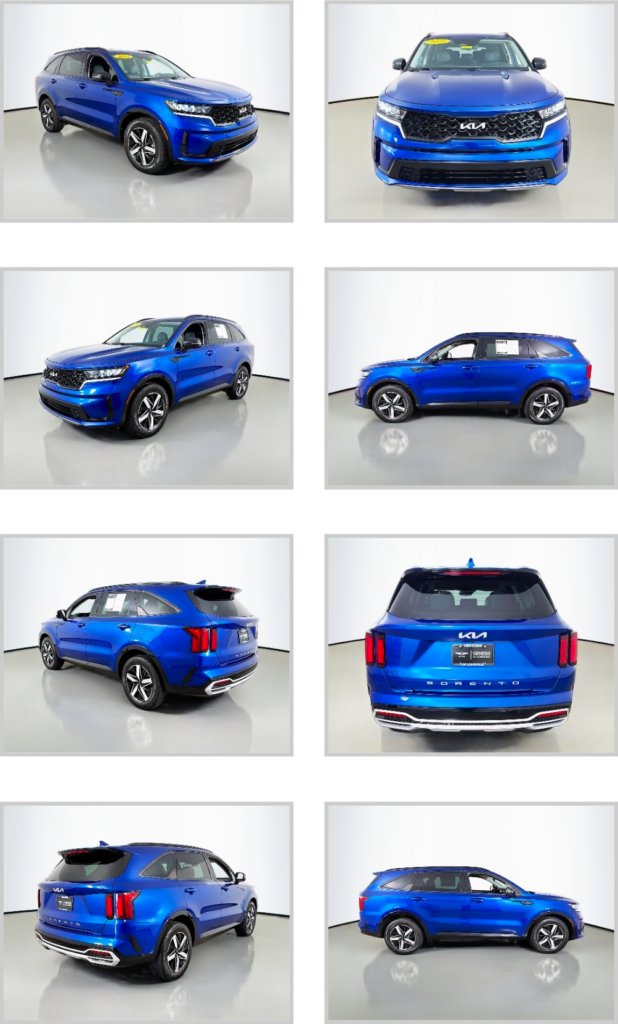
360Booth + SHOOT it AI is designed around the entire vehicle photography workflow. A trained user can capture 40+ still photographs, an interior 360 and an exterior 360 in approximately 1 minute and 20 seconds. That is the number dealers should compare: not how quickly one camera fires, but how quickly the dealership can create the media it actually needs.
2. How long does a complete vehicle photography session take?
Proof matters more than promises.
Using SHOOT it AI with 360Booth, we have demonstrated:
142 exterior 360 images plus video in approximately 25 seconds
40+ still photographs
Interior 360 capture
Exterior 360 capture
Approximately 1 minute and 20 seconds for the complete capture process
3. Does a dealership need a dedicated photographer?
Our objective is the opposite. We’ve spent 28 years learning how dealership inventory photography actually works. A system that requires a highly trained photographer can create another labor bottleneck.
With 360Booth and SHOOT it AI, a detailer or dealership employee can drive the vehicle into the studio, pick up the intelligent camera and follow the guided capture process.
SHOOT it AI helps standardize the process so the technology carries more of the photographic knowledge.
The scalability is real. One auction operation in Perth, Australia has photographed as many as 80 vehicles in a day using the 360Booth workflow.
4. Fixed multi-camera system or an intelligent moving camera?
This is one of the biggest differences dealers should understand.
A fixed multi-camera system achieves speed by positioning numerous cameras around the vehicle. 360Booth takes a different approach.
The vehicle remains stationary while the 360Booth photography environment and photographer move around it.
SHOOT it AI adds intelligence to that process by helping:
Optimize the path around the vehicle
Dynamically adjust image capture
Identify images that are too dark or blurry
Prompt the user when another image is required
Center the vehicle
Maintain consistent exterior framing
Capture dozens of different vehicle details without being restricted to fixed camera positions
There is another benefit: lighting and reflections change as the 360Booth moves around the vehicle.
Automobiles are among the most reflective products dealerships photograph. Managing those reflections matters.
More cameras don’t automatically mean better photography. Sometimes they simply mean more cameras.
5. Can 360Booth photograph VINs, wheels, damage and unique vehicle features?
Absolutely. A vehicle isn’t a standardized box.
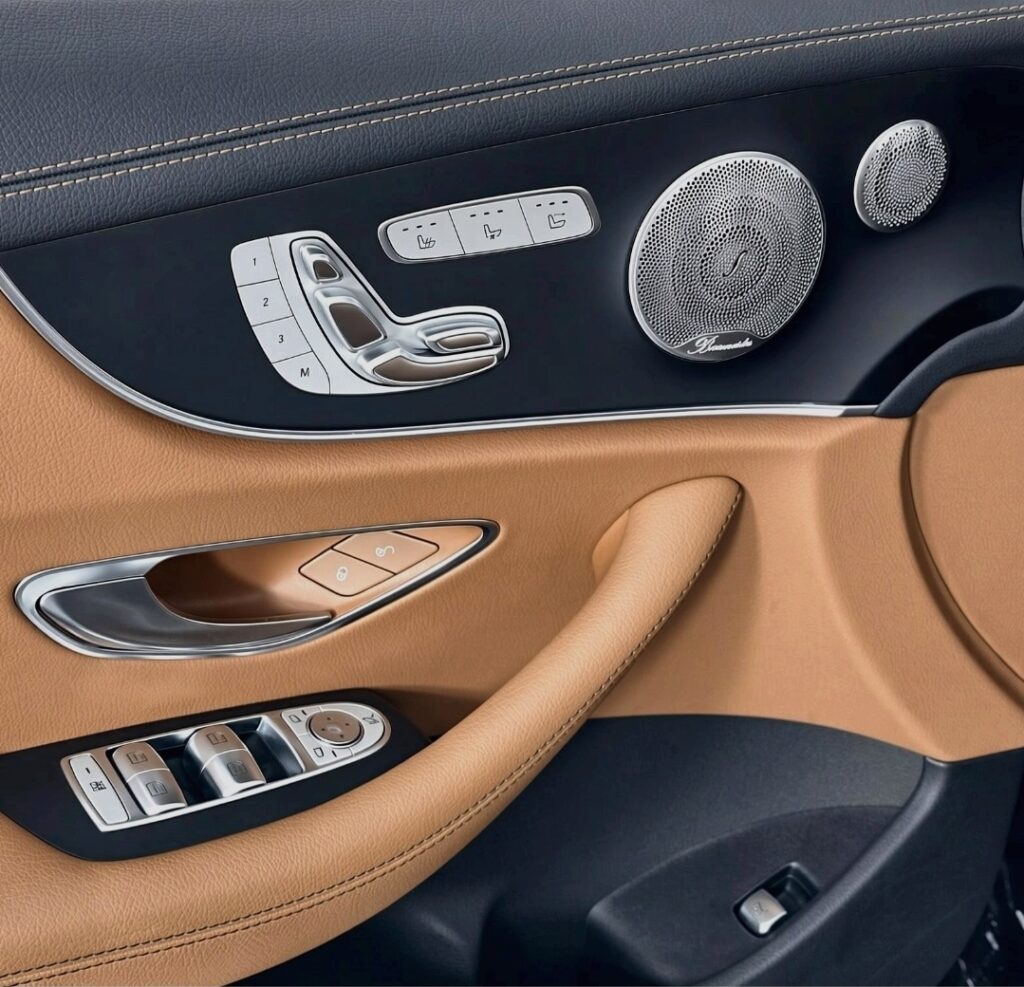
One car may need a photograph of carbon-ceramic brakes. Another may need third-row seating, a panoramic roof, special stitching, a window sticker, tire condition, a scratch, a wheel, an engine compartment or a particular option.
SHOOT it AI isn’t restricted to what a collection of permanently mounted cameras can see.
The photographer can capture:
VINs, wheels, tires, scratches, dents, options, dashboards, seats, engines, cargo areas, third rows, window stickers and other vehicle-specific details.
Our philosophy is simple:
Automation should help the photographer—not restrict what the dealership can photograph.
6. Which vehicle photo studio produces better photographs?
Speed means very little if the resulting photographs aren’t good.
Vehicle photography is fundamentally about light and reflection management. Dark paint, glossy surfaces, glass, chrome and windshields can expose weaknesses in a poorly designed lighting environment.
360Booth uses powerful LED illumination combined with engineered diffusion to create a bright environment while controlling harsh reflections. Our lighting system uses four high-output LED sources rated at approximately 50,000 lumens each, combined with the 360Booth’s diffusion system.
The objective is simple:
Accurate color.
Clean reflections.
Visible vehicle details.
Clear glass.
Consistent exposure.
Professional presentation.
And because the 360Booth moves around the stationary vehicle, the relationship between the light, walls, camera and reflective vehicle surface changes throughout the photography sequence.
Don’t evaluate a vehicle photo studio by looking at the studio. Evaluate the cars photographed inside it.
7. What is the true cost of owning a vehicle photo studio?
Purchase price isn’t the same thing as cost of ownership.
Dealers comparing systems should ask about:
Motors.
Turntables.
Camera replacement.
Calibration.
Computers.
Control equipment.
Maintenance.
Service calls.
Software obligations.
Long-term contracts.
Downtime.
360Booth was deliberately engineered around mechanical simplicity.
Buy the 360Booth and the studio is yours. There is no studio lease and no long-term equipment contract required to continue owning the physical studio.
360Booth also provides an unlimited five-year warranty, designed to protect the dealership from unexpected equipment costs during the first five years.
Before signing a five-year agreement for a complicated automated system, calculate what you will actually spend over those five years. Compare total cost of ownership—not monthly payment.
8. What happens when the photo studio breaks?
This might be the most overlooked question in vehicle photography.
A dealership can have the fastest studio in the world, but if the system is down, its production speed becomes zero.
360Booth has:
No powered turntable.
No turntable motor.
No complicated drive mechanism moving the vehicle.
The studio travels manually around its steel track with approximately 20 pounds of pressure.
We have 360Booth installations that have been operating for approximately 13 years, photographing enormous numbers of vehicles. Even the lighting system was designed with redundancy in mind.
Four approximately 50,000-lumen LED sources create substantial illumination. If one lighting component requires service, the dealership isn’t necessarily faced with an unusable photography environment.
That’s an important distinction.
Reliability isn’t how impressive equipment looks when everything works. Reliability is what happens when something doesn’t.
9. How quickly can 360Booth photographs reach the dealership’s VDP?
Capture speed is only one part of speed-to-market.
SHOOT it AI was designed around eliminating unnecessary steps throughout that chain.
The operator follows an optimized route around the vehicle. Images are processed using our computer-vision and AI systems. The photography sequence can be standardized. Images can then enter the dealership’s data-feed workflow.
There will always be downstream variables outside the studio’s control, including how frequently a dealership’s website or inventory provider accepts updated feeds.
That’s why we don’t believe in pretending every downstream system operates instantaneously.
What we can control is our portion of the workflow.
Our in-house data experience goes back 28 years, and support is a fundamental part of the system. The fastest camera doesn’t necessarily create the fastest VDP. The fastest complete workflow does.
10. Why should a dealership choose 360Booth?
Because automotive photography doesn’t need to become more complicated to become more intelligent.
360Booth combines a mechanically simple vehicle photo studio with SHOOT it AI intelligent-camera technology.
The physical system concentrates on what a studio should do exceptionally well:
Light the vehicle. Control the environment. Manage reflections. Remain reliable.
SHOOT it AI concentrates on what software should do:
Guide capture. Improve consistency. Detect problems. Optimize workflow. Process images. Reduce human error.
That combination has been built on 28 years of automotive photography experience, rather than adapting a generic imaging system to dealerships.
Today, that experience includes:
1,700+ 360Booth studios installed across six countries and more than 2,500 users.
So when comparing 360Booth with any other vehicle photo studio, don’t simply ask: “Which one takes pictures fastest?”
Ask:
How fast can it produce my complete photo set?
How good are those photographs?
Can my existing employees operate it?
Can I photograph anything I want?
What happens when something breaks?
What will I spend over five years?
How quickly will my inventory actually reach the VDP?
And perhaps the most important question:
Am I buying technology that simplifies my photography operation—or technology that makes a simple job more complicated?
At 360Booth, our philosophy after 28 years remains remarkably simple: Light it. Shoot it. Upload it.
360Booth® + SHOOT it AI: AI-assisted. Real-world captured.
FAQ
What is the most important question when buying a vehicle photo studio?
How quickly, reliably and consistently the dealership can create the complete set of vehicle images customers need, not how many cameras or motors the system has.
Does a dealership need a dedicated photographer for a 360Booth?
No. With 360Booth and SHOOTit AI, a detailer or other employee can drive the car in, pick up the intelligent camera and follow the guided capture process.
Can a 360Booth photograph VINs, wheels, damage and unique features?
Yes. Because the camera isn’t fixed in place, the photographer can capture VINs, wheels, tires, scratches, dents, options, dashboards, seats, engines, cargo areas, third rows and window stickers.
What should be included in total cost of ownership?
Motors, turntables, camera replacement, calibration, computers, control equipment, maintenance, service calls, software obligations, long-term contracts and downtime.
What happens if a 360Booth breaks down?
There’s no powered turntable or drive mechanism. The studio moves manually on a steel track, and the lighting uses four LED sources, so one light needing service doesn’t necessarily stop photography.
What customers might be thinking when they see cars photographed in different conditions:
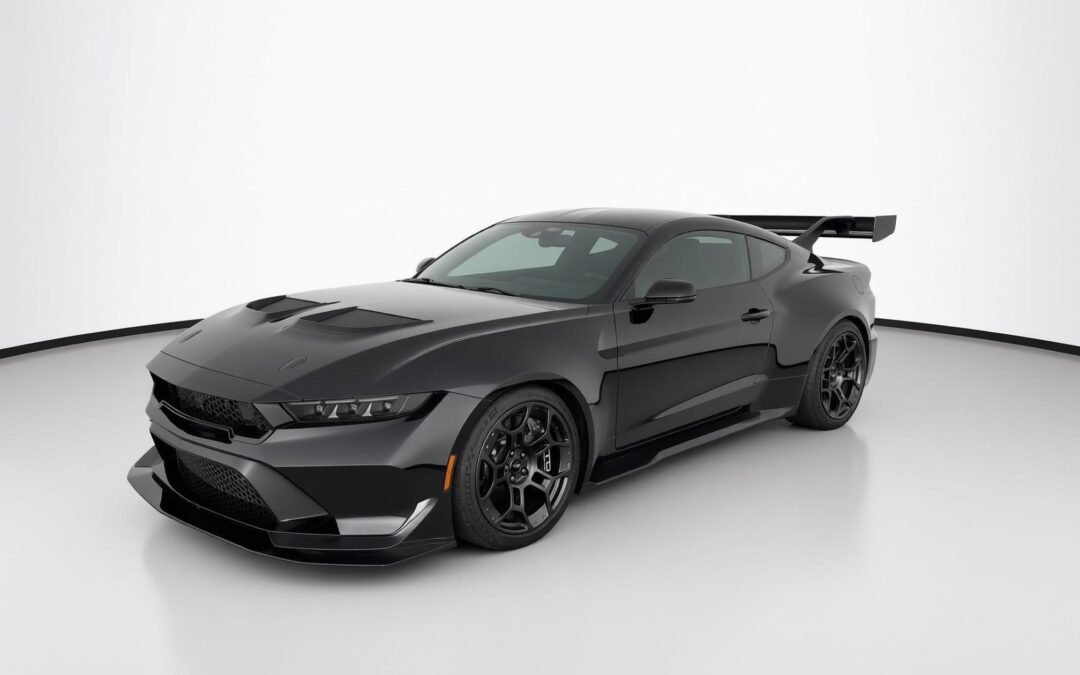
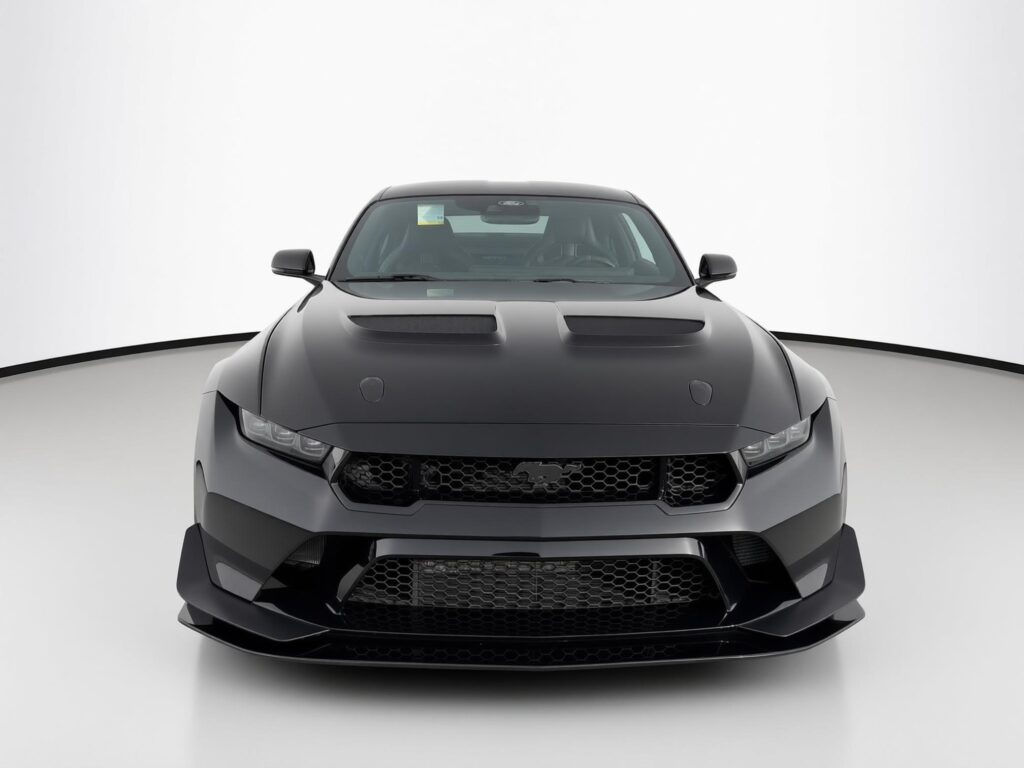
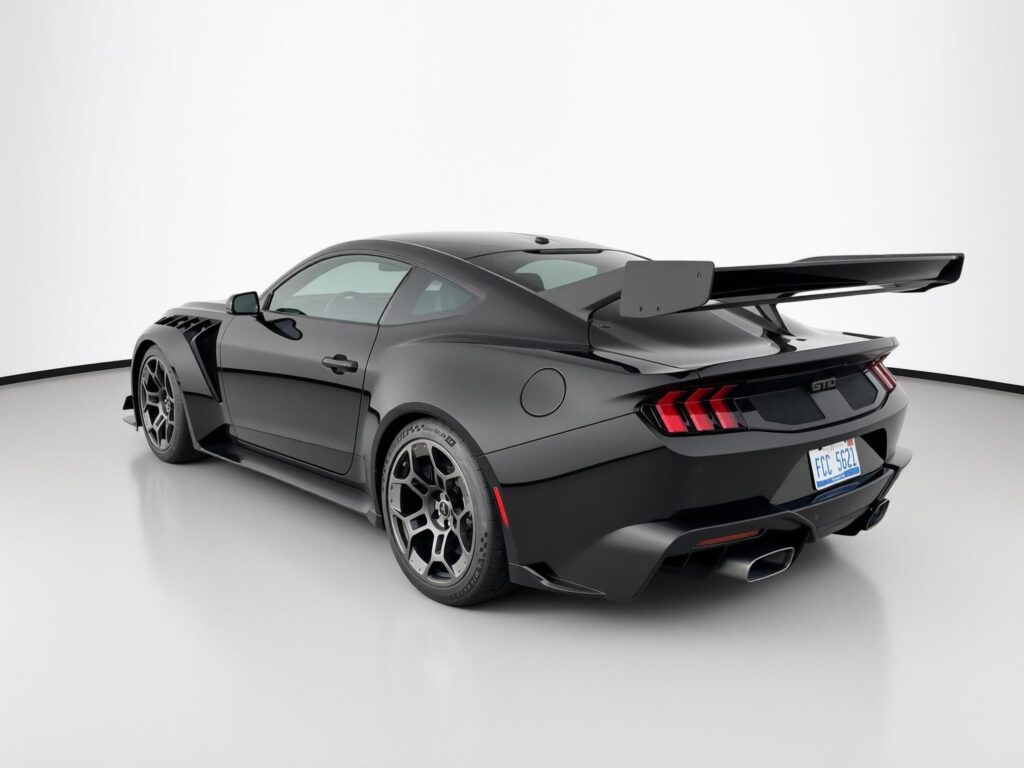
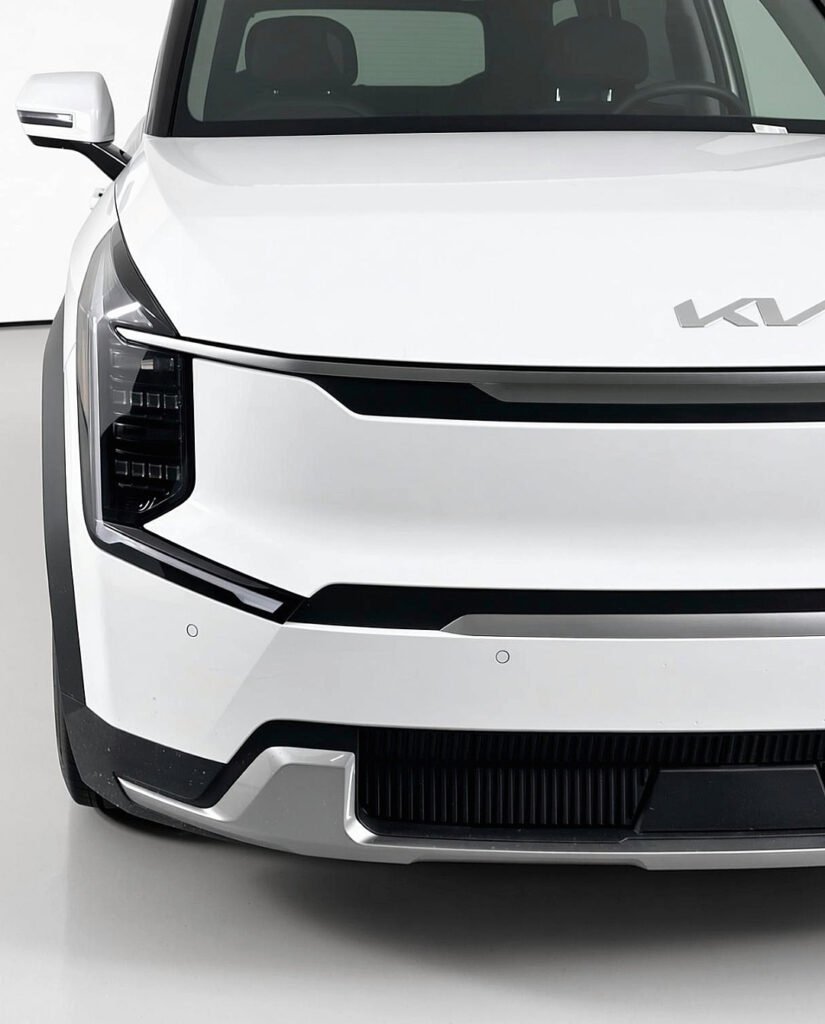
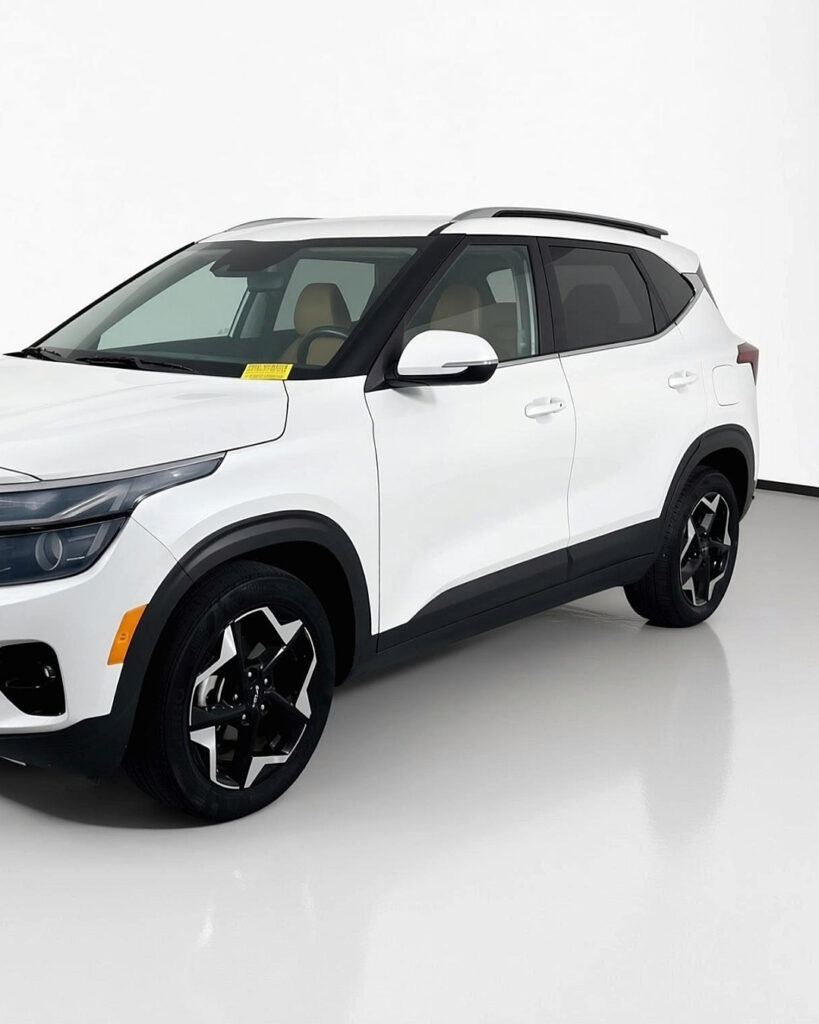
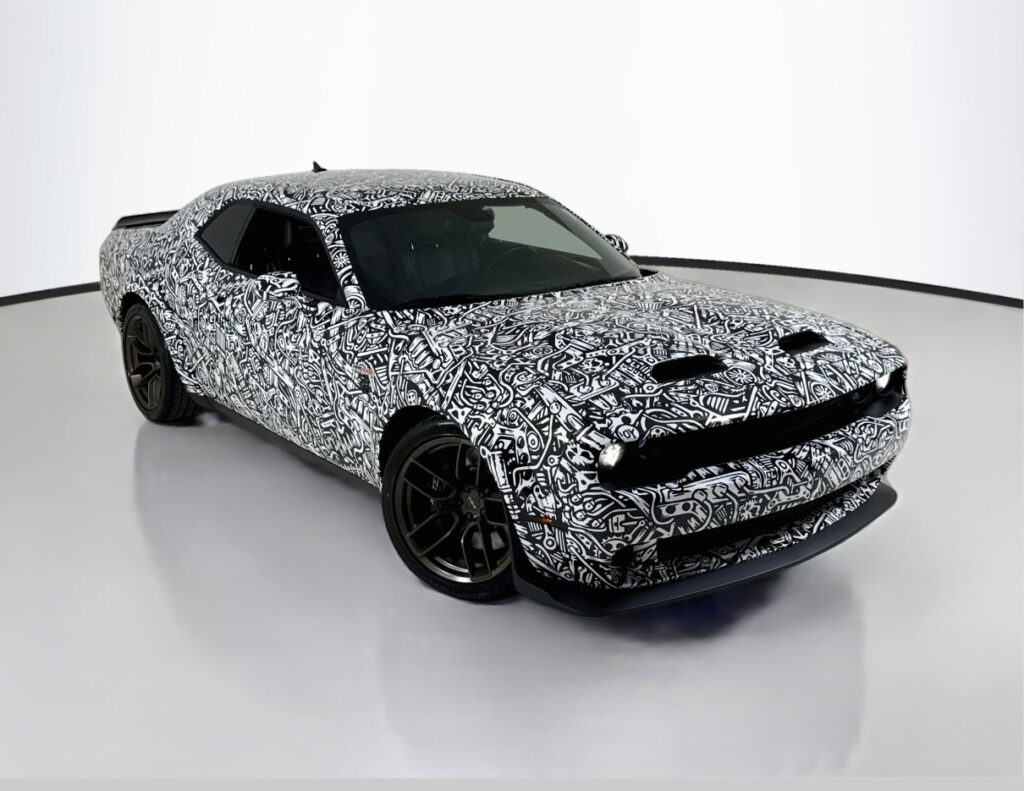
First Impressions Matter: When potential buyers browse online listings, the initial visual impression plays a significant role. High-quality studio photos convey professionalism, attention to detail, and care for presentation. In contrast, outdoor shots taken in poor lighting may appear less appealing and less professional.
2. Perceived Value: Customers often associate photo quality with the value of the product. Studio shots with proper lighting, clean backgrounds, and well-framed angles make the cars look more valuable. On the other hand, outdoor shots with shadows, reflections, or distracting elements may inadvertently lower perceived value.
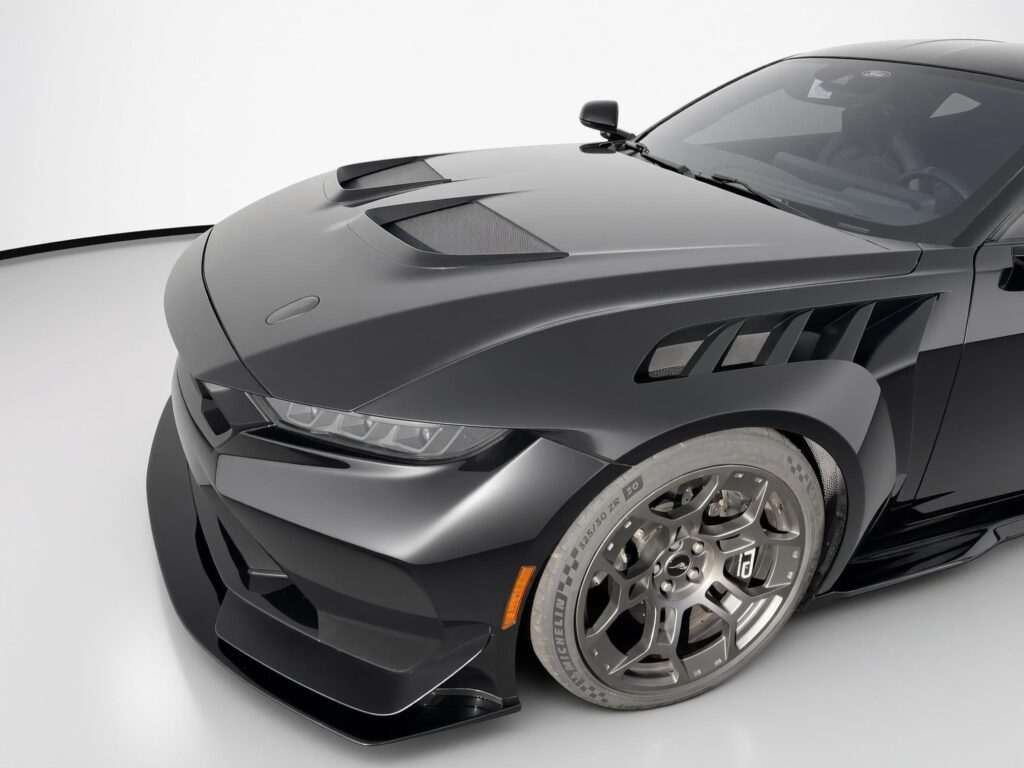
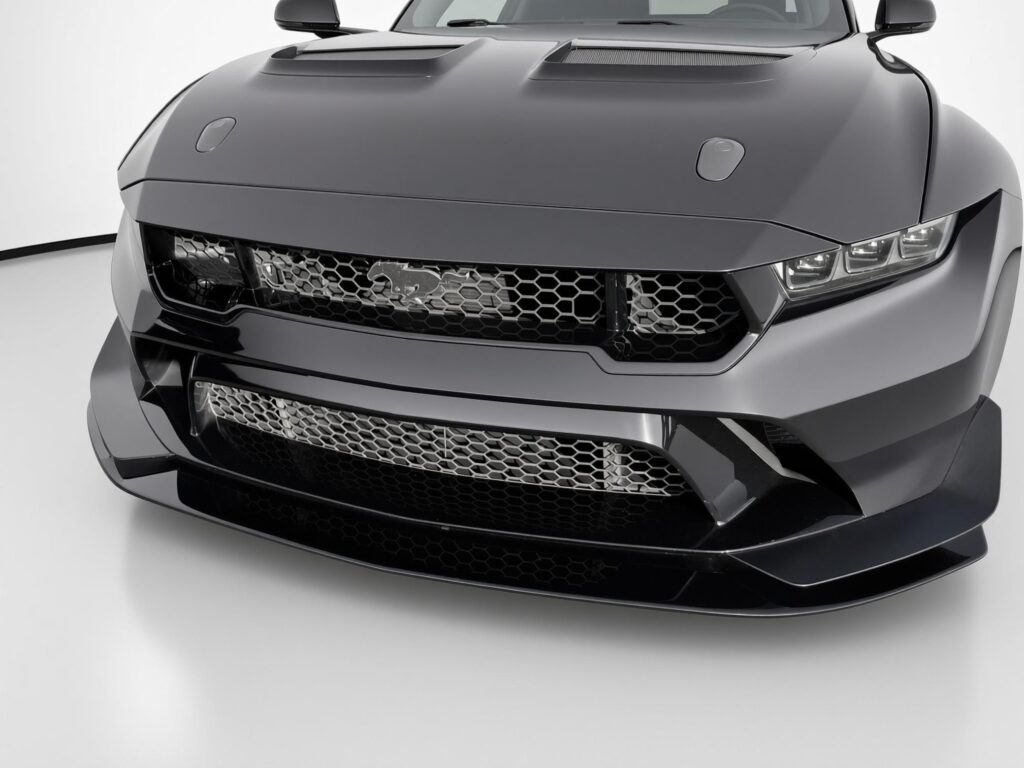
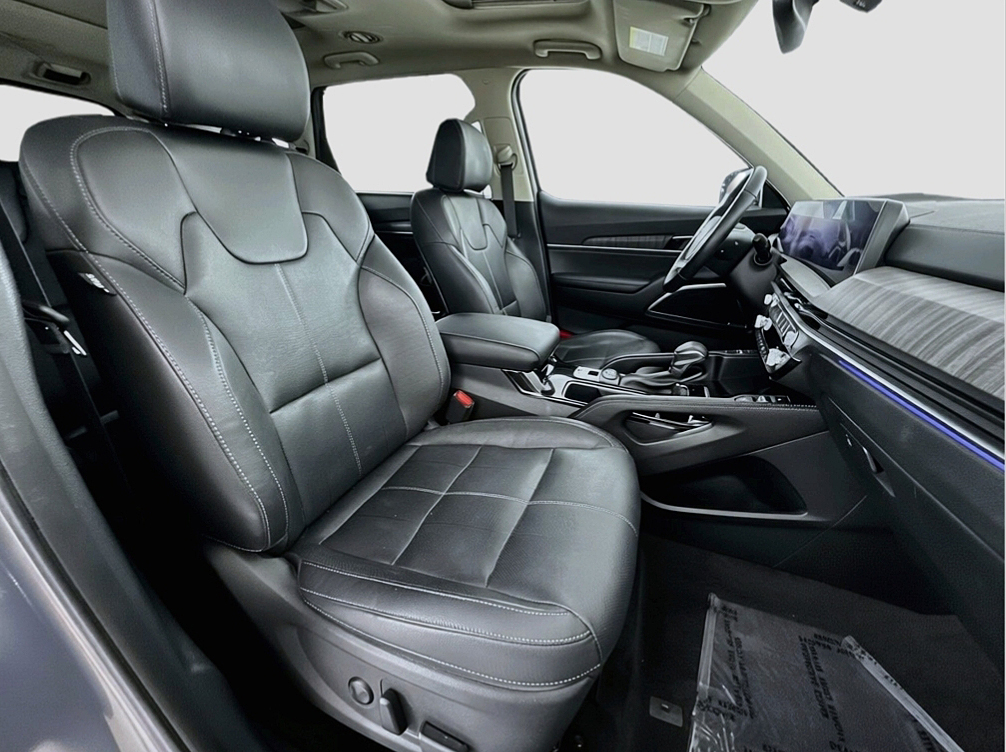
3. Attention to Detail: Studio photos allow you to highlight specific features, such as the car’s interior, dashboard, or unique selling points. Customers appreciate clear shots that showcase the vehicle’s condition. Outdoor photos, especially in adverse weather, may obscure details and fail to capture the car’s full potential.
4. Trust and Credibility: High-quality studio images contribute to the dealership’s overall trustworthiness. Customers may perceive a dealership that invests in professional photography as more reliable and committed to customer satisfaction. Conversely, outdoor photos might raise doubts about transparency or attention to detail.
5. Emotional Connection: A well-lit studio setting can evoke positive emotions. Customers envision themselves driving the car, imagining comfort, style, and performance. Outdoor shots, especially in gloomy weather, may not evoke the same emotional response.
6. Consistency: Consistency matters in branding. If your competitors consistently present their inventory with studio-quality photos, it creates a cohesive brand image. Inconsistencies (like mixing studio and outdoor shots) can confuse customers and dilute your dealership’s identity.
7. Online vs. In-Person Experience: Remember that online photos serve as a preview. Customers will eventually visit the dealership in person. If the actual cars match the high-quality studio images, it reinforces trust. Conversely, if the real cars disappoint after seeing polished studio photos, it can lead to dissatisfaction.
In summary, investing in professional studio photography can positively influence customer perception, enhance your dealership’s brand, and potentially lead to more inquiries and sales. Consider evaluating your current approach and exploring options to improve the visual representation of your inventory.
FAQ
How do studio photos change how customers see a dealership?
Studio photos with proper lighting and clean backgrounds signal professionalism and care, while outdoor shots with shadows, reflections or bad weather can look less professional and lower perceived value.
Why does photo consistency matter for a dealership brand?
Mixing studio and outdoor shots can confuse shoppers and dilute the dealership’s identity. A consistent look across inventory builds a cohesive brand.
Can photos that are too polished backfire?
Yes. If the real car disappoints after polished photos, buyers can feel misled, so photos should represent the vehicle accurately.